Velie Monocoupe | |
|---|---|
| 国家 | 美国 |
| 作用 | 运动型飞机 |
| 首次飞行 | 1928 |
| 建立 | 22+99 |
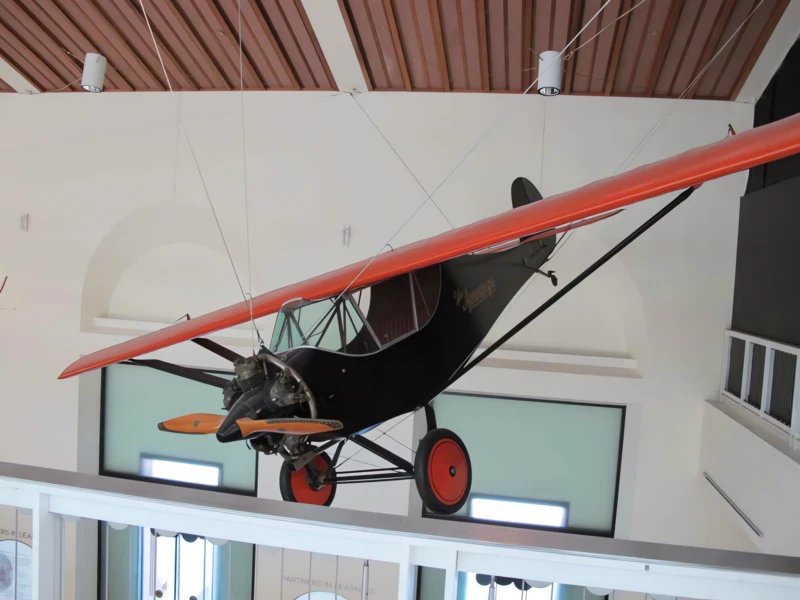
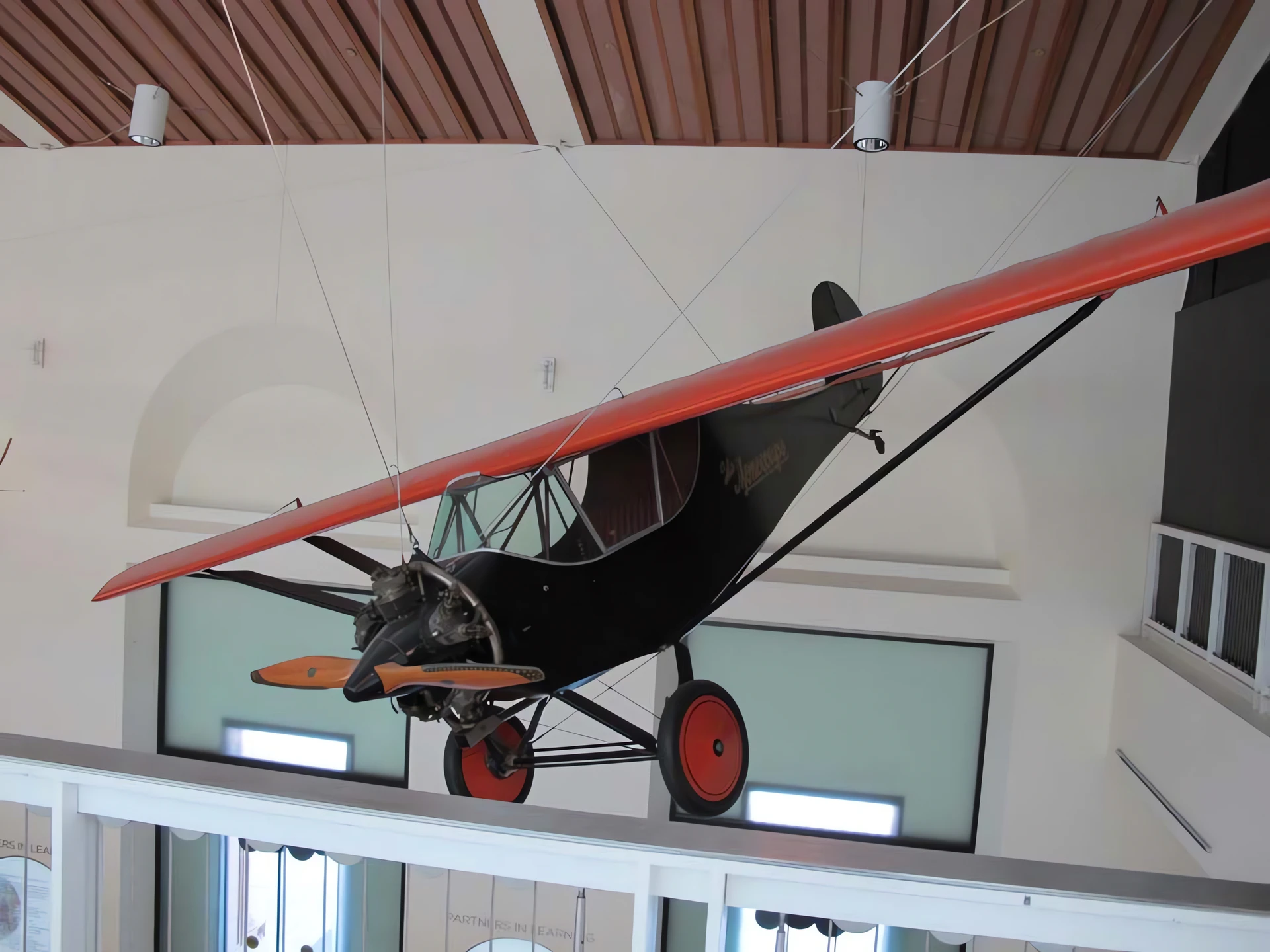
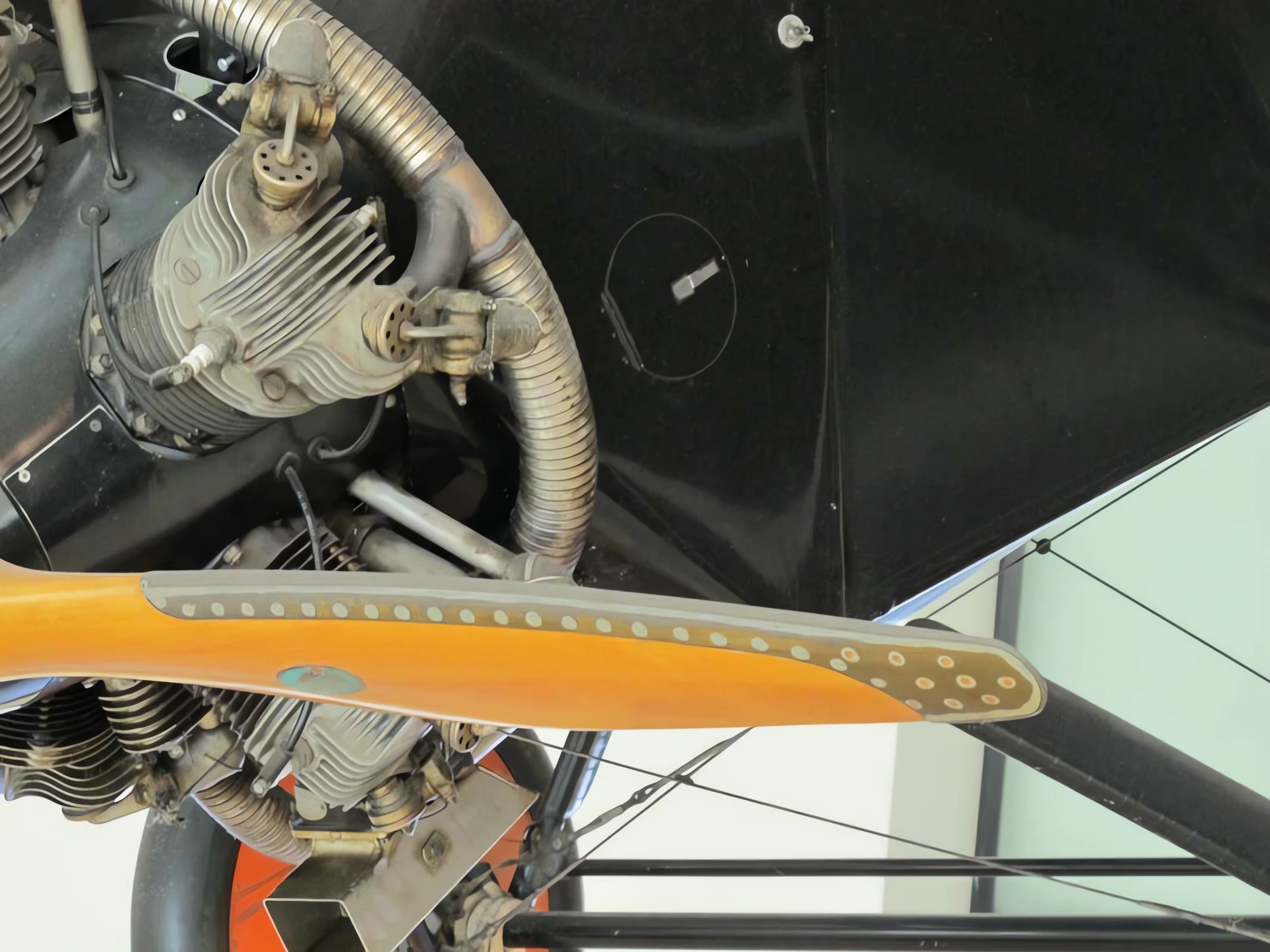
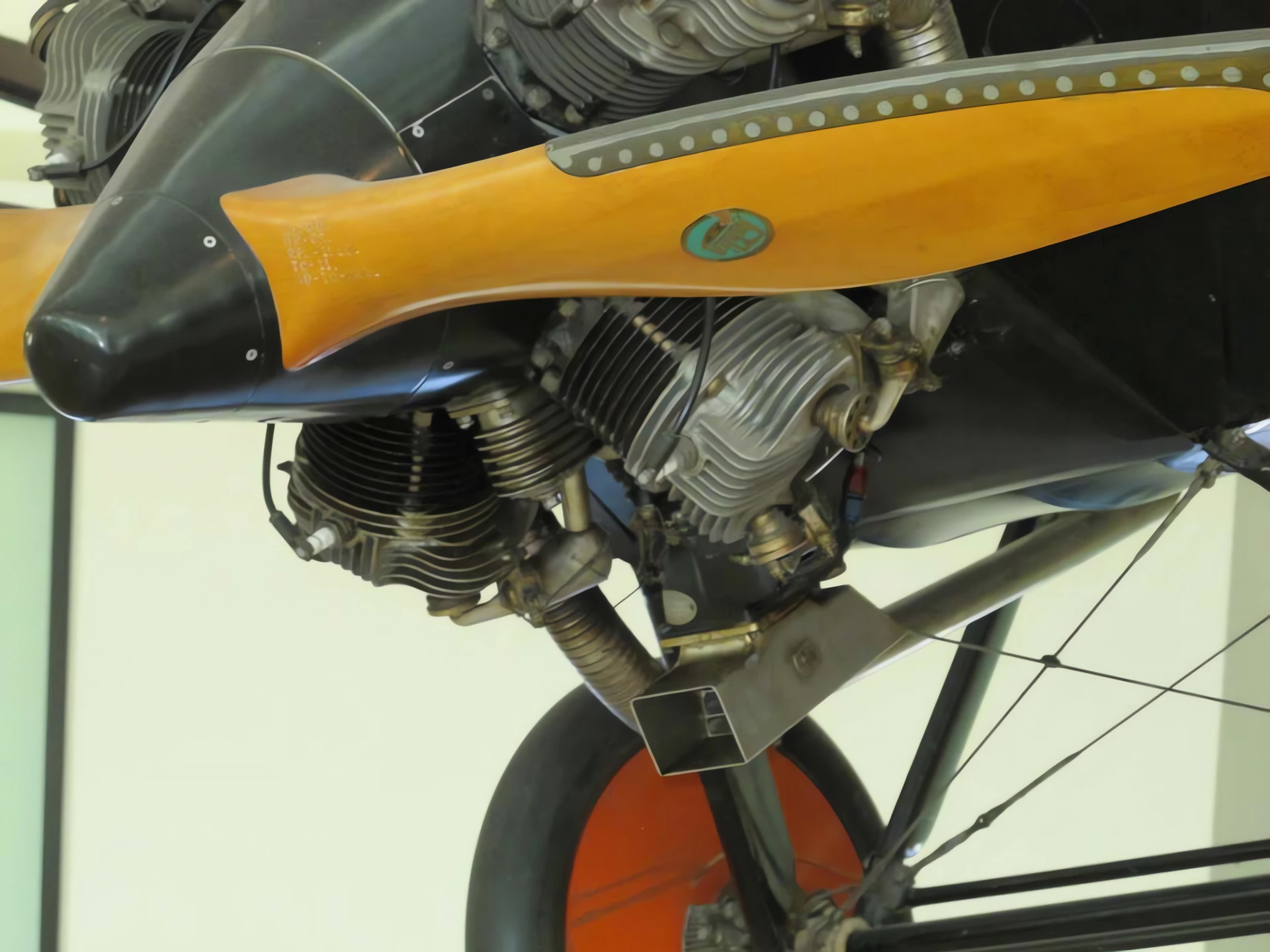
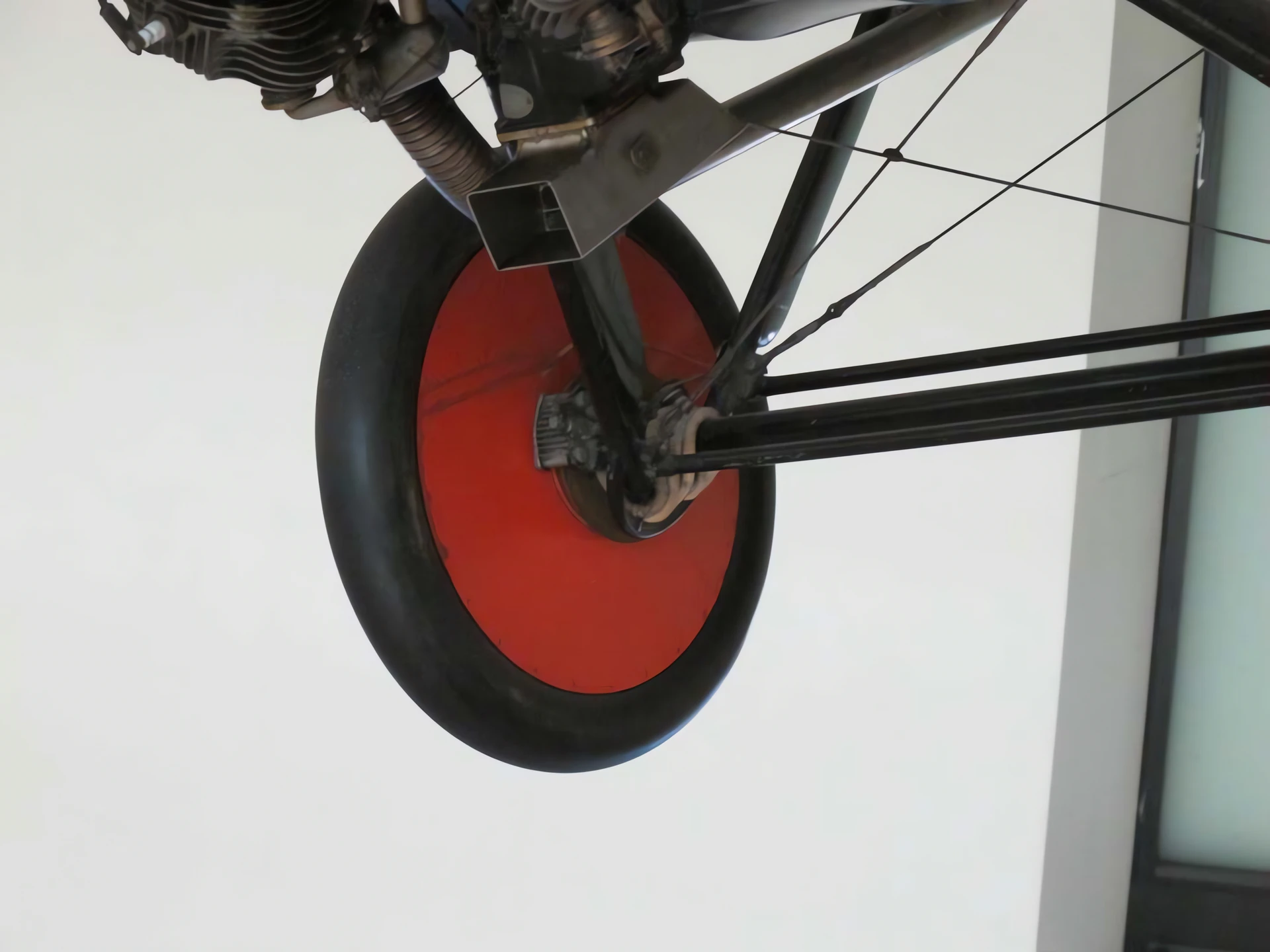
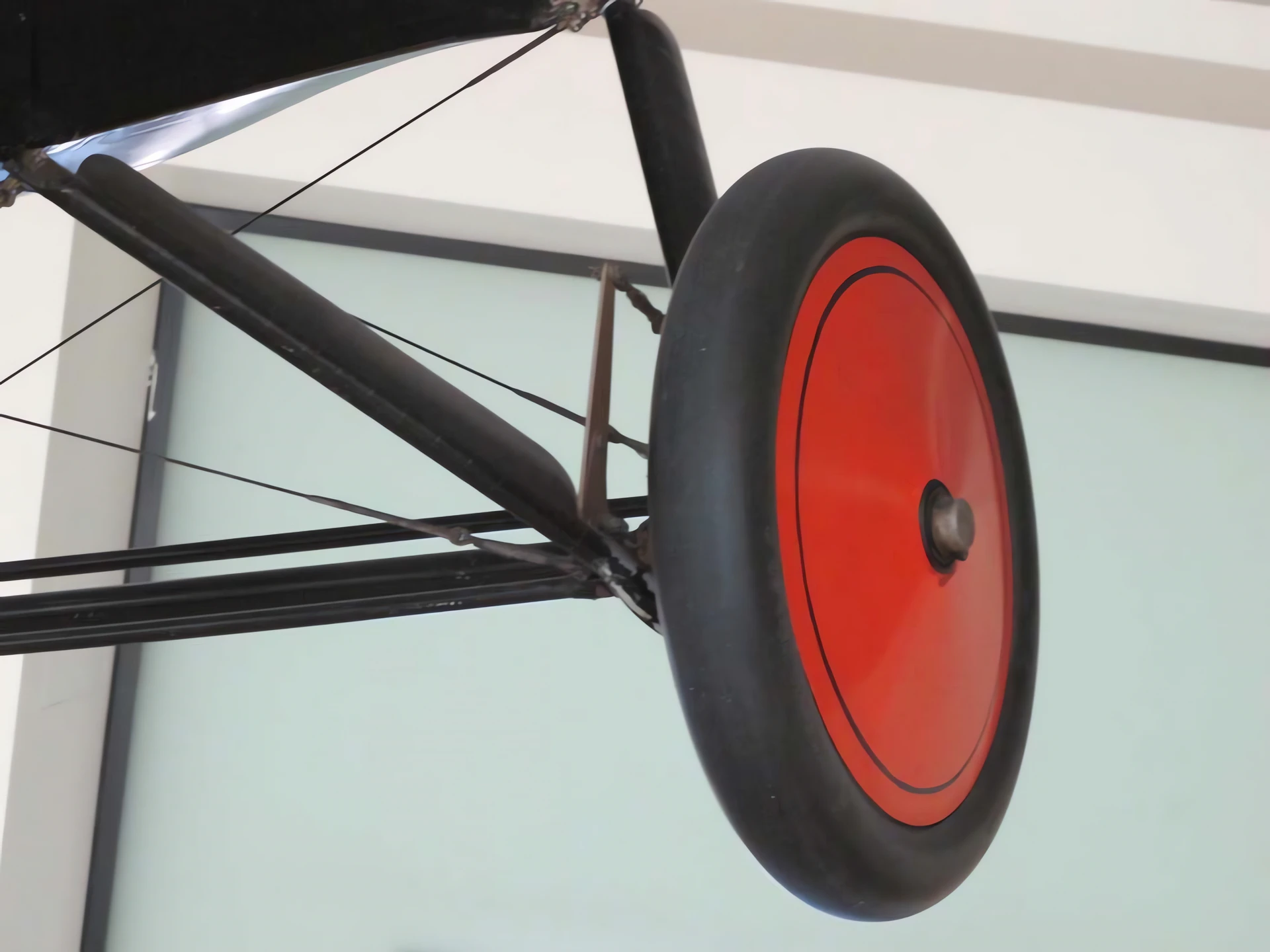
这 维利·莫诺库佩 是一架美国通用航空飞机,由维利汽车公司下属的单机公司(由约翰迪尔的母孙威拉德·维利创立)制造。
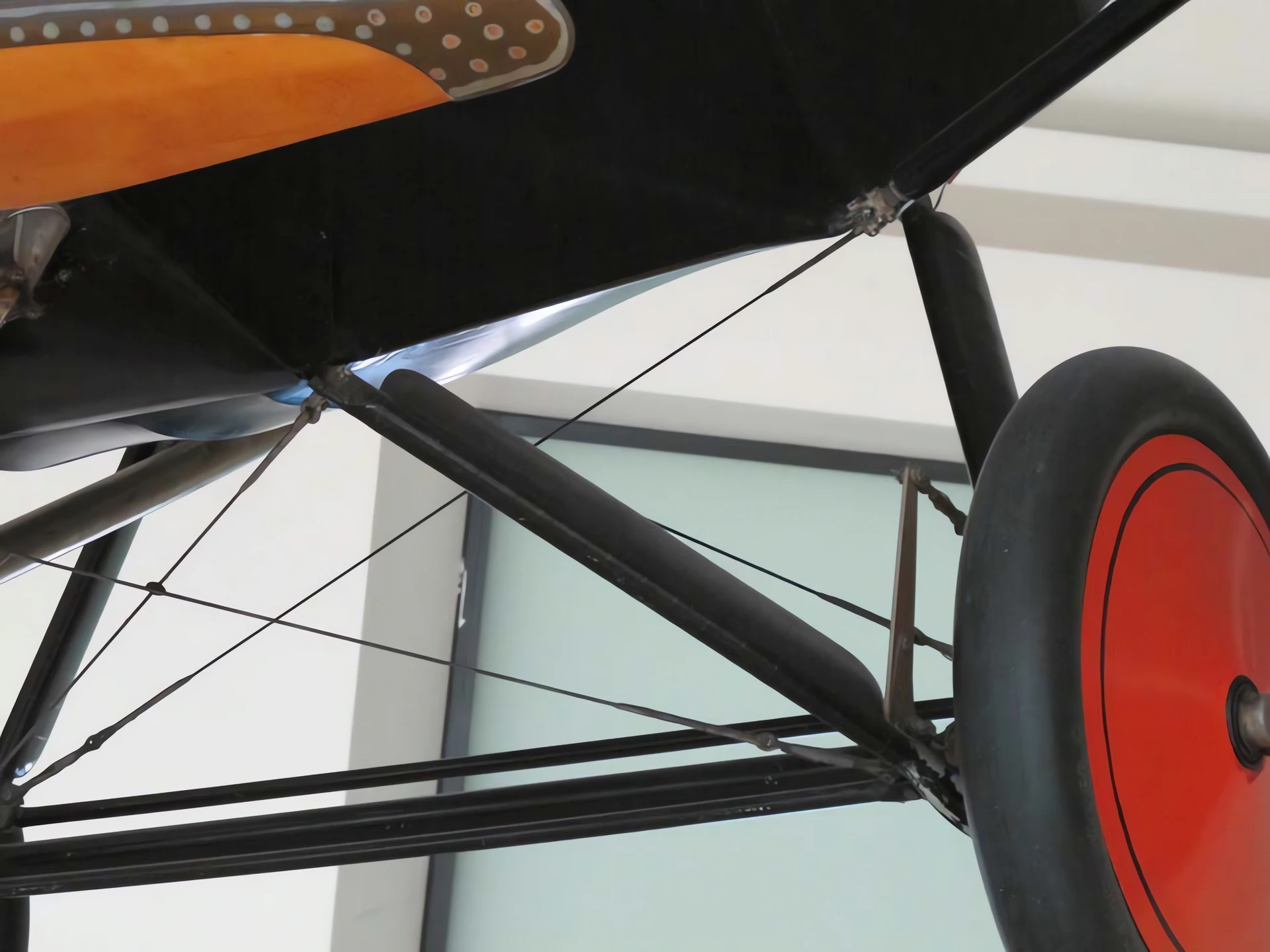
| 维利单库佩模型 70 走来走去 | |
|---|---|
| 摄影师 | 弗拉基米尔·亚库博夫 |
| 本地化 | 加州科学中心,洛杉矶 |
| 照片 | 70 |

另请参阅:


General Characteristics and Role
The Monocoupe Model 70 was a highly successful two-seat light cabin monoplane first produced by the Mono Aircraft Corporation in 1927, which was a subsidiary of the Velie Motor Company. The aircraft was one of the first light personal aircraft in the United States to feature a fully enclosed cabin—a significant luxury and safety feature at the time, differentiating it from open-cockpit biplanes. The Model 70 was designed for personal transport, training, and light commercial use, appealing to pilots seeking a reliable, high-performing aircraft that was relatively affordable. Its clean design and powerful engine for its size made it a popular choice during the late 1920s and early 1930s.
| Property | Typical Value (Model 70) |
|---|---|
| 类型 | Light Cabin Monoplane / General Aviation |
| National Origin | 美国 |
| 制造商 | Mono Aircraft Corporation (Velie Motor Co.) |
| First Flight | 1927 (Monocoupe series) |
| 船员 | 1 (Pilot) |
| 能力 | 1 Passenger |
| 长度 | 5.97 m (19 ft 7 in) |
| 翼展 | 9.73 m (31 ft 11 in) |
| Empty Weight | 415 kg (915 lb) |
Powerplant and Construction
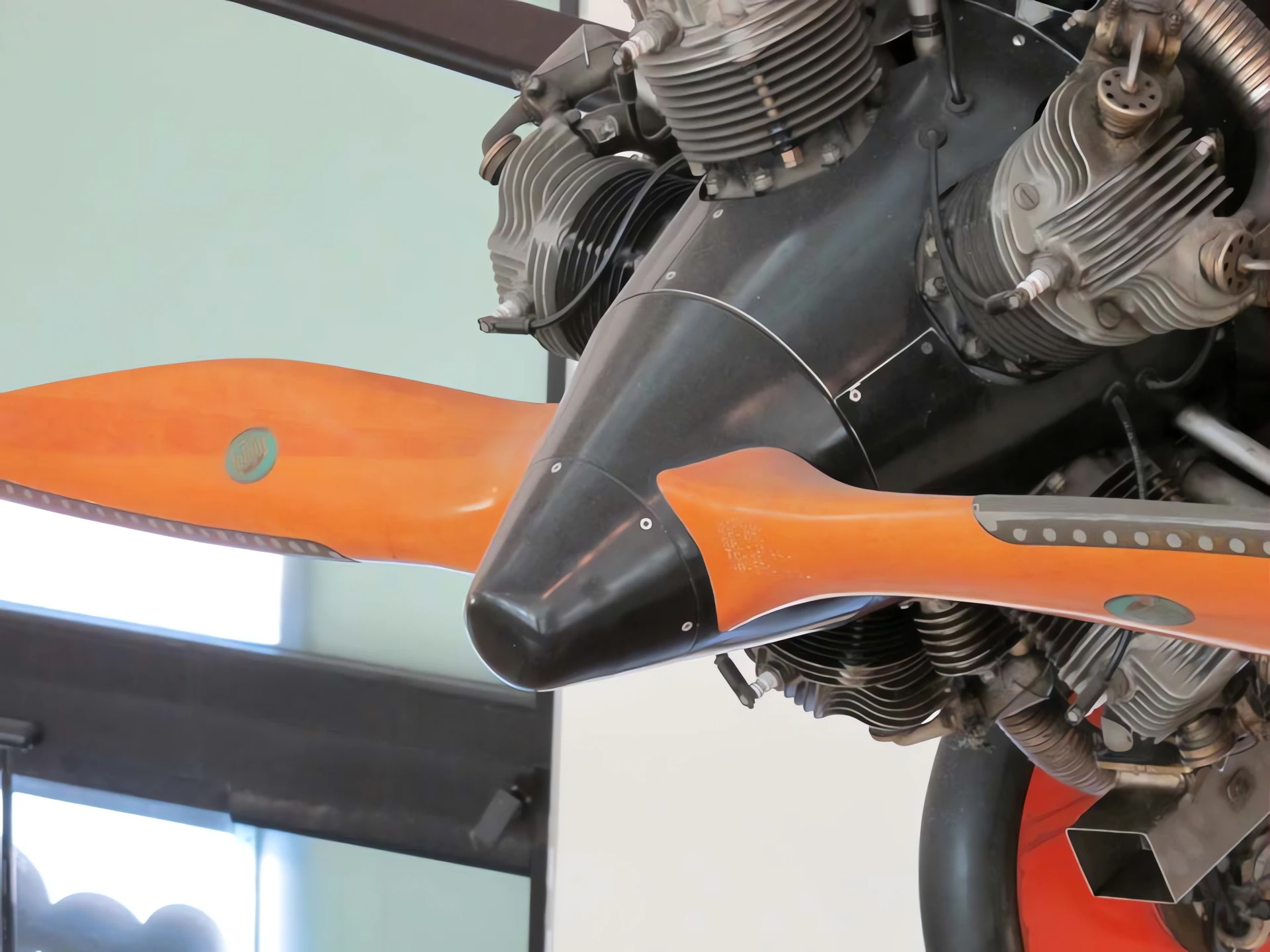
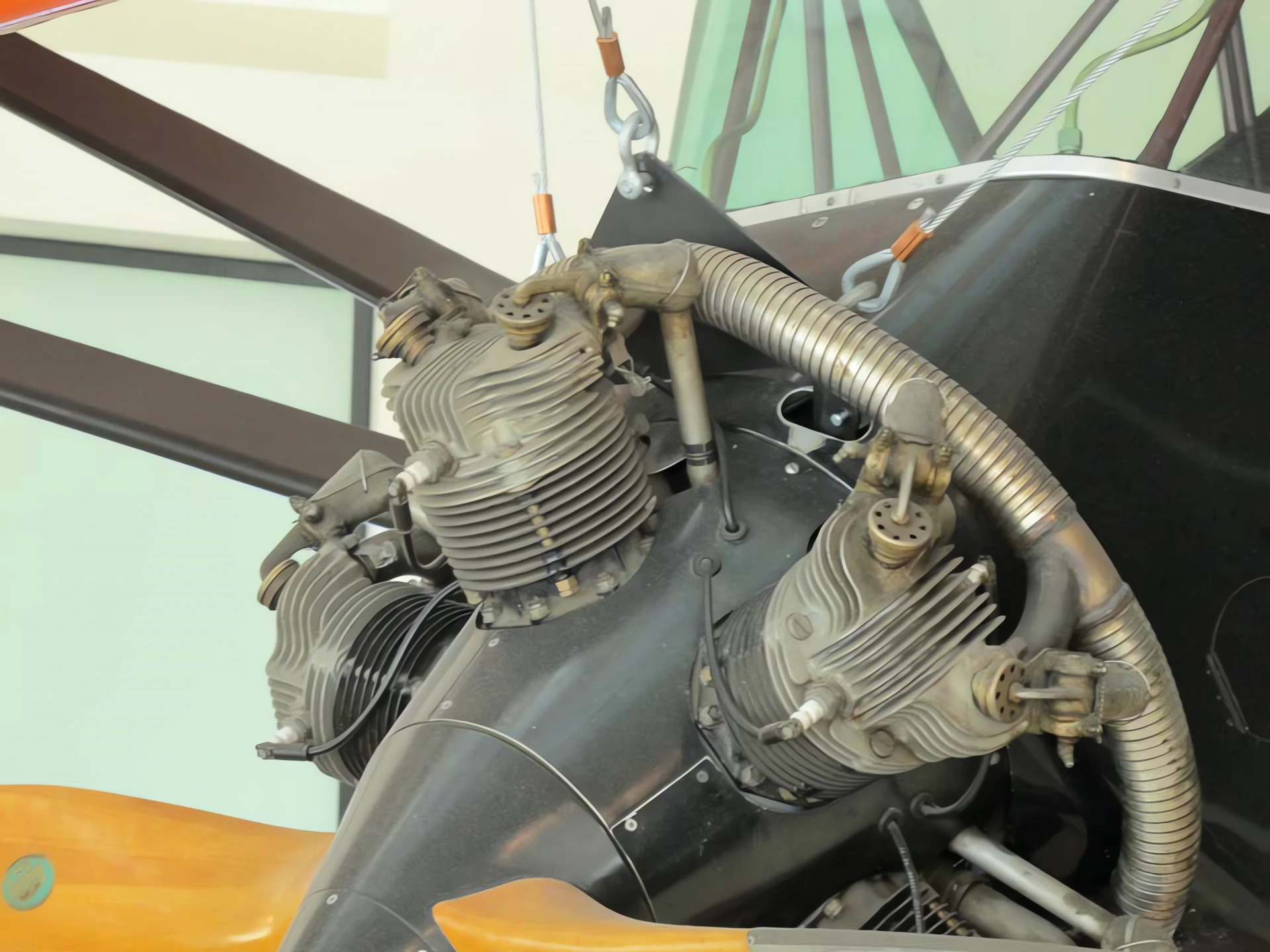
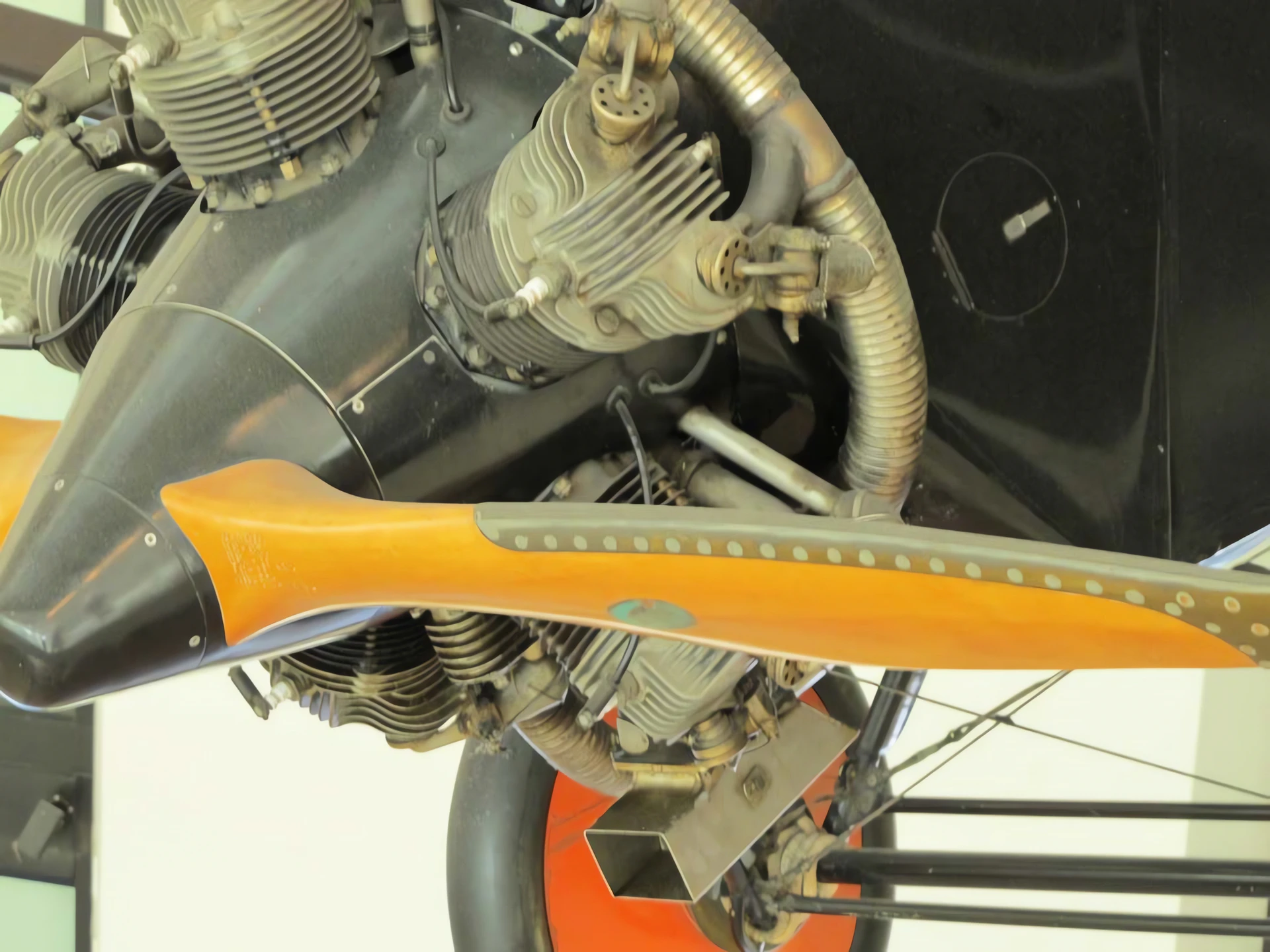
- Engine: 1 x Velie M-5 5-cylinder, air-cooled radial engine.
- Power Output: 65 hp (48 kW).
- Construction: The fuselage was built of welded steel tube covered in fabric. The wings were built of wooden spars and ribs, also covered in fabric.
- Cruising Speed: 145 km/h (90 mph).
- Maximum Speed: 169 km/h (105 mph).
- Range: Approximately 805 km (500 mi).
- Undercarriage: Fixed conventional landing gear with a tail skid (later tailwheel).
Legacy and Historical Significance
- Pilot Appeal: The Monocoupe Model 70 was noted for its excellent performance and ease of handling relative to its contemporaries, making it a highly desirable machine for early private pilots.
- Evolution: The design was highly adaptable. Subsequent models in the Monocoupe line, such as the Model 90 and the powerful racing variants, used larger engines and improved airframes, building directly on the Model 70’s success.
- Commercial Success: It was one of the first commercially successful light aircraft designs in the US that was not a biplane, paving the way for the enclosed cabin monoplanes that would dominate general aviation in the 1930s.
- Preservation: A number of the Monocoupe 70s and their variants have been meticulously restored and remain popular at air shows and in vintage aircraft collections today.
意见:1238