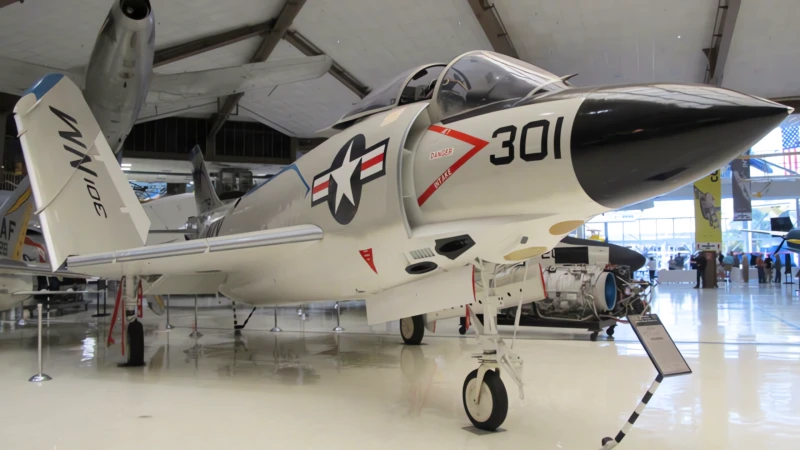
McDonnell F3H Demon |
|
|---|---|
| 国家 | 美国 |
| 作用 | 基于航母的战斗机 |
| 首次飞行 | 1951年8月7日 |
| 建立 | 519 |
这 麦克唐纳F3H 恶魔是一架亚音速横扫翼美国海军航母的喷气式战斗机。F2H班希的继任者,恶魔被重新设计与J71发动机后,严重的问题与西屋J40发动机,这是原来的设计的一部分,但最终放弃了。虽然它缺乏足够的超音速性能能力,但它补充了日光斗狗者,如沃夫特F8U十字军和格鲁曼F11F老虎作为全天候的,导弹武装拦截器,直到1964年。
源: 维基百科上的麦克唐纳 F3h 恶魔
| McDonnell F3H-2M Demon Walk Around | |
|---|---|
| 摄影师 | 塞斯·亨德里克斯 |
| 本地化 | 未知 |
| 照片 | 47 |
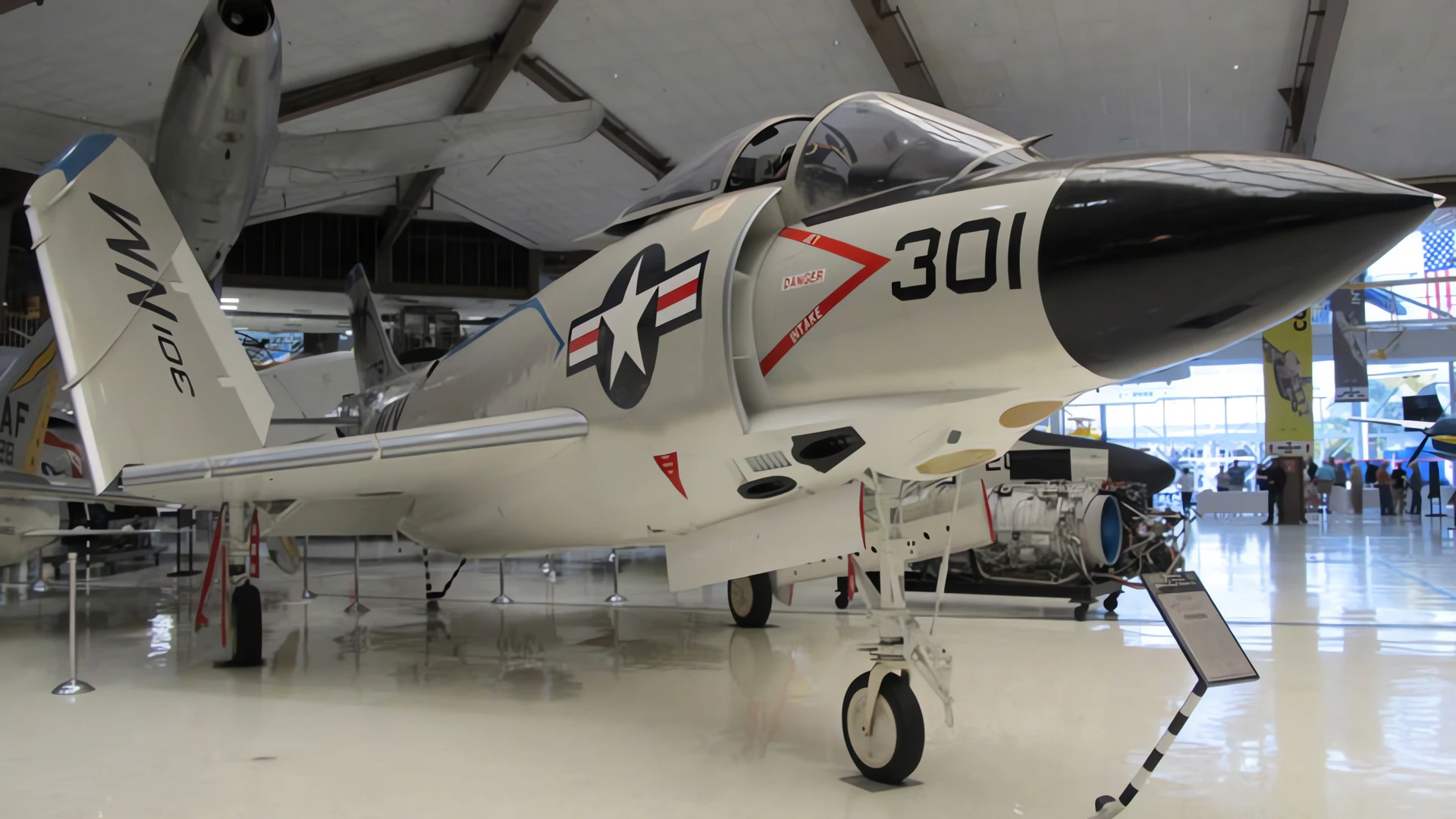
McDonnell F3H-2M Demon 01
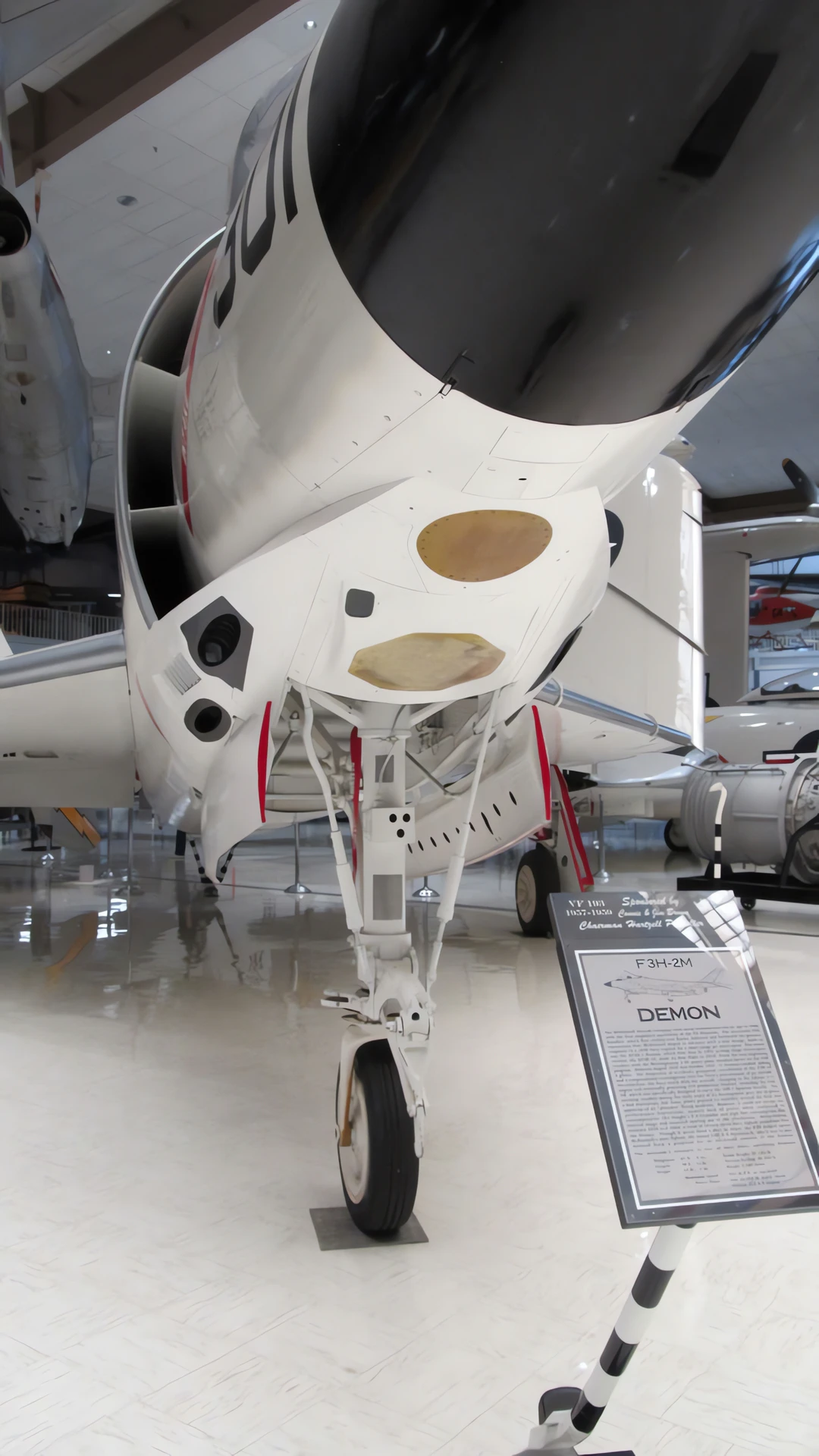
McDonnell F3H-2M Demon 02
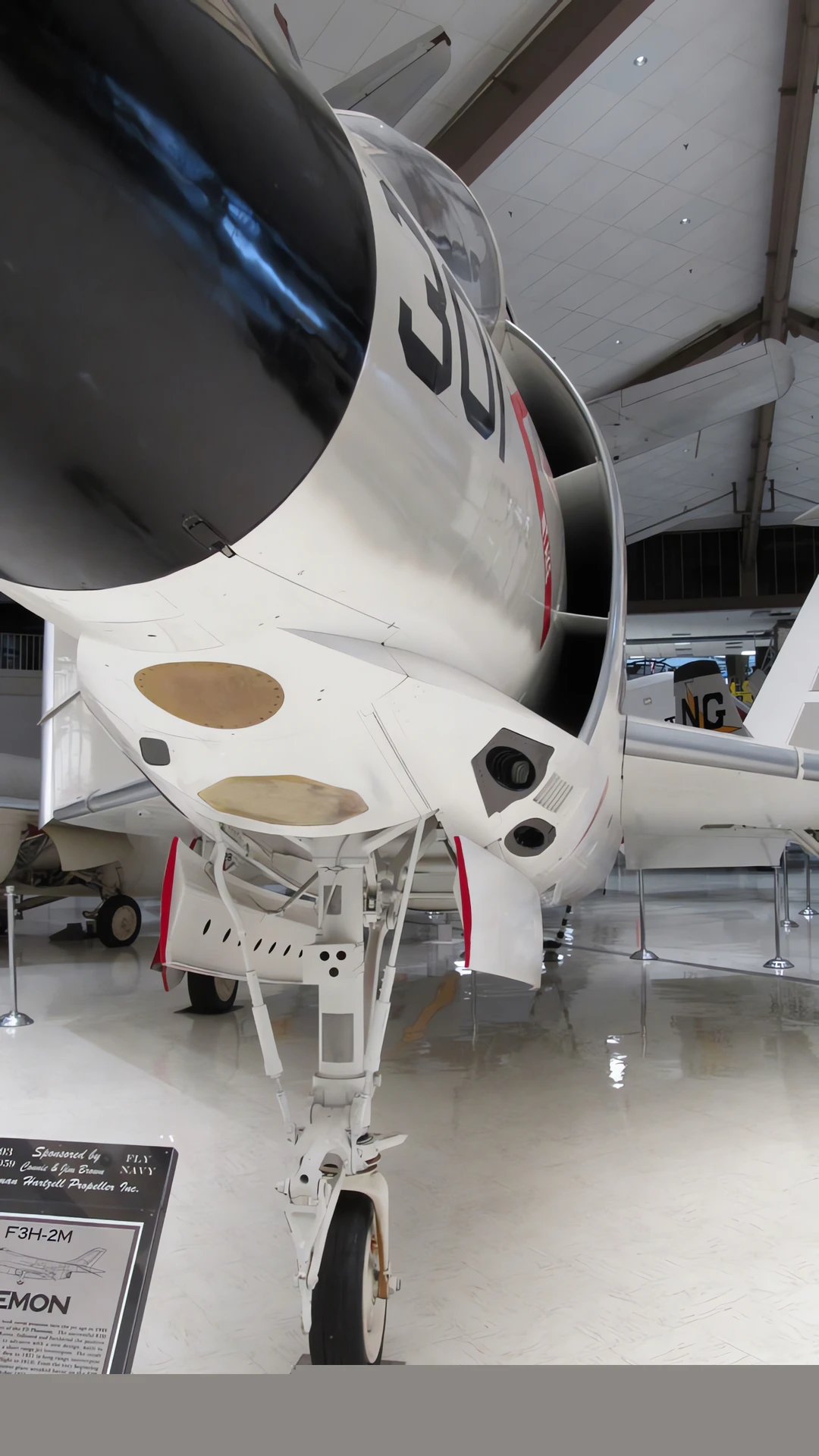
McDonnell F3H-2M Demon 03
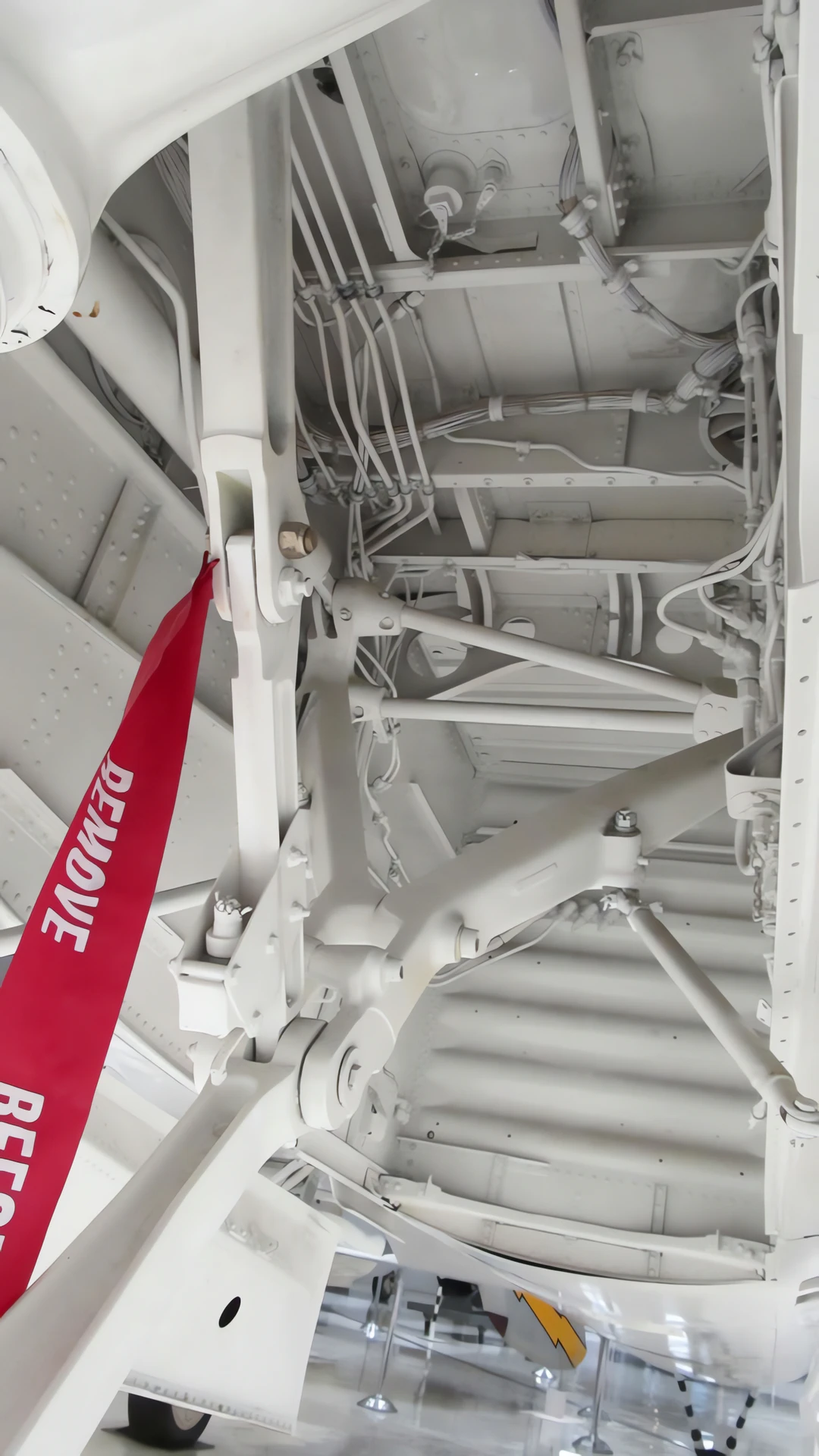
McDonnell F3H-2M Demon 04
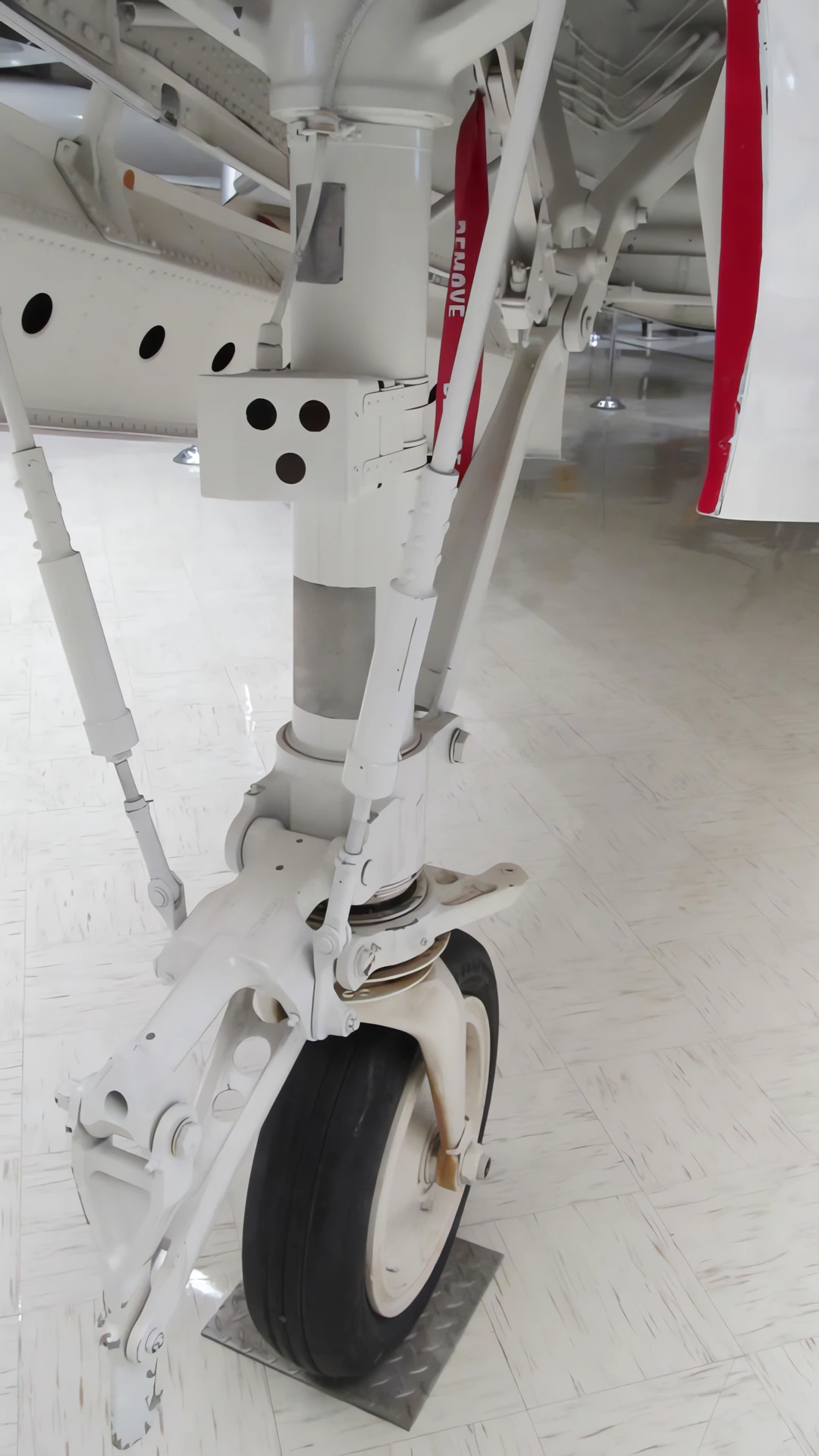
McDonnell F3H-2M Demon 05
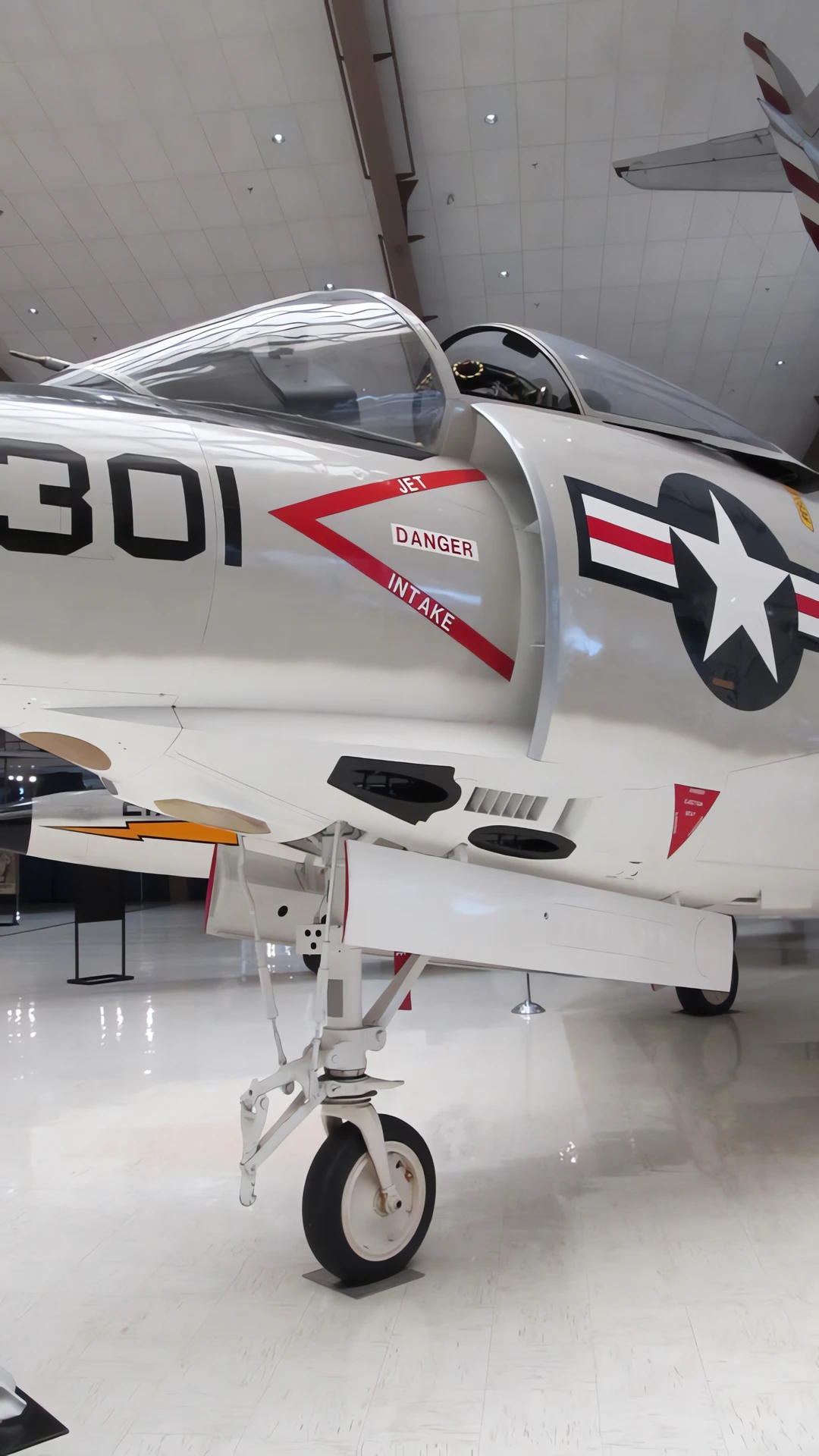
McDonnell F3H-2M Demon 06
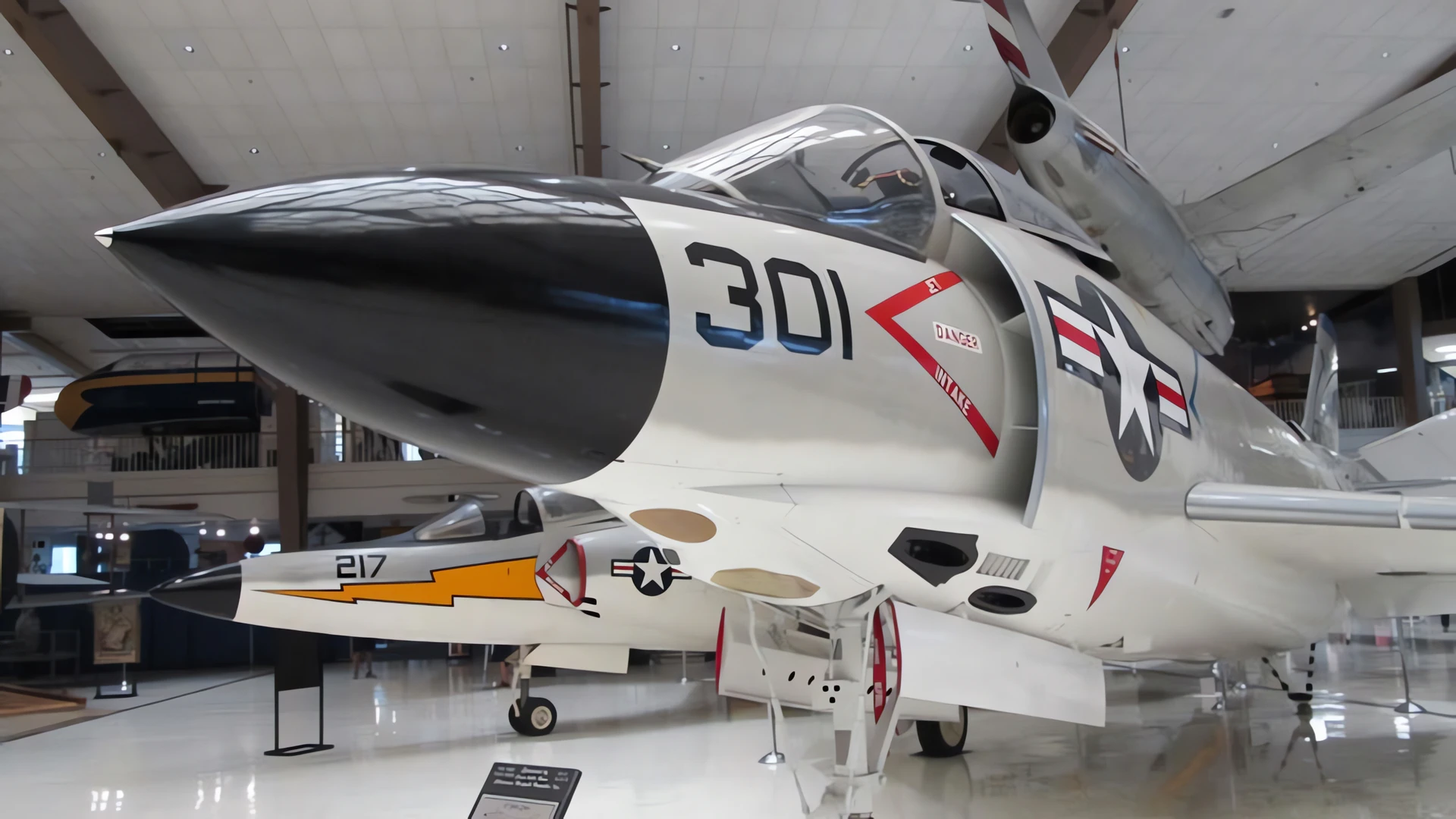
McDonnell F3H-2M Demon 07
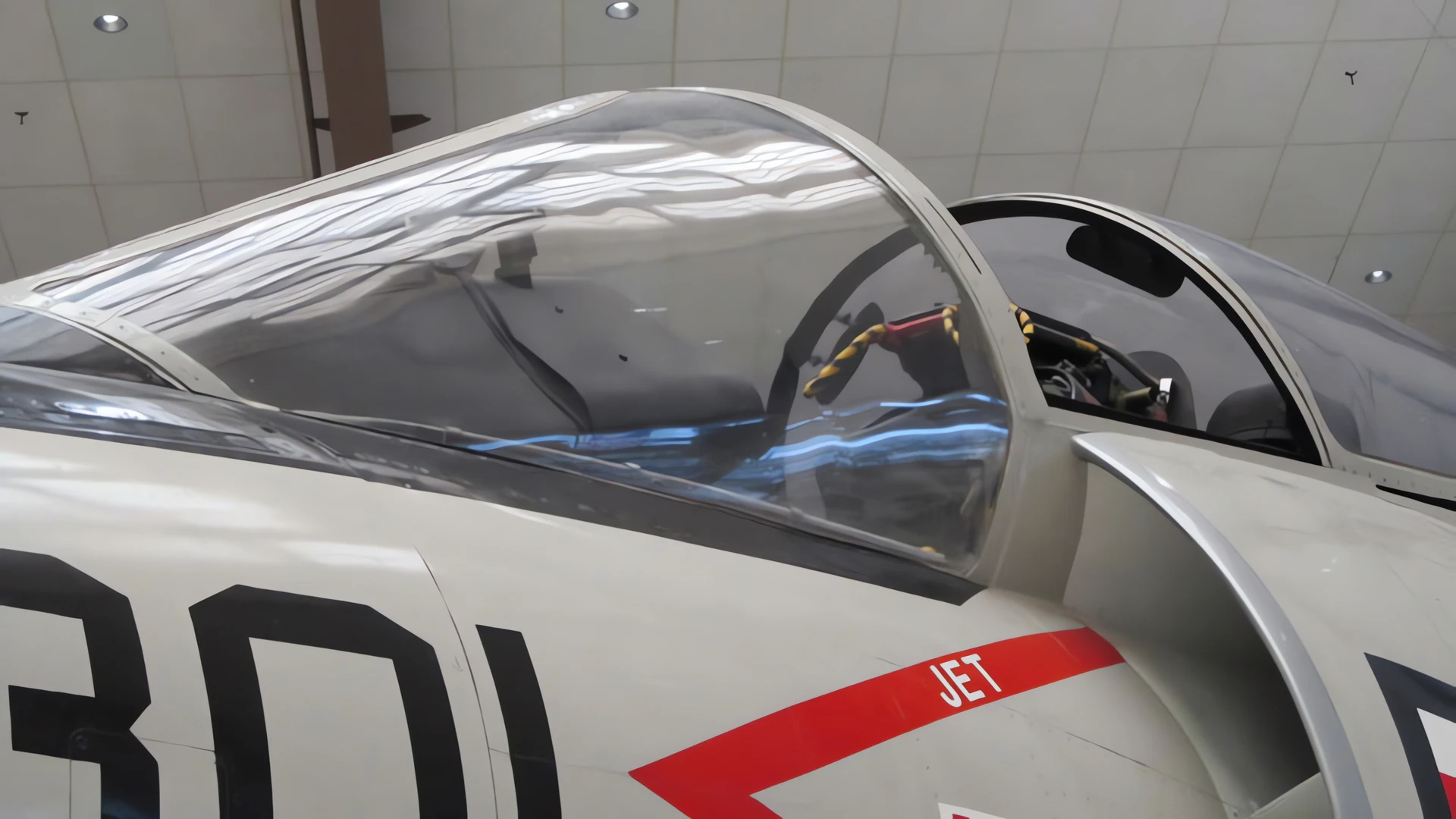
McDonnell F3H-2M Demon 08
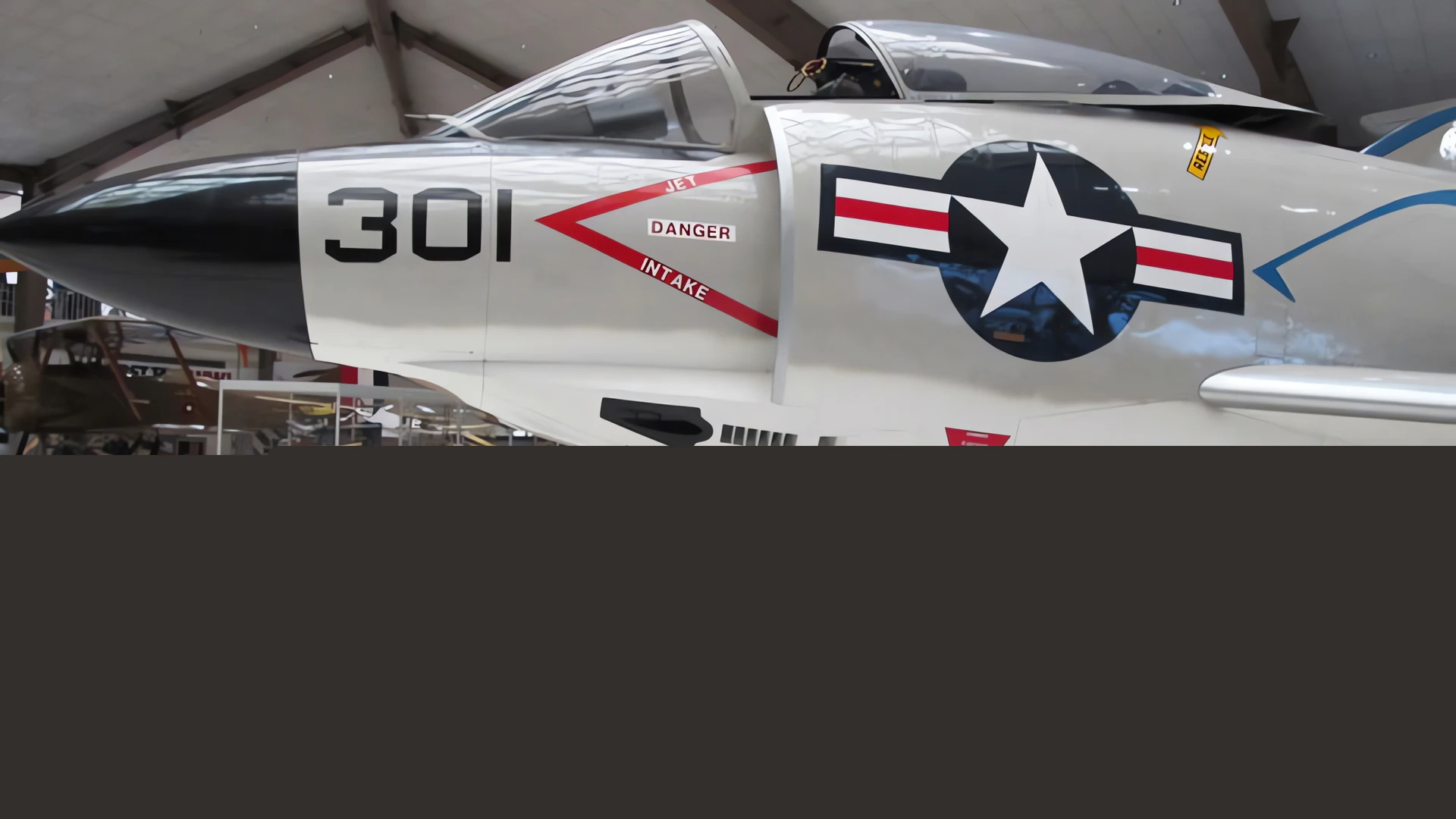
McDonnell F3H-2M Demon 09
等等,找麦克唐纳F3H恶魔找你。。。

| F3H-2M Demon Walk Around | |
|---|---|
| 摄影师 | Mike Fortin |
| 本地化 | 未知 |
| 照片 | 58 |
| McDonnell F3H-2N (F-3B) Demon Walk Around | |
|---|---|
| 摄影师 | Weichao Chen |
| 本地化 | 未知 |
| 照片 | 22 |
另请参阅:


The “Lead Sled” that Paved the Way
这 麦克唐纳 F3h 恶魔 was a transitionary swept-wing carrier-based jet fighter that served as the predecessor to the legendary F-4 Phantom II. While the early models were plagued by a disastrously underpowered Westinghouse engine, the F3H-2M variant (later designated F-3C) fixed many of these issues with the Allison J71. The “M” stood for 导弹, as this specific version was optimized to carry the first radar-guided air-to-air missiles, changing naval aerial combat from dogfighting to “beyond visual range” interceptions.
| Attribute | Technical Specification (F3H-2M) |
|---|---|
| 作用 | All-Weather Carrier-based Interceptor |
| 船员 | 1 (Pilot) |
| First Flight | August 7, 1951 (XF3H-1) |
| 动力装置 | 1 × Allison J71-A-2E afterburning turbojet |
| Thrust | 14,000 lbf (62.3 kN) with afterburner |
| 最高速度 | 716 mph (1,152 km/h) / Mach 0.95 |
| Primary Armament | 4 × AIM-7 Sparrow radar-guided missiles |
| 次要武器 | 4 × 20mm Colt Mk 12 cannons |
Engineering the Missile Age
- The Sparrow Missile Platform: The F3H-2M was the first operational fighter integrated with the AIM-7 Sparrow. This required a sophisticated radar system capable of “illuminating” the target for the missile’s seeker head to follow.
- Large Wing Area: To maintain maneuverability at high altitudes and safe landing speeds on carriers, the Demon featured a very large wing area (over 500 sq ft). This gave it excellent “lift,” but the resulting drag limited it to subsonic speeds in level flight.
- High-Cockpit Visibility: The pilot sat quite high in the fuselage with a “greenhouse” canopy that provided excellent visibility for carrier approaches—a design trait McDonnell would carry over into the Phantom.
- The “Beaver Tail”: The rear fuselage tapered into a flat, wide fairing known as a “beaver tail,” which housed the arrestor hook and helped manage the aerodynamics of the afterburning exhaust.
A Difficult Birth and a Lasting Legacy
- The Engine Crisis: The early F3H-1 used the Westinghouse J40 engine, which was so unreliable and underpowered that several aircraft were lost in accidents, and the Navy eventually grounded the entire fleet until the Allison J71 could be fitted.
- All-Weather Capability: Despite its early troubles, the Demon was a true all-weather fighter. Its radar and automated fire control systems allowed it to operate effectively in the dark and through heavy cloud cover, a necessity for protecting the fleet.
- Blueprint for the Phantom: You can see the “family resemblance” between the Demon and the later F-4 Phantom II. McDonnell used the lessons learned from the Demon’s radar integration and airframe layout to build the world-beating F-4.
- Preservation: Several Demons are preserved in the United States, most notably at the National Museum of Naval Aviation in Pensacola, Florida, and the Intrepid Sea, Air & Space Museum in New York.
浏览数 : 5508