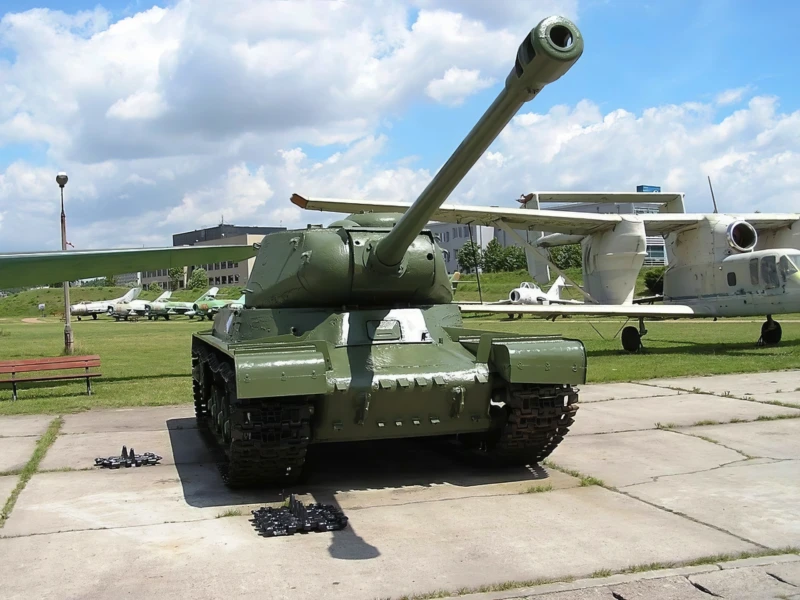
IS-2 | |
|---|---|
| 国家 | 苏联 |
| 类型 | 重型坦克 |
| 描述 | 专辑 33 照片走动的«IS-2» |
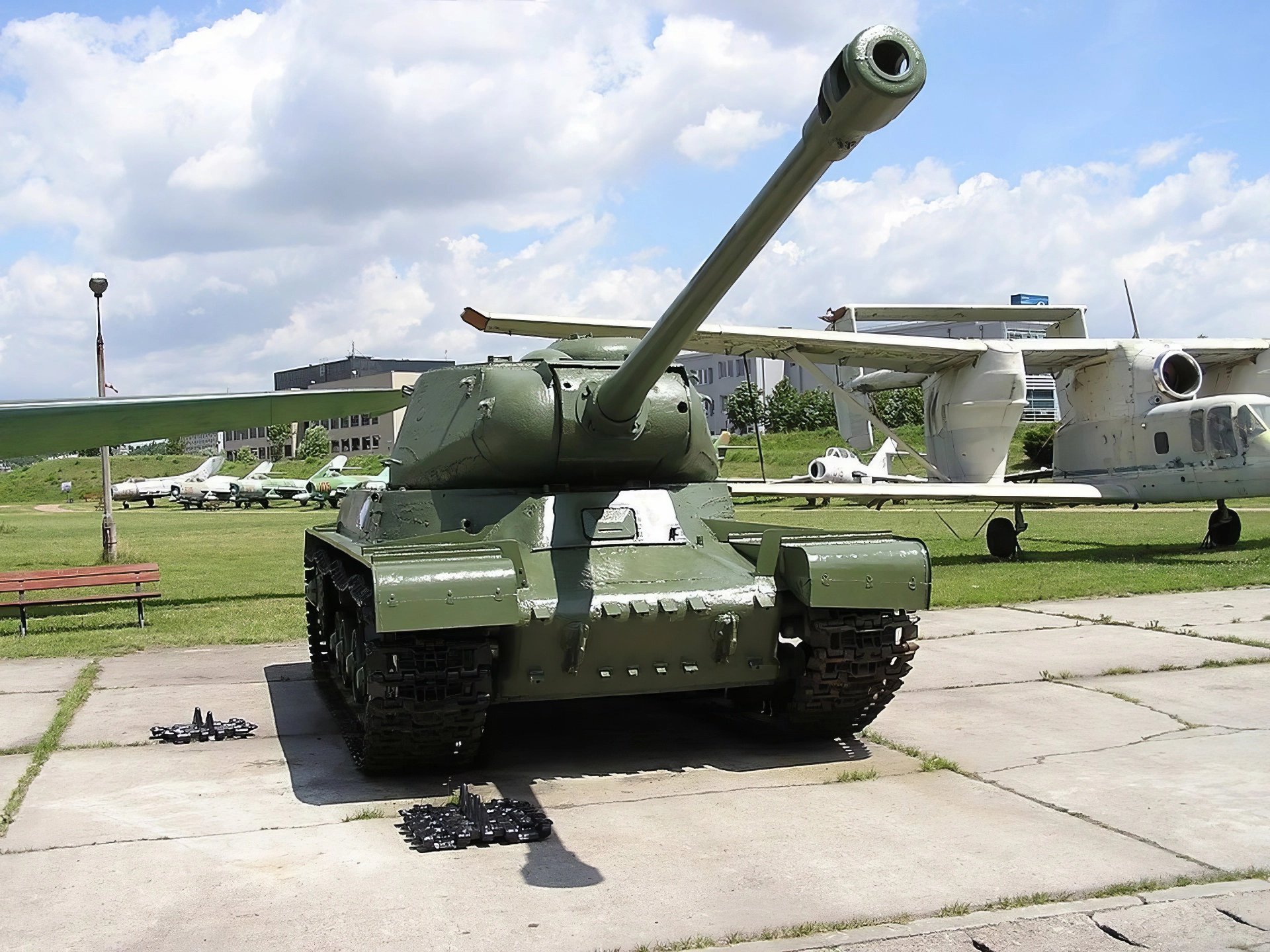
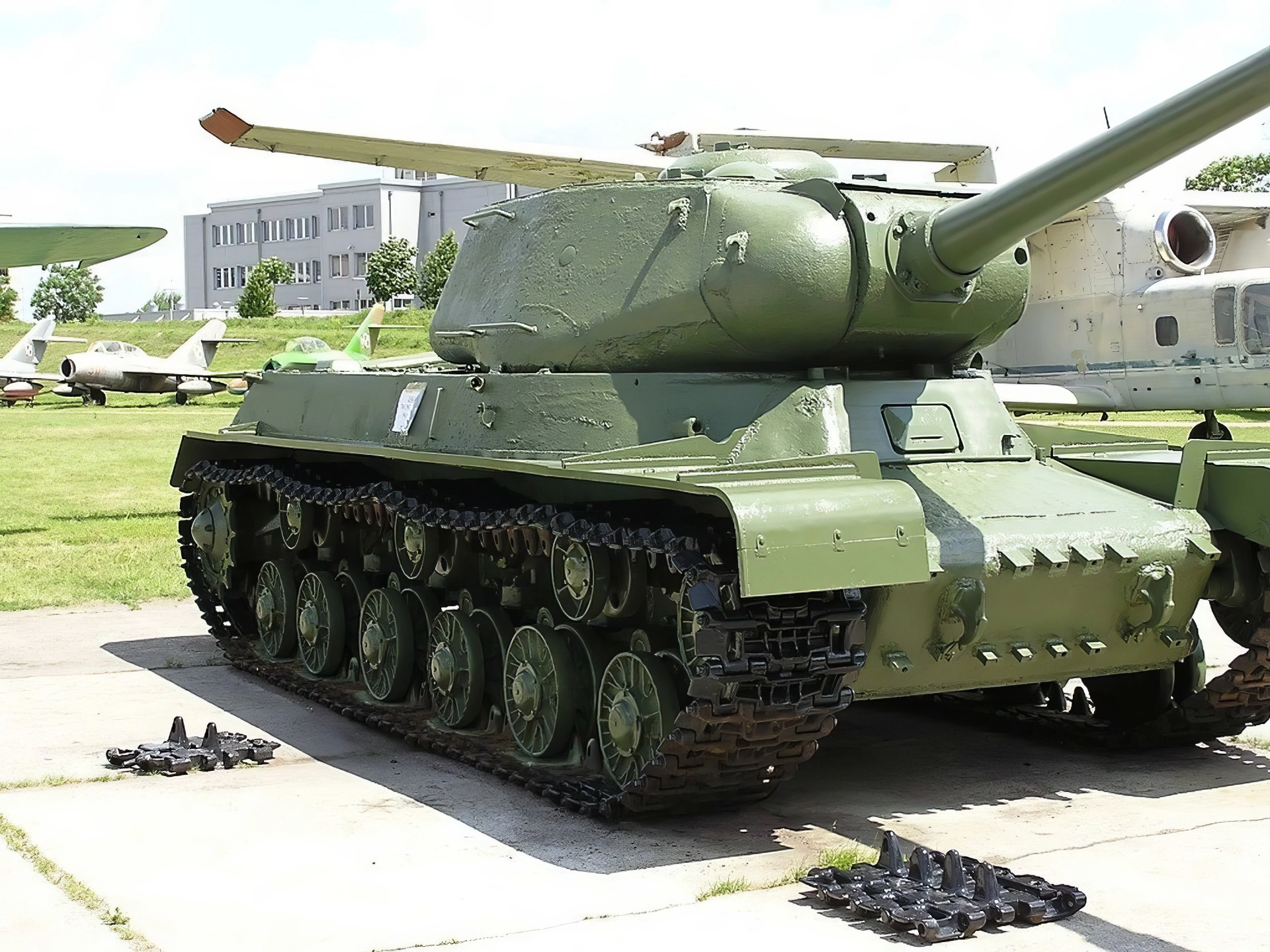
"奥西夫·斯大林"坦克是苏联在二战期间作为KV系列的接班人而研制的一系列重型坦克。重型坦克设计有厚装甲,以对抗德国88毫米枪,并携带主炮,能够击败德国老虎和黑豹坦克。它主要是一个突破性的坦克,发射一个重型高爆炸性炮弹,是有用的,对巩固和掩体。IS-2于1944年4月投入使用,在战争的最后阶段首次被红军用作柏林战役的先锋。
源: 坦克世界
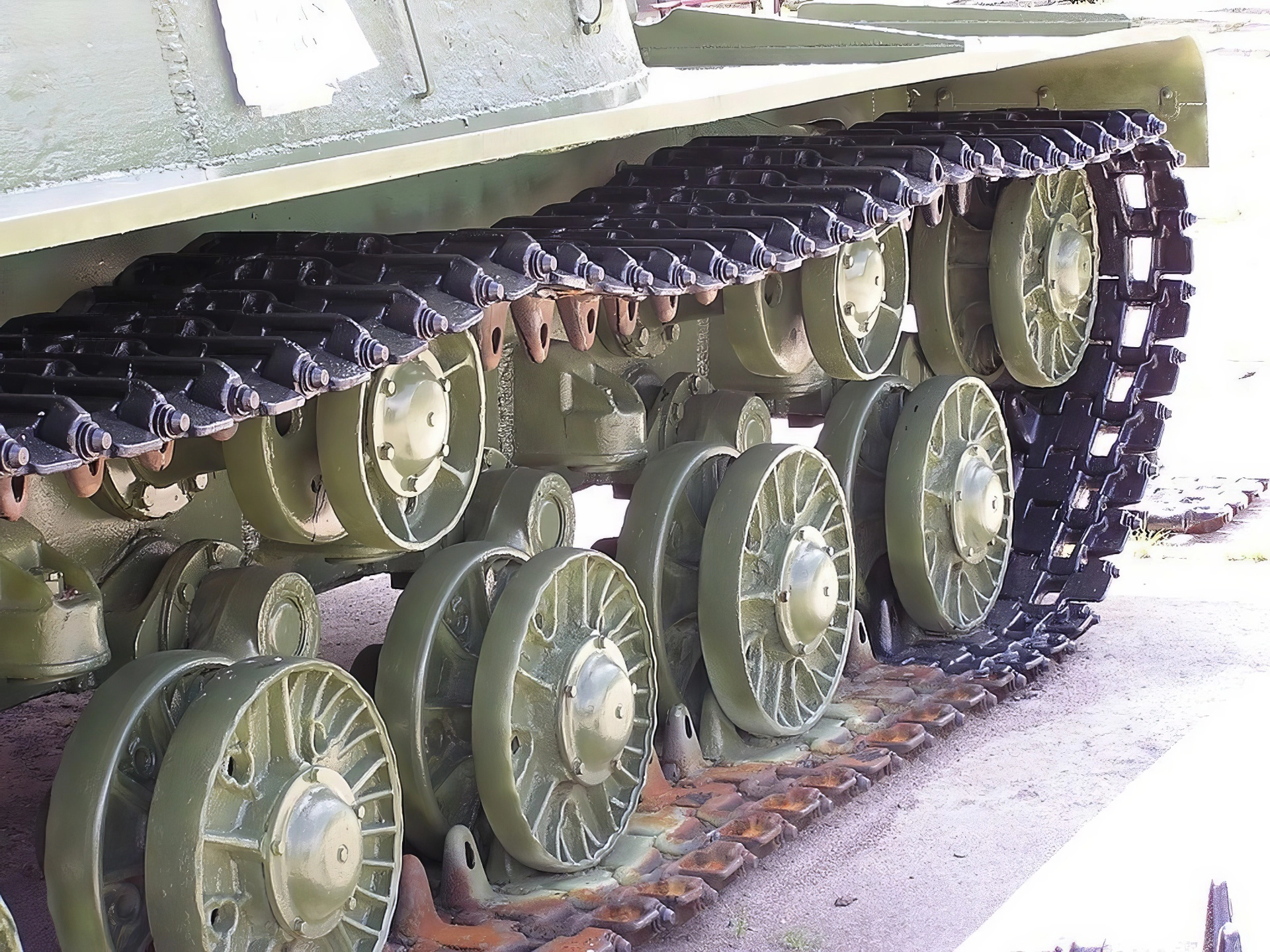

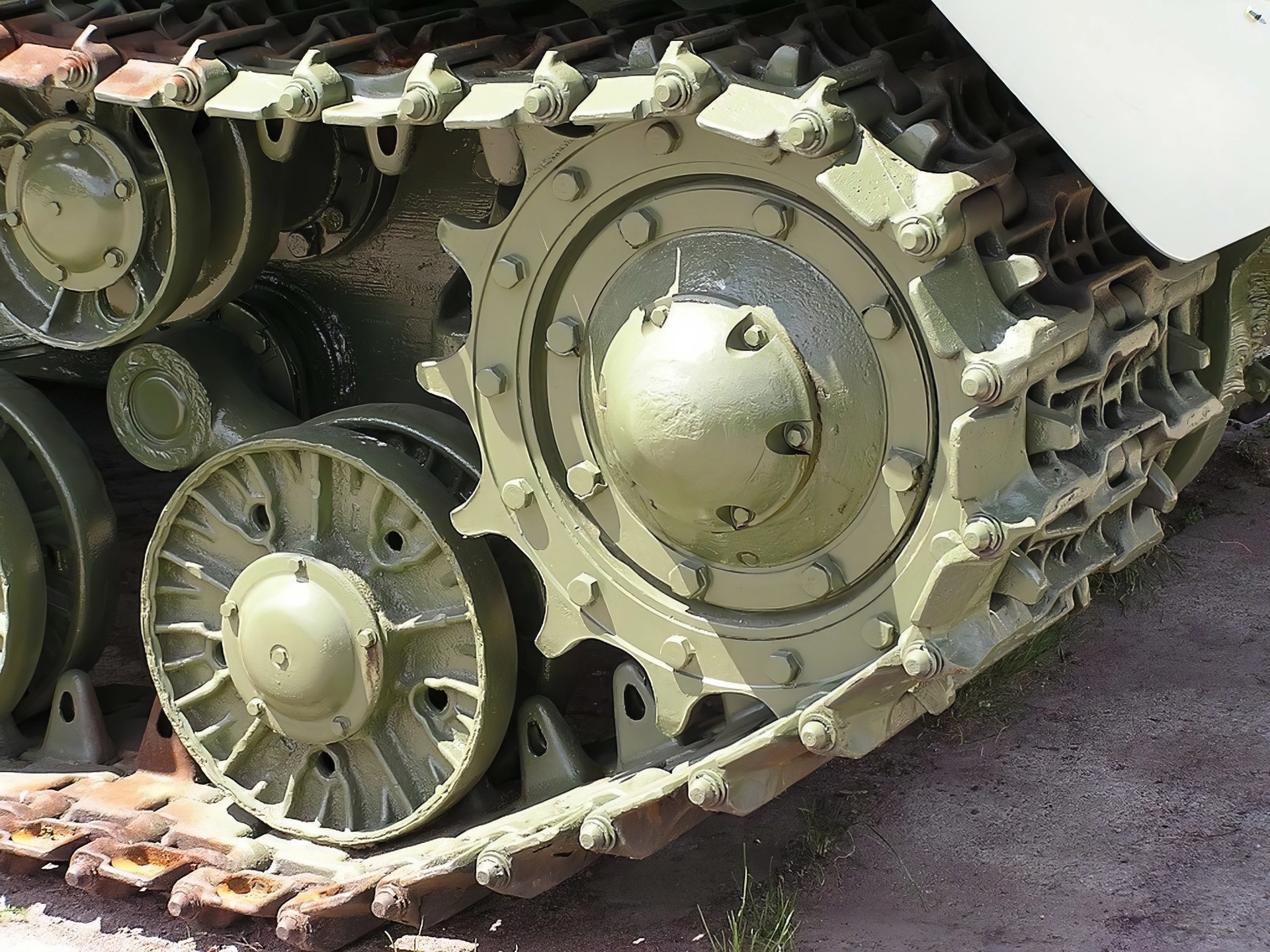
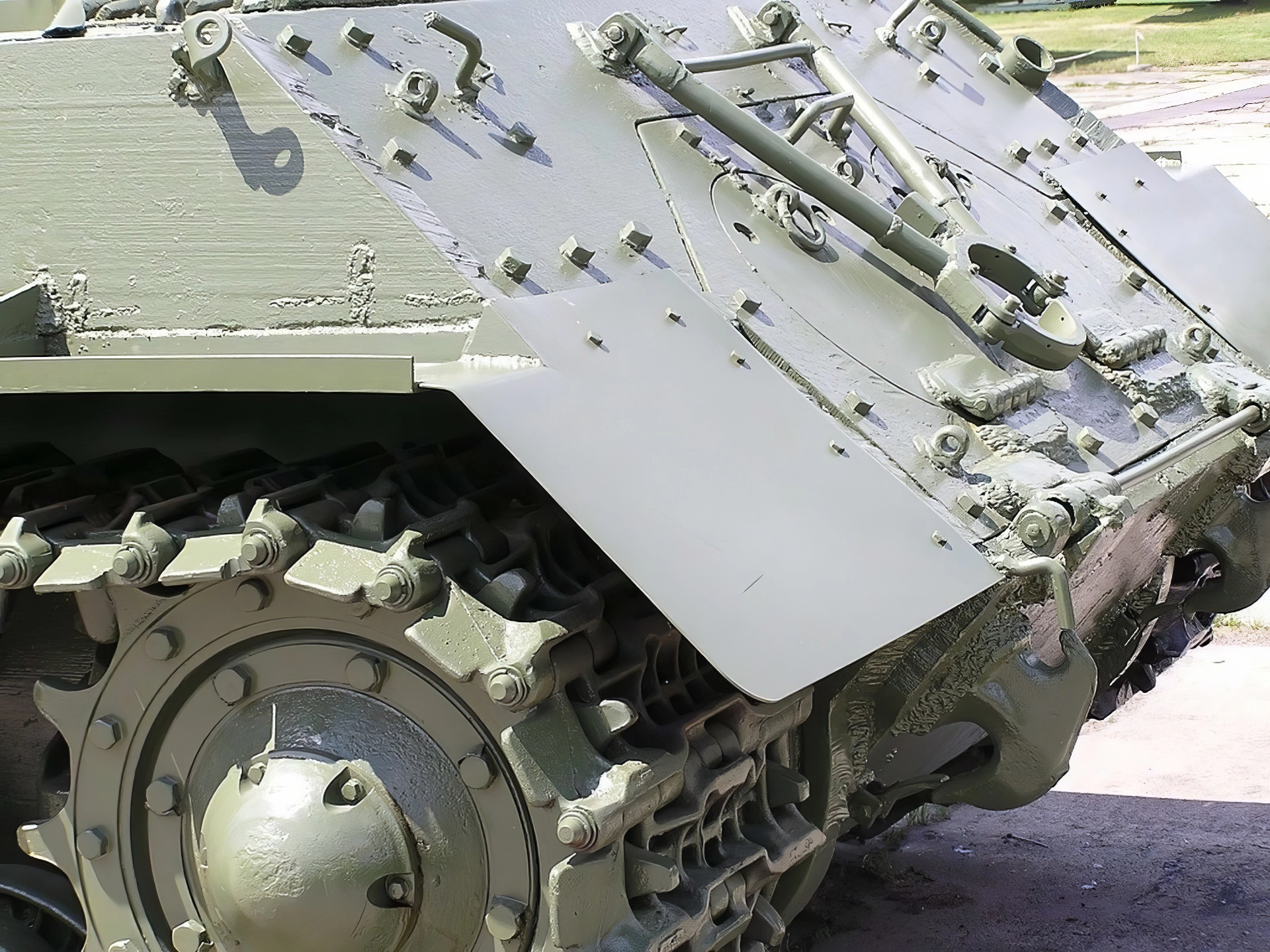

另请参阅:


这 IS-2 (Iosif Stalin 2) was a Soviet heavy tank developed during World War II. It was one of the most powerful and heavily armored tanks of the war, designed specifically to address the increasing threat posed by German heavy tanks (like the Tiger and Panther) and to serve as a formidable breakthrough tank against heavily fortified positions.
The IS-2 was a crucial asset for the Red Army in the final, decisive offensives of the war, particularly during the capture of Berlin.
Development and Characteristics
- 起源: The IS-2 was developed from the earlier IS-1 and KV heavy tank series, entering service in late 1943. It was a direct response to the need for a tank capable of reliably defeating the frontal armor of German heavy tanks at typical combat ranges.
- 主要武器: Its defining feature was its massive main gun: the **122 mm D-25T tank gun**. This high-velocity gun fired a heavy shell capable of penetrating the frontal armor of German heavy tanks. Its high-explosive (HE) shell was also devastatingly effective against fortifications and infantry, making it excellent for close support.
- Armor Protection: The IS-2 featured sloped, cast armor, which was extremely thick and effective. The cast turret was very well-rounded and protected (up to 100 mm initially, later 160 mm). Later production models (often called the **IS-2m**) featured a simplified, heavily sloped glacis plate (up to 100-120 mm) that significantly improved protection.
- Engine and Mobility: It was powered by a **V-2-IS 12-cylinder V-type diesel engine** (520 hp). Despite weighing around 46 tonnes, its mobility was considered adequate for a heavy tank, with a top road speed of about 37 km/h.
Operational Strengths and Weaknesses
| Strength | Weakness |
|---|---|
| 火力: 122 mm gun had massive destructive power against both armor and fortifications. | Rate of Fire: The large, heavy two-piece ammunition (shell and propellant charge) was difficult to handle, resulting in a very slow rate of fire (typically 1–2 rounds per minute). |
| Protection: Excellent armor layout, especially the later sloped glacis, offered superior defense against contemporary German guns. | Ammunition Capacity: Due to the large size of the 122 mm rounds, the tank could only carry a small number of shells (around 28 rounds). |
| Low Silhouette: Relatively low profile for a heavy tank. | 船员: 4 (Driver, Commander, Gunner, Loader). The loader was often exhausted by the heavy work. |
Post-War Service
The IS-2 continued in production and service well after the end of World War II. The upgraded **IS-2M** variant saw several modernization programs throughout the 1950s, including improved engines, revised transmission, and additional armor. Though eventually superseded by the T-10 heavy tank and later MBTs, the IS-2 was exported to several Soviet allies and saw service in conflicts beyond the Soviet Union, cementing its status as a definitive example of Soviet heavy tank design.
浏览数 : 2863