布莱里奥特十一世 | |
|---|---|
| 国家 | 法国 |
| 作用 | 飞机 |
| 首次飞行 | 1909年1月23日 |
| 建立 | 乌克诺 |
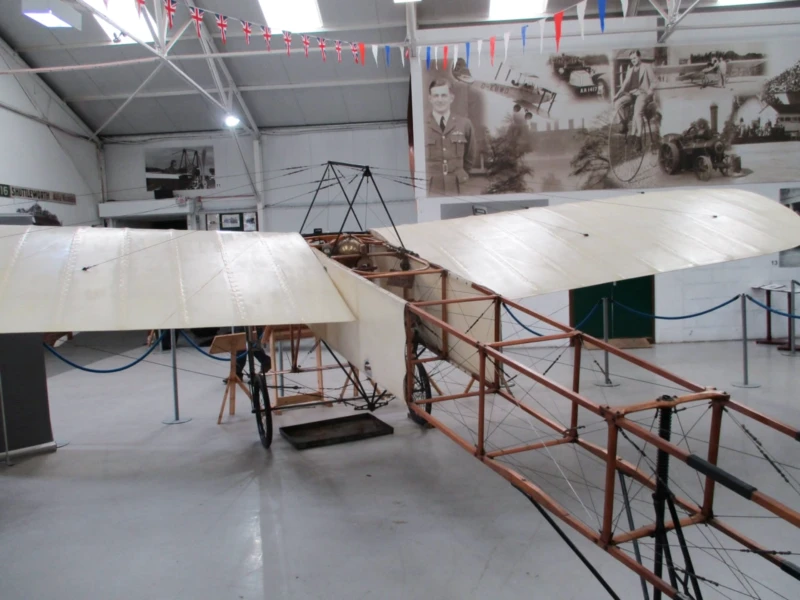
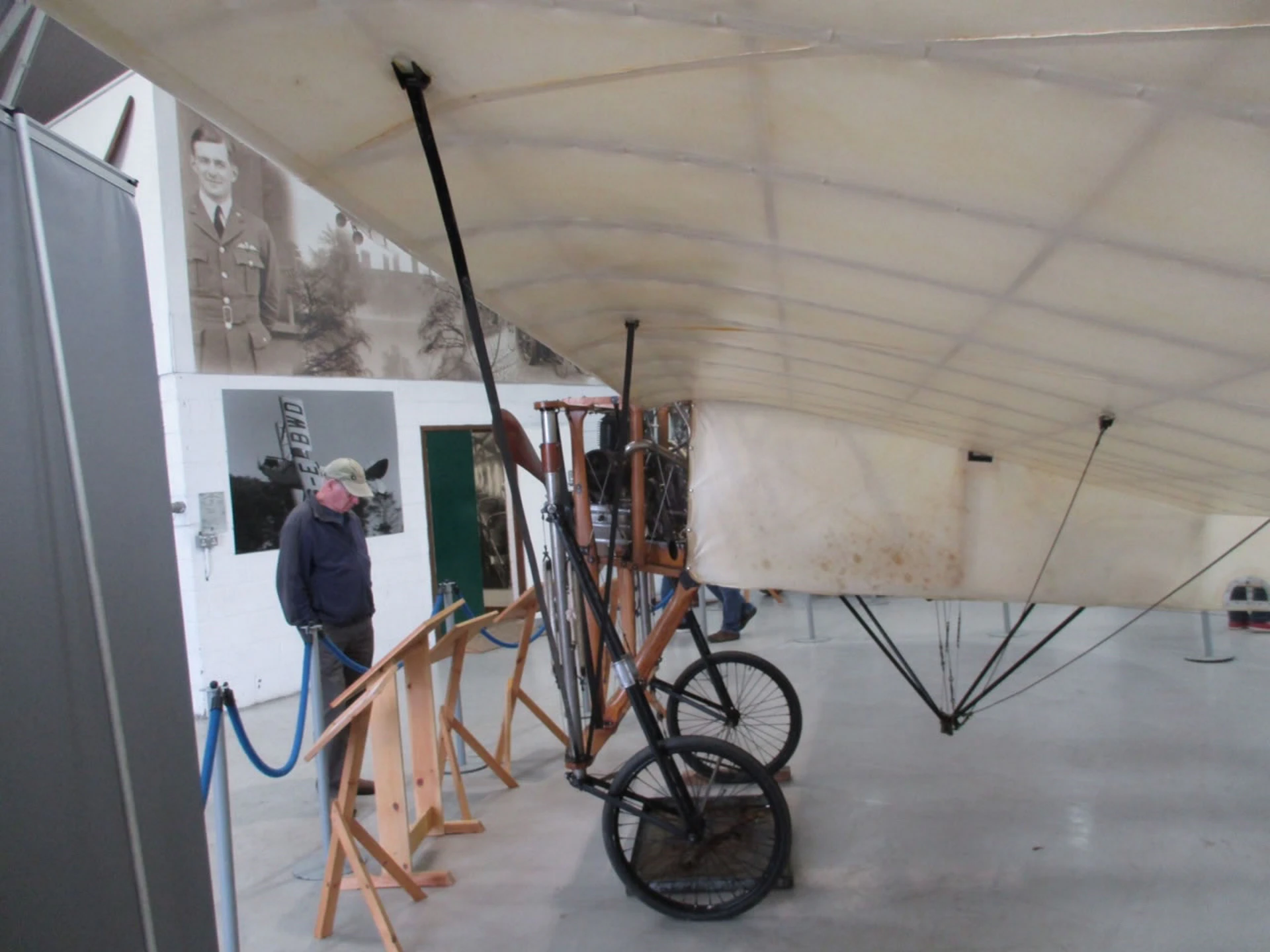
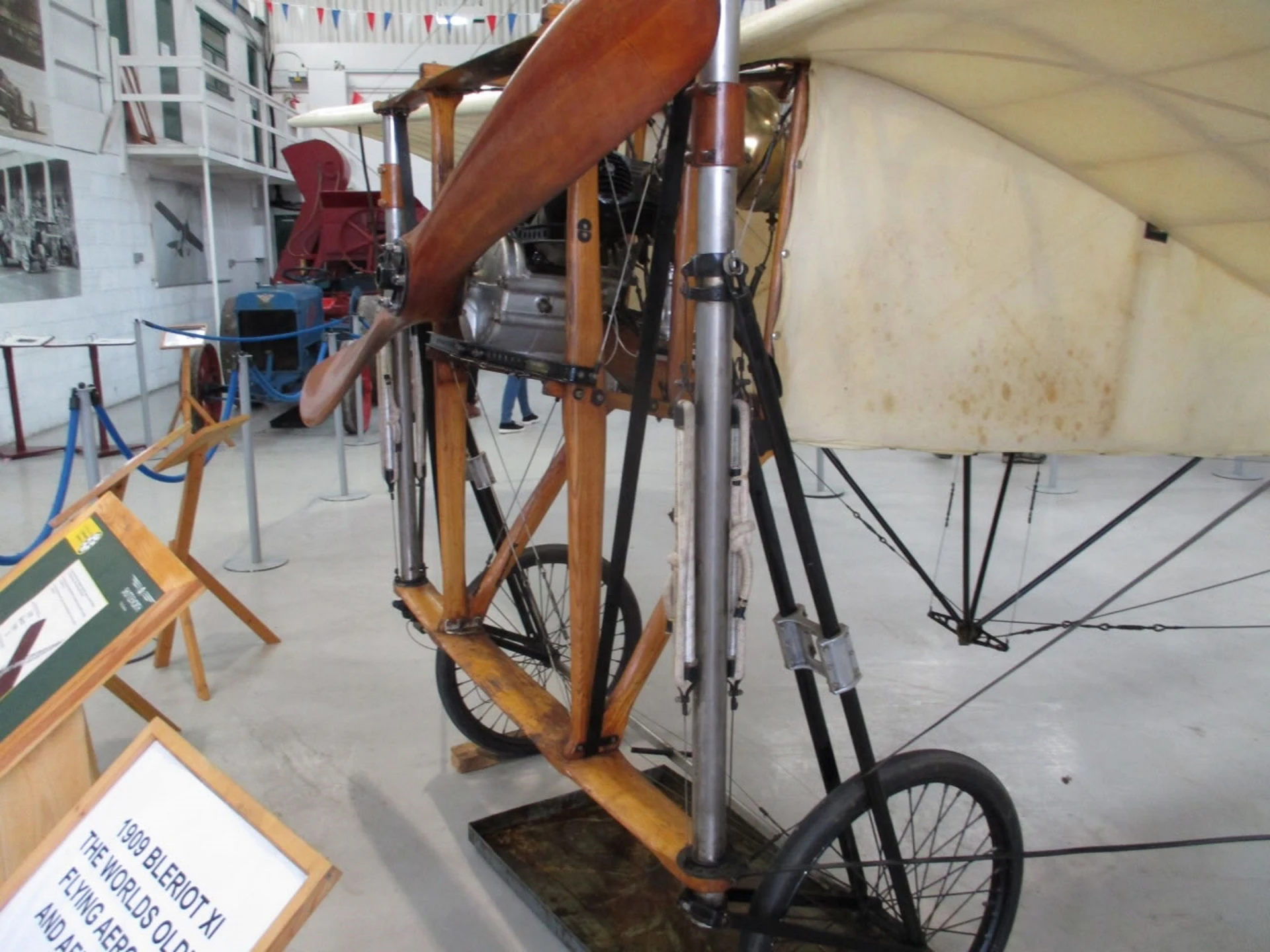
照片库的 布莱里奥特十一世, The Blériot XI is a French aircraft. The first example was used by Louis Blériot to make the first flight across the English Channel in a heavier-than-air aircraft on 25 July 1909. This achievement is one of the most famous accomplishments of the pioneer era of aviation, and not only won Blériot a lasting place in history but also assured the future of his aircraft manufacturing business. The event caused a major reappraisal of the importance of aviation; the English newspaper The Daily Express led its story of the flight with the headline “Britain is no longer an Island”.
源: 维基上的布莱里奥特十一
| Bleriot XI | |
|---|---|
| 摄影师 | 安德鲁·芬威克-沃尔波尔 |
| 本地化 | 未知 |
| 照片 | 36 |
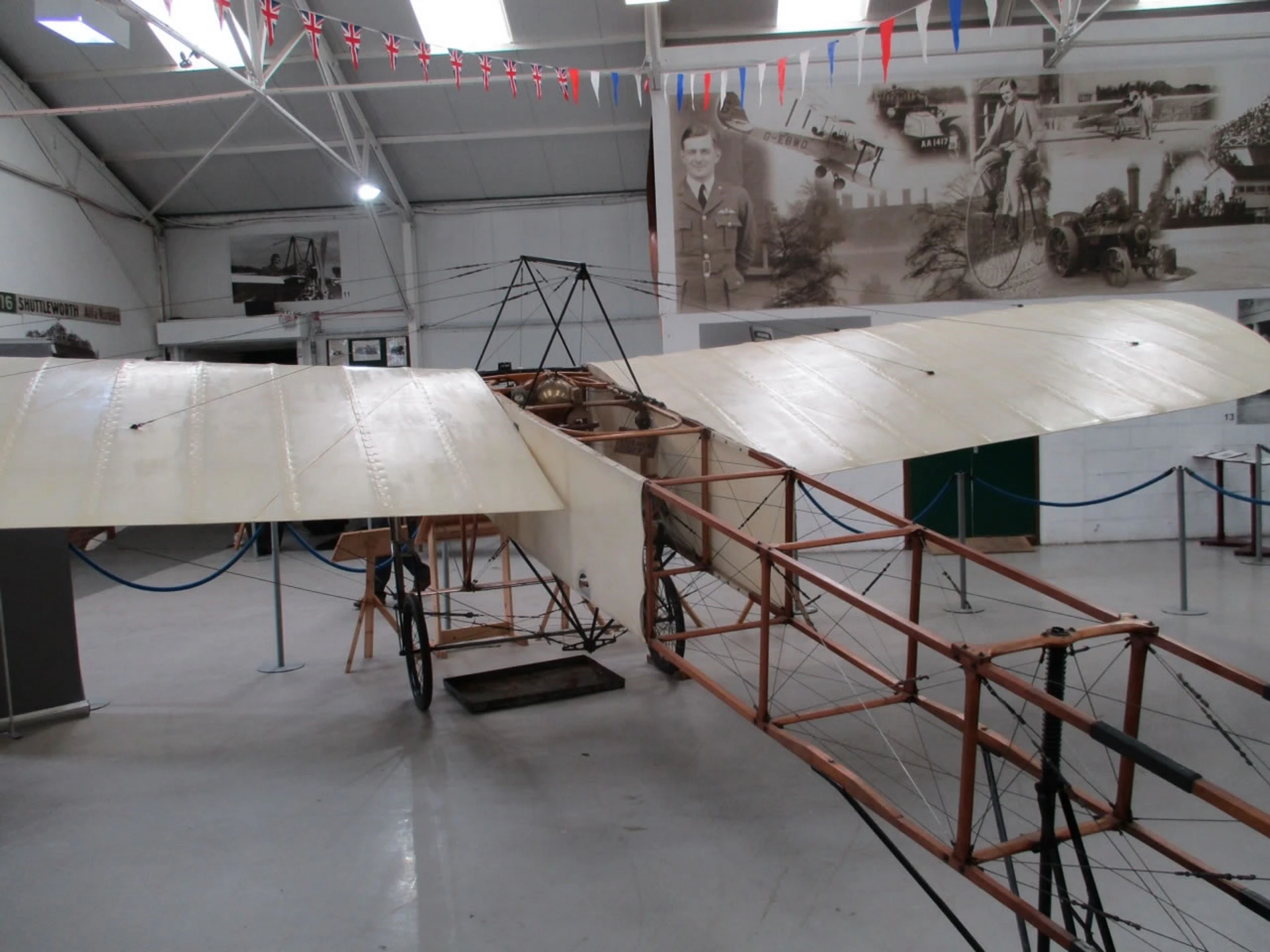

| Bleriot XI | |
|---|---|
| 摄影师 | 未知 |
| 本地化 | 未知 |
| 照片 | 20 |
另请参阅:


The Plane That Shrank the World
这 布莱里奥十一世 is one of the most significant aircraft in history. Designed by Louis Blériot and Raymond Saulnier, it shot to global fame on July 25, 1909, when Blériot used it to make the first powered flight across the English Channel. This 36-minute journey from Calais to Dover proved that the airplane was no longer a mere “toy” for eccentric inventors, but a serious machine capable of crossing international borders. Its success sparked the first real “boom” in aviation production, with hundreds built for enthusiasts, stunt pilots, and eventually, the world’s first air forces.
| Attribute | Technical Specification (1909 Channel Model) |
|---|---|
| 作用 | Pioneer Monoplane / Reconnaissance |
| 船员 | 1 (Two-seat variants followed) |
| First Flight | January 23, 1909 |
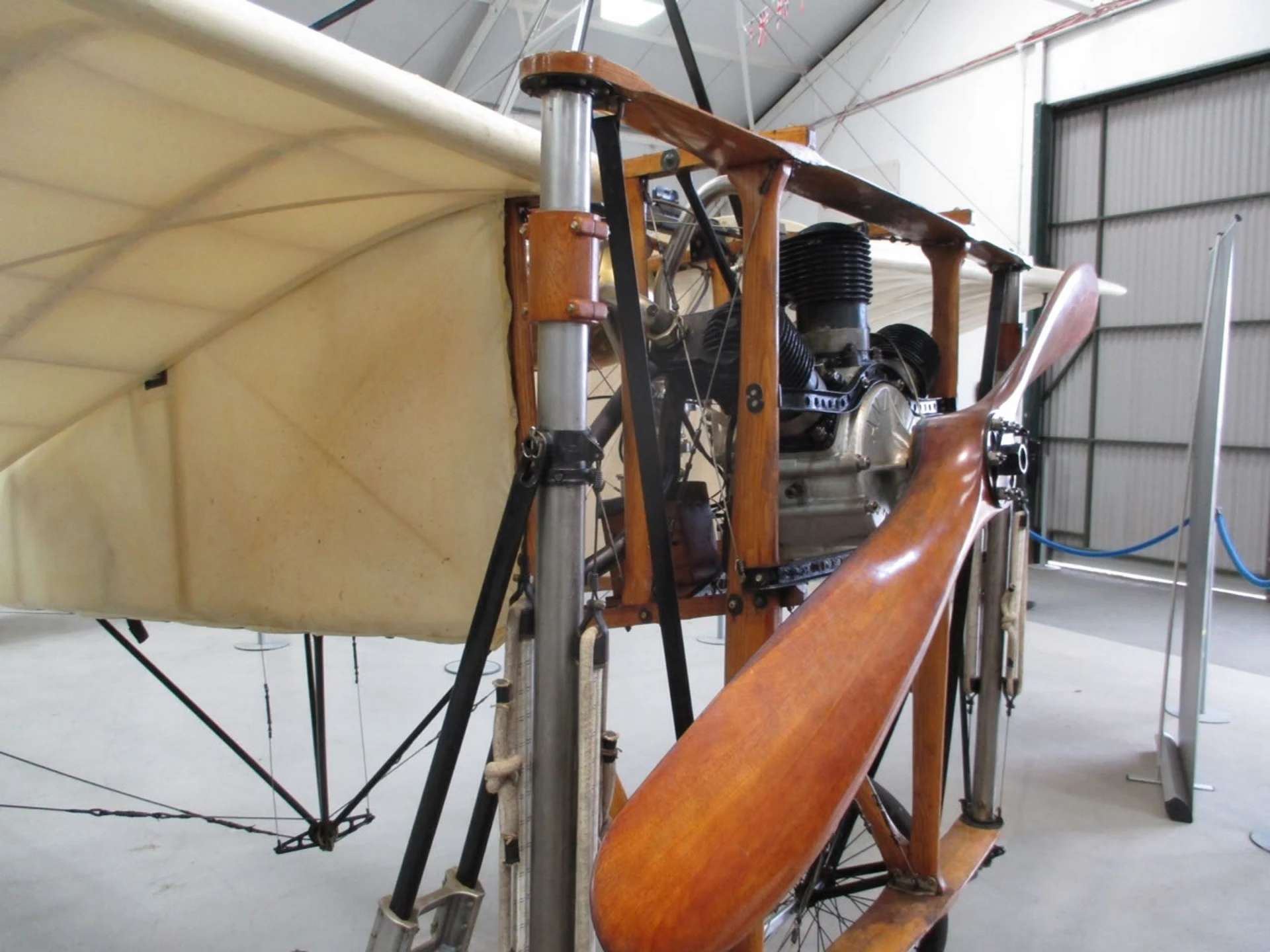
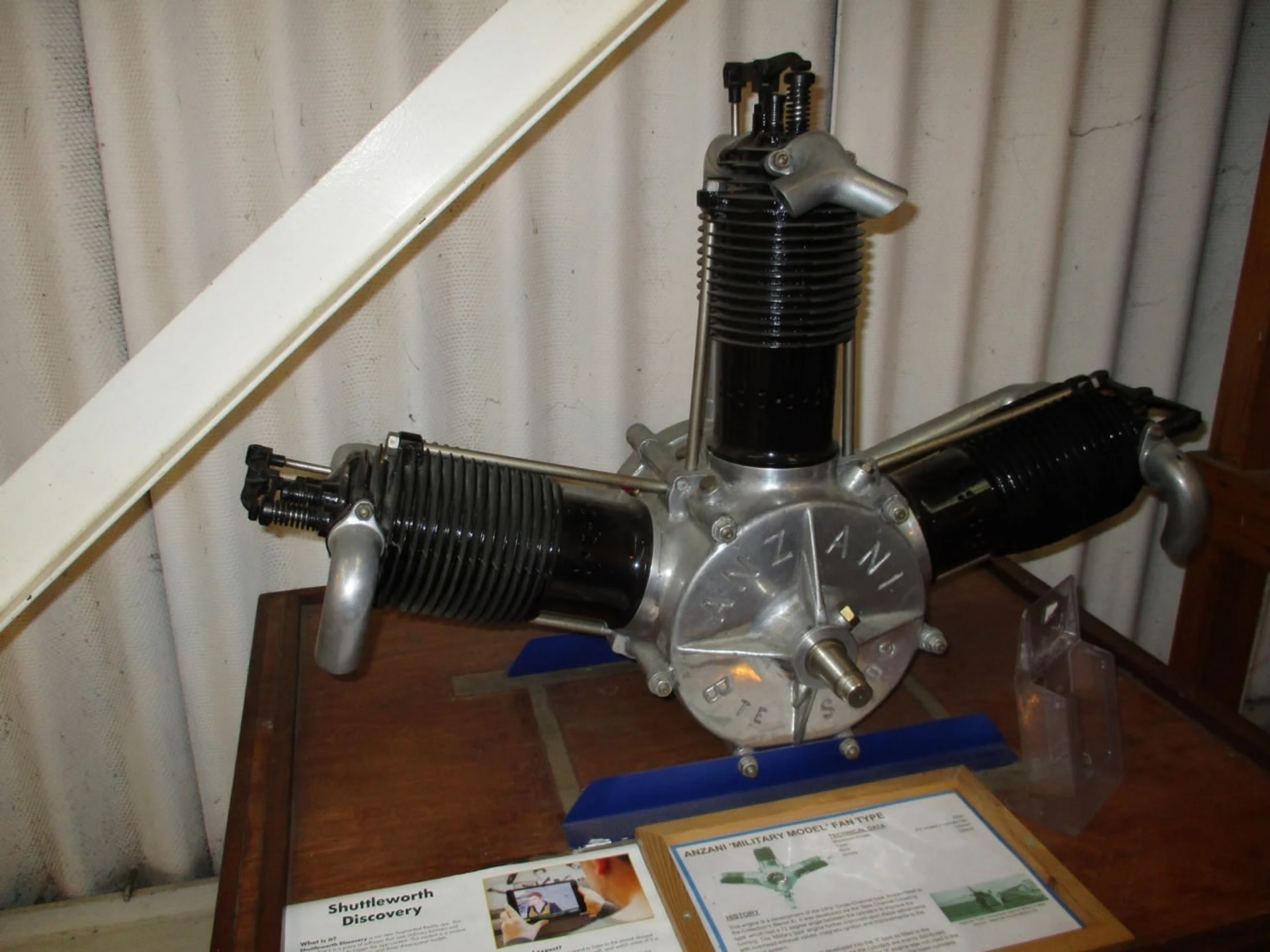
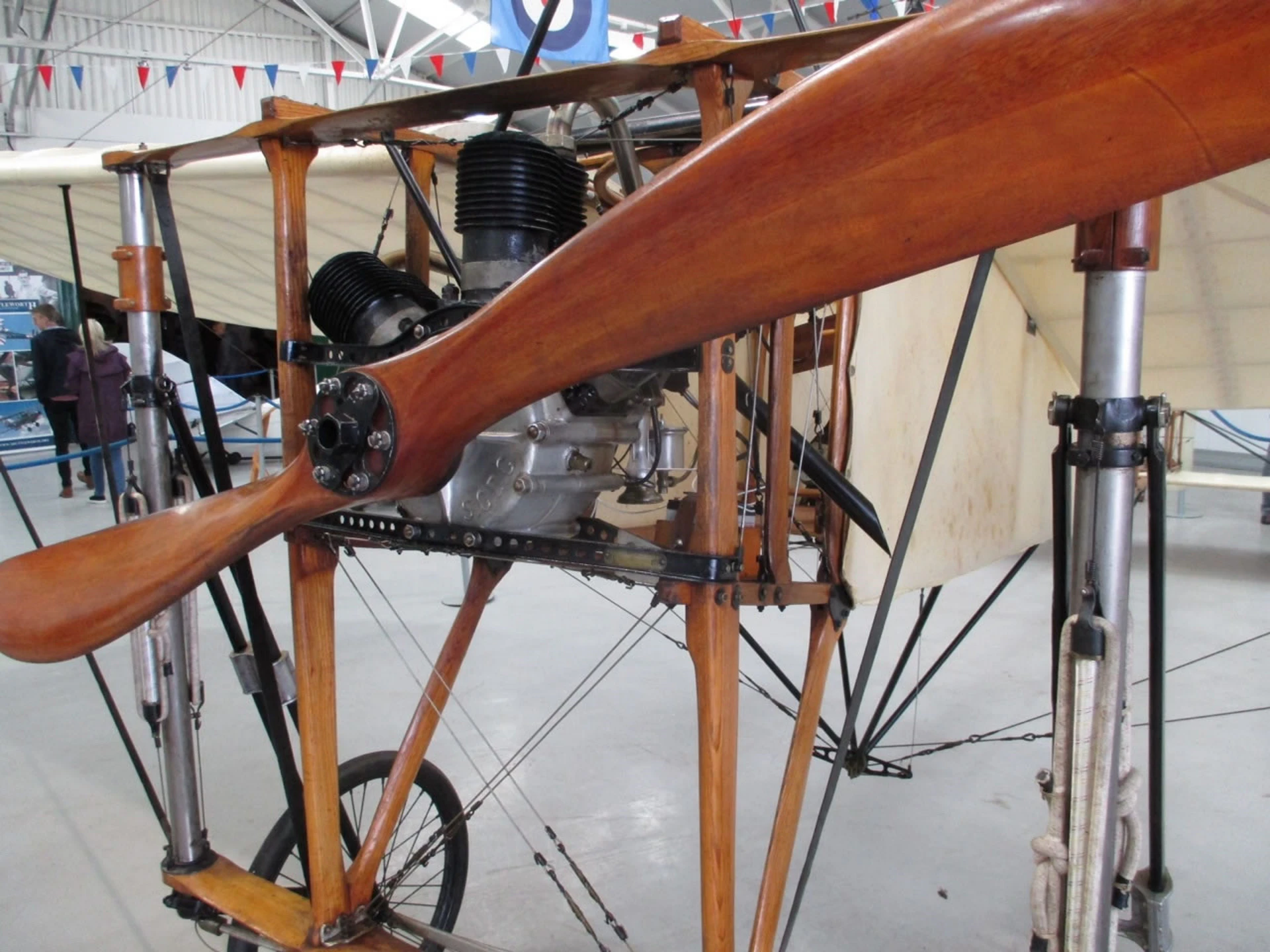
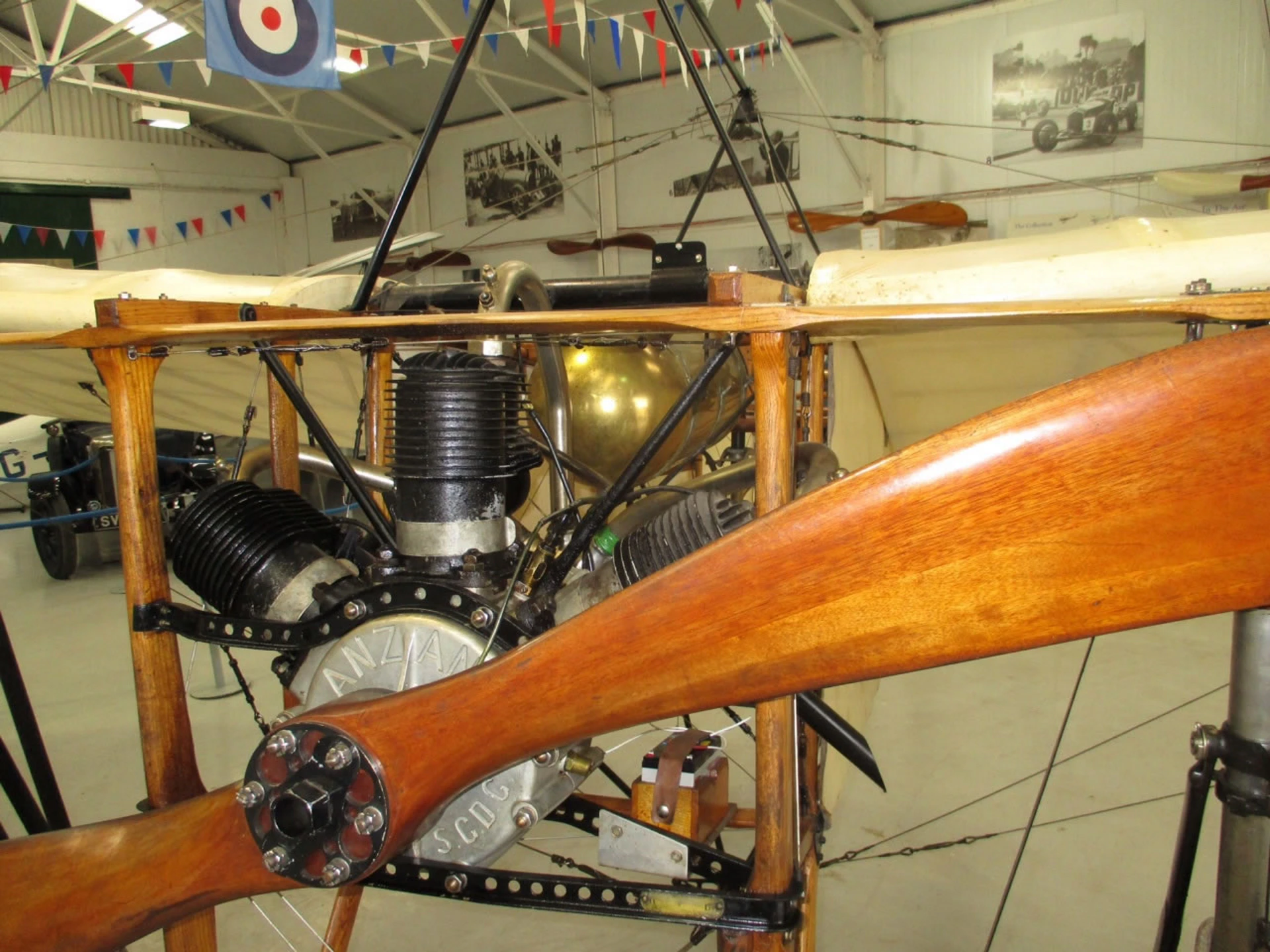
| 动力装置 | 1 × Anzani 3-cylinder “fan-type” radial |
| Horsepower | 25 hp (19 kW) |
| 最高速度 | 76 km/h (47 mph) |
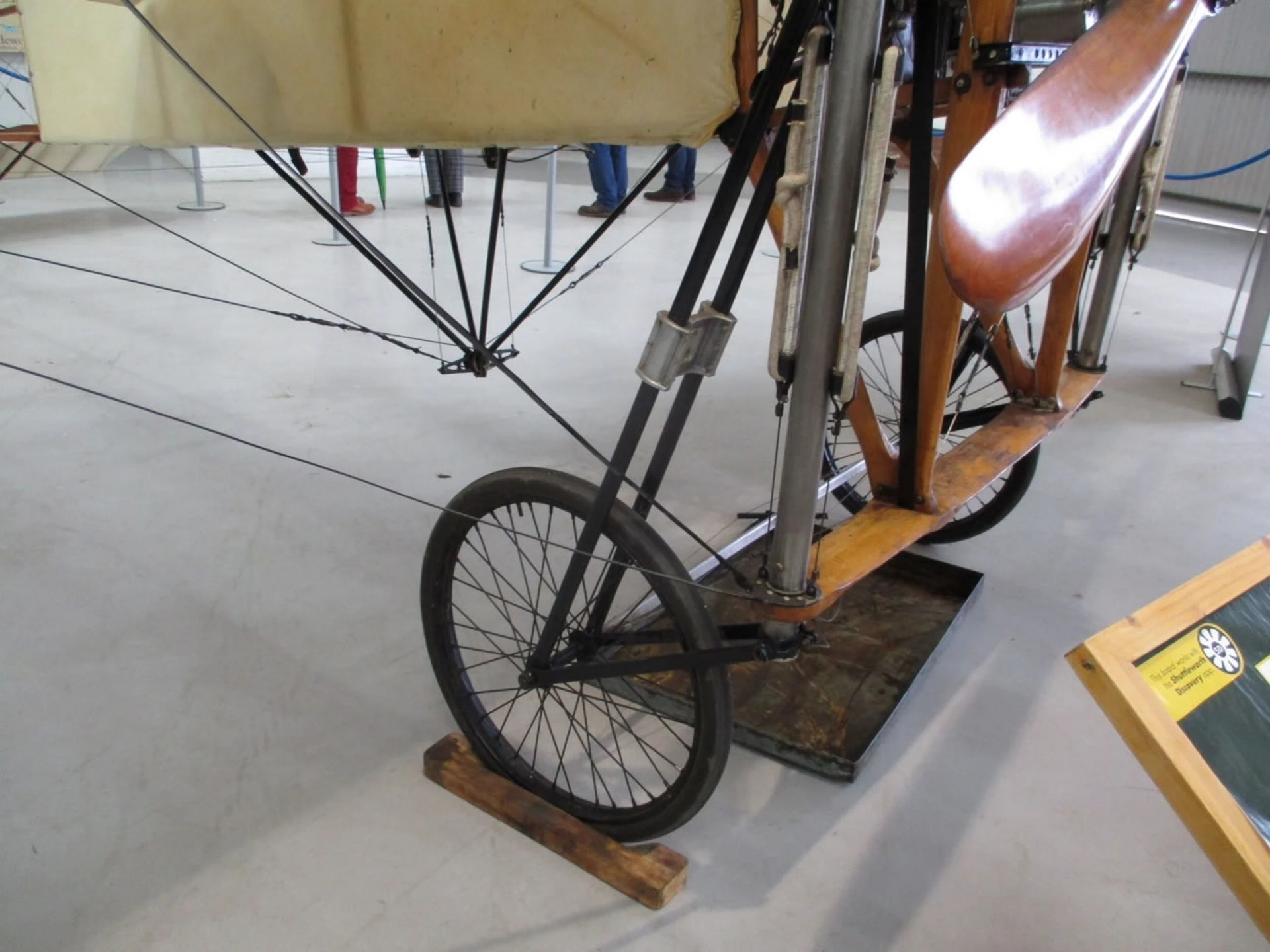
| Landing Gear | Castering main wheels with bungee suspension |
| Flight Control | Wing warping (roll); Rudder and Elevators |
Engineering: Fragile Innovation
- Wing Warping: Like the Wright Flyer, the Blériot XI did not have ailerons. Instead, the pilot used a system of wires to physically twist (warp) the trailing edges of the flexible wings to achieve roll control. [Image diagram of the wing-warping cables and the central “cloche” control stick]
- The Anzani Engine: The Channel flight was made possible by Alessandro Anzani’s 3-cylinder engine. It was simple, air-cooled, and famously unreliable—Blériot only made it to Dover because a light rain shower cooled his overheating engine mid-flight.
- Castering Landing Gear: The main wheels were mounted on trailing arms that could pivot. This allowed the plane to land safely even in crosswinds, as the wheels would naturally align with the direction of travel, preventing the fragile aircraft from flipping over.
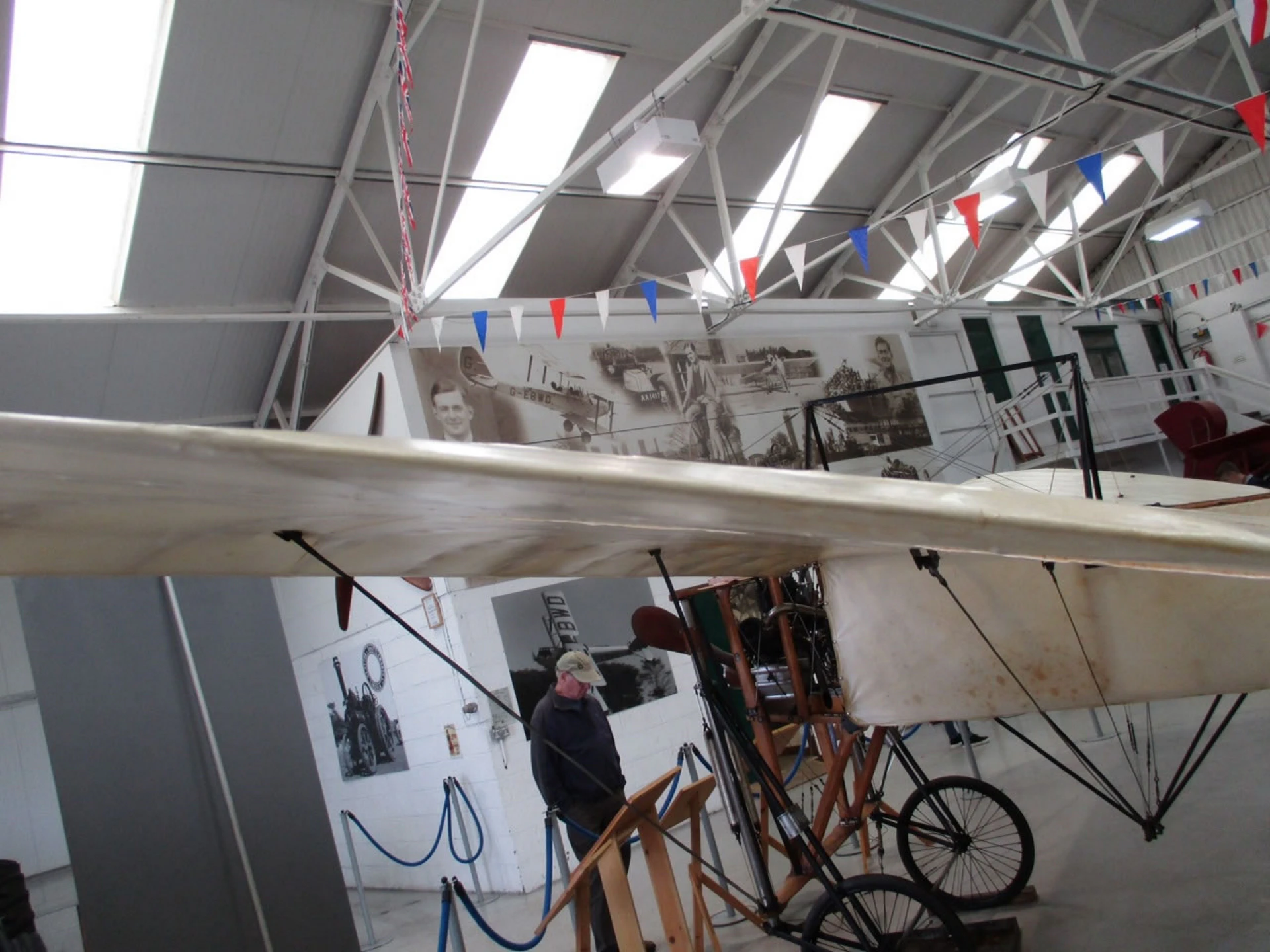
- The “Birdcage” Fuselage: The rear half of the fuselage was an open box-girder made of ash wood, braced with piano wire. This kept the aircraft light (only 507 lbs empty) but made it look like a “flying birdcage.”
Legacy: The First Warplane
- Military Pioneer: The Blériot XI was the first aircraft used in actual combat. During the Italo-Turkish War (1911), Italian Captain Carlo Piazza flew a Blériot XI on the world’s first aerial reconnaissance and bombing missions in Libya.
- WWI Service: At the start of World War I, the Blériot XI was a front-line scout for France, Britain, and Italy. Though soon outclassed, it performed the first RFC reconnaissance mission over German lines in August 1914.
- Harriet Quimby: In 1912, the American aviator Harriet Quimby used a Blériot XI to become the first woman to fly across the English Channel, further cementing the aircraft’s status as the gold standard of early aviation.
- Oldest Flyer: Today, an original 1909 Blériot XI held by the Shuttleworth Collection in the UK remains the oldest airworthy aircraft in the world, still capable of performing short “hops” during summer displays.
意见:3430