Bell XV-3 | |
|---|---|
| Country | USA |
| Type | Experimental VTOL aircraft |
| First flight | 1955 |
| Built | 2 |
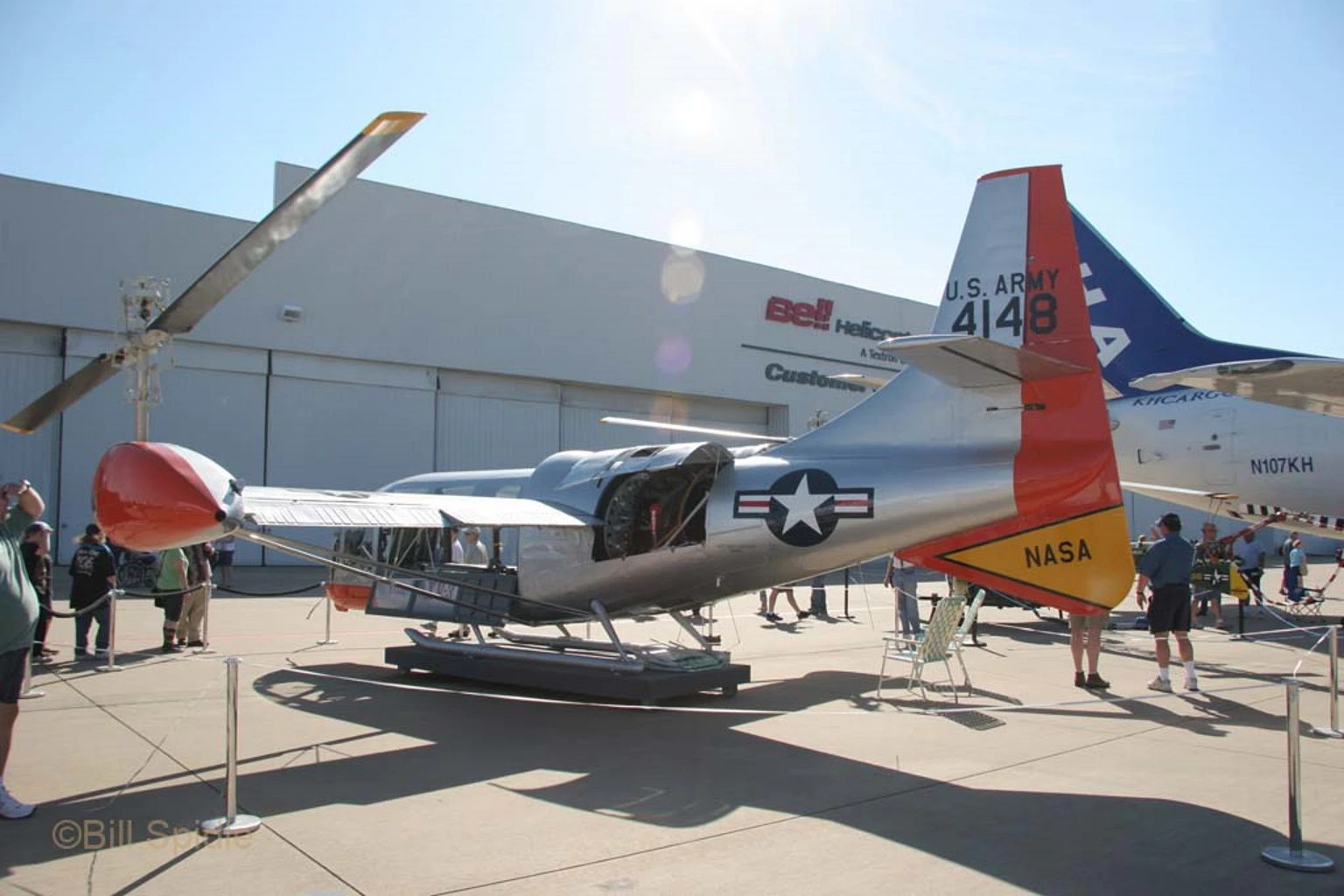
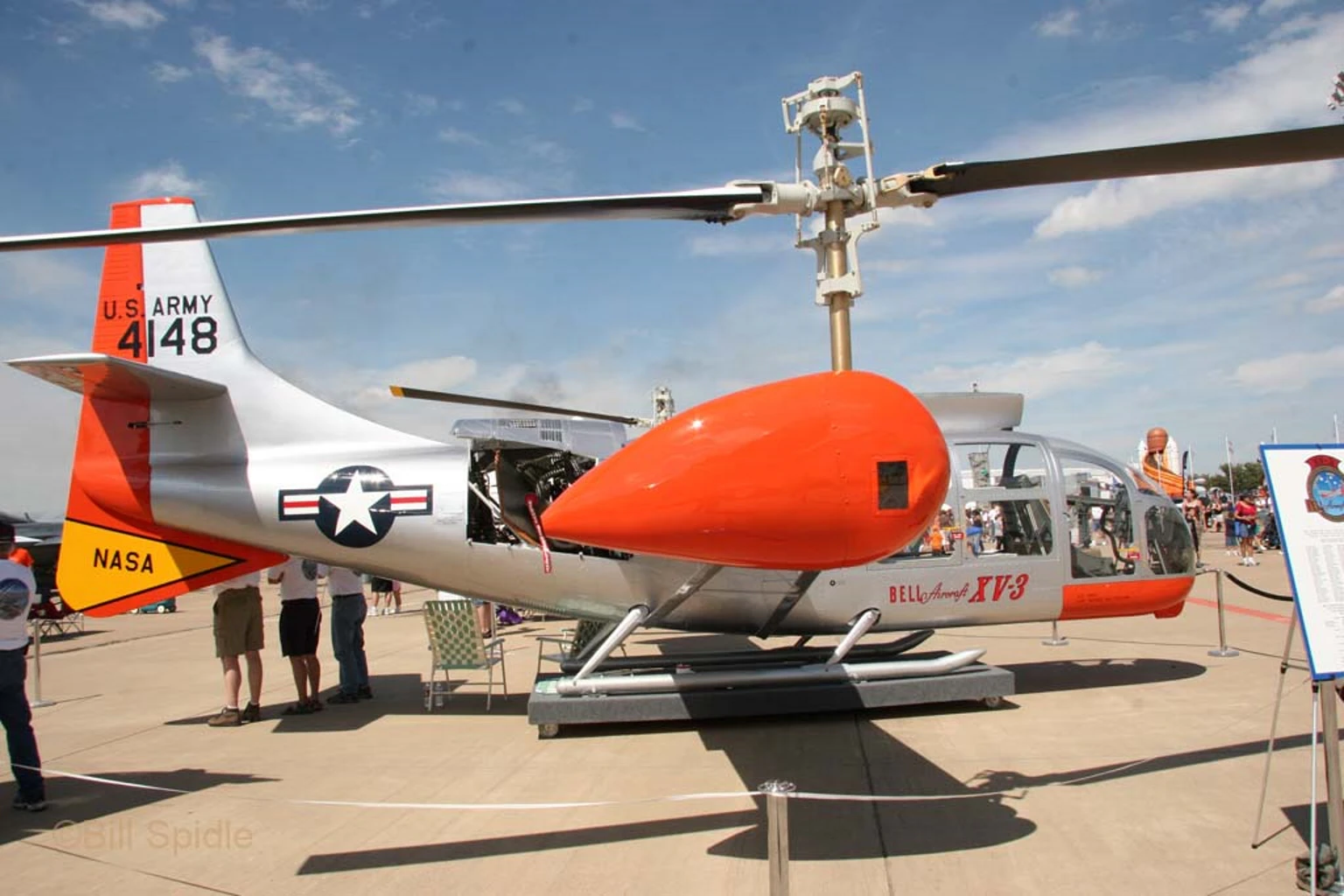
贝尔十五-3的照片库, 贝尔十五-3 (贝尔200)是贝尔直升机公司为美国空军和美国陆军联合研究计划研制的一架倾斜翼飞机,旨在探索转换飞机技术。XV-3 搭载了安装在机身中的发动机,驱动轴将动力转移到安装在翼尖上的双叶片转子组件上。翼尖转子组件安装从垂直到水平倾斜90度,设计使XV-3能够像直升机一样起飞和降落,但以更快的空速飞行,类似于传统的固定翼飞机。
源: 贝尔十五-3
| 贝尔十五-3 | |
|---|---|
| 摄影师 | 未知 |
| 本地化 | 未知 |
| 照片 | 45 |
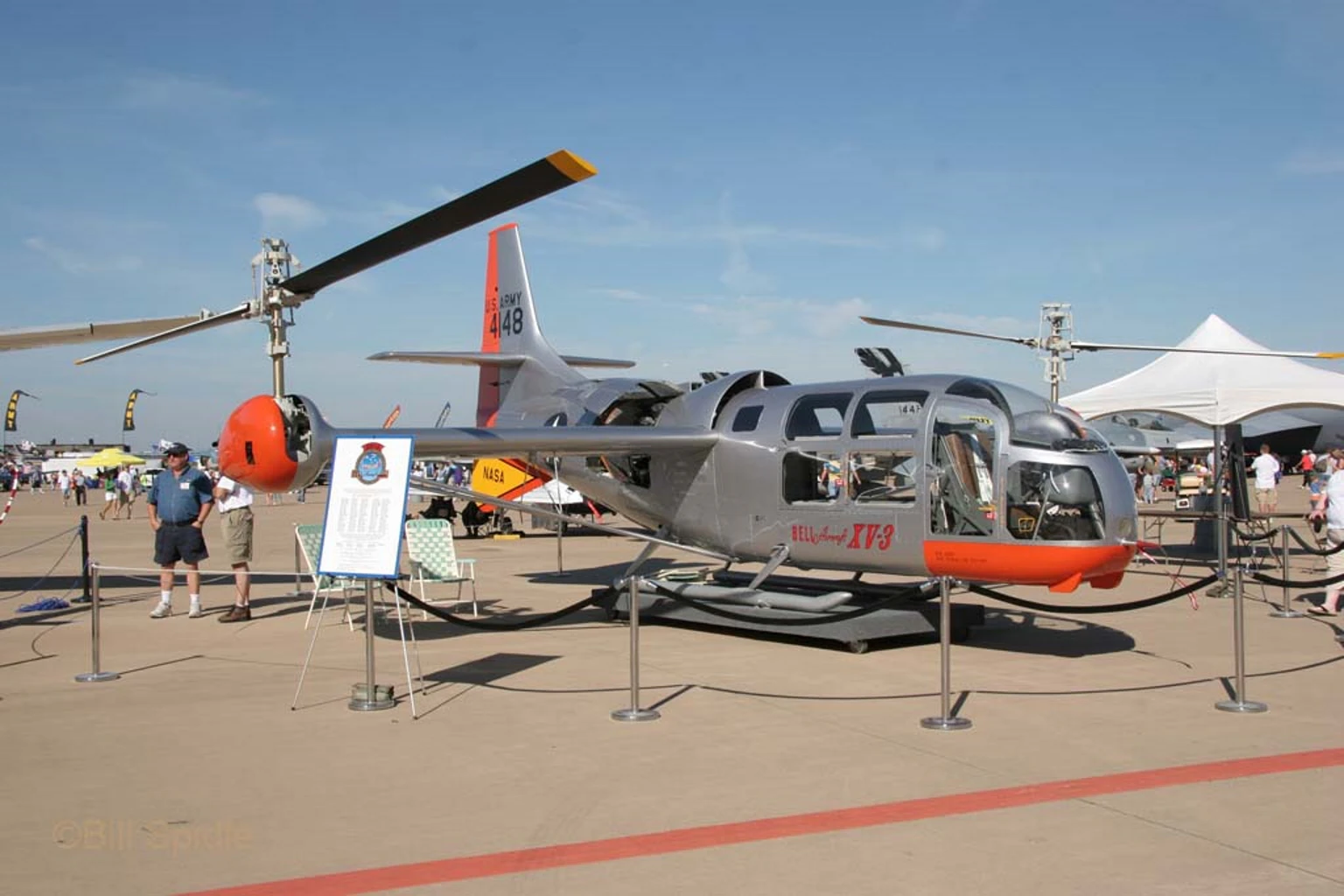
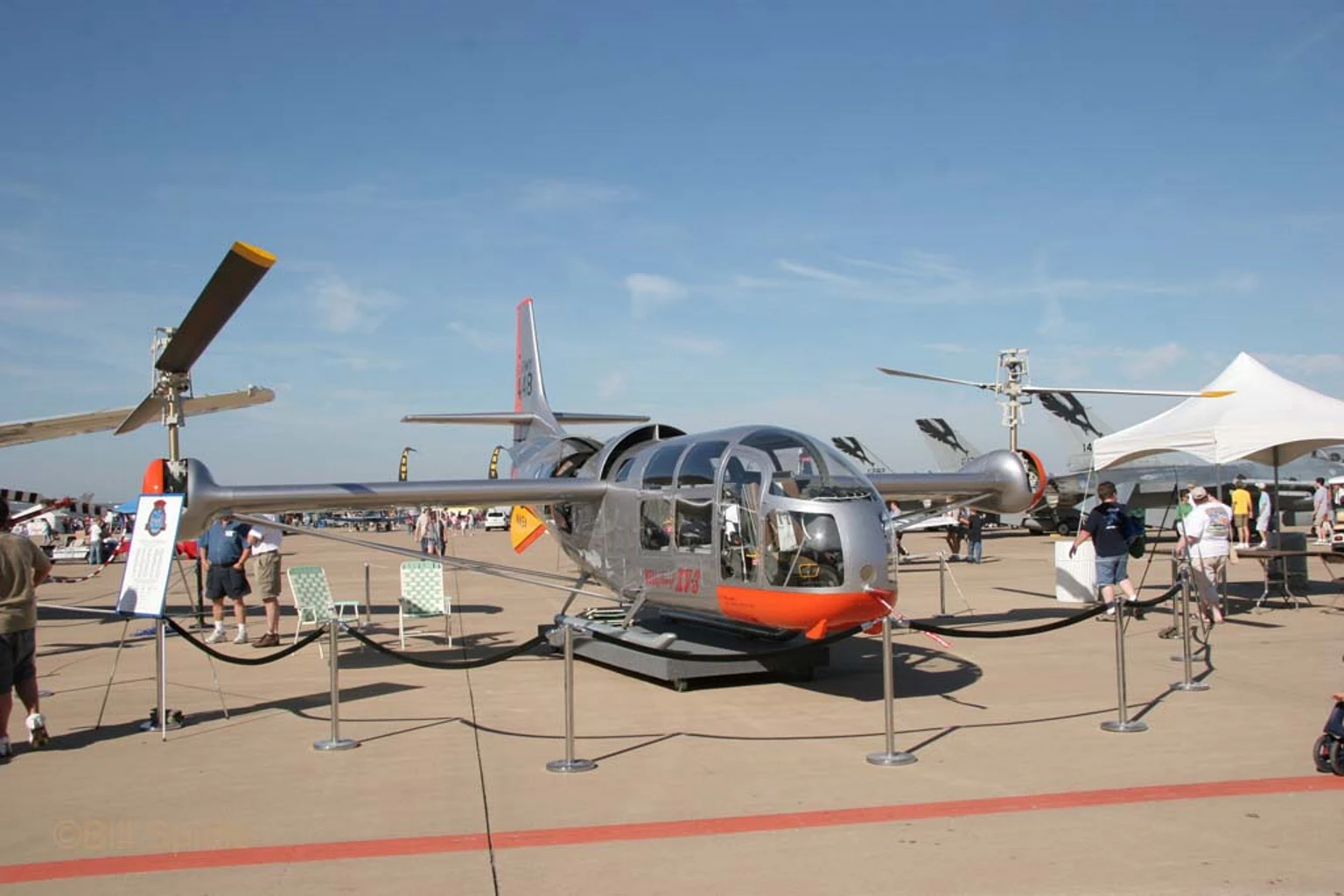
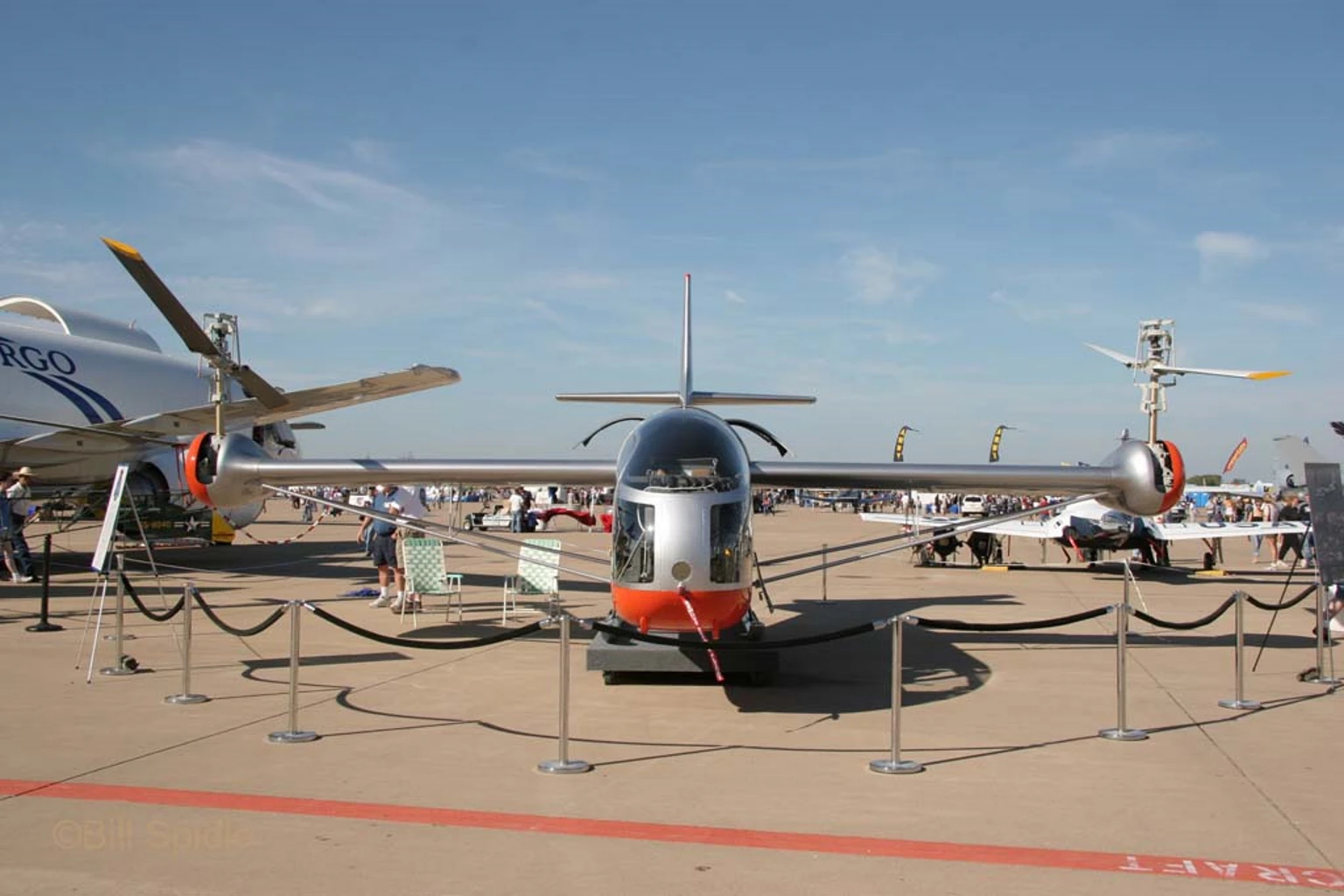
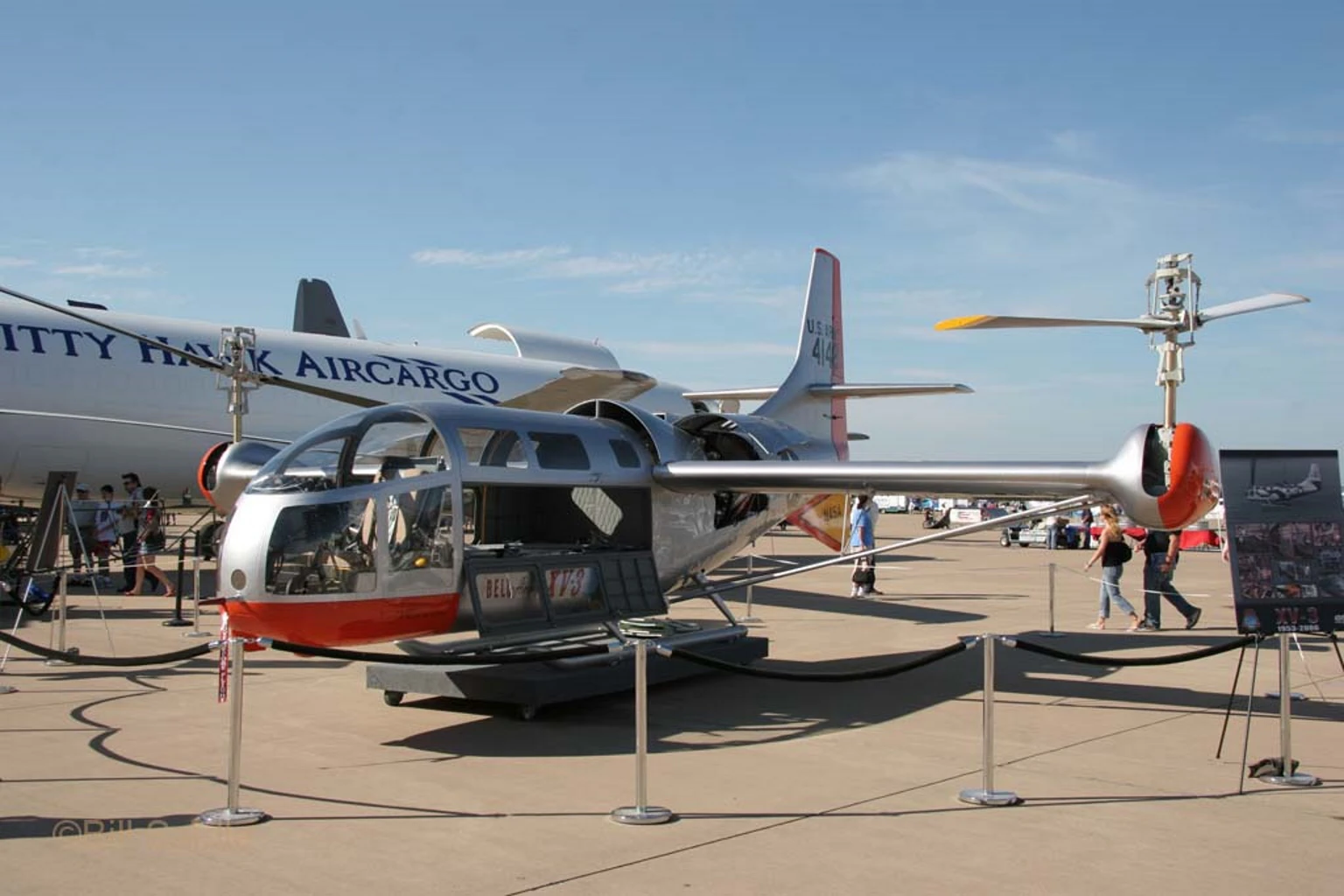
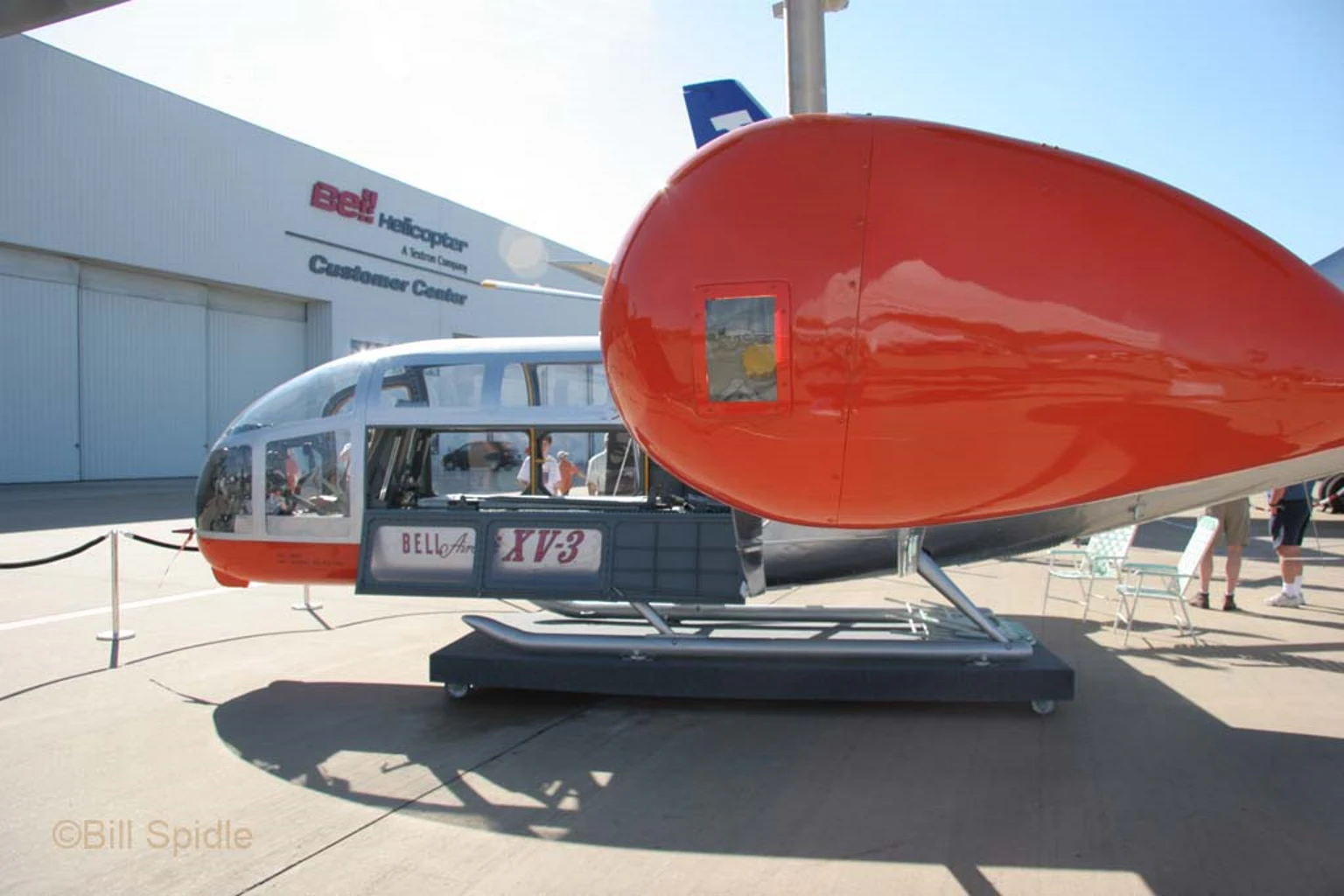
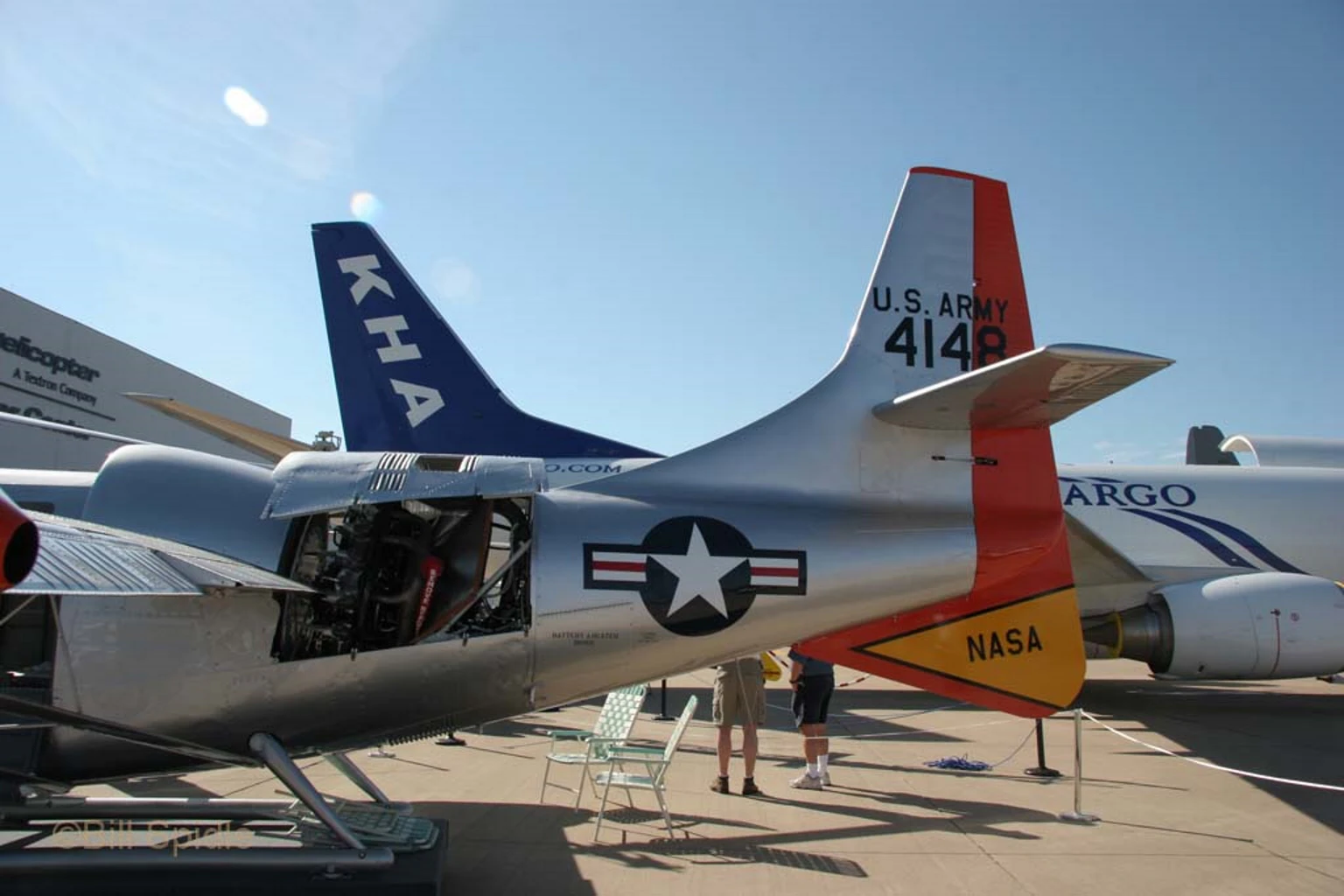

| 贝尔直升机文本龙 XV-3 四处走动 | |
|---|---|
| 摄影师 | 弗拉基米尔·亚库博夫 |
| 本地化 | 国家航空航天博物馆, 华盛顿特区 |
| 照片 | 69 |
 给我买杯咖啡
另请参阅:


The Missing Link Between Helicopter and Plane
这 贝尔十五-3 was a pioneering experimental aircraft that proved the concept of the tiltrotor. Developed in the 1950s for a joint Army and Air Force program, it sought to combine the vertical takeoff capability of a helicopter with the high-speed cruise of a fixed-wing airplane. While it never entered mass production, it successfully completed the world’s first full-scale conversion from vertical to horizontal flight in 1958. Every modern tiltrotor, including the V-22 Osprey 和 V-280 Valor, owes its existence to the data gathered by this fragile-looking machine.
| Attribute | Technical Specification (XV-3) |
|---|---|
| 作用 | Experimental V/STOL Tiltrotor |
| 船员 | 1 (Pilot) |
| 发动机 | 1 × Pratt & Whitney R-985-AN-1 Wasp Junior radial (450 hp) |
| 最高速度 | 291 km/h (181 mph) |
| Service Ceiling | 4,570 m (15,000 ft) |
| Rotor Diameter | 7.01 meters (23 ft) each |
| 翼展 | 9.54 meters (31 ft 3 in) |
| 地位 | Experimental / Research |
Design Engineering: Tilting the Paradigm
- The Tilting Mast: Unlike the V-22 Osprey, which tilts its entire engine nacelle, the XV-3 featured an engine buried in the fuselage. A complex series of driveshafts and gearboxes transmitted power to the wingtips, where only the rotor masts tilted from 0 to 90 degrees.
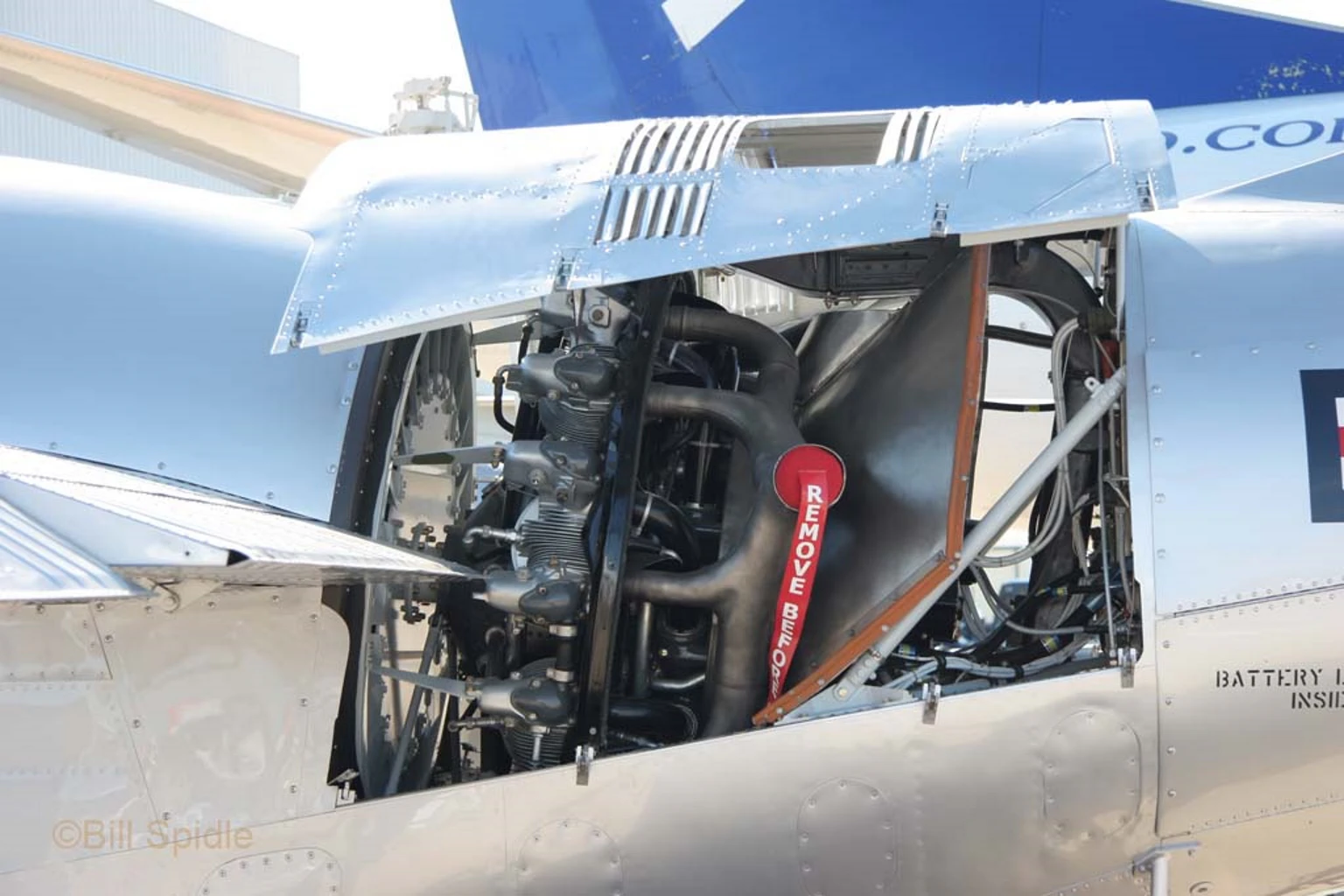
- The Radial Heart: Surprisingly, this futuristic concept was powered by a classic World War II-era 450-hp radial engine. The engine was mounted in the fuselage behind the pilot, which helped maintain a stable center of gravity during the transition between flight modes.
- Evolution of Rotors: The XV-3 originally used three-bladed rotors, but they were found to be highly unstable due to “aeroelastic” vibrations (flutter). Engineers replaced them with two-bladed “semirigid” rotors, which allowed the aircraft to successfully complete its conversion tests.
- High Disk Loading: Because the rotors had to act as propellers in forward flight, they were smaller than typical helicopter rotors. This meant the XV-3 required much more power to hover and had a very “sinky” feel during vertical landings.
Operational History: Proving the Impossible
- The First Conversion: On December 18, 1958, pilot Bill Quinlan successfully moved the masts from the vertical to the horizontal position for the first time in history. This proved that a tiltrotor could actually transition between flight modes without falling out of the sky.
- NASA Wind Tunnel Tests: After its flight test program ended in 1962, the XV-3 spent years being tested in the massive wind tunnels at NASA Ames. This research identified “proprotor whirl flutter,” a dangerous vibration that engineers had to solve before the next generation of tiltrotors (the XV-15) could be built.
- A Brush with Disaster: During a 1965 wind tunnel test, a rotor failed and ripped off the wing, nearly destroying the aircraft and the tunnel. This failure provided the critical data needed to design the much stronger wings found on modern tiltrotors.
- Where it is Today: The original XV-3 was painstakingly restored and now resides at the National Museum of the United States Air Force in Dayton, Ohio.
意见:2545