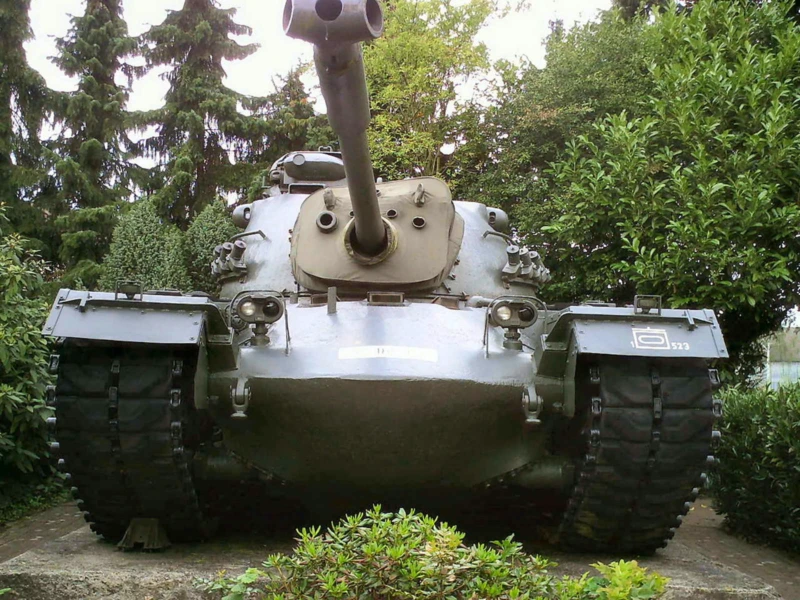
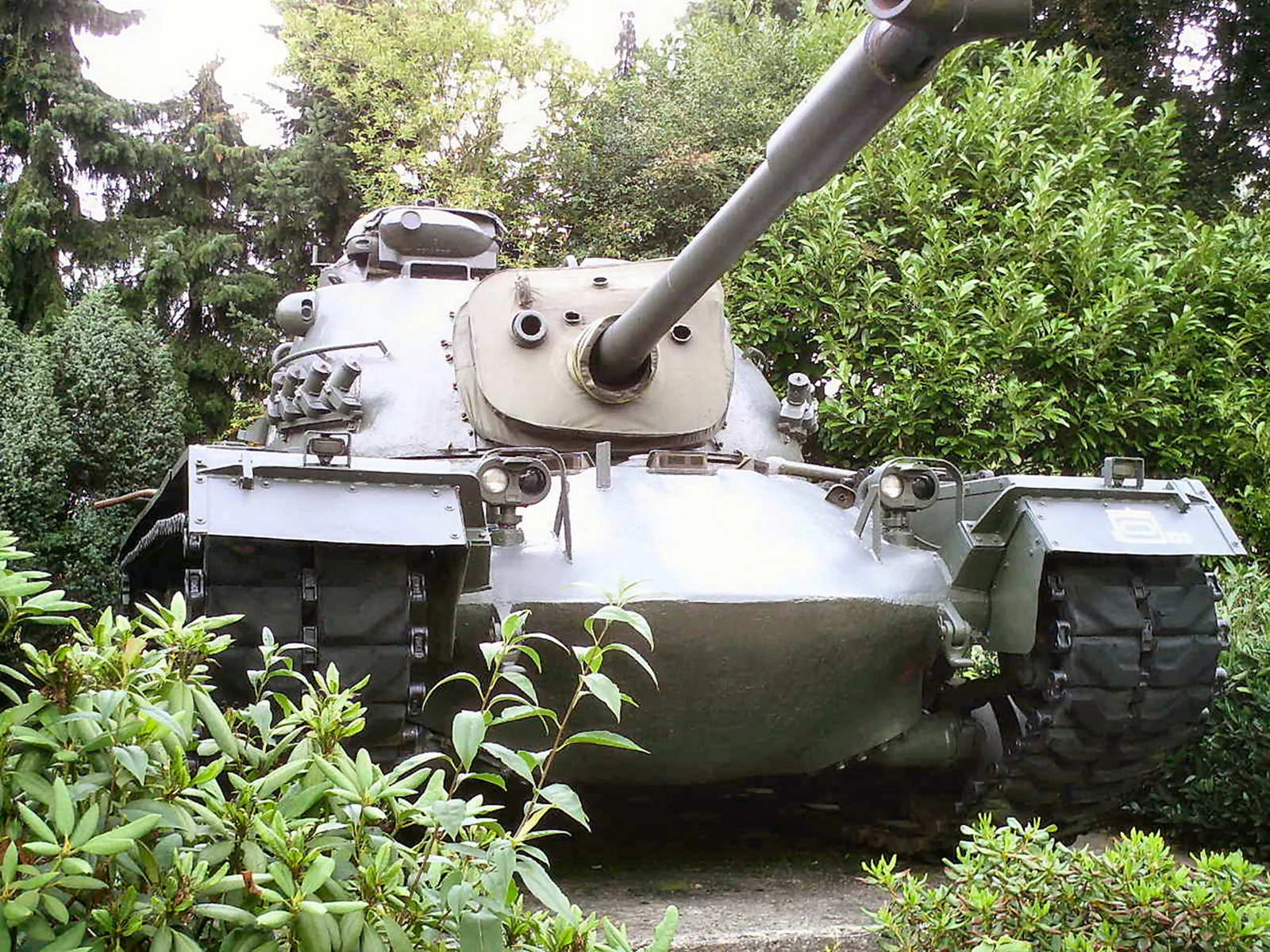
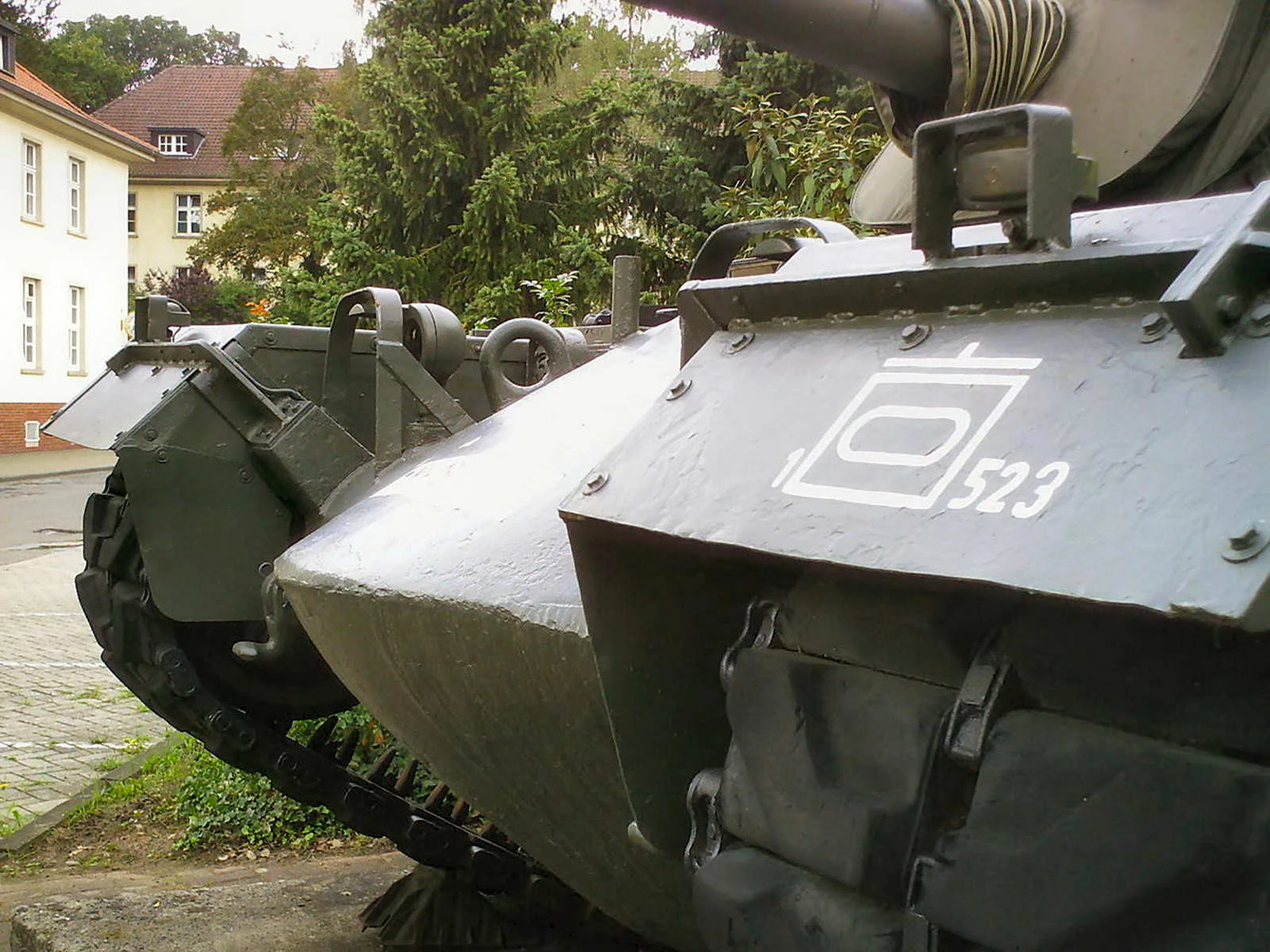
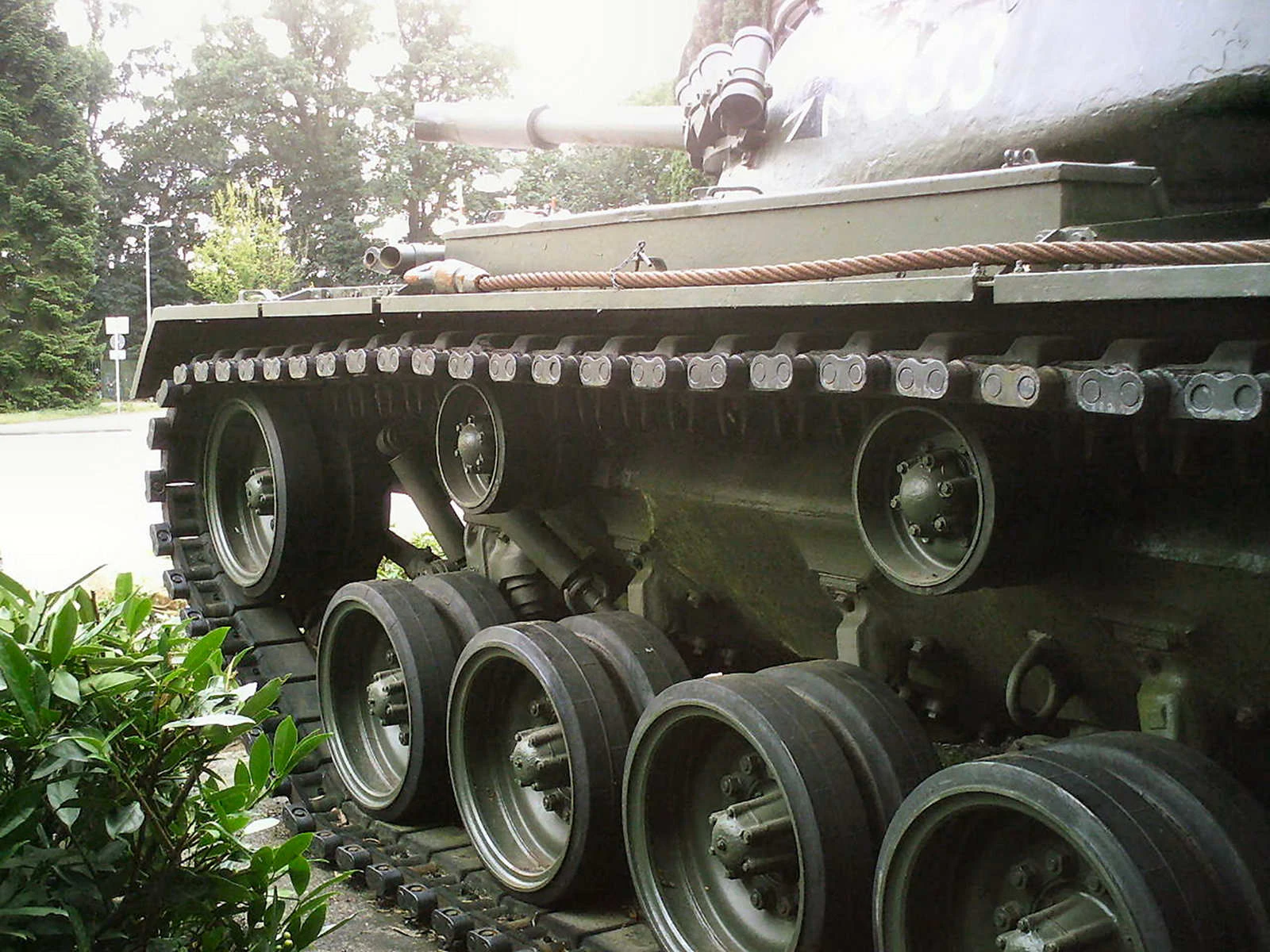
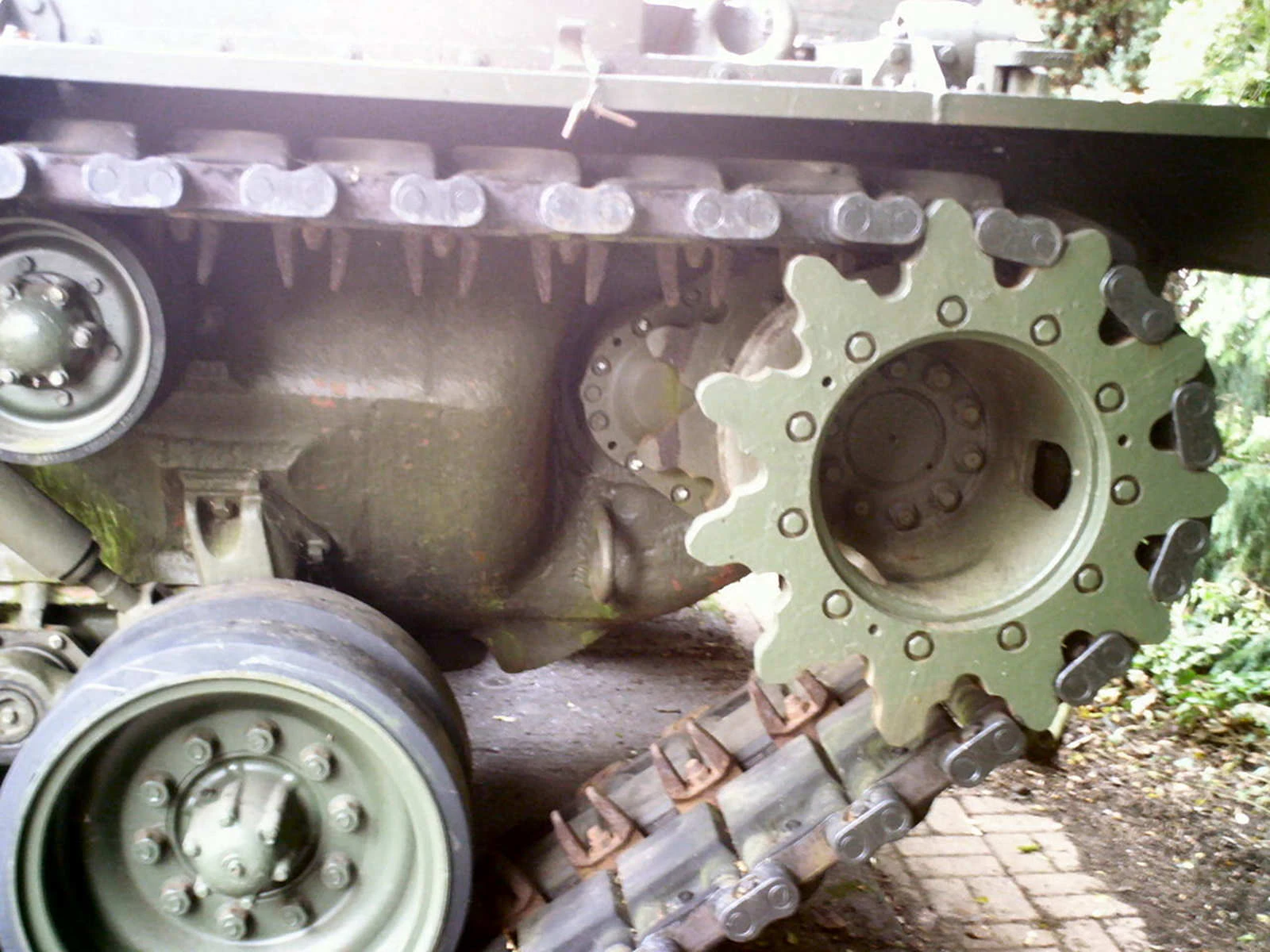
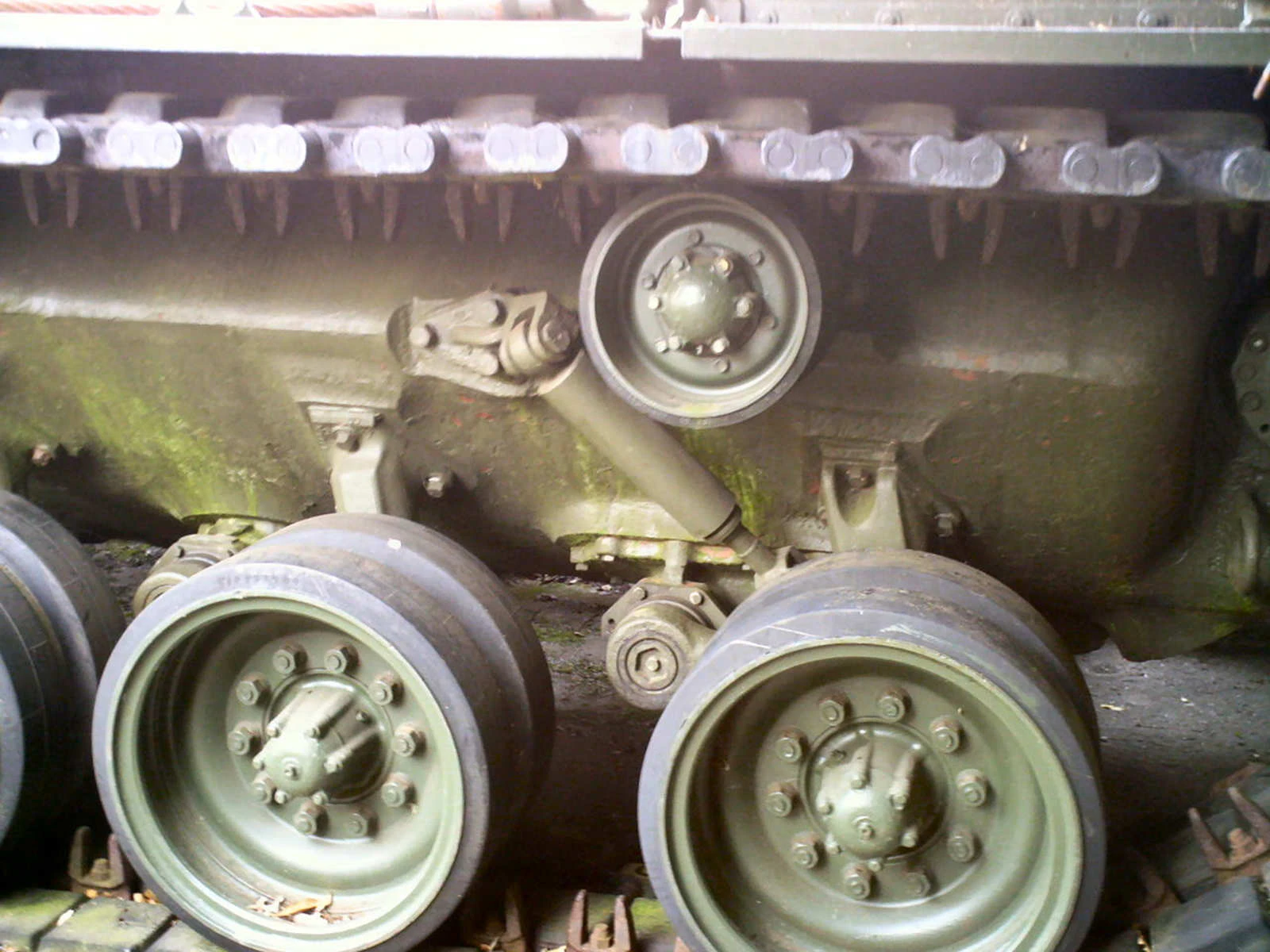
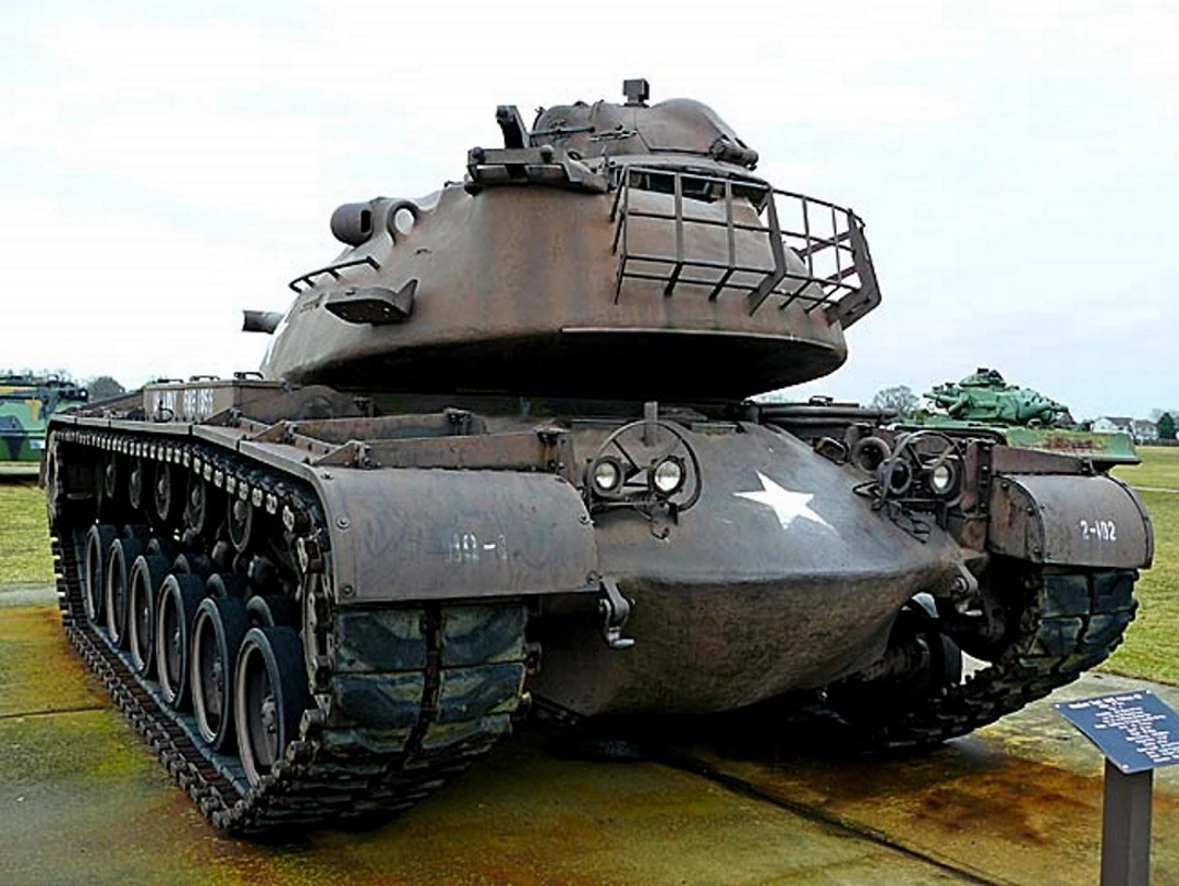
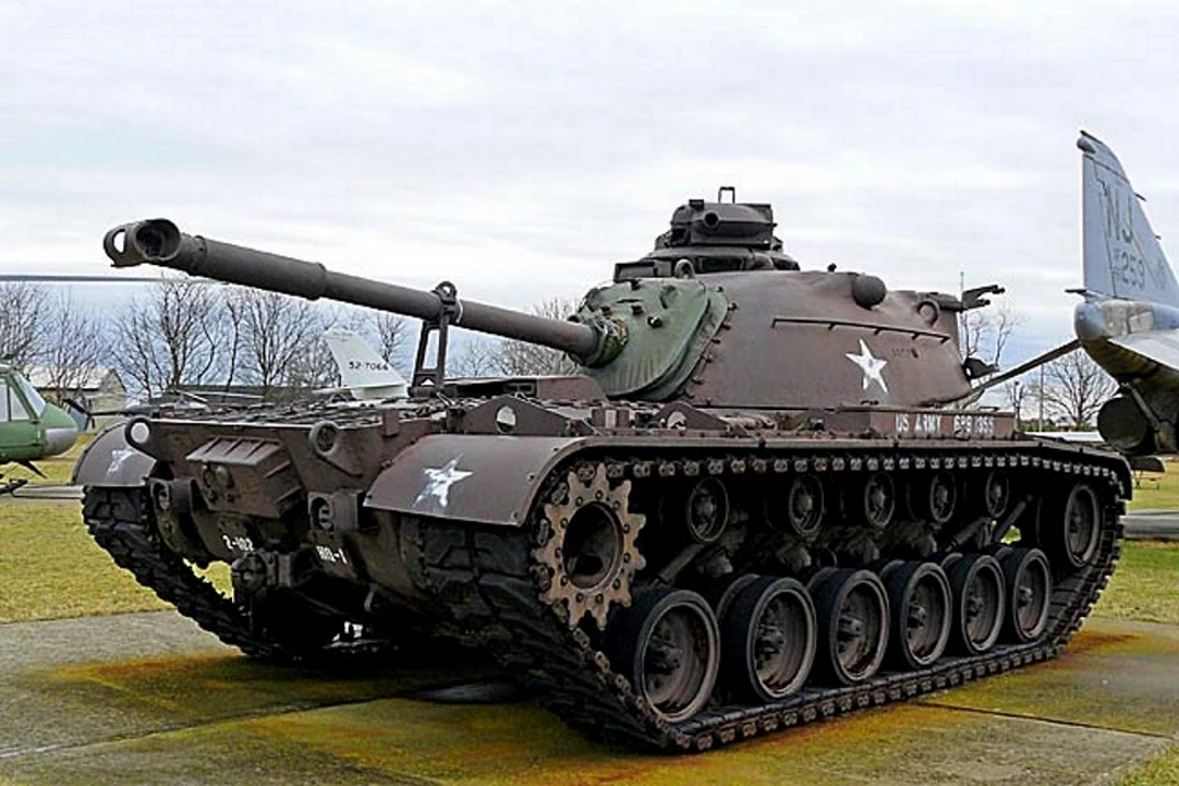
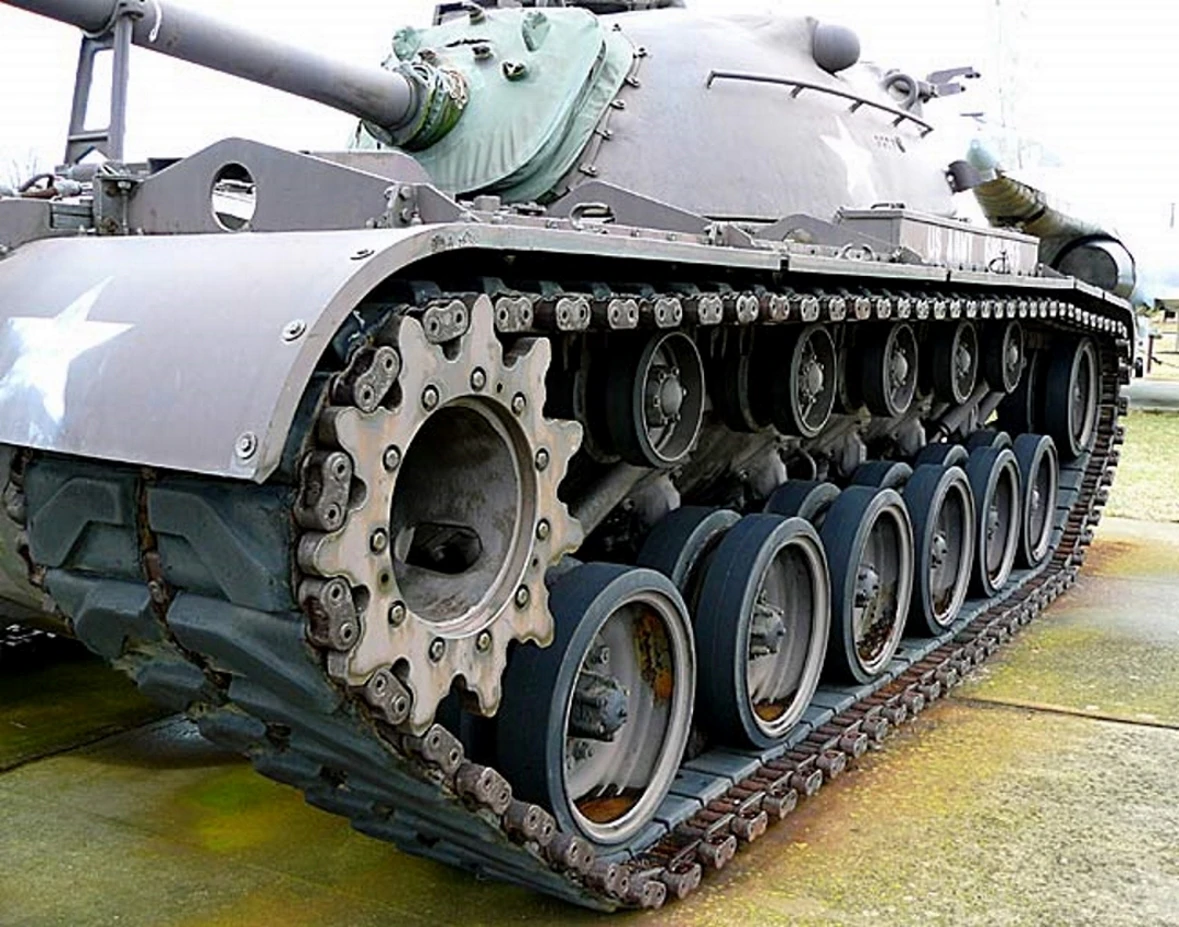
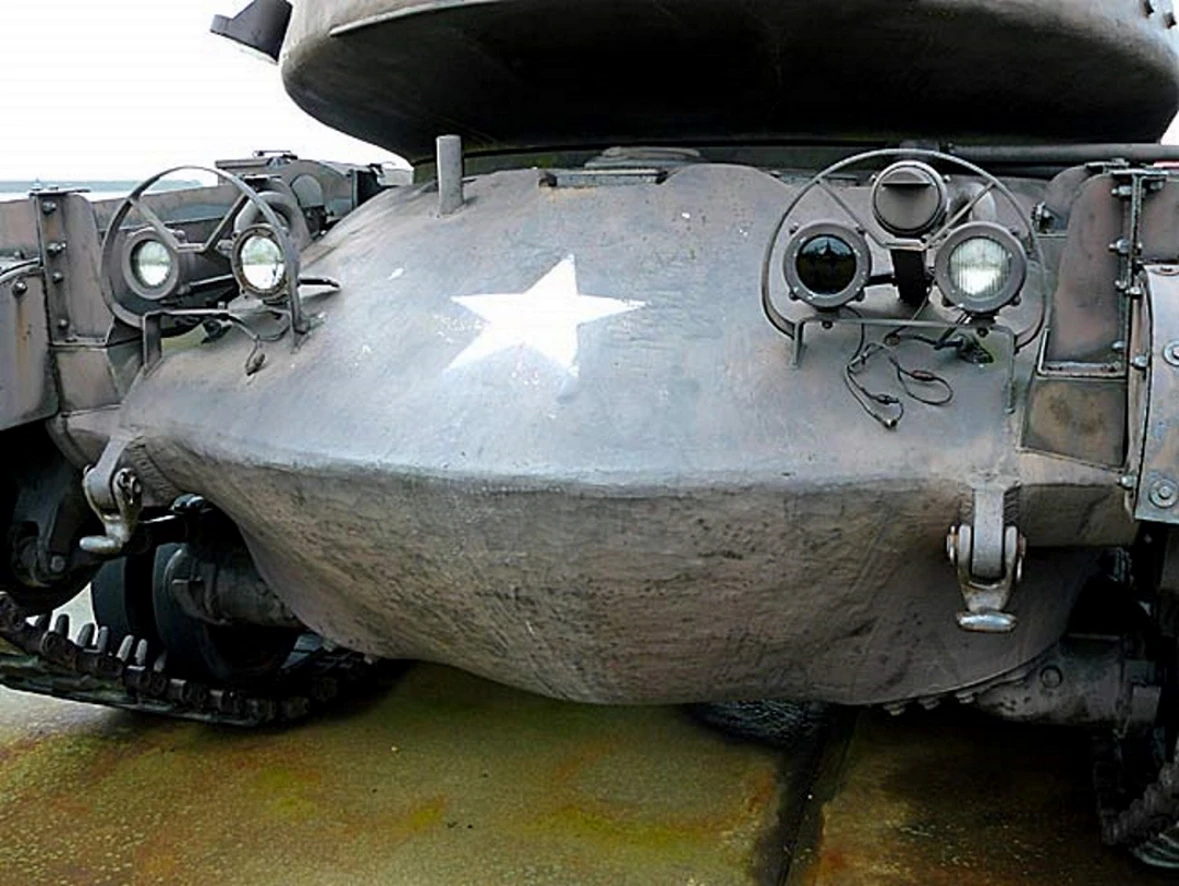
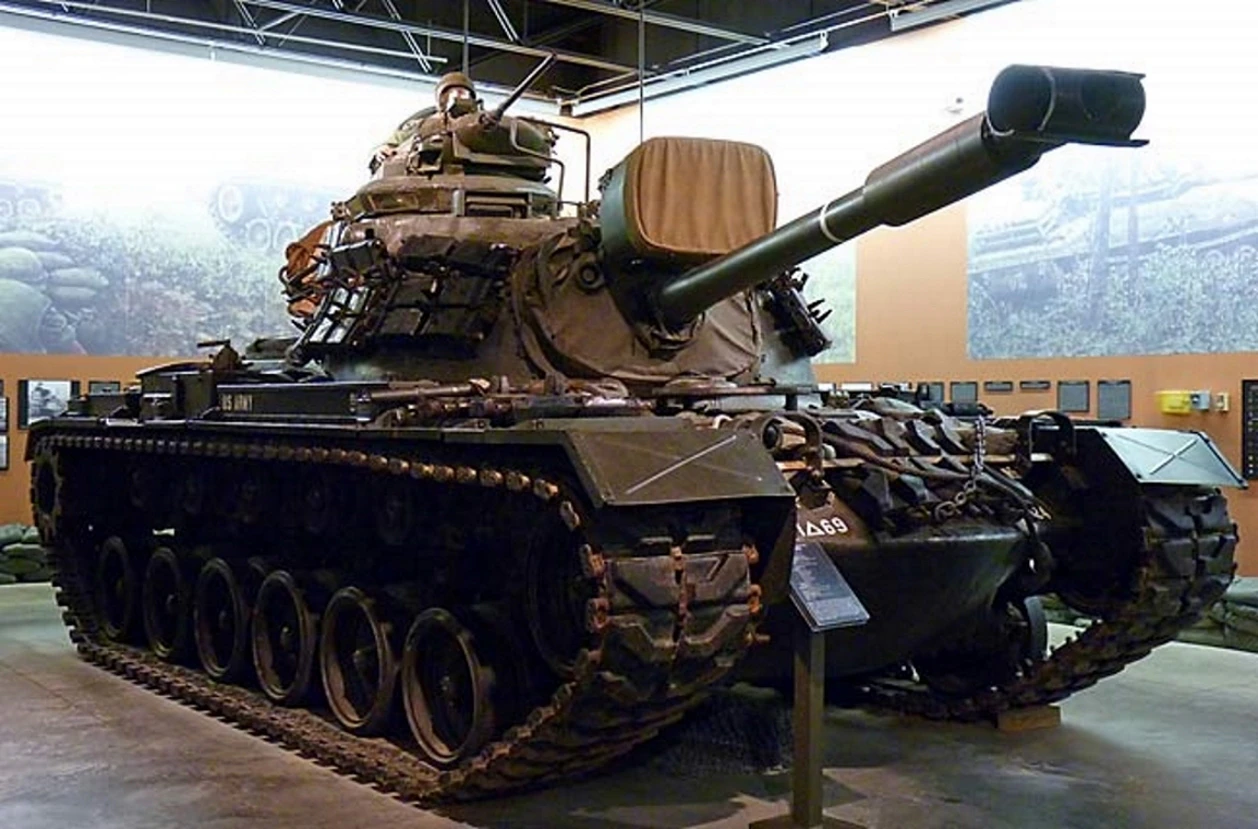
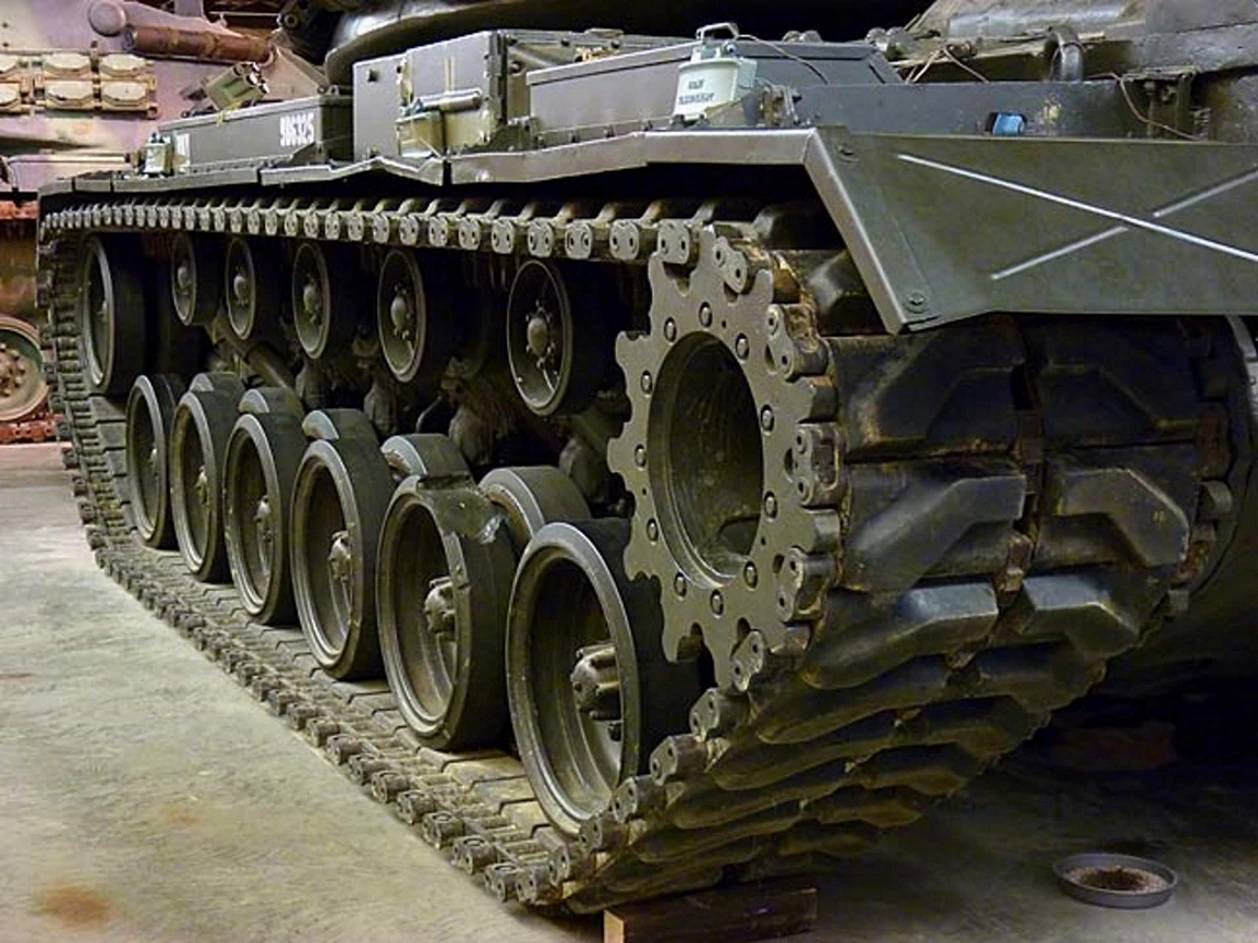
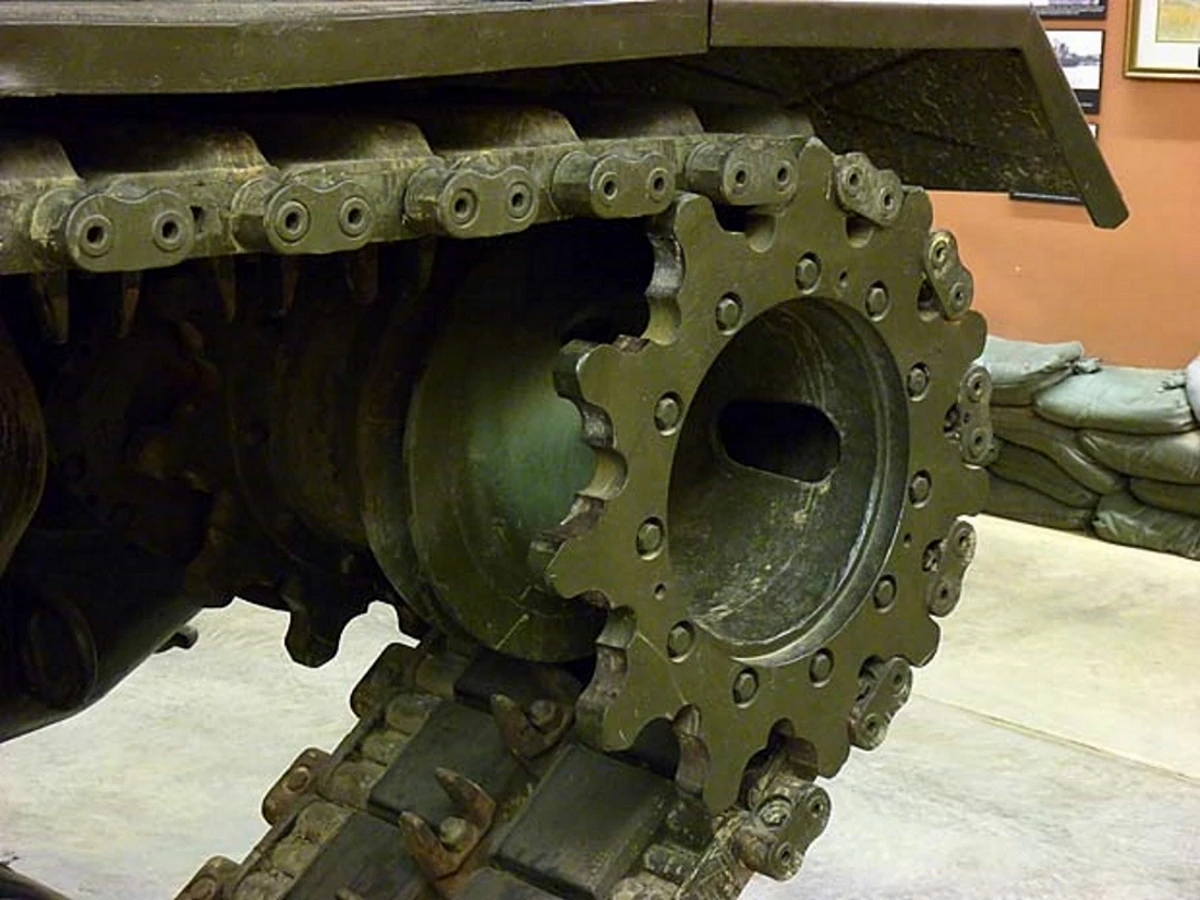
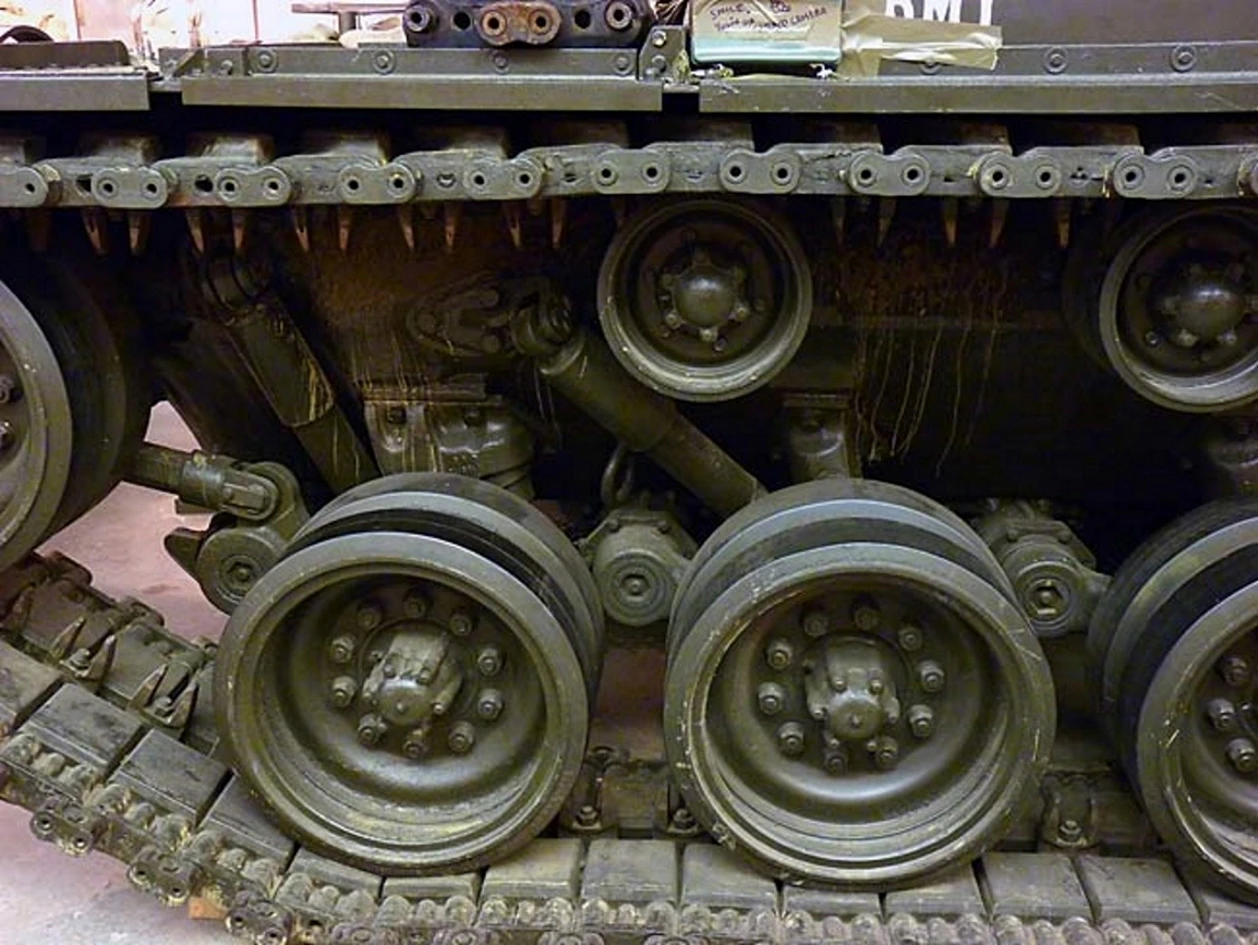
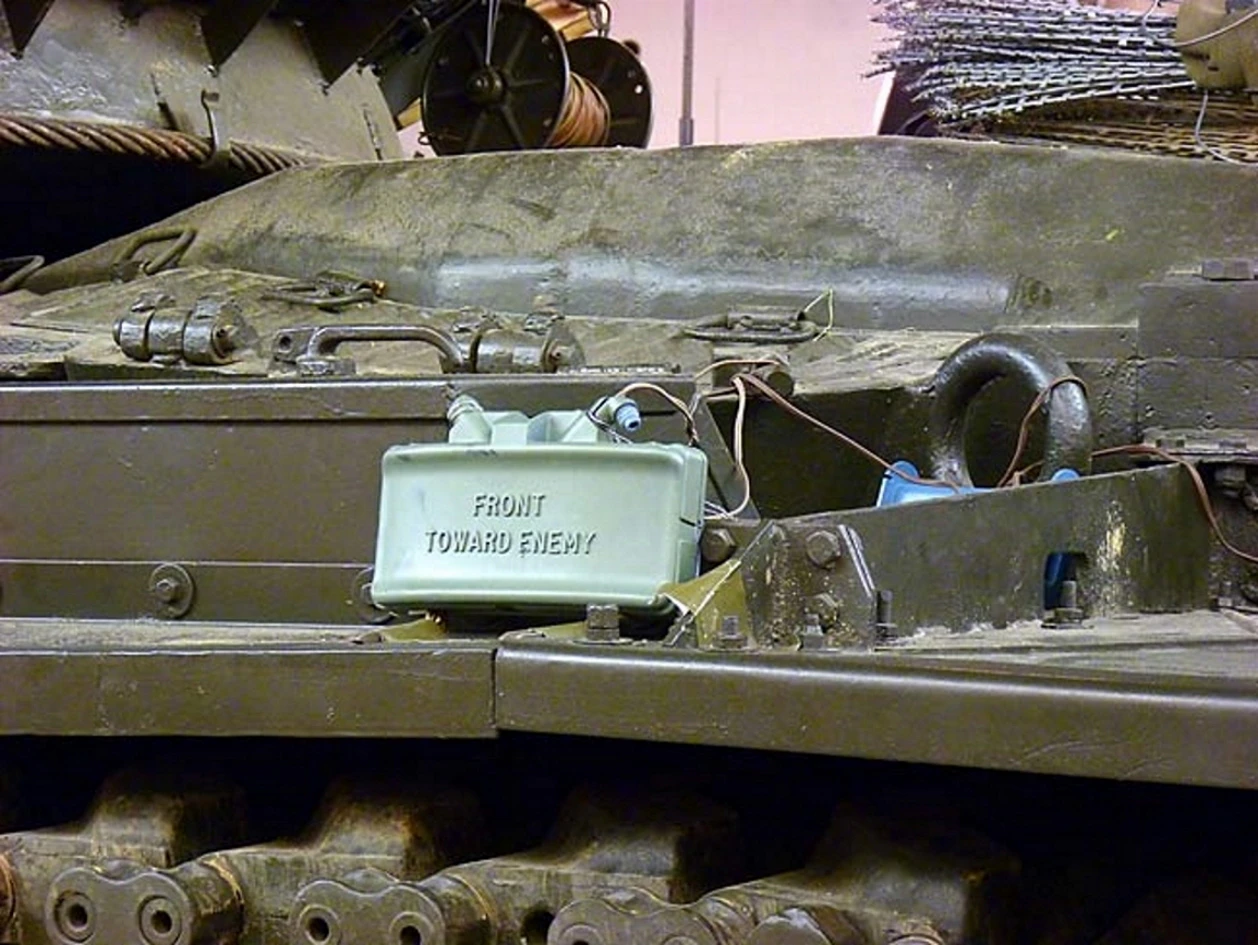
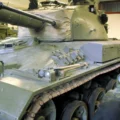
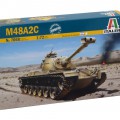
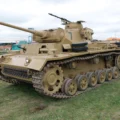
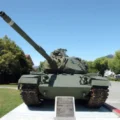
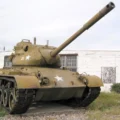
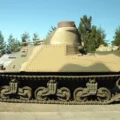
M48 Patton var en huvudstridsvagn (MBT) som konstruerades i USA. Det var den tredje stridsvagnen som officiellt namngavs efter general George S. Patton, befälhavare för USA: s tredje armé under andra världskriget och en av de tidigaste amerikanska förespråkarna för användning av stridsvagnar i strid. Det var en vidareutveckling av M47 Patton-tanken. M48 Patton var i amerikansk tjänst tills den ersattes av M60 och fungerade som den amerikanska arméns och marinkårens primära stridsvagn under Vietnamkriget. Det användes ofta av amerikanska kalla krigets allierade, särskilt andra Nato-länder.
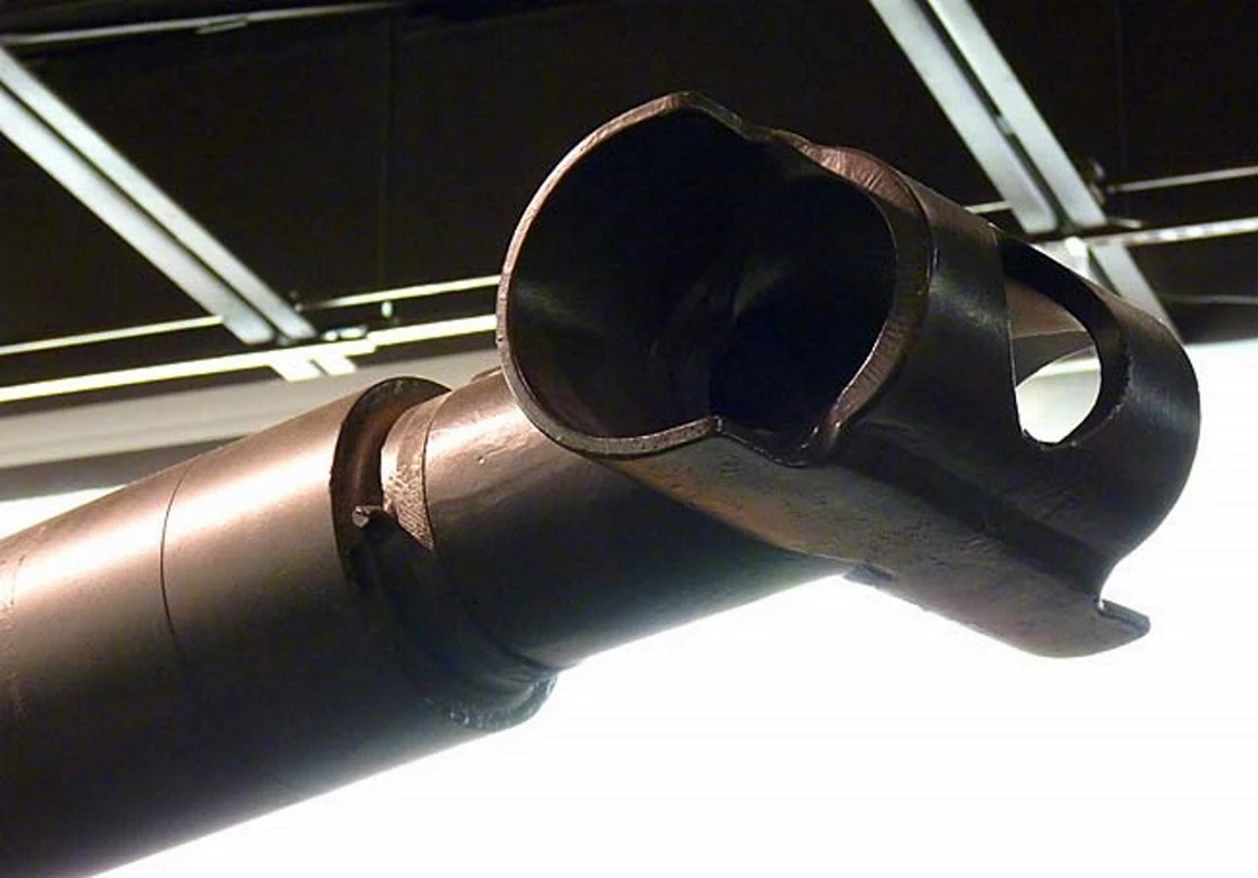
Den M48 Pattonrepresented a massive leap in tank design, moving away from the WWII-era construction of the M46 and M47. Introduced in the early 1950s, it featured a revolutionary hemispherical “turtle-back” turret and a fully cast hull, designed to deflect the high-velocity kinetic shells of the Soviet Union. While it was initially plagued by engine reliability and limited range, the later diesel-poweredM48A3became the face of American armor during the Vietnam War. It was the last U.S. tank to mount a 90mm main gun before the transition to the 105mm “Super Patton” (M60).
1 × .50 cal M2HB in cupola; 1 × .30 cal M60 coaxial
Armor
110 mm front hull; 178 mm turret face
Operational Range
463 km (288 miles) with diesel engine
Design Engineering: Casting the Future
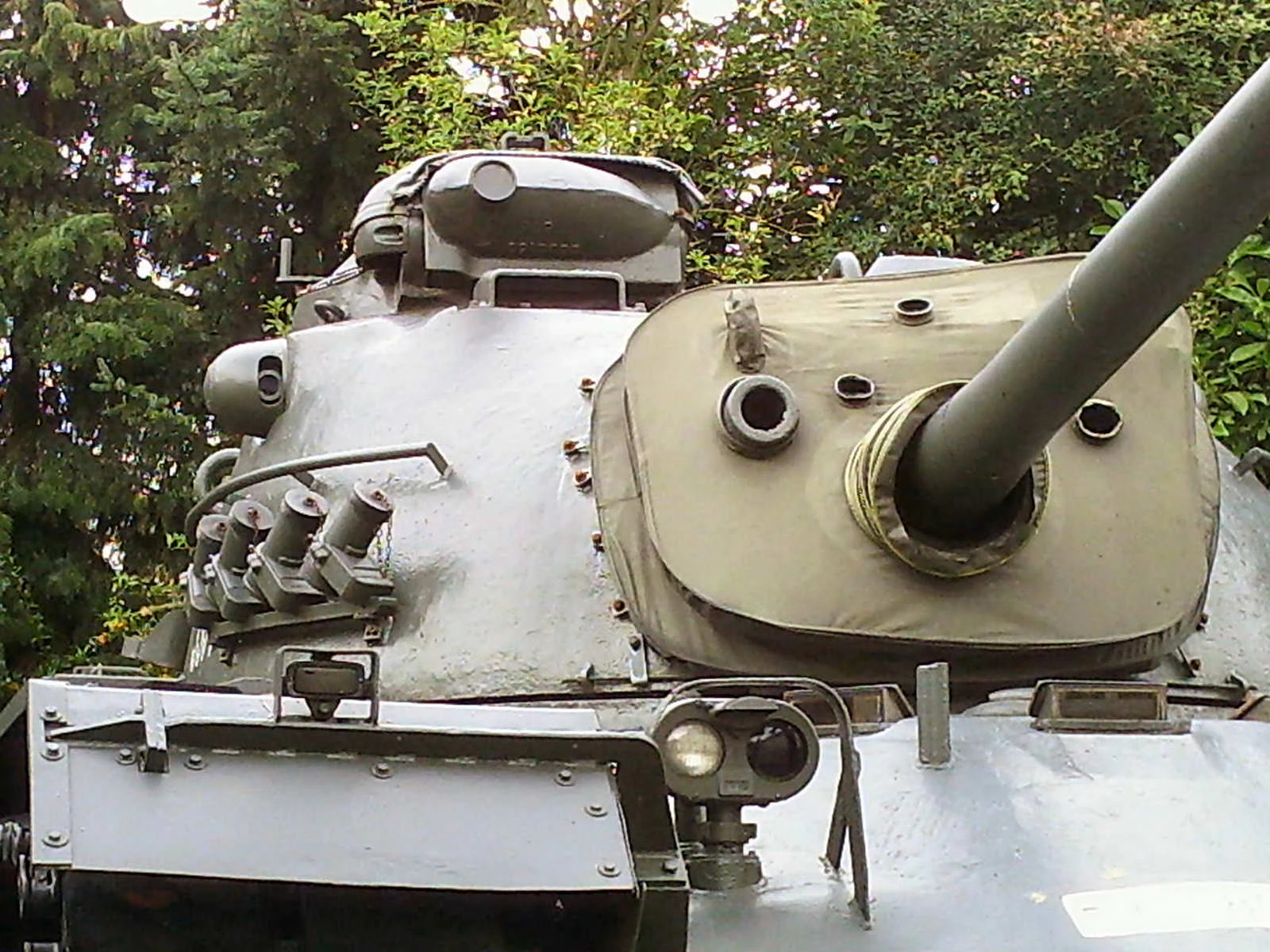
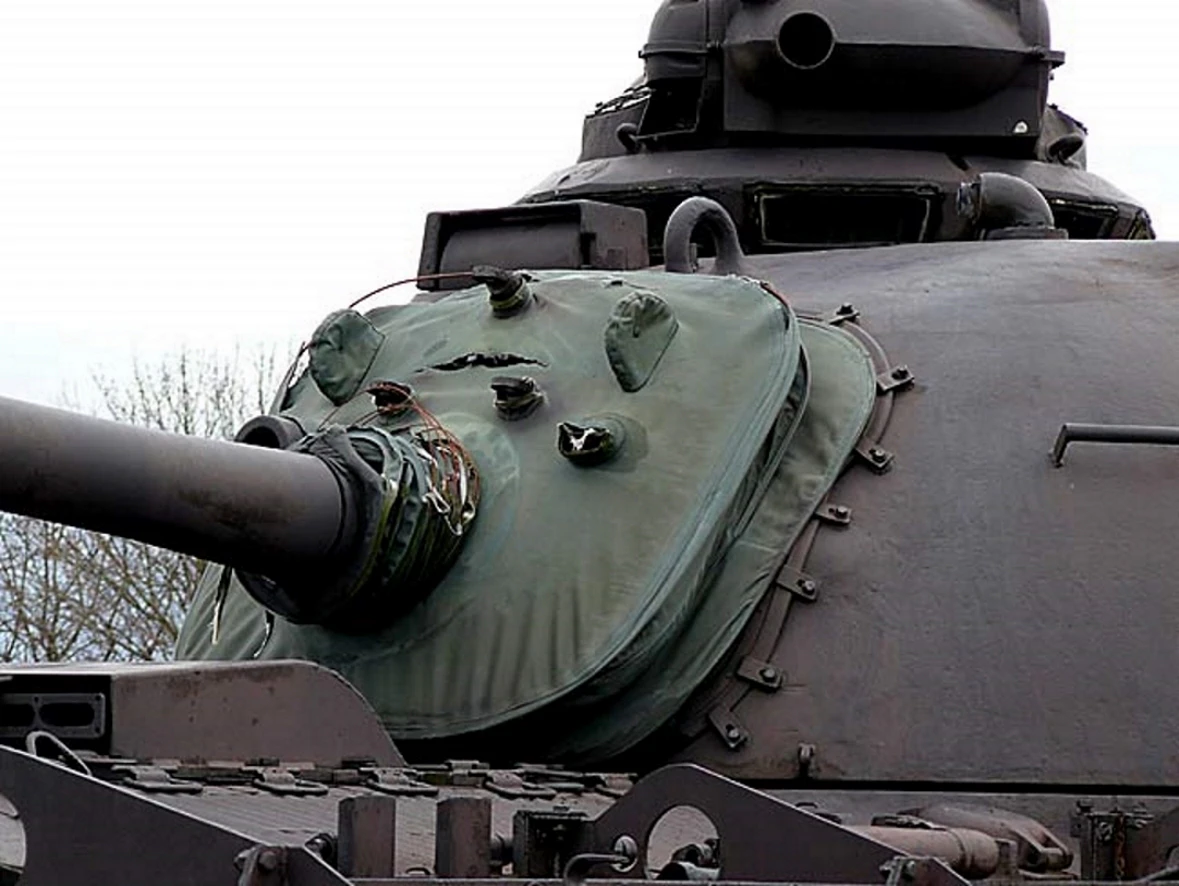
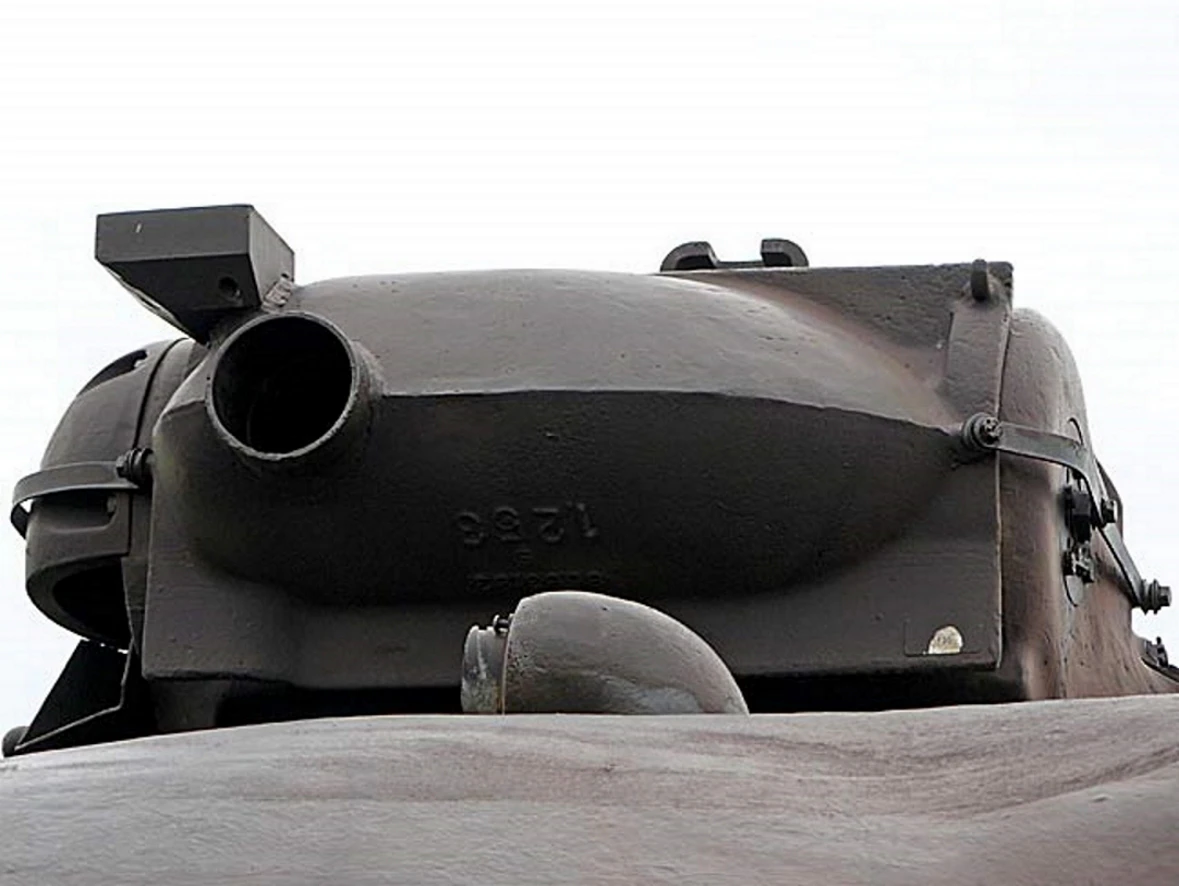
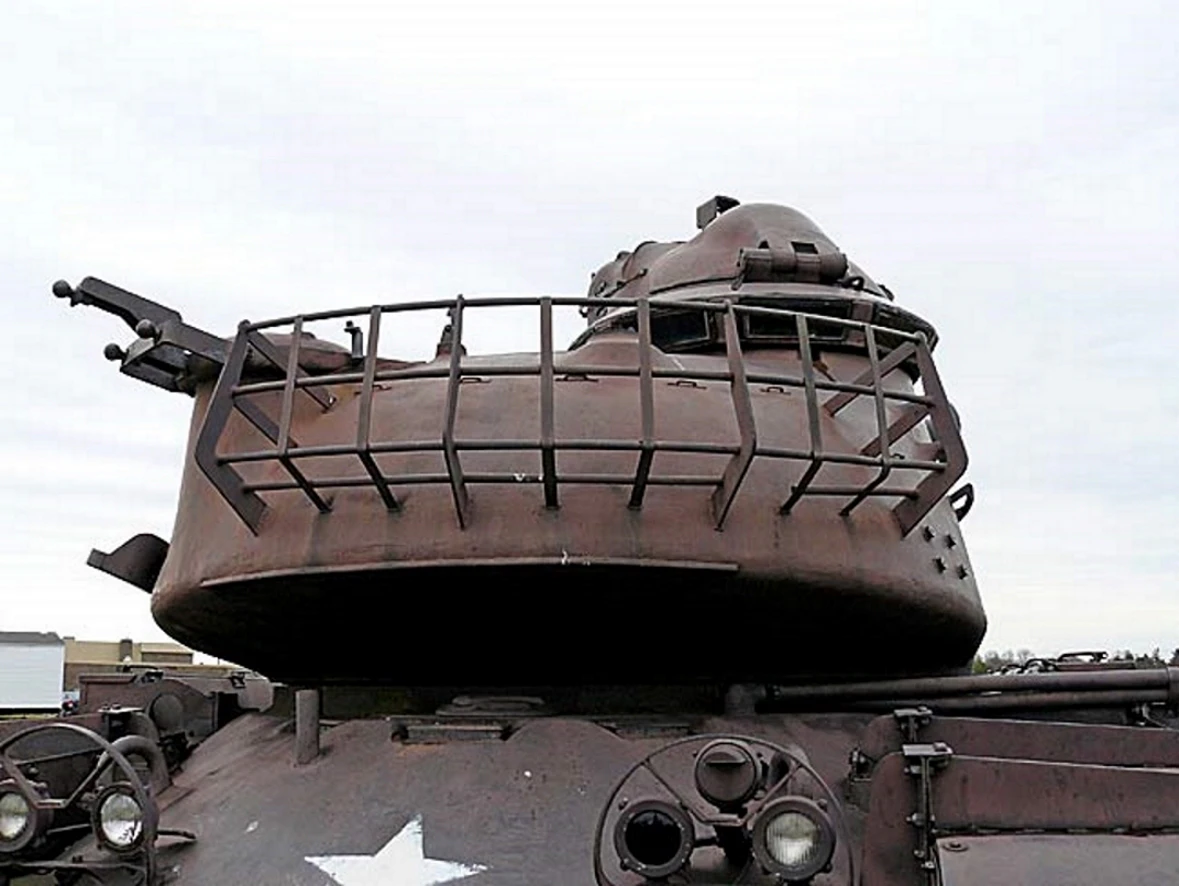
The Hemispherical Turret:The M48 moved away from flat, welded plates to a one-piece cast turret. The rounded shape ensured that incoming rounds were more likely to strike at an extreme angle, causing them to ricochet rather than penetrate.
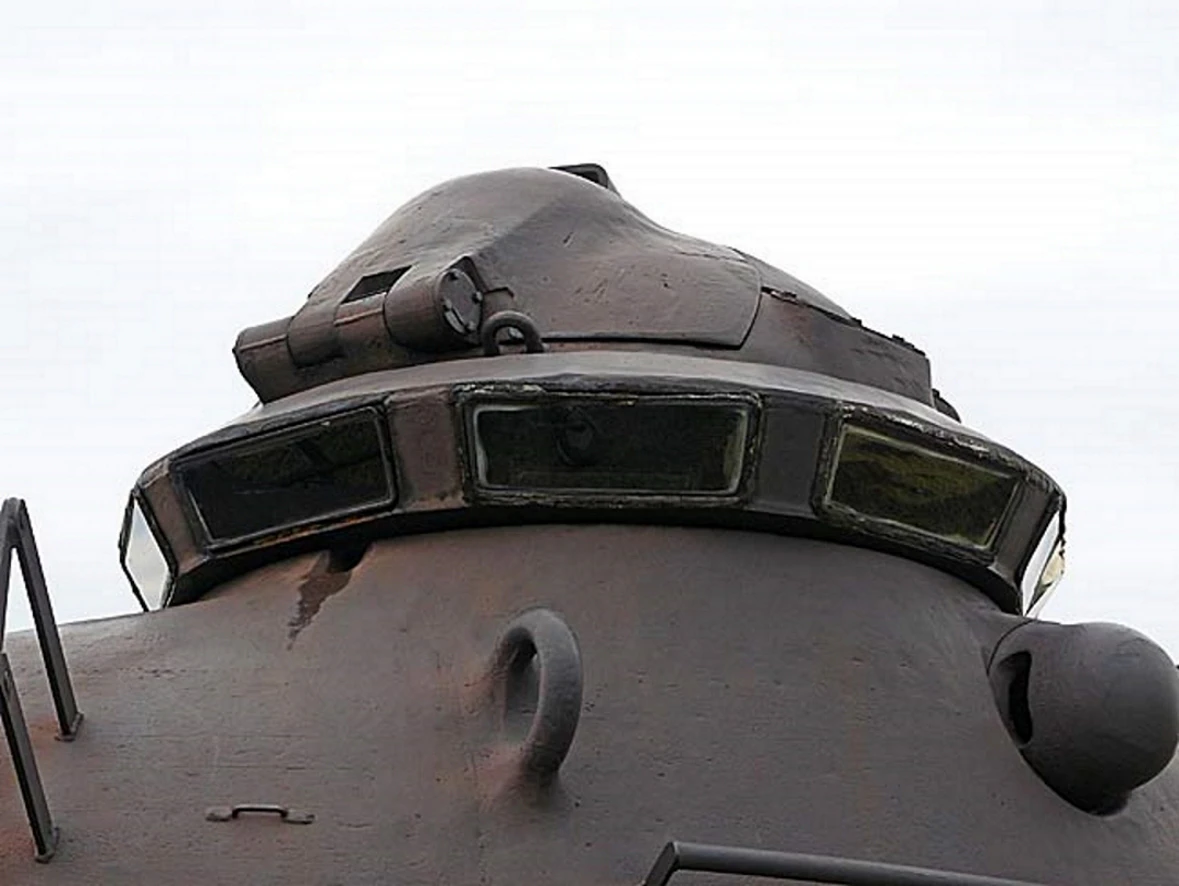
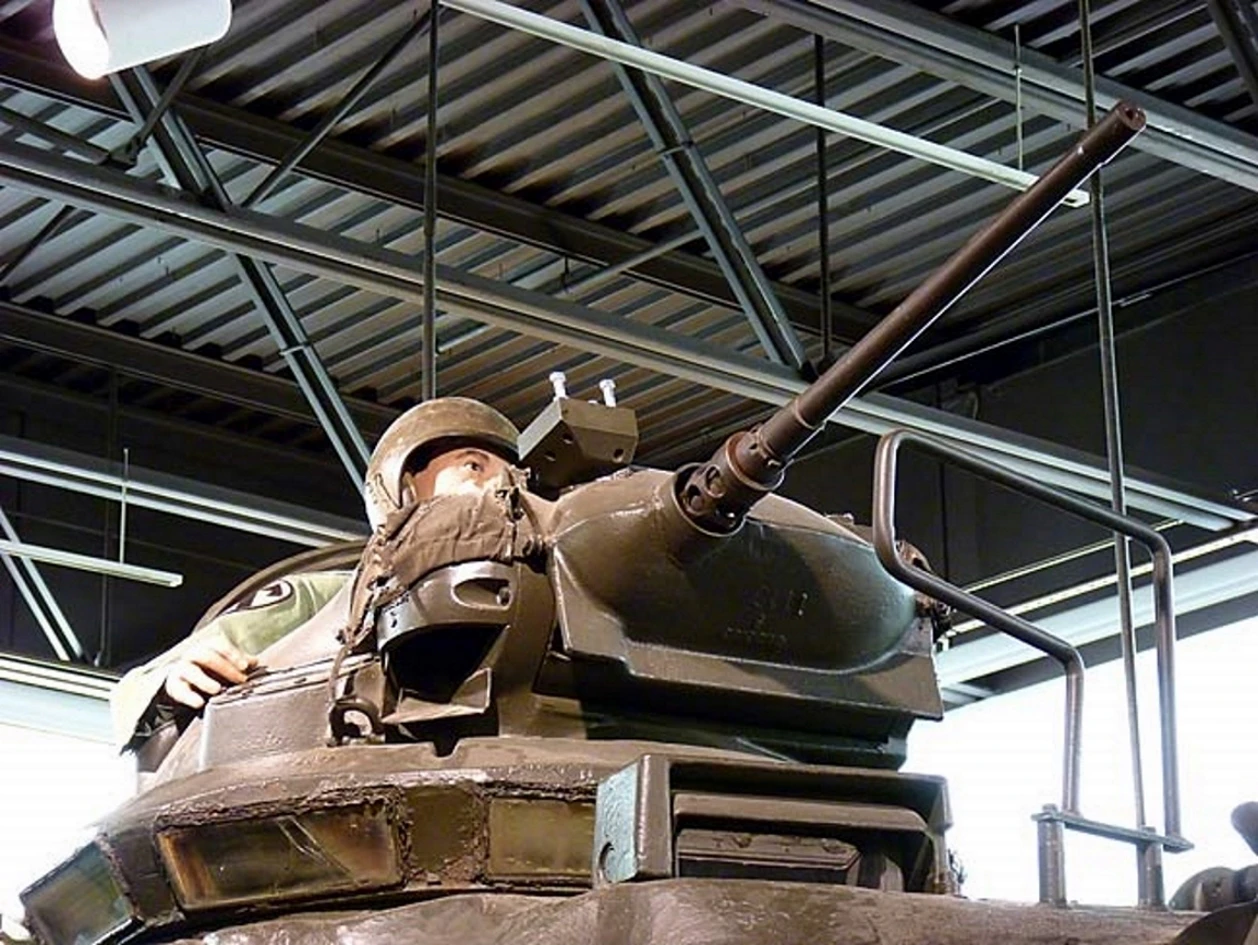
The M19 Commander’s Cupola:One of the most distinctive (and controversial) features was the massive M19 cupola. It allowed the commander to operate a .50 caliber machine gun frominsidethe safety of the tank, though it made the tank’s silhouette much taller and easier to spot.
Gas to Diesel:Early Pattons used gasoline engines that were notoriously thirsty and prone to catching fire if hit. TheM48A3upgrade introduced the AVDS-1790 diesel engine, which doubled the tank’s range and significantly improved crew survivability.
Optical Rangefinder:The M48 was equipped with a stereoscopic coincidence rangefinder. The gunner would look through “eyebrows” on the side of the turret to align two images of the target, automatically calculating the distance for the main gun—a precursor to modern fire-control computers.
Operational History: From Iron Curtain to Jungle
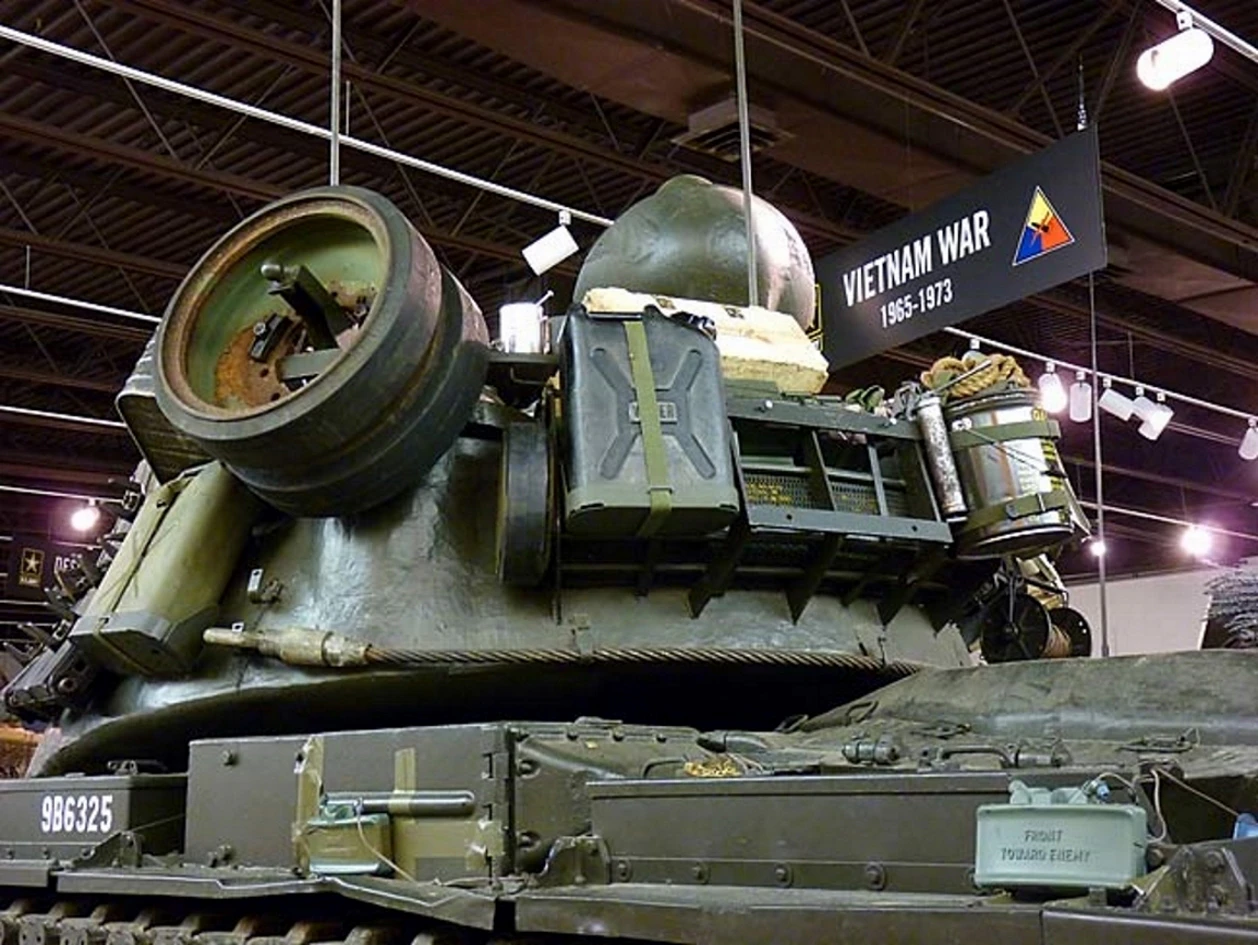
Vietnam Jungle Fighter:In Vietnam, the Patton was rarely used in tank-on-tank duels. Instead, it was an “infantry’s best friend,” using 90mm “beehive” rounds (filled with thousands of tiny darts) and high-explosive shells to clear bunkers and dense foliage.
The Battle of Asal Uttar:In 1965, during the Indo-Pakistani War, Pakistani M48s faced Indian Centurions. While the Patton was more technologically advanced, the Indian crews’ superior tactics led to a decisive victory, creating what became known as the “Patton Nagar” (Patton Graveyard).
Six-Day War:Israeli M48s (known asMagach) performed brilliantly in the Sinai, proving that when handled by highly trained crews, the Patton’s 90mm gun and excellent optics could dominate Soviet-made T-54/55 tanks.
The 105mm Upgrade:Eventually, most M48s were up-gunned with the British-designed 105mm L7 (the M68) to stay relevant against newer Soviet armor, resulting in theM48A5variant which served in National Guard units until the 1980s.