| Pz.Kpfw. III | |
|---|---|
| Land | Tyskland |
| Roll | Medelstor tank |
| I bruk | 1939–1945 |
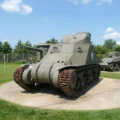
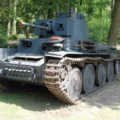
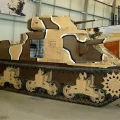
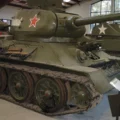
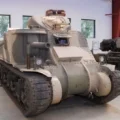
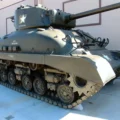
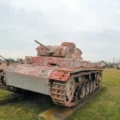
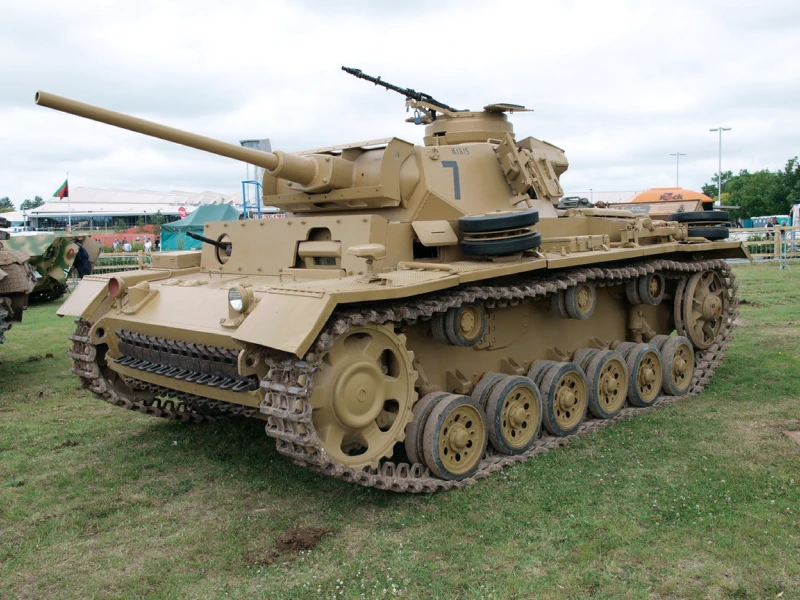
Fotogalleri av en Panzer III under en utomhusutställning, The Pansar III var en medeltung stridsvagn som utvecklades på 1930-talet av Tyskland och användes under andra världskriget.
| Pz.Kpfw III | |
|---|---|
| Fotograf | Unknow |
| Lokalisering | Unknow |
| Bilder | 19 |
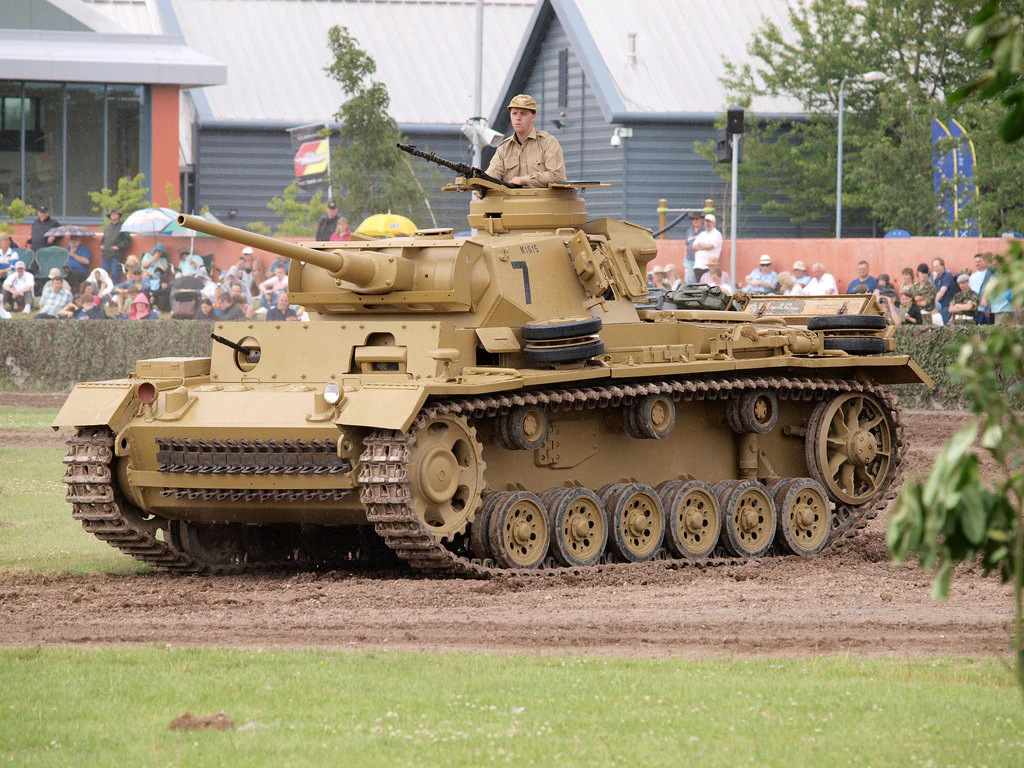
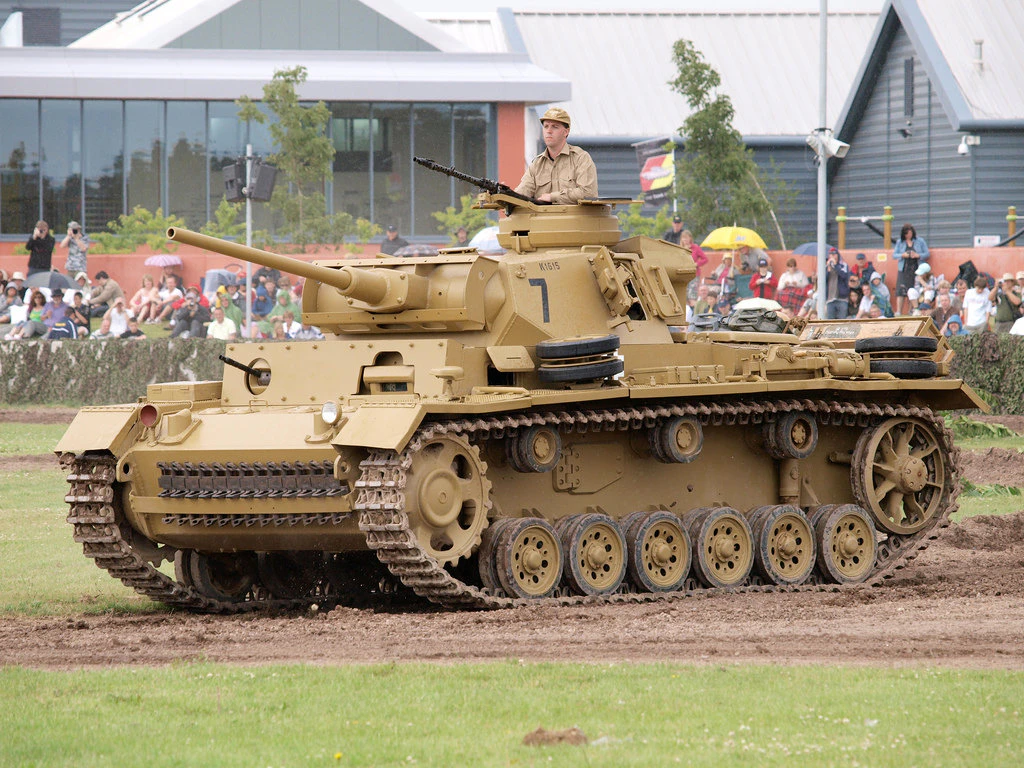
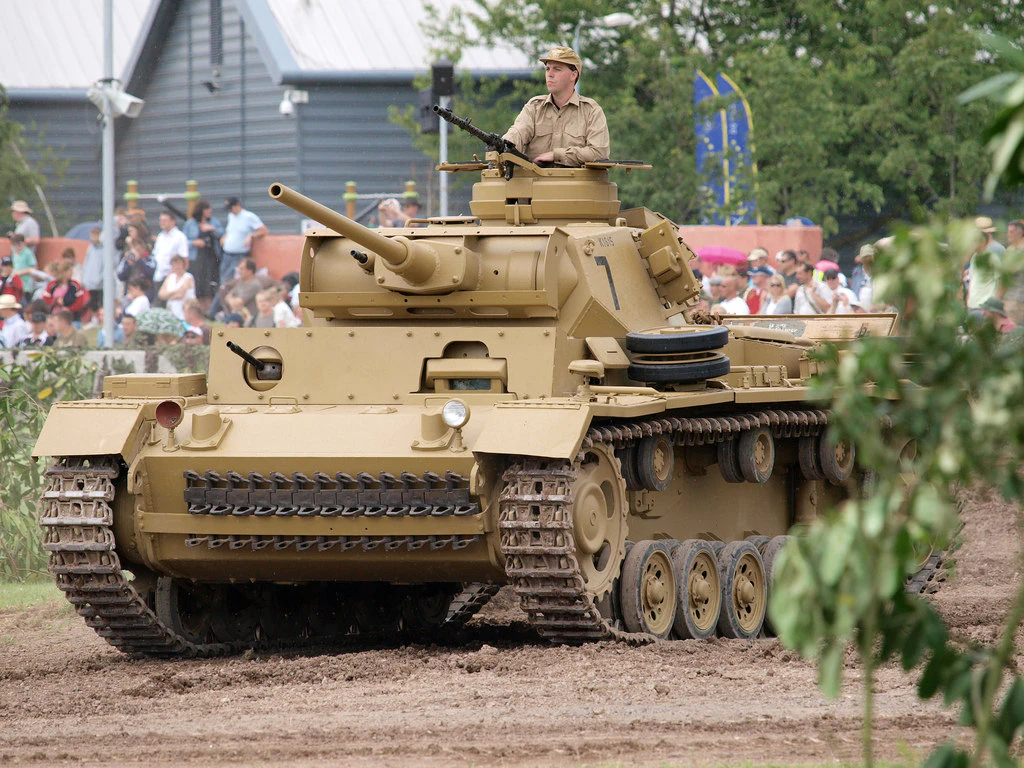
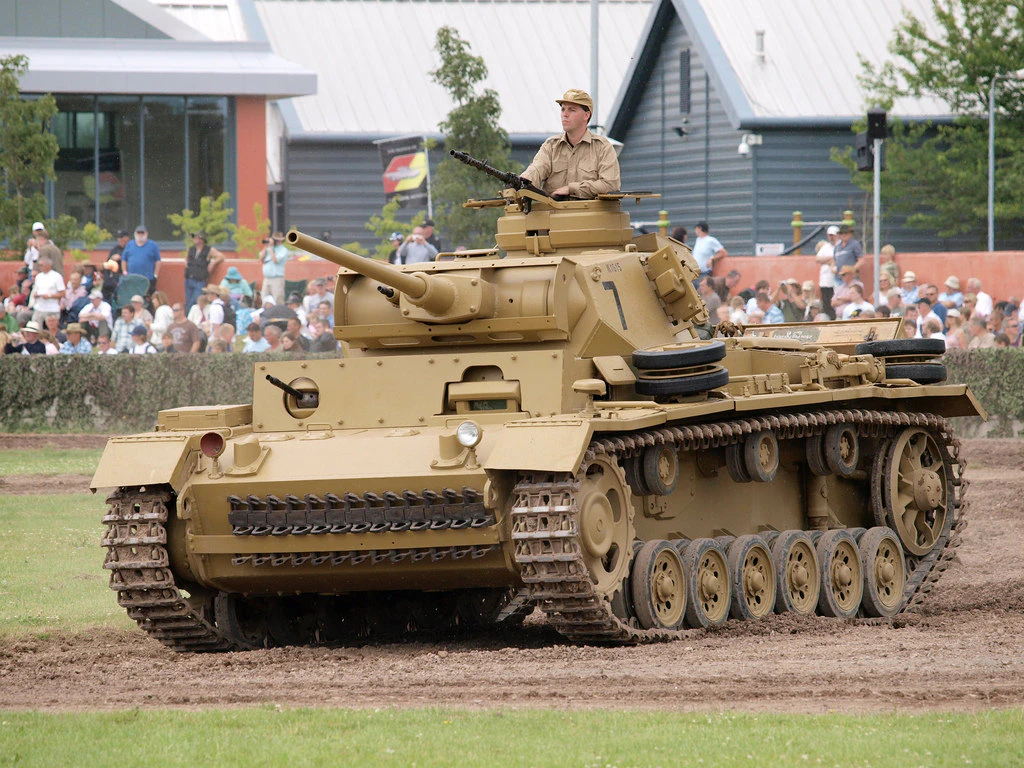
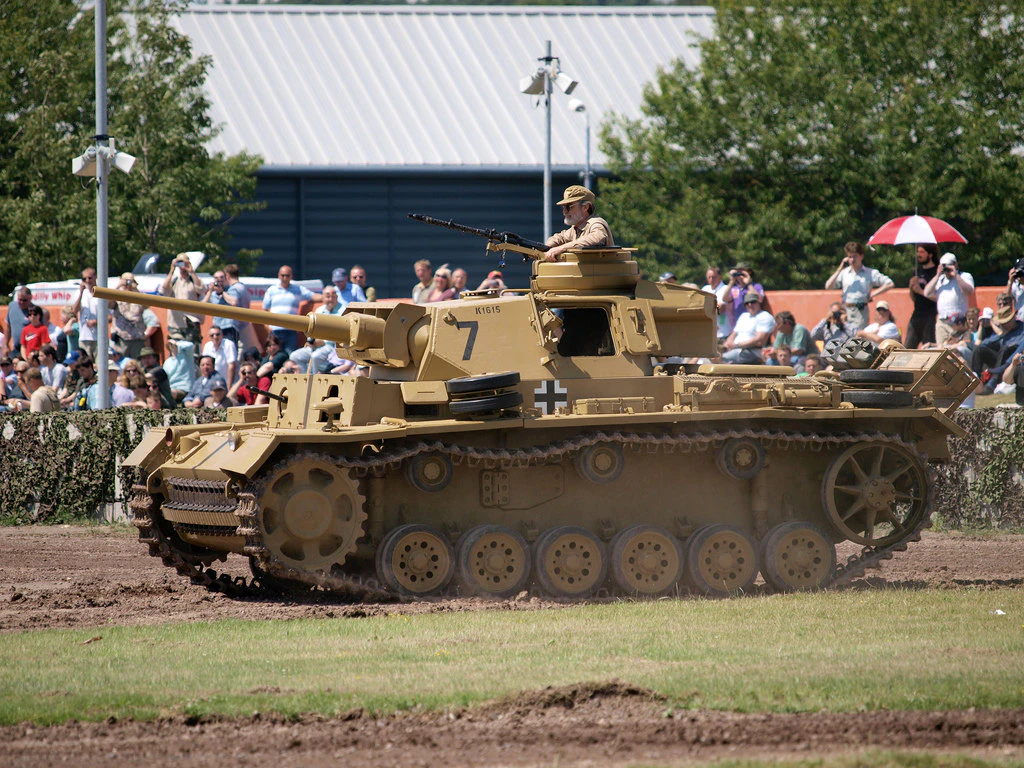
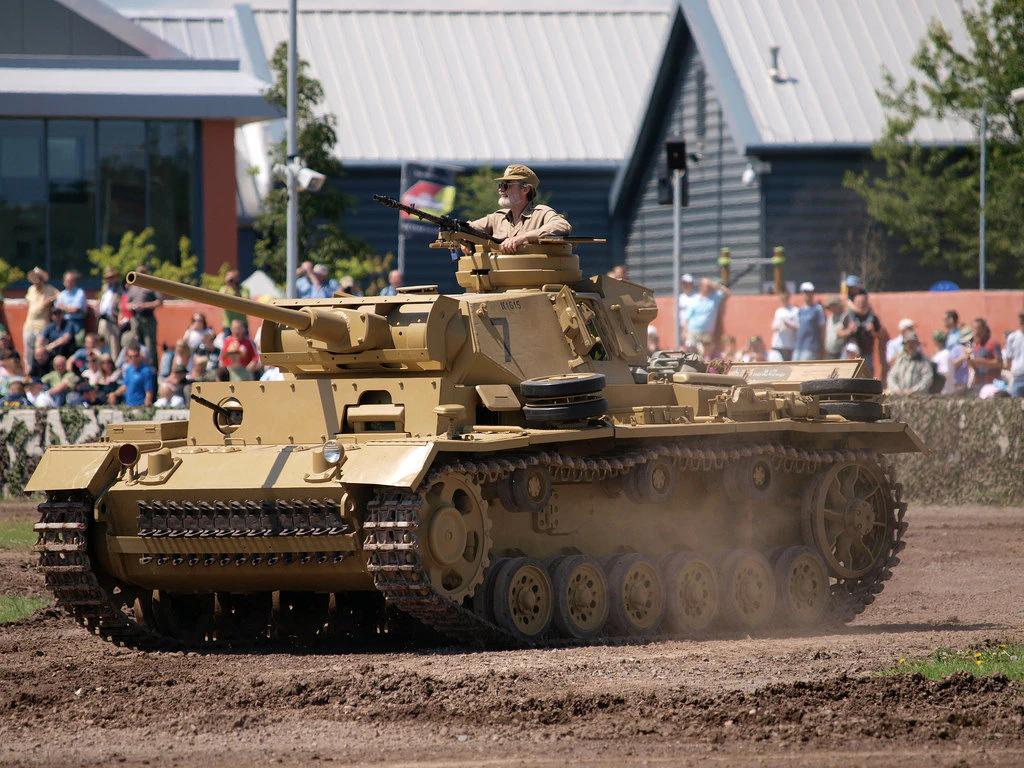
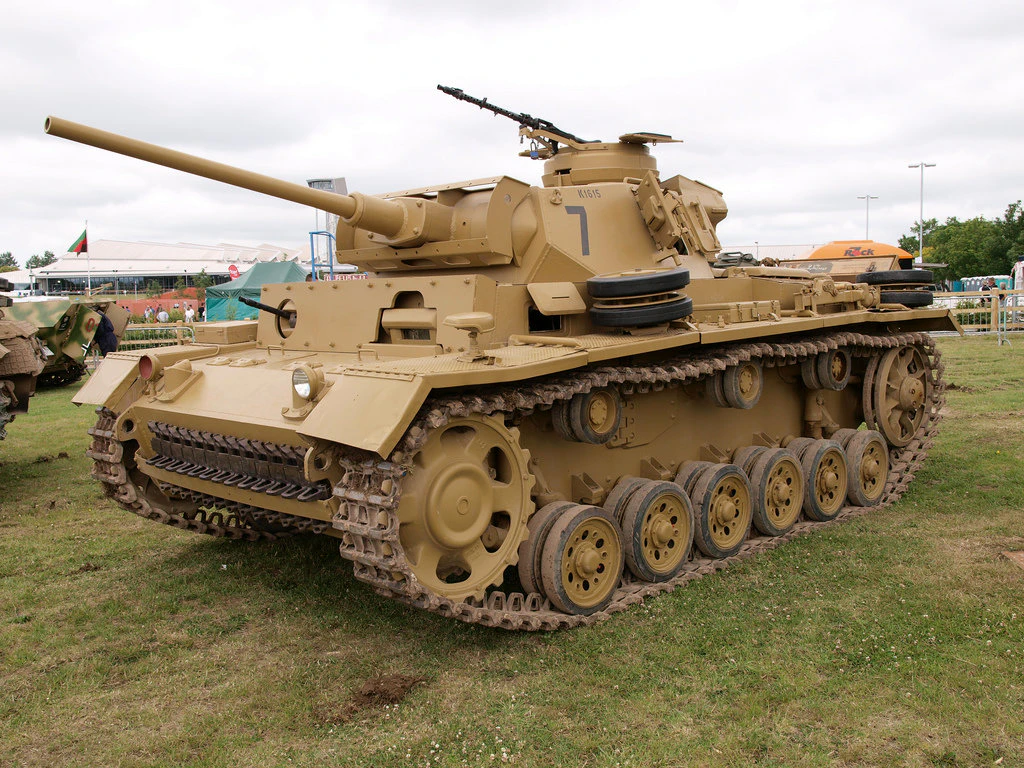
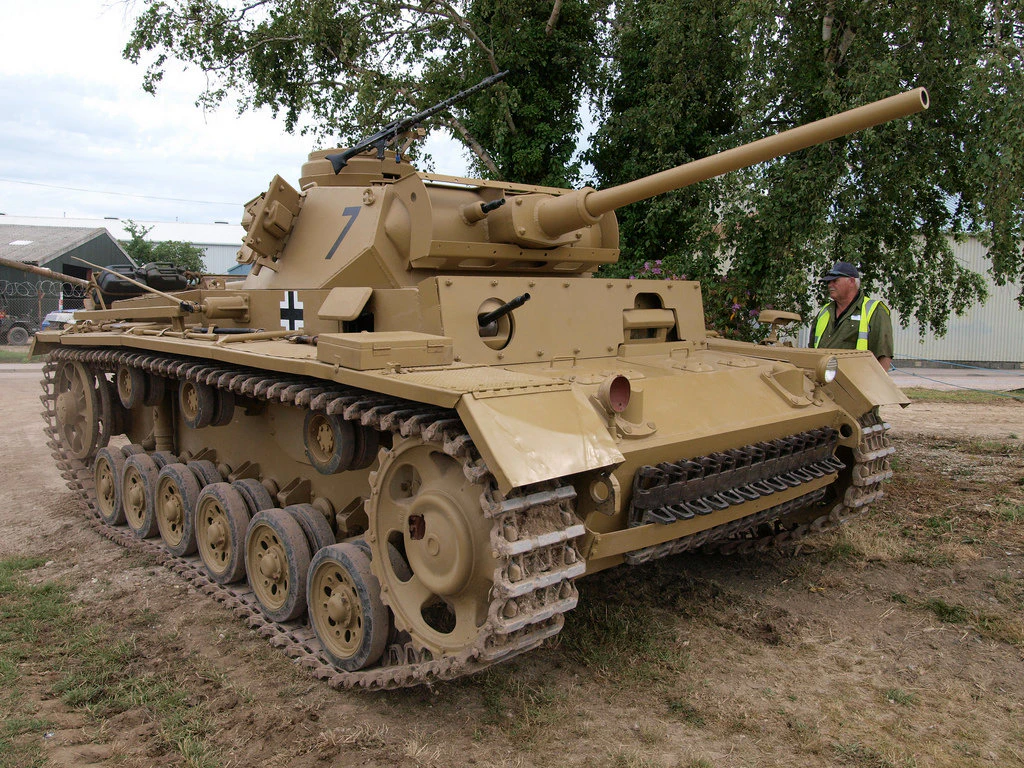
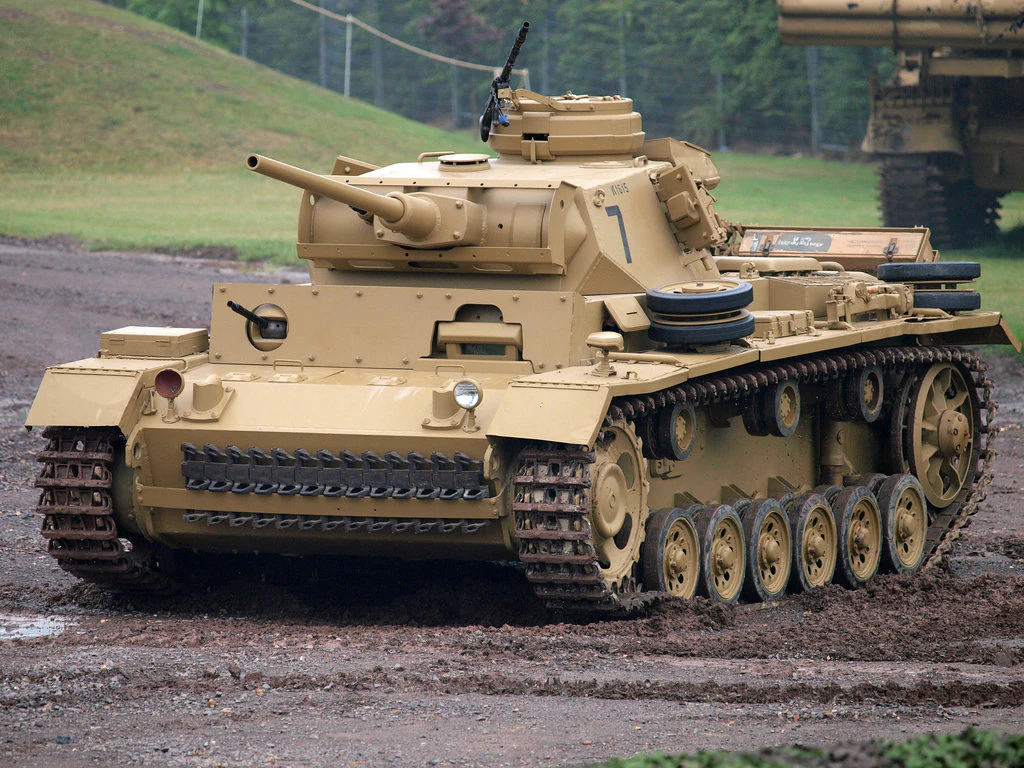

| Panzer III Walk Around | |
|---|---|
| Fotograf | Dmitry Kiyatkin |
| Lokalisering | Unknow |
| Bilder | 136 |
Se även:


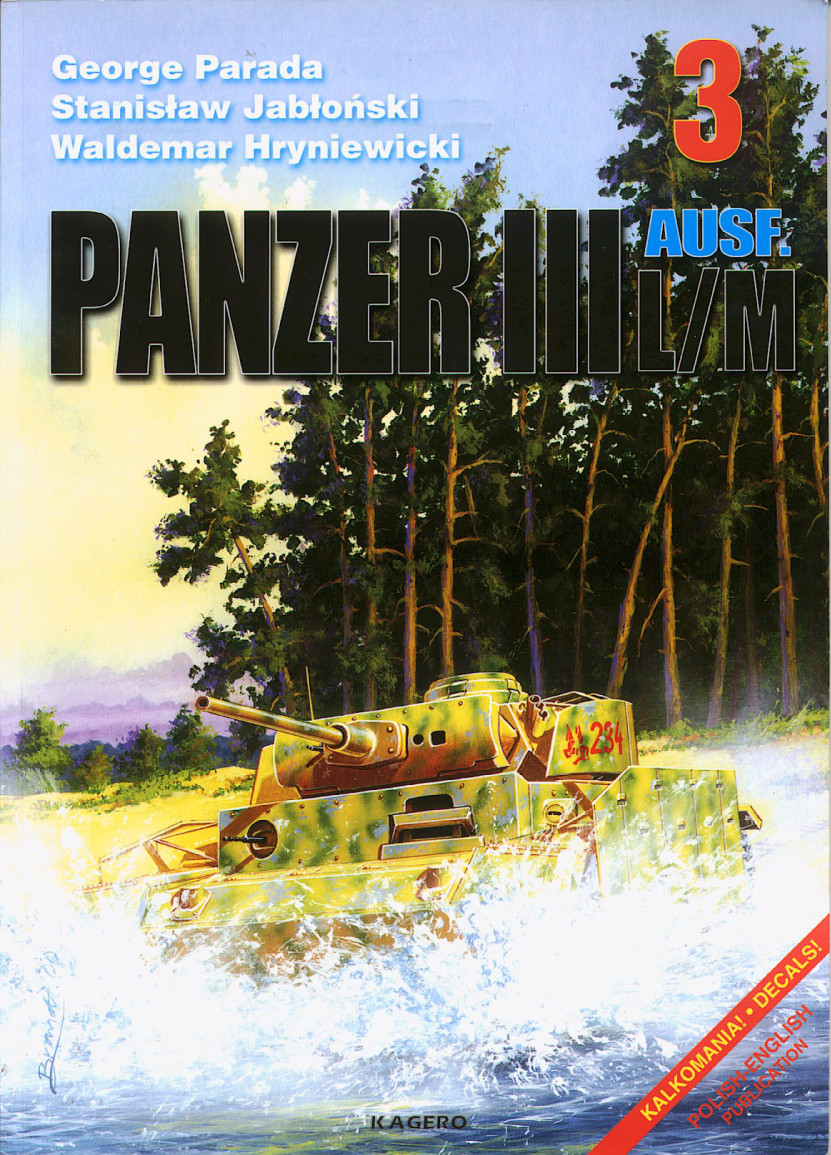
The “Fighter” Tank
Den Pansar III was designed by Heinz Guderian to be the primary weapon of the German armored divisions. While the Panzer IV was intended for support, the Panzer III was the dedicated tank-killer of the early war. Its greatest strength wasn’t its armor or its gun, but its internal layout. It was one of the first tanks designed around a three-man turret, allowing the commander to focus entirely on the battle rather than loading or firing. This ergonomic advantage allowed Panzer III units to outmaneuver and outfight technically superior Allied tanks in Poland, France, and the early stages of the Soviet invasion.
| Attribute | Technical Specification (Ausf. J / L) |
|---|---|
| Roll | Medium Tank / Main Battle Tank |
| besättning | 5 (Commander, Gunner, Loader, Driver, Radio Op) |
| Motor | Maybach HL 120 TRM V12 gasoline (300 hp) |
| Maximum Speed | 40 km/h (25 mph) on road |
| Main Armament | 5 cm KwK 39 L/60 rifled gun (92 rounds) |
| Secondary Armament | 2 × 7.92 mm MG 34 machine guns |
| Armor | 30 mm to 50 mm (plus 20mm spaced armor on later models) |
| vikt | 22.7 tonnes (Combat weight) |
Design Engineering: The Three-Man Turret
- The Tactical Revolution: By placing a commander, gunner, and loader in the turret, the Panzer III gave the commander a dedicated cupola with 360-degree vision. This meant German tank commanders could react to threats faster than French or Soviet crews who were often multi-tasking. [Image diagram of the Panzer III three-man turret layout]
- Torsion Bar Suspension: The Panzer III used a sophisticated torsion bar suspension system. This provided a much smoother ride and a more stable firing platform than the leaf springs of the Panzer IV, though it was more difficult to repair in the field.
- Zentral-Funk (Central Radio): Every Panzer III was equipped with a radio that allowed the commander to talk to the driver and other tanks. In 1940, this was a massive technological edge over the French and Soviets, who often relied on signal flags.
- The “Growth” Problem: The Panzer III’s turret ring was too small to accommodate a gun larger than 50mm. When the Soviet T-34 appeared, the Panzer III reached its limit, eventually forcing the German army to prioritize the larger-ringed Panzer IV.
Operational History: Peak and Obsolescence
- The North African Campaign: The Panzer III was the star of Rommel’s Afrika Korps. Its 50mm gun was effective against British Crusaders and Honeys, and its reliability in the desert heat made it a favorite of its crews.
- Stalingrad and the East: During the push into Russia, the Panzer III (now with the long 50mm L/60 gun) could still take on T-34s at close range, but its armor was increasingly vulnerable to Soviet anti-tank rifles and cannons.
- The StuG III Legacy: When the Panzer III was withdrawn from frontline tank duty in 1943, its chassis lived on as the Sturmgeschütz III (StuG III). Because it lacked a turret, it could carry a much larger 75mm gun, eventually becoming Germany’s most produced and successful armored vehicle of the war.
- Specialized Variants: Late in the war, the Panzer III was used as the Panzer III Ausf. N, equipped with a short 75mm gun for infantry support, and the Flammpanzer III, which traded its main gun for a flamethrower.
Visningar : 4723