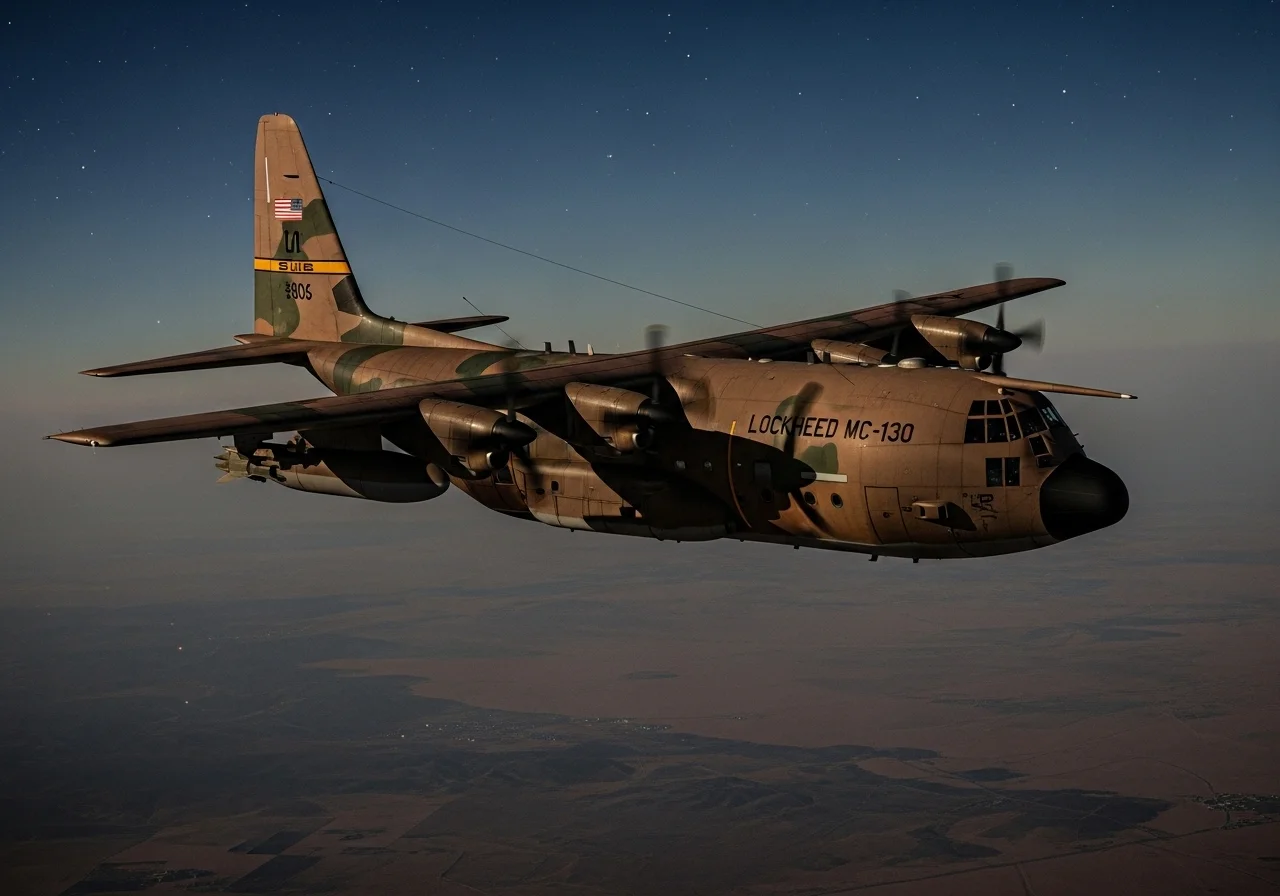
Lockheed MC-130 | |
|---|---|
| Land | Usa |
| Roll | Specialoperationer militära transportflygplan |
| Första flygningen | April 2011 |
| Byggd | 100+ |
Den Lockheed MC-130 är den grundläggande beteckningen för en familj av specialuppdragsflygplan som drivs av United States Air Force Special Operations Command (AFSOC), en flygel av flygutbildningskommandot och en AFSOC-stödd flygel från flygvapnets reservkommando. Baserat på Lockheed C-130 Hercules transport är MC-130-talets uppdrag infiltration, exfiltrering och återanskaffning av specialoperationsstyrkor och lufttankning av (främst) specialoperationshelikopter och tiltrotorflygplan.
Källkod: Lockheed MC-130 på Wikipedia
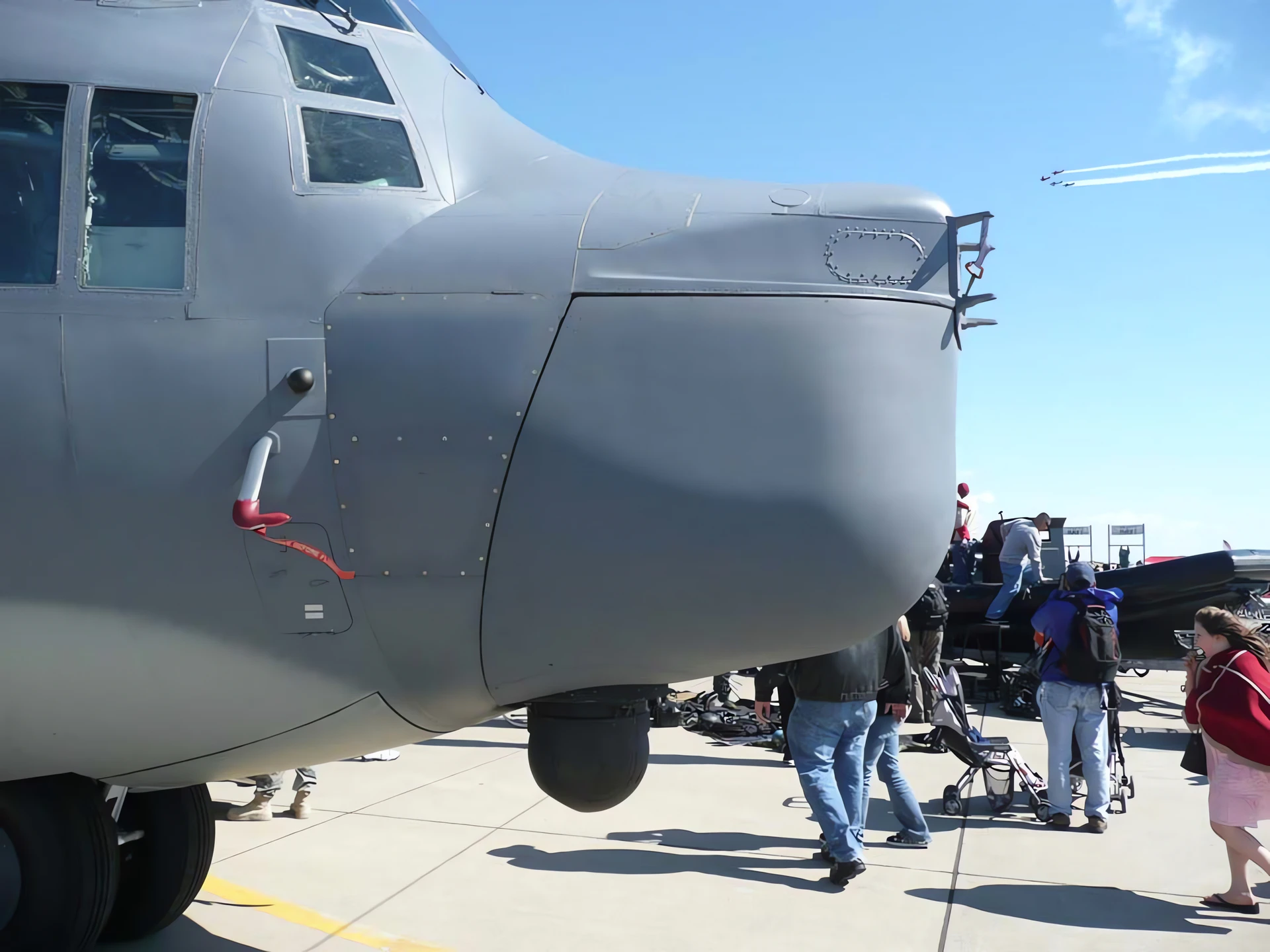
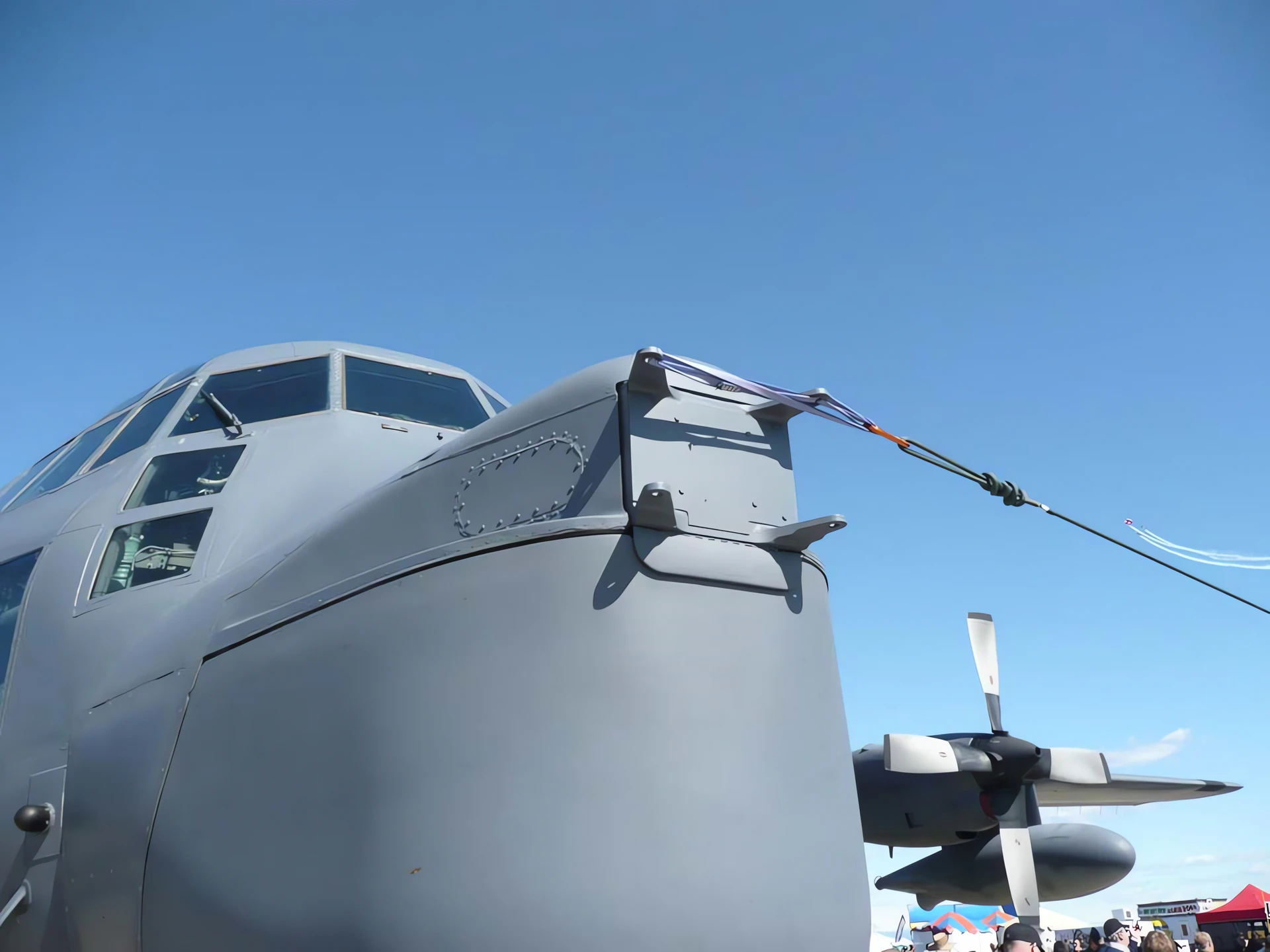
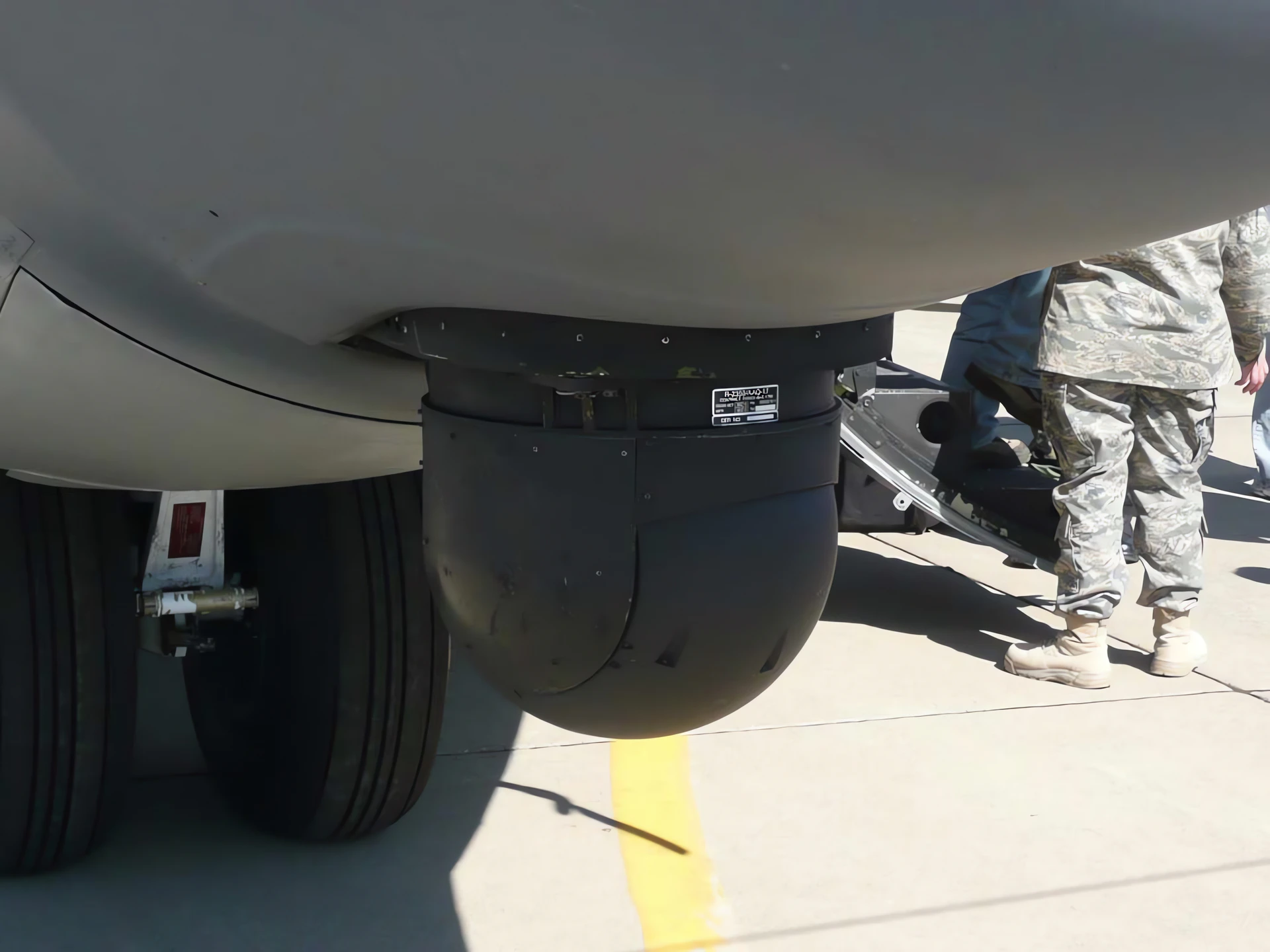
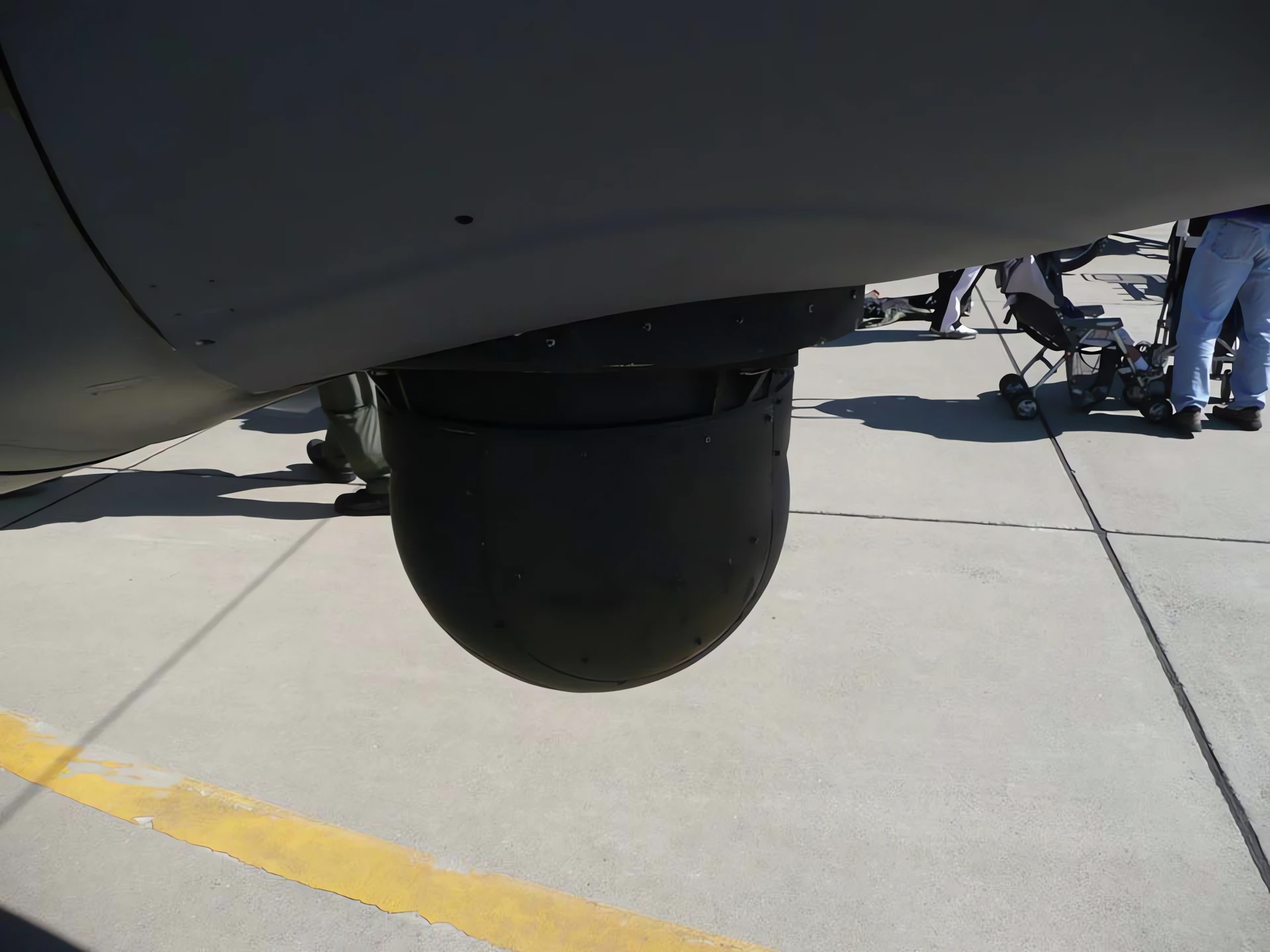
| Lockheed MC-130P Stridsskugga går runt | |
|---|---|
| Fotograf | Vladimir Yakubov |
| Lokalisering | Capital City Flygshow |
| Bilder | 146 |
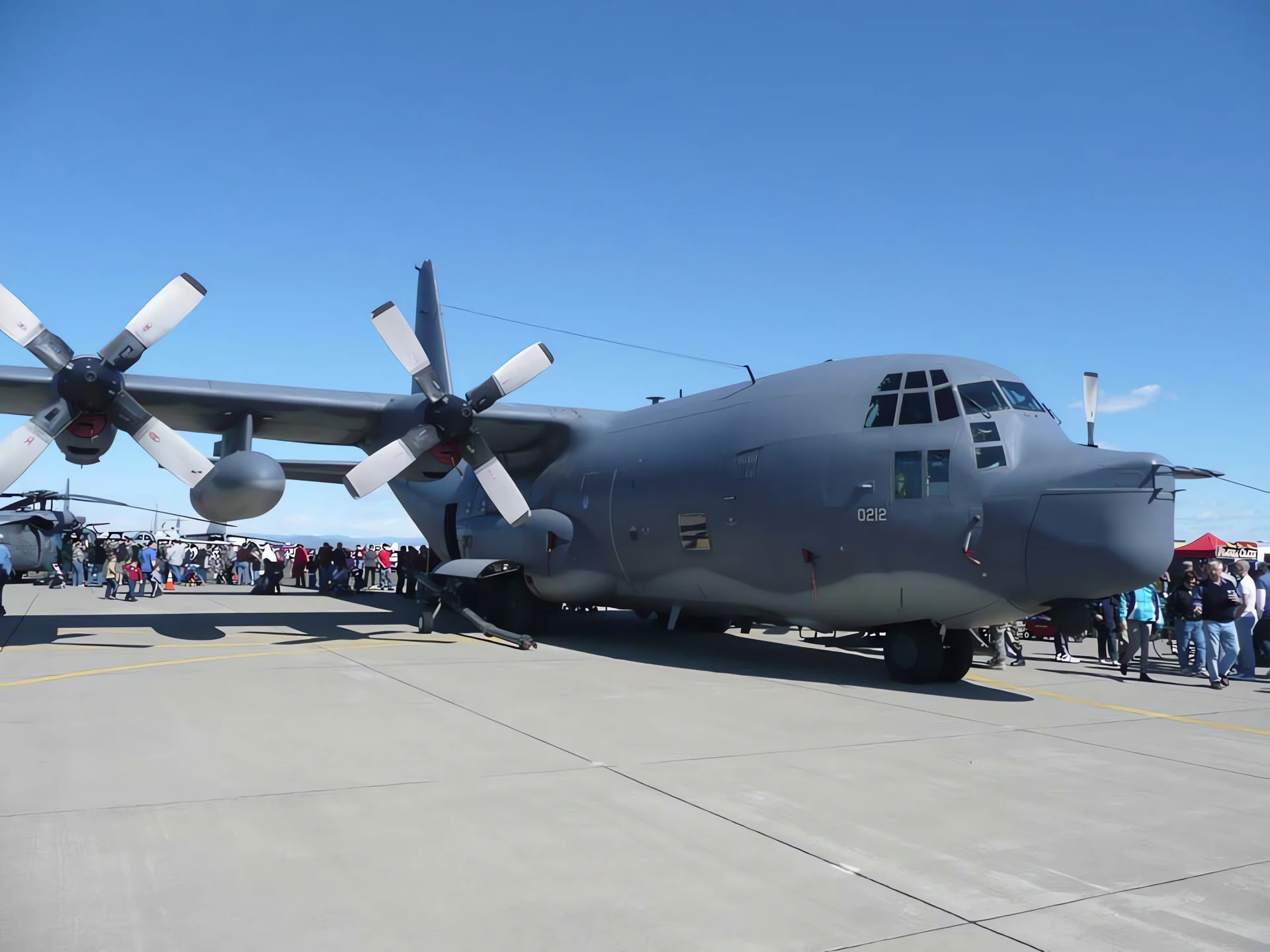
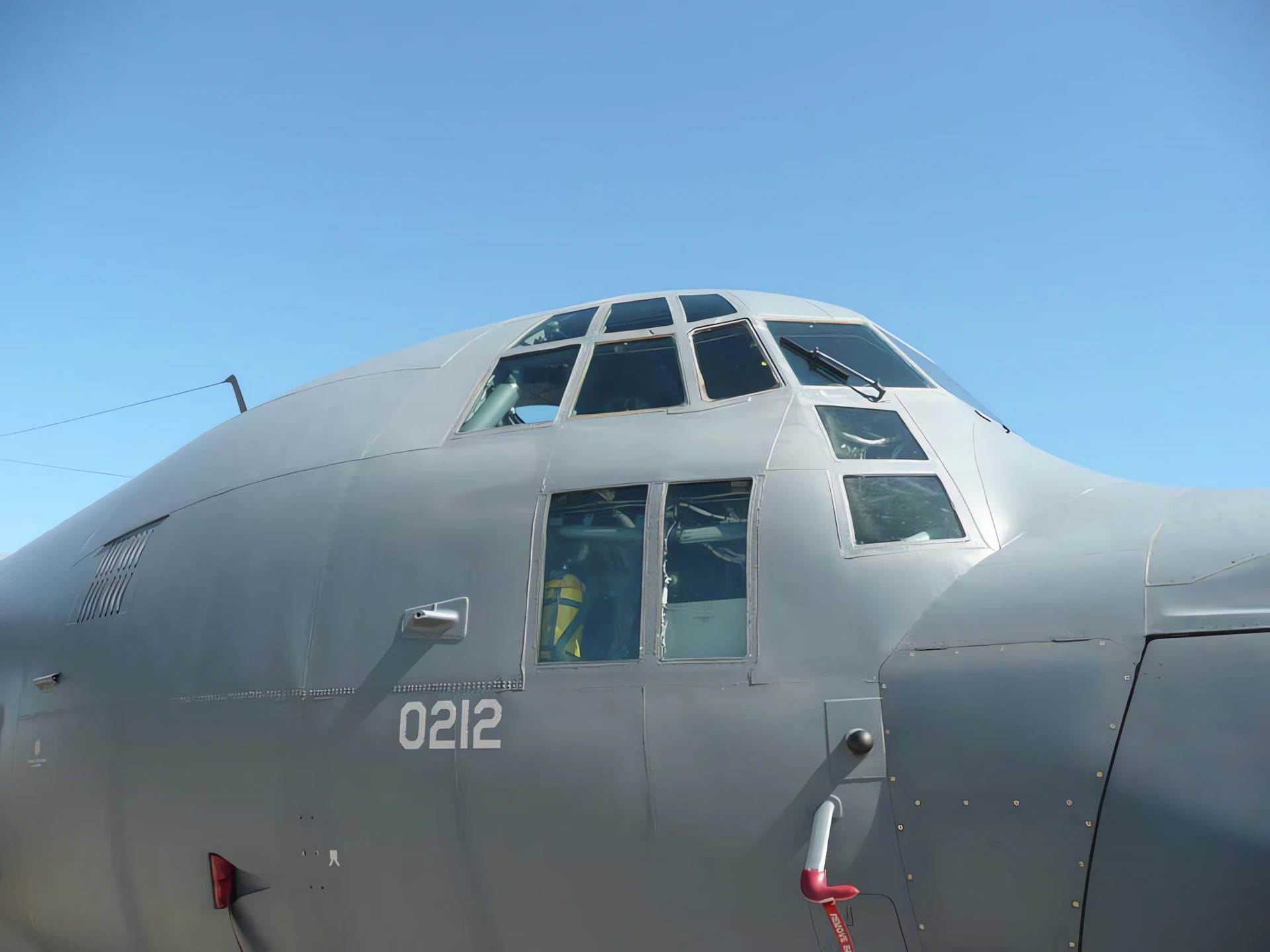
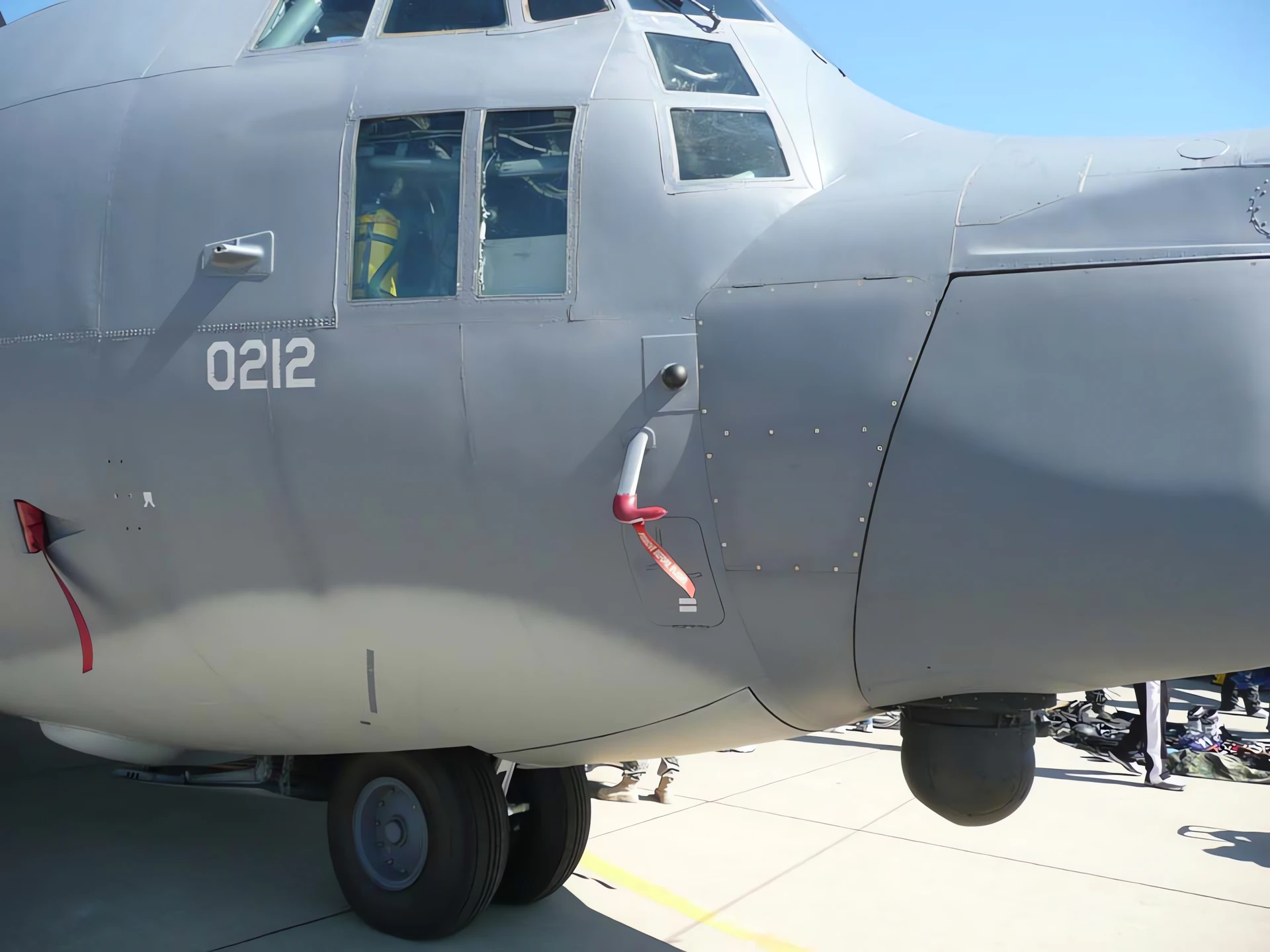
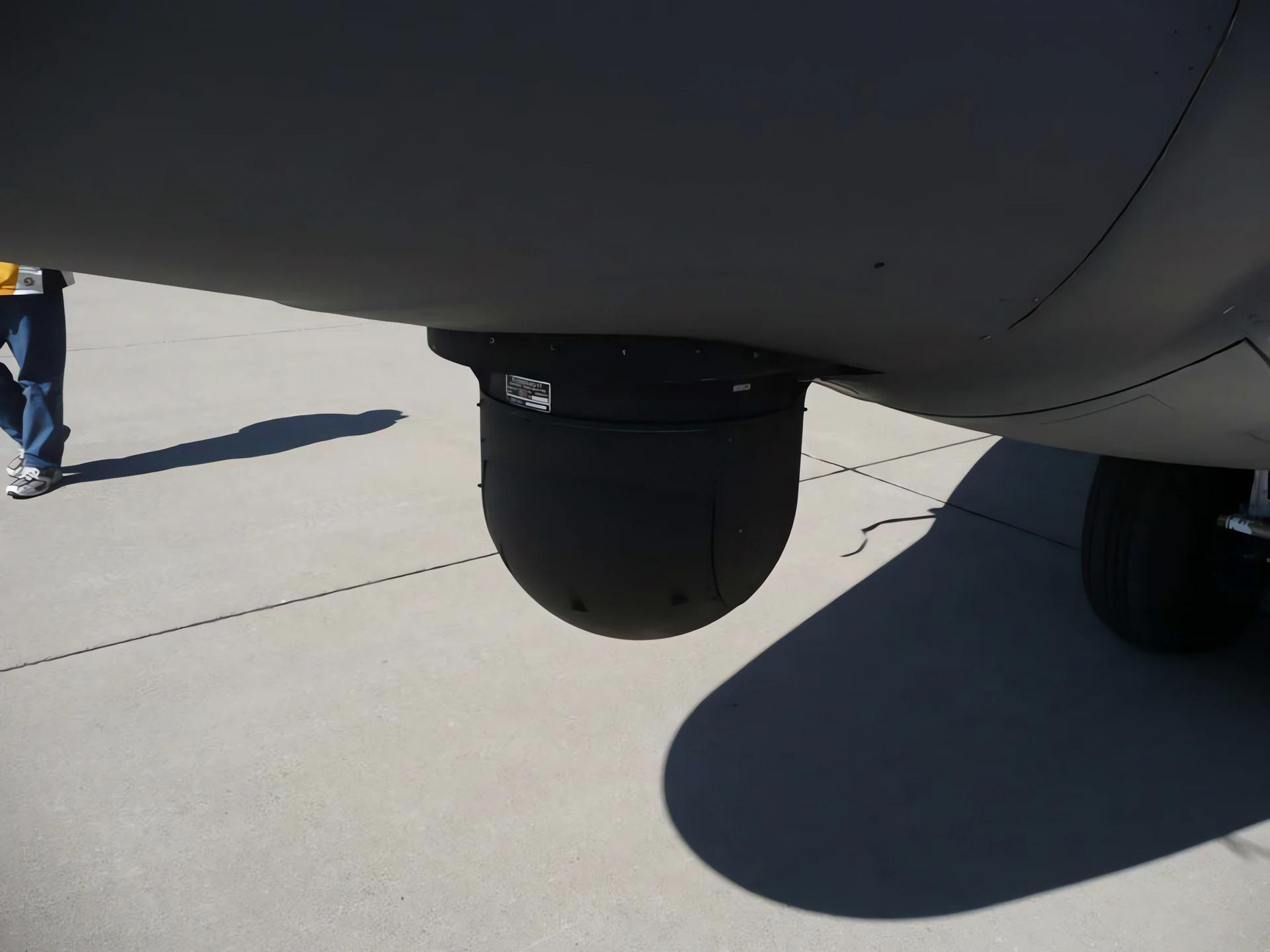
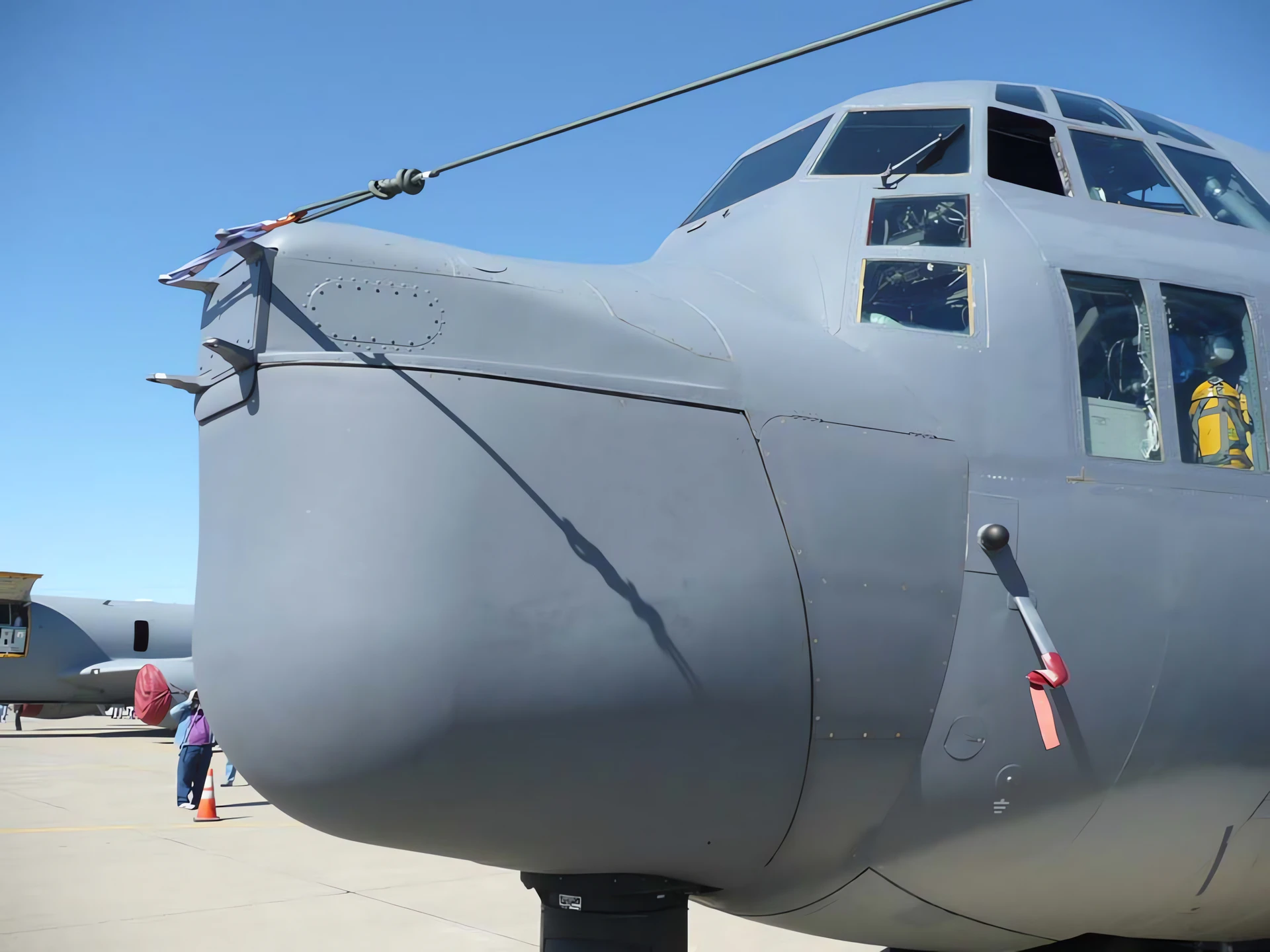

| Hercules C-130 | |
|---|---|
| Fotograf | Unknow |
| Lokalisering | Unknow |
| Bilder | 46 |
Se även:


The “Shadow” in the Night
Den Lockheed MC-130P Combat Shadow was a specialized variant of the C-130 Hercules, operated by the Air Force Special Operations Command (AFSOC). Its primary mission was the clandestine air-to-air refueling of special operations helicopters, such as the MH-53 Pave Low and MH-60 Pave Hawk. Operating primarily at night and at low altitudes, the Combat Shadow provided the “long legs” necessary for deep-penetration rescue and infiltration missions behind enemy lines.
| Attribute | Technical Specification (MC-130P) |
|---|---|
| Roll | Special Operations Air Refueling / Infiltration |
| besättning | 7 (2 Pilots, Navigator, Flight Engineer, Radio Operator, 2 Loadmasters) |
| Kraftverk | 4 × Allison T56-A-15 turboprops |
| Horsepower | 4,591 shp (3,425 kW) per engine |
| Maximum Speed | 289 knots (333 mph / 535 km/h) |
| Refueling Speed | 105 to 120 knots (Critical for helicopters) |
| Service Ceiling | 33,000 feet (10,000 m) |
| Electronic Warfare | ALR-69 Radar Warning, ALE-40 Chaff/Flare dispensers |
Critical Engineering and Mission Systems
- Low-Speed Aerodynamics: To refuel helicopters safely, the MC-130P had to fly at exceptionally low speeds, often near its stall limit. This required precise throttle management and specialized training for the flight crew.
- Dual Drogue Refueling: The aircraft was equipped with two underwing refueling pods (usually the Sargent-Fletcher system). These pods extended hoses with “drogue” baskets that helicopter probes would plug into.
- Night Vision Goggle (NVG) Compatible: Every light on the aircraft—inside and out—was modified to be compatible with NVGs. This allowed the “Shadow” to fly “blacked out” during covert operations, remaining invisible to the naked eye while providing a beacon for friendly forces.
- Advanced Navigation: Unlike standard C-130s, the MC-130P featured highly accurate self-contained navigation systems, including GPS and Inertial Navigation Systems (INS), to find isolated landing zones or refueling points in total darkness.
Operational Legacy
- From HC-130P to MC-130P: Originally designated as the HC-130P for Combat Search and Rescue (CSAR), the aircraft were transferred to AFSOC and re-designated MC-130P in 1996 to reflect their broader special operations role.
- Combat Proven: The Combat Shadow saw action in nearly every major U.S. conflict since Vietnam, including Operation Just Cause (Panama), Desert Storm, and the early years of the Global War on Terror.
- Rescue at Sea: Beyond combat, the MC-130P was frequently used to drop pararescue (PJ) teams and survival equipment to distressed vessels in the middle of the ocean.
- Retirement: The MC-130P was officially retired in 2015, replaced by the more powerful and technologically advanced MC-130J Commando II.
Views : 1895
Du kan också se:
 Lockheed C-5 Galaxy – Foton &; Videor
 Lockheed P-80 Shooting Star - Foton & Videor
 Lockheed P-3 Orion – Foton &; Video
 Lockheed U-2 – Foton &; Video
 Lockheed P-2 Neptunus – Foton & Video
 Lockheed S-3 Viking – Foton &; Video
 Lockheed A-12 – Foton &; Video
 Lockheed Hudson Mk.III – Foton &; Video
 Lockheed SR-71 Blackbird – Foton &; Video
 P-38L Mandarin – WalkAround