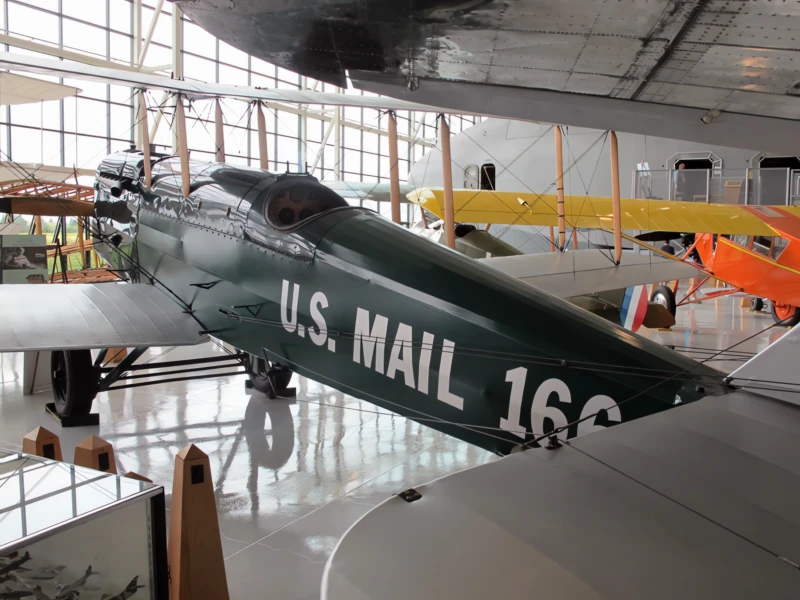
Airco DH.4 | |
|---|---|
| Land | Storbritannien |
| Typ | Biplanflygplan |
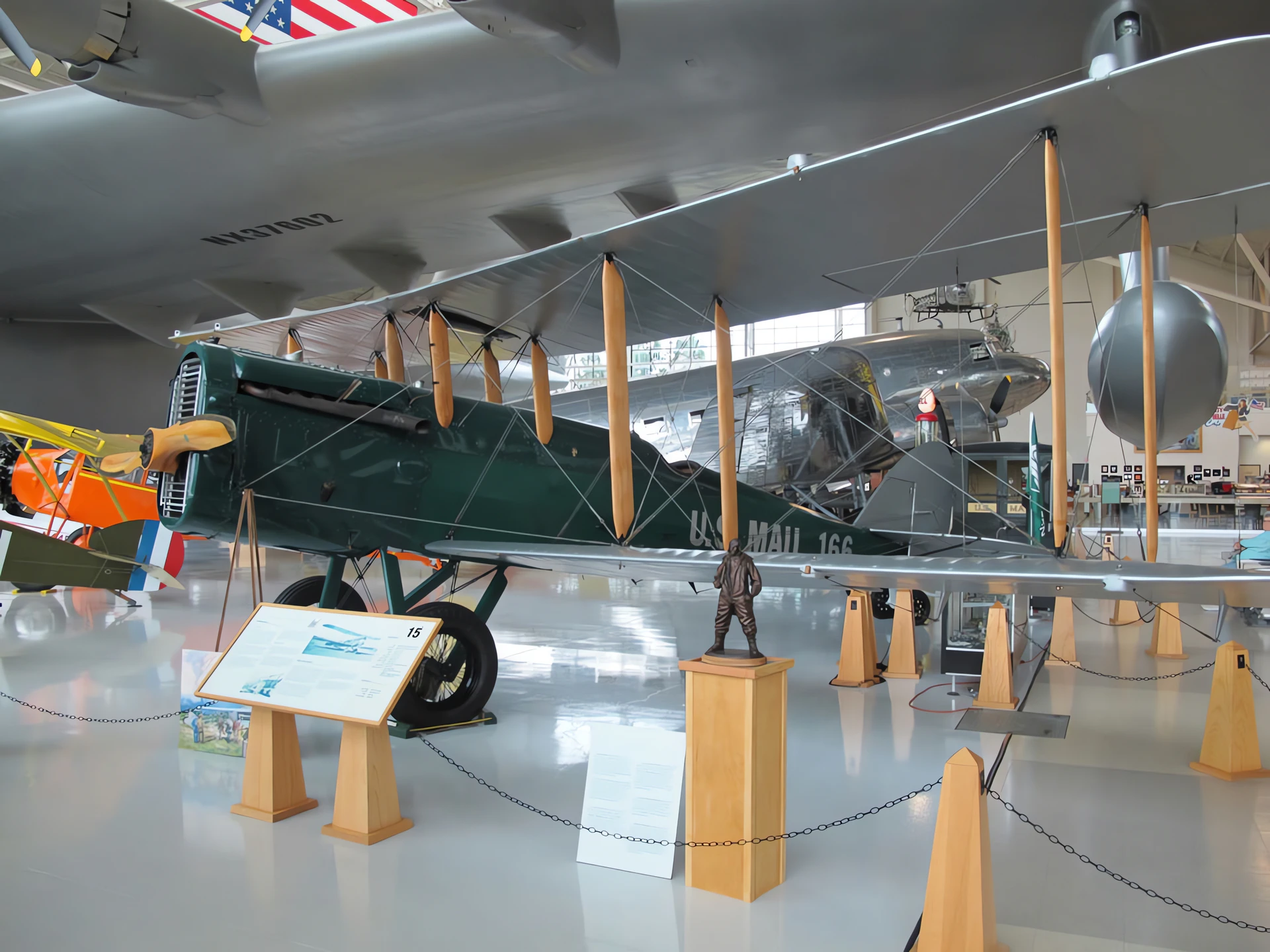
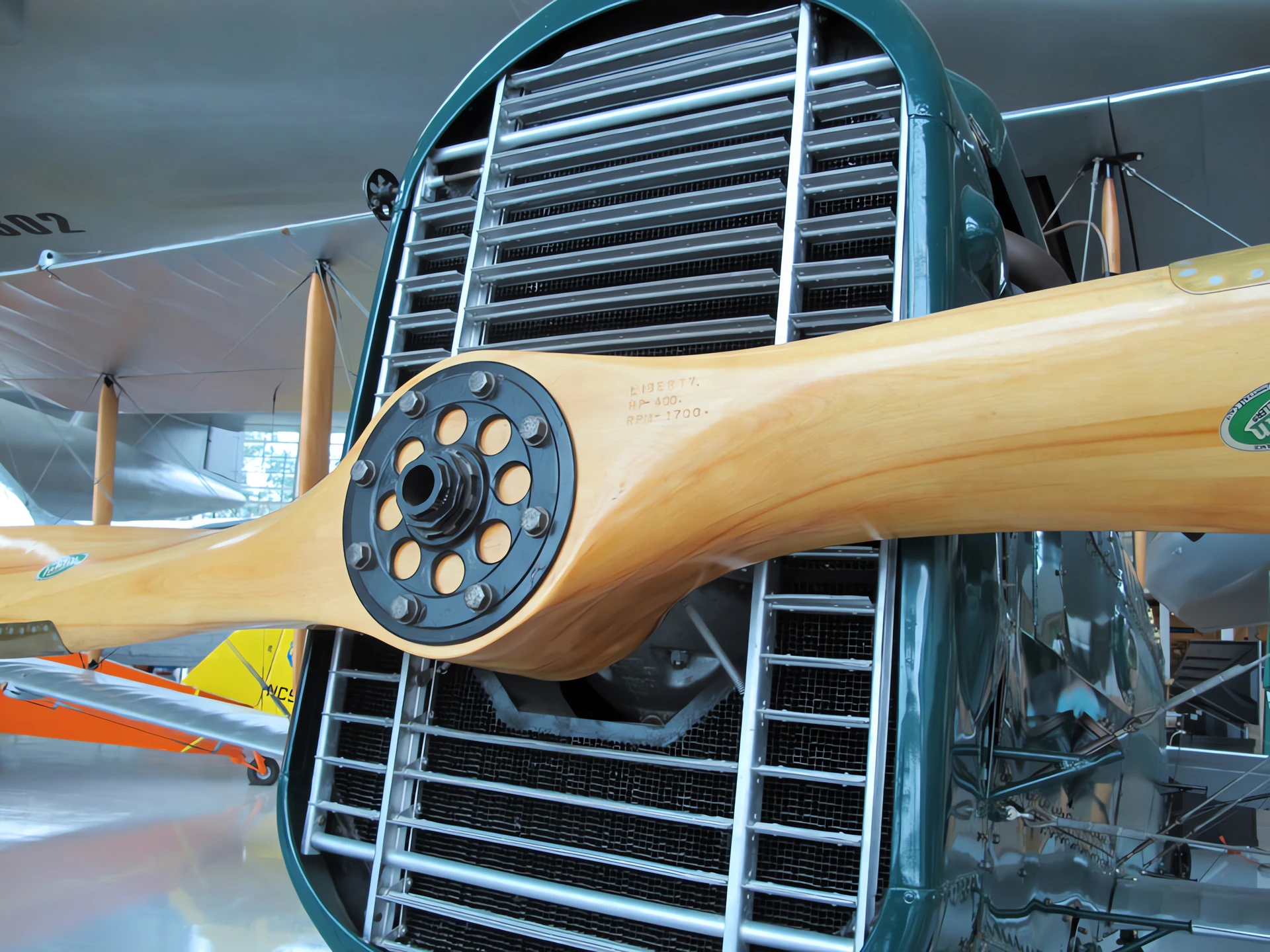
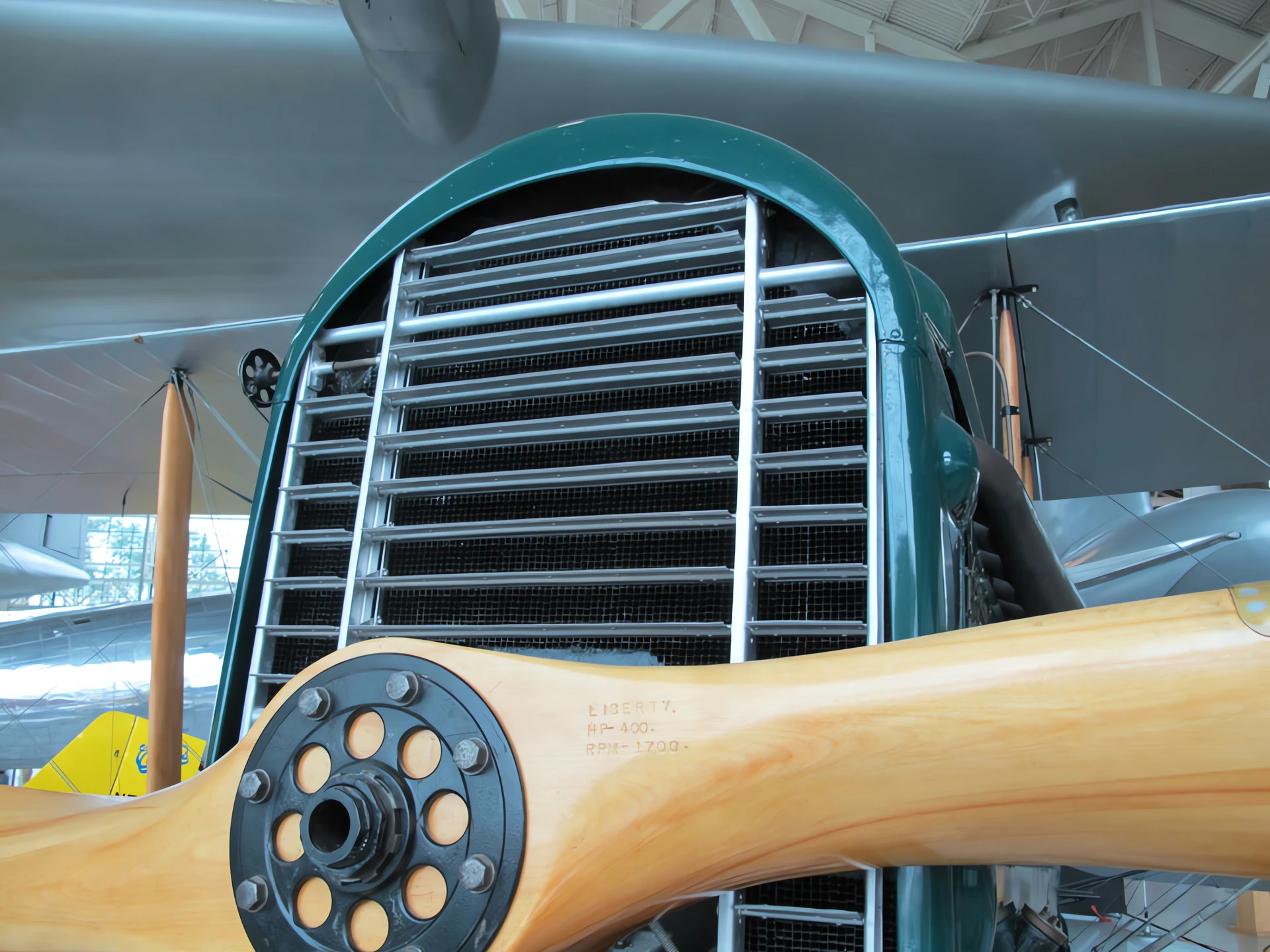
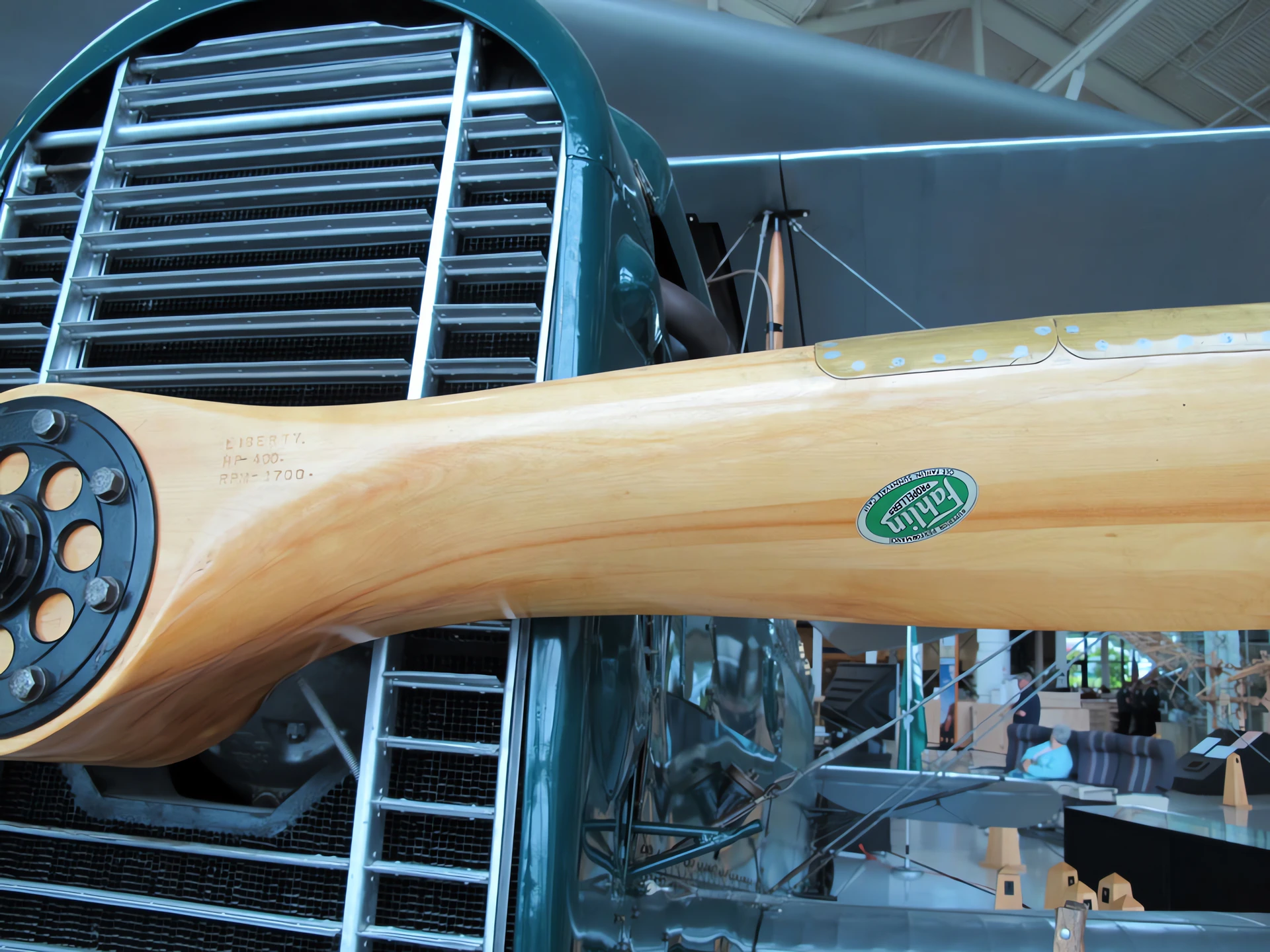
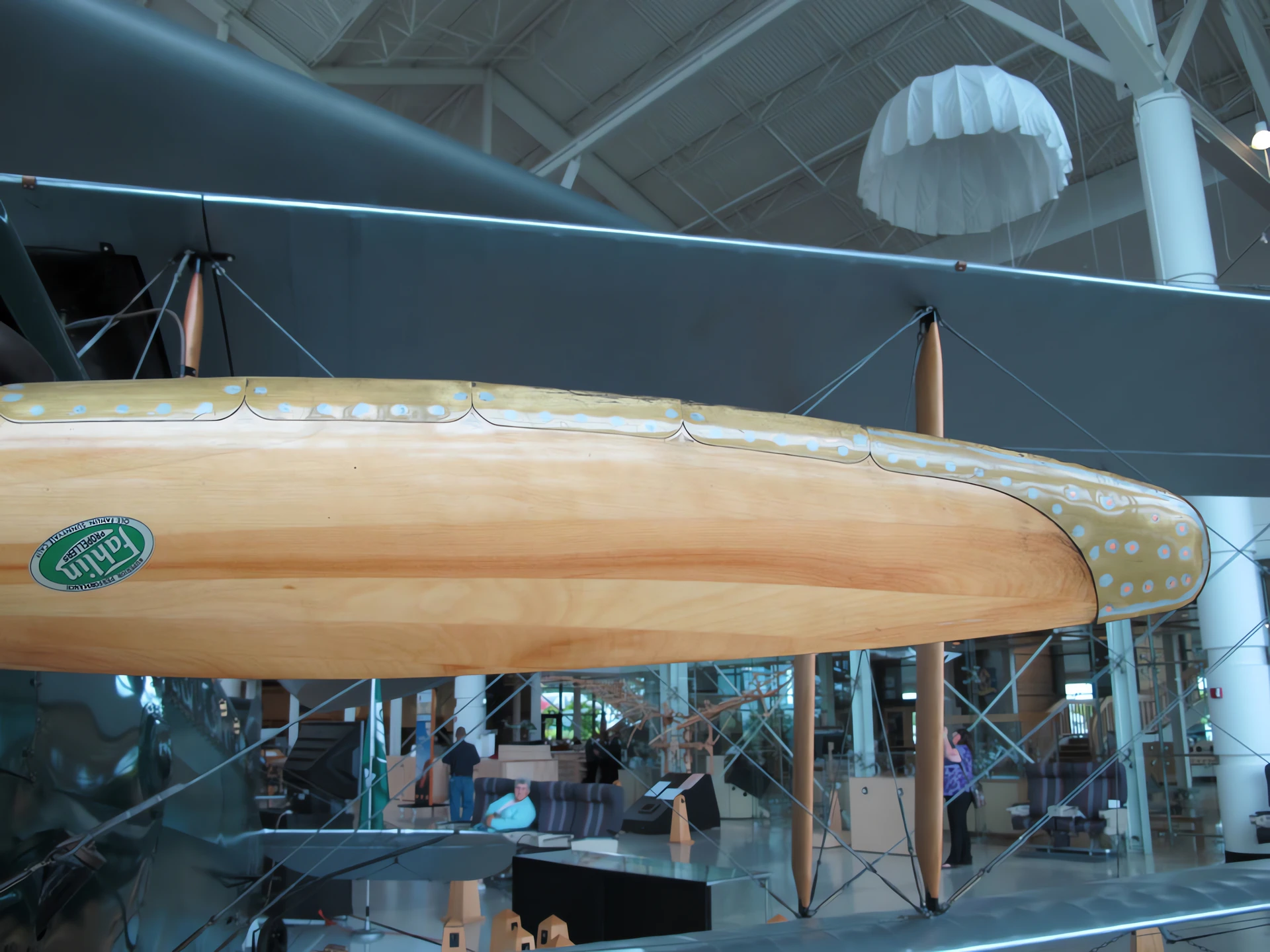
Fotogalleri av en Airco DH.4, The Airco DH.4 was a British two-seat biplane day bomber of World War I. It was designed by Geoffrey de Havilland (hence “DH”) for Airco, and was the first British two-seat light day-bomber to have an effective defensive armament. It first flew in August 1916 and entered service with the Royal Flying Corps (RFC) in March 1917. The majority of DH.4s were actually built as general purpose two-seaters in the United States, for service with the American forces in France. The DH.4 was tried with several engines, of which the best was the 375 hp (280 kW) Rolls-Royce Eagle engine. Armament and ordnance for the aircraft consisted of one 0.303 in (7.7 mm) Vickers machine gun for the pilot and one 0.303 in (7.7 mm) Lewis gun on a Scarff ring mounting for the observer. Two 230 lb (100 kg) bombs or four 112 lb (51 kg) bombs could be carried. The DH.4 entered service on 6 March 1917 with No. 55 Squadron in France.
Källkod: Airco DH.4 på Wikipedia
| Airco DH.4 – Walk Around | |
|---|---|
| Fotograf | Vladimir Yakubov |
| Lokalisering | Evergreen Luft & Rymdmuseum |
| Bilder | 88 |
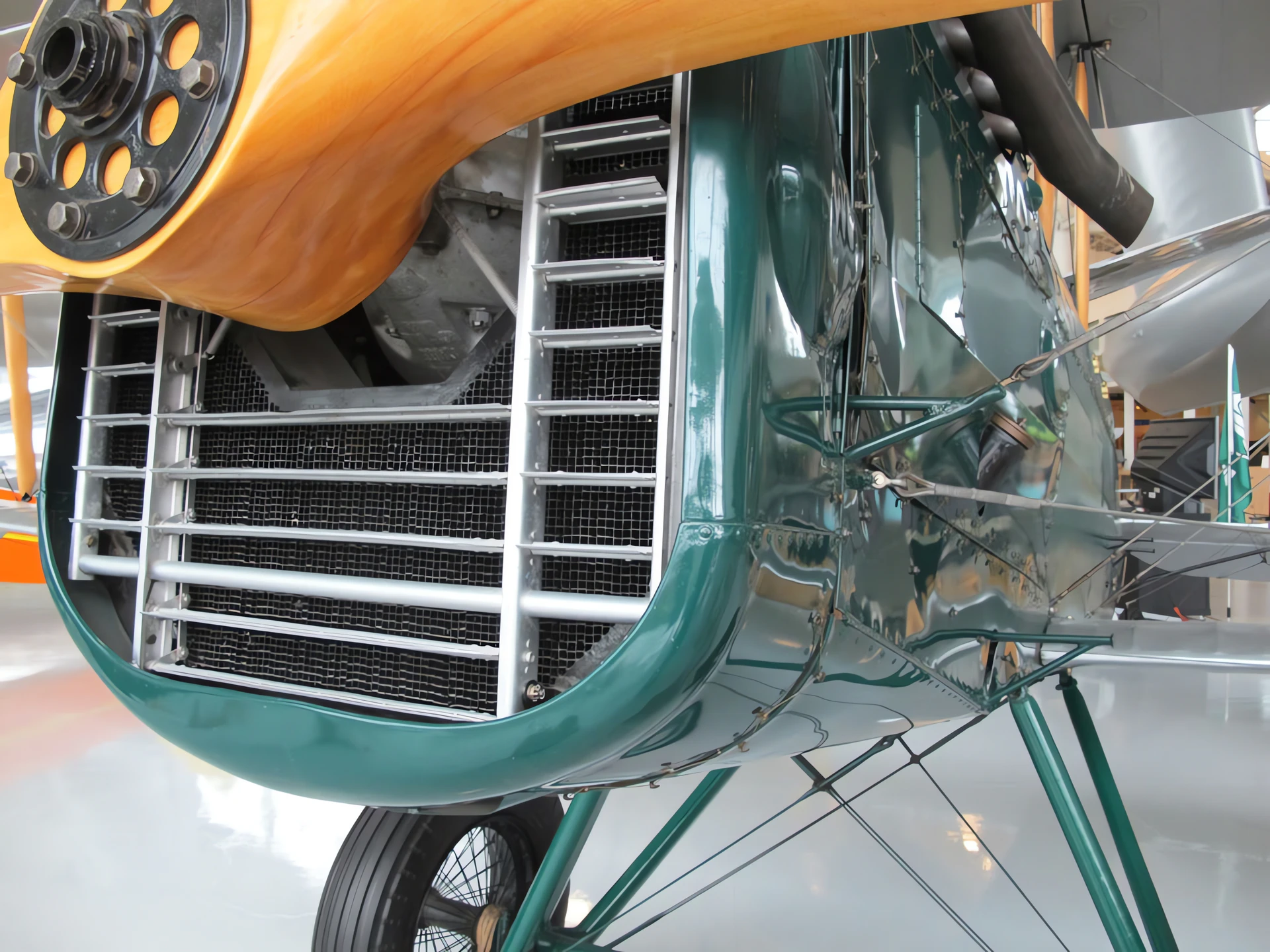
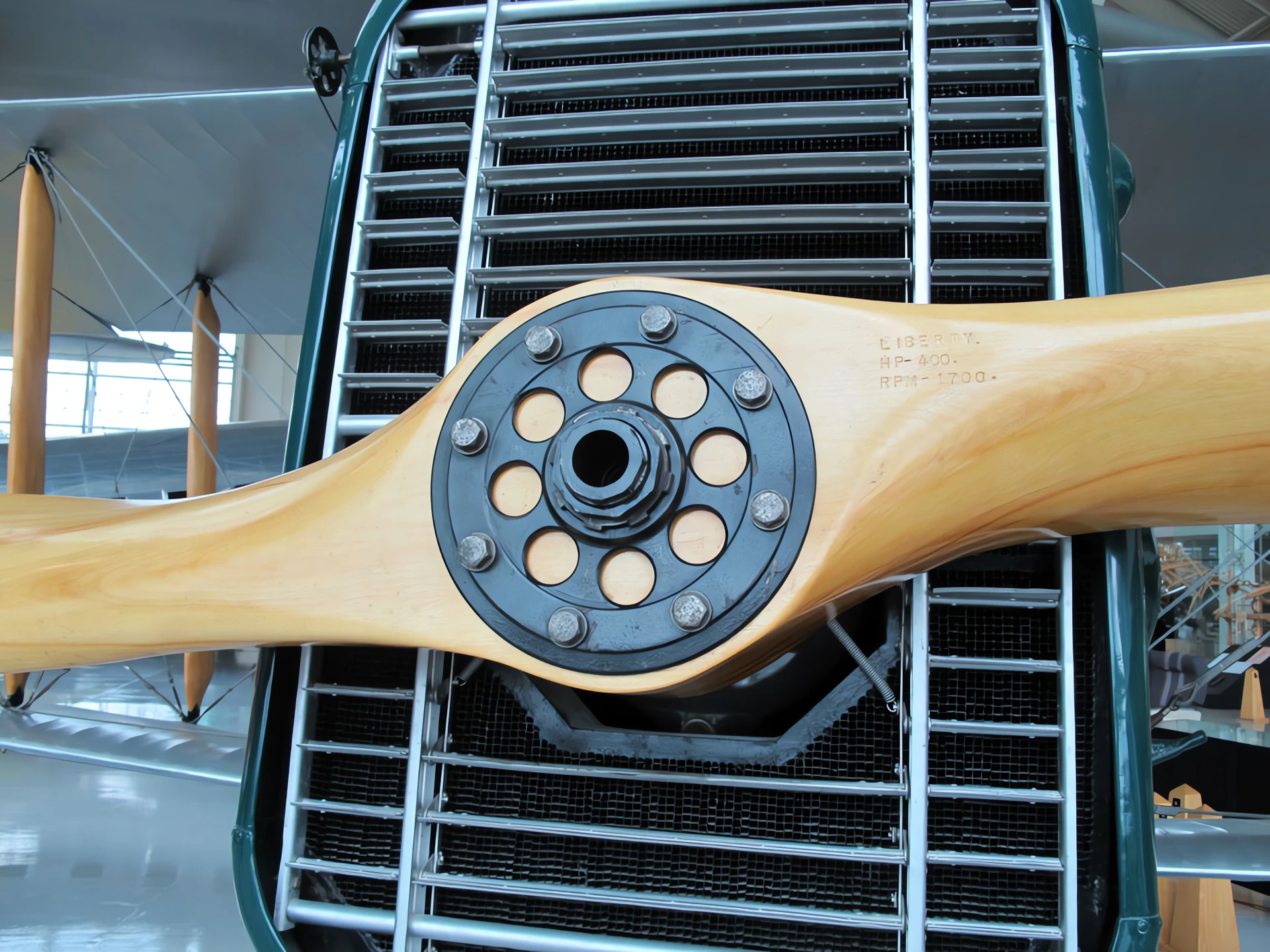

 Köp mig en kaffe
| De Havilland DH.4 Walk Around | |
|---|---|
| Fotograf | Unknow |
| Lokalisering | Unknow |
| Bilder | 20 |
Se även:


Den Airco DH.4 was a British two-seat biplane day bomber designed by Geoffrey de Havilland for Airco during World War I. It was the first British two-seat light day-bomber capable of defending itself.
Design and Development:
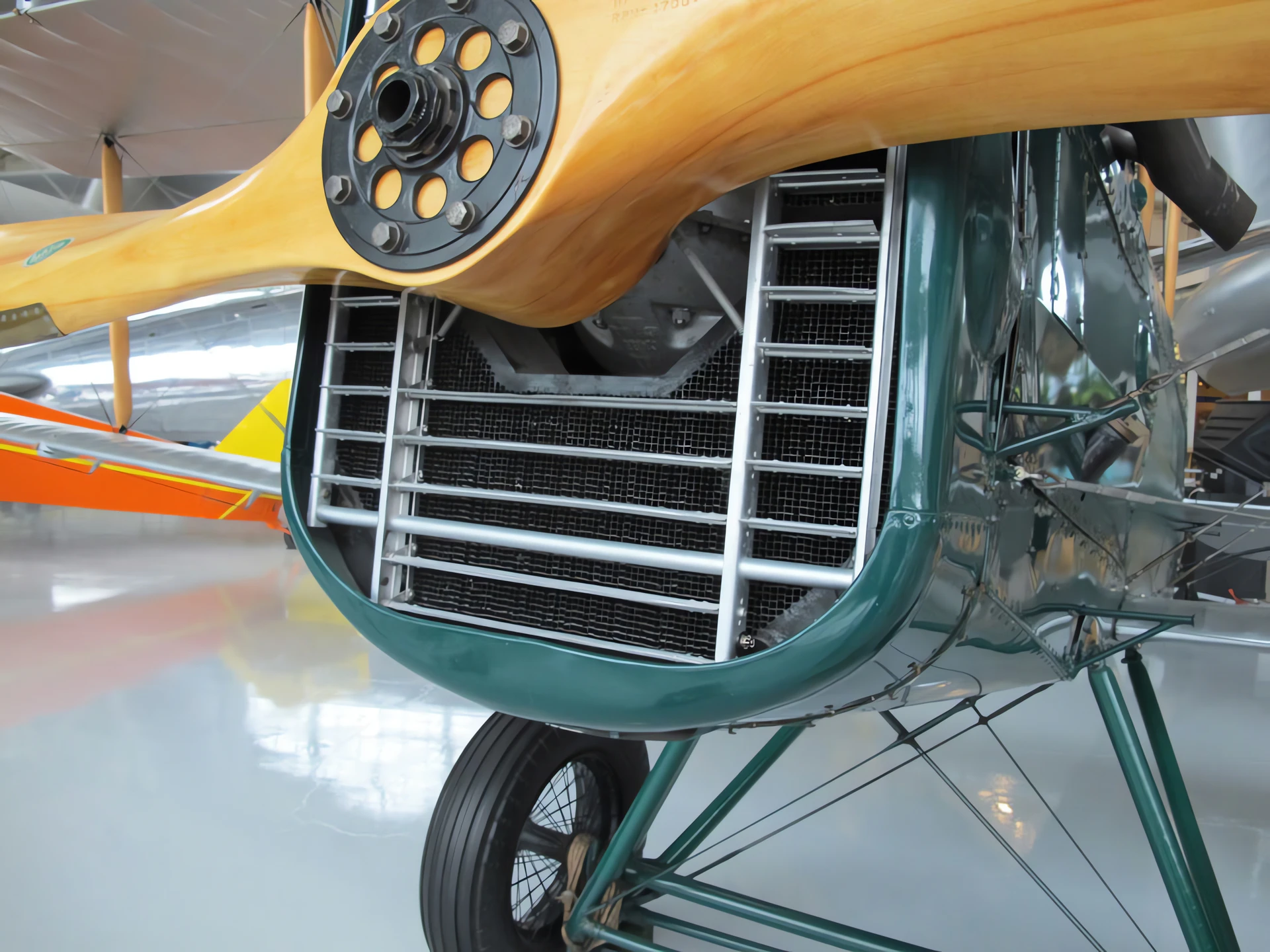
The DH.4 had a conventional tractor biplane design with a wooden construction. It featured a long nose originally designed to accommodate the Beardmore Halford Pullinger engine, but production models were powered by various other engines, with the 375 hp Rolls-Royce Eagle VIII being the most successful. The crew of two sat in widely spaced open cockpits with the fuel tank positioned between them.
The DH.4 was armed with a forward-firing Vickers machine gun for the pilot and one or two Lewis guns on a Scarff ring for the observer. It could carry up to four 112 lb bombs.
Operational History:
Den DH.4 first flew in August 1916 and entered service with the Royal Flying Corps in France on March 6, 1917. It proved popular for its speed, climb rate, maneuverability, and flying characteristics.
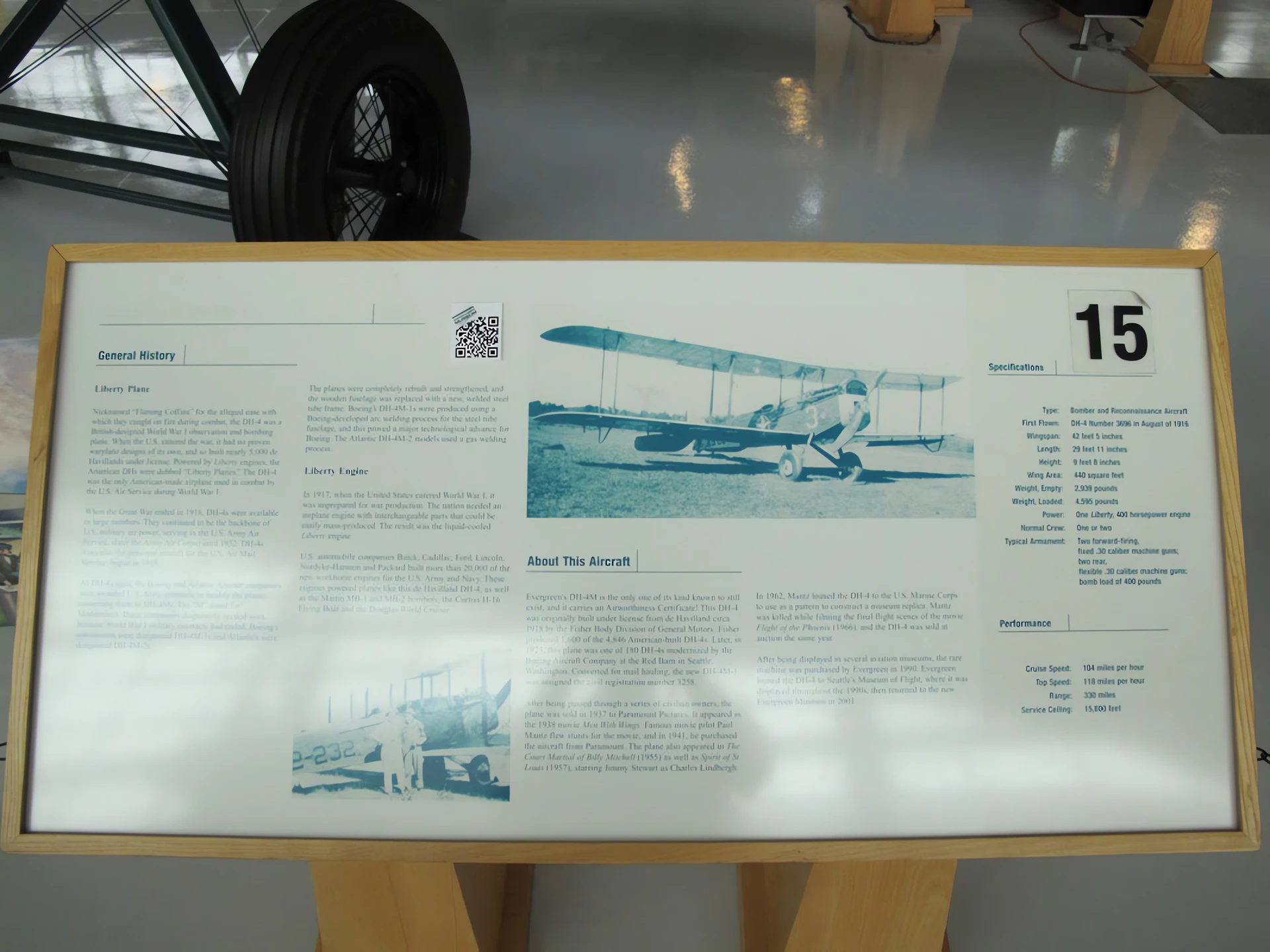
The majority of DH.4s, over 4,800, were manufactured in the United States for the American Expeditionary Forces, powered by the 400 hp Liberty L-12 engine. These became the only American-built aircraft to see combat in WWI.
After the war, surplus DH.4s were sold for civilian use, initiating early commercial passenger flights in Europe. They were also used by newly formed air forces worldwide and by the U.S. Post Office for air mail service until the late 1920s.
Surviving Aircraft:
The prototype American-built DH.4 is preserved at the National Air and Space Museum in Washington D.C. It was used for over 2,600 experiments until 1919, including Orville Wright’s last pilot flight in 1918.

Views : 5330
Du kan också se:
 Hawker Fury – Foton &; Videor
 EKW C-35 – Foton &; Videor
 SPAD S.XI - Gå runt
 Bristol Bulldog – Foton & Videor
 Breguet XIV – Foton &; Videor
 Phönix D.I – Foton &; Videor
 Bristol F.2 Fighter – Foton & Videor
 Consolidated PT-6A – Foton och video
 Fokker C.X – Foton &; Video
 Curtiss F9C-2 Sparrowhawk – Foton &; Video