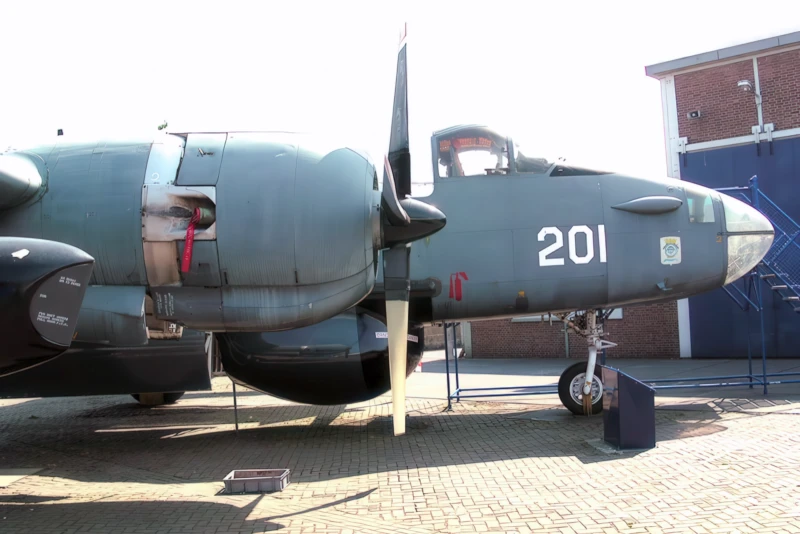
Lockheed P-2 Neptune |
|
|---|---|
| Krajiny | Spojené štáty americké |
| Úlohu | Námorná hliadka a protiponorková vojna |
| Prvý let | 17. mája 1945 |
| Dôchodku | 1984 z vojenského použitia |
Lockheed P-2 Neptún (označený P2V námorníctvom Spojených štátov pred septembrom 1962) bolo námorné hliadkové a protiponorkové bojové lietadlo (ASW). Bol vyvinutý pre americké námorníctvo spoločnosťou Lockheed, aby nahradil Lockheed PV-1 Ventura a PV-2 Harpoon a bol nahradený Lockheed P-3 Orion. Navrhnutý ako pozemné lietadlo, Neptún nikdy nepristal na lietadle, hoci malý počet lietadiel bol prestavaný a nasadený ako jadrové bombardéry vypustené z nosiča, ktoré by sa museli zbaviť alebo zotaviť na pozemných základniach. Tento typ bol úspešný vo vývoze a videl službu s niekoľkými ozbrojenými silami.
Zdrojový: Lockheed P-2 Neptún na Wikipédii

| Lockheed P2V-5F Neptune | |
|---|---|
| Fotograf | Vladimír Jakubov |
| Lokalizácia | Letecké múzeum Quonset |
| Fotografie | 170 |
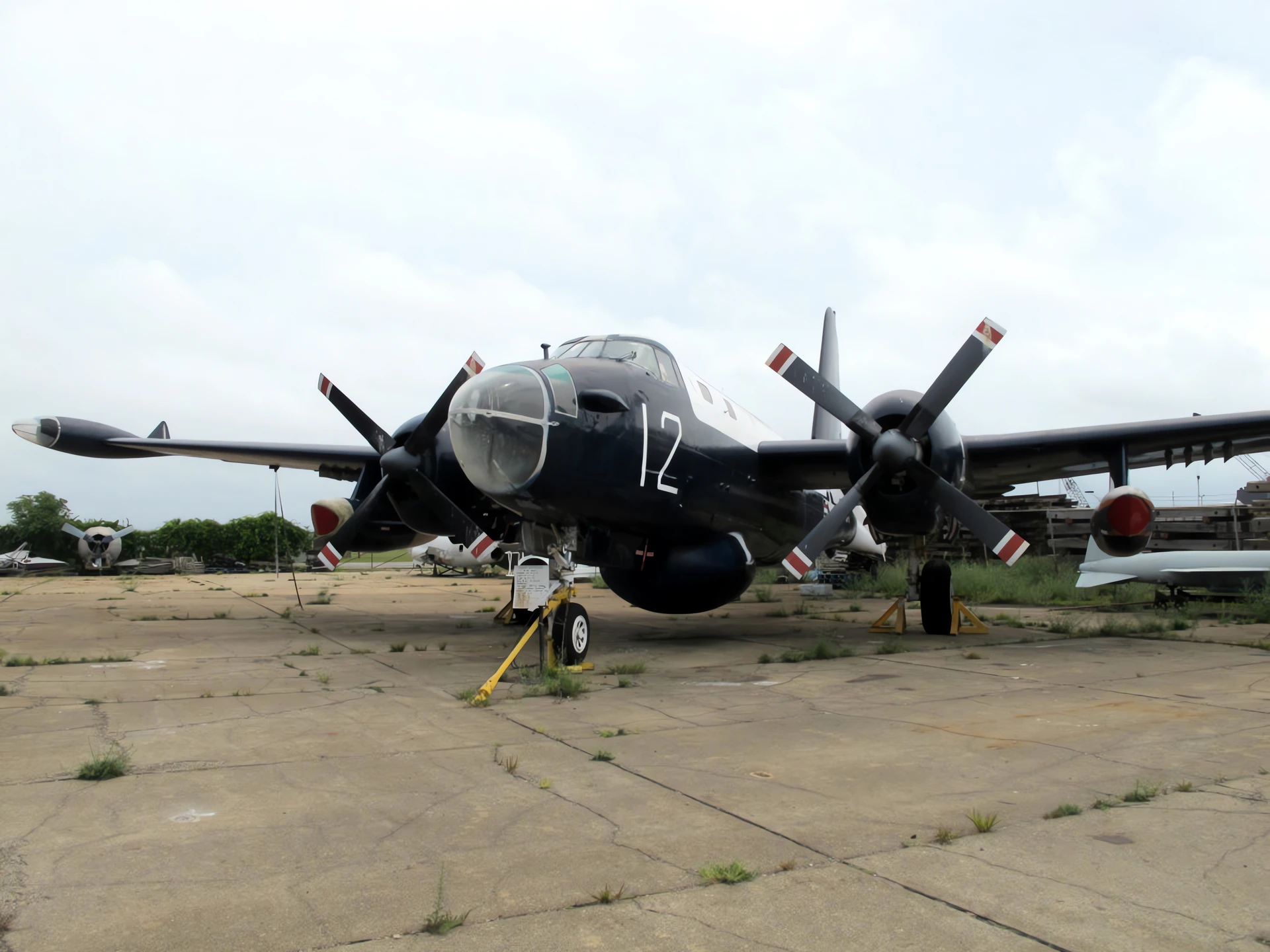
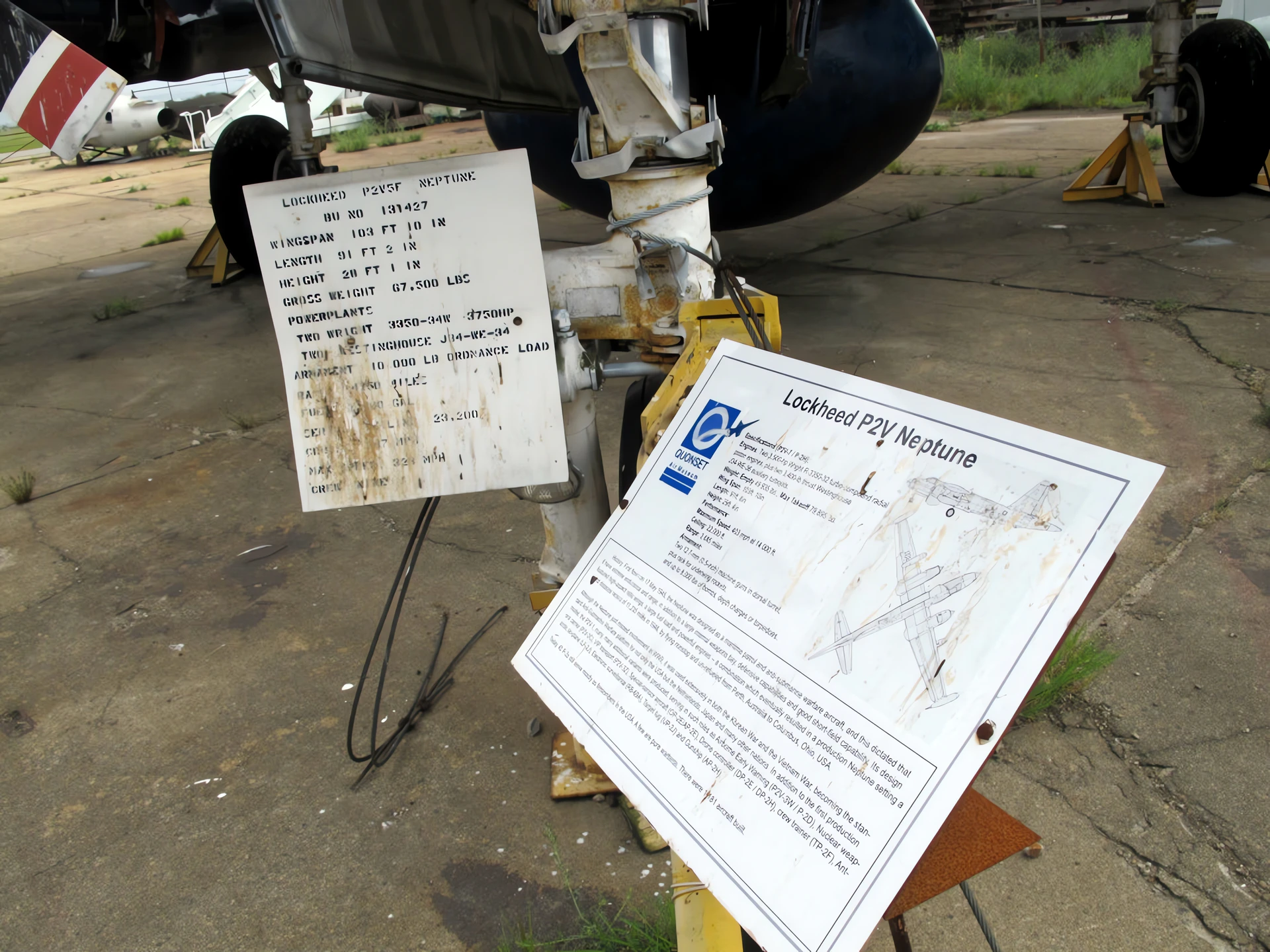
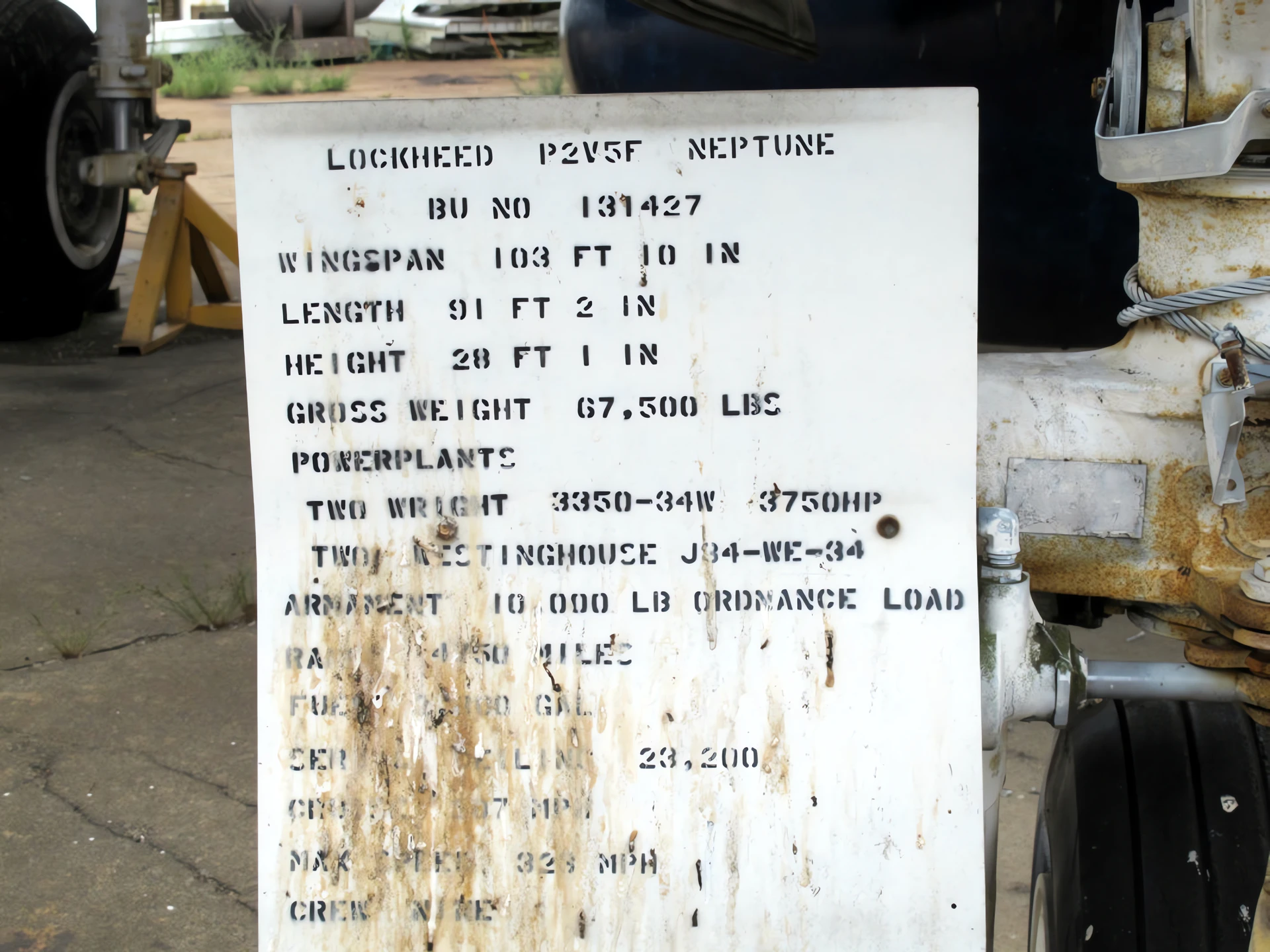
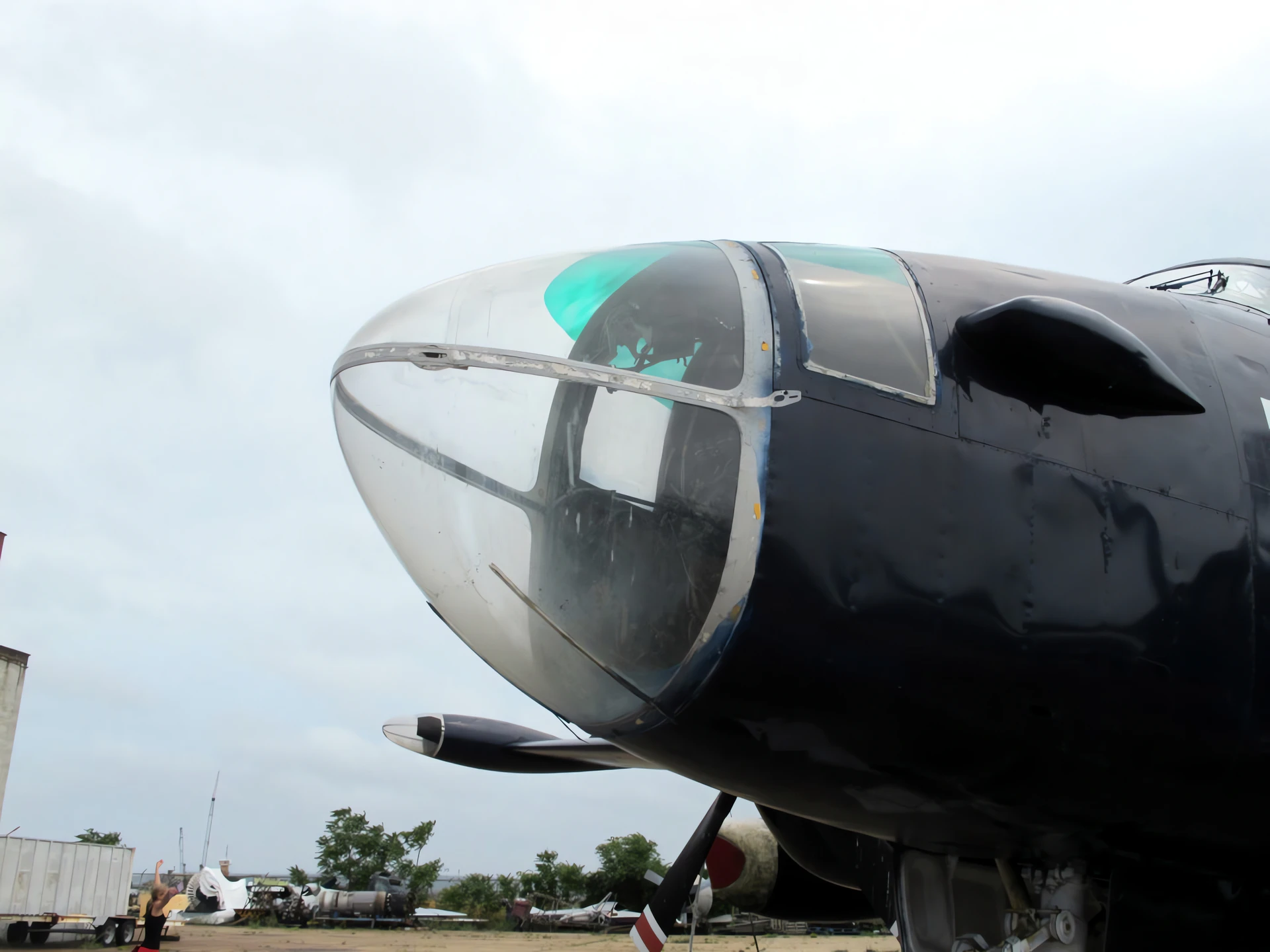
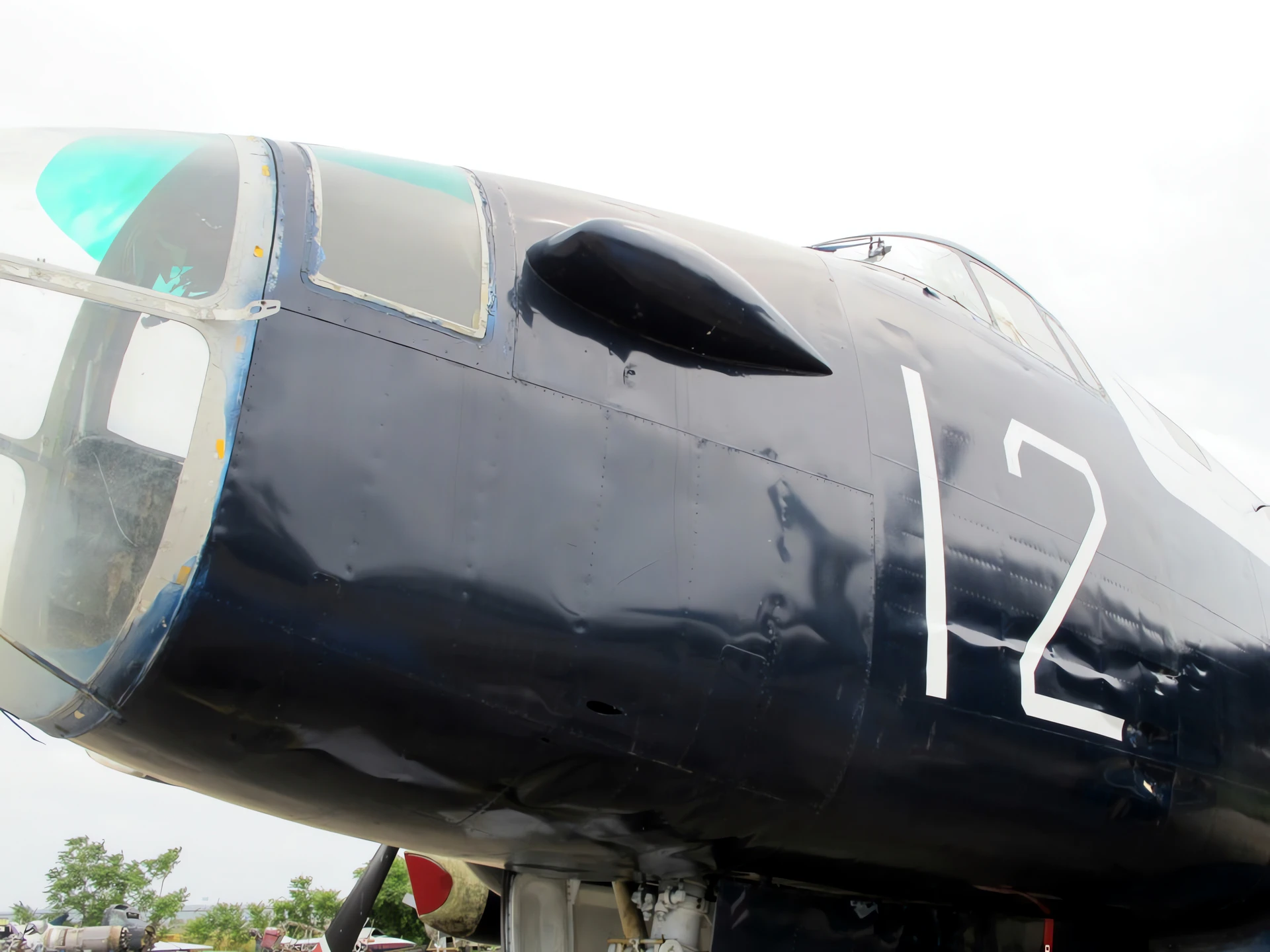
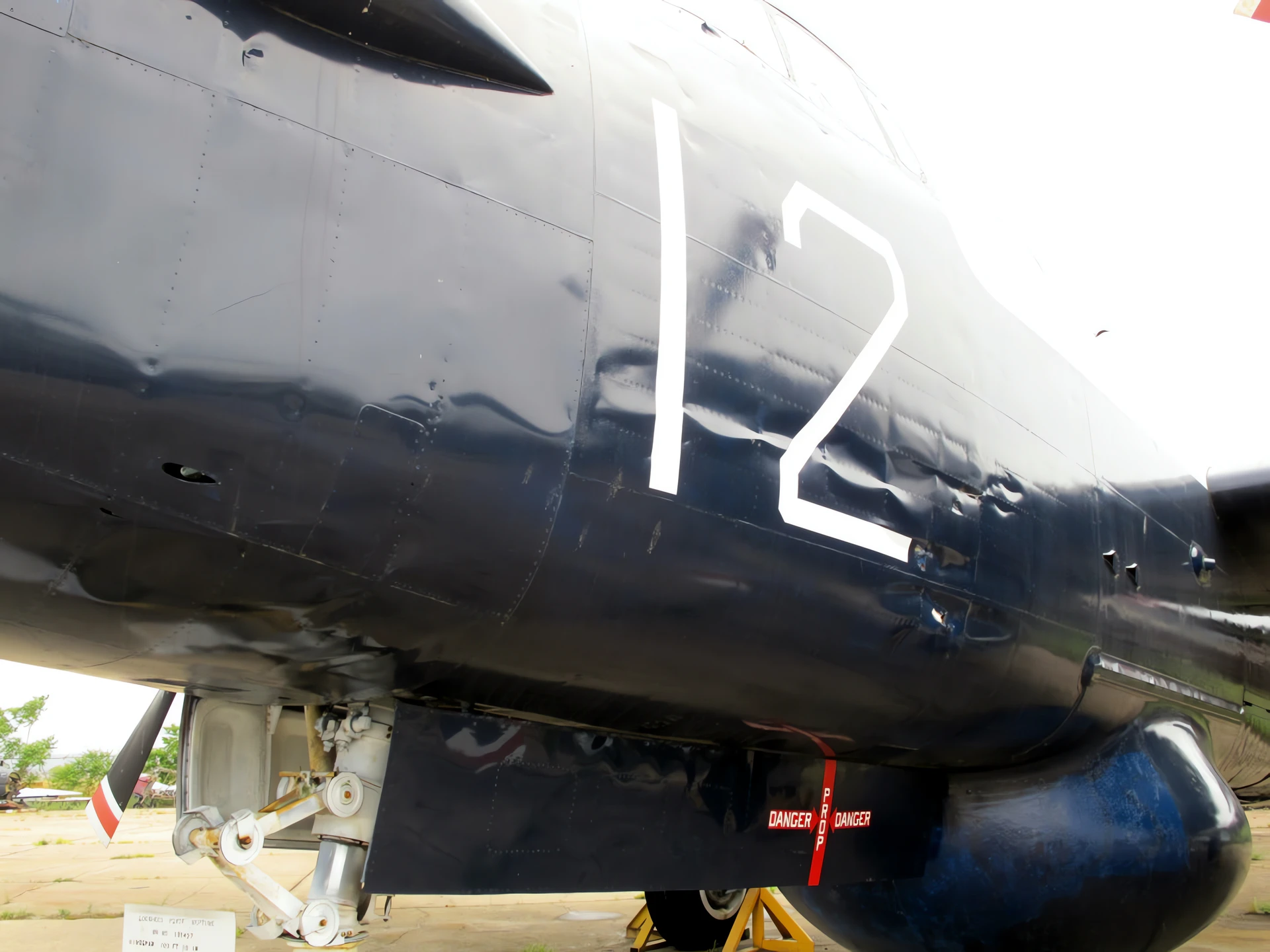
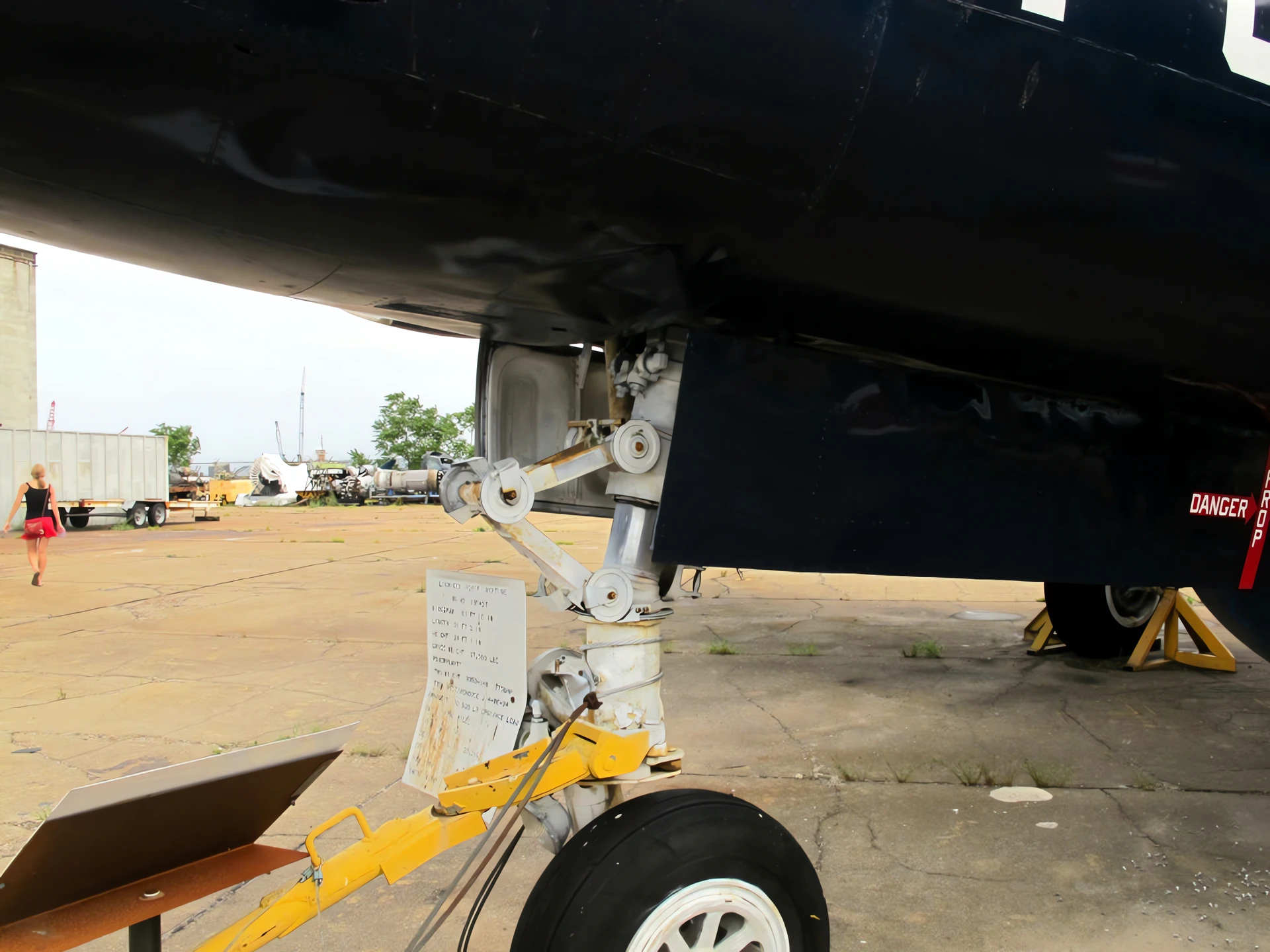
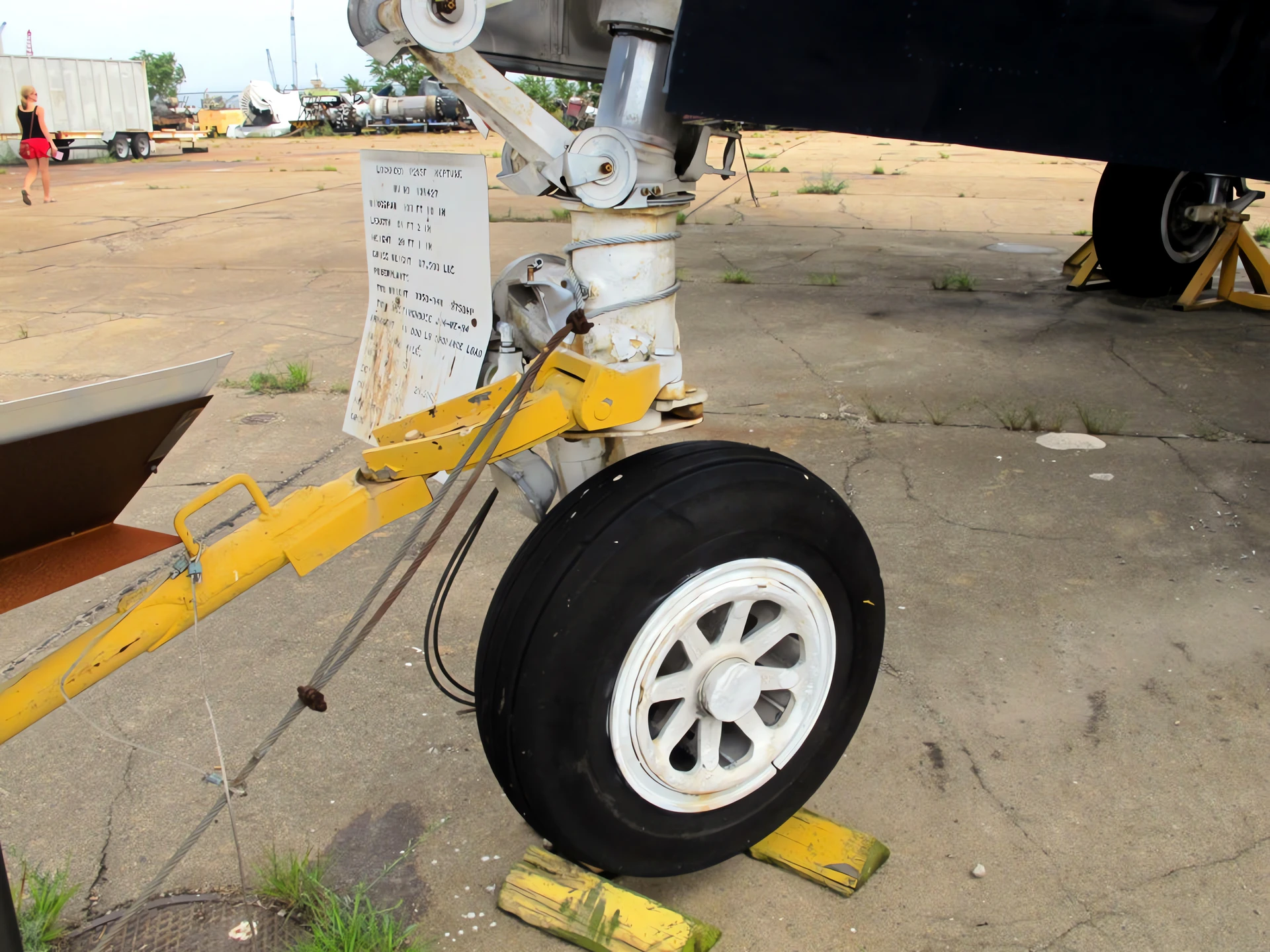
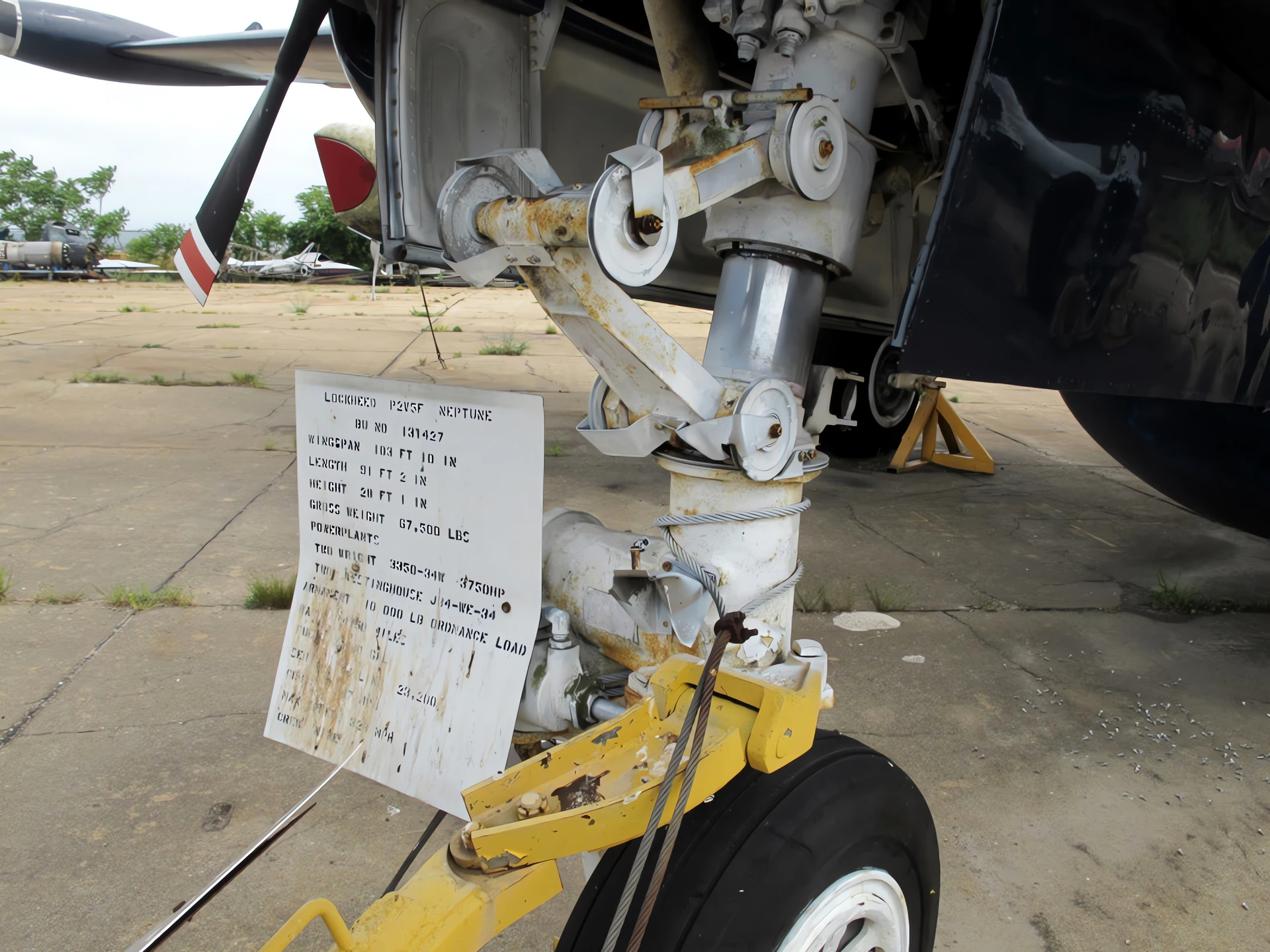
| Lockheed Neptune Walk Around | |
|---|---|
| Fotograf | Neznáme |
| Lokalizácia | Neznáme |
| Fotografie | 68 |
Pozri tiež:


General Characteristics and Role
The Lockheed P2V Neptune was a cornerstone of Cold War maritime security, serving as the primary land-based anti-submarine warfare (ASW) and maritime patrol aircraft for the U.S. Navy before the arrival of the P-3 Orion. The P2V-5F variant represents a critical evolutionary step in the series, featuring a mixed-powerplant configuration to handle the increasing weight of advanced electronics and weapon systems. Designed for grueling, long-endurance missions, the Neptune was often referred to as the hunter in hunter-killer naval groups. Its ability to loiter for hours over vast oceans while monitoring for submerged threats made it an indispensable tool for global maritime reconnaissance.
| Property | Typical Value (P2V-5F Neptune) |
|---|---|
| Typ | Maritime Patrol / Anti-Submarine Warfare |
| National Origin | Spojené štáty americké |
| Výrobca | Lockheed Aircraft Corporation |
| Entered Service | 1950 (P2V-5), 1953 (5F Modification) |
| Posádky | 7 to 9 (including pilots, navigators, and sensor operators) |
| Dĺžka | 27.8 m (91 ft 2 in) |
| Rozpätie krídel | 31.7 m (104 ft 0 in) |
| Max Takeoff Weight | Approx. 36,240 kg (79,895 lb) |
Powerplant and Mixed-Propulsion Performance
- Primary Engines: 2 x Wright R-3350-32W Duplex-Cyclone 18-cylinder radial piston engines, providing 3,250 hp to 3,700 hp each.
- Auxiliary Engines: 2 x Westinghouse J34-WE-34 turbojet engines mounted in underwing pods, providing 3,250 lbf (14.5 kN) thrust each.
- Fuel Synergy: To simplify logistics, the jet engines were modified to burn the same 115/145 Avgas as the piston engines, eliminating the need for a separate jet fuel system.
- Maximum Speed: Approx. 584 km/h (363 mph) with jets engaged.
- Search Endurance: Over 10 hours at economical cruise speeds using only the piston engines.
- Sensor Suite: Equipped with the AN/APS-20 surface-search radar in a belly radome and an AN/ASQ-8 Magnetic Anomaly Detector (MAD) in the distinctive stinger tail extension.
- Armament: Internal bomb bay for up to 8,000 lb of torpedoes, depth charges, or mines, plus underwing racks for 5-inch HVAR rockets.
Service History and Legacy
- Global Reach: Beyond the U.S. Navy, the P2V-5 was exported to numerous allies including Australia, Canada, the Netherlands, and Japan (where it was later license-built by Kawasaki).
- The Truculent Turtle: Early in the Neptune’s life, a modified P2V-1 set a world record by flying non-stop from Australia to Ohio—a distance of 11,235 miles—without refueling.
- Vietnam Combat: During the Vietnam War, Neptunes were utilized as gunships (AP-2E) and sensor-deployment platforms (OP-2E) for monitoring the Ho Chi Minh Trail.
- Cold War Sentinel: P2V crews were often the first to intercept and photograph Soviet warships and submarines during the height of the Cold War.
- Civilian Firefighter: After retirement from military service, many Neptunes were converted into highly effective air tankers for aerial firefighting, serving for decades dropping fire retardant across North America.
Pohľady : 7701
Môžete tiež vidieť:
 Grumman AF Guardian – fotografie a videá
 Lockheed Electra 12 - fotografie a videá
 Lockheed F-117 Nighthawk – fotografie a videá
 Lockheed MC-130 - fotografie a videá
 Lockheed F-94 Starfire – fotografie a video
 Lockheed CP-140 Aurora - fotografie a video
 Lockheed C-141 Starlifter – fotografie a video
 Lockheed C-121 Constellation - fotografie a video
 Lockheed AC-130A Spectre - fotografie a video
 Lockheed PV-2D Harpoon – WalkAround