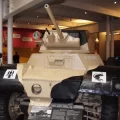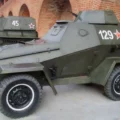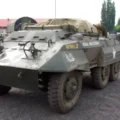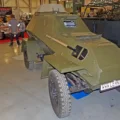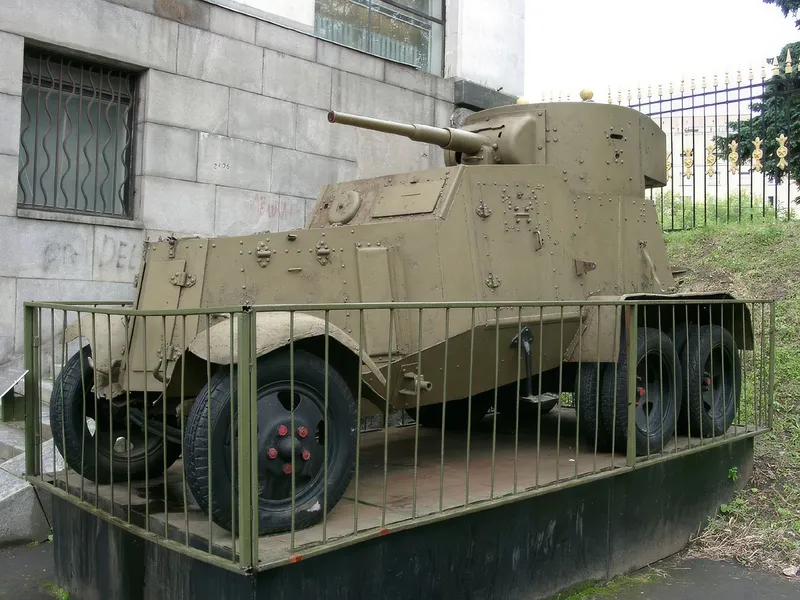
Бронированный автомобиль БА-6 | |
|---|---|
| Страны | Ссср |
| Тип | Бронеавтомобиль |
| Теме | Альбом 51 фотографии Бронированный автомобиль БА-6 |
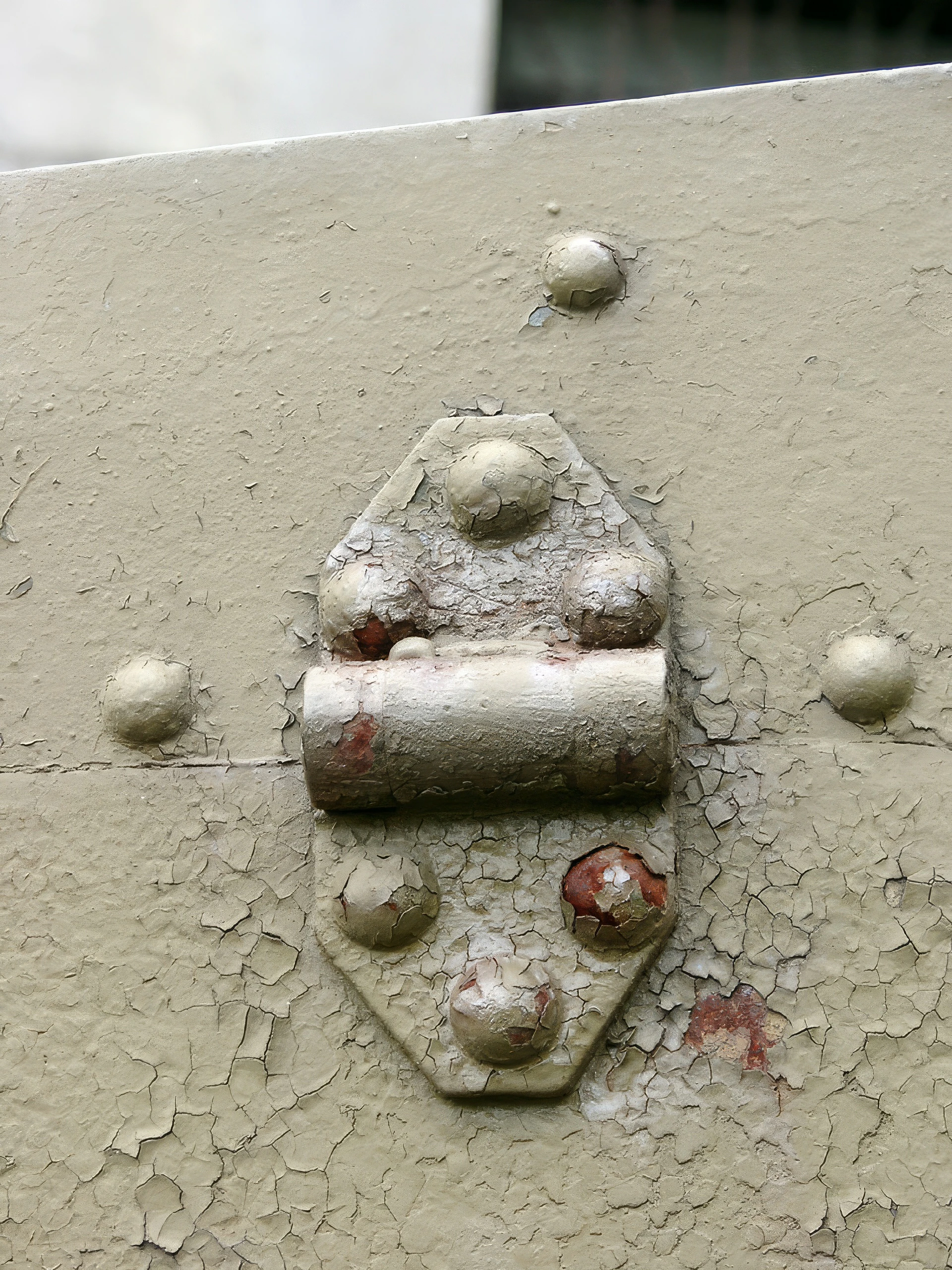
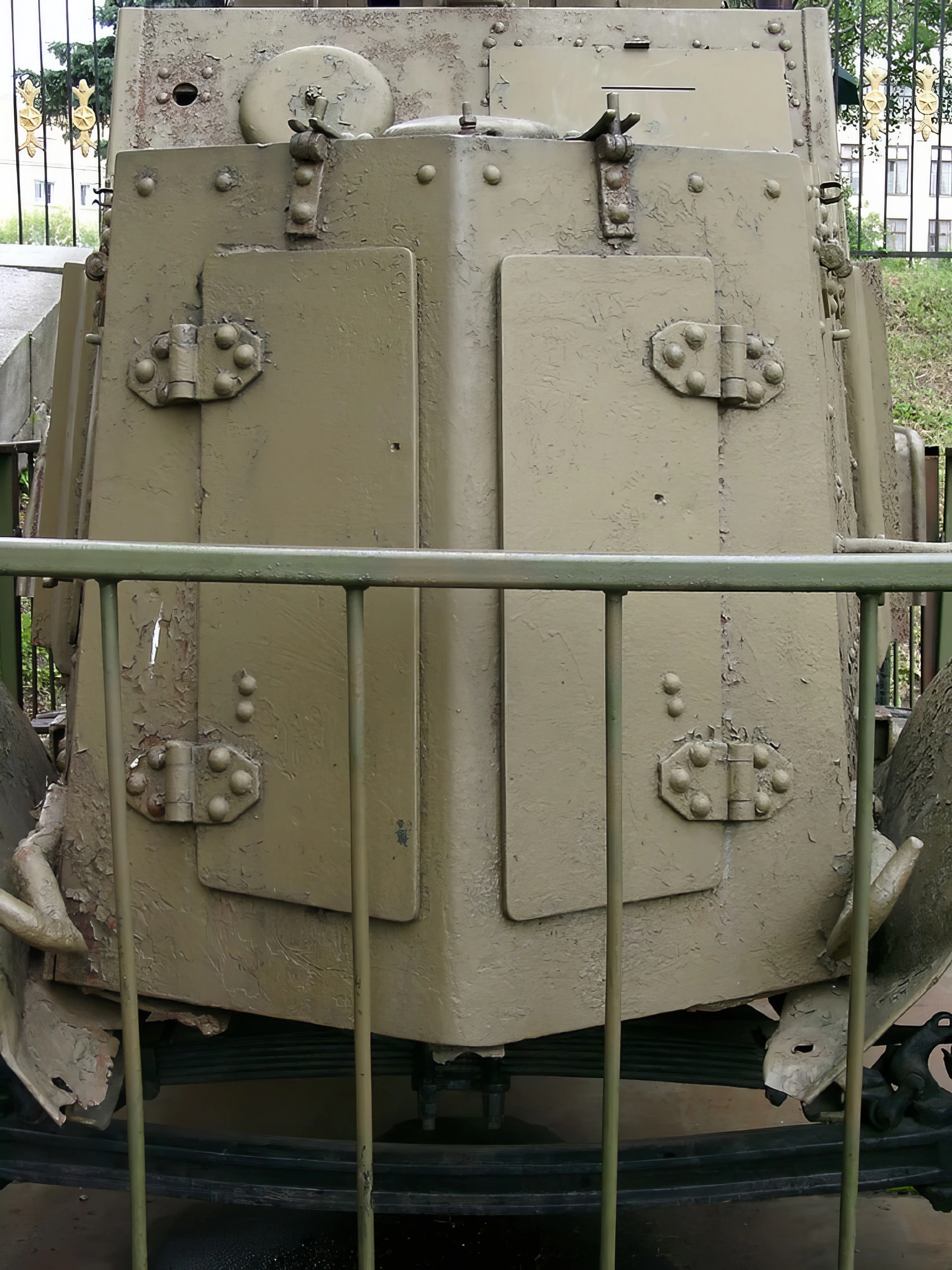
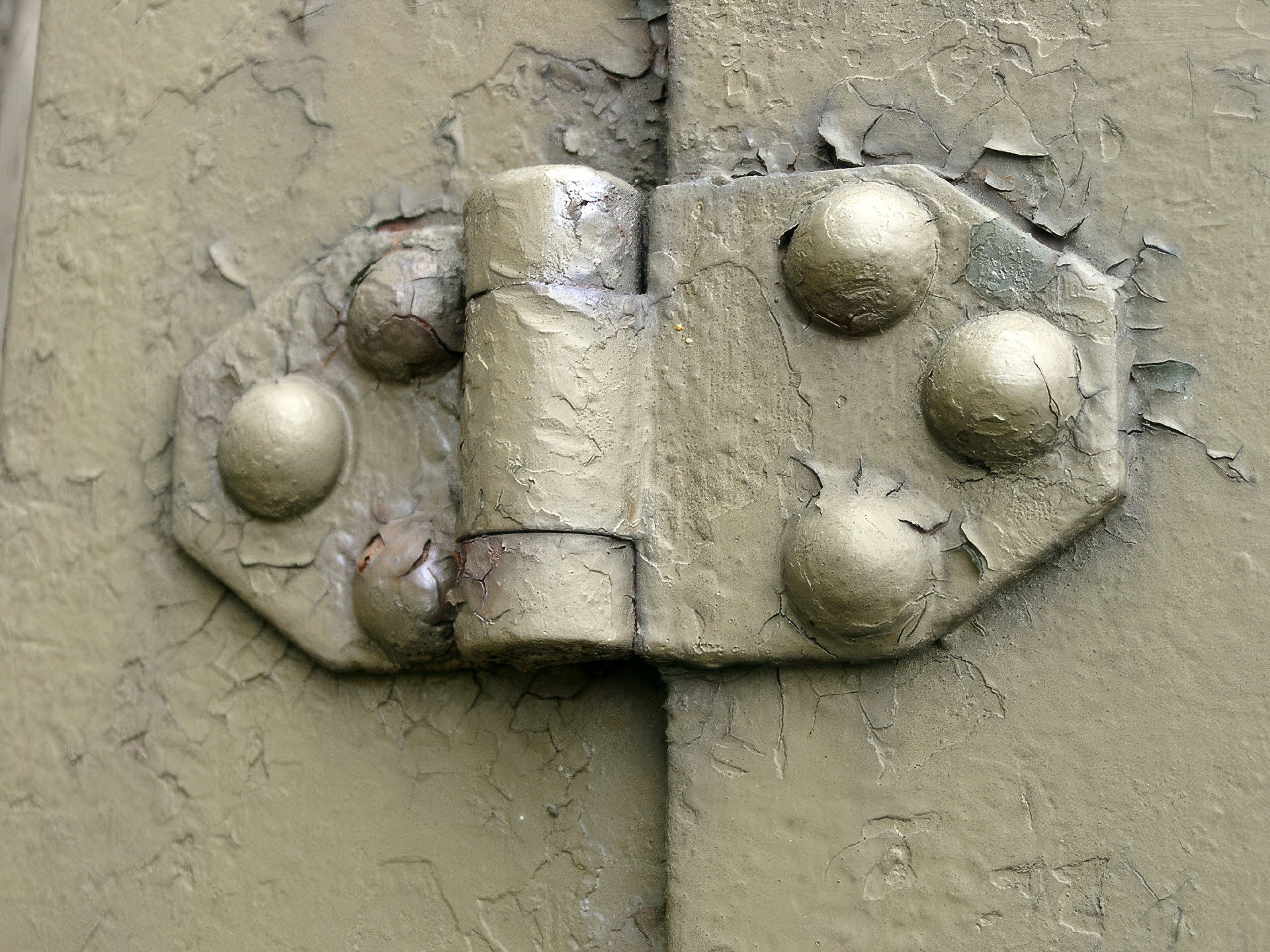
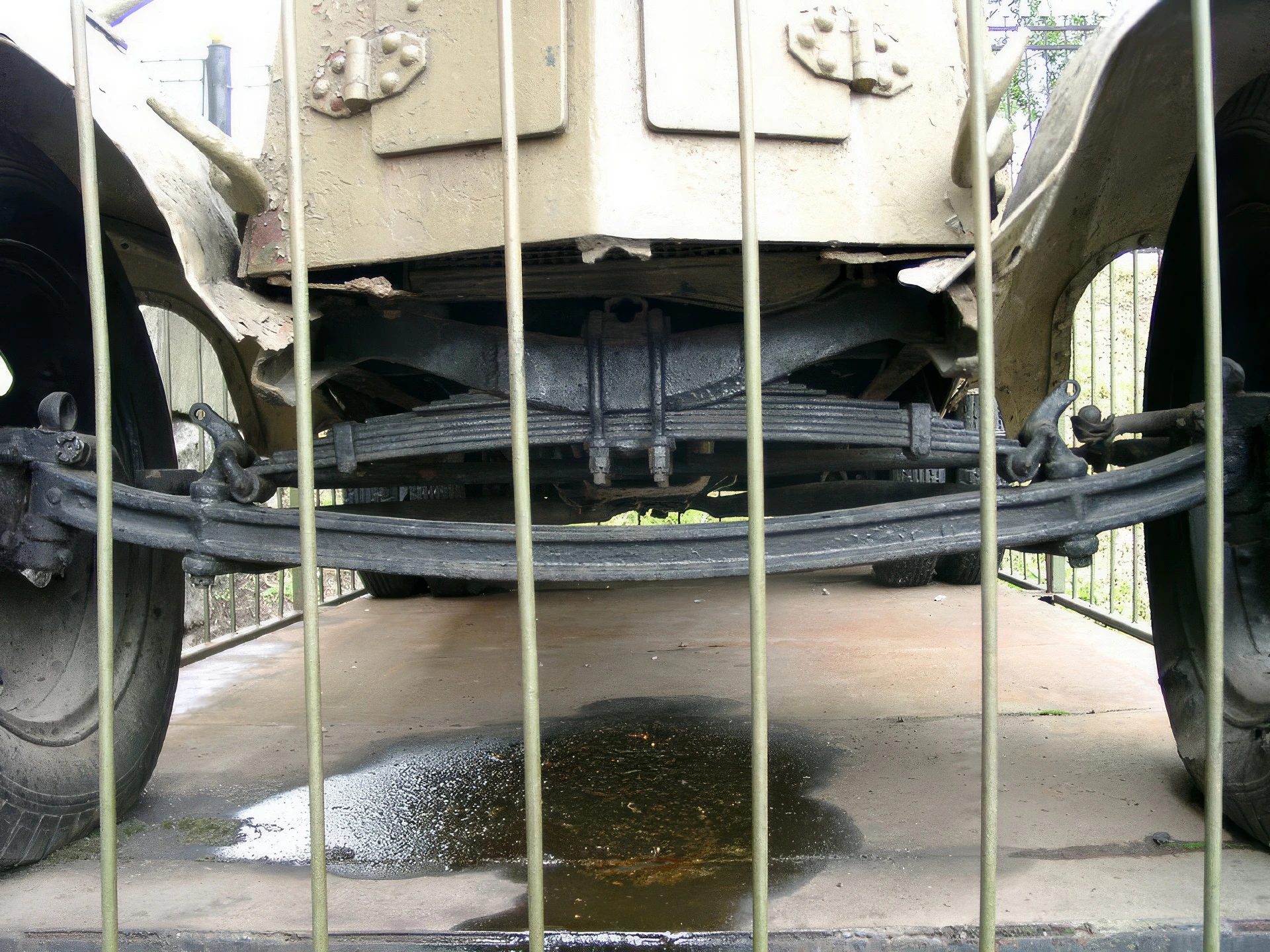
BA-3 (русский: Broneavtomobil 3) — тяжелый бронеавтомобиль, разработанный в Советском Союзе в 1933 году, а в 1936 году был слегка изменен моделью БА-6. Оба были основаны в основном на BA-I, наиболее важным событием является новая башня, так же, как в Т-26 м 1933 и БТ-5 танков, а также оснащен 45-мм основной пушкой. На Ижорском и Выксунский заводах было построено около 180 автомобилей БА-3, пока производство не закончилось в 1935 году. За БА-6 последовало 386 автомобилей, произведенных в период с 1936 по 1938 год на Ижорском заводе. Большая часть производства БА-3 была основана на шасси Ford-Timken, 6×4 модификации американского грузовика Ford AA 4×2, но последняя партия была построена на российской версии того же шасси - ГАЗ-ААА, продолжала использоваться в БА-6. Самым большим ограничением БА-3 была мобильность, ограниченная дорогами или очень твердые земли, в результате неоправданно большого веса. Инновации, которые немного улучшили мобильность были вспомогательные ("В целом") треки, которые могут быть установлены на задние колеса тандема, превращая автомобиль в половину трека.
Источник: BA-3/6 сюр Википедия
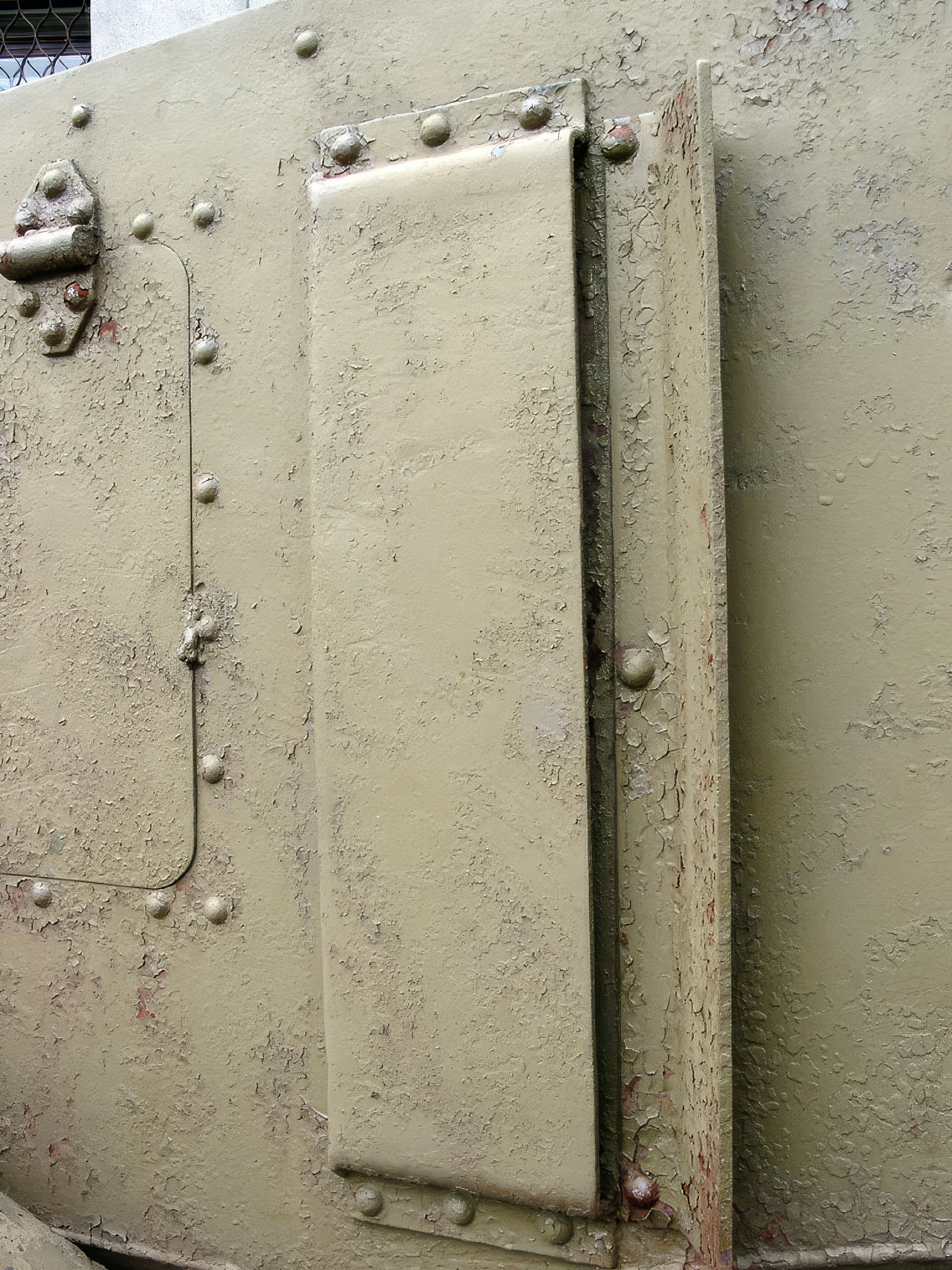
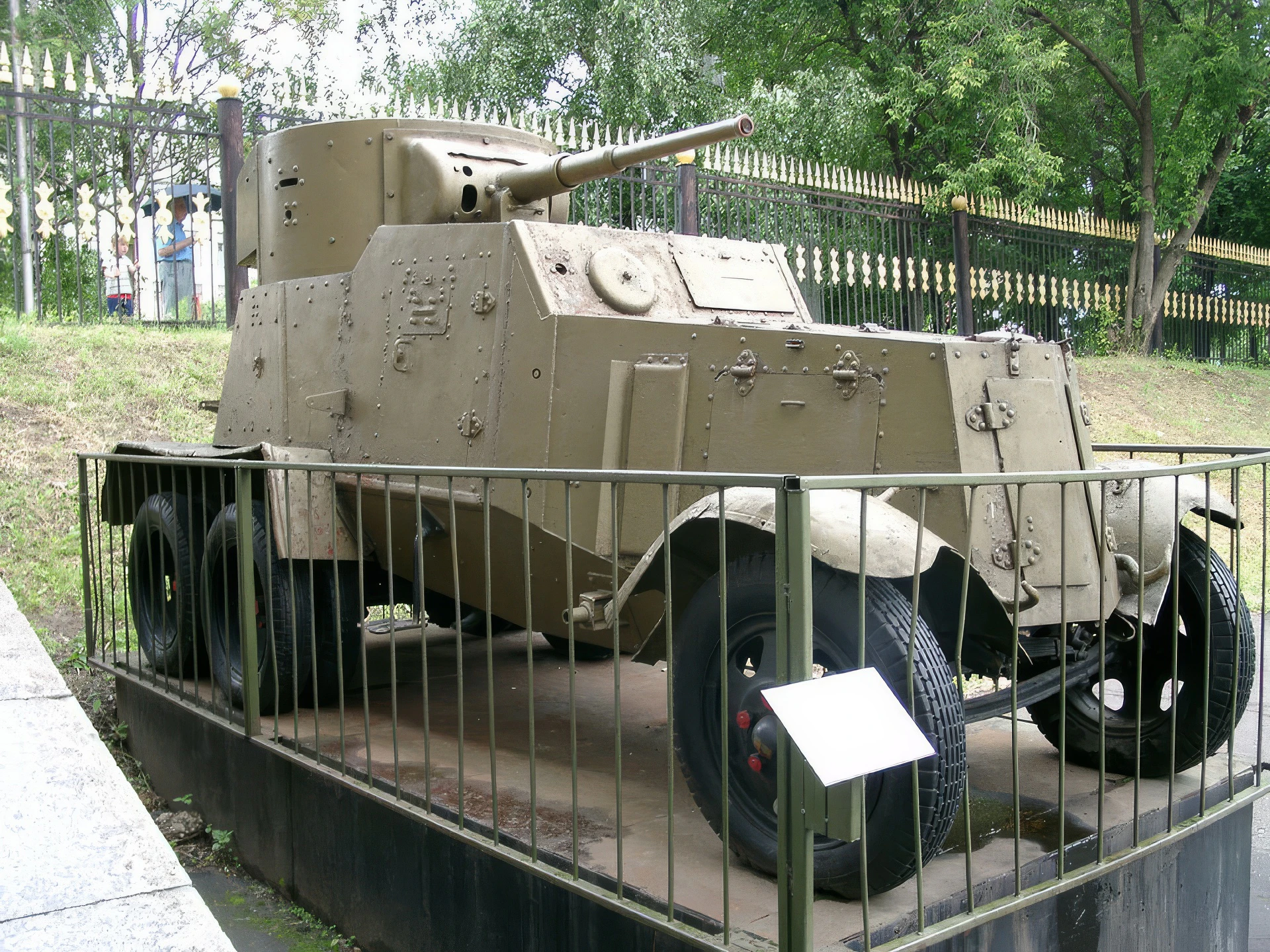
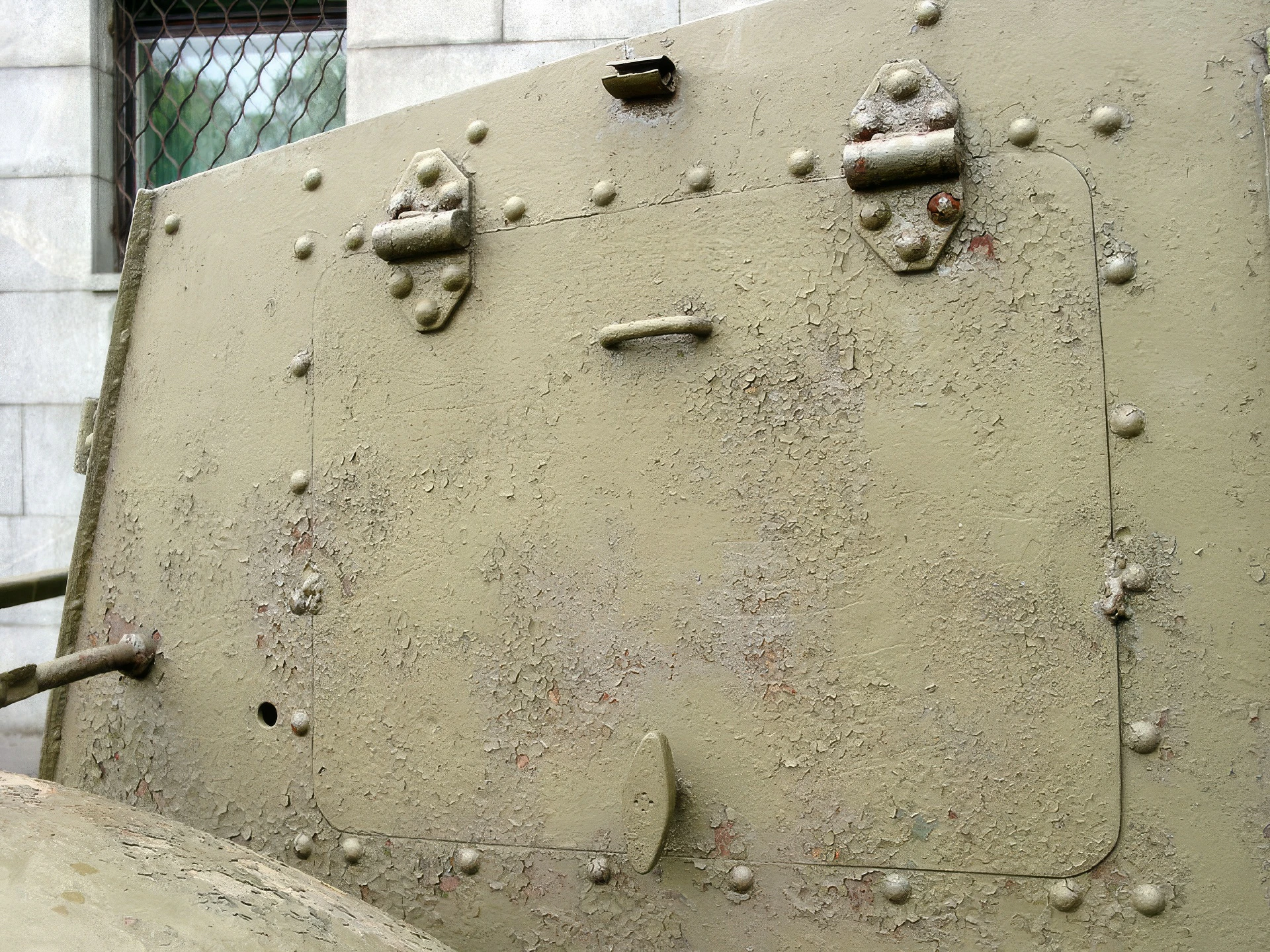

Читайте также:


Teh BA-6 (Broneavtomobil-6) was a “heavy” armored car developed by the Soviet Union in the mid-1930s. It was essentially an improved version of the earlier BA-3, designed to be highly mobile on roads while providing significant firepower, often acting as a highly mobile, reconnaissance-capable light tank.
Key Features and Specifications
- Роль: Heavy Armored Car, reconnaissance, and infantry support.
- Шасси: Built on the modified 6×4 chassis of the Soviet Грузовик ГАЗ-ААА (itself a Ford Model AA derivative), giving it six wheels with four powered in the rear.
- Main Armament: The most significant feature was its main gun: the 45 mm Model 1932 (20-K) anti-tank gun, the same weapon used on the early T-26 light tank. This gun was capable of penetrating the armor of most tanks of the early 1930s.
- Secondary Armament: Coaxial and hull-mounted 7.62 mm DT machine guns.
- Off-Road Mobility: Despite its 6×4 configuration, off-road performance was poor. To mitigate this, the BA-6 carried removable tracks that could be fitted over the dual rear wheels to convert it into a pseudo-half-track for better traction in mud or snow.
Effectiveness and Limitations
The BA-6 and its successor, the BA-10, were considered successful designs for their era, combining excellent firepower with good road mobility. They were used extensively in the Battles of Khalkhin Gol against the Japanese in 1939 and the early stages of World War II.
Strengths (Early War)
- Огневая мощь: Teh 45 mm gun was a major advantage, making it one of the most heavily armed armored cars in the world at the time, capable of engaging enemy tanks.
- Мобильность: Fast and agile on good roads, making it ideal for reconnaissance and deep raids.
Weaknesses (Mid-War Onwards)
- Броня: The BA-6 suffered from the common flaw of pre-war armored cars—thin armor (typically 4–9 mm), which could be penetrated by heavy machine guns and was easily defeated by even the smallest anti-tank guns (like the German PaK 35/36 mentioned previously).
- Off-Road Performance: Despite the use of spare tracks, its wheeled chassis struggled immensely in the thick mud or snow, a major liability on the Eastern Front.
Like its German counterpart (the PaK 35/36), the BA-6 quickly became obsolete after the German invasion in 1941, as the Wehrmacht introduced tanks with thicker armor. The Soviets eventually shifted production emphasis toward light tanks and the much smaller, lighter, and more capable BA-64 armored car for true reconnaissance duties.
Просмотров : 4739