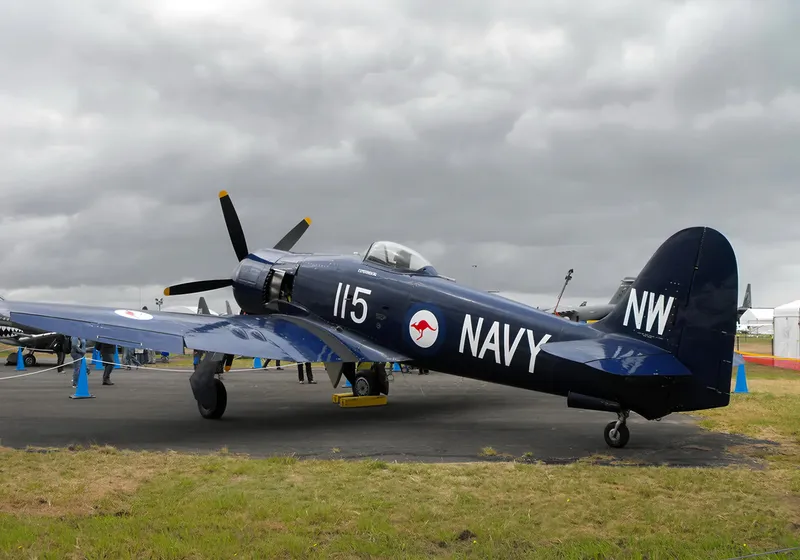
Fúria do Mar de Hawker | |
|---|---|
| País | Reino unido |
| Período | Segunda Guerra Mundial |
| Tipo | Chasseur |
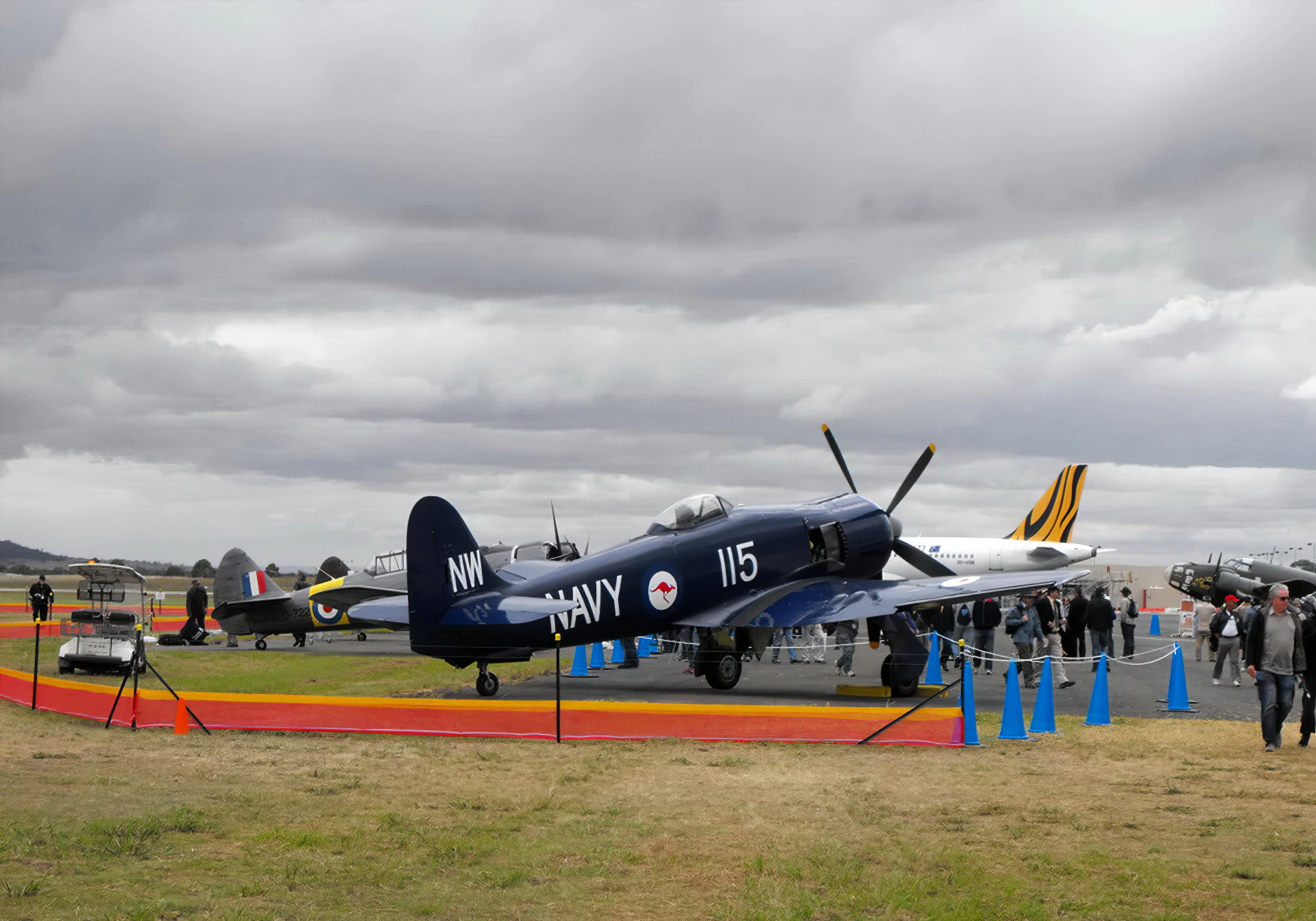
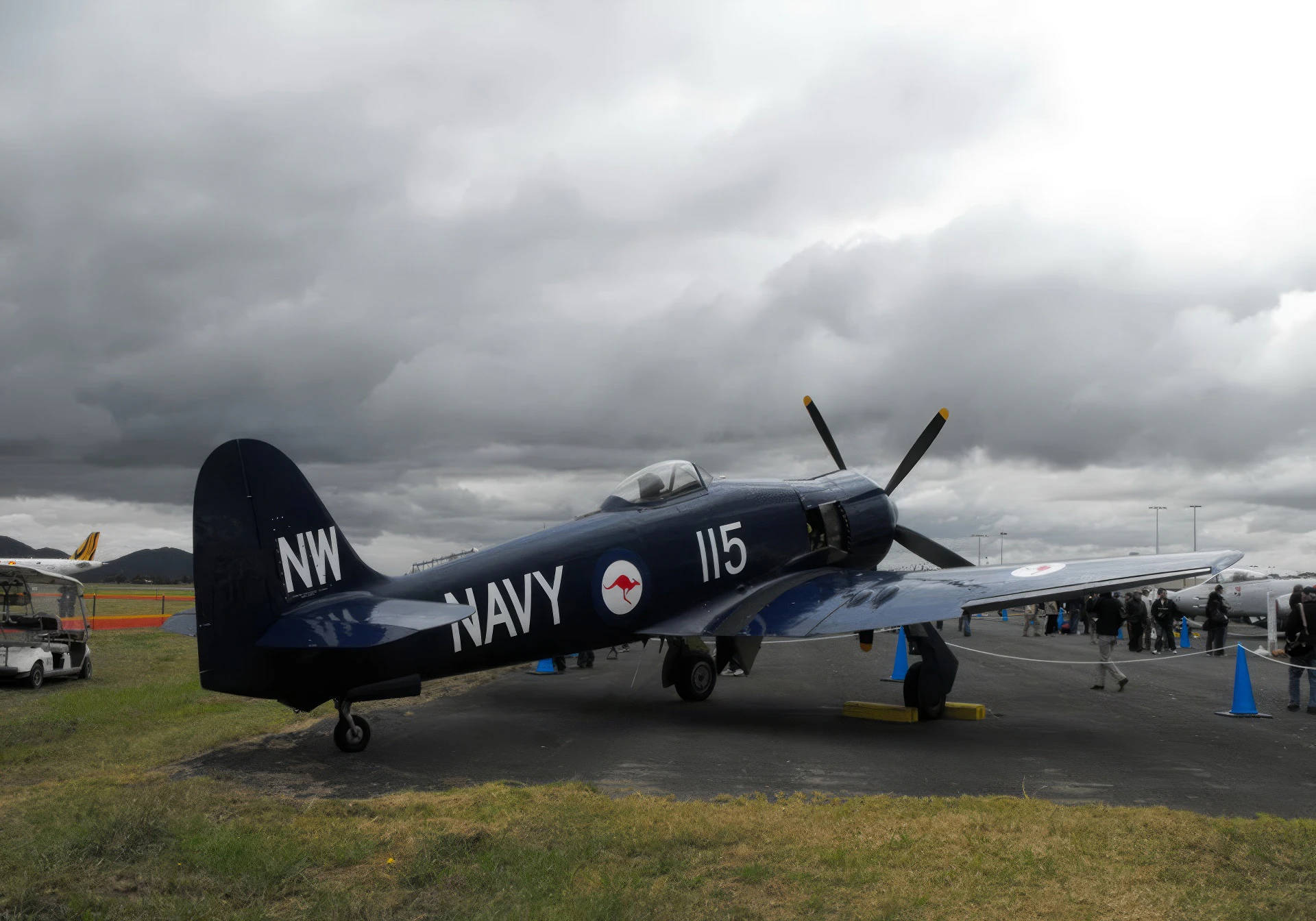
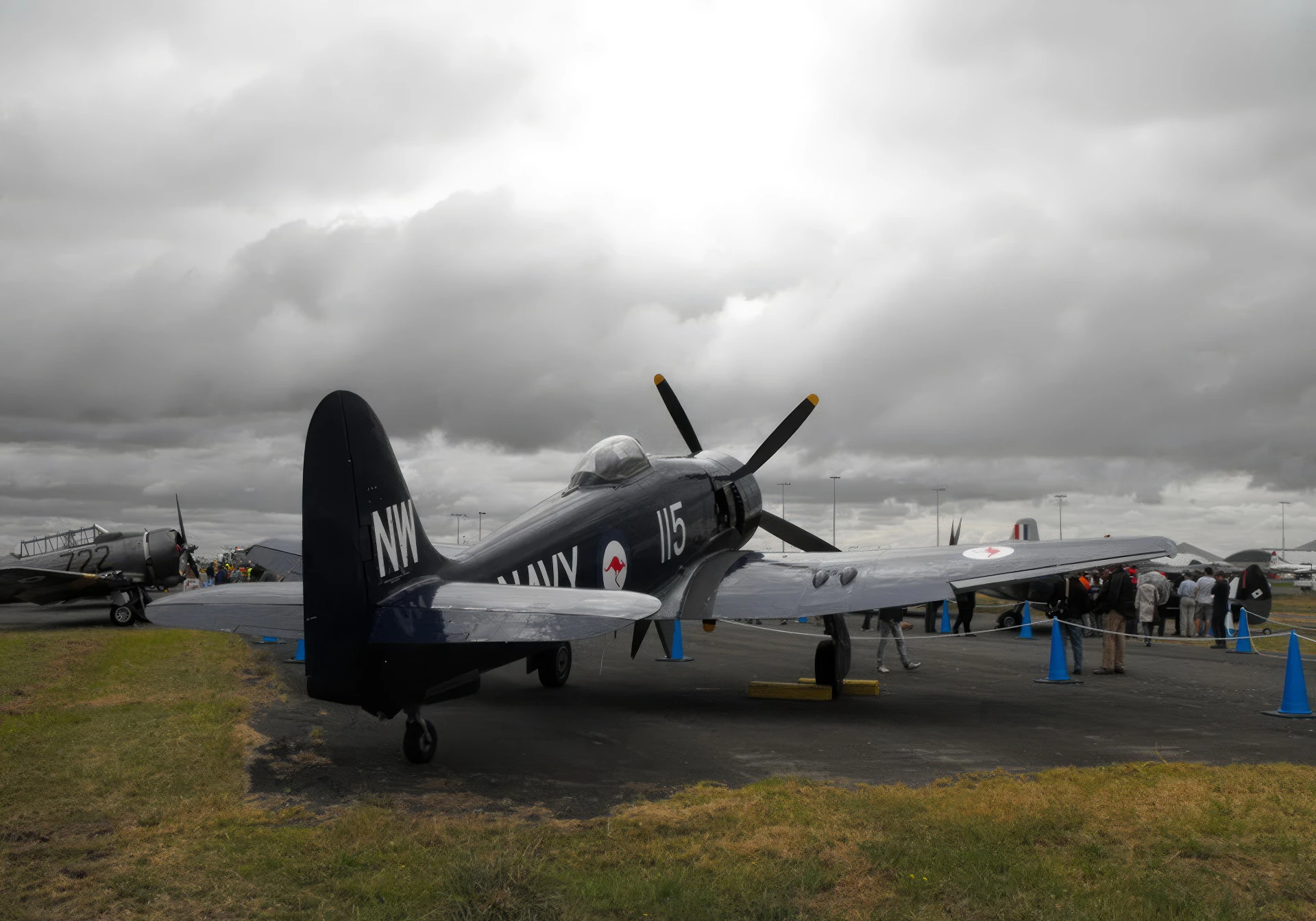
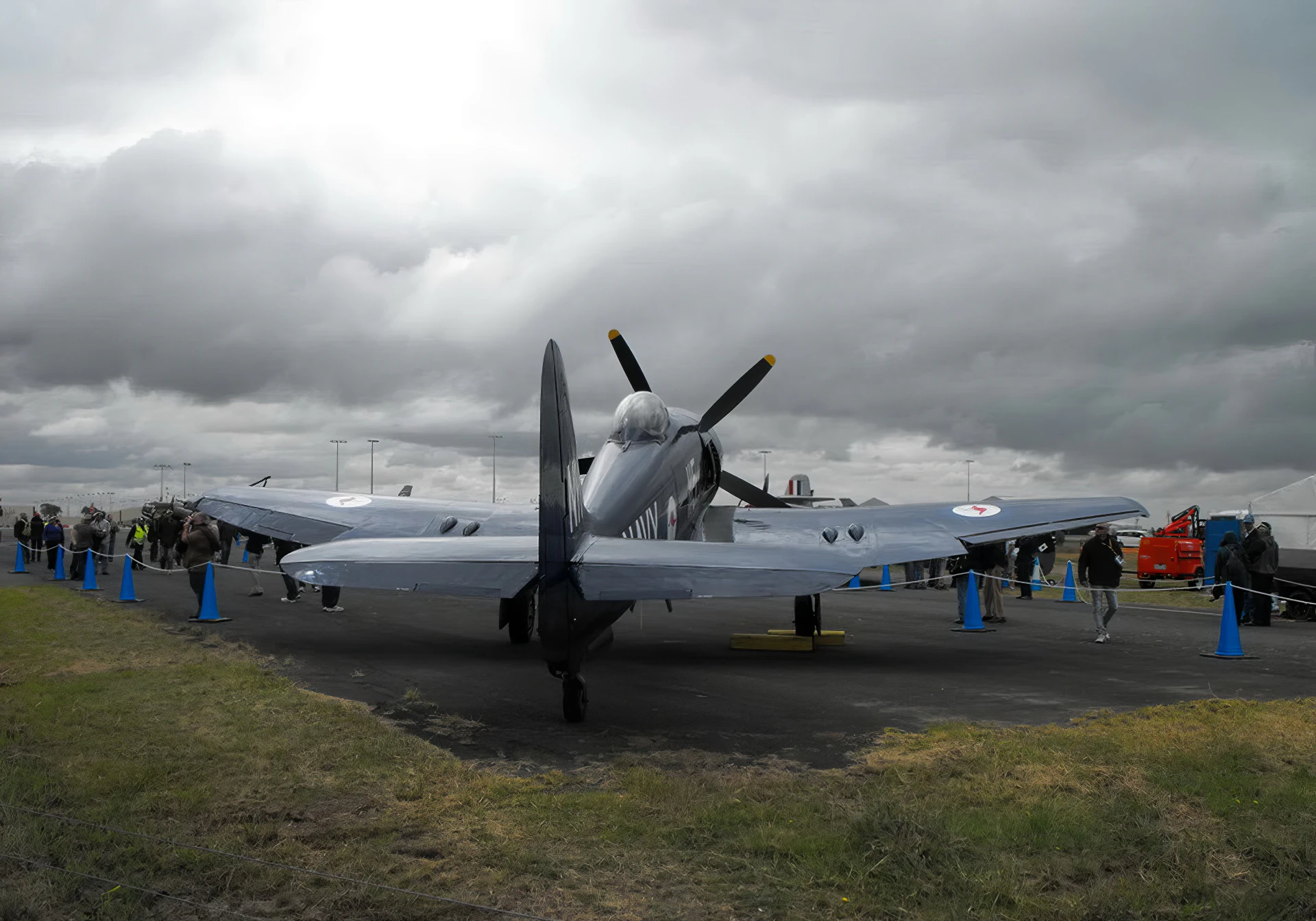
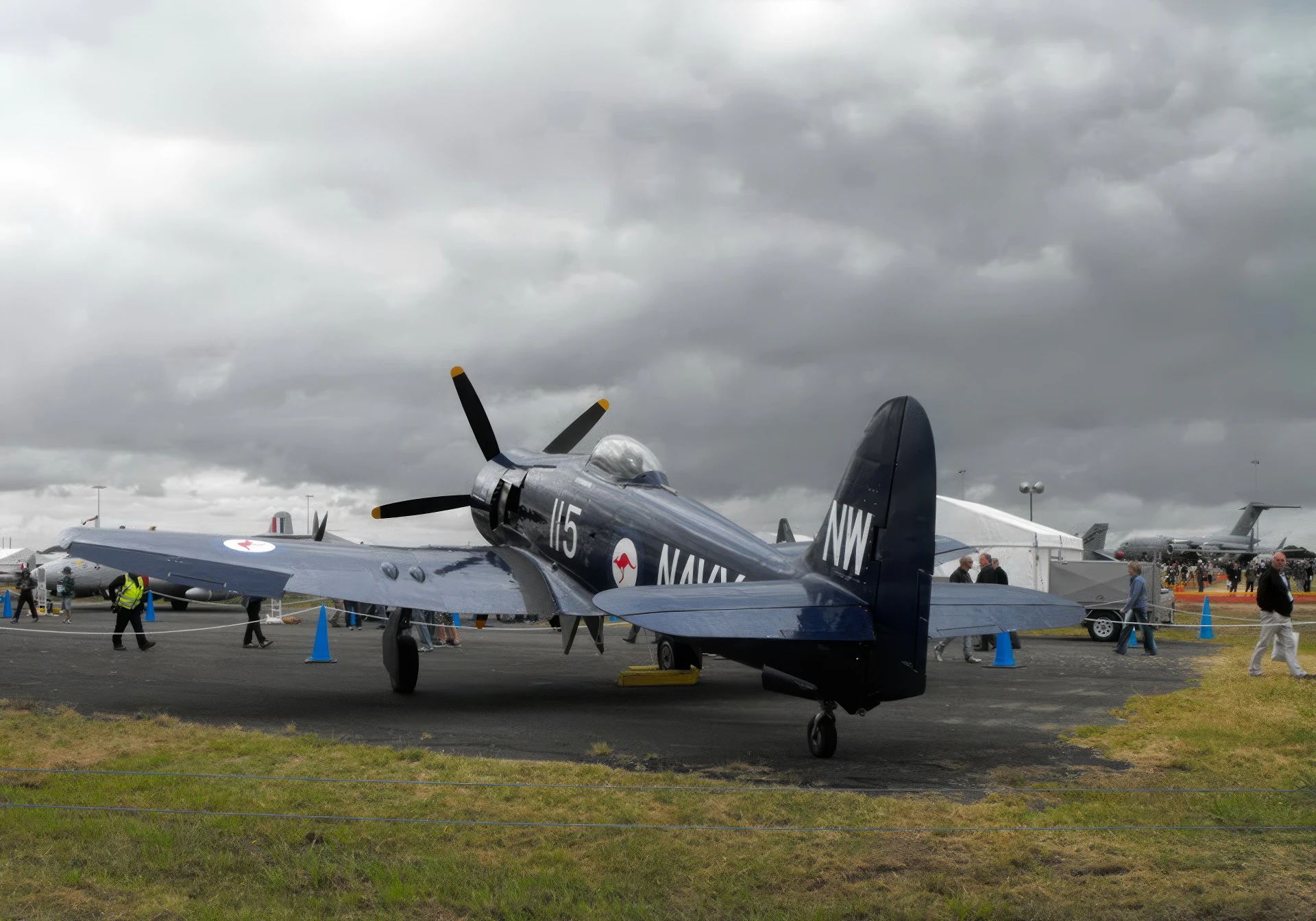
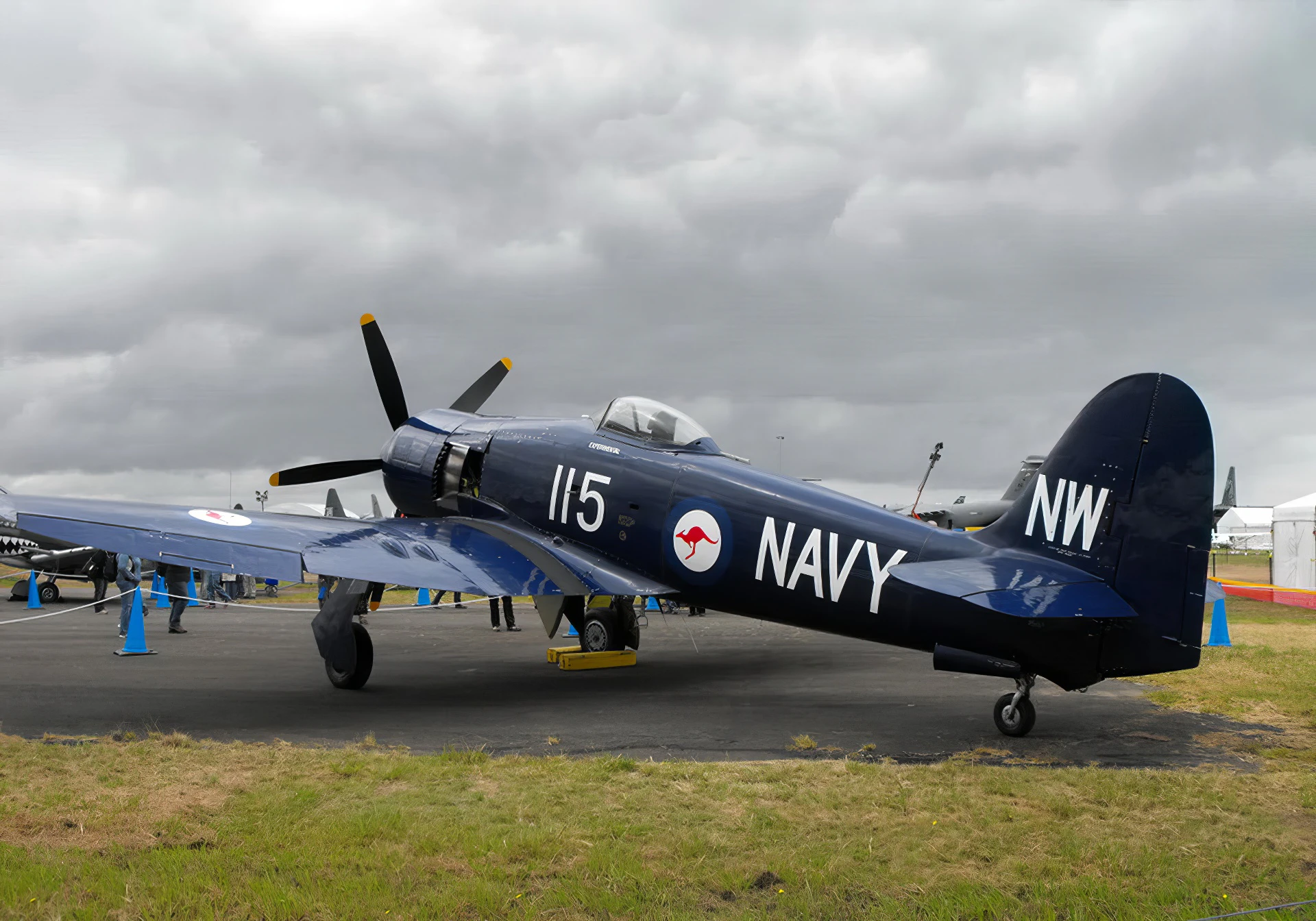
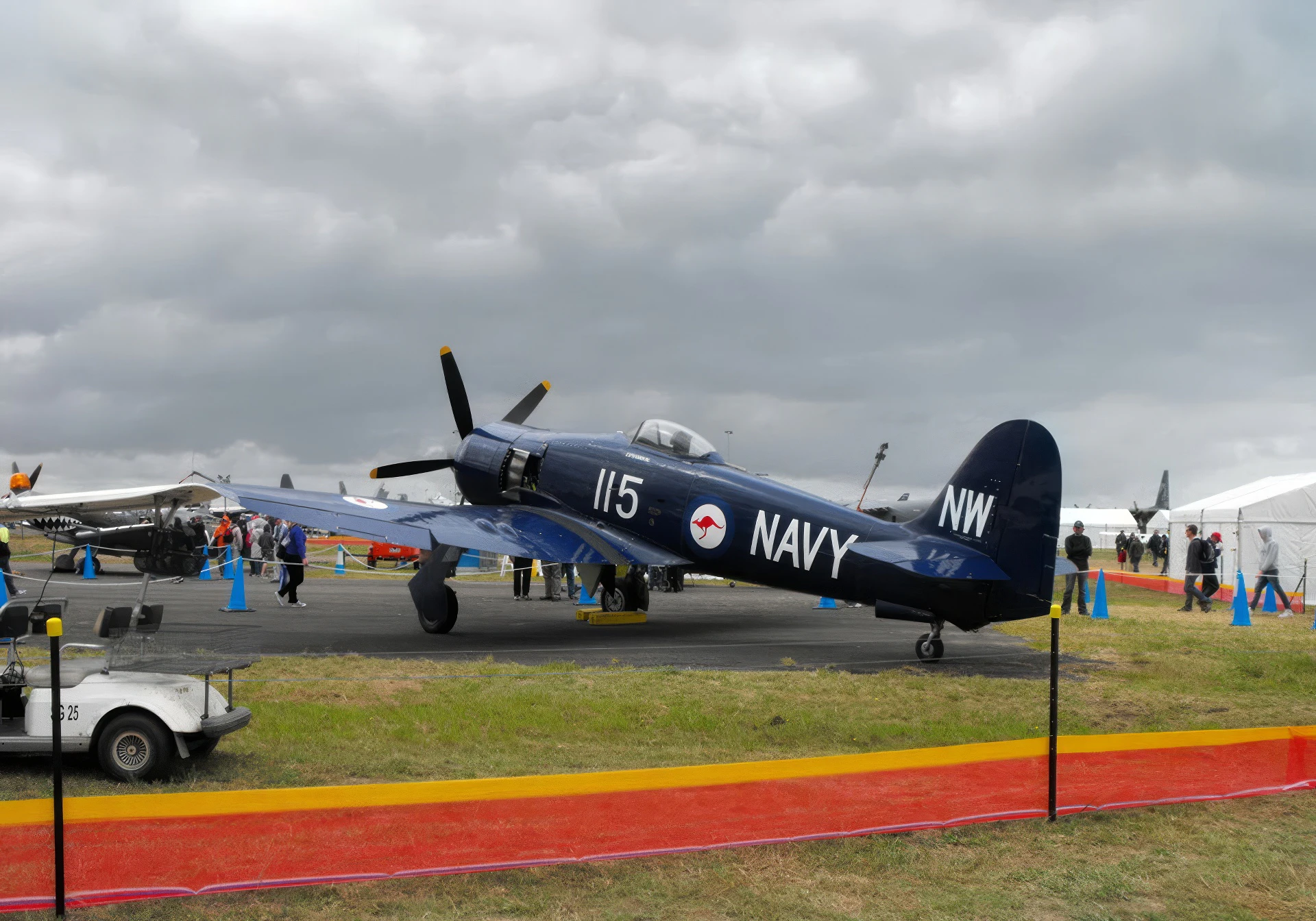
| Descrição | Álbum 23 fotos do caçador "Hawker Sea Fury" |
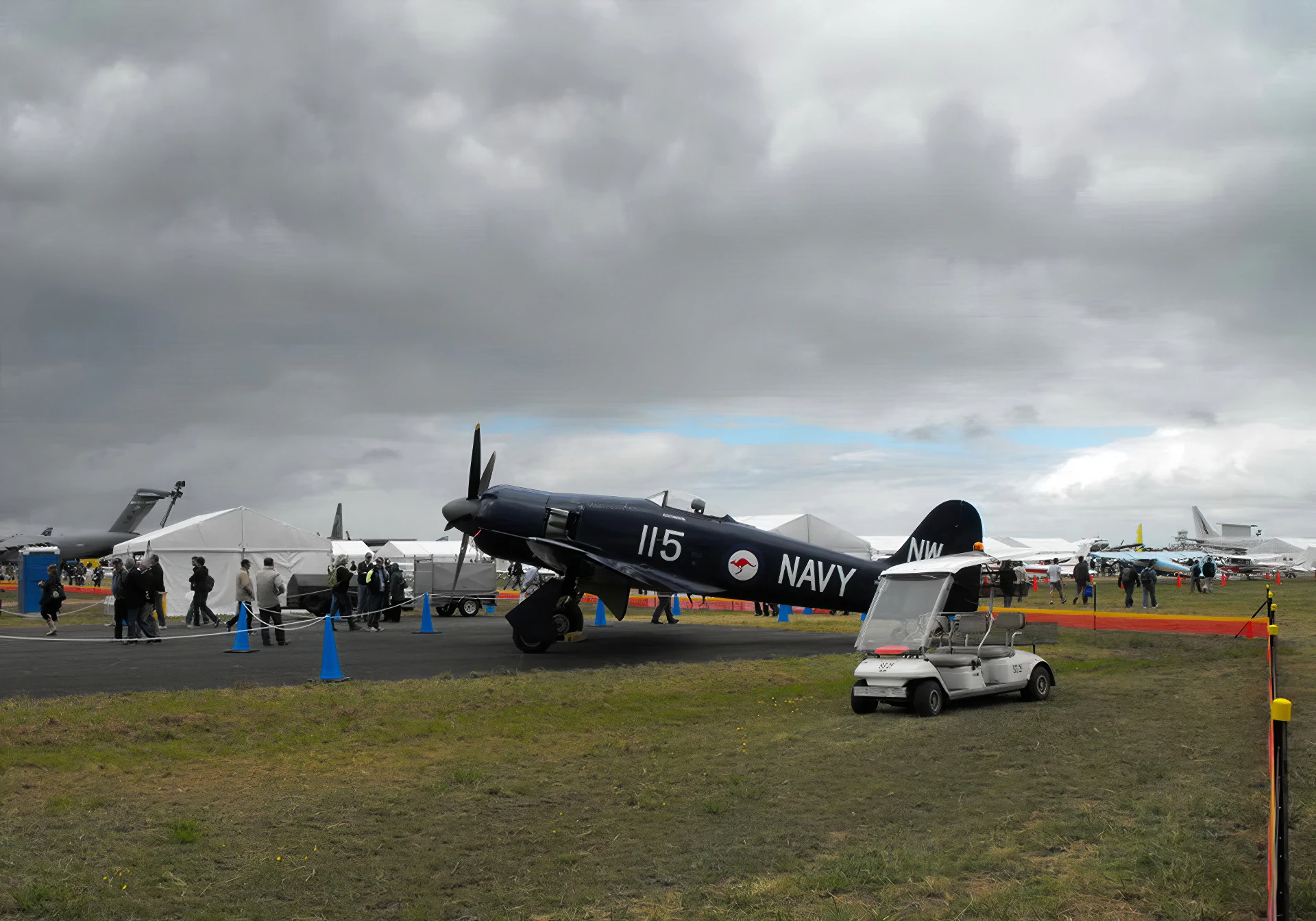
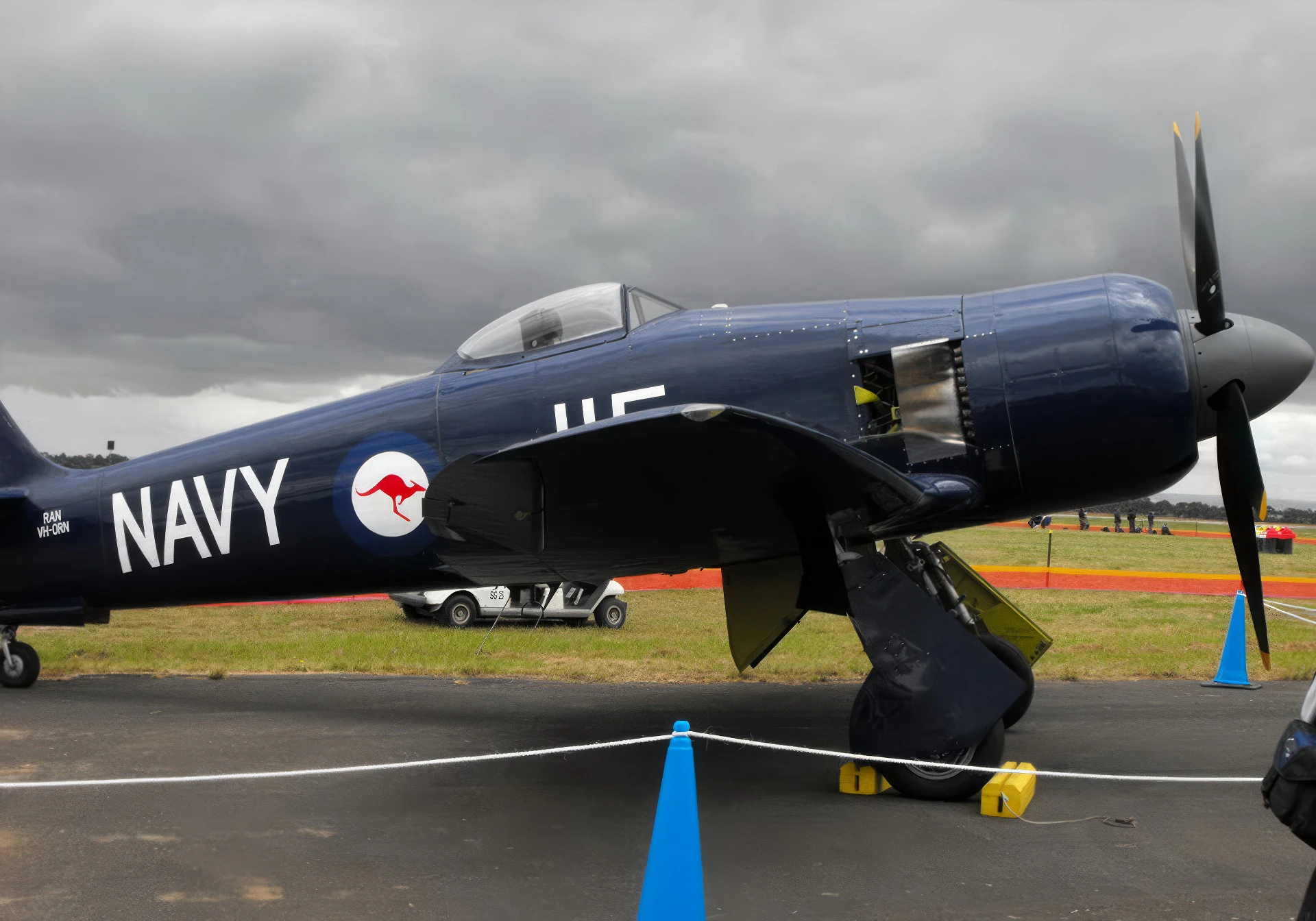
Galeria de fotos em um Hawker Sea Fury, The Fúria do Mar était un chasseur britannique développé pour la Royal Navy par le constructeur Hawker-Siddeley durant la Seconde Guerre mondiale. Il fut le dernier appareil à hélice de la Royal Navy, l’un des plus rapides monomoteurs à pistons jamais construit, et le dernier chasseur à hélice à abattre un avion à réaction. Le Fúria hawker foi o sucessor do Hawker Typhoon e Hawker Tempest. A Fúria foi projetada em 1942 pelo famoso Sidney Camm em resposta a uma licitação emitida pela Força Aérea Real para substituir a Tempestade II. Projetado como "uma tempestade mais leve", ele usou como seu ancião uma asa semielíptica rebitada no centro da fuselagem. A fuselagem em si era semelhante à da Tempestade, mas totalmente monocoque e com um cockpit elevado, a fim de dar melhor visibilidade ao piloto.

Veja também:


The Hawker Sea Fury was a British carrier-borne fighter-bomber developed during World War II, though it entered service shortly after the war ended. It was the last propeller-driven fighter to serve with the Royal Navy and is considered one of the fastest production single piston-engined aircraft ever built.
Key Specifications (Sea Fury FB.11)
| Feature | Detail (FB.11 Variant) |
|---|---|
| Papel | Carrier-based Fighter-Bomber |
| Fabricante | Hawker Aircraft Limited |
| tripulação | 1 Pilot (Trainer T.20 variant had 2) |
| Max Takeoff Weight | Approx. 5,670 kg (12,500 lb) |
| Envergadura | 11.7 m (38 ft 4¾ in) – Wings Folded for carrier storage |
| Usina | 1 × Bristol Centaurus 18-cylinder radial engine, ~2,480 hp |
| Maximum Speed | Approx. 740 km/h (460 mph) at 5,500 m (18,000 ft) |
| Main Armament | 4 × 20 mm Hispano Mk.V cannons (wing-mounted) |
| External Ordnance | Up to 908 kg (2,000 lb) of bombs or 16 × 3 inch rockets |
Operational History Highlights
The Sea Fury had a distinguished, albeit short, front-line career, most notably:
- Korean War: It was heavily used by the Royal Navy (RN) and Royal Australian Navy (RAN) for ground attack and interdiction sorties.
- Jet Kill: On August 9, 1952, a Sea Fury FB.11, flown by Lieutenant Peter Carmichael, famously shot down a Soviet-built MiG-15 jet fighter, a rare event for a propeller aircraft in the jet age.
- Final Piston Fighter: It was the last piston-engined fighter to serve in the Royal Navy’s Fleet Air Arm before being replaced by early jet fighters like the Hawker Sea Hawk.
Air Racing: Heavily modified Sea Furies remain extremely popular and successful participants in modern air races, such as the Reno Air Races, often setting speed records for piston-powered aircraft.
Views : 2601
Você pode ver também:
 Martin 4-0-4 – Fotos e Vídeos
 Bristol F.2 Fighter – Fotos e Vídeos
 Northrop JB-1 Bat – Fotos e Vídeos
 Convair F2Y Sea Dart – Fotos e Vídeos
 Miles Magister – Fotos e Vídeos
 FM-1 Wildcat – WalkAround
 Grumman F-14 Tomcat - WalkAround
 Mikoyan-Gurevich MiG-17 - WalkAround
 MiG-23MLD – WalkAround
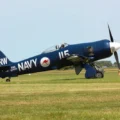 Hawker Sea Fury FBII vol2 - Walk Around