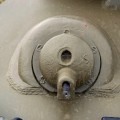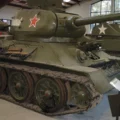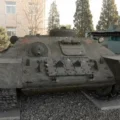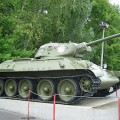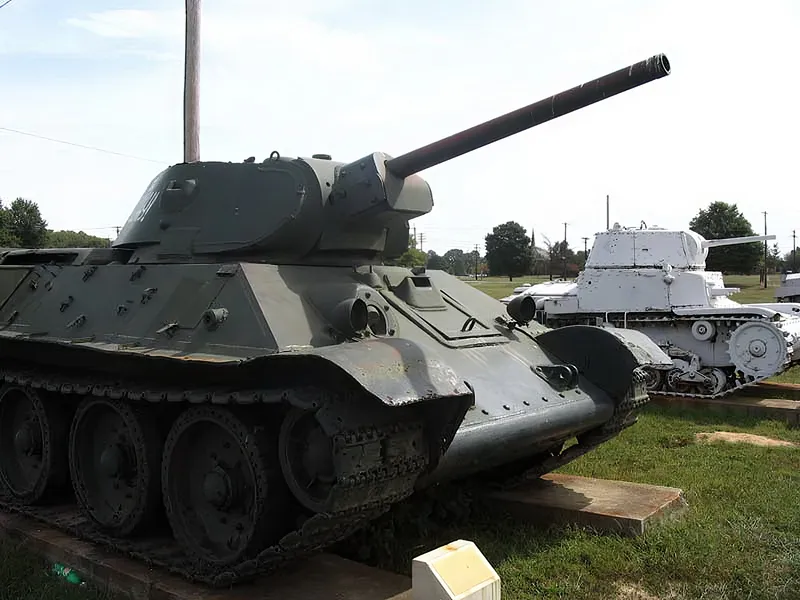
T-34/76 Modelo 1941 | |
|---|---|
| País | URSS |
| Tipo | Tanque médio |
O T-34 é um tanque médio que entrou em serviço em 1940 com o Exército Vermelho. Na época, foi um notável equilíbrio entre os três principais fatores que definiram a qualidade de um veículo blindado: poder de fogo, proteção e mobilidade. Este sucesso fez dela uma das forças da União Soviética diante da invasão da Wehrmacht. Para combatê-lo, este último também terá que rever sua política de design de tanques desenvolvendo, por exemplo, o Panzer-V 'Pantera', que emprestou parte de suas características técnicas do T-34. Embora rapidamente superado-se por produções estrangeiras, o T-34 ainda permanecerá em produção de 1940 a 1958, com um total de unidades produzidas estimadas em 84.070 cópias, tornando-se o segundo tanque mais produzido de todos os tempos, atrás apenas de seus sucessores, o T-54 e o T-55.
Fonte: Tanque T-34/76 na Wikipédia
| T-34/76 Modèle 1941 | |
|---|---|
| Fotógrafo | Unknow |
| Localização | Desconhecido |
| Fotos | 26 |
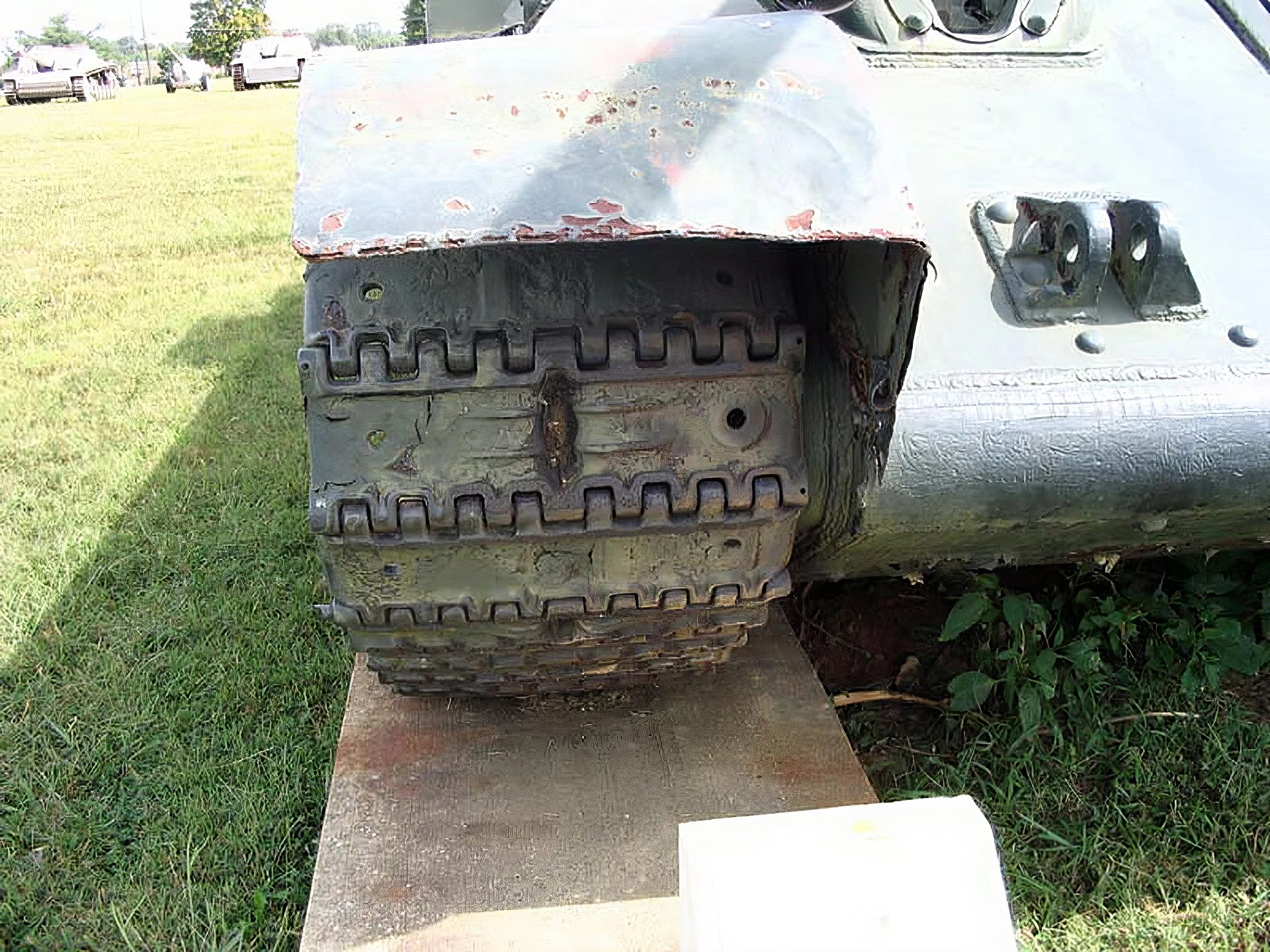
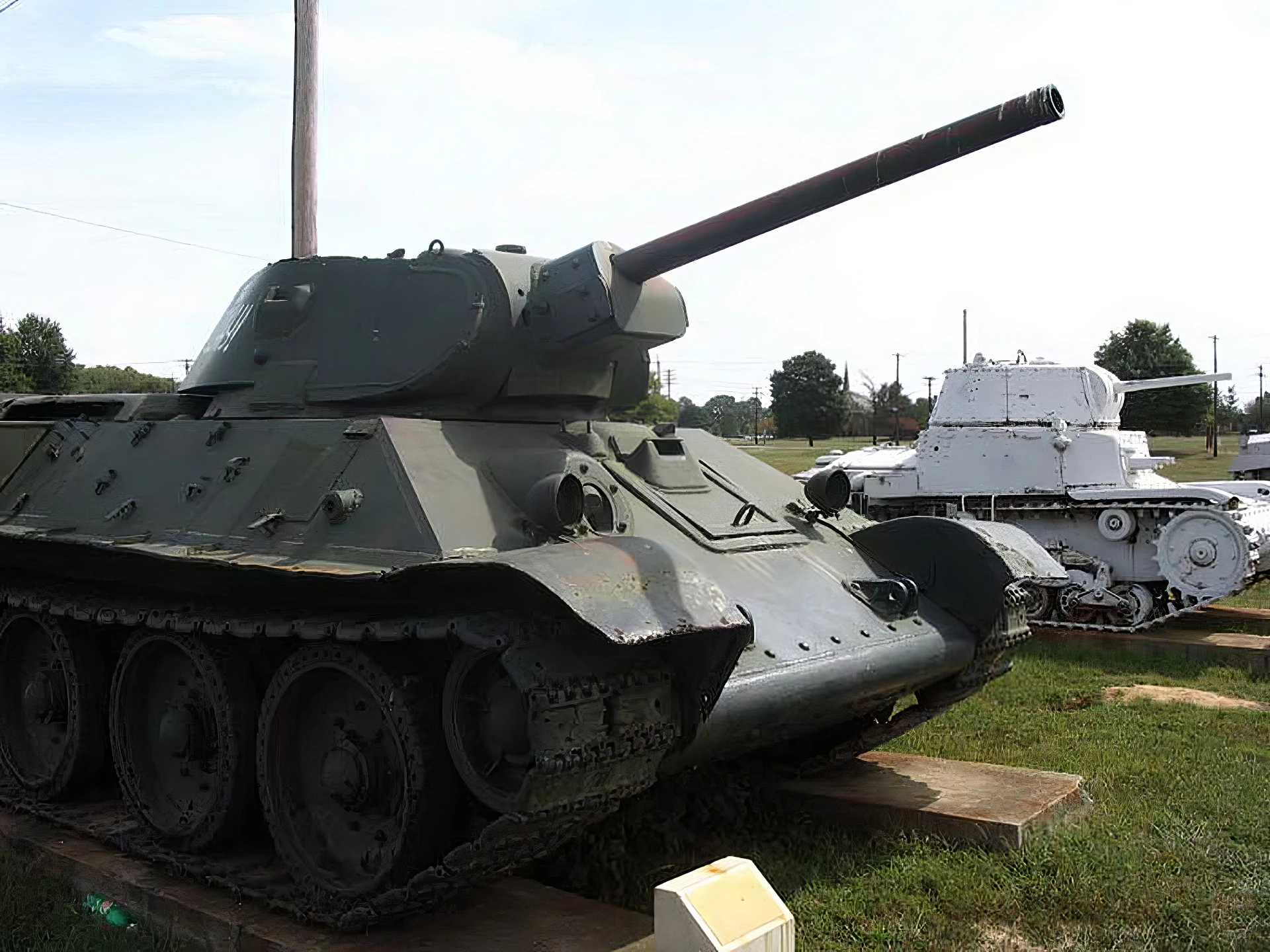
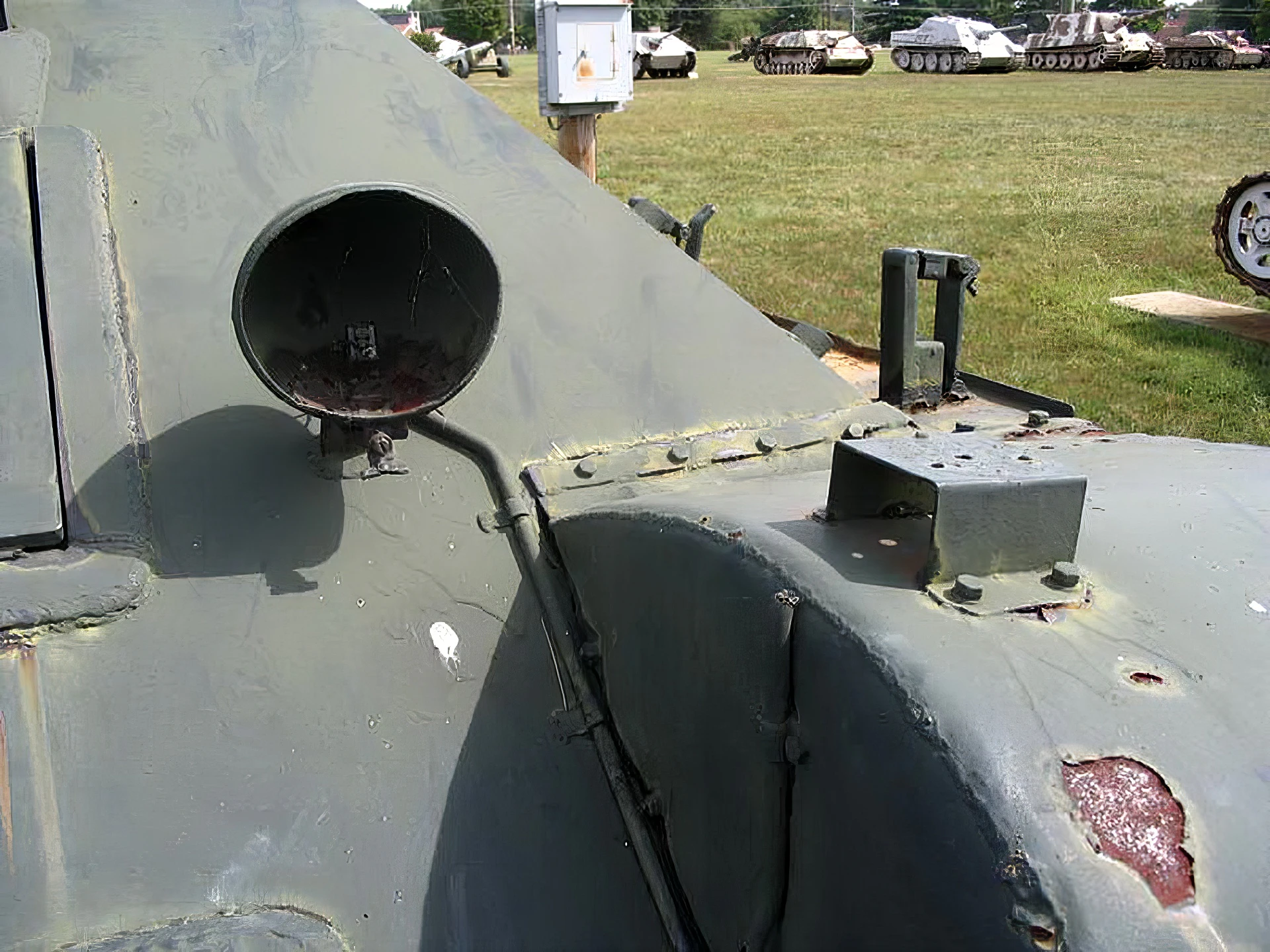
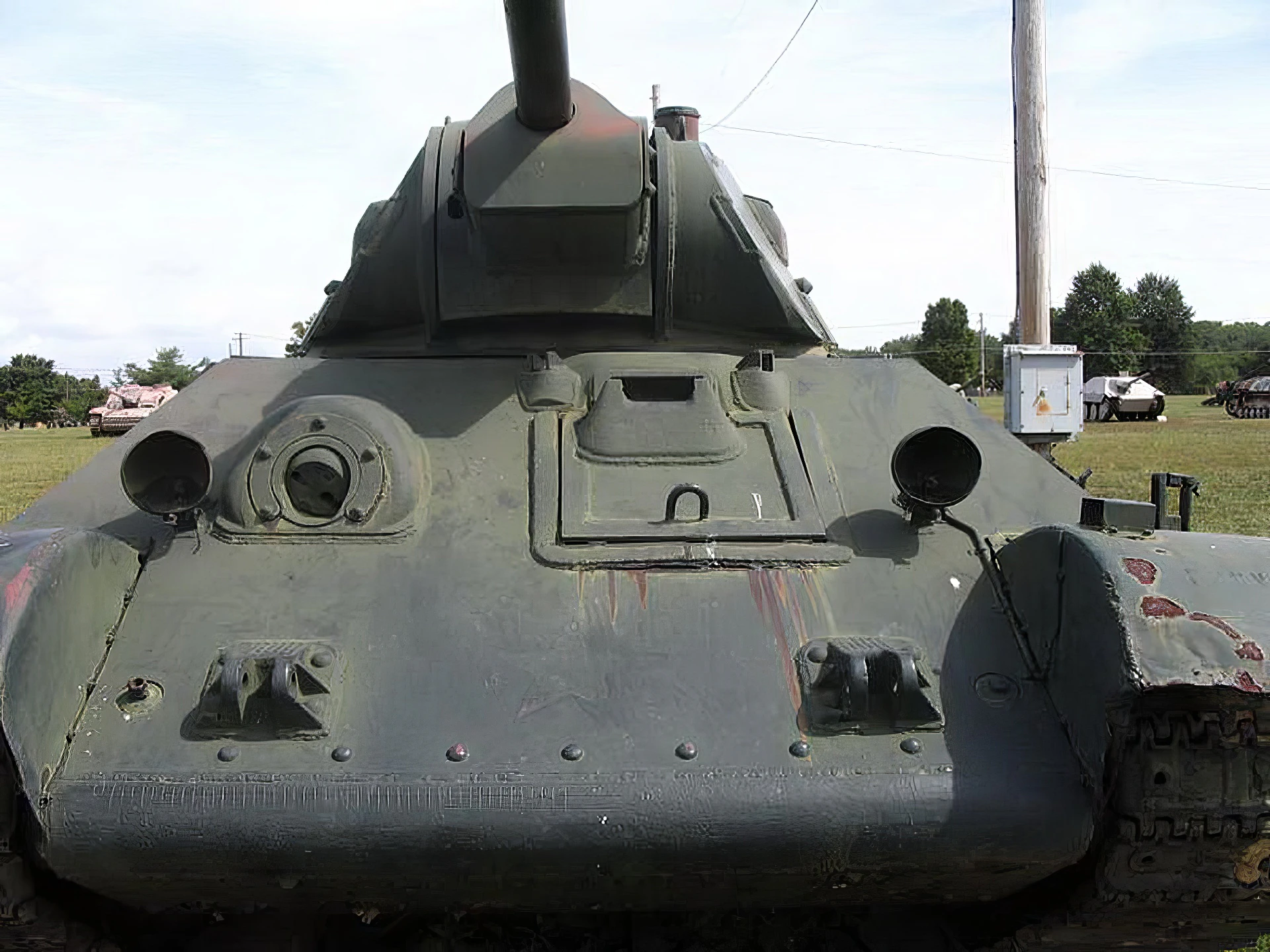
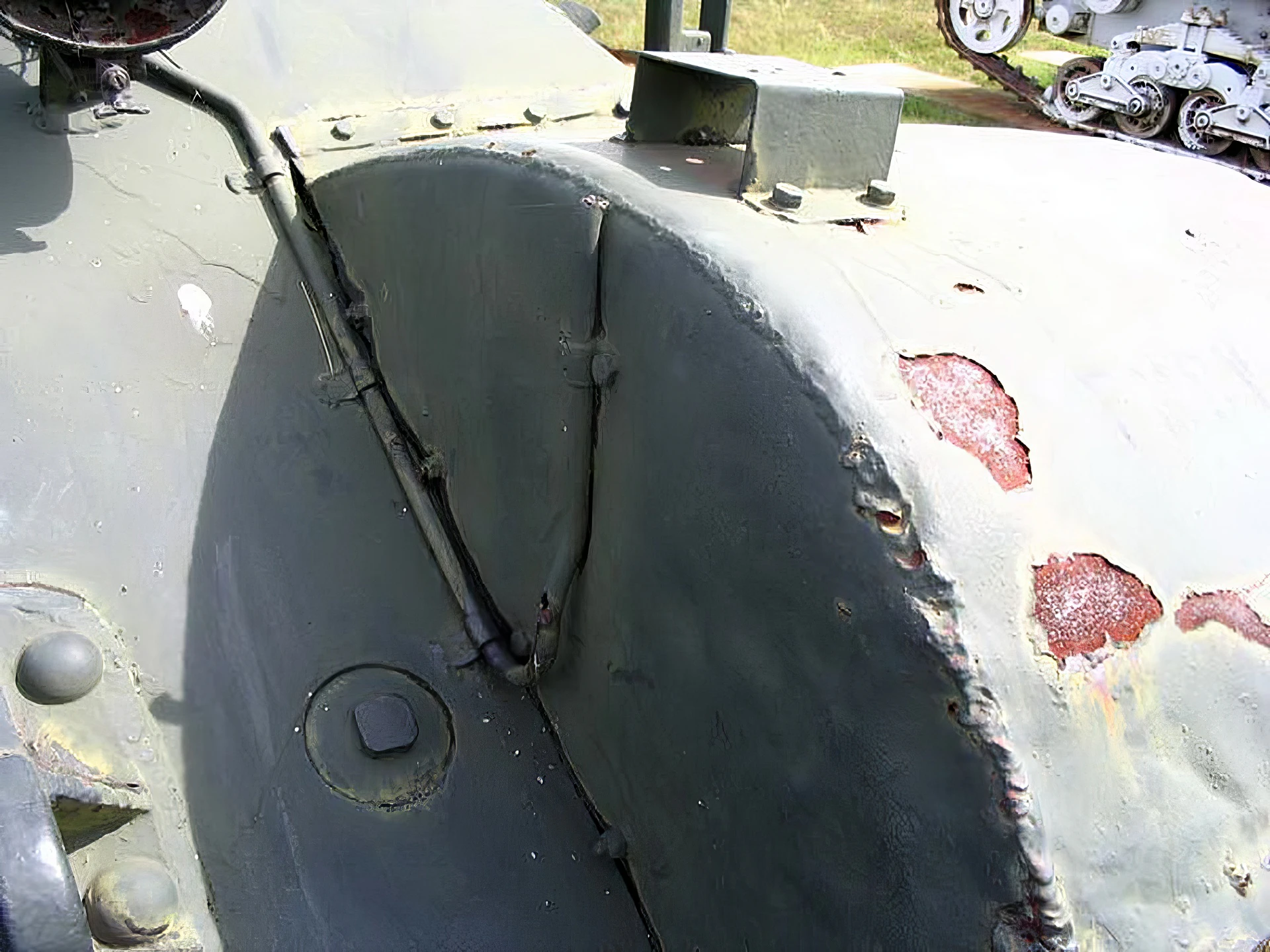
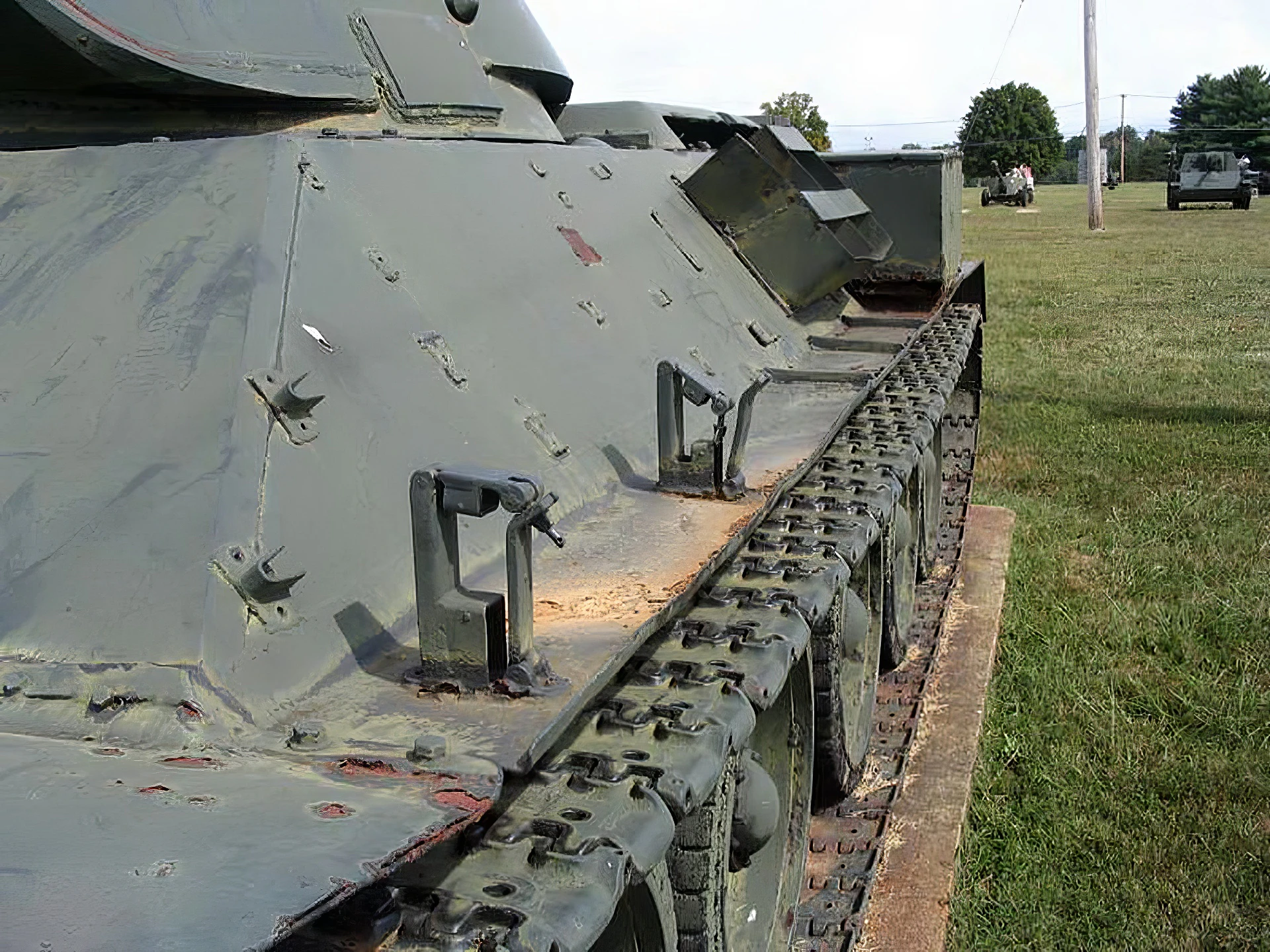
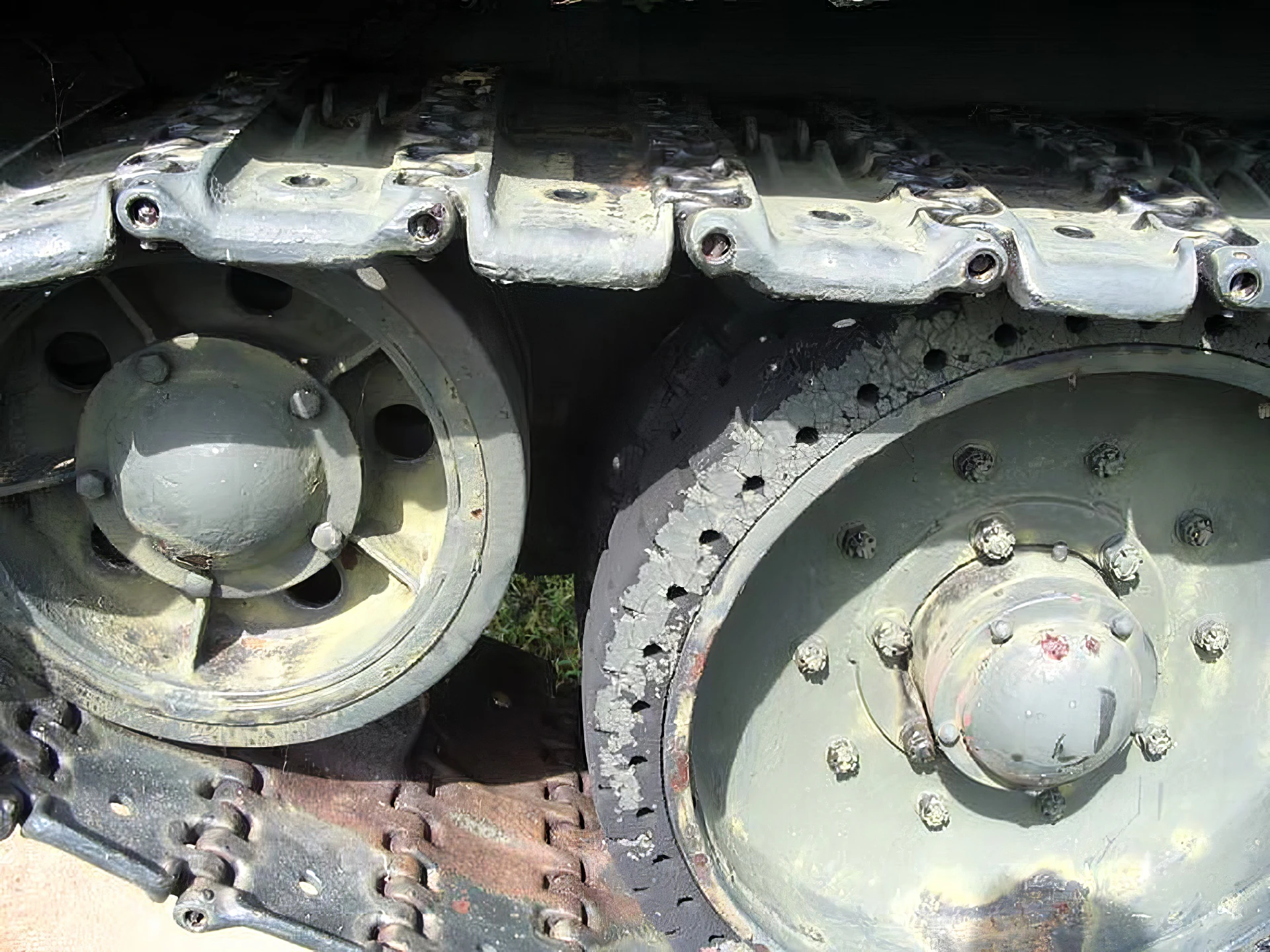
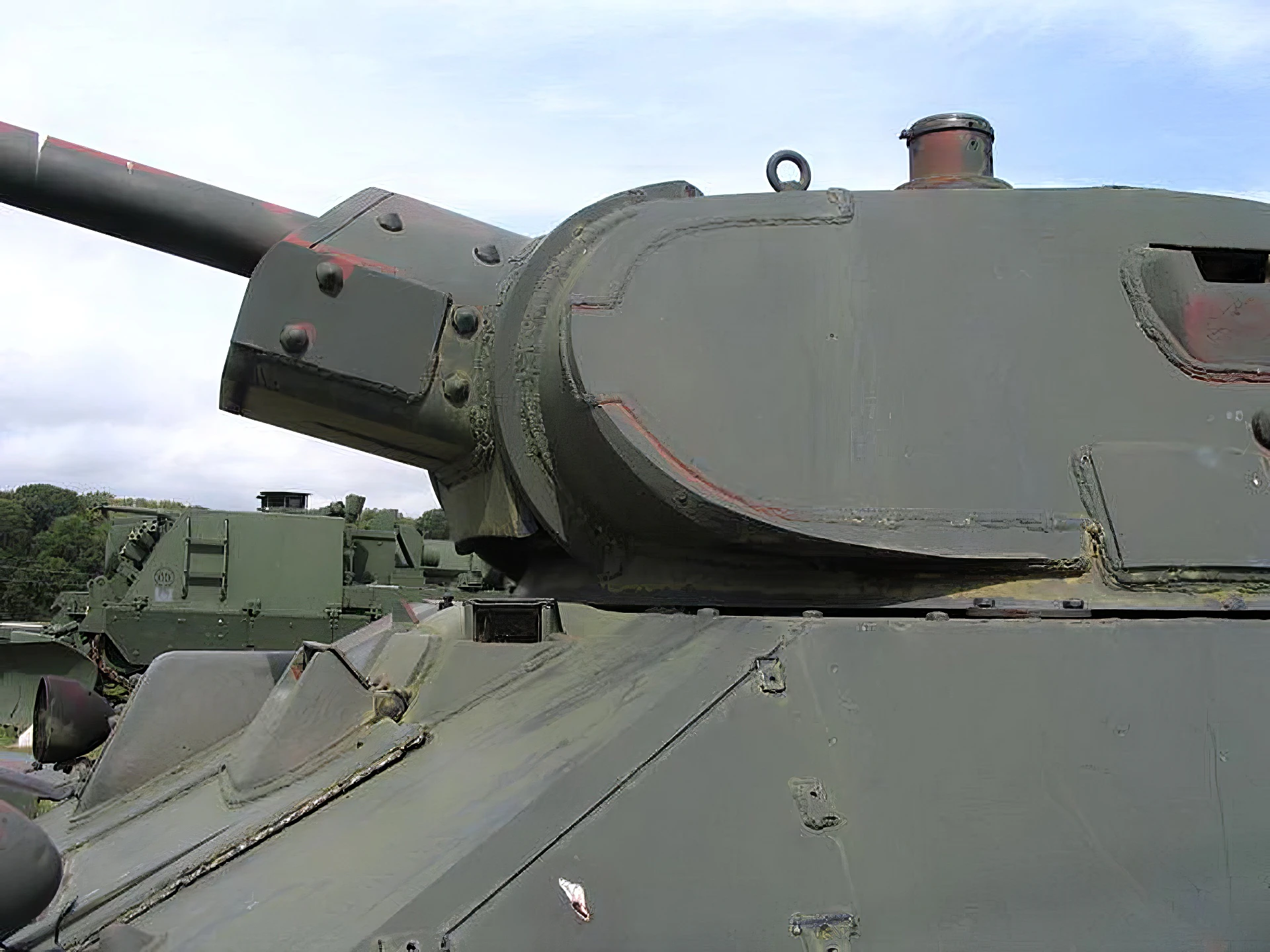
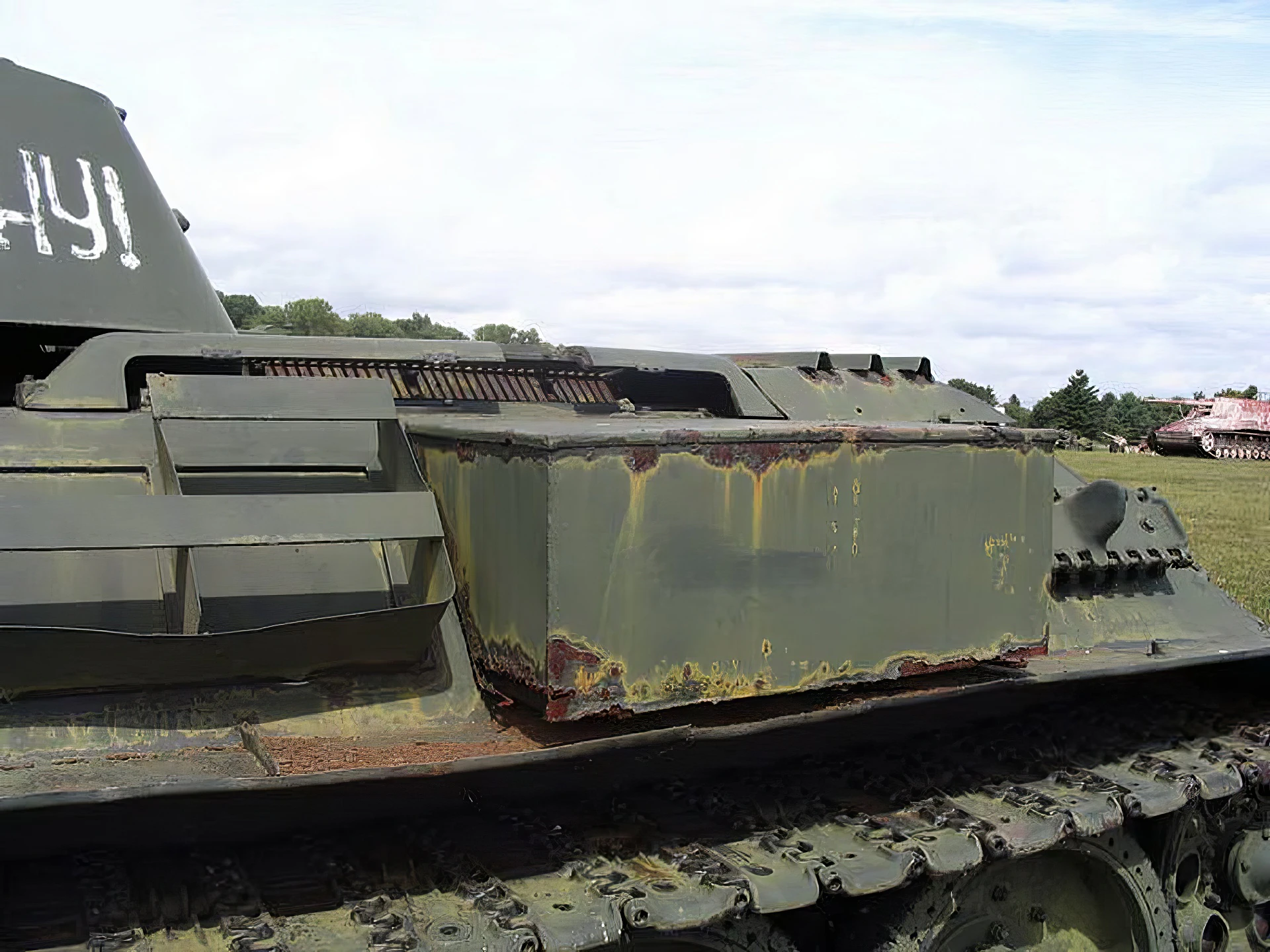

| T-34-76 | |
|---|---|
| Fotógrafo | Unknow |
| Localização | Desconhecido |
| Fotos | 12 |
| T-34-76 Mod. 1943 Walk Around | |
|---|---|
| Fotógrafo | Unknow |
| Localização | Desconhecido |
| Fotos | 43 |
Veja também:


O T-34/76 was a Soviet medium tank introduced in 1940. It is widely regarded as one of the most important and influential tank designs of World War II, combining revolutionary sloped armor, a powerful diesel engine, and a capable 76.2 millimeter gun, which gave it a major edge over contemporary German tanks in 1941.
Key Specifications (Model 1941/42)
| Feature | Detail |
|---|---|
| Papel | Tanque Médio |
| tripulação | 4 (Commander/Gunner, Loader, Driver, Radio Operator/Hull Machine Gunner) |
| Main Armament | 76.2 millimeter F-34 Tank Gun |
| Motor | V-2 Diesel Engine, 500 horsepower (approx.) |
| Armor Thickness (Hull Front) | 45 millimeter sloped at 60 degrees |
| Maximum Speed | 53 kilometers per hour (33 mph) |
| peso | Around 26.5 metric tonnes |
Revolutionary Design Elements
The T-34’s initial success stemmed from three primary innovations:
- Sloped Armor: The highly angled armor plating greatly increased the effective thickness and deflected incoming rounds, making it difficult for early German anti-tank guns to penetrate.
- V-2 Diesel Engine: This engine provided superior power-to-weight, excellent range, and used diesel fuel, which was less flammable than the gasoline used by most contemporary German and Western Allied tanks.
- Wide Tracks: The broad tracks and Christie suspension gave the tank superior mobility over the mud, snow, and poor roads of the Eastern Front, where German tanks often struggled.
Production Priority: Due to the desperate need for tanks following the German invasion (Operation Barbarossa), the Soviet government prioritized rapid, mass production over quality control, leading to high numbers of tanks but also initial issues with reliability, particularly with the gearbox and engine.
Views : 4081