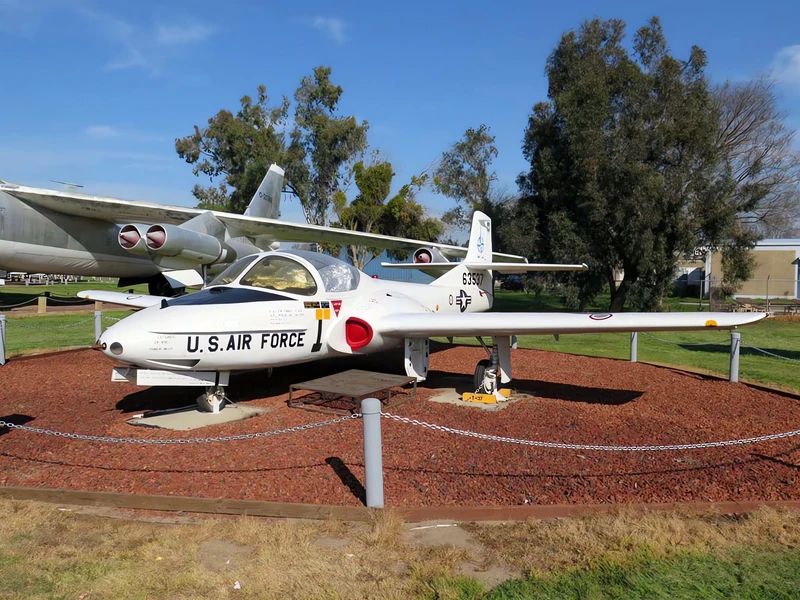
Cessna T-37 Tweet | |
|---|---|
| País | Eua |
| Papel | Avião de treinamento militar |
| Primeiro voo | 12 de outubro de 1954 |
| Construído | 1269 |
O Cessna T-37 Tweet (designated Model 318 by Cessna) is a small, economical twin-engined jet trainer type which flew for decades as a primary trainer for the United States Air Force (USAF) and in the air forces of several other nations. The T-37C was additionally capable of some light attack duties if required. The A-37 Dragonfly variant served in the light attack role during the Vietnam War and continues to serve in the air forces of several South American nations. The T-37 served as the U.S. Air Force’s primary pilot training vehicle for over 52 years after its first flight. After completing Primary in the Tweet, students moved on to other advanced Air Force, Navy, Marine Corps or Allied trainers. With a total of 1,269 Cessna T-37s built, the USAF retired its last T-37 in 2009.
Fonte: Tweet do Cessna T-37 na Wikipédia
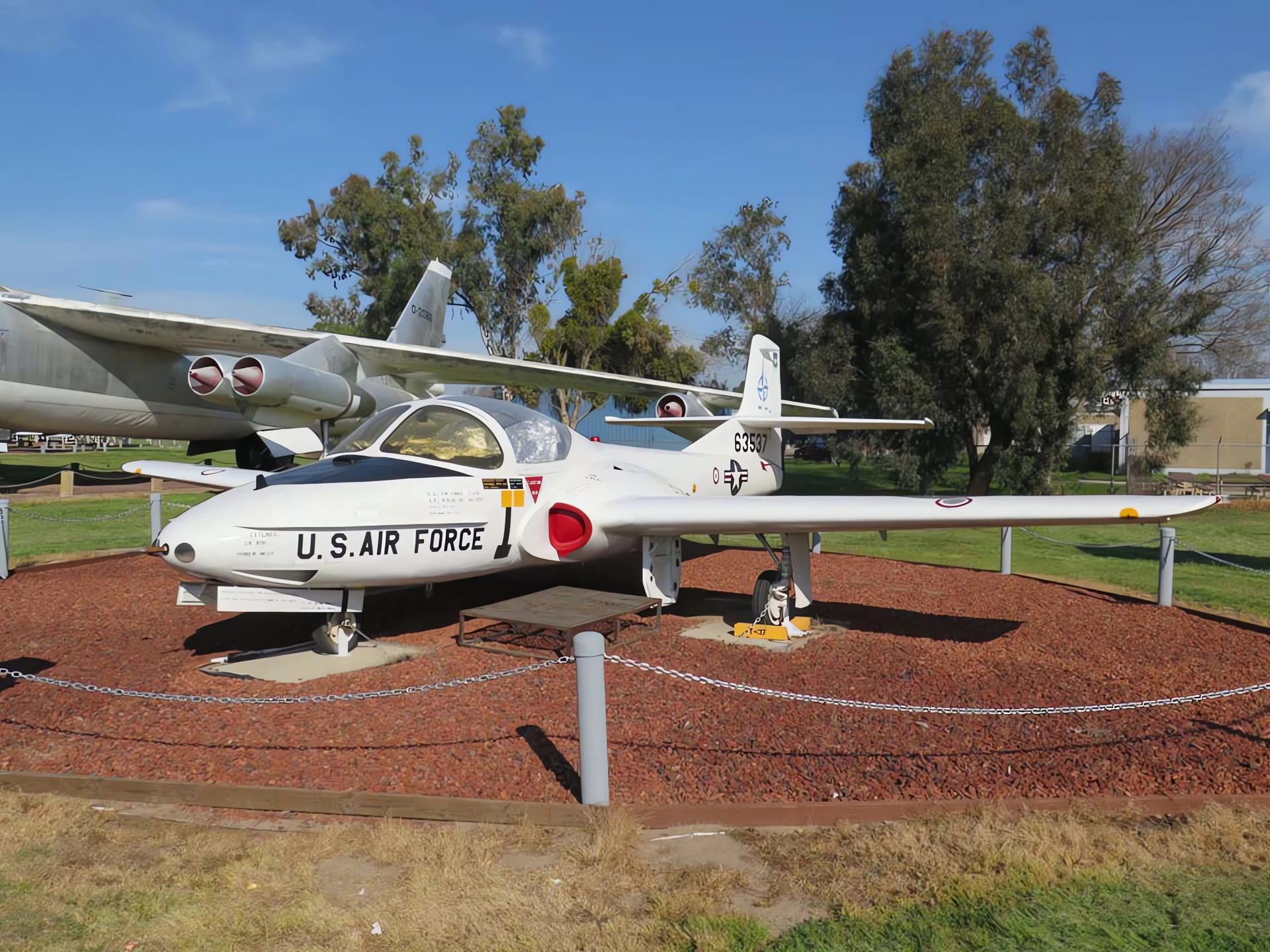
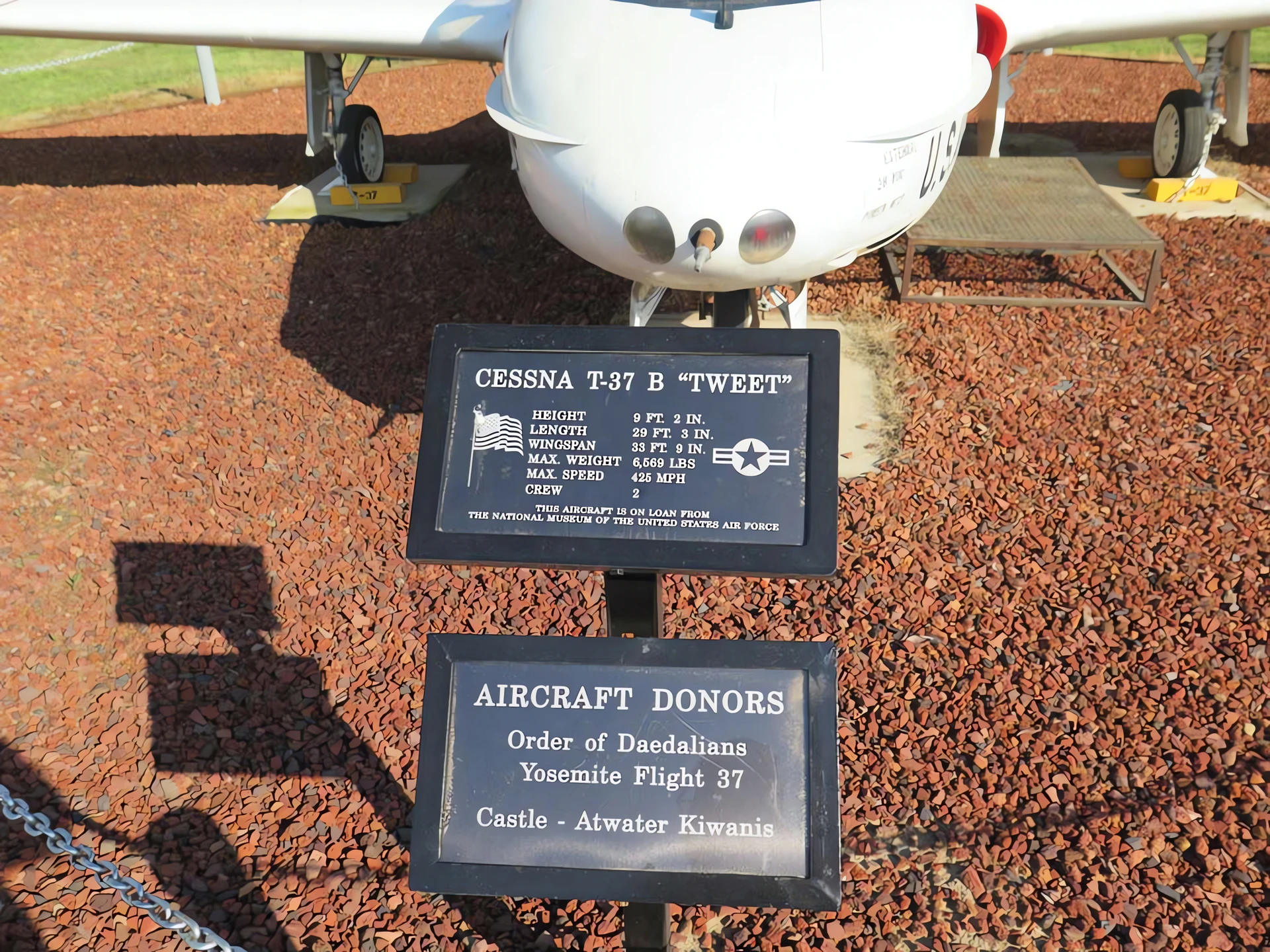
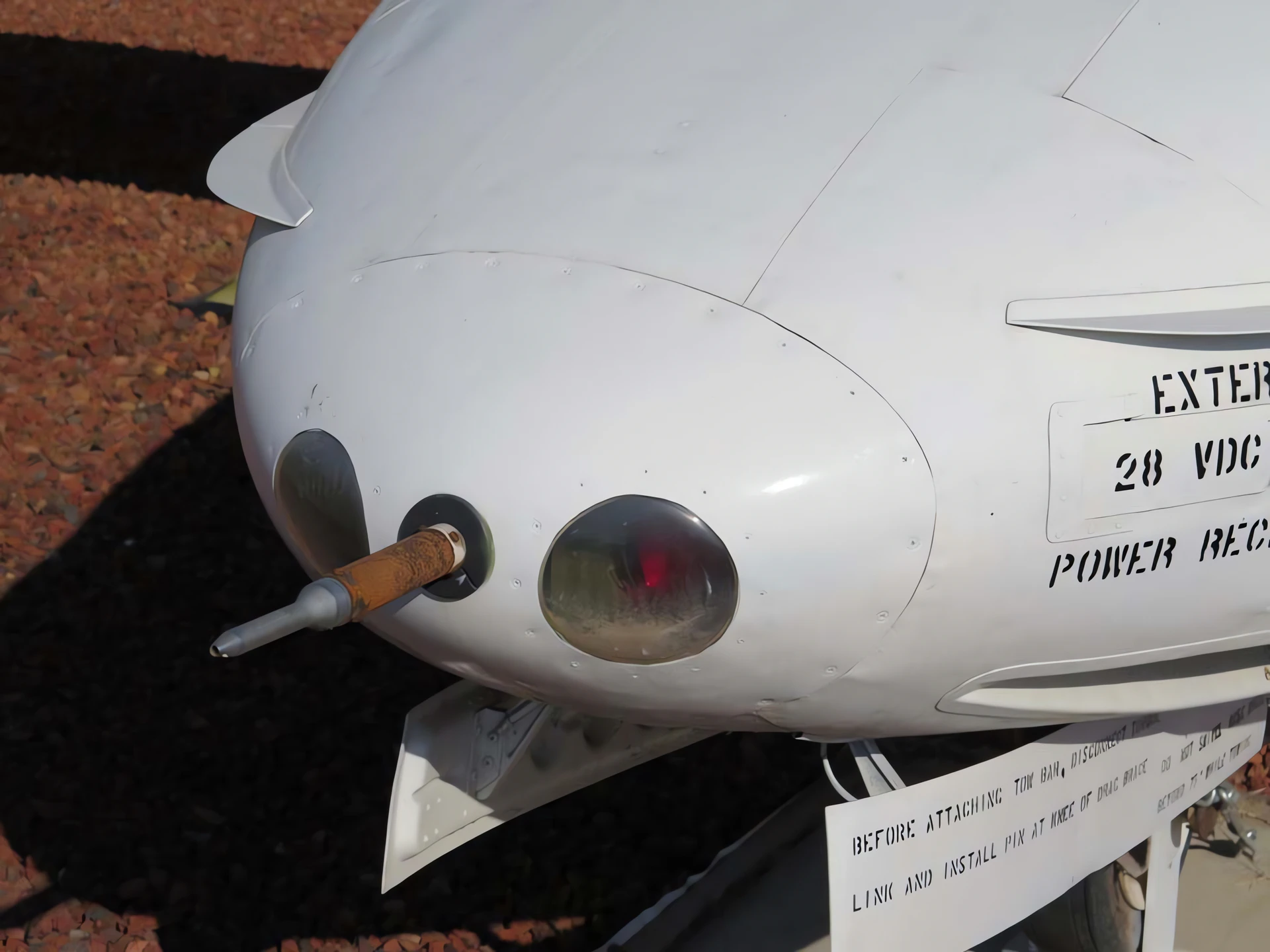
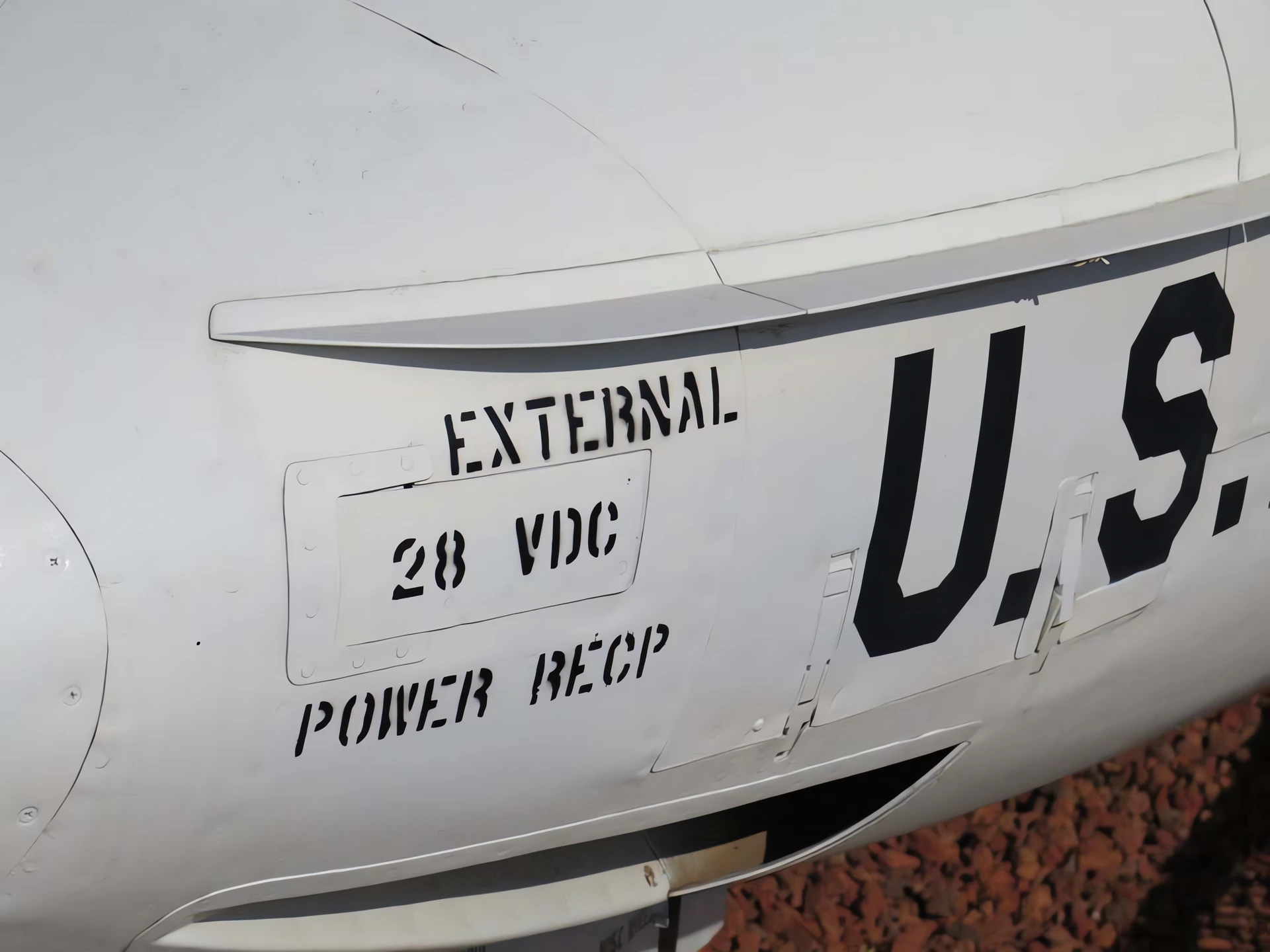
| Cessna T-37B Tweet Walk Around | |
|---|---|
| Photographer | Vladimir Yakubov |
| Localisation | Castle Air Museum, Atwater |
| Photos | 107 |

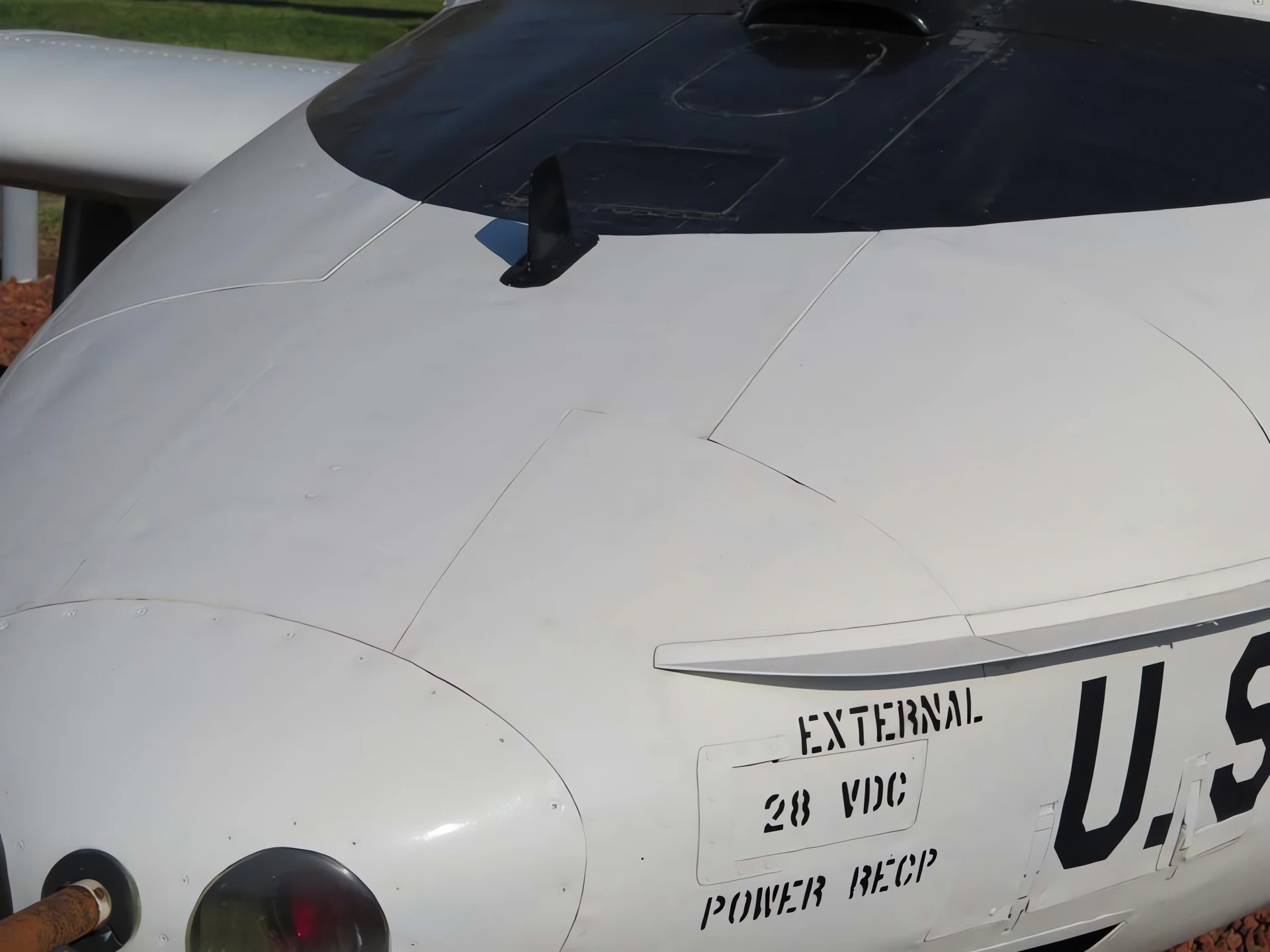
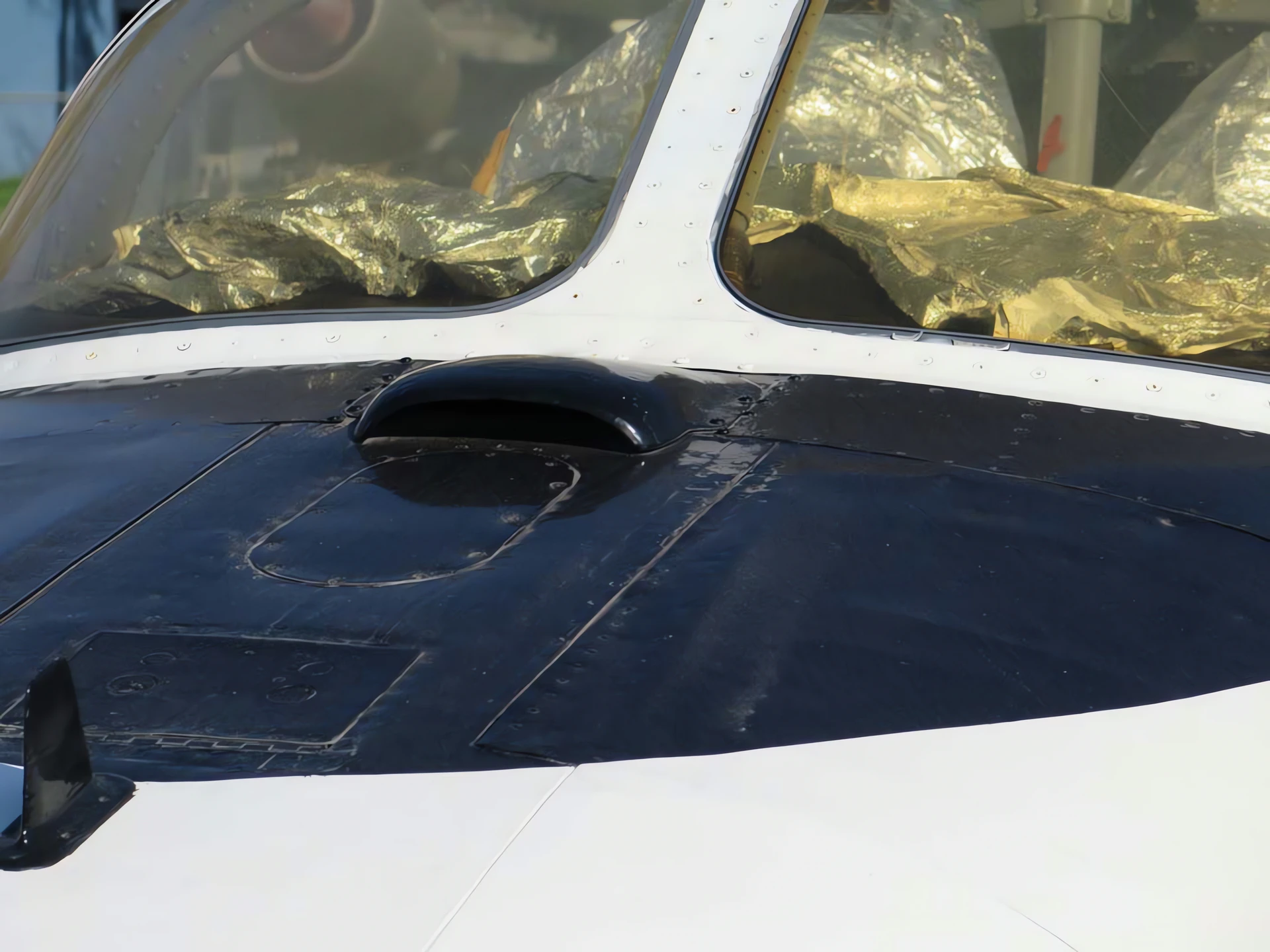
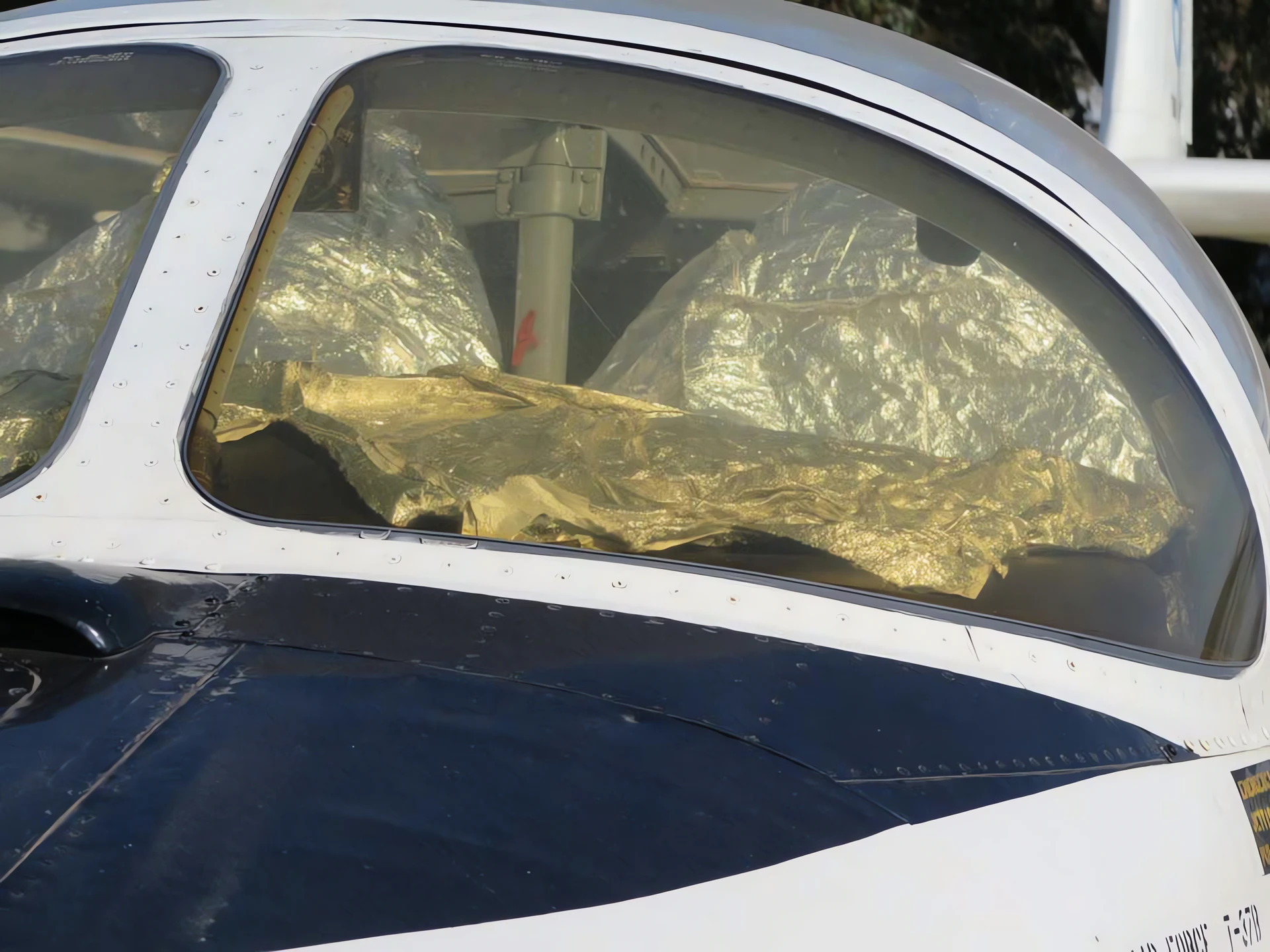
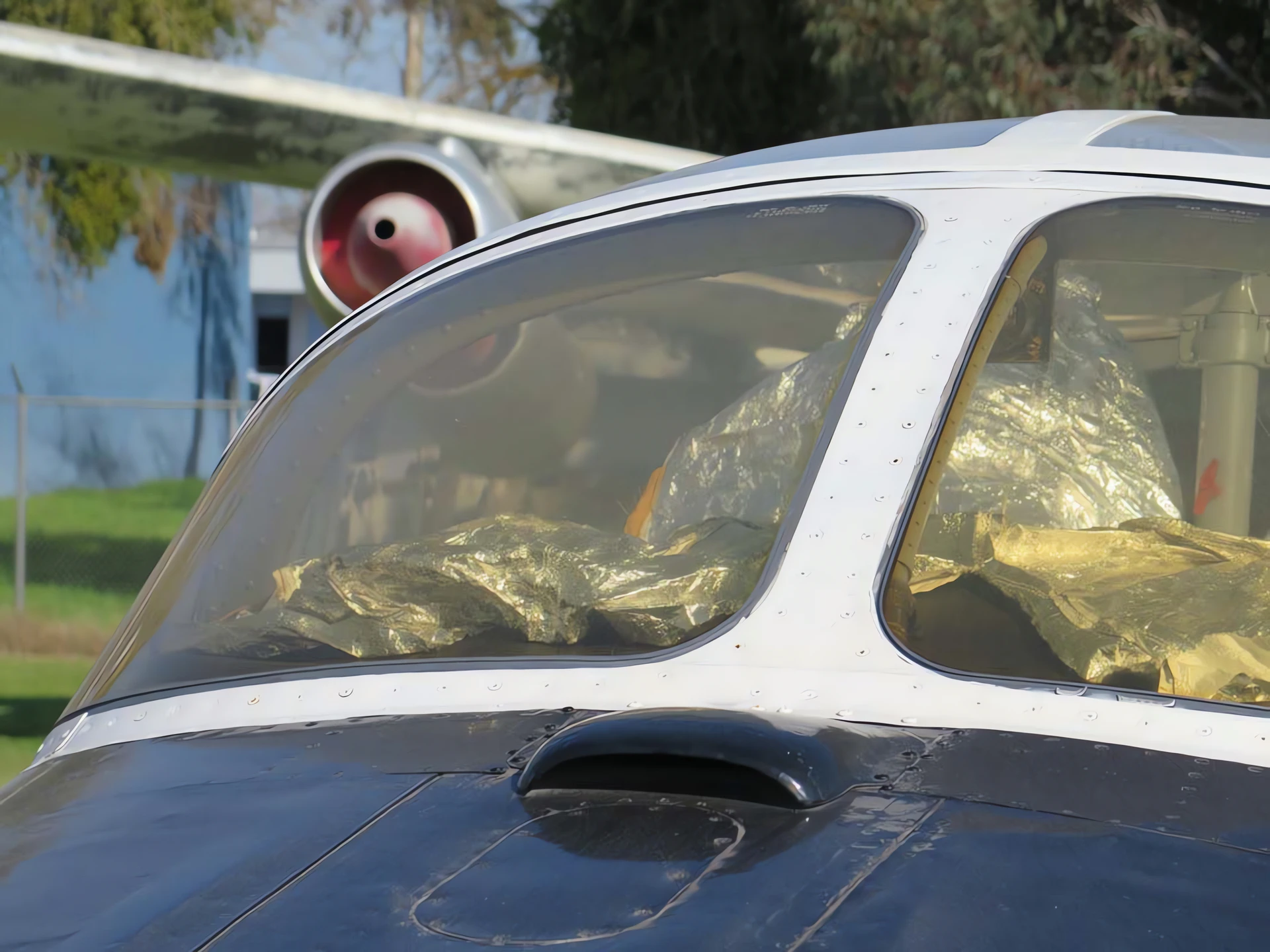

| A-37B Dragonfly Walk Around | |
|---|---|
| Photographer | Eduardo Fadul |
| Localisation | Unknow |
| Photos | 132 |
Veja também:


General Characteristics and Role
The Cessna T-37 Tweet was the first jet-powered aircraft specifically designed by the U.S. military for primary flight training. It was affectionately nicknamed the “Tweety Bird” due to the distinctive high-pitched noise of its twin engines, or simply the “Tweet.” The T-37B was the main production version for the U.S. Air Force, featuring improved engines and structural enhancements over the original ‘A’ model. Designed to be simple, reliable, and forgiving, the T-37 served as the introductory jet trainer for virtually all U.S. Air Force pilots for over five decades. Its side-by-side seating configuration was considered ideal for the instructor to closely monitor the student. The aircraft’s open design and small size facilitated easy maintenance and operation.
| Property | Typical Value (T-37B) |
|---|---|
| Papel | Primary Jet Trainer |
| National Origin | Estados Unidos |
| Fabricante | Cessna Aircraft Company |
| First Flight (T-37) | 12 de outubro de 1954 |
| tripulação | 2 (Instructor and Student, side-by-side) |
| comprimento | 8.92 m (29 ft 3 in) |
| Envergadura | 10.31 m (33 ft 10 in) |
| altura | 2.74 m (9 ft 0 in) |
| Empty Weight | 1,840 kg (4,056 lb) |
| Max Takeoff Weight | 2,995 kg (6,600 lb) |
Powerplant and Performance
- Engine: 2 x Continental J69-T-25 turbojet engines (licensed versions of the Turbomeca Marboré).
- Thrust (Per Engine): 4.56 kN (1,025 lbf).
- Maximum Speed: 683 km/h (425 mph; 369 kn) at 5,000 m (16,000 ft).
- Service Ceiling: 10,700 m (35,100 ft).
- Range: 1,500 km (930 mi; 810 nmi) (Ferry range with tip tanks).
Operational Variants and Retirement
- Armament (T-37B): None in the standard trainer role, though the A-37 Dragonfly attack variant was heavily armed.
- Cockpit: Features a clam-shell canopy that opens vertically to allow the crew to enter from a standing position.
- Training Use: Used for basic piloting, instrument flight rules (IFR), and formation flying training.
- Retirement: The T-37 was largely replaced in U.S. Air Force service by the newer Raytheon T-6 Texan II beginning in the 2000s, with the final unit retiring in 2009.
Visualizações: 2039
Você pode ver também:
 Cessna 185 Skywagon – Fotos e Vídeos
 Cessna 310 – Fotos e Vídeos
 Cessna 150 – Fotos e Vídeos
 Cessna AT-17 Bobcat – Fotos e Vídeos
 Cessna O-2A Skymaster – Fotos e Vídeo
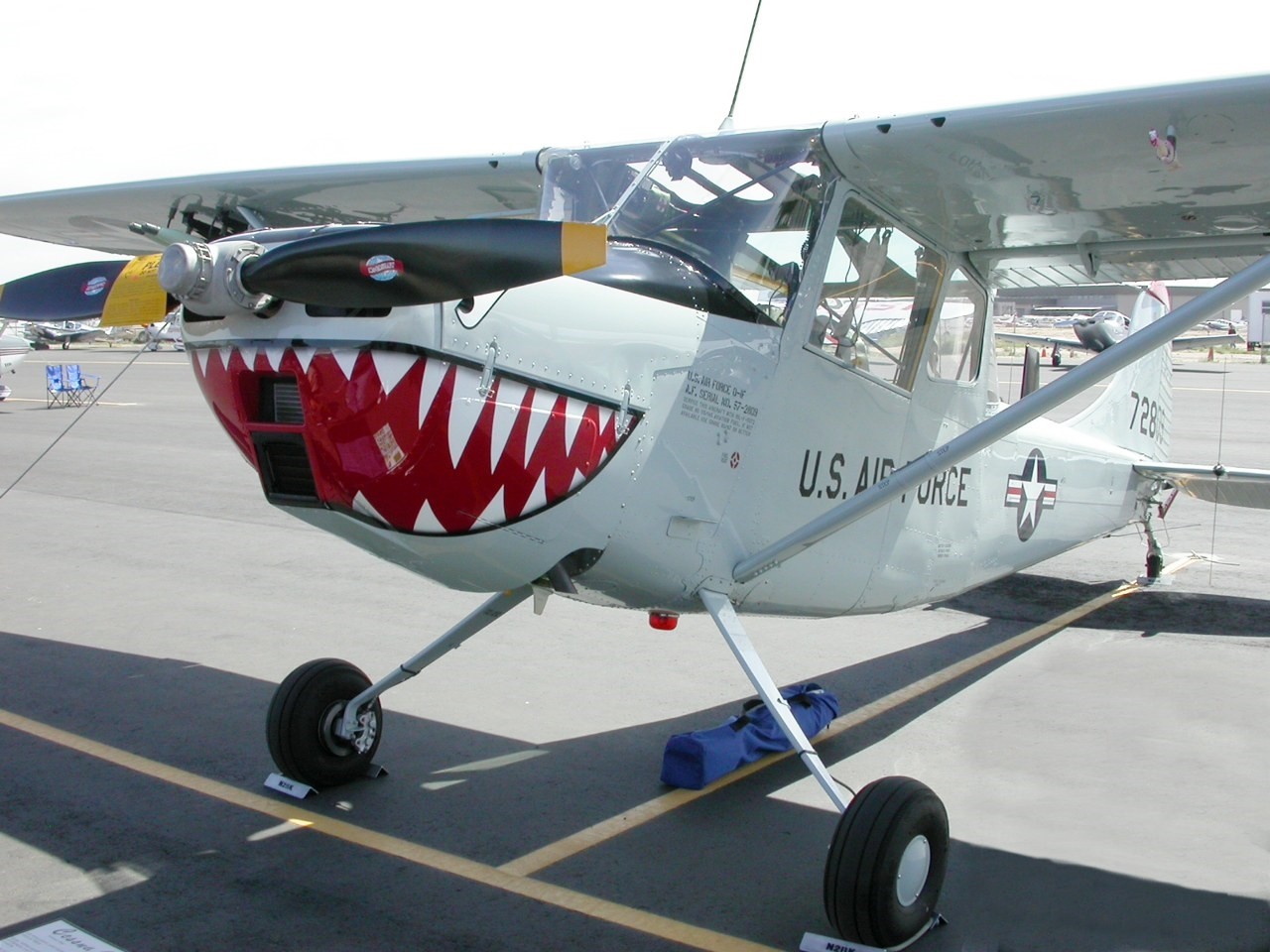 Cessna L-19 Bird Dog – Fotos e Vídeo
 Cessna Dragonfly – Fotos e Vídeo
 Junkers Ju-52 Tante Ju – Ande por aí
 Messerschmitt Me-109E - Ande por aí
 Supermarine Spitfire Mk.XVI – Ande por aí