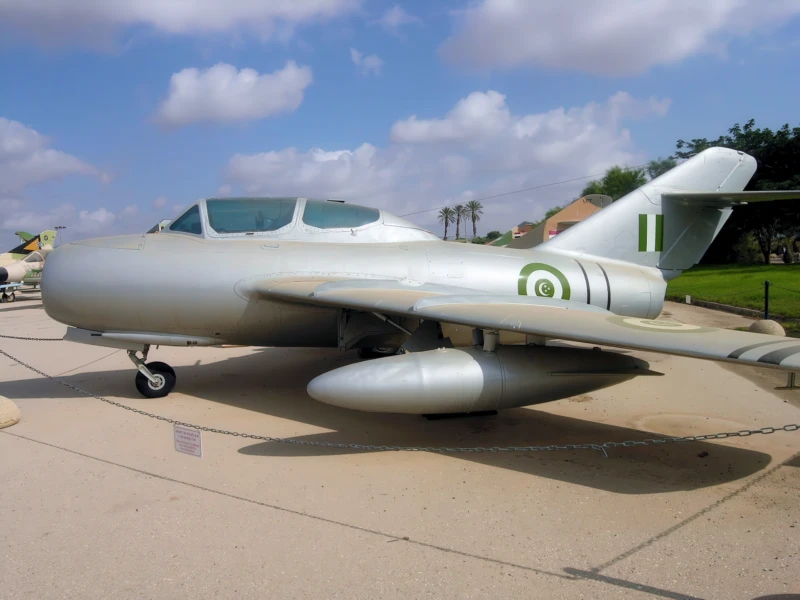
Mikoyan-Gurevich MiG-15bis | |
| Kraju | Radzieckiego |
| Roli | Fighter |
| Pierwszy lot | 30 grudnia 1947 r. |
| Zbudowany | 12000+ |
Tthe Mikojan Gurewicz MiG-15 (Russian: Микоян и Гуревич МиГ-15; NATO reporting name: “Fagot”) was a jet fighter aircraft developed by Mikoyan-Gurevich OKB for the Soviet Union. The MiG-15 was one of the first successful jet fighters to incorporate swept wings to achieve high transonic speeds. In combat over Korea, it outclassed straight-winged jet day fighters which were largely relegated to ground attack roles, and was quickly countered by the similar American swept-wing F-86 Sabre. The MiG-15 is often mentioned, along with the North American F-86 Sabre, as the best fighter aircraft of the Korean War, and among the best fighter aircraft of all time. When refined into the more advanced MiG-17, the basic design would again surprise the West when it proved effective against supersonic fighters such as the F-105 Thunderchief and McDonnell Douglas F-4 Phantom II in the Vietnam War of the 1960s. The MiG-15 is believed to have been one of the most widely produced jet aircraft ever made; in excess of 12,000 were manufactured. Licensed foreign production may have raised the production total to over 18,000. The MiG-15 remains in service with the North Korean Air Force as an advanced trainer.
Źródła: MiG-15bis na Wikipedii
| MiG-15bis | |
|---|---|
| Fotograf | Vladimir Yakubov |
| Lokalizacja | Niewiedzy |
| Zdjęcia | 54 |
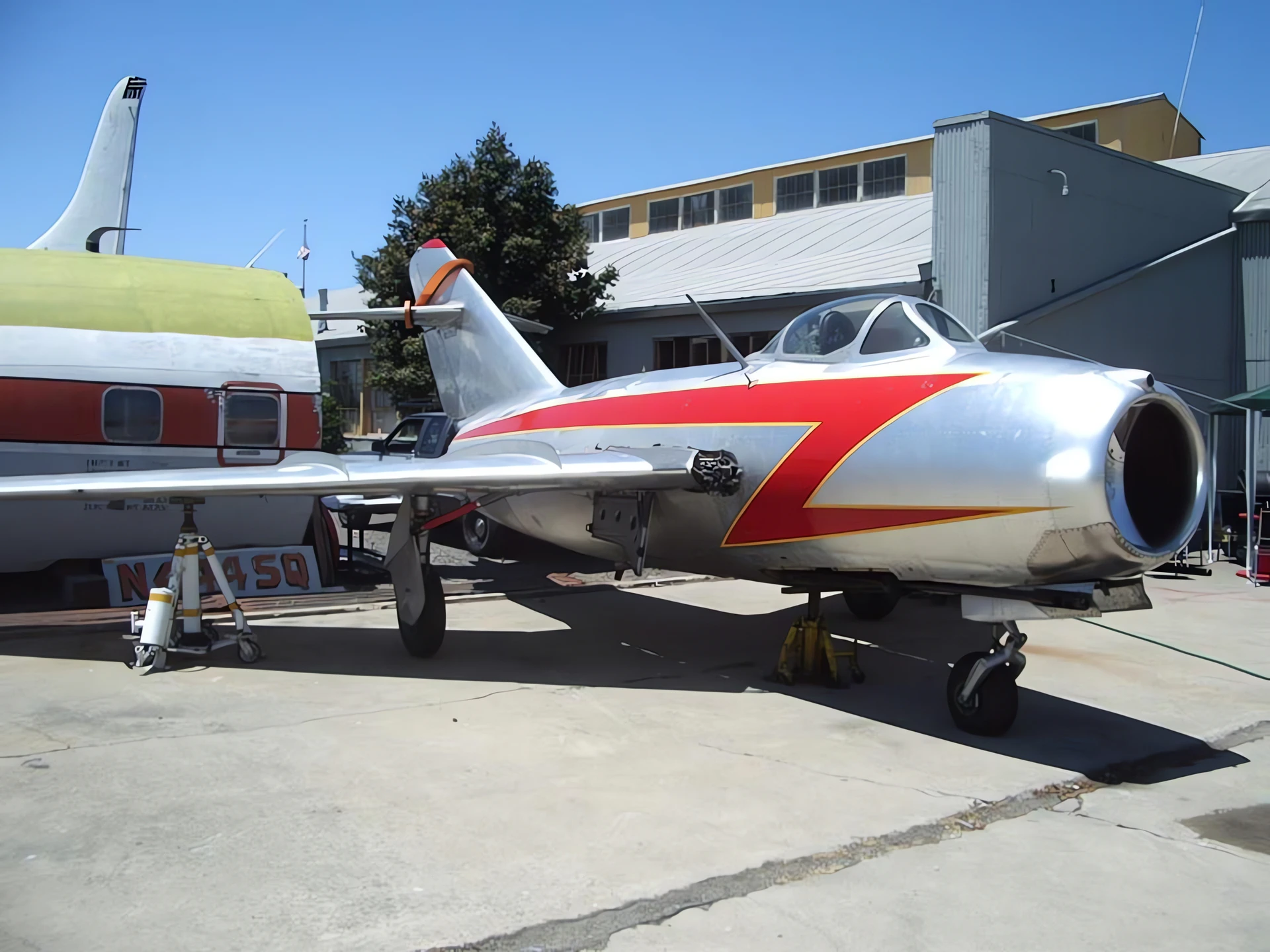
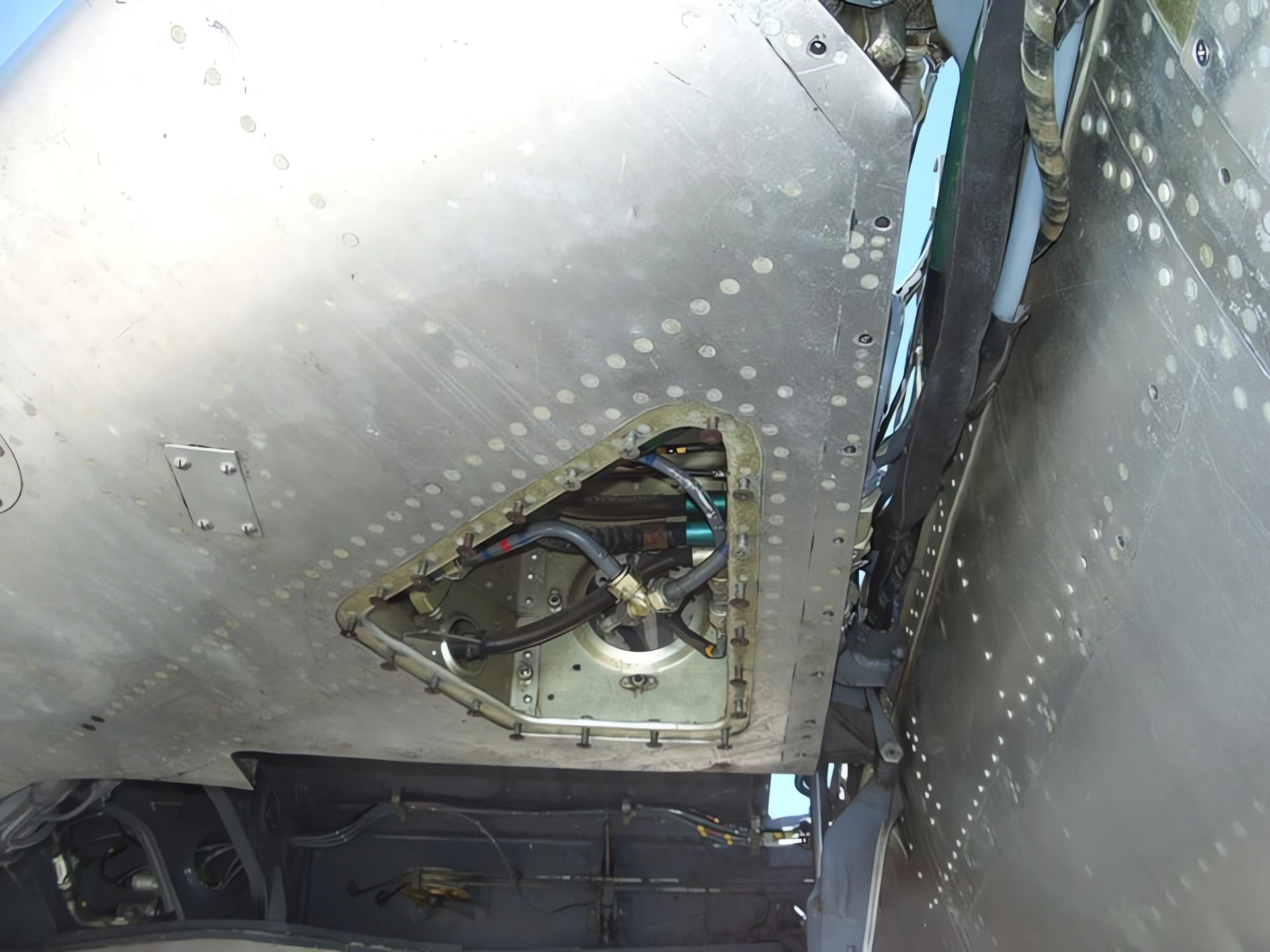
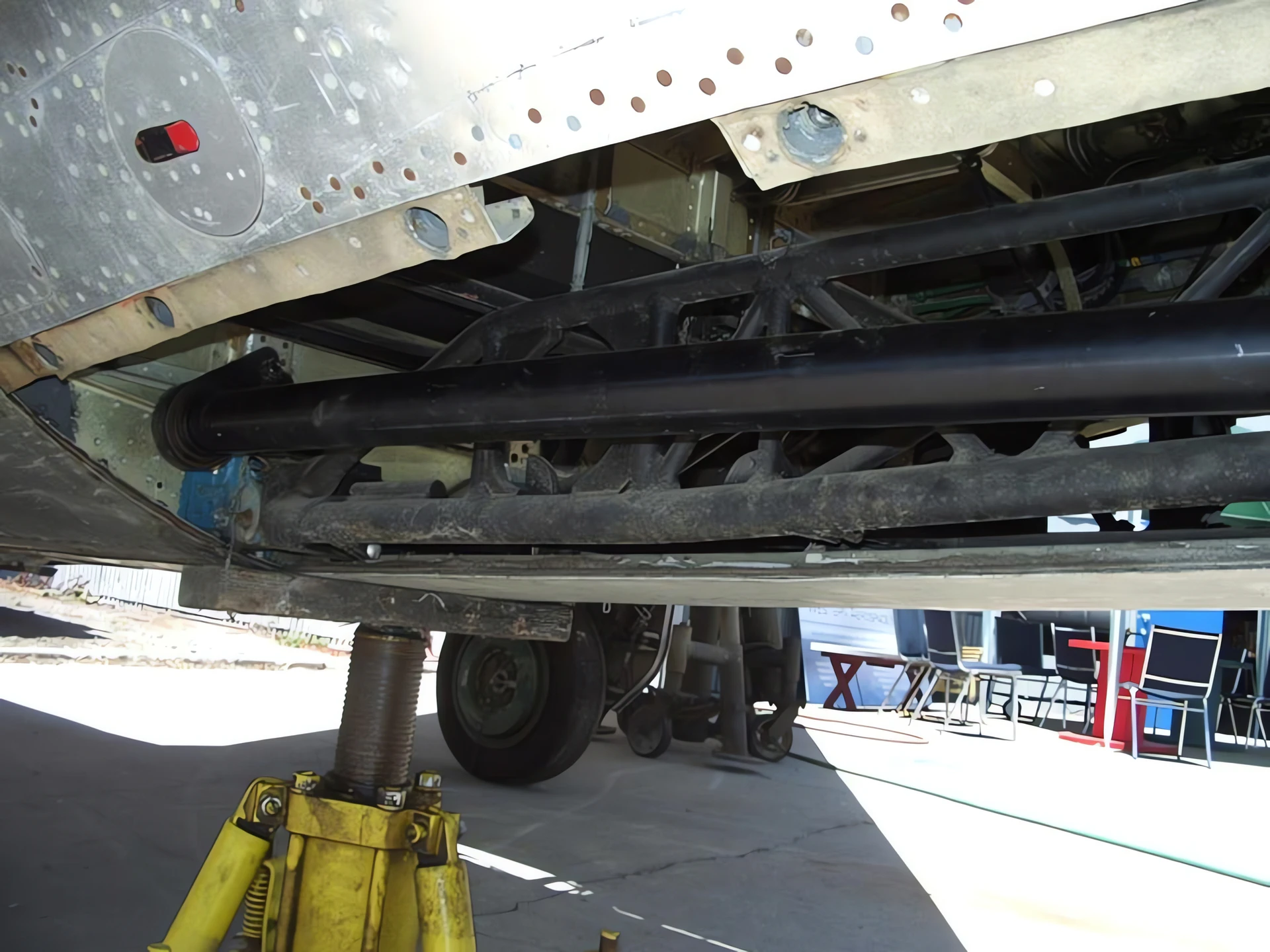
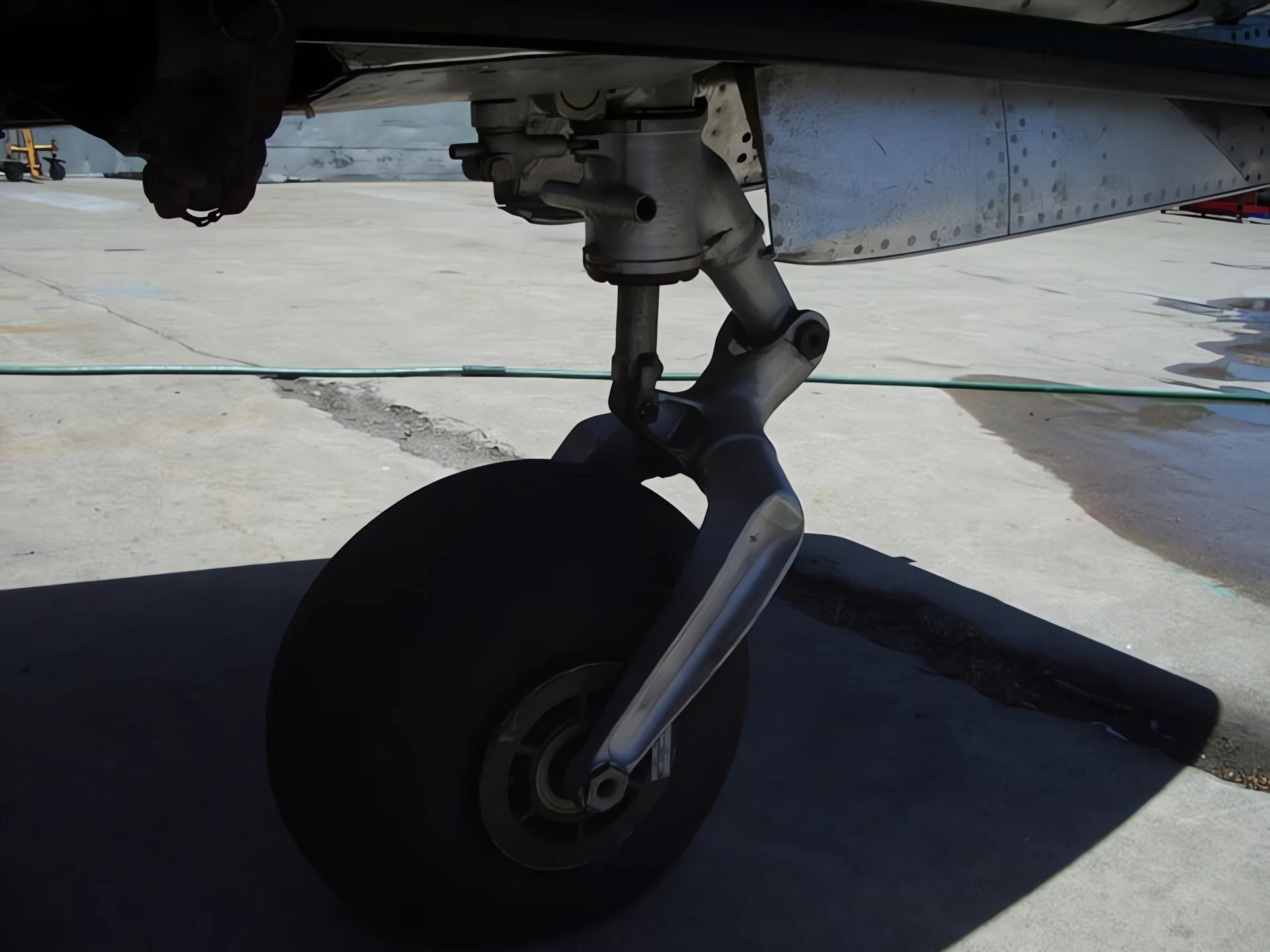
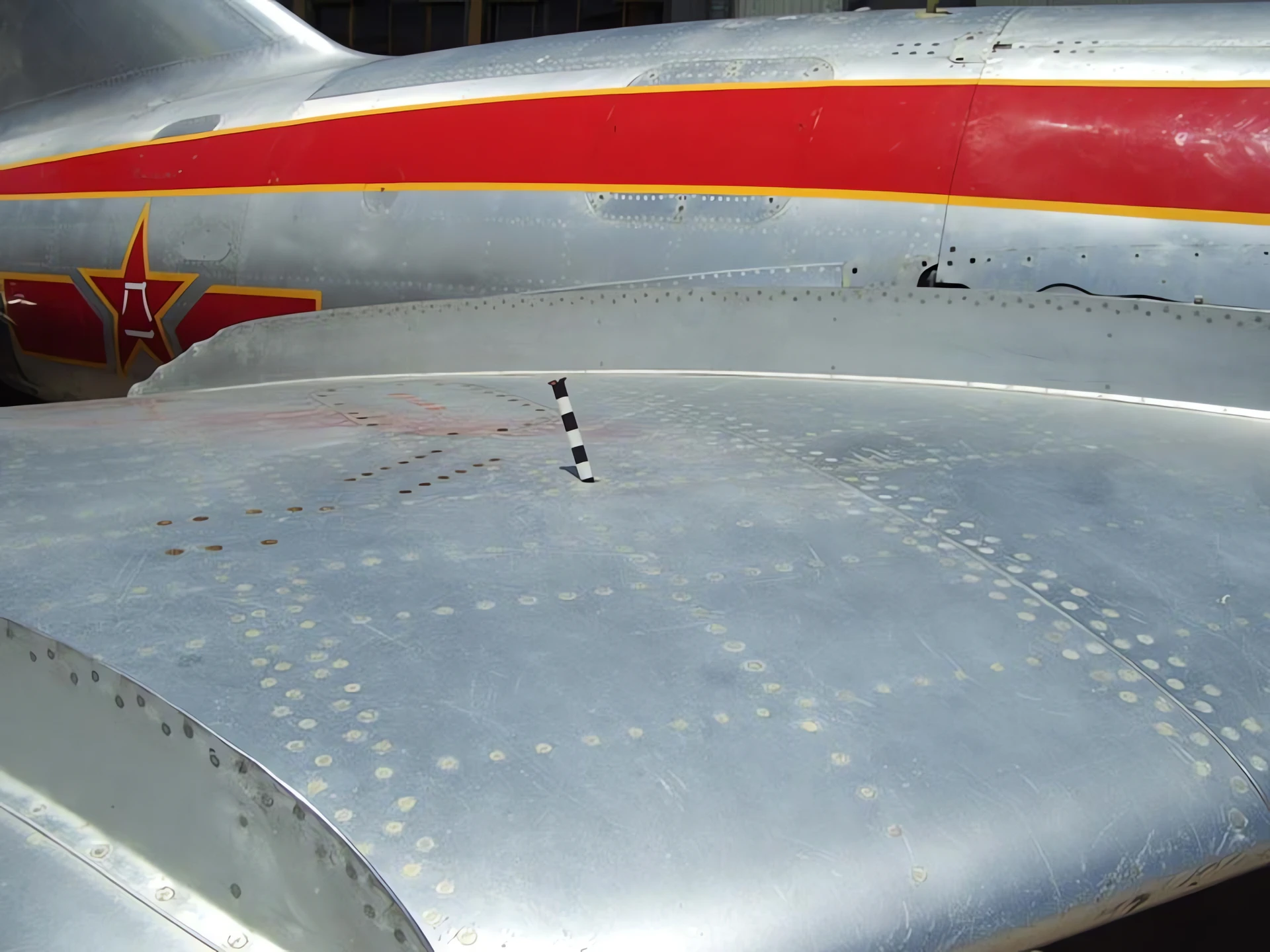
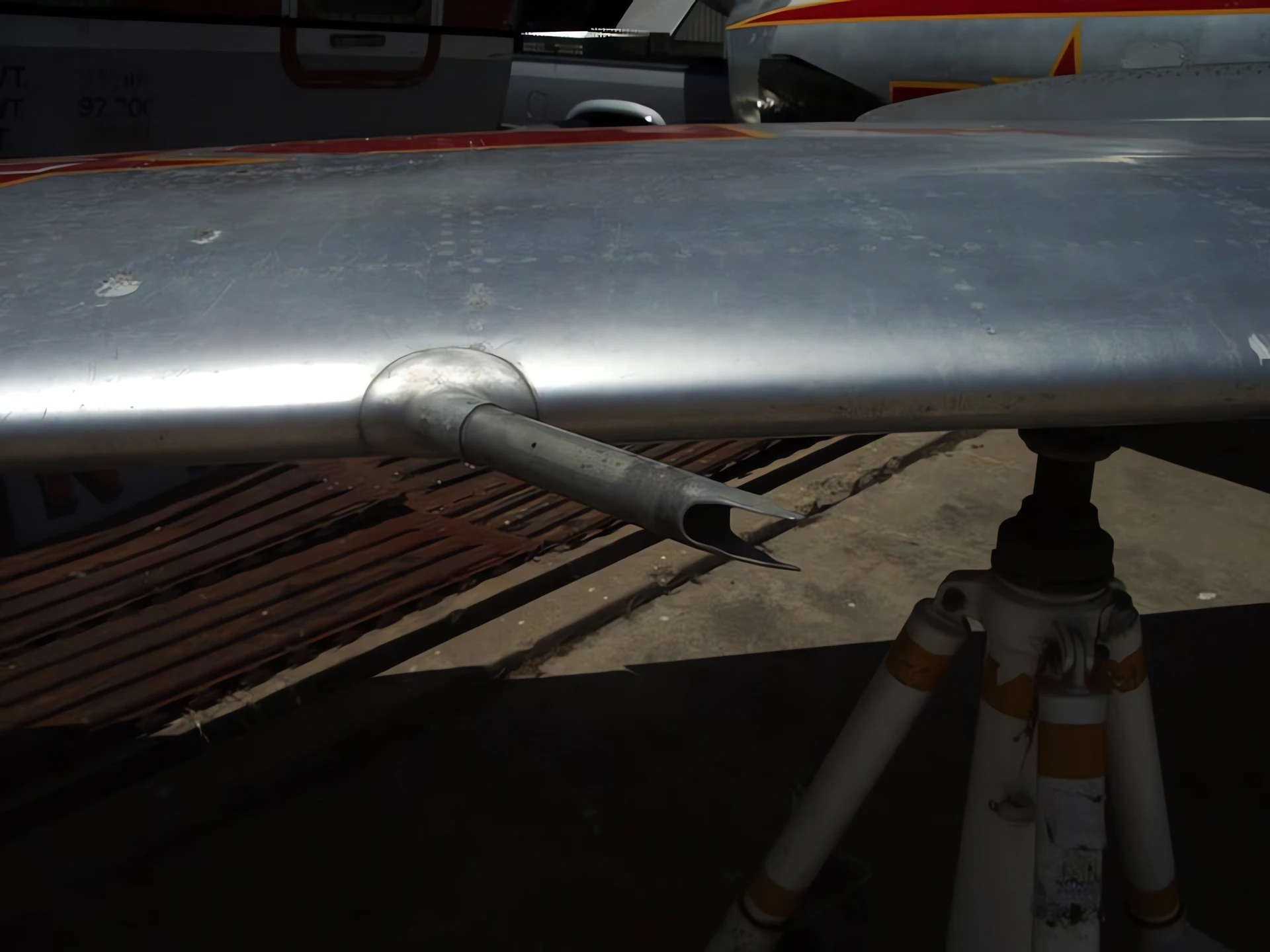
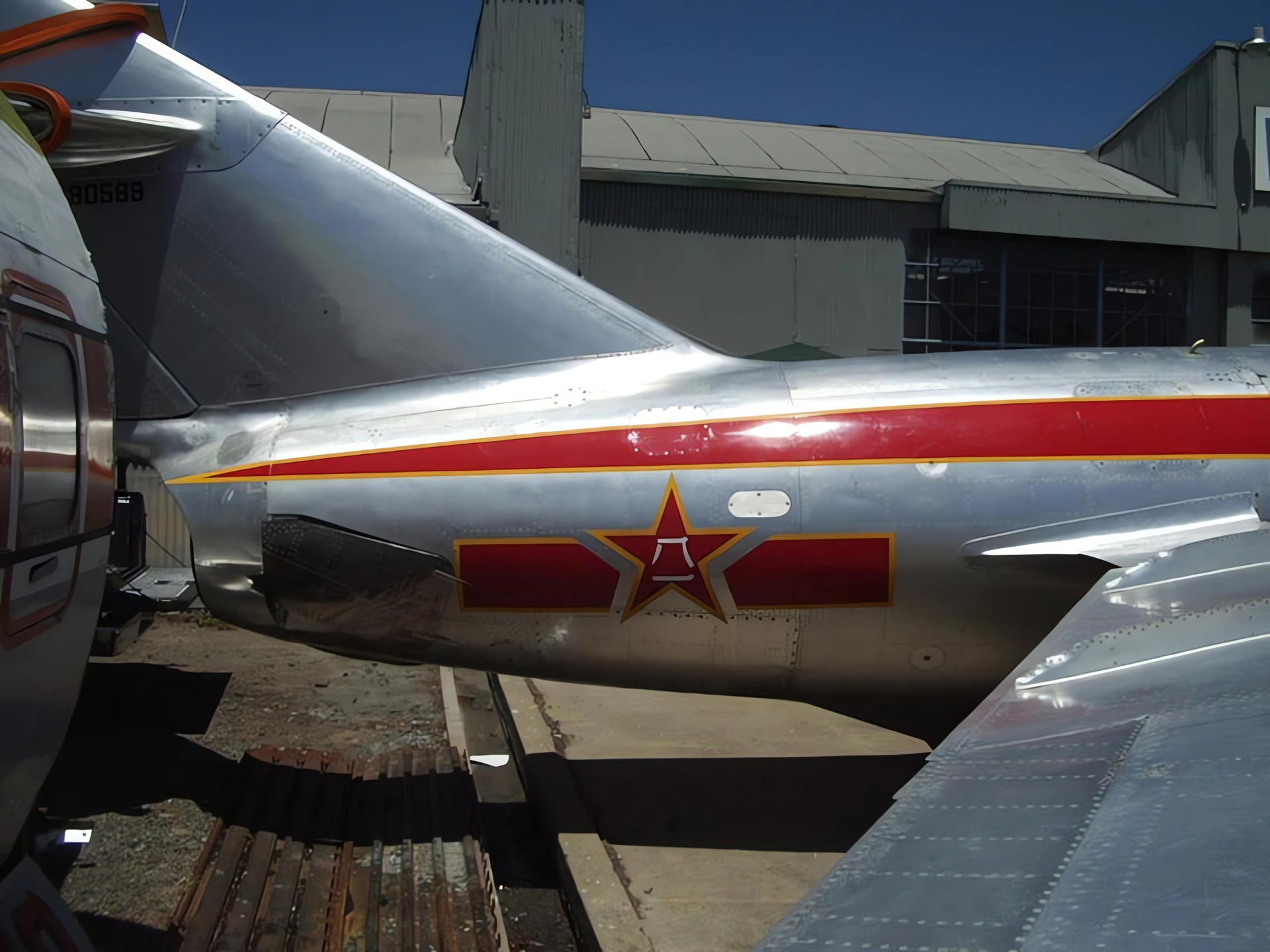
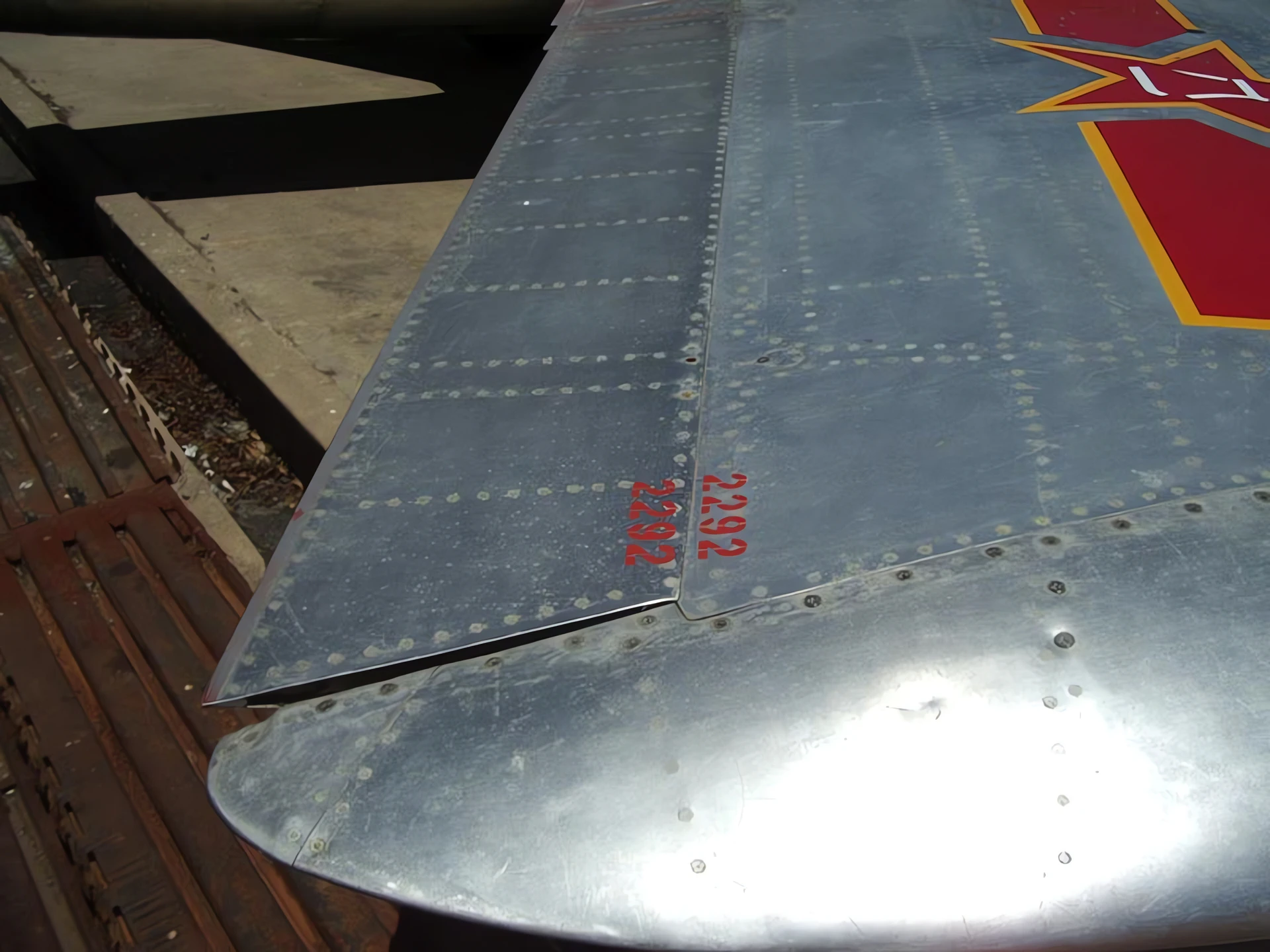
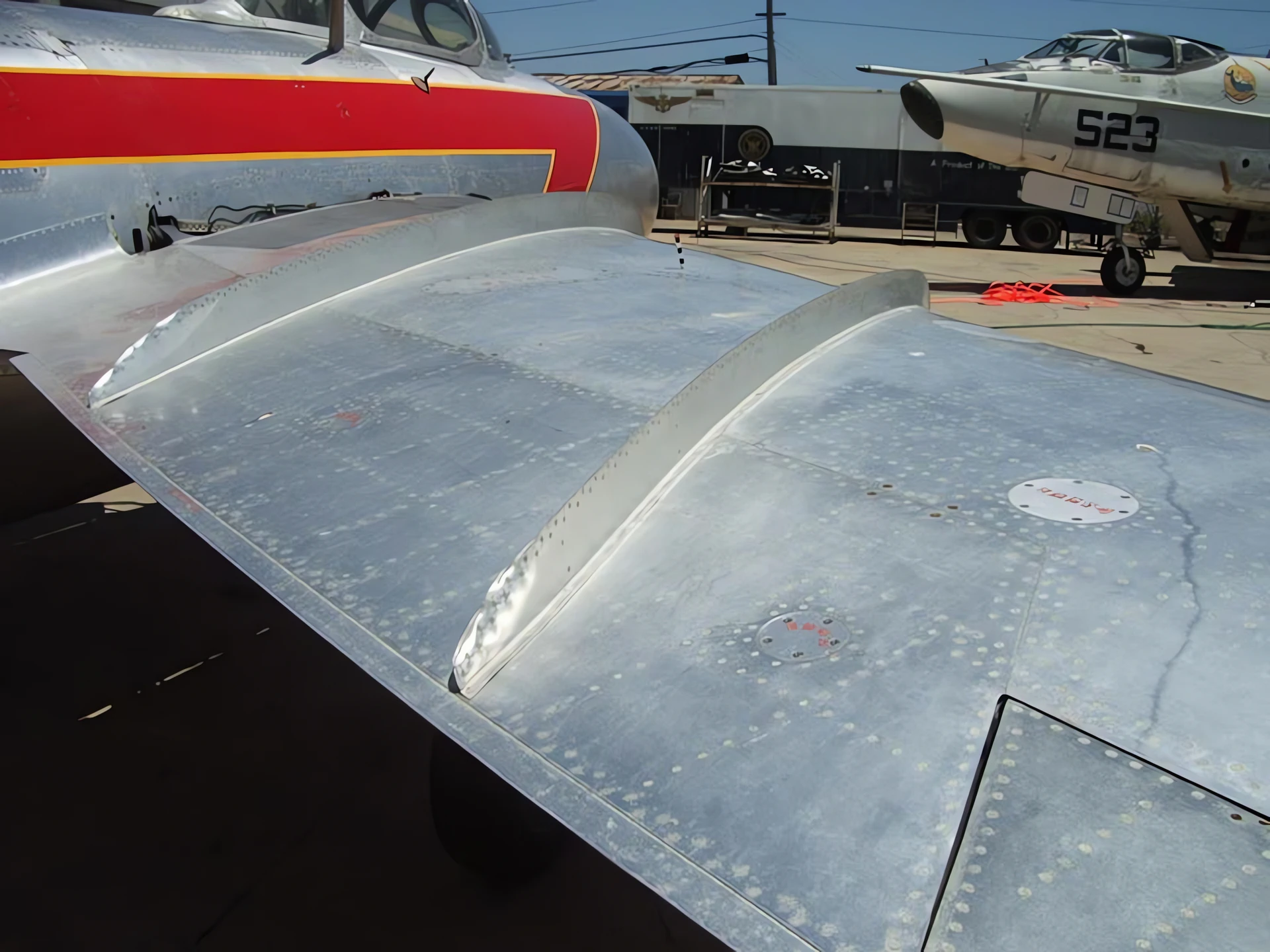

| Mig-15bis (S-102) Fagot Walk Around | |
|---|---|
| Fotograf | Niewiedzy |
| Lokalizacja | Niewiedzy |
| Zdjęcia | 54 |
| MiG-15UTI Fagot/SBLiM-2 Walk Around | |
|---|---|
| Fotograf | Eugeny Dedigurov |
| Lokalizacja | Niewiedzy |
| Zdjęcia | 35 |
| MiG-15 Walk Around | |
|---|---|
| Fotograf | Niewiedzy |
| Lokalizacja | Niewiedzy |
| Zdjęcia | 21 |
 Kup mi kawę
| Soviet MiG-15 Walk Around | |
|---|---|
| Fotograf | Bill Maloney |
| Lokalizacja | Niewiedzy |
| Zdjęcia | 29 |
| MiG 15 Walk Around | |
|---|---|
| Fotograf | Howard Mason |
| Lokalizacja | Niewiedzy |
| Zdjęcia | 34 |
Zobacz też:


| Mikoyan-Gurevich MiG-15UTI Walk Around | |
|---|---|
| Fotograf | Vladimir Yakubov |
| Lokalizacja | Nellis Air Force Base Air |
| Zdjęcia | 84 |
| MiG-15UTI Midget Walk Around | |
|---|---|
| Fotograf | Michael Benolkin |
| Lokalizacja | Niewiedzy |
| Zdjęcia | 18 |
| MiG-15 UTI Walk Around | |
|---|---|
| Fotograf | Unknow |
| Lokalizacja | Niewiedzy |
| Zdjęcia | 24 |
| Mikoyan-Gurevich MiG-15bis ‘Fagot-B’ Walk Around | |
|---|---|
| Fotograf | Unknow |
| Lokalizacja | Niewiedzy |
| Zdjęcia | 19 |
| MiG-15UTI Walk Around | |
|---|---|
| Fotograf | Isaac Gershman |
| Lokalizacja | Niewiedzy |
| Zdjęcia | 38 |
General Characteristics and Role
The Mikoyan-Gurevich MiG-15 (NATO reporting name: Fagot) was a first-generation Soviet jet fighter developed shortly after World War II. It was one of the first successful jet fighters to incorporate swept wings, a design feature critical for achieving high subsonic speeds. The MiG-15bis (which means “further improved” in Russian) was the definitive and most advanced production version, featuring a more powerful engine and structural and aerodynamic improvements. Its primary role was that of a high-speed, high-altitude interceptor and fighter escort. The MiG-15bis is most famous for its prominent role in the Korean War, where its introduction shocked the United Nations forces and led to the first large-scale jet-versus-jet aerial battles against the American F-86 Sabre.
| Property | Typical Value (MiG-15bis) |
|---|---|
| Typu | Jet Fighter / Interceptor |
| National Origin | Radzieckiego |
| Producent | Mikoyan-Gurevich OKB |
| Entered Service (bis) | 1950 |
| Załogi | 1 (Pilot) |
| Długość | 10.11 m (33 ft 2 in) |
| Rozpiętość | 10.08 m (33 ft 1 in) |
| Max Takeoff Weight | Approx. 6,045 kg (13,327 lb) |
Powerplant and Performance
- Engine: 1 x Klimov VK-1 centrifugal-flow turbojet engine. This was a modernized, Soviet-built version of the British Rolls-Royce Nene engine, acquired by the USSR shortly after the war.
- Engine Thrust: 26.5 kN (5,955 lbf) with afterburner.
- Maximum Speed: Mach 0.92, or approx. 1,075 km/h (668 mph) at sea level.
- Operational Ceiling: 15,500 m (50,850 ft), giving it a significant altitude advantage over early US jet fighters.
- Armament: 1 x 37 mm Nudelman N-37 cannon (40 rounds) and 2 x 23 mm Nudelman-Rikhter NR-23 cannons (80 rounds total). This heavy cannon armament was designed to destroy large bombers.
- Swept Wings: The wings were swept back at 35 degrees, which allowed the aircraft to achieve and maintain higher subsonic speeds without buffeting.
Service History and Legacy
- Korean War: The MiG-15bis gained notoriety during the Korean War, especially in the area known as “MiG Alley,” where it proved to be a formidable opponent to the straight-winged American F-80 Shooting Star and F-84 Thunderjet.
- Combat Comparison: Although the F-86 Sabre was superior in horizontal maneuvering at lower altitudes, the MiG-15bis possessed a better rate of climb and ceiling, giving it the advantage at high altitude.
- Export Success: The MiG-15 was one of the most widely exported jet fighters in history, used by over 40 nations, including China, Poland, and Czechoslovakia (who built licensed variants).
- Longevity: It continued to serve in training and secondary roles for decades, remaining operational with some air forces well into the 1970s.
- Influence: Its successful swept-wing design directly influenced later Soviet aircraft like the MiG-17 and established the basic template for high-speed jet fighters globally.
Liczba wyświetleń : 9793
Możesz również zobaczyć:
 Mikojan-Gurewicz MiG-19 – Zdjęcia i filmy
 Curtiss-Wright AT-9 – Zdjęcia & wideo
 Lockheed P-2 Neptune – Zdjęcia & Film
 Mig-21PF – Zdjęcia & wideo
 Mig-27K – Zdjęcia & wideo
 P-47G Thunderbolt – WalkAround
 Hawker Sea Fury FBII vol2 – Spacer
 P-51D Mustang vol2 – Spacer
 B-17G Latająca Forteca – WalkAround
 Messerschmitt Bf 109G-2 – Spacer