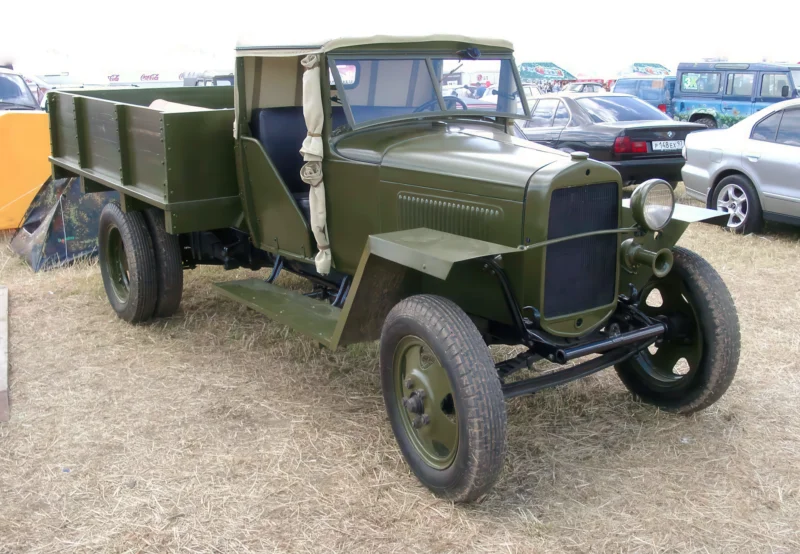
MM Ciężarówka gazowa | |
|---|---|
| Płaci | Urss ( urss ) |
| Typu | Ciężarówka |
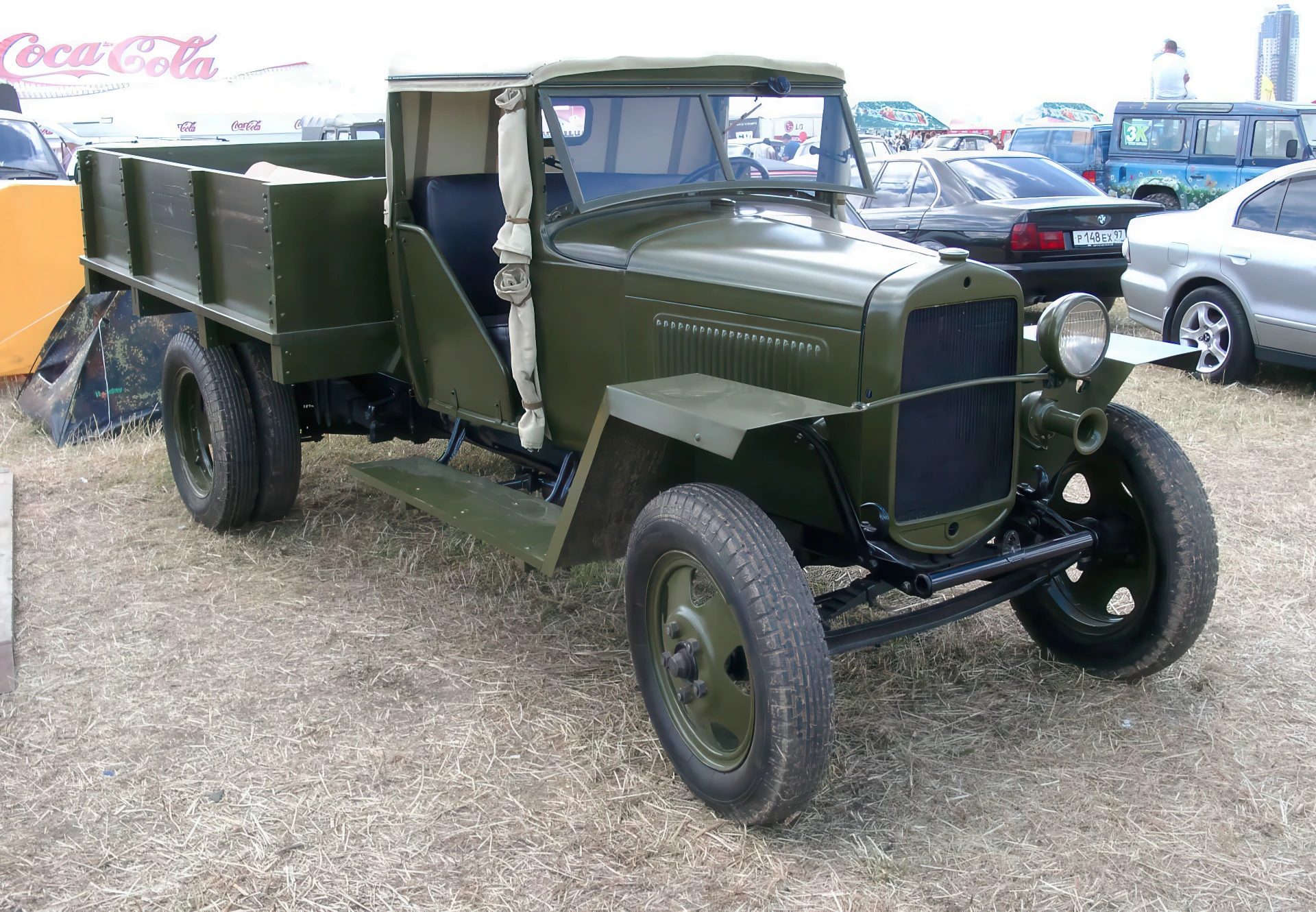
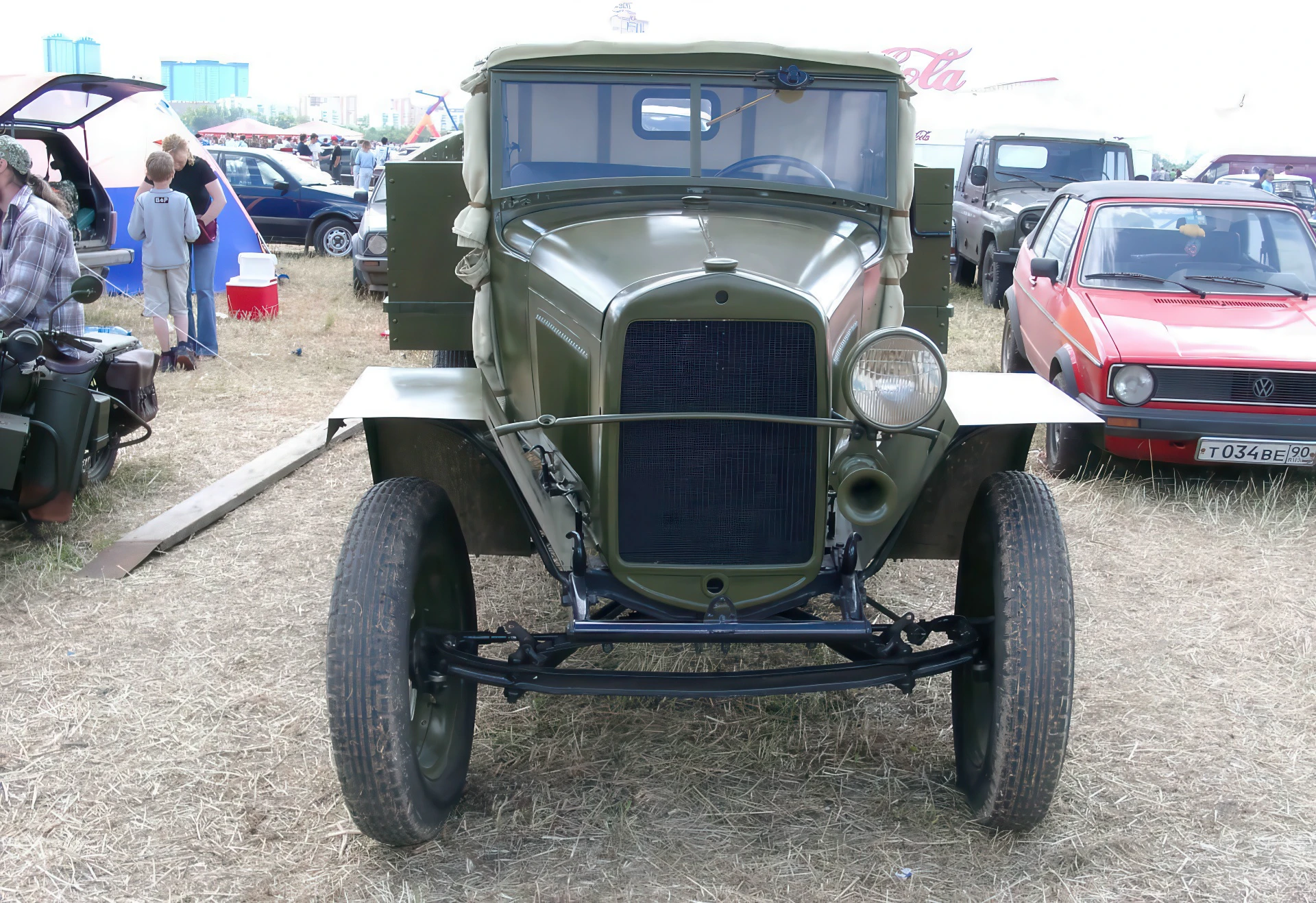
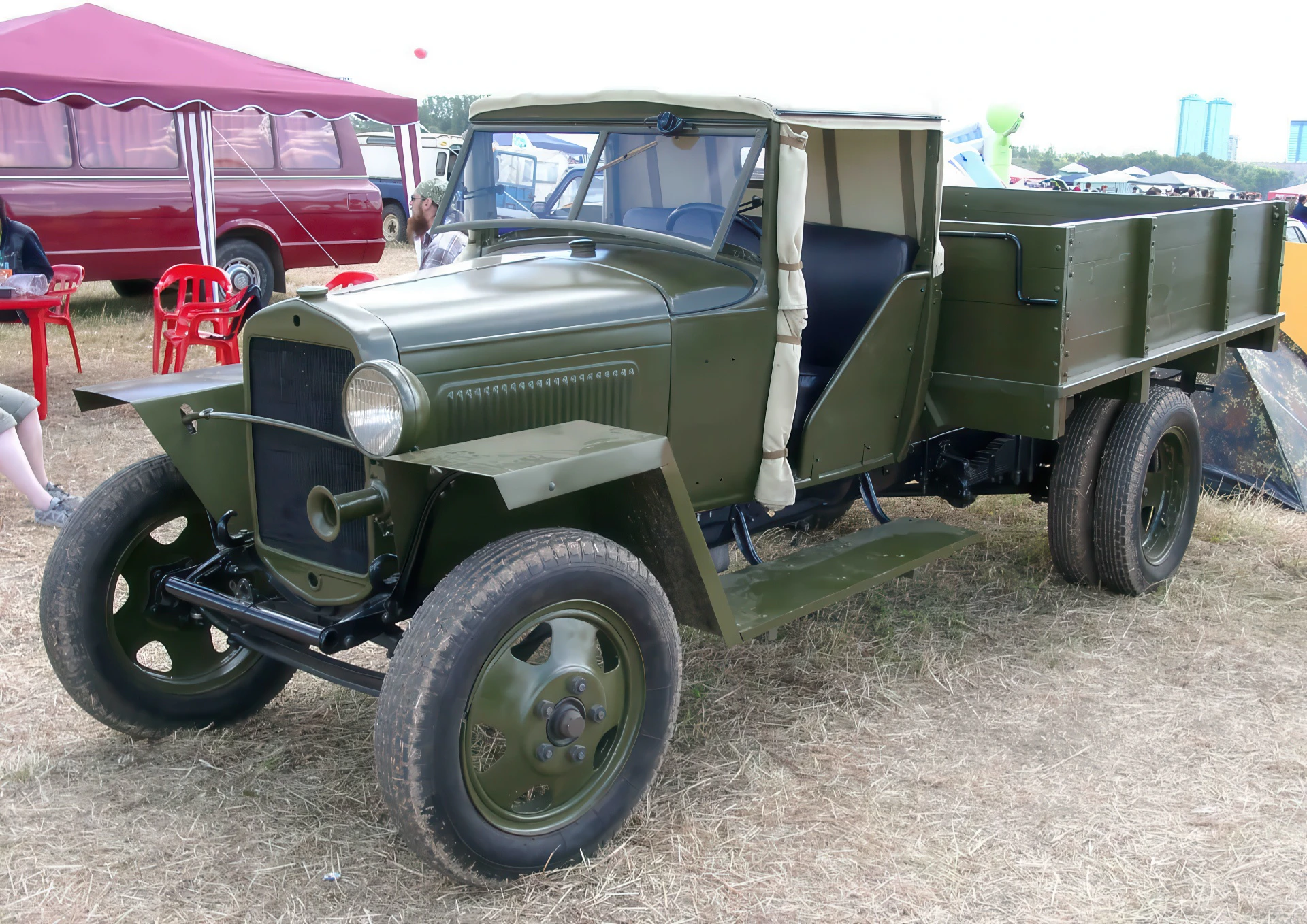
| Opis | Album 130 spacerowe zdjęcia ciężarówki Gaz MM |
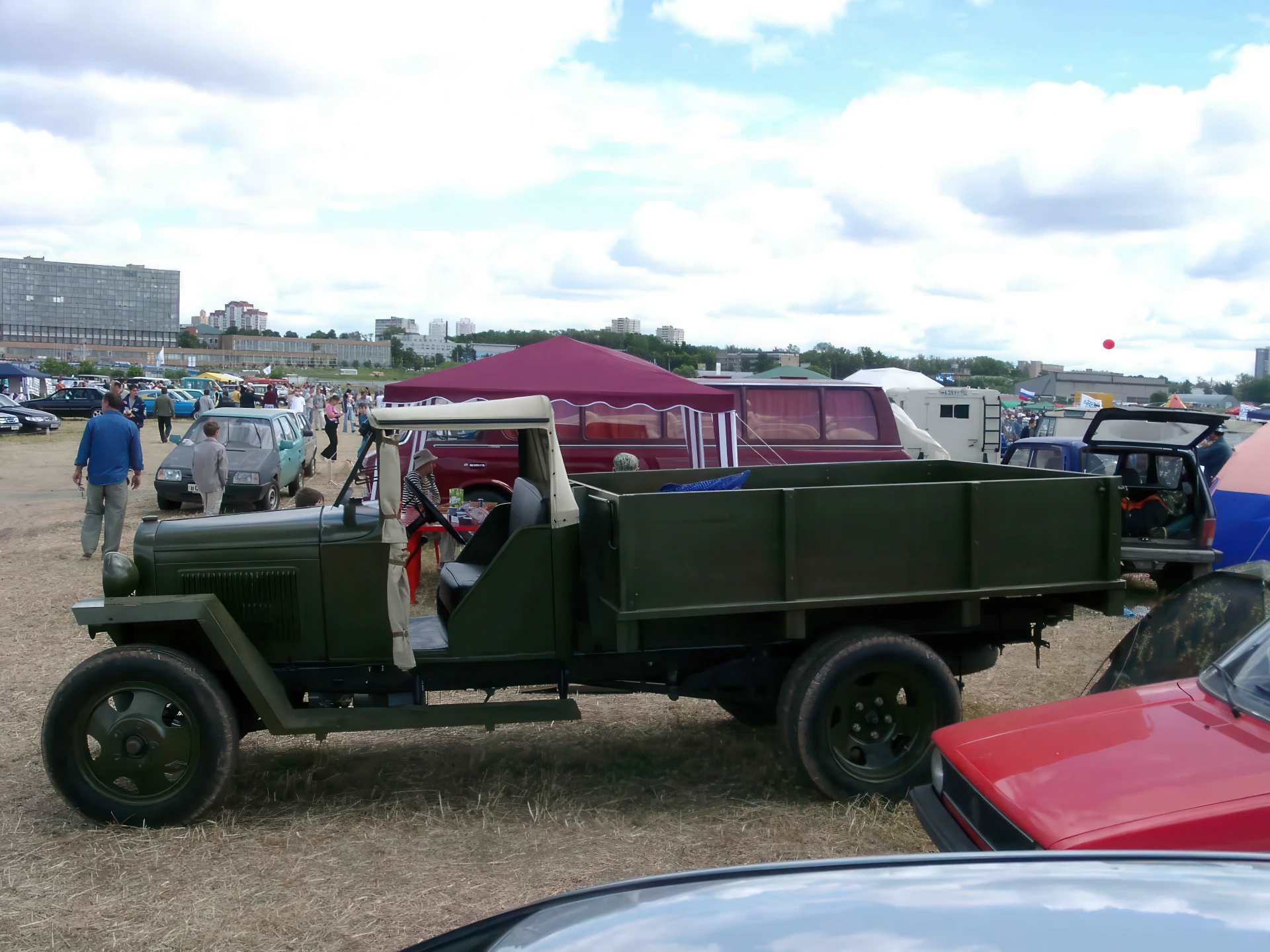
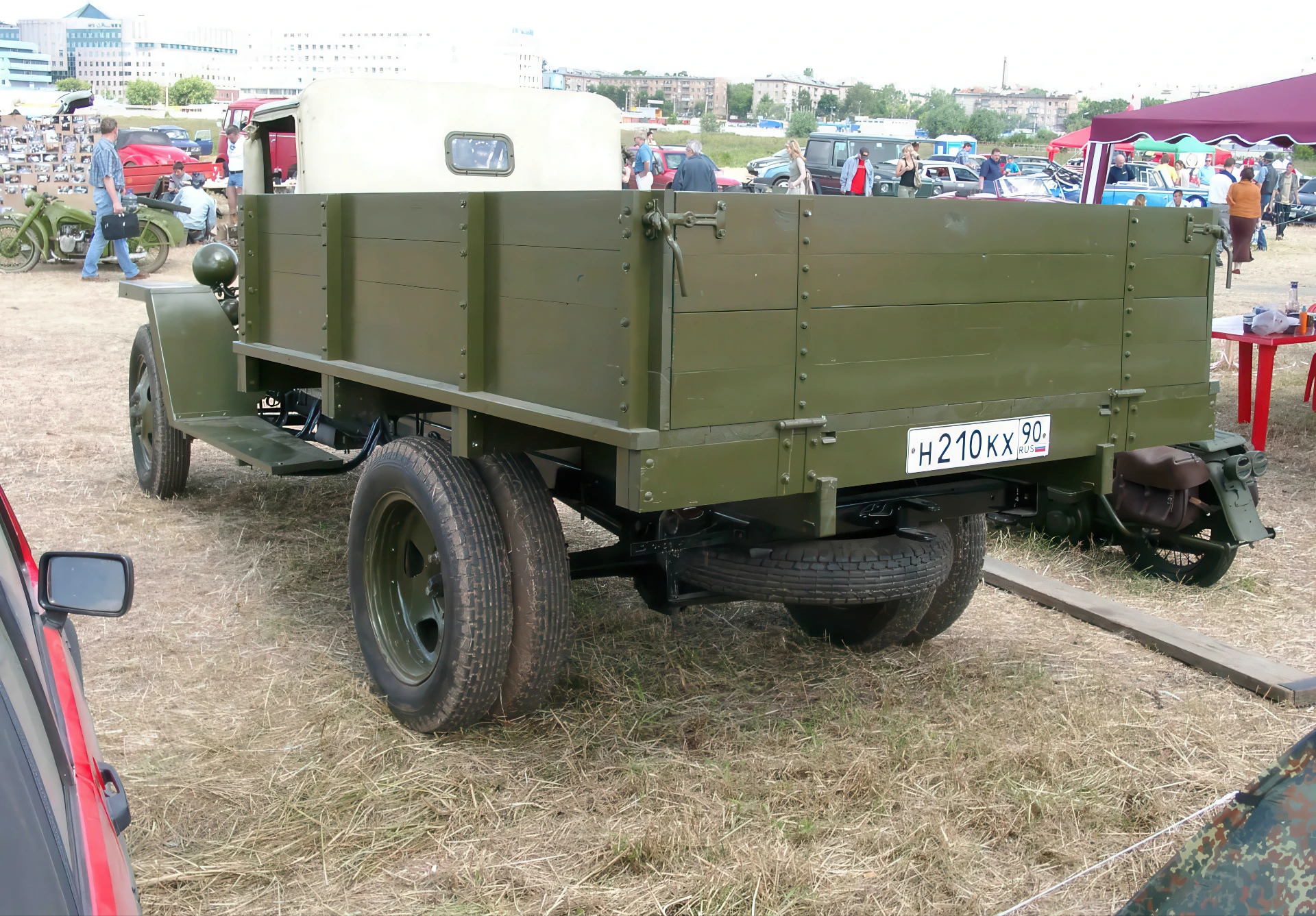
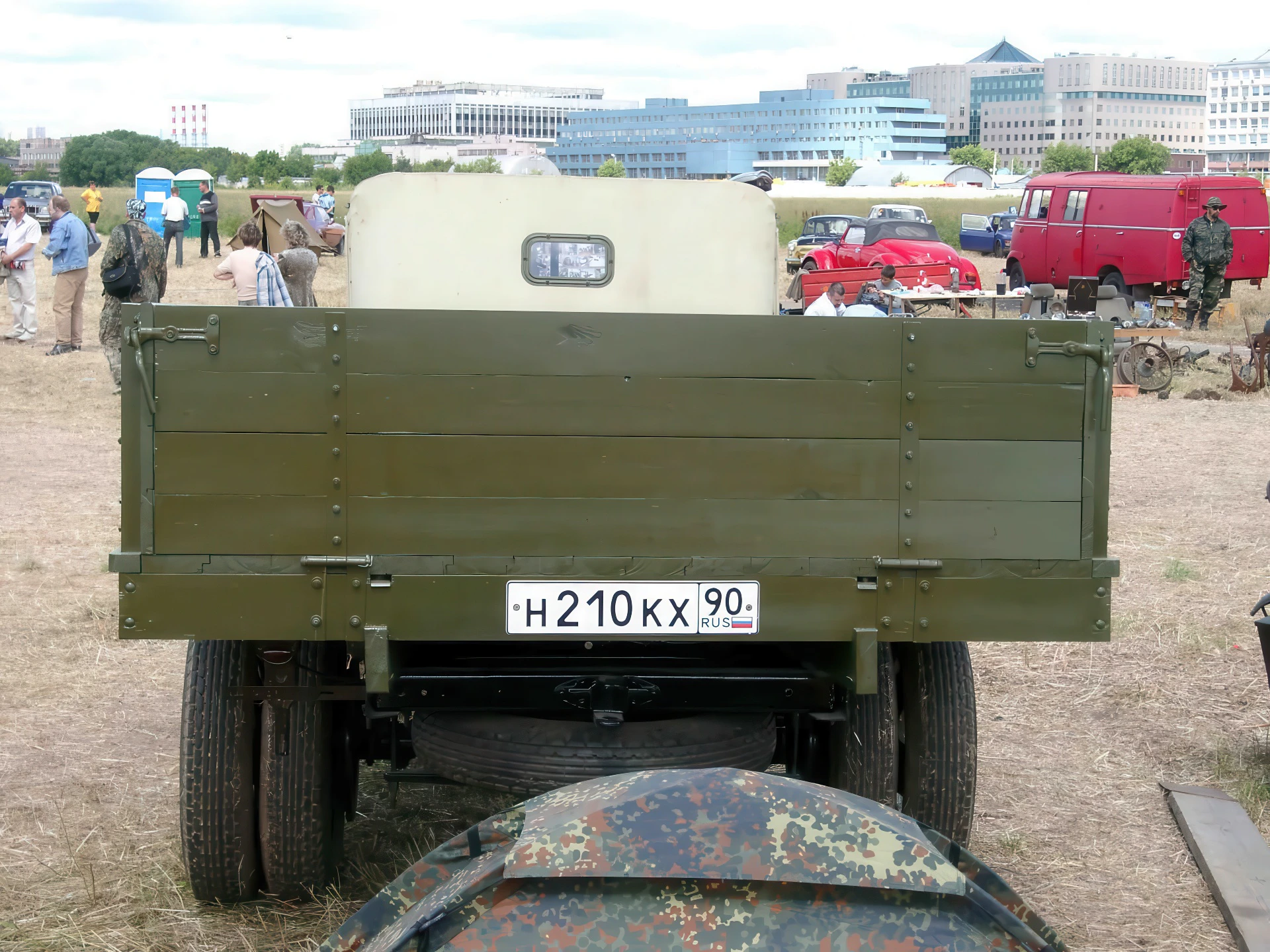
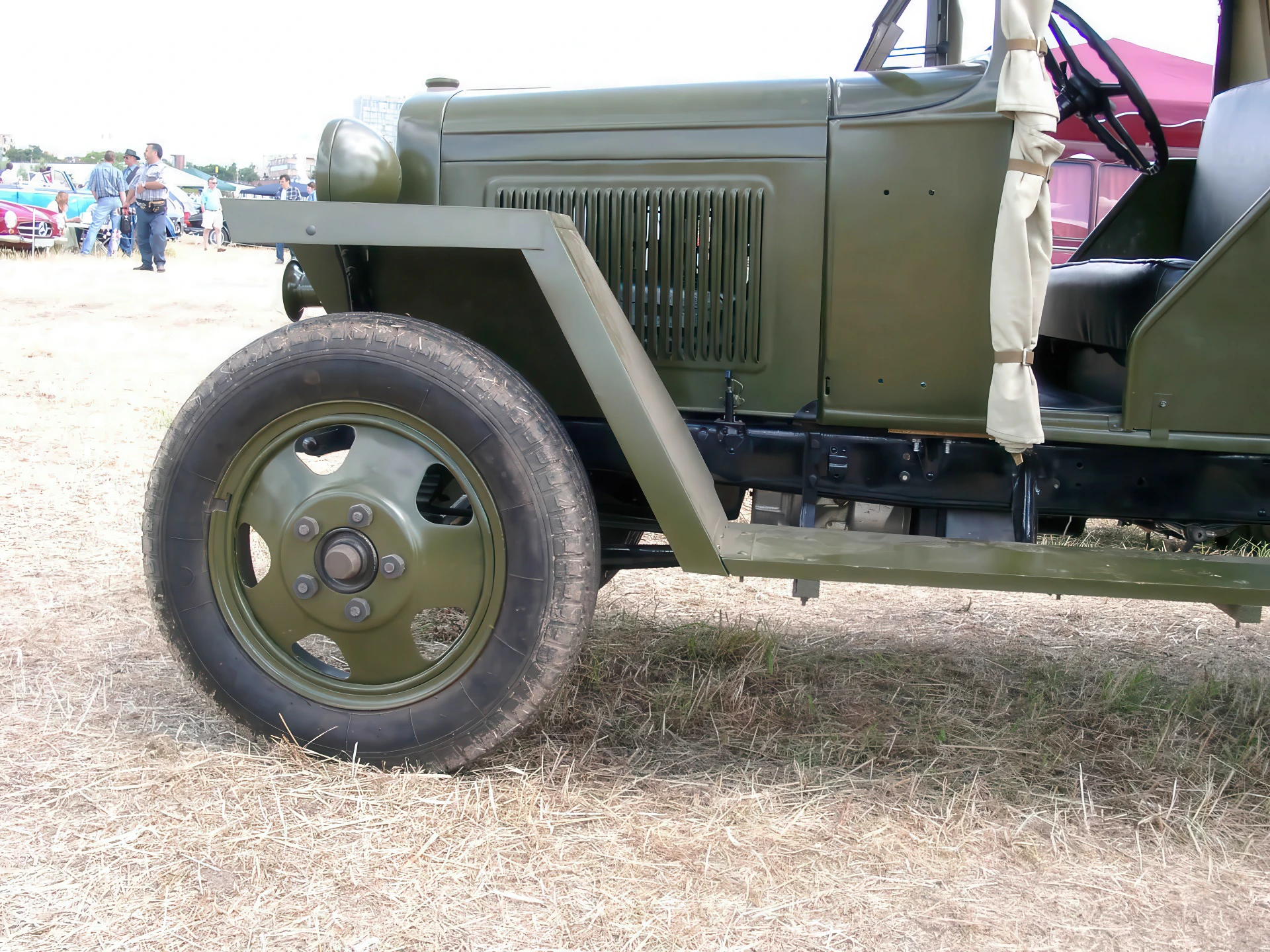
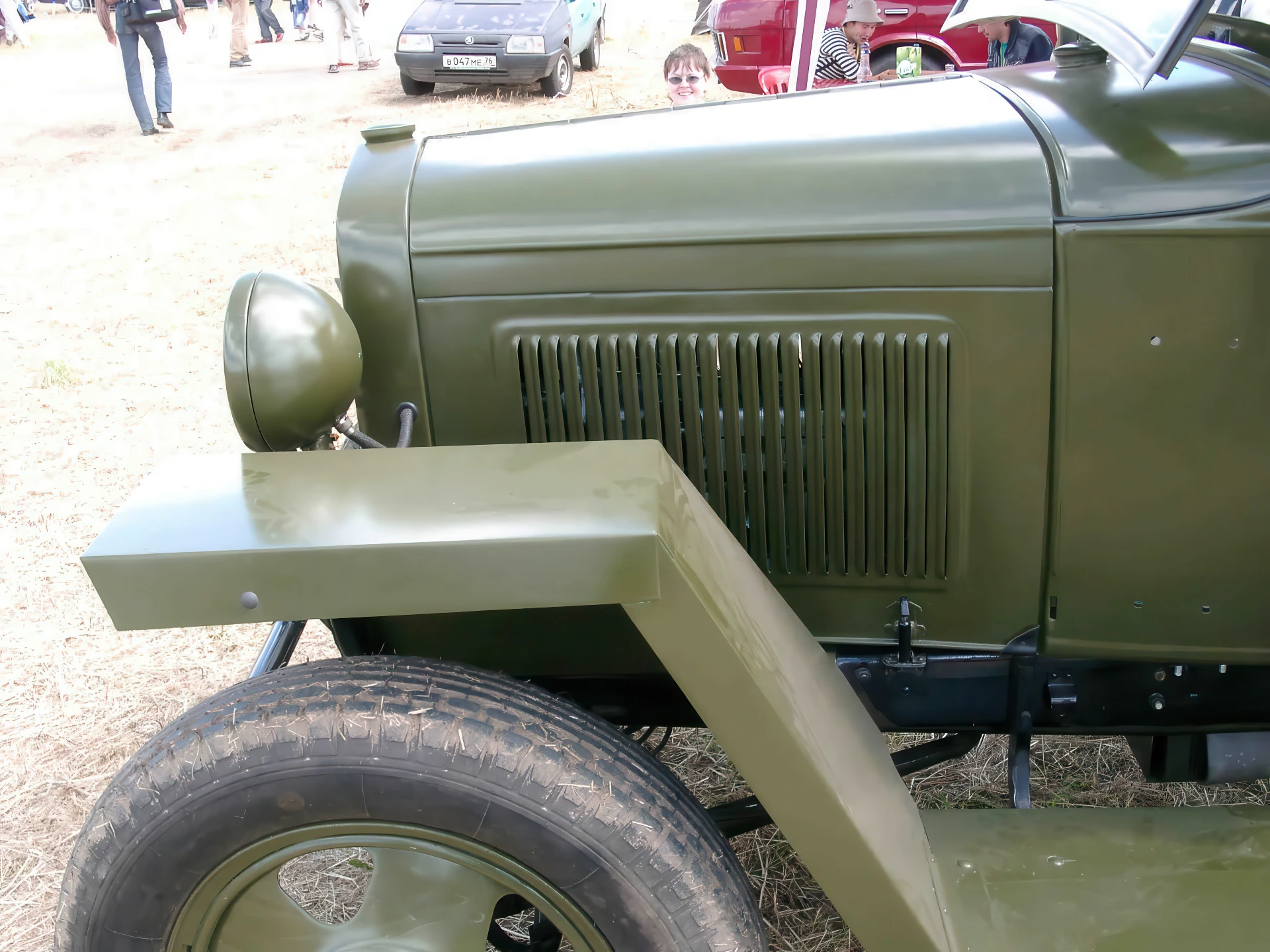
Galeria zdjęć na gaz MM, Gaz-MM to radziecki samochód ciężarowy używany podczas II wojny światowej. Ta ciężarówka jest zmodernizowaną wersją Gas-AA lub, aby być bardziej precyzyjnym uproszczoną i zmilitaryzowaną wersją. Uproszczenia, które przeszedł, aby być zintegrowane z armią od początku wojny nie zmieniły jego wydajności i niezawodności, co oznaczało, że służył jako baza dla wielu wariantów (instalacja lekkich karabinów, ciężkich karabinów maszynowych, itp.) oprócz jego podstawowych funkcji, które były transport ładunków i wojsk. Ten pojazd jest solidny i niezawodny i będzie produkowany do 1949 roku.

Zobacz też:


The GAZ-MM was a pivotal Soviet medium-duty truck produced by the Gorki Automobile Plant (GAZ) starting in 1938. It was a slightly modernized version of the earlier GAZ-AA, which was based on the American Ford Model AA. This sturdy, reliable, and easy-to-maintain vehicle served as the primary transport for the Red Army and the Soviet economy, earning the nickname “Polutorka” (meaning “one-and-a-halfer”) due to its 1.5 ton load capacity.
Technical Specifications and Modernization
The key modernization that defined the GAZ-MM was the upgrade to its power unit:
- Silnik: It was equipped with the more powerful GAZ-M1 I4 engine, a four-cylinder gasoline unit.
- Power Output: The engine provided 50 horsepower, an increase from the 40 hp of its predecessor.
- Performance: This increase in power, coupled with a reinforced suspension, gave the GAZ-MM improved performance, with a top road speed typically around 60-70 km/h.
- Podwozie: It maintained a simple, robust 4×2 rear-wheel drive configuration.
Wartime Simplification
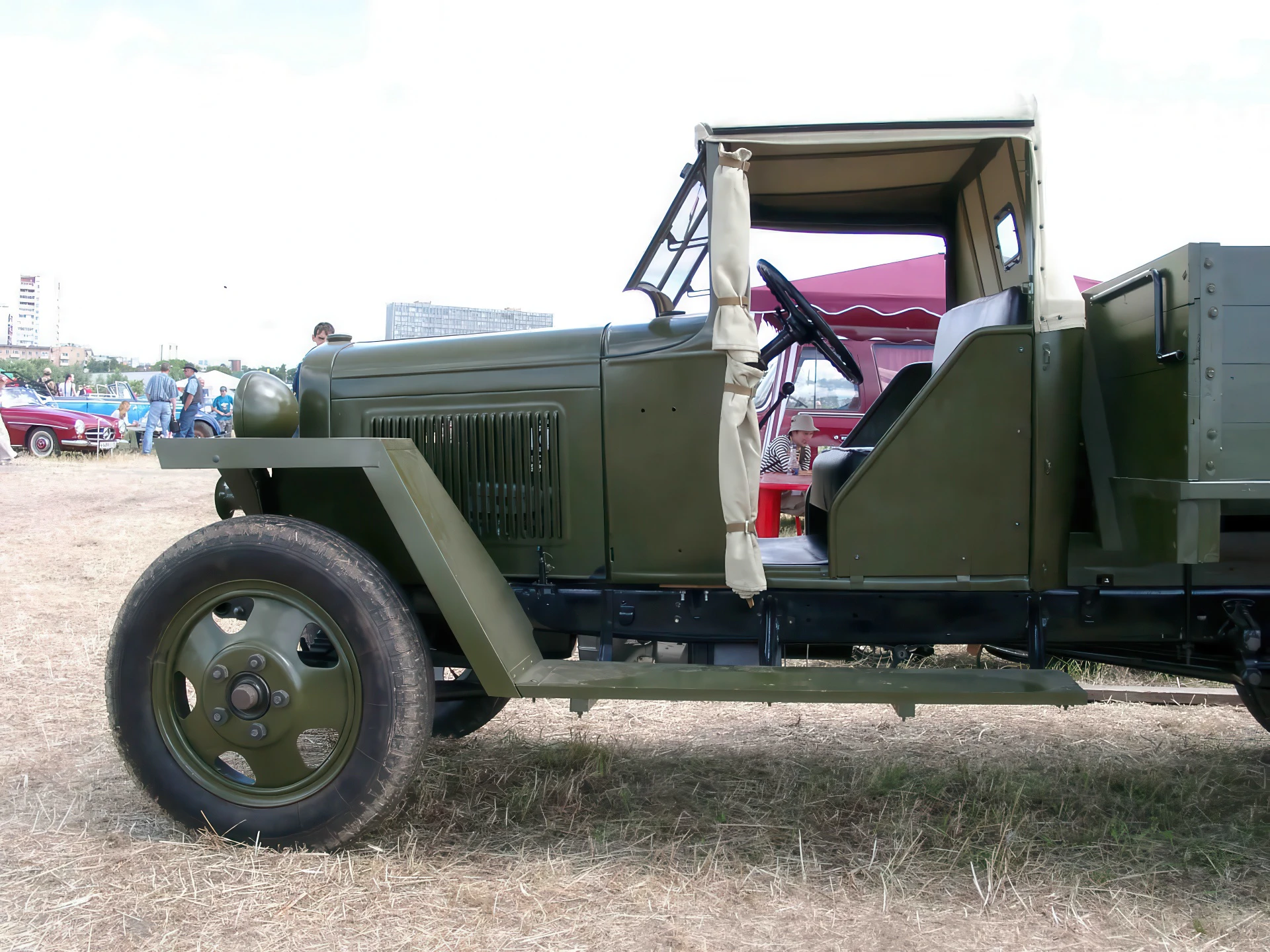
During World War II, a highly simplified version, sometimes designated the GAZ-MM-V, was mass-produced to save crucial materials like steel, aluminum, and rubber, and to speed up assembly.
- Cab Construction: The standard metal cab was replaced by a simpler cab often constructed from wood and canvas.
- Doors and Windows: Some wartime units were built without doors, requiring canvas coverings, and the windows were often made of simple cellulose film instead of glass.
- Exterior Fittings: Key non-essential parts were eliminated, including:
- Tthe front brakes (only rear brakes remained).
- Tthe front bumper.
- Tthe right headlight (only one on the left remained).
- Fenders: Rounded, stamped steel fenders were replaced with simple, angular, welded metal (or occasionally wooden) replacements.
Despite these extensive simplifications, the core reliability of the truck allowed it to remain in service throughout the war and into the post-war era, fulfilling vital roles including front-line supply and acting as a mobile platform for light anti-aircraft guns.
Liczba wyświetleń : 5852
Możesz również zobaczyć:
 ZiS-151 – Zdjęcia & wideo
 M923 Guntruck – Zdjęcia & Wideo
 Ciężarówka M35 21/2-ton – Zdjęcia i film
 B-52D Stratofortress - Spacer
 Chevrolet CMP 4×4 – Spacer
 Studebaker US6 vol2 – WalkAround
 FV 4101 Charioteer – Spacer
 Studebaker US6 – WalkAround – Camion
 Grille Ausf.M – sdkfz.138/1 – Spacer
 Gaz AA – Spacer