卡车气体 MM | |
|---|---|
| 国家 | 乌尔斯 |
| 类型 | 卡车 |
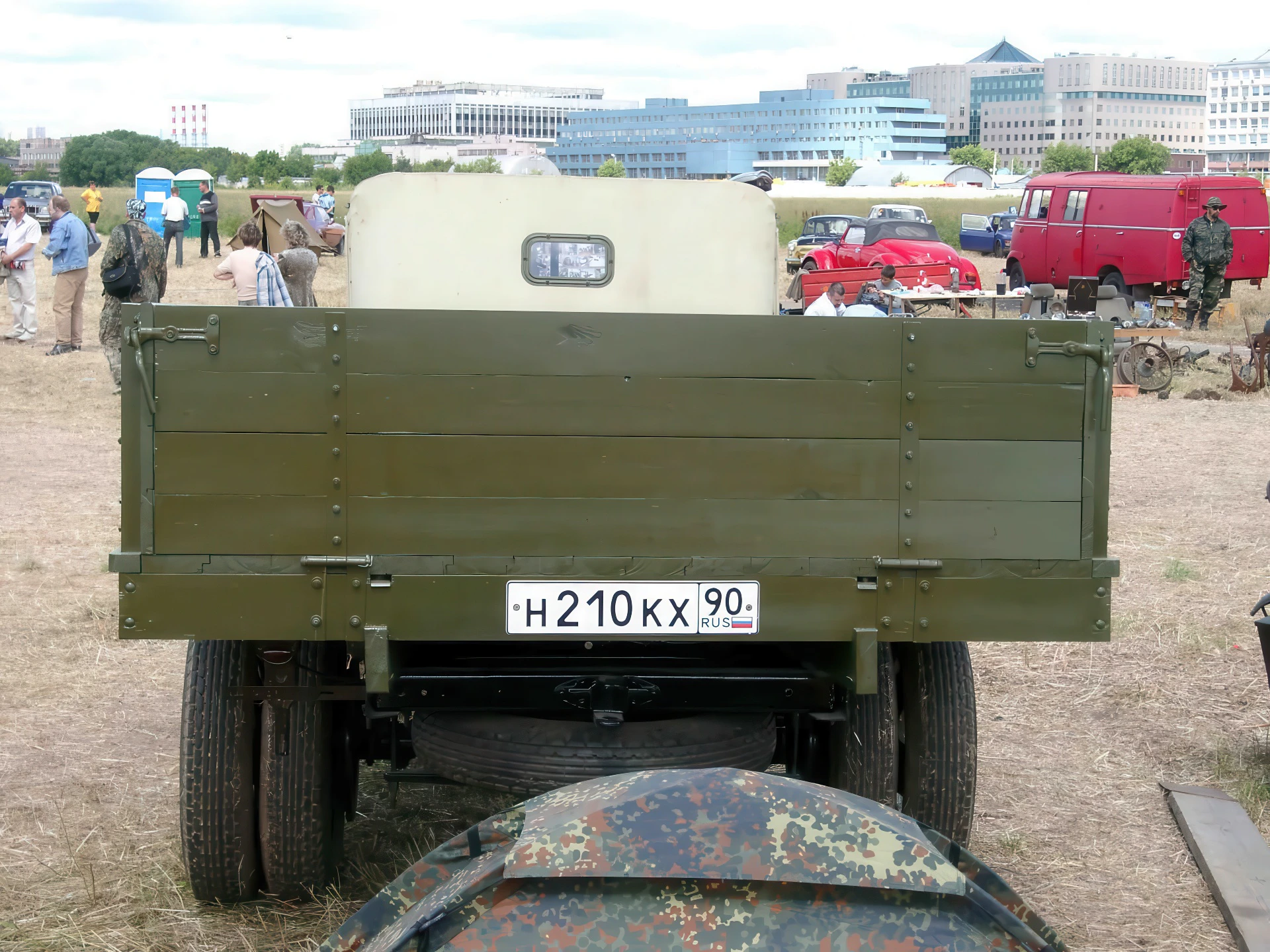
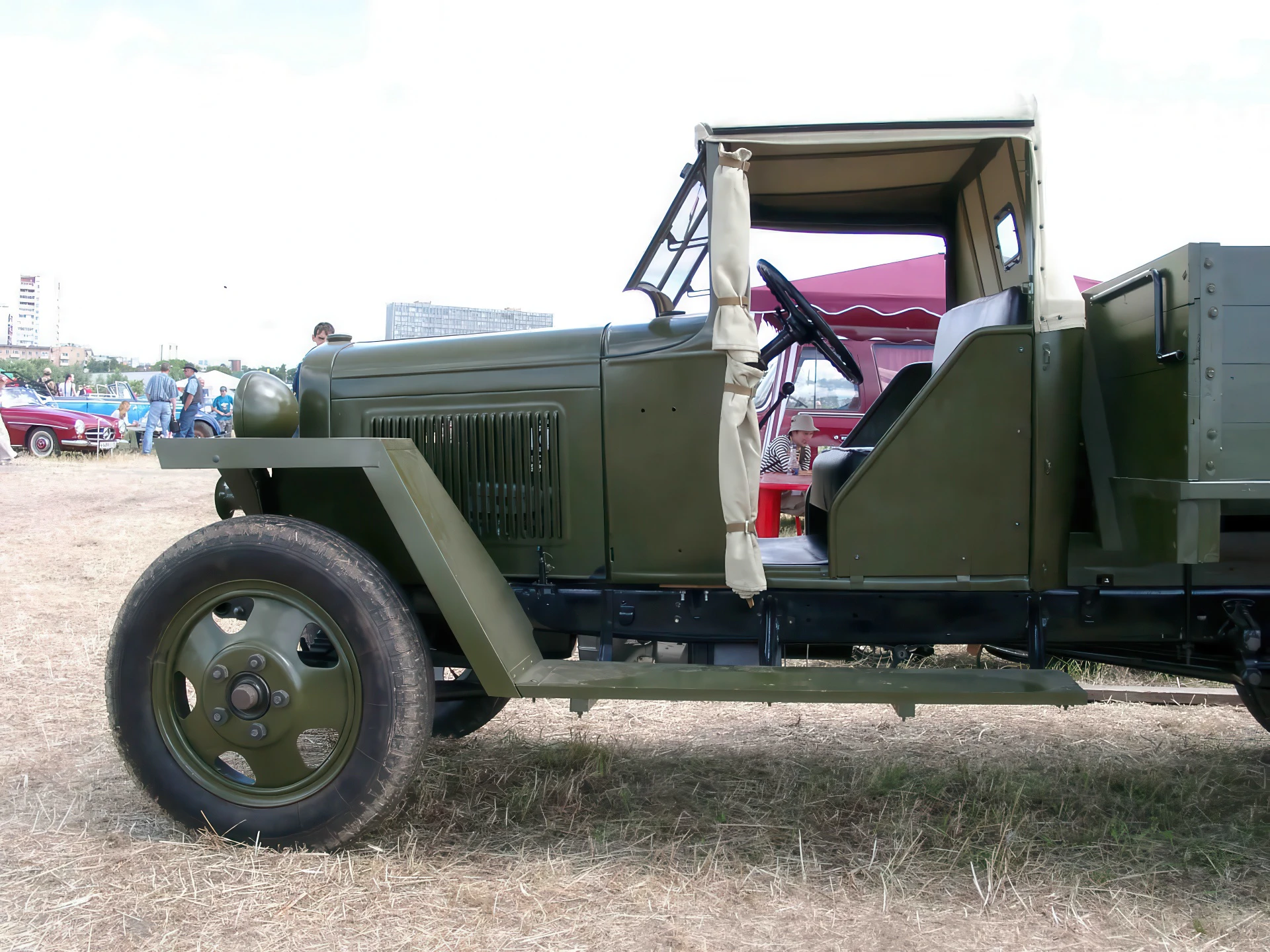
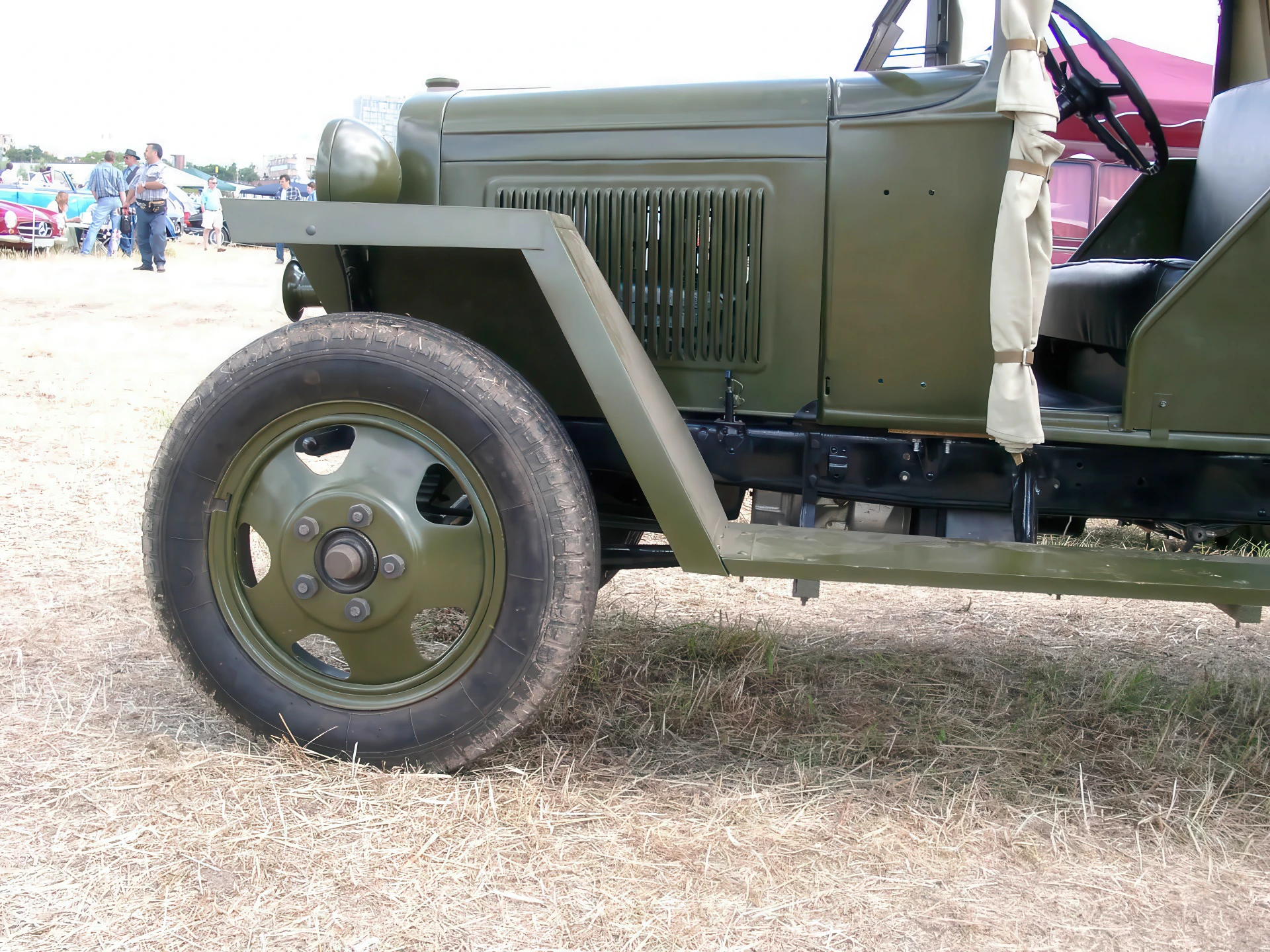
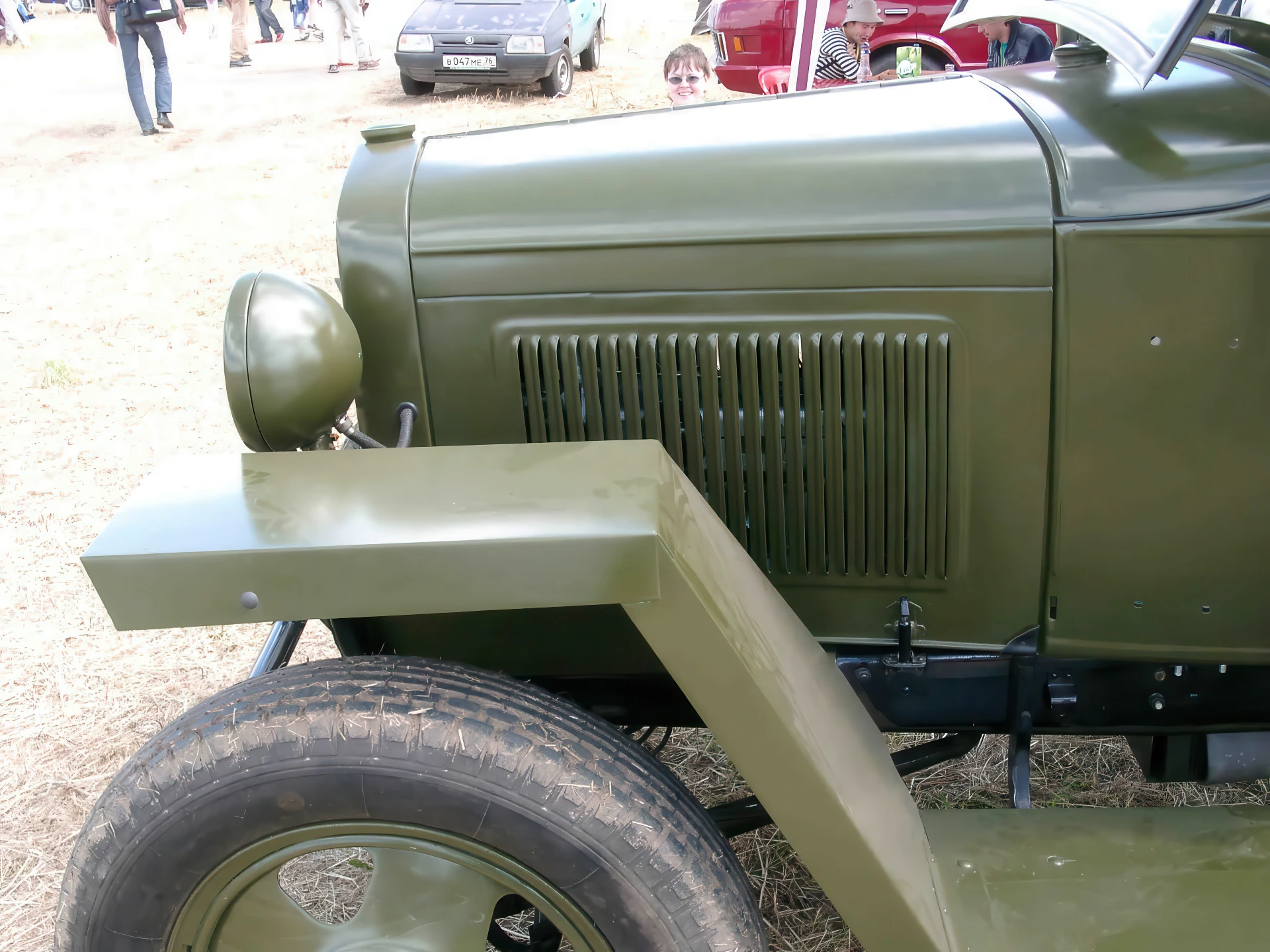
| 描述 | 专辑 130 卡车的四处走动照片 气体 MM |
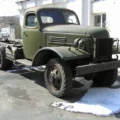
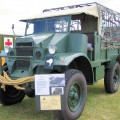
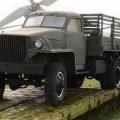
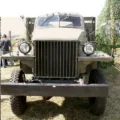
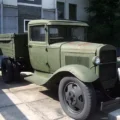
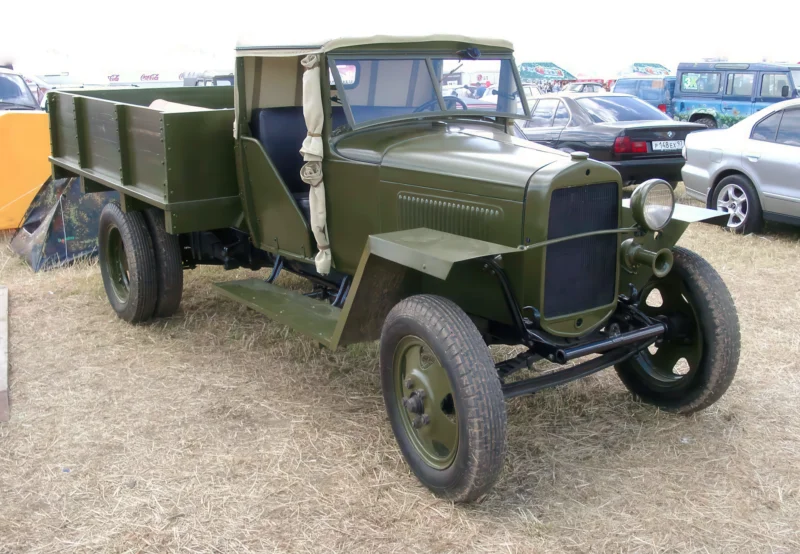
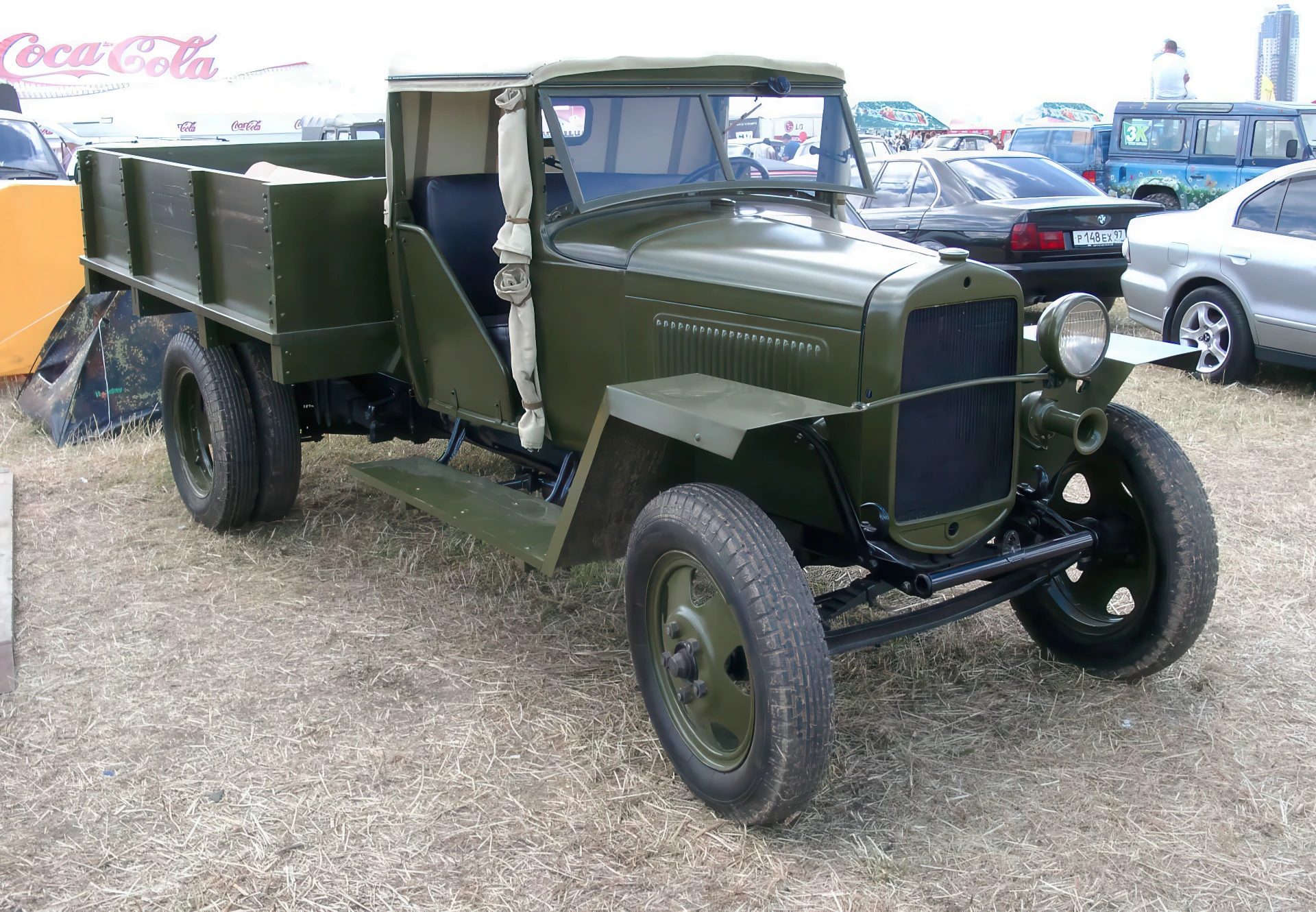
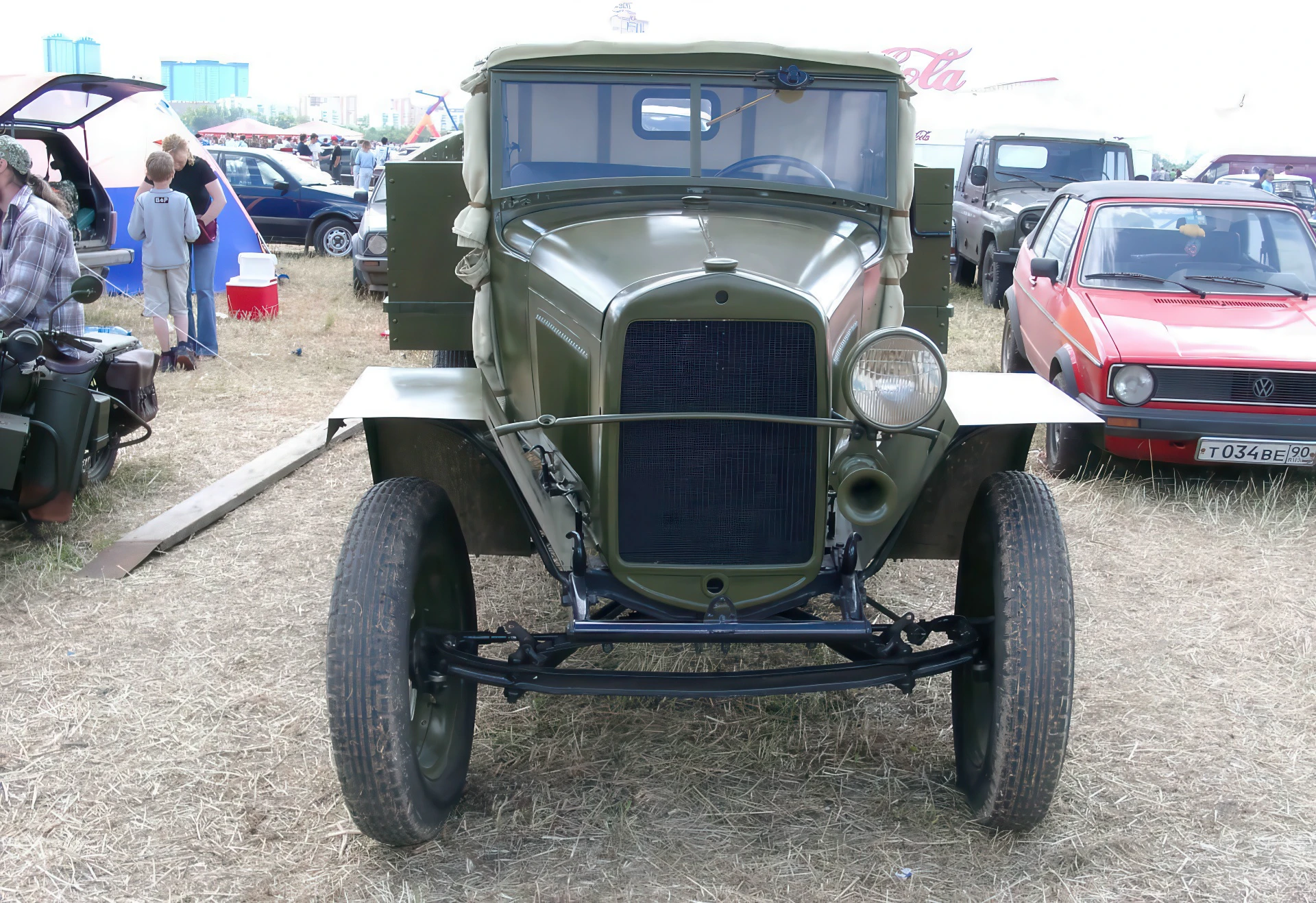
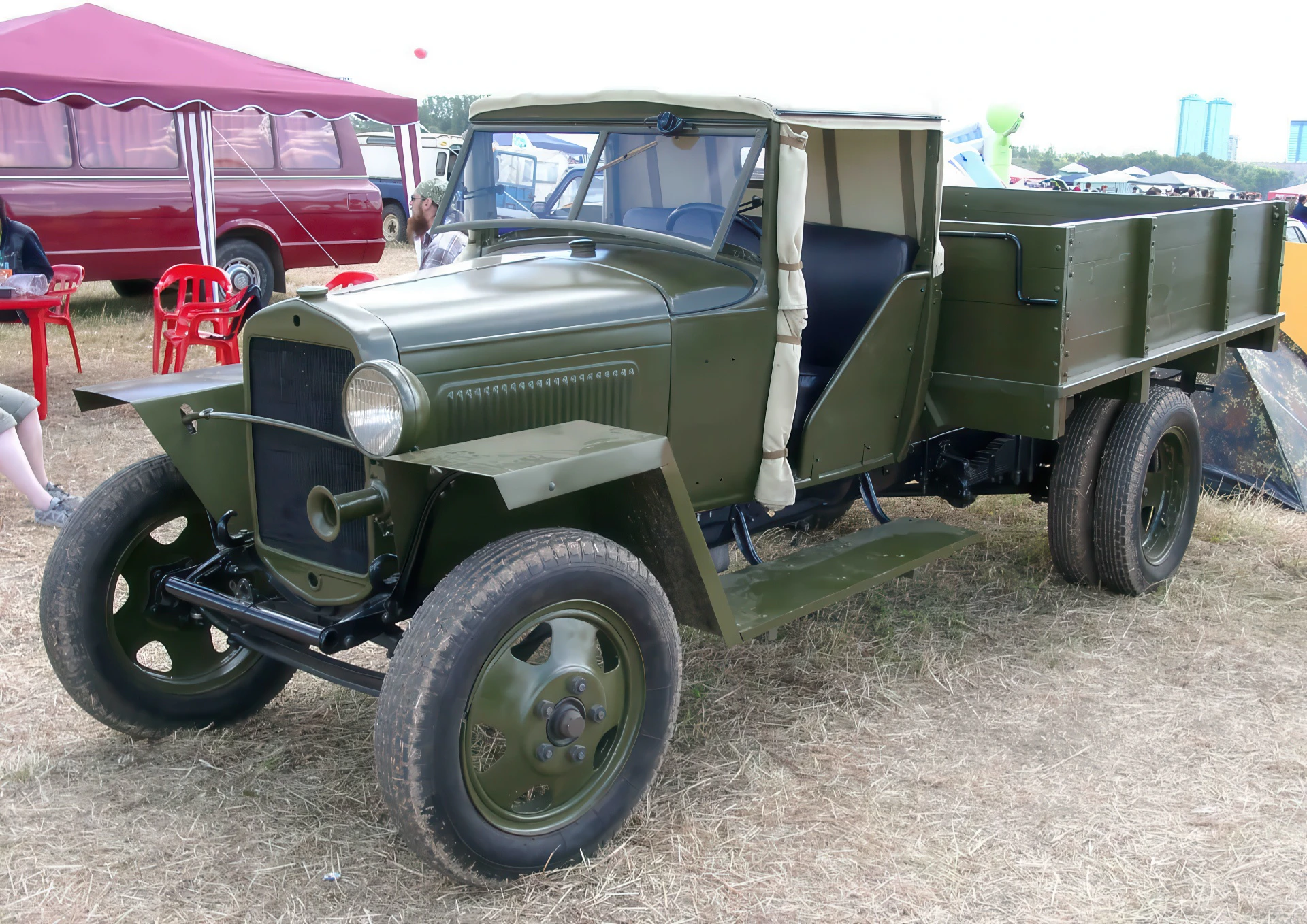
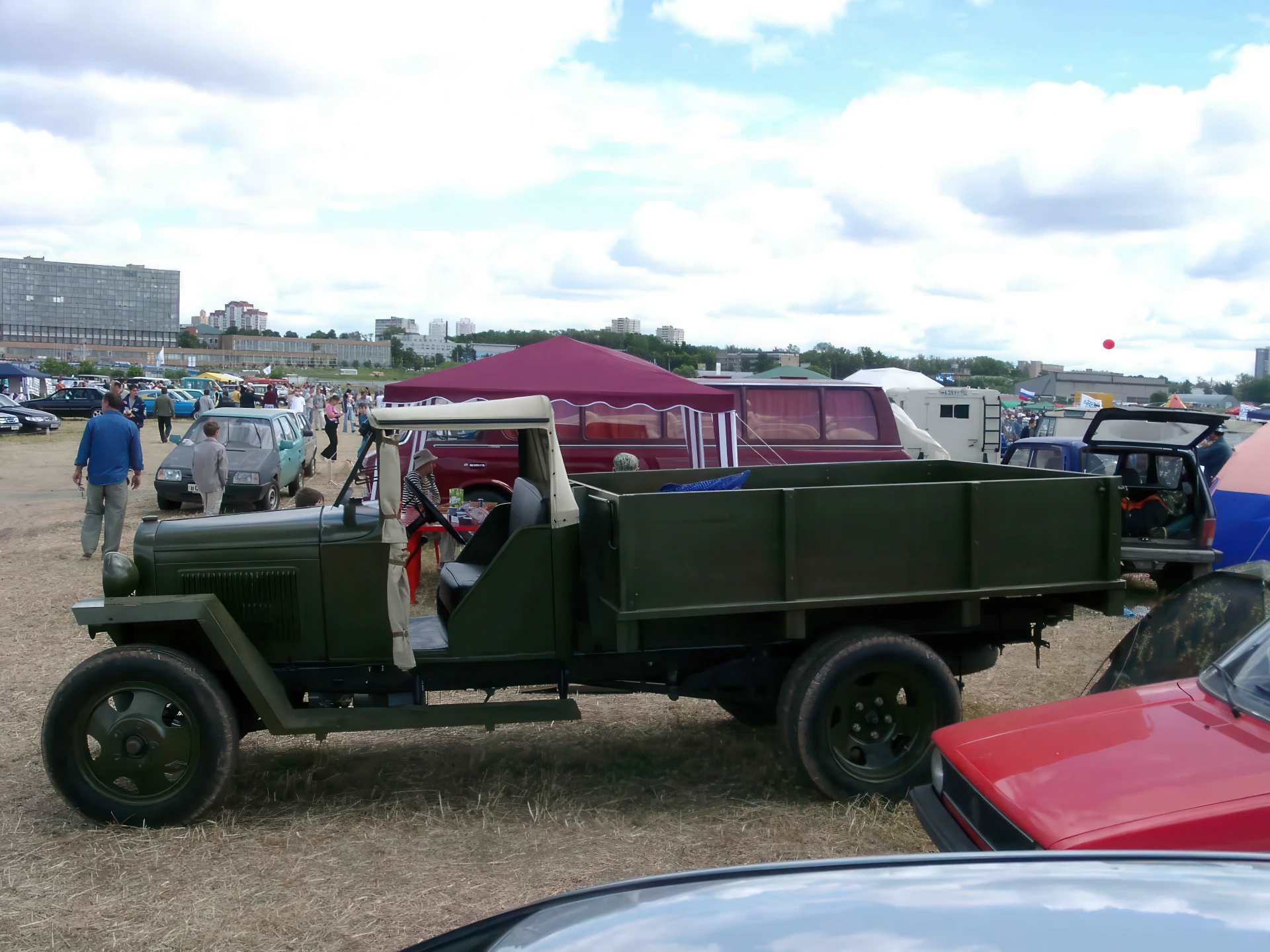
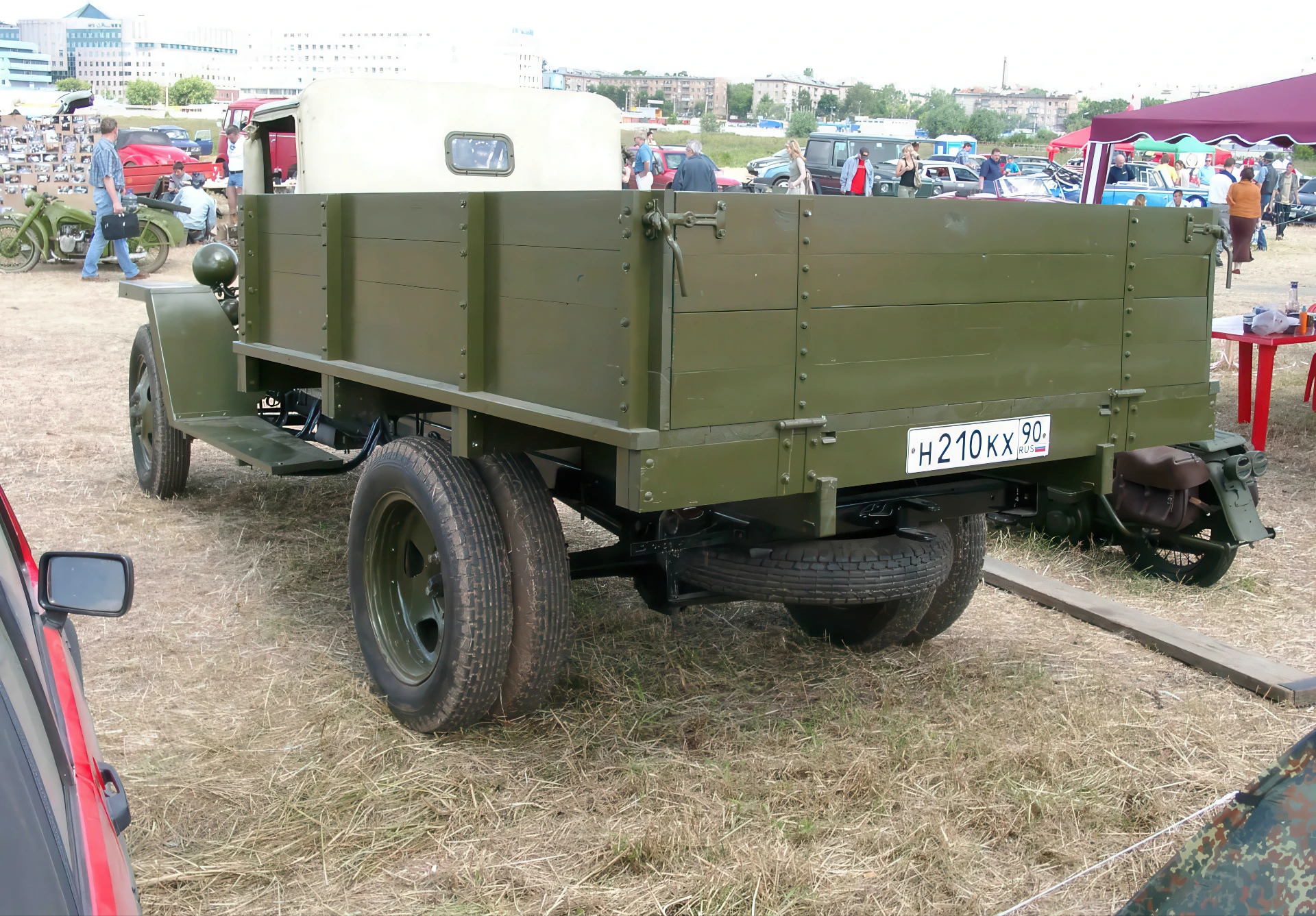
气体 MM 上的照片库, 气体-MM 是二战期间使用的苏联卡车这辆卡车是天然气AA的现代化版本,或者更精确的简化和军事化版本。它从战争开始就融入军队的简化并没有改变其性能和可靠性,这意味着它除了其主要职能是货运和部队运输之外,还作为多种变种(安装轻炮、重机枪等)的基础。这辆车是坚固可靠的,它将生产到1949年。

另请参阅:


The GAZ-MM was a pivotal Soviet medium-duty truck produced by the Gorki Automobile Plant (GAZ) starting in 1938. It was a slightly modernized version of the earlier GAZ-AA, which was based on the American Ford Model AA. This sturdy, reliable, and easy-to-maintain vehicle served as the primary transport for the Red Army and the Soviet economy, earning the nickname “Polutorka” (meaning “one-and-a-halfer”) due to its 1.5 ton load capacity.
Technical Specifications and Modernization
The key modernization that defined the GAZ-MM was the upgrade to its power unit:
- 发动机: It was equipped with the more powerful GAZ-M1 I4 engine, a four-cylinder gasoline unit.
- Power Output: The engine provided 50 horsepower, an increase from the 40 hp of its predecessor.
- Performance: This increase in power, coupled with a reinforced suspension, gave the GAZ-MM improved performance, with a top road speed typically around 60-70 km/h.
- 底盘: It maintained a simple, robust 4×2 rear-wheel drive configuration.
Wartime Simplification
During World War II, a highly simplified version, sometimes designated the GAZ-MM-V, was mass-produced to save crucial materials like steel, aluminum, and rubber, and to speed up assembly.
- Cab Construction: The standard metal cab was replaced by a simpler cab often constructed from wood and canvas.
- Doors and Windows: Some wartime units were built without doors, requiring canvas coverings, and the windows were often made of simple cellulose film instead of glass.
- Exterior Fittings: Key non-essential parts were eliminated, including:
- 这 front brakes (only rear brakes remained).
- 这 front bumper.
- 这 right headlight (only one on the left remained).
- Fenders: Rounded, stamped steel fenders were replaced with simple, angular, welded metal (or occasionally wooden) replacements.
Despite these extensive simplifications, the core reliability of the truck allowed it to remain in service throughout the war and into the post-war era, fulfilling vital roles including front-line supply and acting as a mobile platform for light anti-aircraft guns.
视图: 5842