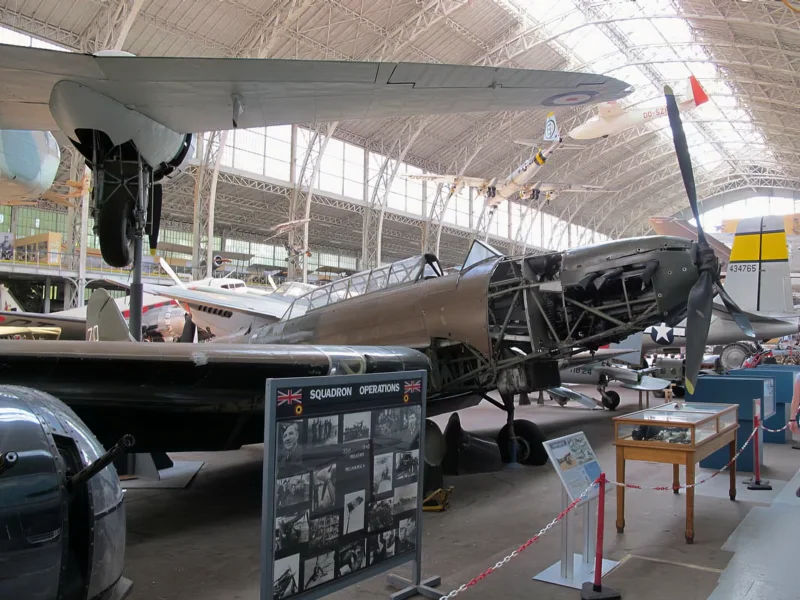
Fairey Battle | |
|---|---|
| Kraju | Uk |
| Roli | Lekki bombowiec |
| Pierwsza mucha | 10 marca 1936 roku |
| Zbudowany | 2201 |
Tthe Bitwa Fairey – brytyjski jednosilnikowy lekki bombowiec zaprojektowany i wyprodukowany przez Fairey Aviation Company. Został opracowany w połowie 1930 roku dla Royal Air Force (RAF) jako jednopłatowy następca wcześniejszych dwupłatowców Hawker Hart i Hind. Bitwa była napędzana tym samym wysokowydajnym silnikiem tłokowym Rolls-Royce Merlin, który napędzał różne współczesne brytyjskie myśliwce. Jednak bitwa była znacznie cięższa, z trzyosobową załogą i ładunkiem bomb. Pomimo znacznej poprawy w stosunku do samolotów, które ją poprzedzały, bitwa była stosunkowo powolna i miała ograniczony zasięg. Mając tylko dwa .303 w karabinach maszynowych jako uzbrojenie obronne, okazało się, że jest bardzo podatny na wrogie myśliwce i ogień przeciwlotniczy.
Źródła: Fairey Battle na Wikipedii
| Fairey Battle | |
|---|---|
| Fotograf | Niewiedzy |
| Lokalizacja | Niewiedzy |
| Zdjęcia | 61 |
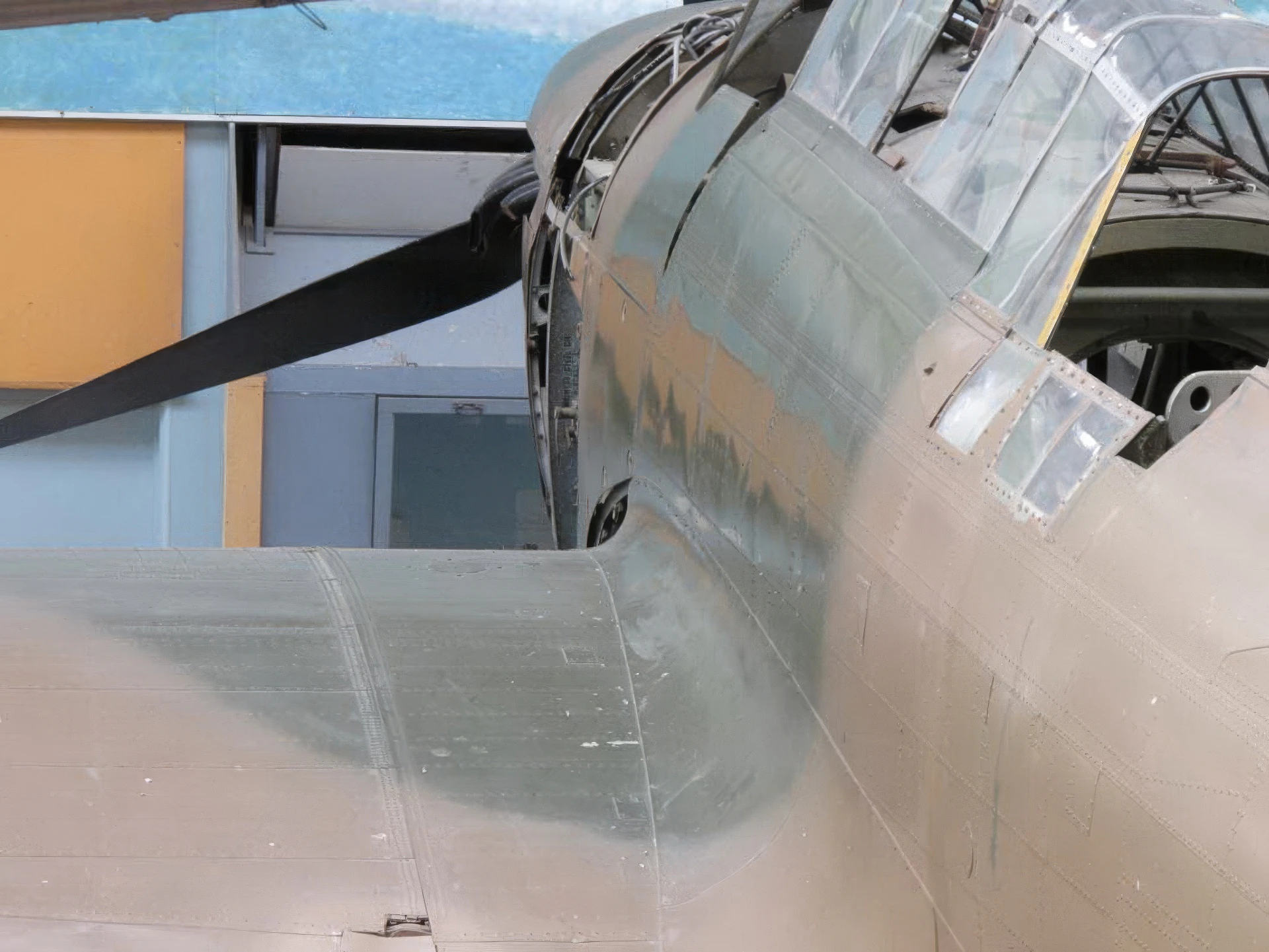
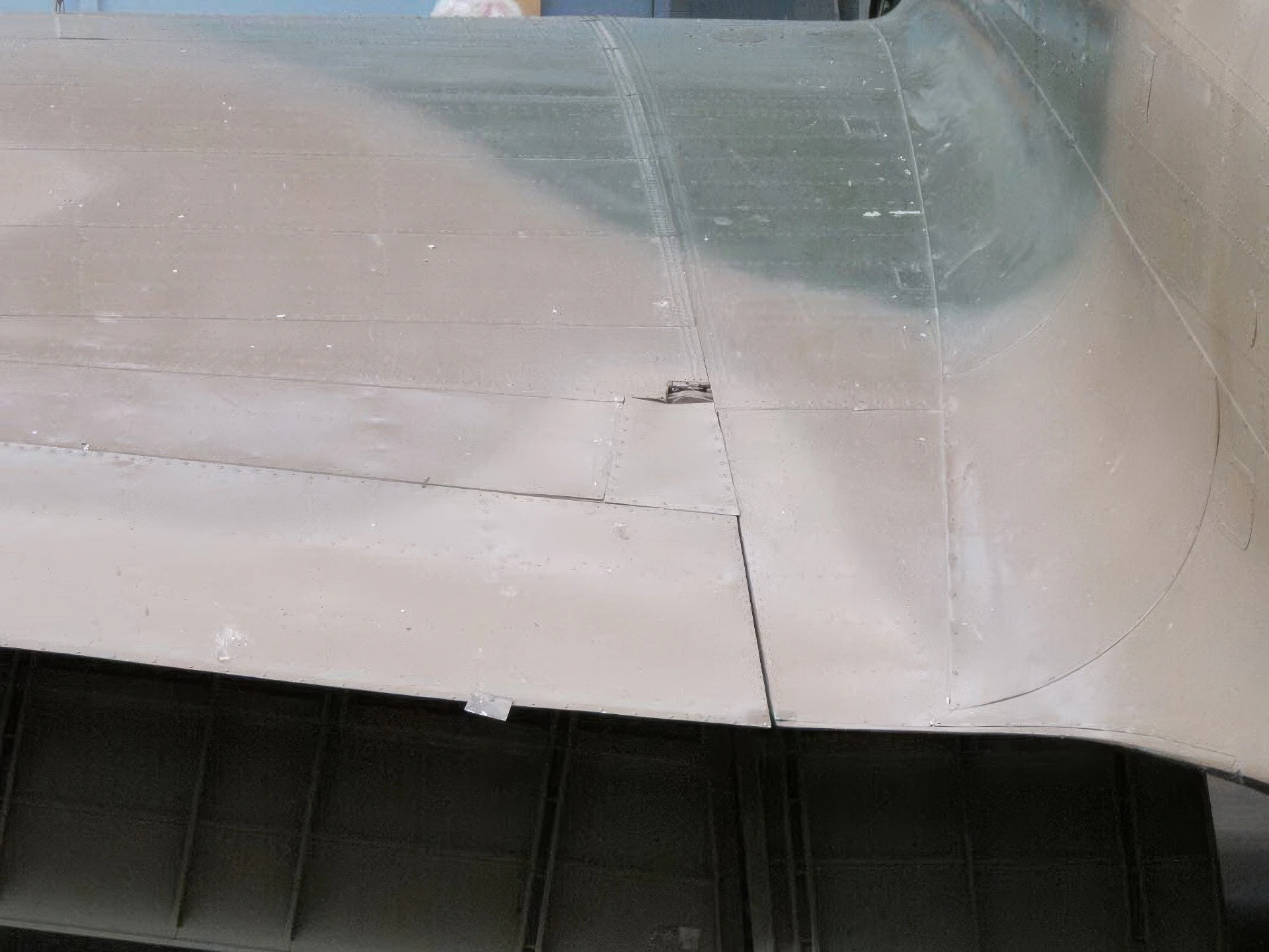
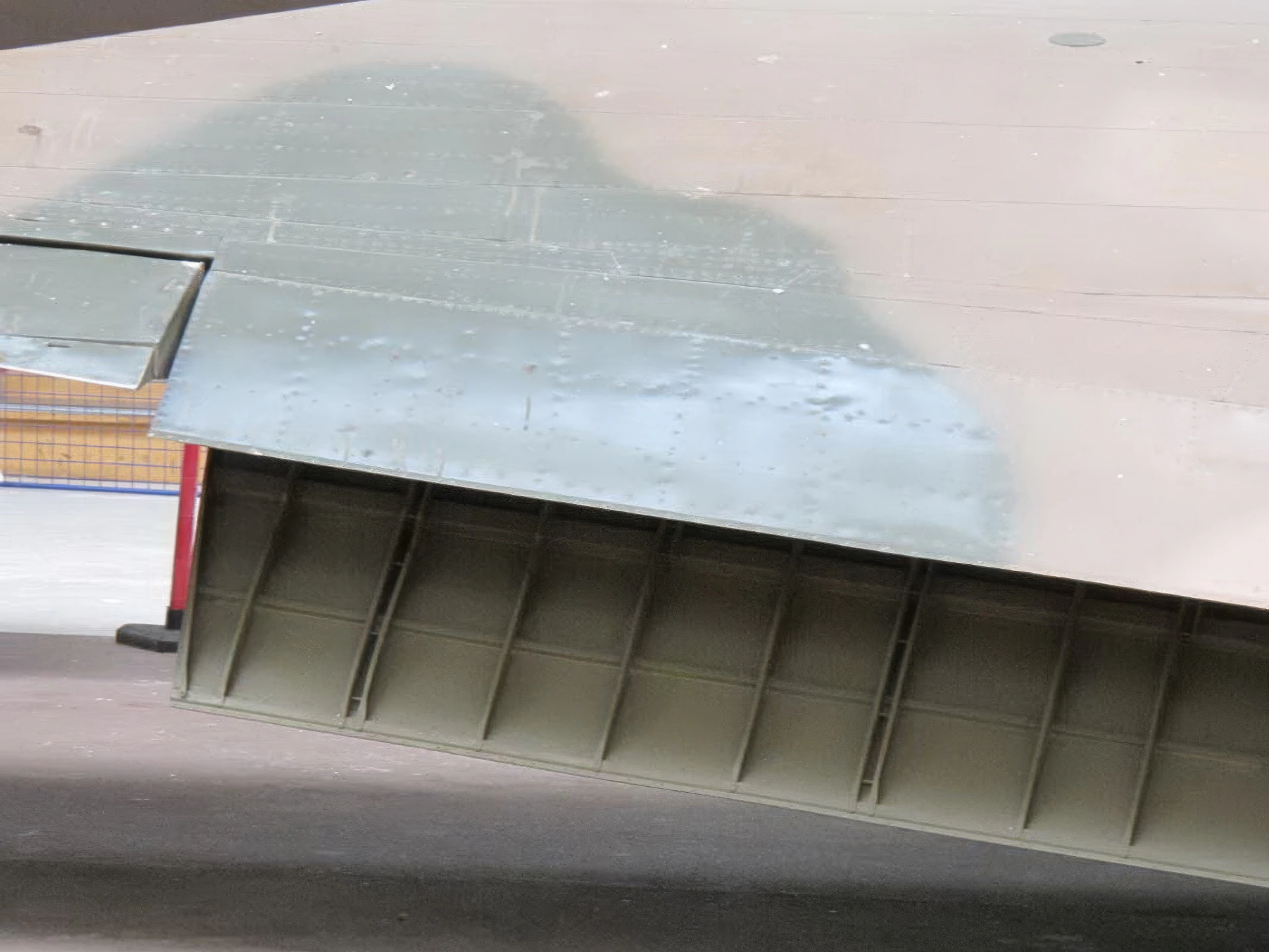
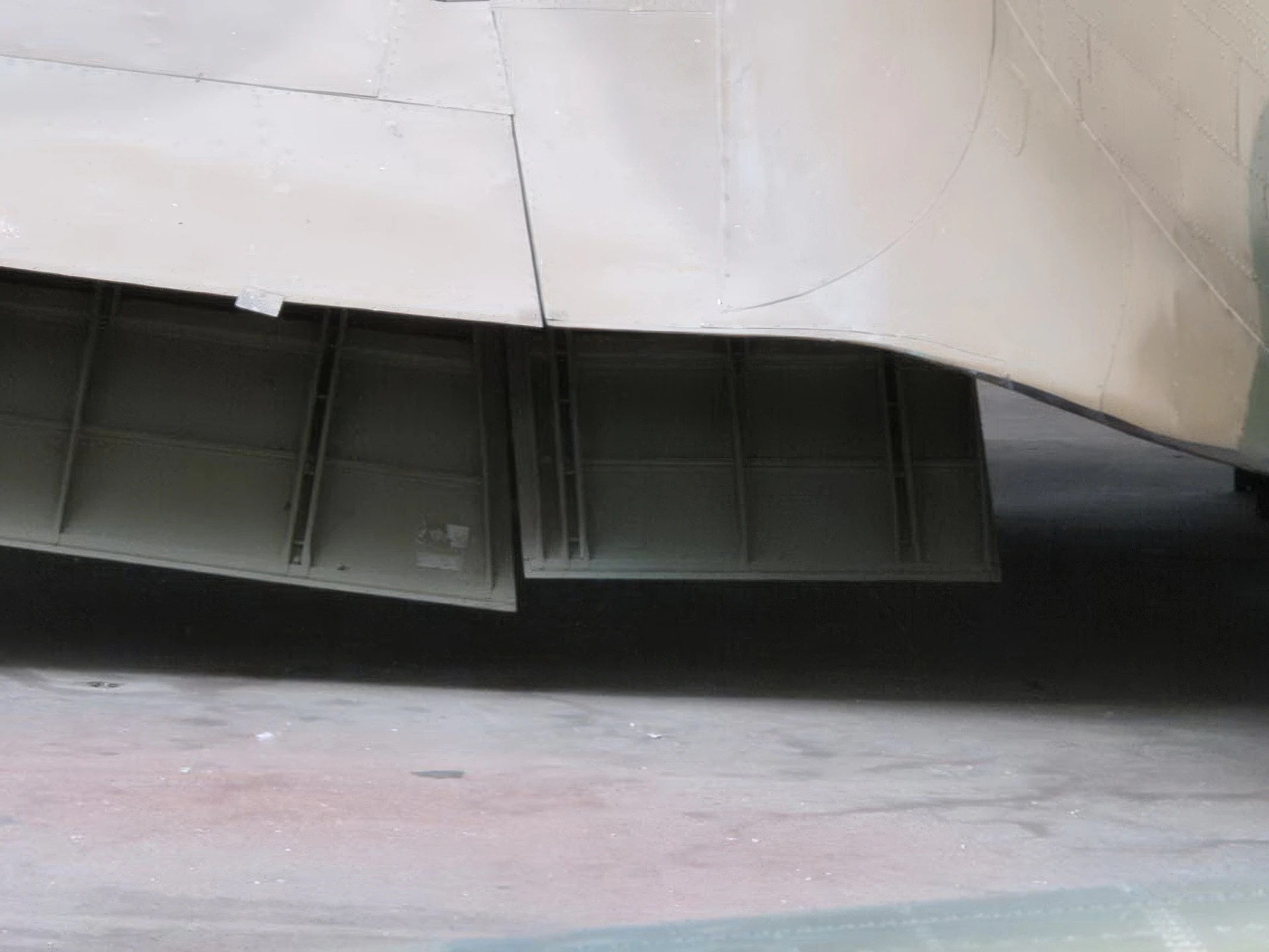
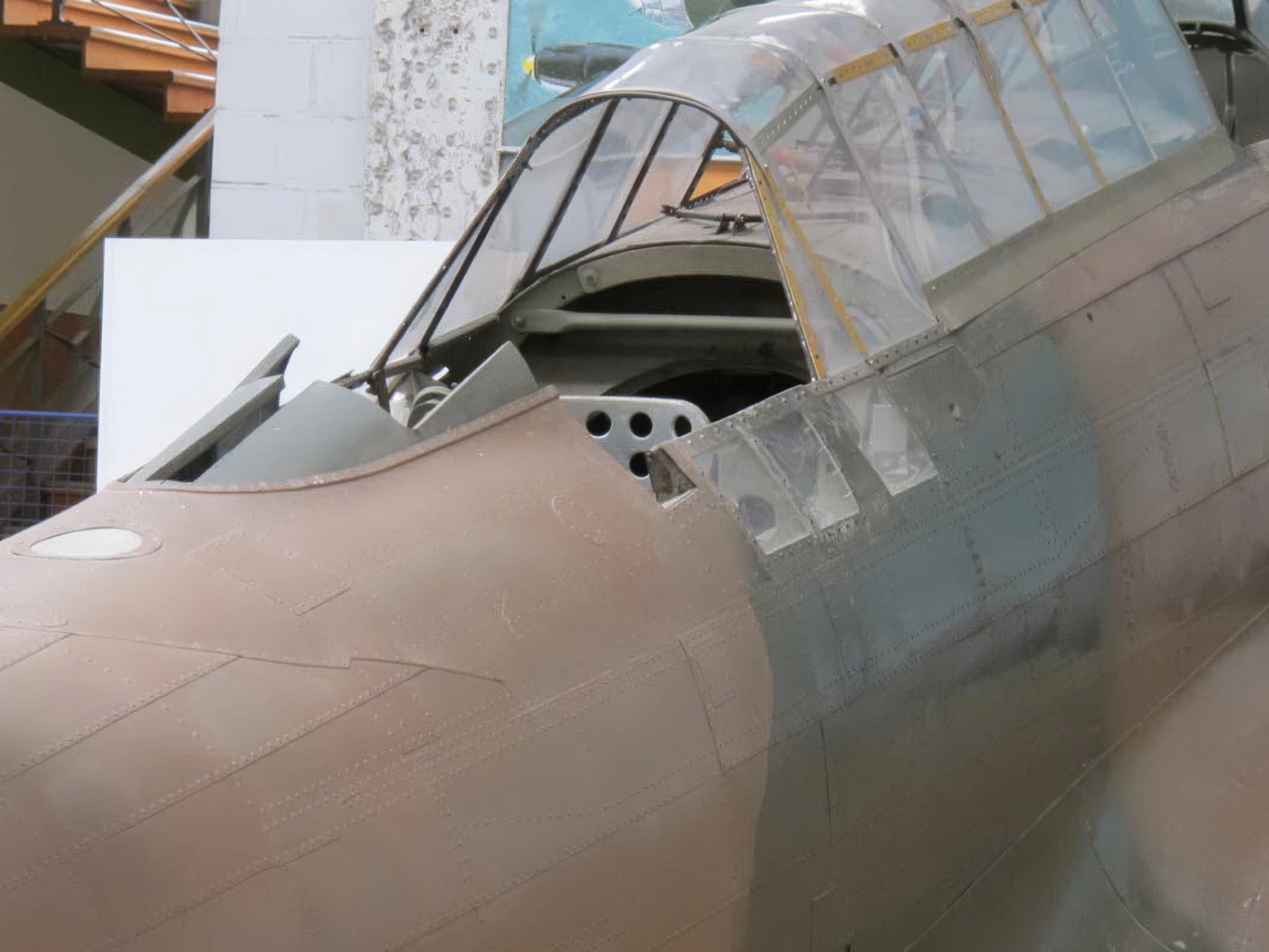
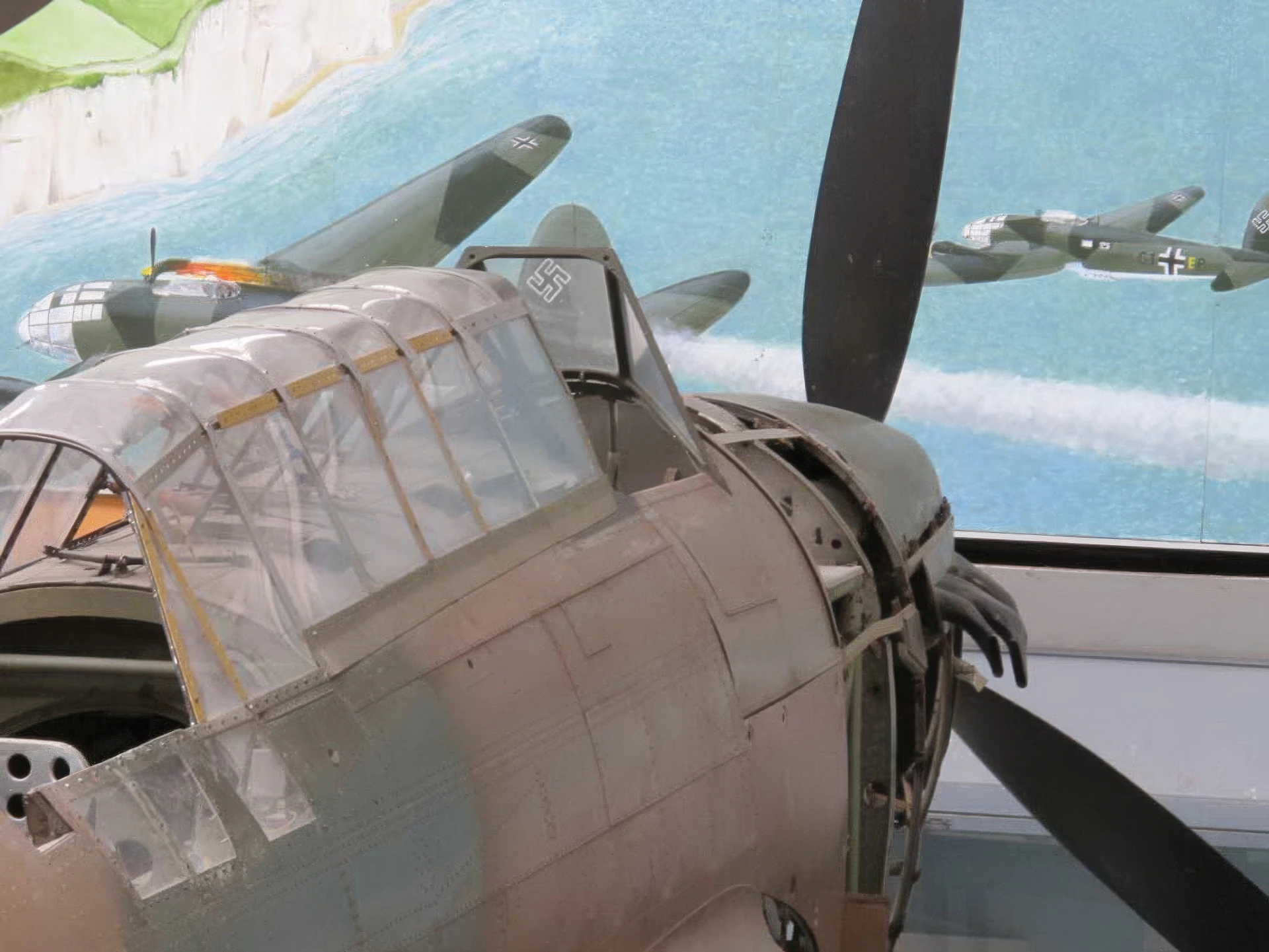
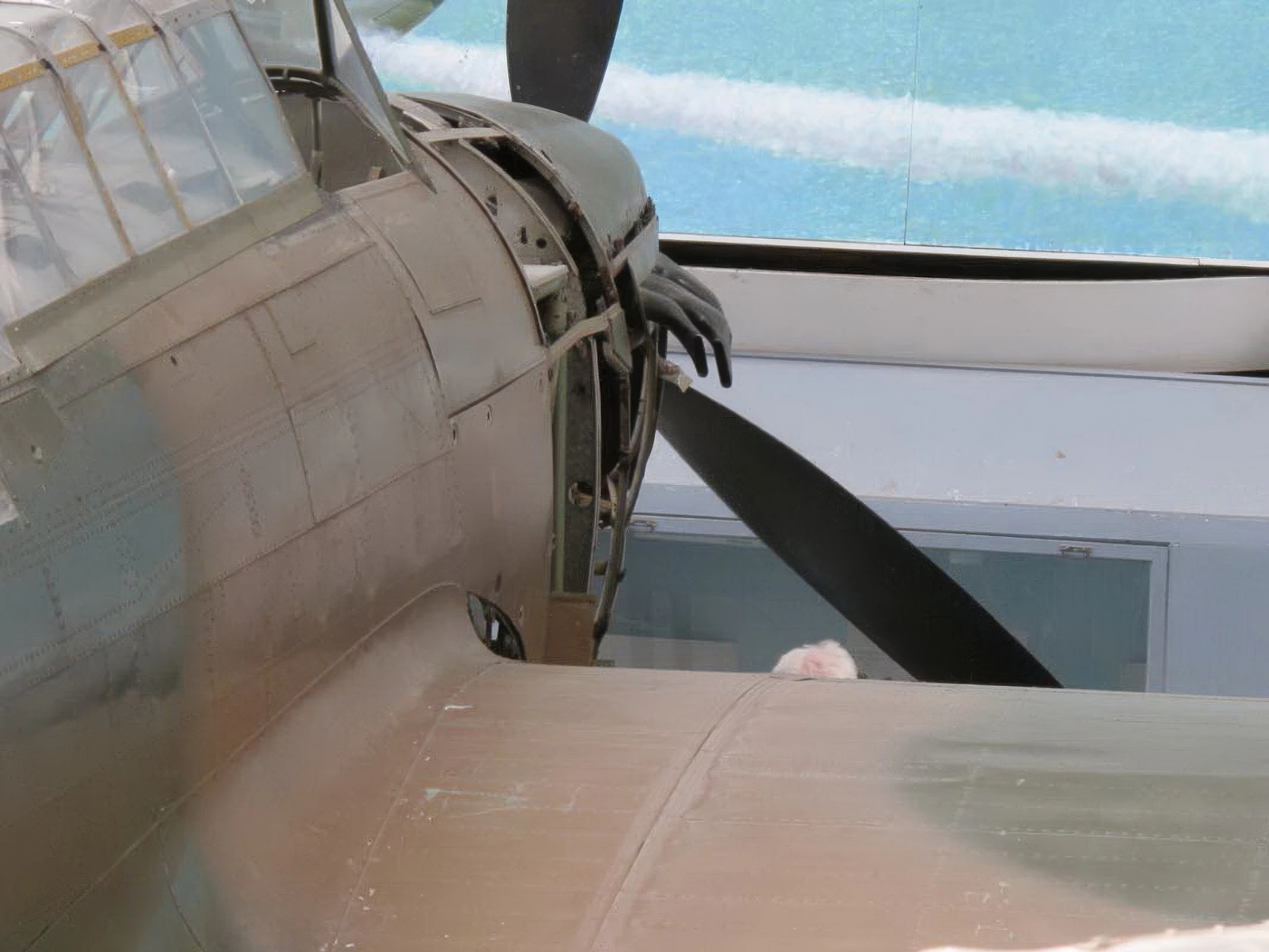
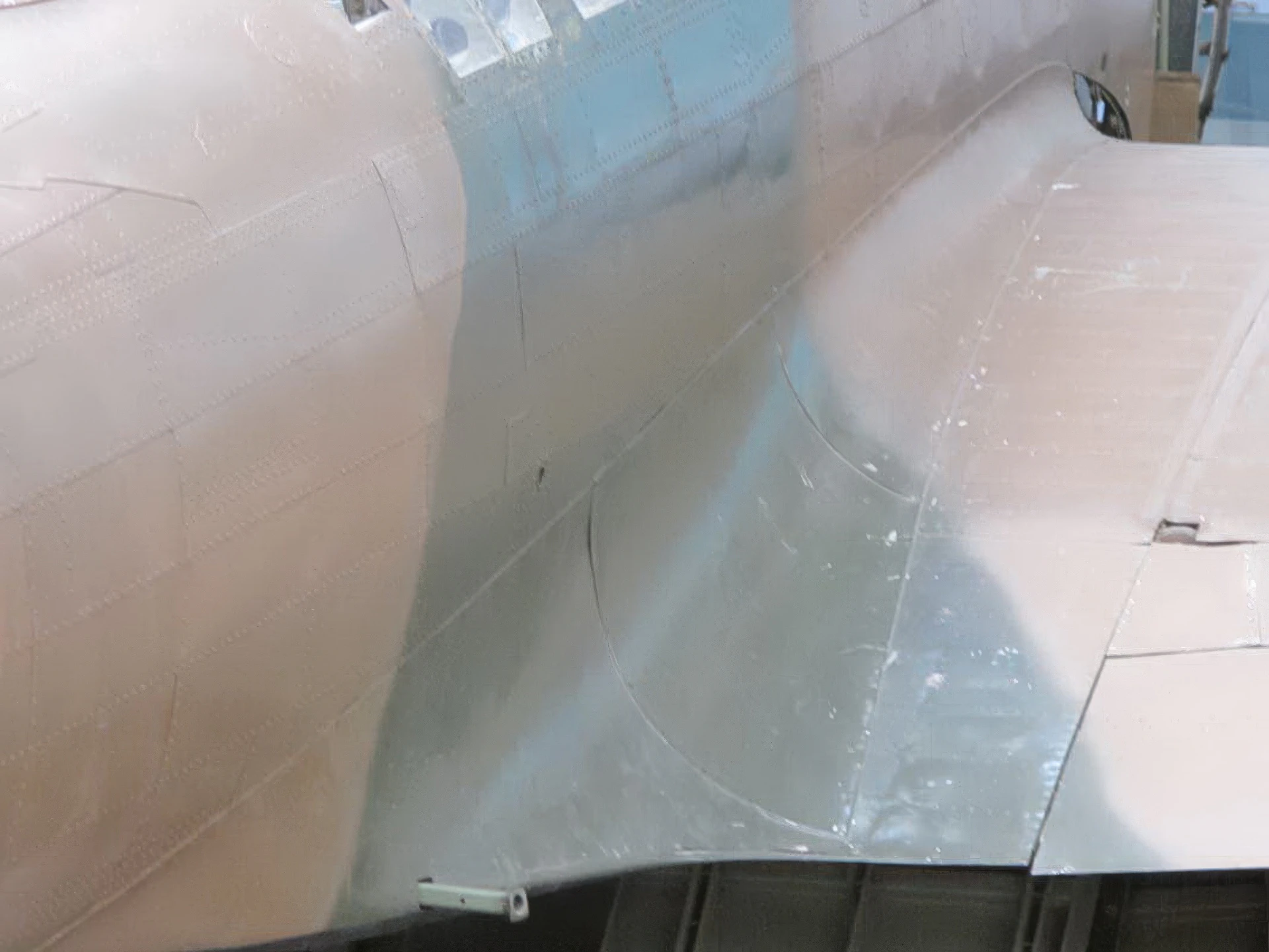
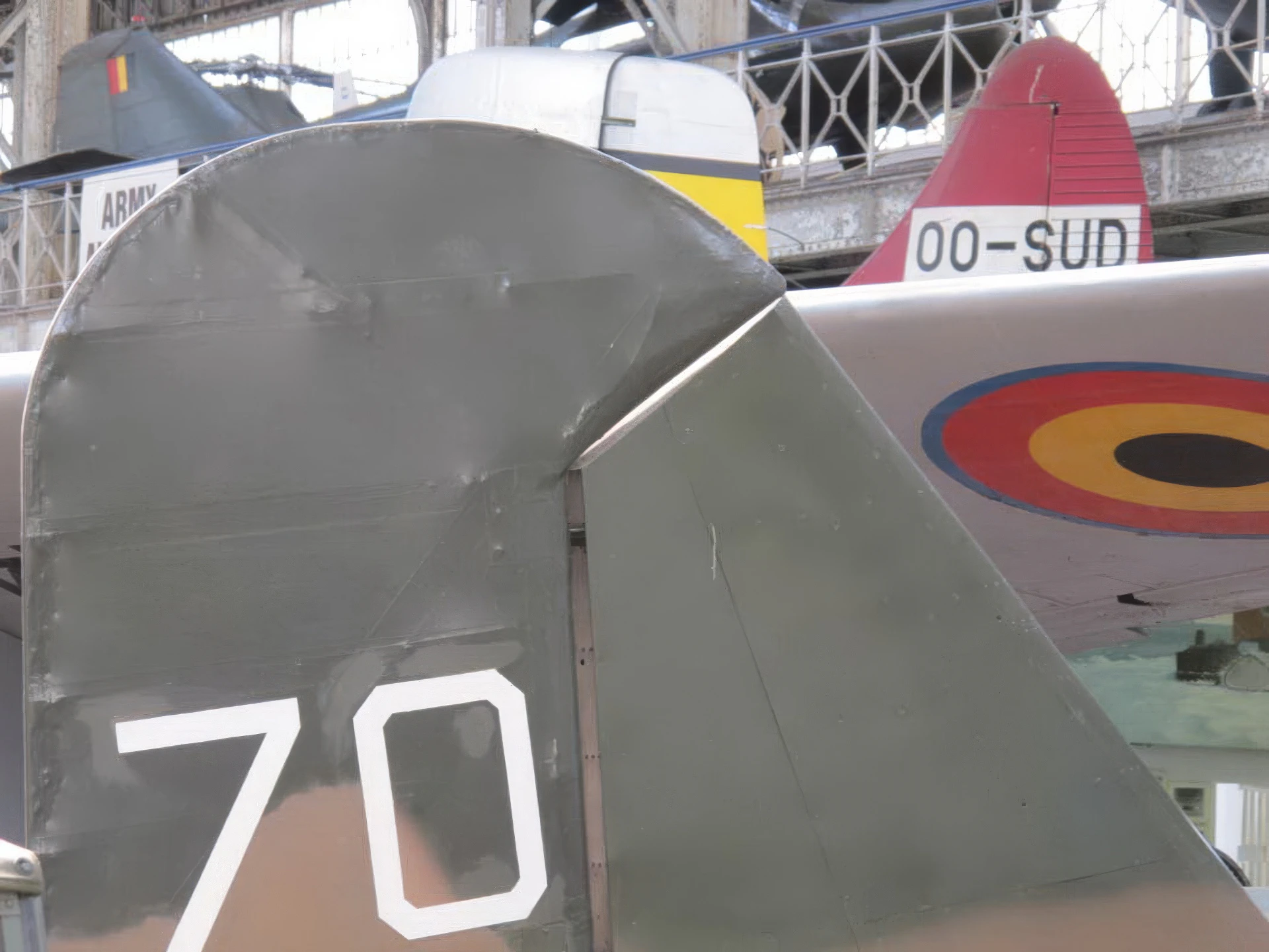

| Fairey Battle Walk Around | |
|---|---|
| Fotograf | Erwin de Swaef |
| Lokalizacja | Niewiedzy |
| Zdjęcia | 21 |
| Fairey Battle Walk Around | |
|---|---|
| Fotograf | Erwin de Swaef |
| Lokalizacja | Niewiedzy |
| Zdjęcia | 42 |
Zobacz też:


Tthe Bitwa Fairey was a British single-engine light bomber designed and manufactured by the Fairey Aviation Company in the mid-1930s. Intended to replace the RAF’s biplane bombers (like the Hawker Hart), it was a low-wing monoplane and the first operational aircraft to be powered by the renowned Rolls-Royce Merlin engine.
Design and Crew
- Appearance: The Battle had a clean, streamlined design, often mistaken for an oversized fighter. It was built using a light-alloy stressed-skin construction, which was modern for its time.
- Powerplant: It was powered by a single liquid-cooled Rolls-Royce Merlin I/II/III V12 piston engine (the same engine used in the Spitfire and Hurricane). However, being much heavier with a three-man crew and bomb load, it was significantly slower than its fighter counterparts.
- Załoga: A crew of three: Pilot, Observer/Navigator/Bomb Aimeri Radio Operator/Air Gunner, all seated in tandem under a continuous glass canopy.
- Uzbrojenie:
- One fixed forward-firing 0.303 in (7.7 mm) Browning machine gun in the starboard wing.
- One flexible 0.303 in (7.7 mm) Vickers K machine gun for the rear gunner.
- Bomb Load: Standard internal load of four 250 lb (110 kg) general-purpose bombs carried in cells within the wings, totaling 1,000 lb. Additional small bombs could be carried on under-wing racks.
Combat History and Obsolescence
Although highly advanced when first flown in 1936 and entering service in 1937, the rapid advancement of military aviation meant the Battle was operationally obsolete by the outbreak of World War II in 1939.
- Early Service: It scored the RAF’s first aerial victory of the war in September 1939.
- High Losses: W trakcie Battle of France (May 1940), Battle squadrons of the Advanced Air Striking Force (AASF) suffered catastrophic losses, frequently exceeding 50% per mission, due to being slow, having poor defensive armament, and lacking armor and self-sealing fuel tanks. This vulnerability earned it the grim nickname “Flying Coffin.”
- Relegation: By late 1940, the Battle was withdrawn from front-line bomber duties. The majority of the aircraft were subsequently relegated to secondary roles, primarily as trainers I target tugs (Battle TT), especially under the British Commonwealth Air Training Plan in Canada, Australia, and South Africa, where it served usefully for the remainder of the war.
Key Specifications (Battle Mk I)
| Characteristic | Wartość |
|---|---|
| Silnika | Rolls-Royce Merlin I, II, or III |
| Max Speed | Approx. 257 mph (414 km/h) at altitude |
| Zakres | Approx. 1,000 miles (1,600 km) |
| Rozpiętość | 54 ft 0 in (16.46 m) |
| Długość | 42 ft 4 in (12.90 m) |
Liczba wyświetleń : 4863
Możesz również zobaczyć:
 Vought F7U Cutlass – Zdjęcia & Filmy
 EmSuper Tucanobraer EMB 314 – Zdjęcia i filmy
 Boeing 80 – zdjęcia i filmy
 Lockheed C-5 Galaxy – Zdjęcia i filmy
 Canadair CF-104 Starfighter – Zdjęcia i filmy
 S.XIII – Zdjęcia i filmy
 Lockheed P-38 Lightning – Zdjęcia & Wideo
 A-7B Corsair II – WalkAround
 Lockheed F-22A Raptor – Zdjęcia & Wideo
 Suchoj Su-27 – WalkAround