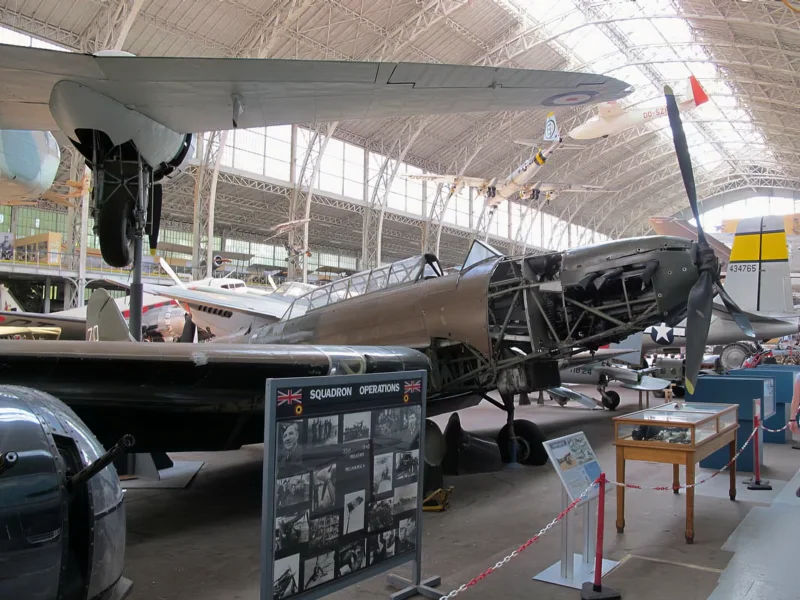
Fairey Battle | |
|---|---|
| Ország | Egyesült Királyság |
| Szerepet | Könnyű bombázó |
| Első repülés | 10 March 1936 |
| Beépített | 2201 |
A Fairey csata was a British single-engine light bomber designed and manufactured by the Fairey Aviation Company. It was developed during the mid-1930s for the Royal Air Force (RAF) as a monoplane successor to the earlier Hawker Hart and Hind biplanes. The Battle was powered by the same high-performance Rolls-Royce Merlin piston engine that powered various contemporary British fighters. However the Battle was significantly heavier, with its three-man crew and bomb load. Though a great improvement over the aircraft that preceded it, the Battle was relatively slow and limited in range. With only two .303 in machine guns as defensive armament, it was found to be highly vulnerable to enemy fighters and anti-aircraft fire.
Forrás: Fairey csata a Wikipédián
| Fairey Battle | |
|---|---|
| Fotós | Ismeretlen |
| Lokalizáció | Ismeretlen |
| Fénykép | 61 |
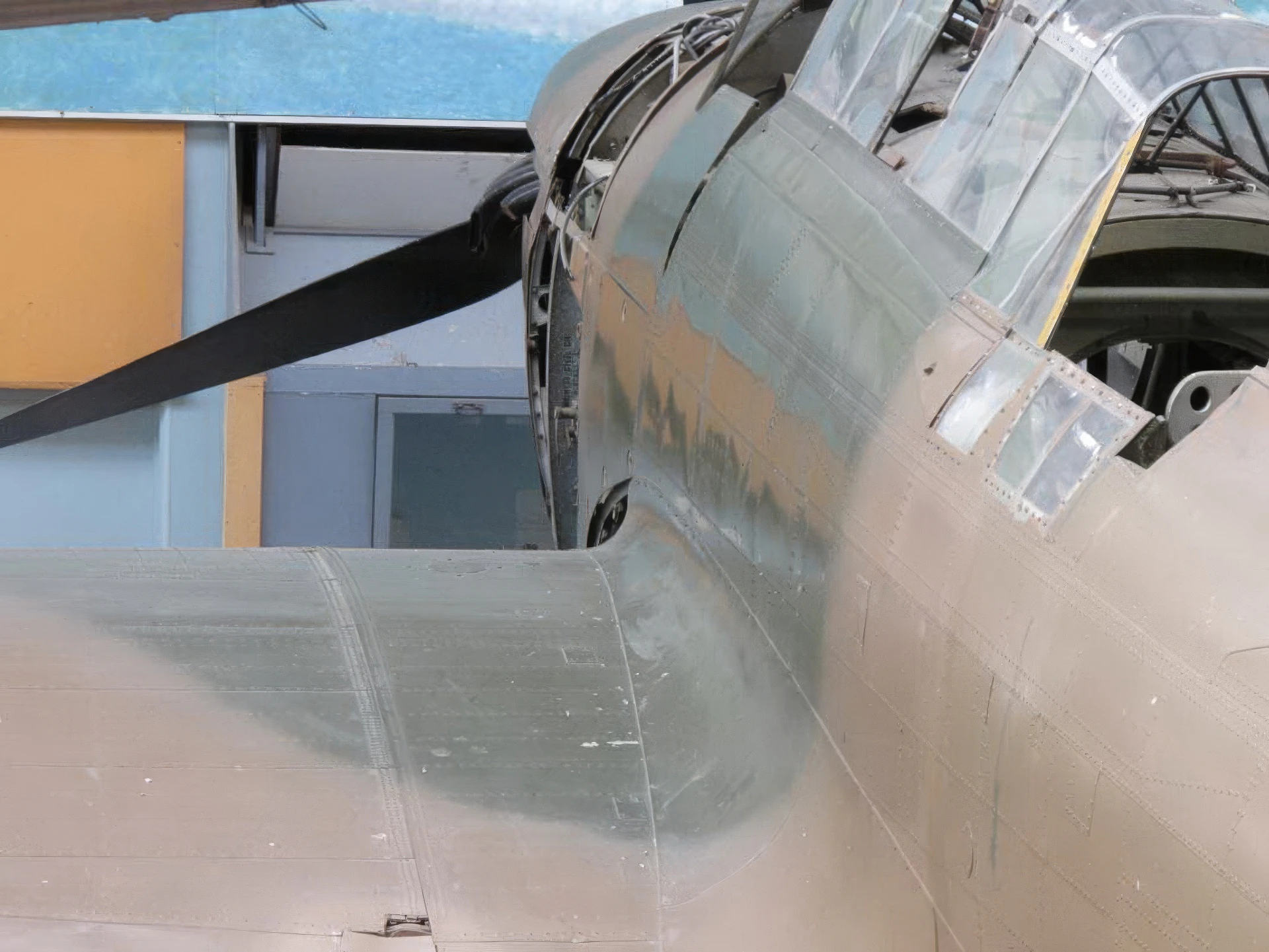
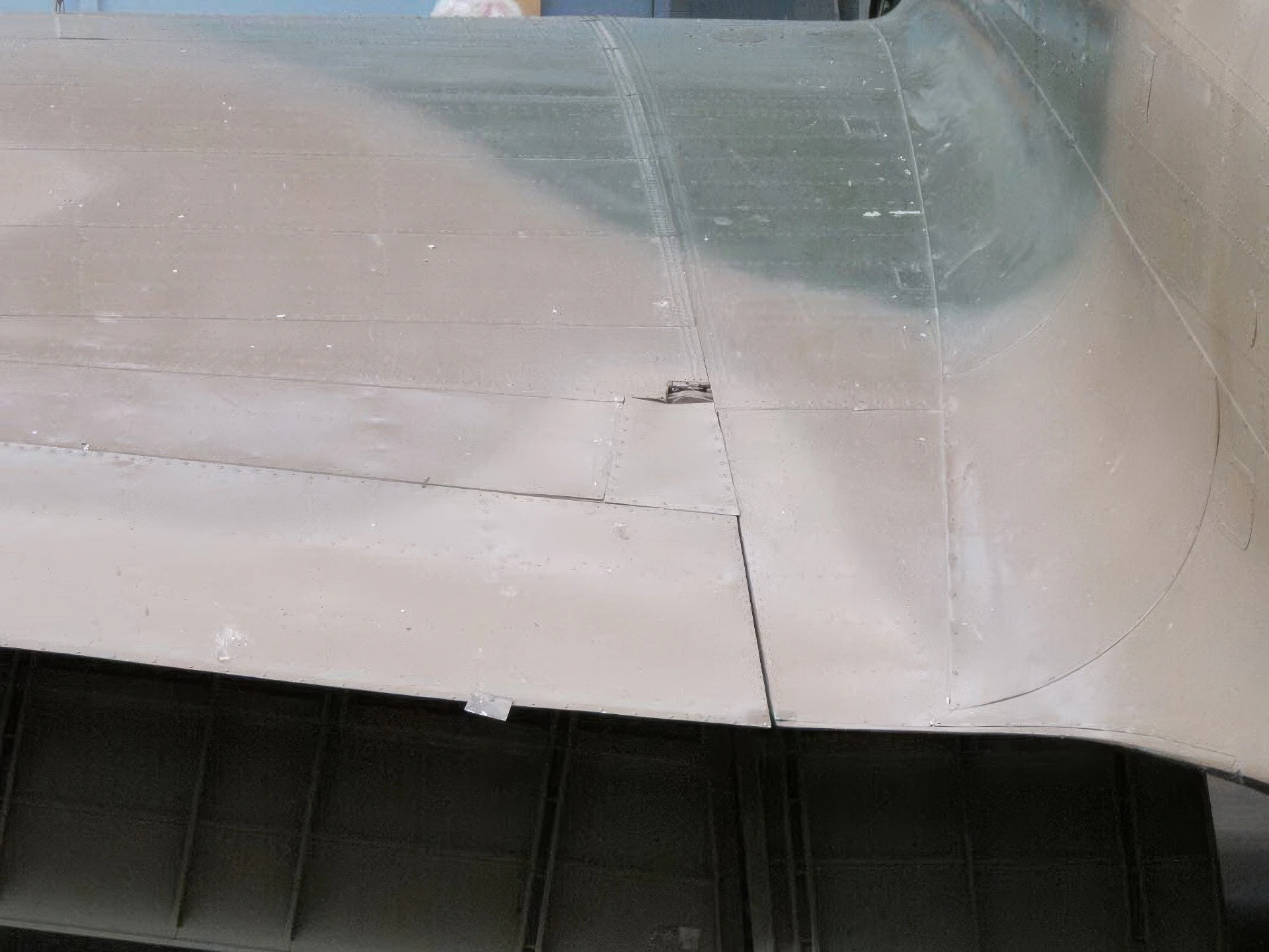
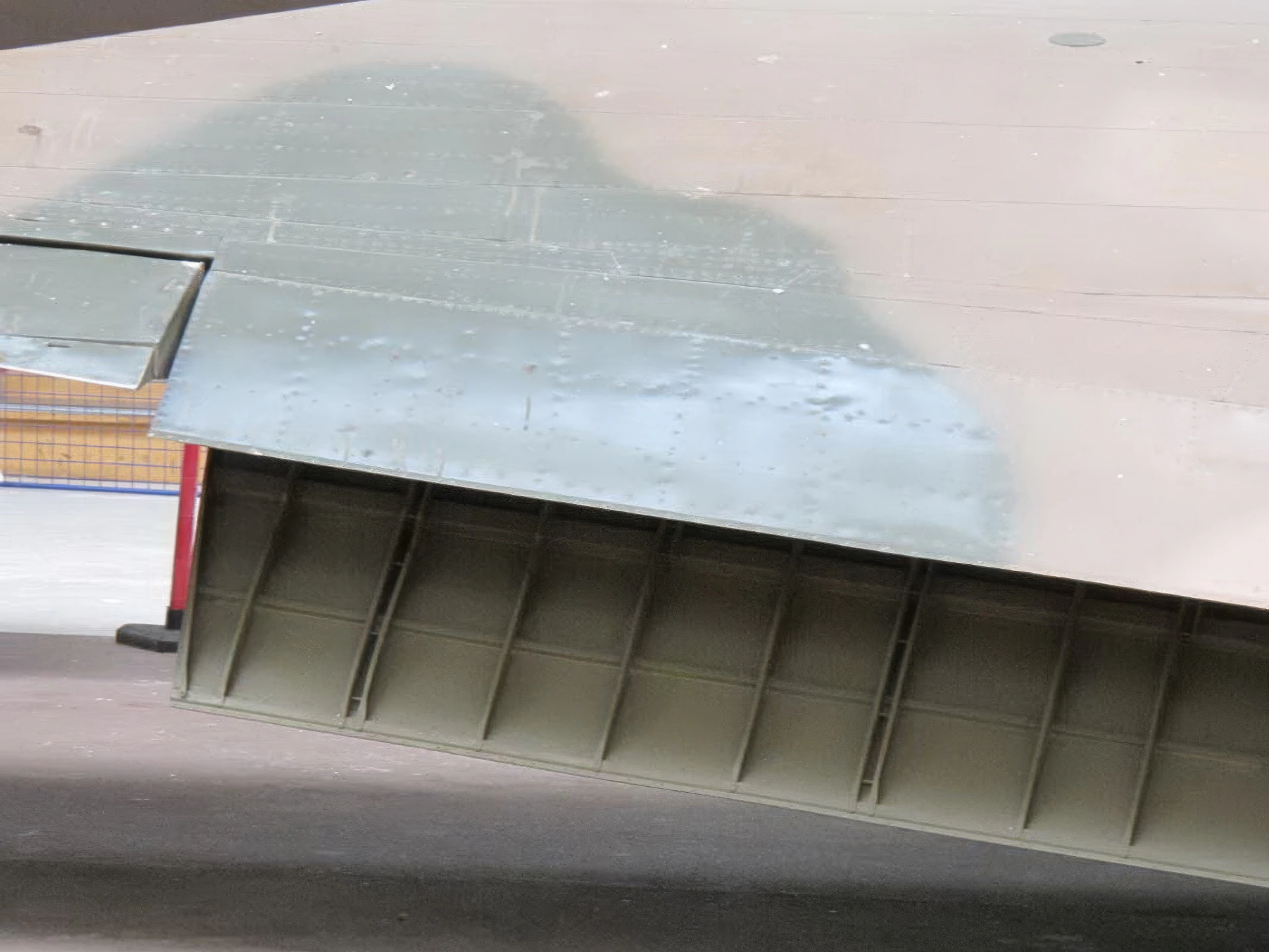
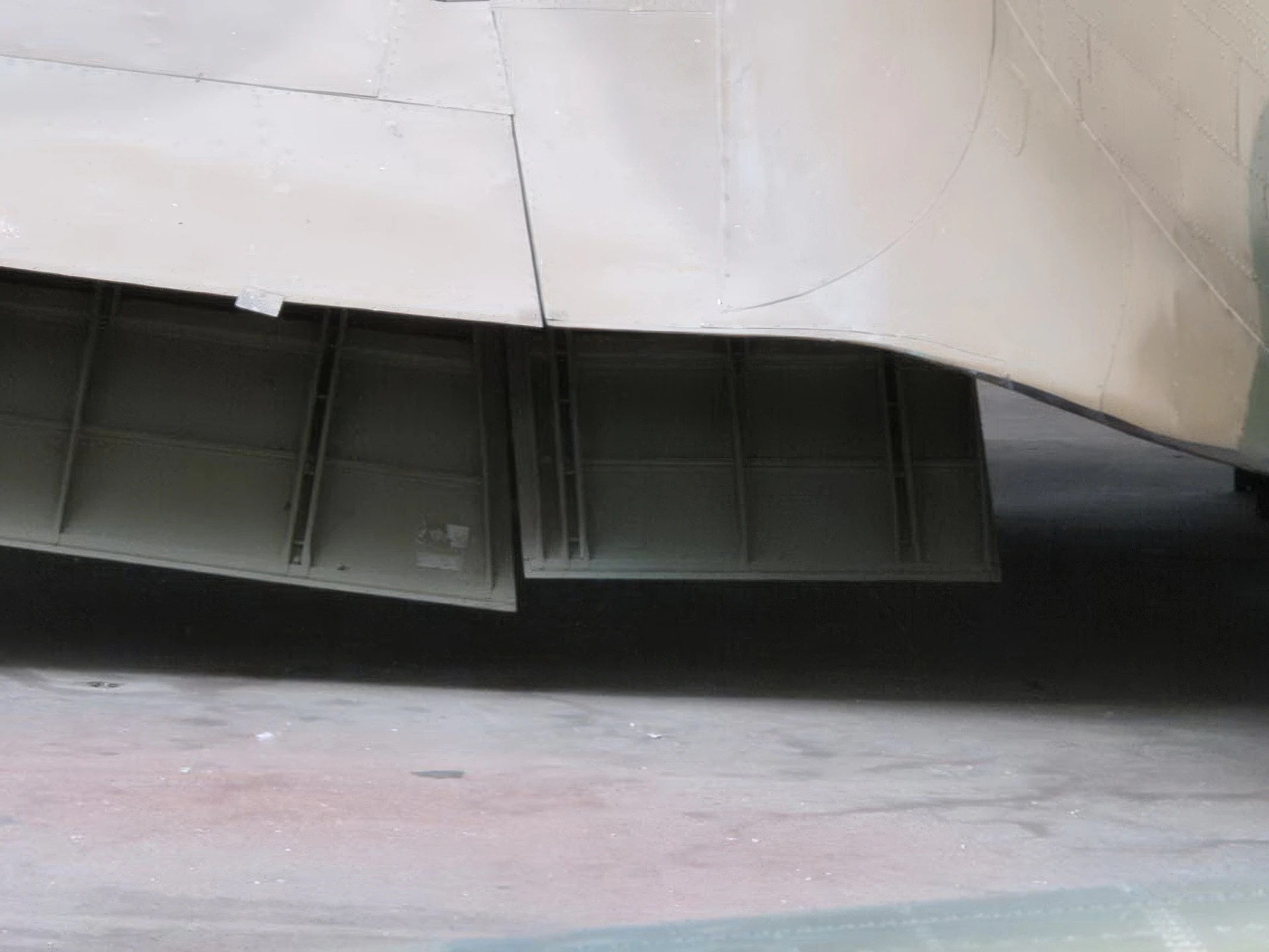
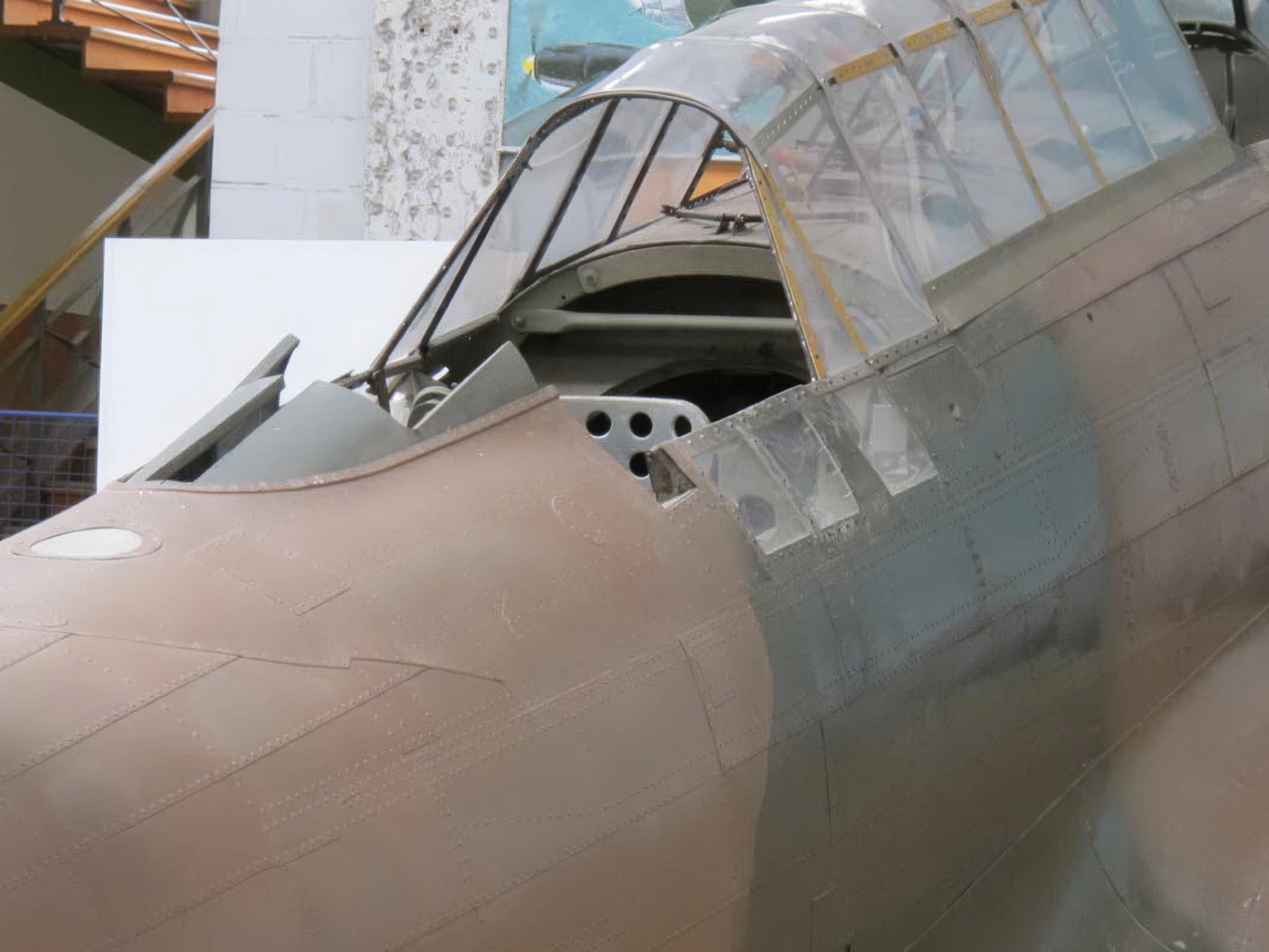
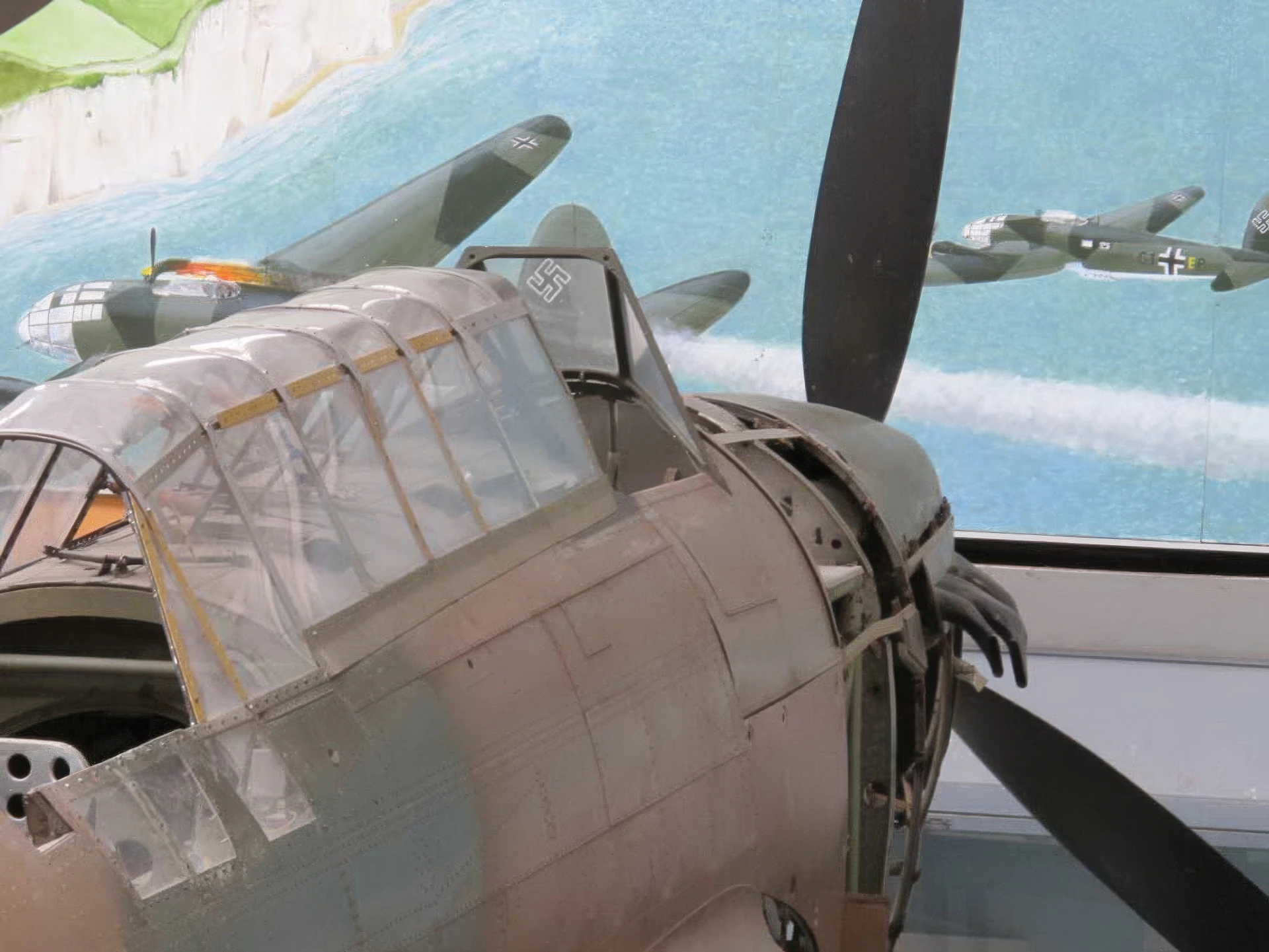
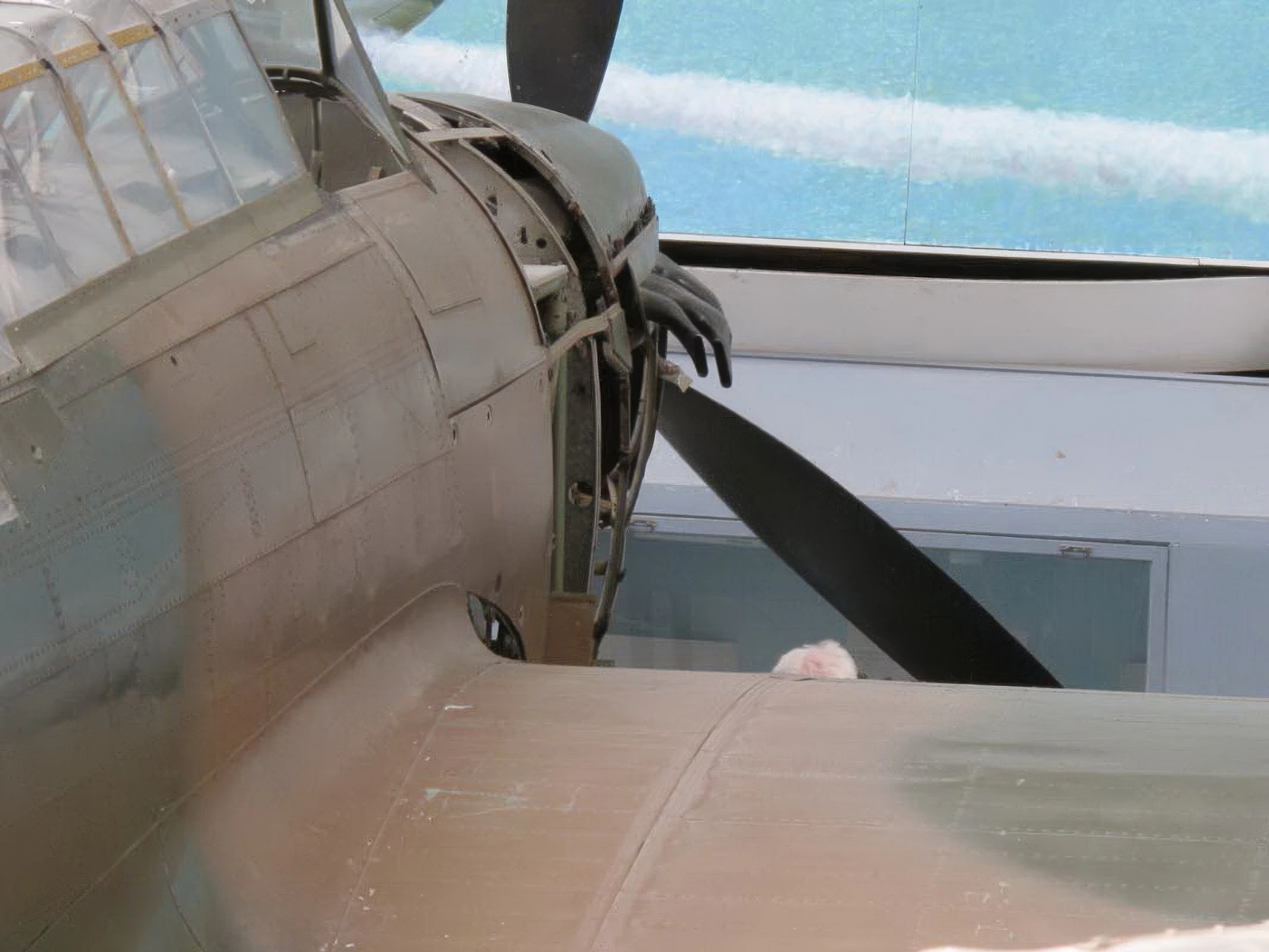
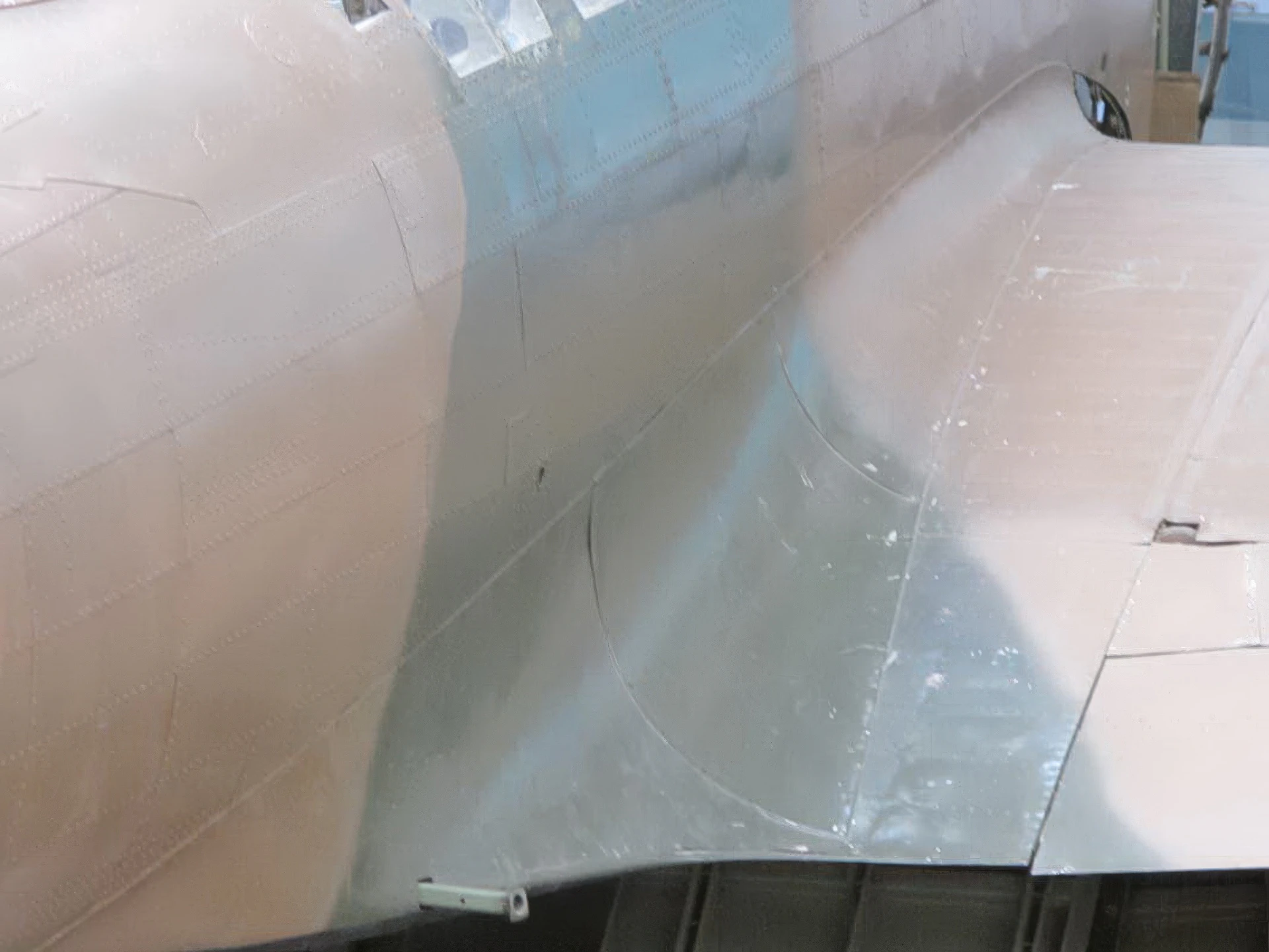
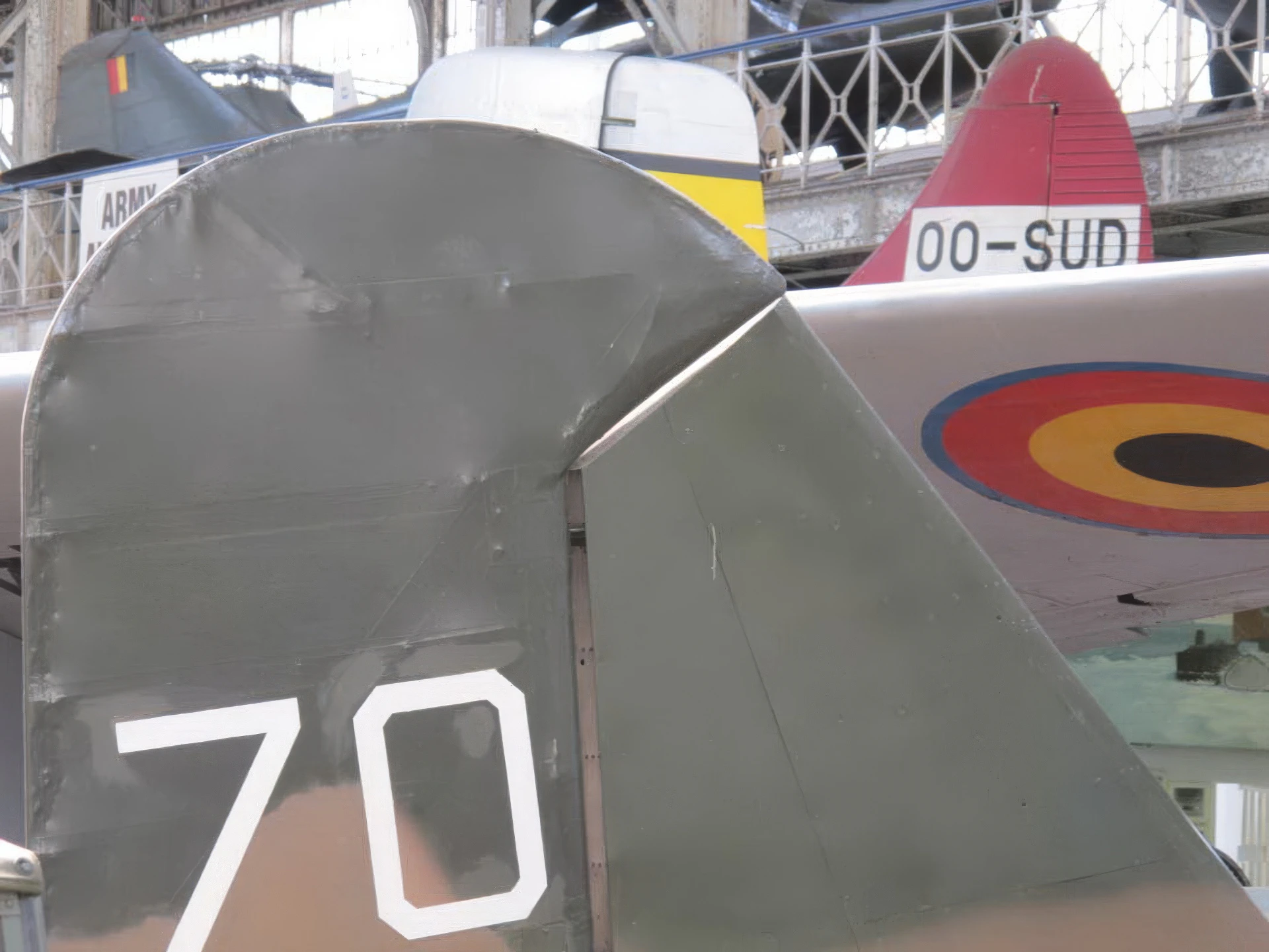

| Fairey Battle Walk Around | |
|---|---|
| Fotós | Erwin de Swaef |
| Lokalizáció | Ismeretlen |
| Fénykép | 21 |
| Fairey Battle Walk Around | |
|---|---|
| Fotós | Erwin de Swaef |
| Lokalizáció | Ismeretlen |
| Fénykép | 42 |
Lásd még:


A Fairey csata was a British single-engine light bomber designed and manufactured by the Fairey Aviation Company in the mid-1930s. Intended to replace the RAF’s biplane bombers (like the Hawker Hart), it was a low-wing monoplane and the first operational aircraft to be powered by the renowned Rolls-Royce Merlin engine.
Design and Crew
- Appearance: The Battle had a clean, streamlined design, often mistaken for an oversized fighter. It was built using a light-alloy stressed-skin construction, which was modern for its time.
- Powerplant: It was powered by a single liquid-cooled Rolls-Royce Merlin I/II/III V12 piston engine (the same engine used in the Spitfire and Hurricane). However, being much heavier with a three-man crew and bomb load, it was significantly slower than its fighter counterparts.
- Legénység: A crew of three: Pilot, Observer/Navigator/Bomb Aimerés Radio Operator/Air Gunner, all seated in tandem under a continuous glass canopy.
- Fegyverzet:
- One fixed forward-firing 0.303 in (7.7 mm) Browning machine gun in the starboard wing.
- One flexible 0.303 in (7.7 mm) Vickers K machine gun for the rear gunner.
- Bomb Load: Standard internal load of four 250 lb (110 kg) general-purpose bombs carried in cells within the wings, totaling 1,000 lb. Additional small bombs could be carried on under-wing racks.
Combat History and Obsolescence
Although highly advanced when first flown in 1936 and entering service in 1937, the rapid advancement of military aviation meant the Battle was operationally obsolete by the outbreak of World War II in 1939.
- Early Service: It scored the RAF’s first aerial victory of the war in September 1939.
- High Losses: A Battle of France (May 1940), Battle squadrons of the Advanced Air Striking Force (AASF) suffered catastrophic losses, frequently exceeding 50% per mission, due to being slow, having poor defensive armament, and lacking armor and self-sealing fuel tanks. This vulnerability earned it the grim nickname “Flying Coffin.”
- Relegation: By late 1940, the Battle was withdrawn from front-line bomber duties. The majority of the aircraft were subsequently relegated to secondary roles, primarily as trainers És target tugs (Battle TT), especially under the British Commonwealth Air Training Plan in Canada, Australia, and South Africa, where it served usefully for the remainder of the war.
Key Specifications (Battle Mk I)
| Characteristic | Value |
|---|---|
| Motor | Rolls-Royce Merlin I, II, or III |
| Max Speed | Approx. 257 mph (414 km/h) at altitude |
| Tartomány | Approx. 1,000 miles (1,600 km) |
| Szárnyfesztávolsága | 54 ft 0 in (16.46 m) |
| Hossza | 42 ft 4 in (12.90 m) |
Views : 4843
Láthatjuk azt is:
 Vought F7U Cutlass – Fotók és videók
 EmSuper Tucanobraer EMB 314 - Fotók és videók
 Boeing 80 – Fotók és videók
 Lockheed C-5 Galaxy – Fotók és videók
 Canadair CF-104 Starfighter – Fotók & Videók
 SPAD S.XIII – Fotók és videók
 Lockheed P-38 Lightning – Fotók & videó
 A-7B Corsair II – WalkAround
 Lockheed F-22A Raptor – Fotók & videó
 Szuhoj Szu-27 – SétaAround