Tiger I - Sdkfz.181 | |
|---|---|
| Pays | Germany |
| Type | Car |
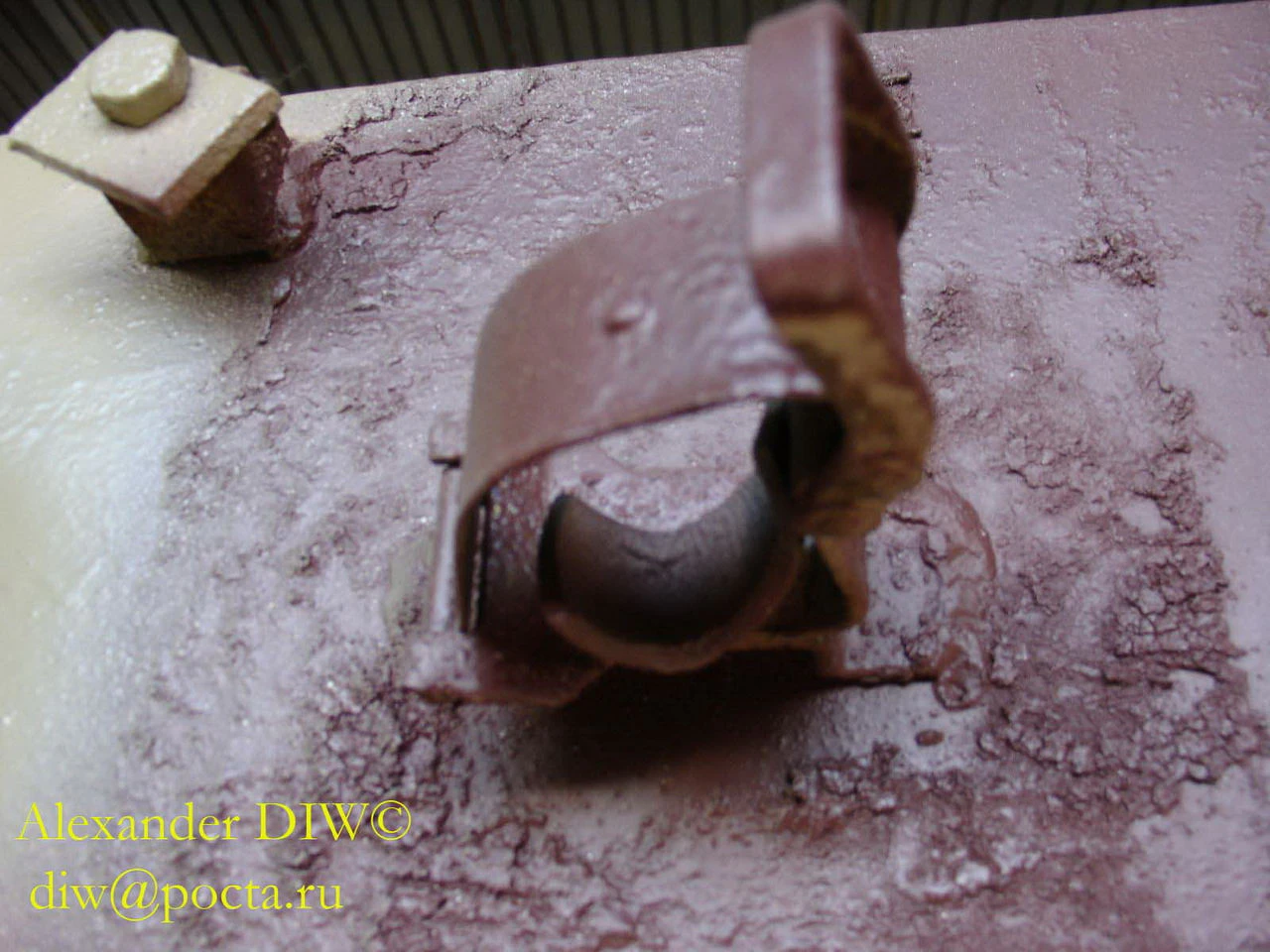
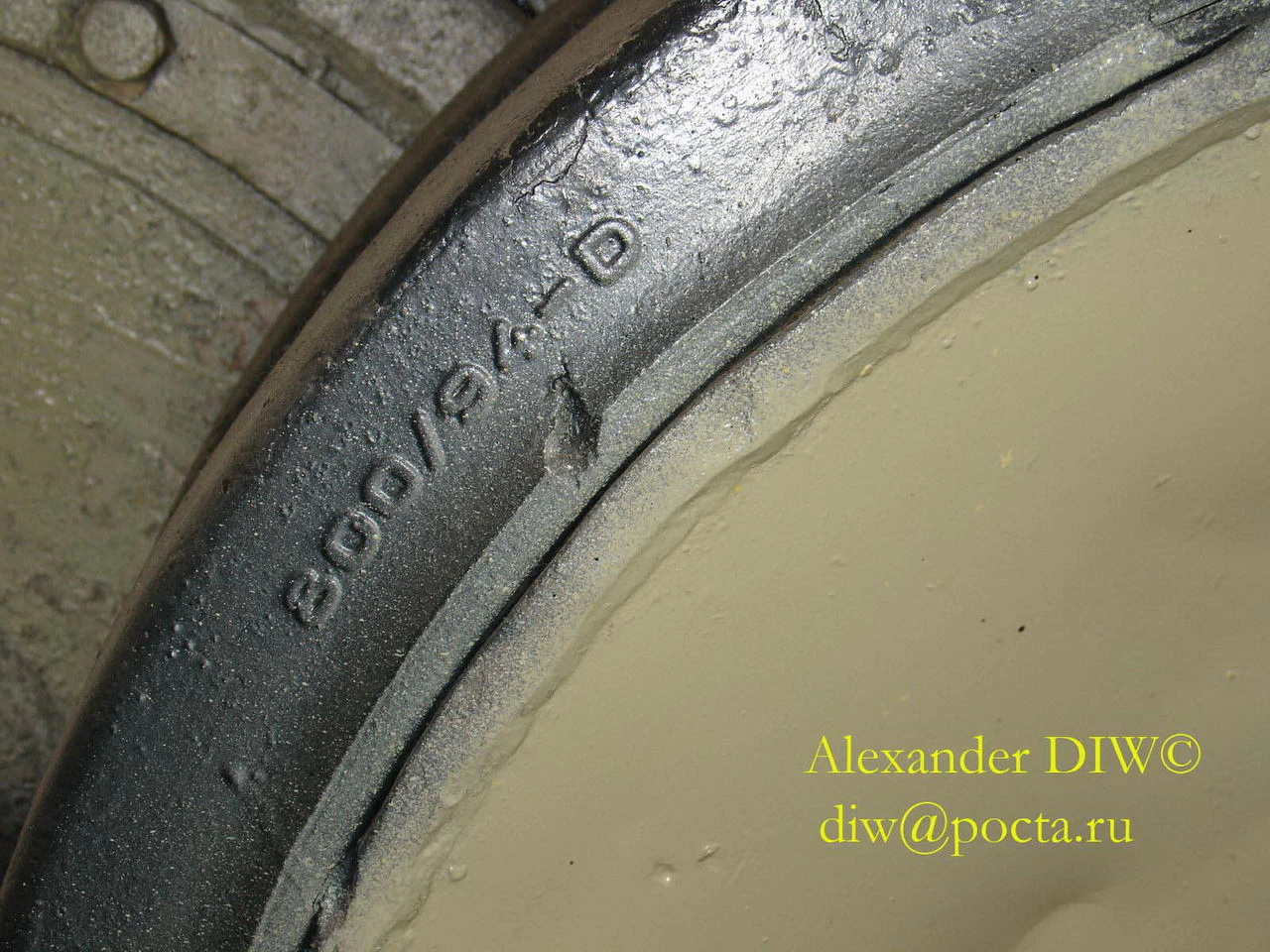
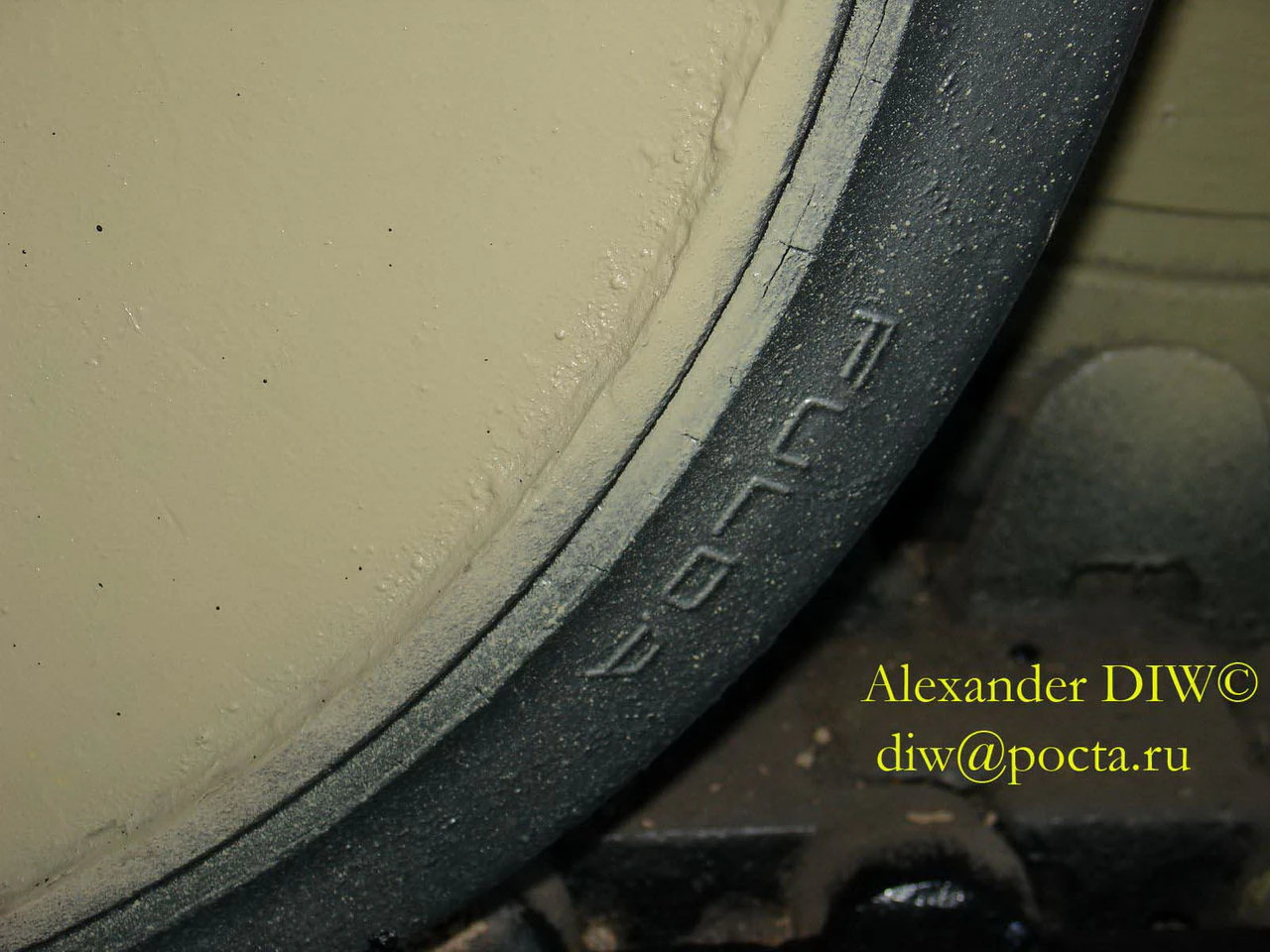
| Description | Album de 51 walk-around photos of the tiger tank Tiger I - Sdkfz.181 |
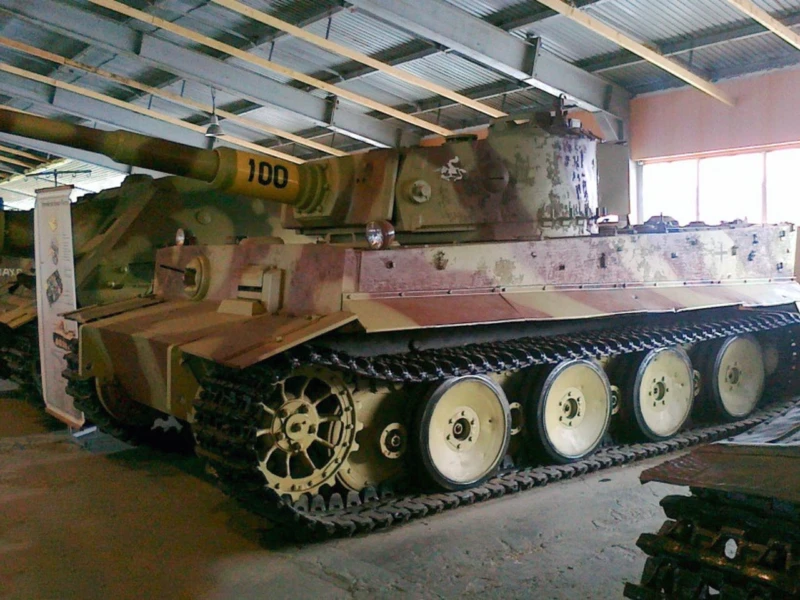
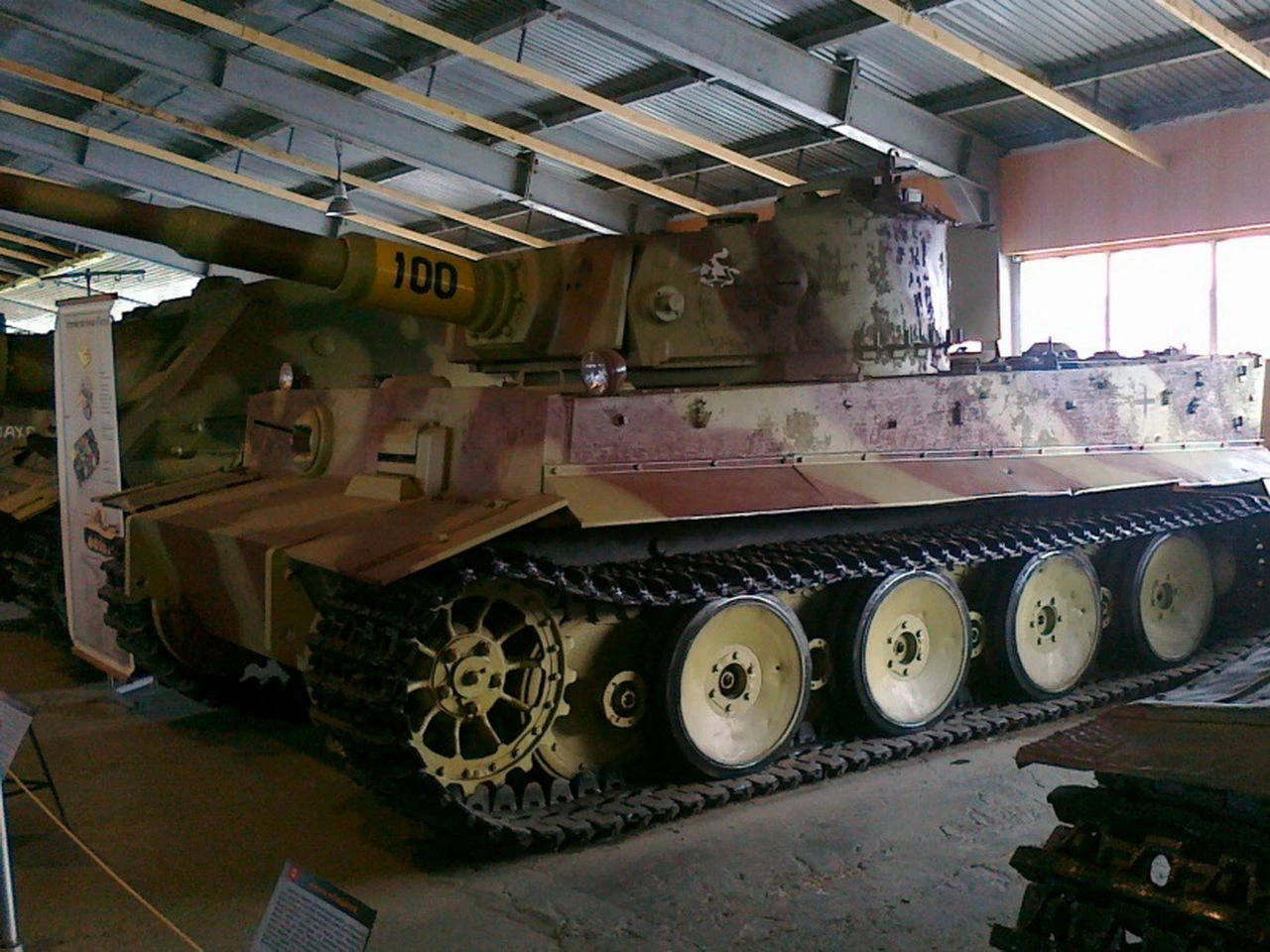
Le Tiger I (Tigre), abréviation de Panzerkampfwagen VI Tiger Ausführung E – Sonderkraftfahrzeug 181, char d’assaut lourd allemand en service de 1942 à 1945, est l’un des chars les plus connus de la Seconde Guerre mondiale, bien qu’il n’ait été que peu produit par rapport au T-34 soviétique ou au Sherman américain. Ce sont ses dimensions, ses lignes très carrées, sa résistance au combat, sa puissance ainsi que les équipages expérimentés l’ayant mené au feu qui ont marqué les esprits, notamment du fait de la propagande allemande. Son développement a commencé en 1937 et, quand il apparaît pour la première fois sur le front, le 29 août 1942, près de Léningrad, le Tigre I est le char techniquement le plus avancé, le mieux protégé et le plus puissant aligné par l’Axe, affichant une mobilité limitée mais exceptionnelle pour un engin qui fait plus de deux fois le poids de ses prédécesseurs et de la majorité de ses adversaires chenillés. Mais le char lourd, outre de sa production faible, a pâti tout au long de sa carrière de sa mécanique très fragile réduisant considérablement sa disponibilité au feu, et qui, avec sa faible autonomie et son poids excessif, compliquait sa mise en œuvre opérationnelle. Construit à seulement 1 350 exemplaires, il n’a été que rarement endivisionné mais plutôt engagé dans des unités indépendantes.
Source: wikipedia
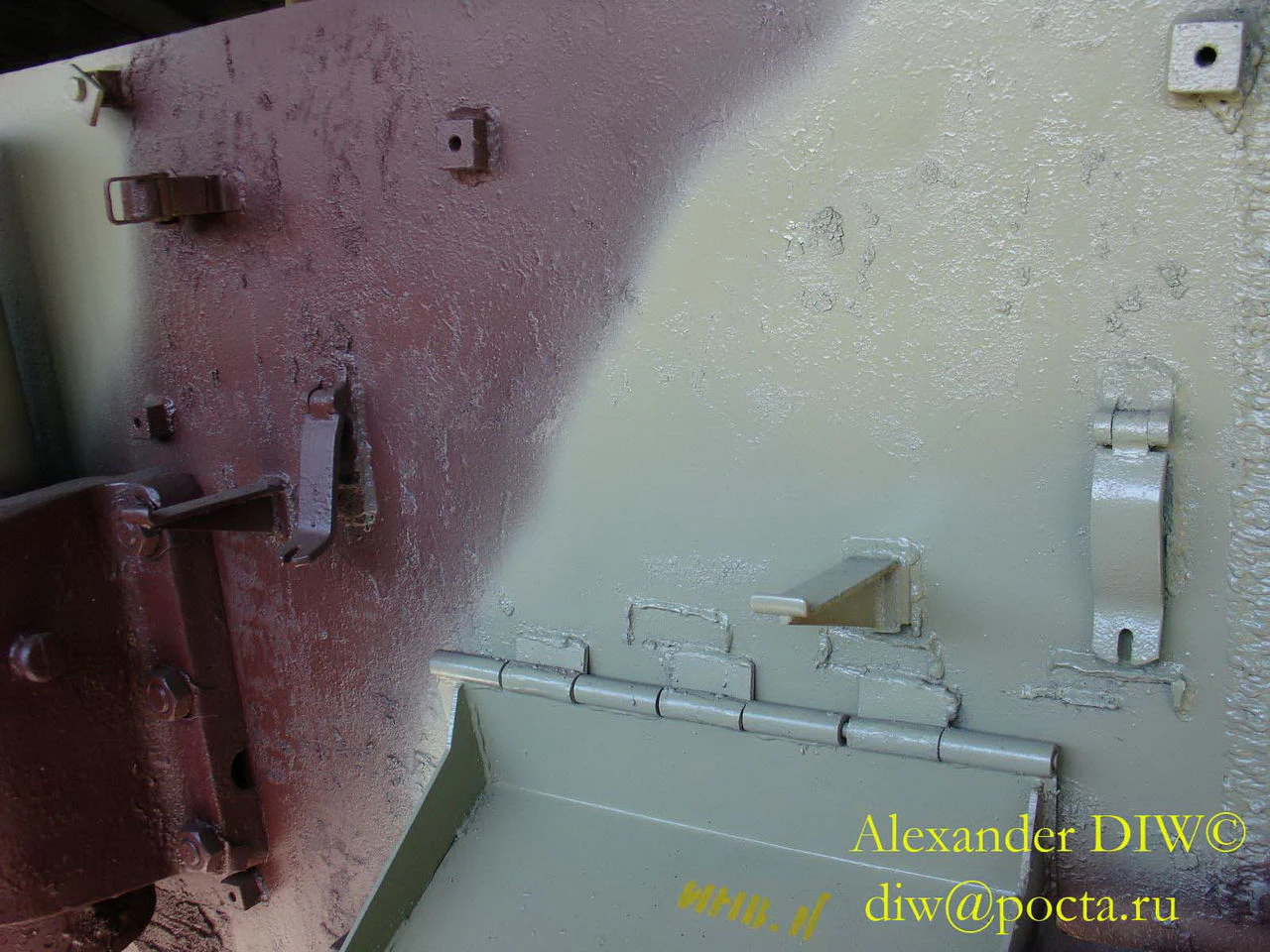
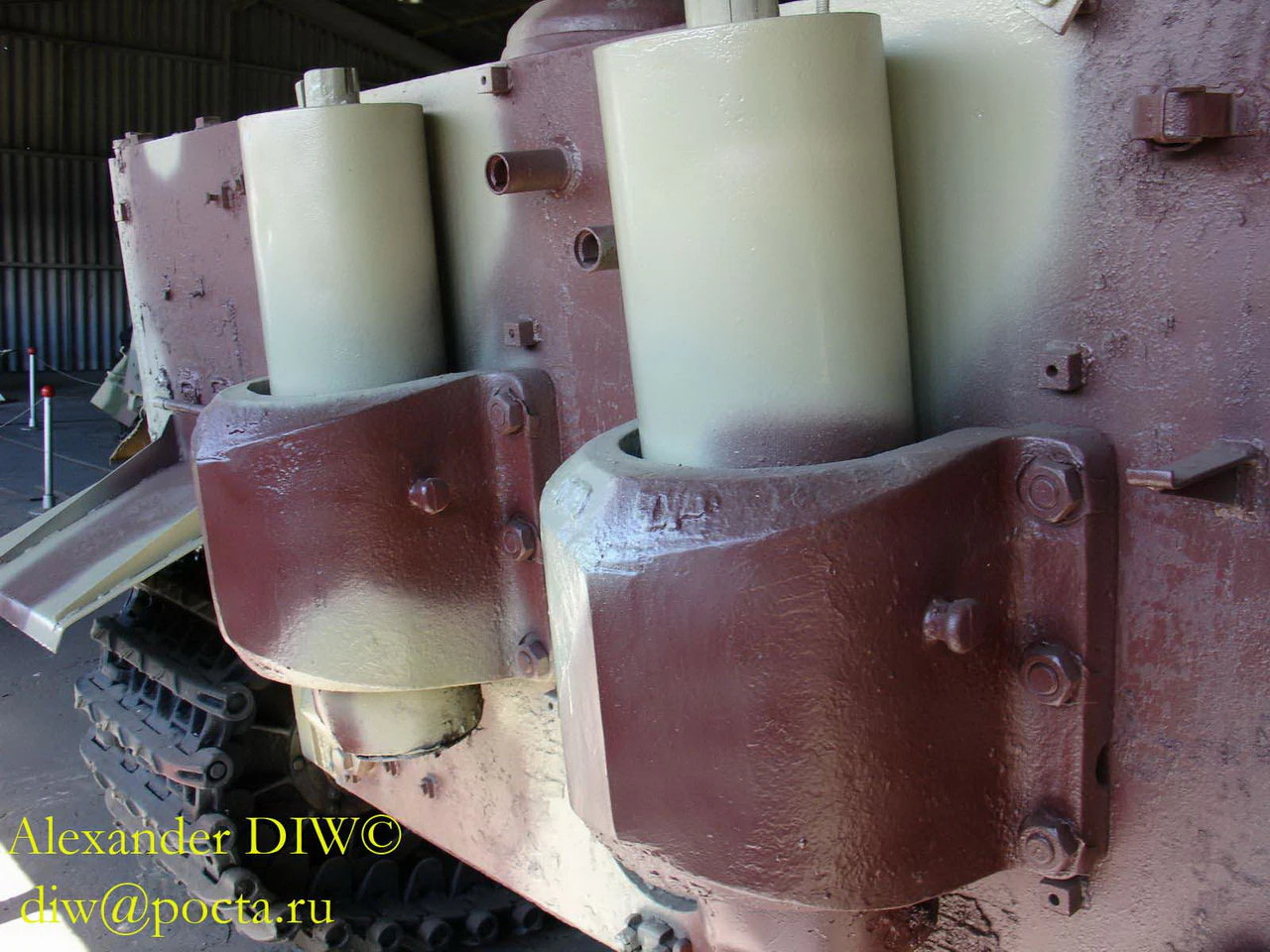
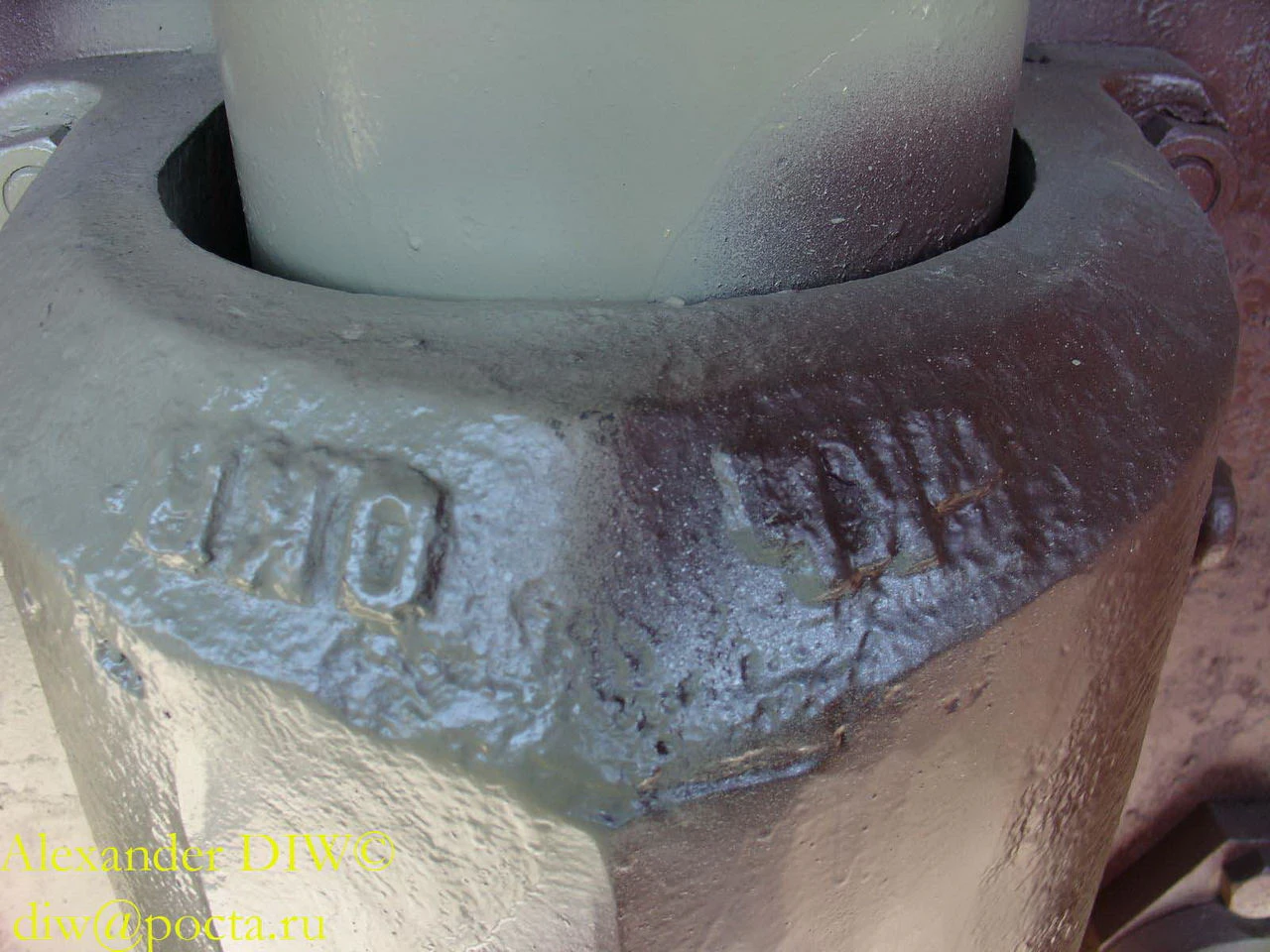
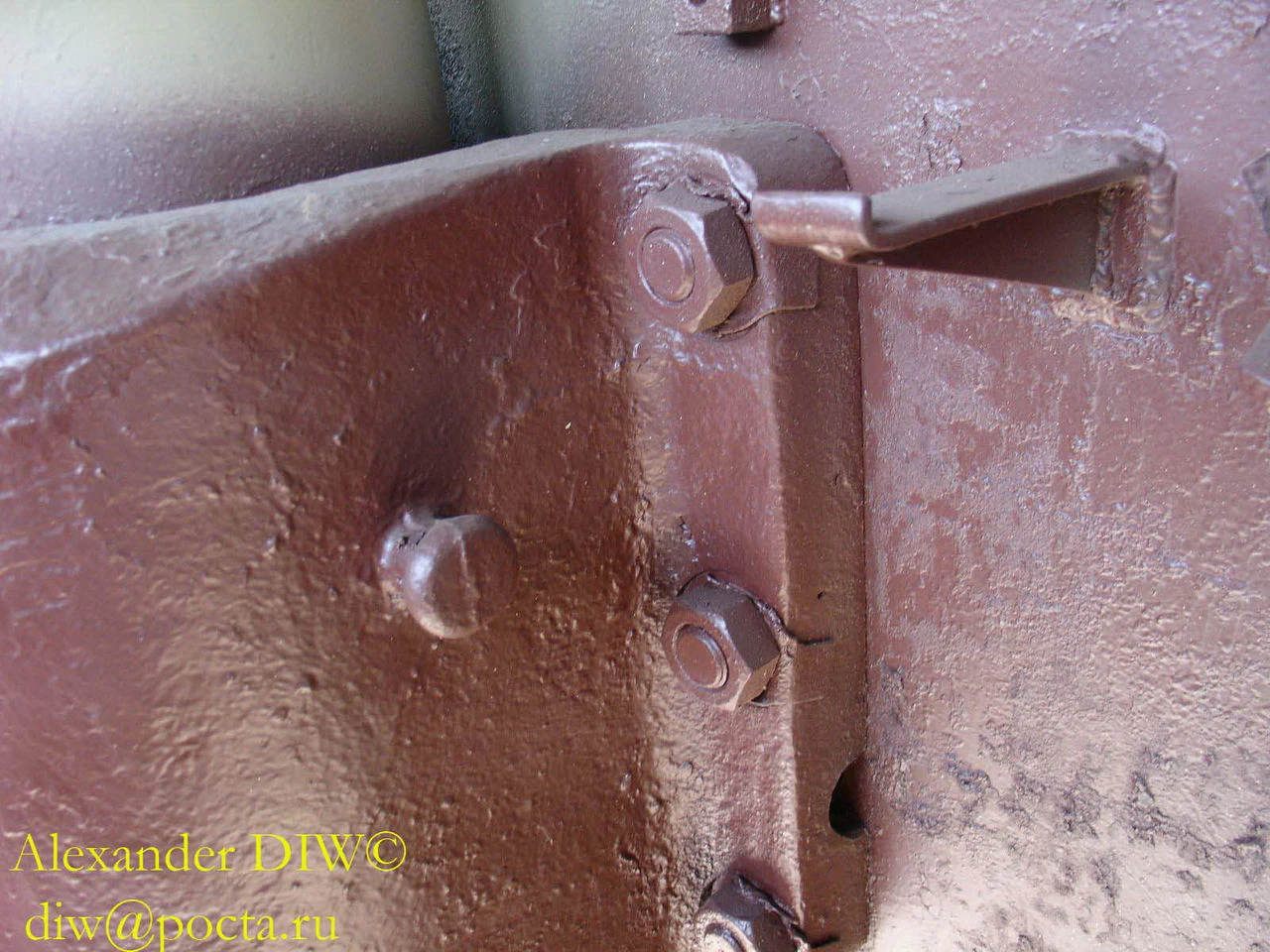

See also:


The Dreaded Heavyweight of the Panzerwaffe
The Panzerkampfwagen VI Tiger Ausf. E, globally immortalized simply as the Tiger I, was arguably the most psychologically terrifying armored fighting vehicle of World War II. Rushed into production in 1942 to counter the unexpected appearance of heavily armored Soviet T-34 and KV-1 tanks, Henschel’s massive design abandoned traditional mobility in favor of raw, overwhelming firepower and nearly impenetrable frontal protection. For a distinct period in the middle of the war, the Tiger I outclassed every single Allied tank in existence. Its terrifying reputation created “Tiger Phobia,” where Allied tank crews routinely misidentified standard, smaller German Panzer IV tanks as Tigers, throwing tactical formations into panic. However, its unmatched battlefield performance came at a ruinous cost; the Tiger was a mechanical nightmare to manufacture, severely over-engineered, and prone to catastrophic breakdown if stripped of constant, intensive maintenance.
| Attribute | Technical Specification (Tiger I Ausf. E Mid-to-Late Production) |
|---|---|
| Role | Heavy Breakthrough Tank (Schwerer Panzer) |
| Crew | 5 (Commander, Gunner, Loader, Driver, Radio Operator/Bow Machine Gunner) |
| Powerplant | 1 × Maybach HL 230 P45 23-liter V-12 liquid-cooled gasoline engine (700 hp) |
| Maximum Speed | 38 km/h (24 mph) on paved roads | 20 km/h (12 mph) cross-country |
| Combat Weight | 54 metric tons (59.5 short tons) |
| Operational Range | ~120 km (75 miles) on roads | ~80 km (50 miles) cross-country |
| Primary Armament | 1 × 8.8 cm KwK 36 L/56 tank gun (92 rounds carried) |
| Secondary Armament | 2 × 7.92mm MG 34 machine guns (one coaxial, one flexible in front bow hull) |
| Armor Thickness | Hull Front: 100mm | Upper Hull Sides: 80mm | Turret Front Mantlet: 100 to 120mm |
Design Engineering: The Flak-Derived 8.8cm Gun and the Interleaved Suspension
- The Lethal 8.8cm KwK 36 Main Gun: The Tiger’s terrifying offensive capability stemmed directly from its heavy main gun, adapted from Germany’s legendary “Eight-Eight” anti-aircraft and anti-tank artillery. Firing high-velocity armor-piercing shells with razor-sharp Zeiss optical sights, the gun could punch cleanly through the front armor of an American Sherman or a Soviet T-34 at distances exceeding 2,000 meters—well outside the effective range at which those tanks could even hope to damage the Tiger.
- Slab-Sided “Old School” Vertical Armor: Unlike the revolutionary sloped armor of the later Panther and King Tiger, the Tiger I relied entirely on absolute brute force thickness. Its massive 100mm frontal armor plates were welded together almost perfectly vertically. While this layout made the tank look blocky and drastically increased its overall weight, it provided vast internal cabin space for the five-man crew and allowed for rapid, un-warped assembly at the factory.
- The Nightmare Schachtellaufwerk Road Wheels: To distribute 54 tons of steel without the tank sinking directly into deep mud, engineers utilized an intricate, interleaved (Schachtellaufwerk) road wheel design. The wheels overlapped and staggered across multiple parallel axels, providing an incredibly smooth ride and stable gun-firing platform. However, during freezing Russian winters, mud, slush, and crushed rock packed between the overlapping wheels would freeze completely solid overnight, locking the tracks and disabling the tank before battle could even begin.
- The High-Pressure Deep-Wading Snorkel: Because the Tiger was far too heavy for the vast majority of standard European road bridges, early production units were engineered with an automated deep-wading system. The tank could seal all engine hatches, raise a long telescoping snorkel tube from the engine deck, and drive entirely submerged along riverbeds up to four meters deep. This intricate feature was later abandoned to simplify the skyrocketing assembly times.
Operational History: Elite Heavy Battalions and the Legend of Villers-Bocage
- The Independent Heavy Tiger Battalions: Tigers were never integrated directly into standard Panzer Divisions. Instead, they were organized into elite, independent units called Schwere Panzerabteilungen (Heavy Tank Battalions). Controlled directly by high army commands, these specialized units were rushed across the theater map to act as armored fire brigades, plugging massive gaps in defensive fronts or spearheading critical counter-offensives.
- The Rampage at Villers-Bocage: Following the D-Day landings in June 1944, German tank ace Michael Wittmann executed one of the most devastating tactical ambushes in armored history. Commandering a lone Tiger I, he caught elements of the British 7th Armored Division completely off-guard outside the Norman village of Villers-Bocage. In less than 15 minutes, Wittmann’s single Tiger systematically destroyed up to 14 tanks, 15 personnel carriers, and two anti-tank guns, single-handedly stalling the British armored advance.
- The Logistics and Fuel Bottleneck: The Tiger’s sheer size was its own worst enemy. The massive 23-liter Maybach engine burned fuel at an astronomical rate, consuming nearly five liters of fuel per single kilometer driven off-road. As Germany’s strategic oil reserves collapsed late in the war, dozens of fully operational Tigers had to be abandoned and blown up by their own crews simply because they ran out of gasoline during retreats.
- The Final Production Deficit: Despite its legendary status in pop culture and historical memory, only 1,347 Tiger I tanks were ever constructed over its entire two-year production run. In stark contrast, American factories stamped out nearly 50,000 M4 Shermans, and the Soviets produced over 84,000 T-34 variants. The Tiger was a handcrafted luxury weapon system fighting a losing war of attrition against mass industrial assembly lines.
Views : 11778