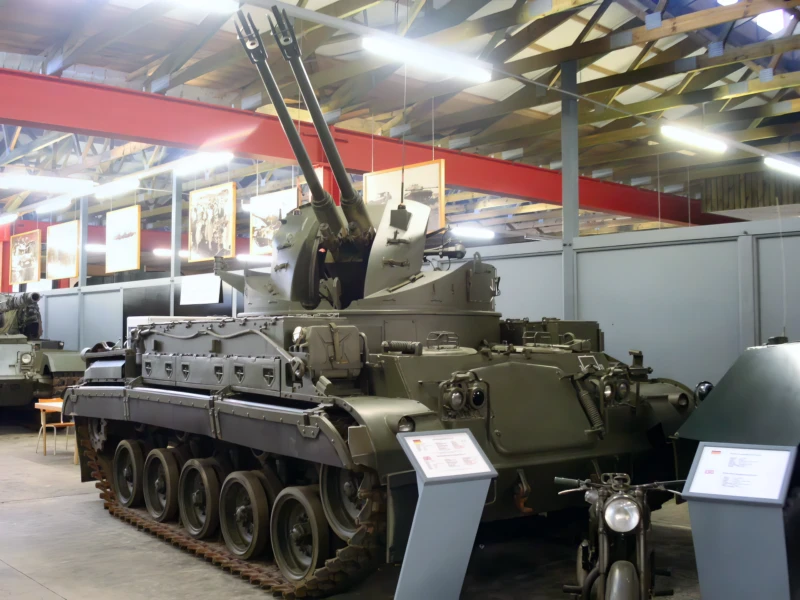
M42 Duster | |
|---|---|
| Role | Self-Propelled Anti-Aircraft Gun |
| Country | USA |
| Built | 3200 |
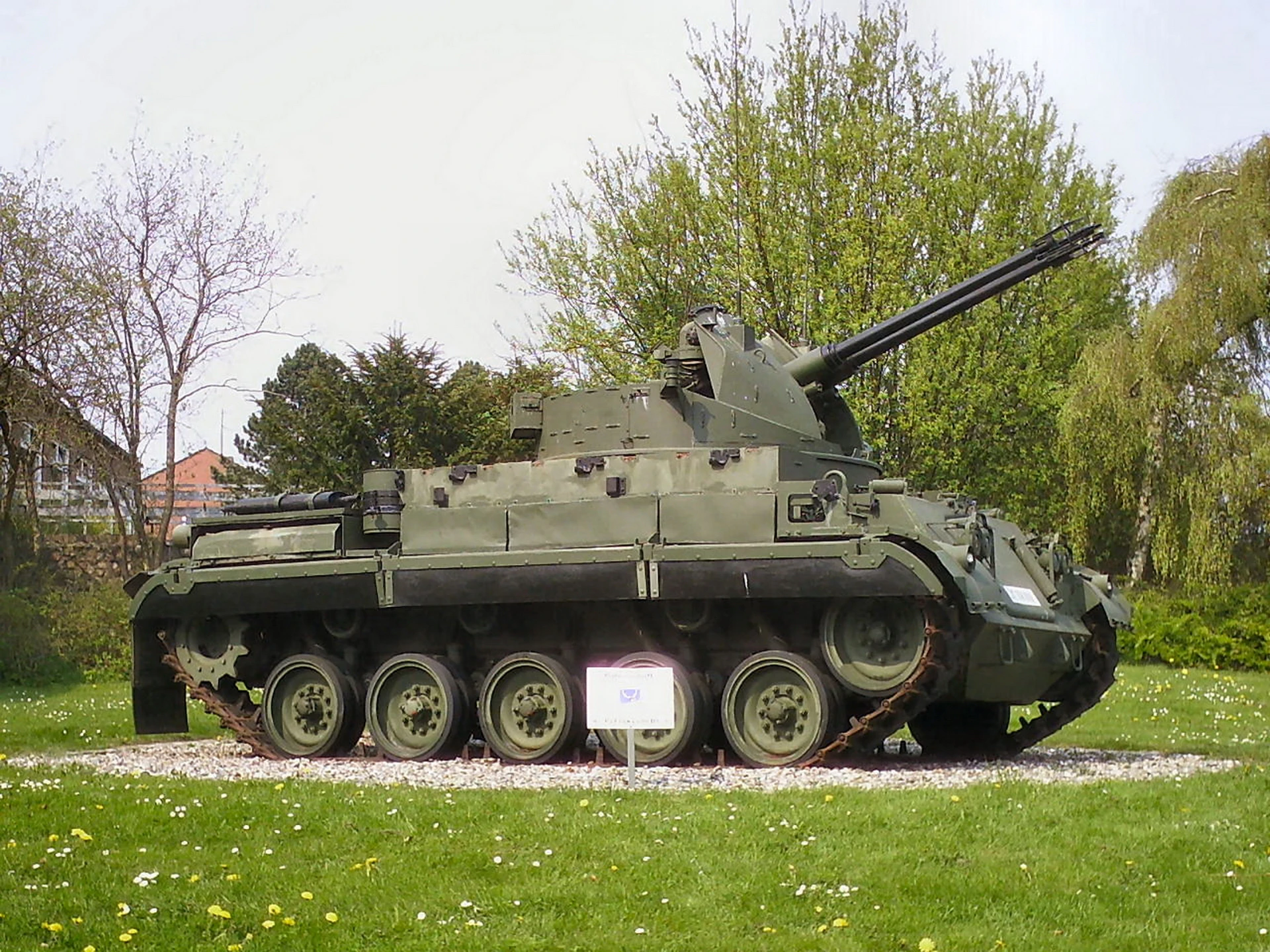
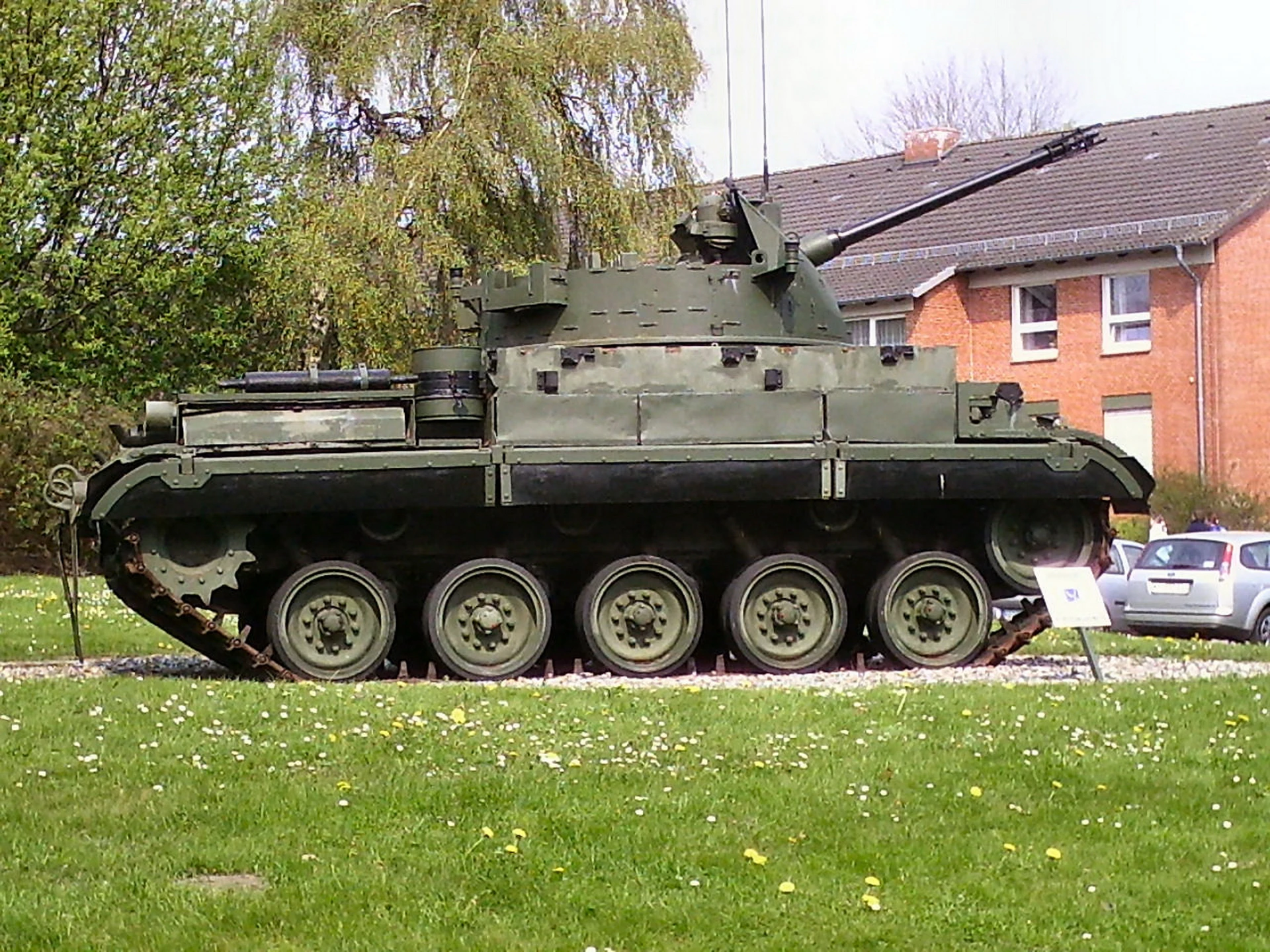
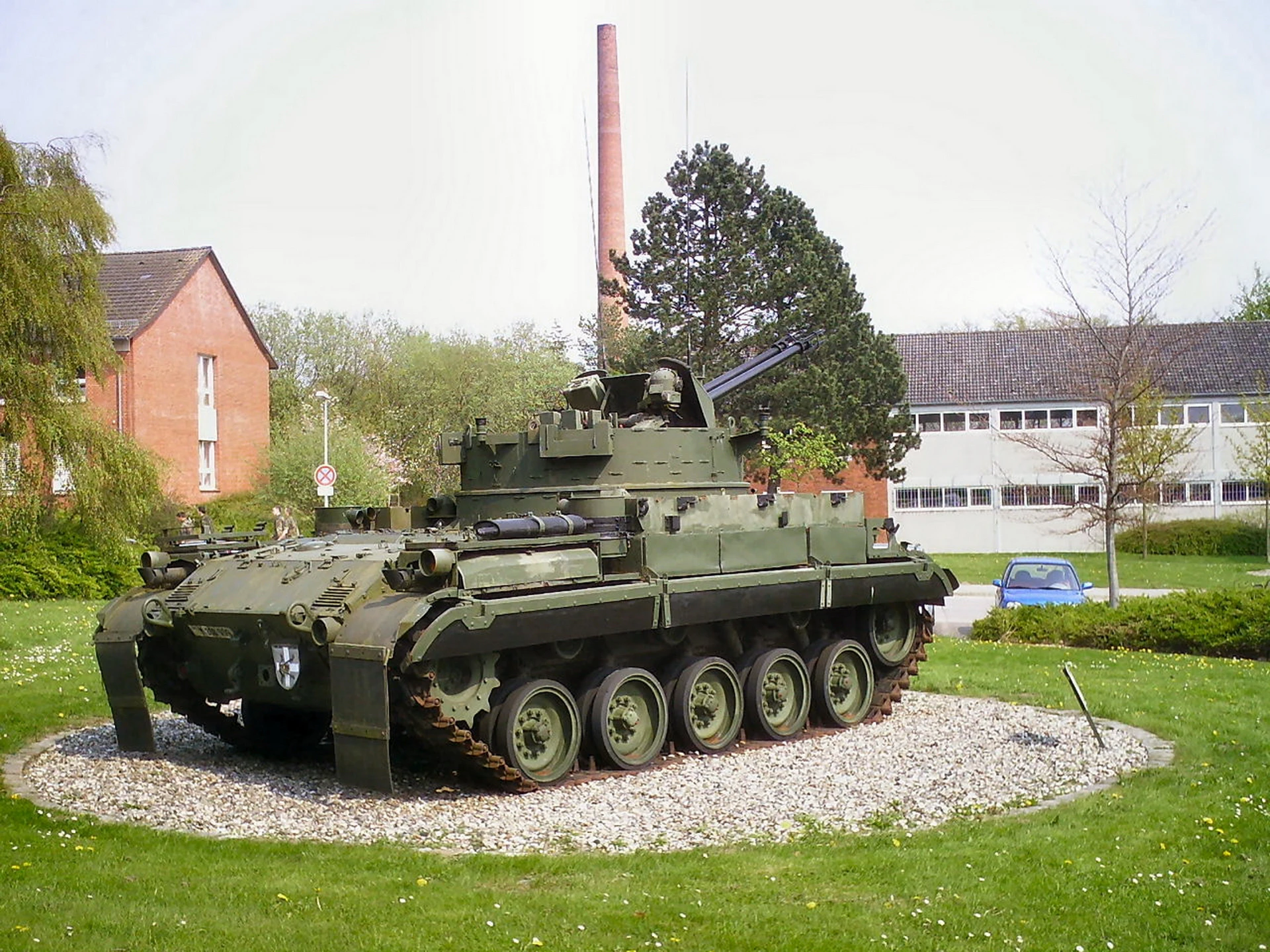
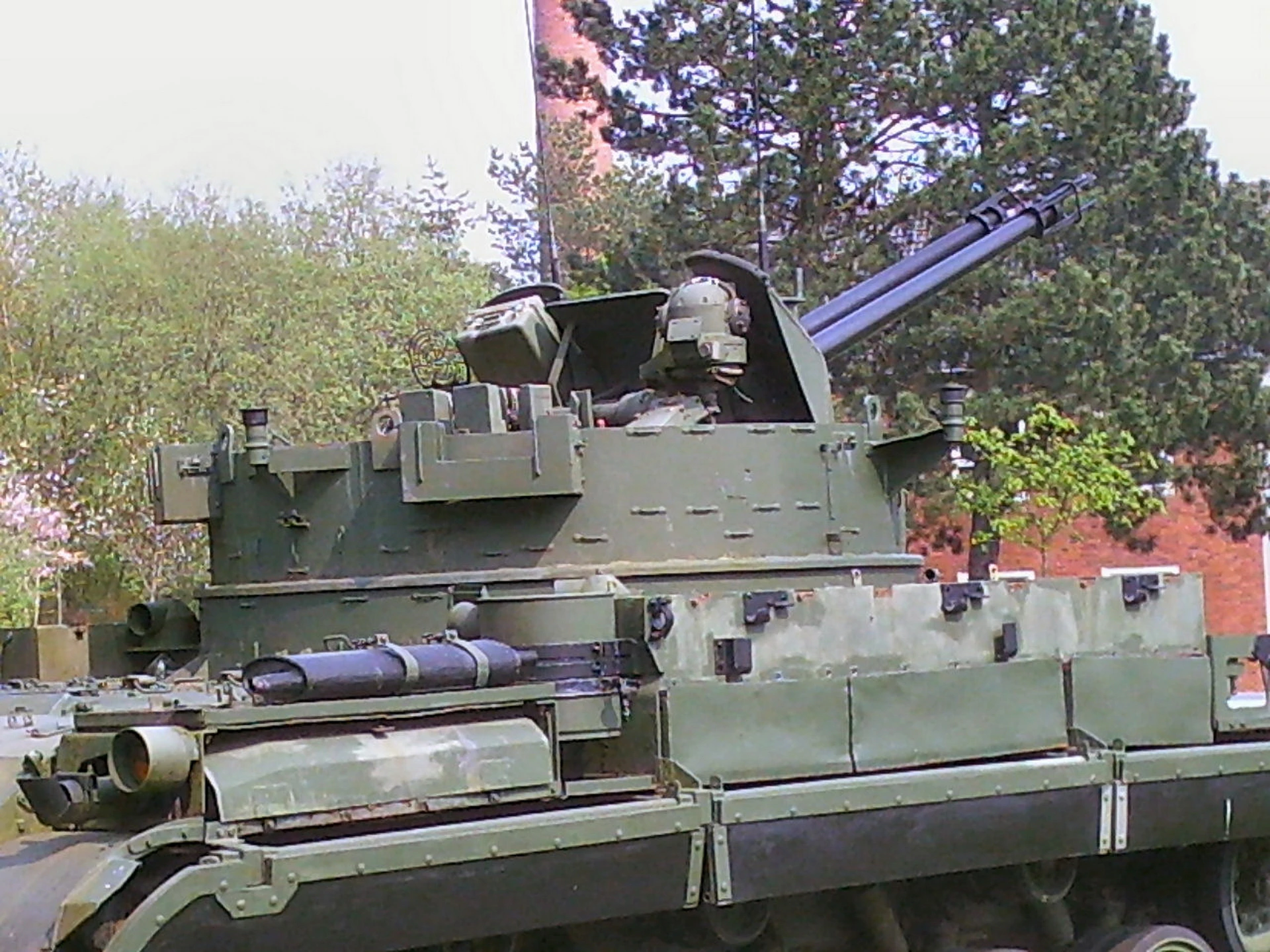
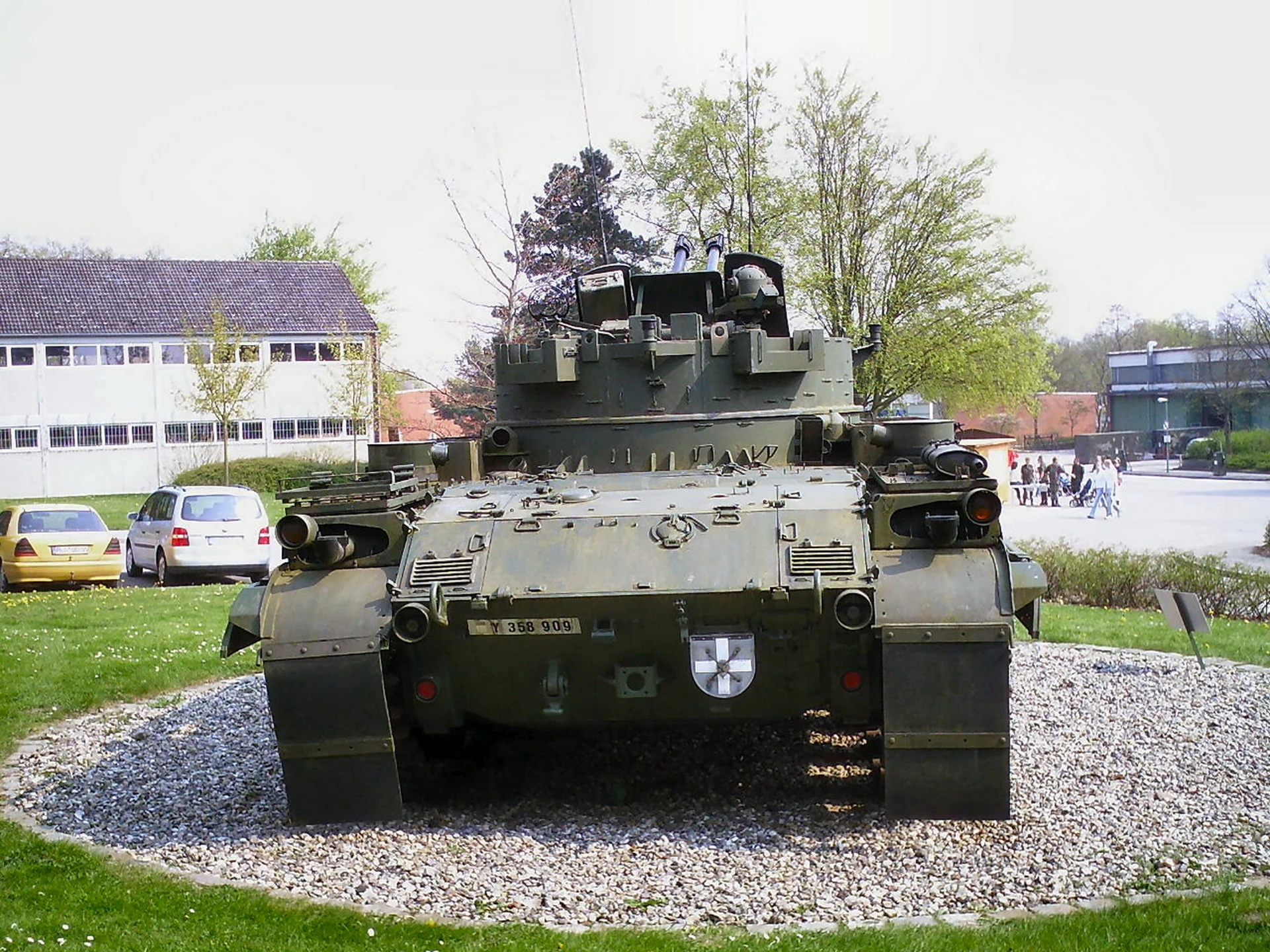
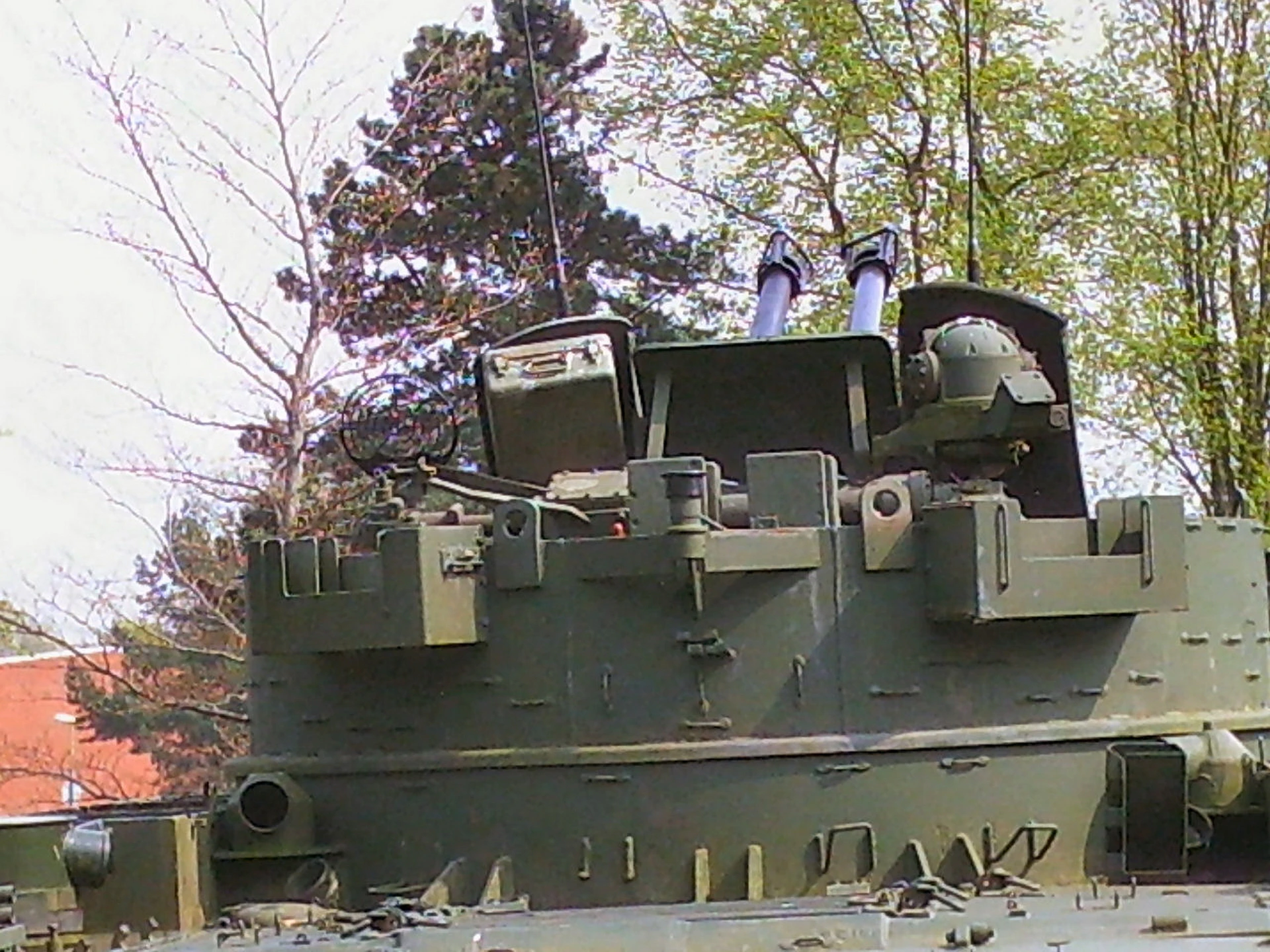
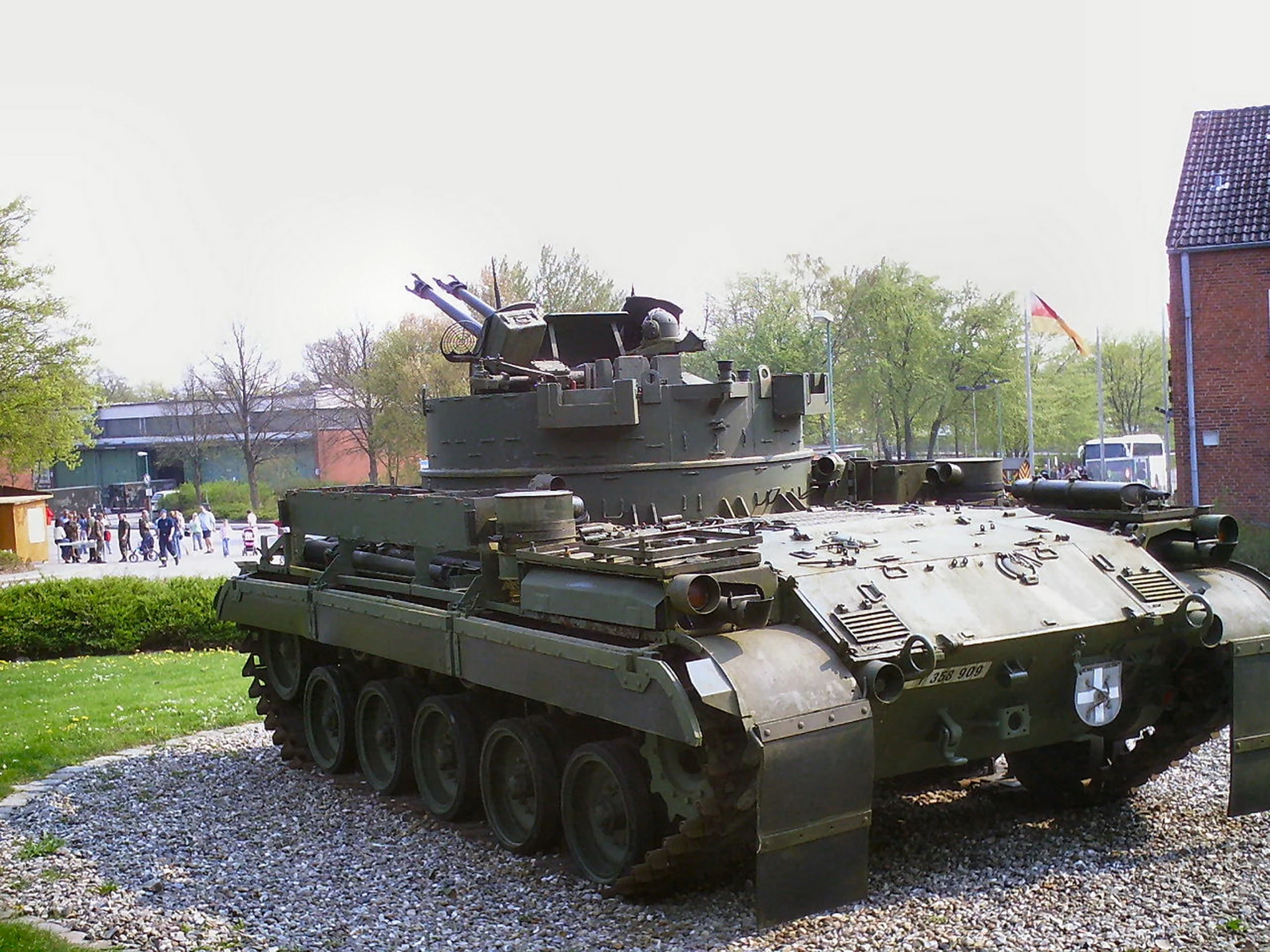
The M42 40 mm Self-Propelled Anti-Aircraft Gun, or “Duster,” is an armored light air-defense gun built for the U.S. Army from 1952 until December 1959. Production of this vehicle was performed by the tank division of the General Motors Corporation. It used components from the M41 light tank and was constructed of all welded steel. A total of 3,700 M42s were built. The vehicle has a crew of six and weighs 22,500 kg (49,500 lb) fully loaded. Maximum speed is 45 mph with a range of 100 miles. Armament consists of fully automatic twin 40 mm M2A1 Bofors, with a rate of fire of 2×120 rounds per minute (rpm) and either a .30 caliber Browning M1919A4 or 7.62mm M60 machine gun. The 500 hp, six-cylinder, air-cooled, gasoline engine is located in the rear of the vehicle. Although the M42 Duster was initially designed for an anti-aircraft role, it proved highly successful when used in the Vietnam War against unarmored ground forces.
Source: M42 Duster on Wiki
| M42 Duster | |
|---|---|
| Photographer | Unknow |
| Localisation | Unknow |
| Photos | 59 |
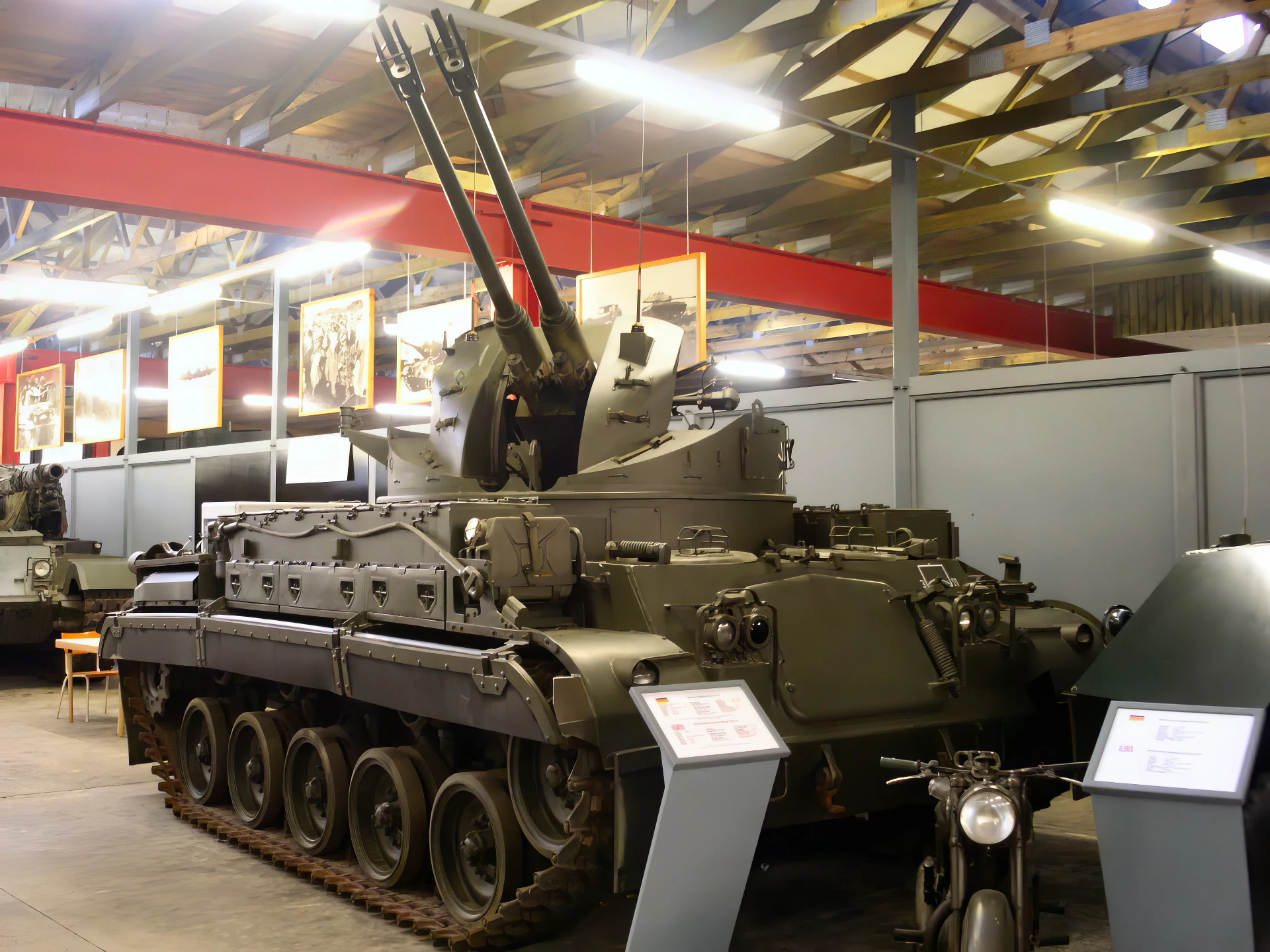
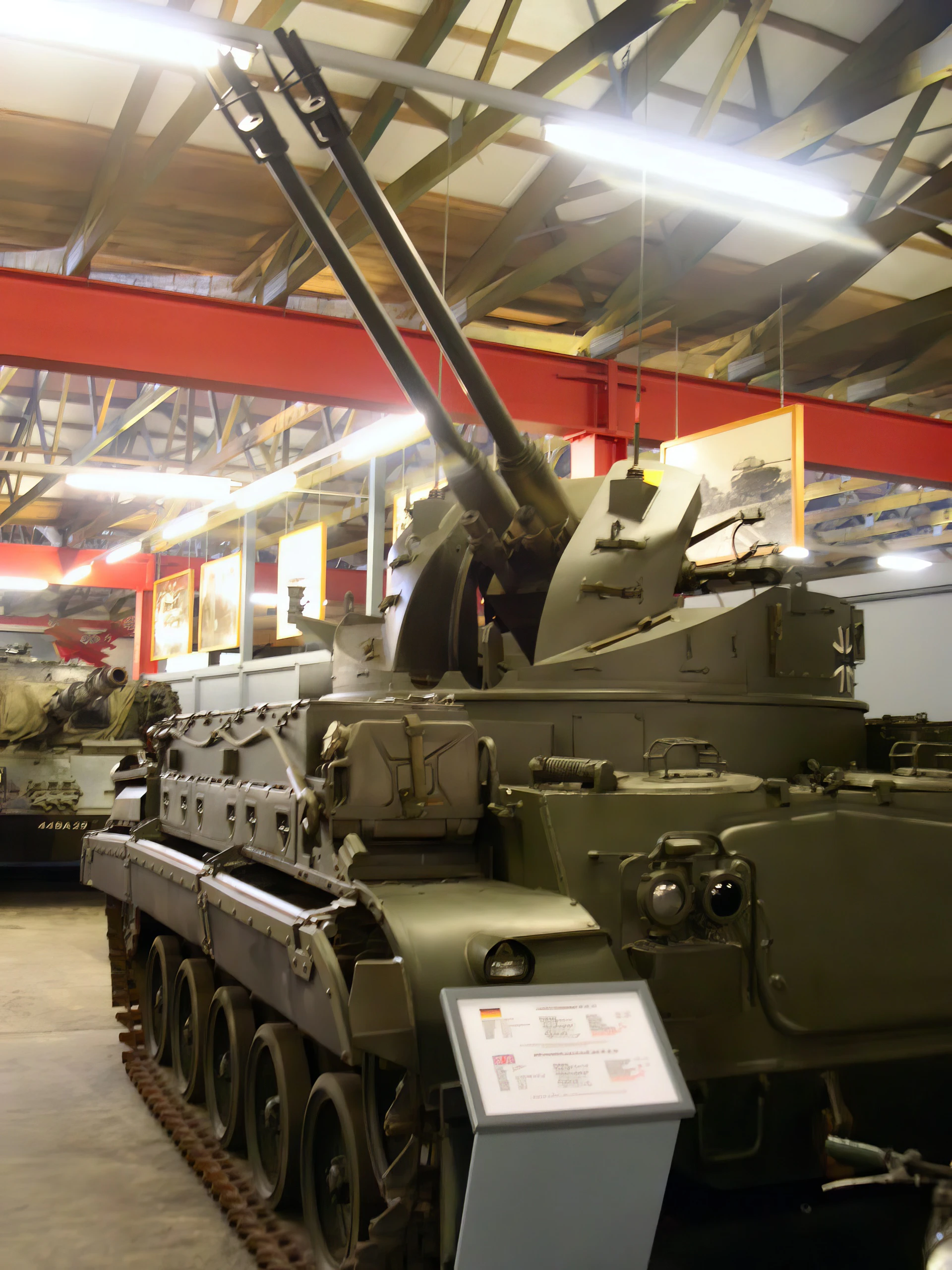
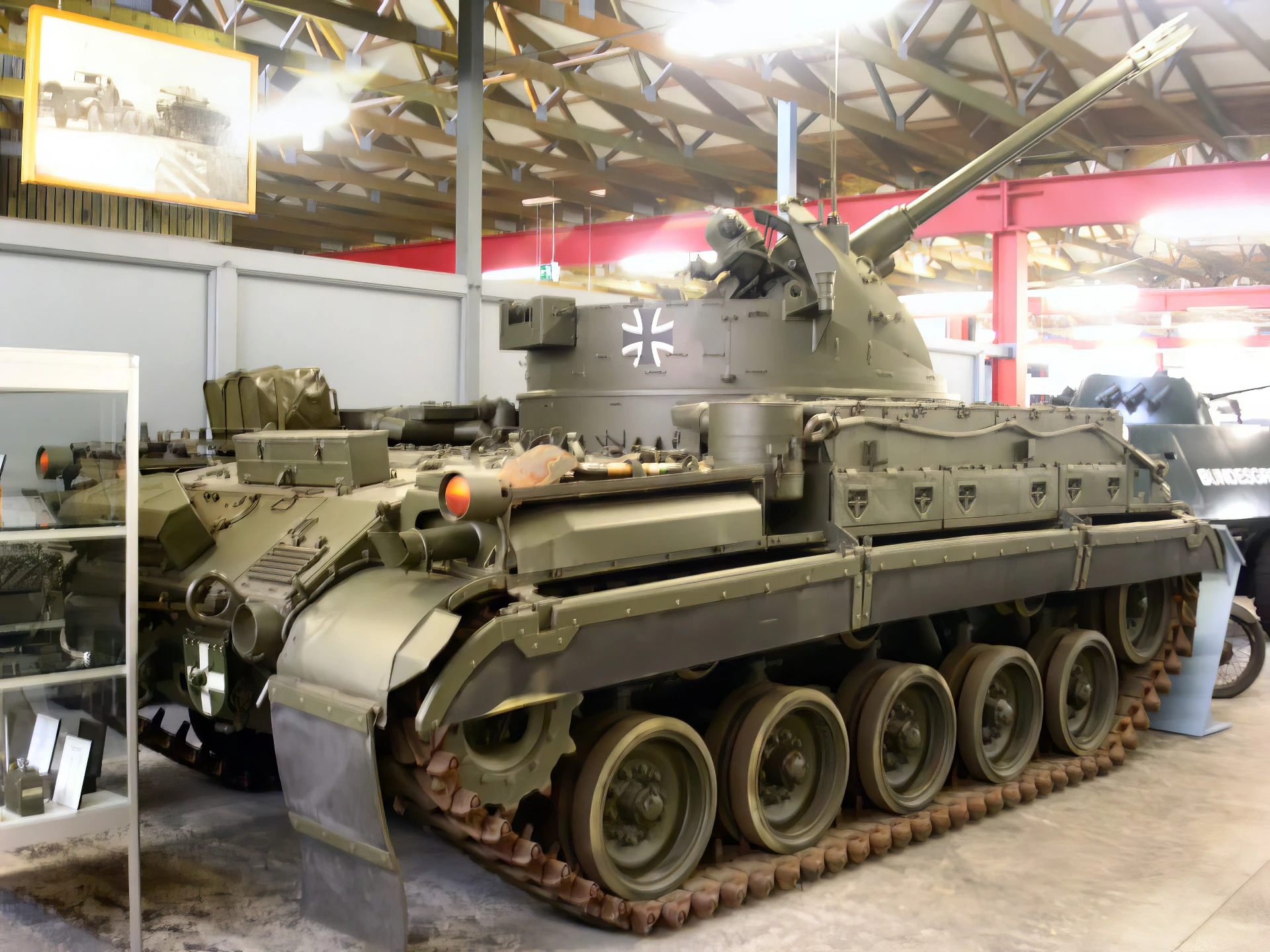
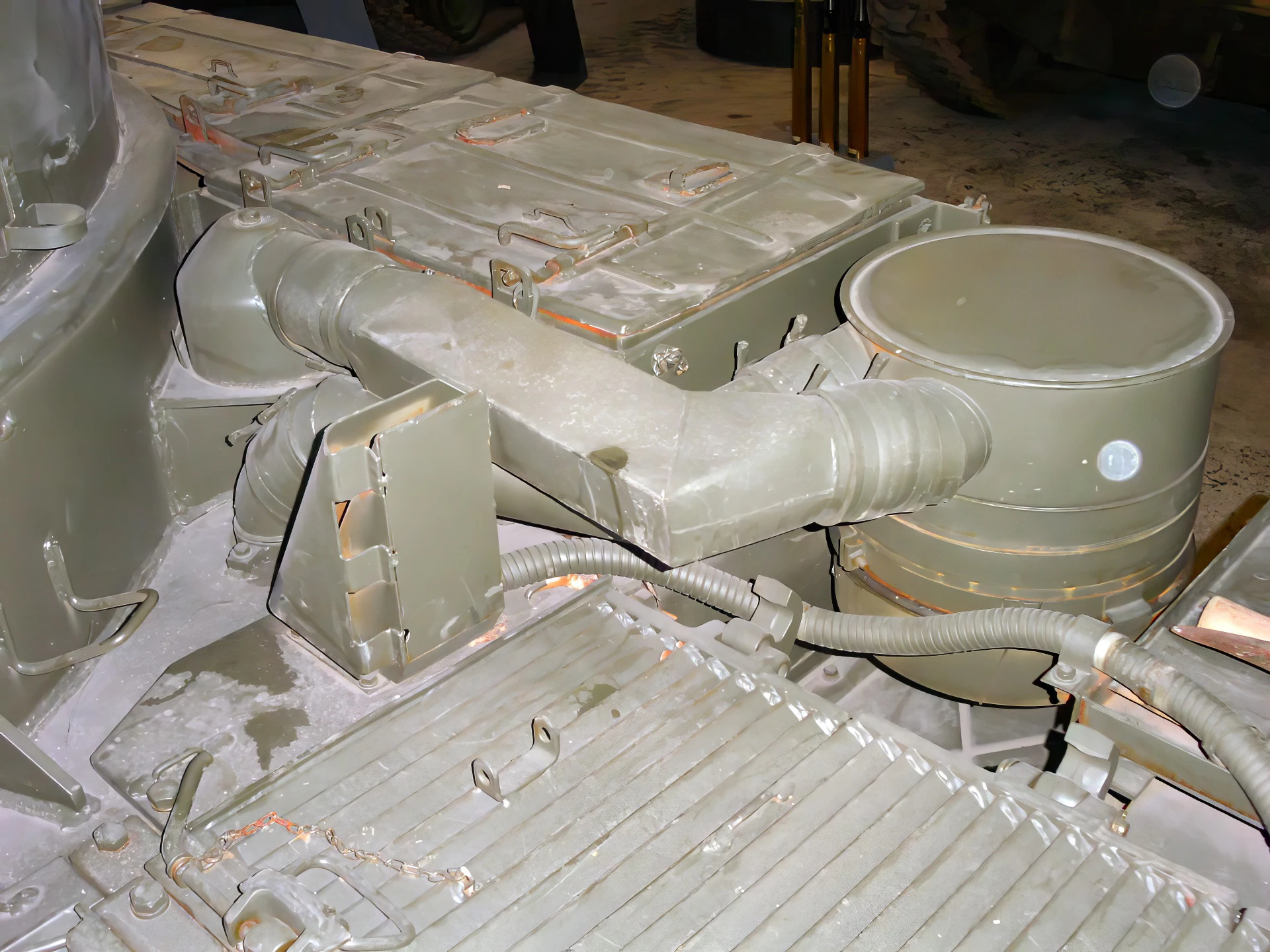
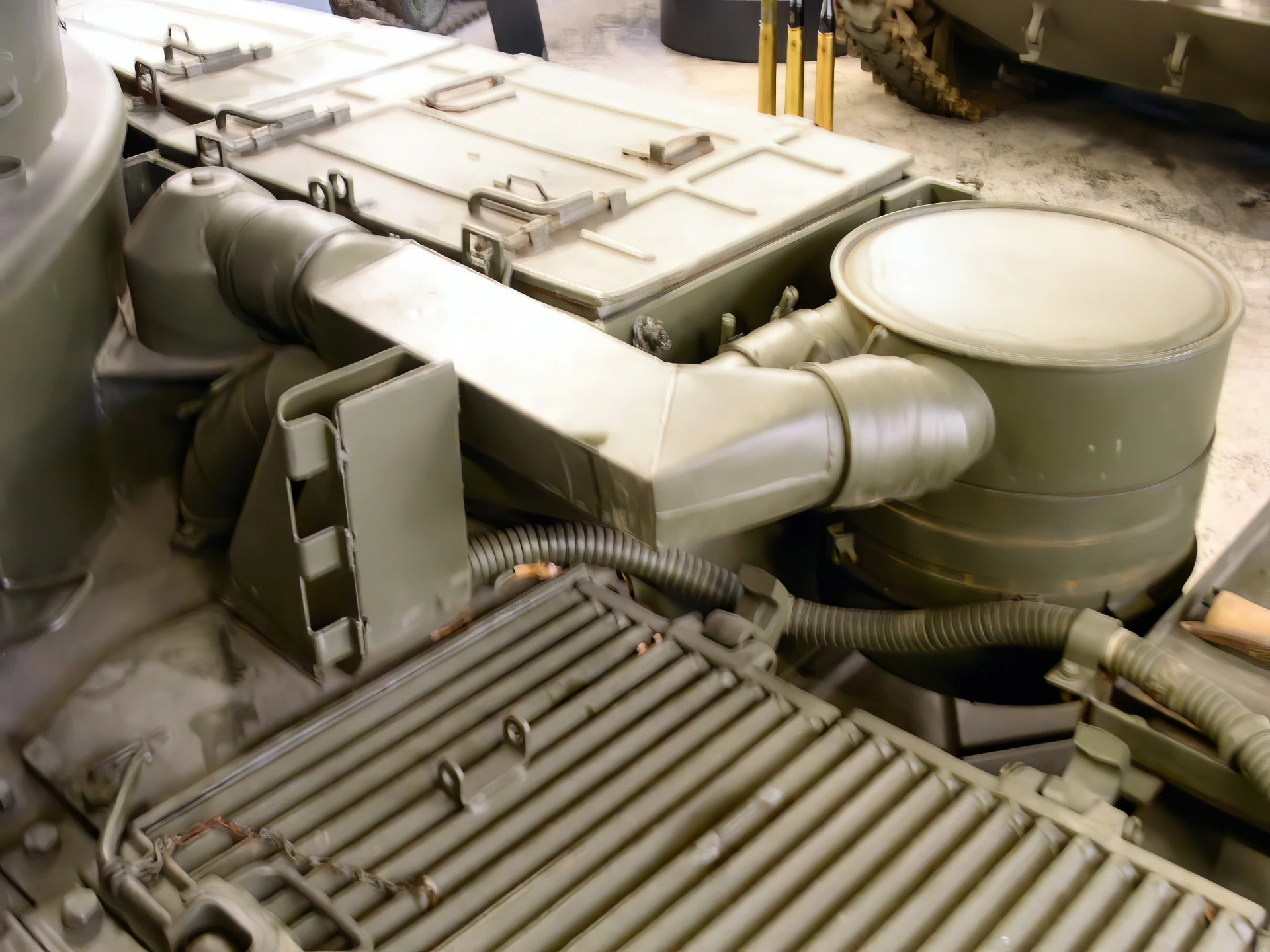
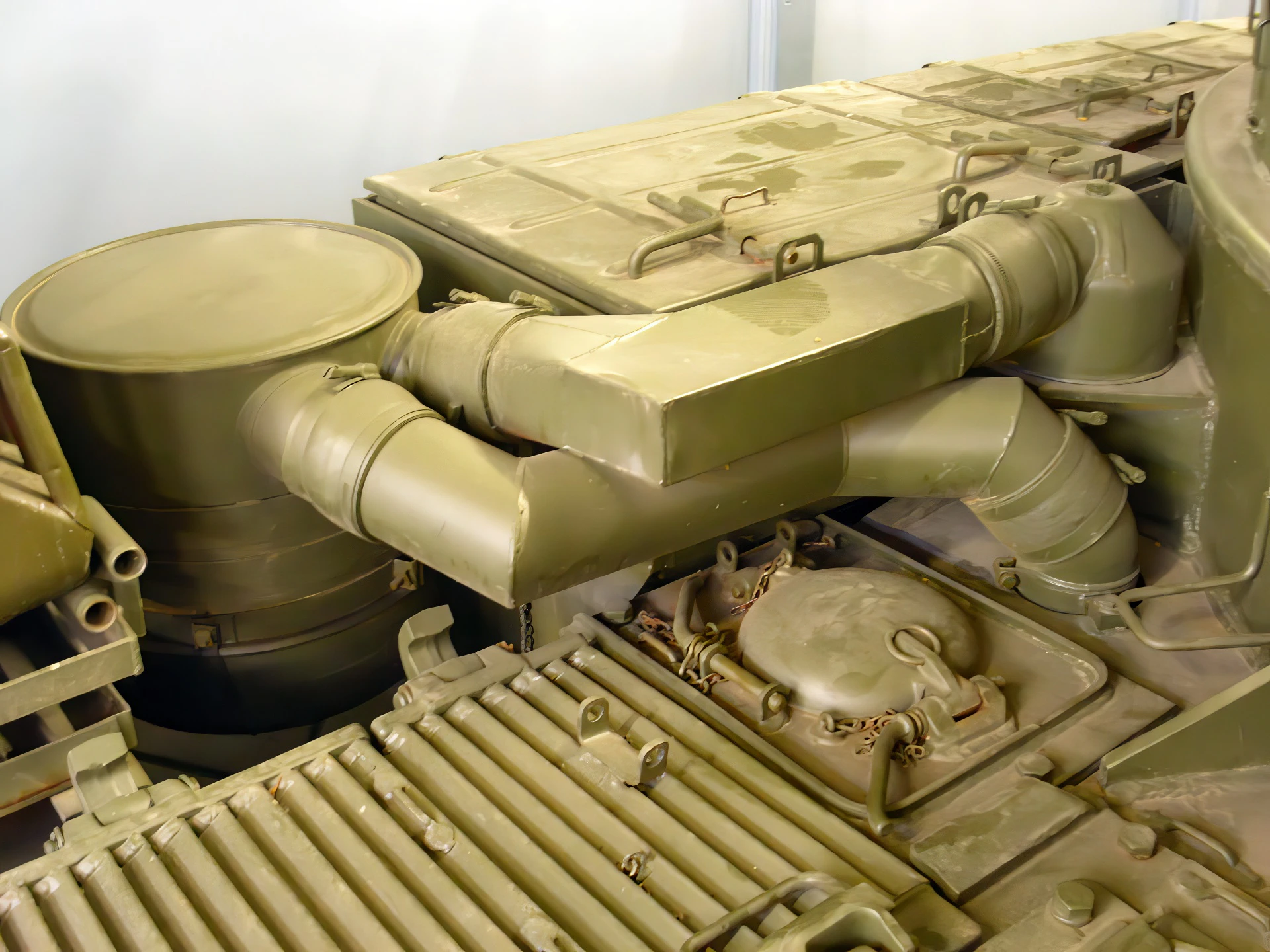
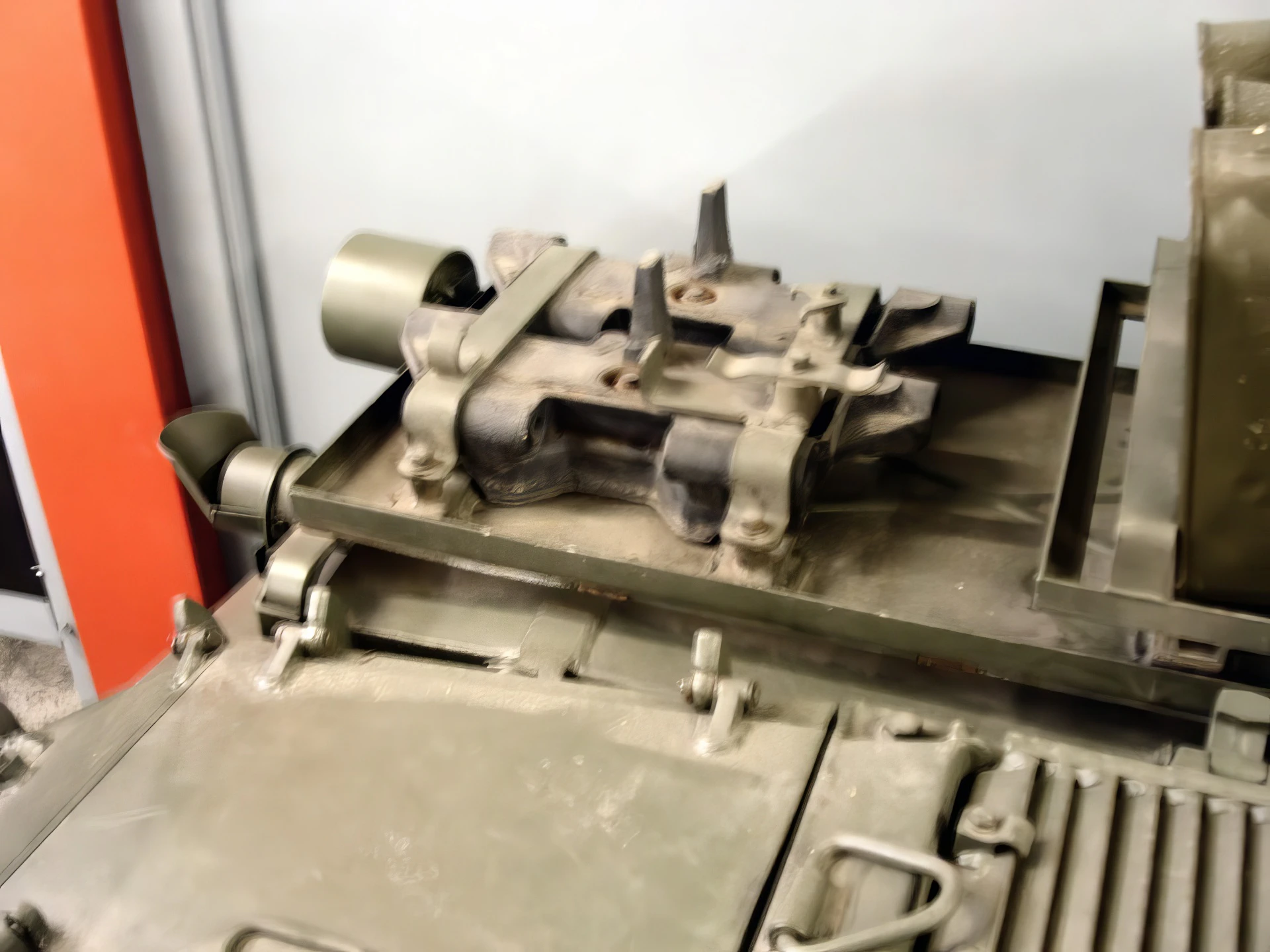
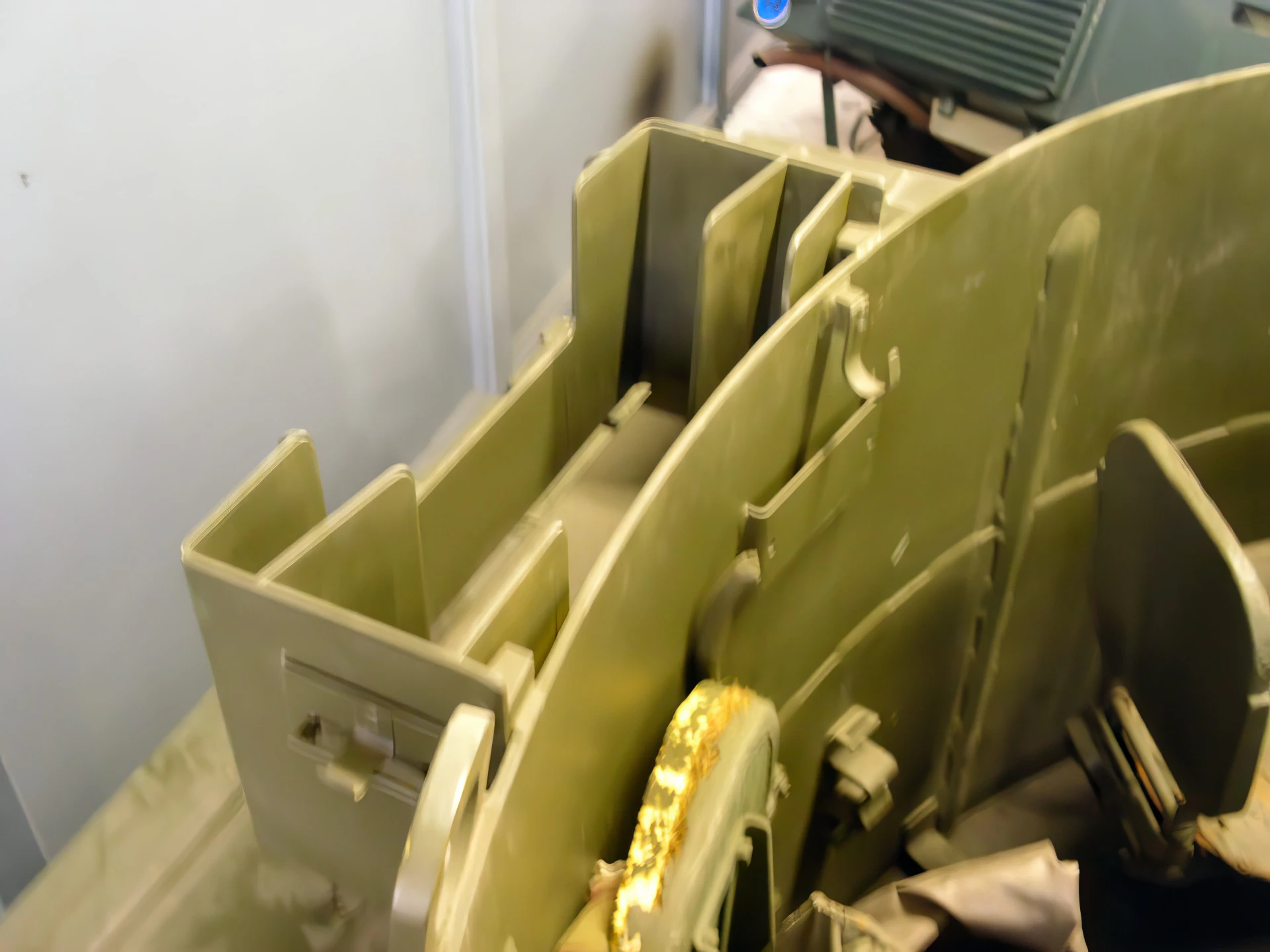

| M42 Duster Walk Around | |
|---|---|
| Photographer | Ulrich Wrede |
| Localisation | Unknow |
| Photos | 31 |
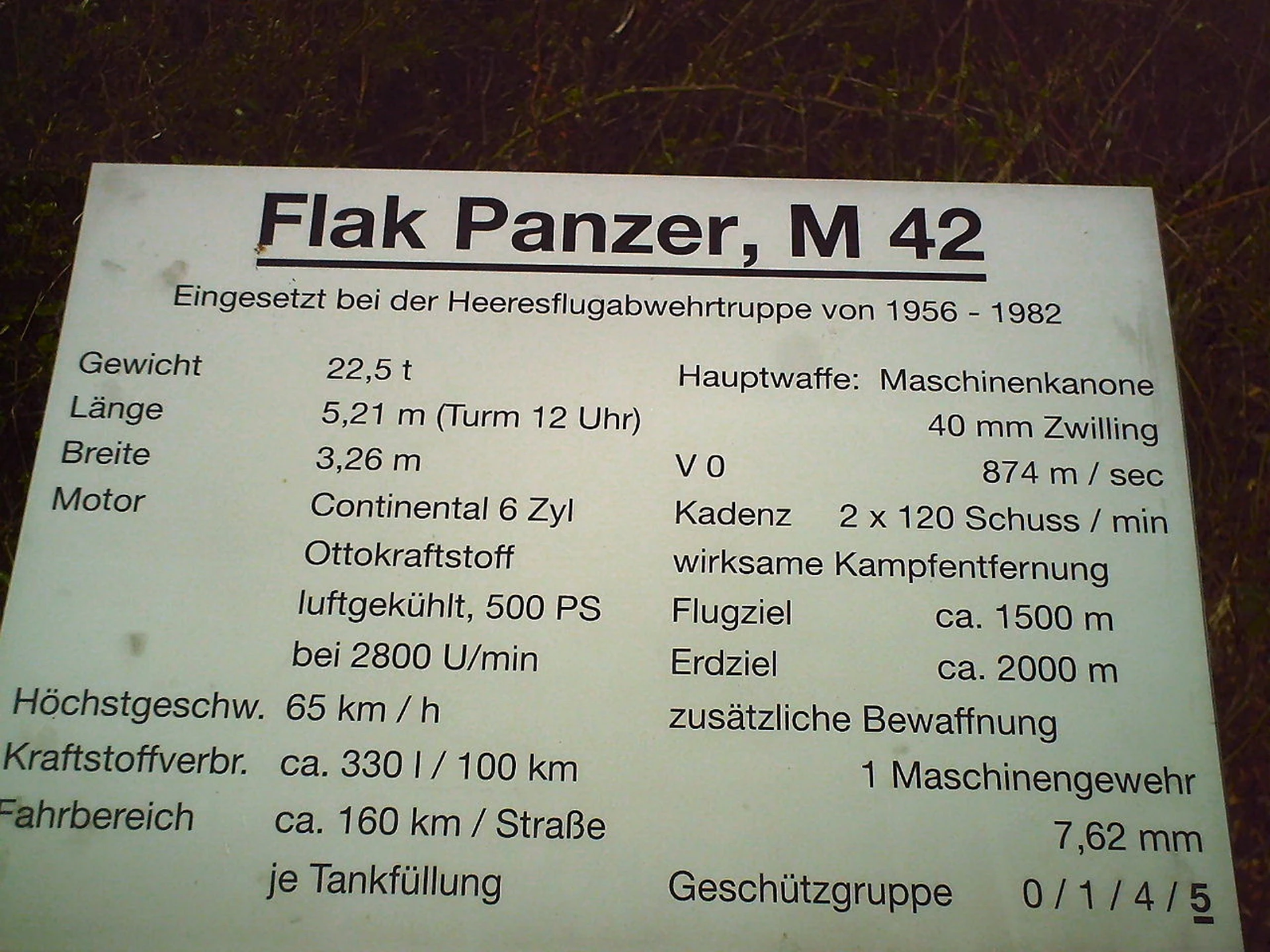
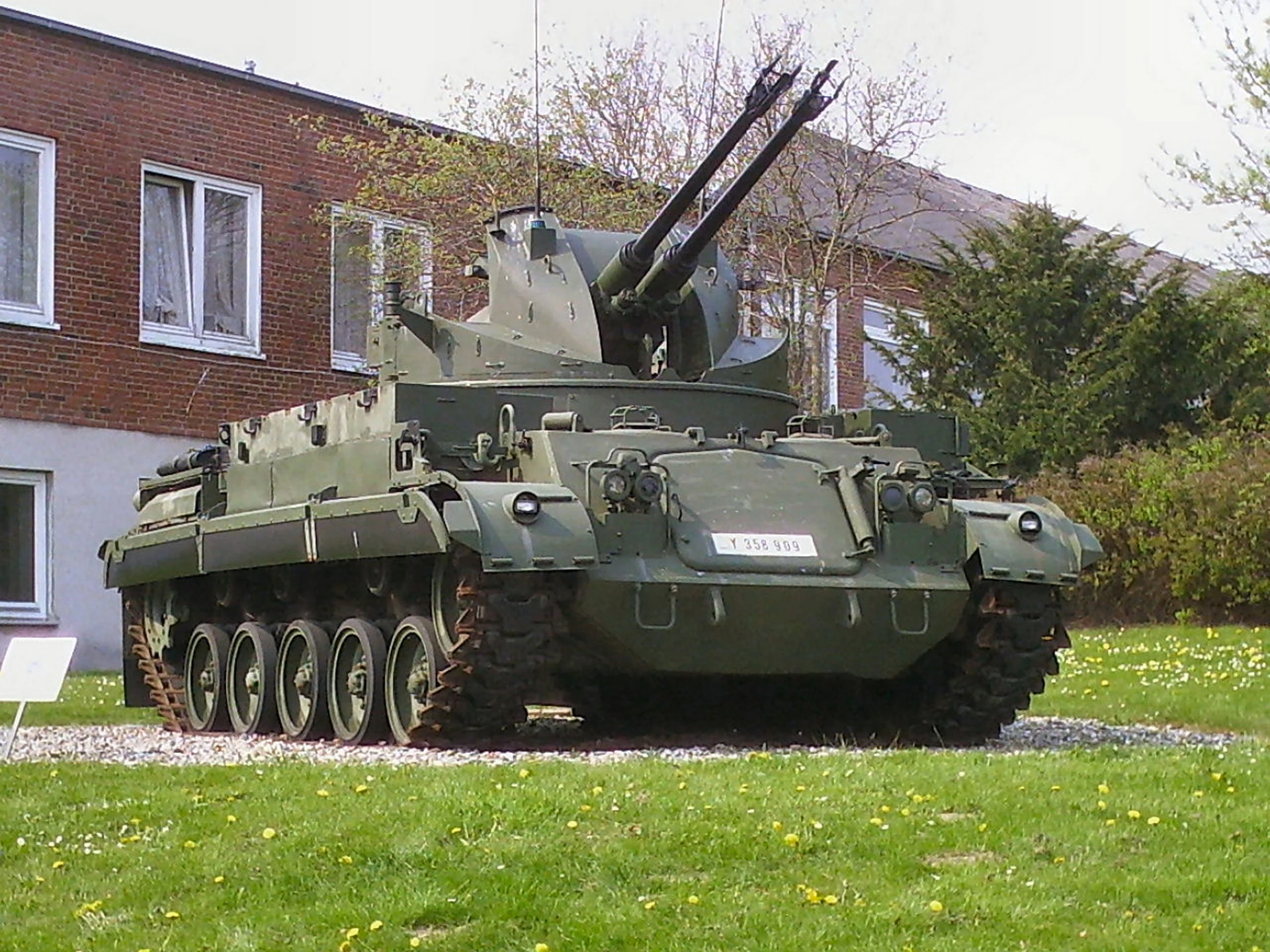
See also:


A Jet-Age Mismatch, A Jungle Terror
The M42 Duster was designed during the early Cold War to protect armored columns from low-flying Soviet jets. Based on the chassis of the M41 Walker Bulldog light tank, it featured a twin 40mm Bofors cannon mount. However, as jet speeds increased, the Duster’s manual tracking became obsolete for air defense. Its true calling was found in the jungles of Vietnam, where its massive rate of fire and “shredding” power made it the ultimate convoy escort and perimeter defense weapon. To the North Vietnamese and Viet Cong, a Duster in an elevated position was a nightmare they preferred to avoid at all costs.
| Attribute | Technical Specification (M42A1) |
|---|---|
| Role | Self-Propelled Anti-Aircraft Gun (SPAAG) |
| Crew | 6 (Commander, Gunner, 2 Loaders, Driver, Radio Op) |
| Engine | Continental AOS-895-3 6-cylinder gasoline (500 hp) |
| Maximum Speed | 72 km/h (45 mph) |
| Main Armament | Twin 40 mm M2A1 Bofors Cannons |
| Rate of Fire | 120 rounds per minute per barrel (240 total) |
| Max Range | 9,500 meters (Horizontal) / 5,000 meters (Vertical) |
| Operational Weight | 22.5 tonnes |
Design Engineering: The Bofors Heart
- The Twin 40mm Mount: The heart of the Duster is the M2A1 mount. These cannons fire massive 40mm shells that can be loaded with High Explosive (HE) or Armor Piercing (AP) rounds. In Vietnam, “Behive” or flechette rounds were often used to clear dense jungle foliage instantly.
- The Open Turret: Unlike a standard tank, the Duster’s turret is completely open at the top. This was necessary for the crew to have 360-degree visibility for spotting aircraft, but it left them dangerously exposed to snipers and grenades in ground combat.
- Chassis Agility: Because it was built on the M41 light tank chassis, the Duster was surprisingly fast and nimble. It could keep pace with armored columns and quickly relocate to different defensive sectors during a base attack.
- Manual Cranking: While the turret had electrical power, the fine-tuning of the aim was often done manually. This was the Duster’s “Achilles heel” against modern jets, but for hitting a stationary bunker or a treeline, it was pinpoint accurate.
Operational History: Dusting the Treelines
- Vietnam Convoy Escort: The Duster’s most famous role was protecting truck convoys on the dangerous roads of Vietnam. One burst of 40mm fire could suppress an entire ambush party, earning it the respect of every “transport” soldier.
- Base Perimeter Defense: During the defense of firebases, Dusters were often placed in “beehive” bunkers. At night, they would fire “tracers” into the dark—every fifth round was a glowing streak—creating a wall of lead that was both physically and psychologically devastating.
- The “Dust” Factor: The name “Duster” didn’t just sound cool; it was literal. When firing at low angles, the muzzle blast from the twin 40mms would kick up immense clouds of red Vietnamese dust, often obscuring the vehicle from view.
- National Guard Service: After being phased out of active duty in the late 60s (replaced by the M163 Vulcan), many Dusters served in the US National Guard until the late 1980s, proving that simple, heavy-hitting firepower never truly goes out of style.
Views : 5449
You can see also :
 K30 Biho – Photos & Videos
 M53/59 Praga – Photos & Video
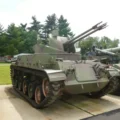 M42A1 Duster – Photos & Video
 US 90mm M2 Anti-Aircraft Gun – Photos & Video
 75mm M51 Skysweeper – WalkAround
 2cm Oerlikon – Flak-28 – WalkAround
 20mm anti-aircraft gun “Oerlikon” – WalkAround
 ZU-23 23mm – WalkAround
 ZSU-57-2 – WalkAround
 Bofors 40 mm – Walk Around