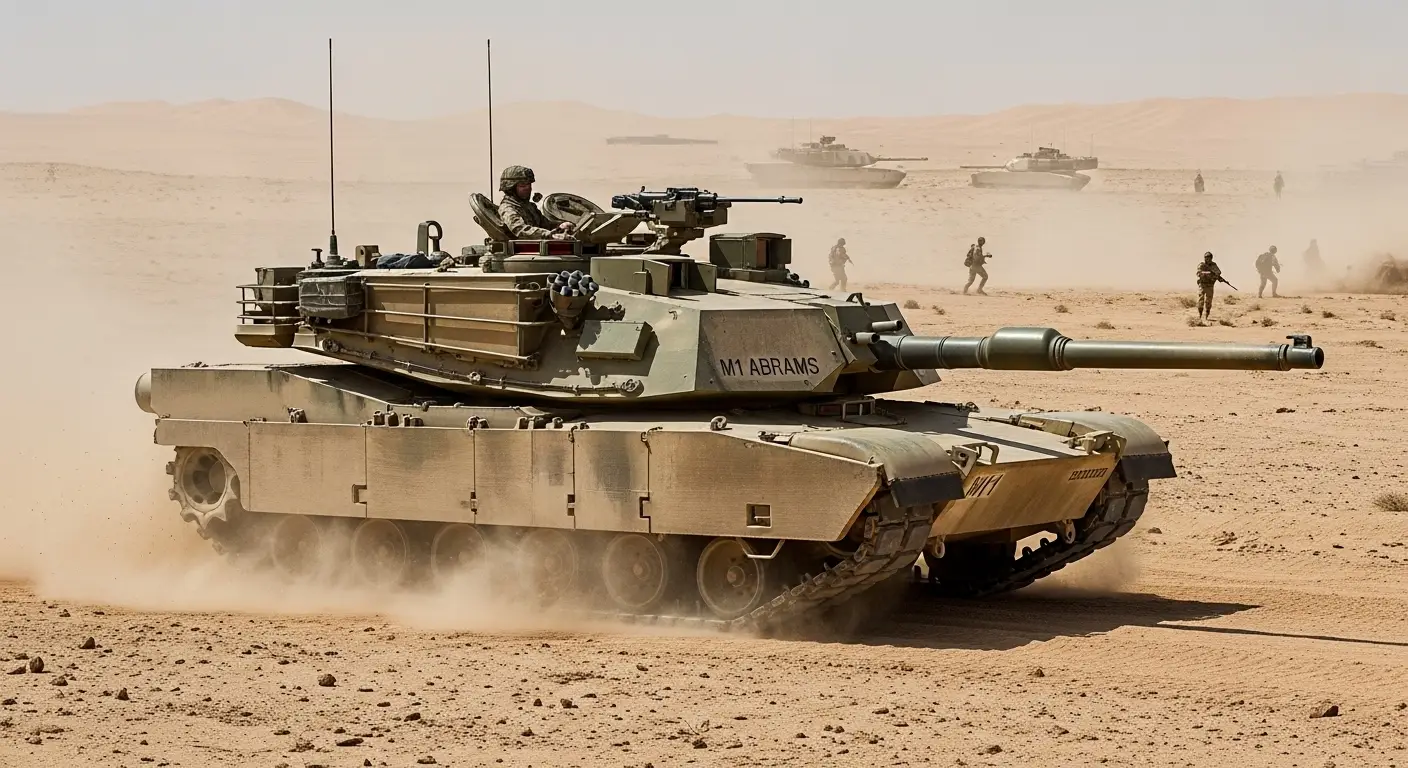
The M1 Abrams is an American third-generation main battle tank named for General Creighton Abrams. Highly mobile, designed for modern armored ground warfare, the M1 is well armed and heavily armored. Notable features include a powerful AGT1500 multifuel turbine engine, sophisticated composite armor, and separate ammunition storage in a blow-out compartment for crew safety. Weighing nearly 68 short tons (almost 62 metric tons), it is one of the heaviest main battle tanks in service.
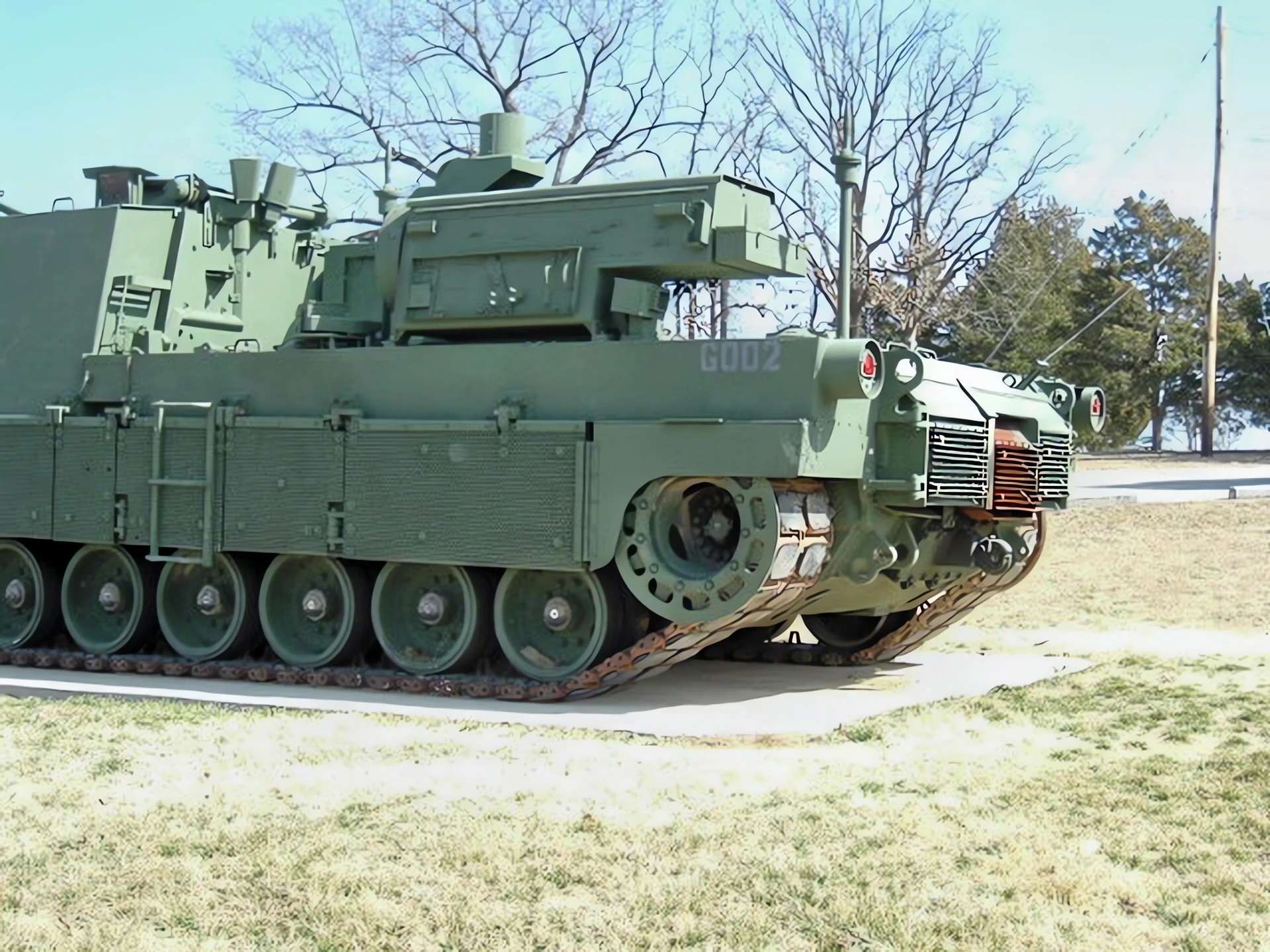
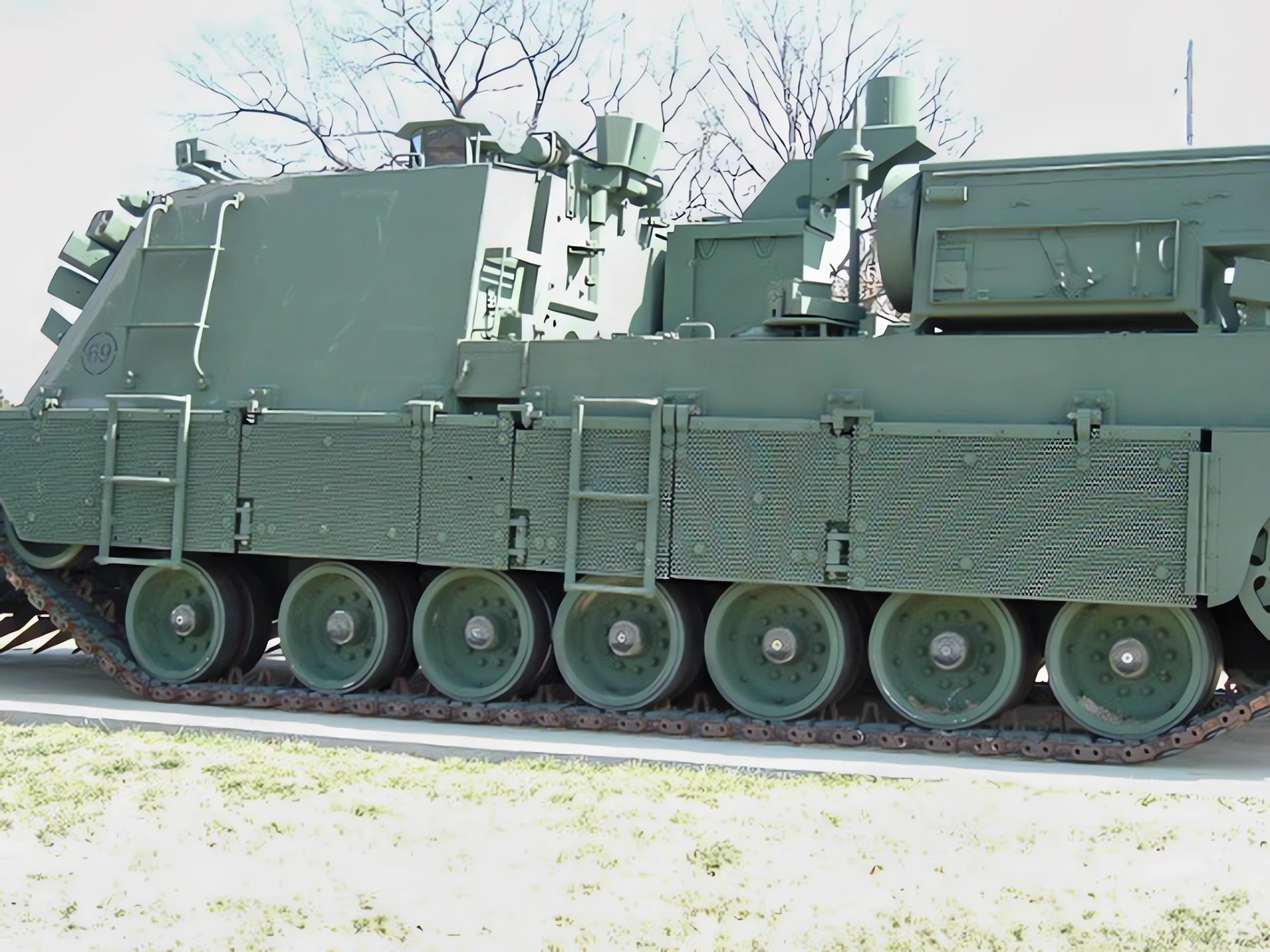
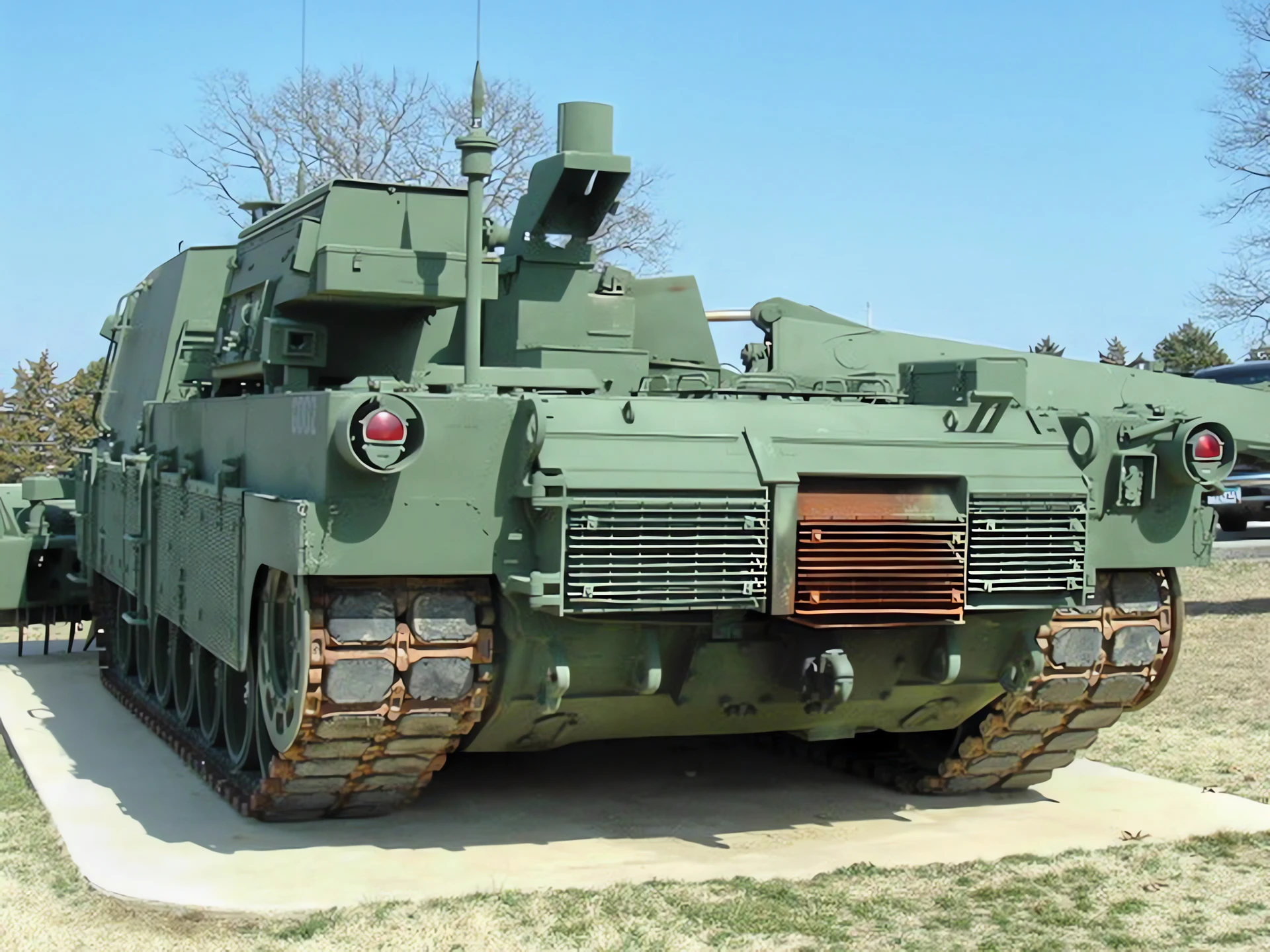
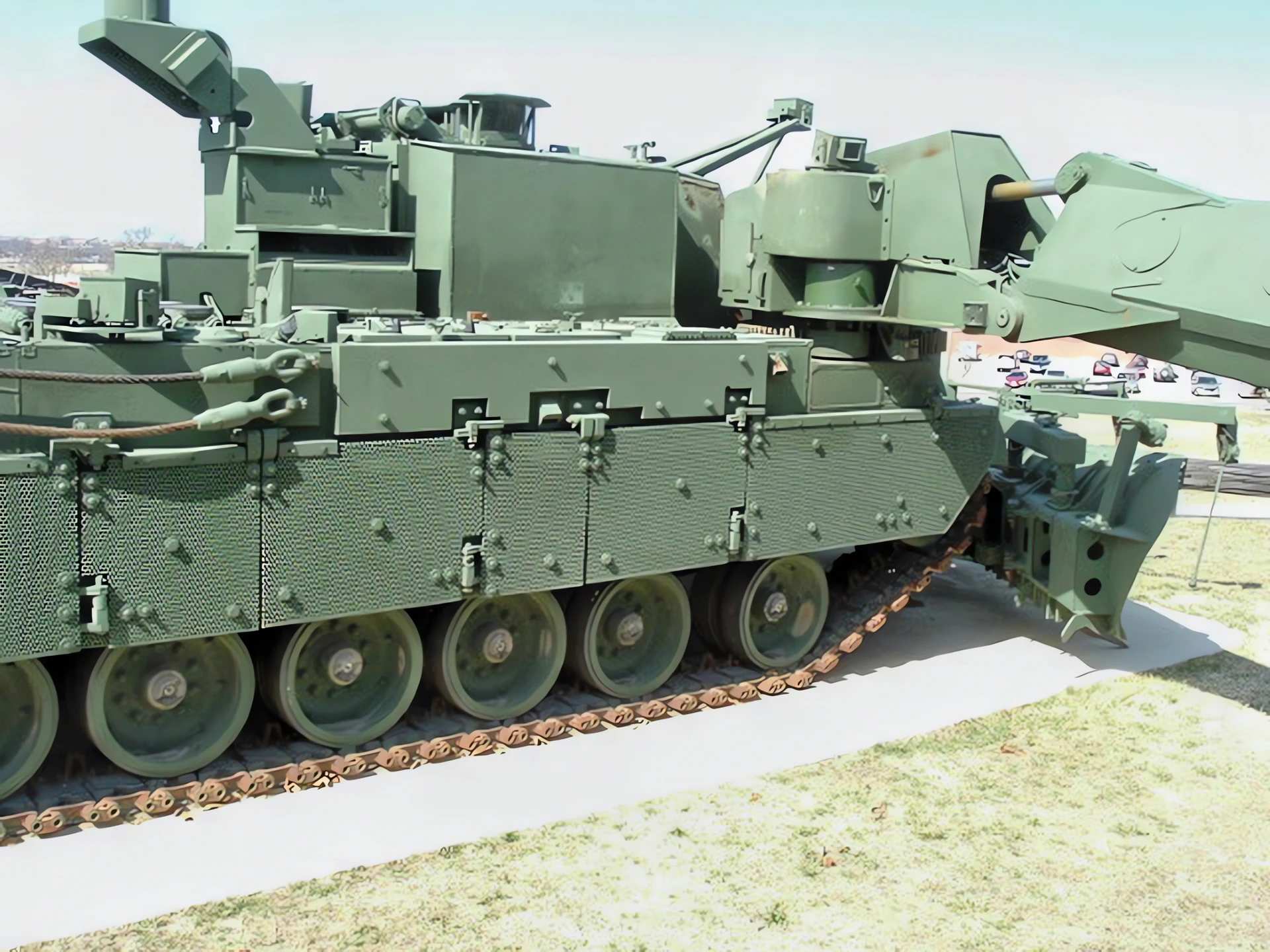
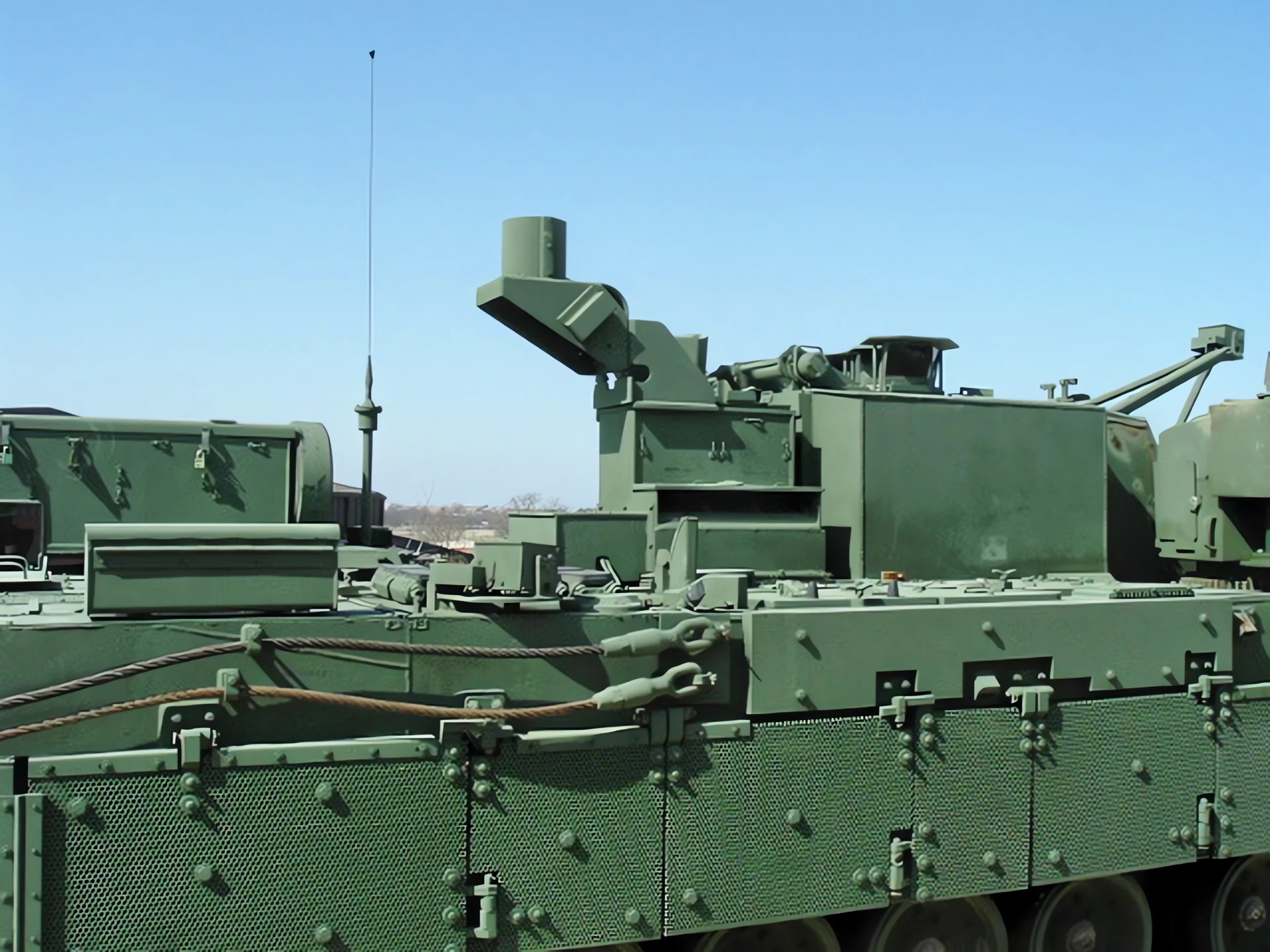
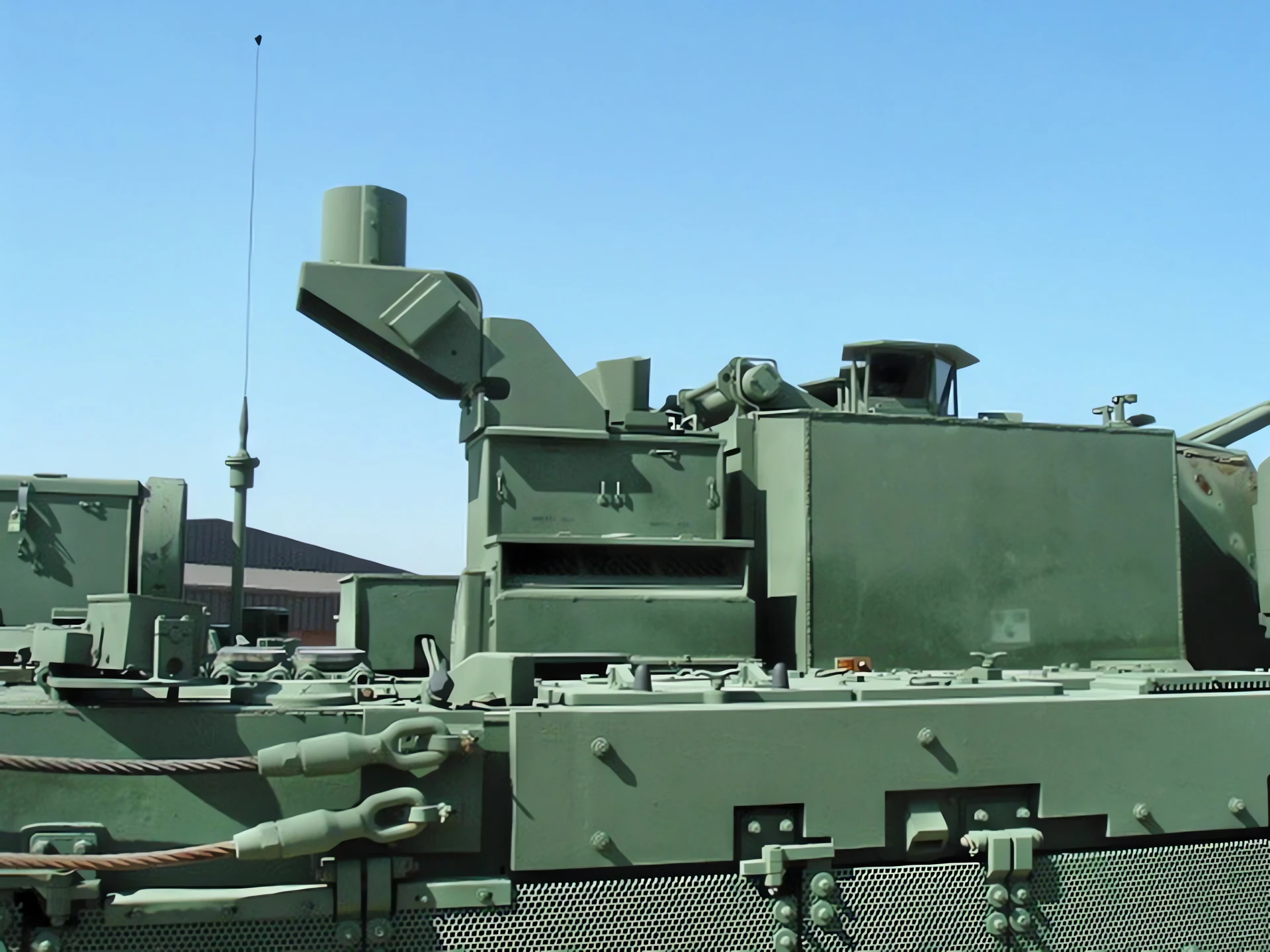
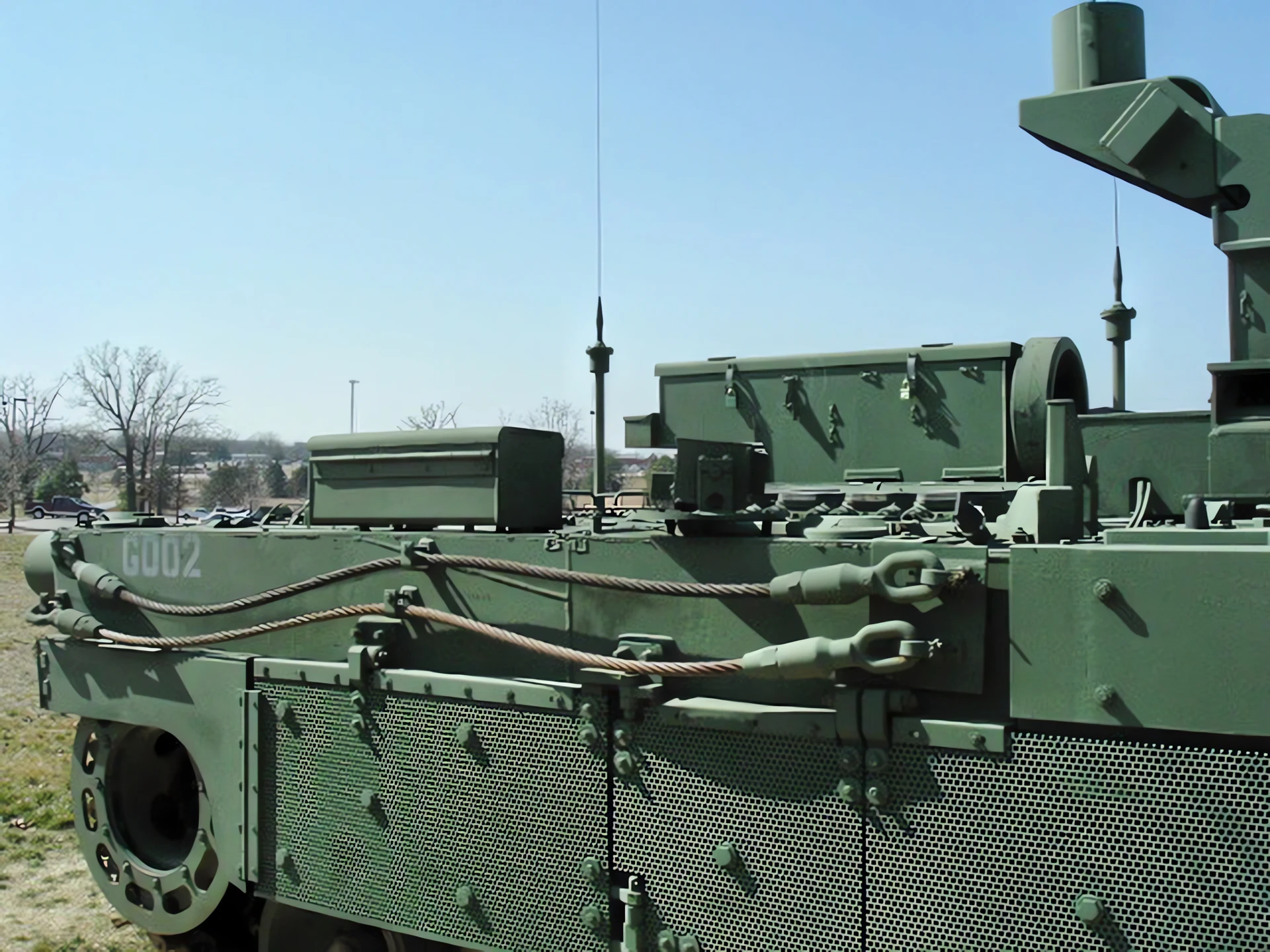
The M1 Grizzly Combat Mobility Vehicle (CMV) was an ambitious Cold War-era project designed to create the most capable armored engineer vehicle in history. Built on a modified M1 Abrams chassis, the Grizzly was intended to clear complex obstacles—mines, tank ditches, berms, and wire—at the same pace as a fast-moving armored division. While highly advanced, its extreme complexity and high cost led to its cancellation in 2001, leaving the role to the simpler M1150 Assault Breacher Vehicle (ABV).
Attribute
Technical Specification (M1 Grizzly)
Role
Combat Engineering / Breaching Vehicle
Crew
2 (Driver and Commander)
Status
Canceled (Prototype only)
Powerplant
1 × Honeywell AGT1500 gas turbine
Horsepower
1,500 hp (1,120 kW)
Maximum Speed
45 mph (72 km/h)
Excavator Arm
Powered telescopic arm with 1,814 kg (4,000 lb) lift
Armor
Abrams-equivalent composite armor
Specialized Engineering Tools
The Power-Driven Arm (PDA): The Grizzly’s most distinctive feature was a massive, telescopic excavator arm mounted on the right side. It could reach out over 9 meters (30 ft) to dig out tank ditches or lift heavy obstacles, allowing the vehicle to work while staying behind cover.
Full-Width Mine Plow: Unlike many tanks that use individual rollers, the Grizzly featured a heavy, full-width plow designed to push buried mines and obstacles out of the way, creating a “safe lane” in a single pass.
Remote Weapon Station: For self-defense, the crew sat in a protected “citadel” and operated a remote-controlled weapon station armed with a .50 cal machine gun or a 40mm grenade launcher.
Automatic Depth Control: The Grizzly featured advanced sensors that automatically adjusted the plow depth to follow the contours of the ground, ensuring mines were cleared without the plow digging too deep and getting stuck.
Why it Failed and its Legacy
Complexity vs. Cost: The Grizzly was an “all-in-one” solution that became too expensive for the post-Cold War U.S. Army. Each unit was projected to cost significantly more than a standard M1 Abrams tank.
The “Shredder” Successor: After the Grizzly was canceled in 2001, the U.S. Marine Corps took the lead in developing the M1150 Assault Breacher Vehicle (ABV). The ABV is simpler, omitting the excavator arm in favor of MICLIC (Mine Clearing Line Charge) rockets.
Survivability: The Grizzly was designed to be just as tough as the tanks it supported, featuring the same Chobham-style armor so it could operate under heavy enemy fire at the front of a breach.
Where are they now? Only two prototypes were built by United Defense. They served as critical technology demonstrators that proved “under-armor” breaching was possible.




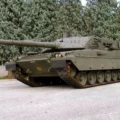
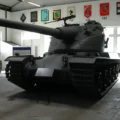
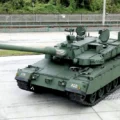
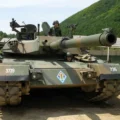
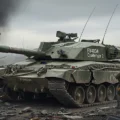
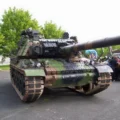
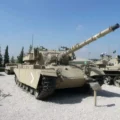
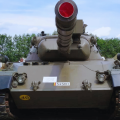
New set of 60 photos of a M1 Abrams Walk Around