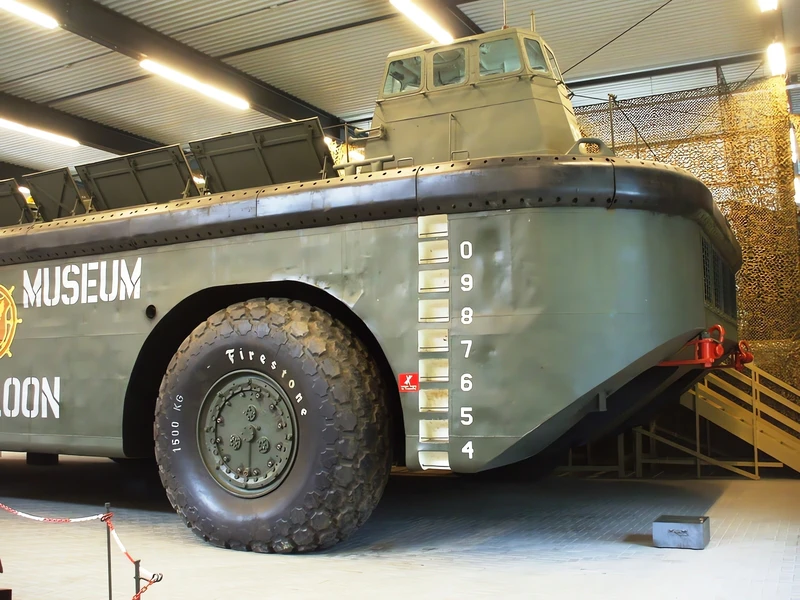
LARC-LX | |
|---|---|
| Country | USA |
| Role | Amphibious cargo vehicle |
| In service | 1952-2001 |
| Built | Unknow |
The LARC-LX (Lighter, Amphibious Resupply, Cargo, 60 ton), or as it was originally designated BARC (Barge, Amphibious Resupply, Cargo) is a welded steel-hulled amphibious cargo vehicle.
Source: LARC-LX on Wikipedia
| LARC LX Walk Around | |
|---|---|
| Photographer | Unknow |
| Localisation | Unknow |
| Photos | 34 |
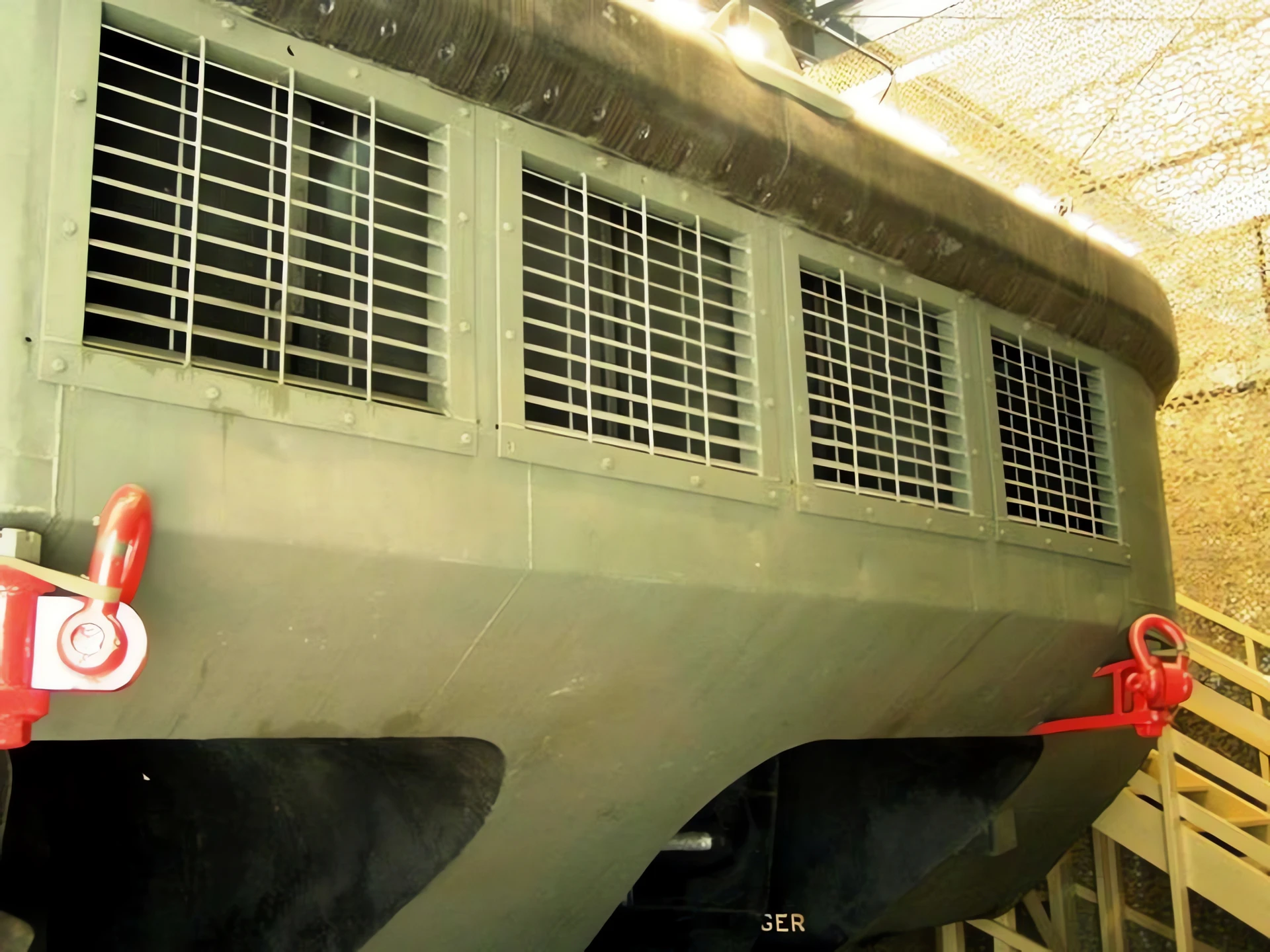
LARC LX 01
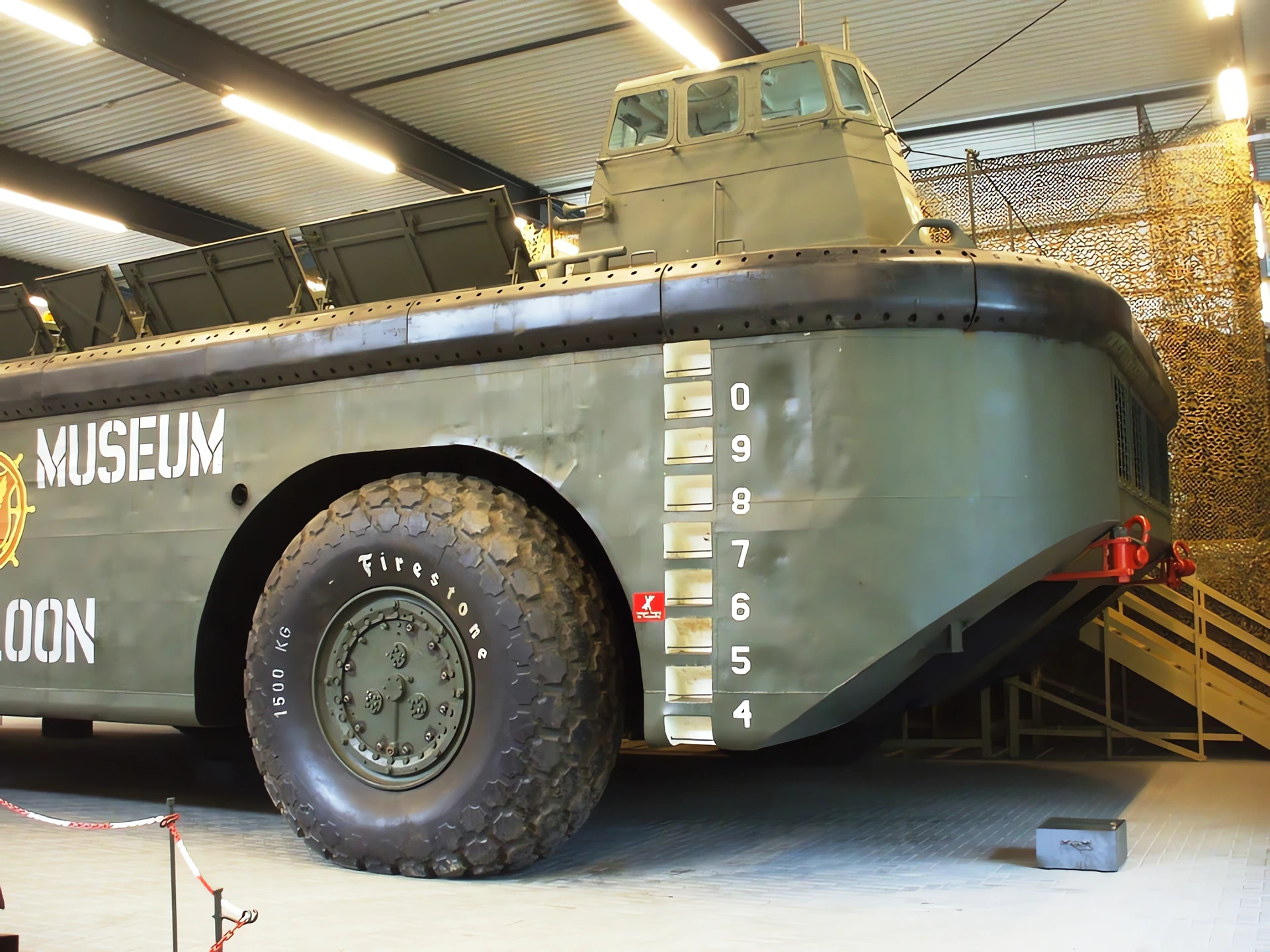
LARC LX 02
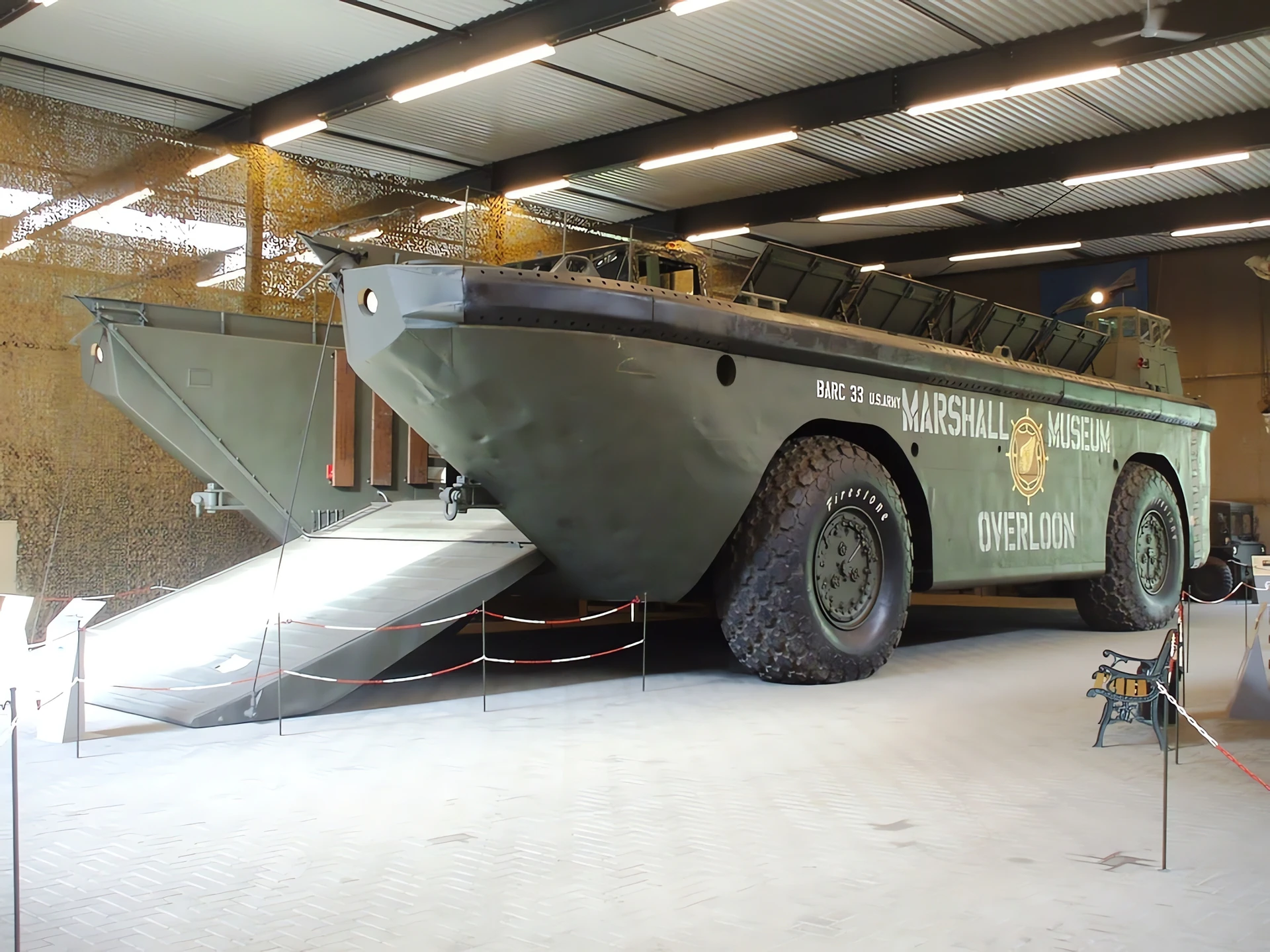
LARC LX 03
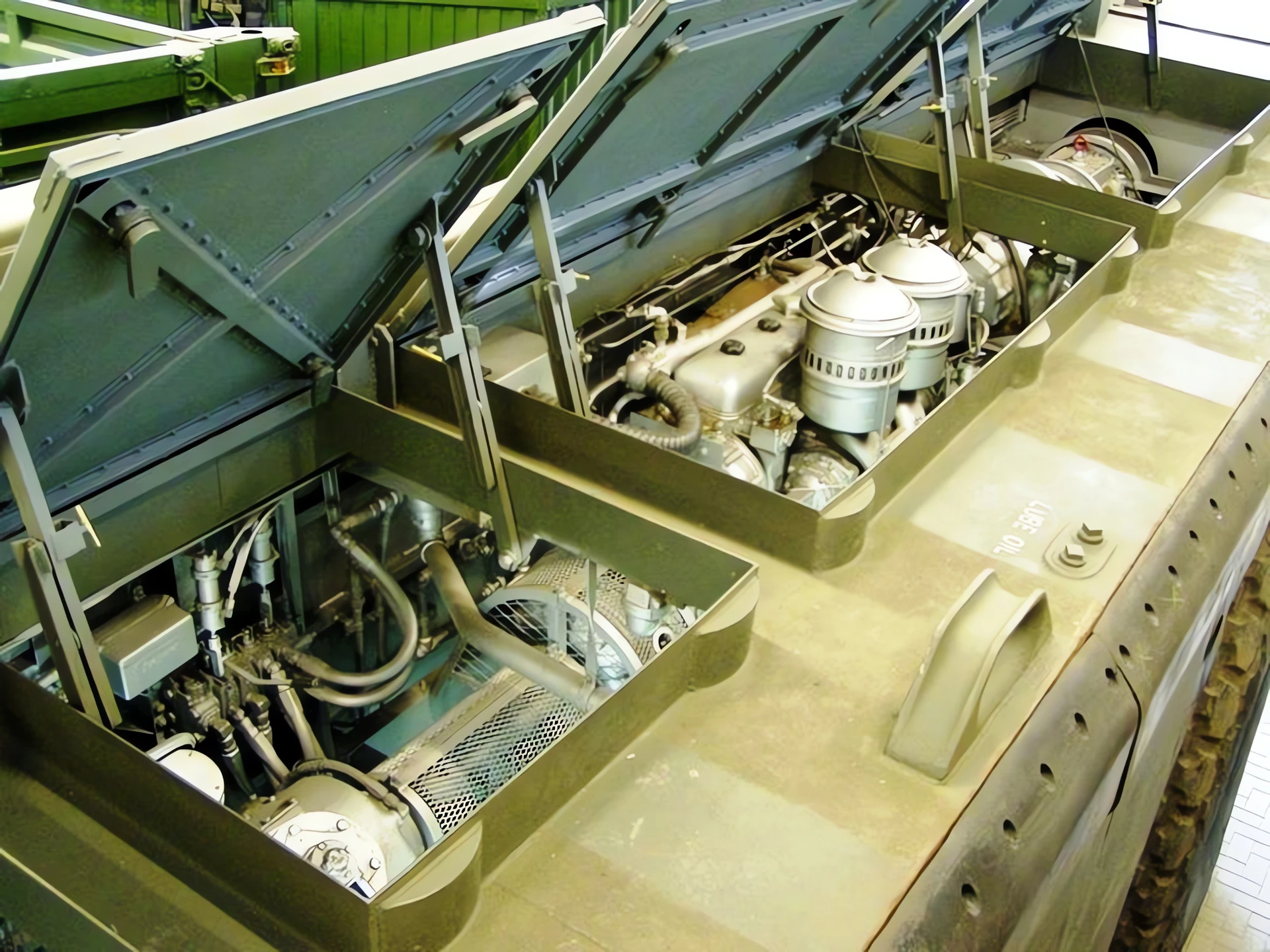
LARC LX 04
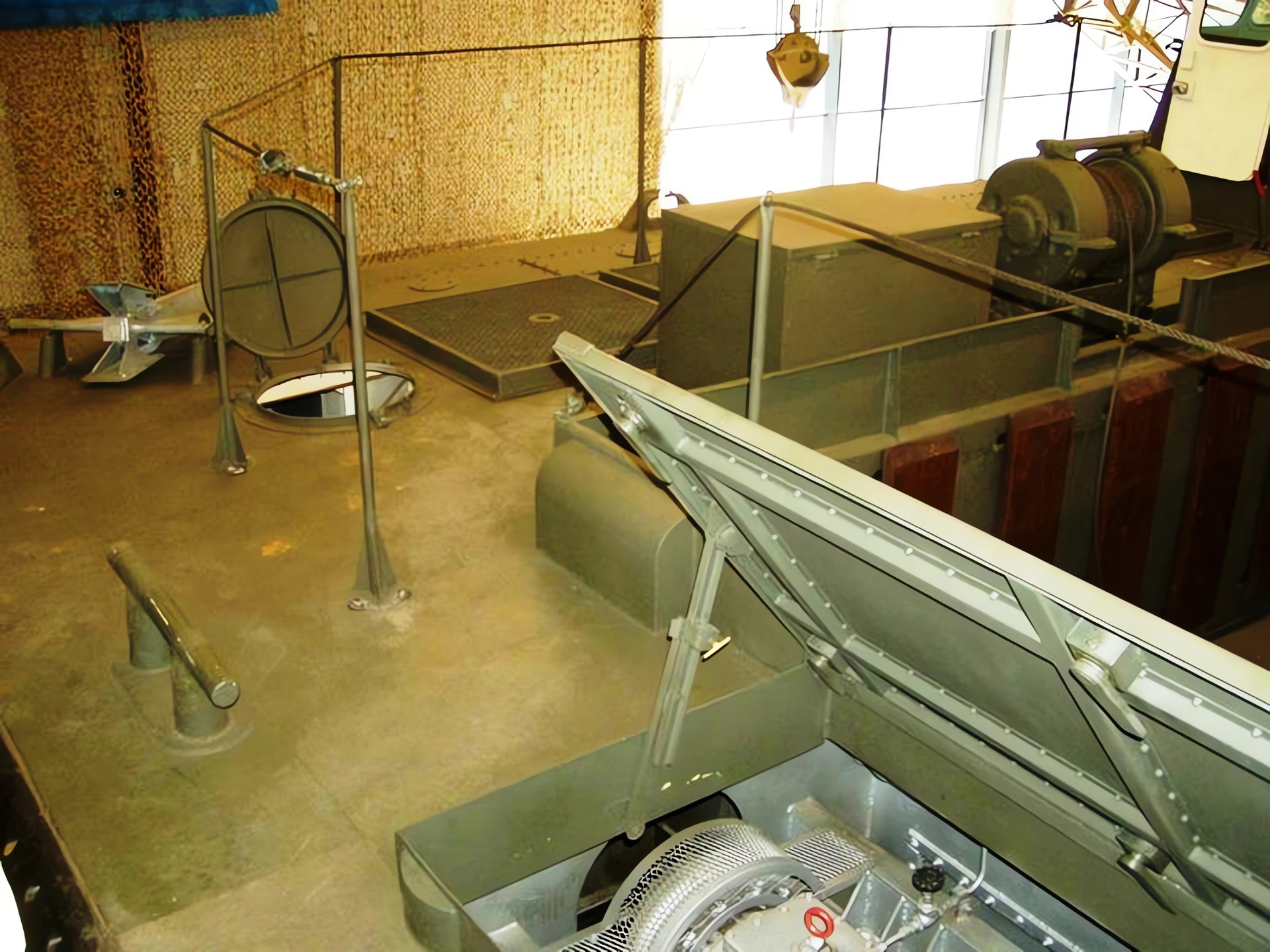
LARC LX 05
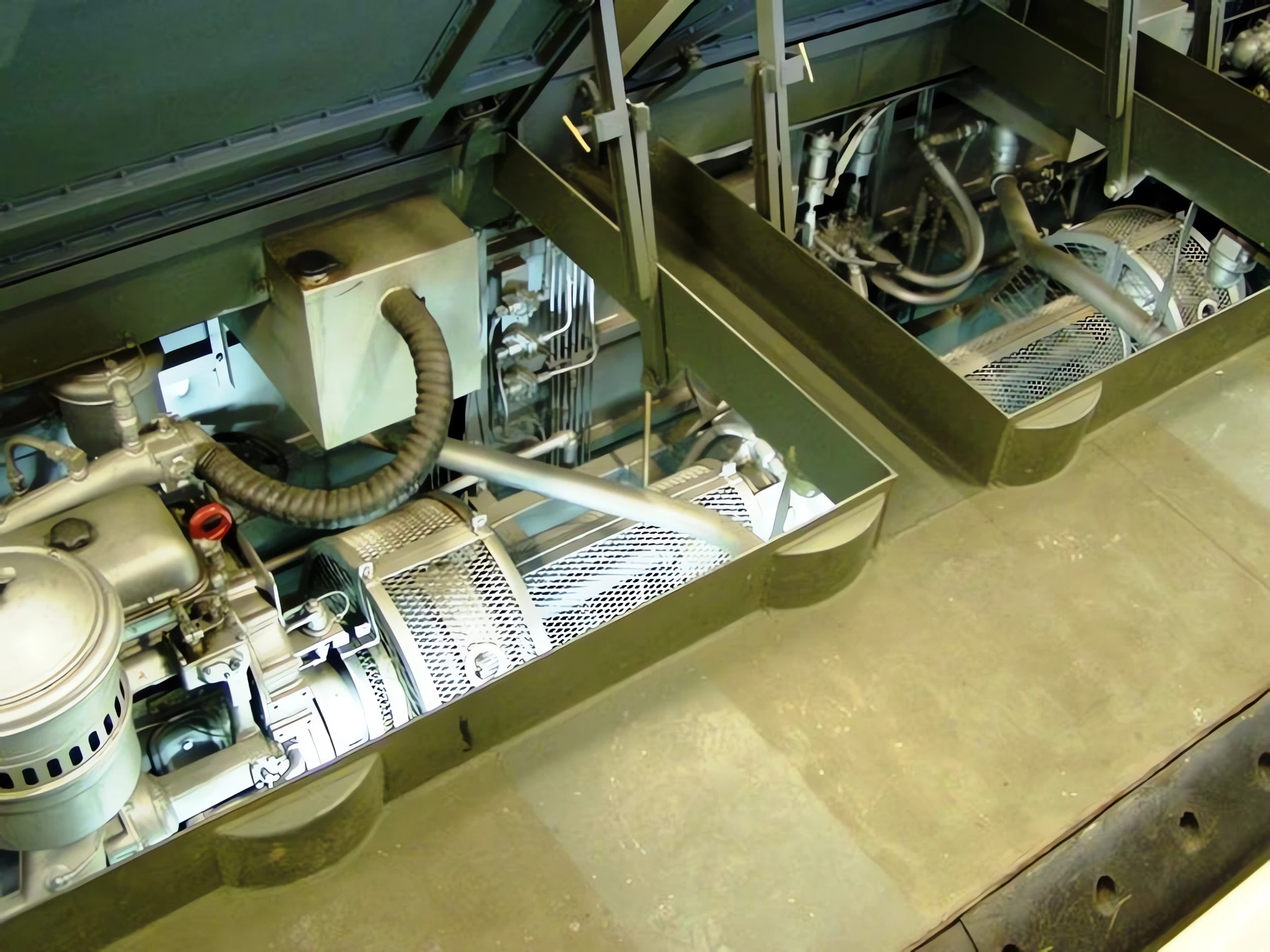
LARC LX 06
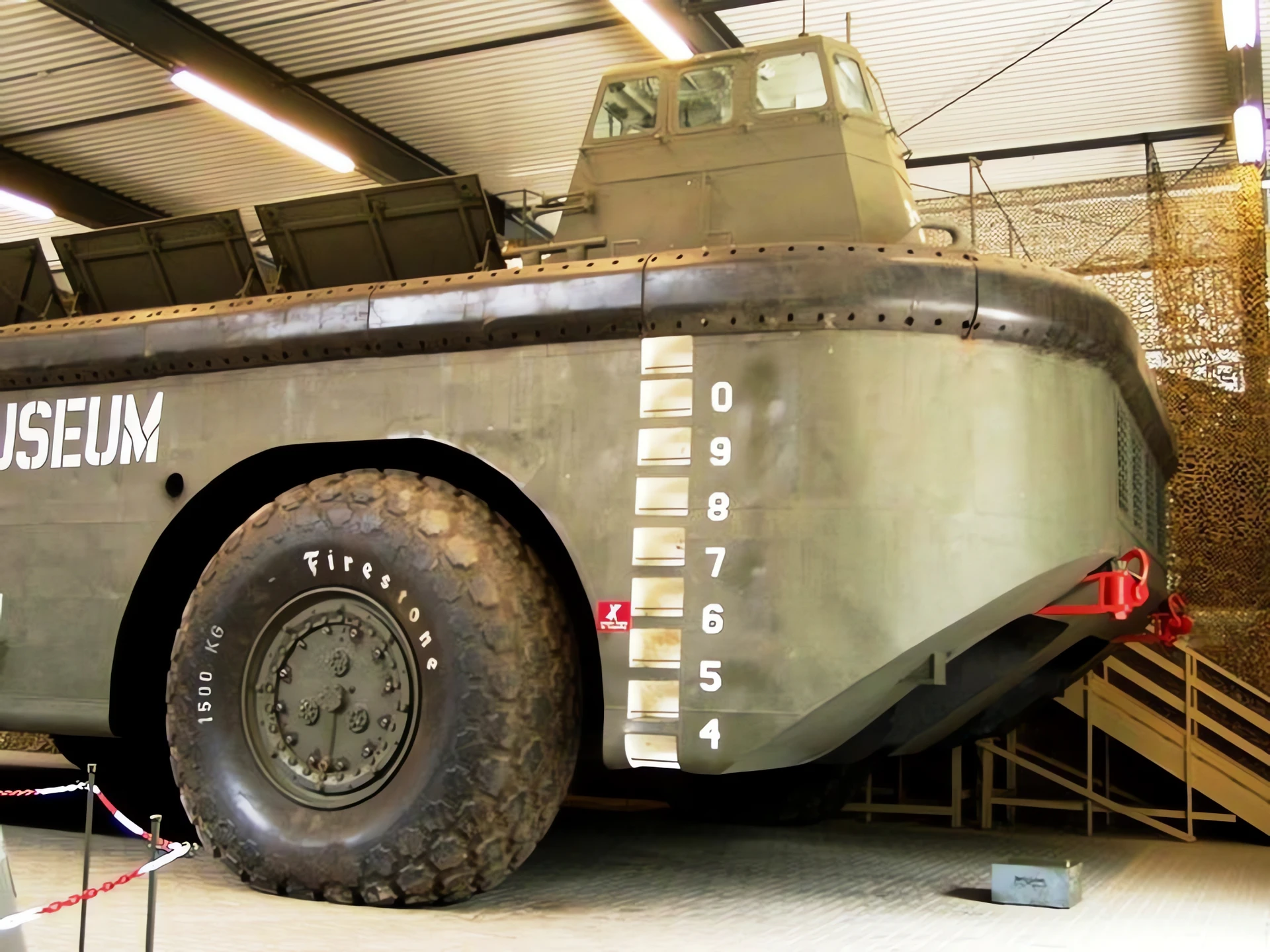
LARC LX 07
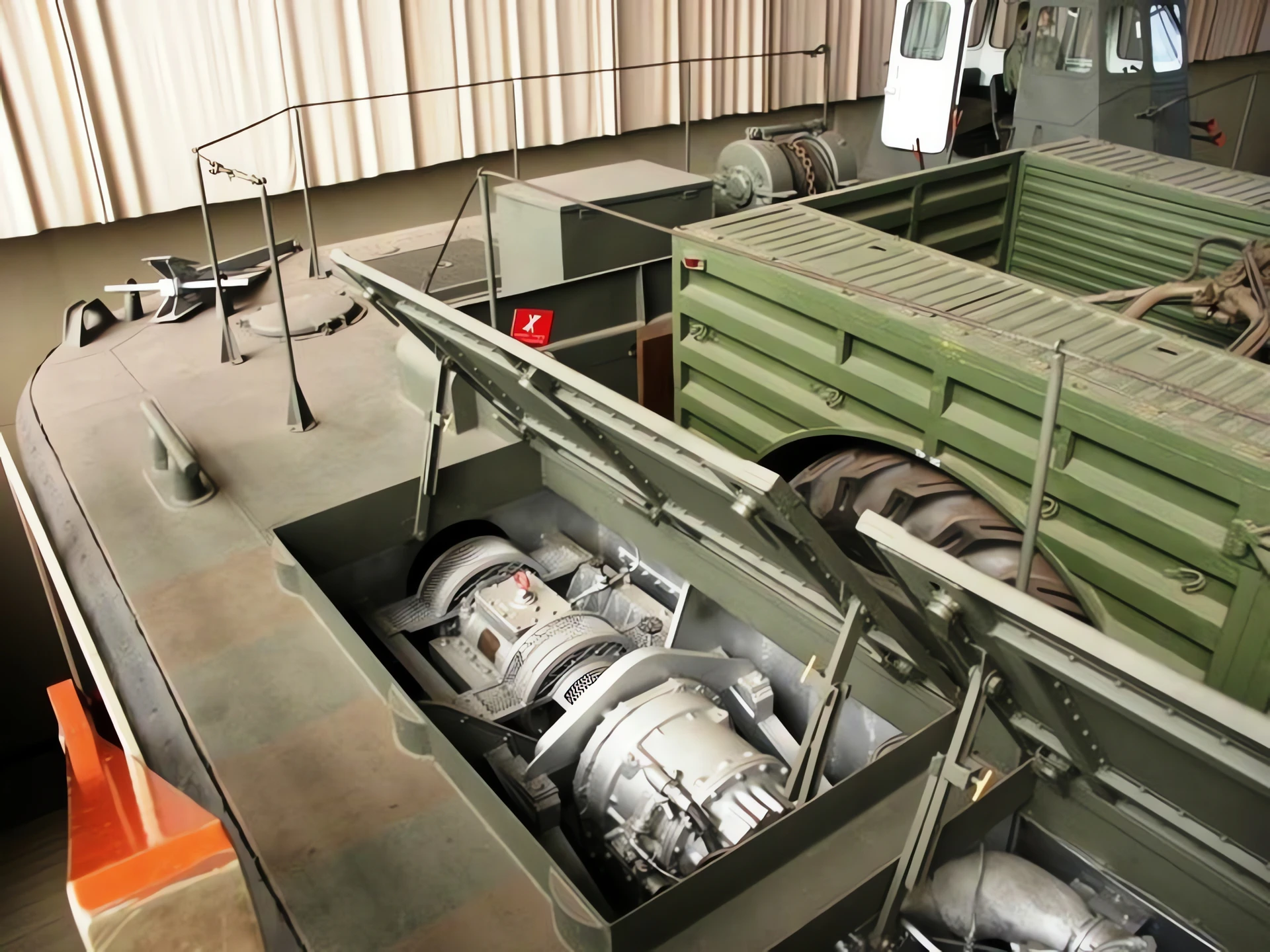
LARC LX 08
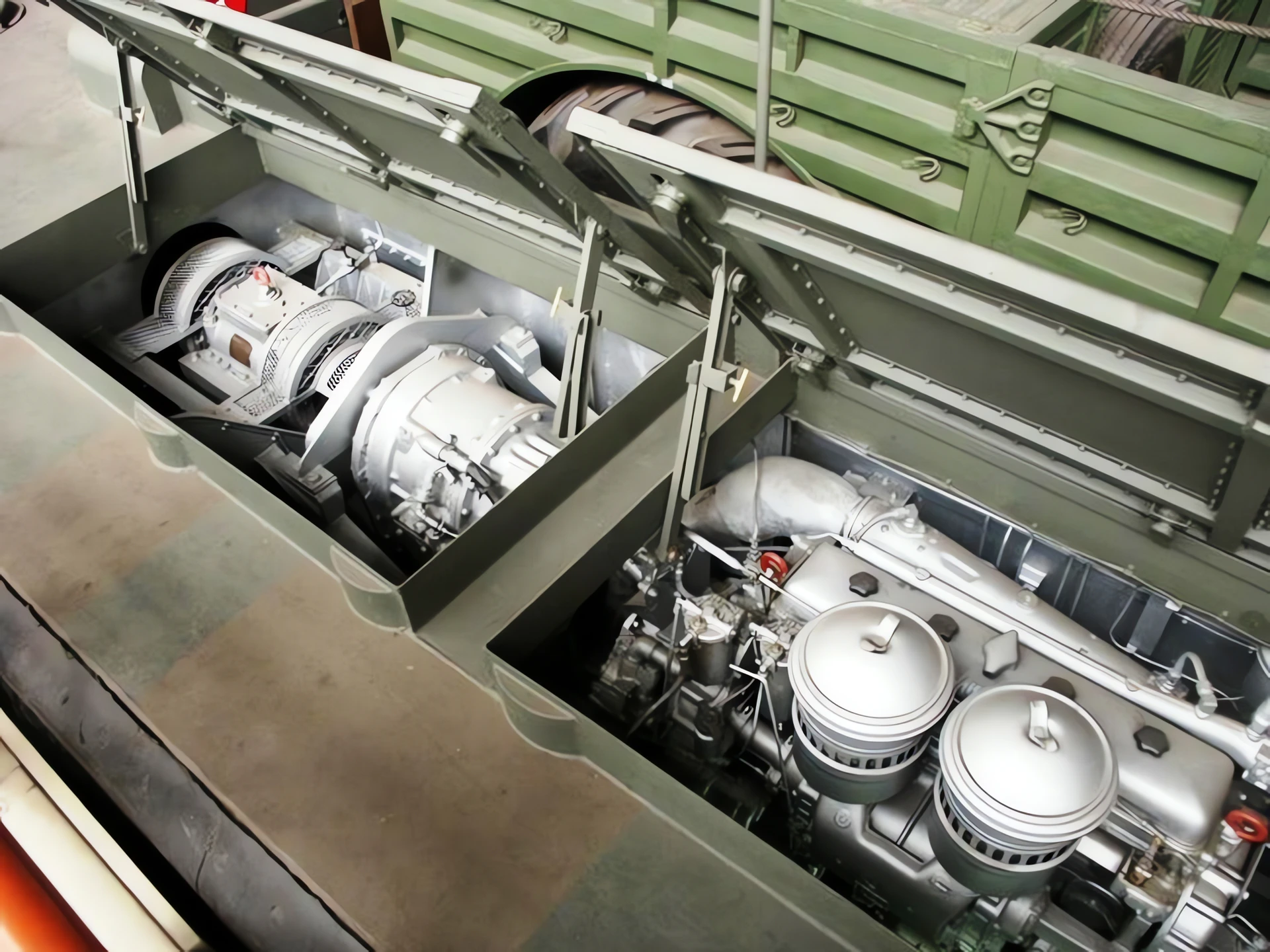
LARC LX 09
Wait, Searching LARC-LX for you…

See also:


The LARC-LX, originally designated the BARC (Barge, Amphibious, Resupply, Cargo), is the largest wheeled amphibious cargo vehicle ever used by the U.S. military. It was designed to transport heavy cargo, including main battle tanks and 40-foot shipping containers, directly from ship to shore, even through breaking surf.
General Vehicle Details
- Role: Heavy Amphibious Cargo Transport and Resupply.
- Service History: 1952–2001 (U.S. Army), notably used during the Vietnam War.
- Manufacturer: Various U.S. shipyards (e.g., LeTourneau Technologies).
- Hull Material: Welded Steel.
- Crew: 5.
- Passenger Capacity: Up to 200 troops (or 120 typically).
Dimensions and Mass
| Measurement | Value |
|---|---|
| Length | 19.1 m (62 ft 6.5 in) |
| Width | 8.1 m (26 ft 7 in) |
| Height | 5.9 m (19 ft 6 in) |
| Empty Weight | 88,000 kg (194,000 lb / 97 Tons) |
| Payload Capacity | 60 tons (rated) to 100 tons (maximum) |
| Tire Size | 9.5 ft (nearly 3 m) high |
Propulsion and Performance
The LARC-LX’s propulsion system was uniquely designed for versatility, utilizing a separate engine for each wheel on land.
- Powerplant: 4 x GMC/Detroit Diesel NA6-71 diesel engines (approx. 265 hp each).
- Land Propulsion: Each engine drives one wheel independently (4×4 drive).
- Water Propulsion: Pairs of engines couple to drive 2 x 1.2 m (47 in) propellers.
| Operational Environment | Maximum Speed | Range (60-ton load) |
|---|---|---|
| Land | 26 km/h (16 mph) | 240 km (150 mi) |
| Water | 7 knots (13 km/h / 8 mph) | 121 km (75 nautical miles) |
The LARC-LX was renowned for its maneuverability despite its size, featuring independent steering on all four massive wheels, allowing for extremely tight turning circles (75 ft) or “crab walking” movements.
Views : 1742
You can see also :
 Assault Amphibious Vehicle – Photos & Videos
 Panhard M3 – Photos & Videos
 LARC-V – Photos & Videos
 Landing Vehicle Tracked – Photos & Videos
 BMP-1 – Photos & Video
 T-30 – Photos & Video
 FV180 Combat Engineer Tractor – Photos & Video
 OT-62 TOPAS – Photos & Video
 MT-LB Sjvpbv 4024 – Photos & Video
 PTS-M Tracked Amphibious Transport – Photos & Video