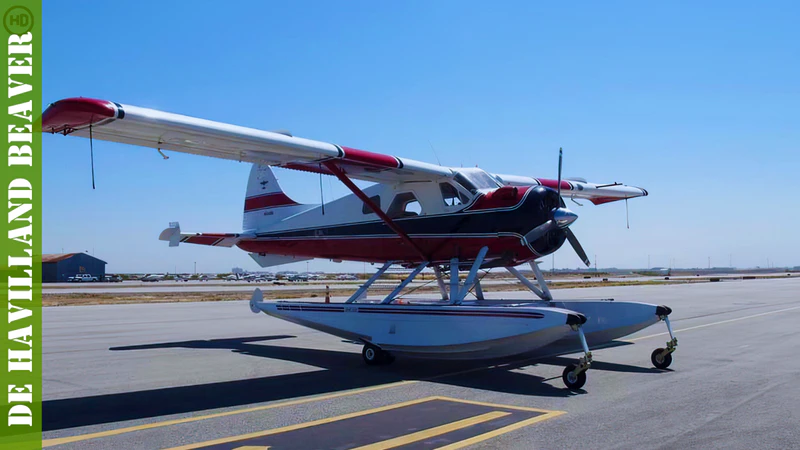
| de Havilland Canada DHC-2 | |
|---|---|
| Country | Canada |
| Role | STOL utility transport |
| First flight | 16 August 1947 |
| Built | 1657 |
The de Havilland Canada DHC-2 Beaver is a single-engined high-wing propeller-driven short takeoff and landing (STOL) aircraft developed and manufactured by de Havilland Canada. It has been primarily operated as a bush plane and has been used for a wide variety of utility roles, such as cargo and passenger hauling, aerial application (crop dusting and aerial topdressing), and civil aviation duties. Shortly after the end of the Second World War, de Havilland Canada made the decision to orient itself towards civilian operators. Based upon feedback from pilots, the company decided that the envisioned aircraft should have excellent STOL performance, all-metal construction, and accommodate many features sought by the operators of bush planes. On 16 August 1947, the maiden flight of the aircraft, which had received the designation DHC-2 Beaver, took place. In April 1948, the first production aircraft was delivered to the Ontario Department of Lands and Forests.
| de Havilland Canada U-6A Beaver Walk Around | |
|---|---|
| Photographer | Vladimir Yakubov |
| Localisation | Castle Air Museum, Atwater |
| Photos | 113 |
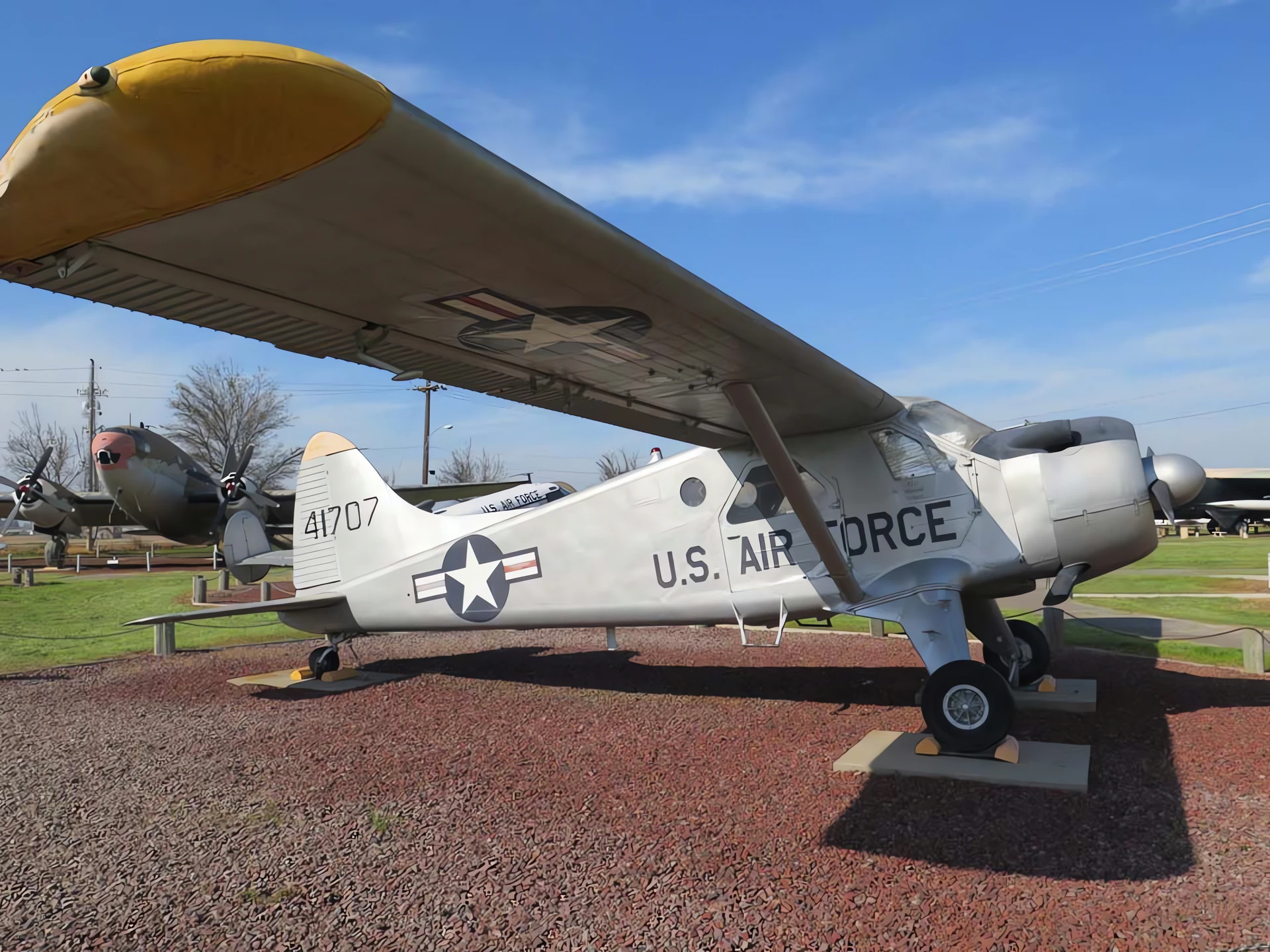
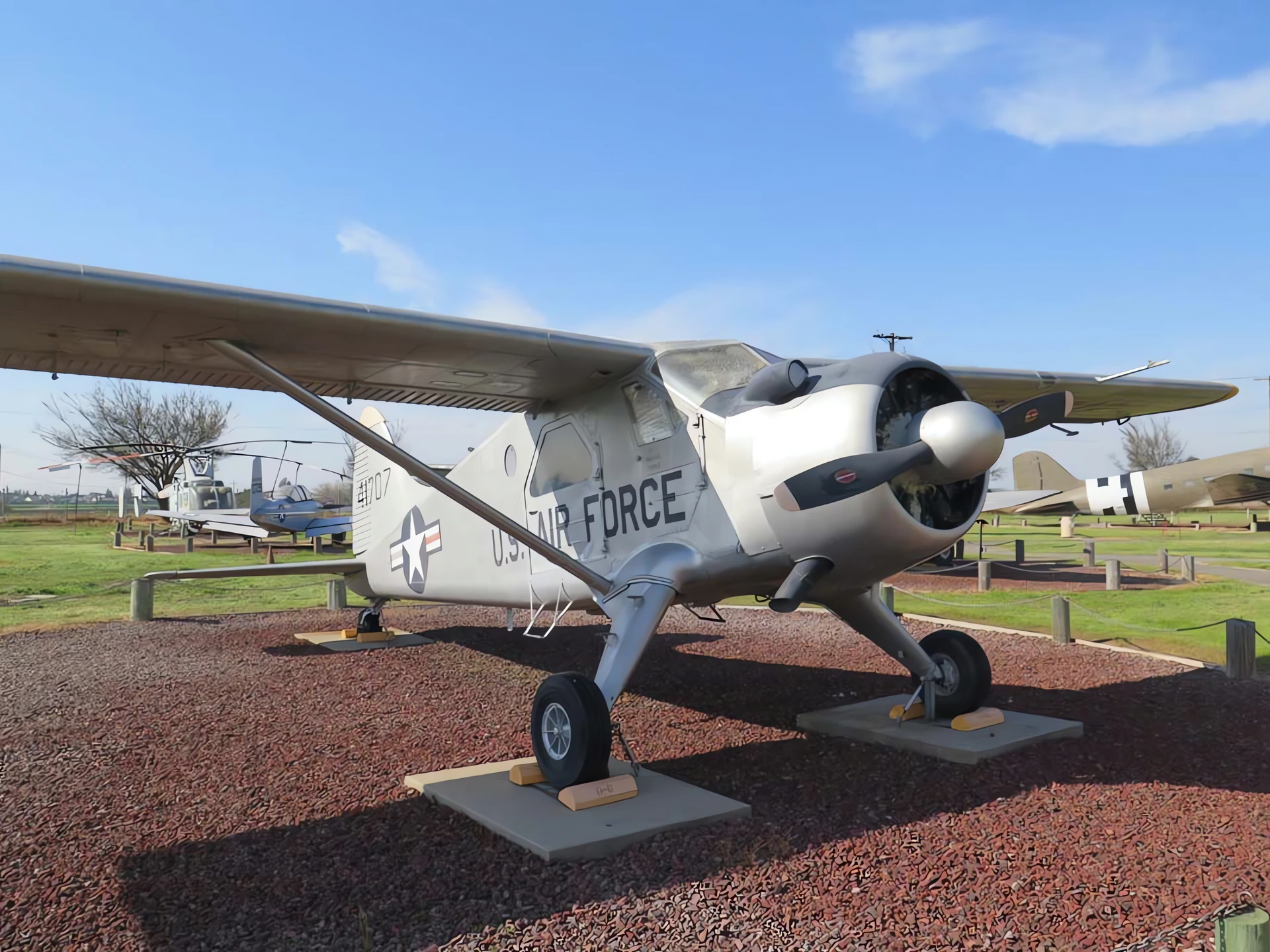
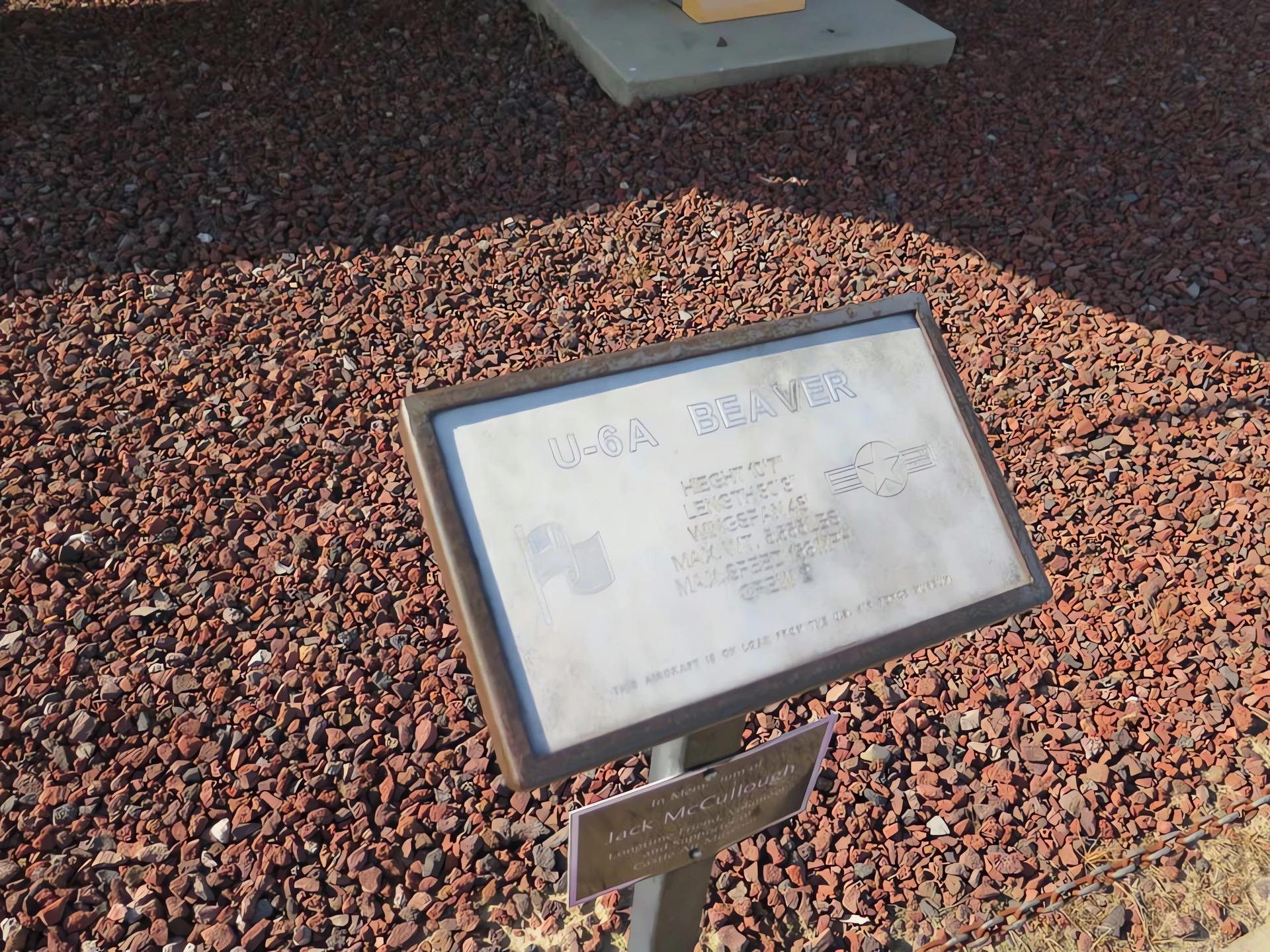
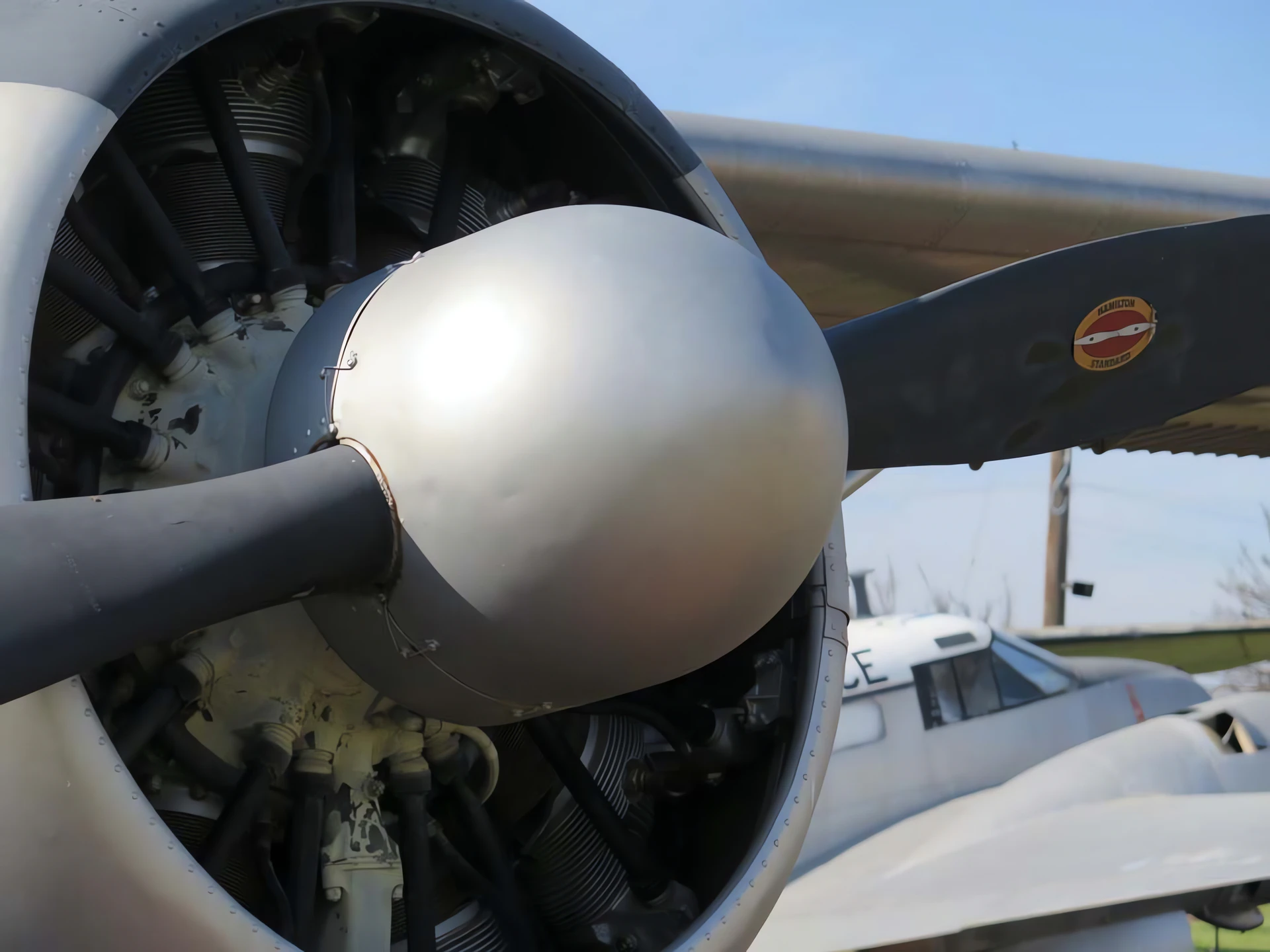
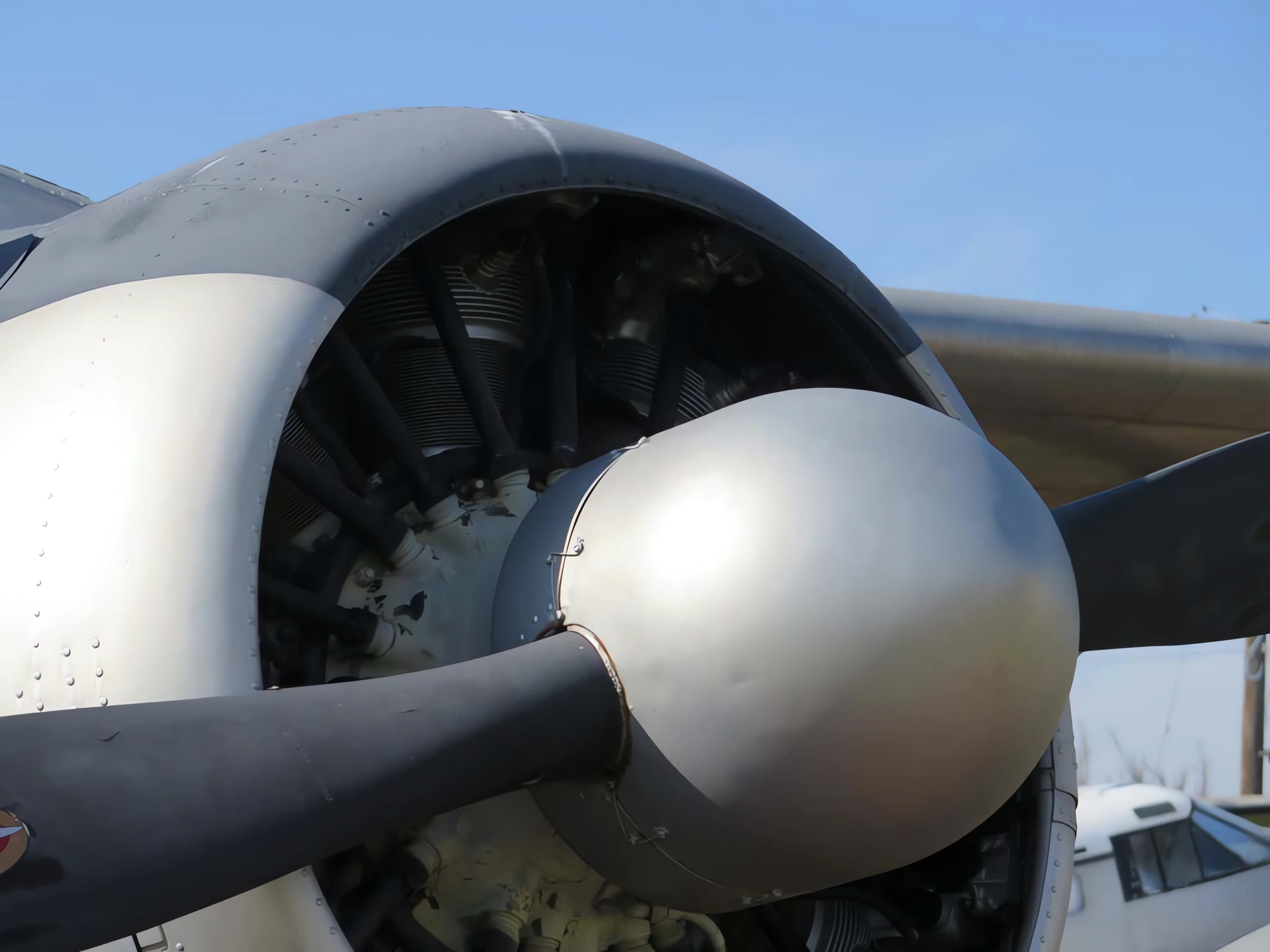
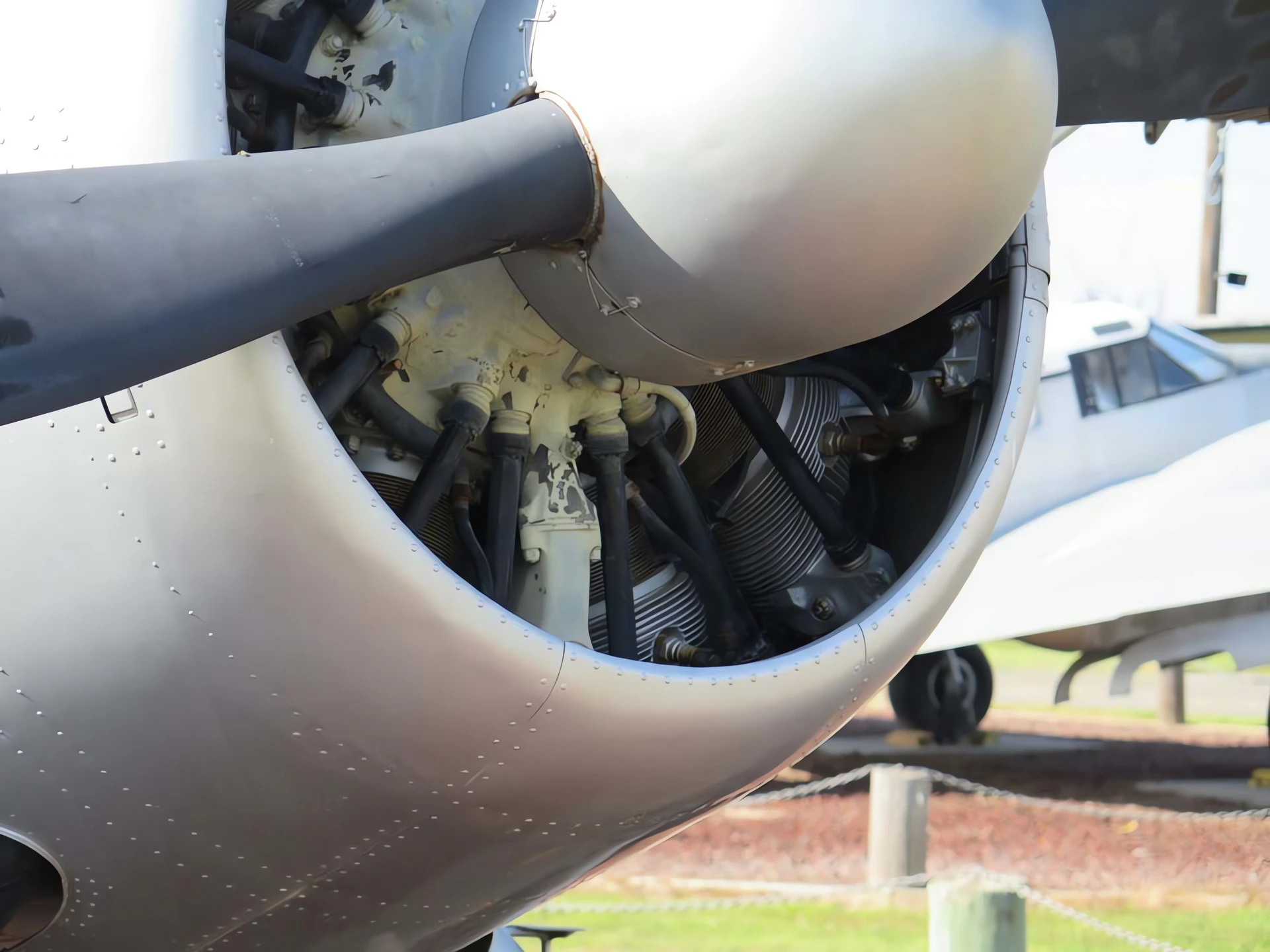
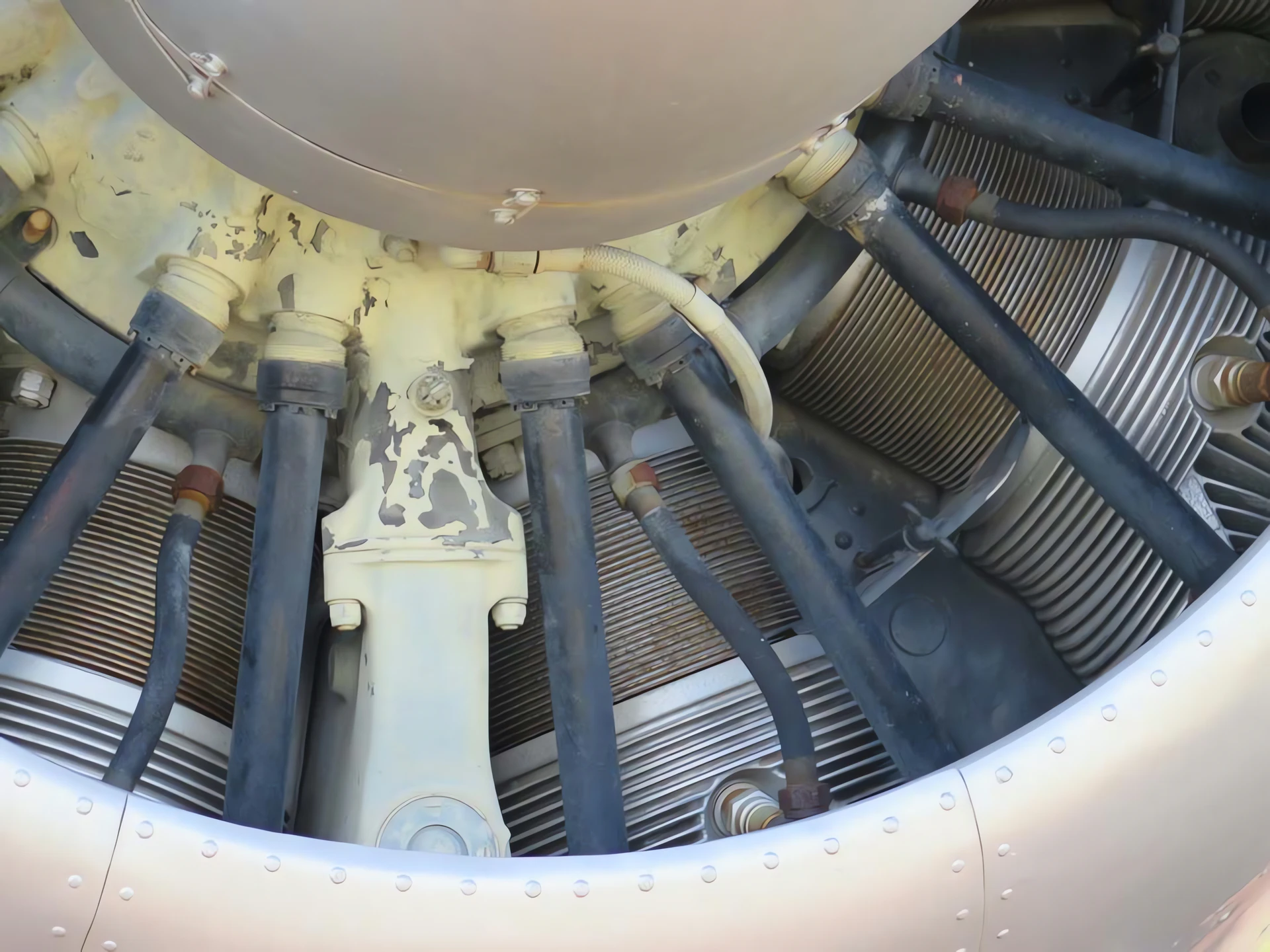
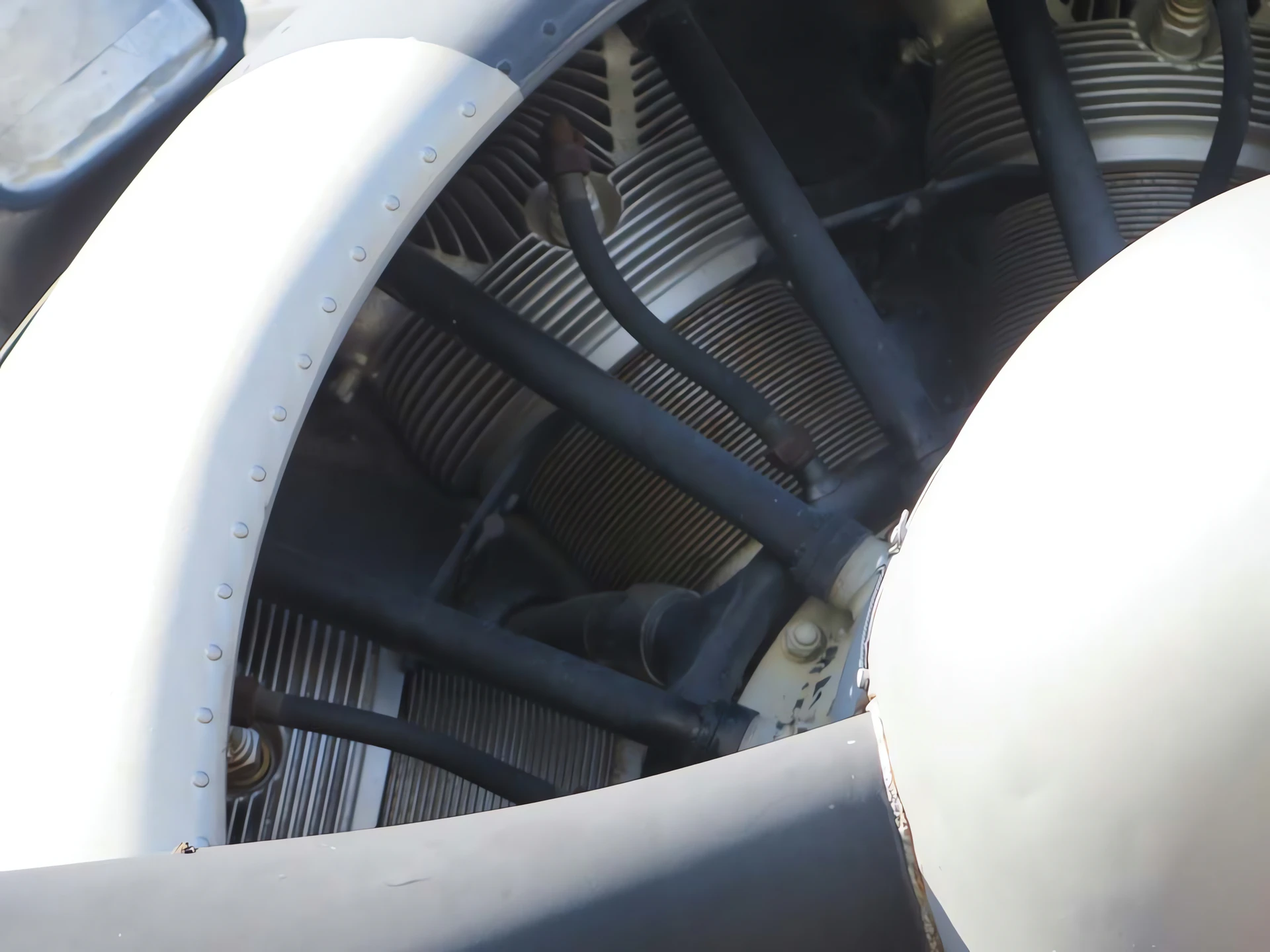
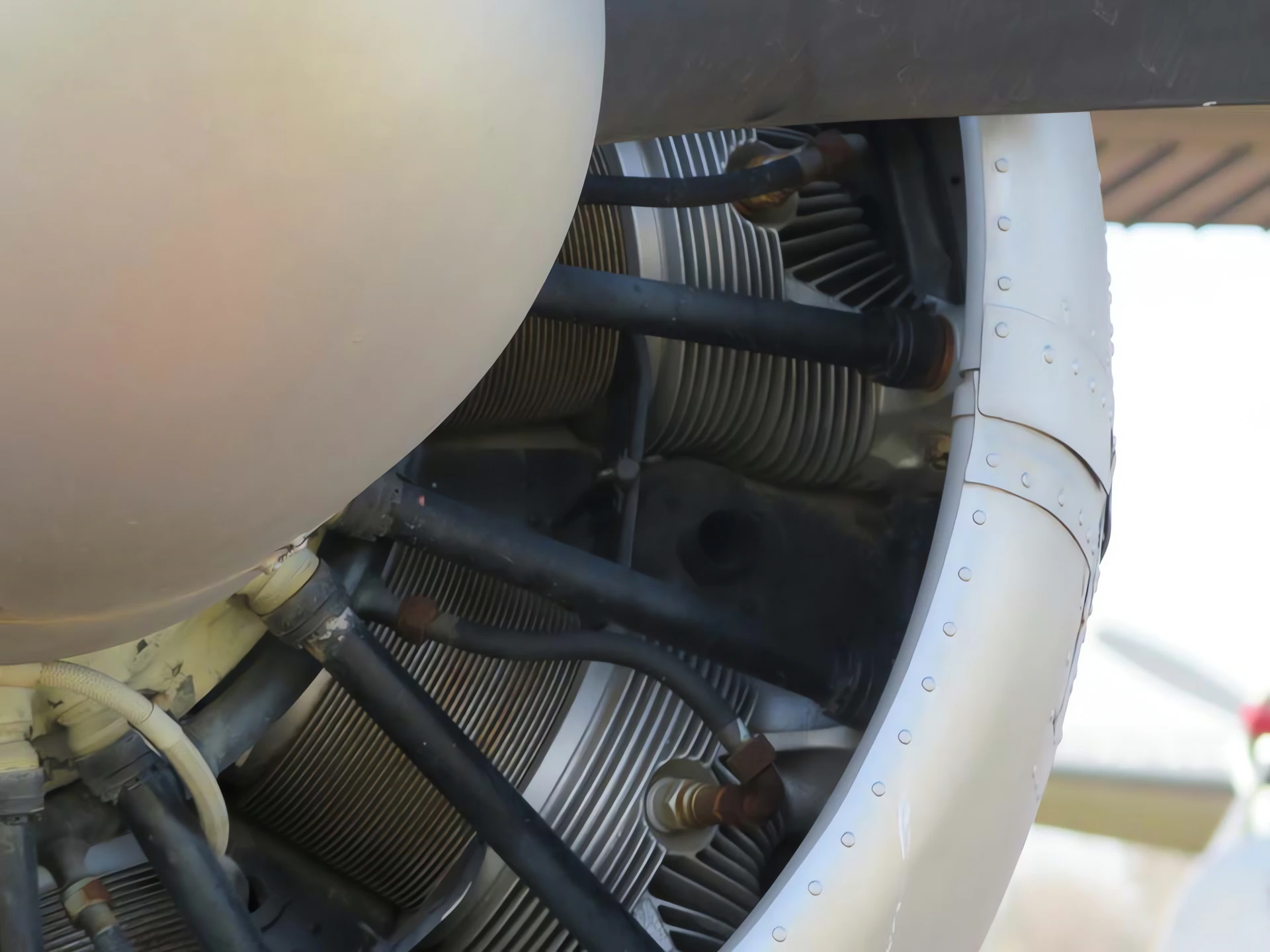


| DeHavilland DHC-2 Beaver Walk Around | |
|---|---|
| Photographer | Bill Maloney |
| Localisation | Vintage Wings of Canada |
| Photos | 23 |
See also:


General Characteristics and Role
The de Havilland Canada DHC-2 Beaver is a single-engined, high-wing, propeller-driven Short Take-Off and Landing (STOL) aircraft developed and built in Canada. Designed specifically for operations in rugged, remote areas with demanding flight conditions—often referred to as the bush plane role—the Beaver is renowned for its durability, power, and phenomenal ability to operate from minimal airstrips, water (as a seaplane), or snow (with skis). The U-6A designation was the version used by the US Army and US Air Force, which bought hundreds of Beavers for utility, liaison, and light cargo duties during the 1950s and 60s. The Beaver is considered one of the most successful utility aircraft ever built and is an iconic part of aviation history in Canada and Alaska.
| Property | Typical Value (DHC-2 Mk.I) |
|---|---|
| Role | Utility, Bush Plane, Liaison, Light Cargo |
| National Origin | Canada |
| Manufacturer | de Havilland Canada |
| First Flight | 16 August 1947 |
| Crew | 1 (Pilot) |
| Capacity (Passengers) | 6 passengers or equivalent cargo |
| Length | 9.22 m (30 ft 3 in) |
| Wingspan | 14.63 m (48 ft 0 in) |
| Height | 2.74 m (9 ft 0 in) |
| Empty Weight | 1,361 kg (3,000 lb) |
| Max Takeoff Weight | 2,313 kg (5,100 lb) |
Powerplant and Performance
- Engine: 1 x Pratt & Whitney R-985 Wasp Junior nine-cylinder, air-cooled radial engine.
- Power Output: 336 kW (450 hp).
- Propeller: Hamilton Standard two-blade constant-speed propeller.
- Cruise Speed: 206 km/h (128 mph; 111 kn).
- Stall Speed (Flaps down): 73 km/h (45 mph; 39 kn) (STOL capability).
- Range: 732 km (455 mi; 395 nmi) with maximum payload.
- Take-off Distance (Ground): 190 m (625 ft) to clear 50 ft obstacle.
Design and Flexibility
- STOL Design: Utilizes full-span slats and slotted flaps, which are key to its exceptional short-field performance.
- Interchangeable Landing Gear: Designed to be quickly and easily converted to use wheels, skis, or floats (pontoons) for operations on any surface.
- Construction: Rugged, all-metal construction for maximum durability in harsh environments.
- Cargo Access: Features large double cargo doors on the left side of the fuselage for easy loading of bulky items like 45-gallon drums.
Views : 3315
You can see also :
 PZL M28 Skytruck – Photos & Video
 de Havilland DH.104 Dove – Photos & Videos
 de Havilland DH.60 Moth – Photos & Videos
 Ball-Bartoe Jetwing – Photos & Videos
 Pilatus PC-6 Porter – Photos & Videos
 de Havilland Canada DHC-4 Caribou – Photos & Video
 Aeritalia G.222 – Photos & Video
 Hawker Siddeley Harrier – Photos & Video
 de Havilland DH.88 Comet – Photos & Video
 de Havilland DH.82 Tiger Moth – Photos & Video