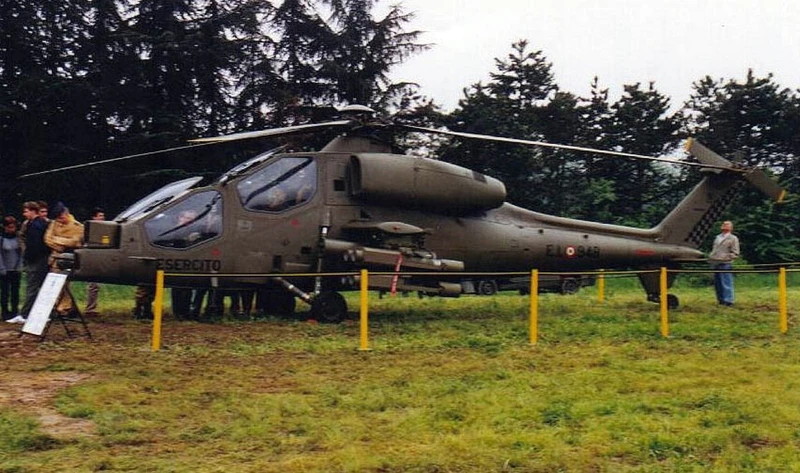
Agusta A129 Mangusta | |
|---|---|
| Country | Italia |
| Role | Attack helicopter |
| First flight | 11 September 1983 |
| Built | 60 |
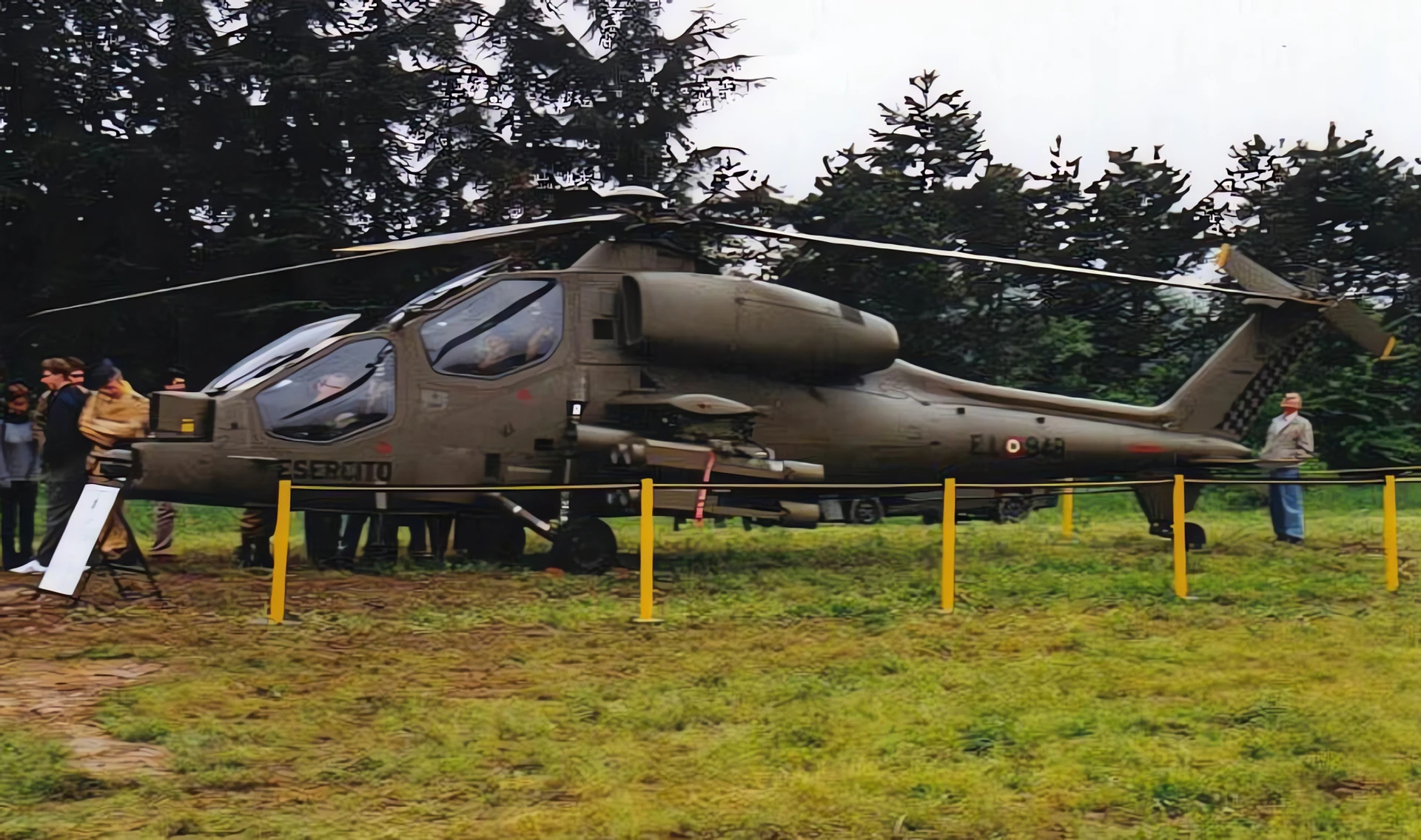
The Agusta A129 Mangusta (English: Mongoose) is an attack helicopter originally designed and produced by Italian company Agusta. It is the first attack helicopter to be designed and produced wholly in Europe. It has continued to be developed by AgustaWestland, the successor company to Agusta. The A129 has undergone several combat deployments since entering service with the Italian Army in the 1990s. A derivative of the A129, the TAI/AgustaWestland T129 ATAK, is being developed by Turkish Aerospace Industries (TAI) in cooperation with AgustaWestland. TAI will produce the T129 for the Turkish Army and potentially export customers.
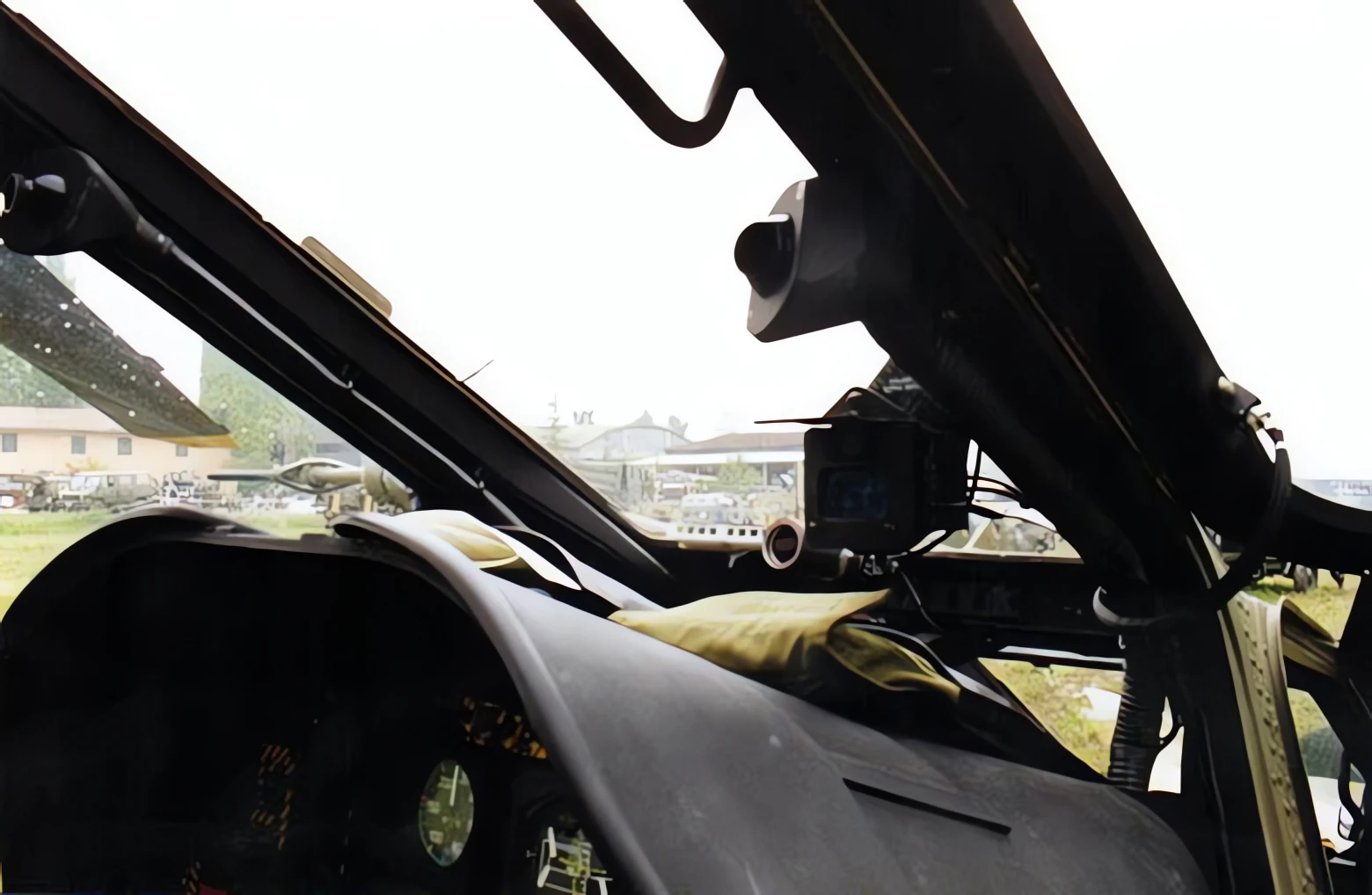
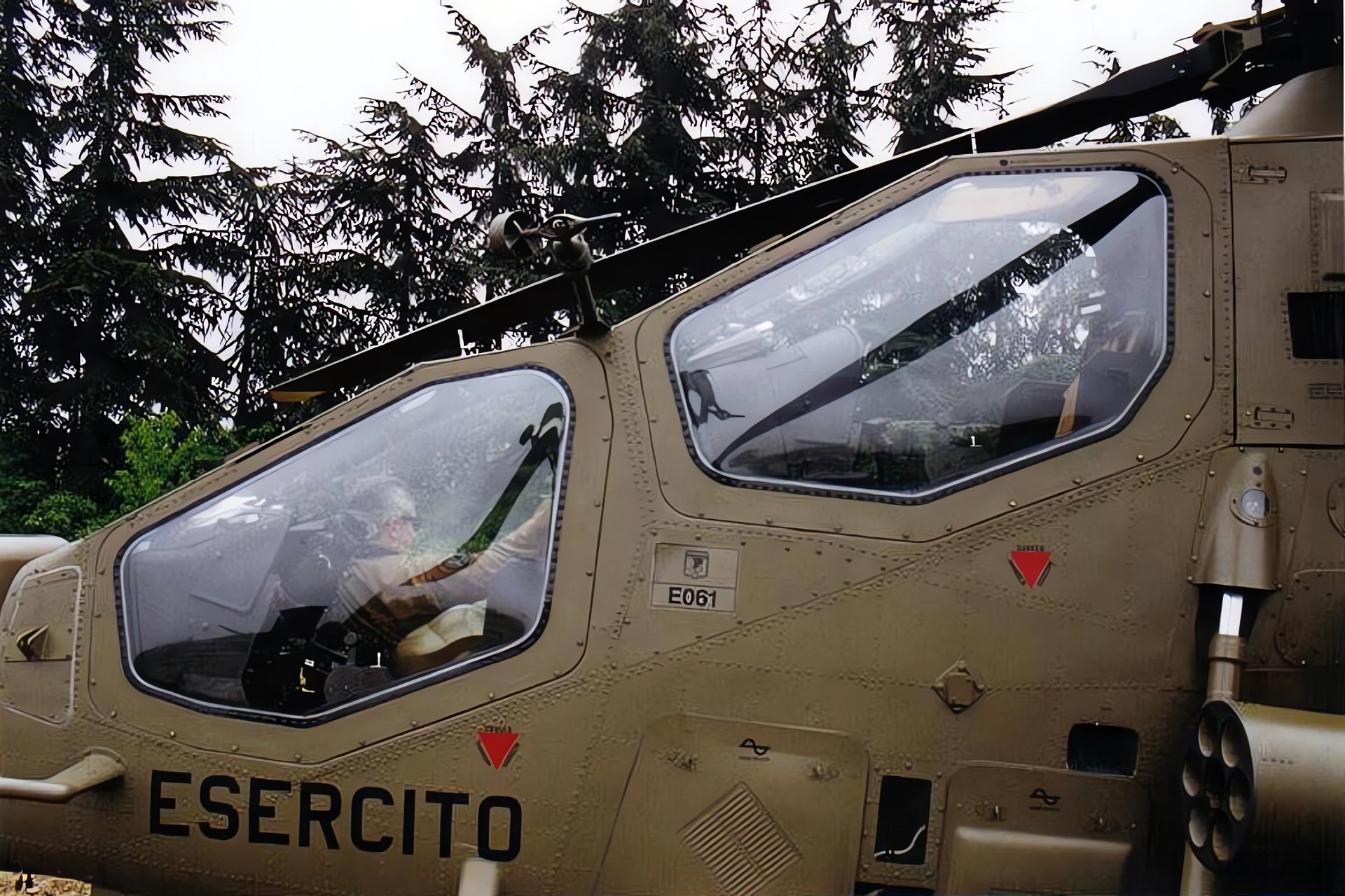
| Agusta A129 Mangusta Walk Around | |
|---|---|
| Photographer | Luca Mantegna |
| Localisation | Unknow |
| Photos | 43 |
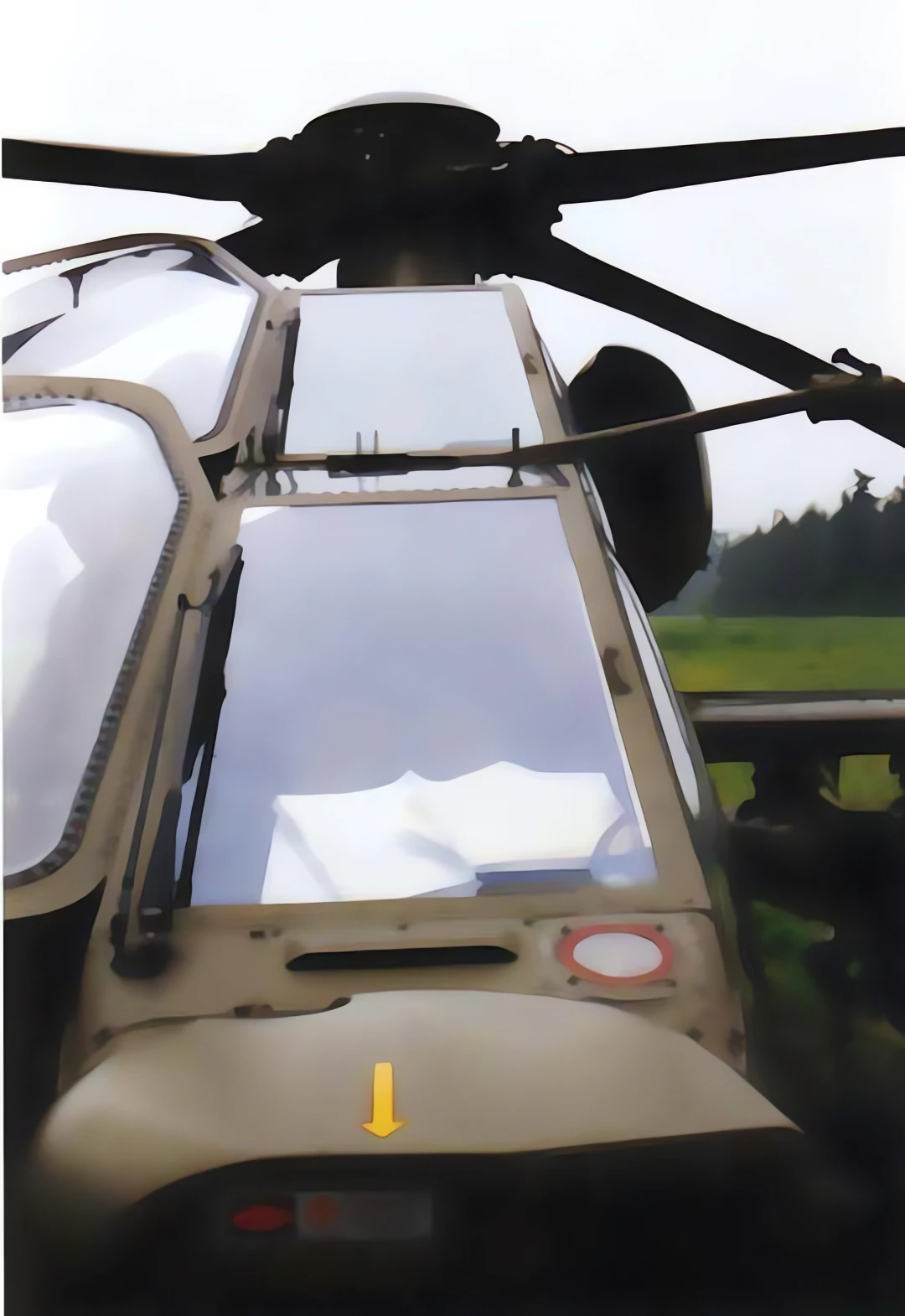
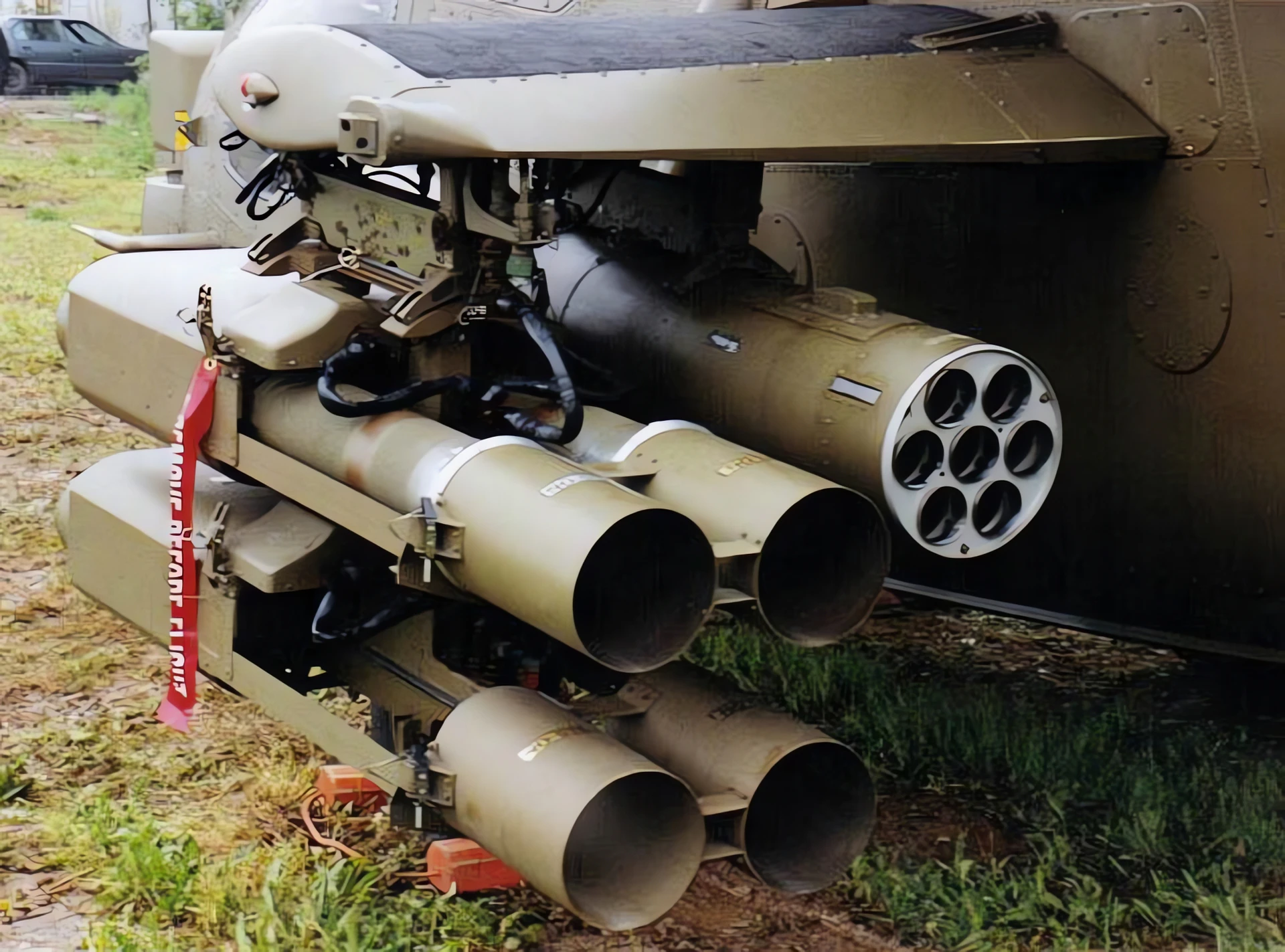
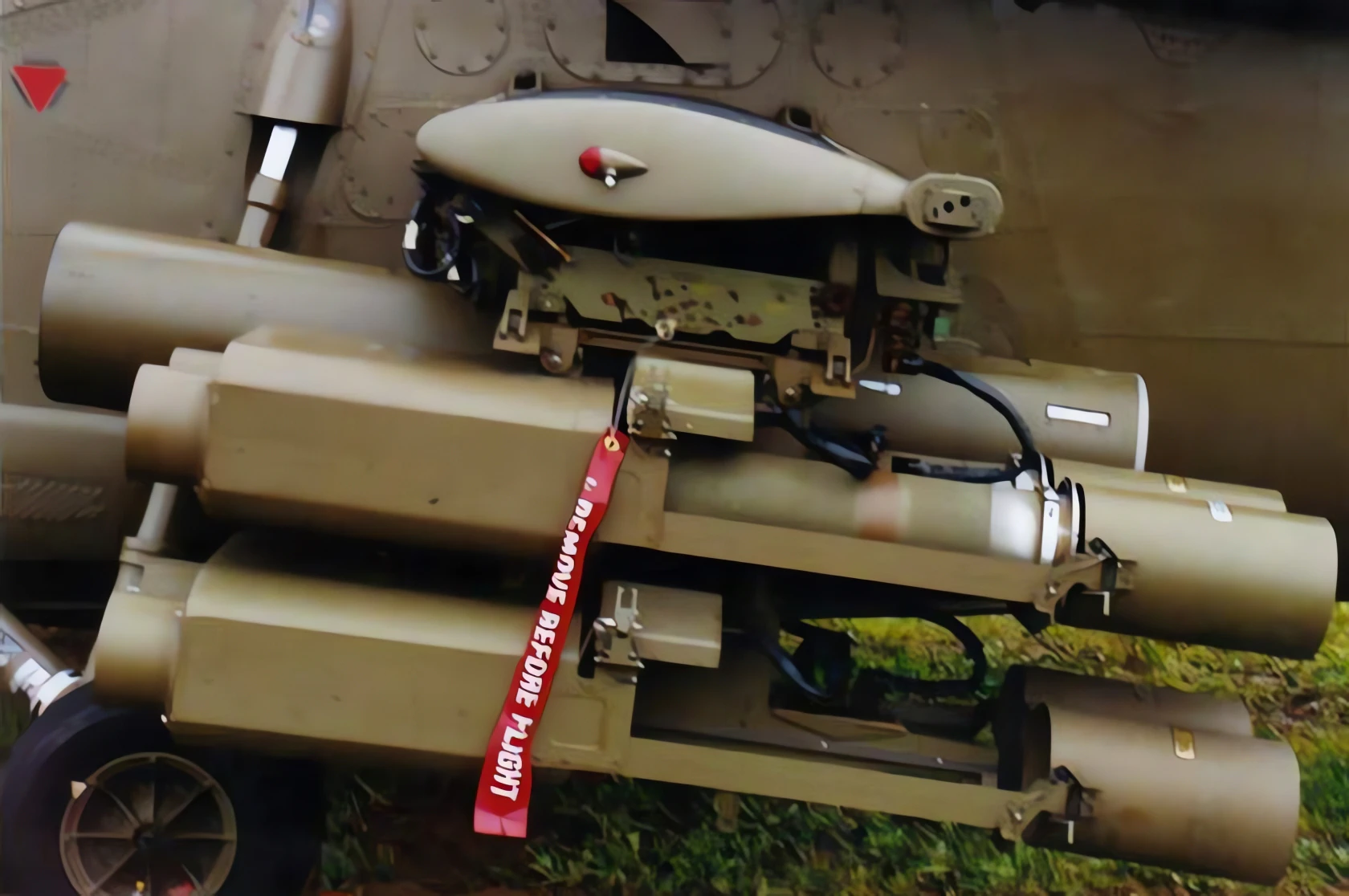


See also:


General Characteristics and Role
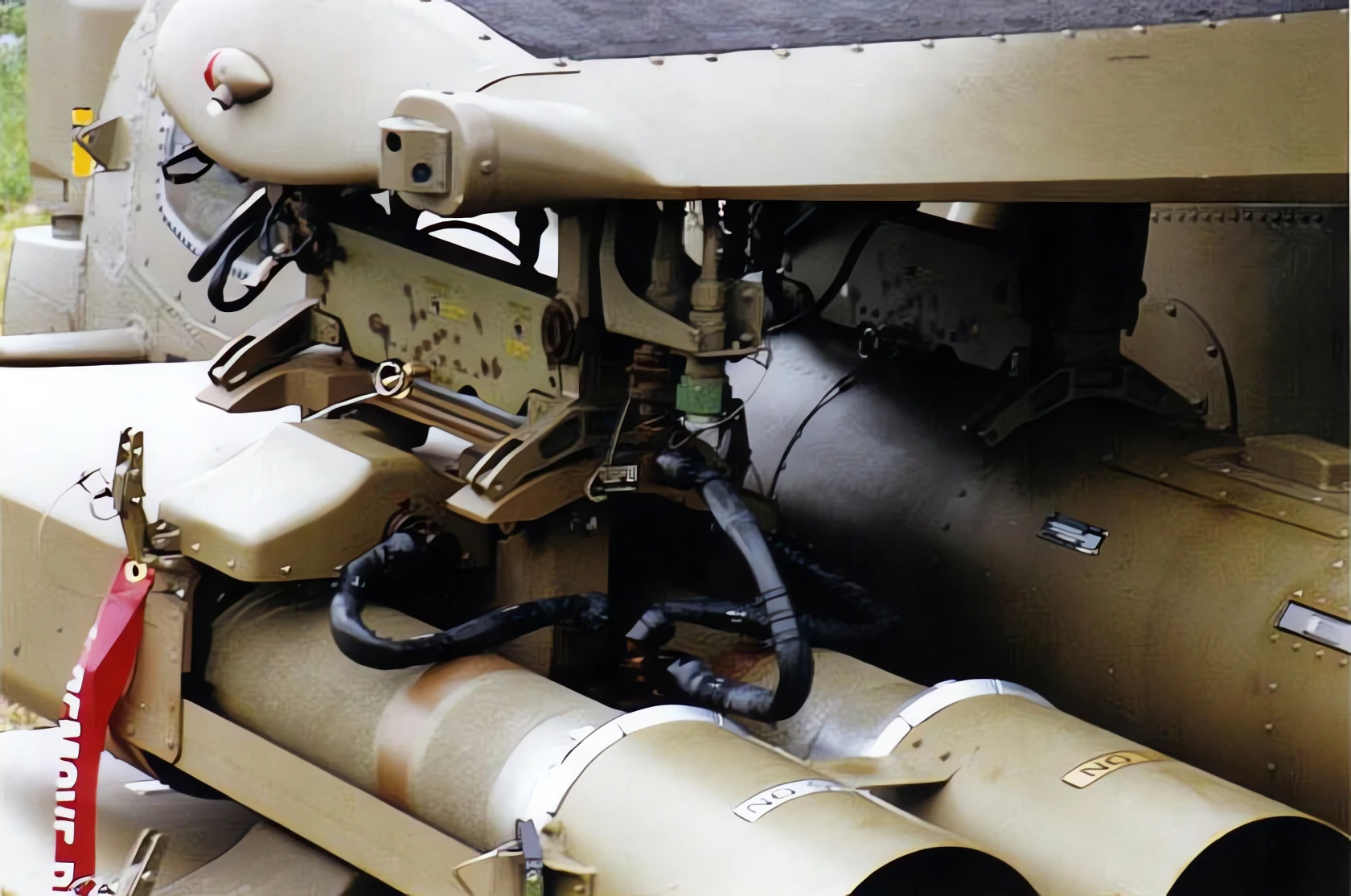
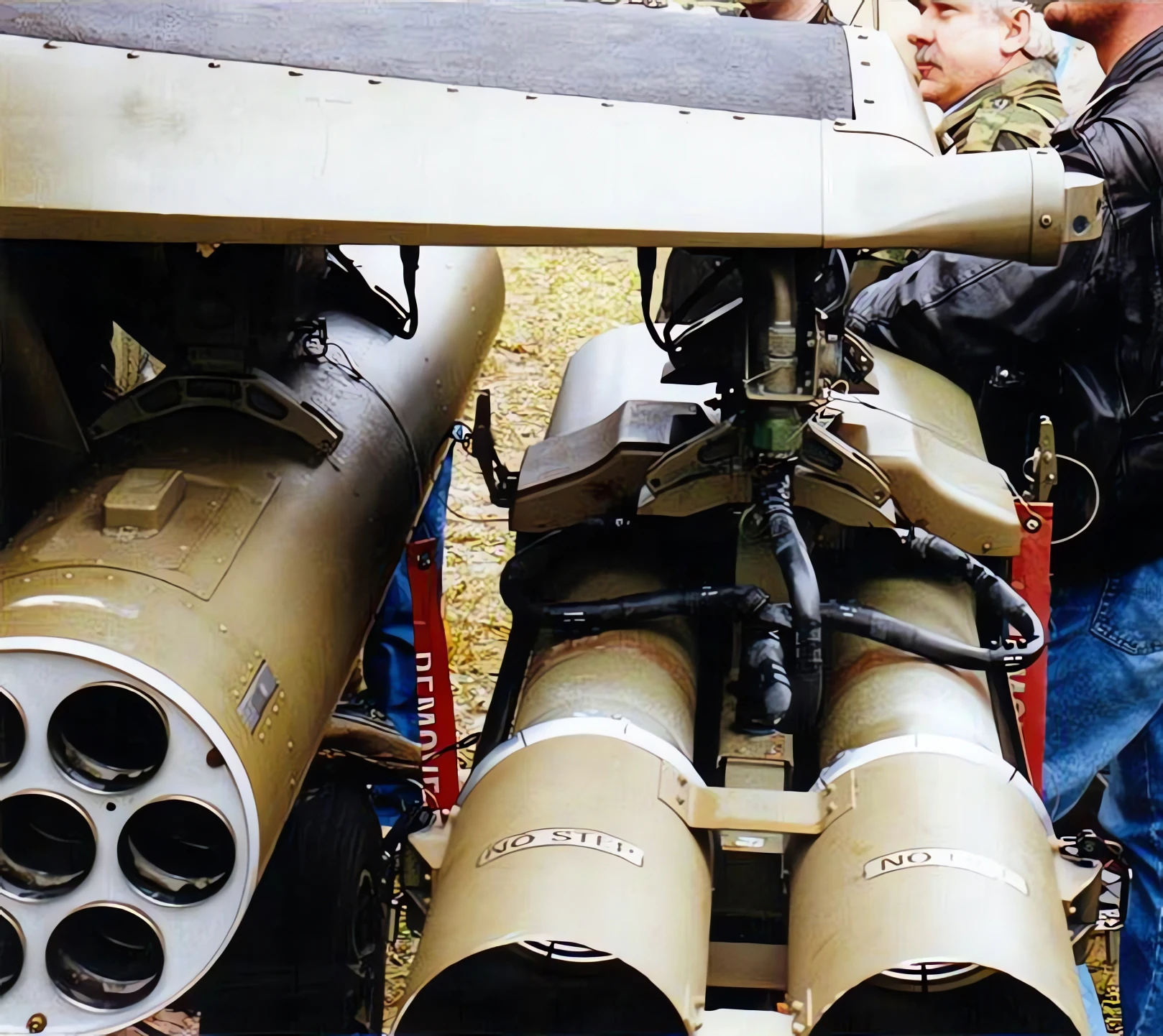
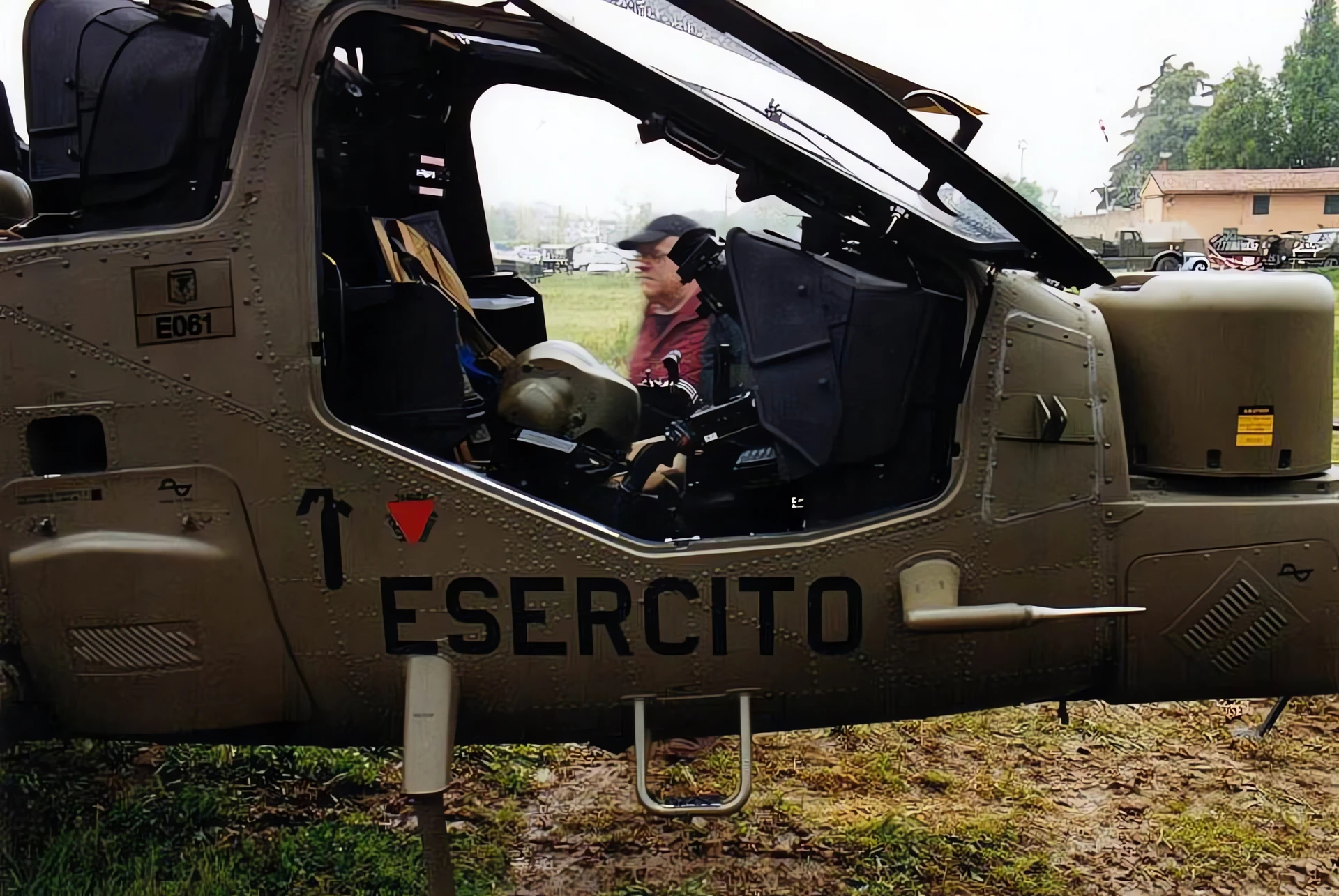
The Agusta A129 Mangusta (Italian for “Mongoose”) is a twin-engine, tandem two-seat attack helicopter. It holds the distinction of being the first dedicated attack helicopter to be designed and produced wholly in Europe by the Italian manufacturer Agusta (now part of Leonardo S.p.A.). Developed primarily for anti-tank warfare and close air support, the A129 features a narrow, armored fuselage to minimize radar and visual signature, and is built using composite materials for durability and ballistic protection. Its design includes stepped tandem cockpits for the gunner (forward) and pilot (aft), offering optimal visibility and workload distribution. The aircraft has seen service with the Italian Army in various UN missions, including Somalia and Angola.
| Property | Typical Value (A129 International/AW129) |
|---|---|
| Role | Attack, Anti-Tank, Armed Reconnaissance Helicopter |
| National Origin | Italy |
| Manufacturer | Agusta (now Leonardo S.p.A.) |
| First Flight | 15 September 1983 |
| Crew | 2 (Pilot and Gunner/Weapons System Officer) |
| Length (Fuselage) | 12.28 m (40 ft 3 in) |
| Rotor Diameter | 11.90 m (39 ft 1 in) |
| Height | 3.35 m (11 ft 0 in) |
| Empty Weight | 2,530 kg (5,575 lb) |
| Max Takeoff Weight | 5,100 kg (11,244 lb) |
Powerplant and Performance
- Engine: 2 x LHTEC T800 turboshaft engines (for International/CBT variants). Initial versions used license-built Rolls-Royce Gem engines.
- Power Output (T800): Approximately 1,016 kW (1,362 shp) each.
- Rotor System: Typically a 5-bladed main rotor (upgraded from the original 4-blade system) and a 2-bladed tail rotor. Blades are composite and ballistic-tolerant.
- Maximum Speed: Approximately 278 km/h (173 mph; 150 knots).
- Cruise Speed: Approximately 229 km/h (142 mph; 124 knots).
- Range: 561 km (349 mi; 303 nmi).
- Service Ceiling: 4,725 m (15,500 ft).
- Avionics: Features a fully computerized, integrated management system and advanced night vision systems (FLIR, Helmet-Mounted Displays) for all-weather, day/night combat capability.
Armament and Fire Control
- Fixed Armament: 1 x 20 mm M197 three-barrel Gatling-type cannon in a nose-mounted turret (standard on CBT and International variants).
- Hardpoints: 4 underwing hardpoints capable of carrying up to 1,500 kg (3,300 lb) of ordnance.
- Anti-Tank Missiles: Up to 8 x AGM-114 Hellfire, BGM-71 TOW, or Spike-ER anti-tank guided missiles (ATGM).
- Air-to-Air Missiles: Up to 8 x AIM-92 Stinger or Mistral air-to-air missiles (ATAM).
- Rockets: 70 mm (2.75 in) or 81 mm (3.19 in) unguided rocket pods.
Views : 1686
You can see also :
 Sikorsky S-76 – Photos & Videos
 Bristol Belvedere – Photos & Videos
 Saunders-Roe Skeeter – Photos & Videos
 Sikorsky S-64 Skycrane – Photos & Video
 Kaman HH-43 Huskie – Photos & Video
 Sikorsky CH-37 Mojave – Photos & Video
 Bell AH-1 Cobra – Photos & Video
 Boeing CH-47 Chinook – Photos & Video
 Kamov Ka-50 Hokum – Photos & Video
 SA.318C Alouette II – Photos & Video