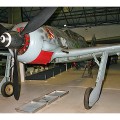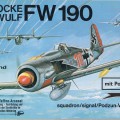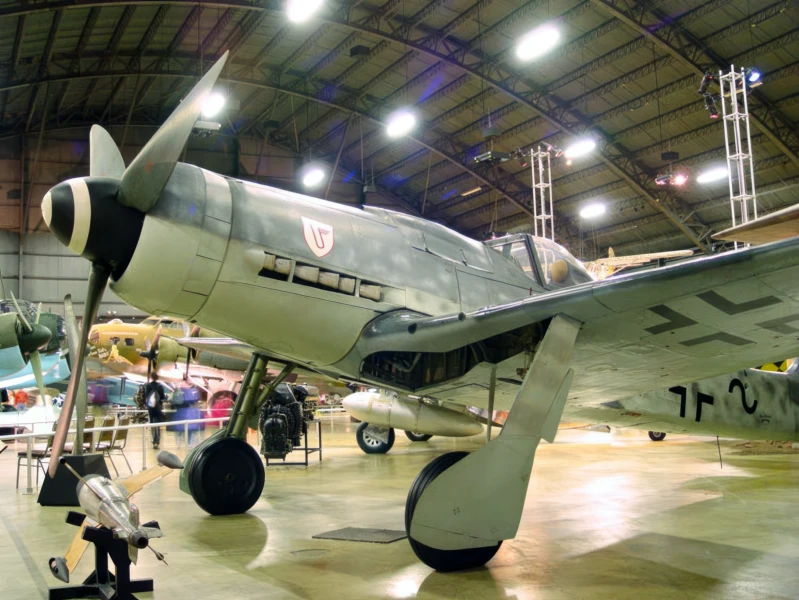
Focke-Wulf Fw 190D-9 | |
|---|---|
| Land | Tyskland |
| Type | Enmotors jagerfly |
| periode | 2. andre verdenskrig |
Den Focke-Wulf Fw 190 Würger var et tysk en-seters, enmotors jagerfly designet av Kurt Tank på slutten av 1930-tallet og mye brukt under andre verdenskrig. Drevet av en radial motor hadde 190 rikelig med kraft og var i stand til å løfte større belastninger enn den velkjente motparten, Messerschmitt Bf 109. 190 ble brukt av Luftwaffe i en rekke roller, inkludert dag jagerfly, fighter-bomber, bakkeangrep fly og, i mindre grad, natt fighter.
Kilde: Wikipedia
| Focke-Wulf Fw 190D-9 | |
|---|---|
| Fotograf | Unknow |
| Lokalisering | Unknow |
| Bilder | 50 |
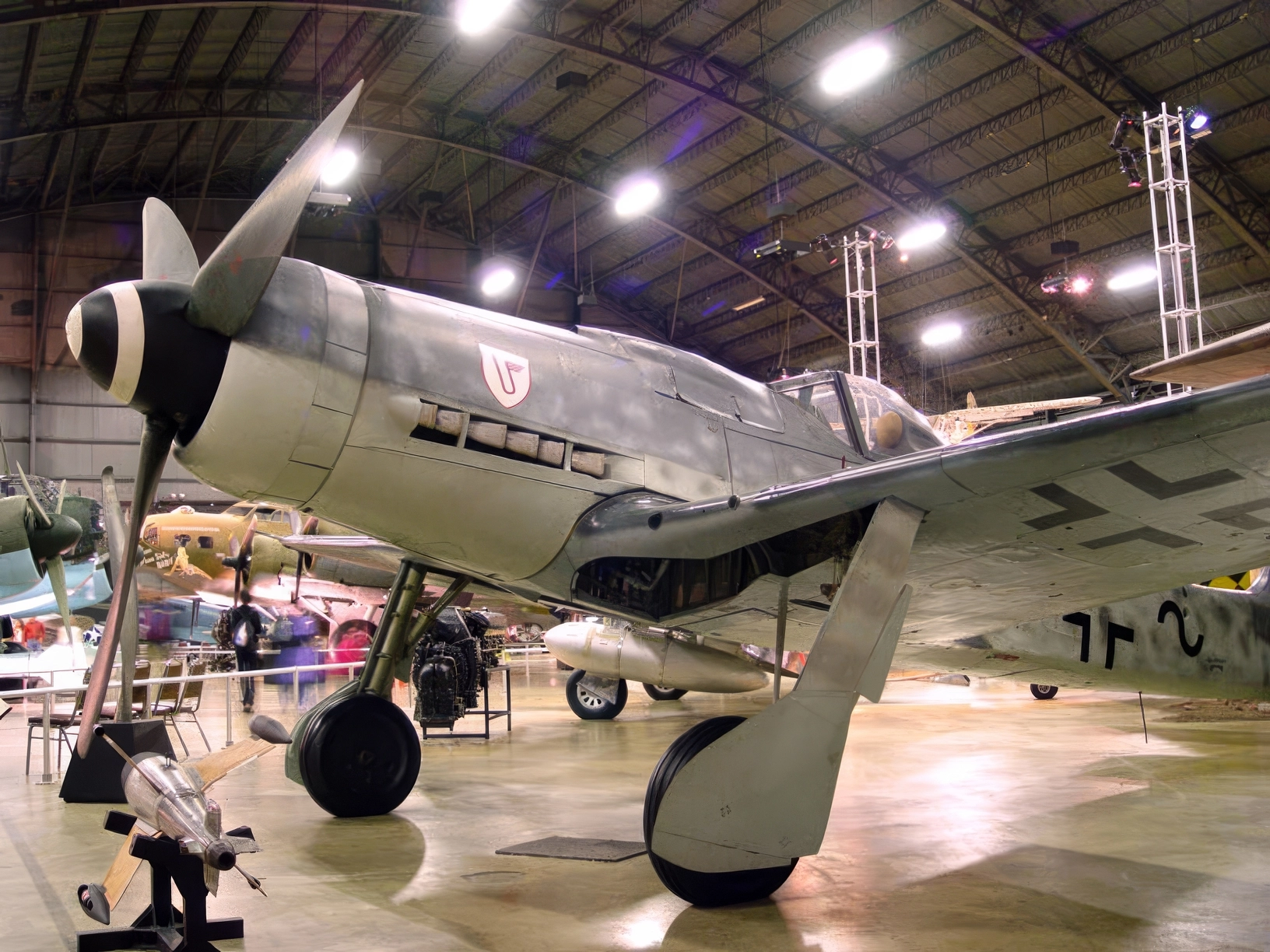
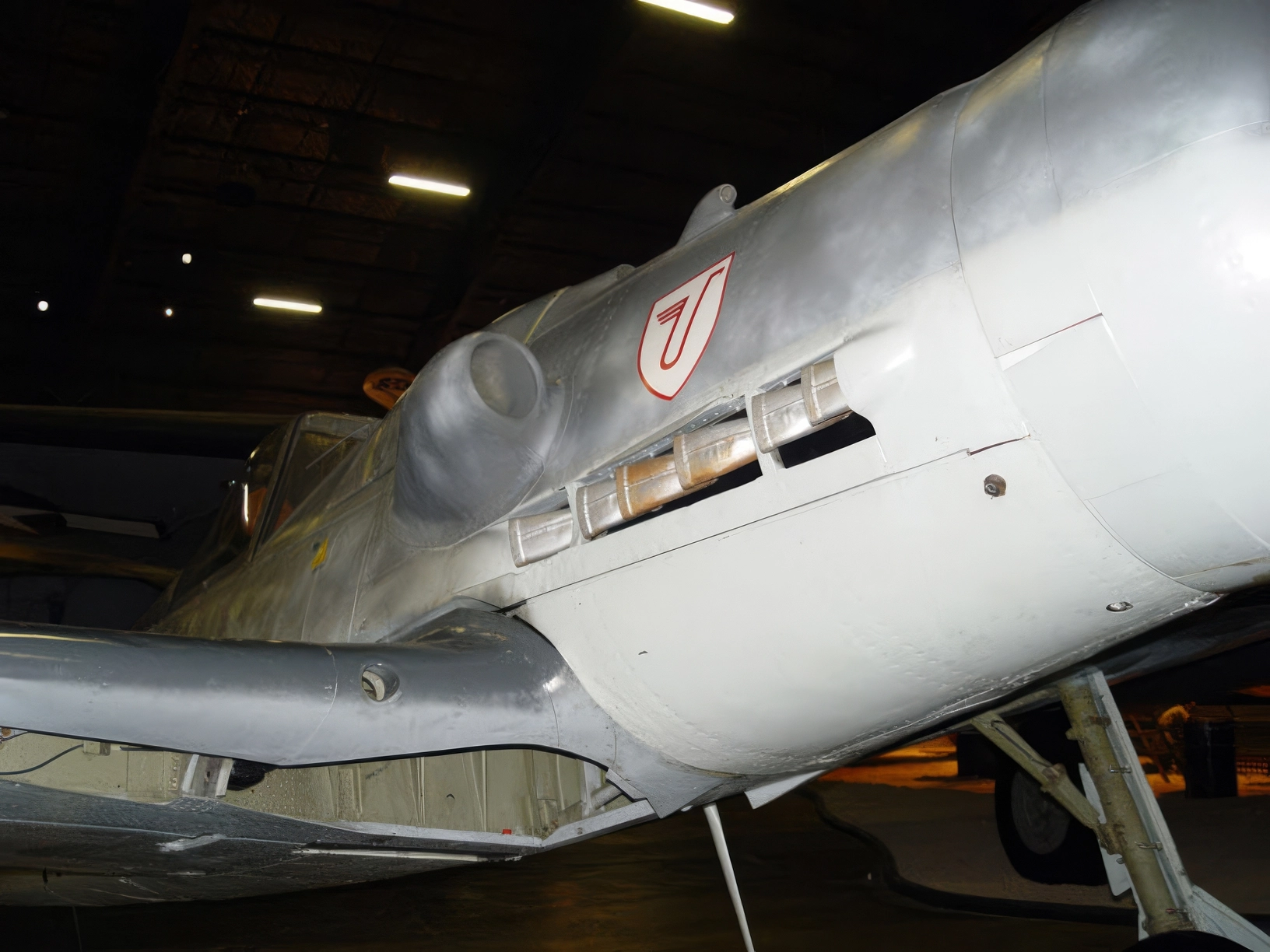
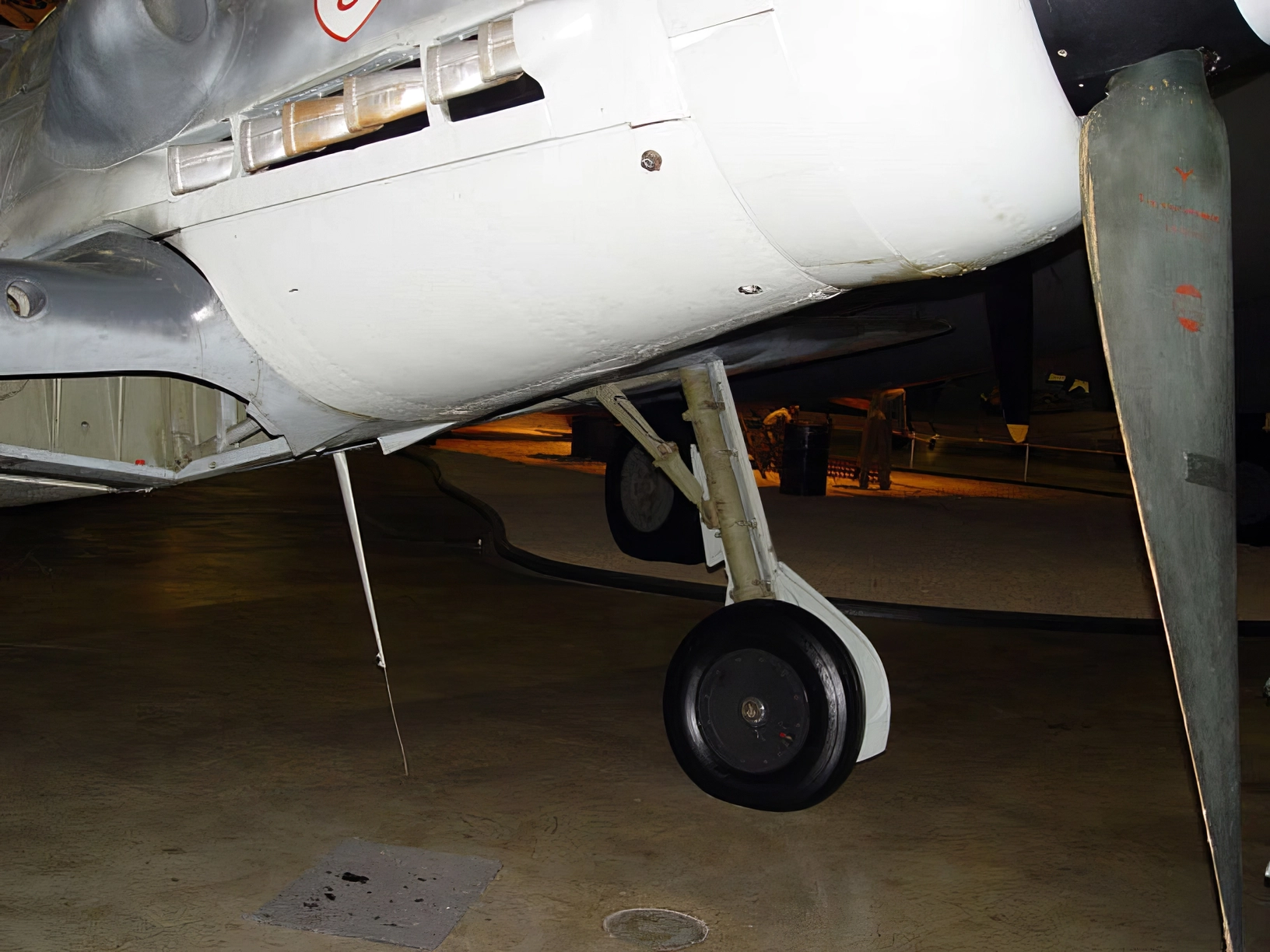
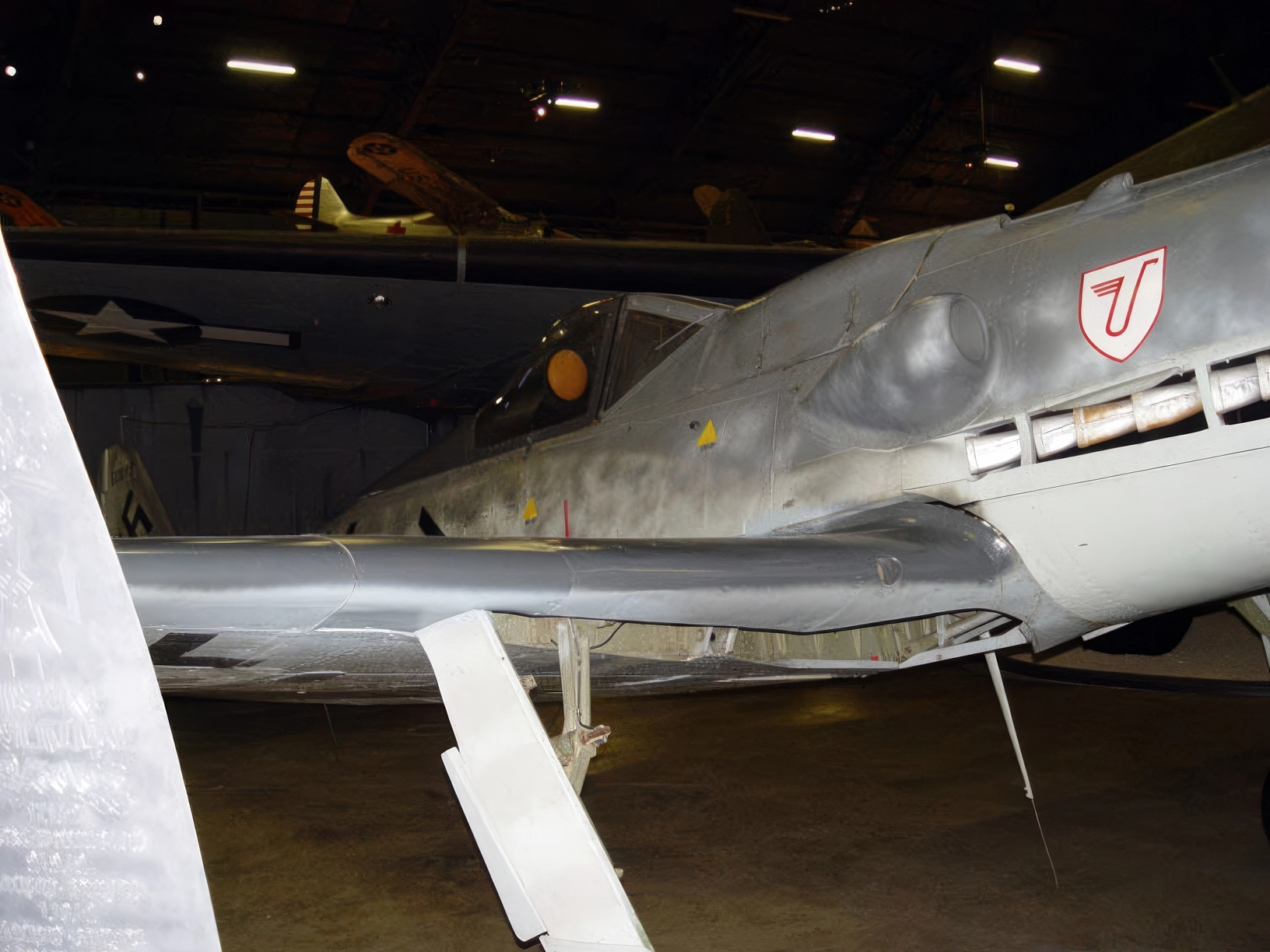
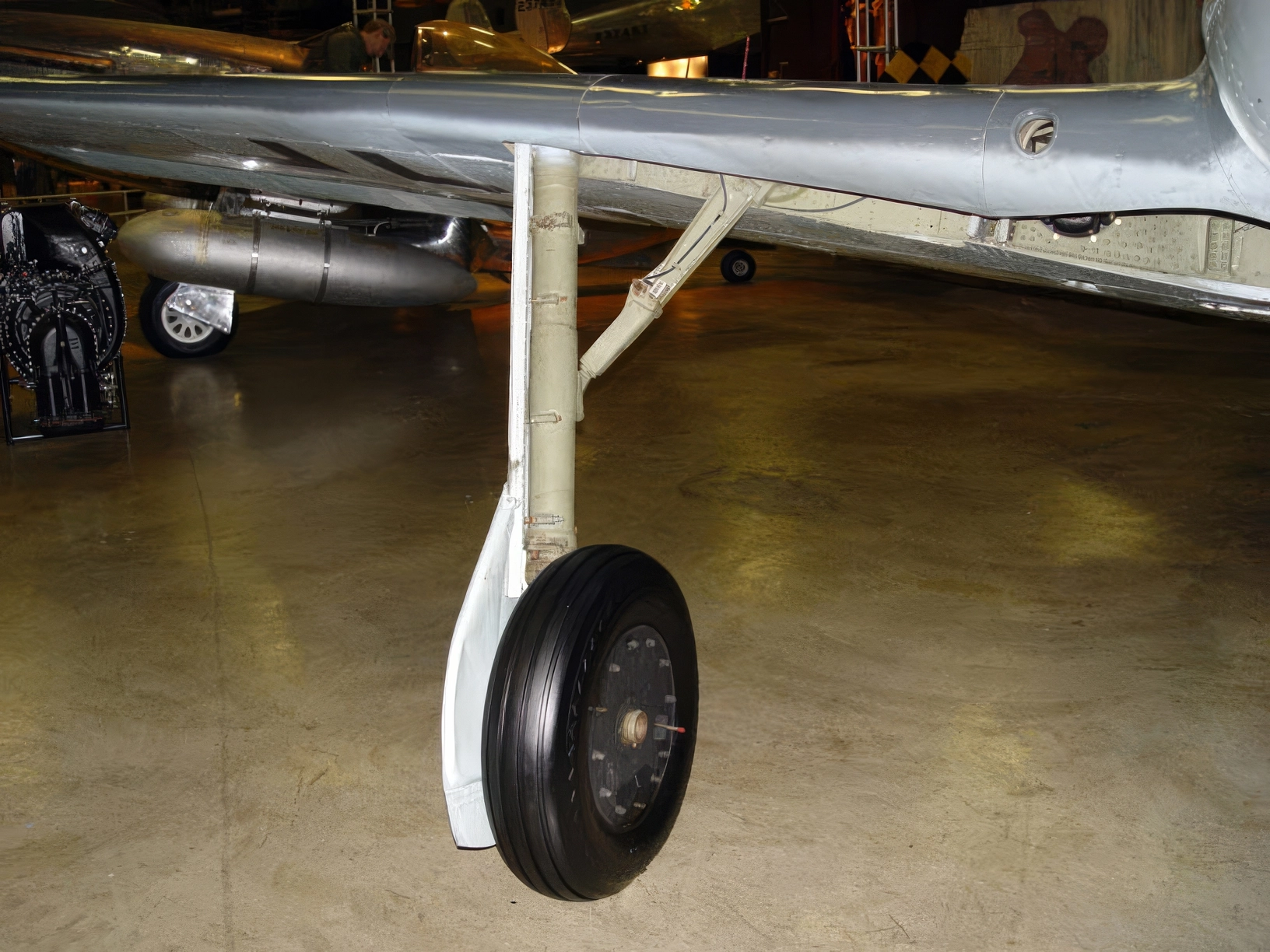
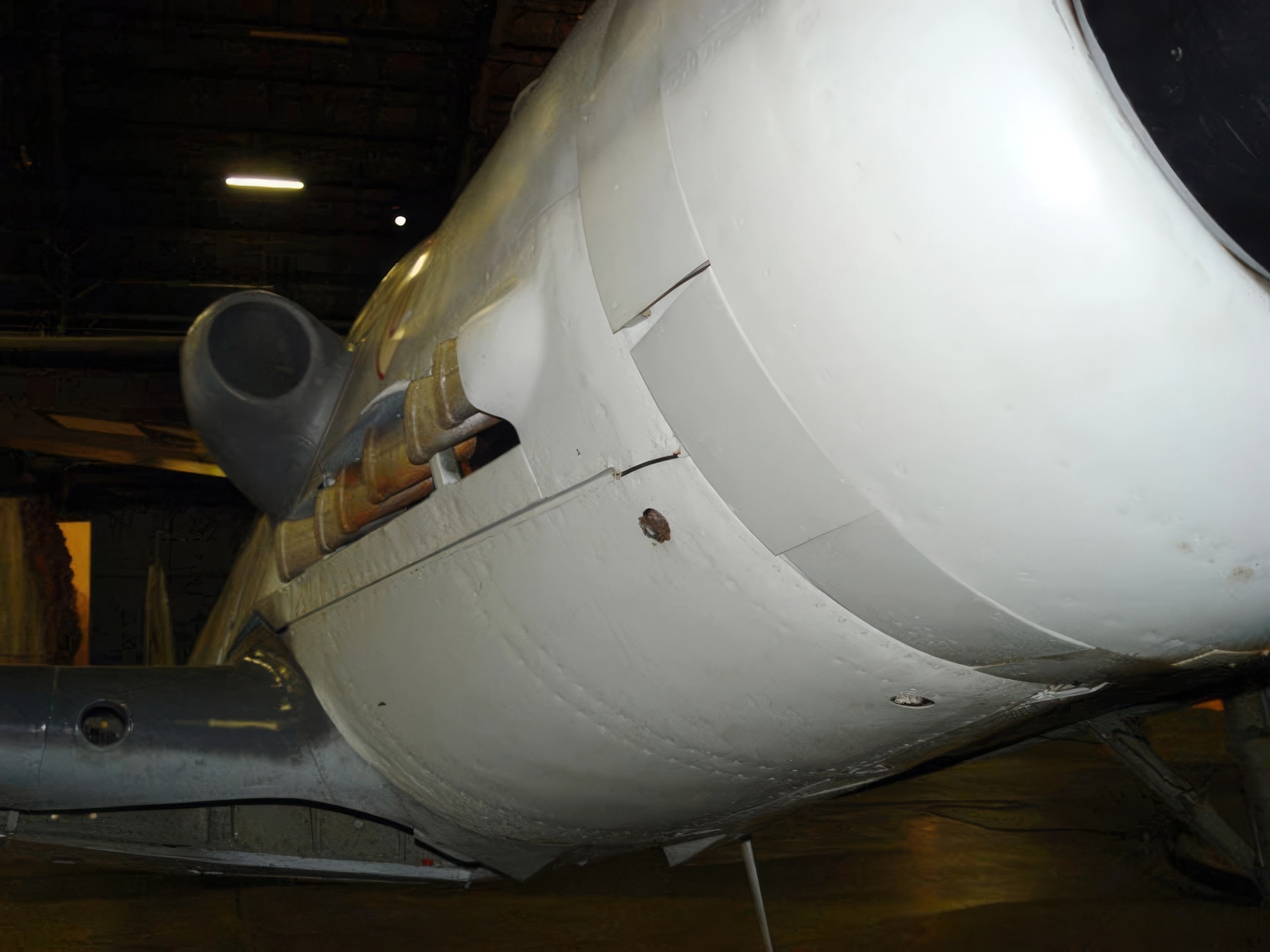
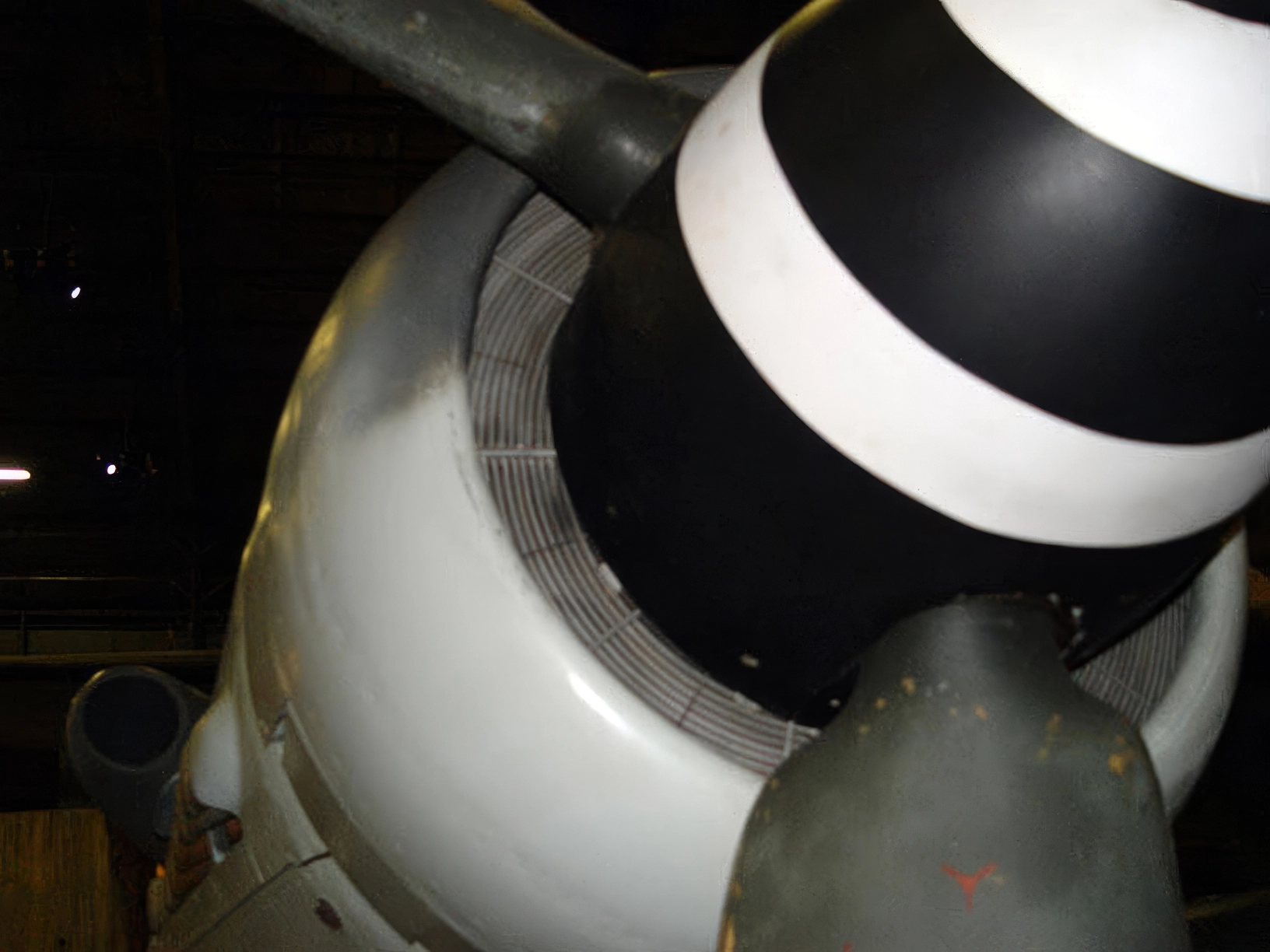
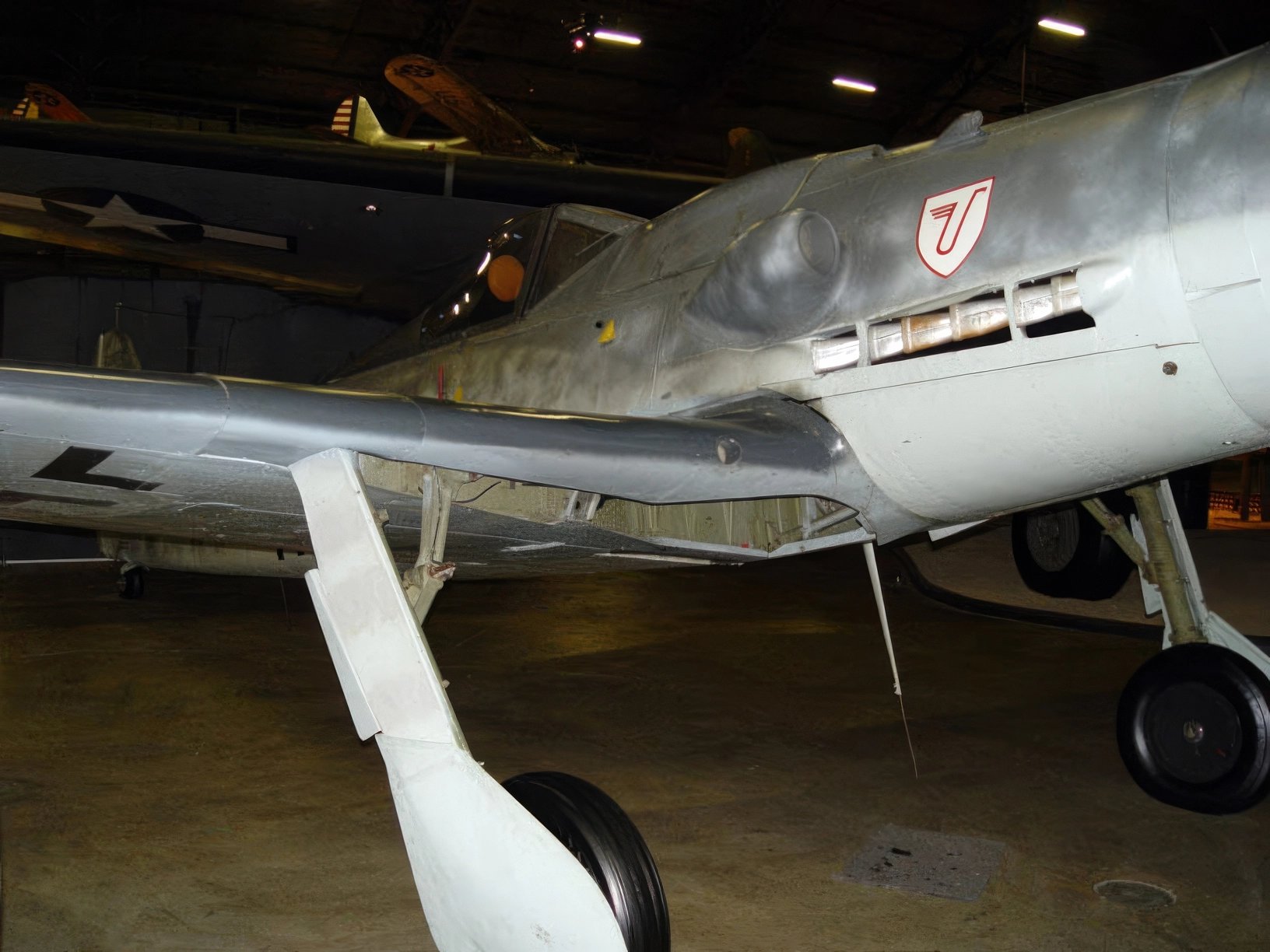
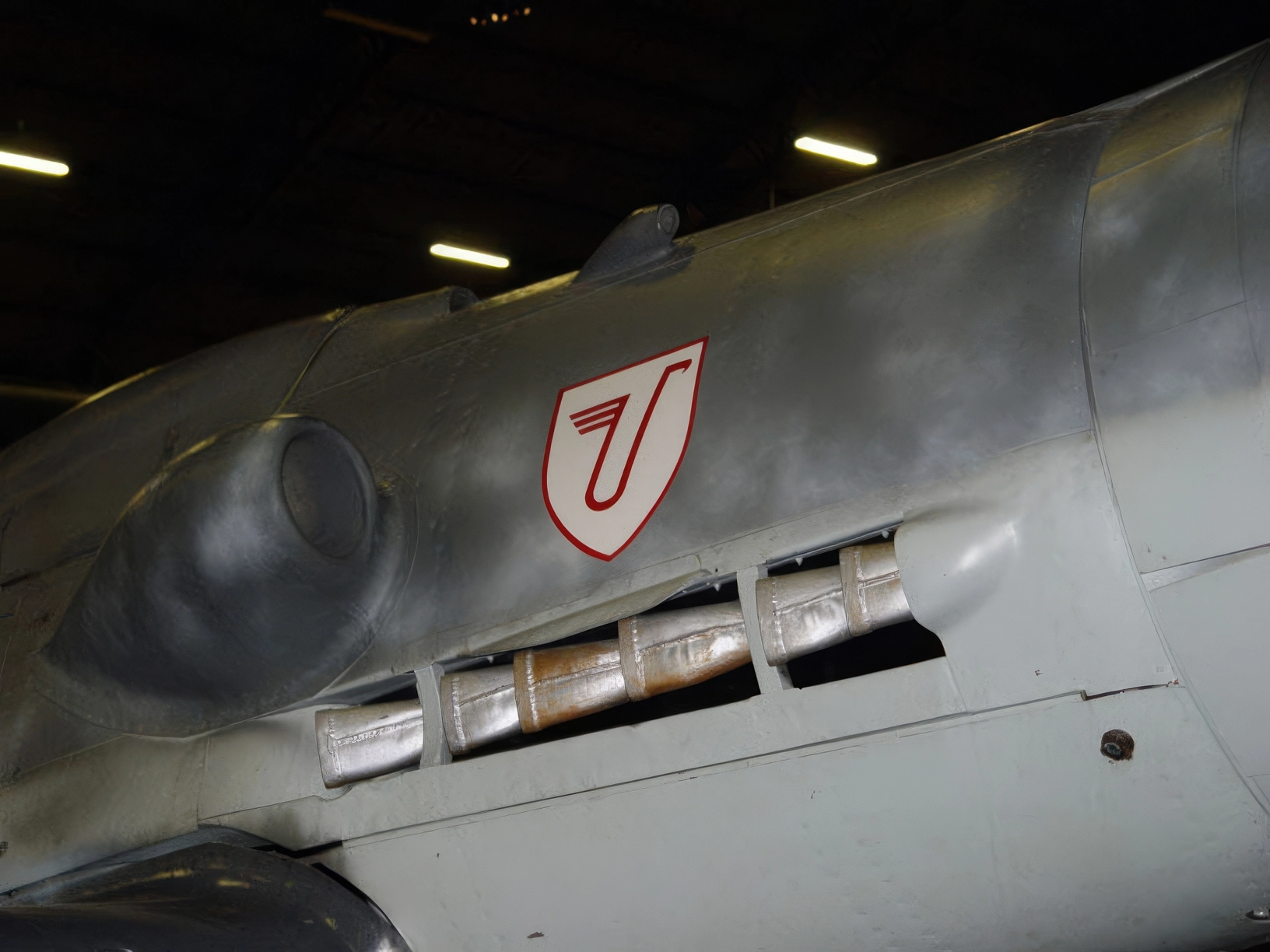

| Focke-Wulf Fw 190D-9 Walk Around | |
|---|---|
| Fotograf | Michael Benolkin |
| Lokalisering | Unknow |
| Bilder | 17 |
| Focke-Wulfe 190 D-13 Walk Around | |
|---|---|
| Fotograf | Michael Benolkin |
| Lokalisering | Unknow |
| Bilder | 28 |
Les også:


The “Butcher Bird” Reimagined
Den Focke-Wulf Fw 190 D-9 was an evolutionary leap for the Luftwaffe’s premier radial-engine fighter. By 1944, the standard Fw 190 “Anton” was struggling against high-flying Allied bombers and their P-51 Mustang escorts. Kurt Tank’s solution was to replace the BMW radial with a liquid-cooled Junkers Jumo V12. This necessitated a much longer nose, earning it the nicknames “Long-Nose Dora” or “Langnasen-Dora.” Though the pilots were initially skeptical of the “ugly” elongated profile, they soon discovered it was arguably the finest piston-engine fighter Germany ever produced.
| Attribute | Technical Specification (Fw 190 D-9) |
|---|---|
| Rolle | High-Altitude Fighter / Interceptor |
| Mannskapet | 1 (Pilot) |
| Motor | 1 × Junkers Jumo 213A-1 V12 liquid-cooled (1,750 hp / 2,100 hp with MW 50) |
| Maximum Speed | 685 km/h (426 mph) at 6,600 m |
| Main Armament | 2 × 20 mm MG 151/20 cannons (wings) + 2 × 13 mm MG 131 (cowl) |
| Rate of Climb | 17 m/s (3,300 ft/min) |
| Combat Weight | 4,270 kg (9,414 lbs) |
| Trekk | MW 50 Methanol-Water injection for emergency power |
Design Engineering: Balance and Cooling
- The “Long Nose” Counterbalance: To keep the center of gravity stable with the heavier Jumo engine, engineers had to lengthen the rear fuselage by 60 cm to act as a counterweight. This gave the “Dora” its sleek, cigar-like appearance.
- Annular Radiator: Despite using a liquid-cooled V12, the D-9 retained a circular nose. This was because the radiator was shaped like a ring and placed directly behind the propeller, mimicking the look of a radial engine and simplifying the cooling ductwork.
- MW 50 Boost: The D-9 was equipped with a methanol-water injection system. When engaged, it allowed the engine to run at significantly higher manifold pressures for up to 10 minutes, providing a massive speed burst to escape or catch an enemy.
- Electrically Powered Systems: Like its predecessors, the D-9 used electrical motors for the landing gear and flaps rather than hydraulic systems, making it more resistant to combat damage (since wires don’t “leak” pressure).
Operational History: Defending the Reich
- The “Platzschutzstaffel” (Airfield Protection): One of the D-9’s most famous roles was protecting Me 262 jet fighters during their vulnerable take-off and landing phases. These D-9s were often painted with bright red bellies and white stripes so German AA gunners wouldn’t mistake them for Allied planes.
- A Pilot’s Fighter: Many German aces, including Gerhard Barkhorn, considered the D-9 superior to the Bf 109 K-4 because of its superior handling at high speeds and its incredible roll rate.
- Late to the Fight: Entering service in late 1944, the Dora arrived when Germany was critically short on fuel and experienced pilots. While it could outmatch a Spitfire Mk.XIV or a P-51D in the right hands, there were never enough of them to turn the tide of the air war.
- Legacy: The D-9 served as the direct basis for the Ta 152, which pushed the Fw 190 design to its absolute limit as a specialized ultra-high-altitude interceptor.
Views : 13911