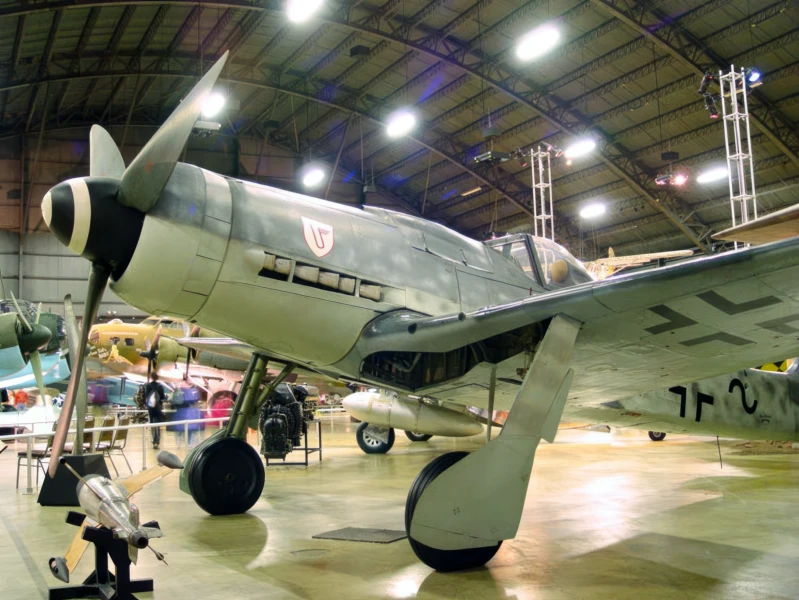
포크 울프 Fw 190D-9 | |
|---|---|
| 국가 | 독일 |
| 형식 | 단일 엔진 전투기 |
| 기간 | ww2 |
Tthe 포크 울프 Fw 190 뷔르거는 1930년대 후반 커트 탱크가 설계하고 제2차 세계대전 중에 널리 사용되는 독일의 단일 좌석 단일 엔진 전투기입니다. 방사형 엔진으로 구동되는 190은 충분한 전력을 가지고 있으며, 유명한 메서슈미트 Bf 109보다 더 큰 하중을 들어올릴 수 있었습니다. 190년은 루프트와프가 데이 전투기, 전투기 폭격기, 지상 공격기, 그리고 야간 전투기를 포함한 다양한 역할로 사용되었다.
소스: 키 피 디 아
| Focke-Wulf Fw 190D-9 | |
|---|---|
| 사진 작가 | Unknow |
| 로컬라이제이션 | Unknow |
| 사진 | 50 |
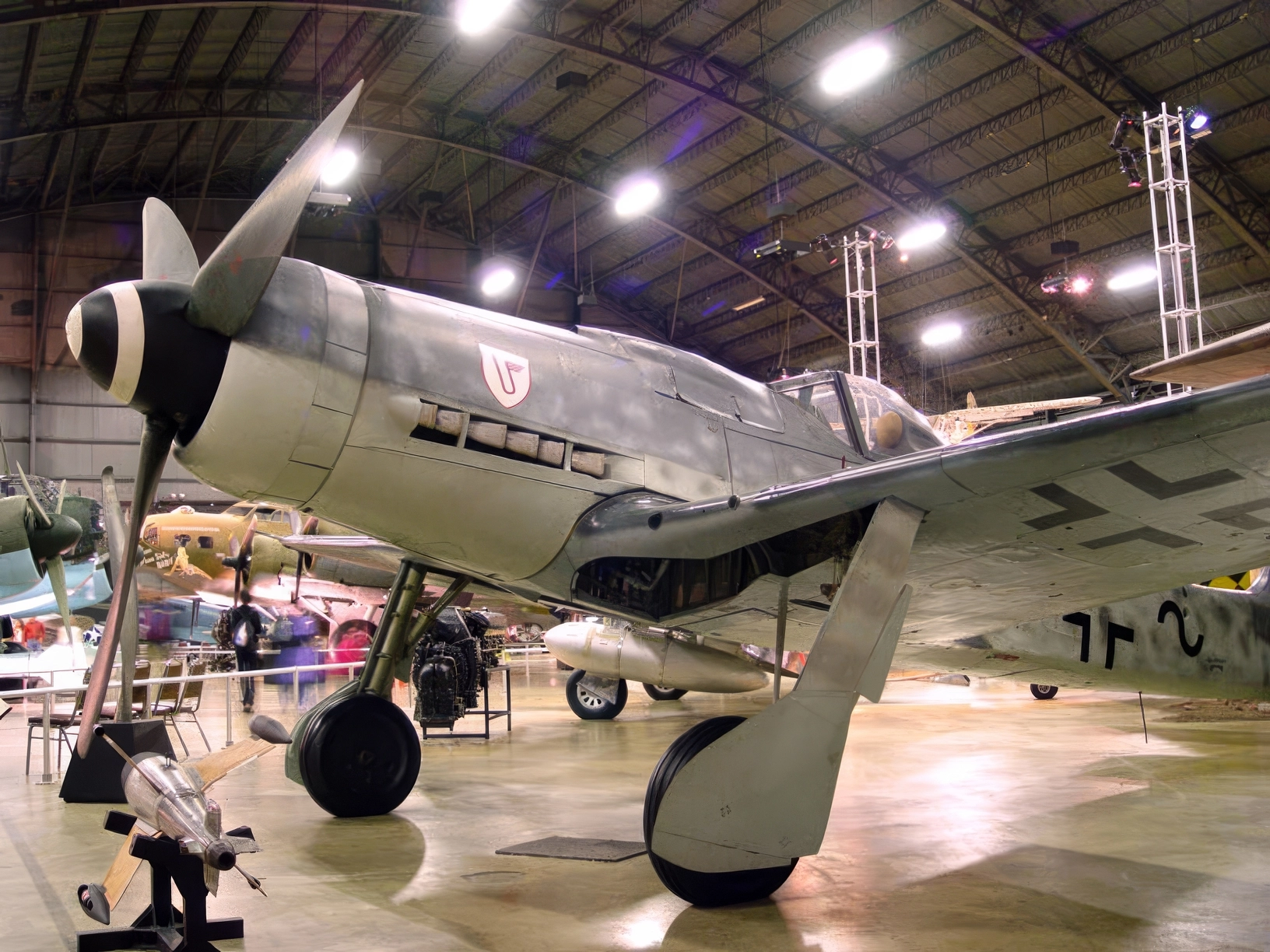
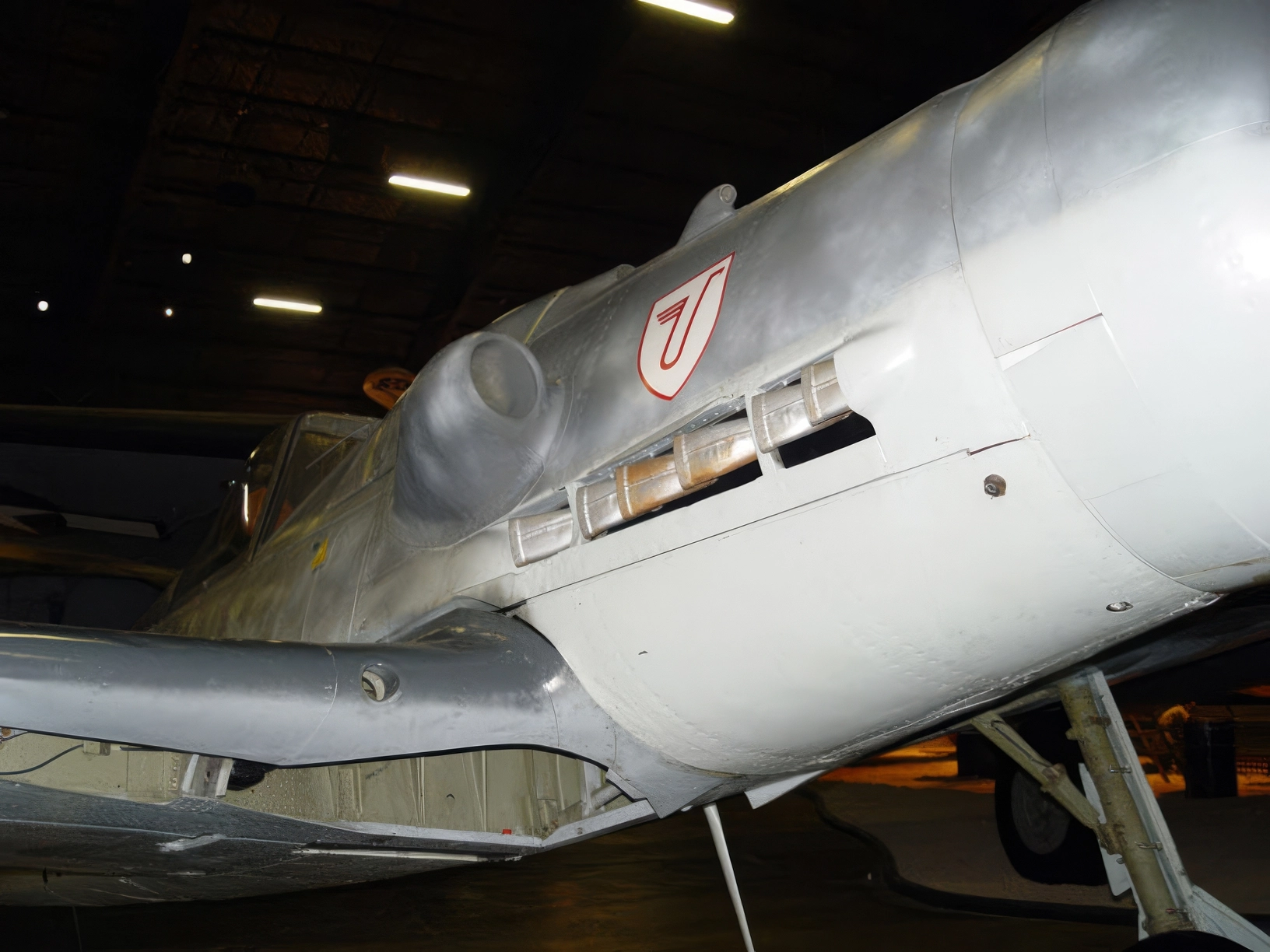
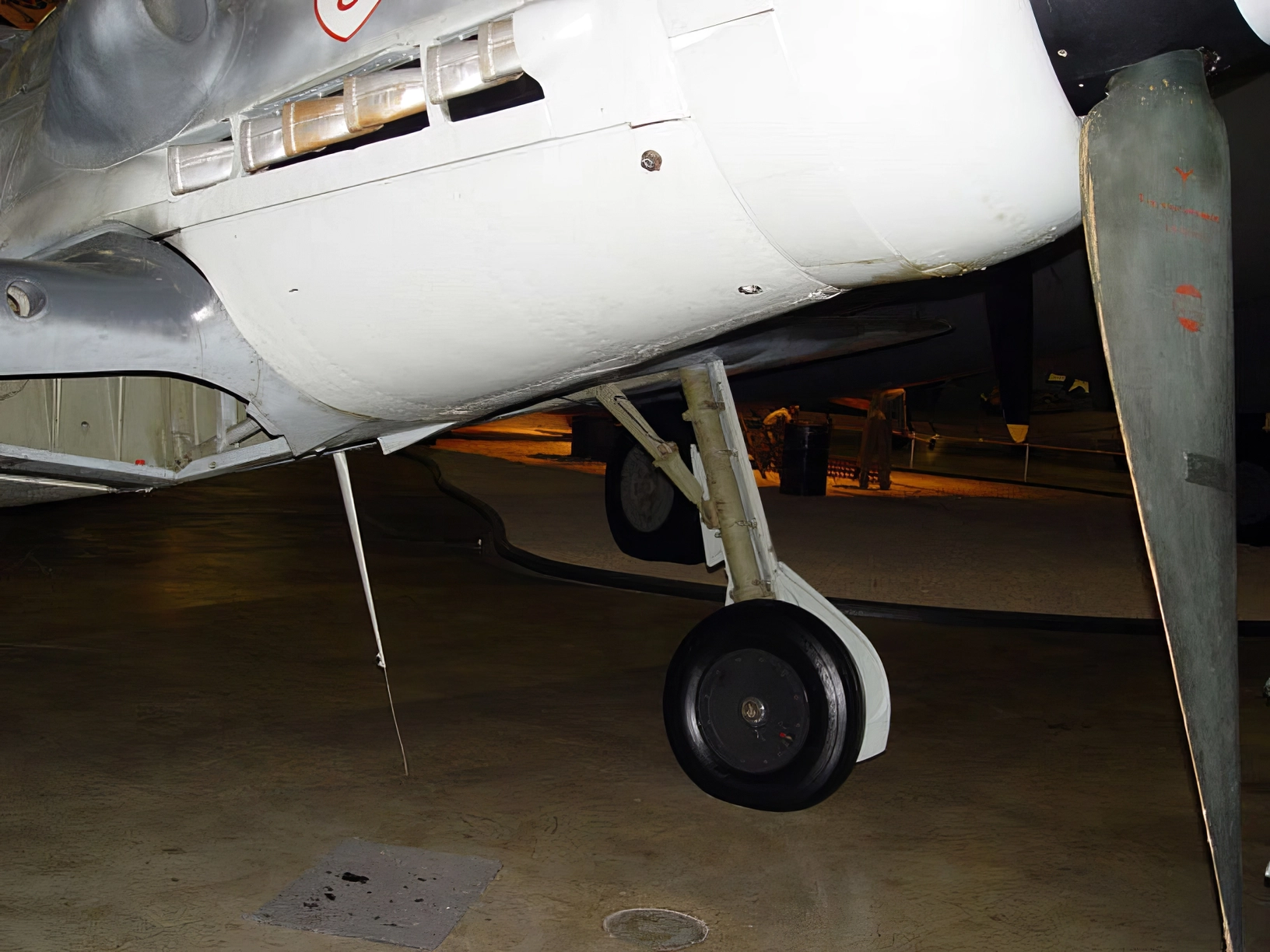
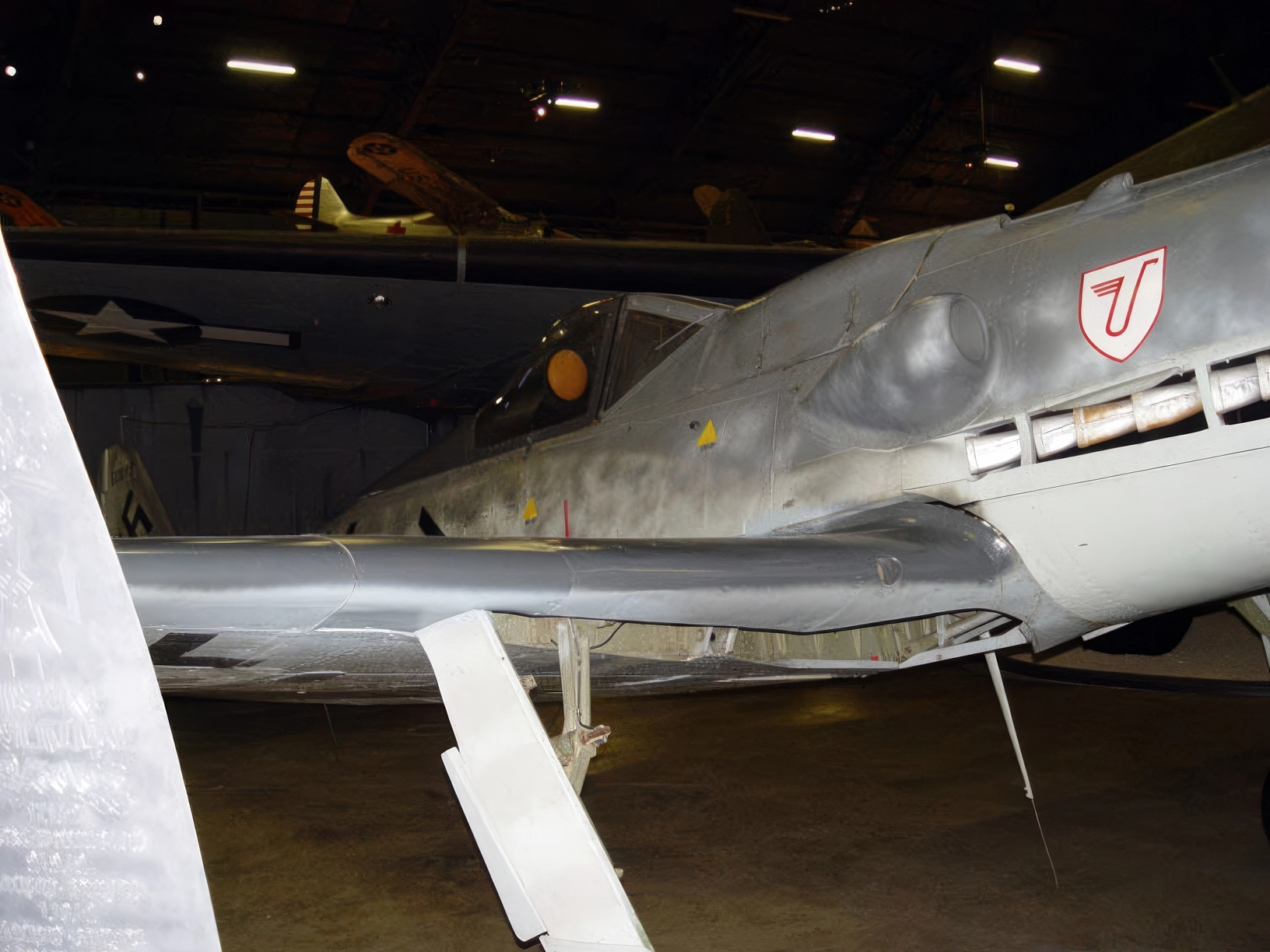
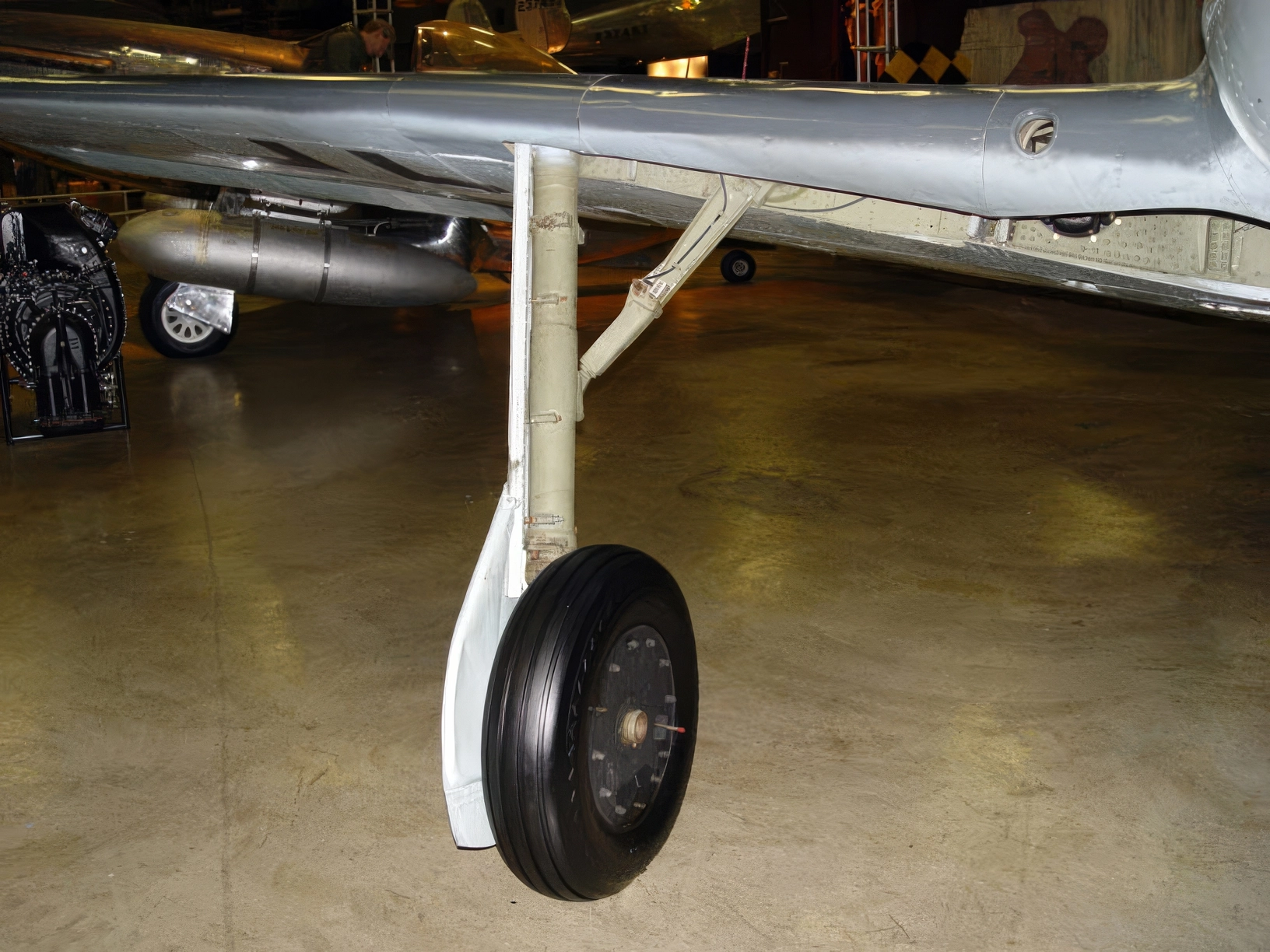
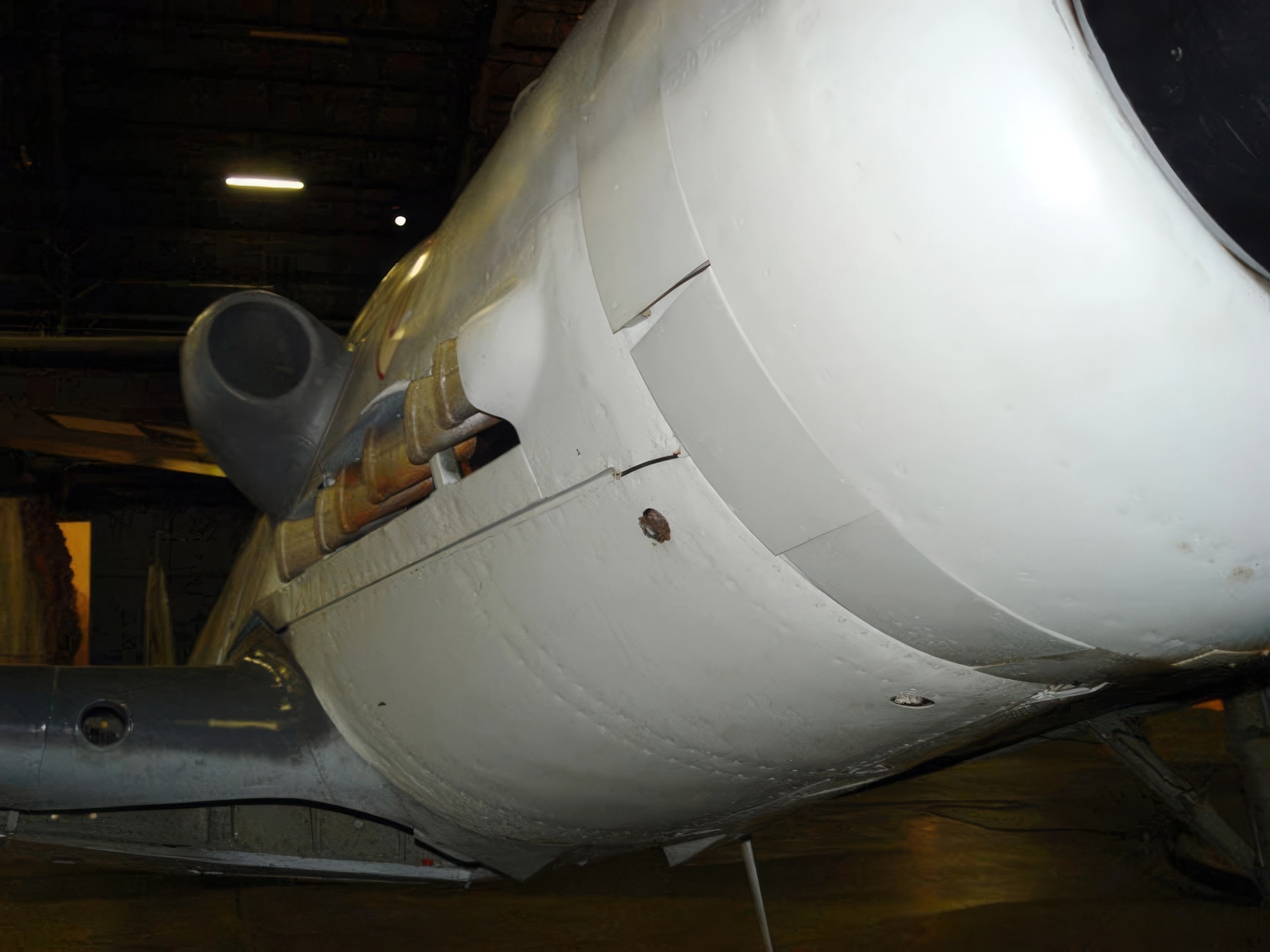
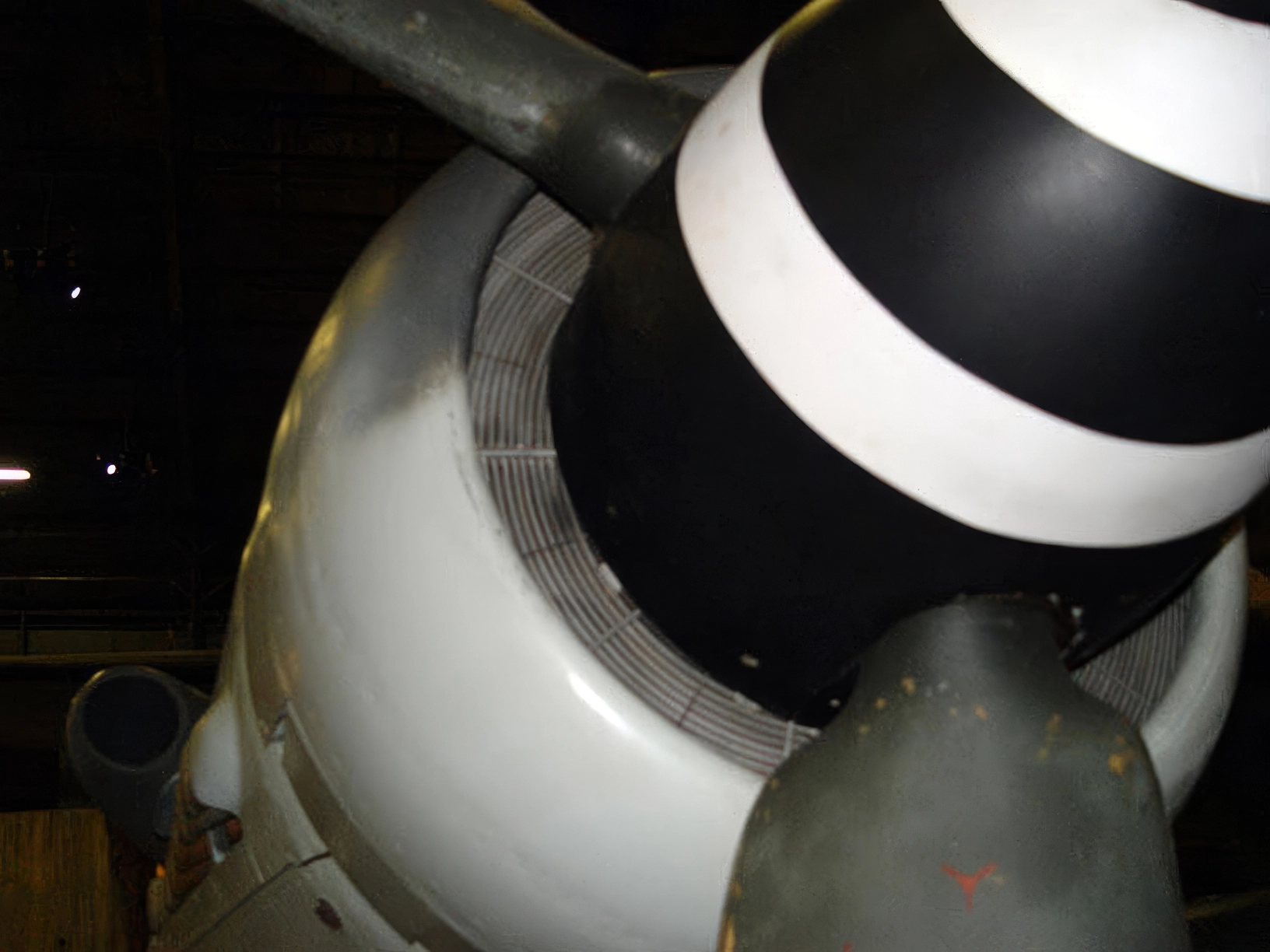
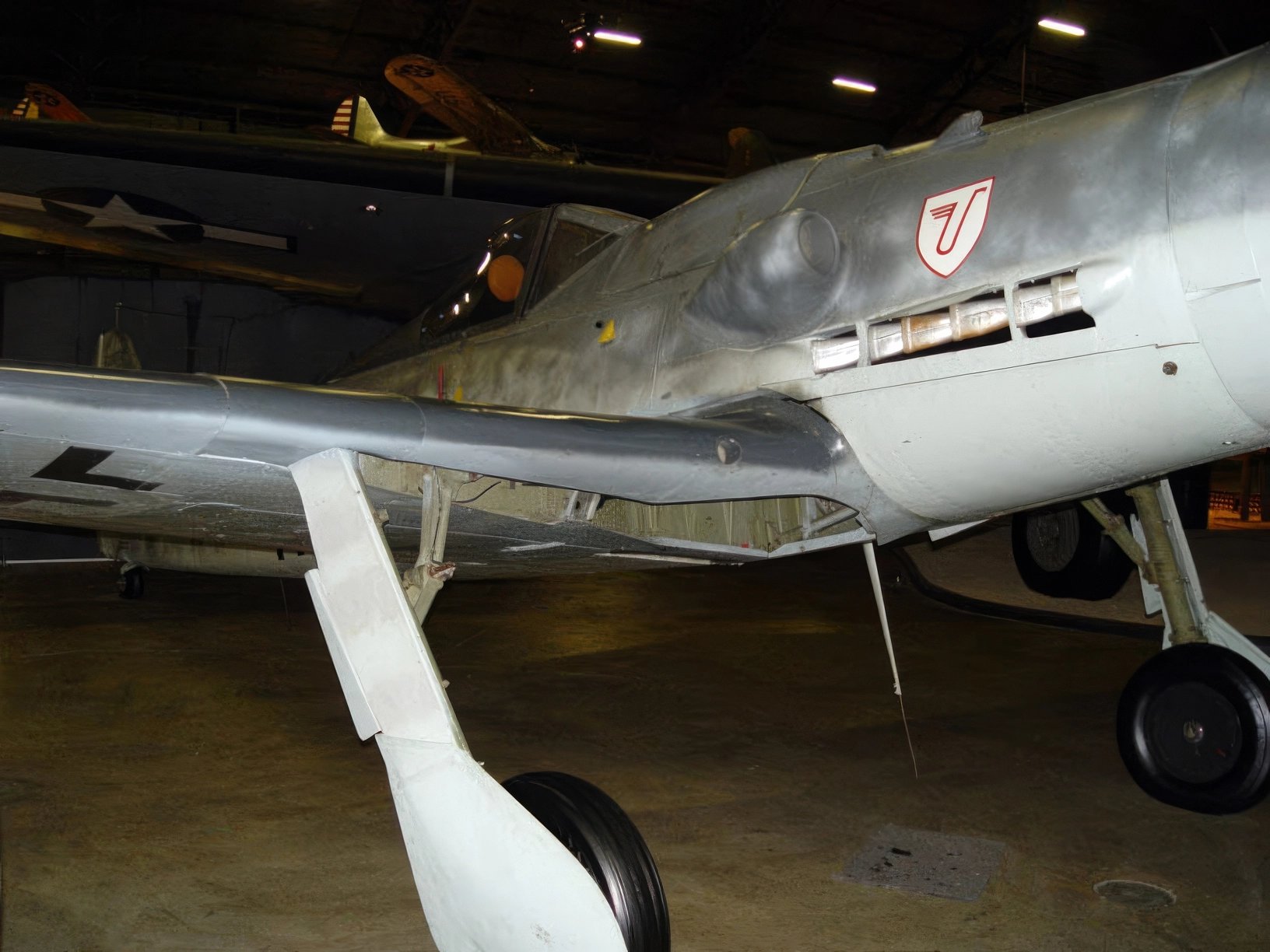
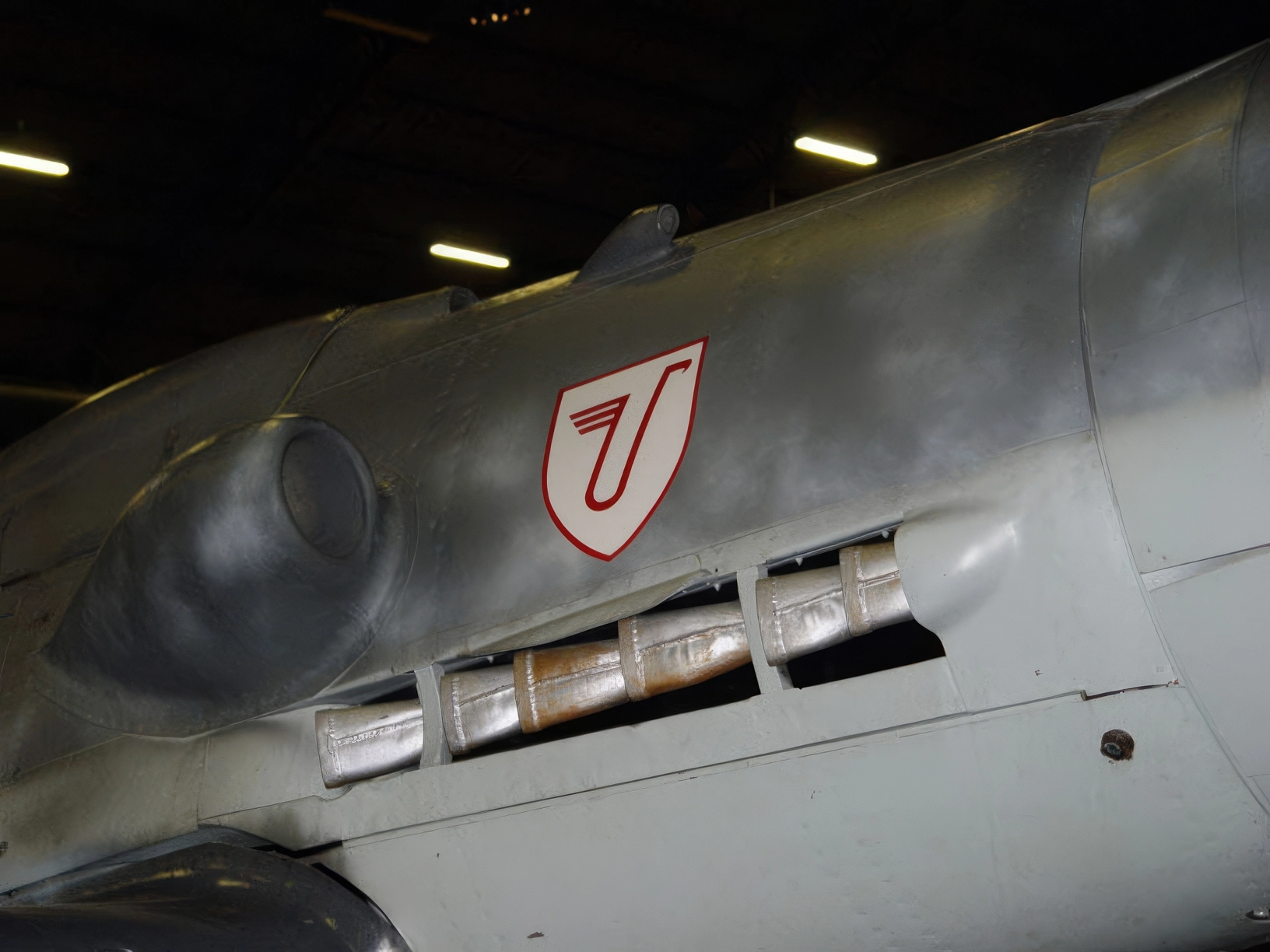

| Focke-Wulf Fw 190D-9 Walk Around | |
|---|---|
| 사진 작가 | Michael Benolkin |
| 로컬라이제이션 | Unknow |
| 사진 | 17 |
| Focke-Wulfe 190 D-13 Walk Around | |
|---|---|
| 사진 작가 | Michael Benolkin |
| 로컬라이제이션 | Unknow |
| 사진 | 28 |
참고 항목:


The “Butcher Bird” Reimagined
Tthe Focke-Wulf Fw 190 D-9 was an evolutionary leap for the Luftwaffe’s premier radial-engine fighter. By 1944, the standard Fw 190 “Anton” was struggling against high-flying Allied bombers and their P-51 Mustang escorts. Kurt Tank’s solution was to replace the BMW radial with a liquid-cooled Junkers Jumo V12. This necessitated a much longer nose, earning it the nicknames “Long-Nose Dora” or “Langnasen-Dora.” Though the pilots were initially skeptical of the “ugly” elongated profile, they soon discovered it was arguably the finest piston-engine fighter Germany ever produced.
| Attribute | Technical Specification (Fw 190 D-9) |
|---|---|
| 역할 | High-Altitude Fighter / Interceptor |
| 승무원 | 1 (Pilot) |
| 엔진 | 1 × Junkers Jumo 213A-1 V12 liquid-cooled (1,750 hp / 2,100 hp with MW 50) |
| 최대 속도 | 685 km/h (426 mph) at 6,600 m |
| 주무장 | 2 × 20 mm MG 151/20 cannons (wings) + 2 × 13 mm MG 131 (cowl) |
| Rate of Climb | 17 m/s (3,300 ft/min) |
| Combat Weight | 4,270 kg (9,414 lbs) |
| 특징 | MW 50 Methanol-Water injection for emergency power |
Design Engineering: Balance and Cooling
- The “Long Nose” Counterbalance: To keep the center of gravity stable with the heavier Jumo engine, engineers had to lengthen the rear fuselage by 60 cm to act as a counterweight. This gave the “Dora” its sleek, cigar-like appearance.
- Annular Radiator: Despite using a liquid-cooled V12, the D-9 retained a circular nose. This was because the radiator was shaped like a ring and placed directly behind the propeller, mimicking the look of a radial engine and simplifying the cooling ductwork.
- MW 50 Boost: The D-9 was equipped with a methanol-water injection system. When engaged, it allowed the engine to run at significantly higher manifold pressures for up to 10 minutes, providing a massive speed burst to escape or catch an enemy.
- Electrically Powered Systems: Like its predecessors, the D-9 used electrical motors for the landing gear and flaps rather than hydraulic systems, making it more resistant to combat damage (since wires don’t “leak” pressure).
Operational History: Defending the Reich
- The “Platzschutzstaffel” (Airfield Protection): One of the D-9’s most famous roles was protecting Me 262 jet fighters during their vulnerable take-off and landing phases. These D-9s were often painted with bright red bellies and white stripes so German AA gunners wouldn’t mistake them for Allied planes.
- A Pilot’s Fighter: Many German aces, including Gerhard Barkhorn, considered the D-9 superior to the Bf 109 K-4 because of its superior handling at high speeds and its incredible roll rate.
- Late to the Fight: Entering service in late 1944, the Dora arrived when Germany was critically short on fuel and experienced pilots. While it could outmatch a Spitfire Mk.XIV or a P-51D in the right hands, there were never enough of them to turn the tide of the air war.
- Legacy: The D-9 served as the direct basis for the Ta 152, which pushed the Fw 190 design to its absolute limit as a specialized ultra-high-altitude interceptor.
Views : 13864