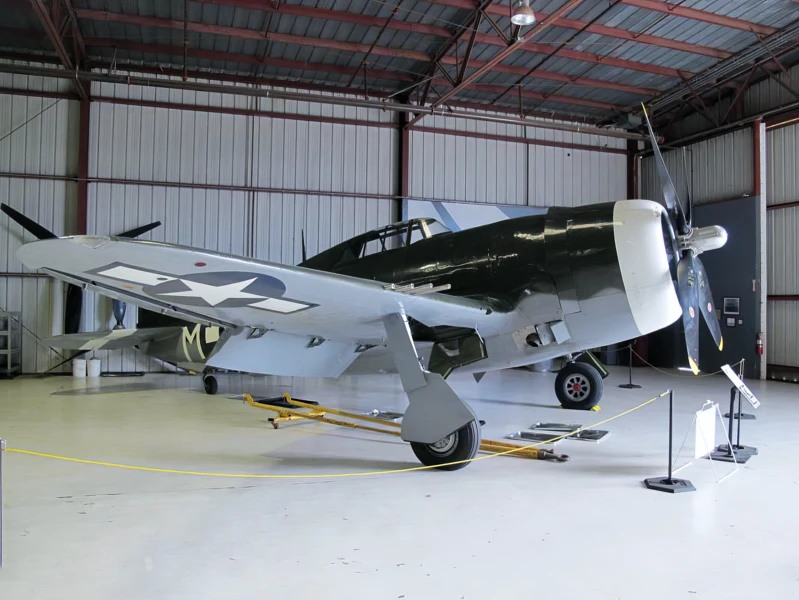
P-47G Thunderbolt | |
|---|---|
| Betaalt | Usa |
| Type | jager |
| Eerste vlucht | van 6 mei 1941 tot 6 mei 1941 |
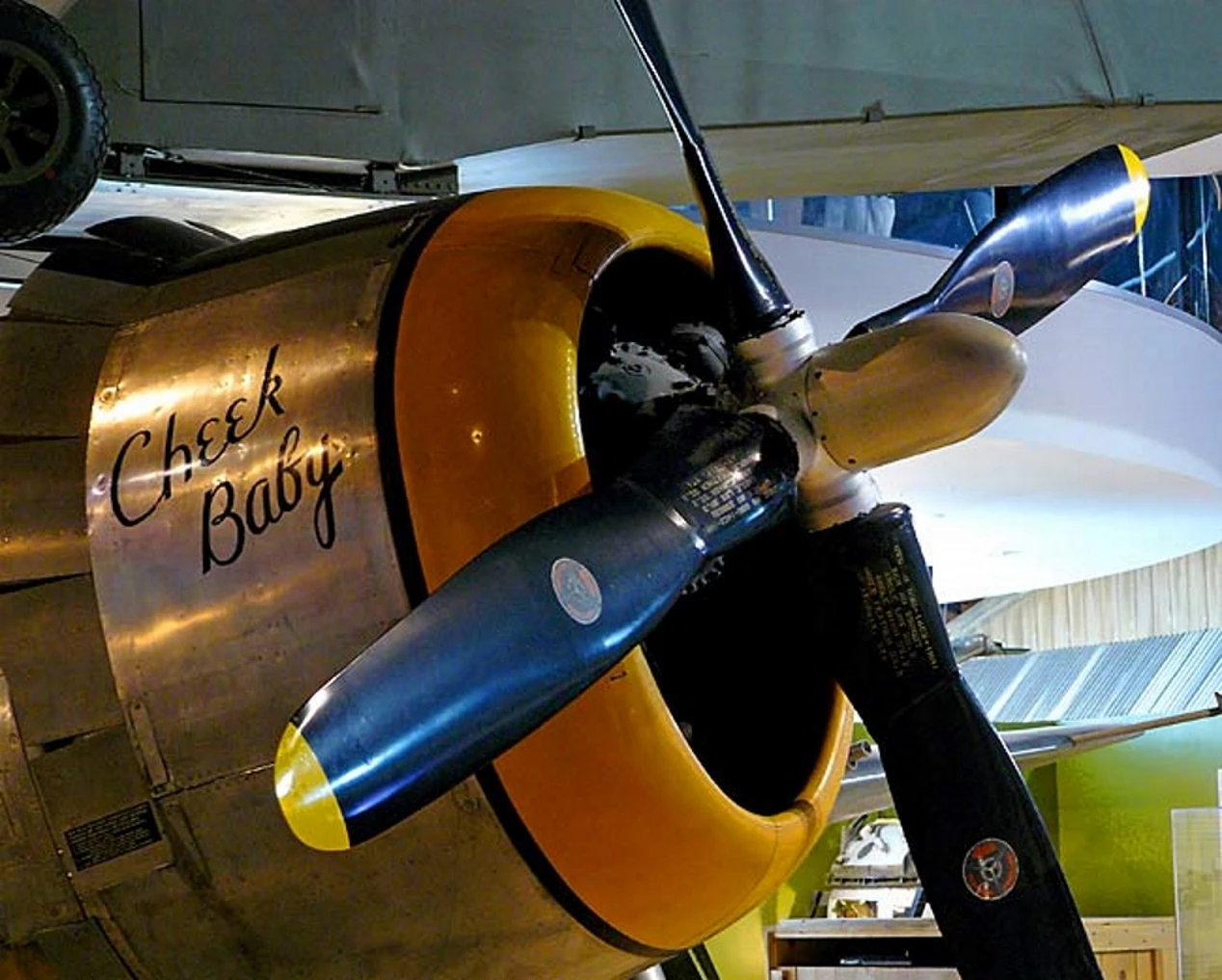
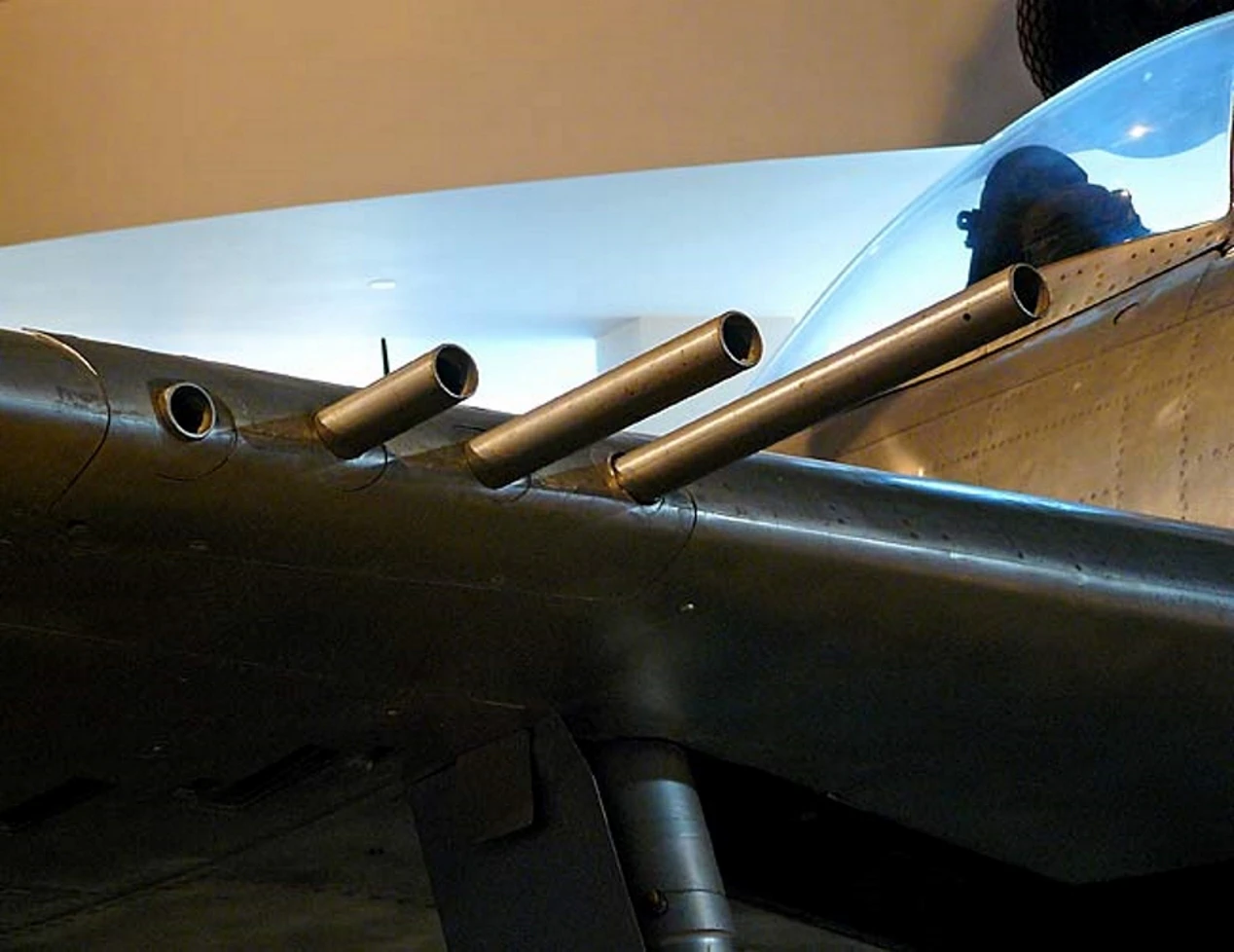
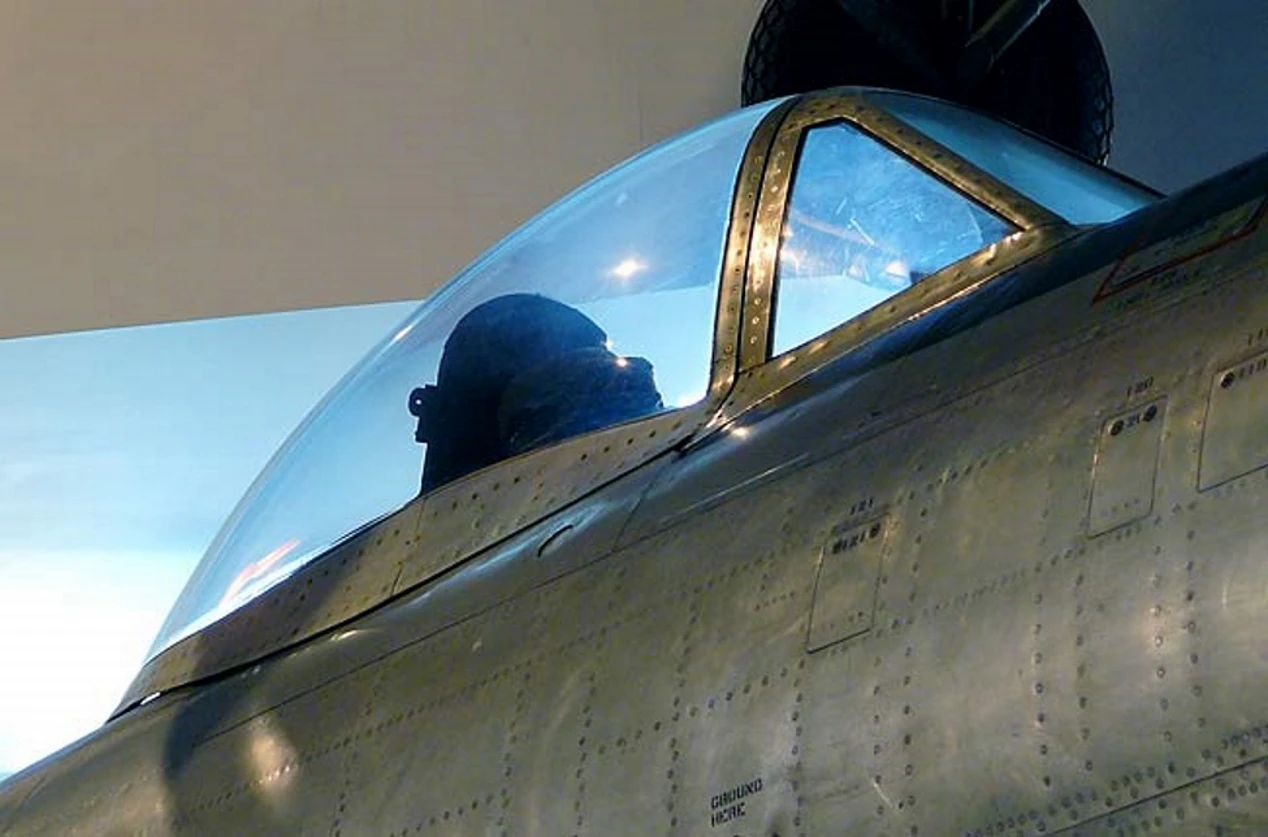
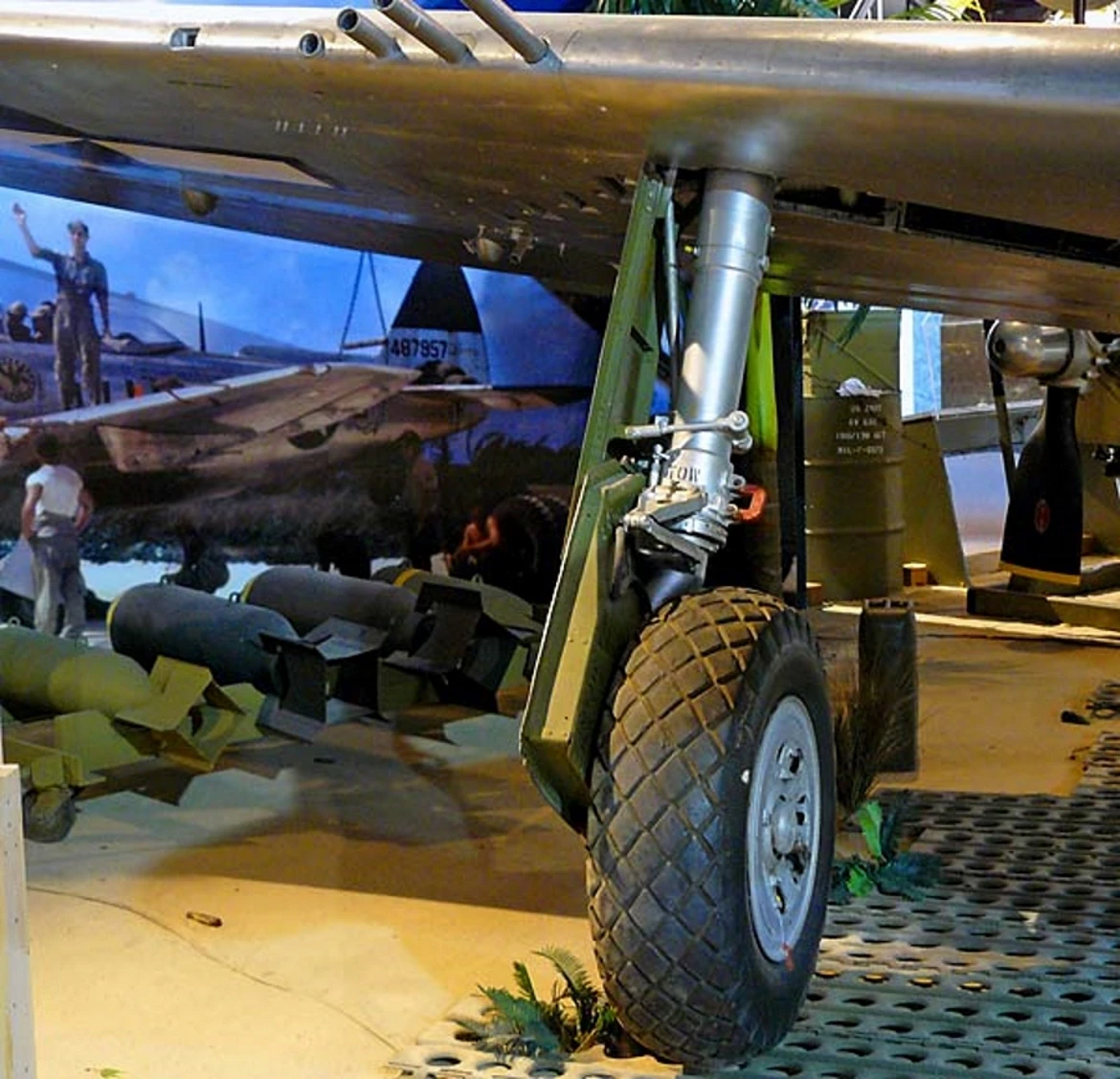
fotogalerij op een P-47G Thunderbolt, The Fighter Republiek P-47 Thunderbolt was een van de Amerikaanse vliegtuigen die het meest woog tijdens de Periode van de Tweede Wereldoorlog. Niet alleen omdat het tot op de dag van vandaag een van de meest gebouwde gevechtsvliegtuigen is geweest (14.500 eenheden), maar ook omdat het zeer effectief was in vuurondersteuningsmissies, tot het punt dat het uiteindelijk zijn belangrijkste rol werd omdat zijn nogal zwakke prestaties voor een vechter het niet in staat stelden om te concurreren met zijn tegenhanger de P-51 Mustang. Zijn ruwe afwerking en grootte verdienden het de bijnaam gesel (Kruik die de afkorting van Juggernaut is).
| P-47G Thunderbolt | |
|---|---|
| Fotograaf | Onbewust |
| Lokalisatie | Onbewust |
| Foto 's | 56 |
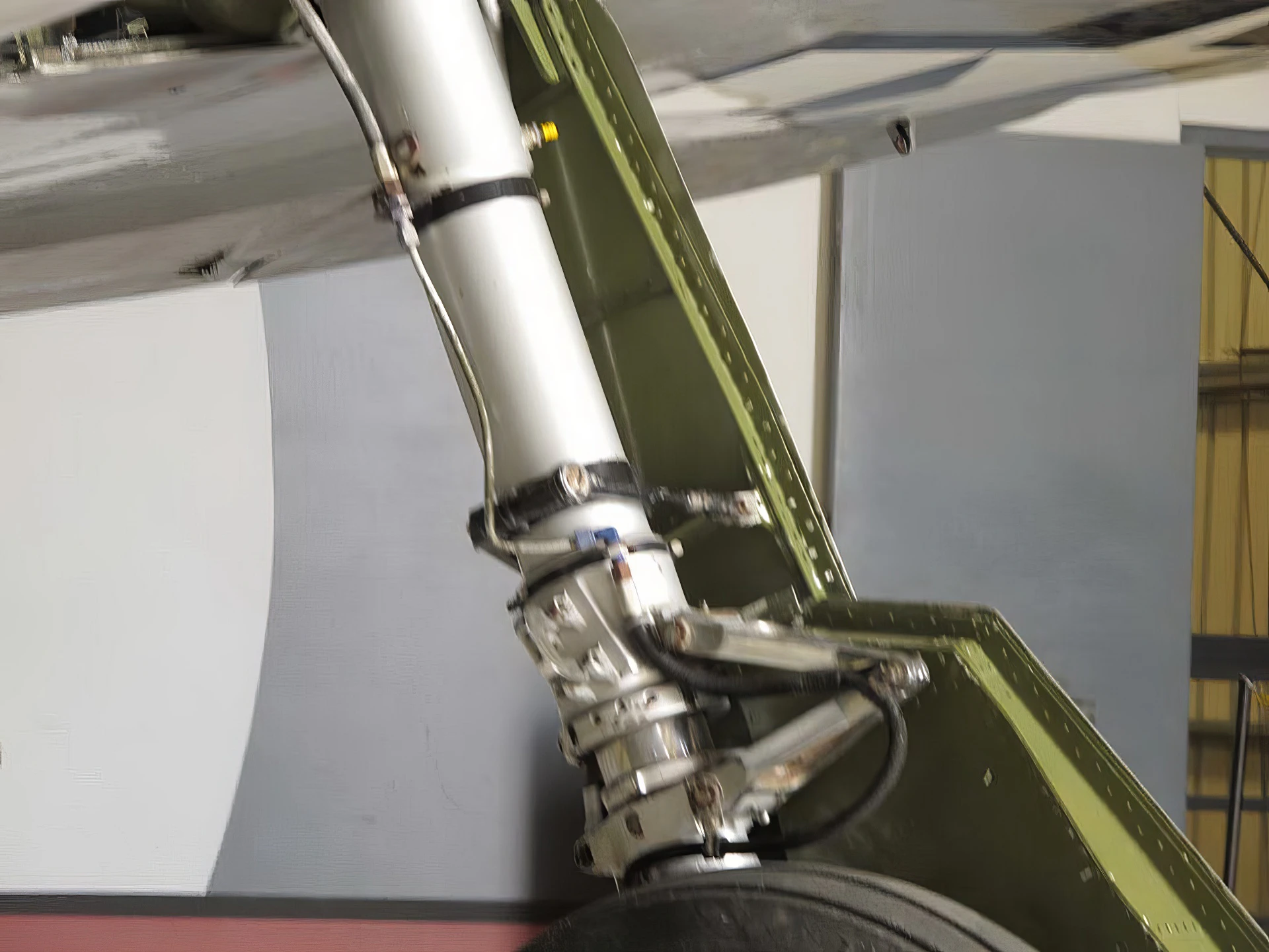
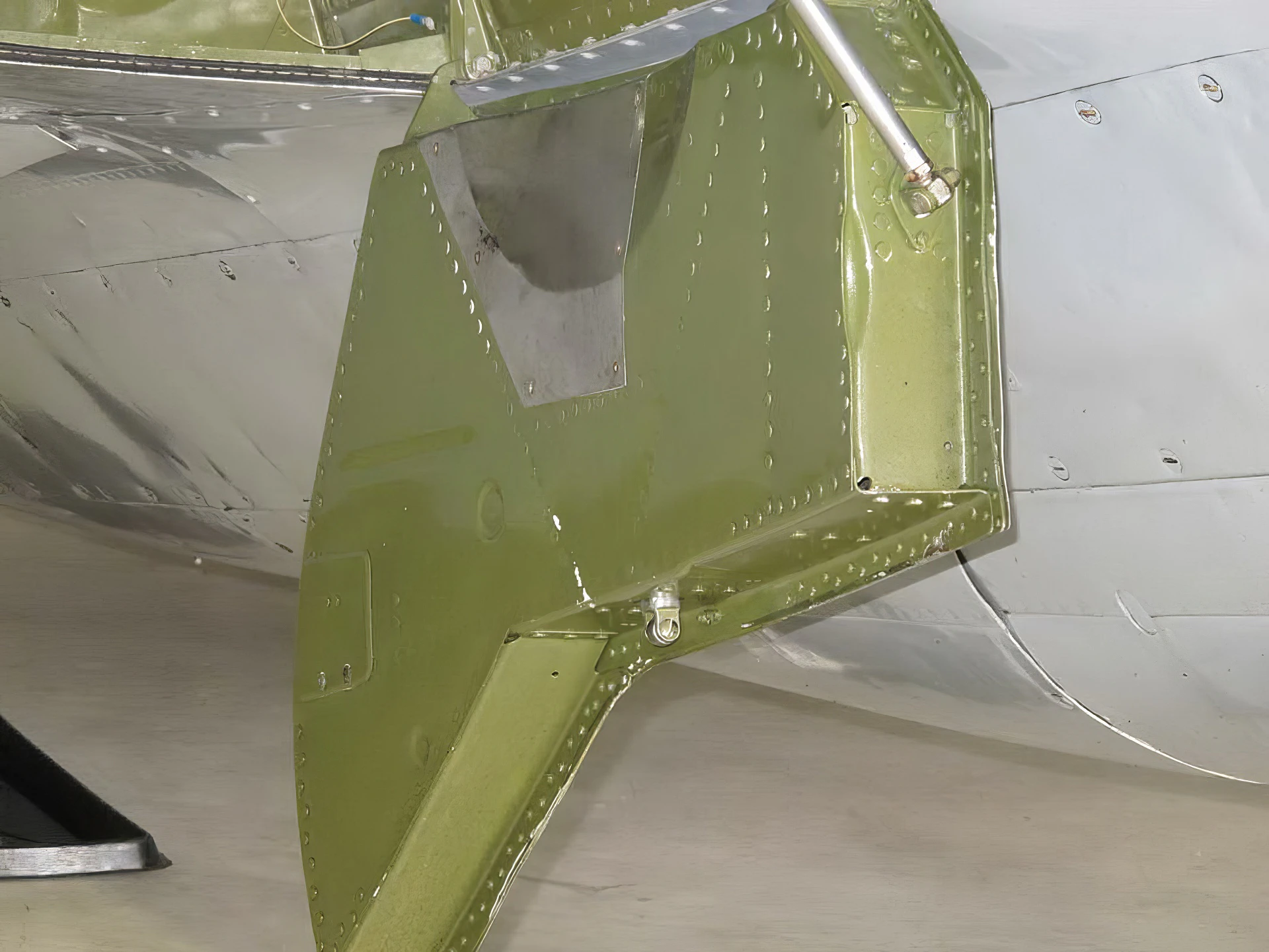
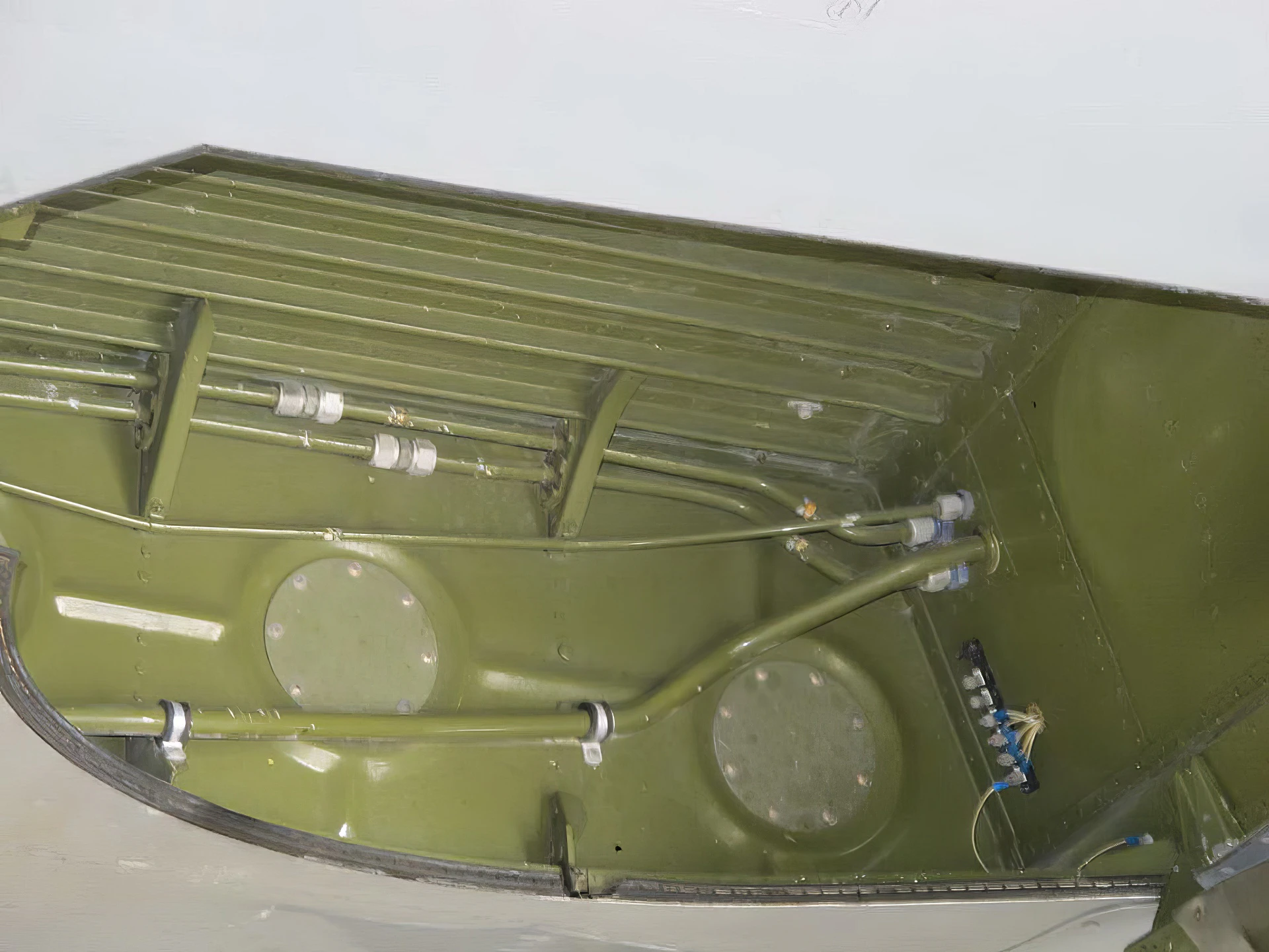
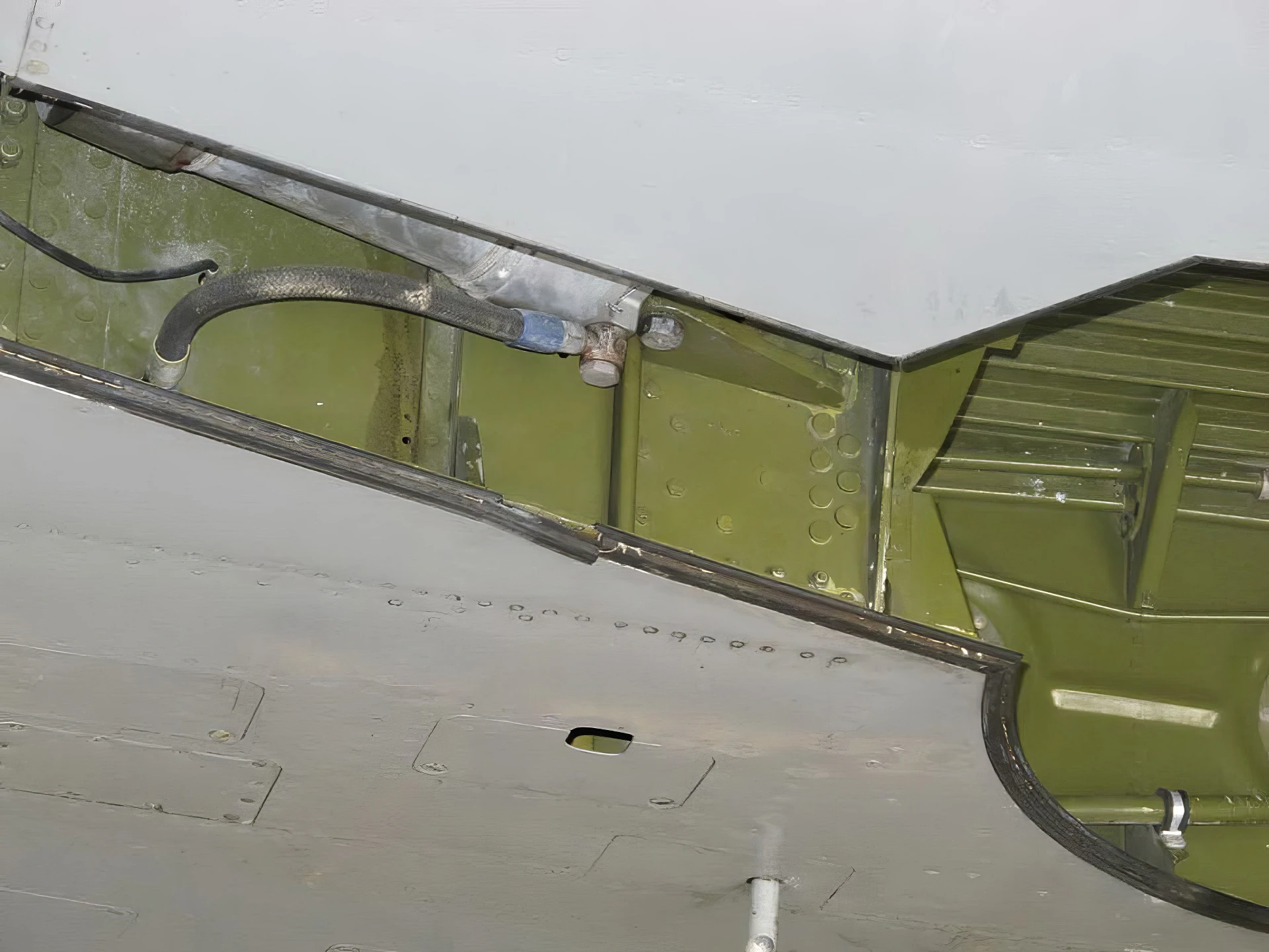
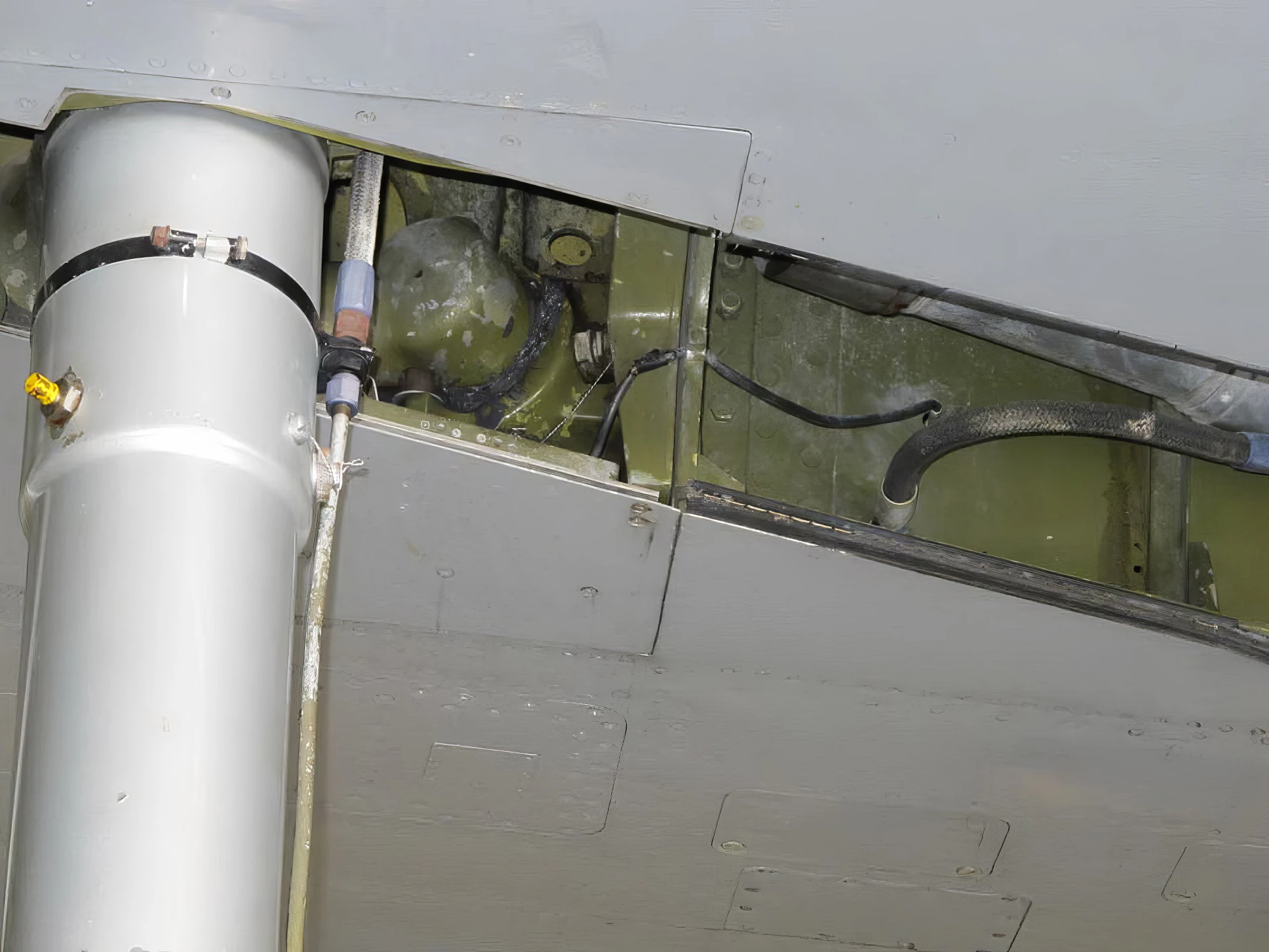
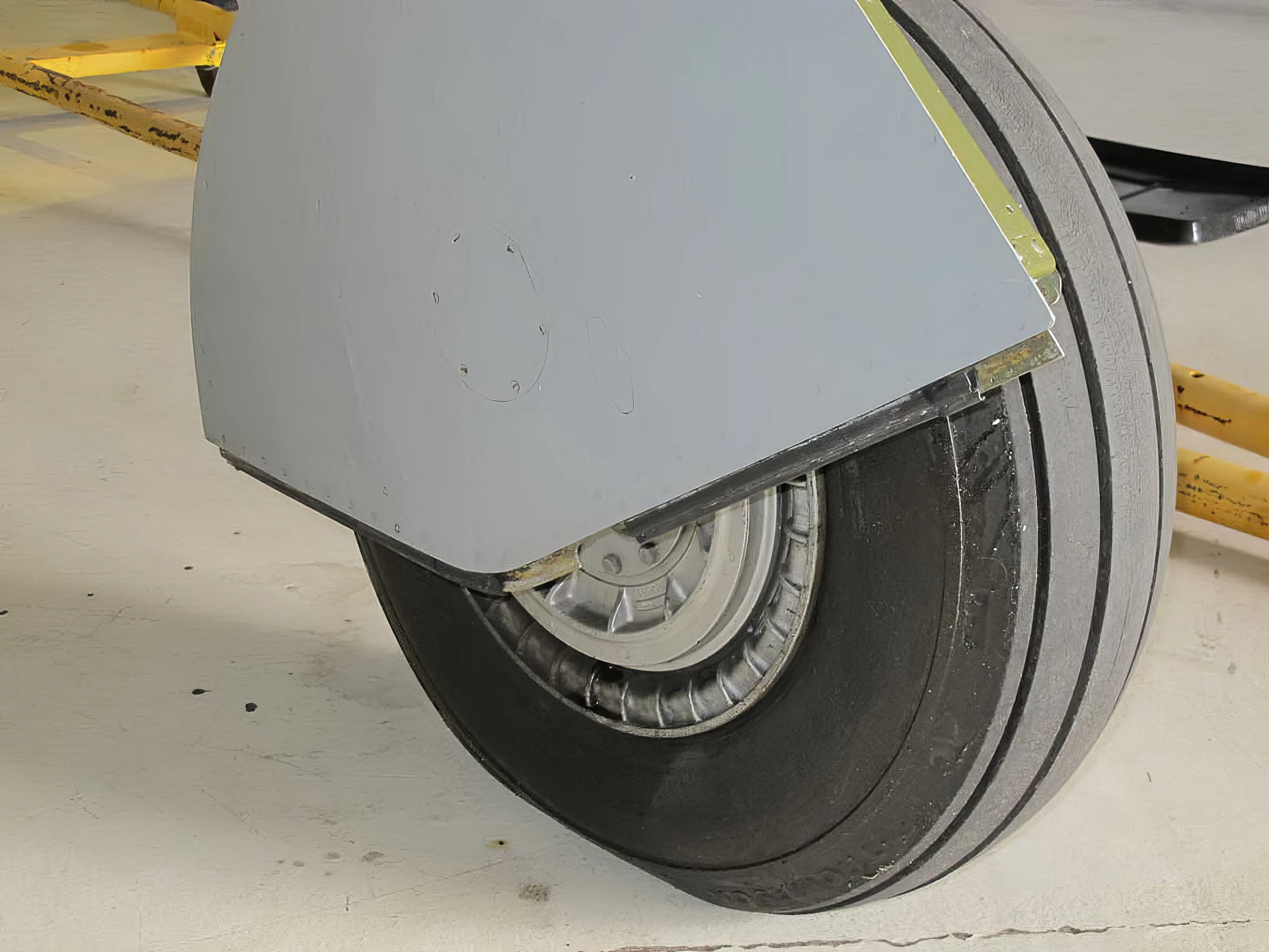
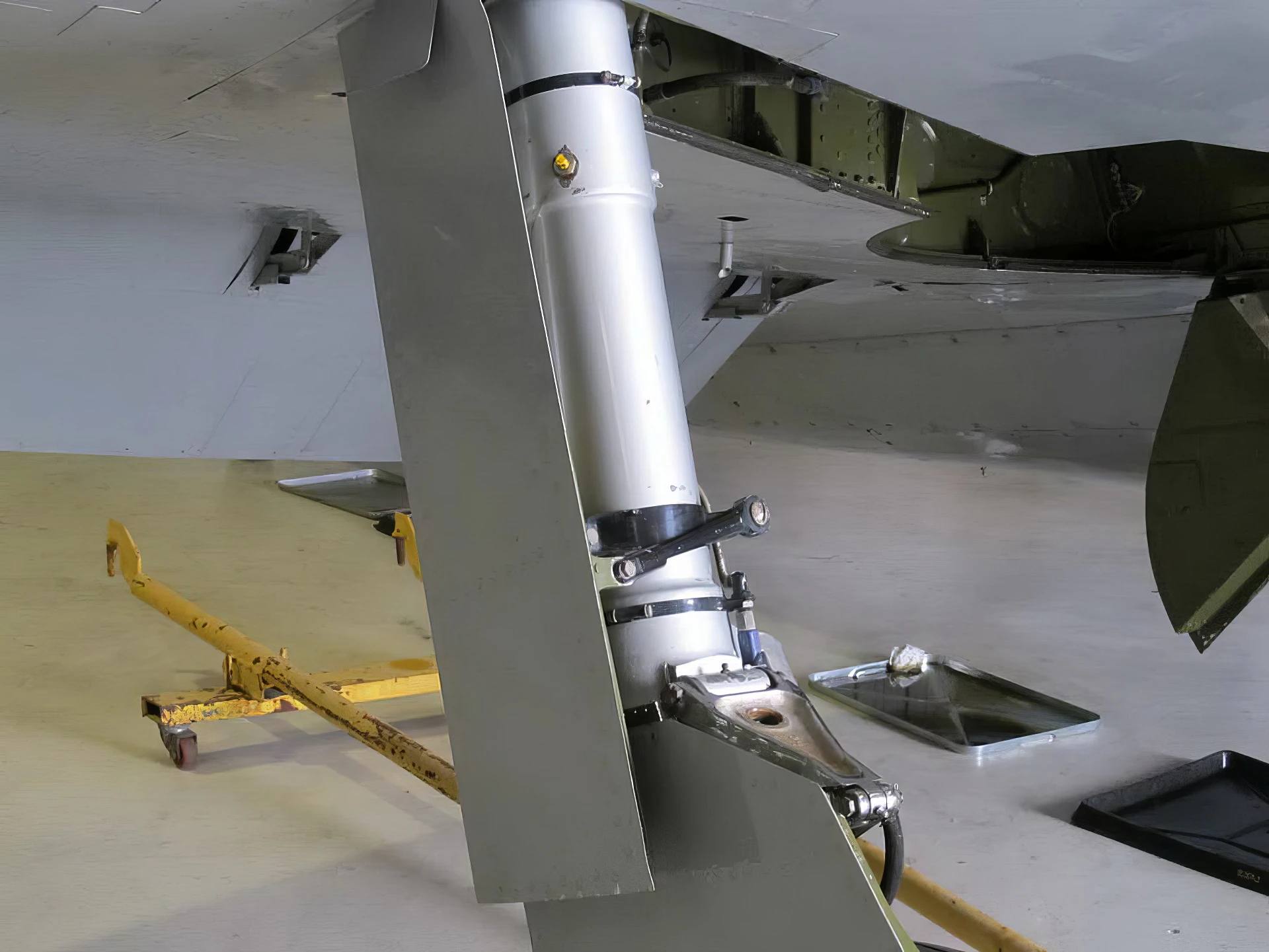
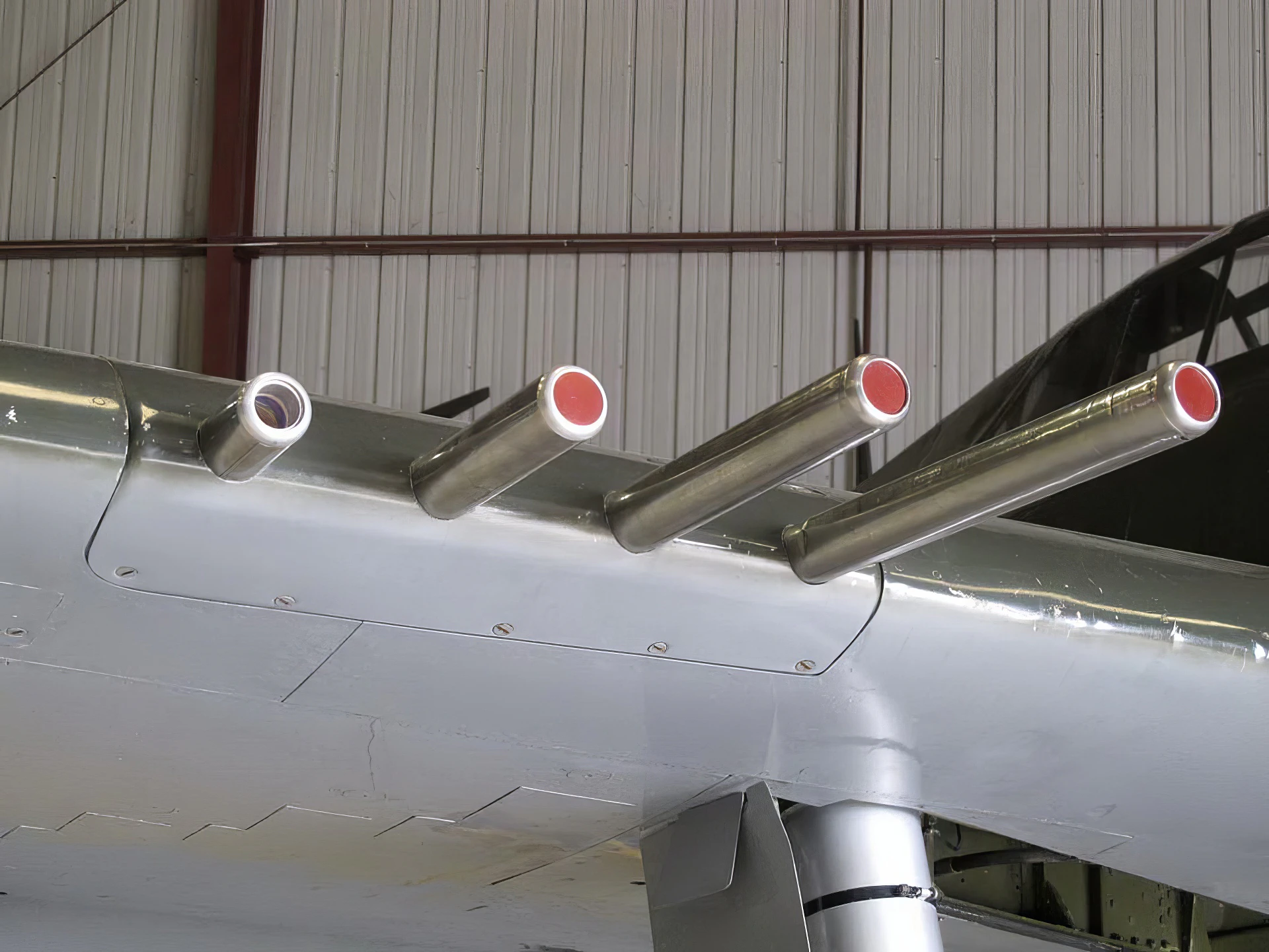
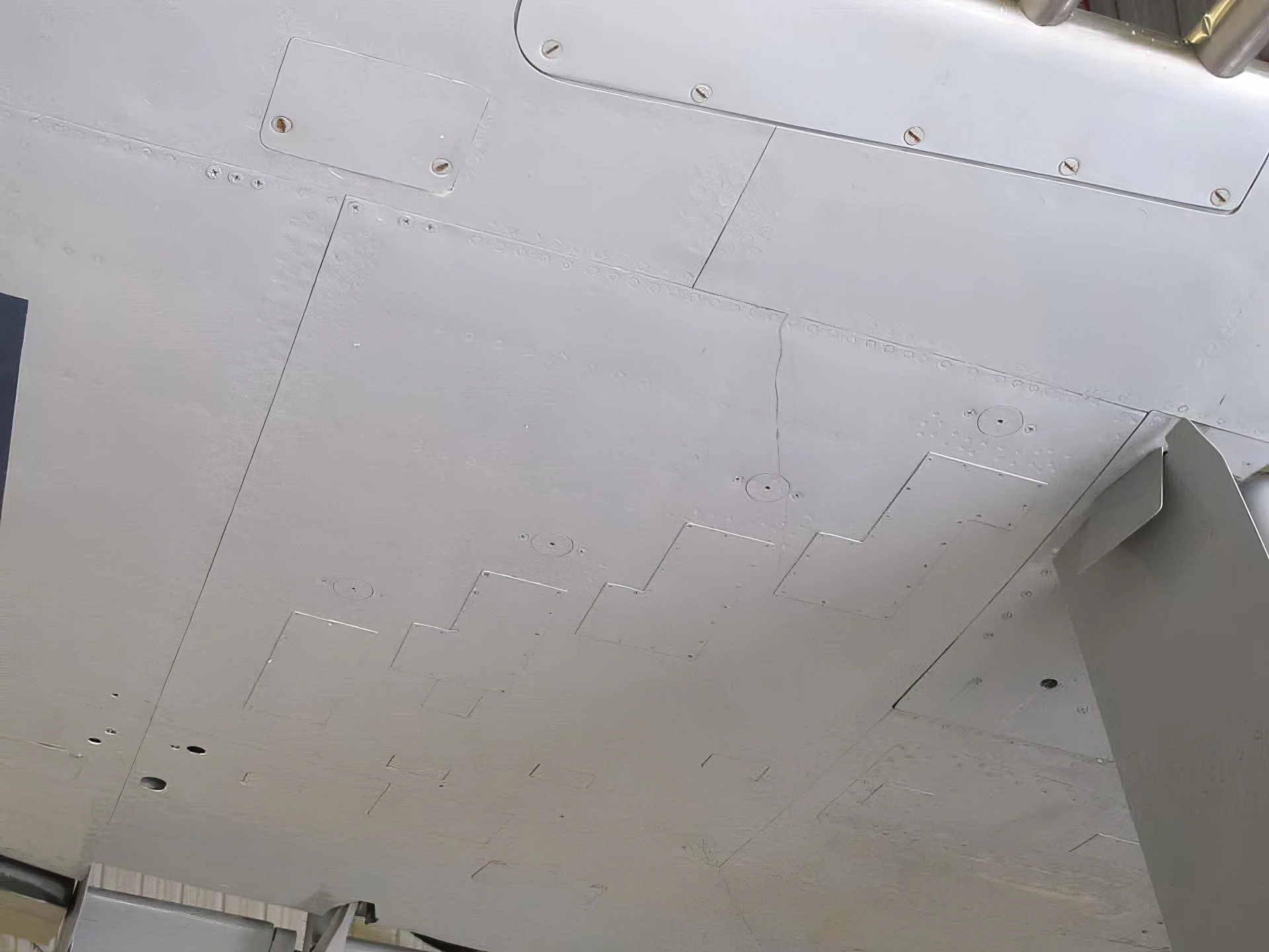

| P-47G Thunderbolt Walk Around | |
|---|---|
| Fotograaf | Cees Hendriks |
| Lokalisatie | Onbewust |
| Foto 's | 49 |
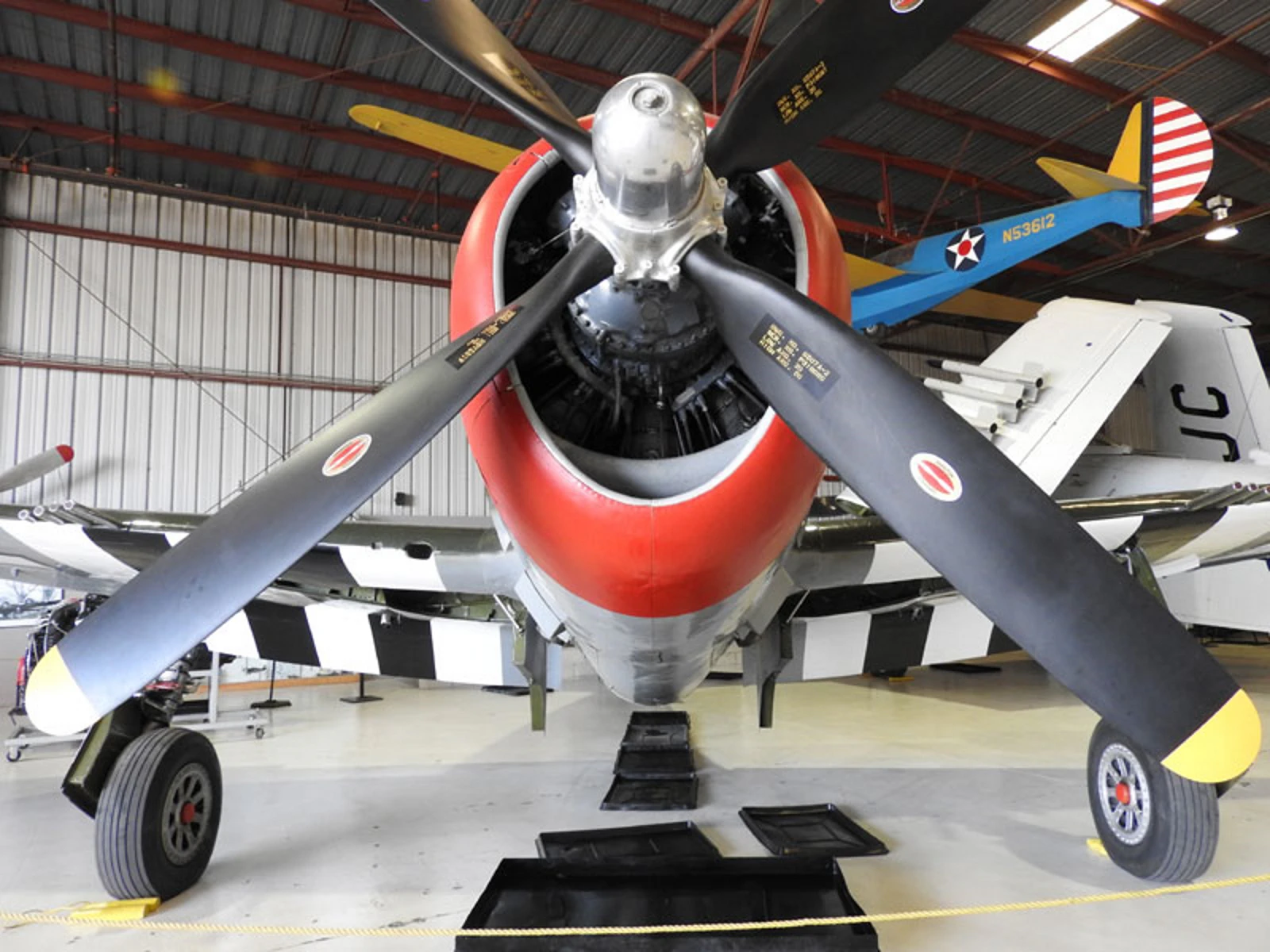
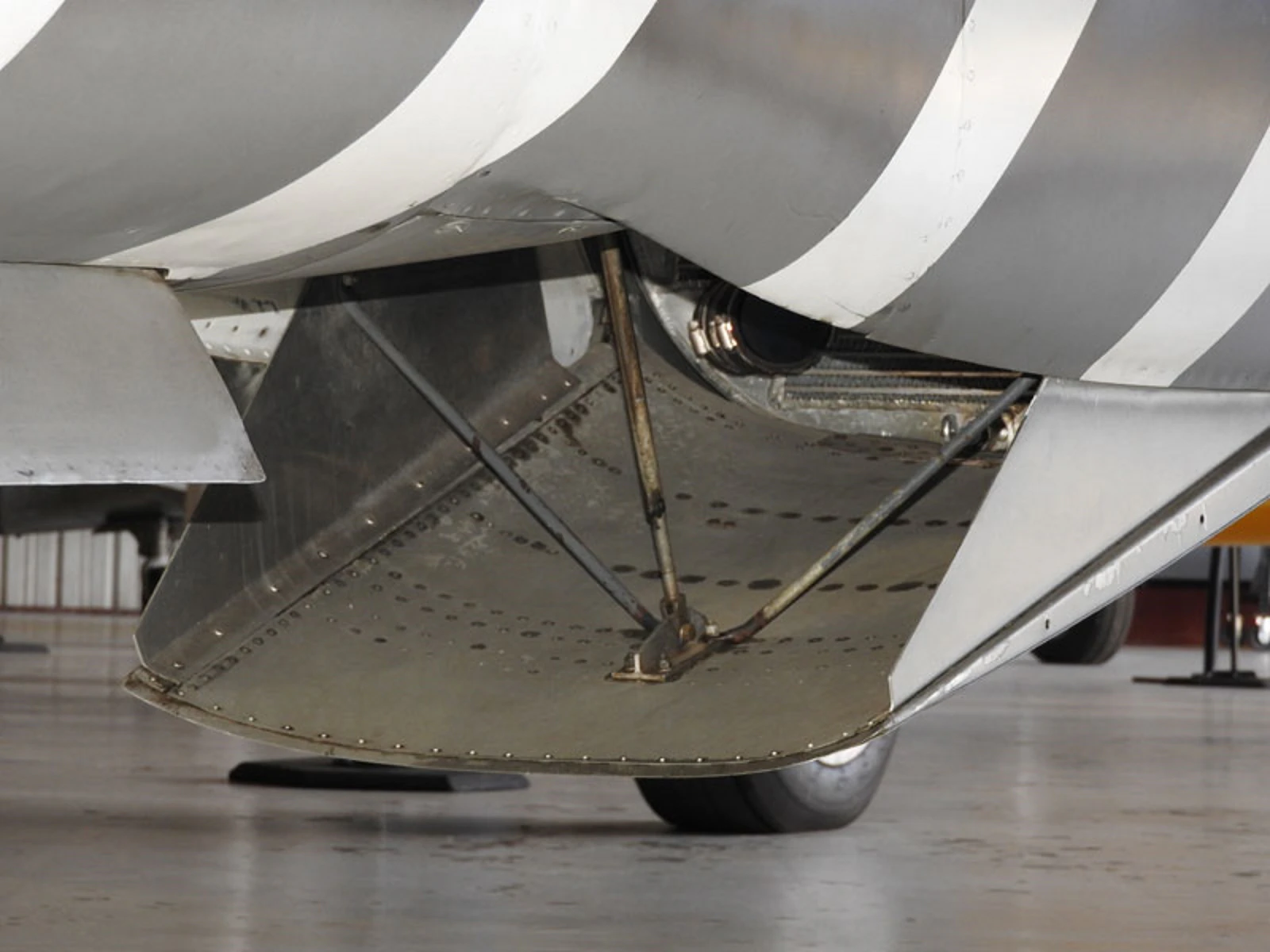
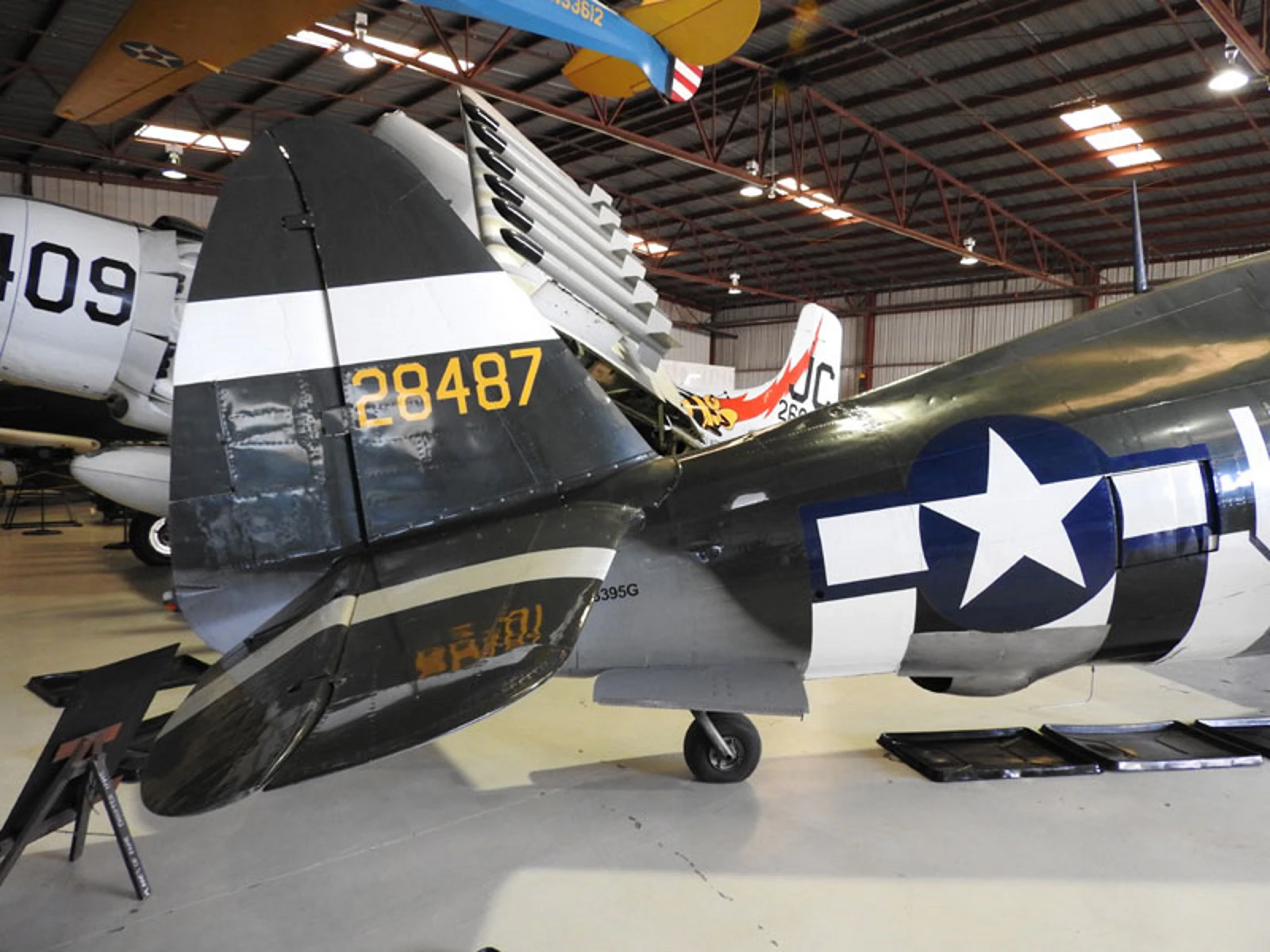
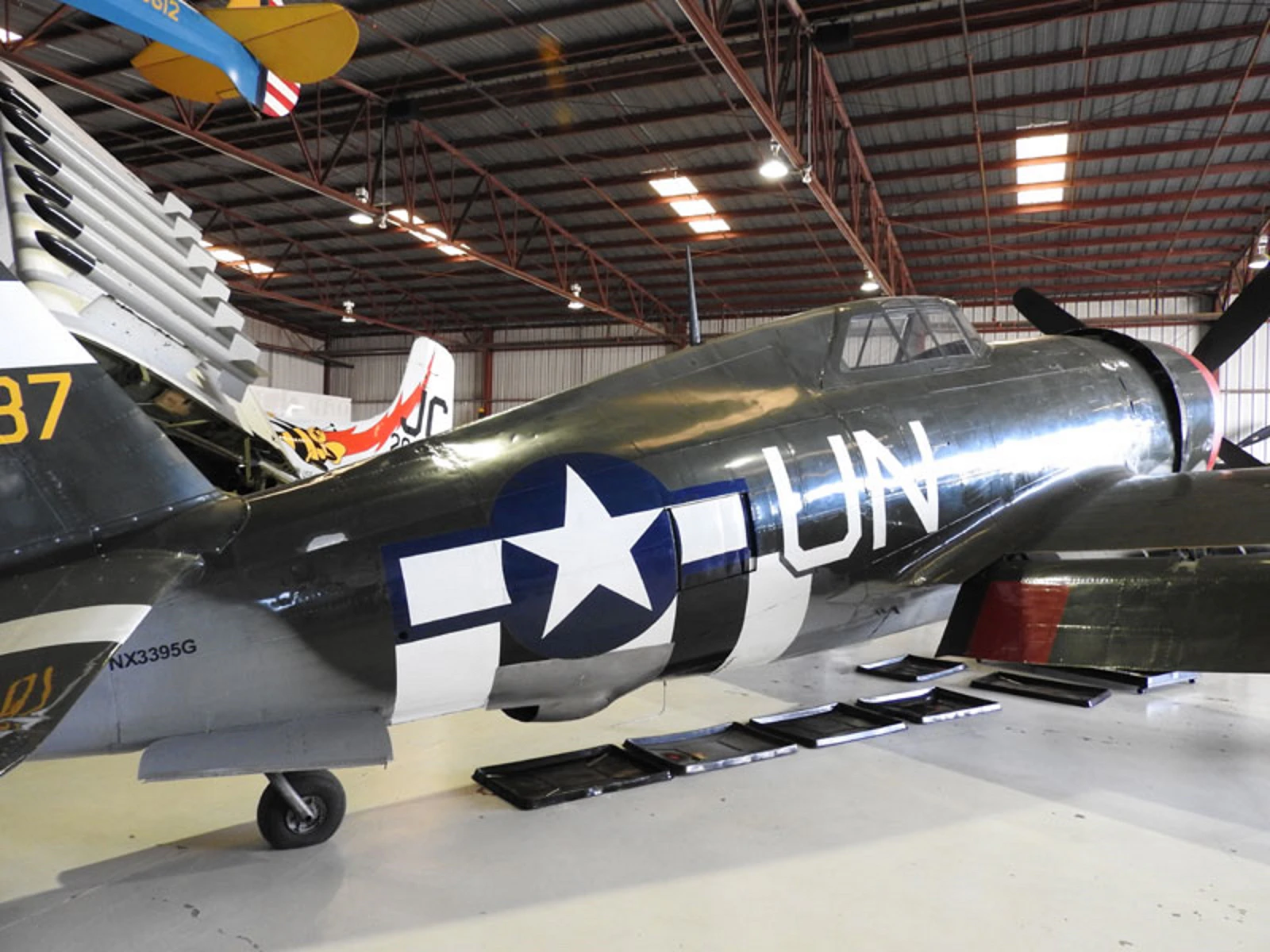
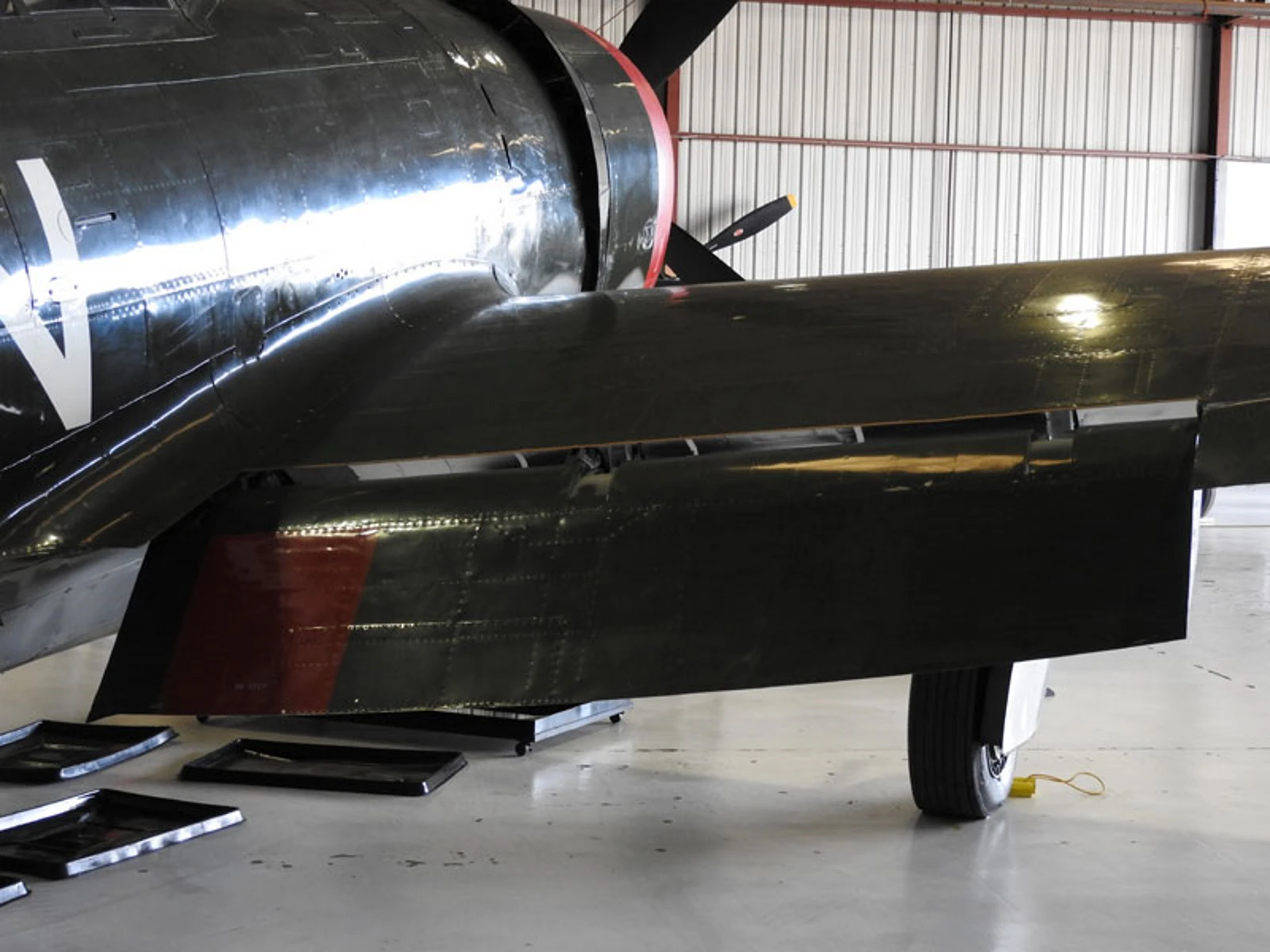
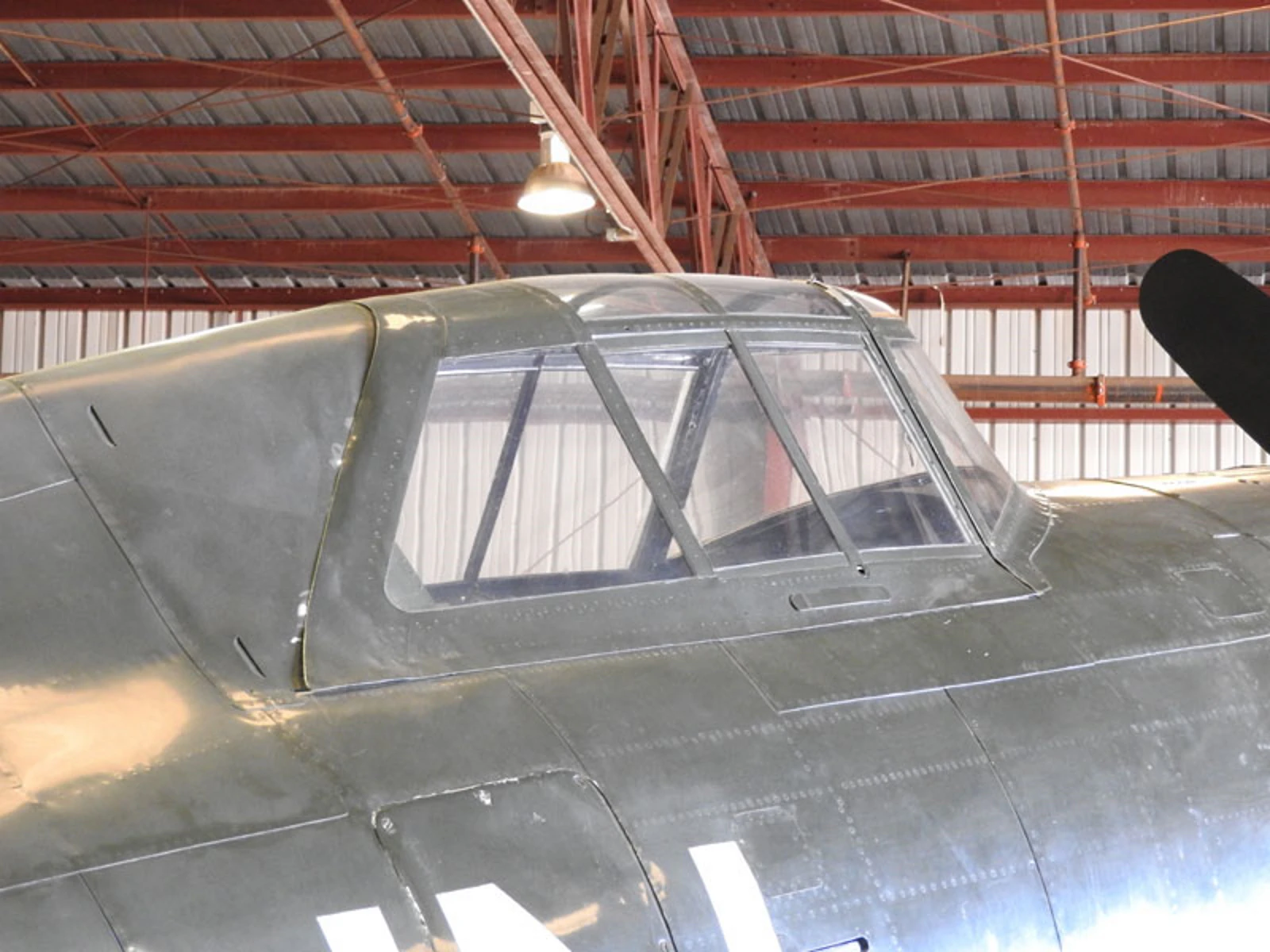
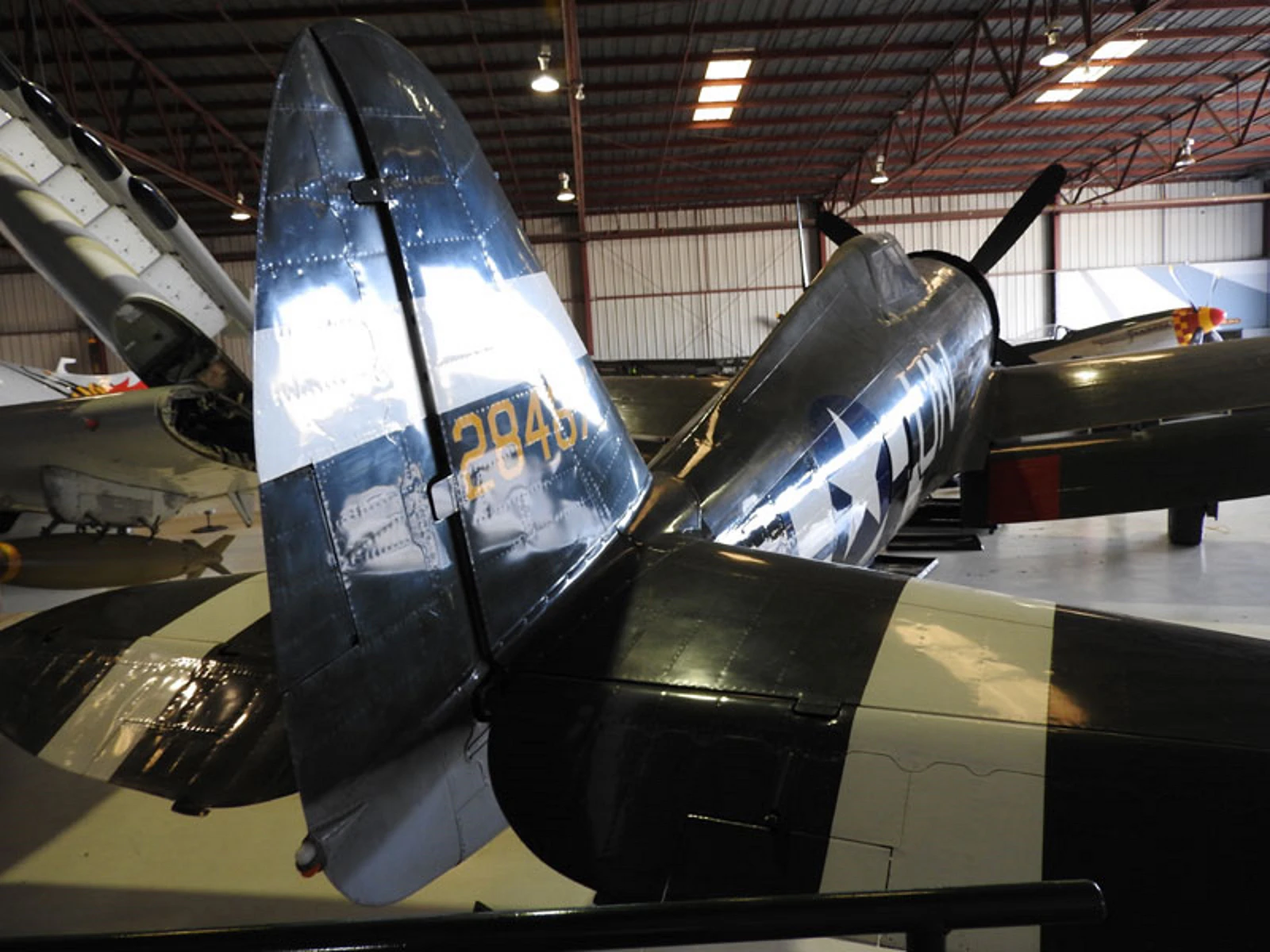
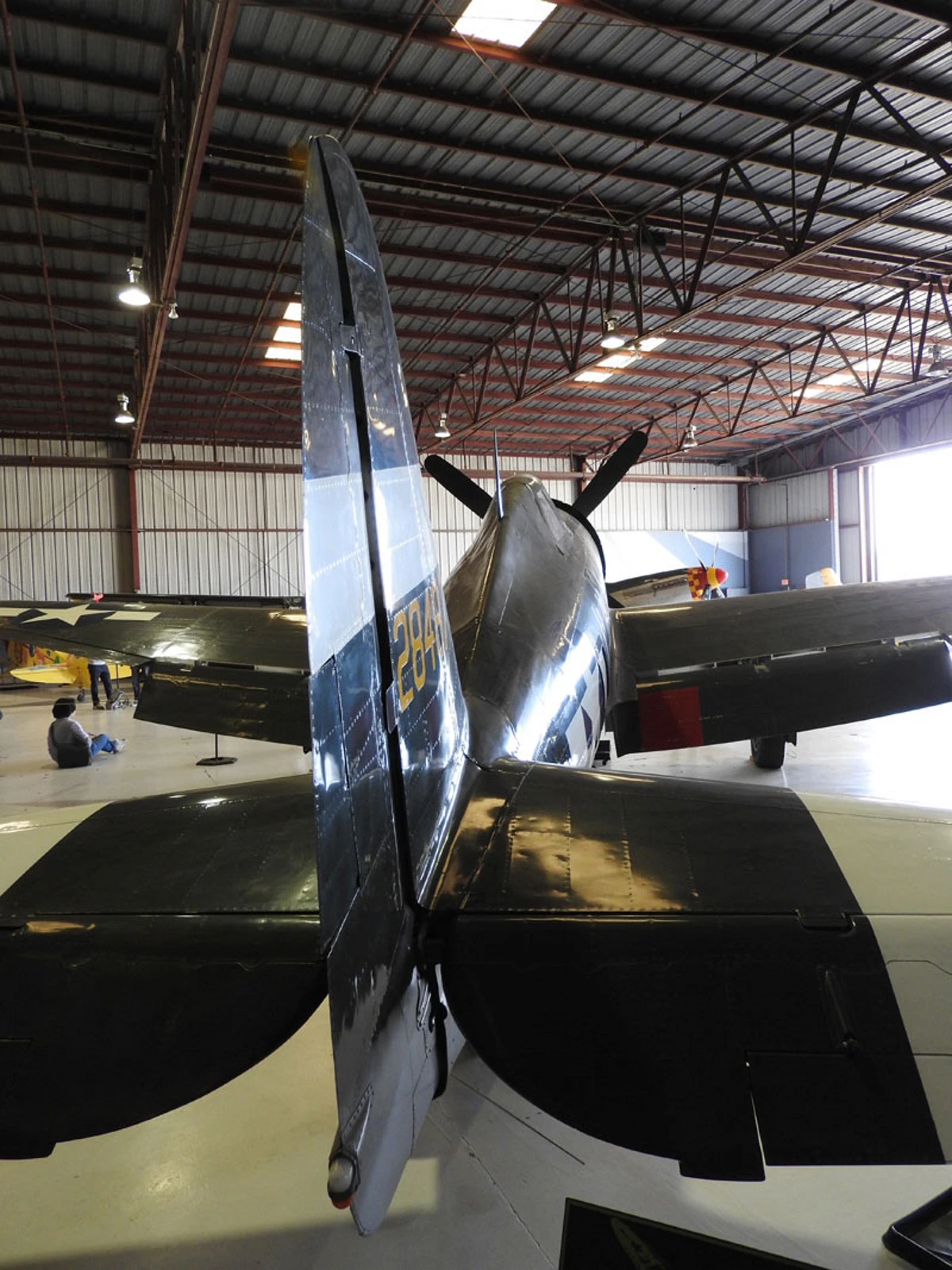
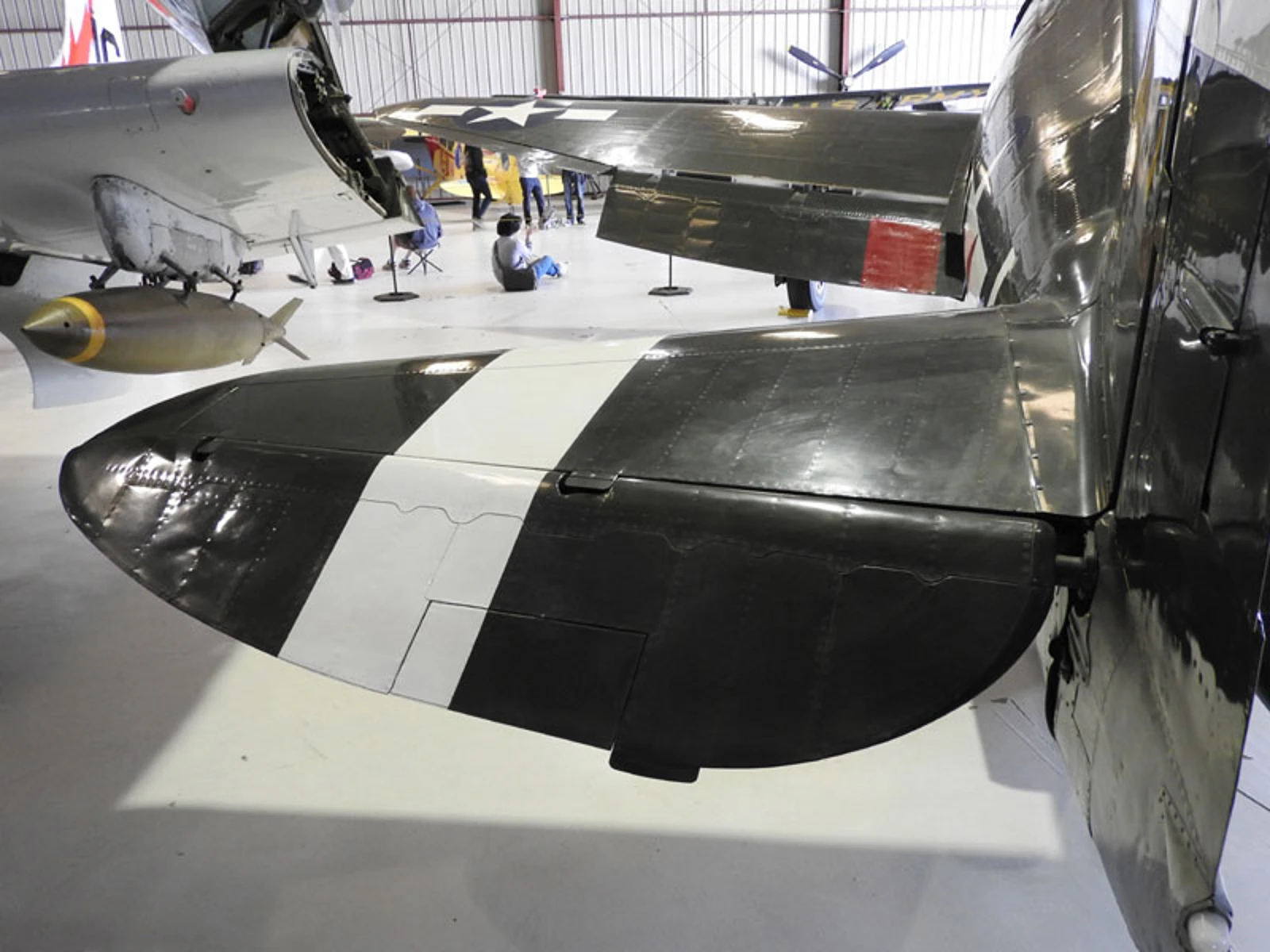
| Republic P-47 Thunderbolt Walk Around | |
|---|---|
| Fotograaf | Bill Maloney |
| Lokalisatie | Onbewust |
| Foto 's | 18 |
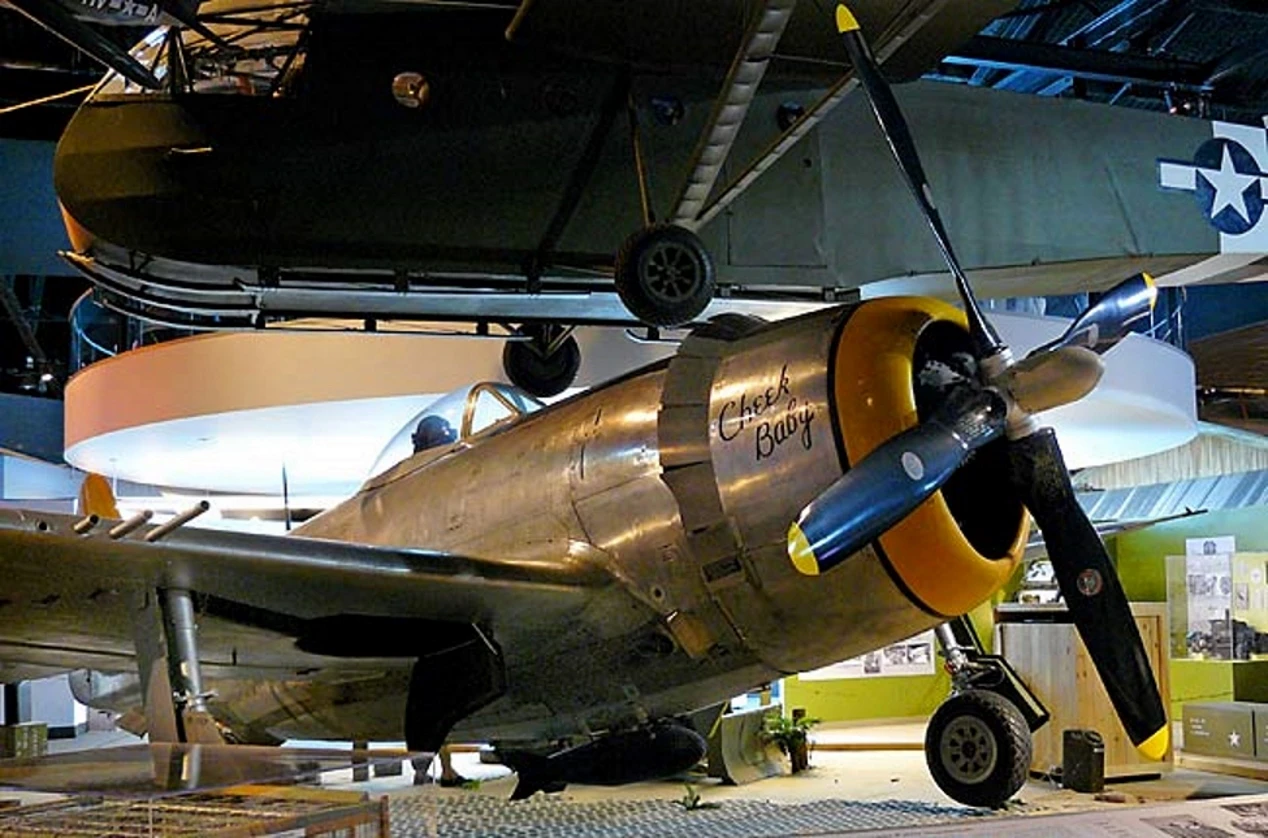
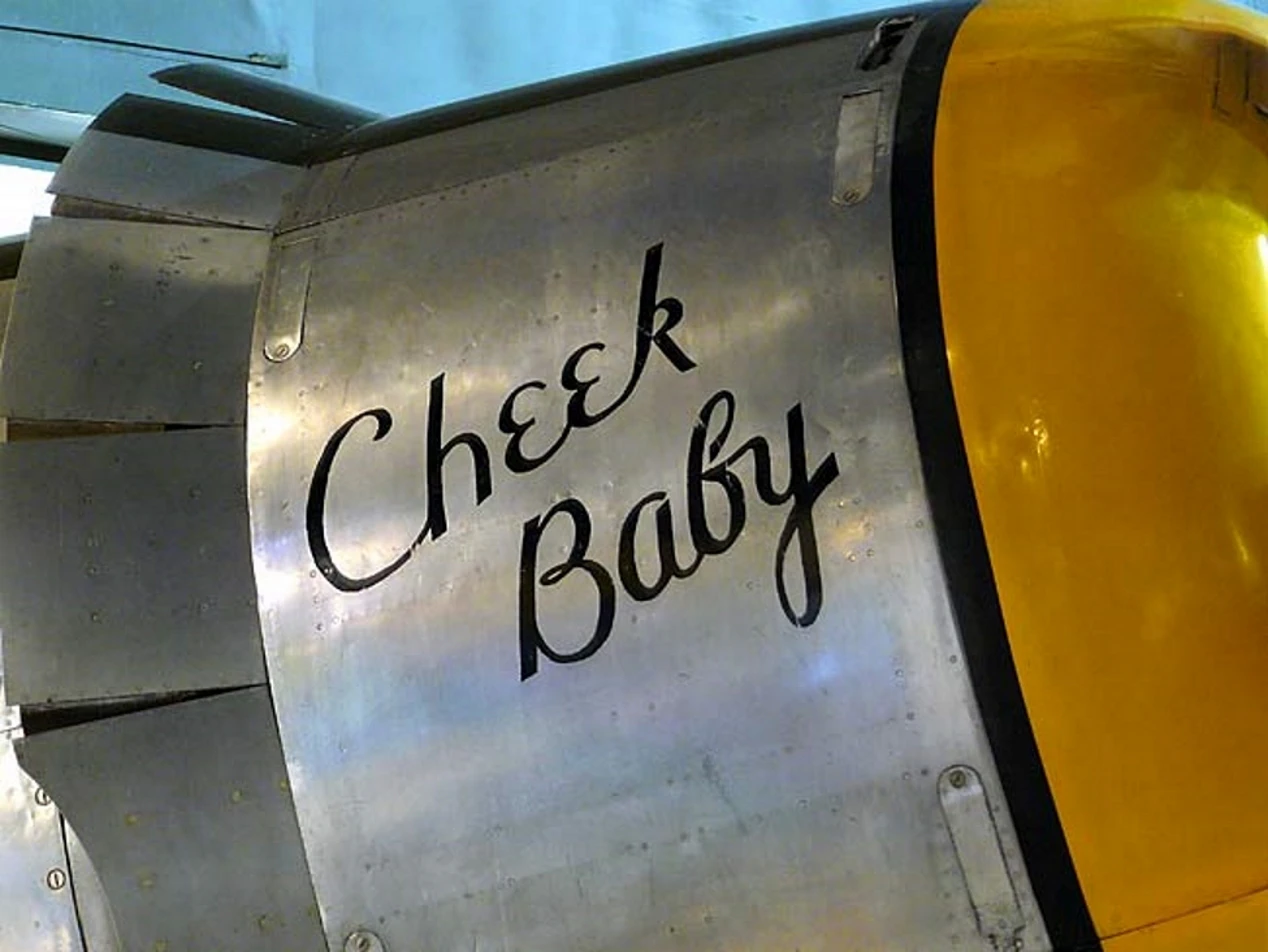
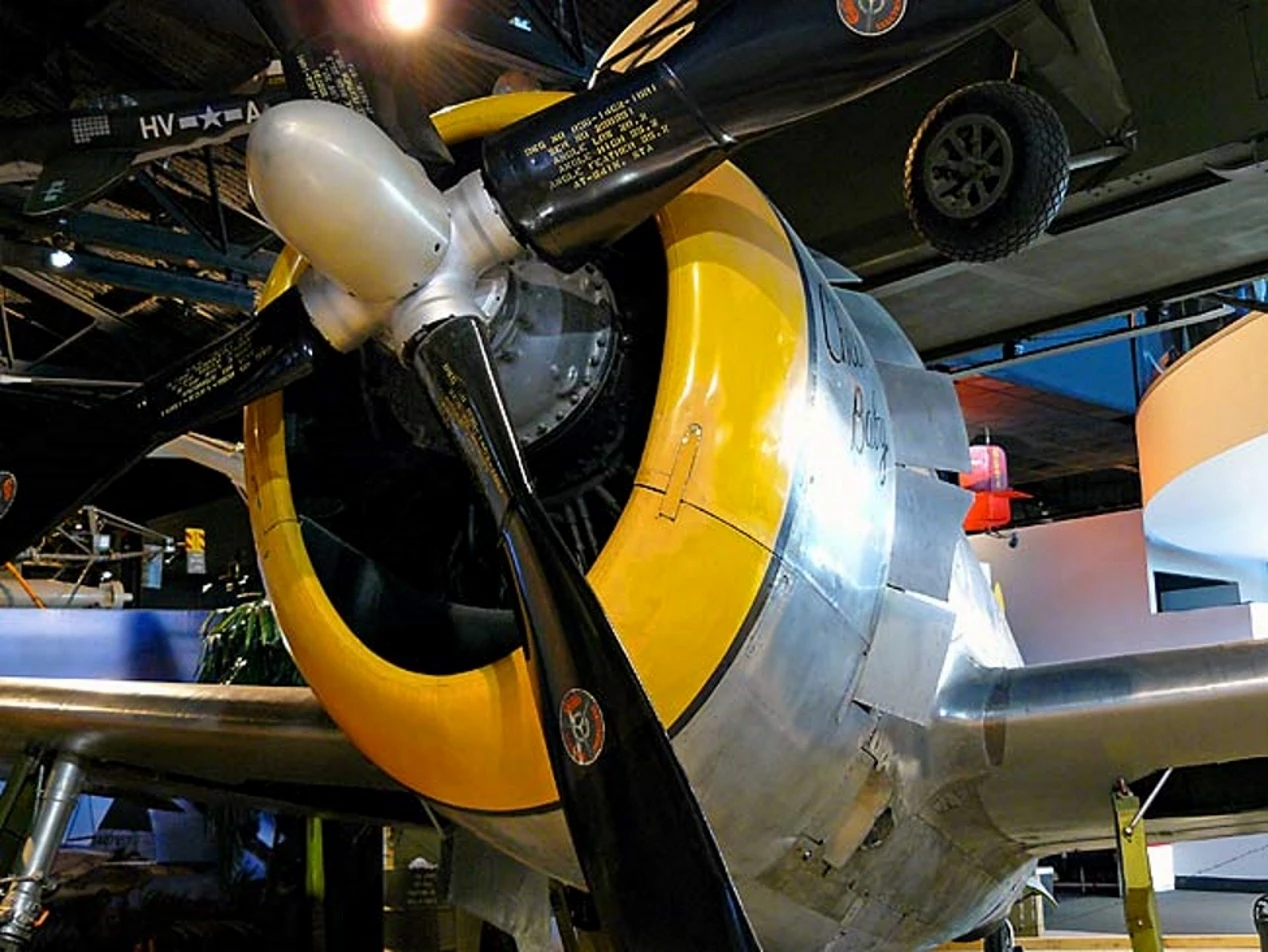
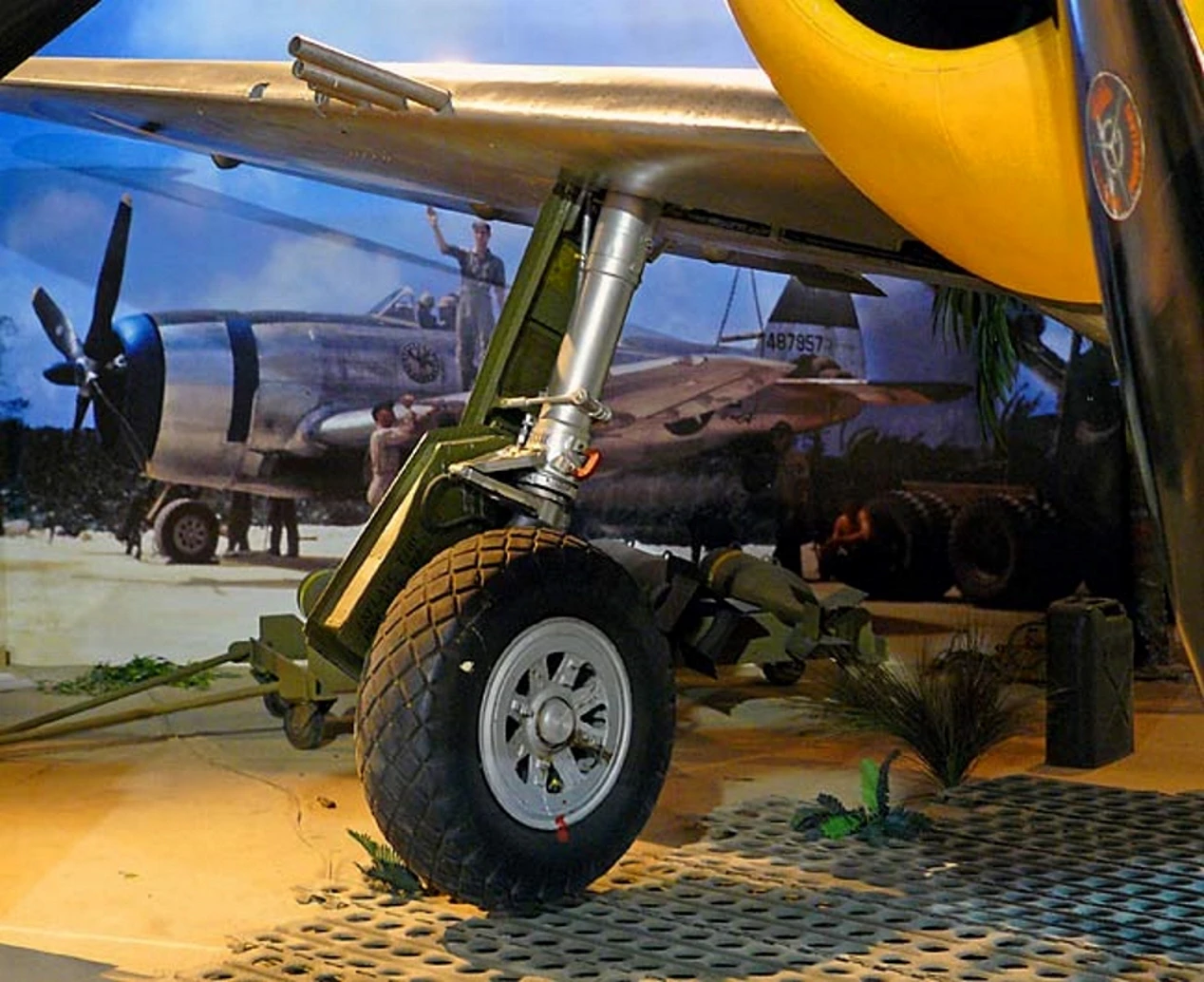
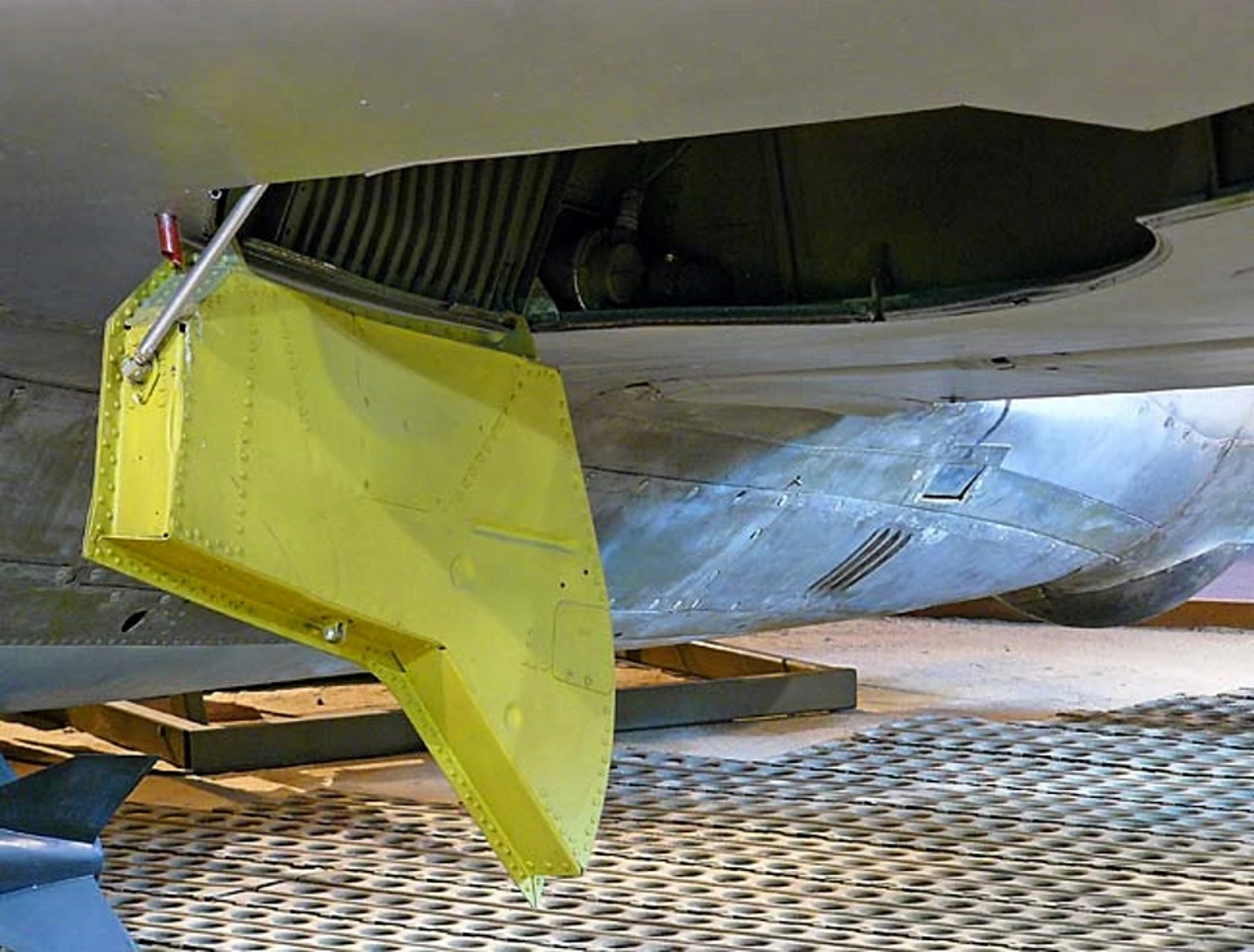
Zie ook:


The Rare Version of a Legend
De Republic P-47G Thunderbolt is a unique footnote in aviation history. While the “Jug” is famous for being the heaviest, most rugged single-engine fighter of WWII, the G-variant specifically refers to Thunderbolts built by the Curtiss-Wright Corporation in Buffalo, New York, rather than Republic Aviation. Because Curtiss struggled to keep up with the rapid engineering changes happening at Republic’s main plants, the P-47G models were often “frozen” in time—equivalent to early razorback P-47D models. Consequently, they were rarely sent overseas for combat and instead became the primary high-performance trainers for thousands of American pilots before they headed to Europe.
| Attribute | Technical Specification (P-47G-CU) |
|---|---|
| Role | Fighter / Fighter-Bomber / Advanced Trainer |
| Bemanning | 1 (Standard) / 2 (TP-47G “Doublebolt” trainers) |
| Motor | 1 × Pratt & Whitney R-2800-21 Double Wasp (2,000 hp) |
| Maximum Speed | 697 km/h (433 mph) at 9,144 m |
| Empty Weight | 4,513 kg (9,950 lb) |
| Max Takeoff Weight | 6,033 kg (13,300 lb) |
| Bewapening | 8 × .50 cal Browning M2 machine guns (425 rpg) |
| Production Total | 354 units (all built by Curtiss) |
Design Engineering: Built Like a Flying Tank
- The “Razorback” Canopy: All P-47Gs featured the original “razorback” fuselage profile. Unlike later “bubble canopy” D-models, the G-variant had a high spine behind the pilot, offering excellent structural strength but limited rearward visibility.
- The Turbo-Supercharger: The P-47 was designed around its massive turbocharger, which sat in the rear fuselage. Air was piped from the front, compressed by the exhaust-driven turbine in the back, and fed back to the engine.
- Propeller Evolution: Early P-47Gs were equipped with the Curtiss Electric 12-foot propeller. Many were later upgraded with “paddle-bladed” props to harness more of the engine’s power during climbs.
- Telescoping Landing Gear: Because of its massive 13-foot propeller (on later variants) and wide stance, the P-47’s landing gear struts actually shrunk 9 inches when retracted to fit inside the wings.
Operational History: The Stateside Teacher
- The Training Workhorse: Because Curtiss production lagged behind Republic’s improvements, the USAAF decided the P-47G was better suited for Operational Training Units (OTUs). This ensured frontline pilots had a consistent, reliable airframe to master before flying combat-ready D-models.
- The “Doublebolt”: A small number of G-models were converted into TP-47Gs—the only factory-built two-seat Thunderbolts. By adding a second seat in tandem, instructors could finally sit with students to tame the massive torque of the R-2800 engine.
- Ruggedness Personified: Like all Thunderbolts, the G-model was famous for its ability to absorb incredible damage. The air-cooled radial engine could take several hits and keep spinning, unlike liquid-cooled engines where a single leak would lead to a seizure.
- The “Jug” Nickname: While often thought to be short for “Juggernaut,” many pilots claimed it was because the fuselage resembled a milk jug when stood on its nose—or because it was simply as big as a jug of gin.
Views : 7272
U ook zien :
 Miles Magister – Foto's & Video's
 Avro Canada VZ-9 Avrocar – Foto's &video's
 Republic RC-3 Seabee – Foto's &Video's
 Convair C-131 Samaritaan – Foto's &Video's
 de Havilland Canada DHC-4 Caribou – Foto's & Video
 Curtiss-Wright CW-22 – Foto's & Video
 MiG-23MLD – WalkAround
 P-51D-25-NA Mustang – Rond te Lopen
 B-47 Stratojet – Rond te Lopen
 P-47D Thunderbolt – WalkAround