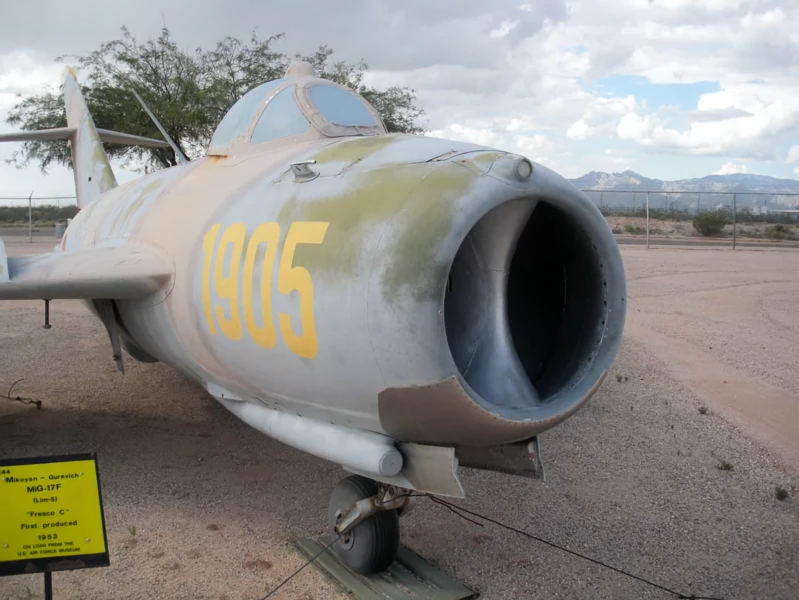
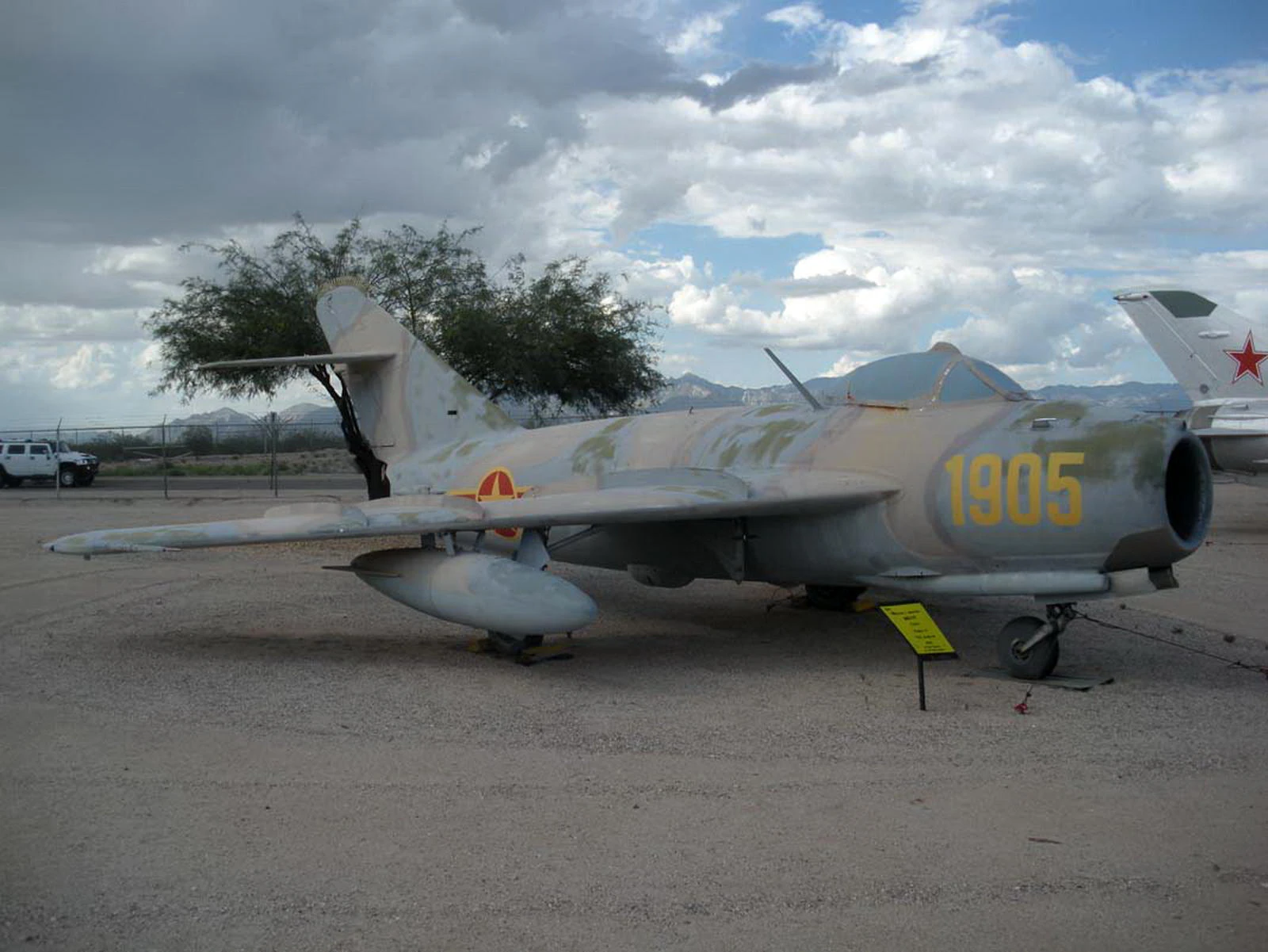
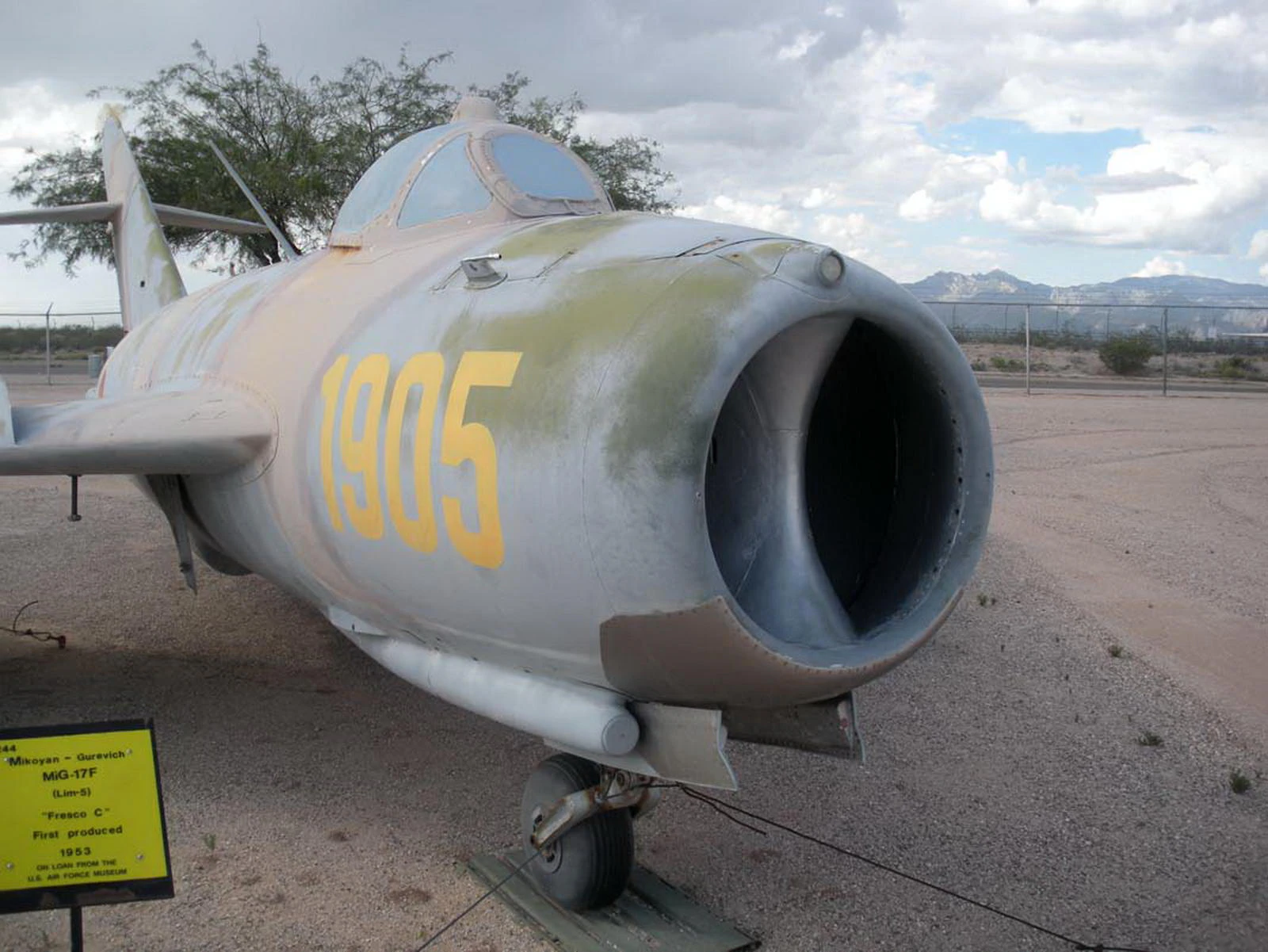
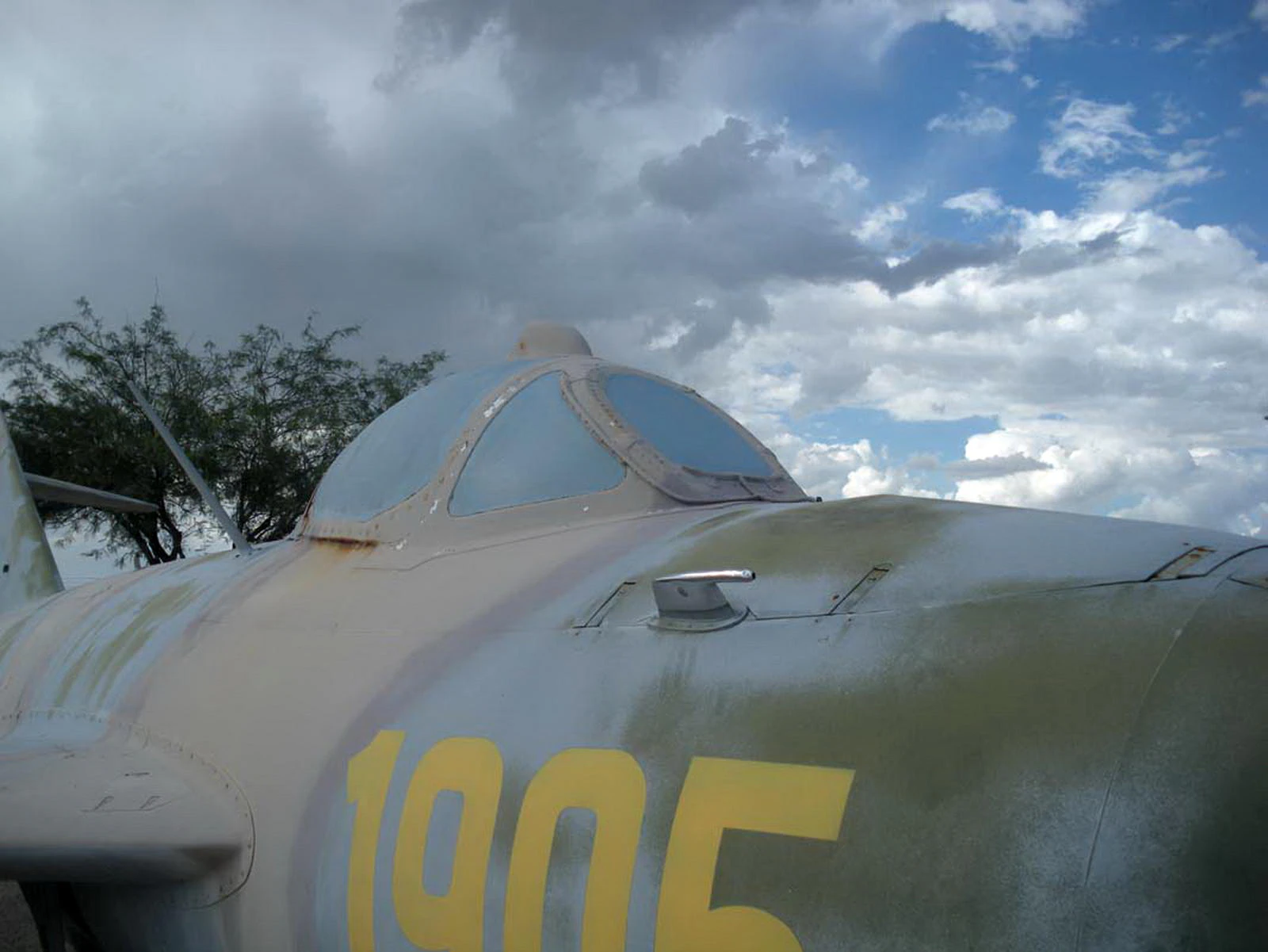
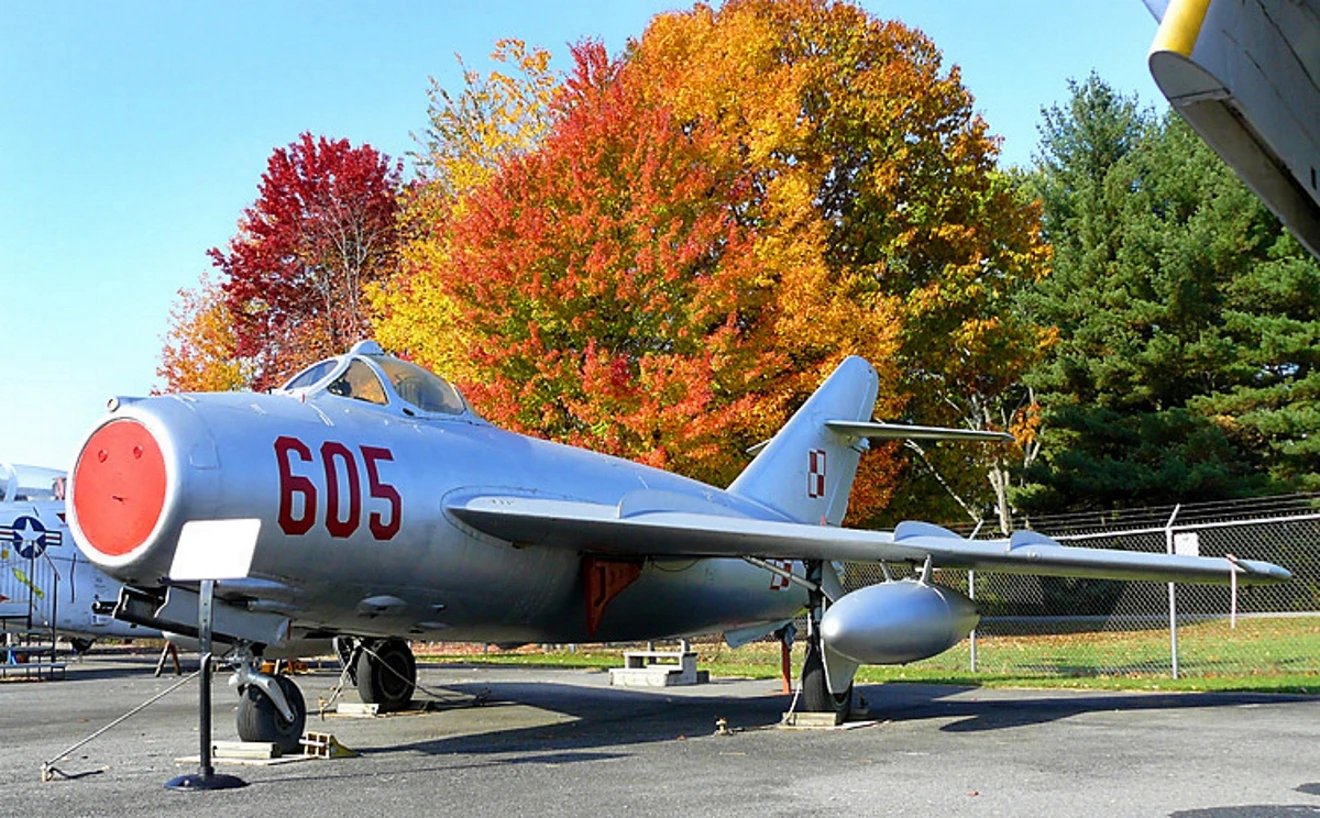
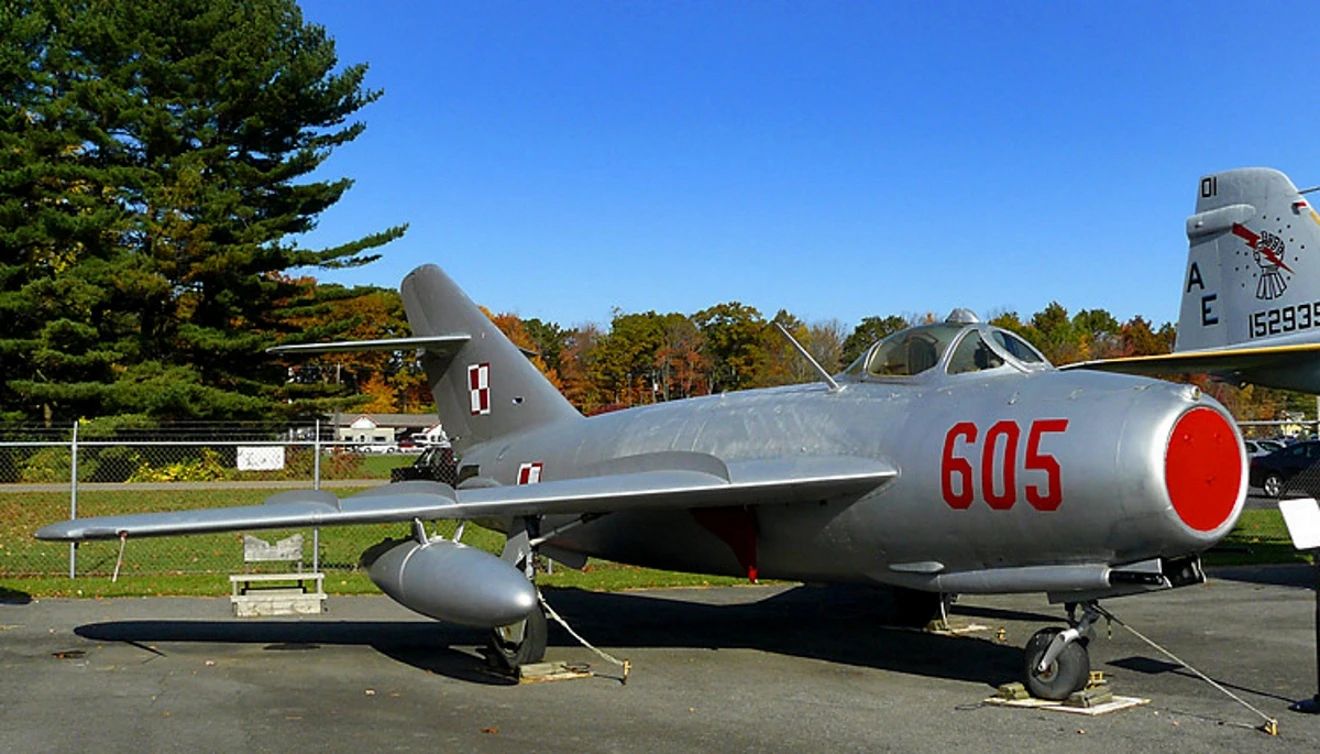
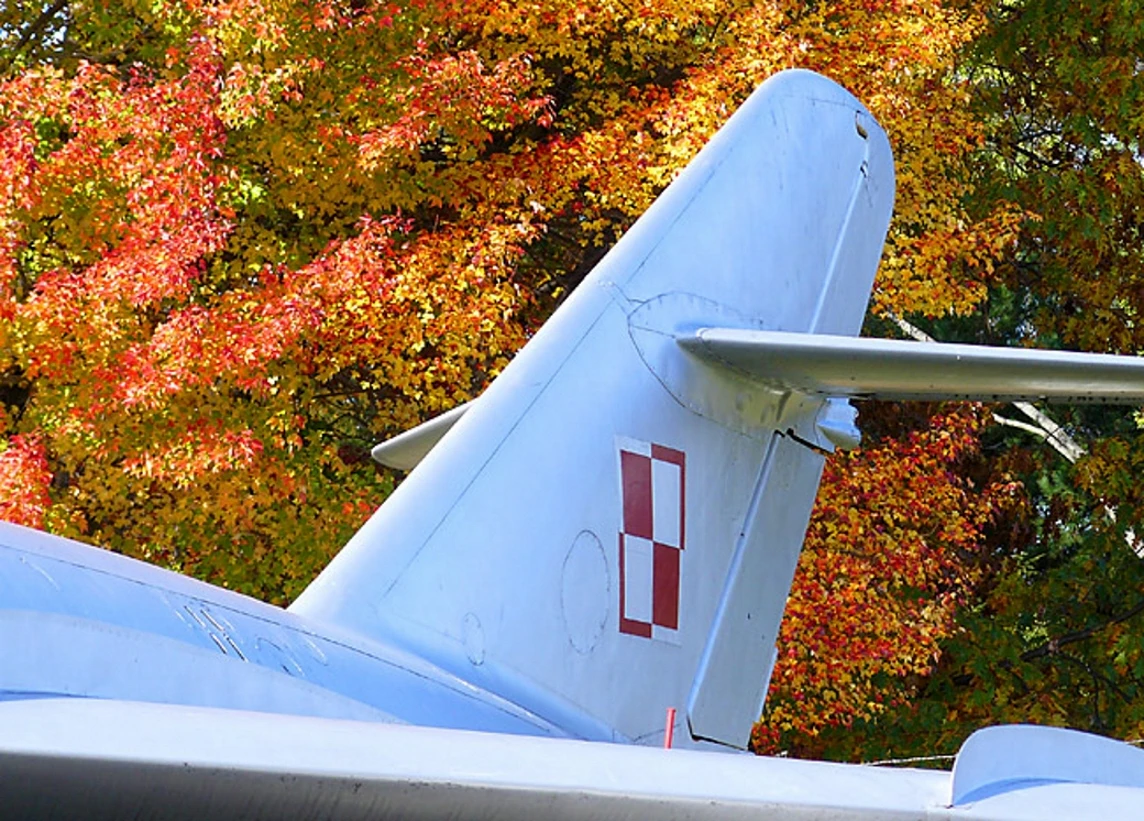
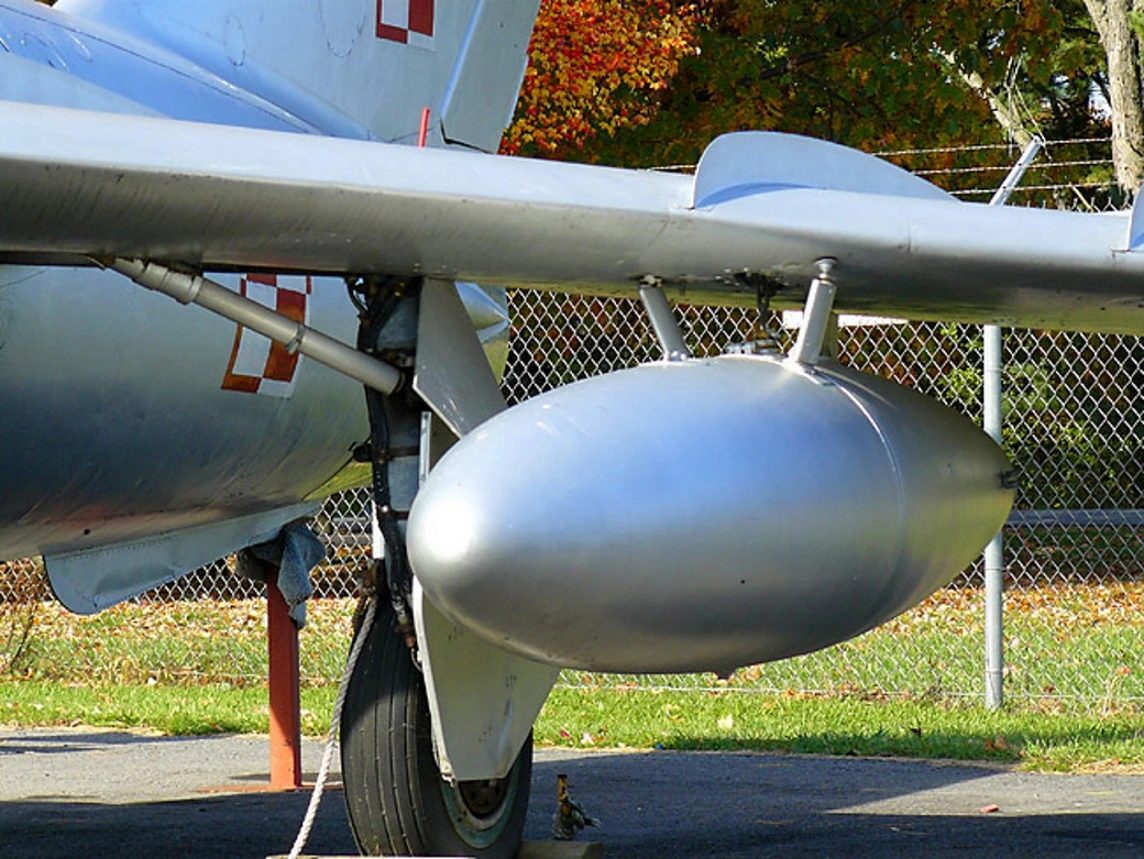
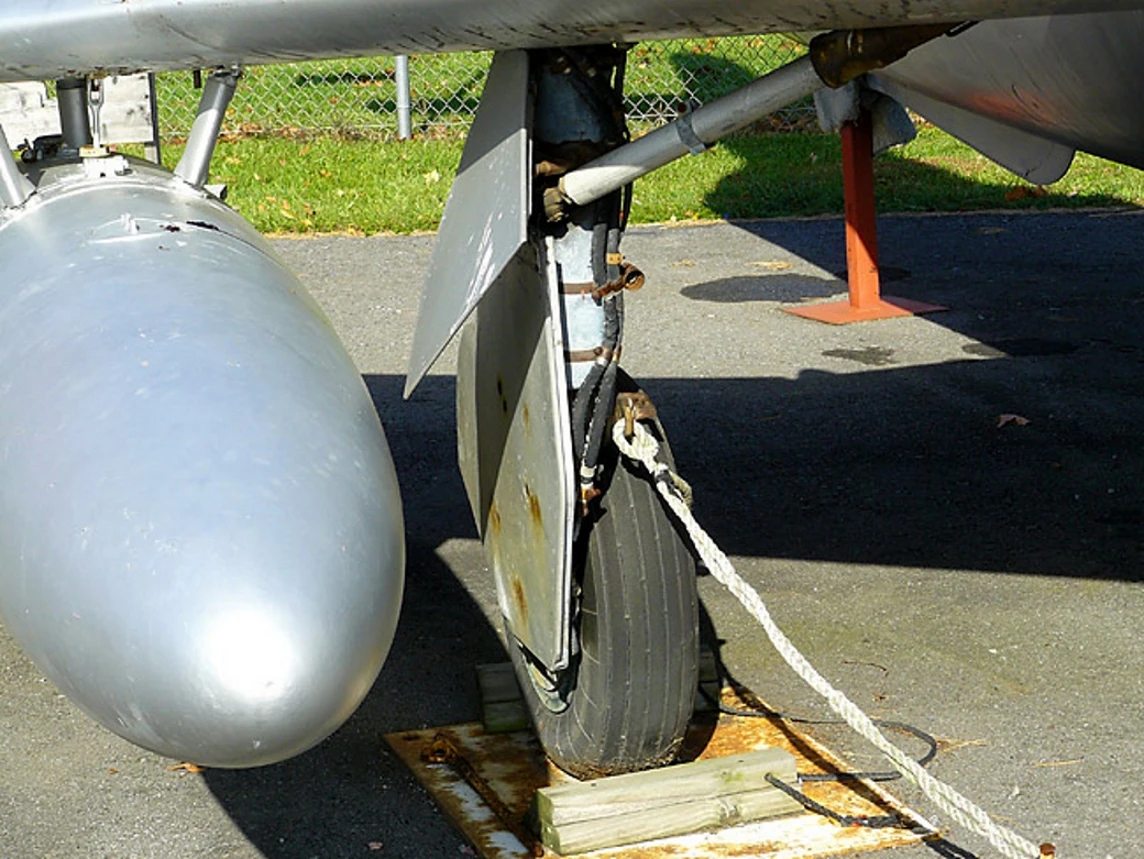
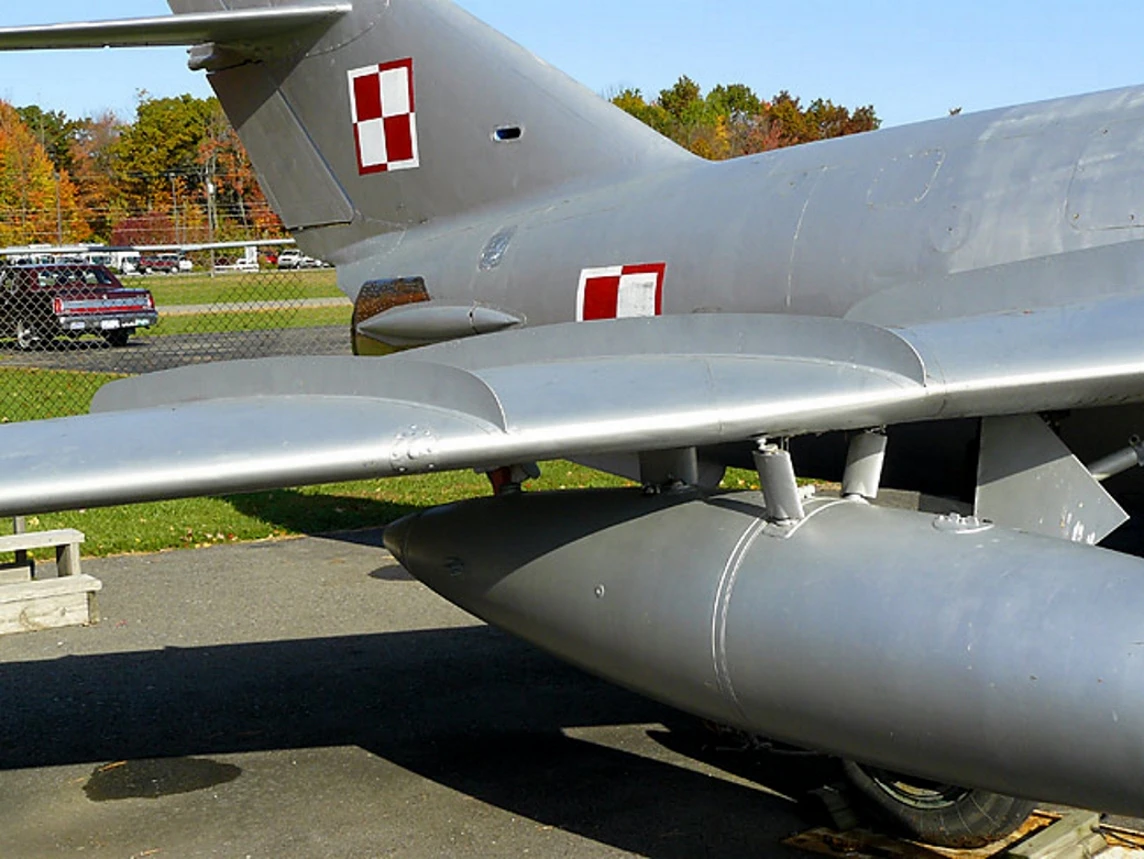
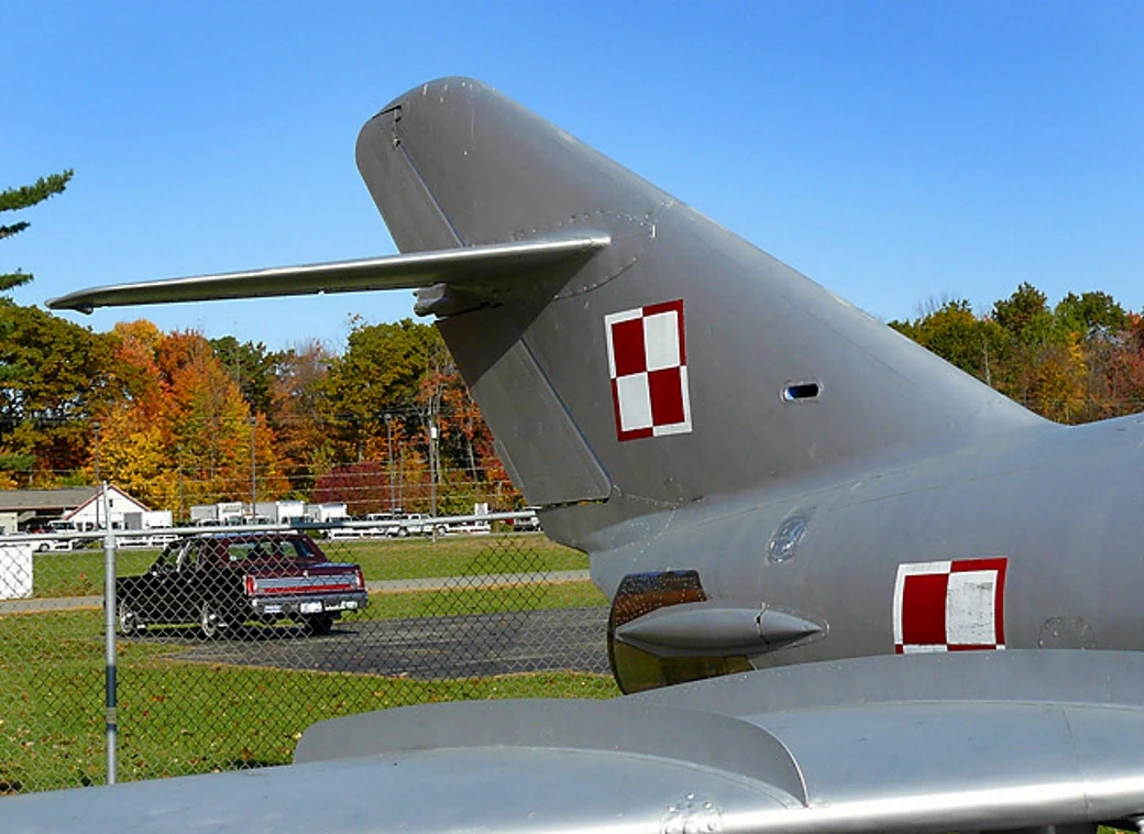
De Mikojan-Goerevitsj MiG-17 (Russisch: Микоян и Гуревич МиГ-17; NAVO-codenaam: Fresco) is een high-subsonisch gevechtsvliegtuig geproduceerd in de USSR vanaf 1952 en geëxploiteerd door tal van luchtmachten in vele varianten. Het is een geavanceerde ontwikkeling van de vergelijkbaar uitziende MiG-15 uit de Koreaanse Oorlog. De MiG-17 werd in licentie gebouwd in China als de Shenyang J-5 en Polen als de PZL-Mielec Lim-6.
De MiG-17was the definitive evolution of the famous MiG-15. While it looked similar to its predecessor, it was a major aerodynamic refinement designed to handle the high-subsonic “compression” issues that plagued early jets. It became a legend not for its speed—as it was slower than almost every American fighter it faced—but for itsunmatched maneuverability. In the skies over North Vietnam, the “Silver Swallow” (as the VPAF called it) proved that a nimble, gun-armed subsonic jet could still be a deadly threat to Mach 2 supersonic fighters like the F-4 Phantom.
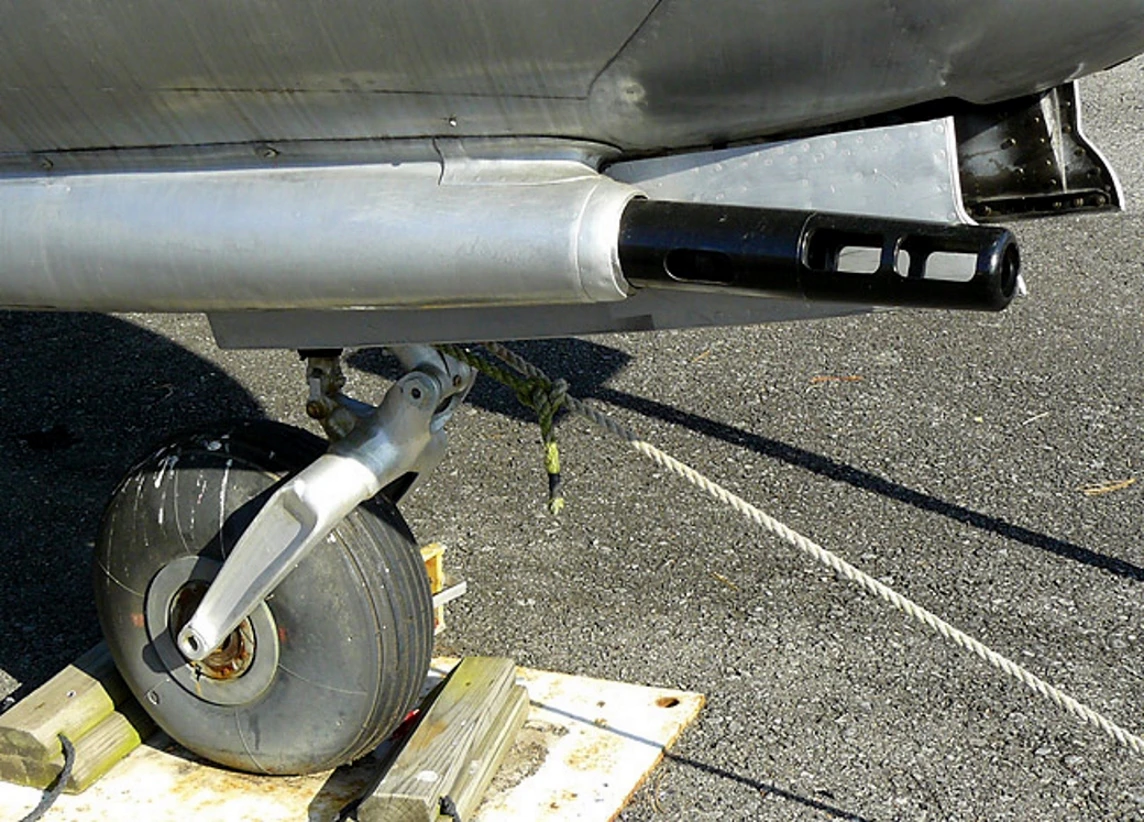
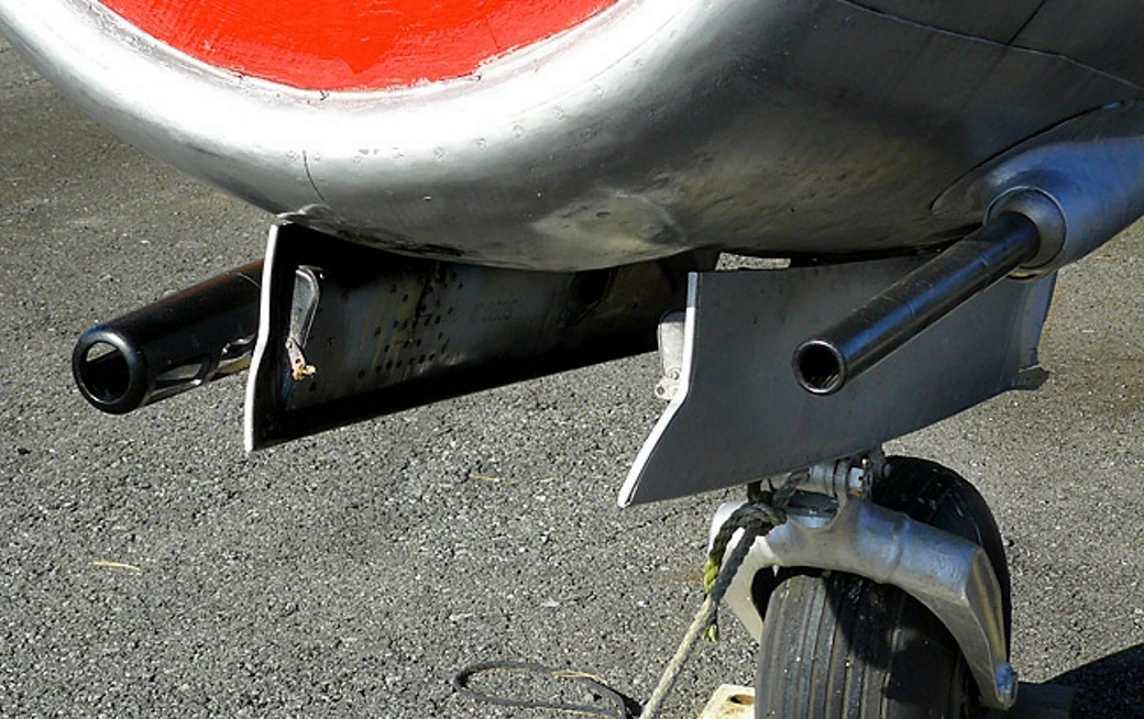
1 × 37 mm N-37 cannon (40 rds) & 2 × 23 mm NR-23 cannons (80 rpg)
External Load
Up to 500 kg (1,100 lbs) of bombs or unguided rockets
Spanwijdte
9.63 meters (31 ft 7 in)
Design Engineering: Subsonic Perfection
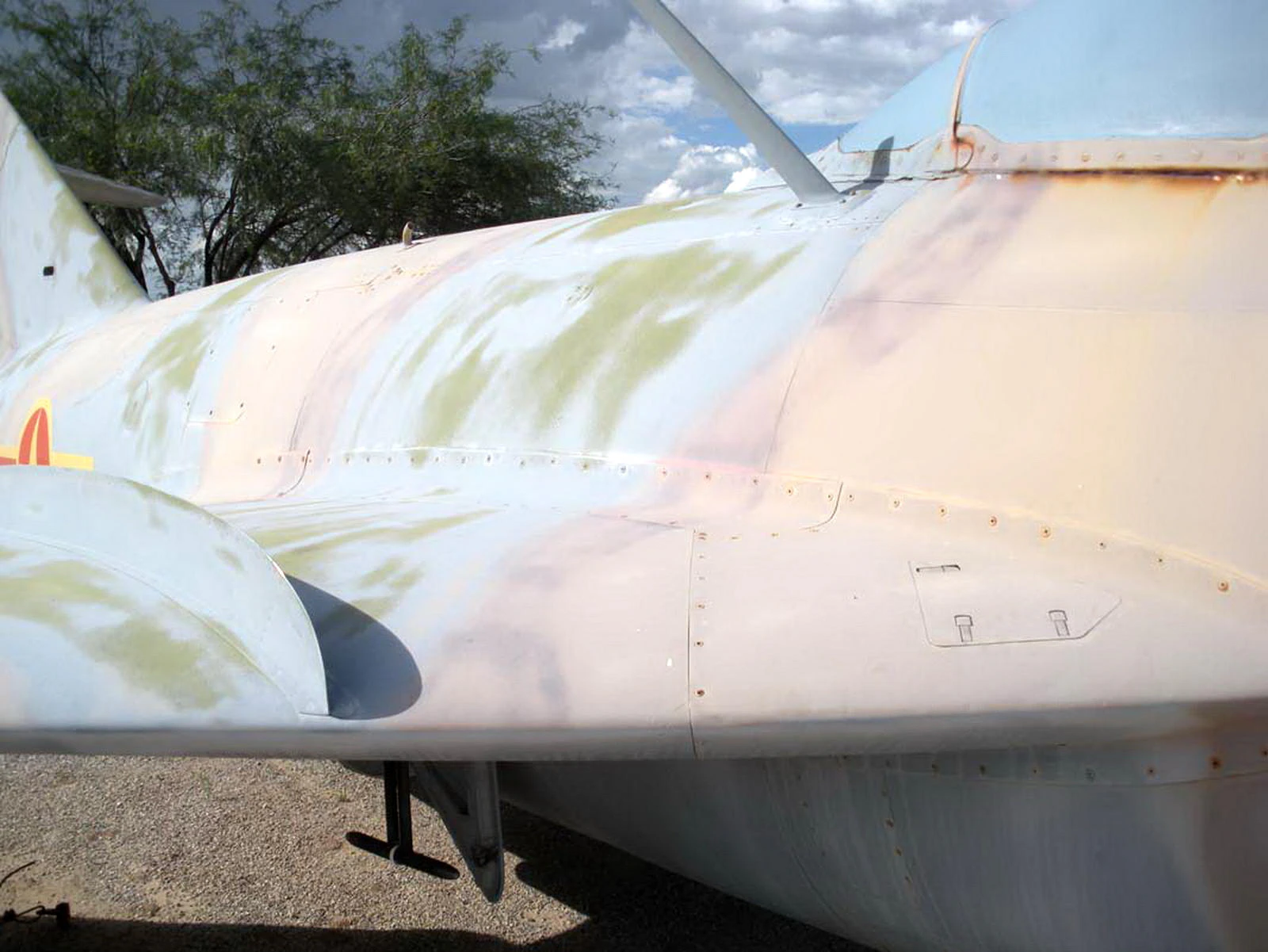
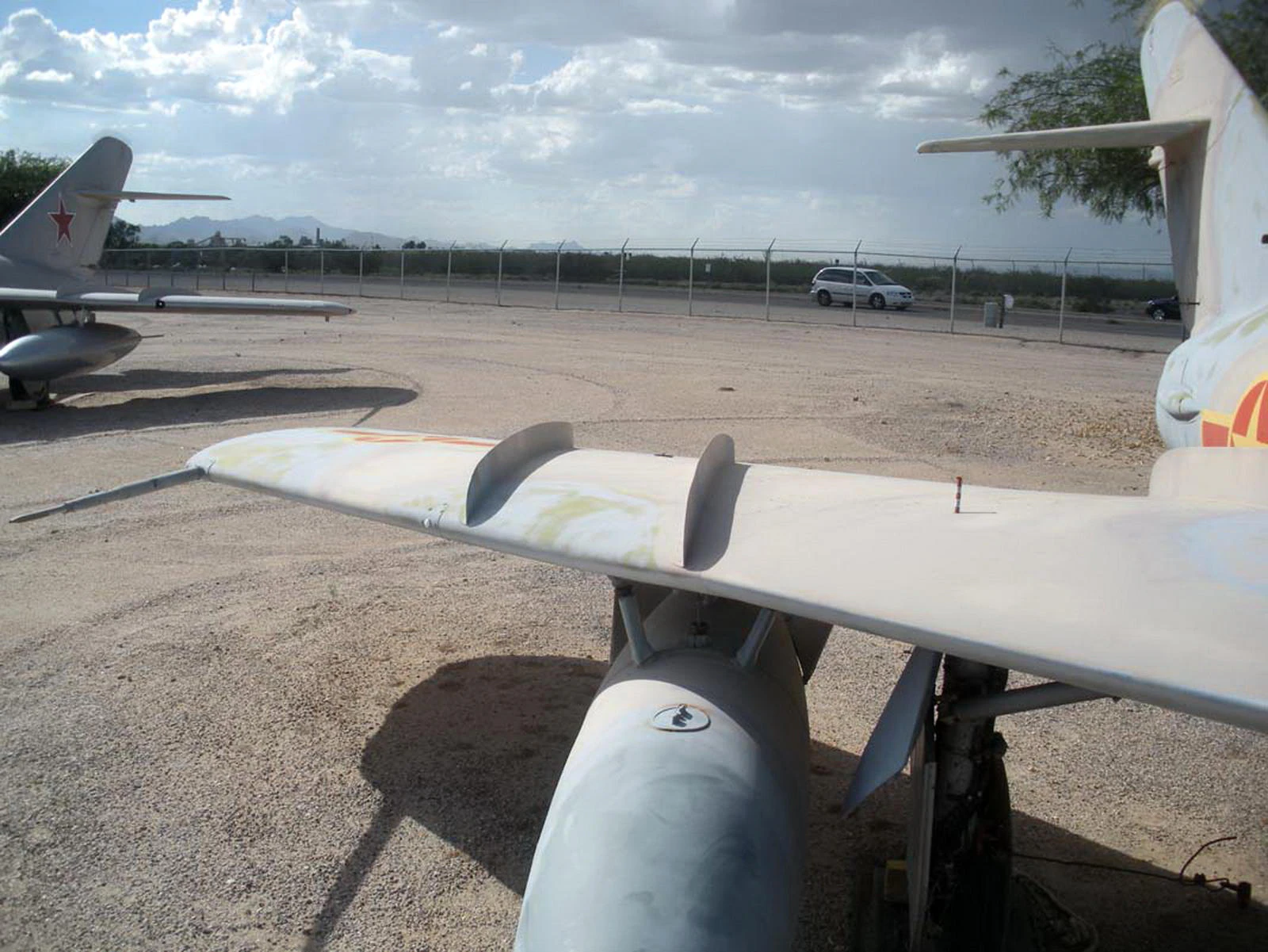
The Triple-Fence Wing:The most visible change from the MiG-15 was the addition of a third “wing fence” (the MiG-15 only had two). These fences prevented air from sliding sideways off the swept wing, keeping the aircraft stable and responsive even during the most violent turns.
Introduction of the Afterburner:The MiG-17F was the first Soviet fighter to feature an afterburner. While it didn’t make the plane supersonic in level flight, it provided the vital burst of thrust needed to climb away or close the gap during a dogfight.
The “Old-School” Heavy Punch:While Western fighters were moving toward small-caliber rapid-fire guns or unreliable early missiles, the MiG-17 kept its “sledgehammer” armament. A single 37mm hit was often enough to instantly destroy a modern American jet.
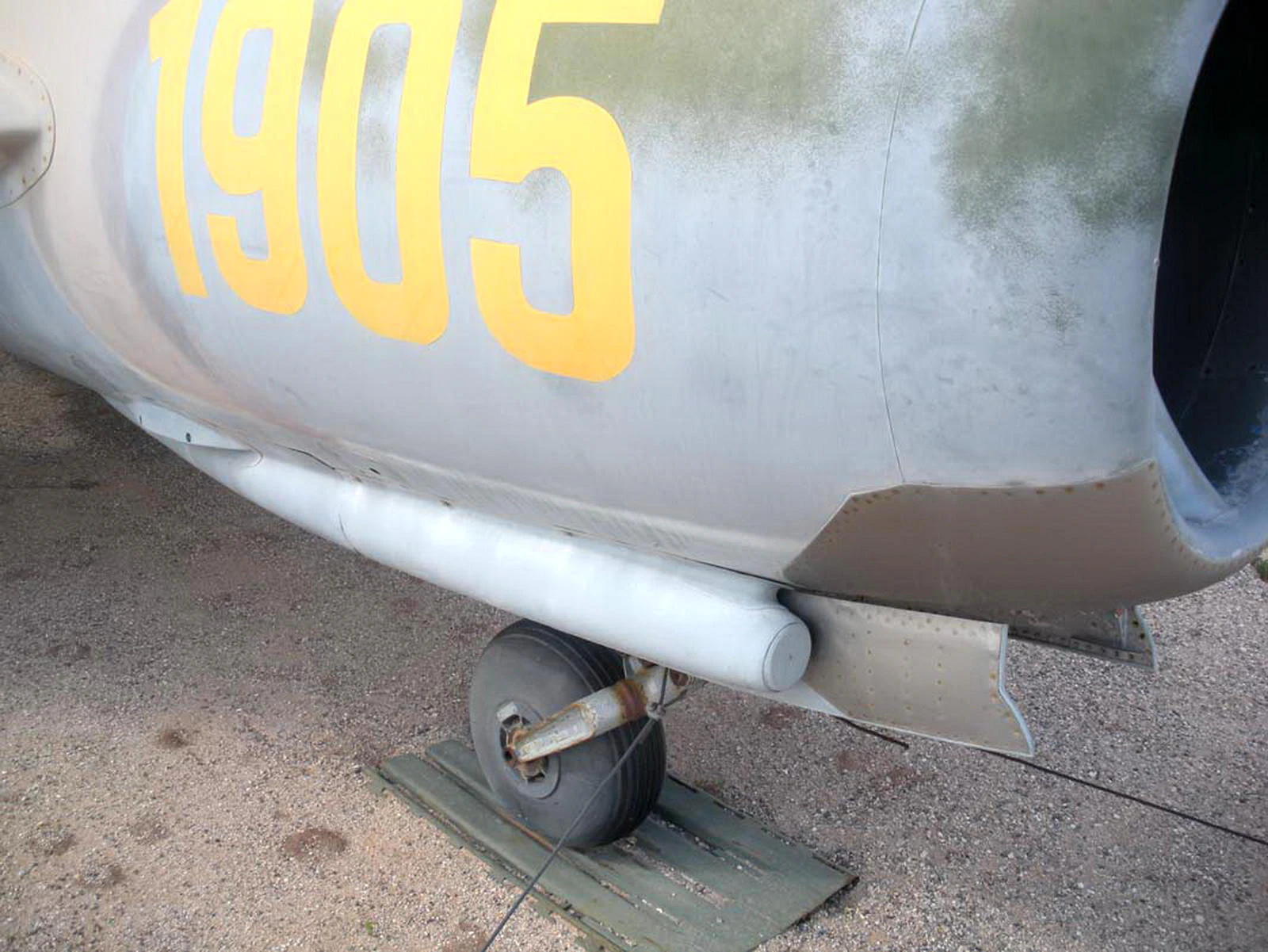
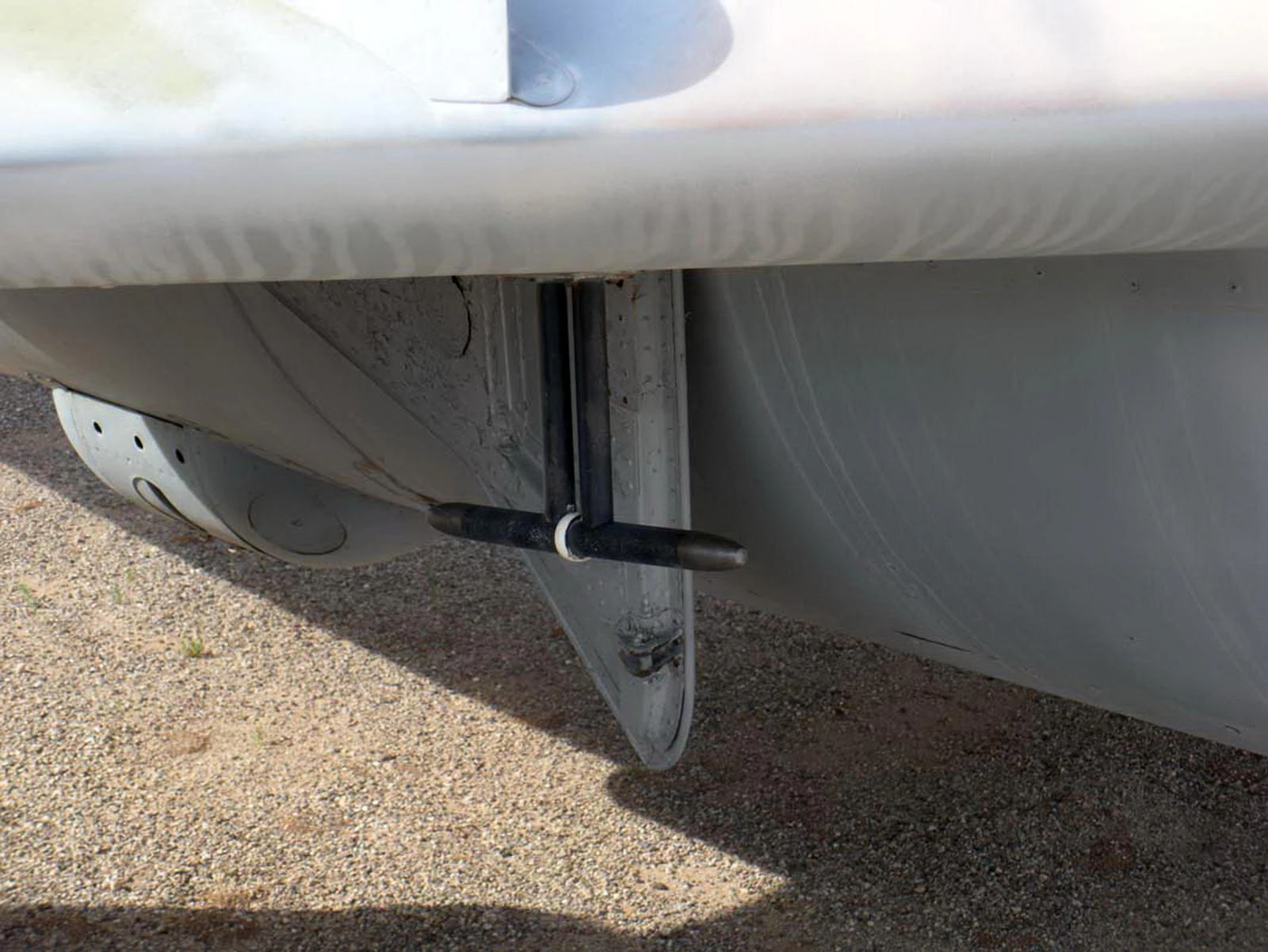
Ventral Fin:To combat the high-speed instability of the MiG-15, designers added a small vertical fin under the tail (a ventral fin) and lengthened the fuselage, making the MiG-17 a much steadier gun platform.
Operational History: The Phantom’s Nightmare
The Vietnam Trap:US pilots were often forced into visual-range combat due to strict rules of engagement. In these close-range “knife fights,” the MiG-17 could easily out-turn the heavier, faster F-4 Phantom, leading to the creation of the TOPGUN school to teach US pilots how to avoid the MiG’s deadly turning circle.
Radar Variants:The MiG-17PF (Fresco-D) introduced a search radar in the nose intake, allowing it to act as an all-weather interceptor, though it traded away one of its cannons to make room for the electronics.
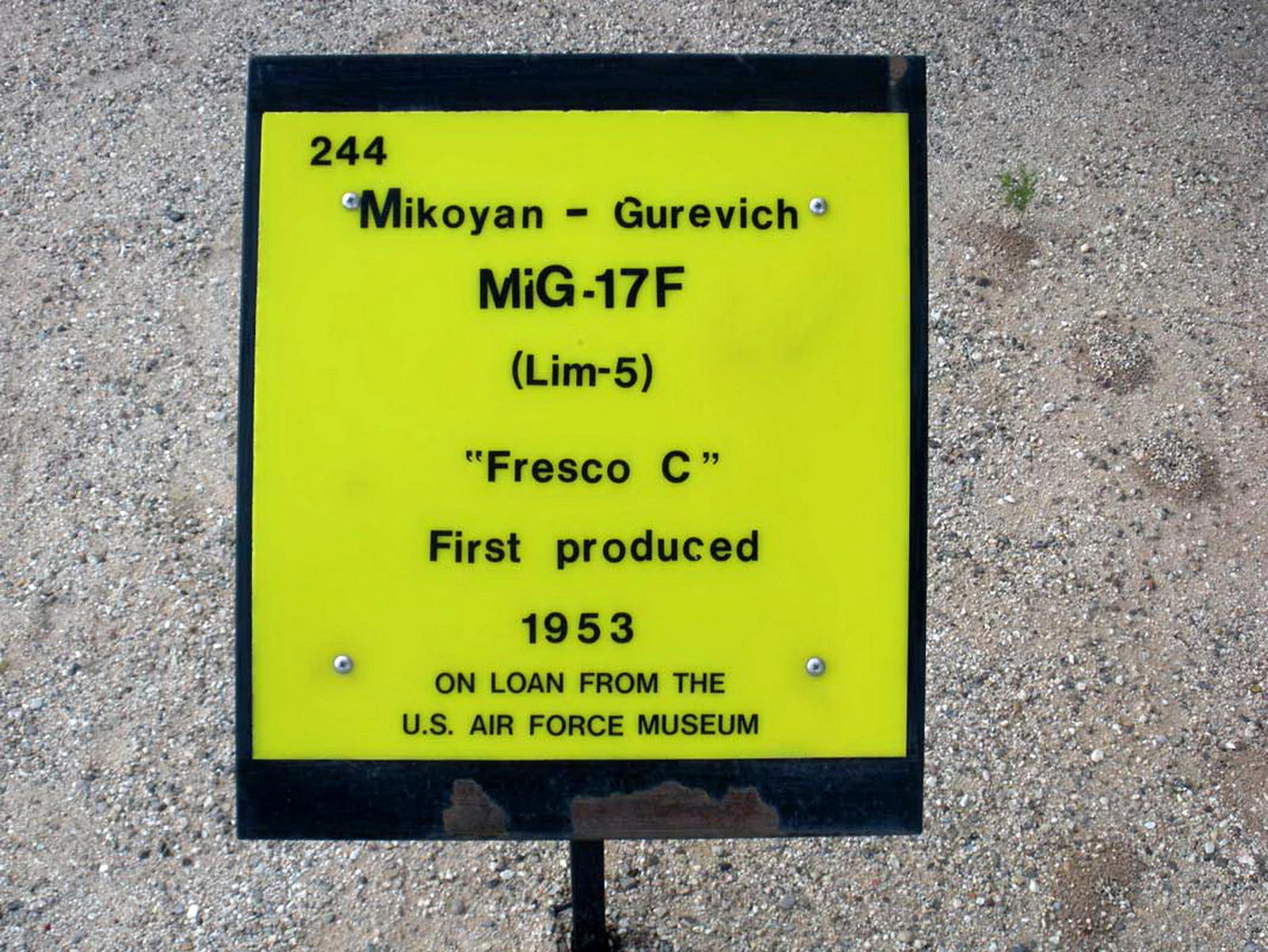
Global Production:The MiG-17 was built in massive numbers—over 10,000 total. It was licensed to Poland as the Lim-5 and to China as the Shenyang J-5, forming the backbone of communist air forces for decades.
The Skyraider Kill:In one of the most famous quirks of air history, two propeller-driven US Navy A-1 Skyraiders actually managed to shoot down MiG-17s using their 20mm cannons, proving that in a low-speed brawl, the slowest plane sometimes wins.