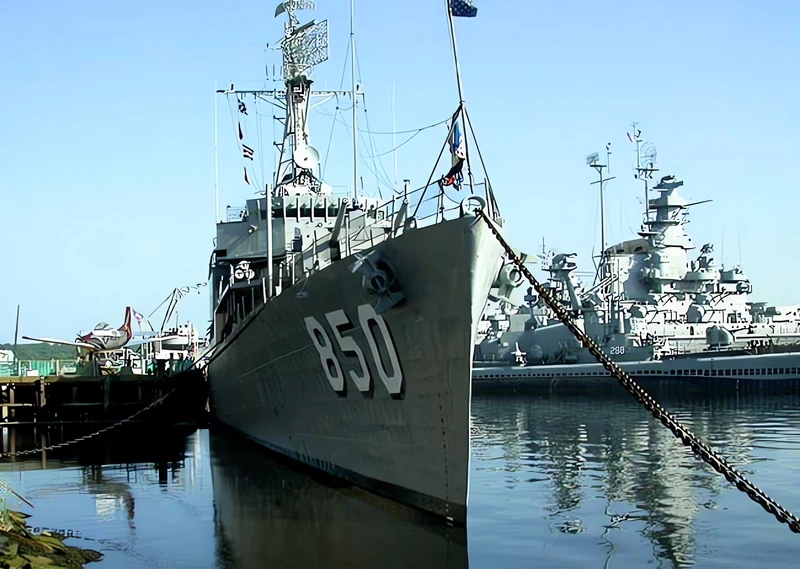
USS Joseph P. Kennedy | |
|---|---|
| Šalies | Jav |
| Klasės | Pavarų dėžės klasės naikintuvas |
| Pradėjo | 1945 m. liepos 26 d. |
| Slapyvardis | Joey P |
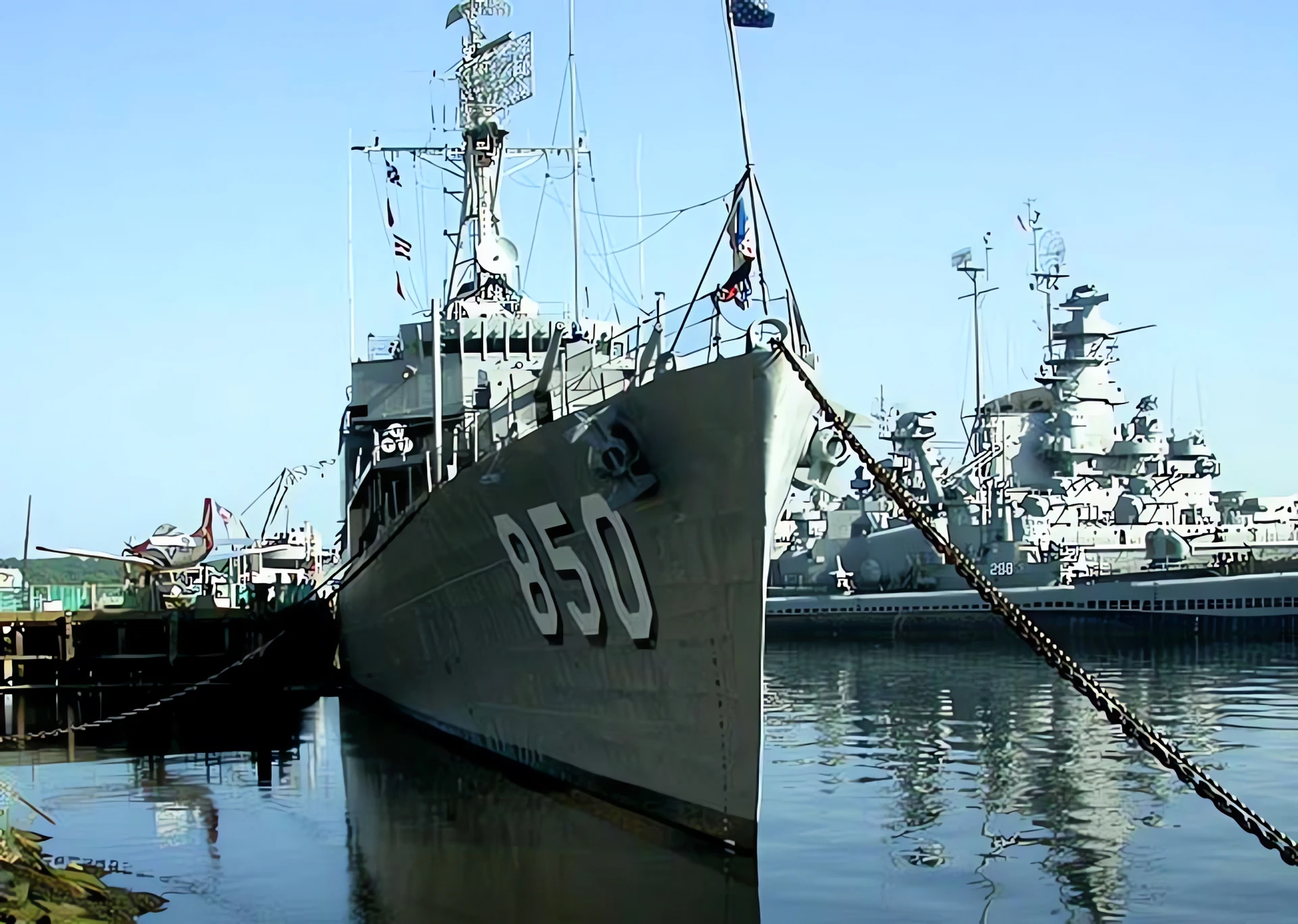
USS Josephas P. Kennedy Jr. (DD-850) yra buvęs Jungtinių Valstijų karinio jūrų laivyno "Gearing" klasės naikintuvas. Laivas buvo pavadintas leitenanto Josepho P. Kennedy jaunesniojo, karinio jūrų laivyno aviatoriaus, buvusio ambasadoriaus Didžiojoje Britanijoje Josepho P. Kennedy vyresniojo sūnaus ir būsimo prezidento Johno F. Kennedy vyresniojo brolio vardu. Josephas P. Kennedy jaunesnysis su pertraukomis modernizacijai tarnavo iki 1973 m. Tarp svarbiausių jos tarnybos akcentų yra Kubos blokada Kubos raketų krizės metu ir "Gemini 6" ir "Gemini 7" atkūrimo komandos. Josephas P. Kennedy jaunesnysis eksponuojamas kaip muziejaus laivas Battleship Cove, Fall River, Masačusetsas. 1976 m. ji buvo įtraukta į Nacionalinį istorinių vietų registrą, o 1989 m. paskelbta nacionaliniu istoriniu orientyru kaip viena iš nedaugelio išlikusių "Gearing" klasės naikintuvų.
Šaltinis: USS Josephas P. Kennedy Vikipedijoje
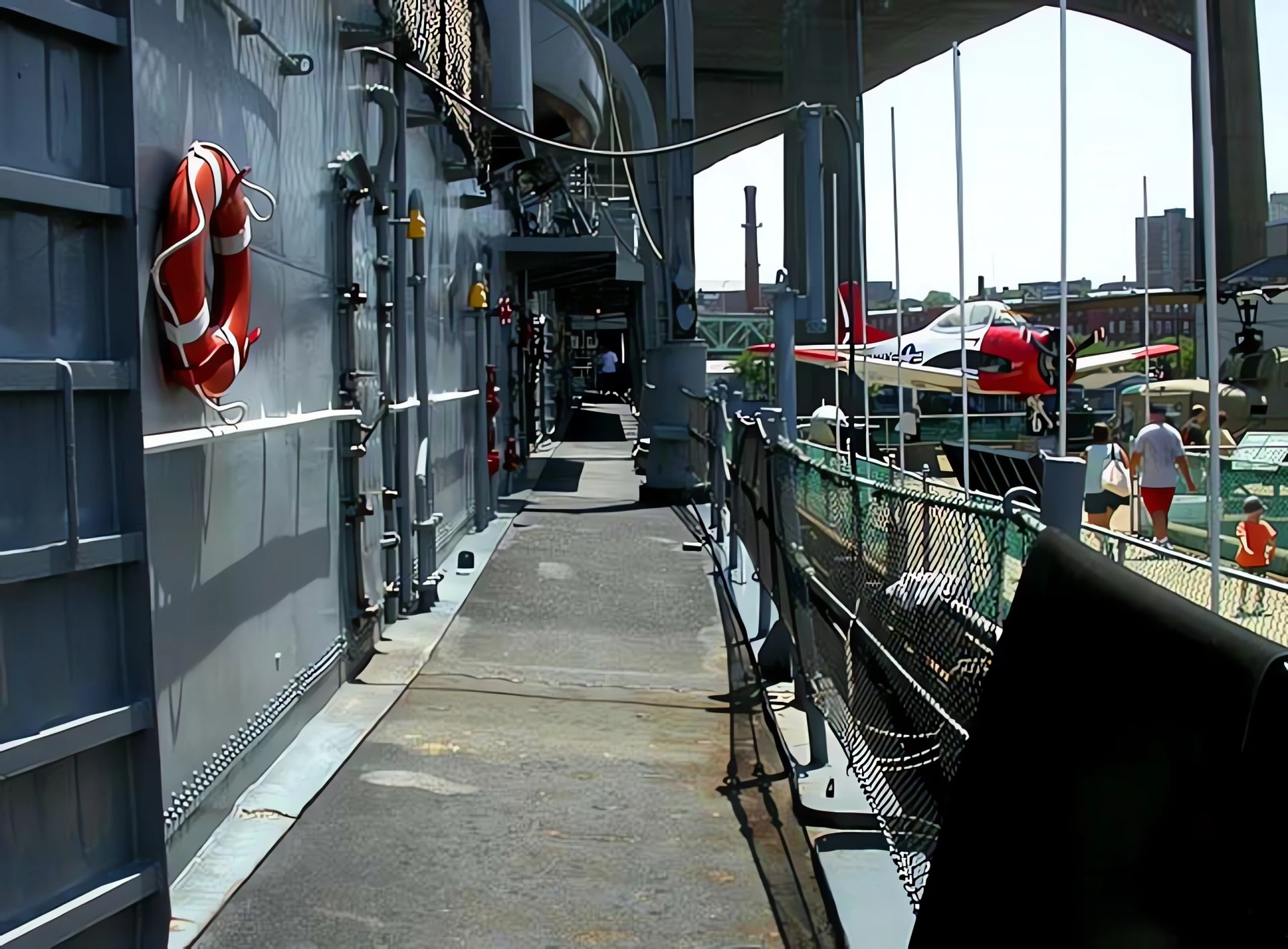
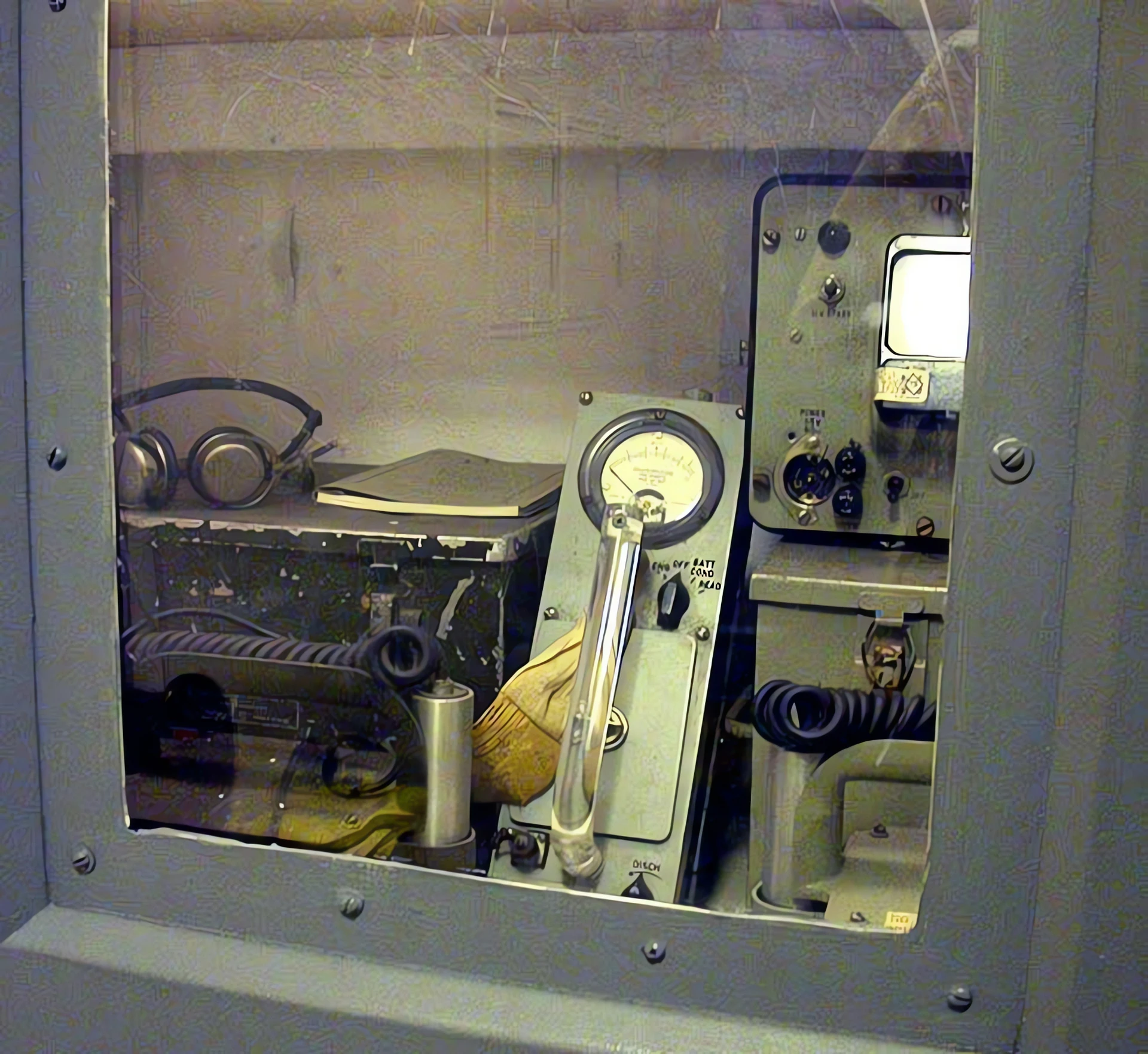
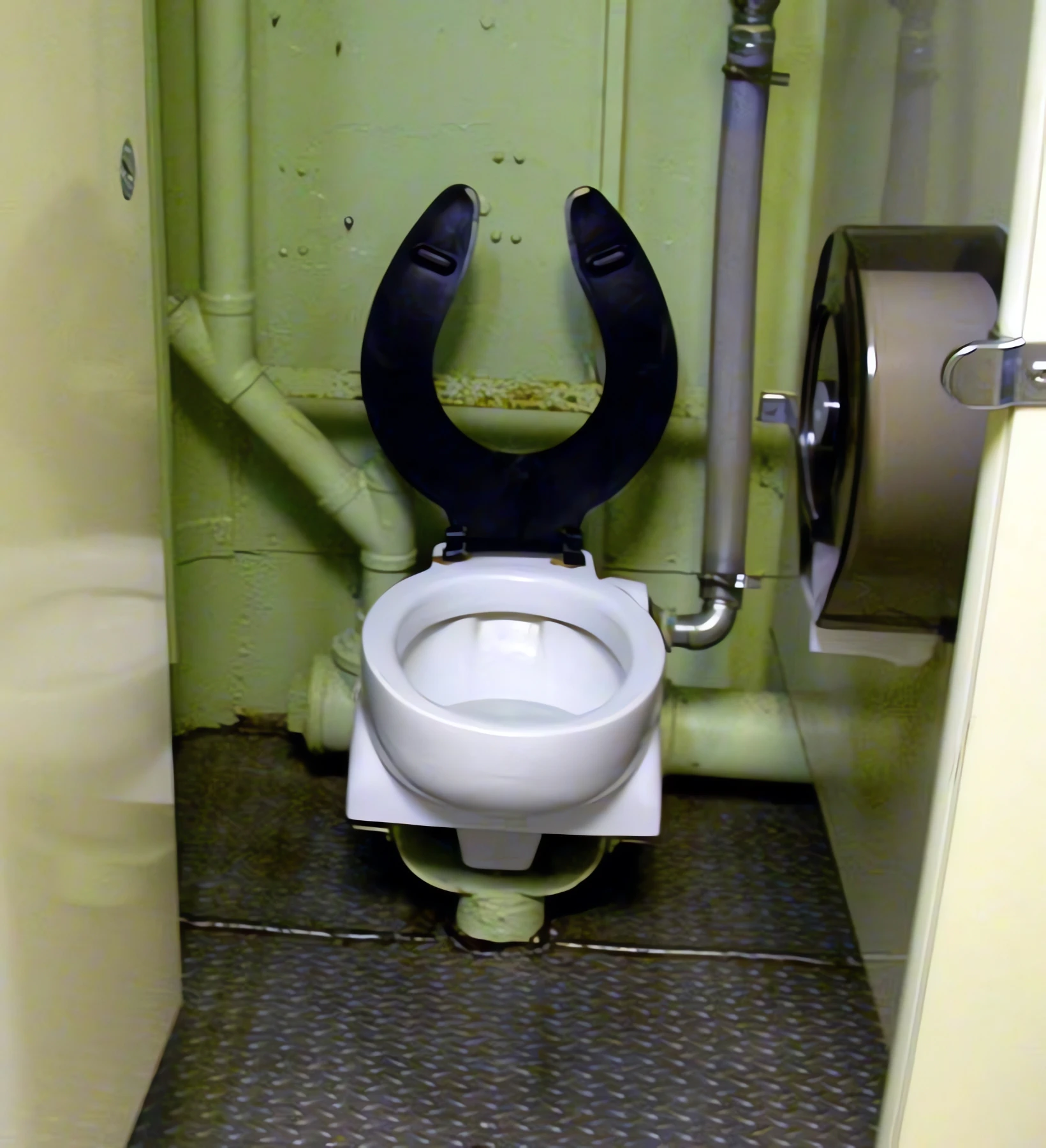
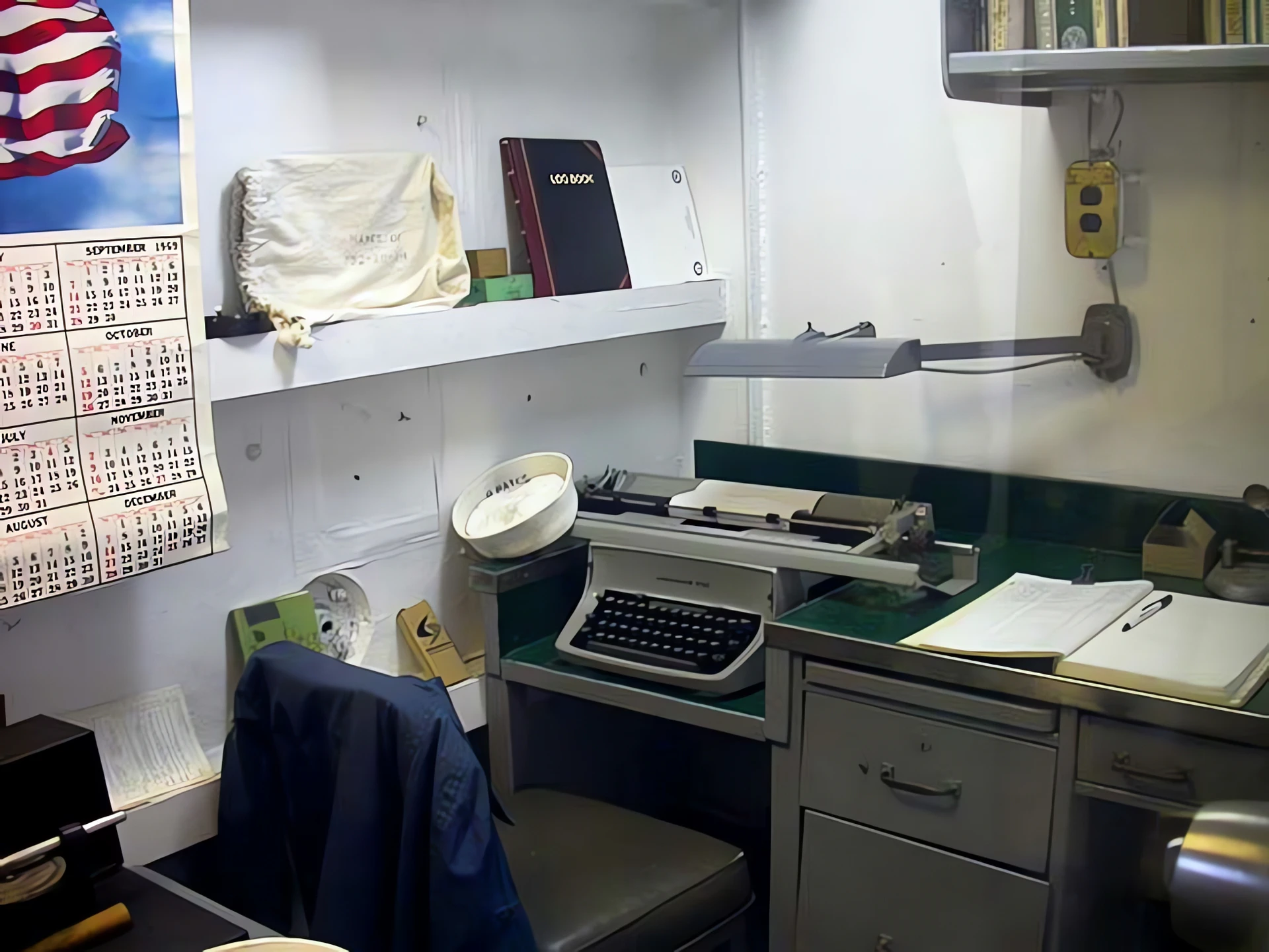
| USS Joseph P. Kennedy DD-850 Walk Around | |
|---|---|
| Photographer | Bill Maloney |
| Localisation | Unknow |
| Photos | 60 |
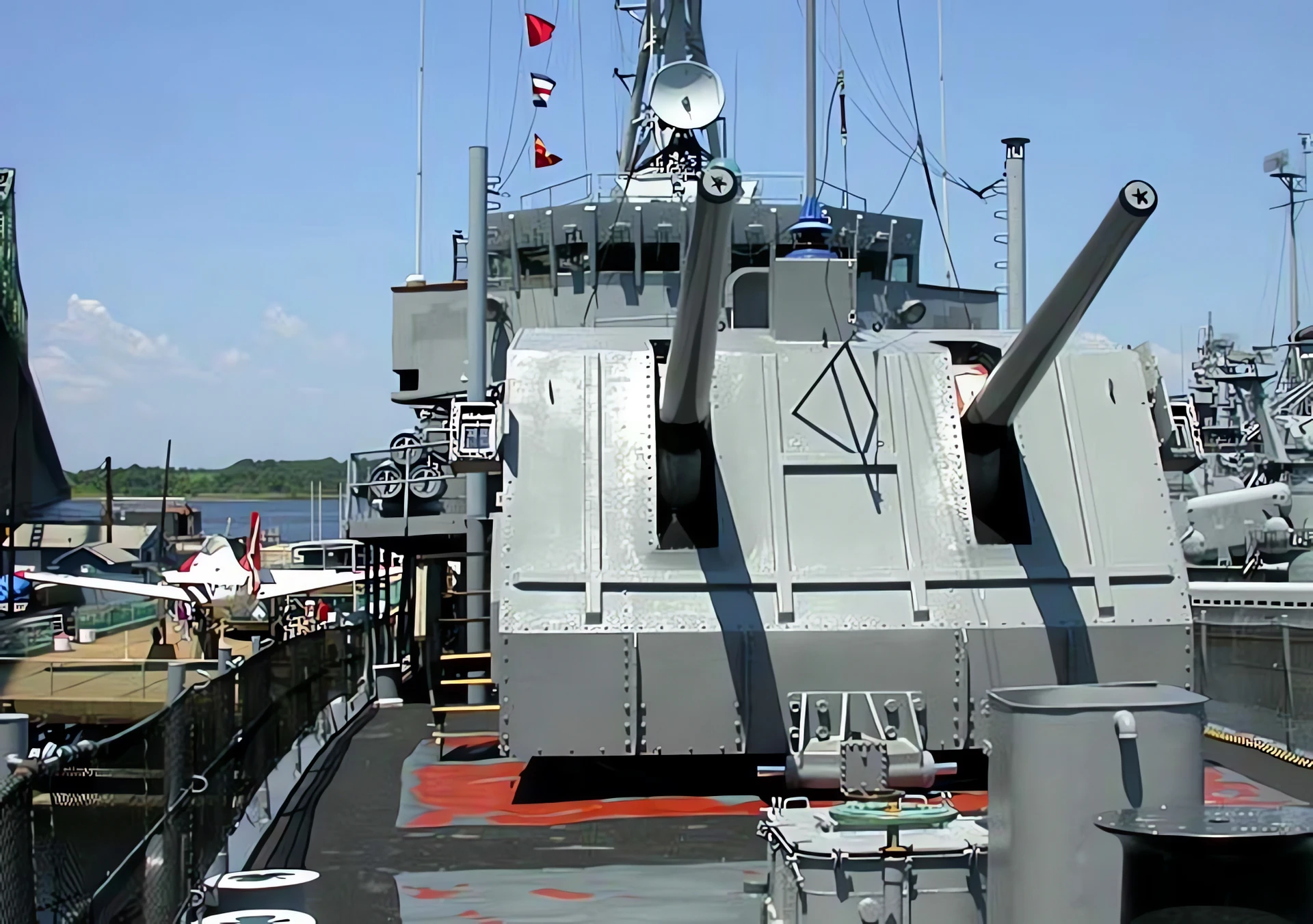
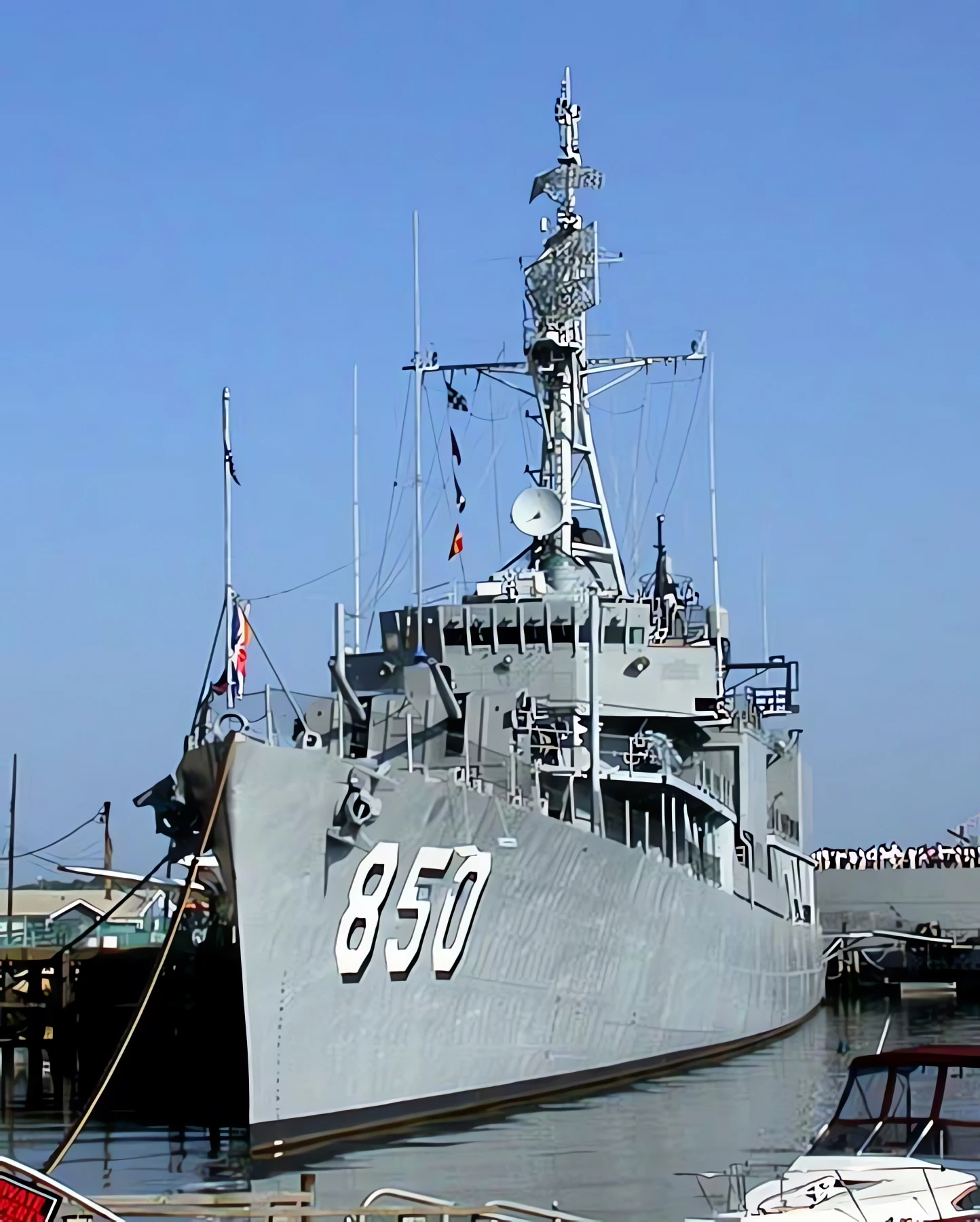
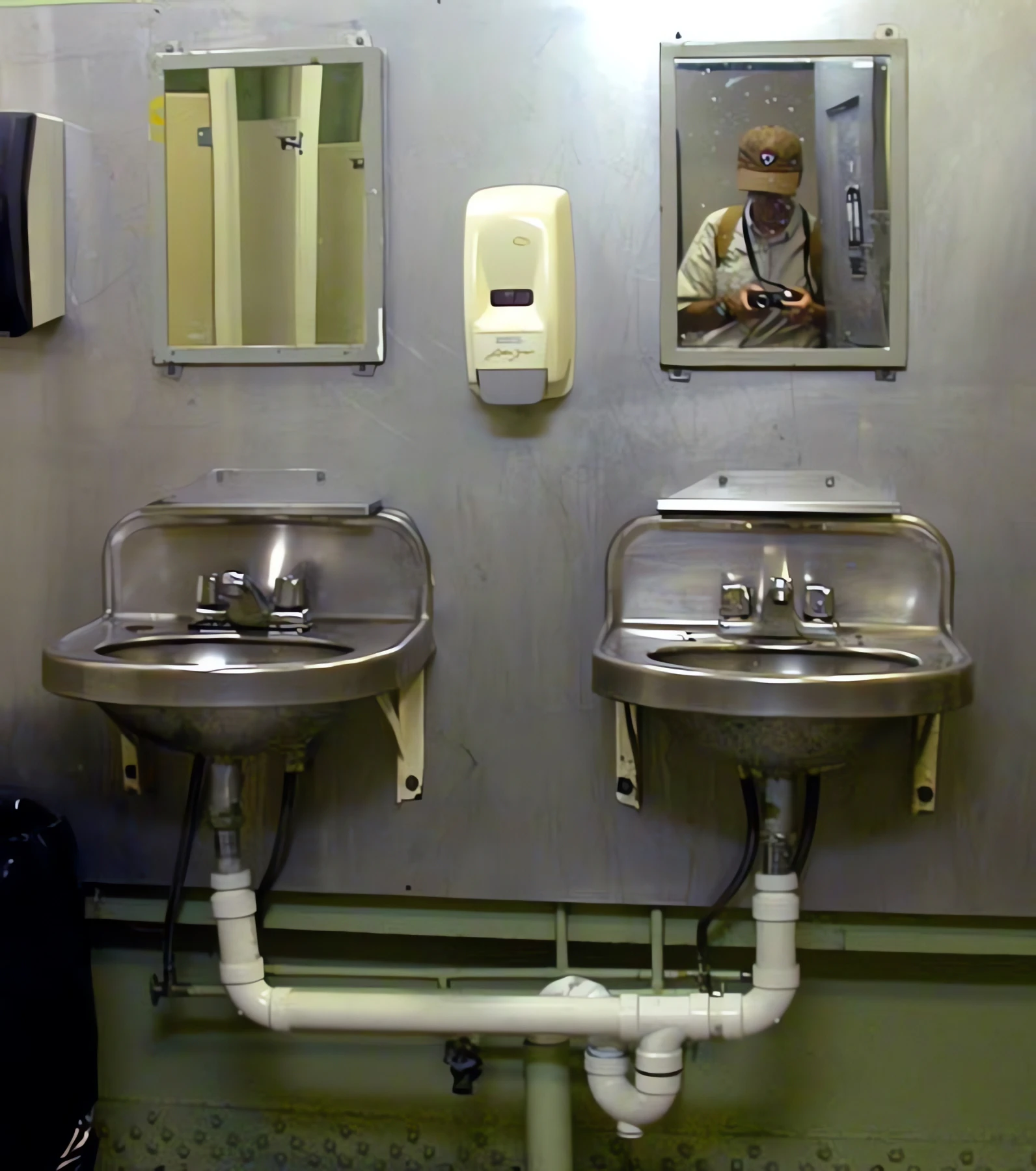

Taip pat žiūrėkite:


General Characteristics and Role
The USS Joseph P. Kennedy, Jr. (DD-850) is a Gearing-class destroyer of the United States Navy. Commissioned late in World War II, the Gearing class represented the ultimate evolution of the wartime destroyer, featuring an extended hull for greater fuel capacity and range compared to the preceding Fletcher and Allen M. Sumner classes. DD-850 is named for Lieutenant Joseph P. Kennedy, Jr., the elder brother of President John F. Kennedy, who was killed in action in 1944. The ship participated in the Korean War, the Cuban Missile Crisis blockade (earning the Presidential Unit Citation), and the Vietnam War. She has since been preserved as a museum ship in Fall River, Massachusetts.
| Property | Typical Value (DD-850) |
|---|---|
| Class & Type | Gearing-class Destroyer |
| National Origin | Jungtinės Amerikos Valstijos |
| Užsakė | 15 December 1945 |
| Įgulos | Approx. 336 Officers and Enlisted |
| Propulsion | 4 x Babcock & Wilcox boilers, 2 x geared steam turbines, 2 x shafts |
| Power Output | 60,000 shp (45,000 kW) |
| Ilgis | 119.0 m (390 ft 6 in) |
| Beam | 12.5 m (41 ft 0 in) |
| Displacement (Full Load) | Approx. 3,500 long tons |
| Greitis | 34 knots (63 km/h) |
Armament and Modernization (FRAM I)
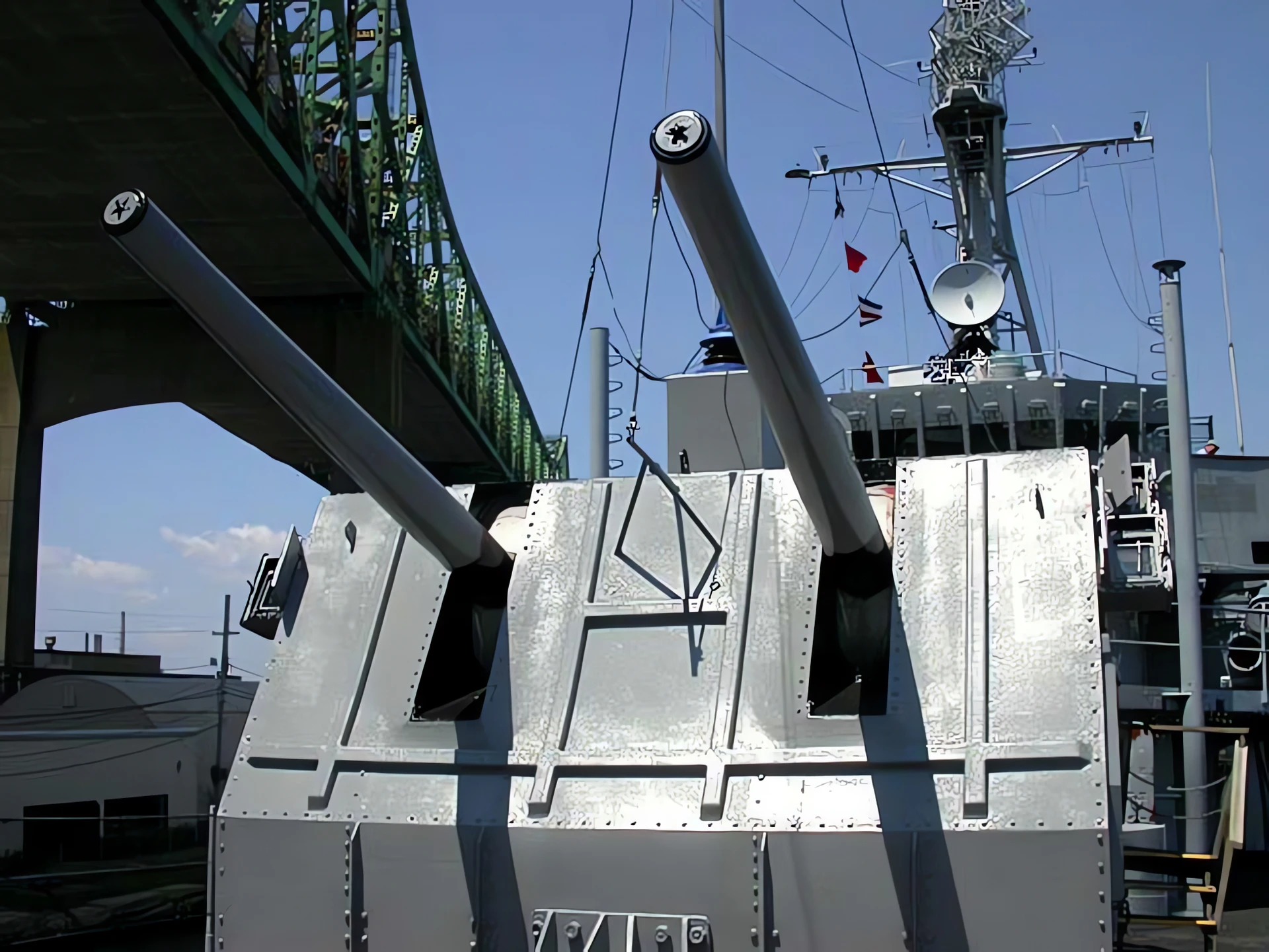
- Original Armament: 6 x 5-inch (127 mm)/38 caliber guns in three twin mounts, torpedo tubes, and anti-submarine hedgehogs.
- FRAM I Refit: DD-850 underwent the Fleet Rehabilitation and Modernization (FRAM I) program in the early 1960s, which significantly extended her service life.
- Post-FRAM Armament: Reduced 5-inch guns to four (two twin mounts), removal of mid-ship torpedo tubes, and introduction of modern anti-submarine weapons:
- ASROC (Anti-Submarine Rocket) launcher.
- 2 x Triple Mark 32 torpedo tubes (for Mk 46 torpedoes).
- Hangar and deck for a Drone Anti-Submarine Helicopter (DASH), although the DASH system was later phased out.
Service and Legacy
- Korean War: Served two combat tours, performing shore bombardment and carrier escort duties.
- Cuban Missile Crisis: Played a key role in the US naval quarantine of Cuba in October 1962.
- Vietnam War: Conducted shore bombardment missions, serving as the Destroyer Squadron Commander (DESRON) flagship.
- Museum Status: Decommissioned in 1973, she is now part of the Battleship Cove museum, serving as a memorial and the official exhibit of the Kennedy family’s naval service.
Peržiūrėta: 1116
Taip pat galite pamatyti:
 USS Viskonsinas (BB-64) – nuotraukos ir vaizdo įrašai
 USS Preble (DDG-88) – nuotraukos ir vaizdo įrašai
 USS Croaker – nuotraukos ir vaizdo įrašai
 JDS Yamagiri – nuotraukos &; Vaizdo įrašai
 JDS Sawayuki - nuotraukos ir vaizdo įrašai
 HMS Cavalier (R73) – nuotraukos ir vaizdo įrašai
 USS Laffey (DD-724) – Nuotraukos ir vaizdo įrašai
 USS Slater – nuotraukos ir vaizdo įrašai
 HMCS Haida – nuotraukos ir vaizdo įrašai
 USS Stockdale (DDG-106) – nuotraukos ir vaizdo įrašai