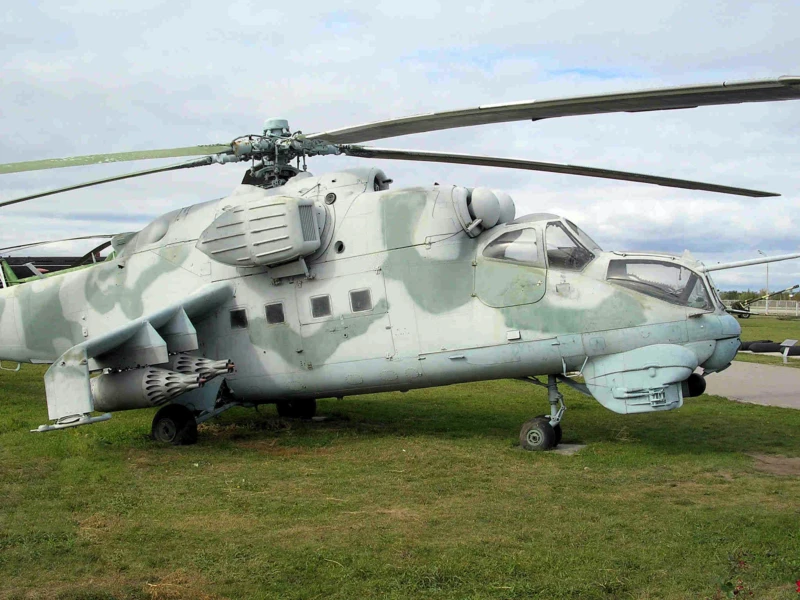
Mi-24 Hind | |
|---|---|
| Šalies | Sovietų Sąjunga |
| Vaidmenį | Atakos sraigtasparnis |
| Pirmasis skrydis | 1969 m. rugsėjo 19 d. |
| Pastatytas | 2648 |
2007 Mil Mi-24 (rusų kalba: Миль Ми-24; NATO pranešimo pavadinimas: Hind) – didelis sraigtasparnių pabūklas, atakos sraigtasparnis ir mažos talpos karių transportas, kuriame telpa aštuoni keleiviai. Jį gamina Mil Maskvos sraigtasparnių gamykla, o nuo 1972 m. Jį eksploatuoja Sovietų oro pajėgos ir jos įpėdiniai kartu su daugiau nei 30 kitų tautų.
Šaltinis: Mi-24 Hind Vikipedijoje
| Mi-24 Hind | |
|---|---|
| Fotografas | Nežinoti |
| Lokalizavimo | Nežinoti |
| Nuotraukos | 95 |
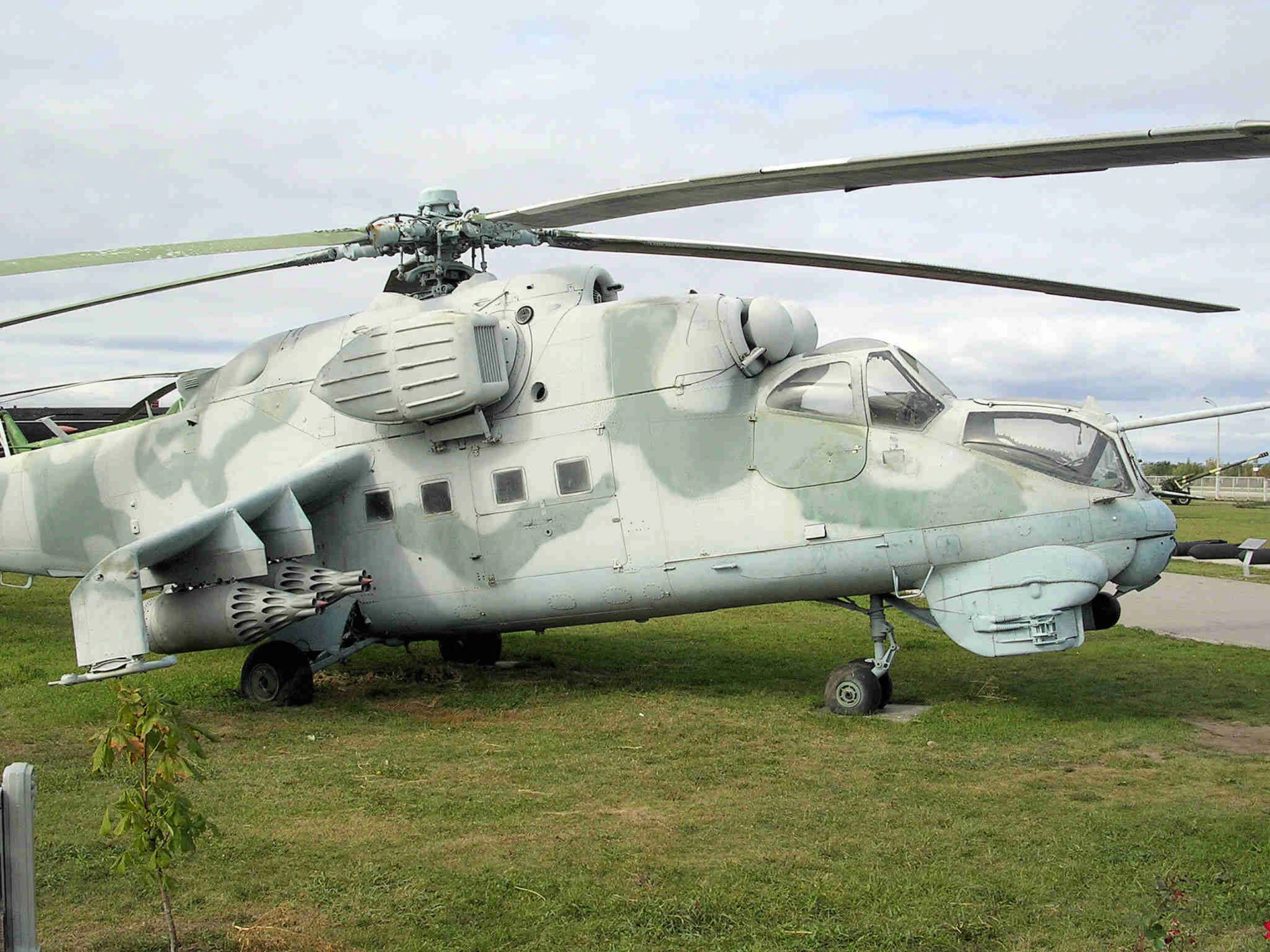
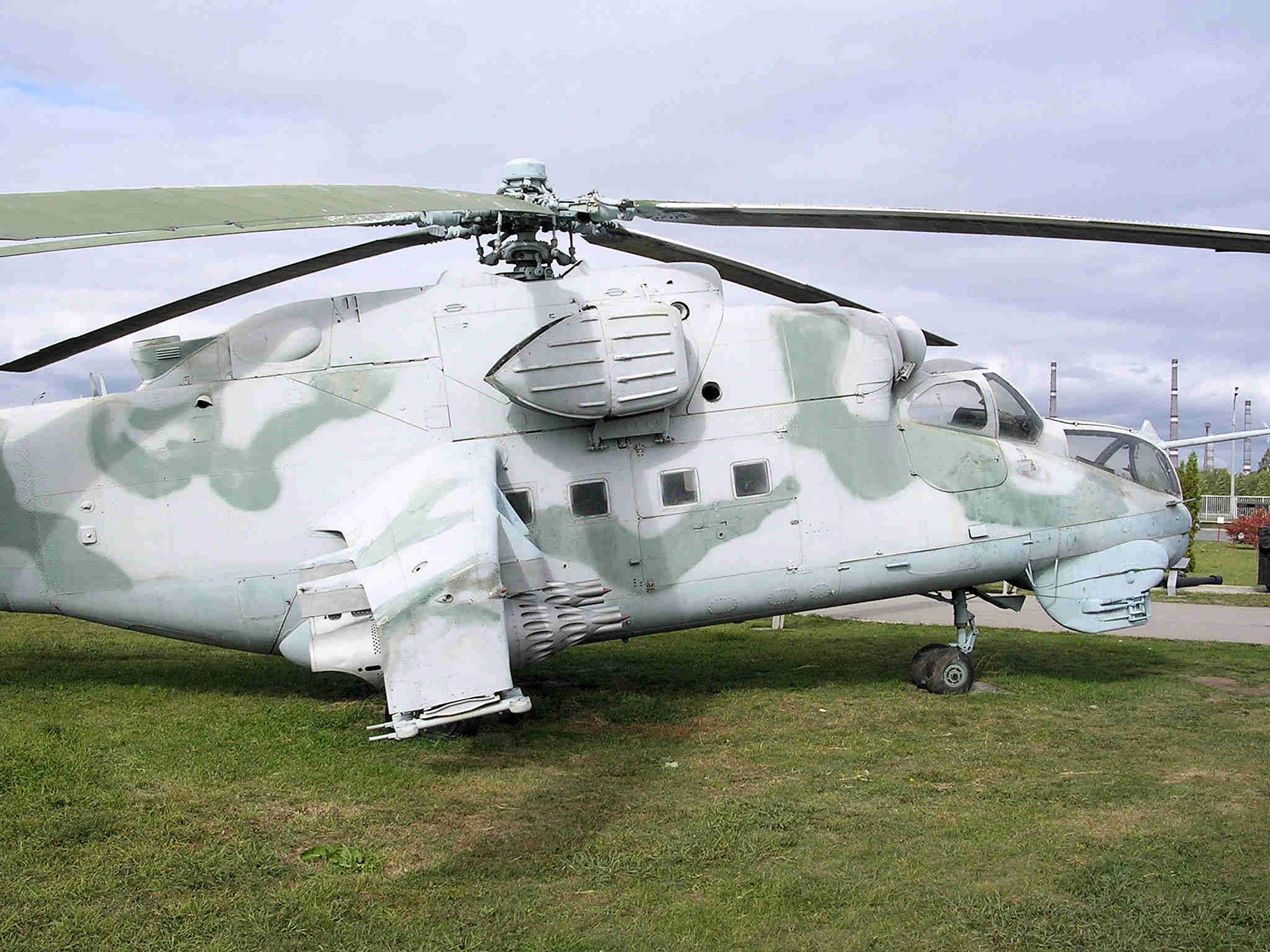
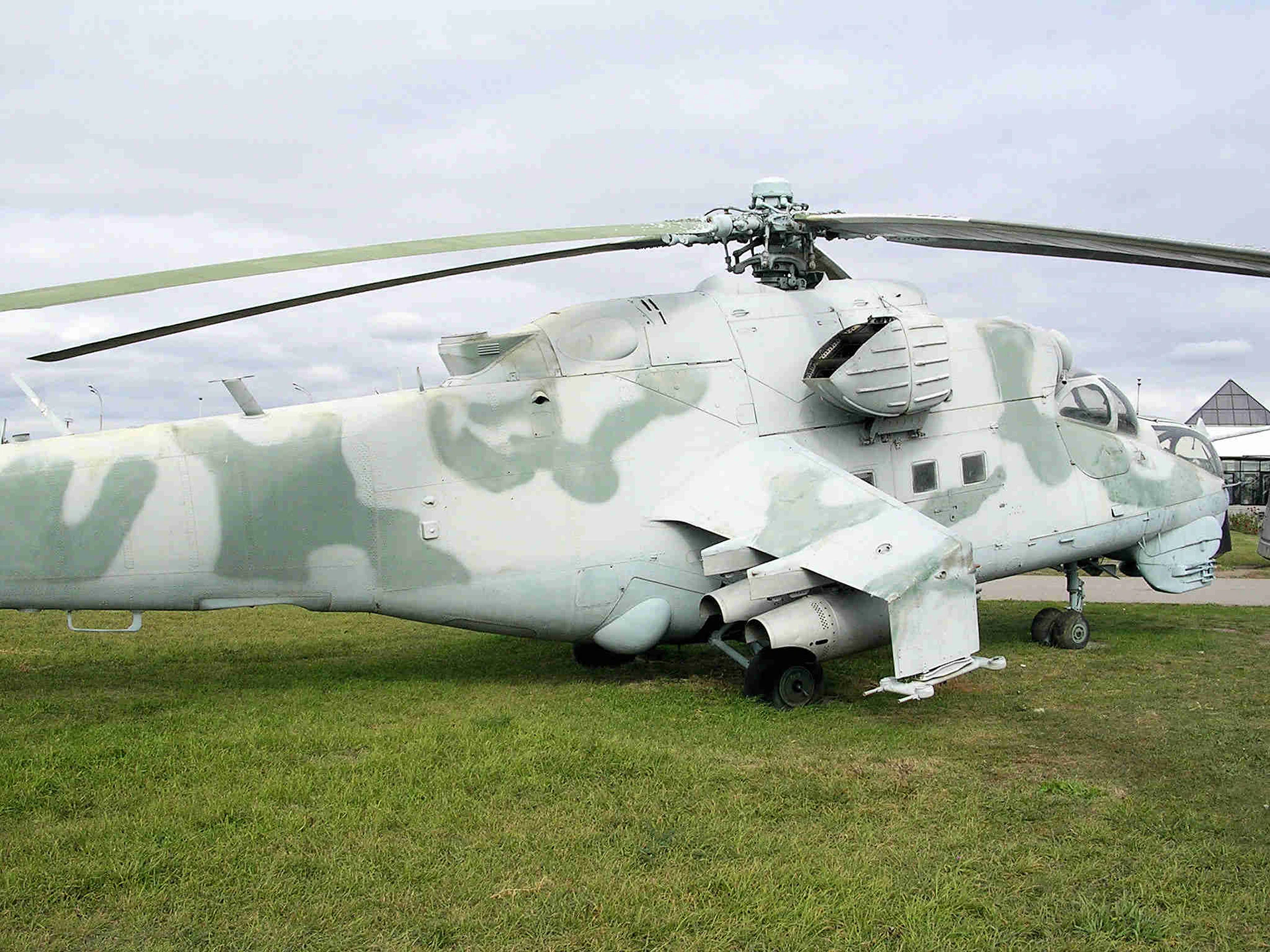
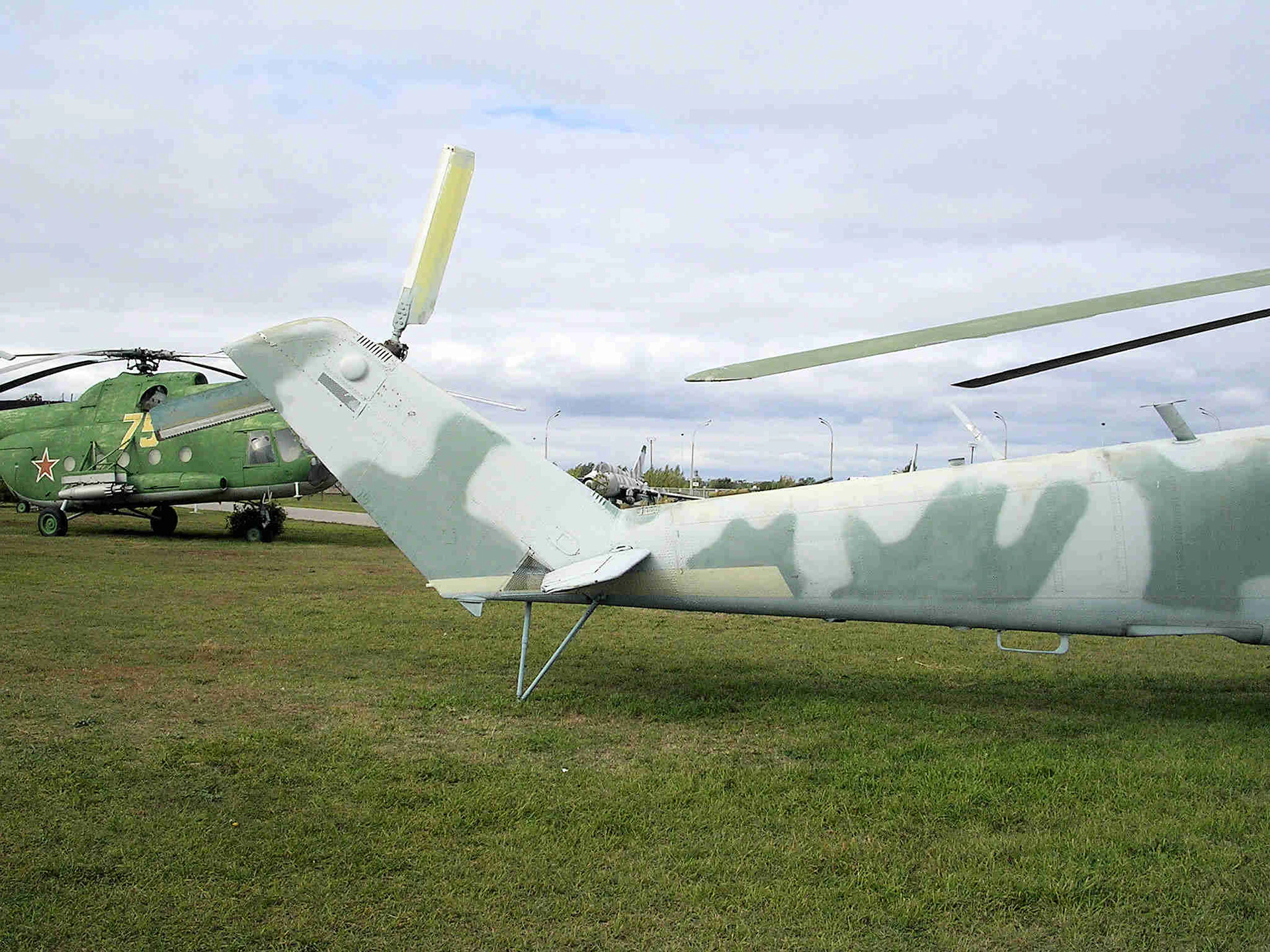
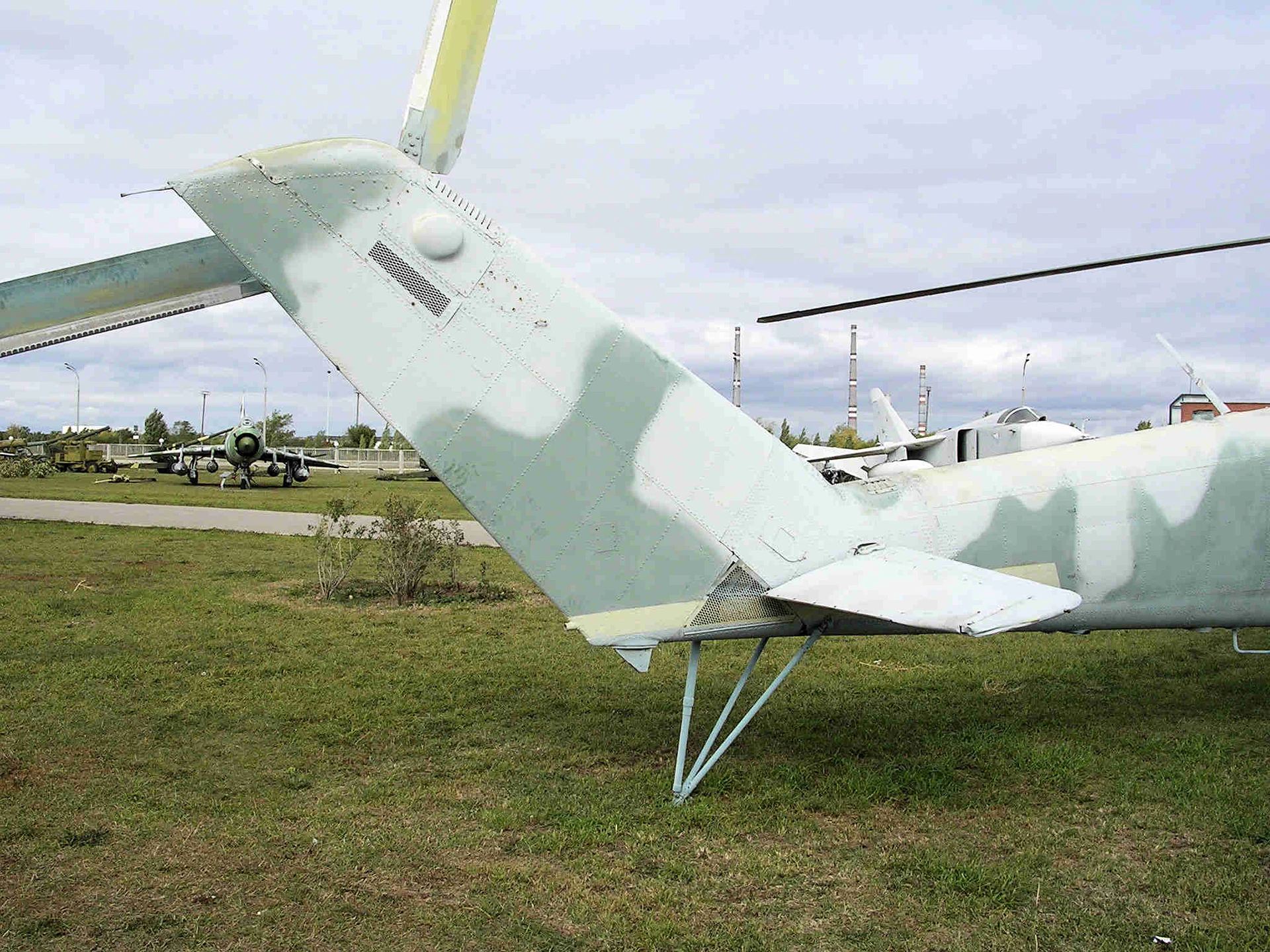
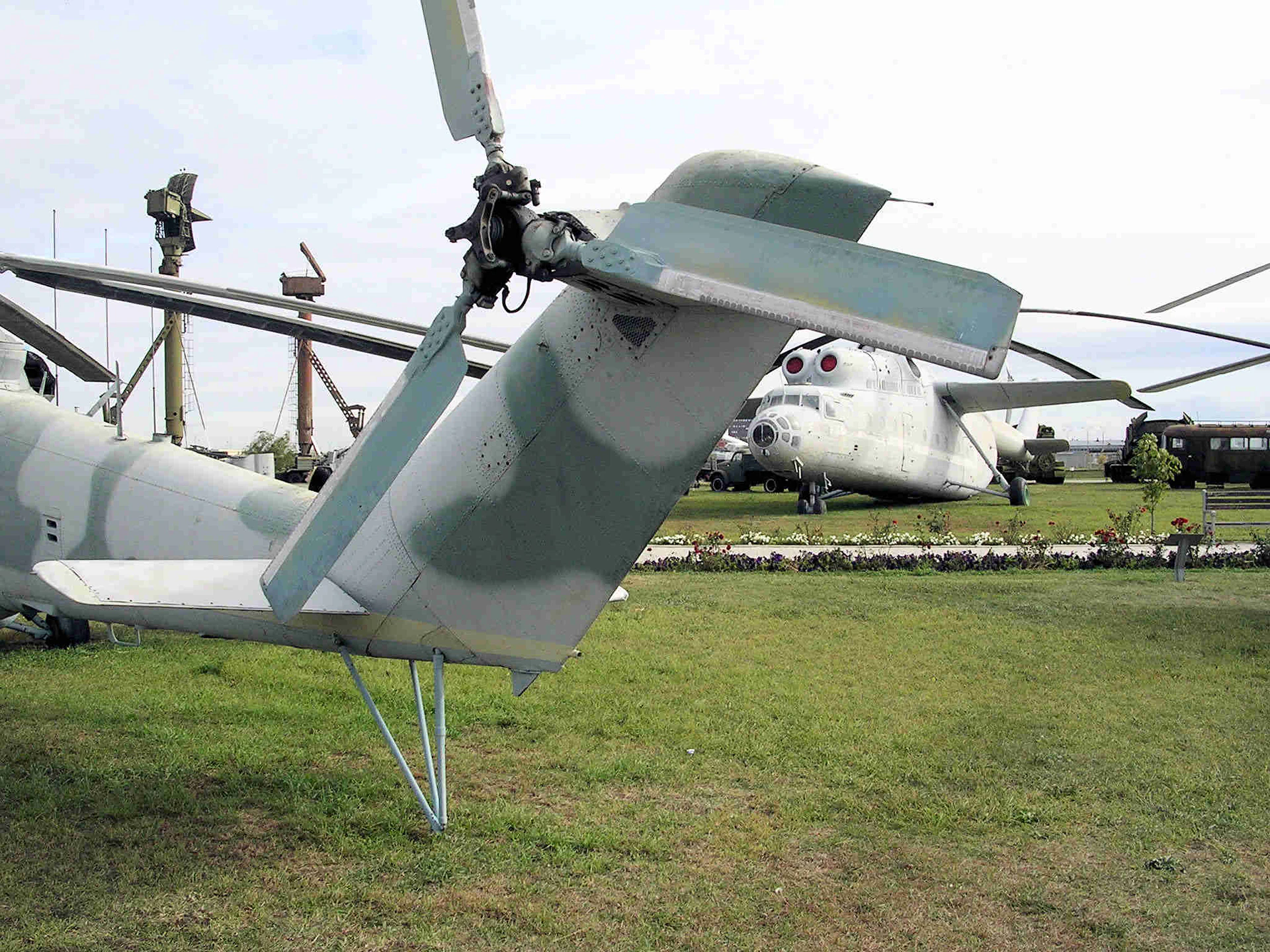
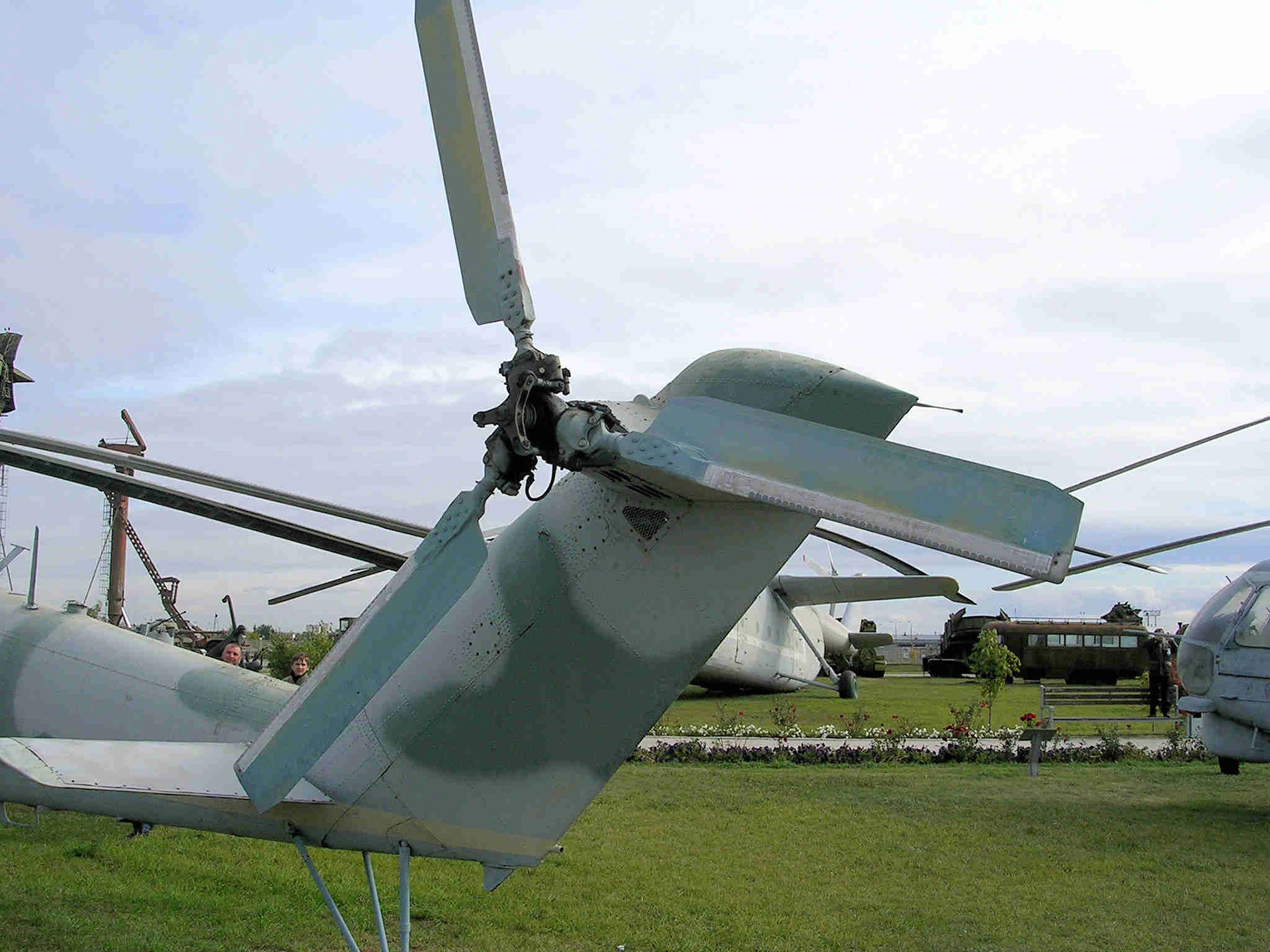
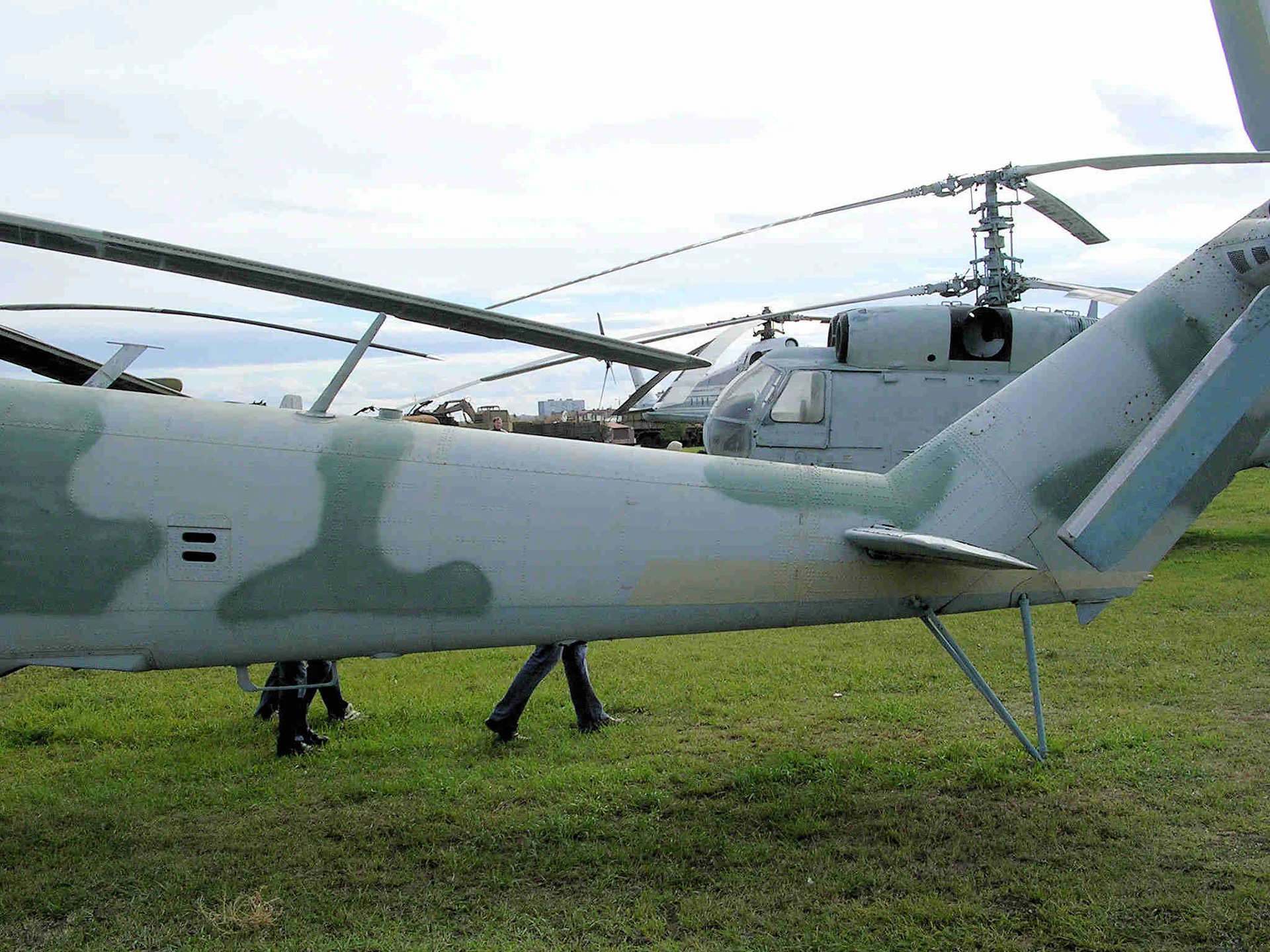
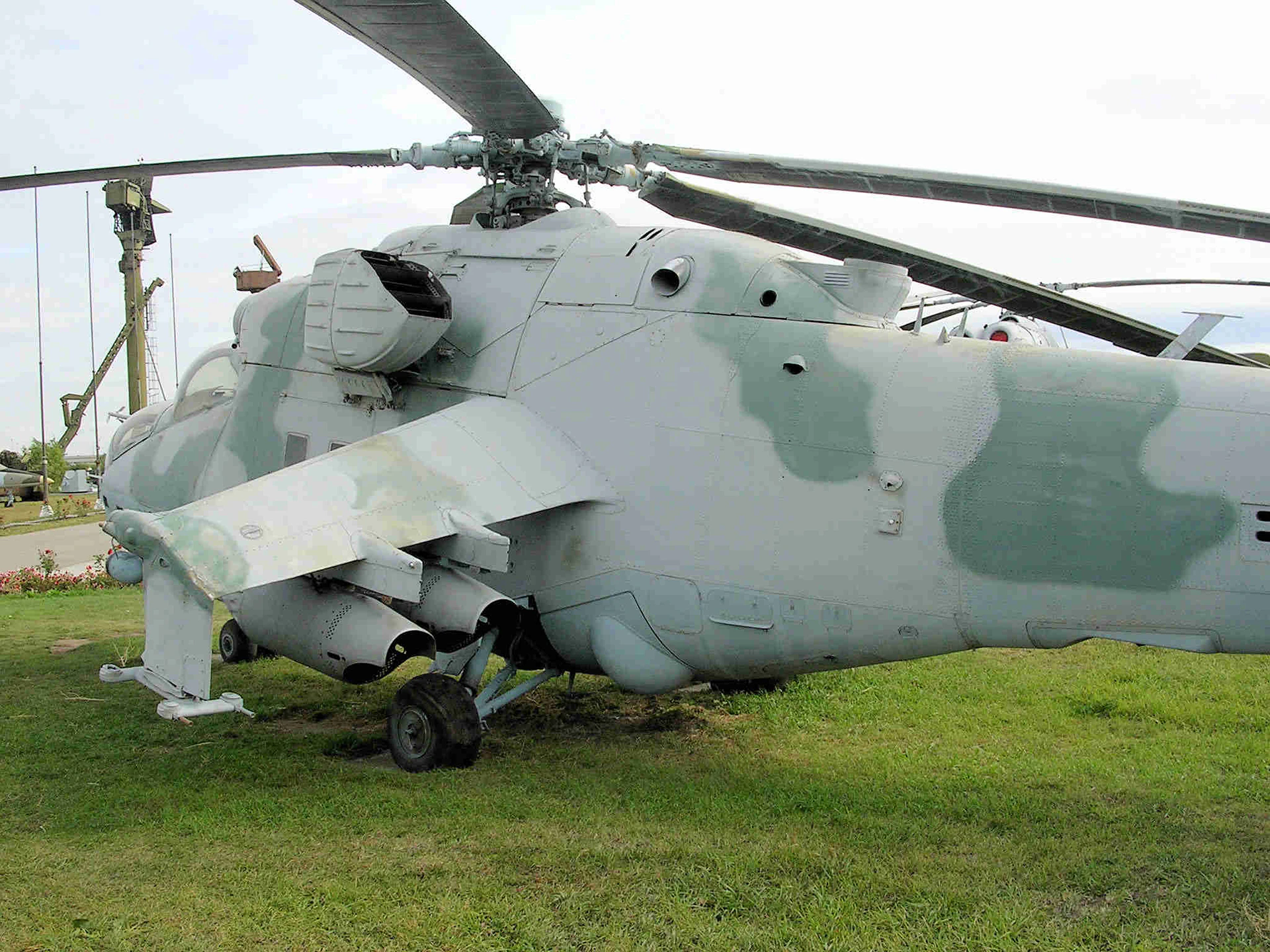

| Mi-24V pasivaikščiojimas aplink | |
|---|---|
| Fotografas | Nežinoti |
| Nuotraukos | 80 |
| Mi-24D Hind-D pasivaikščiojimas aplink | |
|---|---|
| Fotografas | Dmitrijus Sribnyi |
| Nuotraukos | 65 |
Taip pat žiūrėkite:


| Mil Mi-24D Hind Walk Around | |
|---|---|
| Fotografas | Vladimiras Yakubovas |
| Lokalizavimo | Nellis oro pajėgų bazė |
| Nuotraukos | 319 |
A Class of One
2007 Mil Mi-24 is one of the most menacing aircraft ever built. While the West developed specialized attack helicopters like the AH-1 Cobra, the Soviet Union created a “flying tank” that could do it all. It is a unique hybrid: a heavily armed gunship that also features a cabin large enough to carry eight fully equipped paratroopers. Its silhouette—with its sloping “double-bubble” cockpits and insect-like wings—is an icon of Cold War power. Whether it’s hunting tanks or dropping Spetsnaz behind enemy lines, the Hind remains a formidable presence on modern battlefields.
| Attribute | Technical Specification (Mi-24V / Hind-E) |
|---|---|
| Vaidmenį | Assault Gunship / Troop Transport |
| Įgulos | 2-3 (Pilot, Weapons Officer, optional Technician) |
| Troop Capacity | 8 Soldiers or 4 Stretchers |
| Varikliai | 2 × Klimov TV3-117 turboshafts (2,200 shp each) |
| Maximum Speed | 335 km/h (208 mph) |
| Armament (Nose) | 1 × 12.7mm Yak-B Gatling gun or fixed 30mm GSh-30-2K cannon |
| External Load | 1,500 kg (3,300 lbs) of rockets, bombs, and ATGMs |
| Main Rotor Dia. | 17.3 meters (56 ft 9 in) |
Design Engineering: Brutality Meets Physics
- The Lift-Generating Wings: Unlike most helicopters, the Hind’s stub wings aren’t just for holding weapons. At high speeds, they provide up to 25% of the aircraft’s total lift. This allows the Hind to reach speeds that would cause other helicopters to stall.
- Titanium “Bathtub”: The crew sits in a titanium-armored tub capable of withstanding hits from 12.7mm rounds. Even the rotor blades are titanium-tipped to survive impacts with branches or light anti-aircraft fire.
- The “Crocodile” Lean: If you look at a Hind from the front, you’ll notice the entire fuselage is tilted 2.5 degrees to the left. This was an engineering fix to counteract the “translating tendency” of the massive main rotor, helping the pilot keep the aircraft stable during a hover.
- Retractable Gear: To squeeze out every bit of speed, the Mi-24 features retractable landing gear—a rarity for helicopters—which tucks away to reduce drag during high-speed “dashes.”
Operational History: “Satan’s Chariot”
- The Afghan Icon: During the Soviet-Afghan War, the Mujahideen nicknamed the Mi-24 Shaitan-Arba (Satan’s Chariot). It was the only weapon they truly feared until the arrival of the American Stinger missile, which forced Hind pilots to change their tactics to ultra-low-level “nap-of-the-earth” flying.
- The Flying Tanker: In a pinch, the Hind’s troop cabin can be fitted with extra fuel tanks, giving it a massive ferry range for long-distance deployments across the Siberian wilderness or African deserts.
- Chernobyl Hero: Specializuotų Mi-24R (Hind-G1) variants were the first on the scene at the Chernobyl disaster. Equipped with “pincer” arms on the wingtips to take soil samples and lead-shielded cockpits, they mapped the radiation levels around the failing reactor.
- Global Warrior: The Hind has fought in over 40 conflicts, from the Iran-Iraq War (where it famously engaged in dogfights with Iranian AH-1 Cobras) to modern-day missions in Ukraine and Syria.
Views : 9746
Taip pat galite pamatyti:
 Agusta-Bell AB.212 – Nuotraukos ir vaizdo įrašai
 Denel Rooivalk – nuotraukos ir vaizdo įrašai
 Eurocopter EC135 – Nuotraukos ir vaizdo įrašai
 TAI/AgustaWestland T129 ATAK – Nuotraukos ir vaizdo įrašai
 Sikorsky H-5 - nuotraukos ir vaizdo įrašai
 Westland Wasp – nuotraukos ir vaizdo įrašas
 Bell UH-1Y – nuotraukos ir vaizdo įrašas
 Westland Wessex SAR – nuotraukos ir vaizdo įrašas
 UH-19D Chickasaw – nuotraukos ir vaizdo įrašas
 Varpas V-22 Osprey – WalkAround