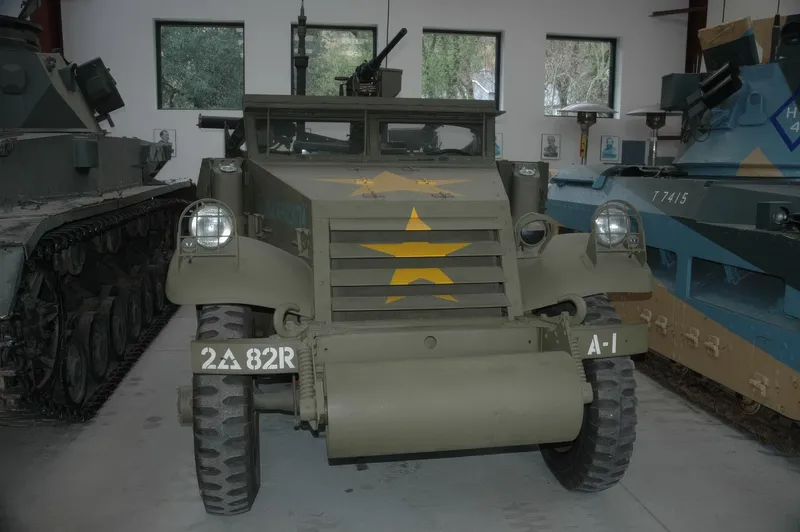
M3A1 skautų automobilis | |
|---|---|
| Šalies | Jav |
| Tipas | Pusiau takeliai |
| Aprašymas / kontrolė | Albumas 41 "M3A1 Scout Car" nuotraukos |
Galerie photo sur un M3A1 Scout Car, L’autochenille blindée – Half-track en anglais – fut le premier véhicule de transport de troupes de l’US Army à être employé opérationnellement. Il fut construit et utilisé intensivement durant la Seconde Guerre mondiale et continua sa carrière bien au-delà au Proche-Orient notamment où il fut utilisé sous de nombreuses versions en Israël ou au Liban (ALS). Certaines versions sont d’ailleurs encore utilisées aujourd’hui comme le Tsefa. Sa version antiaérienne, le M 16, termine quant à lui sa carrière opérationnelle au milieu des années 80. Soixante-dix variantes représentant 41 000 véhicules sortirent usines de Diamond T, White et Autocar.
Šaltinis: M3 skautų automobilis Vikipedijoje
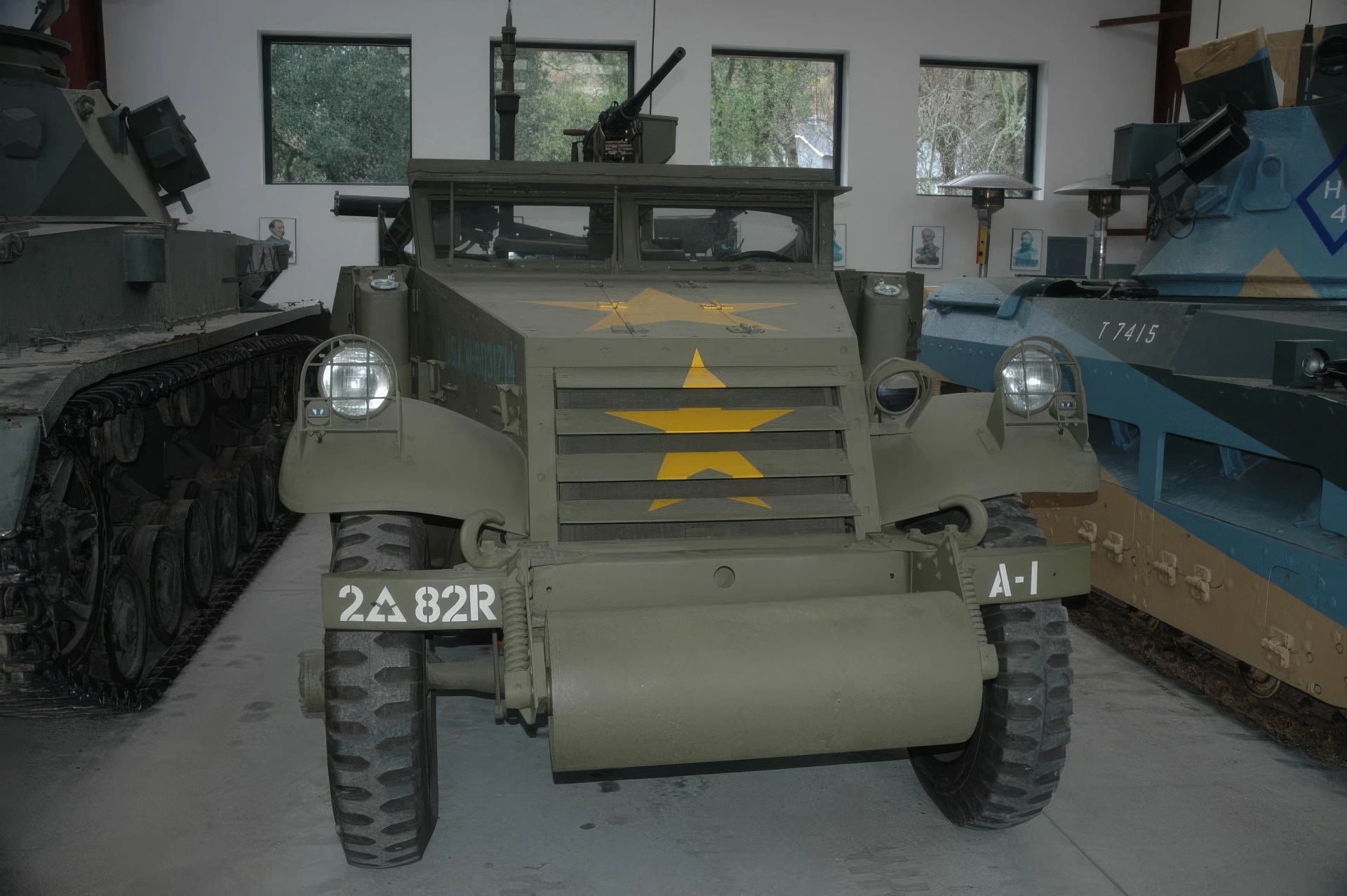
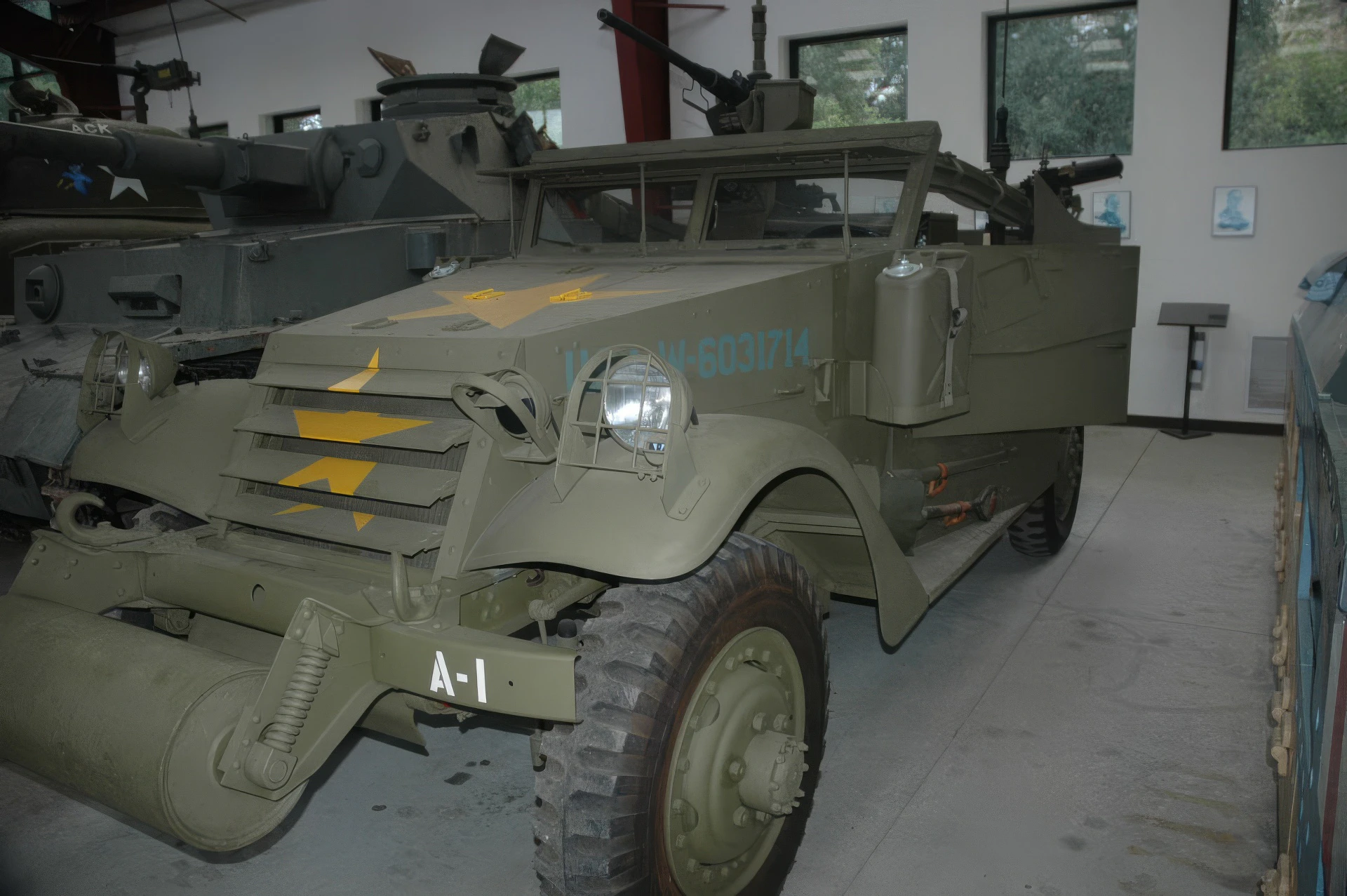
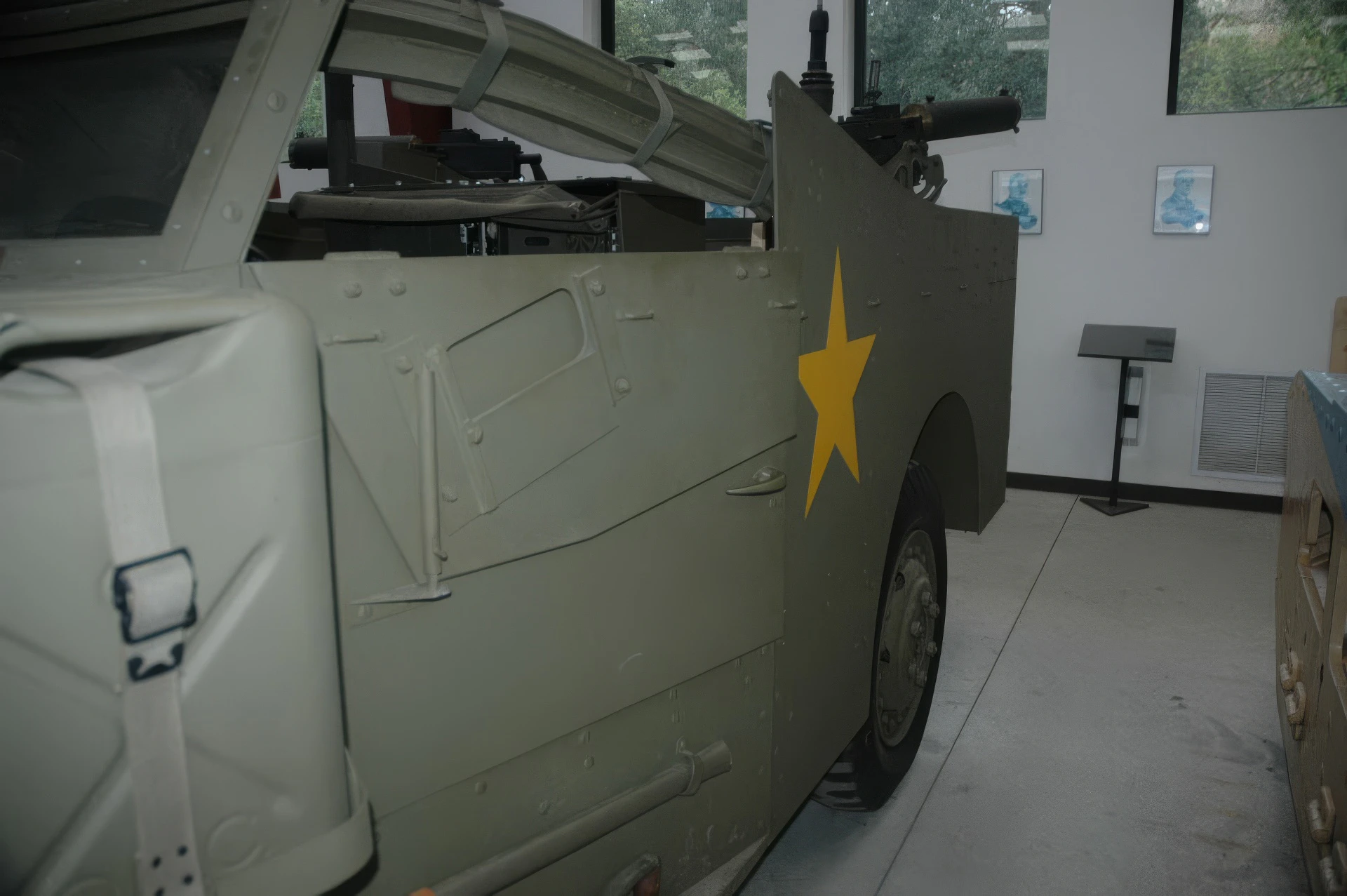
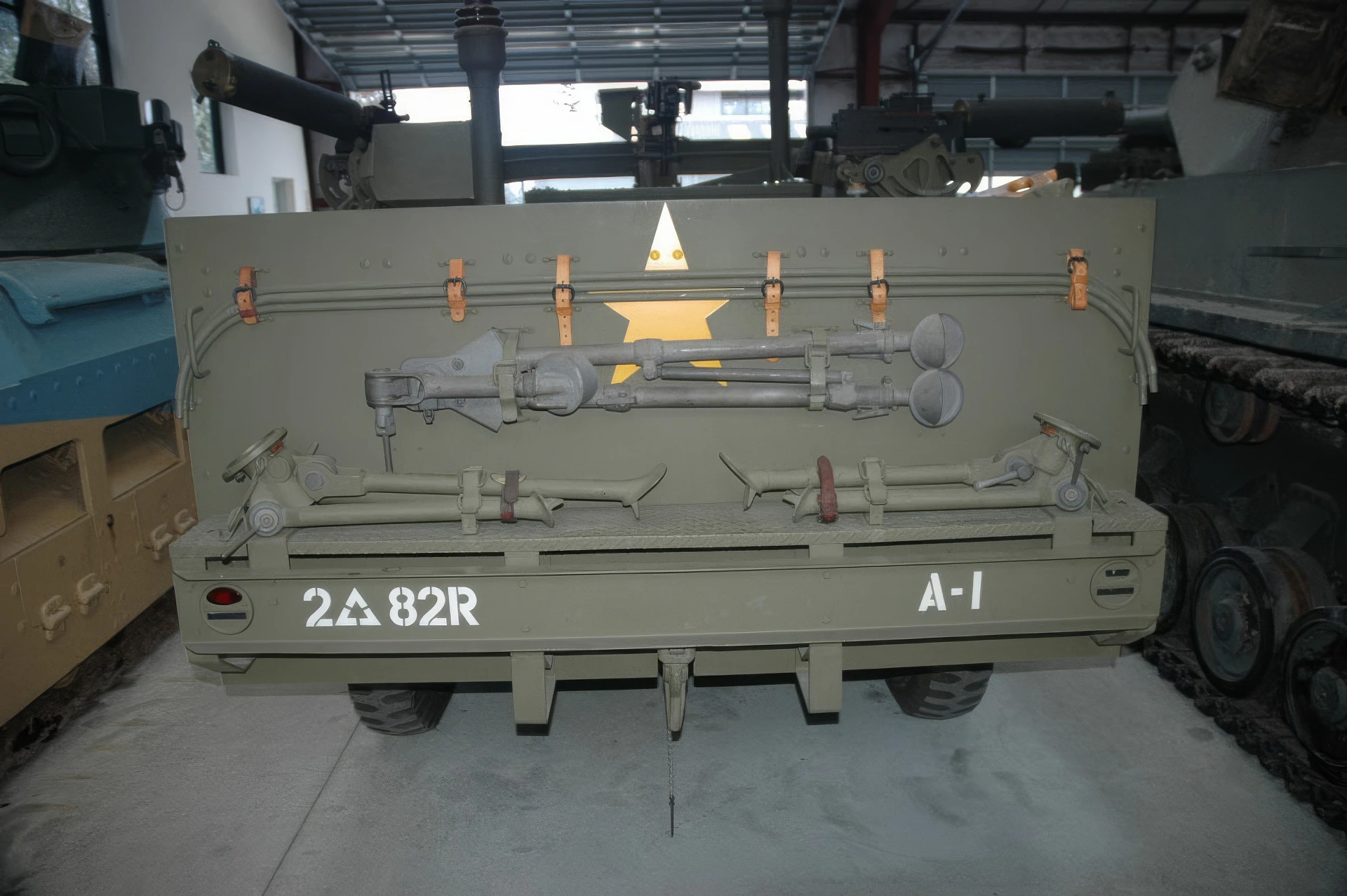
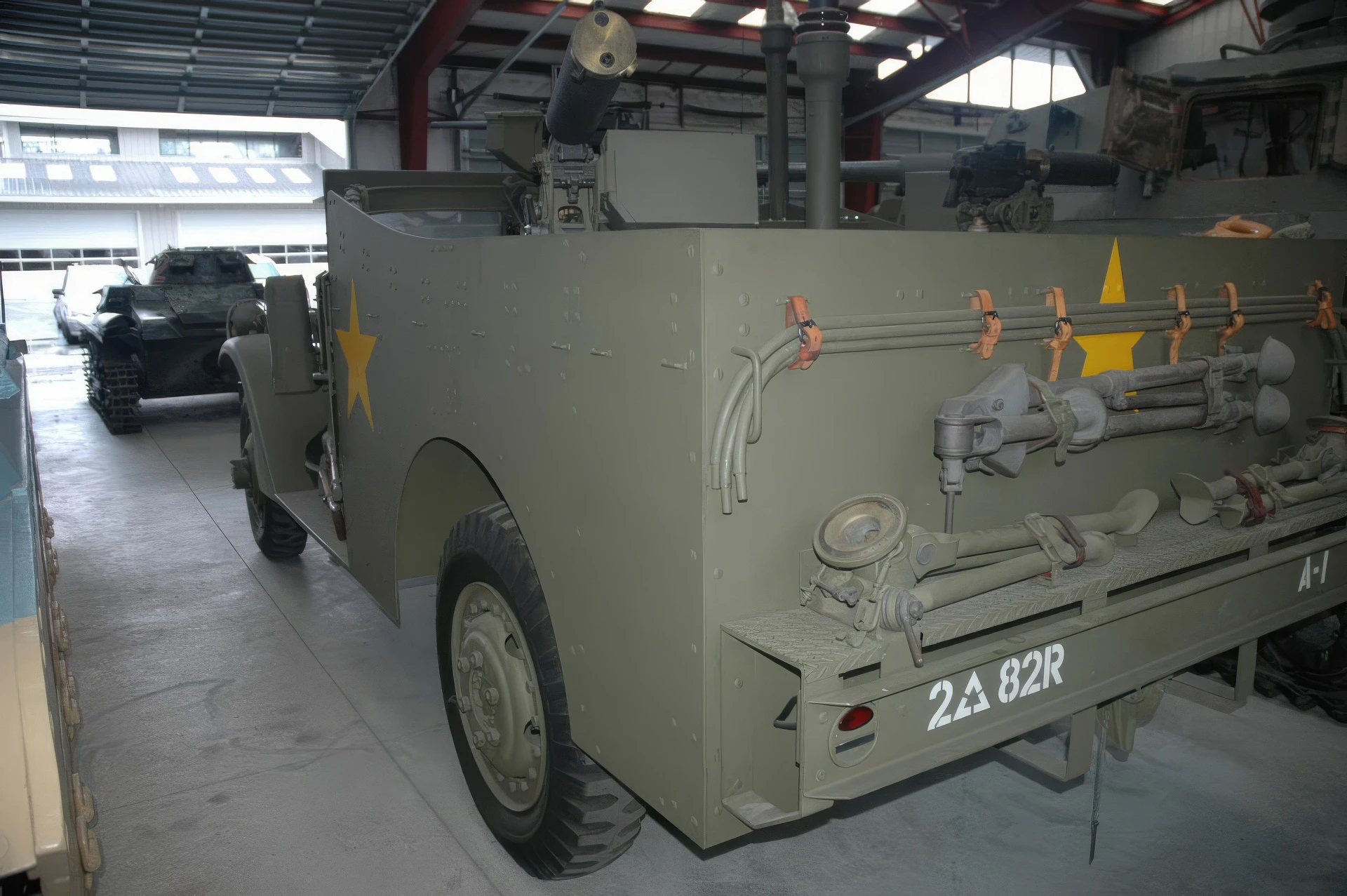
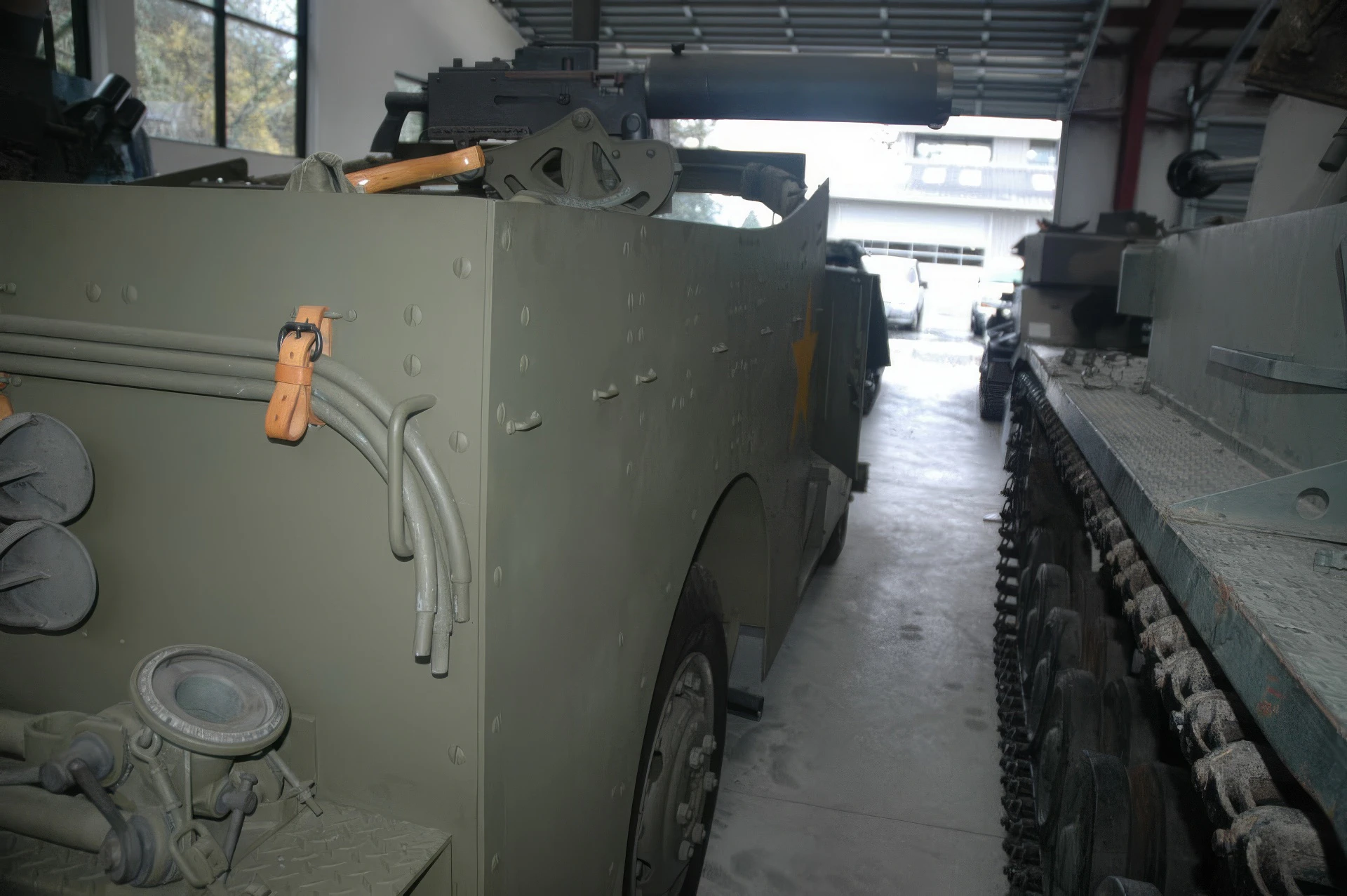
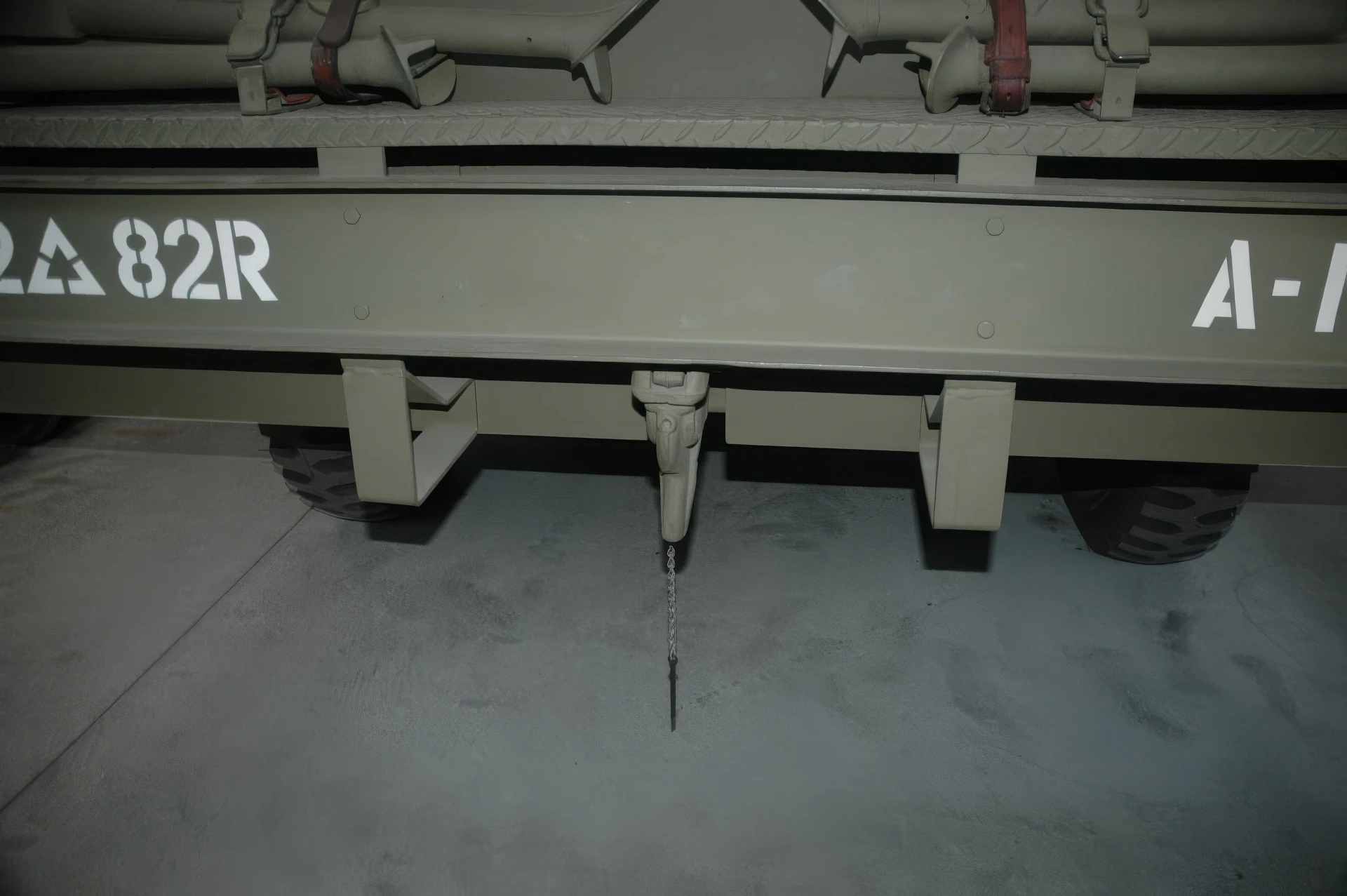
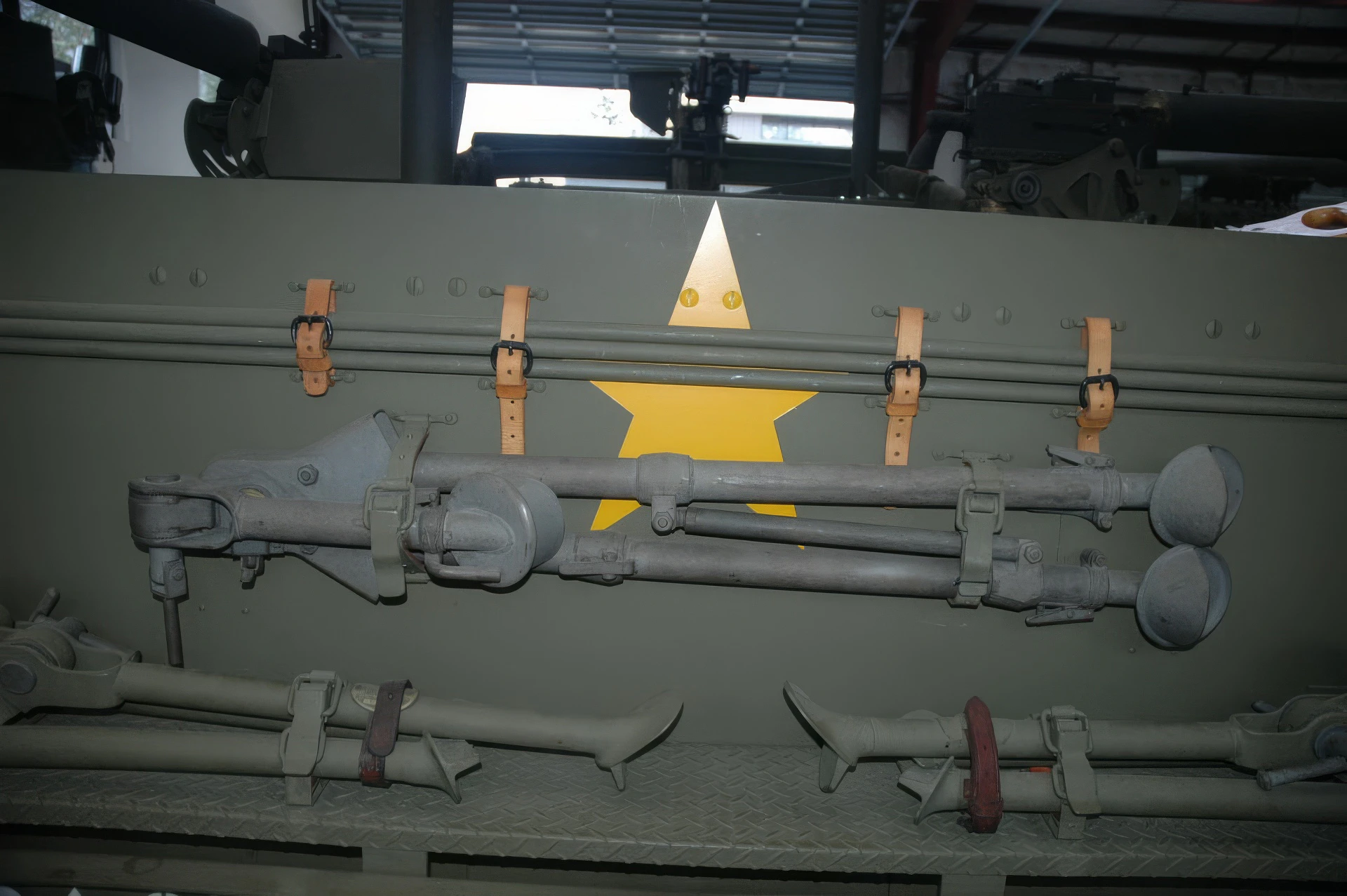
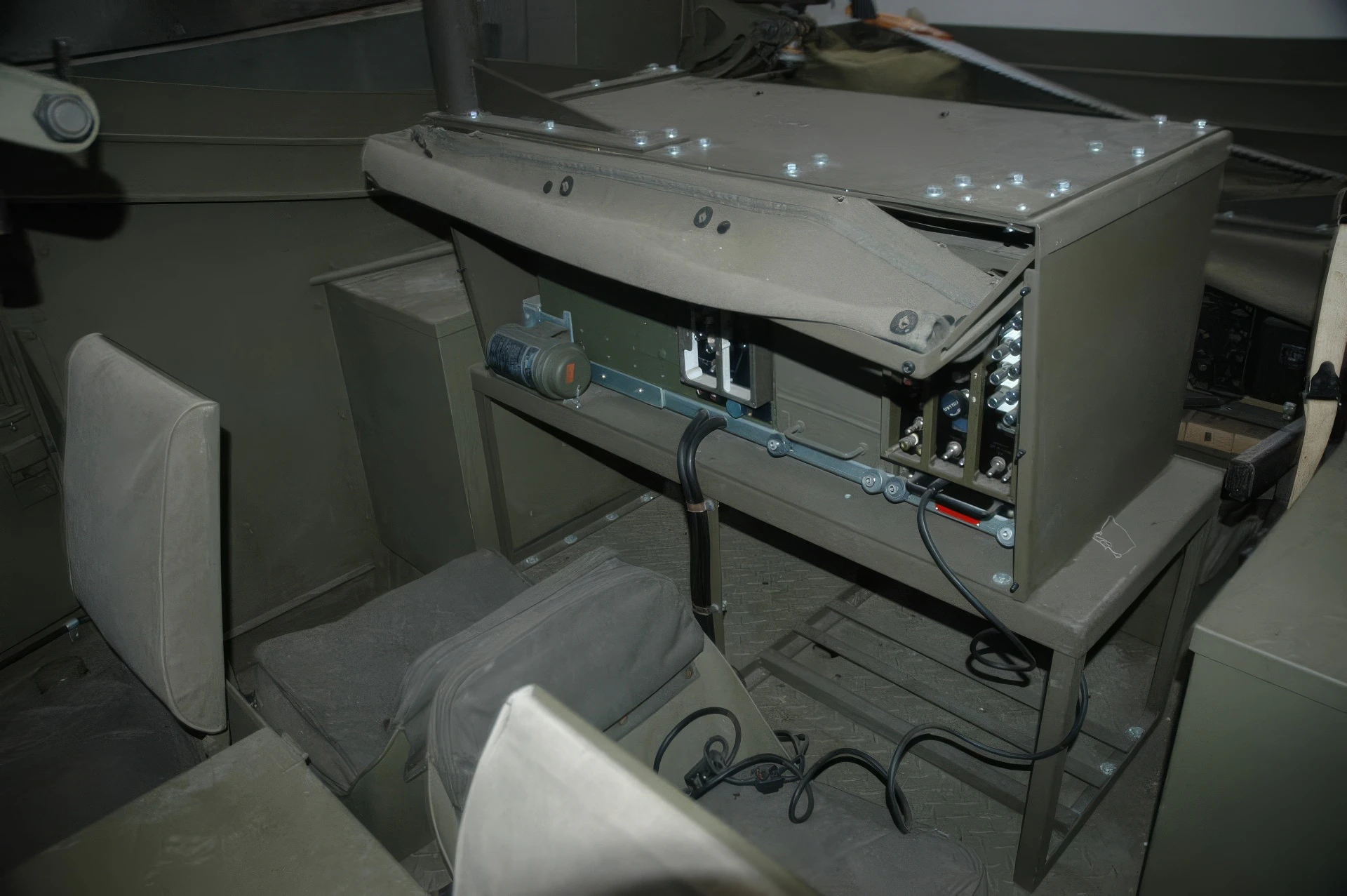

| M3A1 Scout Car Walk Around | |
|---|---|
| Fotografai | Nežinoti |
| Lokalizavimo | Nežinoti |
| Nuotraukos | 24 |
Taip pat žiūrėkite:


General Characteristics and Role
The M3A1 Scout Car was a widely-used light armored car employed by the United States and its Allies during World War II. Though officially known as the M3A1, it is commonly referred to as the White Scout Car, after its manufacturer, the White Motor Company. Designed in the late 1930s, it featured a simple, open-topped hull with armor protection against small arms fire and fragmentation. Its primary roles included reconnaissance, command and control (as a command car), ambulance duties, and acting as an armored personnel carrier, especially in the early war years. The vehicle was characterized by its reliable commercial truck chassis and its distinctive circular rail mount (often called a ‘skate mount’) around the fighting compartment, which allowed machine guns to be easily traversed and fired against ground or air targets.
| Property | Typical Value (M3A1) |
|---|---|
| Tipas | Armored Scout Car / Light Personnel Carrier |
| National Origin | Jungtinės Amerikos Valstijos |
| Gamintojas | White Motor Company |
| Entered Service | 1940 |
| Įgulos | 1 (Driver) |
| Personnel Capacity | 8 (Driver + 7 troops) |
| Combat Weight | Approx. 5.6 tonnes (12,300 lb) |
| Ilgis | 5.62 m (18 ft 5 in) |
Powerplant and Armament
- Engine: 1 x Hercules JXD six-cylinder petrol engine.
- Engine Power: 110 hp (82 kW).
- Drivetrain: 4×4 (Four wheels, all-wheel drive).
- Maximum Road Speed: 80 km/h (50 mph).
- Armor: 6 mm to 13 mm (0.25 to 0.5 in) steel plate.
- Armament (Typical): 1 x .50 cal (12.7 mm) Browning M2 heavy machine gun and 1 or 2 x .30 cal (7.62 mm) Browning M1919 machine guns, all mounted on the skate rail.
- Range: Approx. 400 km (250 miles).
- Tires: Run-flat tires were often fitted to reduce vulnerability.
Service History and Legacy
- Mass Production: Approximately 20,918 units were produced between 1940 and 1944.
- Lend-Lease: The vast majority of M3A1s were supplied to Allied nations under the Lend-Lease Act, notably to the Soviet Union (who affectionately called it the “Scouts”) and the Free French forces.
- US Service: While successful early in the war, the US Army largely phased out the M3A1 for front-line combat duties by 1943, replacing it with the more capable M8 Greyhound armored car and the M20 armored utility car for reconnaissance, while using the M3 Half-track for personnel transport.
- Soviet Use: The Soviet Union used the M3A1 extensively for mechanized reconnaissance and infantry support throughout the Eastern Front.
- Post-War Use: Many M3A1s continued service in various nations well into the 1960s, a testament to their ruggedness and utility.
Views : 5151
Taip pat galite pamatyti:
 Sd.Kfz. 11 - Nuotraukos ir vaizdo įrašai
 M5 Halftrack vol2 – nuotraukos ir vaizdo įrašai
 "M3 White Scout Car" – "WalkAround"
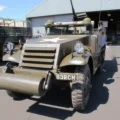 Half-Track M2 vol2 – Vaikščioti aplink
 M3 Lee vol2 – WalkAround
 SU-57 sur bazė M3 – Vaikščioti aplink
 M9A1 HalfTrack – WalkAround
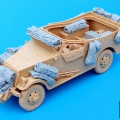 US M3 Scout Automobilių aksesuarų rinkinys – Black Dog T35049
 M-3 puspriekabė – šarvai profilyje 017
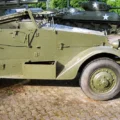 M3 puspriekabė – pasivaikščiojimas