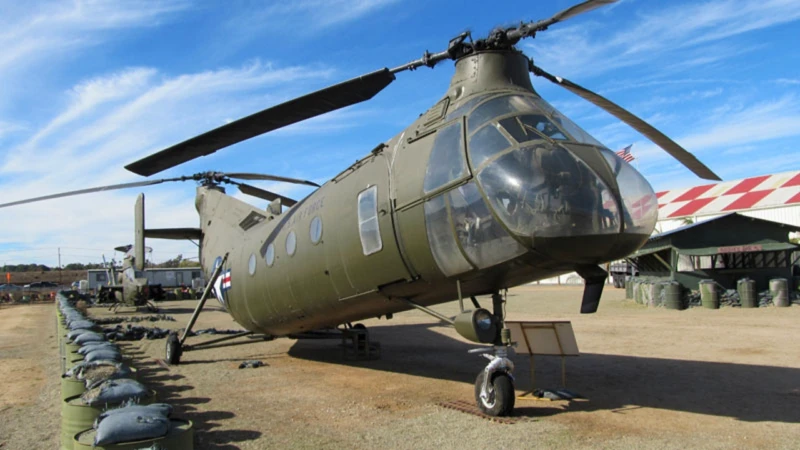
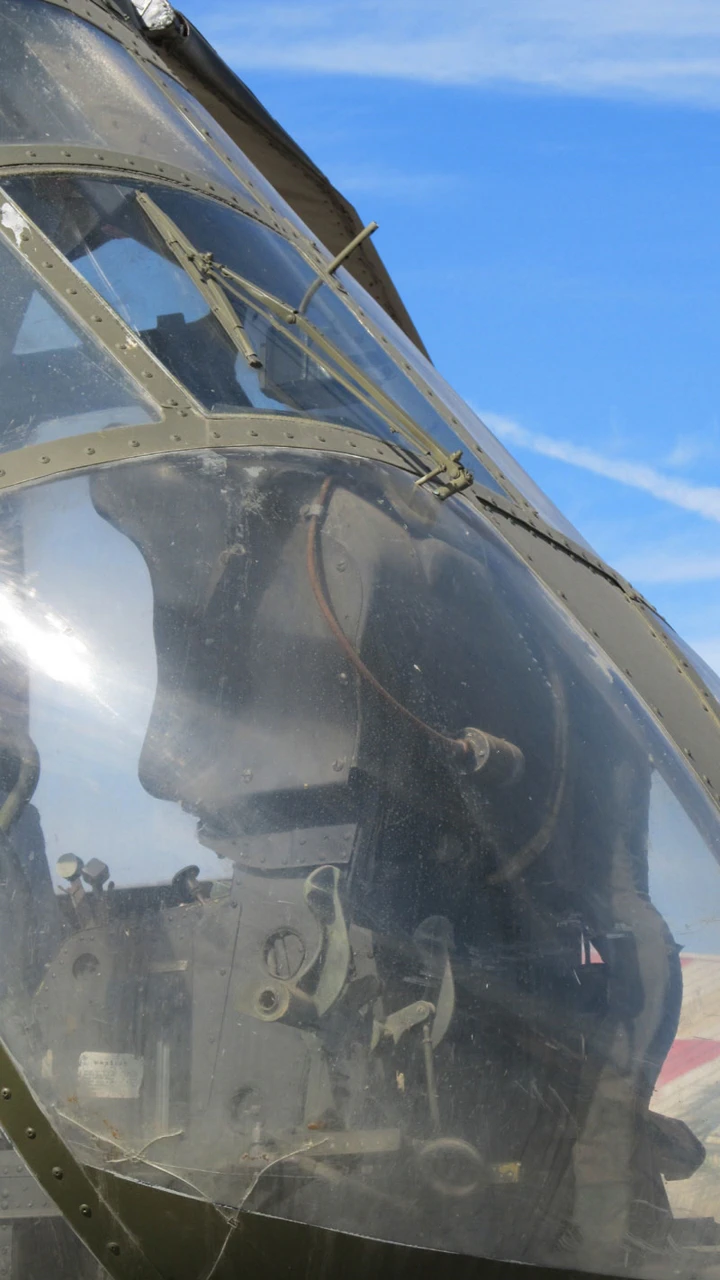
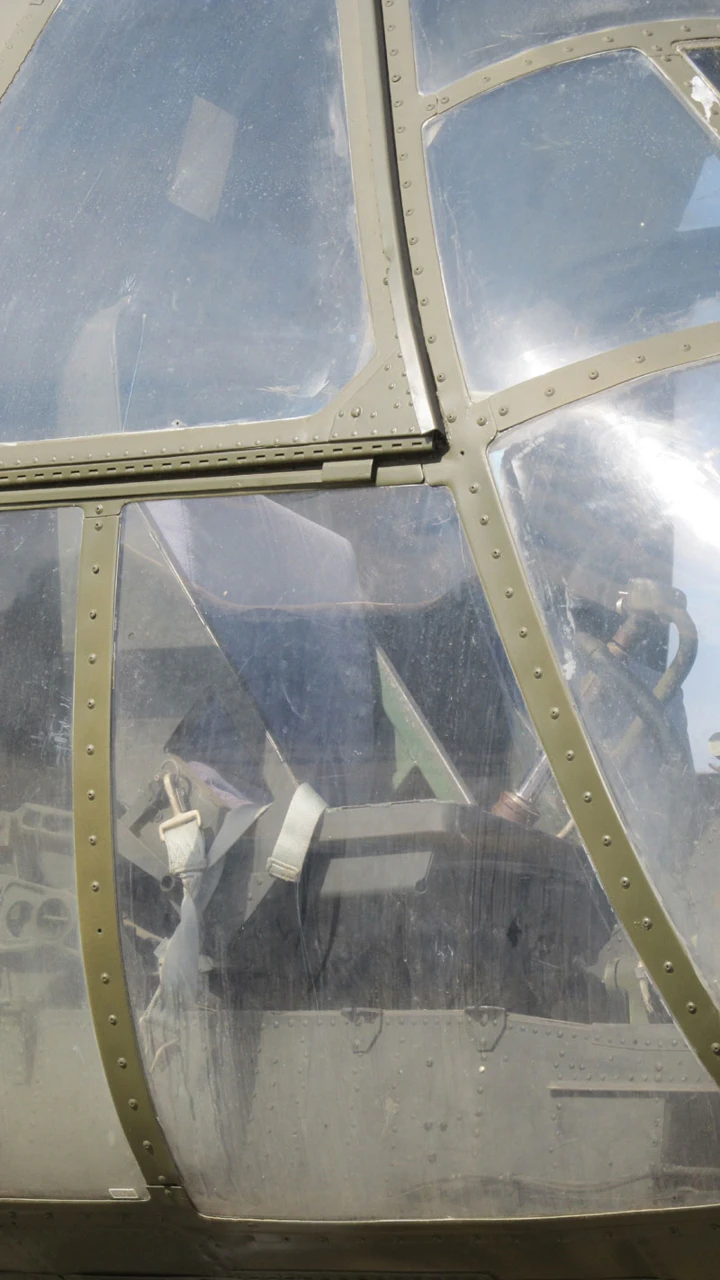
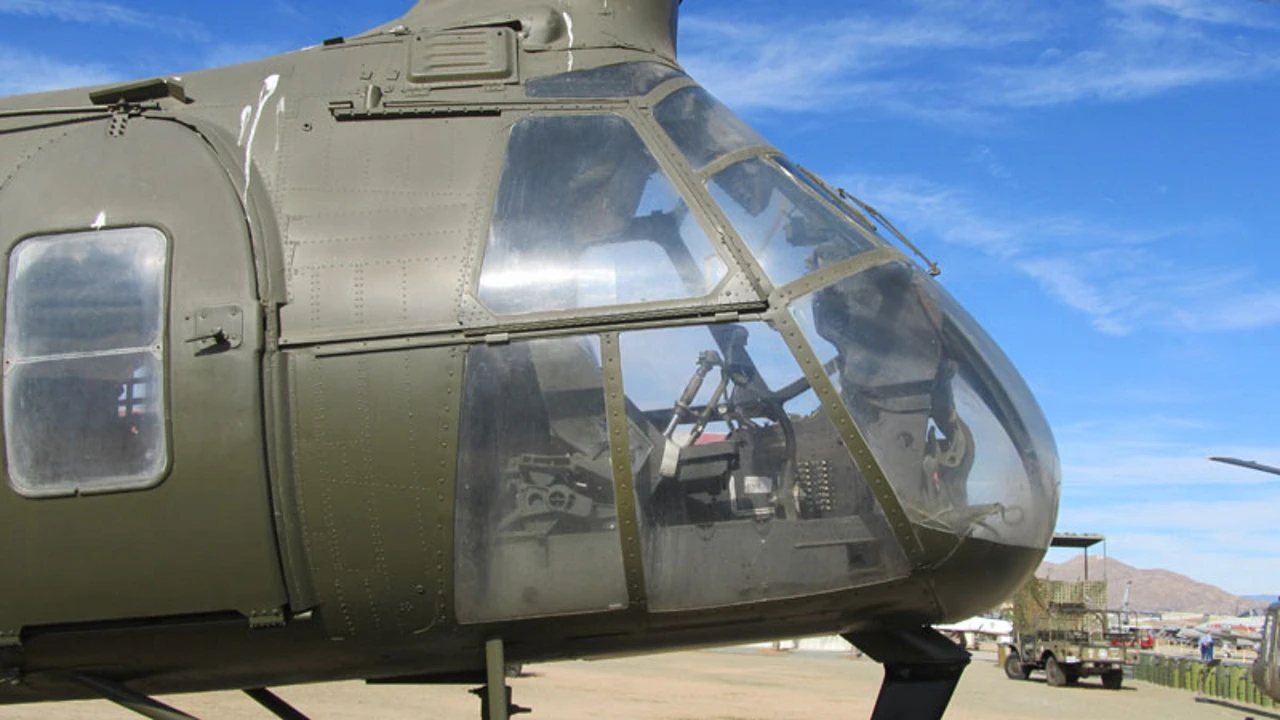
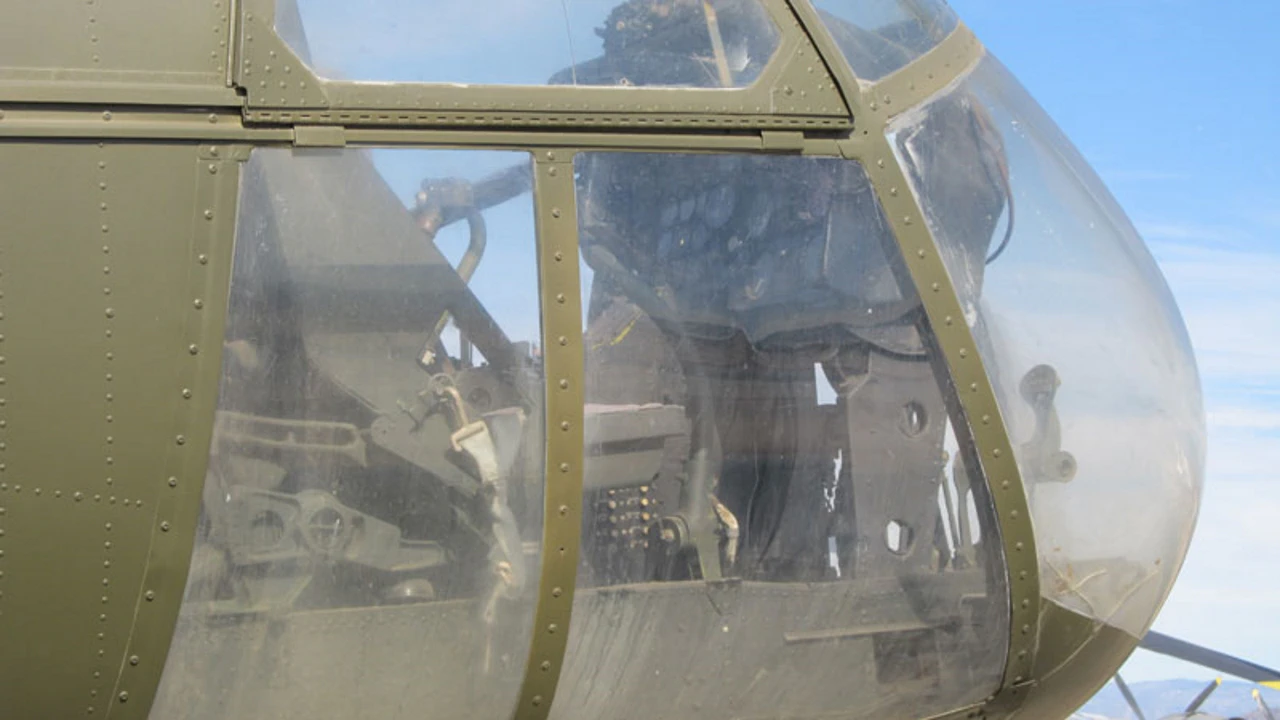
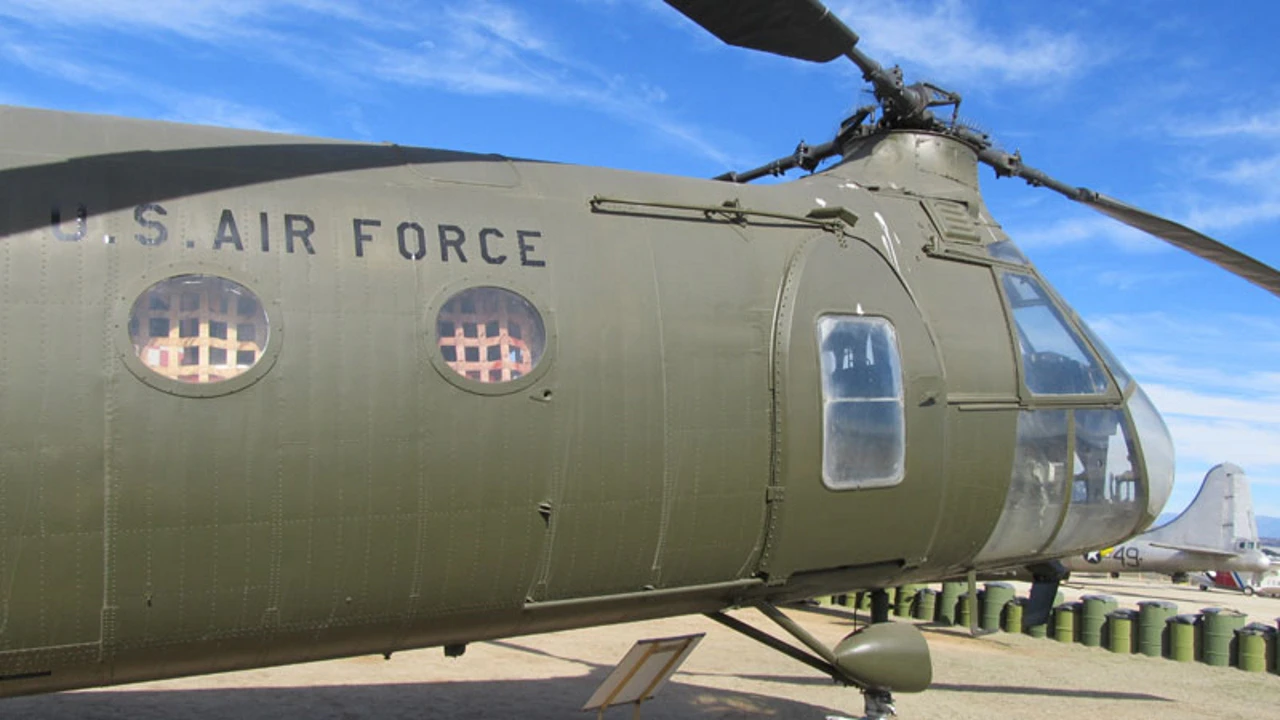
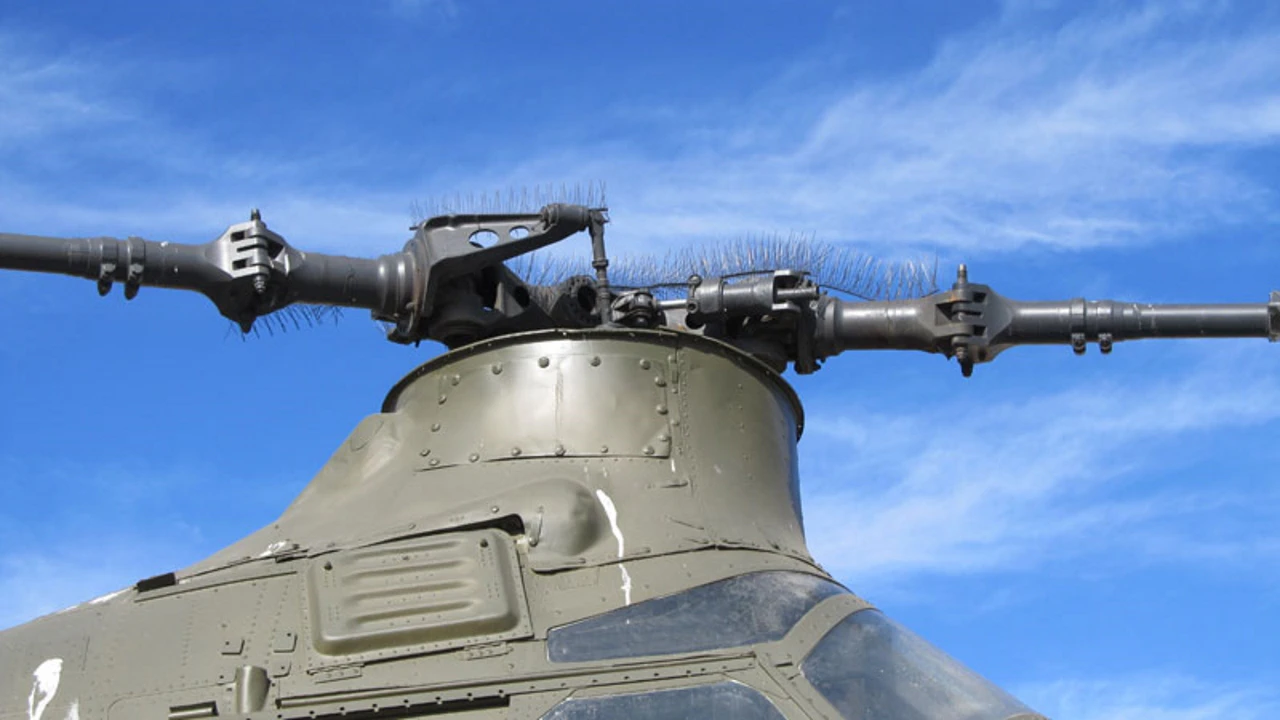
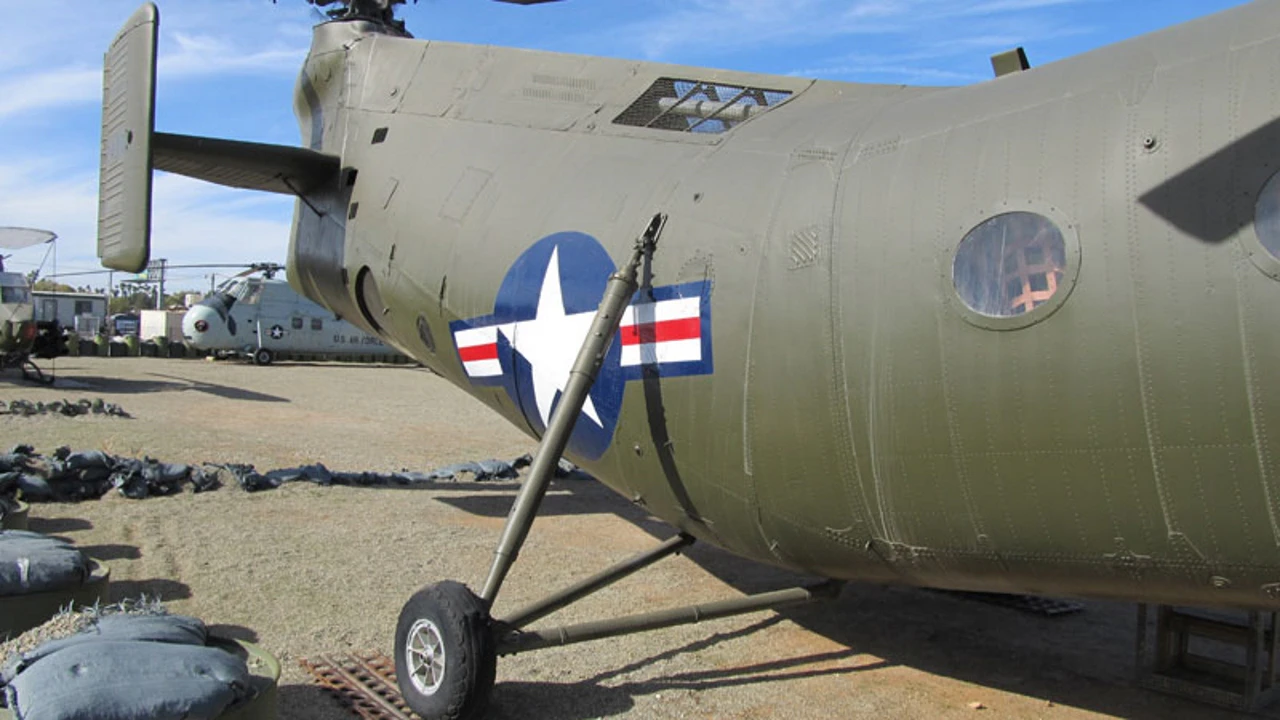
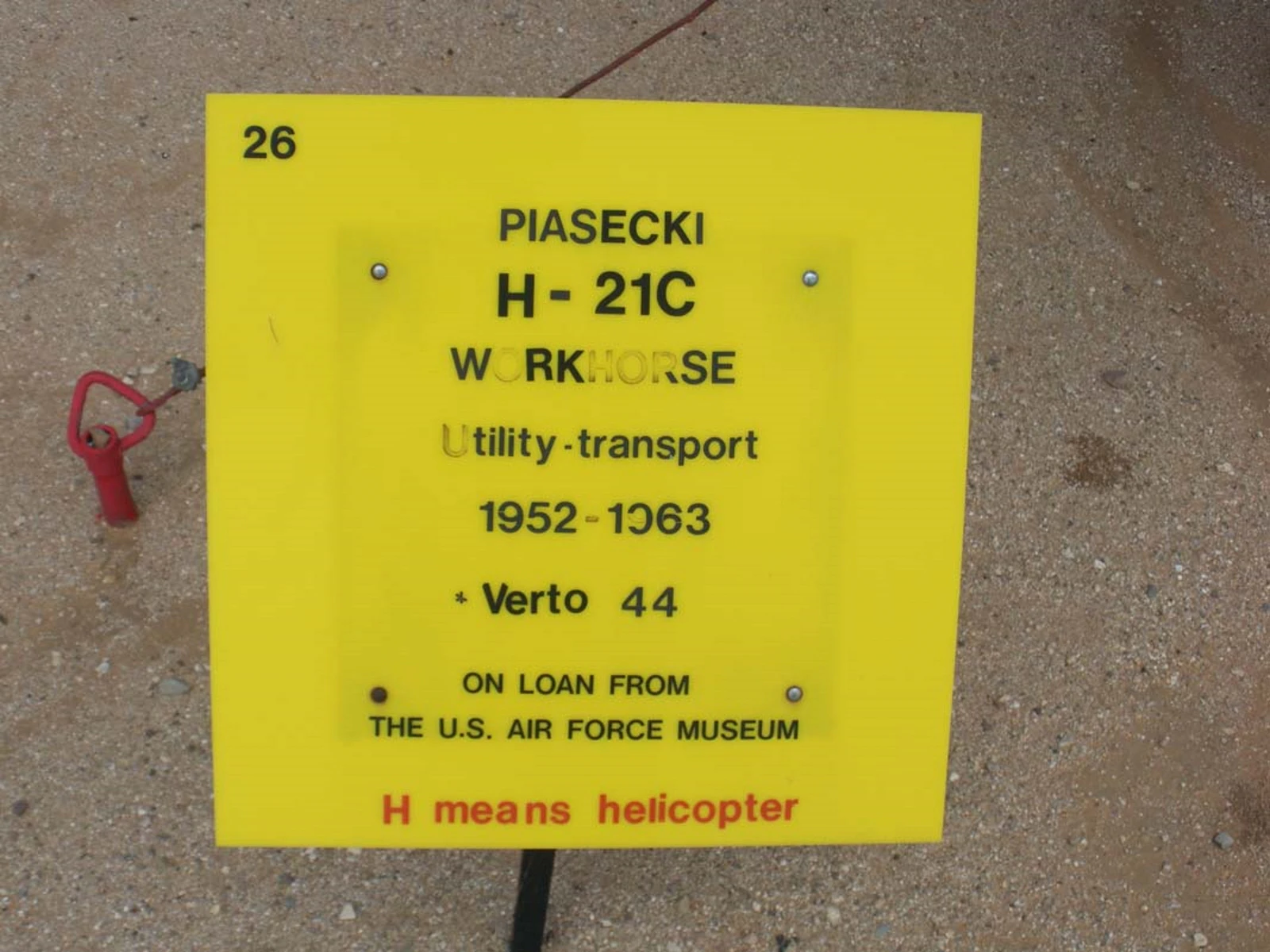
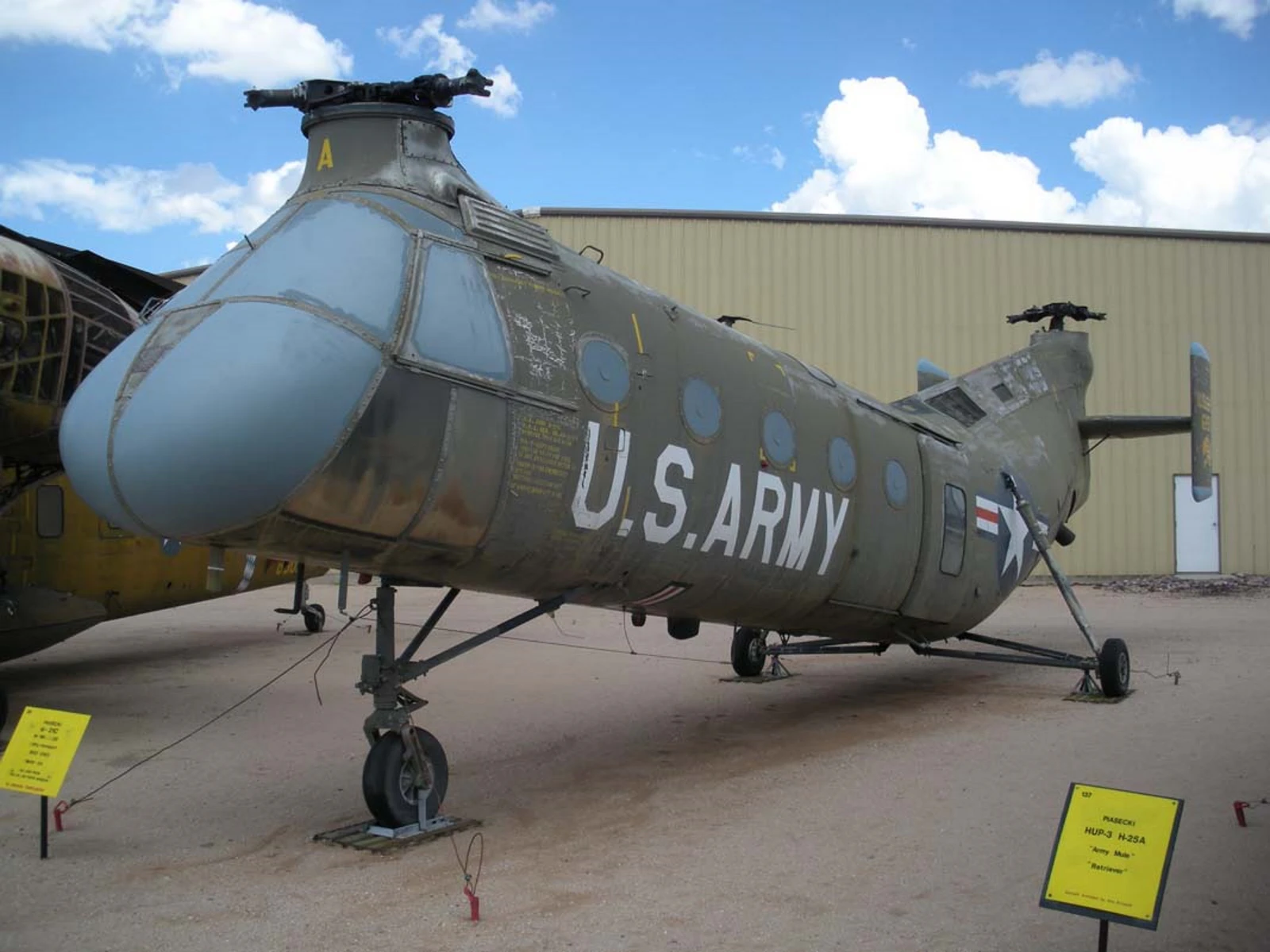
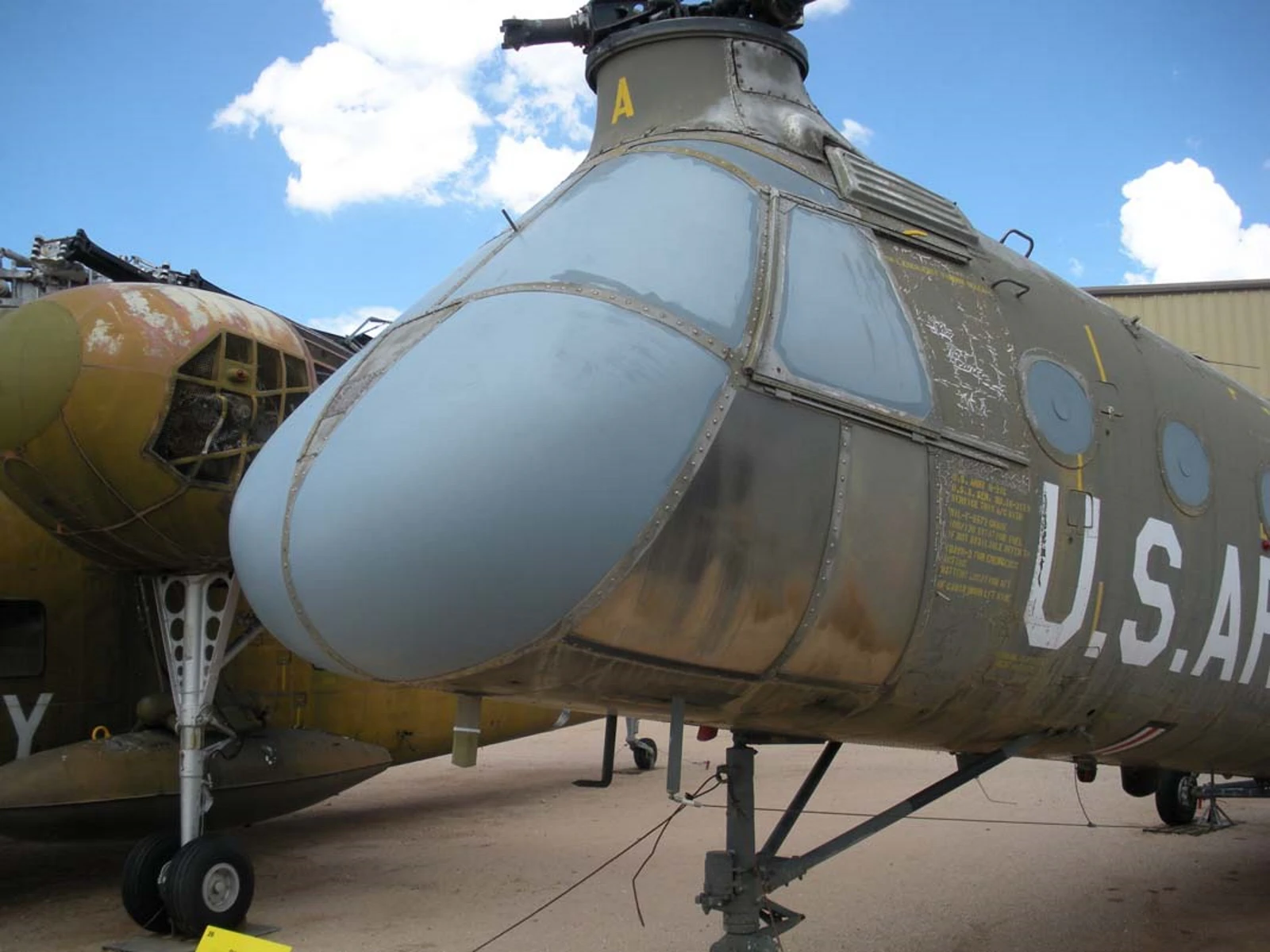
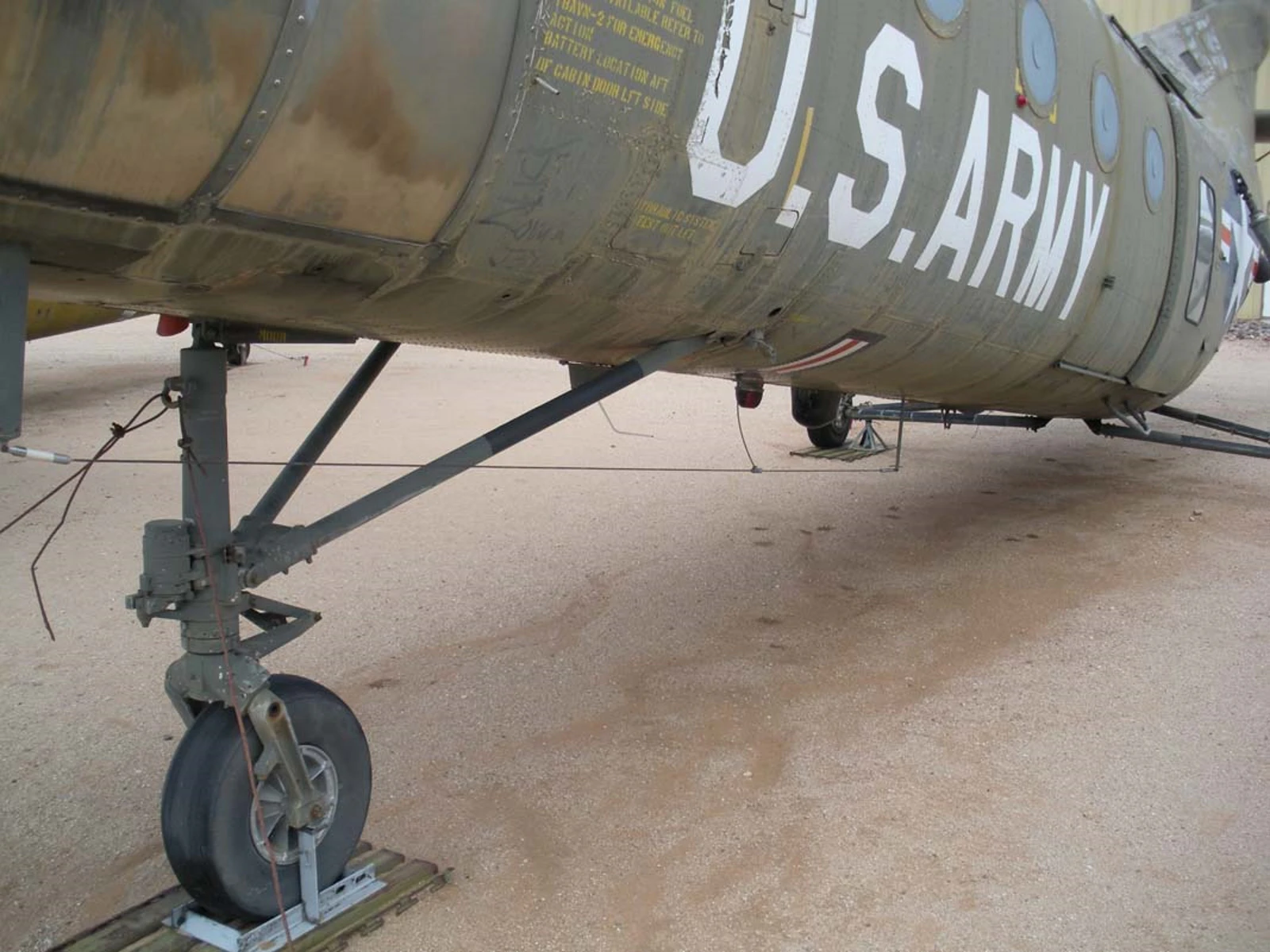
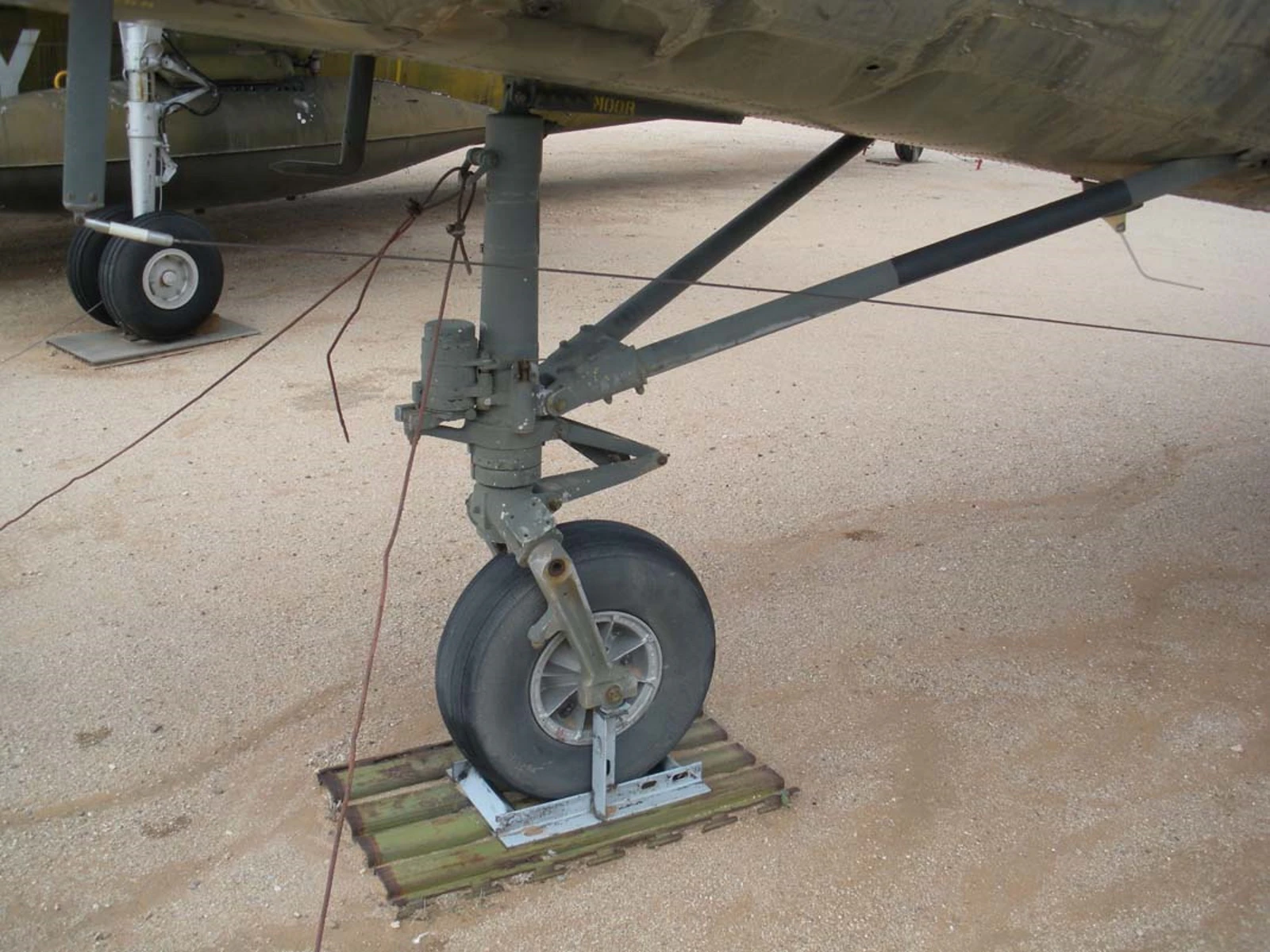
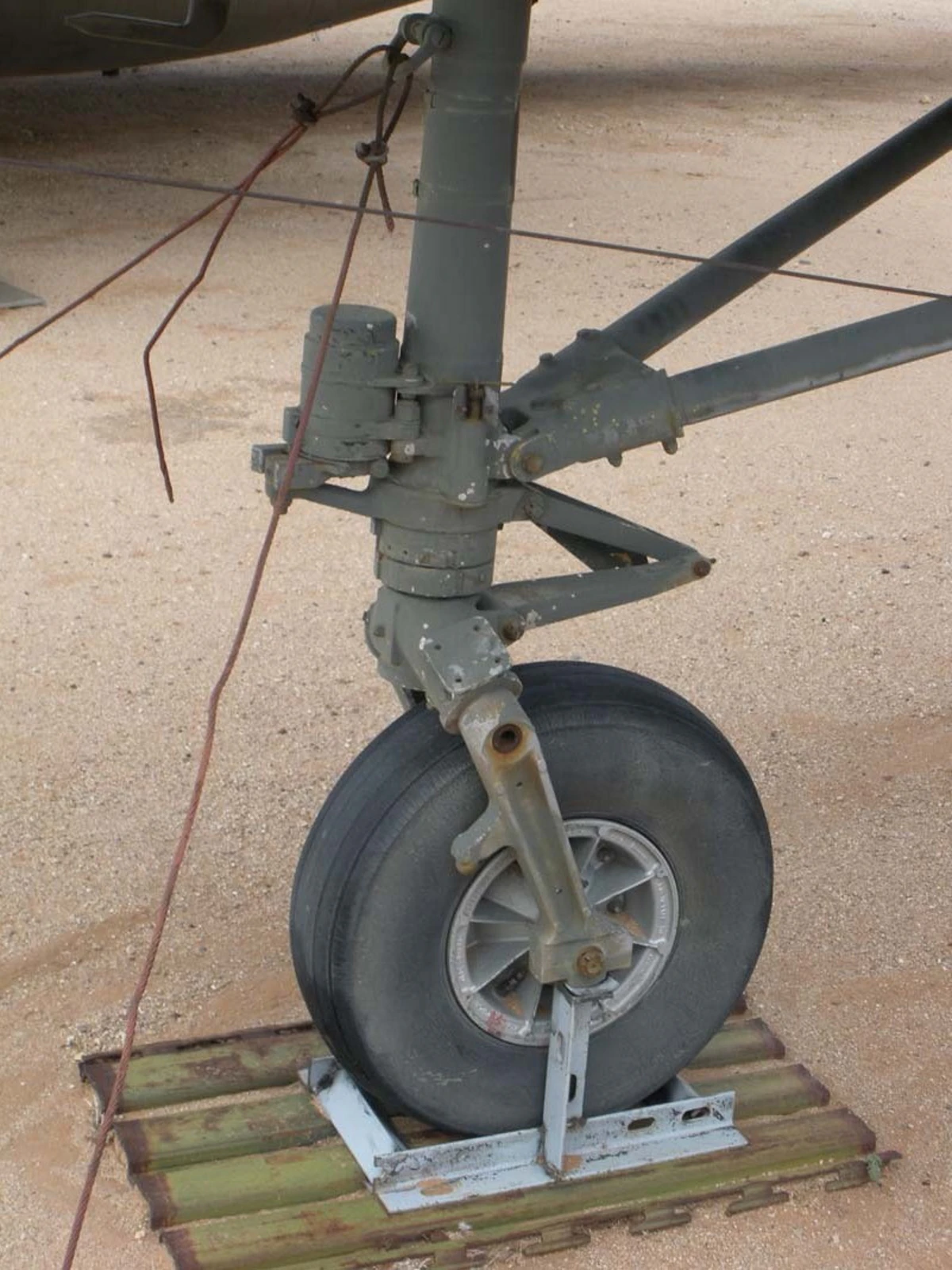
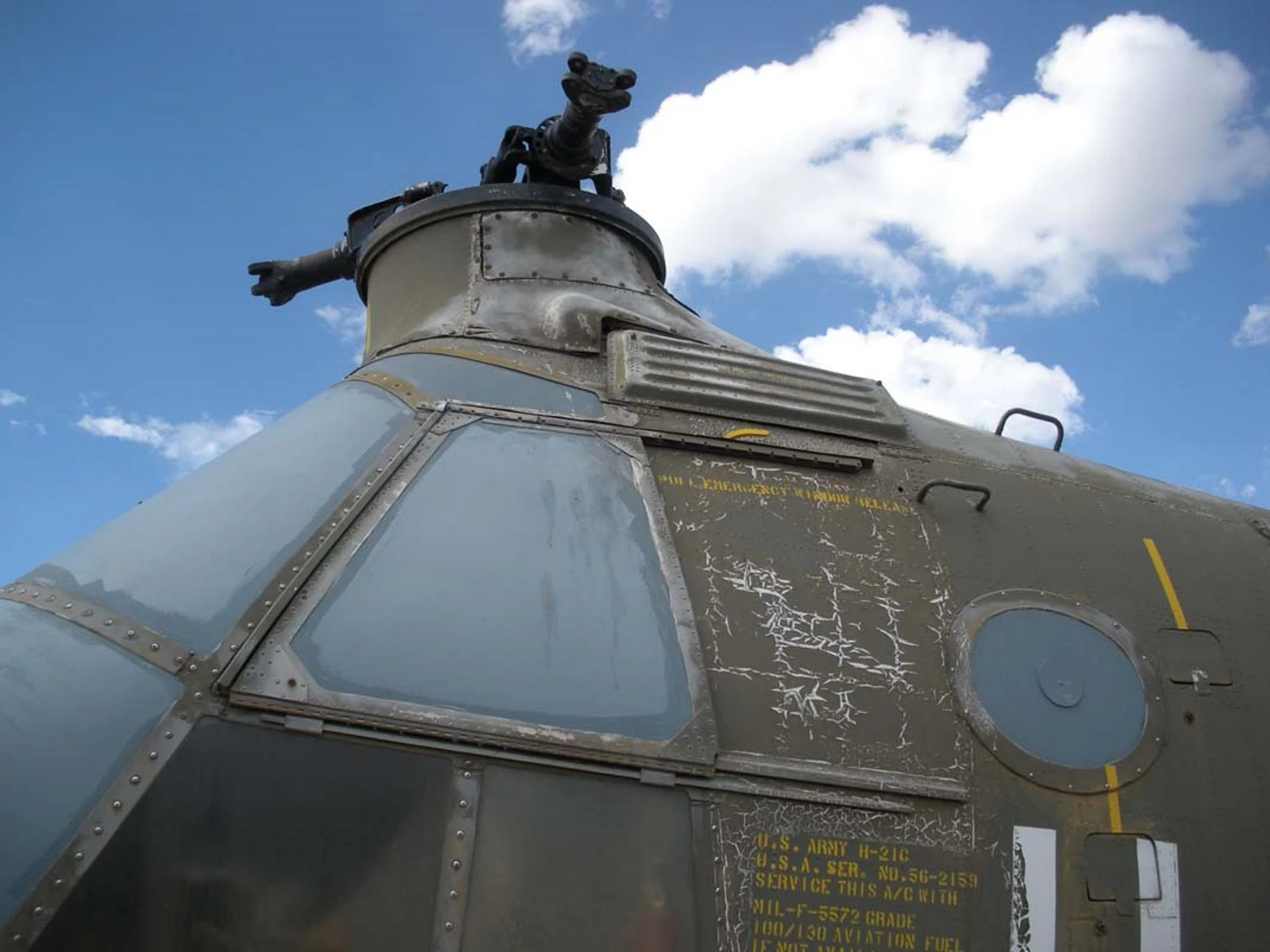
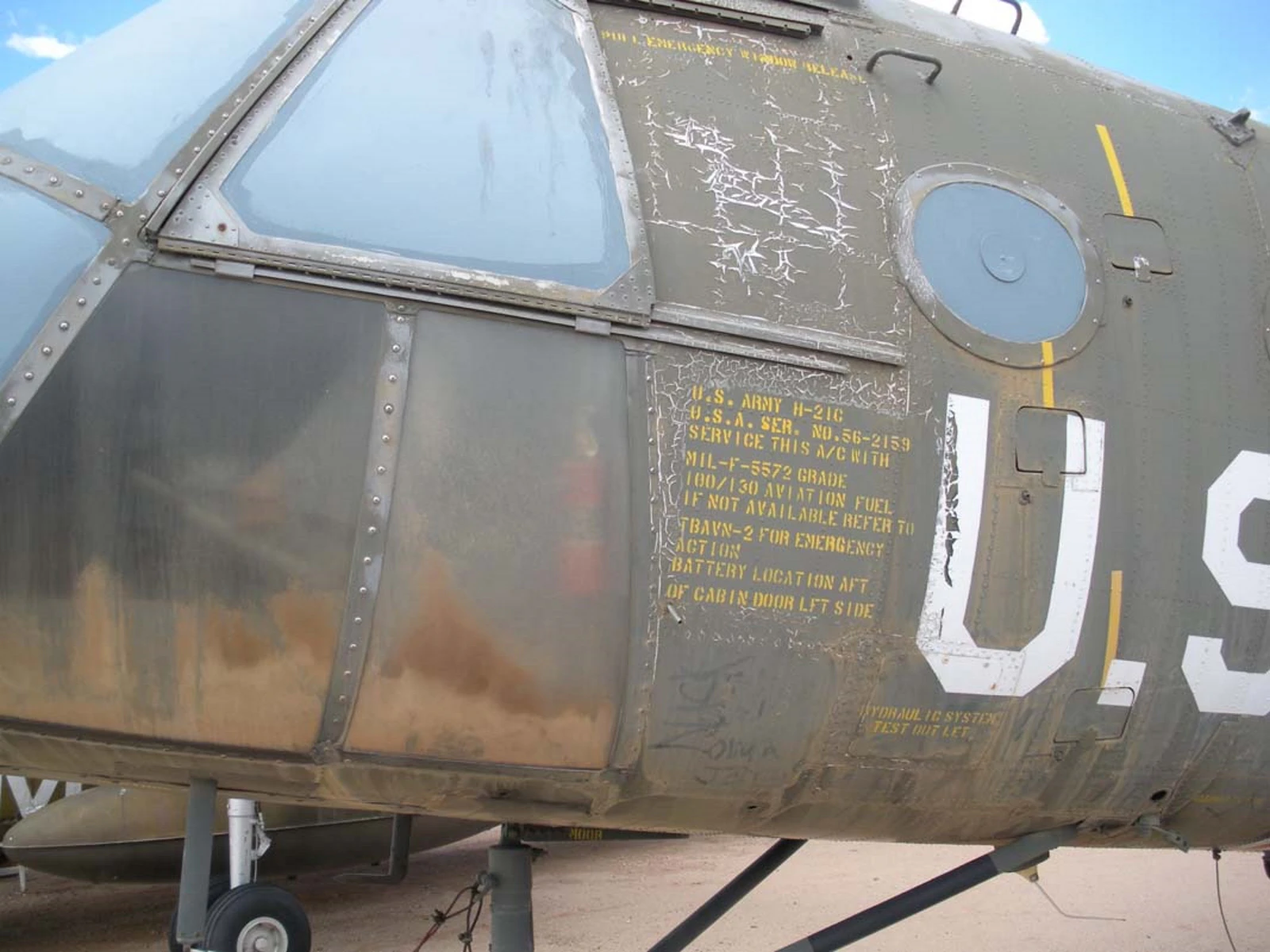
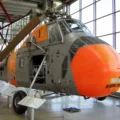
Tthe 피아세키 H-21 워크호스/쇼니is an American helicopter, the fourth of a line of tandem rotor helicopters designed and built by Piasecki Helicopter (later Boeing Vertol). Commonly called “the flying banana”, it was a multi-mission helicopter, utilizing wheels, skis, or floats.
The H-21 was originally developed by Piasecki as an Arctic rescue helicopter. The H-21 had winterization features permitting operation at temperatures as low as −65 °F (−54 °C), and could be routinely maintained in severe cold weather environments.
Tthe 피아세키 HU-21(later redesignated theH-21 Workhorse/Shawnee) was a revolutionary tandem-rotor helicopter that solved a major early problem in aviation: center-of-gravity limits. By placing a rotor at each end of the fuselage, Frank Piasecki created an aircraft that could carry heavy loads anywhere in its cabin without becoming unstable. Its distinctive “kinked” fuselage was designed to prevent the two massive rotors from striking each other. Though it looked awkward, it was the first helicopter capable of carrying significant numbers of troops, making it a vital asset in the early days of air assault and Arctic rescue.
Attribute
Technical Specification (H-21C / CH-21C)
역할
Multi-mission Transport / SAR
승무원
2 (Pilot and Co-pilot)
용량
20 troops or 12 stretchers
First Flight
April 11, 1952
동력 장치
1 × Wright R-1820-103 Cyclone radial engine
Horsepower
1,425 hp (1,063 kW)
최대 속도
127 mph (204 km/h)
레인지
265 miles (426 km)
Design Highlights: Tandem Power
The “Banana” Bend:The fuselage was curved upward in the rear to ensure that the rear rotor sat higher than the front rotor. This prevented the rear blades from catching the turbulent “wash” of the front blades and, more importantly, prevented the two sets of blades from colliding during flight maneuvers.
Single Engine, Dual Rotors:Despite having two rotors, the H-21 only had one engine. It was mounted in the middle/rear of the fuselage, with long driveshafts running to the front and rear gearboxes. If the engine failed, both rotors would continue to spin together for a safe autorotation.
Arctic Adaptability:The H-21 was often equipped with large “snowshoe” floats over its wheels, allowing it to land in deep snow or marshy tundra without sinking. This made it the primary support aircraft for the Distant Early Warning (DEW) Line in the Arctic.
All-Metal Strength:Unlike many helicopters of the 1940s that used fabric-covered frames, the H-21 was a fully stressed-skin metal design, making it durable enough for frontline combat operations.
Combat and Legacy
The First “Gunships”:In the early stages of the Vietnam War, the U.S. Army experimented with arming the H-21 Shawnee. They mounted .30 and .50 caliber machine guns in the doors and even experimented with fixed forward-firing rockets, paving the way for the dedicated attack helicopters that followed.
French Action in Algeria:The French Air Force used the H-21 extensively during the Algerian War. They were among the first to prove that helicopters could be used to rapidly deploy troops directly into the middle of a battle (vertical envelopment).
Heavy Metal Vibrations:The H-21 was notorious for its vibration. Because of the long driveshafts and massive moving parts, pilots often joked that if the “Banana” stopped shaking, it meant the engine had died.
Successor to the Crown:The H-21 proved that the tandem-rotor concept was superior for heavy lifting. This design lineage led directly to theBoeing CH-46 Sea Knightand the legendaryCH-47 Chinook, which still dominates the heavy-lift world today.