기갑 기갑 기갑 61 | |
|---|---|
| 국가 | 스위스 |
| 형식 | 중형 전차 |
| 사진 | 건터 노이마호르 |
| 항목 | 의 앨범 46 탱크 사진 기갑 기갑 기갑 61 |
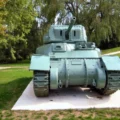
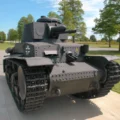
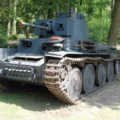
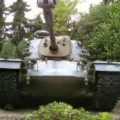
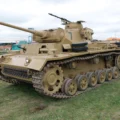
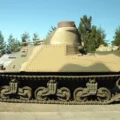
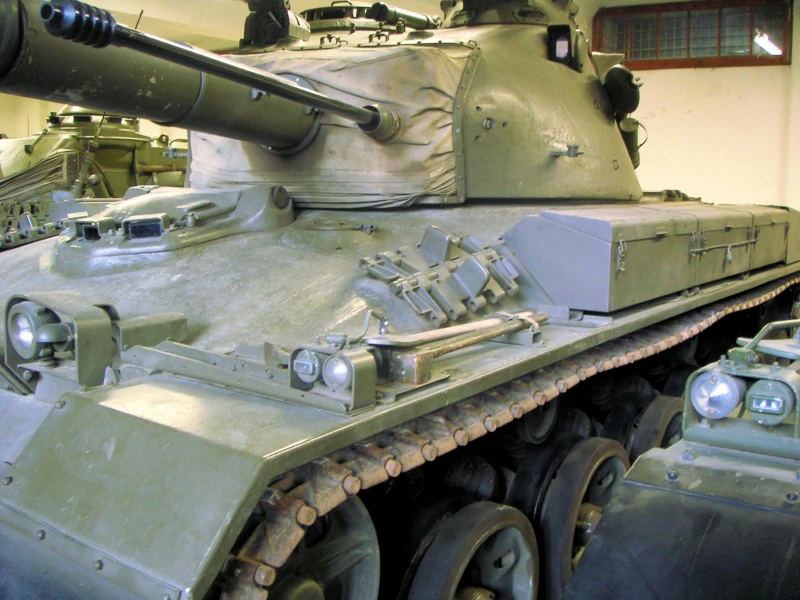
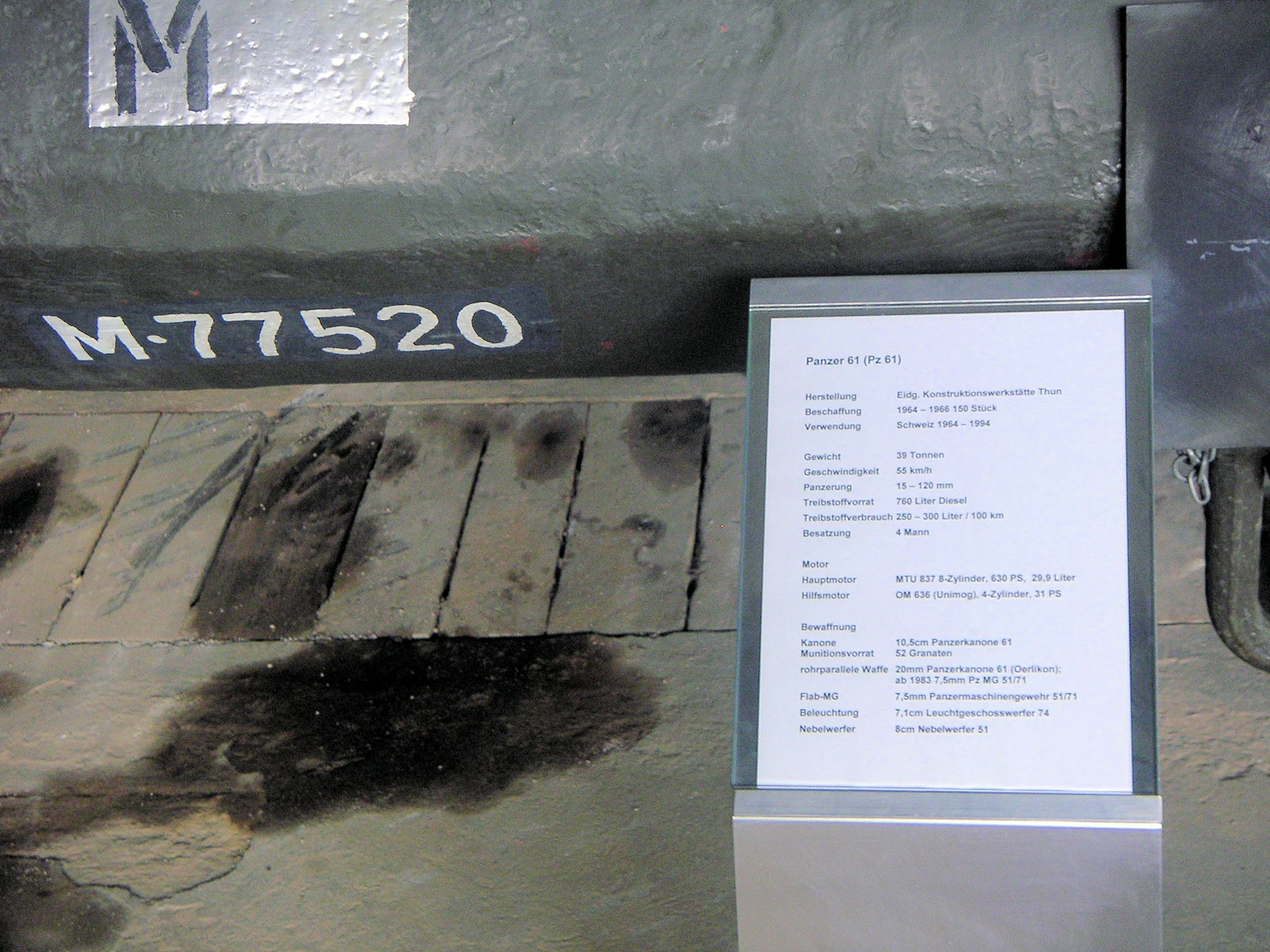
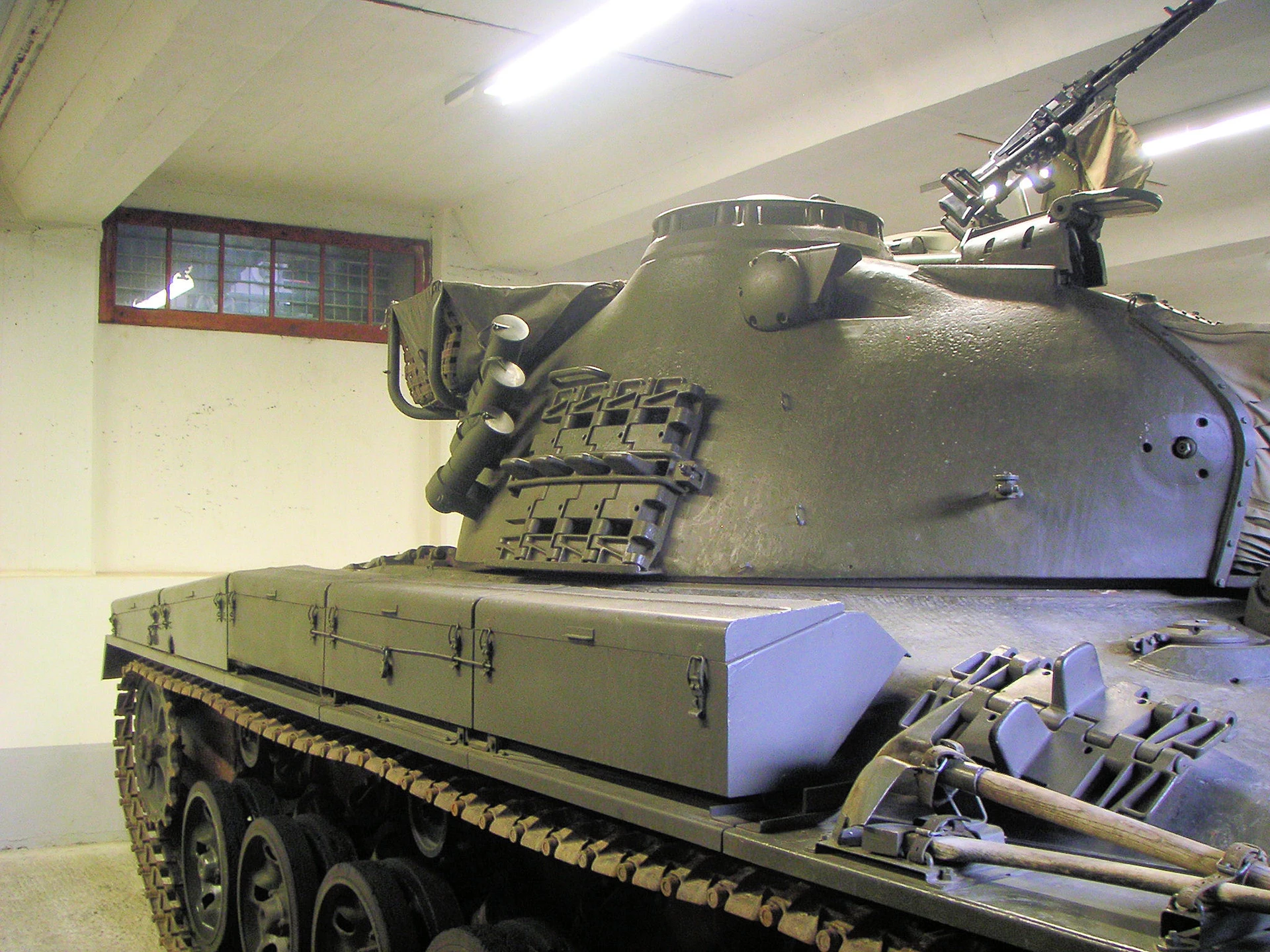
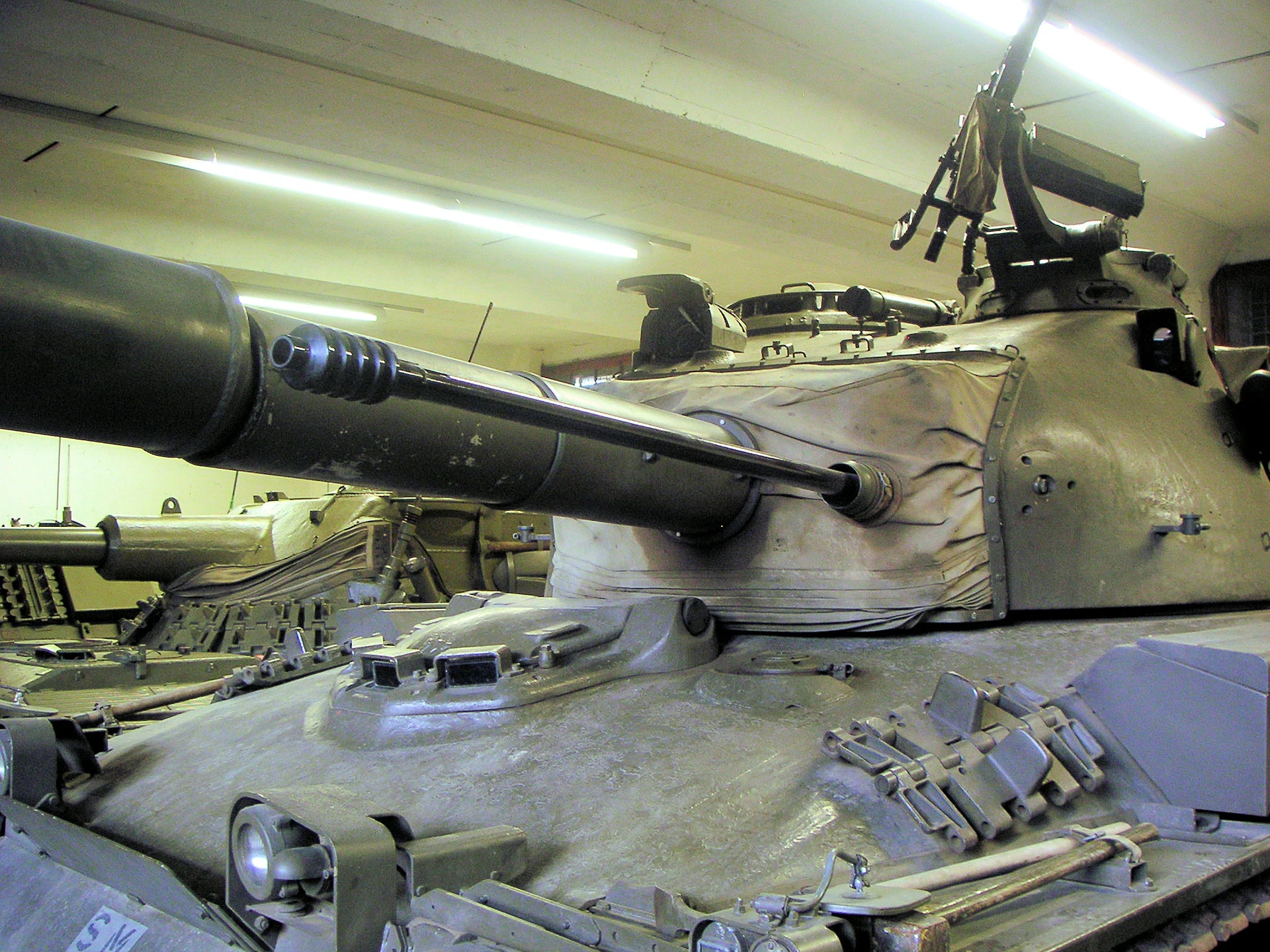
기갑 61은 스위스 냉전 시대의 중형 전차였으며, 나중에 2세대 주요 전투 탱크로 재분류되었다. 이 탱크의 무게는 36.5톤으로 630마력의 디젤 엔진으로 구동되어 최고 도로 속도인 31mph(50km/h)를 제공했습니다. 기갑 61의 기본 무장은 105mm 주총이었다.
소스: 기갑 61 온 위키백과
Panzer 61 02
Panzer 61 01
Panzer 61 04
Panzer 61 03
Panzer 61 05
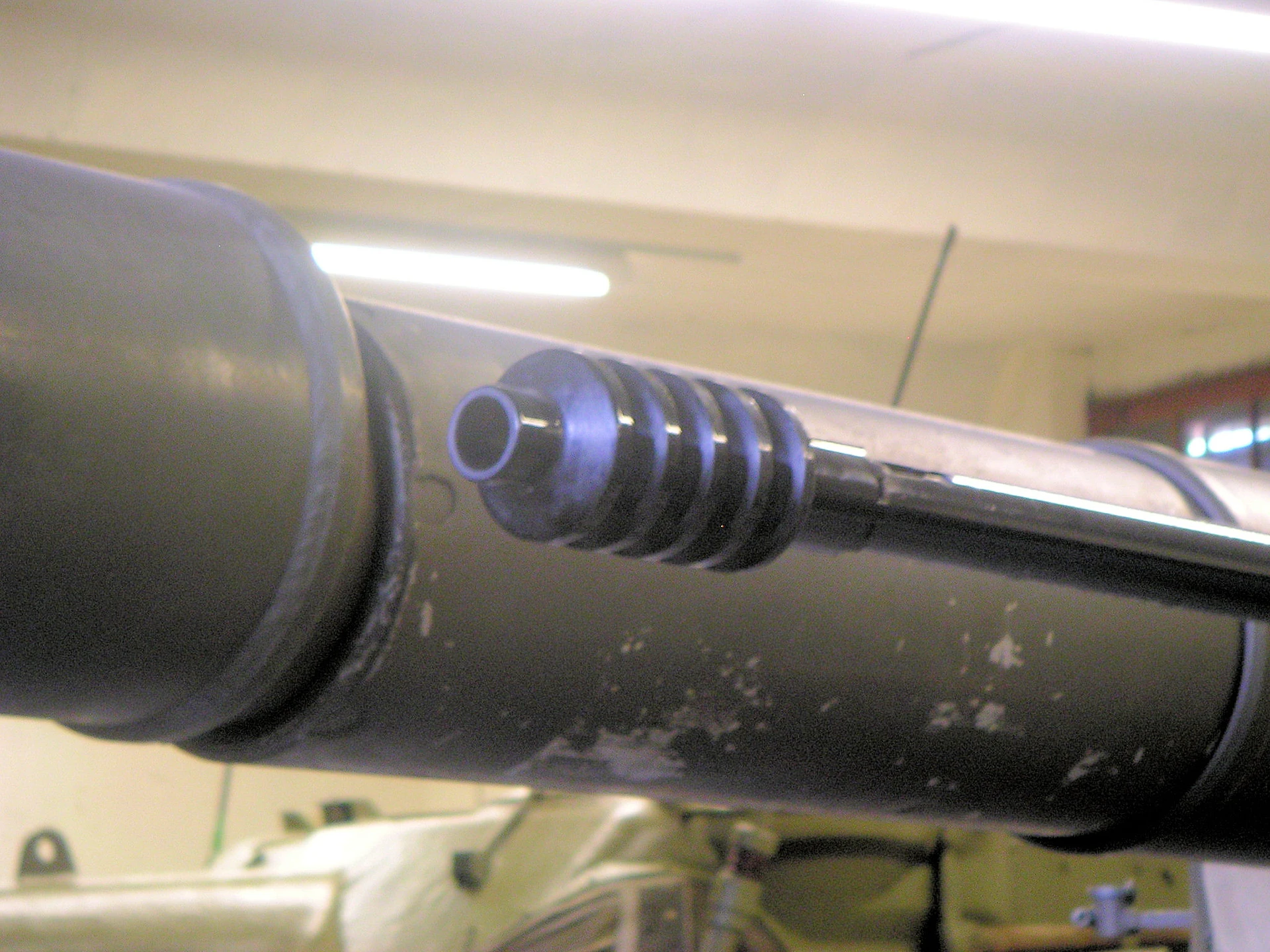
Panzer 61 06
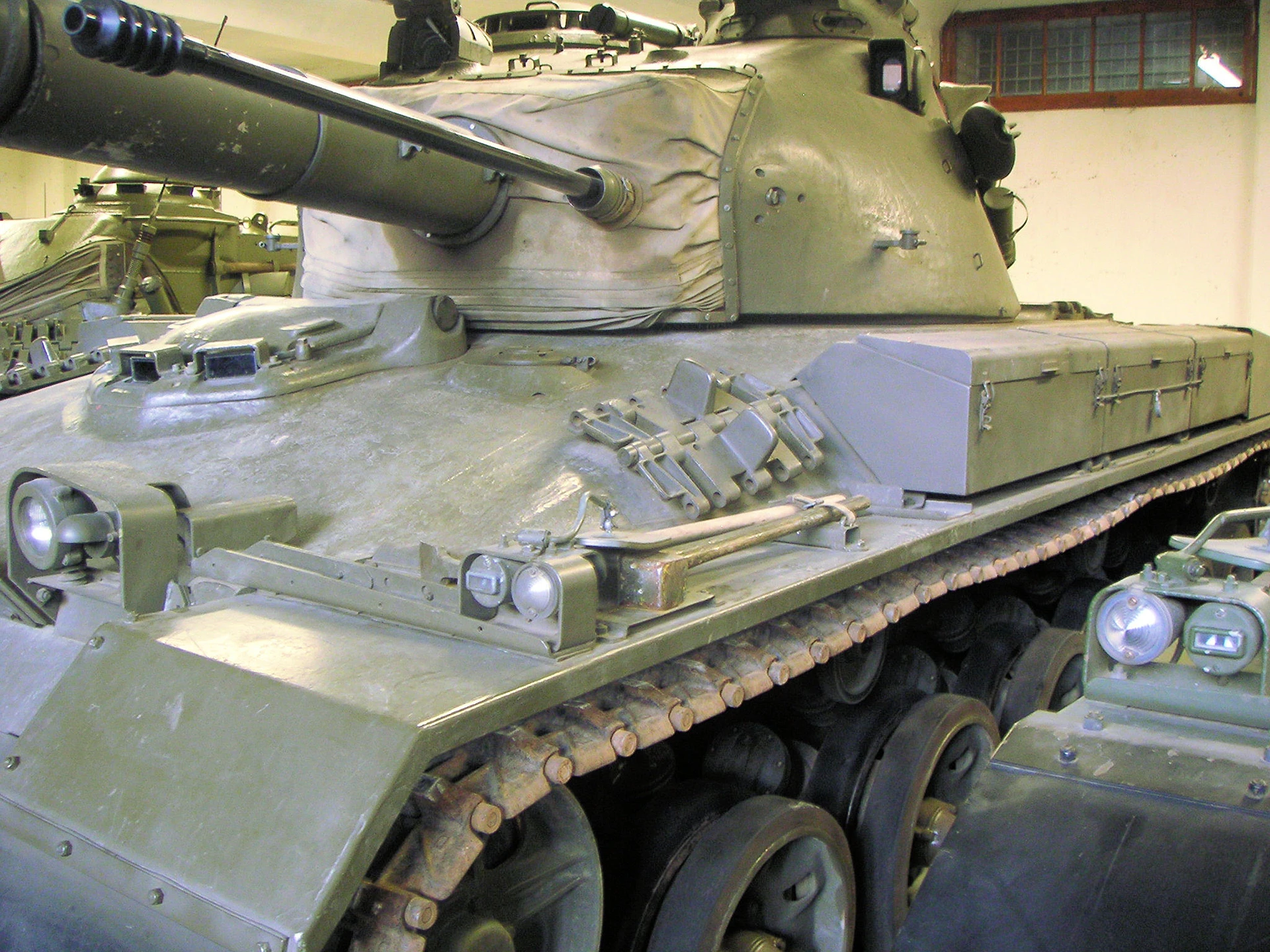
Panzer 61 08
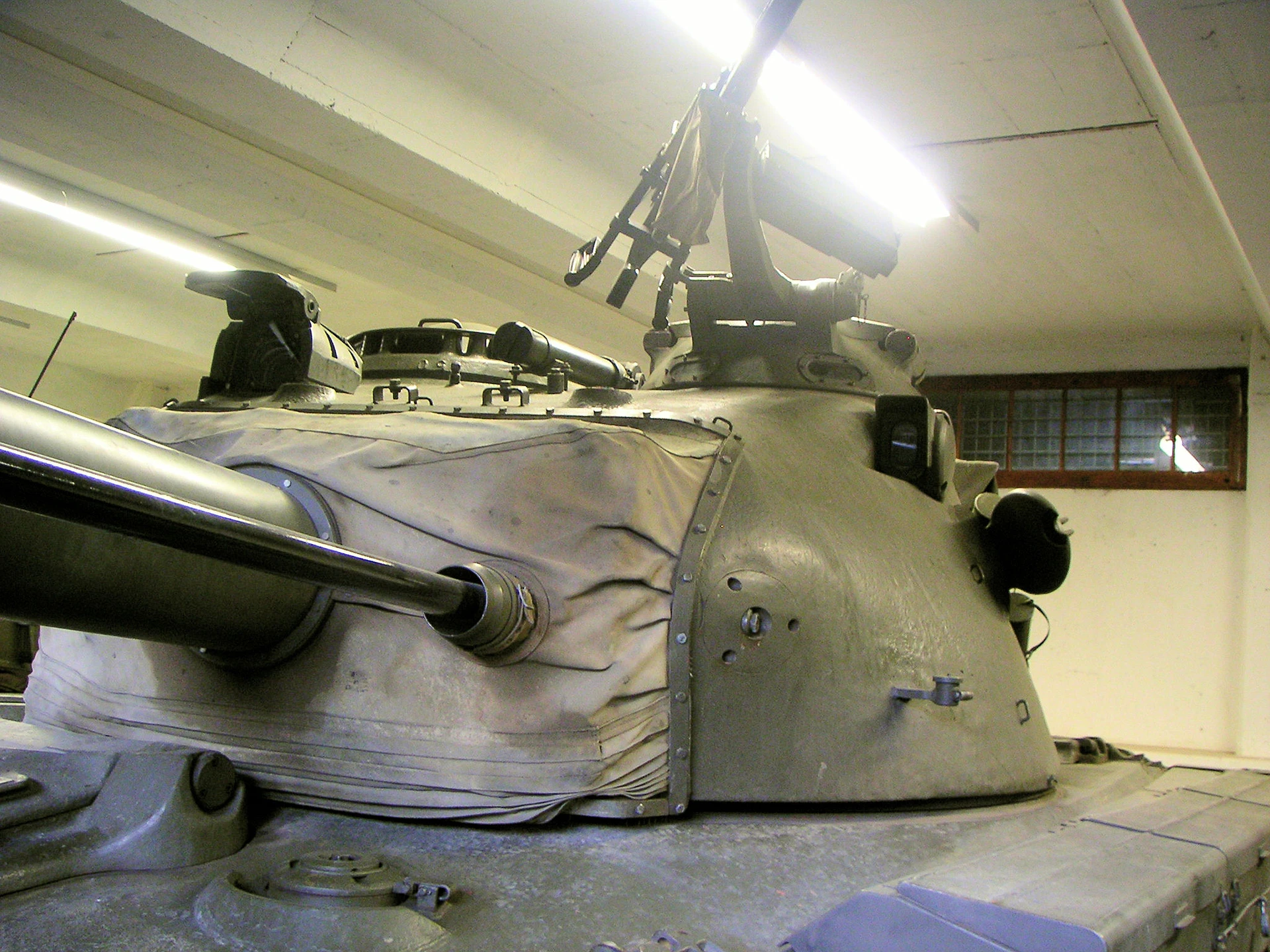
Panzer 61 07
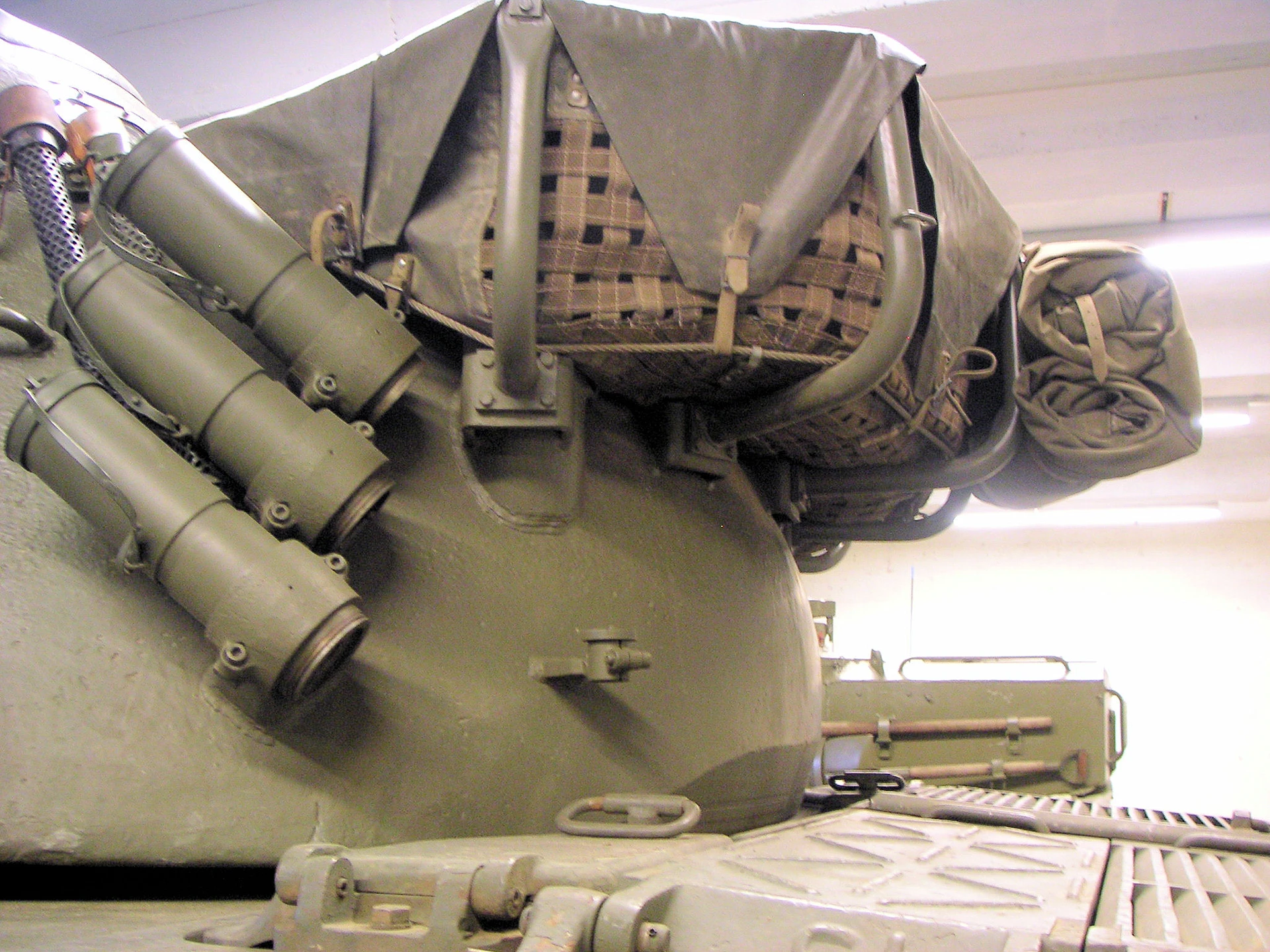
Panzer 61 10
잠깐, 당신을 위해 기갑 61 사진을 검색 ...

| 서비스 기록 | |
|---|---|
| 서비스 중 | 1965–1994 |
| 에 의해 사용 | 스위스 |
| 생산 역사 | |
| 설계 | 1950년대 |
| 제조업체 | 이드게쇠시쉬 콘스트루키스베르크슈슈테테트 툰 |
| 생산 | 1965–1967 |
| 빌드된 번호 | 150 |
| 사양 | |
| 무게 | 196 |
| 길이 | 9.45m |
| 너비 | 3.06 m |
| 높이 | 2.72 m |
| 승무원 | 4 |
 커피 사줘
커피 사줘참고 항목:


The Swiss Solution to the Cold War
Tthe 기갑 기갑 기갑 61 was born out of necessity in the 1950s when Switzerland found it impossible to purchase modern foreign tanks due to the Korean War’s strain on global production. Rather than wait, the Swiss developed their own. The Pz 61 was a sophisticated, second-generation Main Battle Tank (MBT) tailored specifically for the rugged, mountainous Swiss terrain. It was compact, agile, and featured a unique “cast” hull and turret that gave it a smooth, almost organic appearance compared to the boxy tanks of the era.
| Attribute | Technical Specification (Pz 61) |
|---|---|
| 역할 | Main Battle Tank (MBT) |
| 승무원 | 4 (Commander, Gunner, Loader, Driver) |
| 엔진 | Mercedes-Benz MB 837 Ba-500 V8 Diesel (630 hp) |
| 최대 속도 | 55 km/h (34 mph) |
| 주무장 | 105 mm PzKan 61 (Swiss-built Royal Ordnance L7) |
| 보조 무장 | 1 × 20mm Oerlikon Autocannon (Coaxial) & 1 × 7.5mm MG |
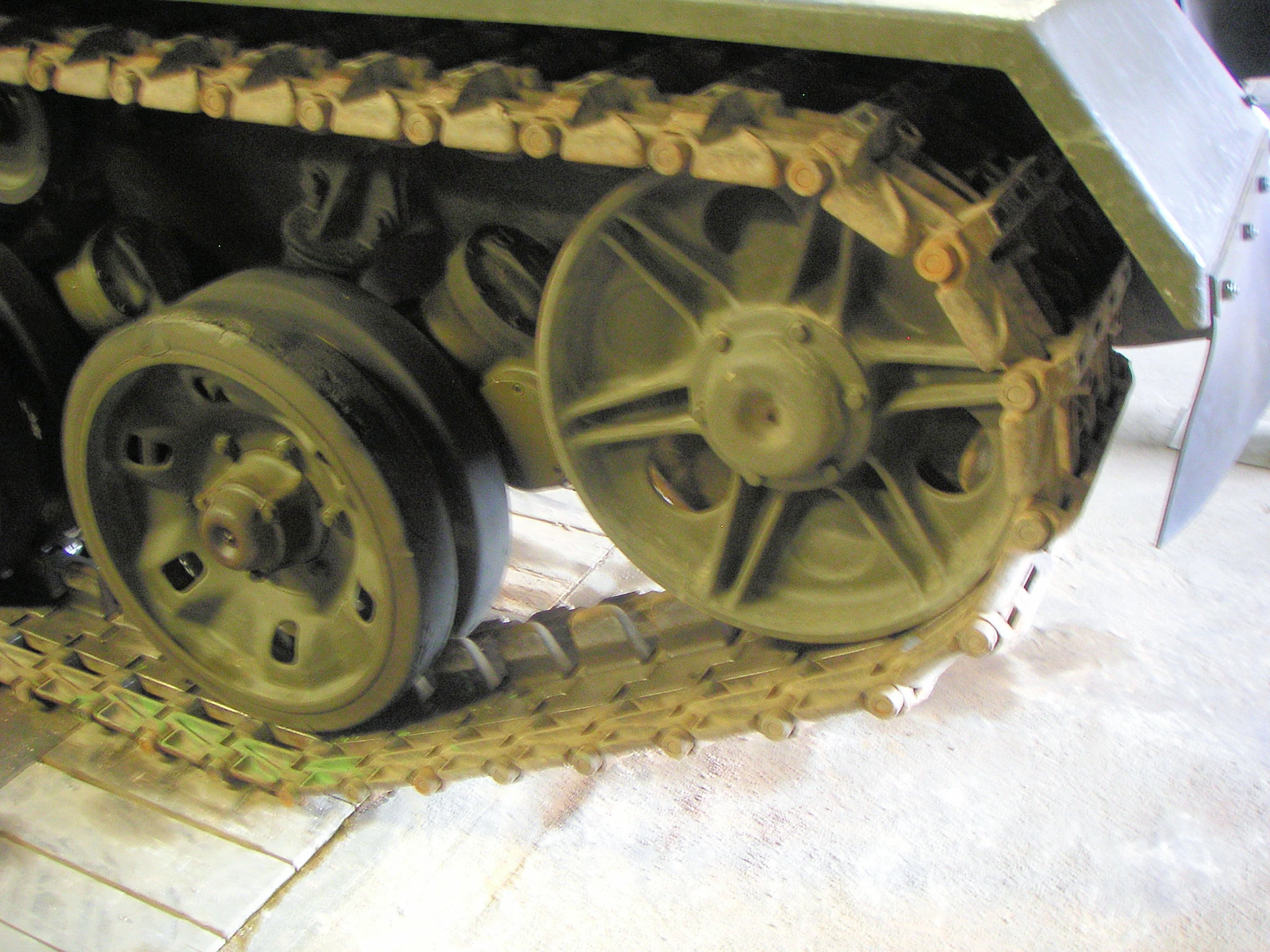
| 서스펜션 | Belleville Washer (spring) system |
| 갑옷 | Cast Steel (up to 120mm on turret front) |
Design Engineering: Precision and Quirkiness
- The Coaxial Autocannon: In a move almost unique among MBTs, the Panzer 61 originally featured a 20mm Oerlikon autocannon next to the main gun. This was intended to engage light armored vehicles and “soft” targets without wasting expensive 105mm shells. However, it was eventually replaced by a standard 7.5mm machine gun in later versions (AA9) to save space.
- Belleville Washer Suspension: Unlike the torsion bars used by the US or USSR, the Pz 61 used a stack of Belleville washers (disc springs). This compact system was easier to maintain in the field and was highly resistant to the extreme temperature changes of the Alps.
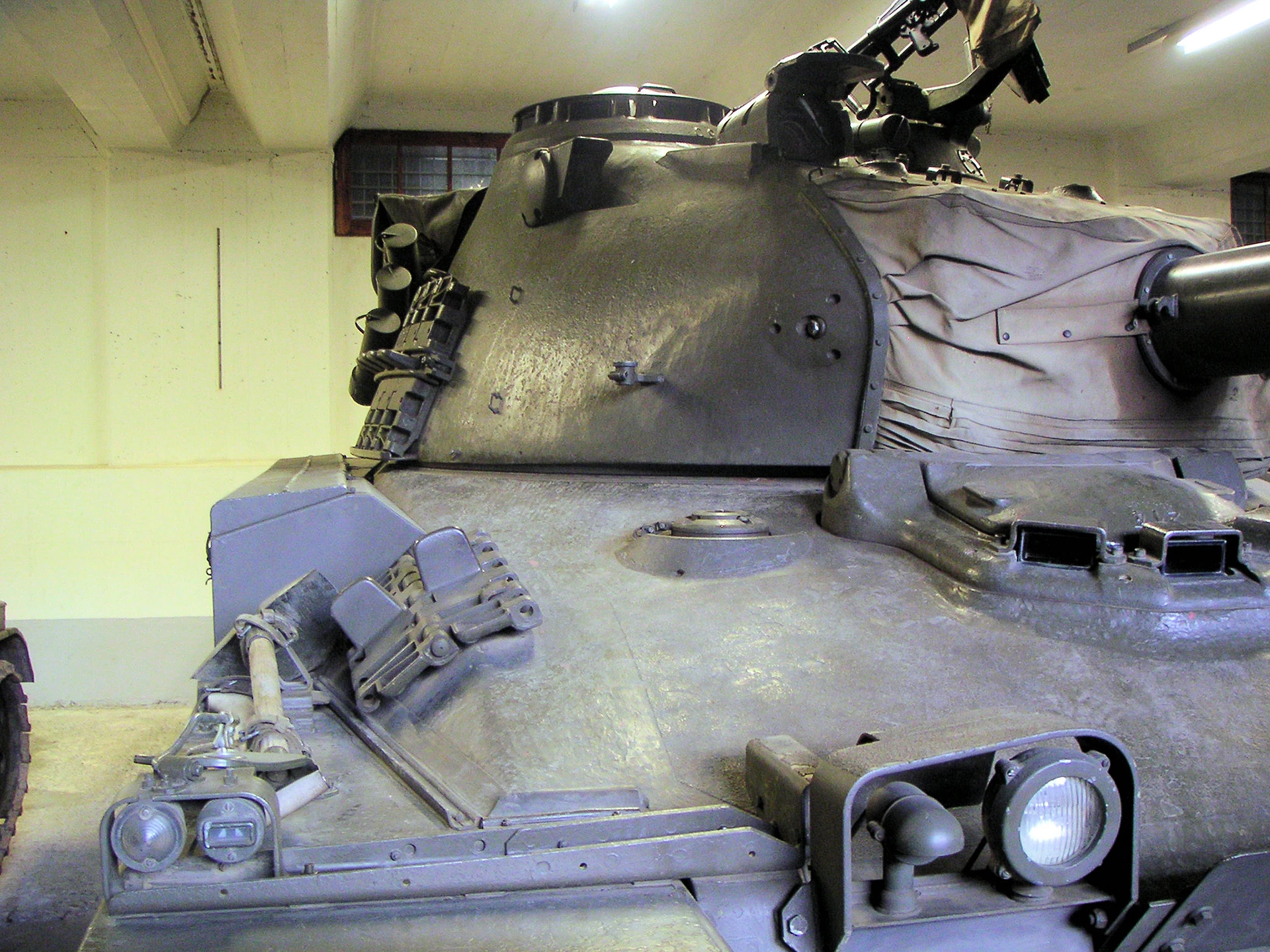
- The “Phone Box”: On the rear left of the hull, there is a small box containing a telephone. This allowed accompanying infantry to talk directly to the tank commander without the commander having to open their hatch in a combat zone.
- No Stabilization: One of the Pz 61’s primary drawbacks was its lack of a gun stabilizer. It could not fire accurately while moving—a trade-off made to keep the turret design simple and compact for mountain warfare where “hull-down” stationary firing was the expected tactic.
Operational History: Thirty Years of Vigilance
- Panzer 58 Prototyping: The Pz 61 was the direct evolution of the Panzer 58. The early prototypes used smaller 90mm or 84mm guns before settling on the legendary British 105mm L7, which the Swiss built under license.
- Defensive Doctrine: The tank was never exported and never saw combat. It was designed purely for the “National Redoubt” strategy—holding the mountain passes against a potential Soviet invasion through neutral Switzerland.
- The Pz 68 Successor: The Panzer 61 served as the mechanical blueprint for the more famous (and controversial) 기갑 기갑 기갑 68. Many Pz 61s were later retrofitted with Pz 68 technology to keep them relevant into the 1990s.
- Movie Star: Because of their “classic” look, two Pz 61s were famously mocked up to look like German Panzer III tanks for the movie Enemy at the Gates (2001).
전망 : 1941