Lockheed F-94 Starfire | |
|---|---|
| 국가 | 미국 |
| 역할 | 전천후 요격기 |
| 첫 비행 | 1949년 4월 16일 |
| 내장 | 855 |
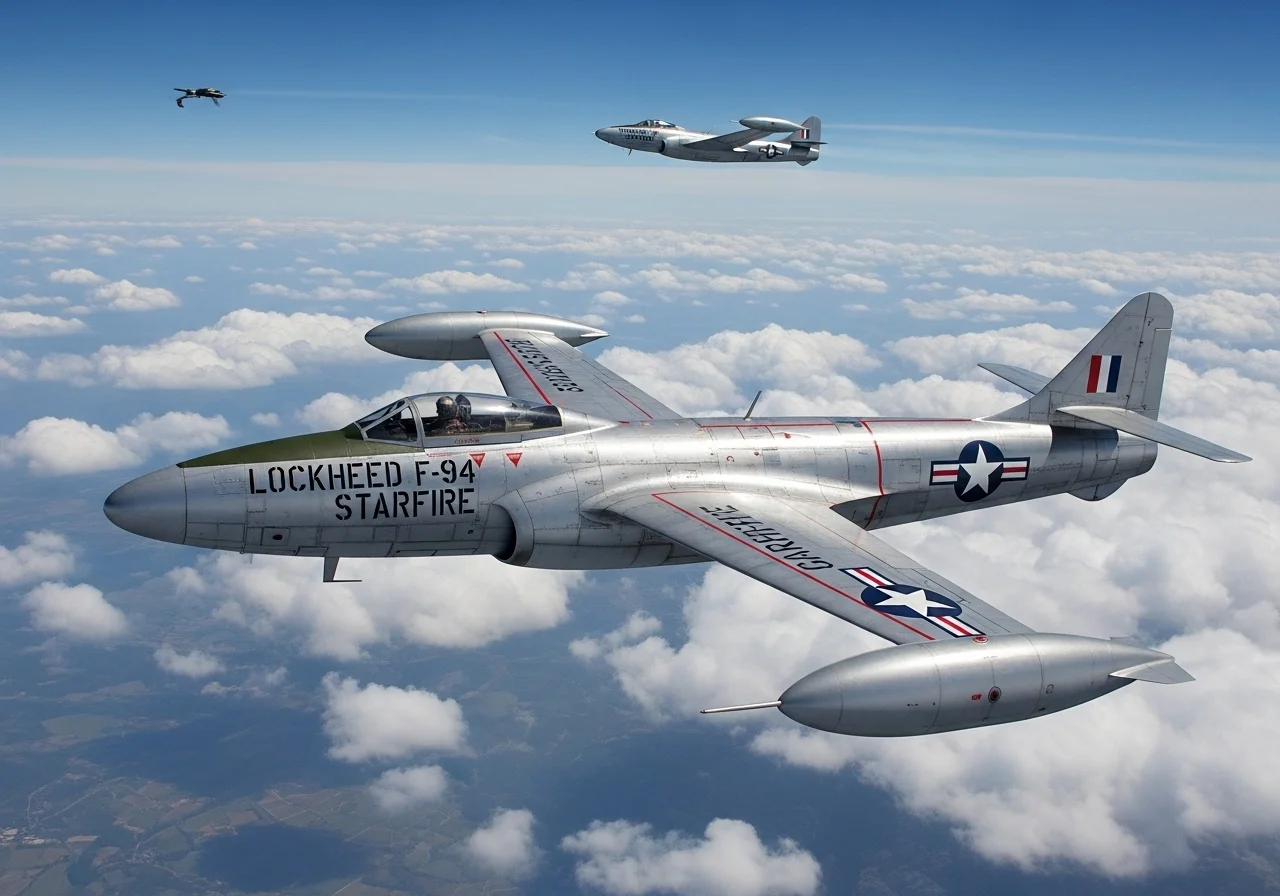
Tthe 록히드 F-94 스타파이어 was a first-generation jet aircraft of the United States Air Force. It was developed from the twin-seat Lockheed T-33 Shooting Star in the late 1940s as an all-weather, day/night interceptor. The aircraft reached operational service in May 1950 with Air Defense Command, replacing the piston-engined North American F-82 Twin Mustang in the all-weather interceptor role. The F-94 was the first operational USAF fighter equipped with an afterburner and was the first jet-powered all-weather fighter to enter combat during the Korean War in January 1953. It had a relatively brief operational life, being replaced in the mid-1950s by the Northrop F-89 Scorpion and North American F-86D Sabre. The last aircraft left active-duty service in 1958 and Air National Guard service in 1959.
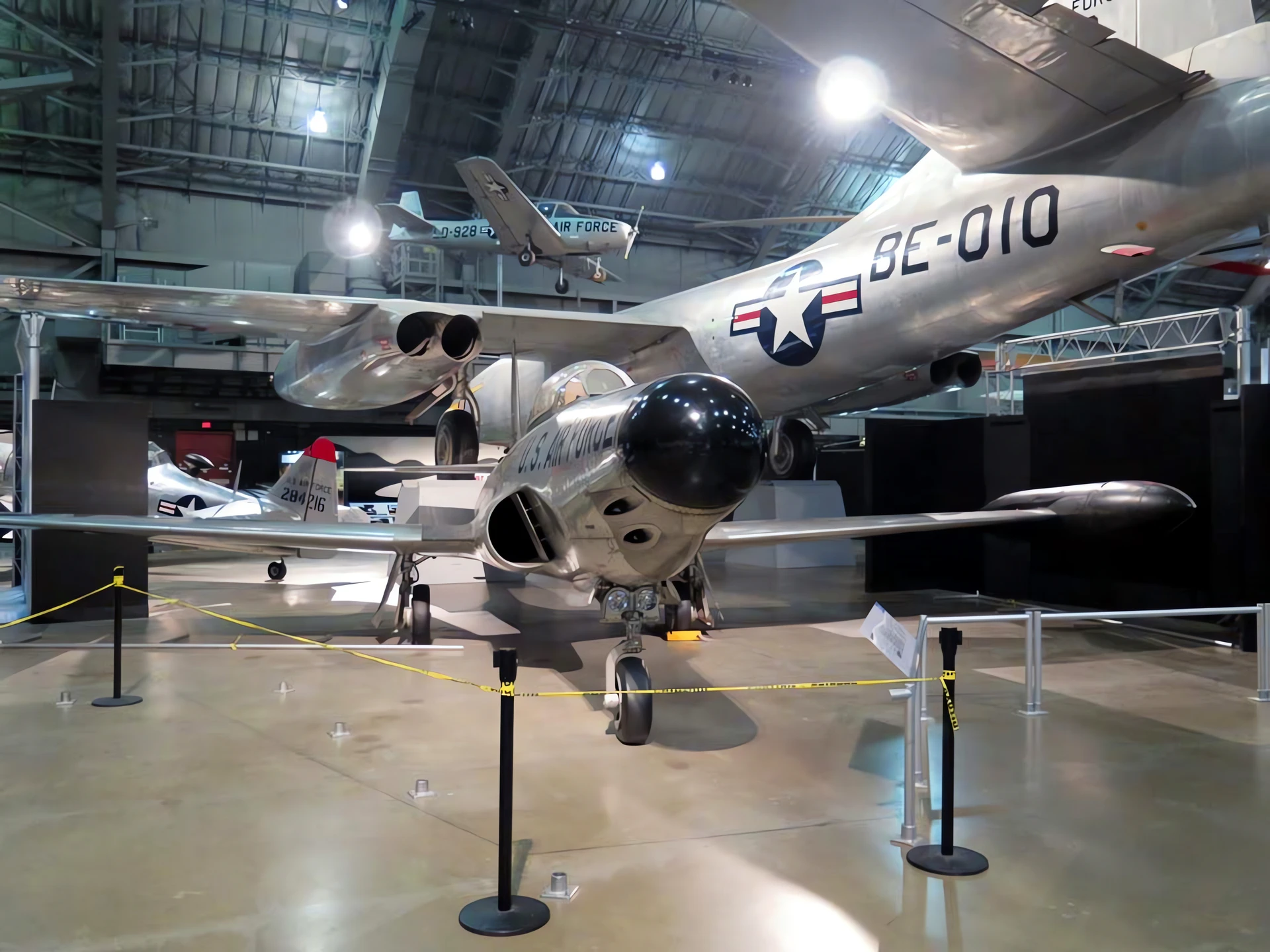
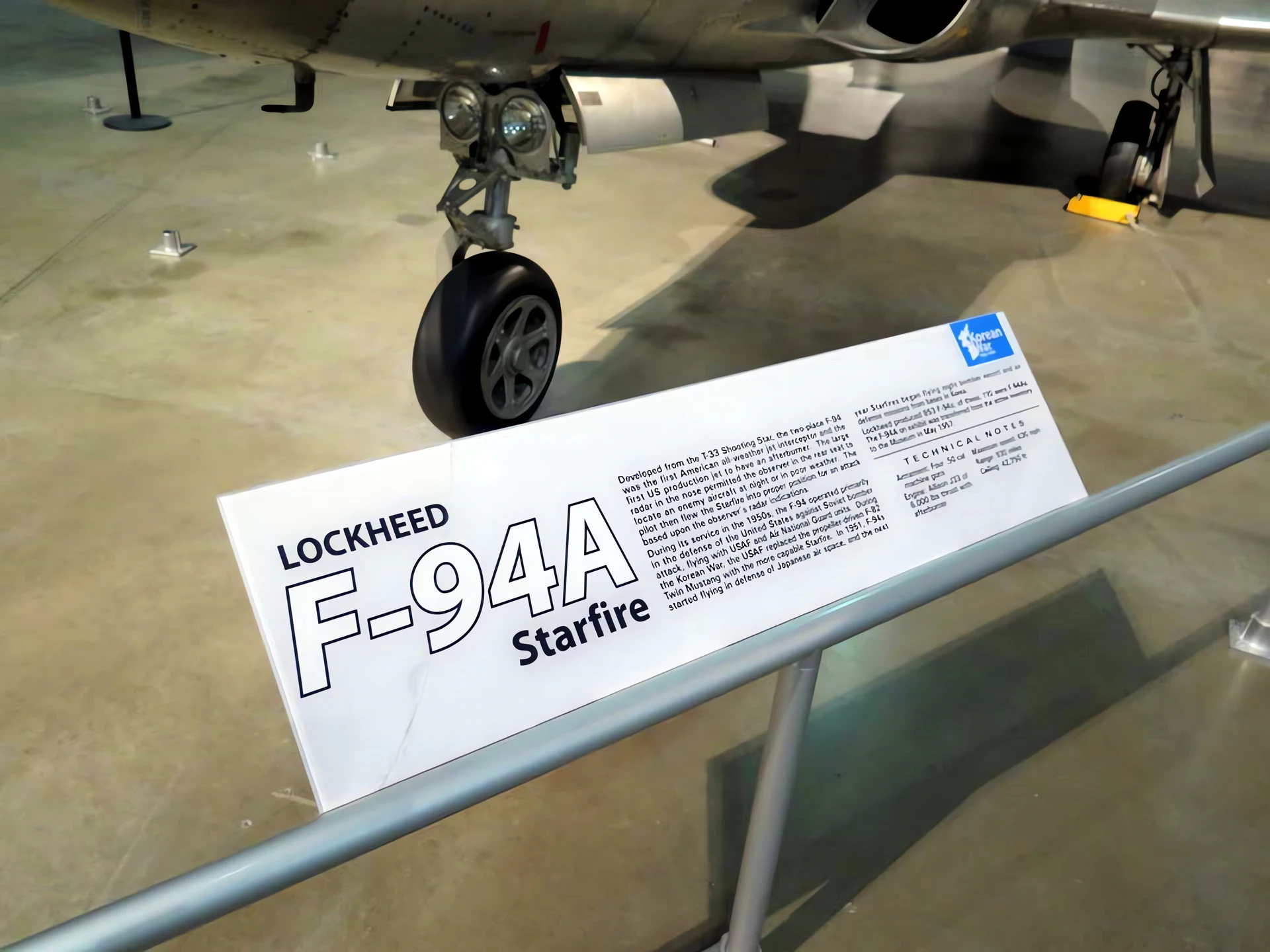
| Lockheed F-94A Starfire Walk Around | |
|---|---|
| 사진 작가 | 블라디미르 야쿠보프 |
| 로컬라이제이션 | USAF 국립 박물관 |
| 사진 | 56 |
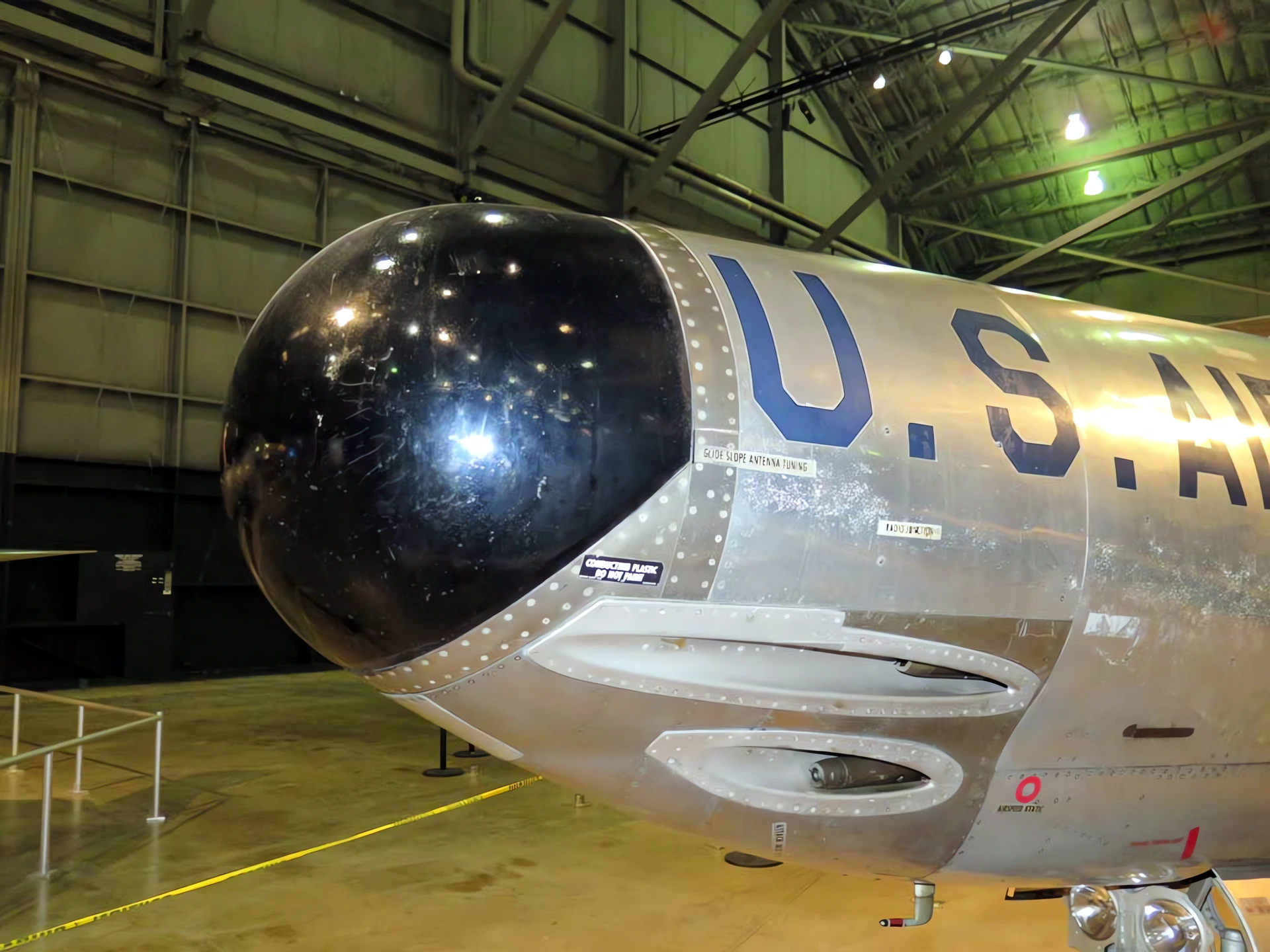
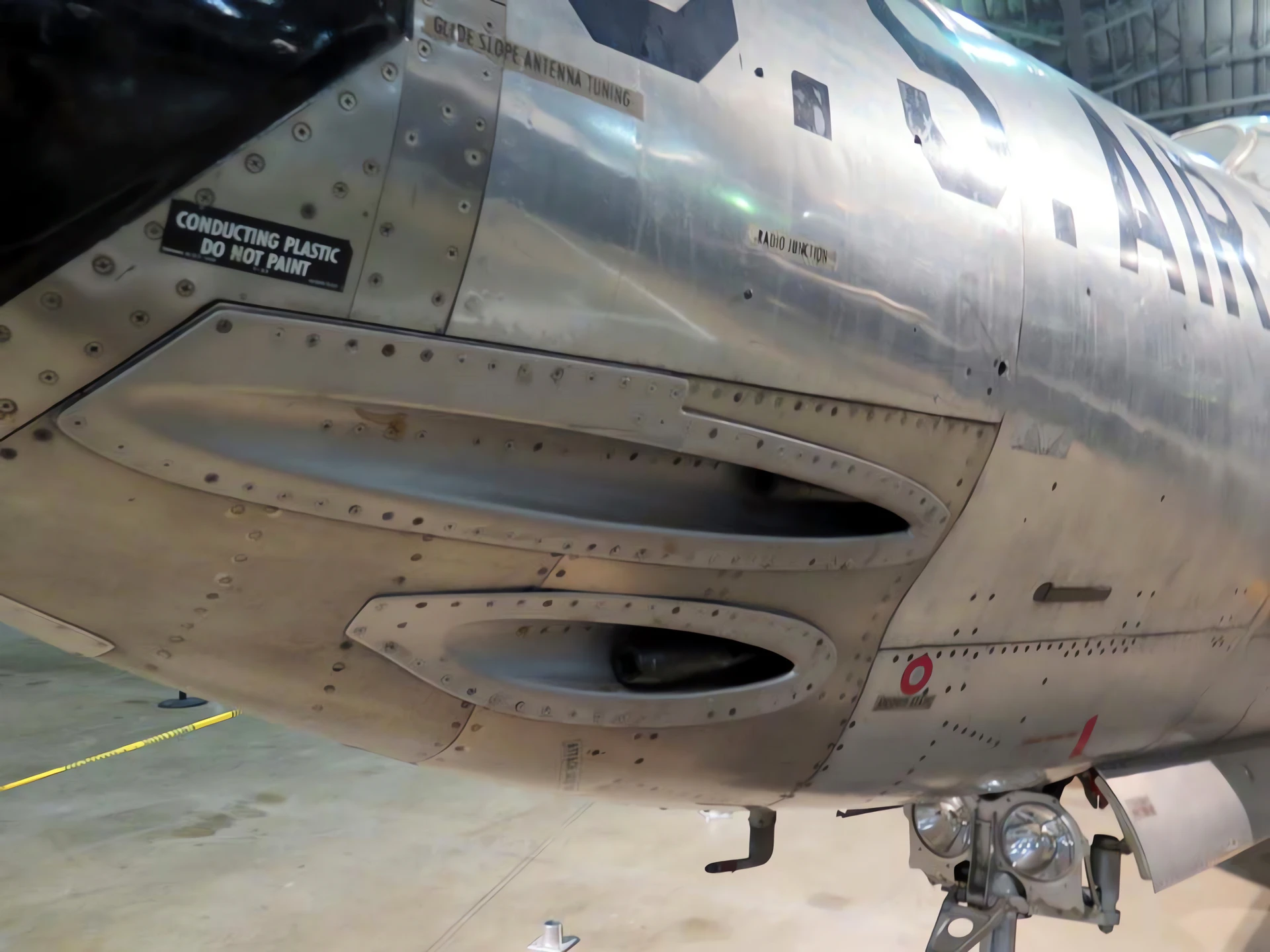
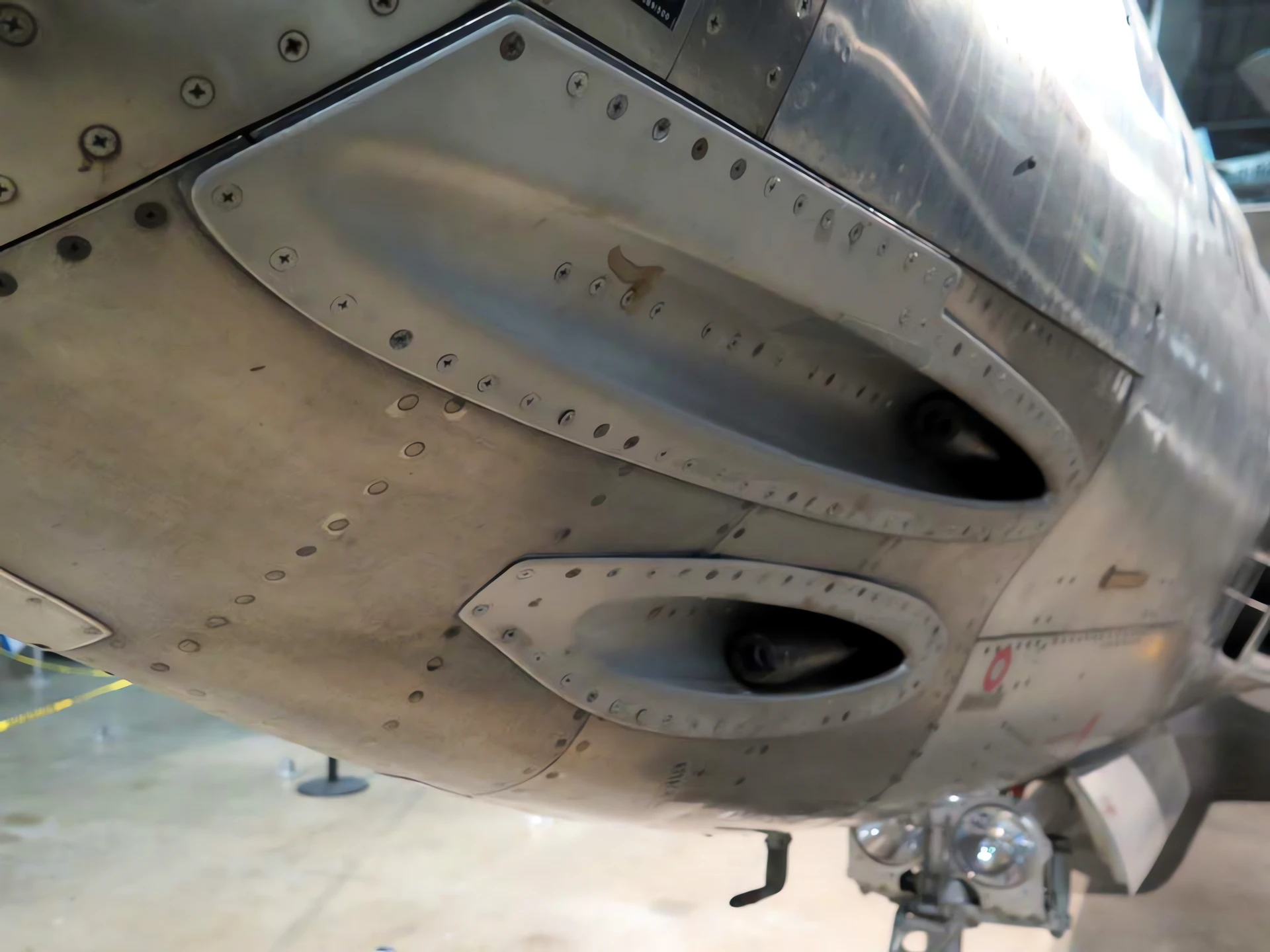
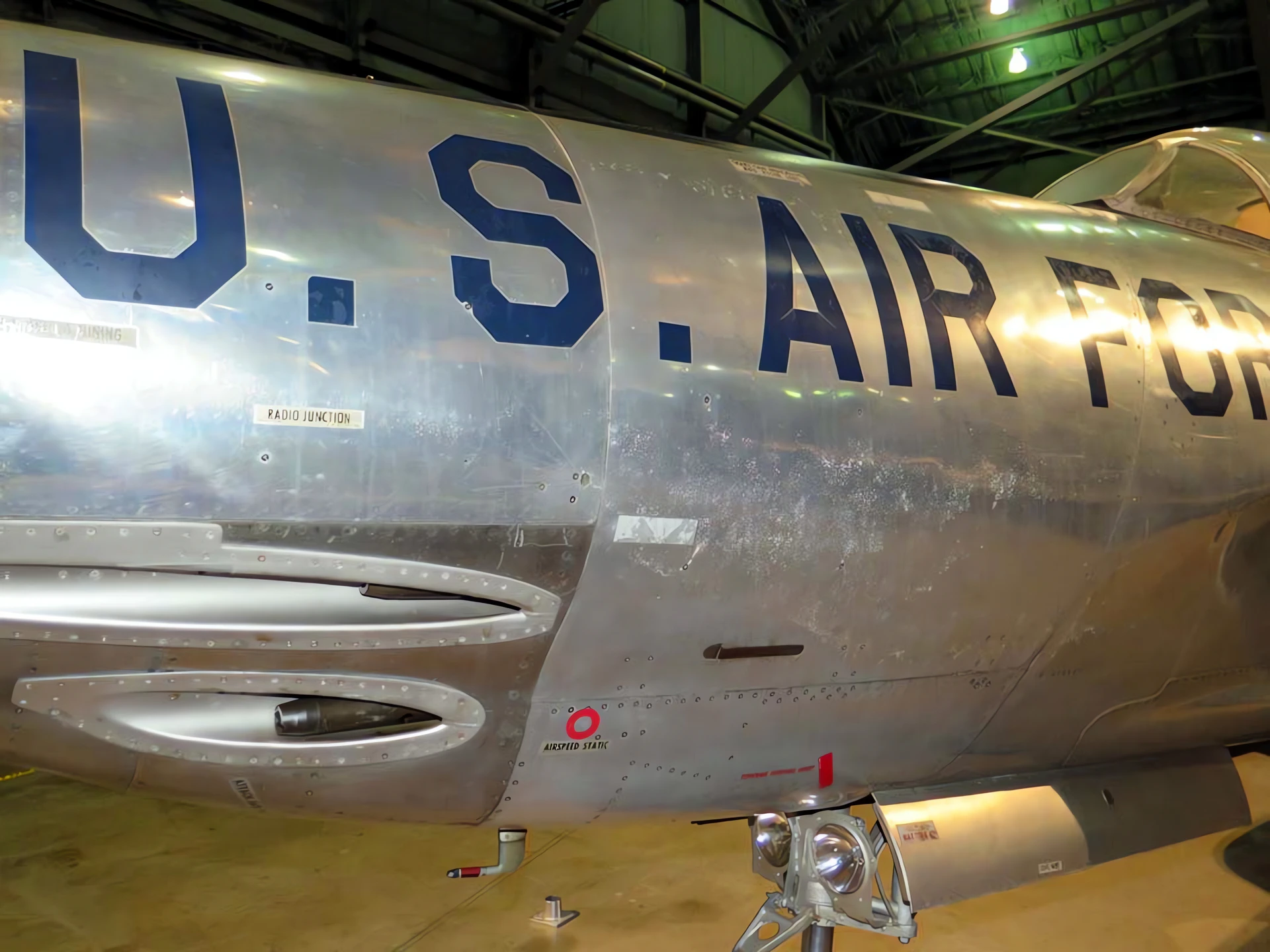
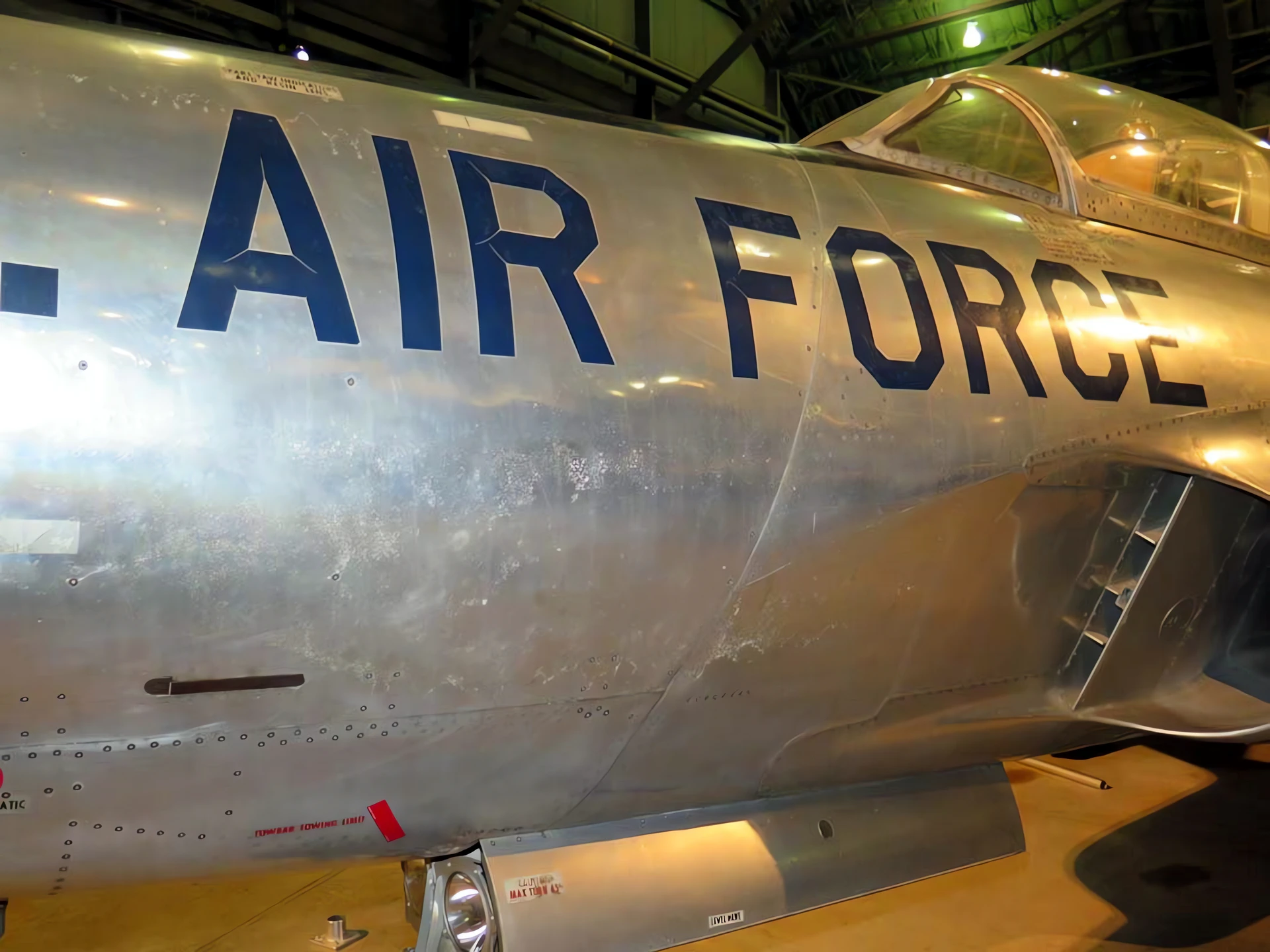
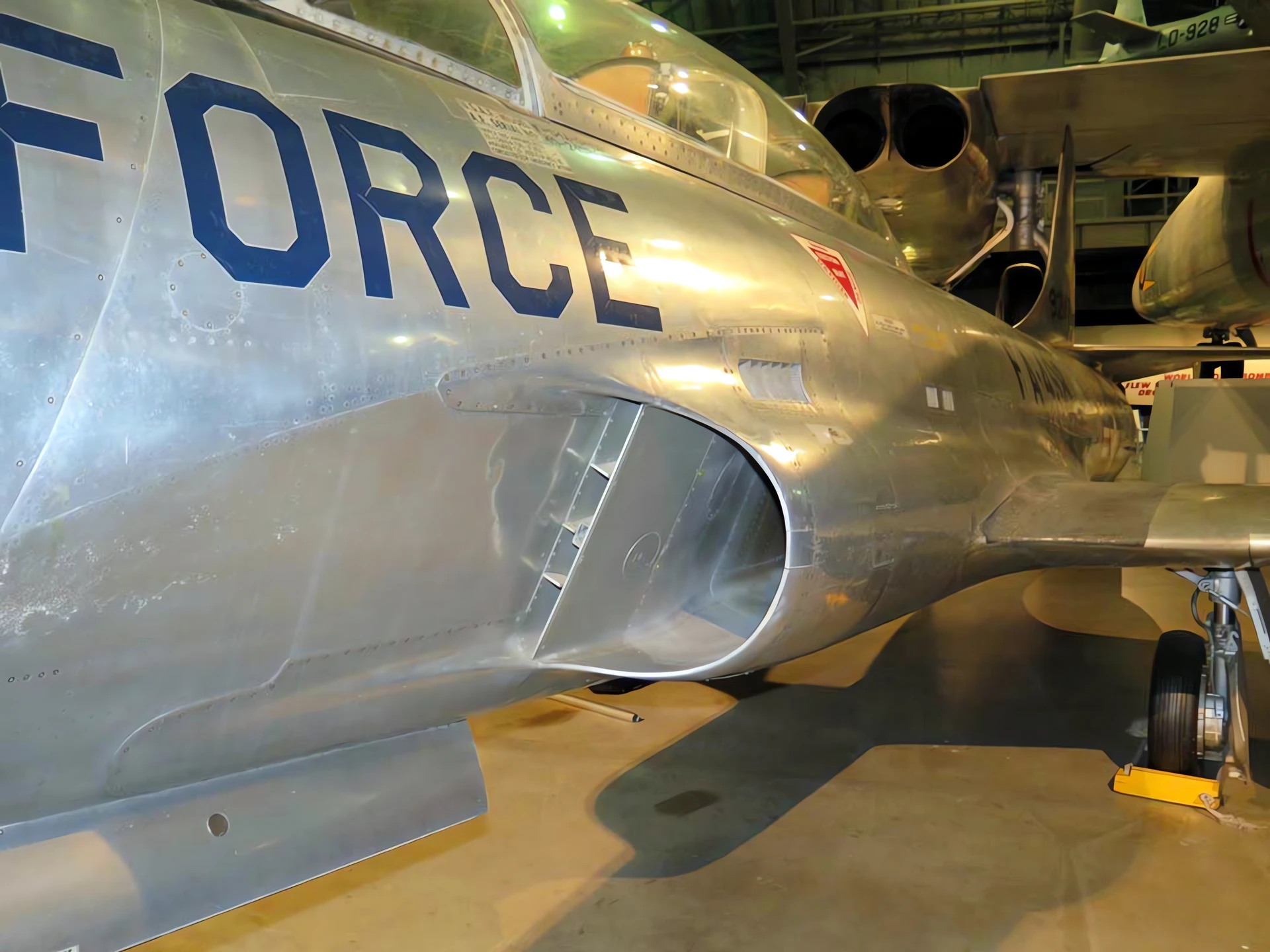
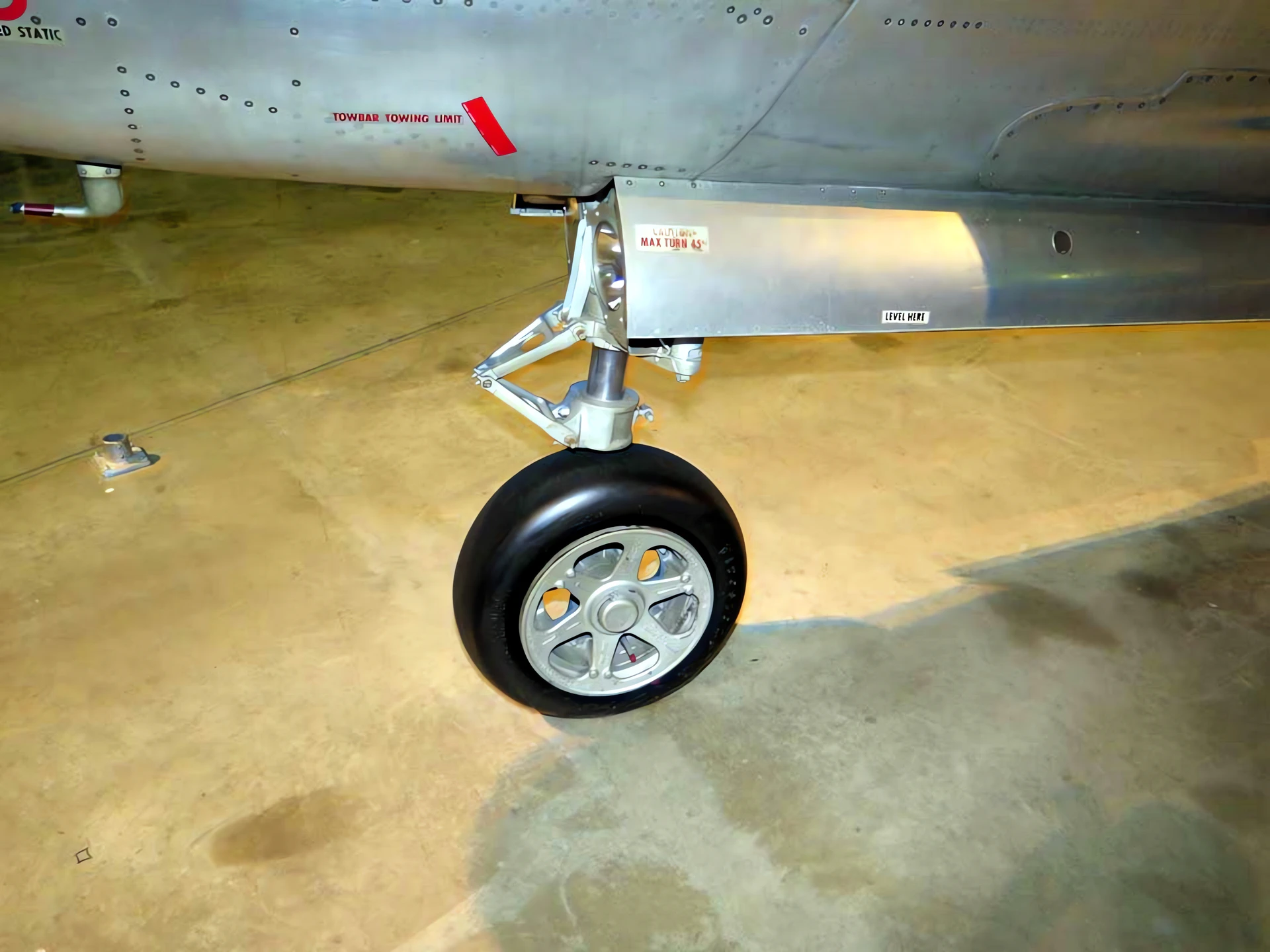

| Lockheed F-94C Starfire Walk Around | |
|---|---|
| 사진 작가 | 존 헥 |
| 로컬라이제이션 | Unknow |
| 사진 | 29 |
참고 항목:


The Emergency Interceptor
Tthe 록히드 F-94A 스타파이어 was developed in the late 1940s as a high-priority “emergency” solution to the lack of an all-weather interceptor. By taking the proven two-seat T-33 Shooting Star trainer, Lockheed engineers added a sophisticated radar nose and a powerful afterburning engine. The result was the first jet-powered all-weather interceptor to enter U.S. Air Force service, designed specifically to find and destroy Soviet Tu-4 bombers in any weather, day or night.
| Attribute | Technical Specification (F-94A) |
|---|---|
| 역할 | All-Weather Interceptor |
| 승무원 | 2 (Pilot and Radar Operator) |
| First Flight | July 1, 1949 |
| 동력 장치 | 1 × Allison J33-A-33 centrifugal-flow turbojet |
| Thrust | 6,000 lbf (with afterburner) |
| 최대 속도 | 606 mph (975 km/h) |
| 군비 | 4 × .50 cal (12.7 mm) M3 Browning machine guns |
| 레이다 | AN/APG-33 |
Pioneering All-Weather Technology
- First Production Afterburner: The F-94A was the first U.S. production jet to feature an afterburner. This system injected raw fuel into the hot exhaust gases, providing a massive burst of thrust for rapid takeoffs and high-speed intercepts, though at the cost of extreme fuel consumption.
- The Radar Nose: Unlike the day-fighting F-80, the F-94A featured an elongated, blunt nose housing the AN/APG-33 radar. This allowed the Radar Operator in the back seat to guide the pilot toward targets that were invisible to the naked eye.
- F-80/T-33 Lineage: To speed up production, the F-94A shared roughly 75% of its parts with the F-80 and T-33. The most visible changes were the reinforced fuselage to handle the afterburner heat and the larger tail surfaces for stability.
- Wing-Tip Tanks: Because early jet engines—especially afterburners—were incredibly thirsty, the F-94A almost always flew with large, 230-gallon wing-tip fuel tanks to maintain a useful combat radius.
Operational History and the “Starfire” Legacy
- Korean War Service: F-94Bs (an improved version of the A) were deployed to Korea to protect B-29 bombers and airfields from night-flying Communist aircraft. They were the first jet interceptors to claim a night kill.
- The “B” and “C” Evolution: The F-94A was quickly followed by the F-94B (improved electronics) and the radical F-94C, which replaced the machine guns with 24 folding-fin aerial rockets housed in a ring around the nose.
- The Transition: While the F-94 served faithfully, it was ultimately a stop-gap measure. It was eventually replaced by more advanced, dedicated interceptors like the 노스롭 F-89 스콜피온 및 F-102 델타 다거 컨베어.
- Preservation: Only a few F-94As survive today; one of the most prominent is located at the 뉴잉글랜드 항공 박물관 in Connecticut.
조회수 : 3365