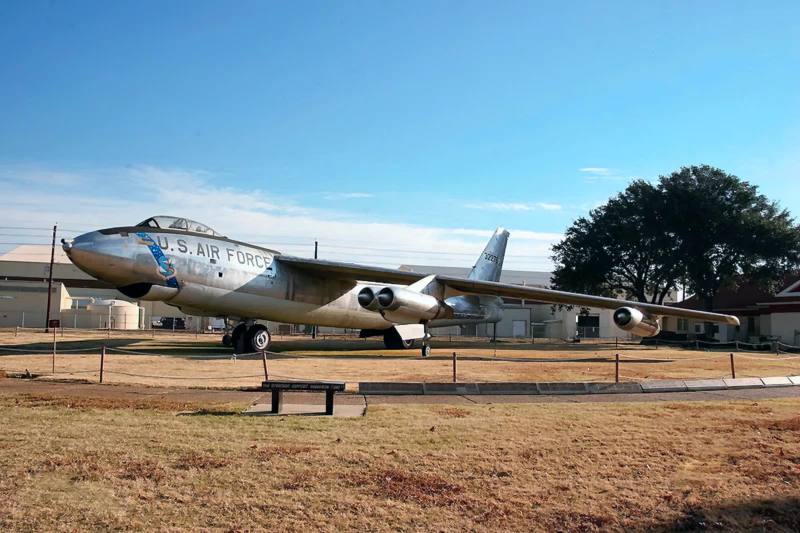
B-47 스트라토젯 | |
|---|---|
| 국가 | 미국 |
| 형식 | 장거리 폭격기 |
| 소개 | 1951년 6월 |
| 내장 | 2032 |
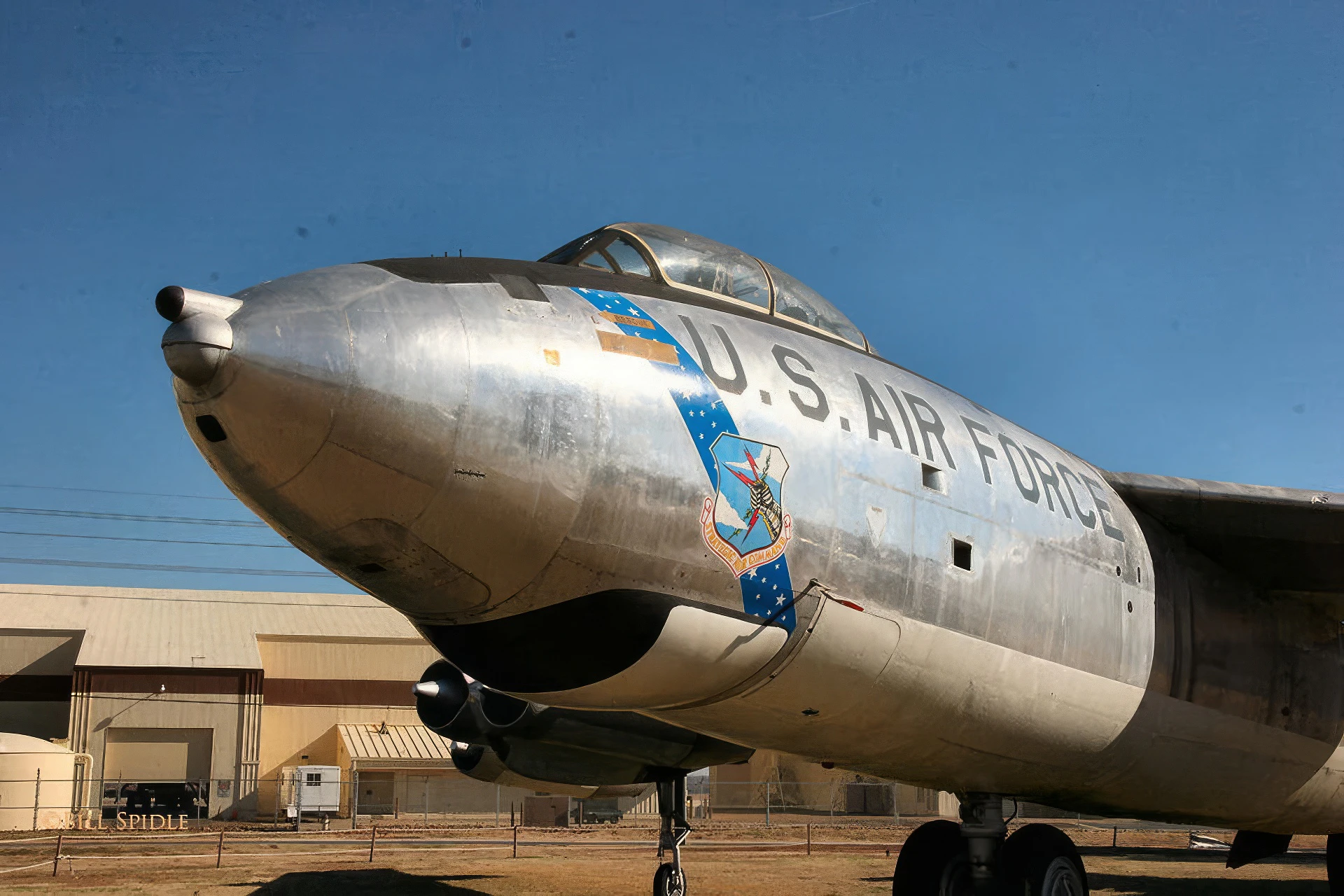
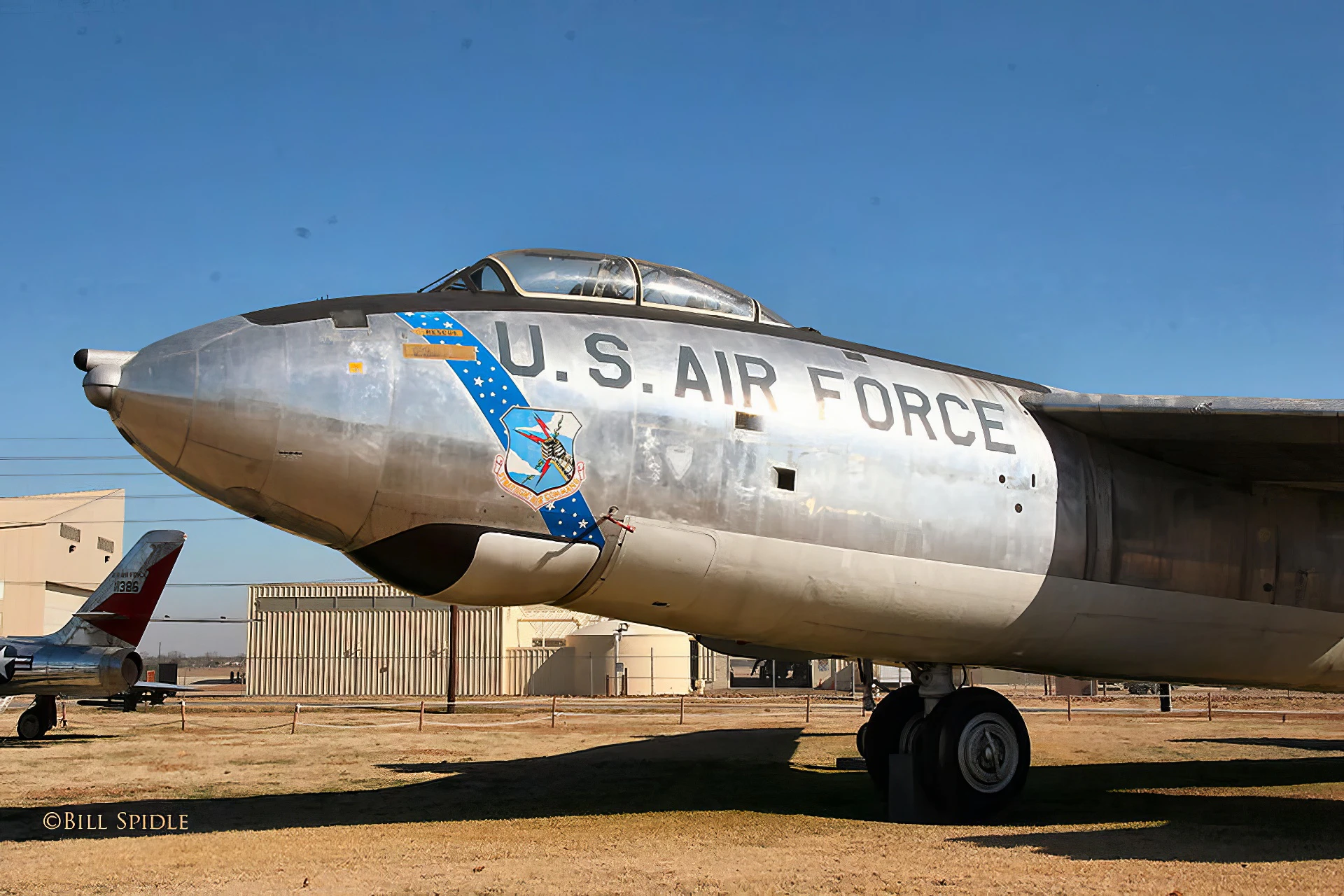
Tthe 보잉 모델 450 B-47 스트라토젯 고음속과 높은 고도에서 비행하기 위해 제작된 장거리, 6엔진, 제트 구동 중형 폭격기였다. 그것은 주로 소련에 핵 폭탄을 떨어 뜨리도록 설계되었습니다. 엔진이 스윕 윙 아래 포드로 운반된 B-47은 제2차 세계대전 이후 전투제트 설계의 주요 혁신이었으며 현대 제트 여객기로 이어지는 데 도움을 주었습니다.
소스: B-47E 스트라토젯 온 위키백과
| B-47E 스트라토젯 | |
|---|---|
| 사진 작가 | Unknow |
| 로컬라이제이션 | Unknow |
| 사진 | 55 |
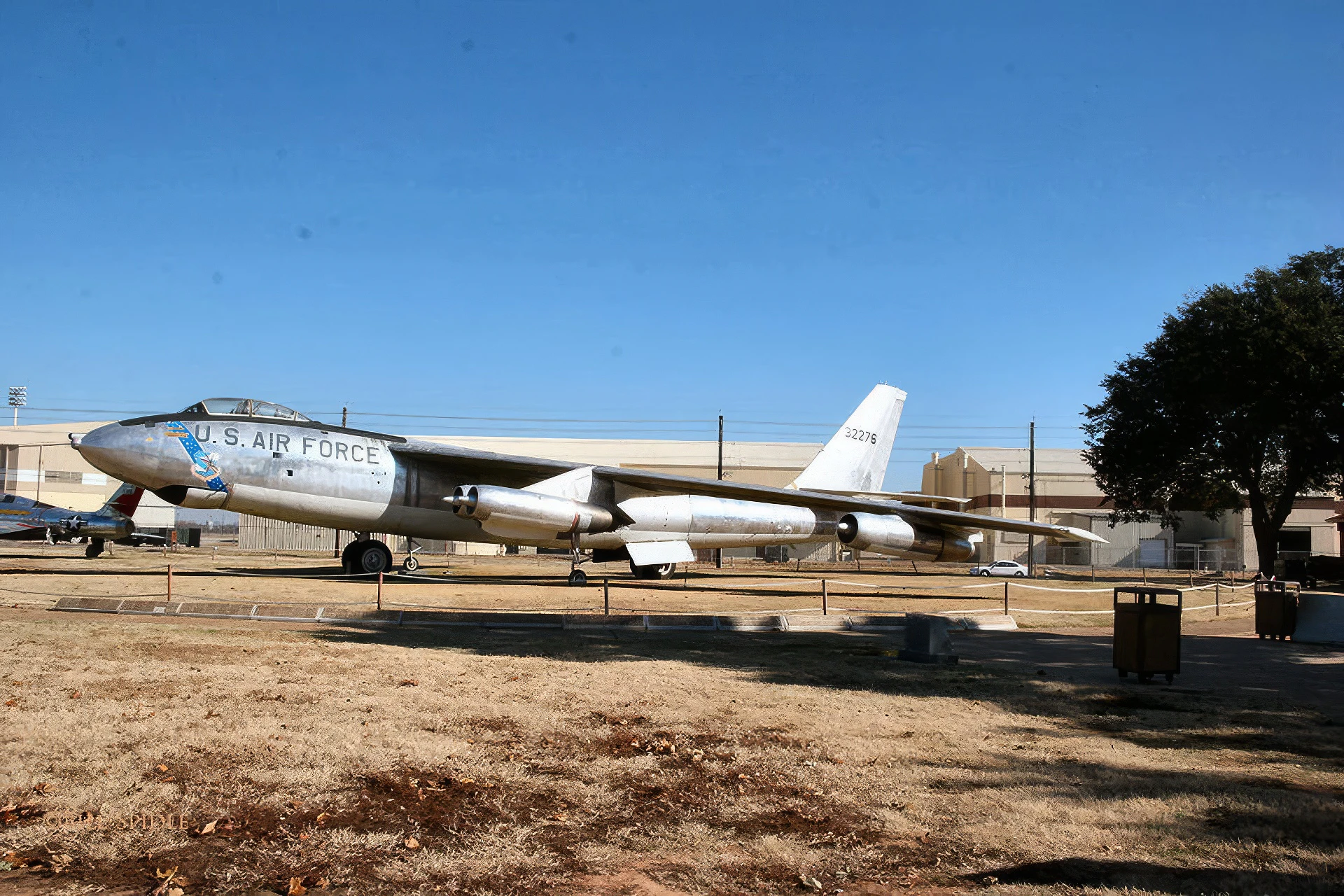
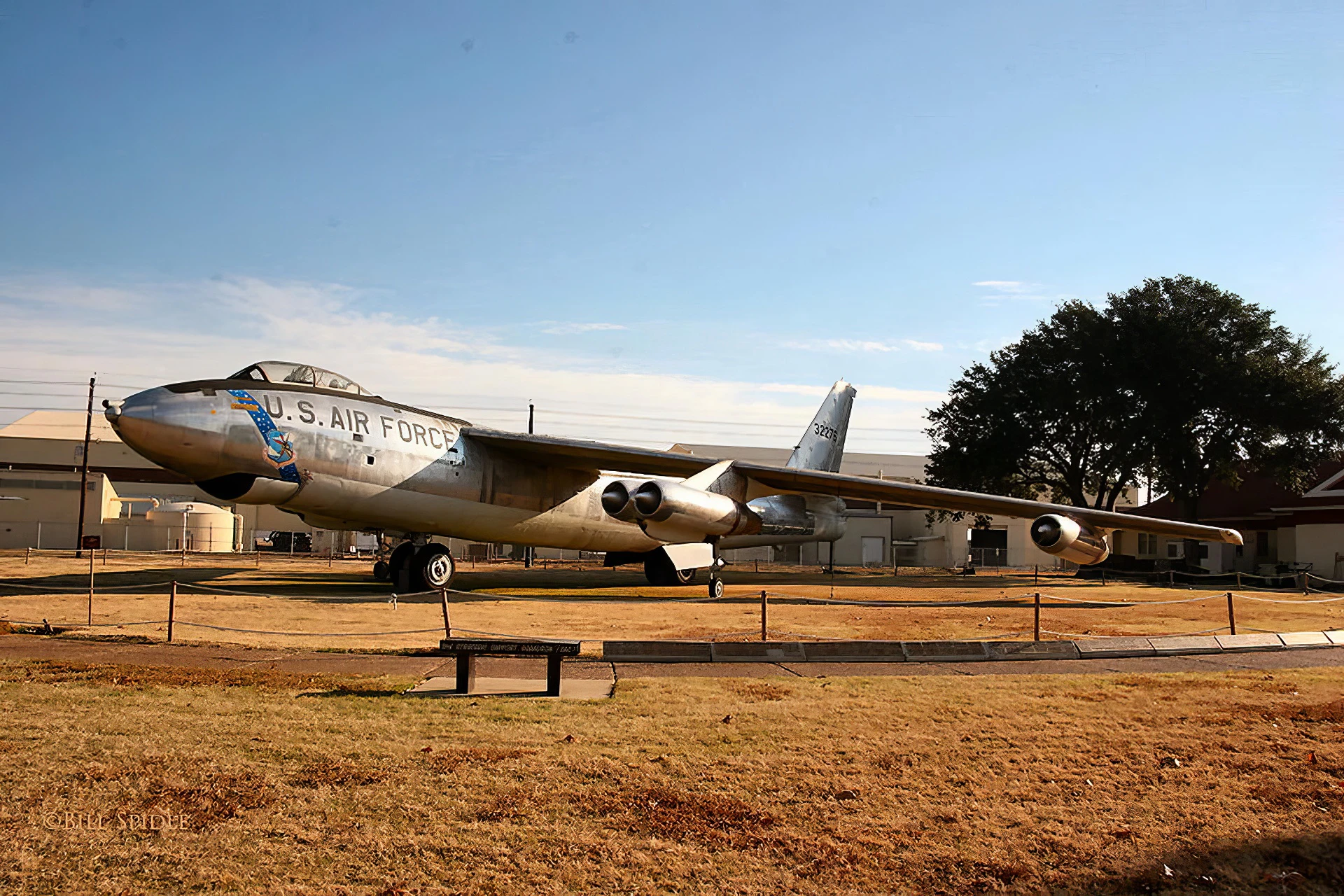
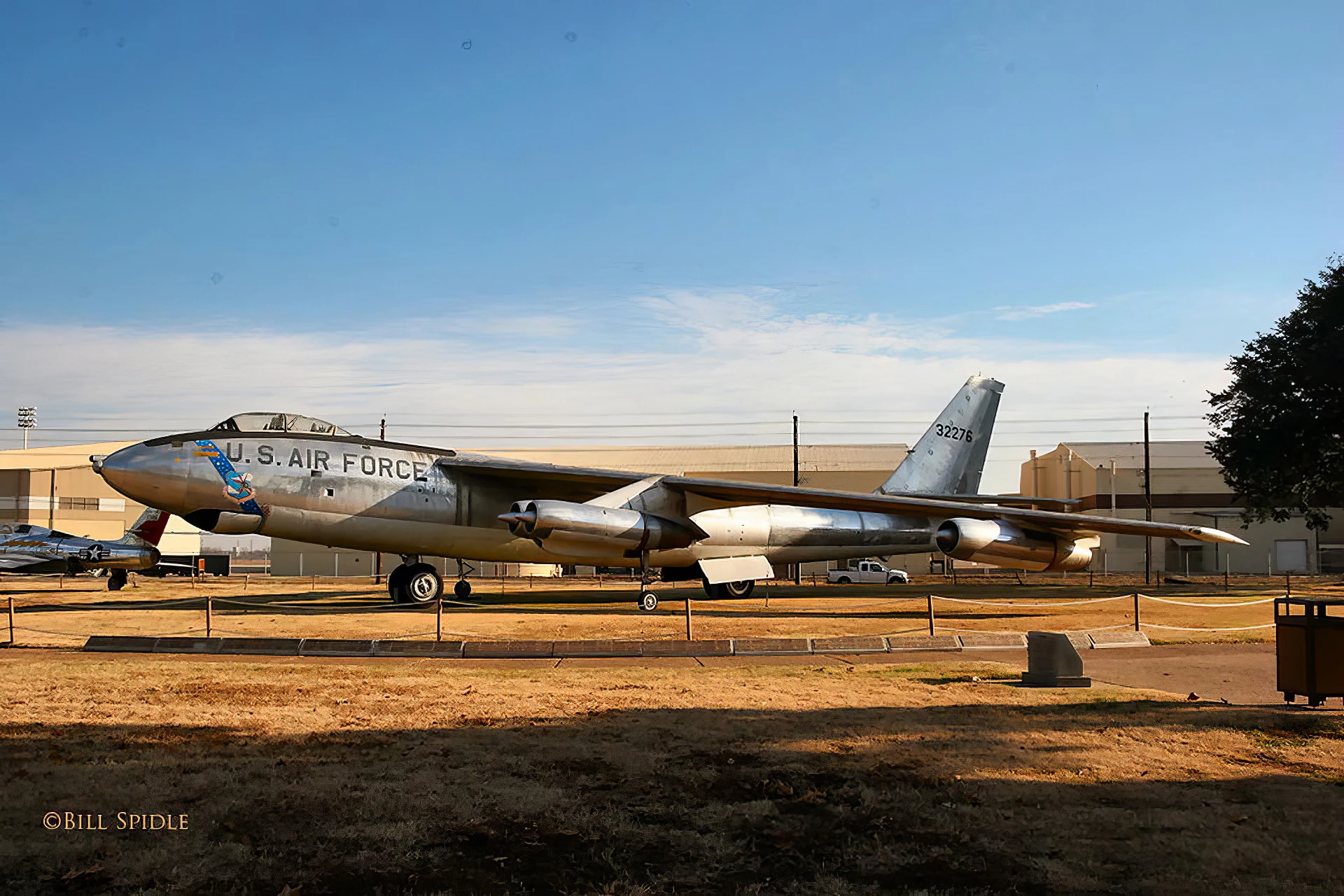
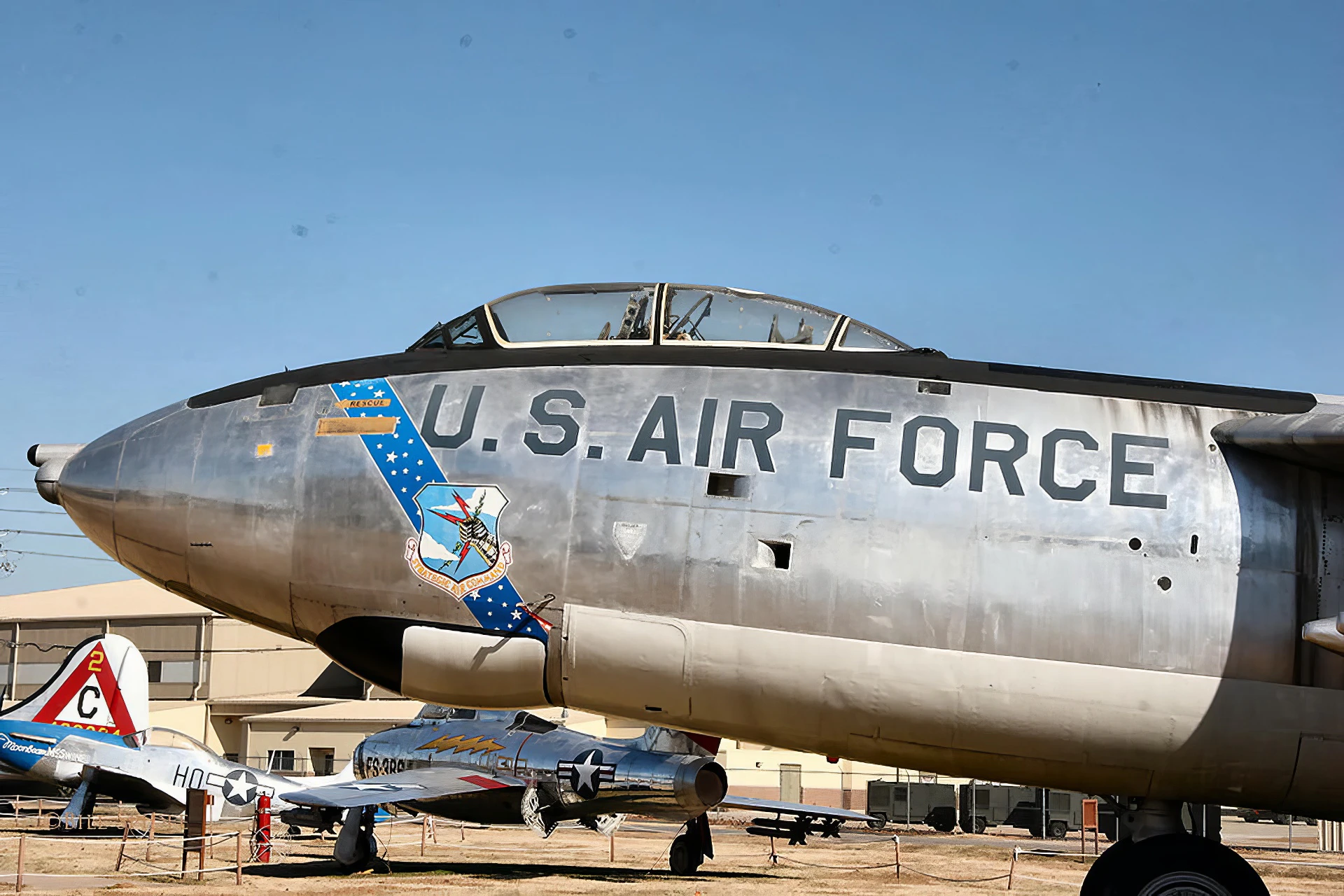
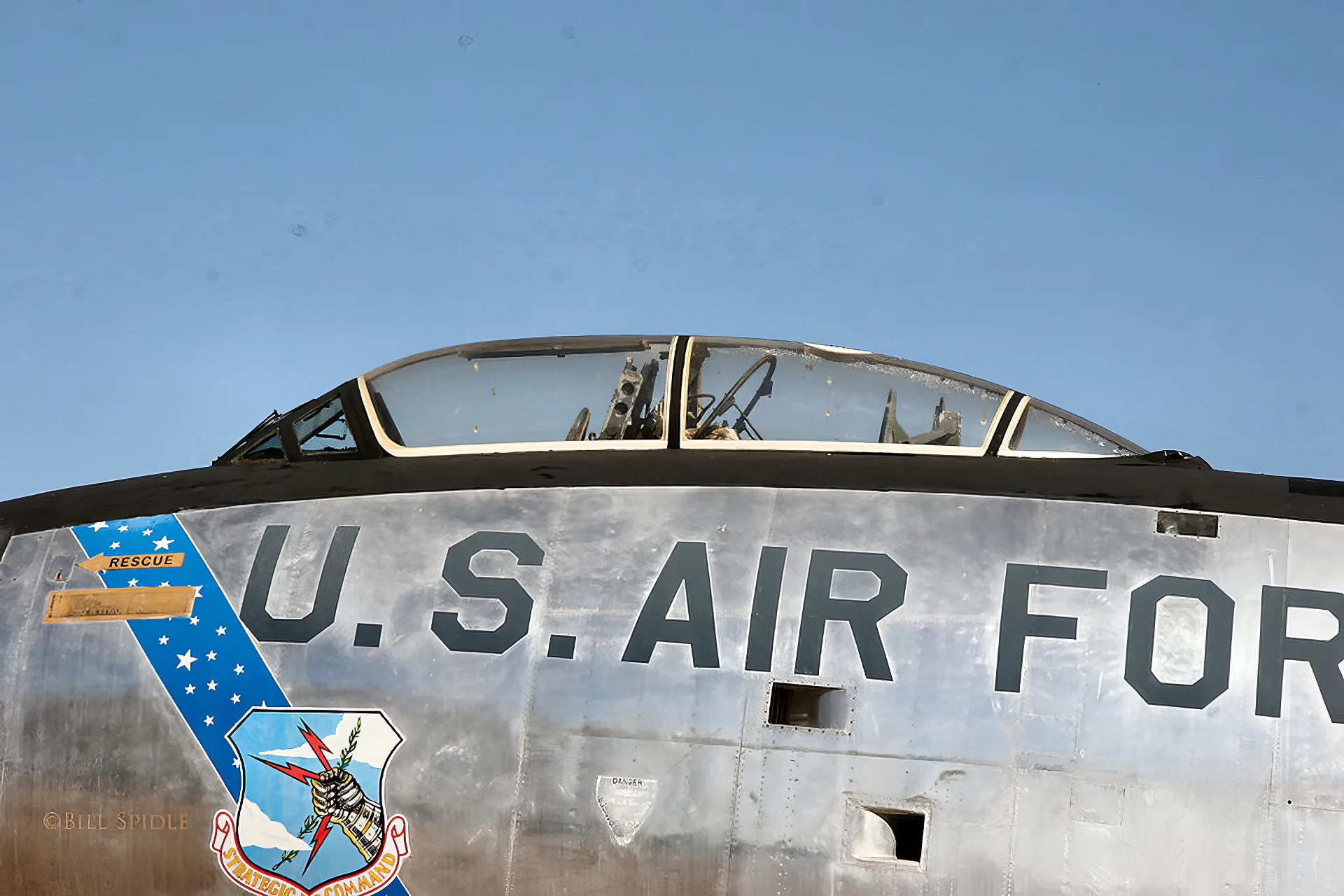

| 보잉 B-47 스트라토젯 산책 | |
|---|---|
| 사진 작가 | 시스 헨드릭스 |
| 로컬라이제이션 | Unknow |
| 사진 | 97 |
| EB-47E Stratojet Walk Around | |
|---|---|
| 사진 작가 | Fotios Rouch |
| 로컬라이제이션 | Unknow |
| 사진 | 60 |
| WB-47E Stratojet Walk Around | |
|---|---|
| 사진 작가 | Michael Benolkin |
| 로컬라이제이션 | Unknow |
| 사진 | 40 |
참고 항목:


| B-47B Stratojet Walk Around | |
|---|---|
| 사진 작가 | Donald Lemas |
| 로컬라이제이션 | Unknow |
| 사진 | 33 |
The **Boeing B-47 Stratojet** was a pivotal American strategic bomber that served as the backbone of the U.S. Air Force Strategic Air Command (SAC) during the Cold War era of the 1950s. It was a revolutionary aircraft that set the standard for modern jet design by introducing several key features to large aircraft.
Design Innovations
Swept Wing Configuration
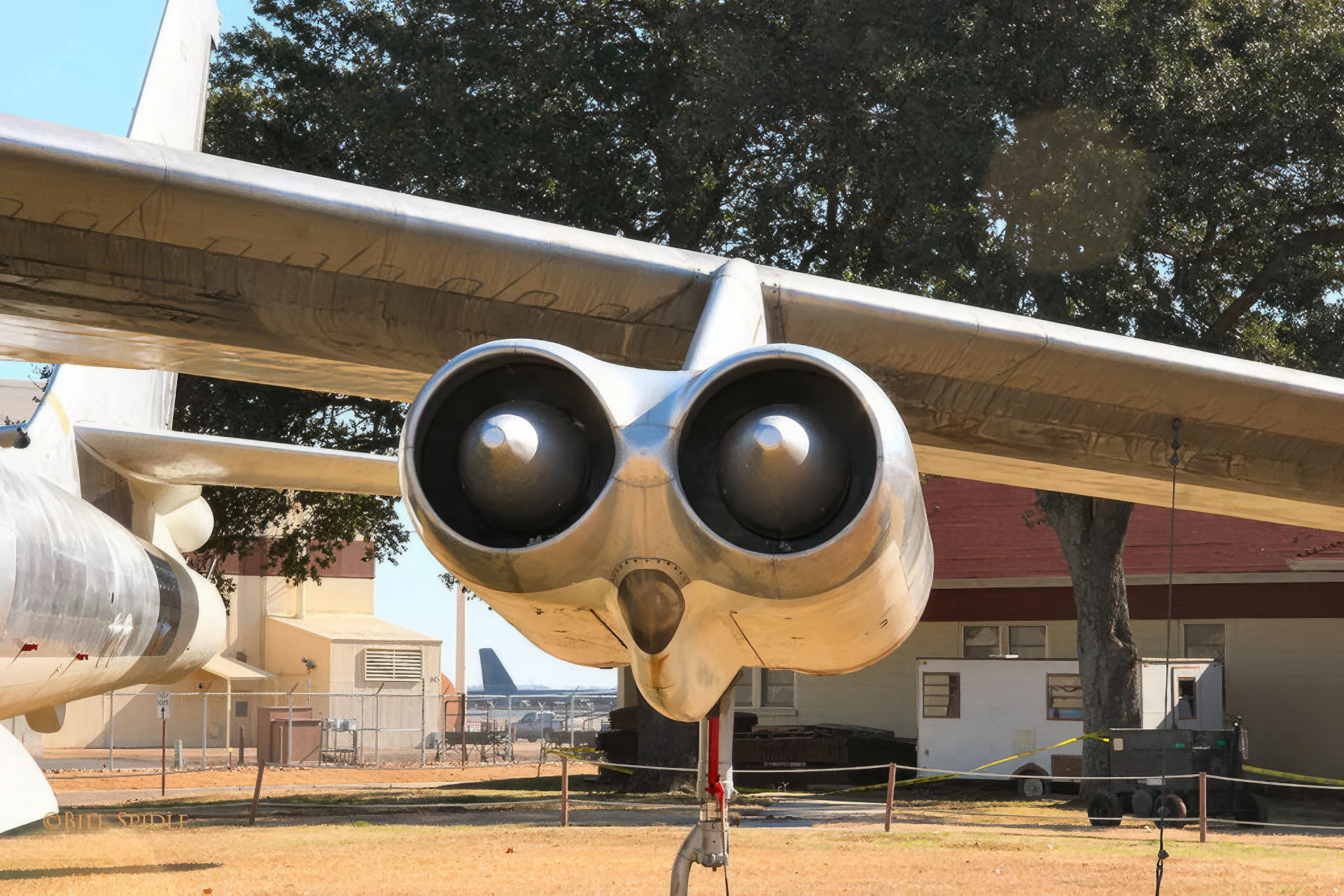
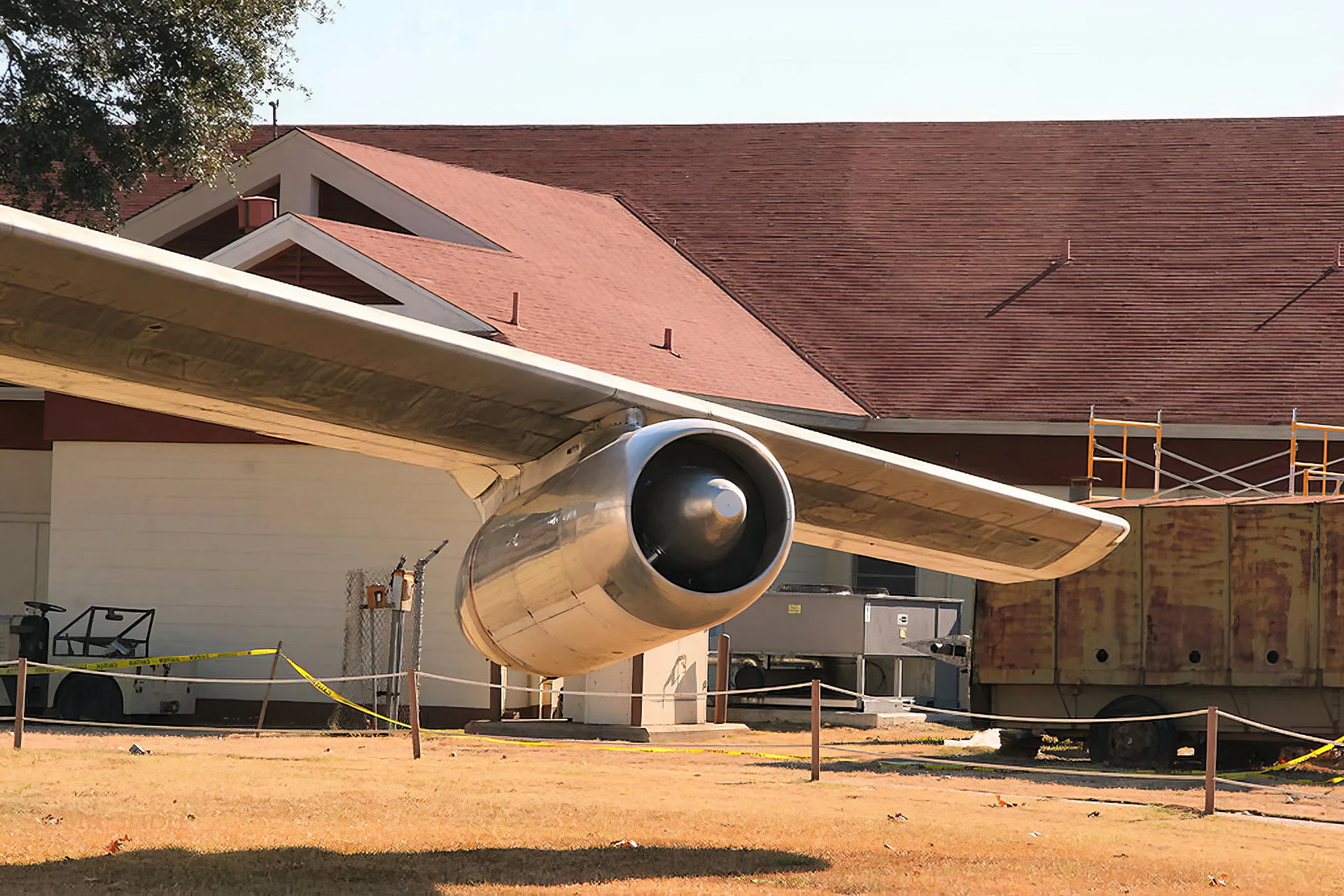
The B-47 was the first large aircraft to feature highly **swept wings** (35 degrees). This design was crucial for achieving high subsonic speeds and avoiding the excessive drag associated with straight wings near the sound barrier. The wings were thin and highly flexible.
Pod-Mounted Engines
The aircraft utilized **six turbojet engines** mounted in streamlined pods beneath the wings (two twin pods inboard and two single pods outboard). This configuration reduced structural weight, lessened wing flutter, and became the blueprint for virtually all subsequent jet aircraft, including commercial airliners.
Bicycle Landing Gear
Due to the thin wing structure, which couldn’t accommodate main gear, the B-47 used a “bicycle” arrangement: two sets of main wheels in tandem along the fuselage centerline, supplemented by small **outrigger wheels** that retracted into the inboard engine pods.
Primary Role and Service
The Stratojet was designed as a high-altitude, high-speed nuclear bomber, intended to penetrate Soviet airspace faster than interceptors could react. Over 2,000 units were manufactured.
- Role: Medium-range **nuclear deterrent** for the United States during the 1950s.
- Performance Quirk: Early jet engines required additional thrust for takeoff when fully loaded; consequently, B-47s often carried JATO (Jet-Assisted Take-Off) rockets.
- Landing Quirk: Its sleek, aerodynamically clean design meant it struggled to slow down for landing, requiring the use of a **drogue parachute** to increase drag.
- 변종: Beyond its bomber role, the aircraft was adapted for critical **reconnaissance** missions (RB-47), electronic intelligence (ELINT), and weather reconnaissance (WB-47).
- Legacy: Although its bomber role ended by the mid-1960s (replaced by the B-52), the B-47 is remembered as the aircraft that bridged the gap between propeller-driven bombers and the modern jet age, influencing all subsequent large jet aircraft design.
Views : 12461

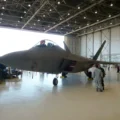


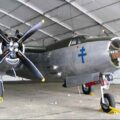
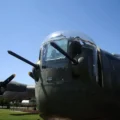
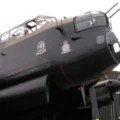
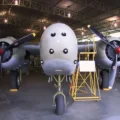
공군은 1960/1970년대에 B47을 기상 플랫폼으로 사용했습니다. 서부 해안에서는 McClellen AFB에서 작전을 수행했습니다.