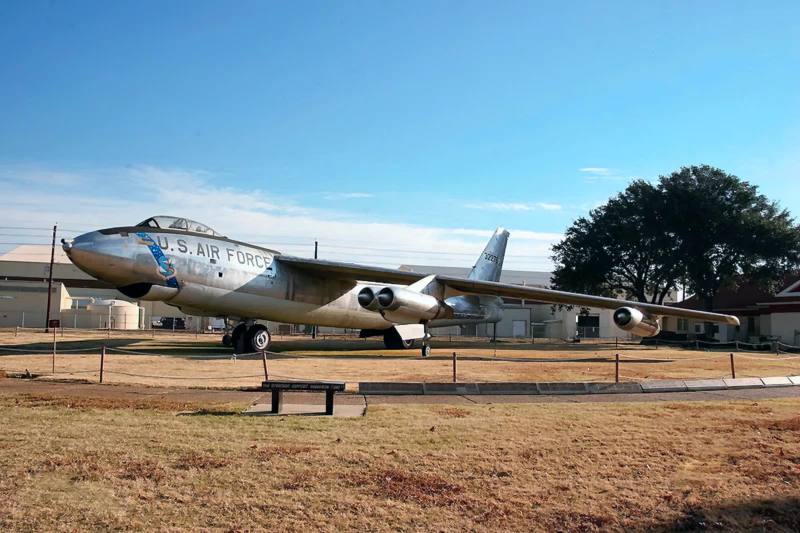
B-47 Stratojet | |
|---|---|
| Zemlja | Sad |
| Tip | Dalekometni bombarder |
| Uvod | June 1951 |
| Izgradio | 2032 |
Čaj Boeing Model 450 B-47 Stratojet was a long-range, six-engined, jet-powered medium bomber built to fly at high subsonic speeds and at high altitudes. It was primarily designed to drop nuclear bombs on the Soviet Union. With its engines carried in pods under the swept wing, the B-47 was a major innovation in post-World War II combat jet design, and helped lead to modern jet airliners.
Izvor: B-47E Stratojet na Vikipediji
| B-47E Stratojet | |
|---|---|
| Fotograf | Nepoznato |
| Lokalizacija | Nepoznato |
| Fotografije | 55 |
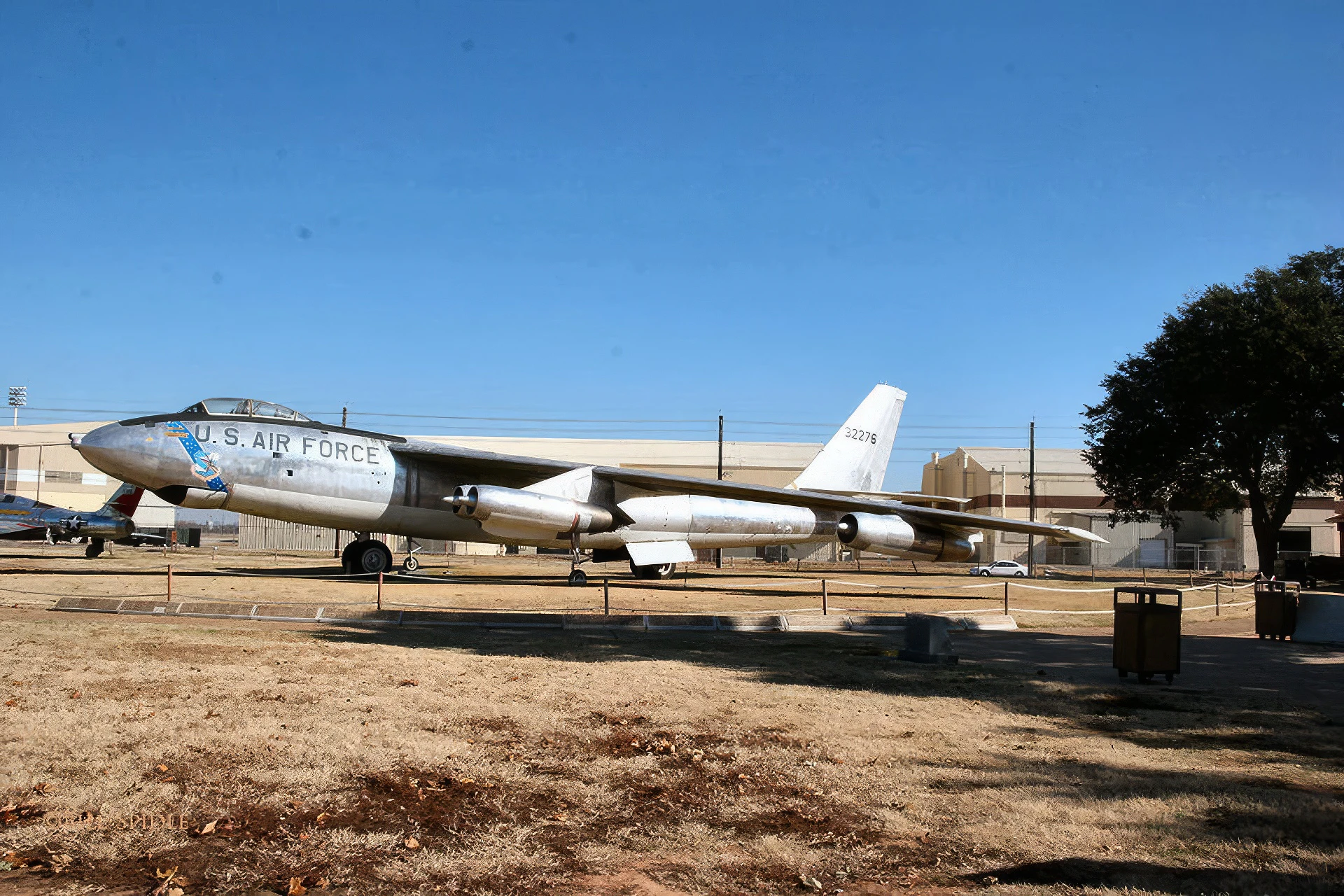
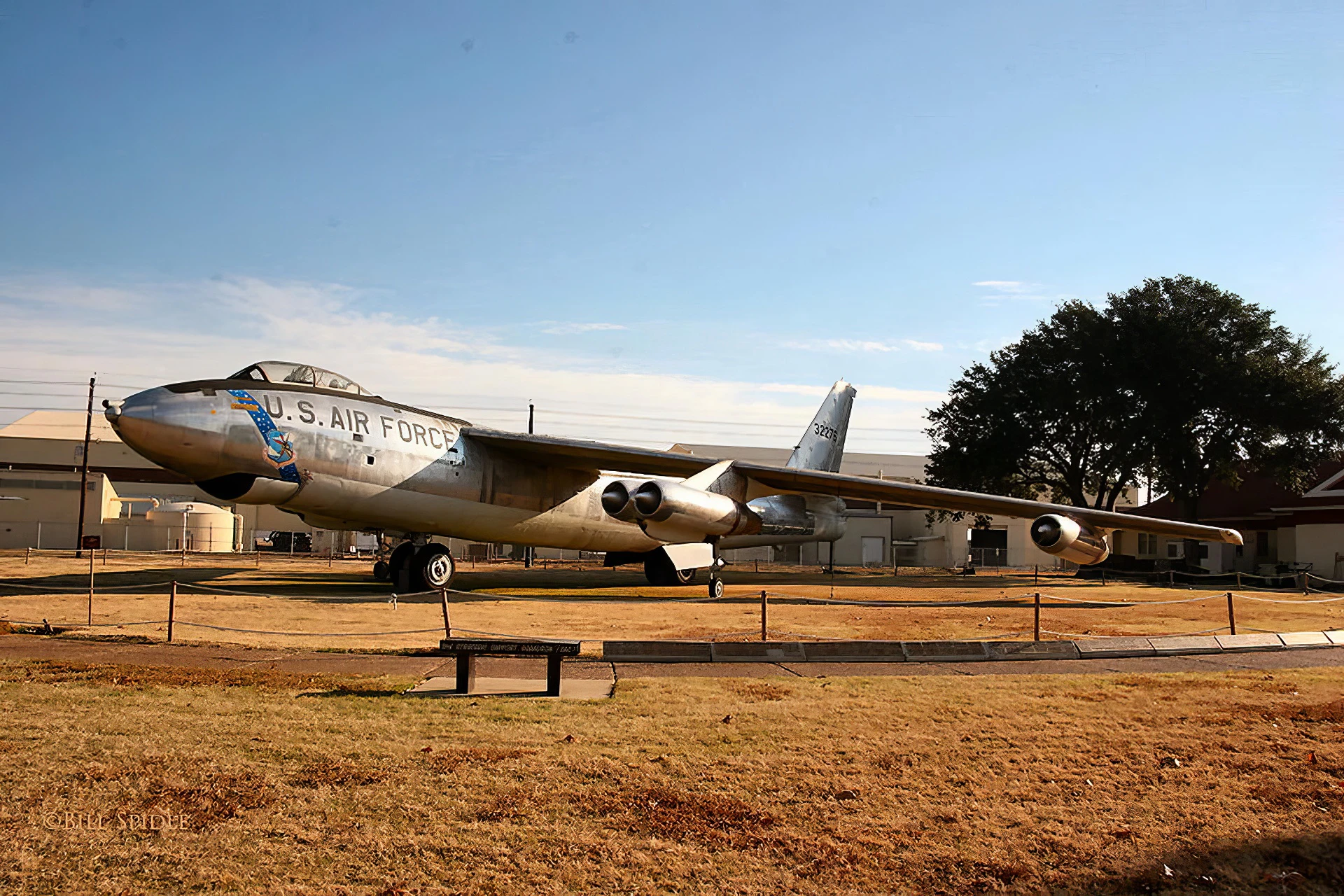
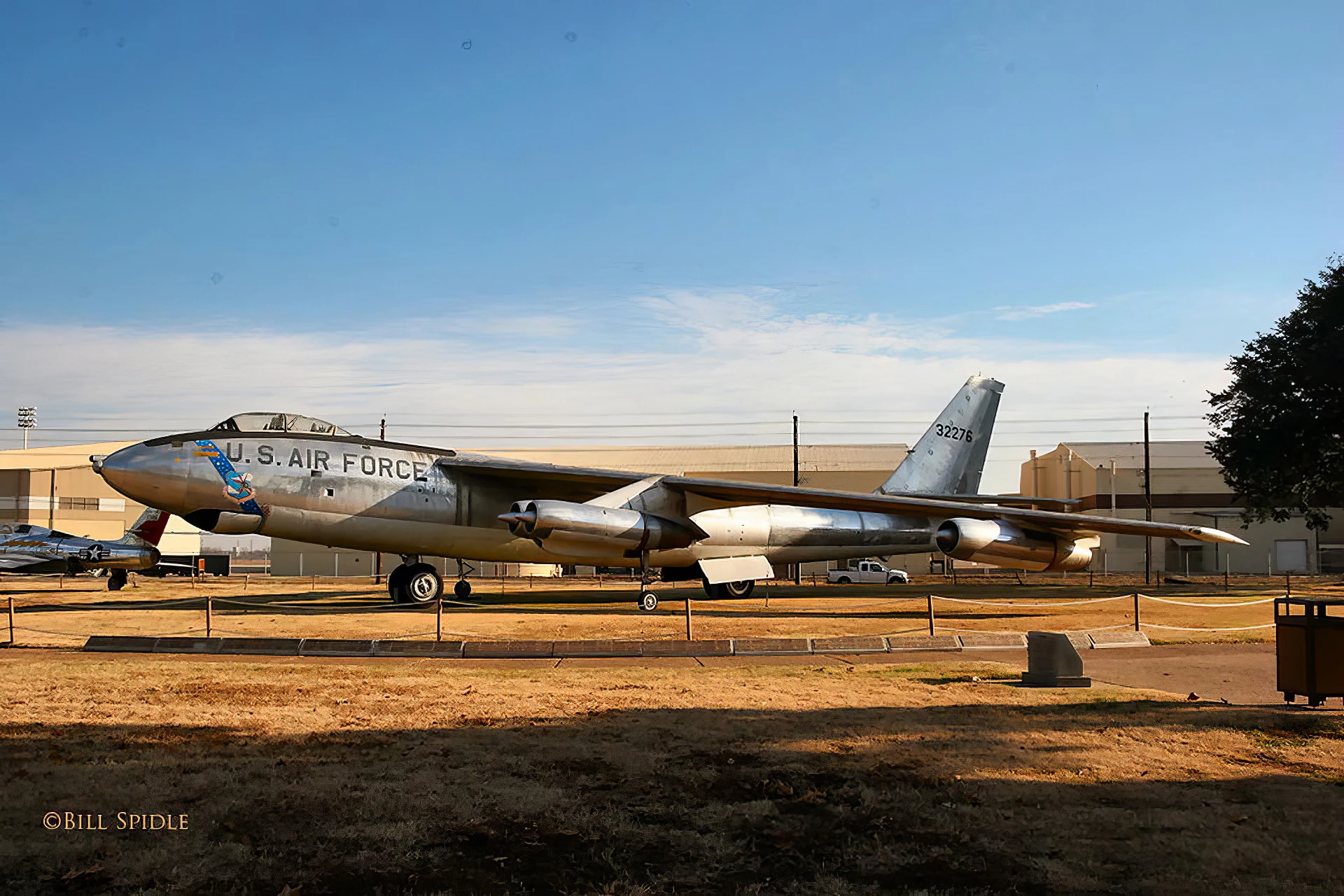
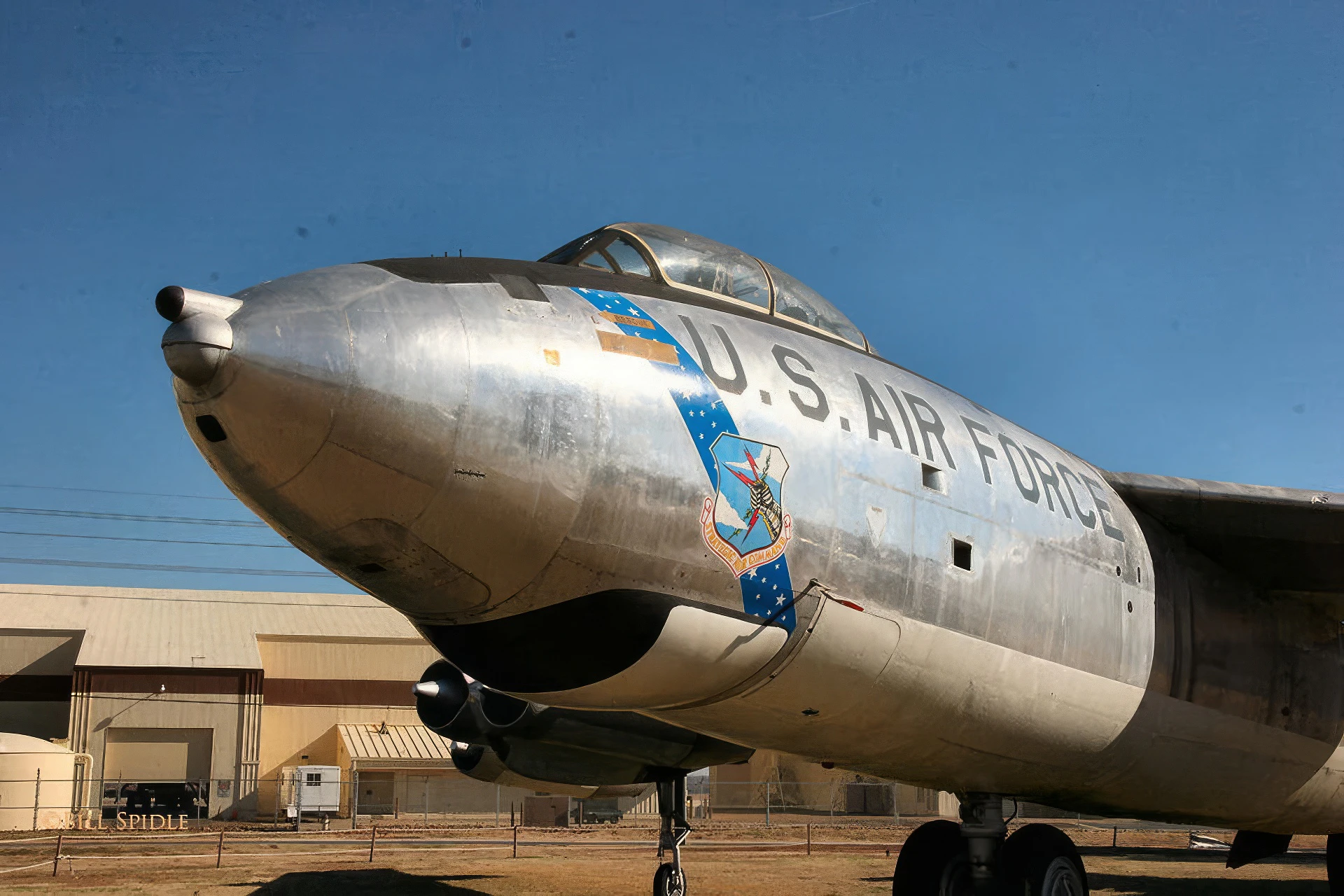
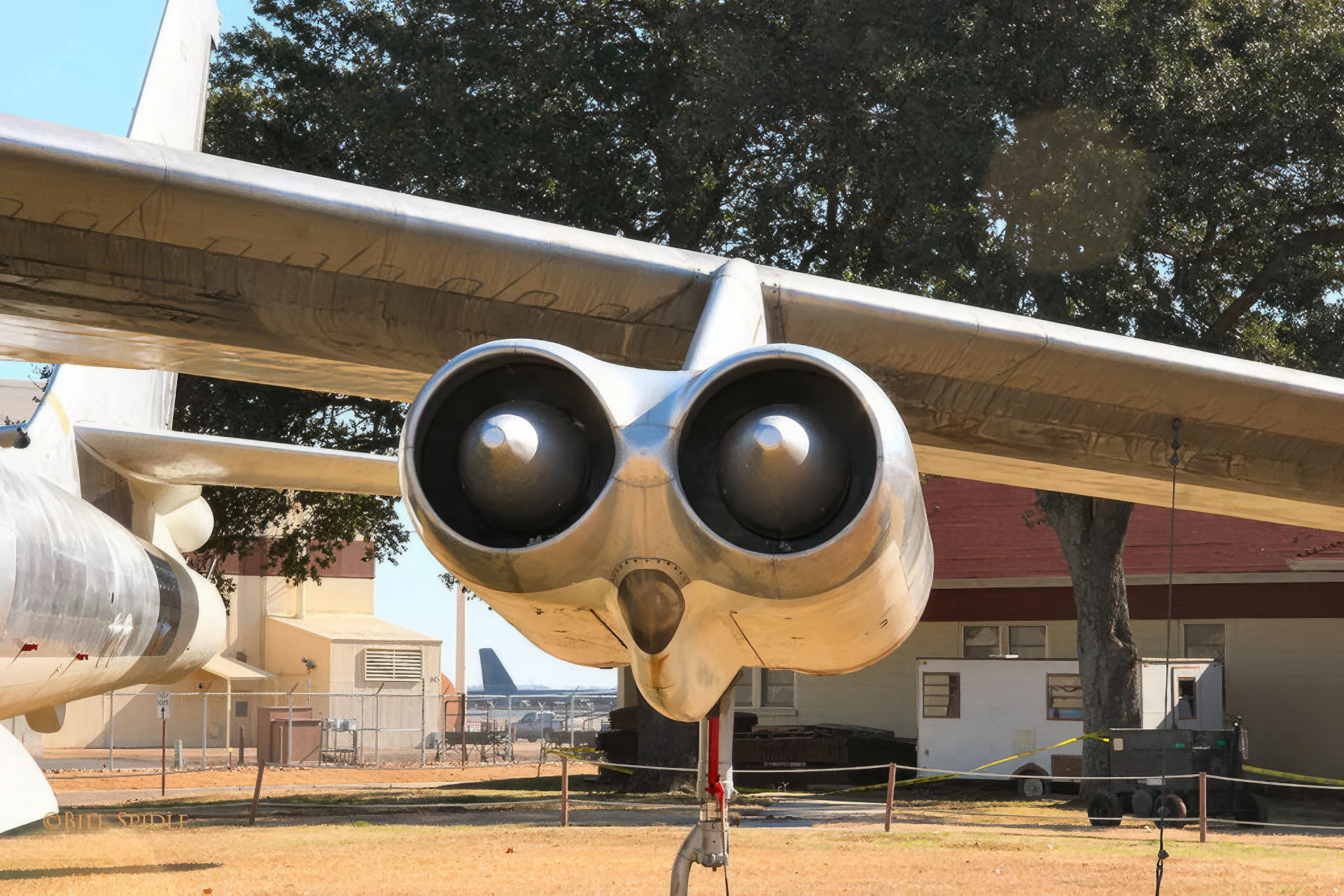
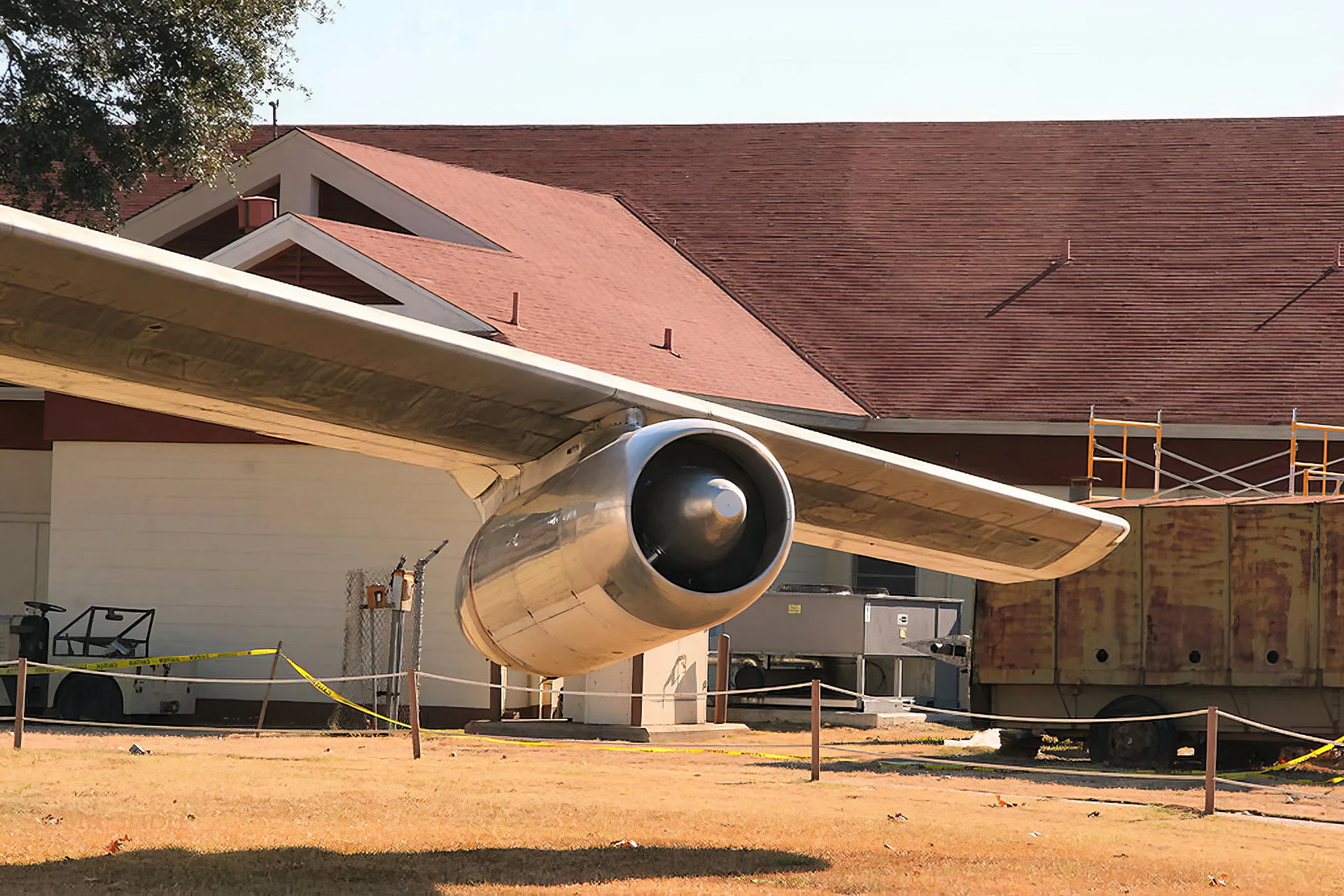
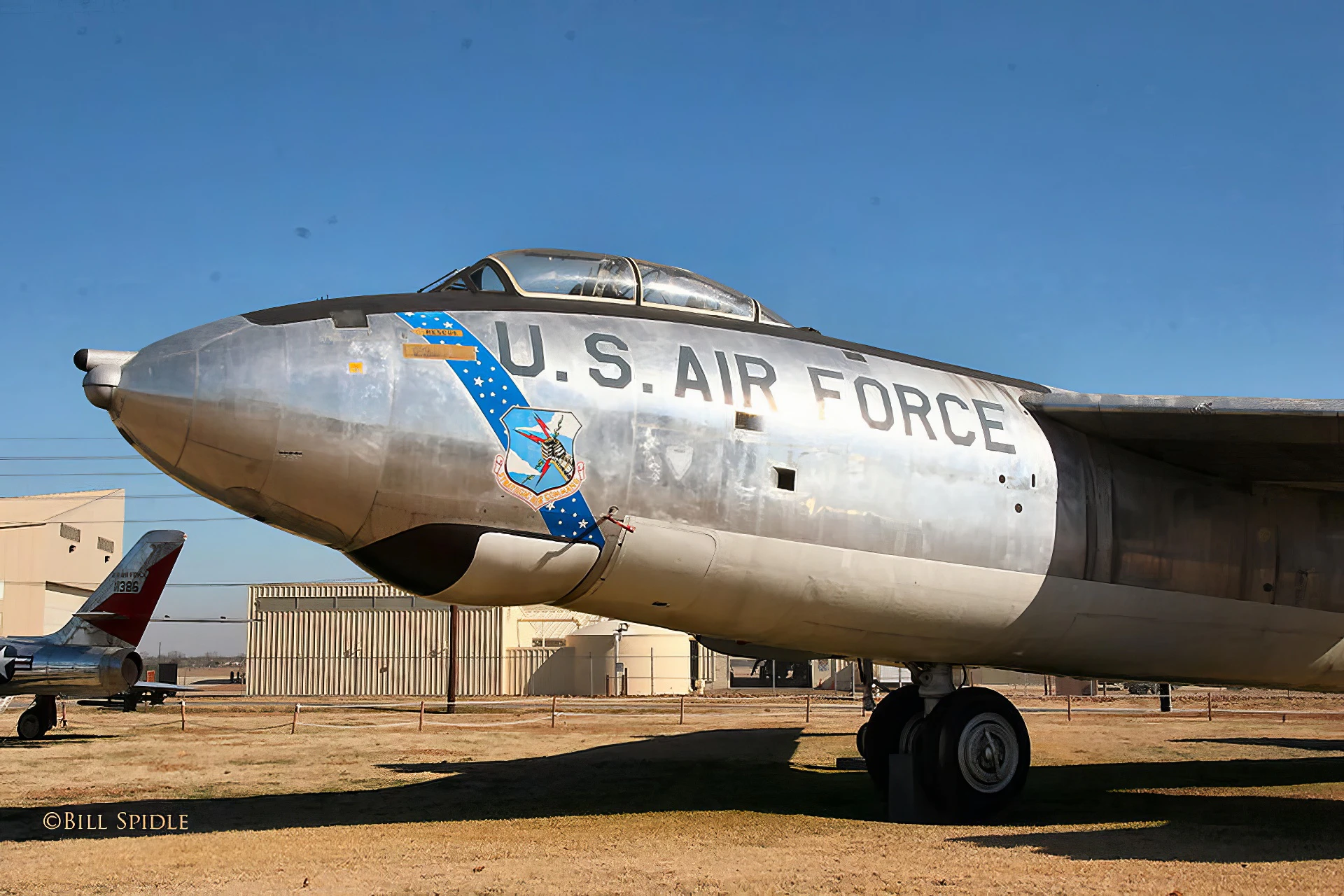
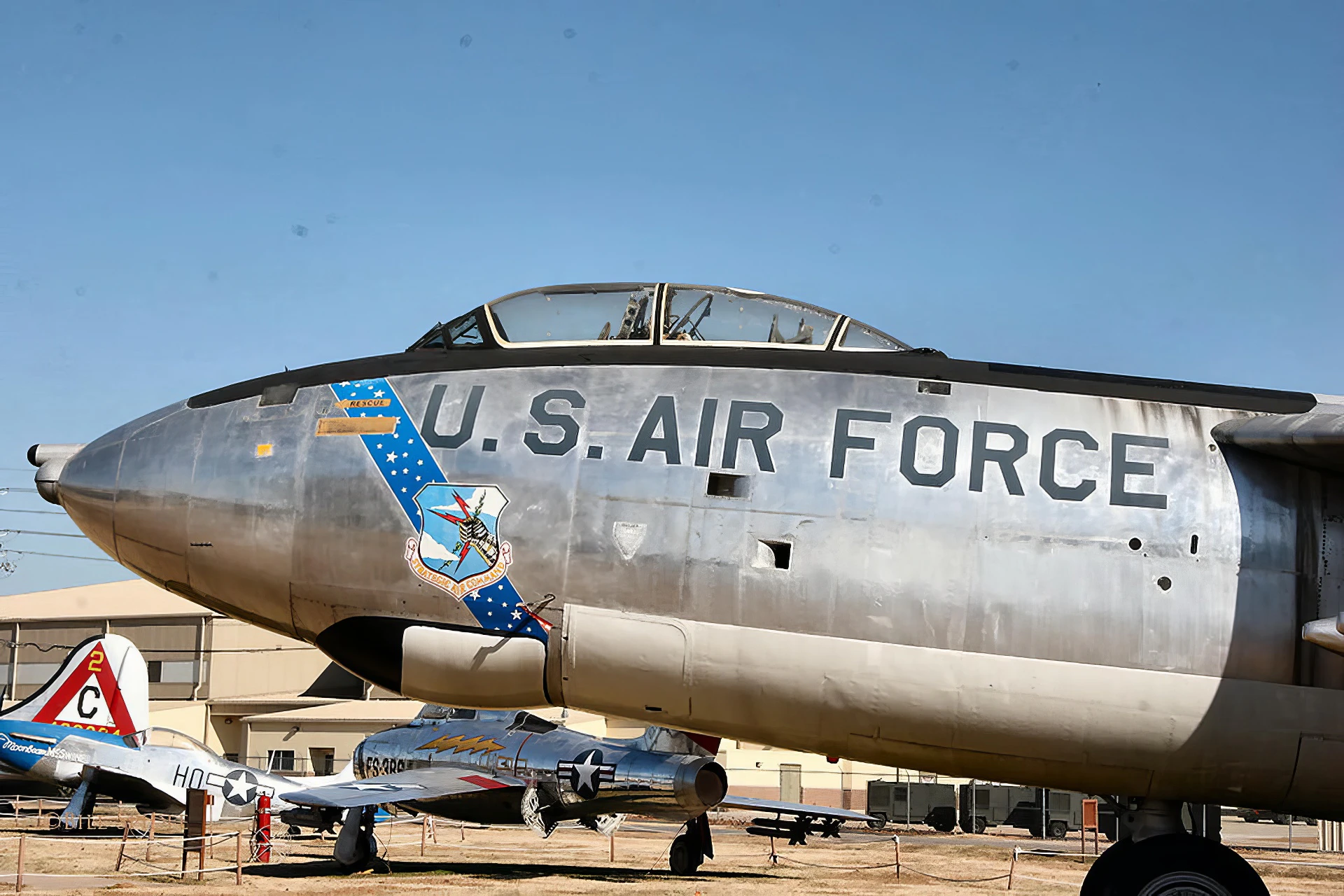
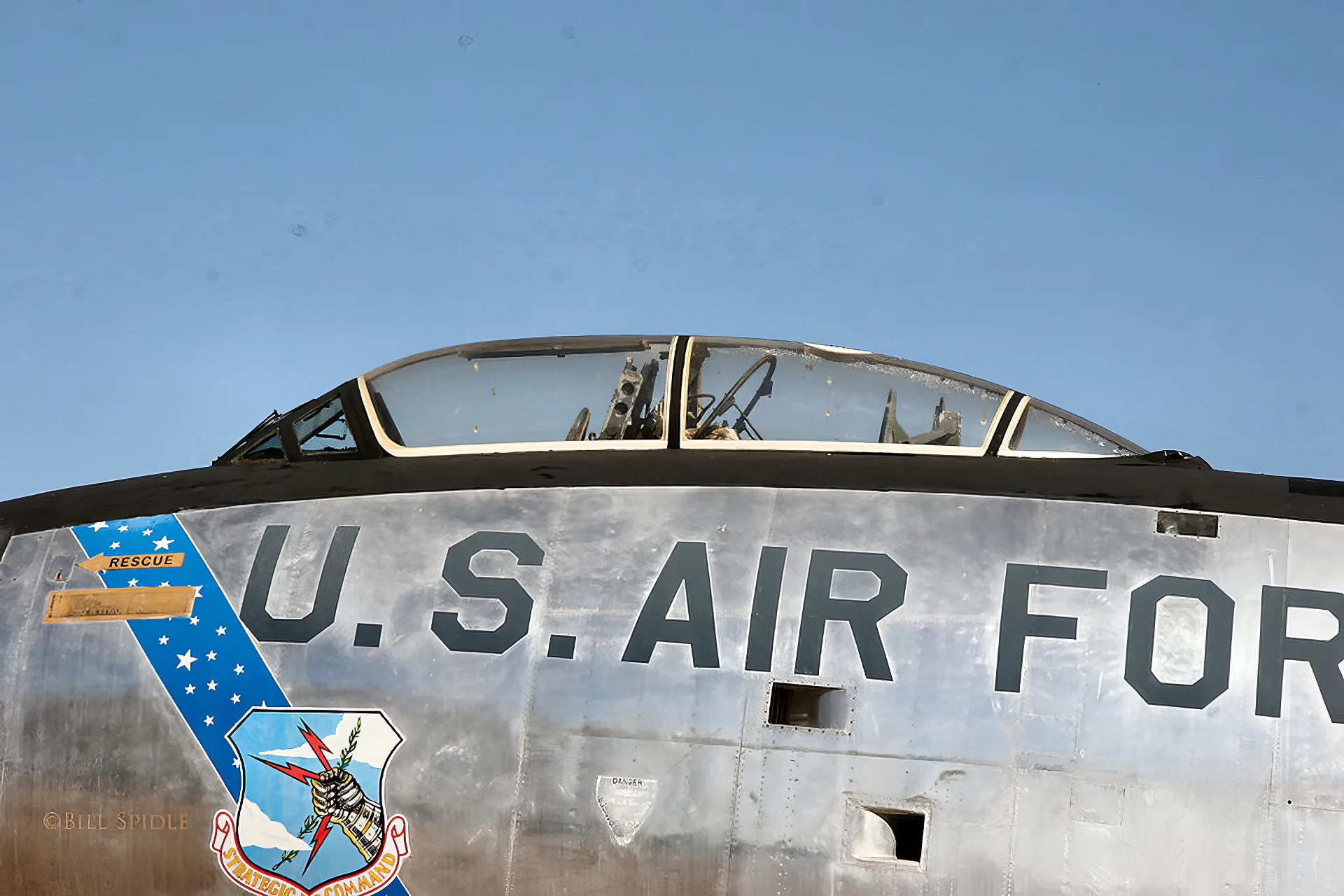

| Boeing B-47 Stratojet Walk Around | |
|---|---|
| Fotograf | Cees Hendriks |
| Lokalizacija | Nepoznato |
| Fotografije | 97 |
| EB-47E Stratojet Walk Around | |
|---|---|
| Fotograf | Fotios Rouch |
| Lokalizacija | Nepoznato |
| Fotografije | 60 |
| WB-47E Stratojet Walk Around | |
|---|---|
| Fotograf | Michael Benolkin |
| Lokalizacija | Nepoznato |
| Fotografije | 40 |
Pogledajte i:


| B-47B Stratojet Walk Around | |
|---|---|
| Fotograf | Donald Lemas |
| Lokalizacija | Nepoznato |
| Fotografije | 33 |
The **Boeing B-47 Stratojet** was a pivotal American strategic bomber that served as the backbone of the U.S. Air Force Strategic Air Command (SAC) during the Cold War era of the 1950s. It was a revolutionary aircraft that set the standard for modern jet design by introducing several key features to large aircraft.
Design Innovations
Swept Wing Configuration
The B-47 was the first large aircraft to feature highly **swept wings** (35 degrees). This design was crucial for achieving high subsonic speeds and avoiding the excessive drag associated with straight wings near the sound barrier. The wings were thin and highly flexible.
Pod-Mounted Engines
The aircraft utilized **six turbojet engines** mounted in streamlined pods beneath the wings (two twin pods inboard and two single pods outboard). This configuration reduced structural weight, lessened wing flutter, and became the blueprint for virtually all subsequent jet aircraft, including commercial airliners.
Bicycle Landing Gear
Due to the thin wing structure, which couldn’t accommodate main gear, the B-47 used a “bicycle” arrangement: two sets of main wheels in tandem along the fuselage centerline, supplemented by small **outrigger wheels** that retracted into the inboard engine pods.
Primary Role and Service
The Stratojet was designed as a high-altitude, high-speed nuclear bomber, intended to penetrate Soviet airspace faster than interceptors could react. Over 2,000 units were manufactured.
- Role: Medium-range **nuclear deterrent** for the United States during the 1950s.
- Performance Quirk: Early jet engines required additional thrust for takeoff when fully loaded; consequently, B-47s often carried JATO (Jet-Assisted Take-Off) rockets.
- Landing Quirk: Its sleek, aerodynamically clean design meant it struggled to slow down for landing, requiring the use of a **drogue parachute** to increase drag.
- Varijante: Beyond its bomber role, the aircraft was adapted for critical **reconnaissance** missions (RB-47), electronic intelligence (ELINT), and weather reconnaissance (WB-47).
- Legacy: Although its bomber role ended by the mid-1960s (replaced by the B-52), the B-47 is remembered as the aircraft that bridged the gap between propeller-driven bombers and the modern jet age, influencing all subsequent large jet aircraft design.
Views : 12293
Možete videti i :
 Myasishchev M-4 Bison – Photos & Video
 Lockheed P-38 Lightning – Photos & Video
 A-7B Corsair II – WalkAround
 Lockheed F-22A Raptor – Photos & Video
 Sukhoi Su-27 – WalkAround
 Casa C.2111 vol2 – WalkAround
 B-26 Marauder – WalkAround
 Konsolidovani B-24M Liberator – WalkAround
 Avro Lancaster – WalkAround
 A-20 Havoc – WalkAround
The Air Force used the B47 as a weather platform in the 1960/1970’s. On the west coast they operated out of McClellen AFB.