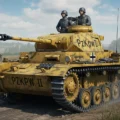
パンツァーII | |
|---|---|
| 国 | ドイツ |
| カテゴリ | タンク |
| 型 | 車 |
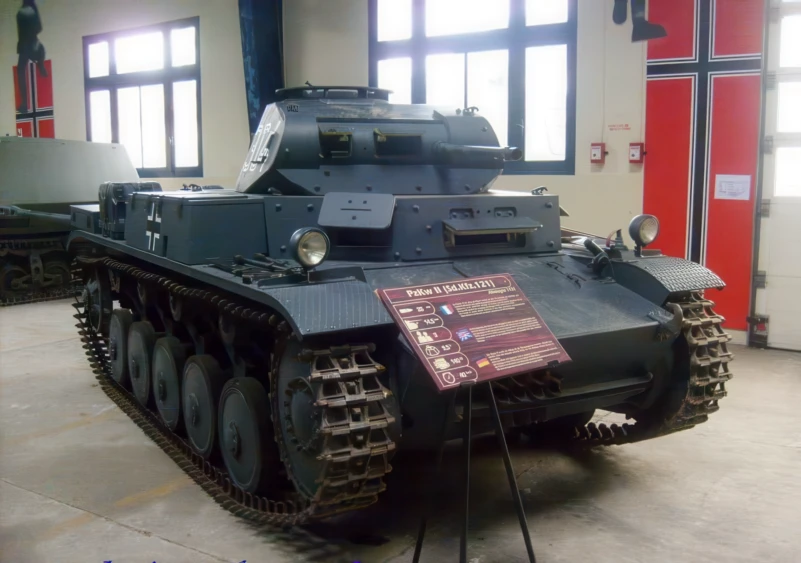
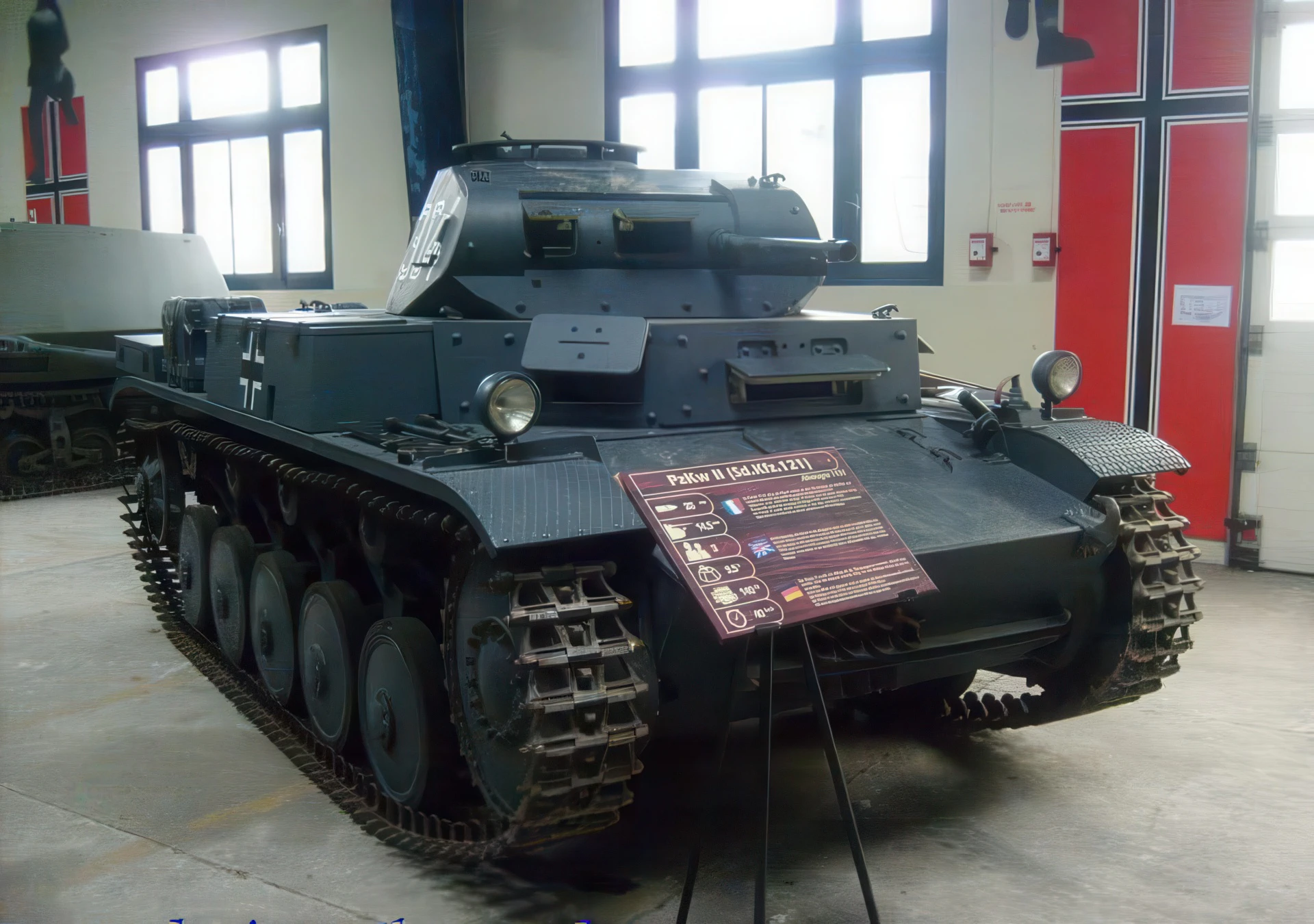
| 説明 | アルバム 103 タンクのウォークアラウンド写真 "PzKpfw II" |
PzKpfw IIのフォトギャラリー パンツァーカンプワーゲンII 省略されたPzKpfw IIとSd.Kfz.121として知られているは、第二次世界大戦中のドイツの戦車でした。その前身PzKpfw Iと同様に、PzKpfw III戦車とIV号戦車の到着を待ち受けることができる一時的な装置として設計されました。彼らは実際には、将来の電撃戦の戦術でパンツァーワフの乗組員を訓練するために訓練目的で使用されることを意図していました。
Mais le retard dans la mise au point et la production des Panzers II et IV obligea l’état major Allemand à les utiliser en grand nombre durant le début de la Seconde Guerre mondiale jusqu’à l’année 1941 où ils purent être progressivement remplacés. Le パンツァーII 残りは後に、マーダーIIとウェスペのための偵察車両とシャーシとして使用されました。
ソース: ウィキペディアのパンツァーII
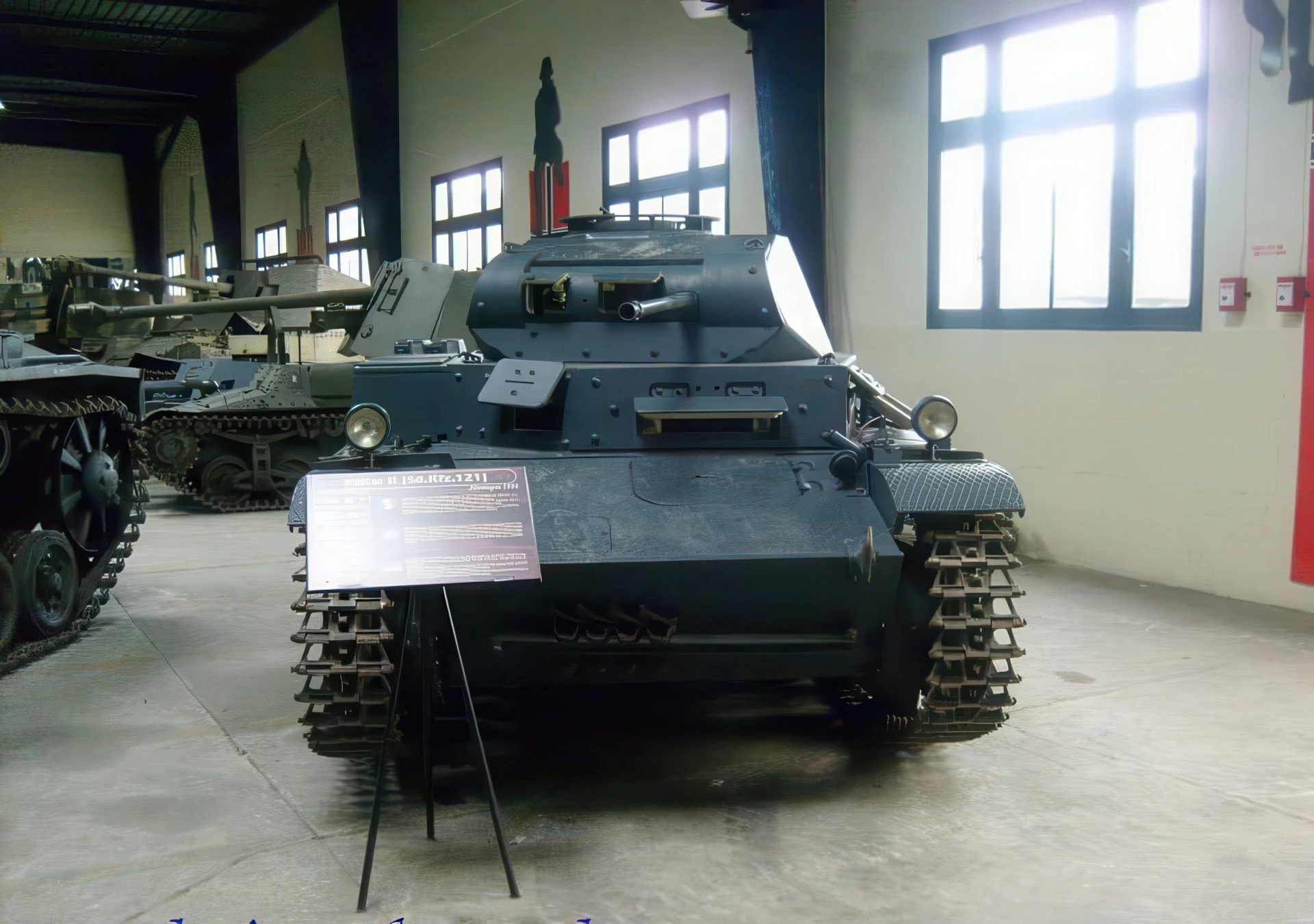
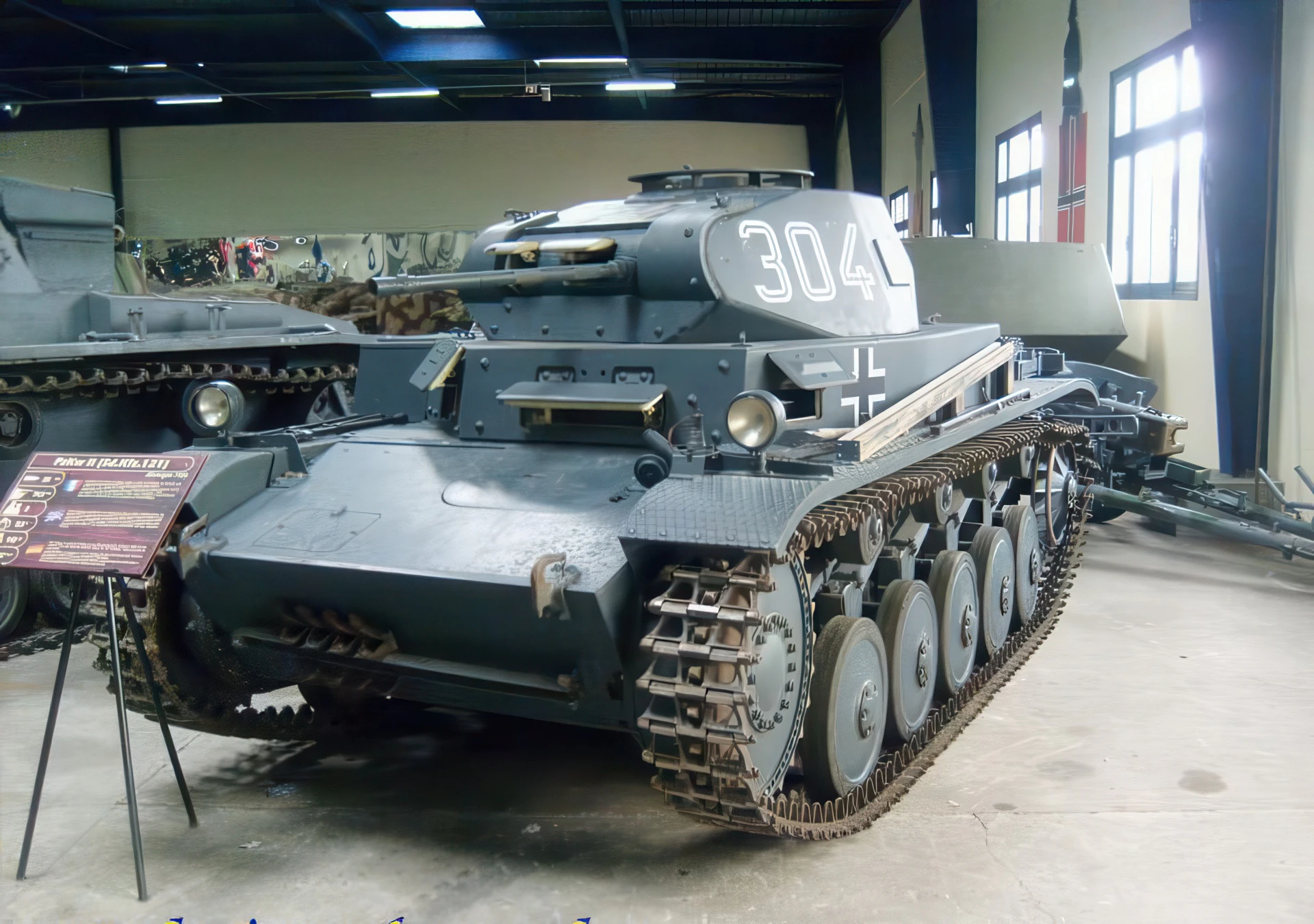
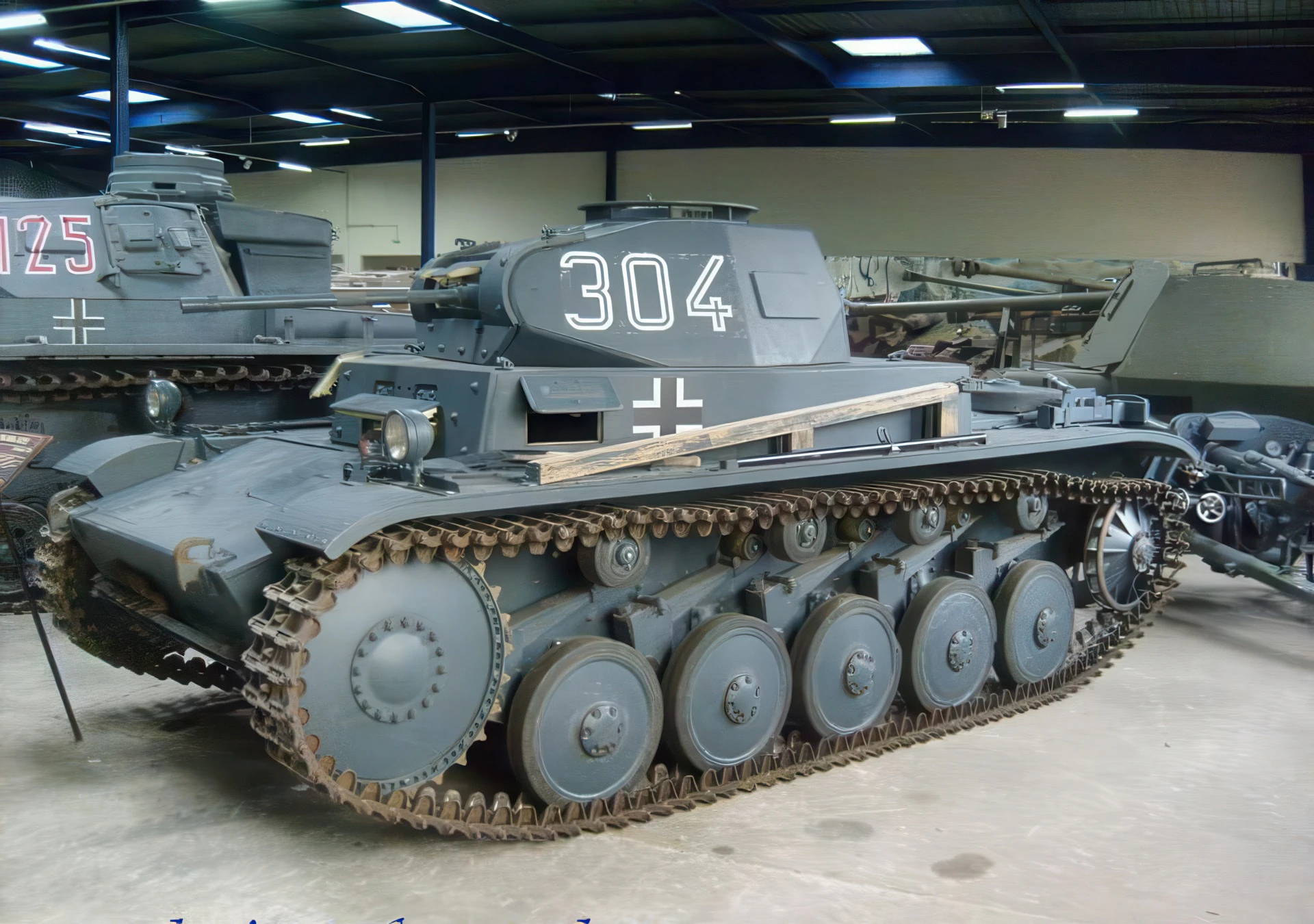
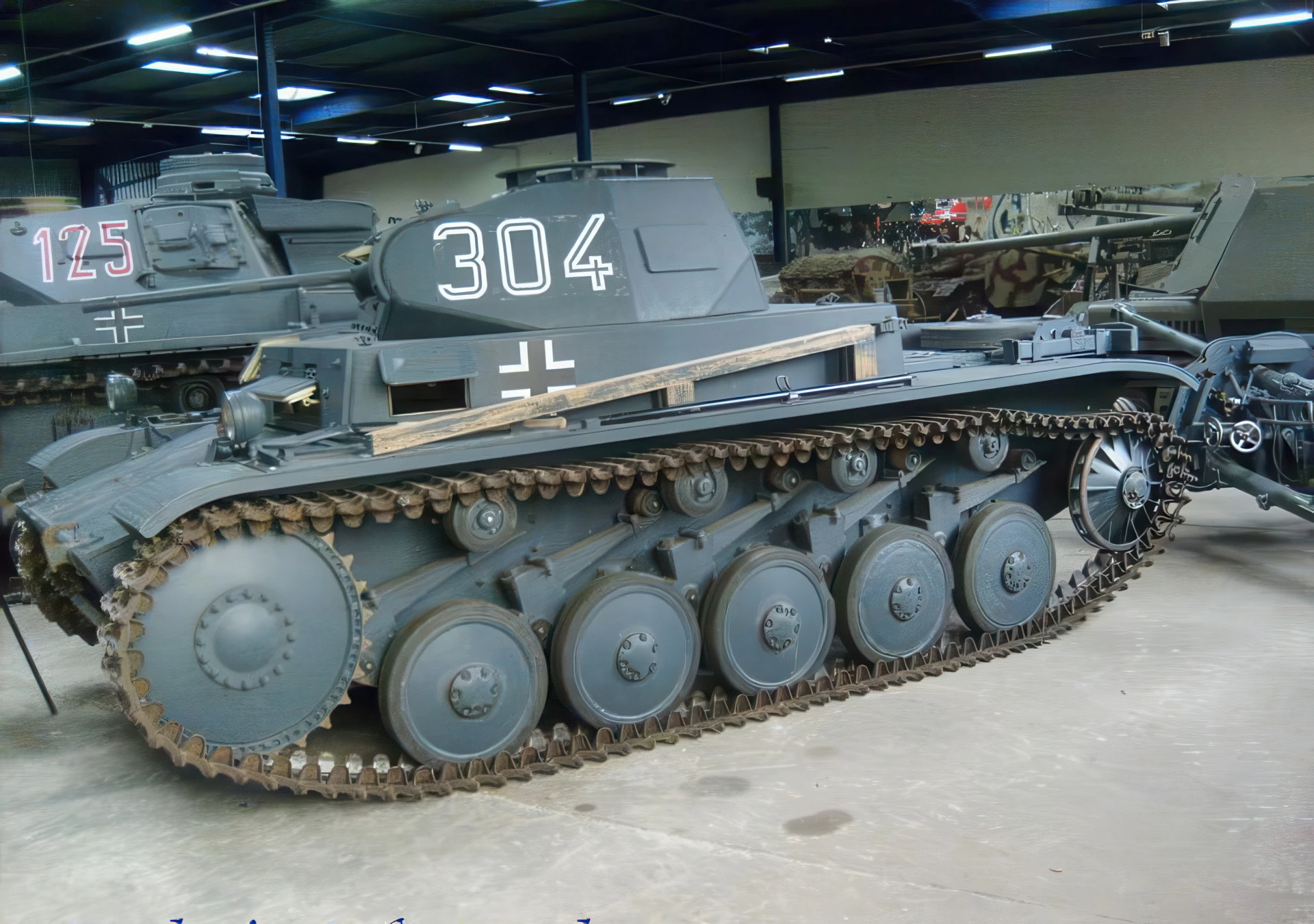
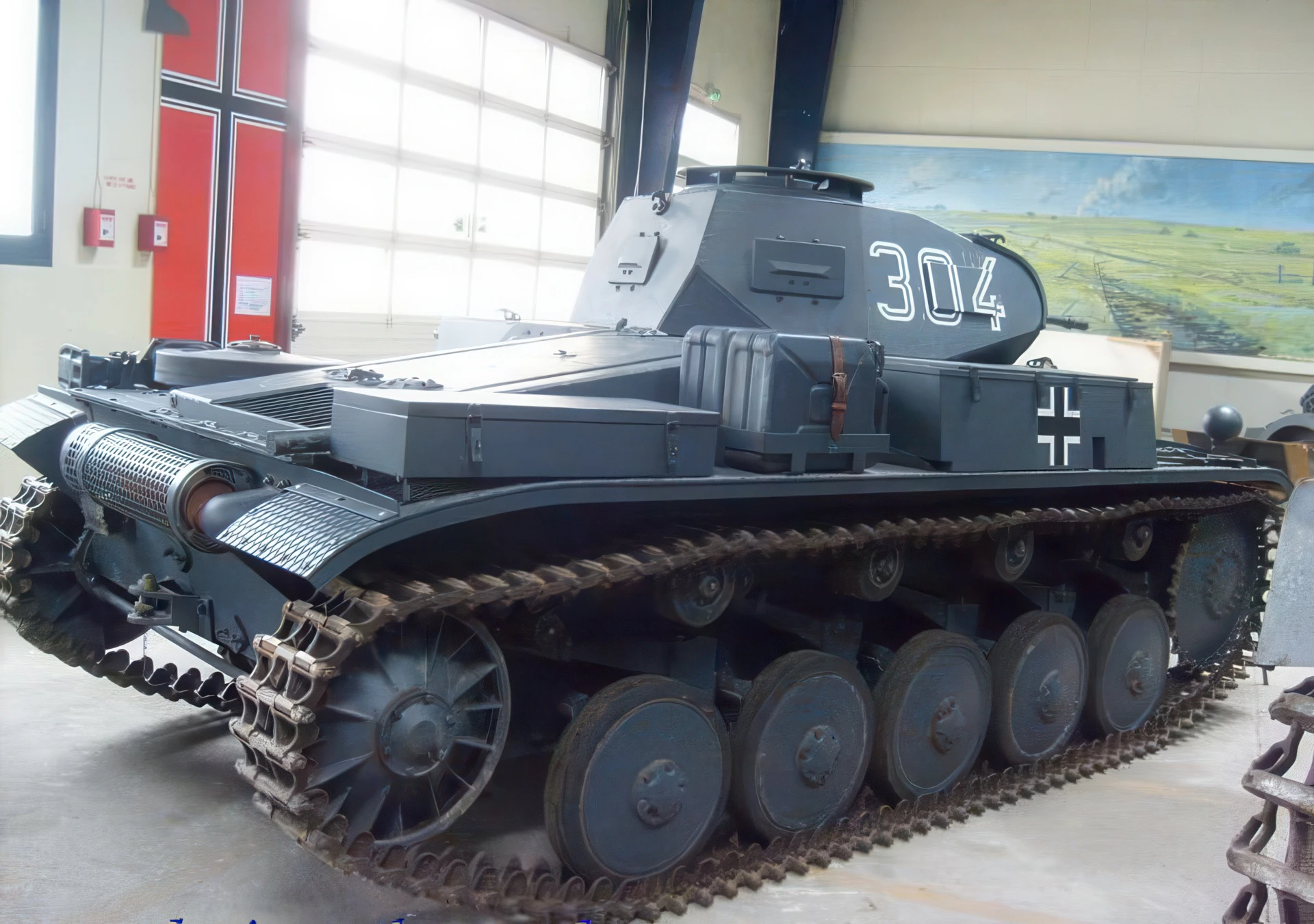
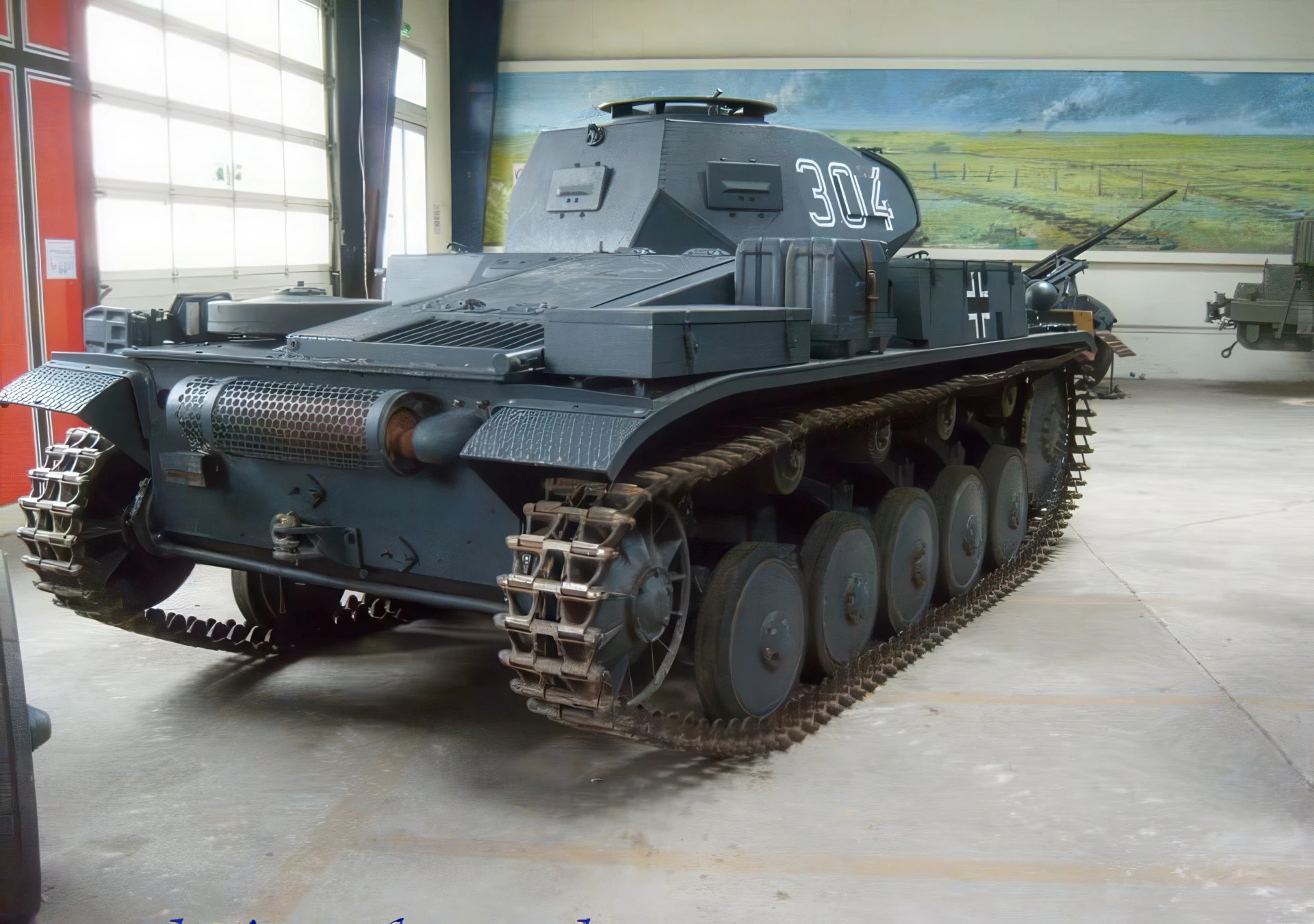
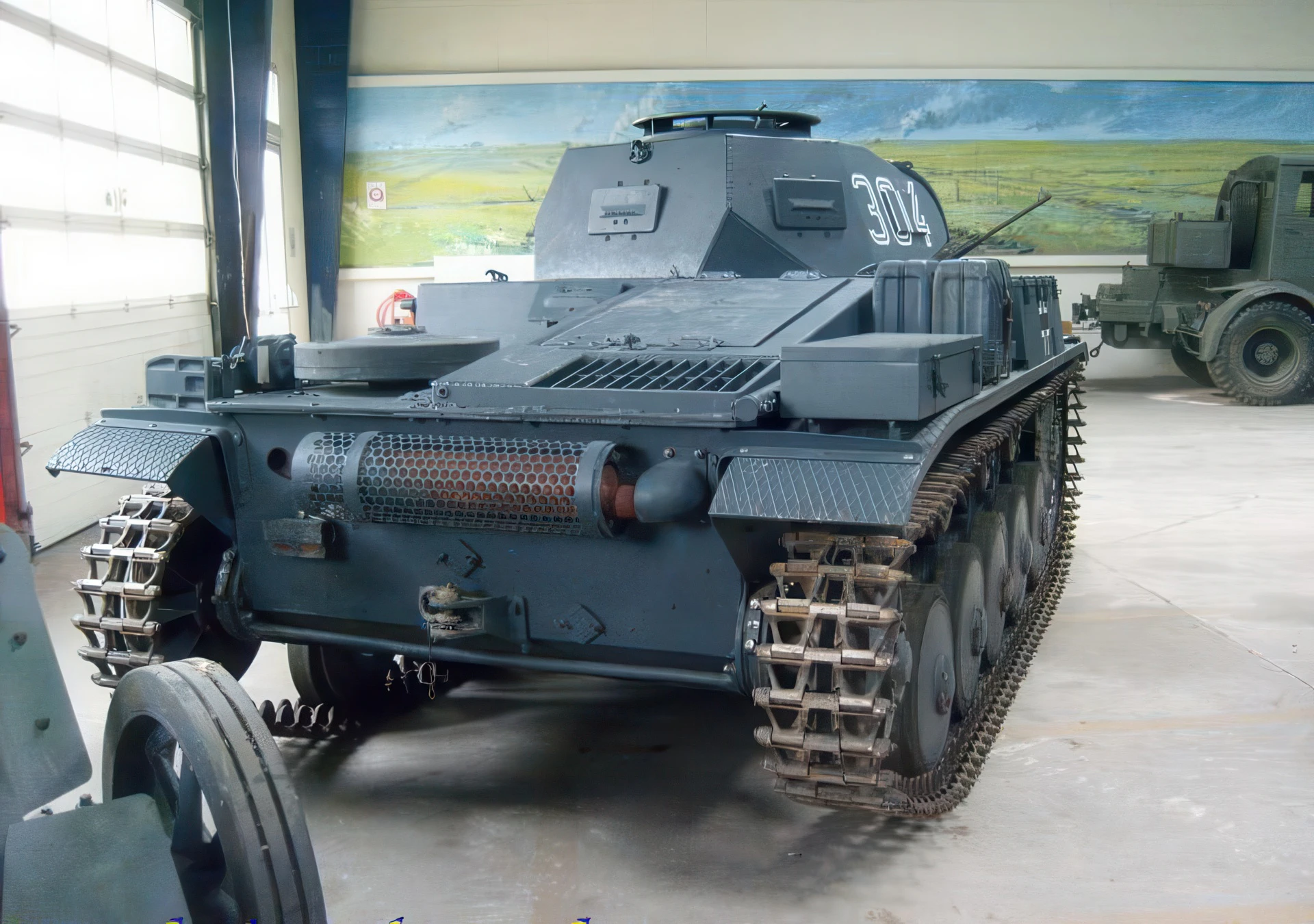
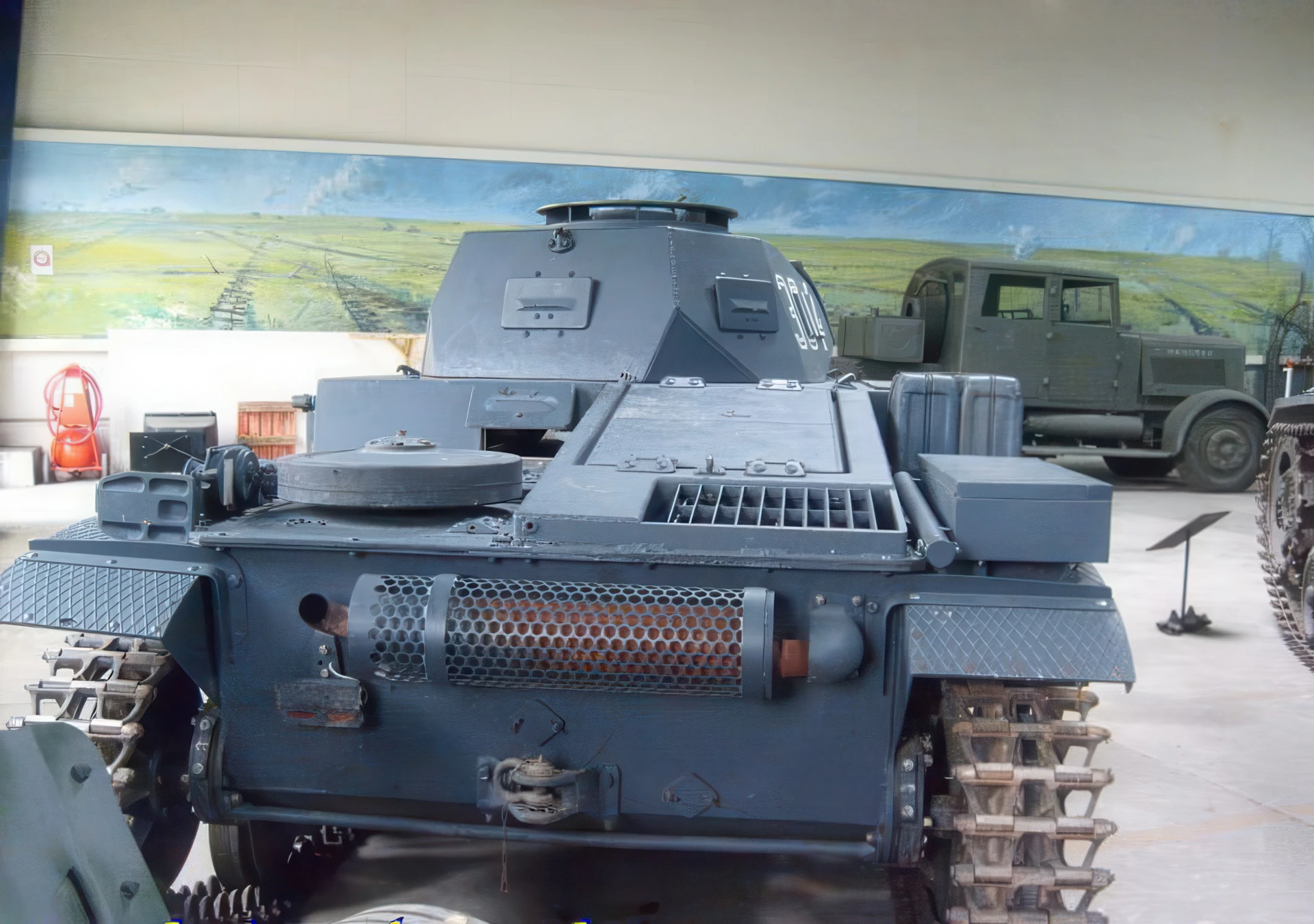

関連項目:


Role and Historical Context
The Panzer II was a German light tank designed in the mid-1930s. It was created to fill a critical gap in the German armored forces while the more advanced Panzer III and Panzer IV medium tanks were still being developed. Essentially a stopgap measure, the Panzer II was never intended to be a long-term mainstay of the Panzerwaffe.
Despite its planned temporary role, the Panzer II became the most numerous German tank during the early campaigns, participating in the invasions of Poland (1939) and France (1940). Its presence ensured that the new tank divisions had the necessary numbers of fighting vehicles to execute the Blitzkrieg strategy.
Design and Specifications (Ausf. C-F)
The PzKpfw II was characterized by its speed, lightness, and the use of an auto-cannon as its main weapon.
| 仕様 | Detail |
|---|---|
| Weight (Mass) | Approximately 8.9 – 9.5 tonnes (depending on variant) |
| 乗組員 | 3 (Driver, Commander/Gunner, Loader/Radio Operator) |
| 主砲 | 1 x 2 cm KwK 30 or KwK 38 L/55 autocannon |
| 副武装 | 1 x 7.92 mm MG 34 machine gun (coaxial) |
| Armor Thickness (Front) | Ranged from 14.5 mm (early models) up to 35 mm (later Ausf. F) |
| エンジン | Maybach HL 62 TRM gasoline engine (approx. 140 hp) |
| Speed (Road) | Around 40 km/h |
Combat Limitations and Legacy
- Obsolete Armament: The 20 mm autocannon was capable of high rates of fire, making it excellent against infantry, soft-skinned vehicles, and light armor. However, its small caliber was ineffective against the armor of most Soviet and British tanks encountered from 1941 onward.
- Light Protection: While later variants increased frontal armor, the thin side armor remained vulnerable to even standard anti-tank rifles and light artillery.
- Shift to Reconnaissance: By the time of Operation Barbarossa (1941), the tank was recognized as obsolescent for main combat. It was increasingly relegated to reconnaissance platoons due to its speed and relatively small size.
- Chassis Utilization: The greatest contribution of the Panzer II was arguably its highly adaptable chassis. It became the base for successful self-propelled artillery pieces like the Wespe (Wasp) and tank destroyers like the マーダーII, which saw service long after the tank version had been withdrawn from the front line.
Views : 9416