기갑 II | |
|---|---|
| 국가 | 독일 |
| 범주 | 탱크 |
| 형식 | 자동차 |
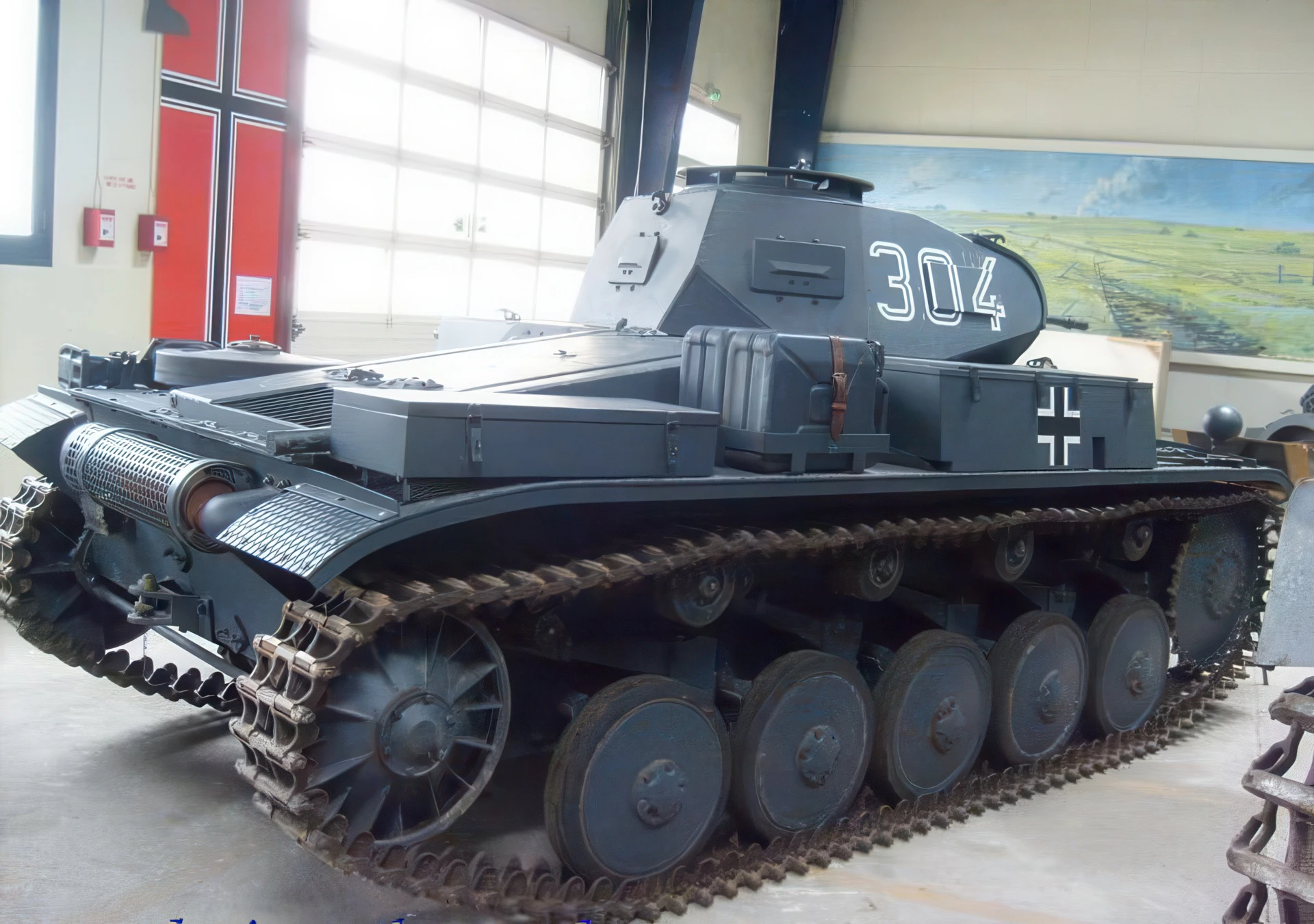
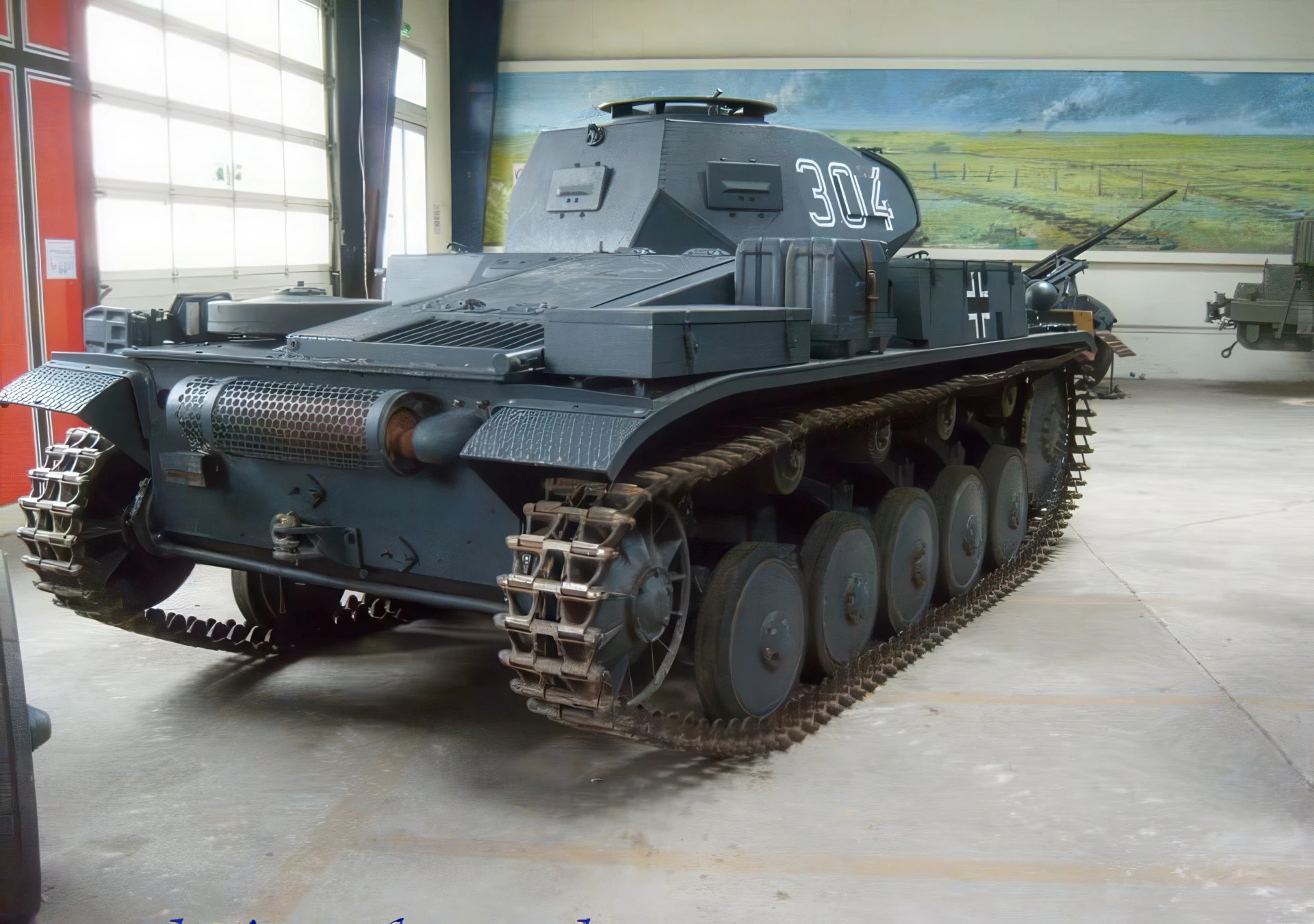
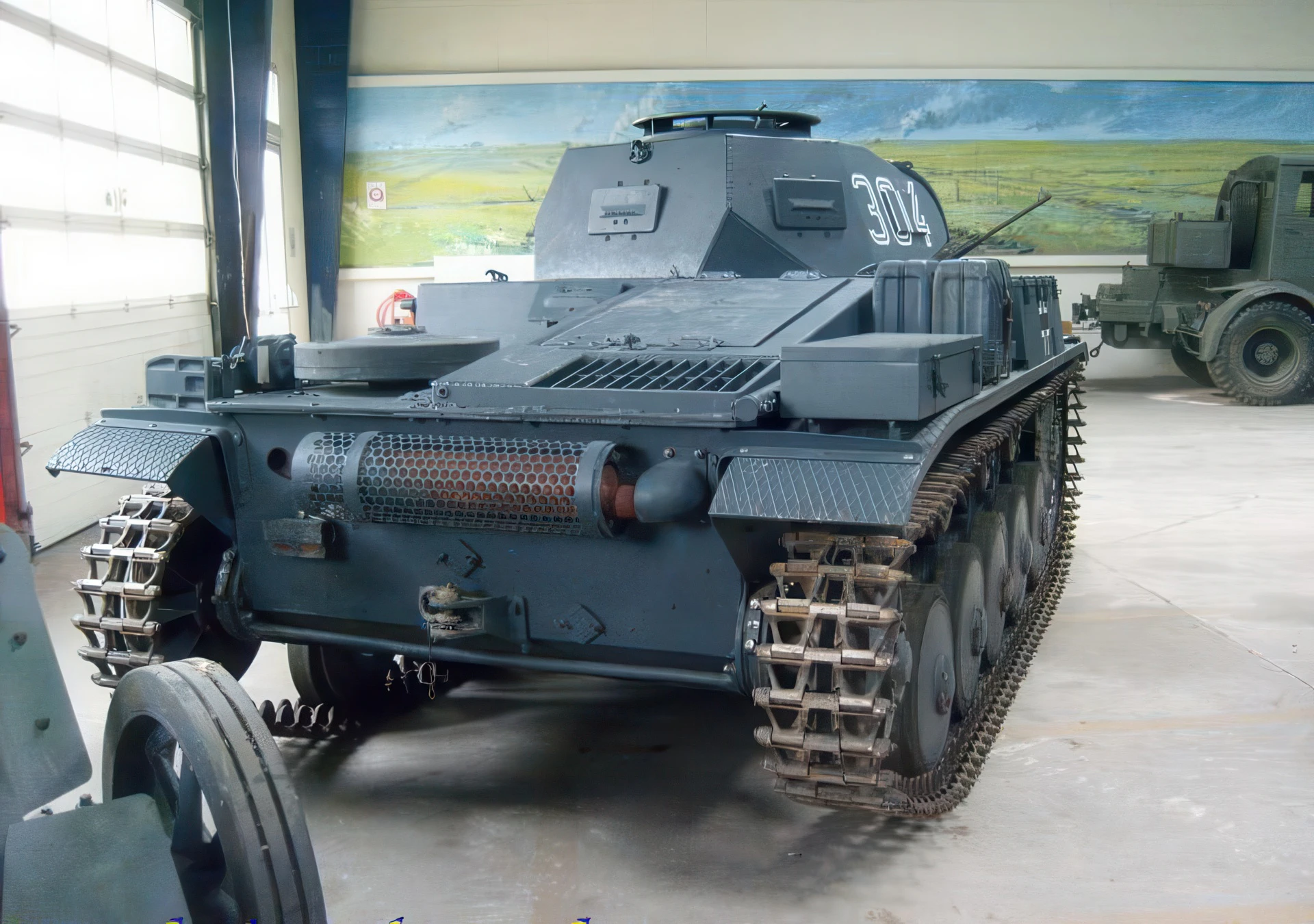
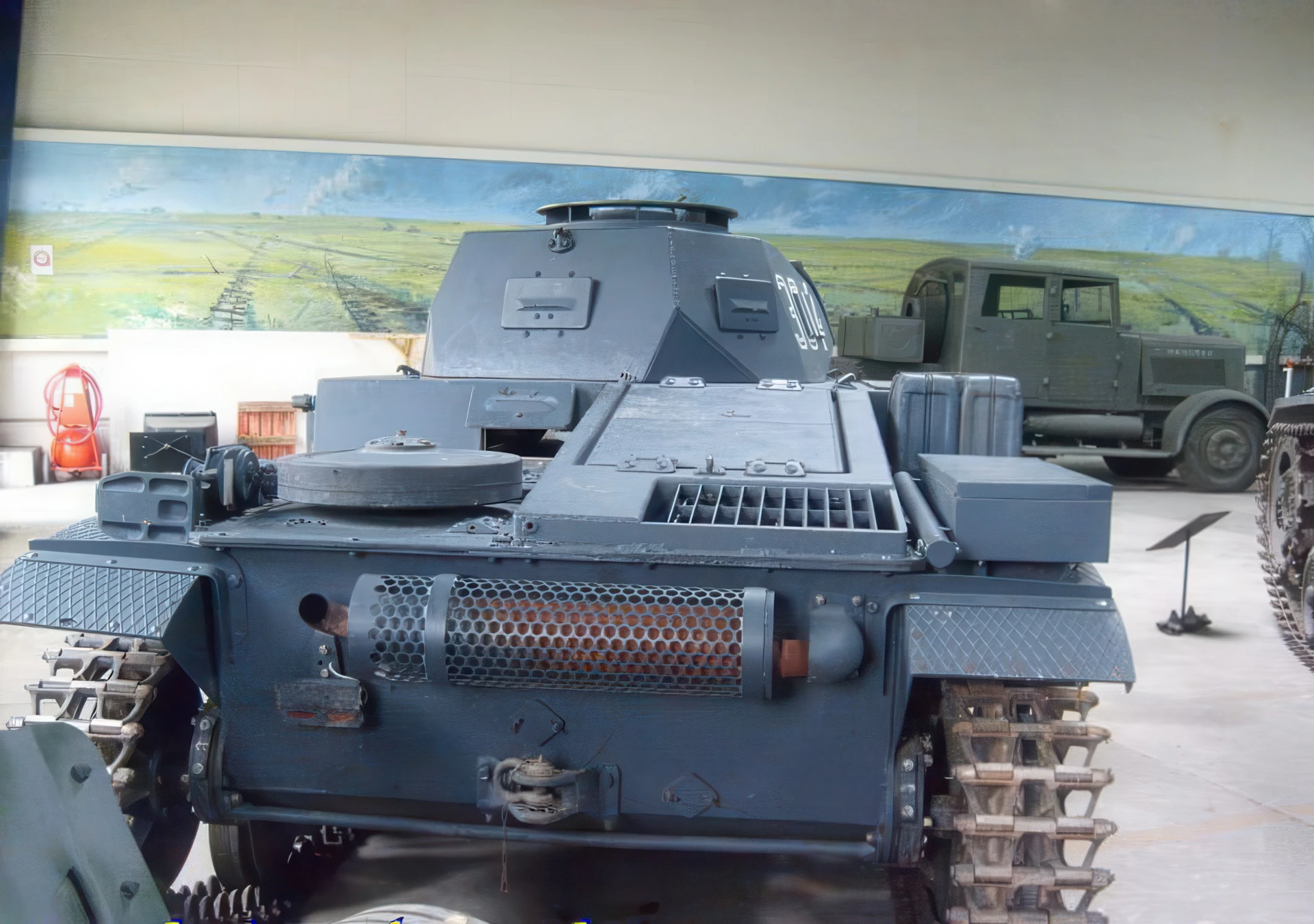
| 설명 | 앨범 드 103 탱크 "PzKpfw II"의 도보 사진 |
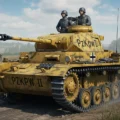
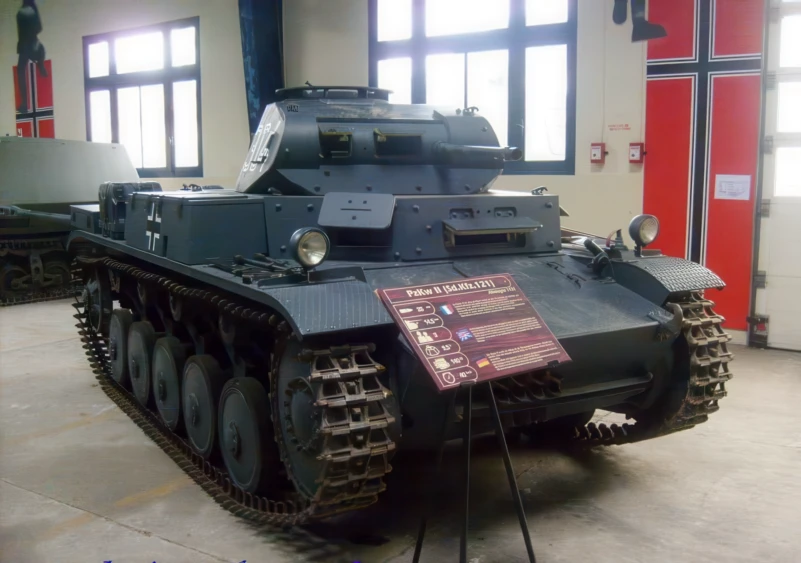
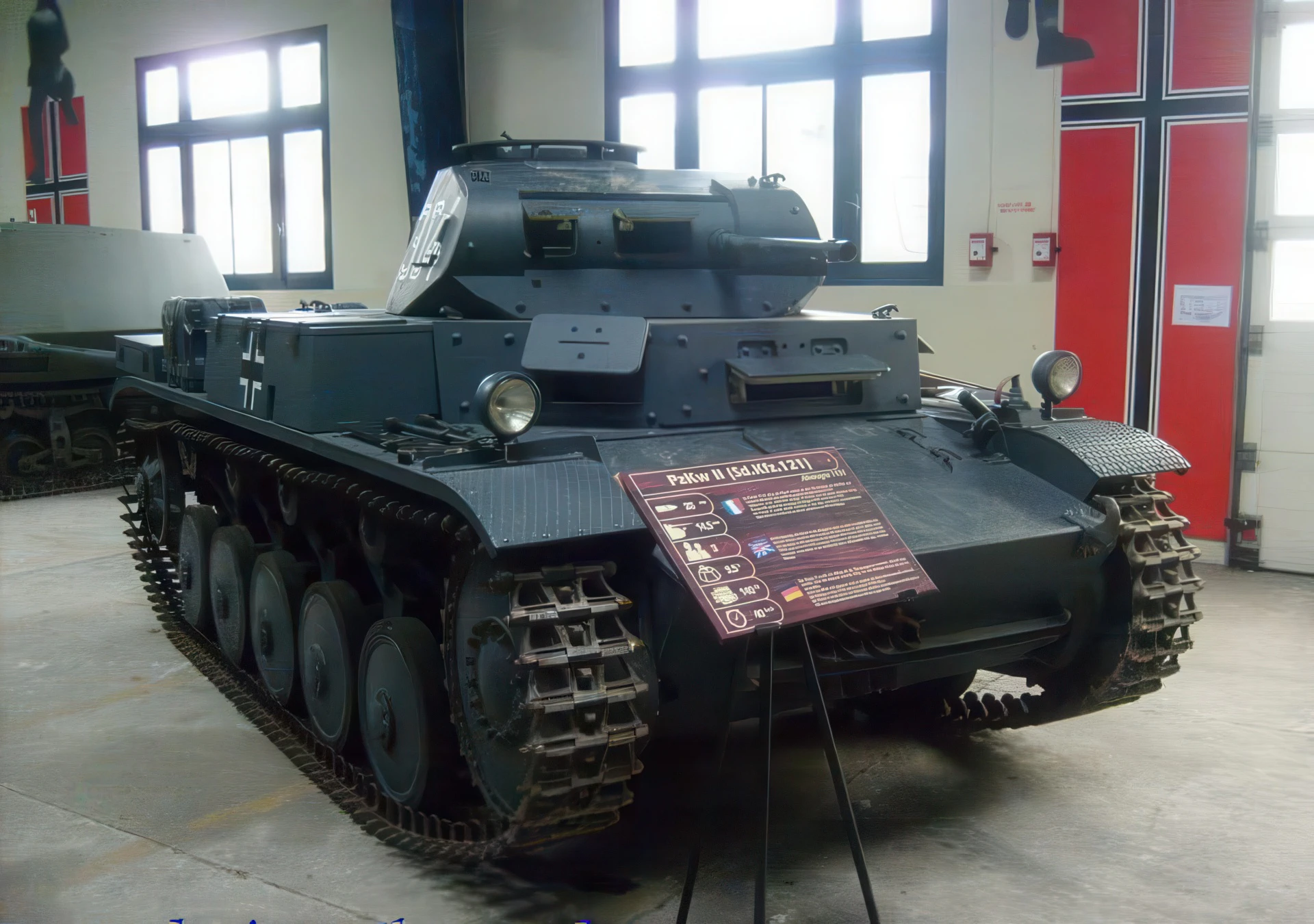
PzKpfw II에 사진 갤러리, 기갑캄프바겐 II 약어 PzKpfw II 및 Sd.Kfz.121로 알려진 차 세계 대전 동안 독일 탱크였다. 그것의 전임자 PzKpfw I처럼, 그것은 PzKpfw III 탱크와 기갑 IV의 도착을 기다릴 수있는 임시 장치로 설계되었습니다. 그들은 사실 미래의 Blitzkrieg의 전술에서 기갑 부두선 승무원을 훈련하기 위해 훈련 목적으로 사용되기위한 것입니다.
Mais le retard dans la mise au point et la production des Panzers II et IV obligea l’état major Allemand à les utiliser en grand nombre durant le début de la Seconde Guerre mondiale jusqu’à l’année 1941 où ils purent être progressivement remplacés. Le 기갑 II 남은 것은 나중에 마더 II와 웨스페의 정찰 차량과 섀시로 사용되었다.
소스: 기갑 II 온 위키백과
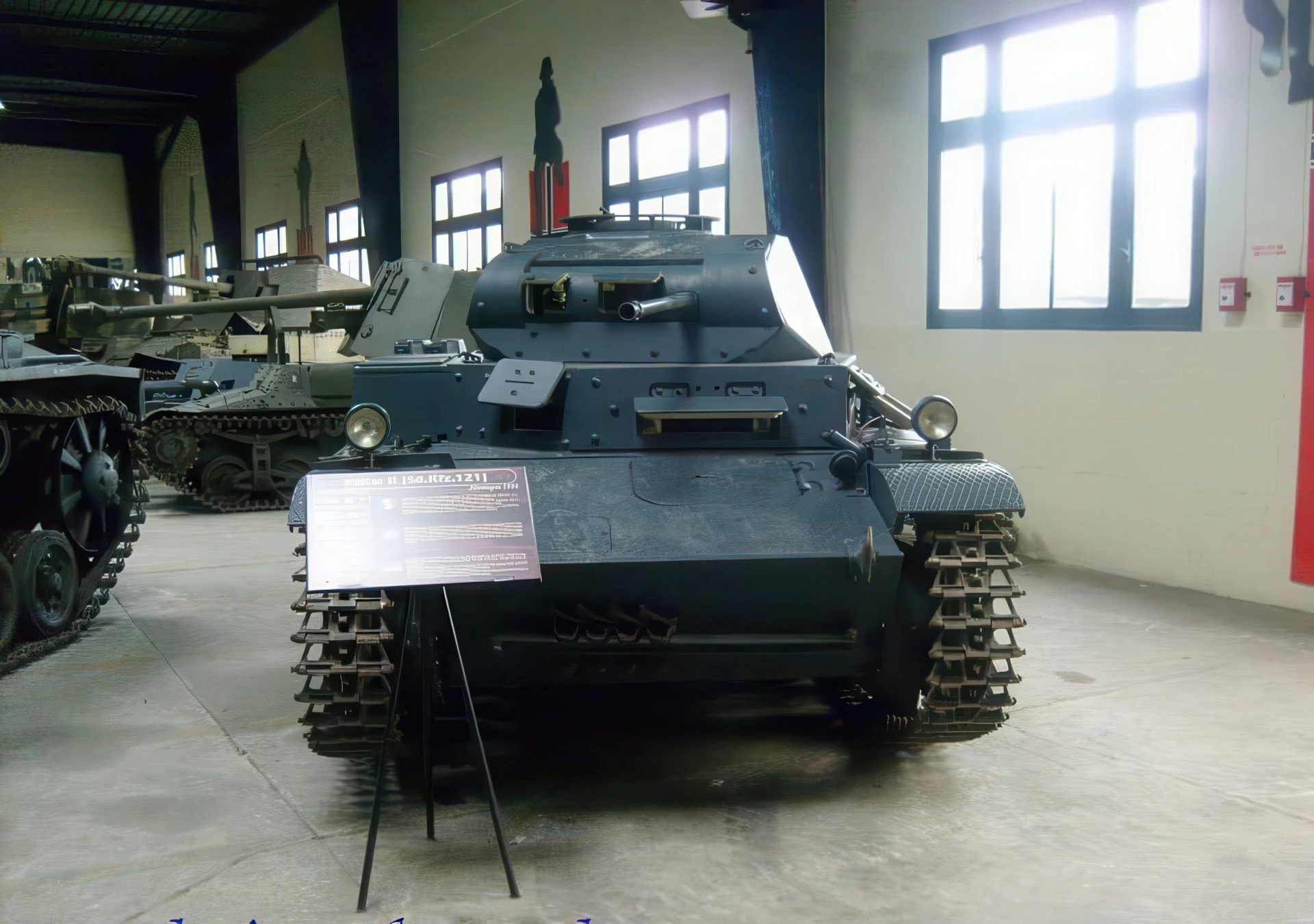
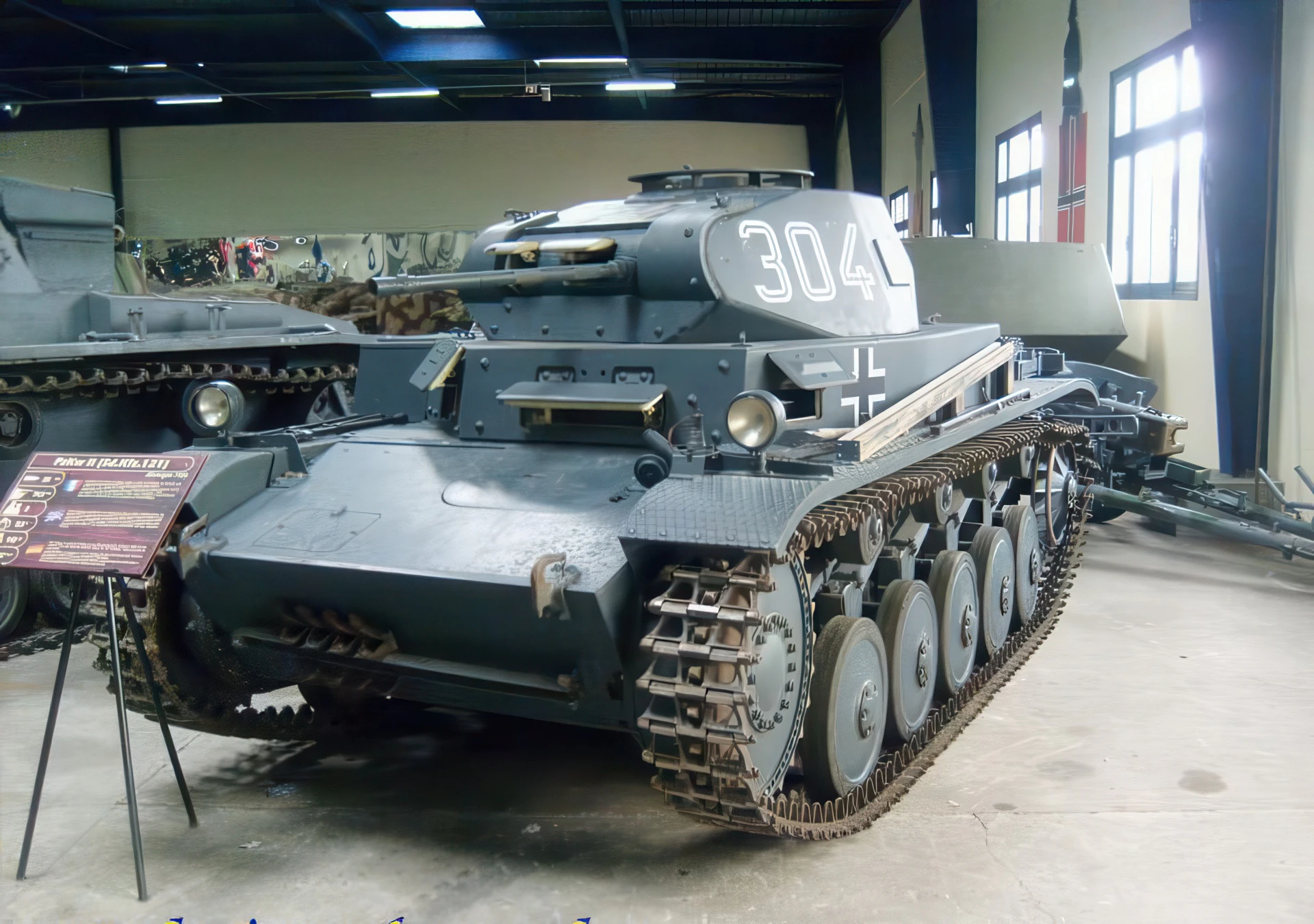
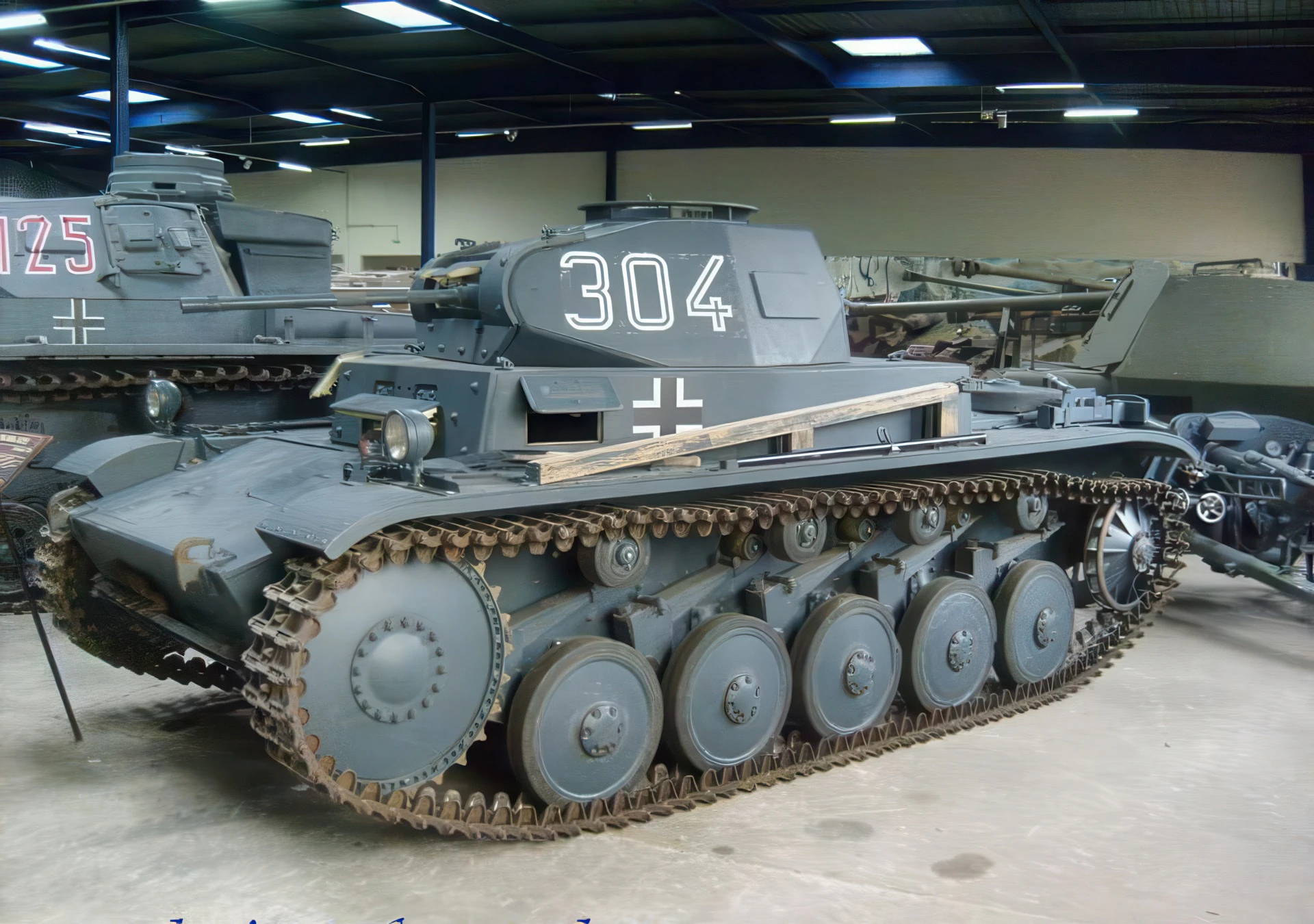
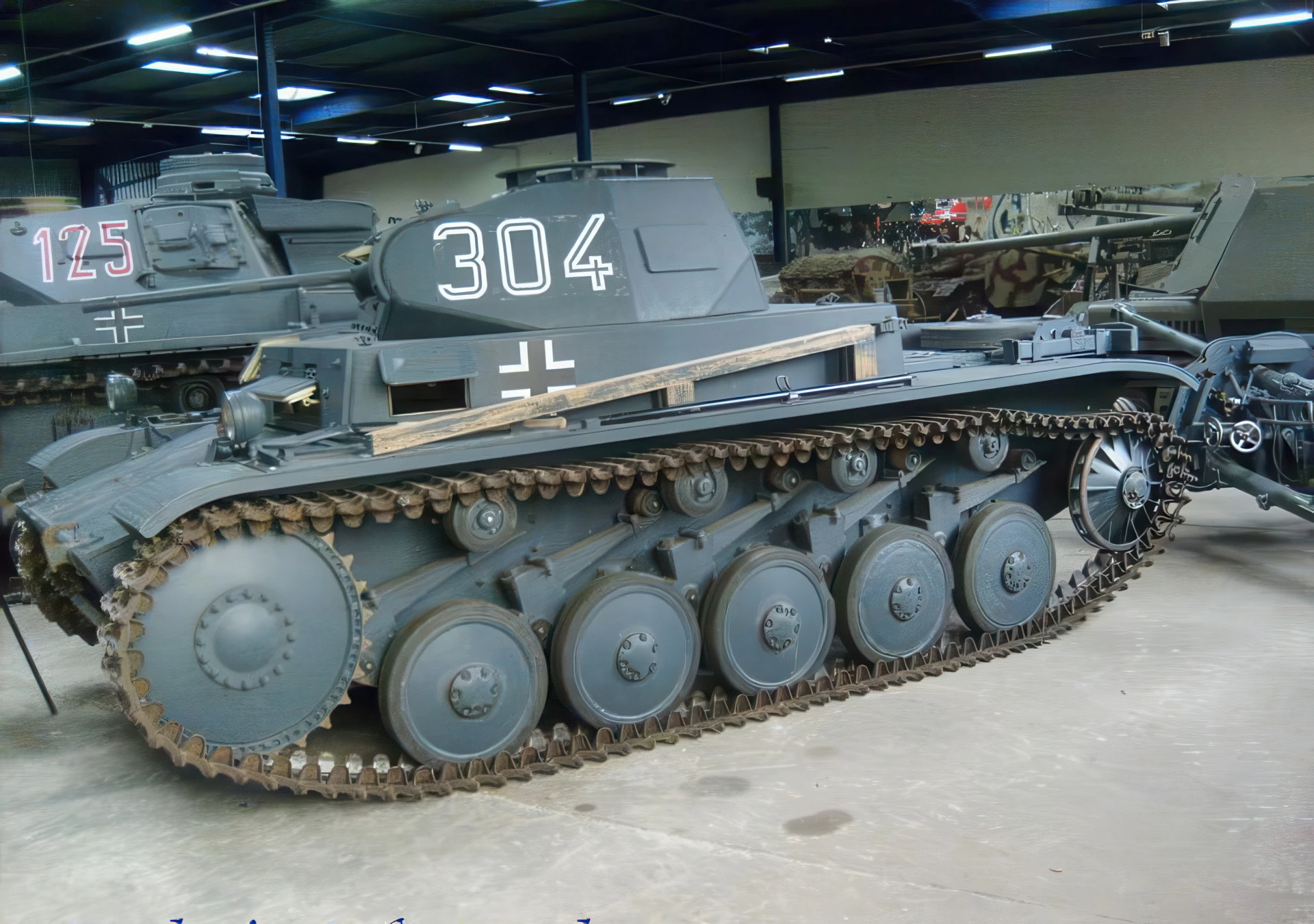

참고 항목:


Role and Historical Context
The Panzer II was a German light tank designed in the mid-1930s. It was created to fill a critical gap in the German armored forces while the more advanced Panzer III and Panzer IV medium tanks were still being developed. Essentially a stopgap measure, the Panzer II was never intended to be a long-term mainstay of the Panzerwaffe.
Despite its planned temporary role, the Panzer II became the most numerous German tank during the early campaigns, participating in the invasions of Poland (1939) and France (1940). Its presence ensured that the new tank divisions had the necessary numbers of fighting vehicles to execute the Blitzkrieg strategy.
Design and Specifications (Ausf. C-F)
The PzKpfw II was characterized by its speed, lightness, and the use of an auto-cannon as its main weapon.
| 사양 | Detail |
|---|---|
| Weight (Mass) | Approximately 8.9 – 9.5 tonnes (depending on variant) |
| 승무원 | 3 (Driver, Commander/Gunner, Loader/Radio Operator) |
| 주무장 | 1 x 2 cm KwK 30 or KwK 38 L/55 autocannon |
| 보조 무장 | 1 x 7.92 mm MG 34 machine gun (coaxial) |
| Armor Thickness (Front) | Ranged from 14.5 mm (early models) up to 35 mm (later Ausf. F) |
| 엔진 | Maybach HL 62 TRM gasoline engine (approx. 140 hp) |
| Speed (Road) | Around 40 km/h |
Combat Limitations and Legacy
- Obsolete Armament: The 20 mm autocannon was capable of high rates of fire, making it excellent against infantry, soft-skinned vehicles, and light armor. However, its small caliber was ineffective against the armor of most Soviet and British tanks encountered from 1941 onward.
- Light Protection: While later variants increased frontal armor, the thin side armor remained vulnerable to even standard anti-tank rifles and light artillery.
- Shift to Reconnaissance: By the time of Operation Barbarossa (1941), the tank was recognized as obsolescent for main combat. It was increasingly relegated to reconnaissance platoons due to its speed and relatively small size.
- Chassis Utilization: The greatest contribution of the Panzer II was arguably its highly adaptable chassis. It became the base for successful self-propelled artillery pieces like the Wespe (Wasp) and tank destroyers like the 마더 II, which saw service long after the tank version had been withdrawn from the front line.
Views : 9280