Intelligent Whale | |
|---|---|
| 国 | 米国 |
| 役割 | 潜水艦 |
| 起工 | 1863 |
| 構築 | 1 |
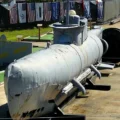
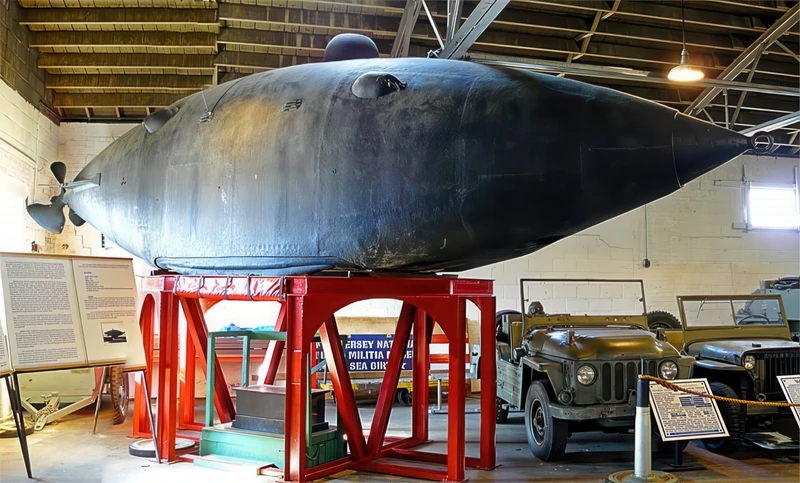
インテリジェントクジラ実験的な手でクランクされた潜水艦は、アウグストゥス・プライスとコーネリアス・スクラントン・ブッシュネルによって1863年にスコーベル・スタージス・メリアムの設計上に建造されました。1864年にアメリカの潜水艦会社が設立され、ブッシュネルとプライスの利益を引き継ぎ、工芸品の所有権をめぐる長年の訴訟が続きました。タイトルが裁判所によって設立されたとき、潜水艦は1869年10月29日に所有者オリバー・ハルステッドと海軍ジョージ・M・ロブソン海軍長官によってアメリカ海軍に行われた契約を通じて売却され、その代償のほとんどは裁判に成功した後に支払われる予定でした。1872年9月、最初の裁判が行われ、失敗し、その後、部門はさらなる支払いを拒否し、プロジェクトを放棄しました。
ソース: ウィキペディアのインテリジェントクジラ
| Intelligent Whale Submarine Walk Around | |
|---|---|
| Photographer | Bill Maloney |
| Localisation | Navy Museum, Washington Navy Yard |
| Photos | 27 |

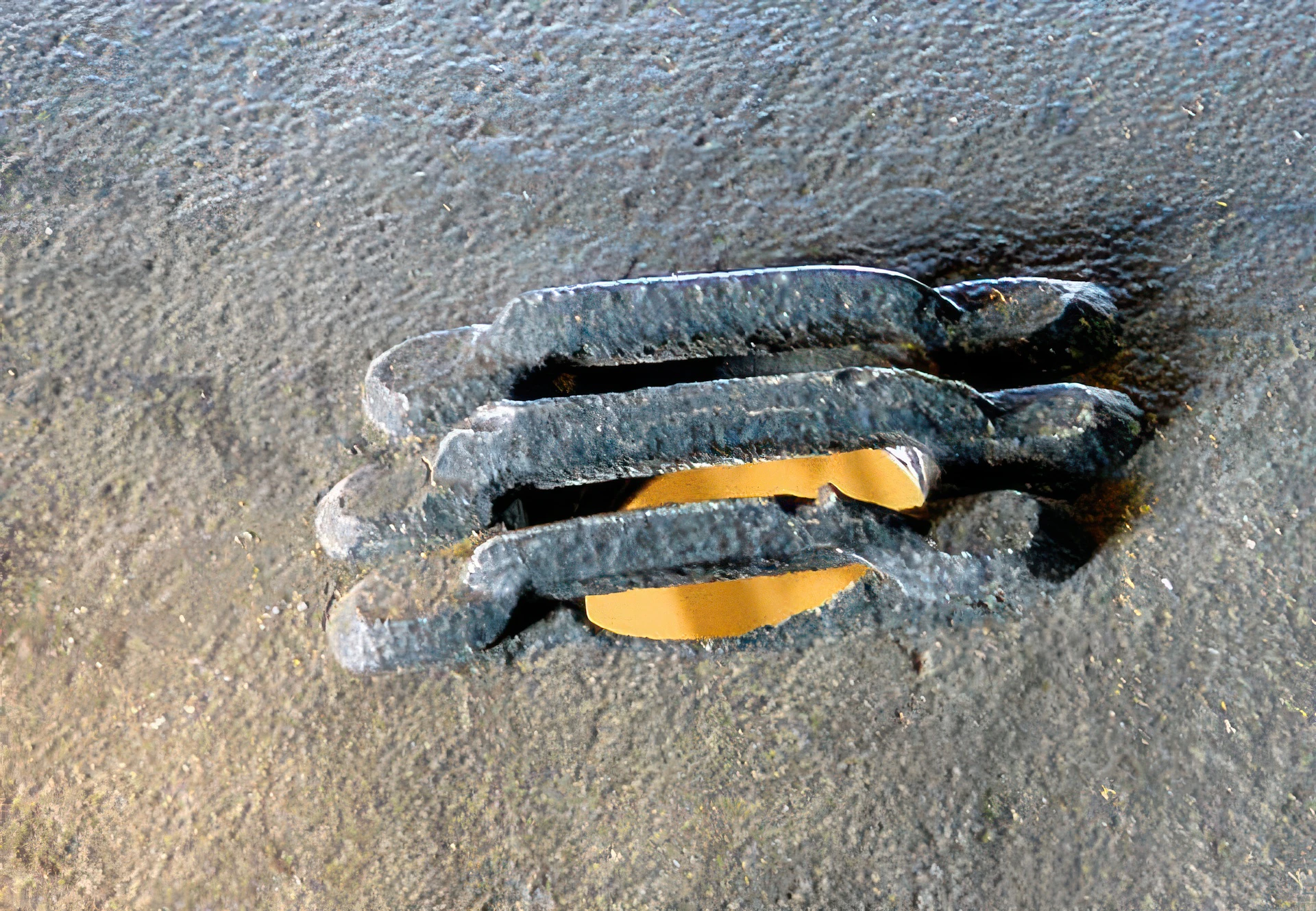
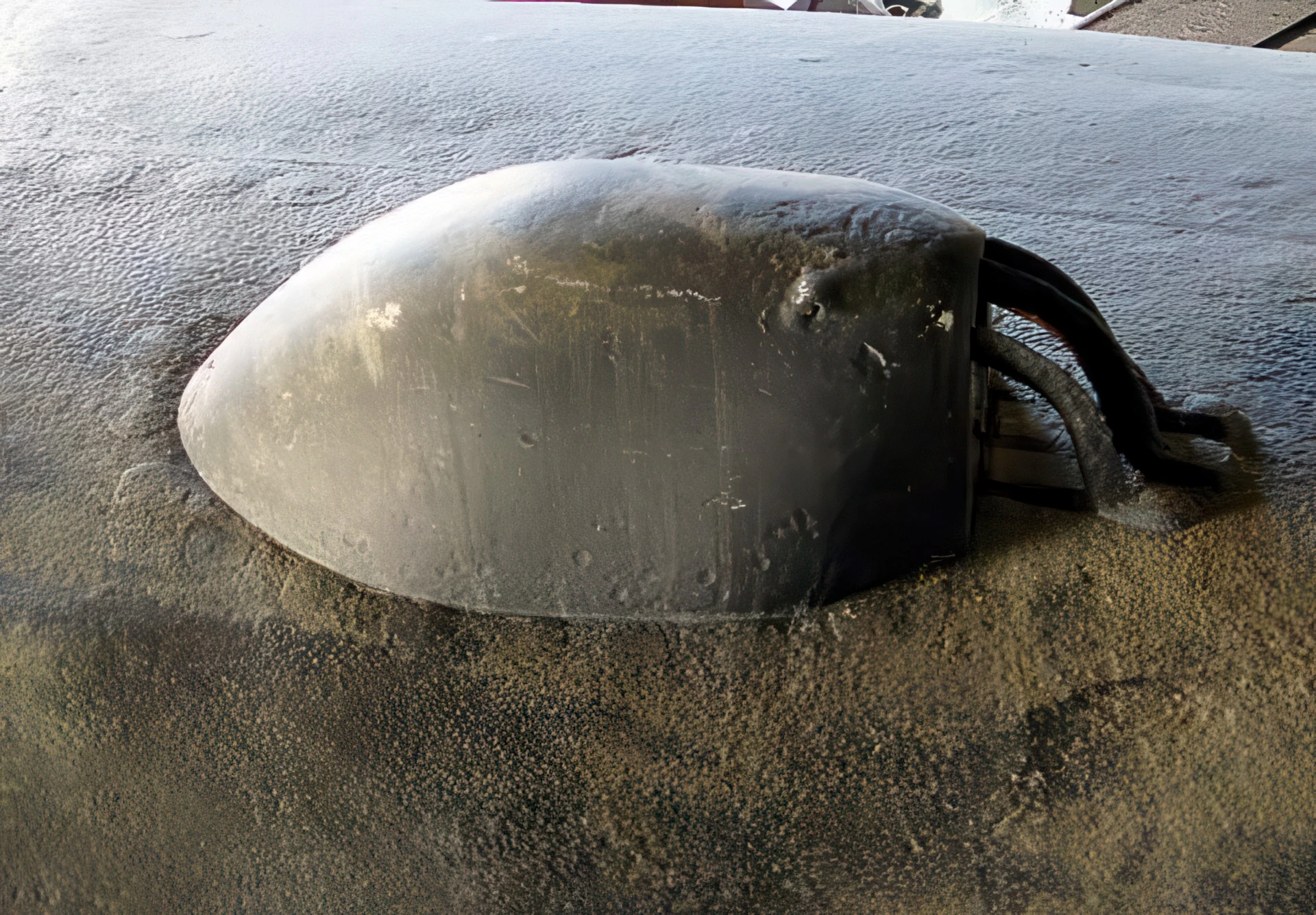


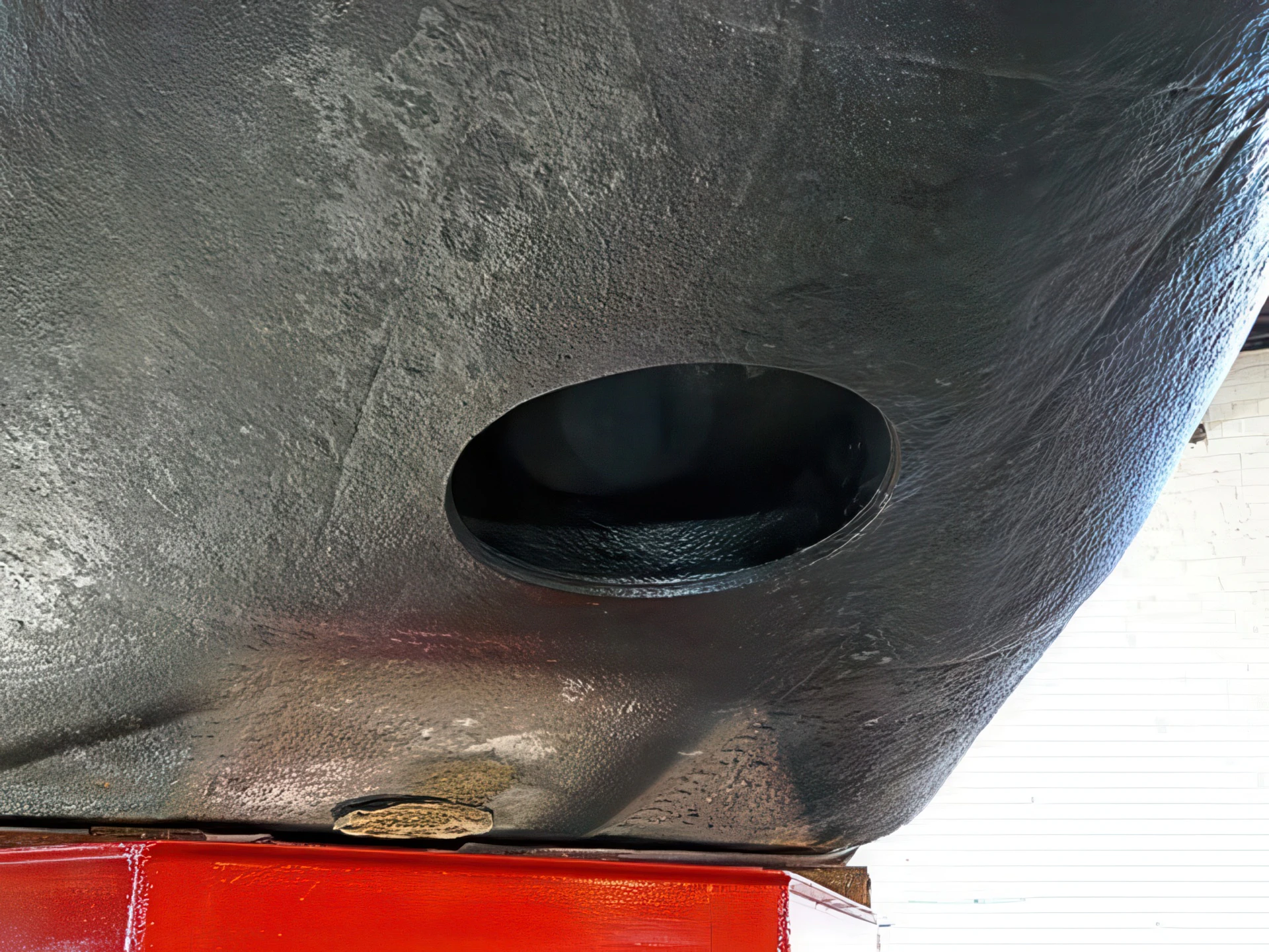

関連項目:


General Characteristics and Role
The Intelligent Whale was an experimental, iron-hulled submarine developed on the design of Scovel S. Merriam, with construction starting in 1863 during the American Civil War. Its purpose was to carry out clandestine underwater missions, primarily placing explosive charges (mines) on enemy ships or clearing underwater obstacles. The vessel was unique in its reliance on entirely manual power and its method of armament delivery, which required a diver to exit the submerged craft. Although intended for the U.S. Navy, the project was plagued by ownership disputes, litigation, and ultimately failed its official trials.
| Property | Typical Value (Intelligent Whale) |
|---|---|
| 役割 | Experimental / Mine-Laying Submersible |
| National Origin | 米国 |
| デザイナー | Scovel S. Merriam |
| Construction Began | 1863 |
| Acquired by U.S. Navy | October 1869 (Under contingent contract) |
| Hull Construction | Iron (approx. 1/2 inch boiler plate) |
| 長さ | 8.74 m (28 ft 8 in) |
| Width (Beam) | 2.1 m (7 ft) |
| Height (Depth) | 2.7 m (9 ft) |
| Displacement | Estimated 1.8 – 2 tons (approx. 4,000 lbs) |
Operation and Propulsion
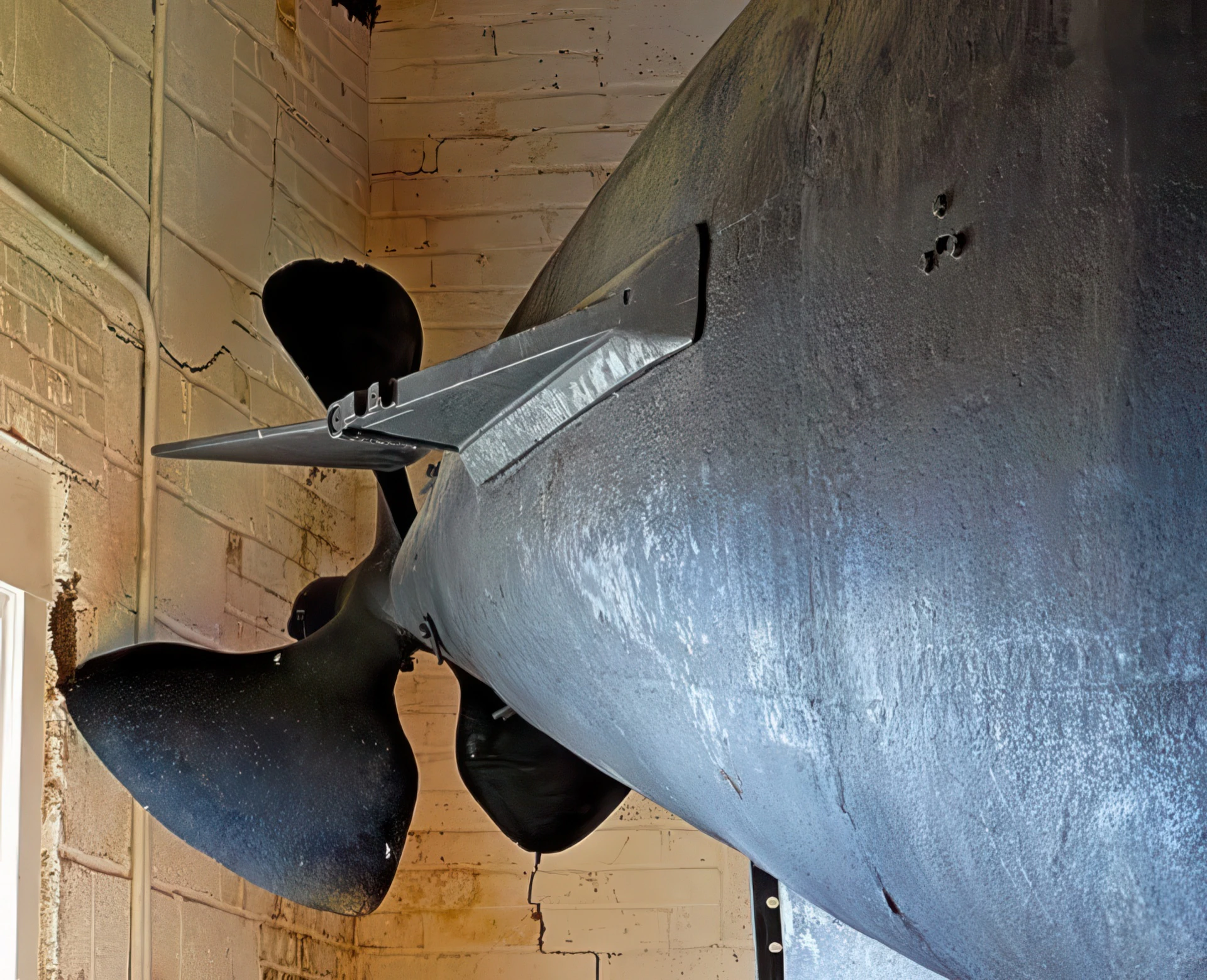
- Propulsion: Hand-cranked propeller, operated manually by four crewmen turning a large crank.
- Maximum Speed: Approximately 4 knots (7.4 km/h).
- Crew: 6 to 13 men (6 required for operation).
- Submersion: Achieved by filling water ballast compartments; water was expelled using pumps and compressed air tanks (estimated 10 hours of submerged endurance).
- Armament Delivery: Through a wooden hatch in the bottom of the hull, a diver would exit in a hard hat suit to place an external mine on a target vessel, then return.
Trials and Legacy
- Early Tests: Unofficial tests in 1866 were successful, including a demonstration where a diver placed a charge under a scow and blew it up.
- Official Trial: The critical trial for the Navy purchase took place in 1872 at the Brooklyn Navy Yard. The trial failed due to excessive leaks from the top hatch and the submarine becoming fouled under a dock.
- Navy Abandonment: Following the unsuccessful 1872 test, the Navy refused final payment and abandoned the project, judging it a failure.
- Historical Significance: Despite its lack of operational success, the Intelligent Whale is a rare surviving example of early submarine technology. It is credited by some as having inspired later successful submarine pioneer John Philip Holland.
- Current Status: The Intelligent Whale is preserved and displayed at the National Guard Militia Museum of New Jersey in Sea Girt, New Jersey.
ビュー : 1174