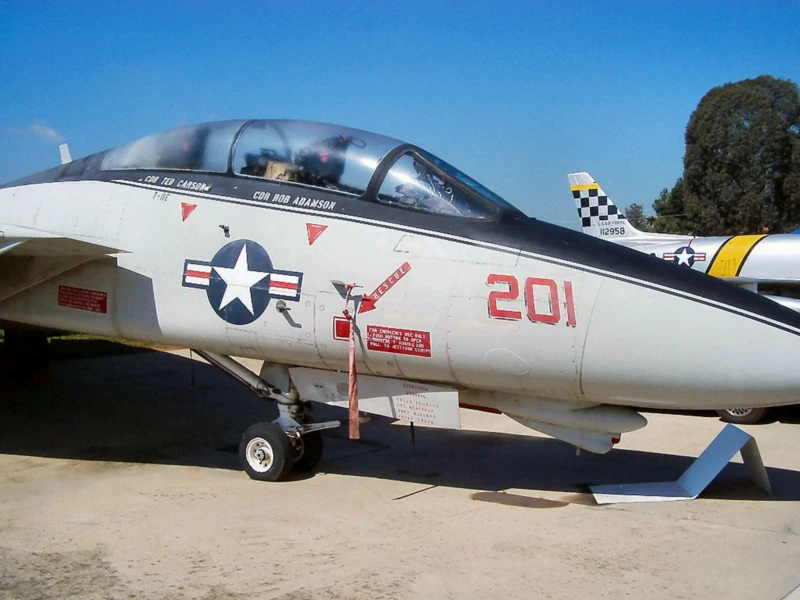
グラマン F-14 トムキャット |
|
|---|---|
| 国 | 米国 |
| 型 | 可変翼戦闘機 |
| 初飛行 | 1970年12月21日 |
| 構築 | 712 |
グラマンF-14トムキャットのフォトギャラリー グラマン F-14 トムキャット 超音速、双発、2人乗り、可変スイープ翼戦闘機です。
ソース: ウィキペディア
| Grumman F-14 Tomcat | |
|---|---|
| カメラマン | 知りません |
| ローカライズ | 知りません |
| 写真 | 61 |
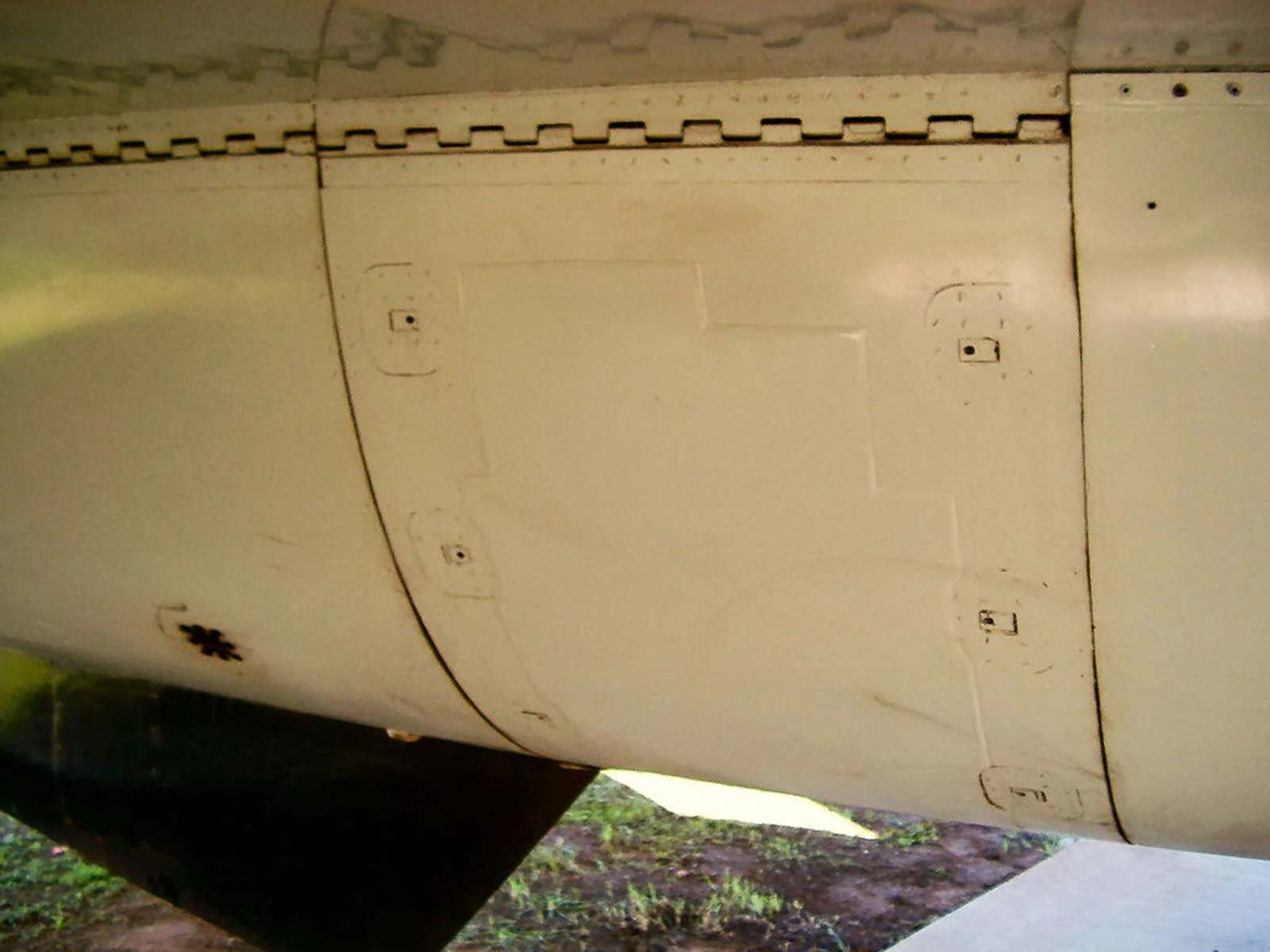
Grumman F-14 Tomcat 01
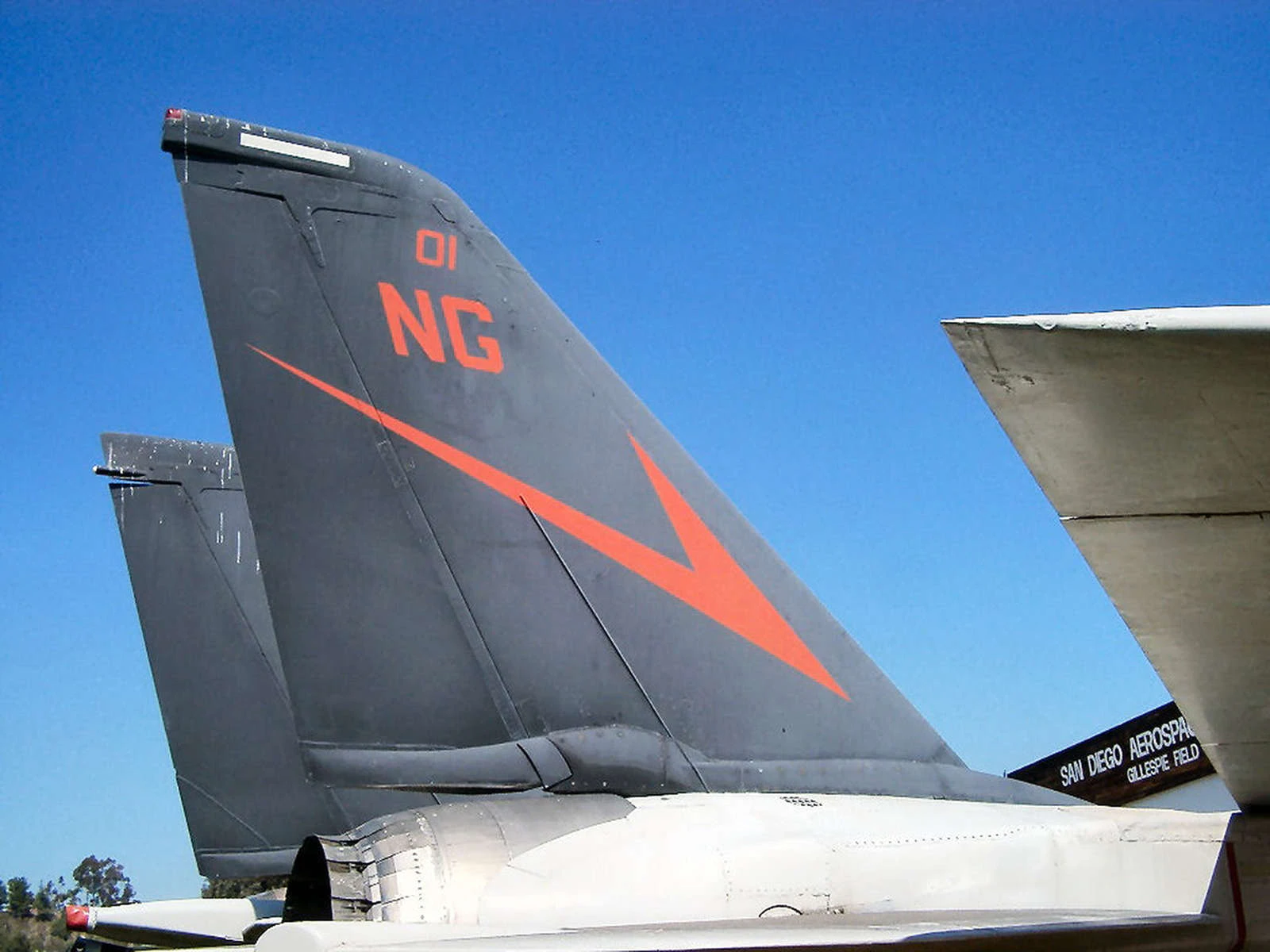
Grumman F-14 Tomcat 03
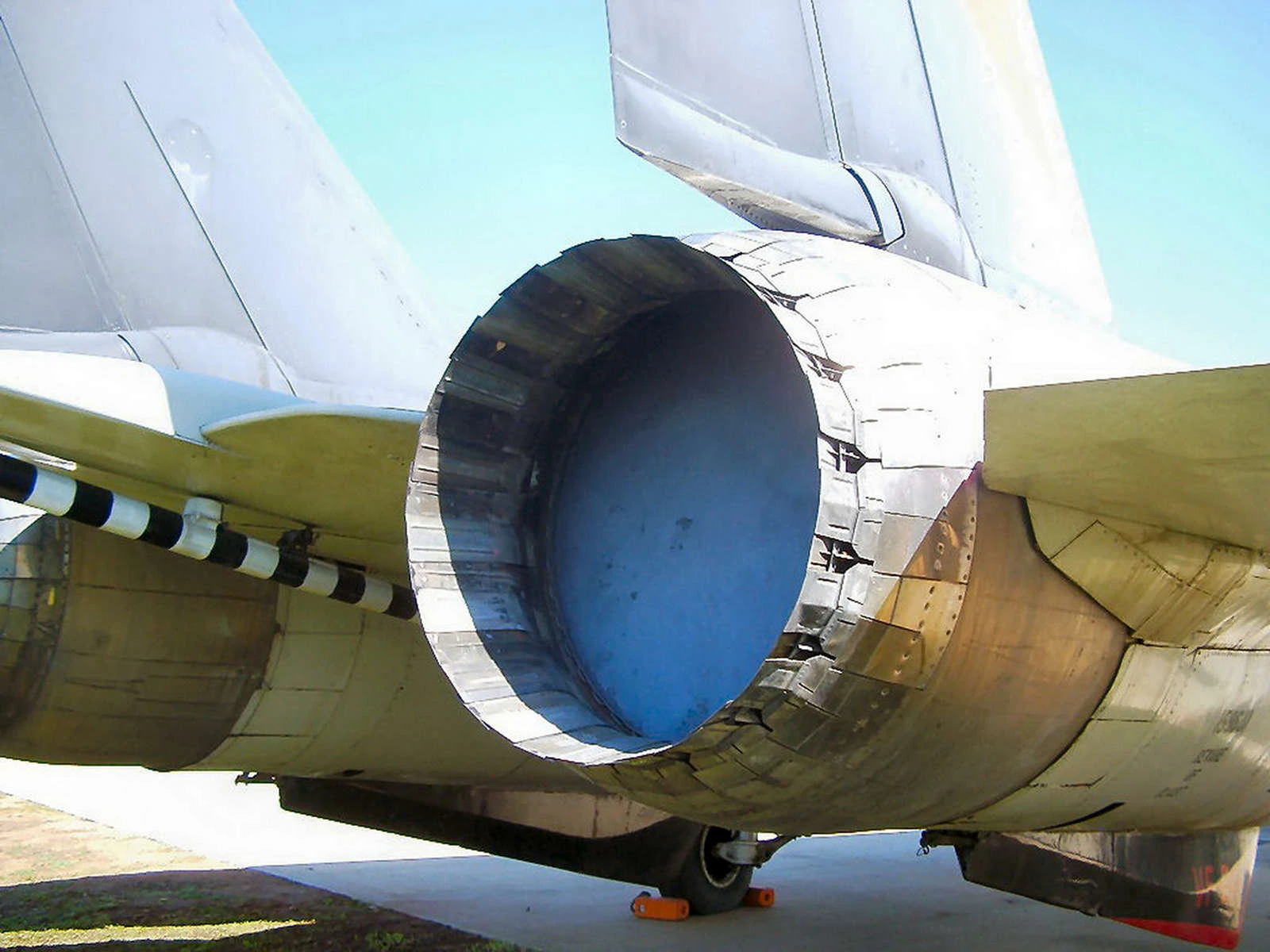
Grumman F-14 Tomcat 02
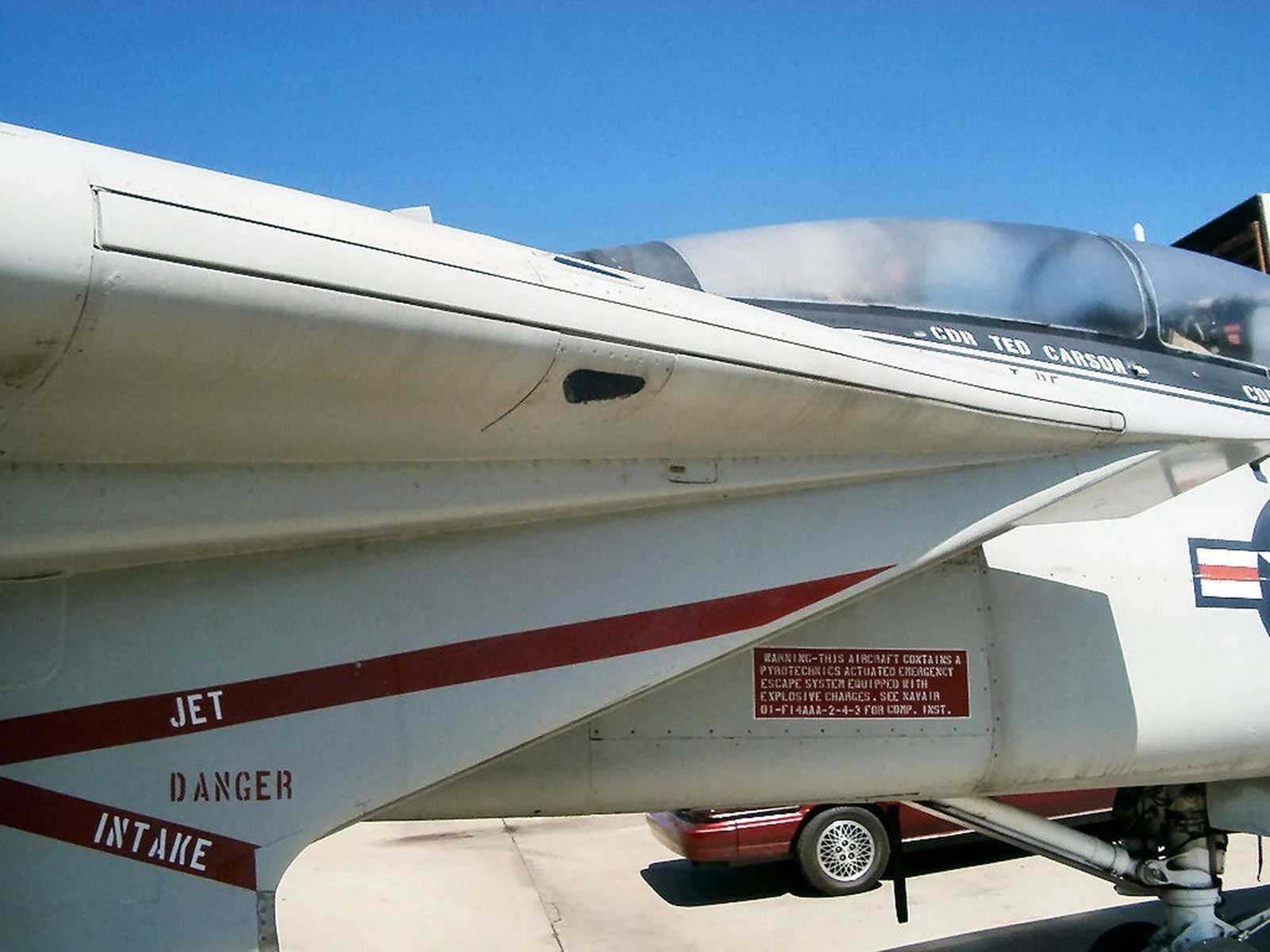
Grumman F-14 Tomcat 05
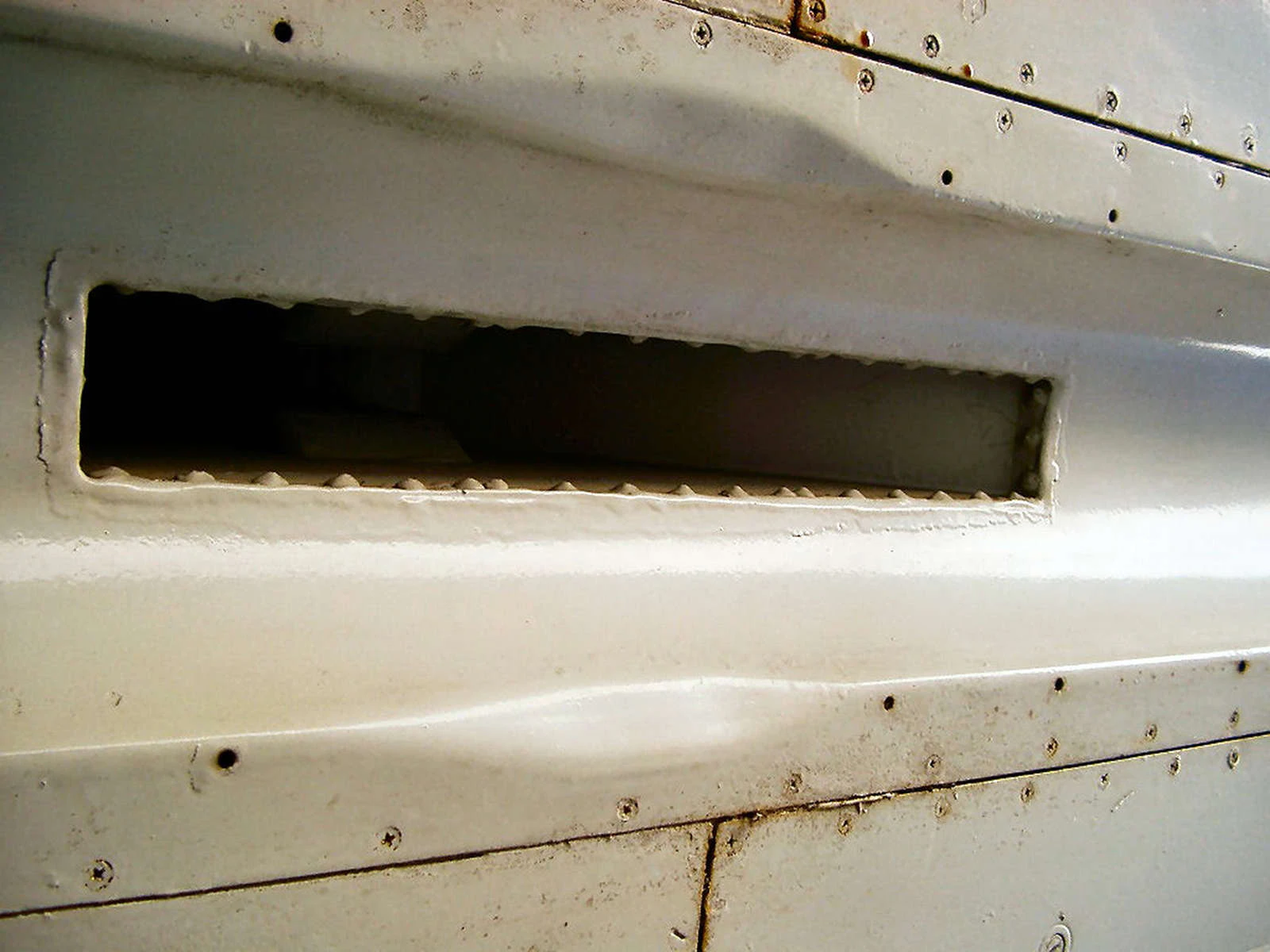
Grumman F-14 Tomcat 04
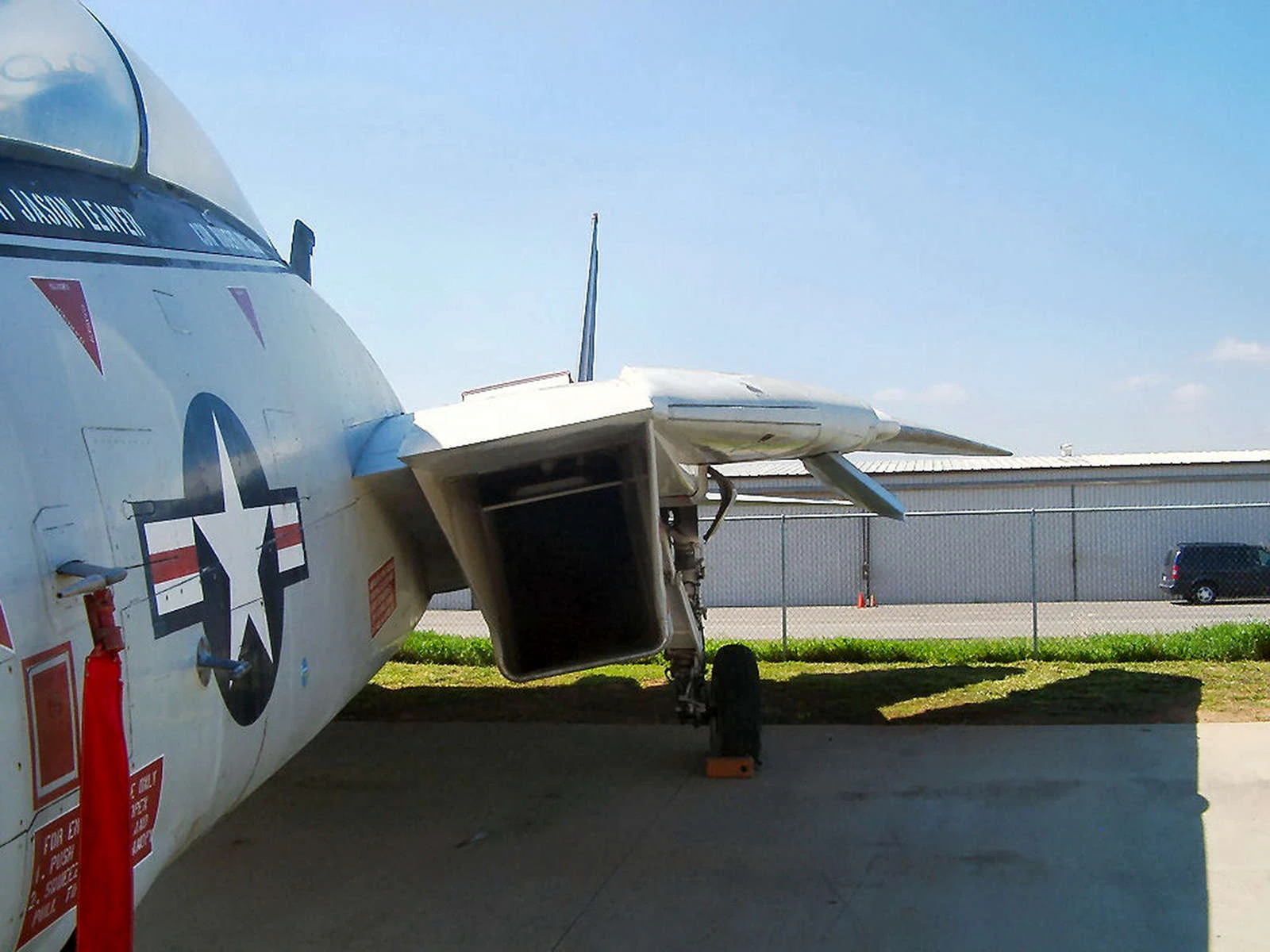
Grumman F-14 Tomcat 06
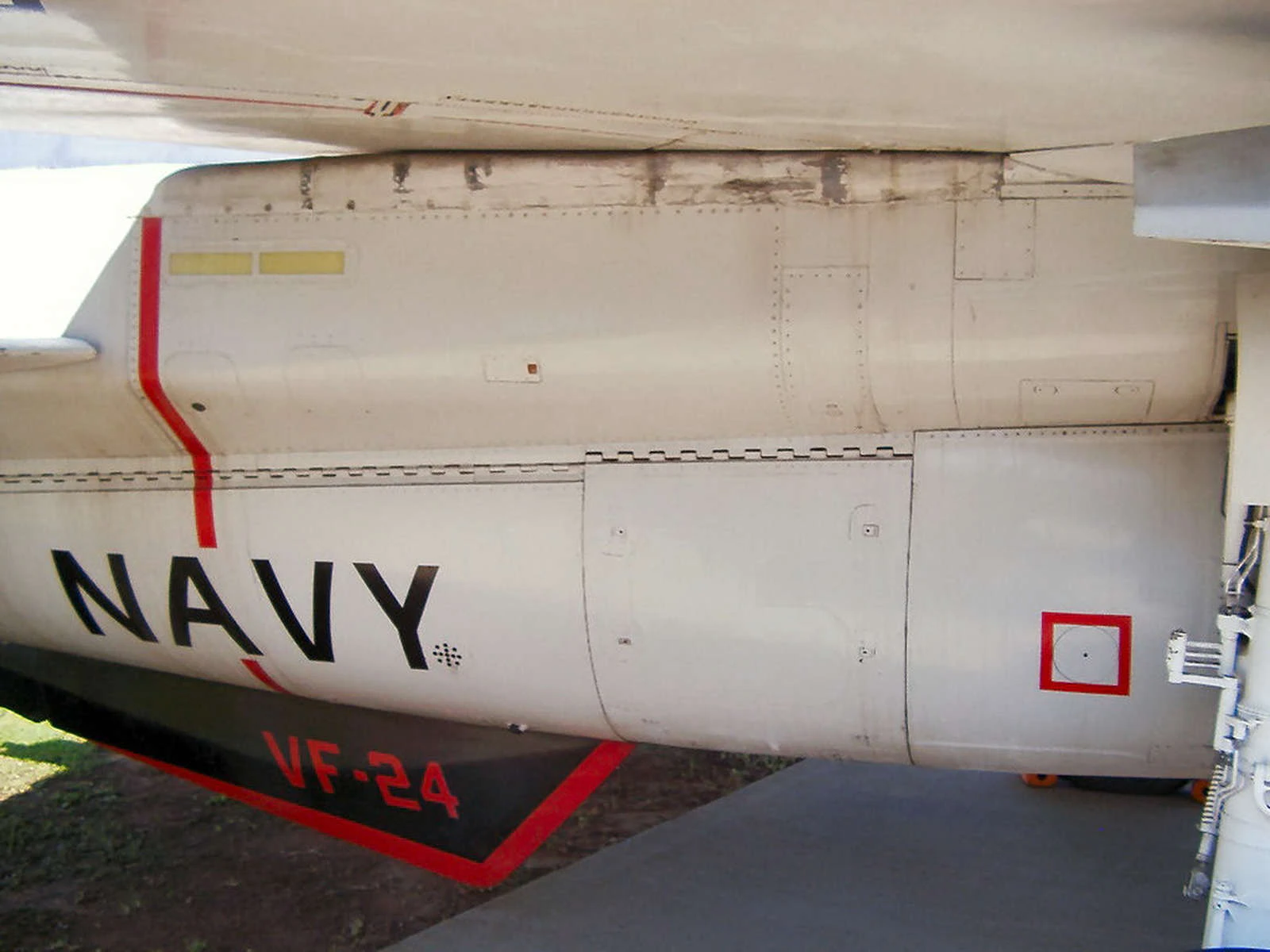
Grumman F-14 Tomcat 07
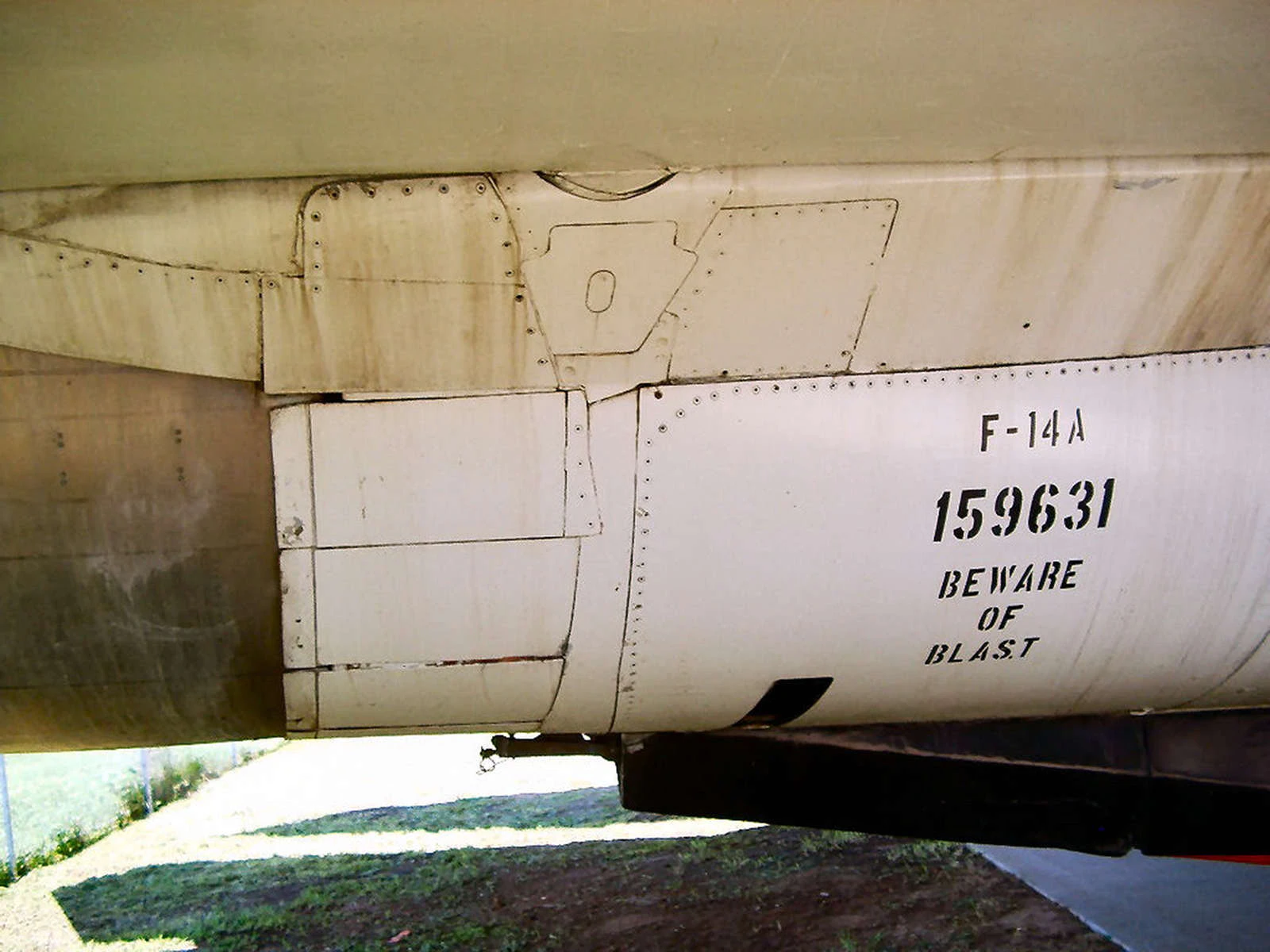
Grumman F-14 Tomcat 08
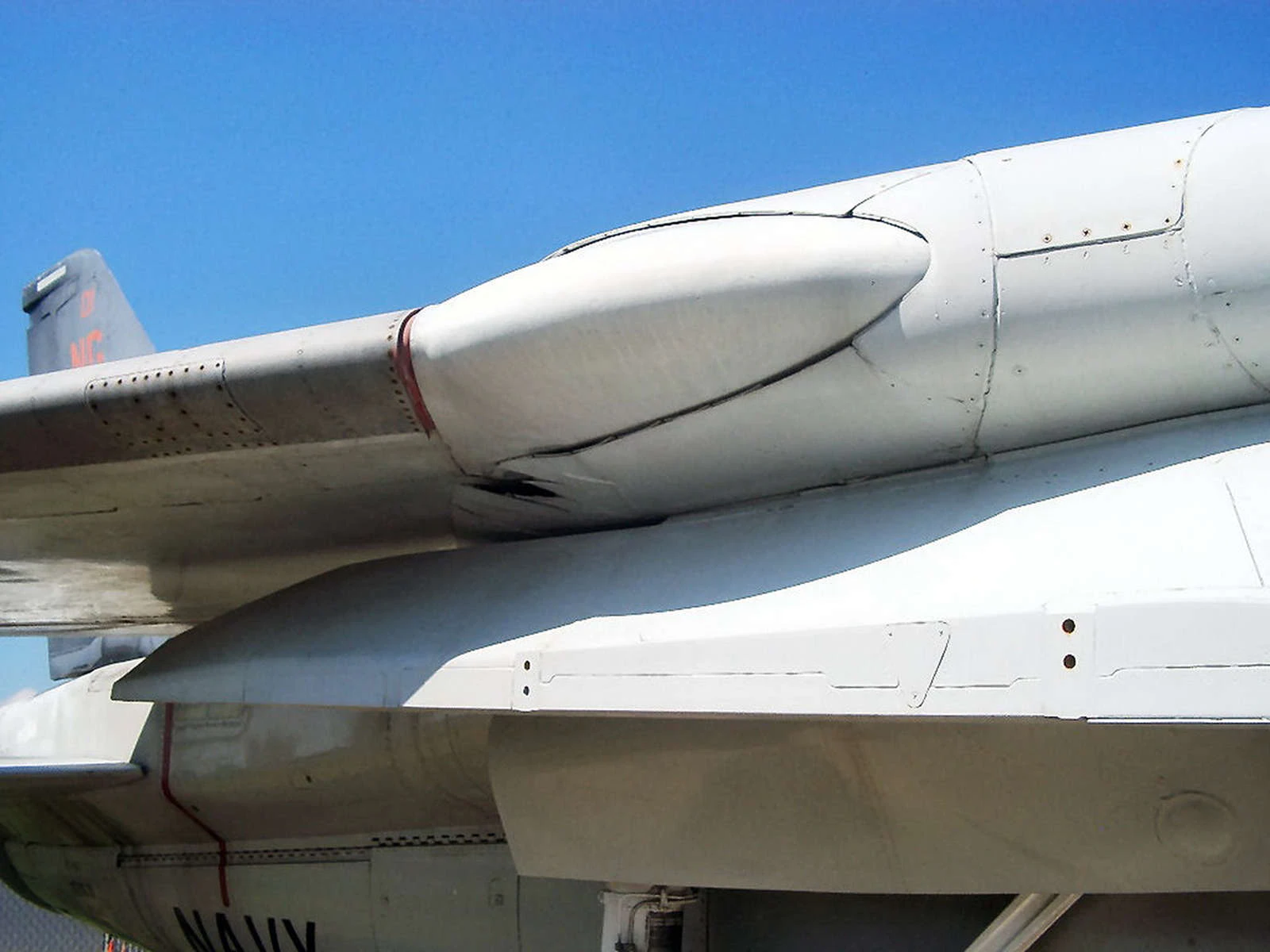
Grumman F-14 Tomcat 09
待って、検索グラマンF-14トムキャット.

| Grumman F-14A Tomcat | |
|---|---|
| カメラマン | セス・ヘンドリックス |
| ローカライズ | 知りません |
| 写真 | 104 |
| Grumman F-14 Tomcat Walk Around | |
|---|---|
| カメラマン | ビル・マロニー |
| ローカライズ | 知りません |
| 写真 | 30 |
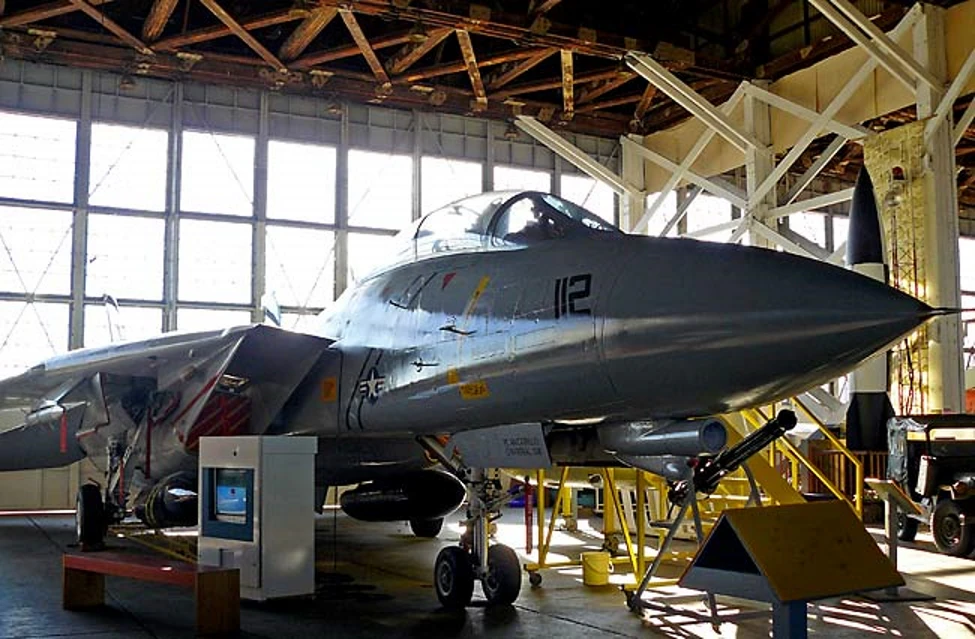
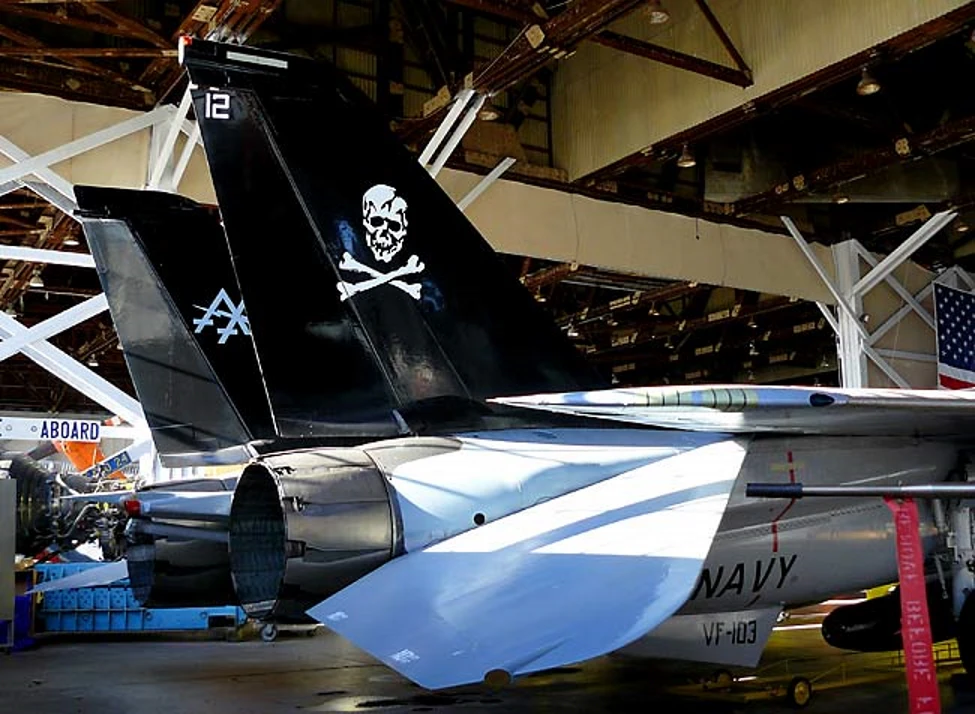
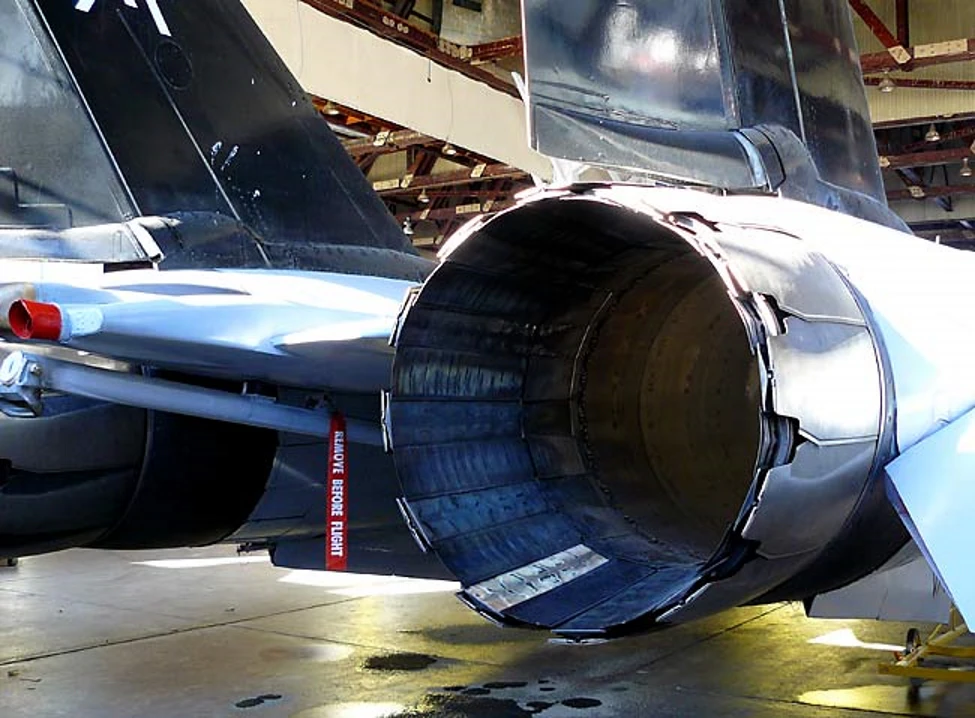
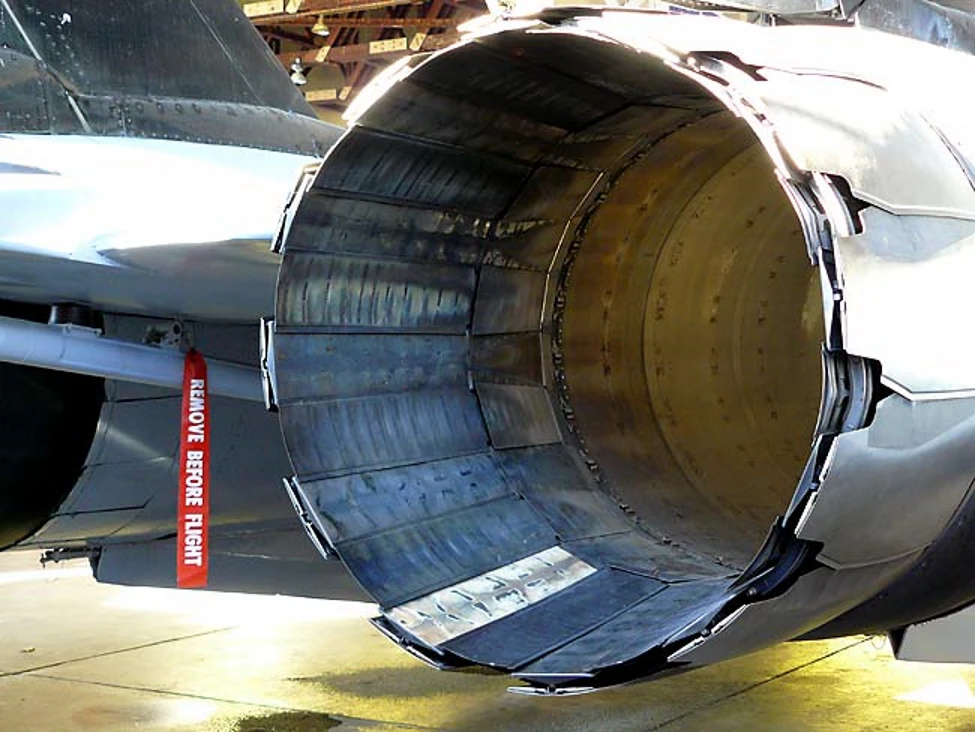
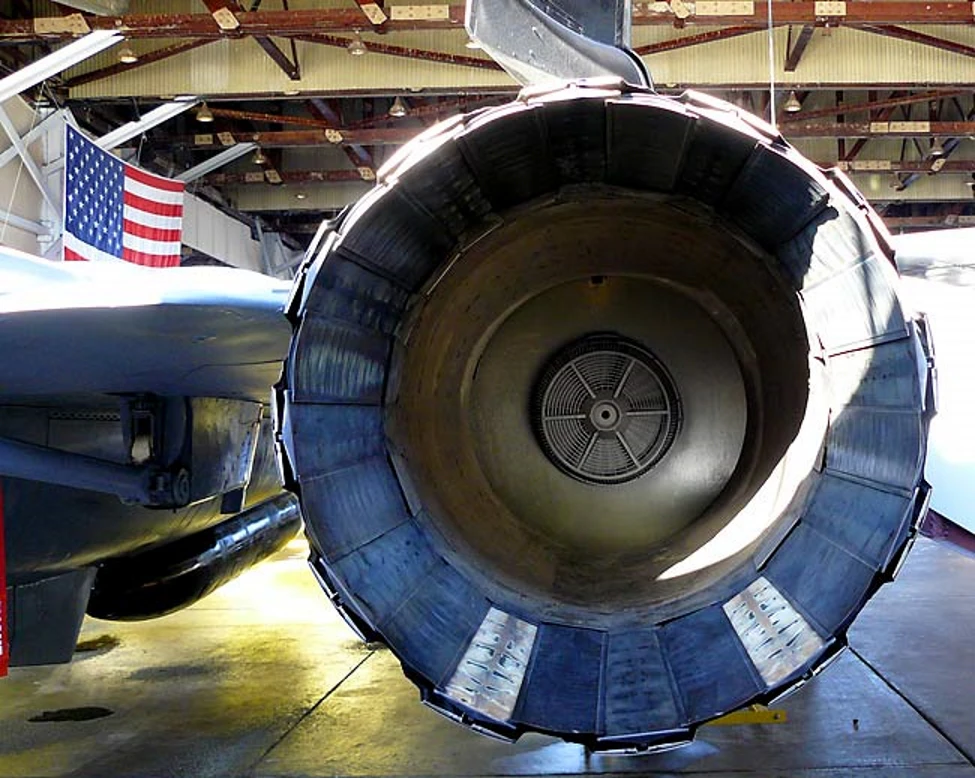
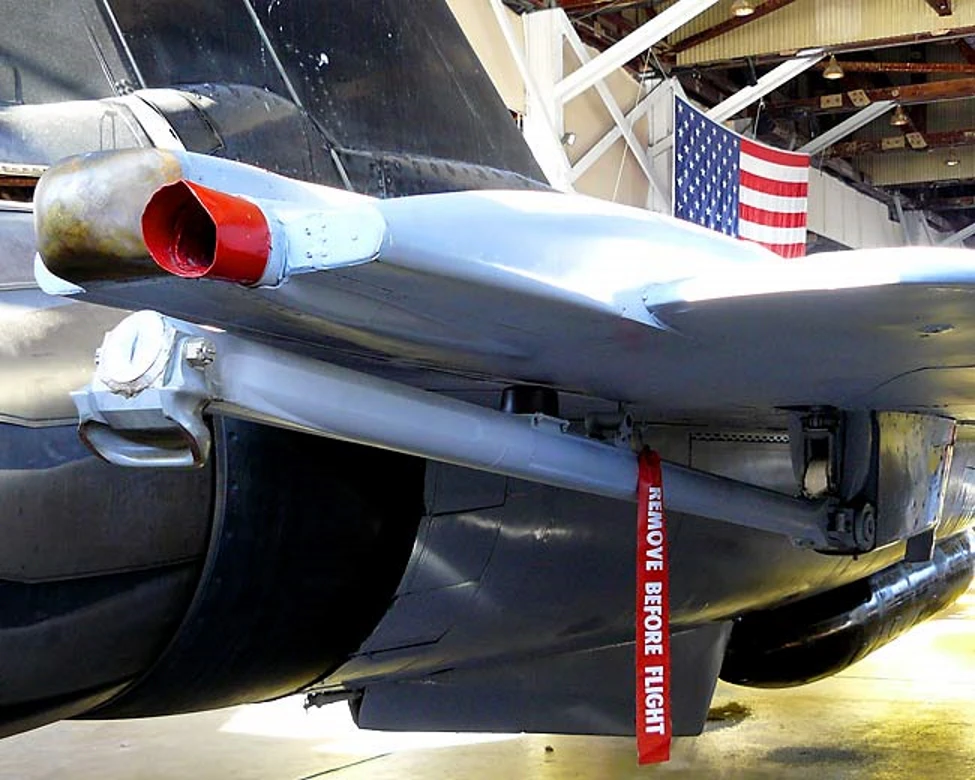
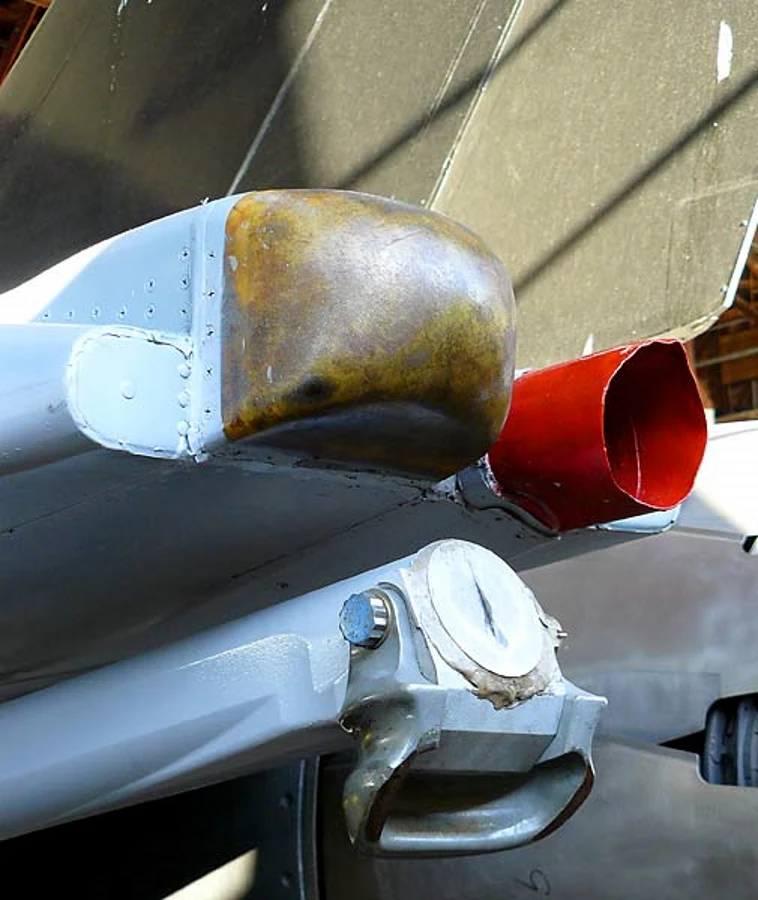
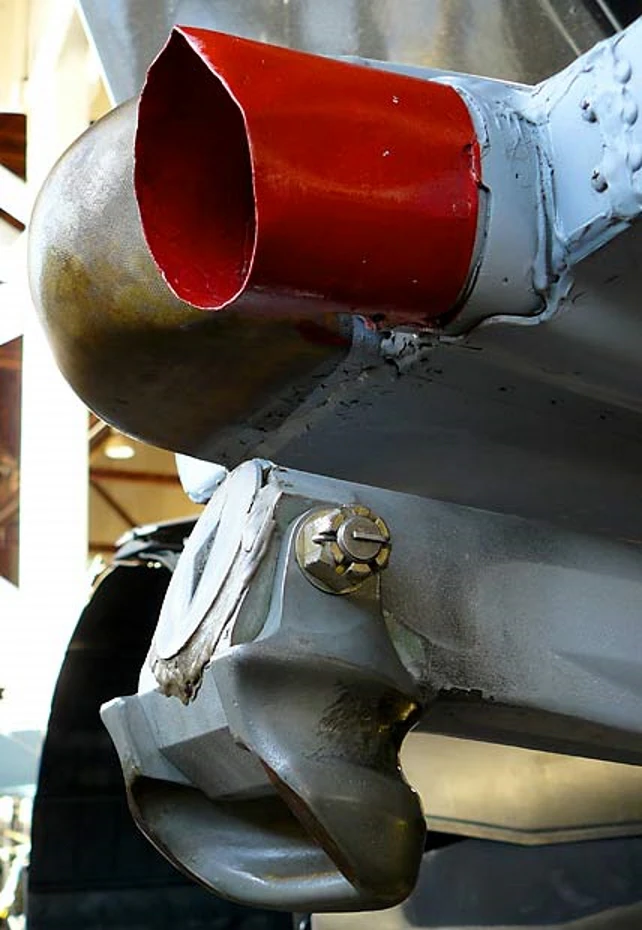
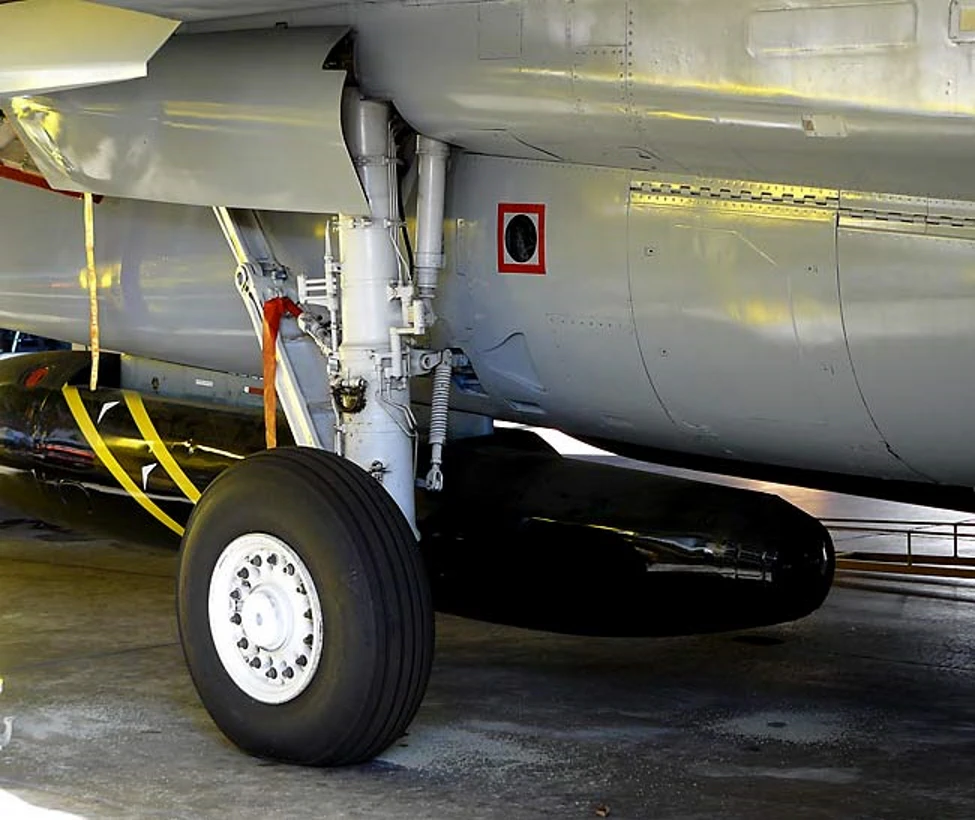
| Grumman F-14 Tomcat Walk Around | |
|---|---|
| カメラマン | ビル・マロニー |
| ローカライズ | 知りません |
| 写真 | 21 |
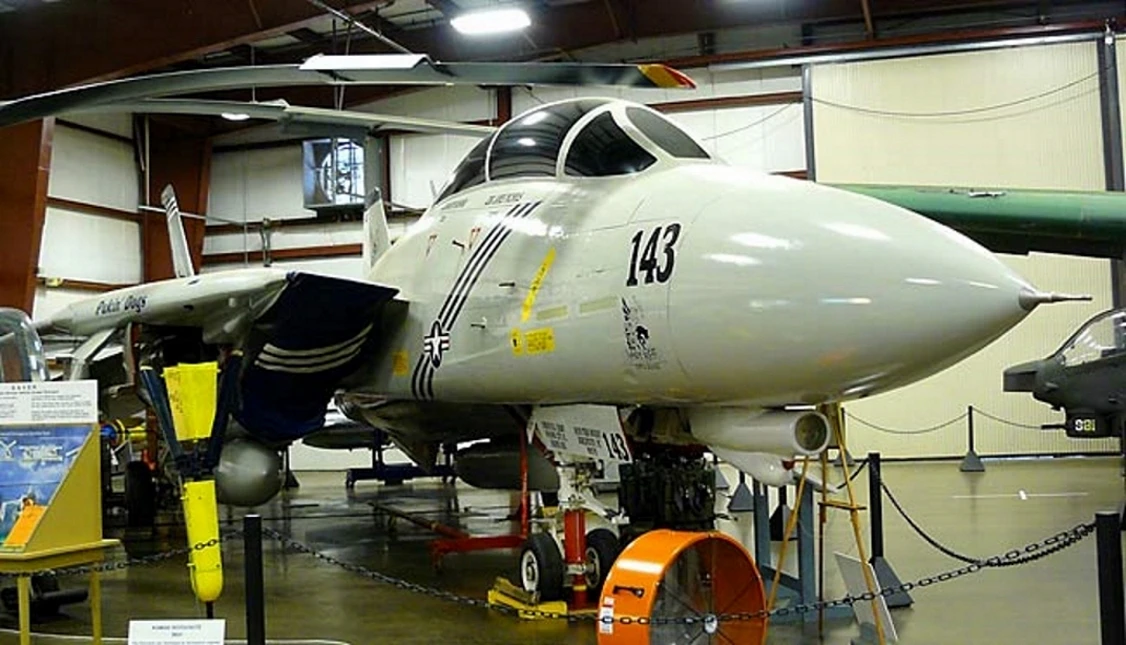
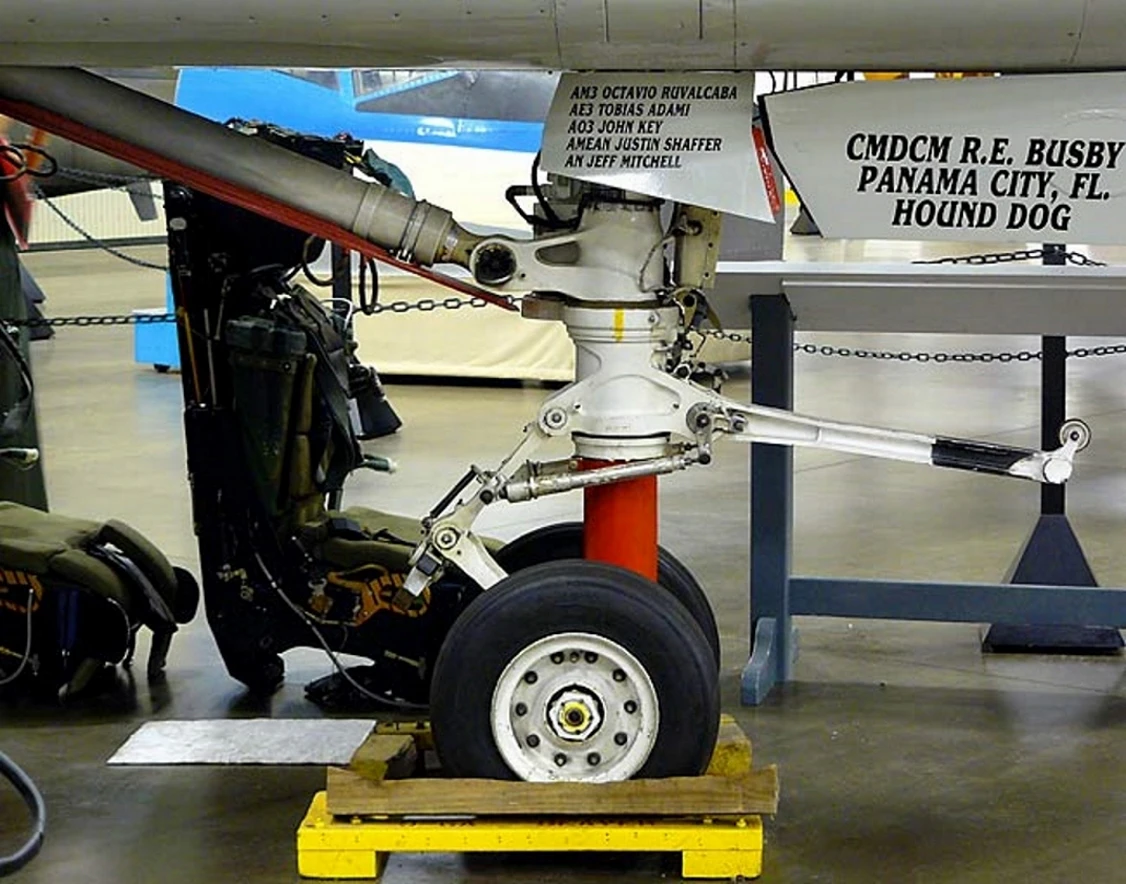
Grumman F-14 Tomcat 01
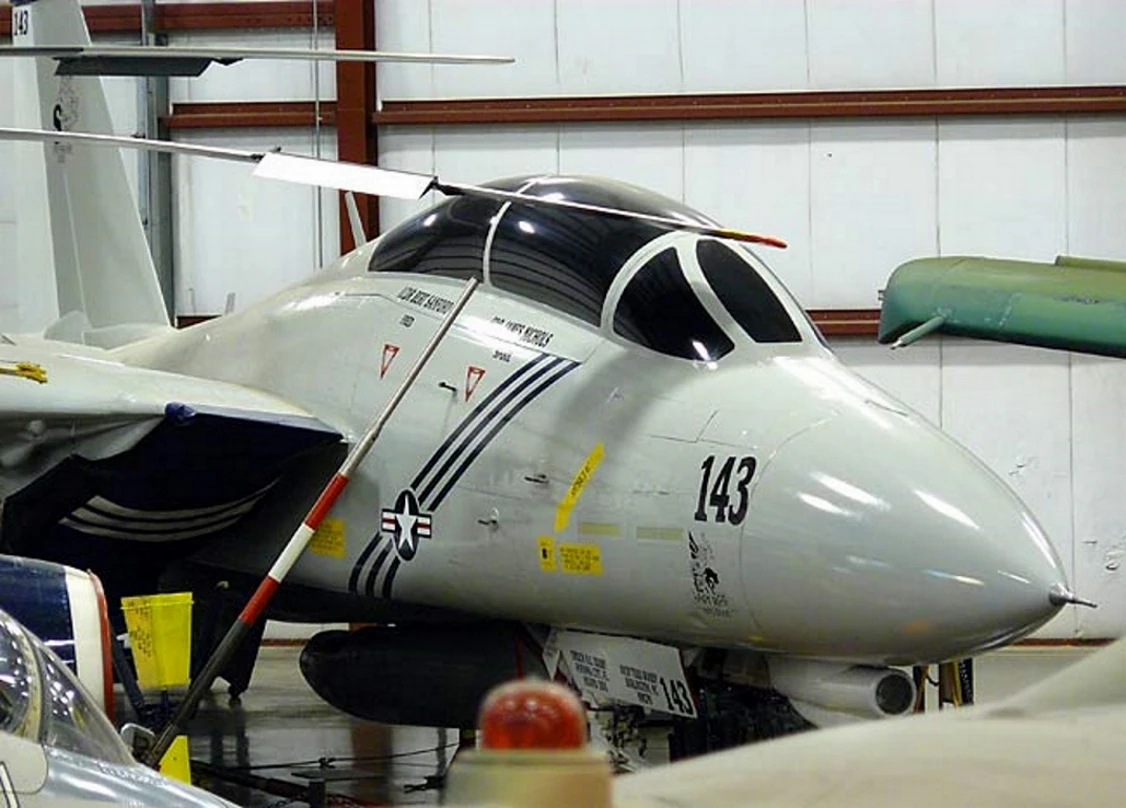
Grumman F-14 Tomcat 03
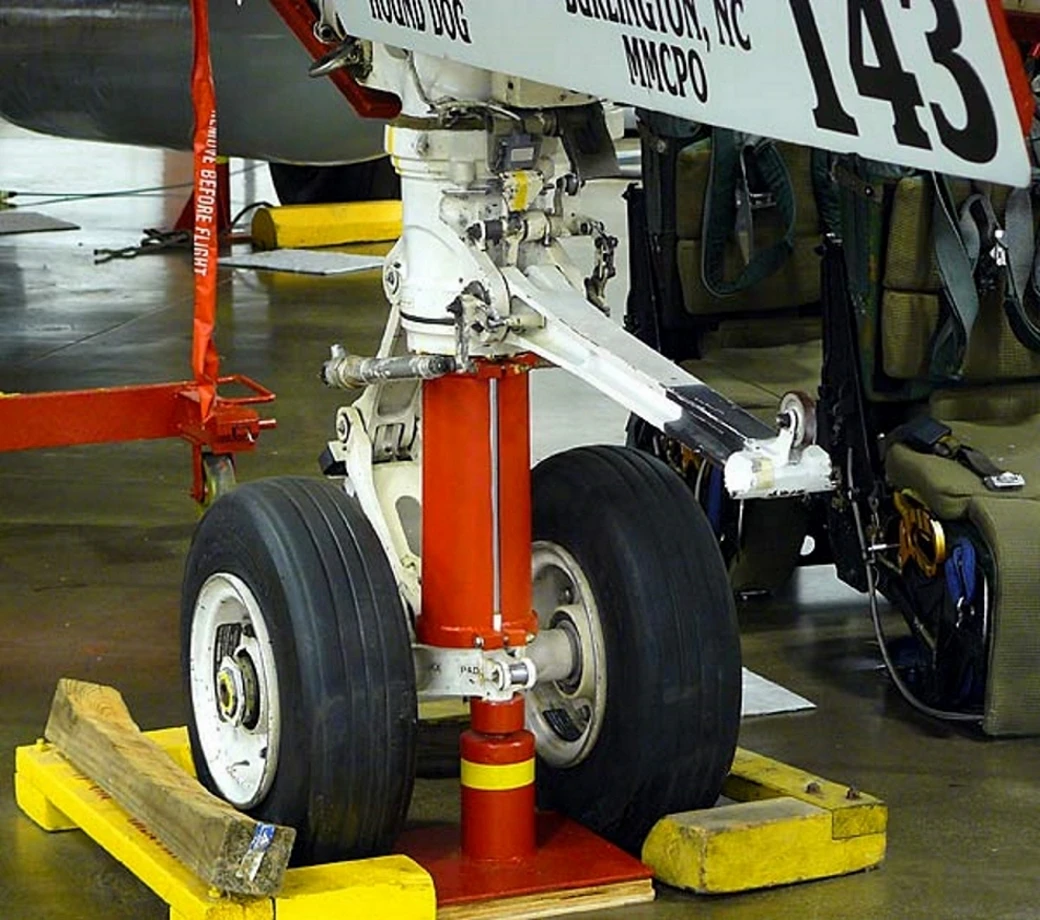
Grumman F-14 Tomcat 02
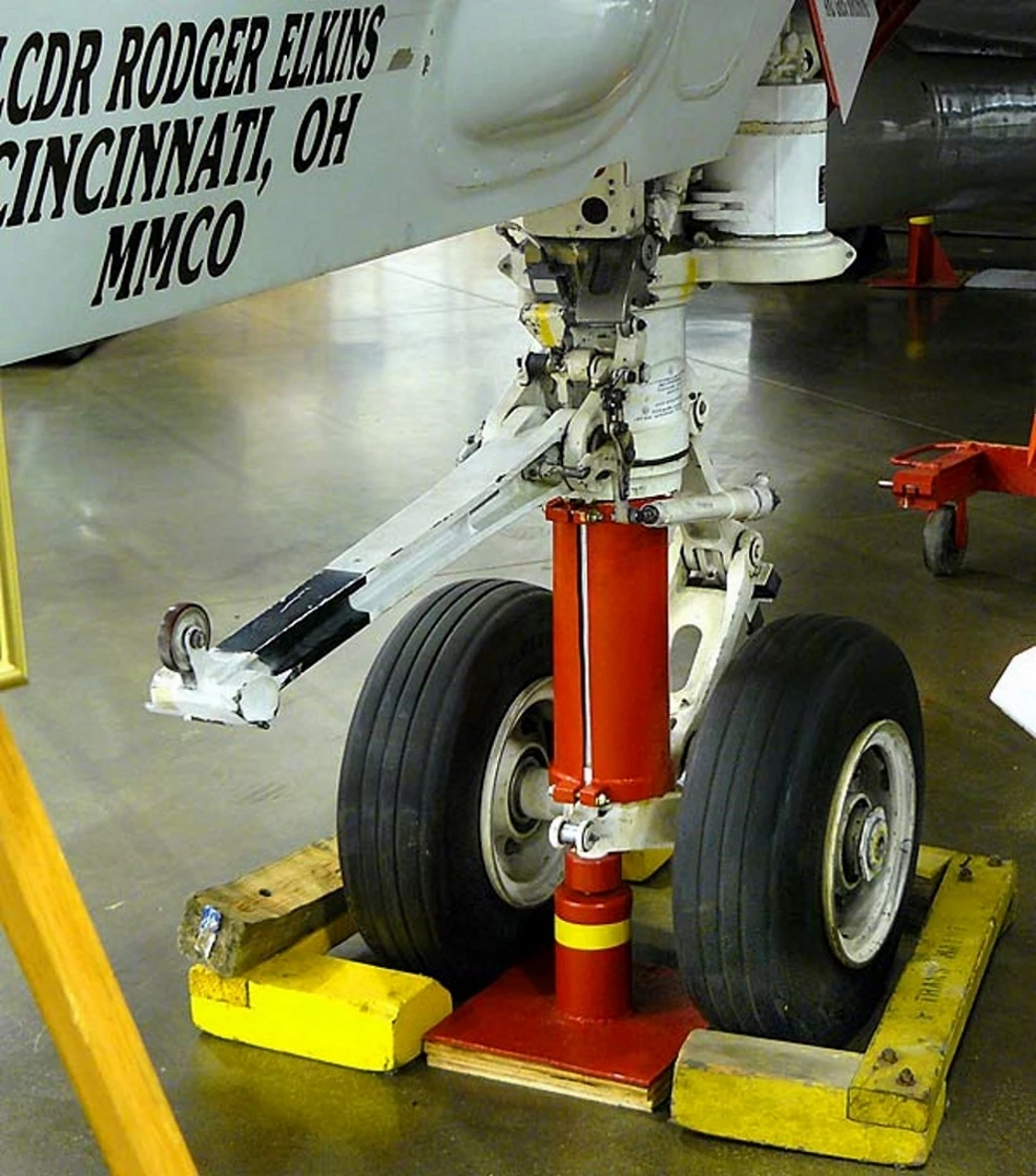
Grumman F-14 Tomcat 04
Grumman F-14 Tomcat 05
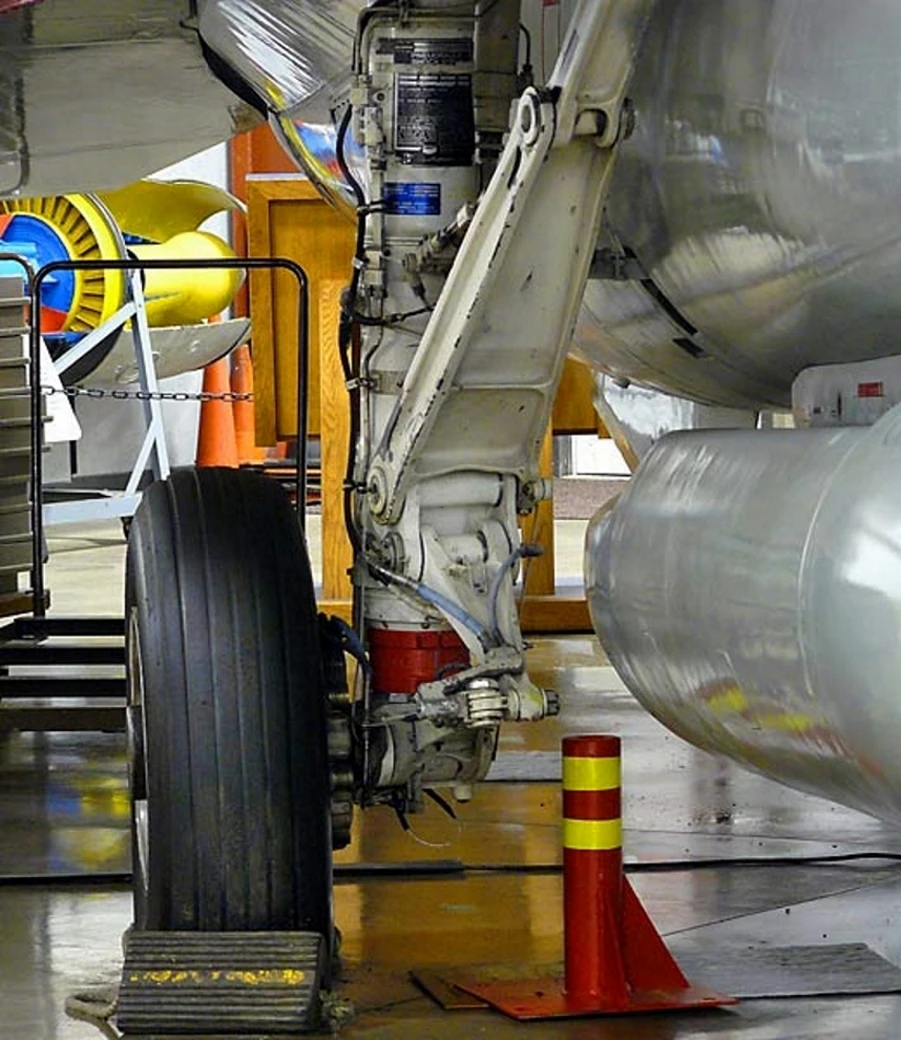
Grumman F-14 Tomcat 06
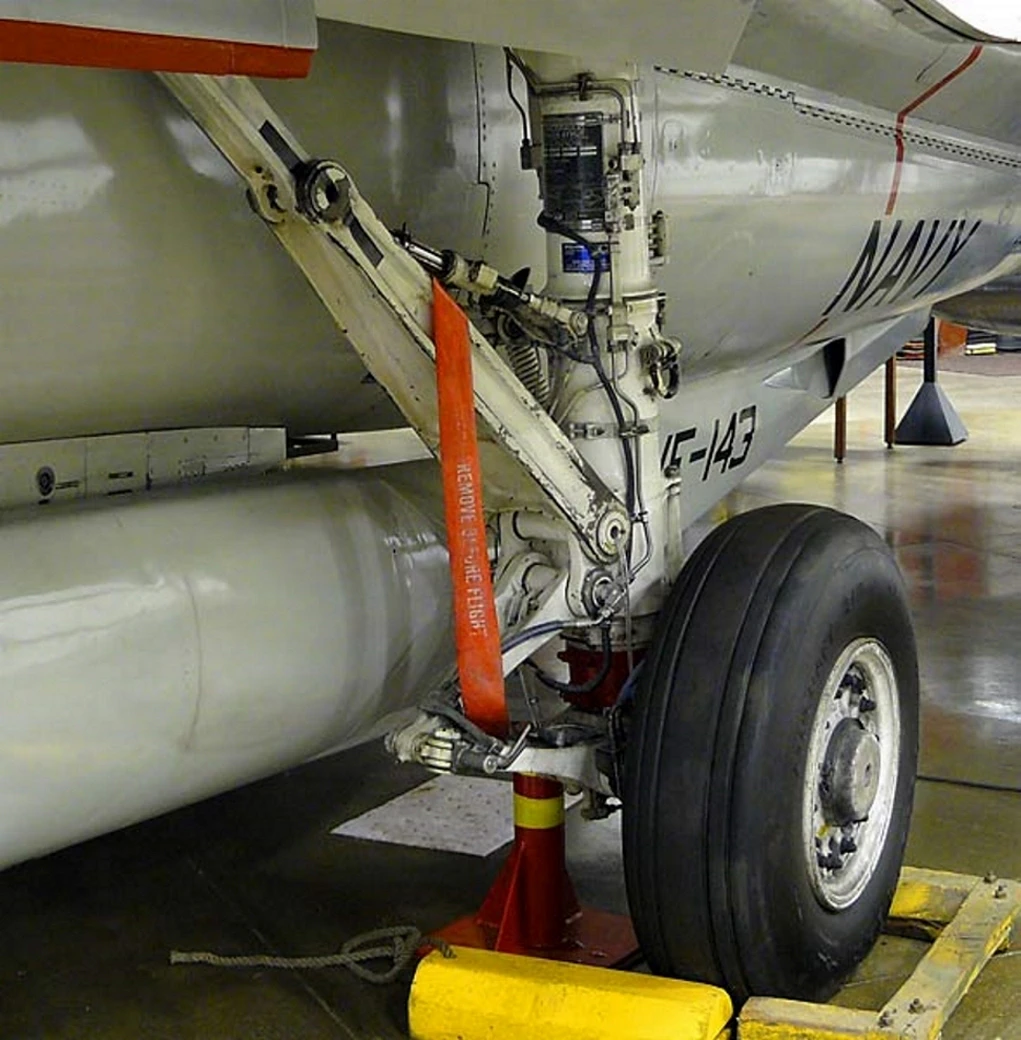
Grumman F-14 Tomcat 07
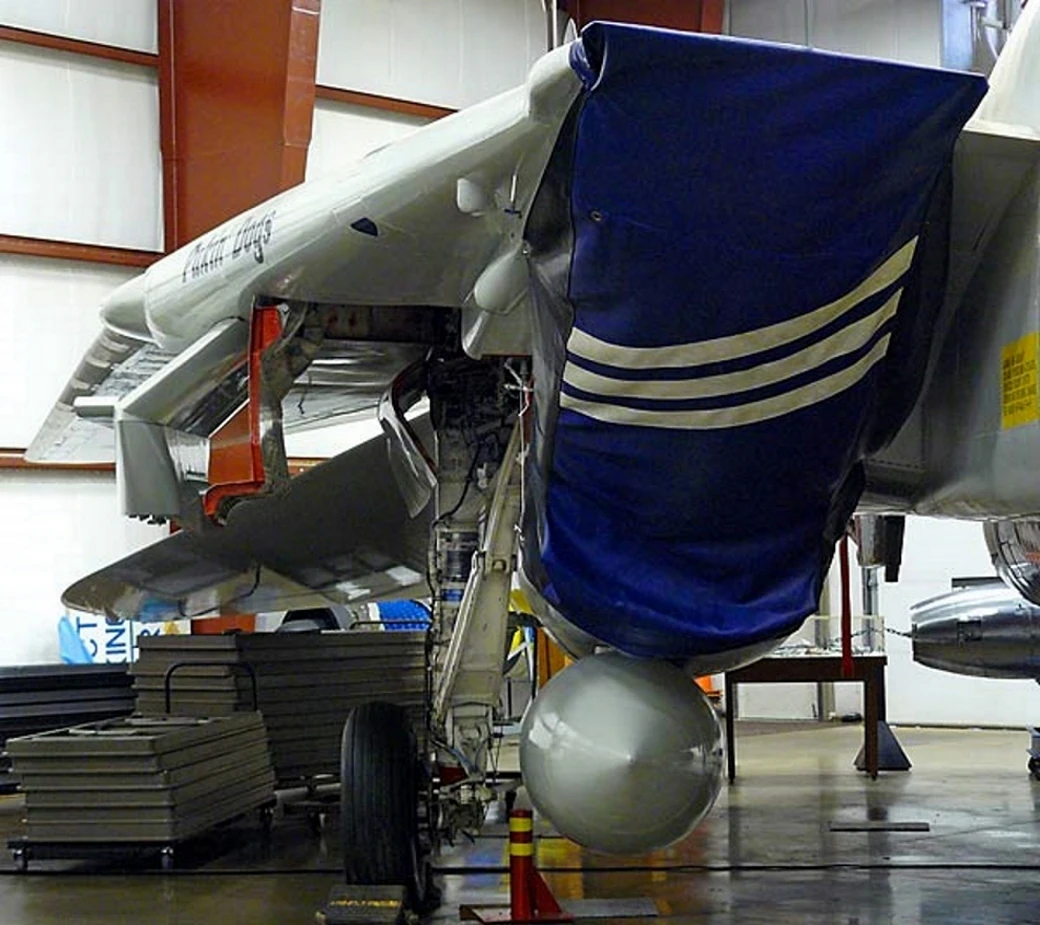
Grumman F-14 Tomcat 08
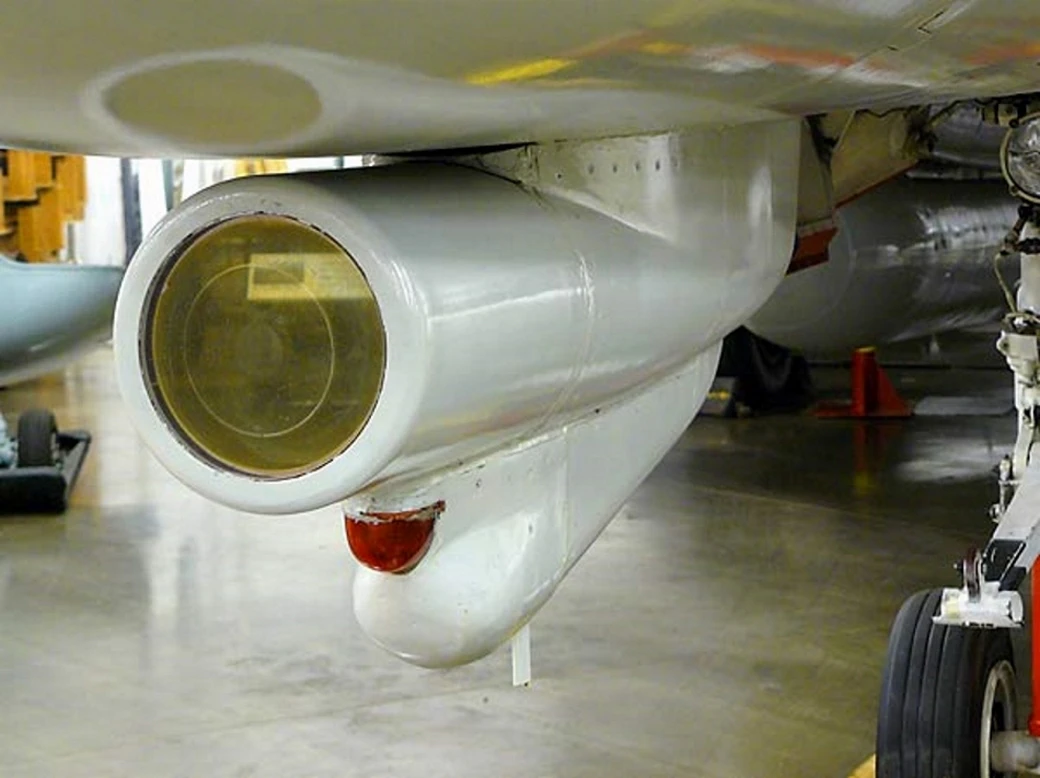
Grumman F-14 Tomcat 09
関連項目:


| Grumman F-14A Tomcat Walk Around | |
|---|---|
| カメラマン | Michael Benolkin |
| ローカライズ | 知りません |
| 写真 | 65 |
The King of the Carrier Deck
ザ グラマン F-14 トムキャット was the premier air superiority fighter of the U.S. Navy for over 30 years. Developed following the failure of the F-111B project, the Tomcat was built around the massive AWG-9 radar and the long-range Phoenix missile system. Its primary mission: to intercept Soviet bombers hundreds of miles from the carrier strike group. With its iconic variable-sweep wings and twin-engine roar, it became a cultural phenomenon after the 1986 film Top Gun, but behind the Hollywood glitz was one of the most complex and capable interceptors ever flown.
| Attribute | Technical Specification (F-14D Super Tomcat) |
|---|---|
| 役割 | Carrier-Based Multi-role Fighter / Interceptor |
| 乗組員 | 2 (Pilot and Radar Intercept Officer – RIO) |
| Engines | 2 × General Electric F110-GE-400 afterburning turbofans |
| 最高速度 | Mach 2.34 (2,485 km/h) at altitude |
| Combat Radius | 926 km (575 miles) |
| 主砲 | 1 × 20 mm M61A1 Vulcan cannon |
| Missile Payload | AIM-54 Phoenix, AIM-7 Sparrow, AIM-9 Sidewinder |
| Max Takeoff Weight | 33,720 kg (74,340 lbs) |
Design Engineering: Variable Geometry & The Phoenix
- Variable-Sweep Wings: The “swing-wing” design allowed the F-14 to automatically adjust its wing angle from 20° to 68°. Forward-swept wings provided the lift needed for slow-speed carrier landings, while fully swept-back wings reduced drag for supersonic interception. [Image diagram of F-14 variable-sweep wing mechanism and flight envelopes]
- The AIM-54 Phoenix: The F-14 was the only aircraft capable of carrying the Phoenix missile, a weapon with a 100-mile+ range. Coupled with the AWG-9 radar, a Tomcat could track 24 targets and simultaneously engage 6 of them with Phoenix missiles.
- The “Bombcat” Evolution: Originally a pure air-to-air interceptor, the F-14 was later modified (specifically the F-14B and D) to carry LANTIRN pods and laser-guided bombs, turning the aging fleet defender into a highly effective precision strike platform.
- Twin-Tail Stability: The F-14 featured large twin vertical stabilizers to maintain control at high angles of attack and during engine-out scenarios, a critical safety feature for a massive aircraft operating off a moving flight deck.
Operational History: Defending the Fleet
- Gulf of Sidra Incidents: F-14s famously engaged and shot down Libyan Su-22s in 1981 and MiG-23s in 1989, proving the aircraft’s dominance in real-world dogfights.
- The Iranian Connection: Outside of the U.S., the F-14 was only exported to Iran under the Shah. During the Iran-Iraq War, Iranian Tomcats scored scores of victories against Iraqi aircraft, with some pilots becoming aces several times over using the Phoenix missile.
- Maintenance Intensive: For every hour the F-14 spent in the air, it required roughly 40 to 60 hours of maintenance on the deck. It was a “diva” of an aircraft, highly complex and expensive to keep flight-ready compared to the newer F/A-18 Hornet.
- The Final Sunset: The U.S. Navy retired the F-14 in 2006. Because Iran still operates a small fleet of Tomcats, the U.S. government famously shredded its retired F-14s to ensure that spare parts could never be smuggled to the Iranian Air Force.
Views : 13332
また、次の項目もご覧ください。
 Grumman G-21 Goose – 写真&動画
 Grumman G-44 Widgeon – 写真&動画
 グラマンG-73マガモ – 写真&動画
 Northrop Grumman RQ-4 Global Hawk – Photos & Video
 Northrop Grumman MQ-8 Fire Scout – Photos & Video
 Grumman F3F – Photos & Video
 Grumman A-6A Intruder – Photos & Video
 Grumman F-11A Tiger – Photos & Video
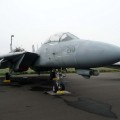 グラマン F-14 トムキャット – ウォークアラウンド
 グラマンJ2F-6ダック – 歩き回る
グラマンF-14Aトムキャットの104枚の写真の新しいセット