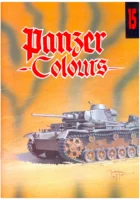
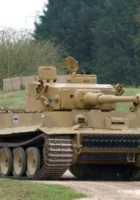
タイガータンクの稼働中

タイガータンク

ドイツ

重戦車

説明

Album of 27 photos walk-around of a «Tiger Tank»

タイガータンクのフォトギャラリーアクション、 タイガーI は、1942年に開発され、第二次世界大戦で使用されたドイツの重戦車の一般的な名前です。ドイツの正式な正式名称は、しばしばタイガーに短縮されたパンツァーカンプフワーゲンVIタイガーAusf.Eでした。これは、ソ連の枢軸国の侵略の最初の数ヶ月、特にT-34とKV-1の最初の数ヶ月に遭遇した予想外に手ごわいソ連の装甲への答えでした。タイガーIのデザインは、そのFlakバージョンでは以前に空気と地上の両方のターゲットに対してその有効性を実証していた最初の装甲戦闘車両専用バージョンで、ドイツ国防軍に88mm砲を搭載した最初のタンクを与えました。戦争の過程で、タイガー私はすべてのドイツの戦線で戦闘を見ました。それは通常、独立した戦車大隊に配備され、非常に手ごわいことが判明しました。

続きを読む

ビュー:9949

ドイツのV-2ミサイル - サイバーホビー9140

サイバーホビー

参考 9140
オレンジシリーズ
スケール1/35
トピック

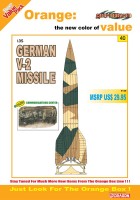
German V-2 Missile

ブランドのモデル サイバーホビー キット: German V-2 Missile – Cyber-Hobby 9140.

Features: Bonus Communications Center The Vergeltungswaffe 2 (“Retaliation Weapon 2”, or V-2) was one of Germany’s wonder weapons, and it was certainly revolutionary at the time. It holds the distinction of being the world’s first long-range ballistic missile, and rockets were used widely against London and later Antwerp. Indeed, more than 3,000 V-2s were launched from September 1944 onwards, resulting in the deaths of some 7,250 people. The V-2 was also known technically as the A4, and it was the progenitor of all modern rockets. A V-2 could reach a maximum altitude of 88km before beginning its ballistic free-fall trajectory. One of the key designers behind the liquid-fuelled rocket project was Wernher von Braun. The 12,500kg and 14m-long rockets were constructed by prisoners at Mittelwerk, and they were fired from mobile launchers that proved difficult for Allied aircraft to target.

オレンジボックスには、有名な、またはおそらく悪名高いV-2ロケットの驚くべき1/35スケールのプラスチックキットがあります。これは古いドラゴンキットですが、それはよく時間のテストに耐えている、プラスそれは打ち上げプラットフォームが含まれています。また、ドラゴンのV-2が利用可能になってから何年も経っているので、このオレンジボックスのリリースにより、モデラーは第二次世界大戦のこの重要なドイツの武器を再び手に入れることができます。さらに汎用性を高めるために、このセットには1/35スケールの通信センターが含まれており、さまざまな無線機器と関連する兵士/無線オペレーターが詰め込まれています。オレンジボックスコレクションのこのセットは、お金のために無敵の価値を提供します。

ソース: サイバーホビーのドイツのV-2ミサイル

続きを読む

ビュー : 1224

ドイツ国防軍の装甲マーキング (黄色) - MIG MW7211

ミグプロダクション

参考MW7211
アーマーマーキング
スケール1/72
トピック

72

ブランドのドライトランスファーのシート ミグプロダクション シートWehrmacht装甲マーキング(黄色) - MIG MW7211

続きを読む

ビュー : 1417

バ-64B

バ-64B

ソ連
役割

装甲偵察車

構築9110+

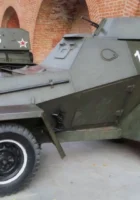
BA-64 was a 4×4 light armoured car, employed by the Soviet Army from 1942 into the early 1960s for reconnaissance and liaison tasks. The BA-64B was nicknamed ‘Bobik’ by its crews. The total recorded number of BA-64s produced differs even in Russian sources. The most frequently-stated figures are 9,110 (3,901 BA-64 and 5,209 BA-64B) vehicles which were built in the GAZ automobile plant, although a memorial plaque near the pictured Nizhny Novgorod car states 9,063 cars. The Red Army representatives accepted only 8,174 BA-64s, including 3,390 with radio sets; the other vehicles were transferred to NKVD units and Soviet allies.

ソース: WikiのBa-64B

続きを読む

ビュー:4432

ワイドウニチツー軍国320 - KW飛行。Iii。

ウィドウニクツー・ムシタ

参考

ウィドウニチツー・ムシタ320

著者
件名

シャルKV - クリメント・ボロシロフ

署名付きドキュメント ウィドウニクツー・ムシタ ル・リヴル «チャーズKV – クリメント・ボロシロフ – ワイドウディクツー 320» .

タンク クリメント・ボロシロフ (KV)はソ連の破裂戦車です。それはバルバロッサ作戦中のドイツ国防軍にとって不愉快な驚きでした:当時、それは88 mm Flak対空砲と直接砲火を除くすべての武器に対してほとんど無敵でした。

続きを読む

ビュー : 1052

Wydawnictwo ミリタリア 259 T-34

ウィドウニクツー・ムシタ

参考

ウィドニクツー・ミリタリア 259

著者
件名

チャー T-34

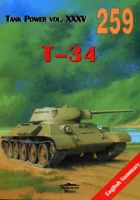
署名付きドキュメント ウィドウニクツー・ムシタ ル・リーヴル «シャア T-34 – ウィドニックツー 259» .

●T-34は赤軍とともに1940年に就航した中戦車です。当時、装甲車の品質を定義した3つの主要な要因、すなわち火力、保護、機動性の間の顕著なバランスでした。この成功は、ドイツ国防軍の侵攻に直面してソ連の強みの一つになりました。それに対抗するために、後者はまた、T-34からその技術的特性の一部を借りたパンツァーV'パンサー'を開発することによって、そのタンク設計方針を見直す必要があります。T-34は1940年から1958年まで生産を続け、合計84,070部で生産され、後継のT-54とT-55のすぐ後ろで2番目に生産されたタンクとなっています。

続きを読む

ビュー : 640

シュトゥルムゲシュッツ 40 - ウォークアラウンド

シュトゥルムゲシュッツ 40

ドイツ

突撃砲 - 駆逐戦車

説明

アルバムのアルバム 42 写真の歩き回る«シュトゥルムゲシュッツ40»

シュトゥルムゲシュッツのフォトギャラリー40、 シュトゥルムゲシュュッツ III&IVは第二次世界大戦中のドイツの突撃砲でした。

続きを読む

ビュー : 3024

Wydawnictwo Militaria 56 Jagdpanzer 38(t) HETZER

ウィドウニクツー・ムシタ

参考

ウィドニクツー・ミリタリア 056

著者
件名

ヤグドパンツァー 38(t) – ヘッツァー – sdkfz.138/2

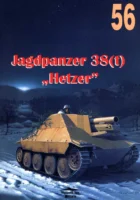
署名付きドキュメント ウィドウニクツー・ムシタ 本 "Jagdpanzer 38(t) – Hetzer – Wydawnictwo Militaria 056".

駆逐戦車 38(t)(Sd.Kfz. 138/2) ヘッツァー (ドイツ語でトラッカーまたはトラッパーとして大まかに翻訳することができます)は、チェコのPanzer 38(t)のシャーシに基づいて構築された第二次世界大戦のドイツの駆逐戦車でした。

続きを読む

ビュー : 986

Wydawnictwo Militaria 15パンツァーカラー

ウィドウニクツー・ムシタ

参考

Wydawnictwo Militaria 015

著者
件名

Panzers

署名付きドキュメント ウィドウニクツー・ムシタ le livre «Panzers Colors- Wydawnictwo Militaria 015» .

Panzer est un vocable allemand signifiant “blindé”. Si le mot peut s’appliquer aujourd’hui à tous les engins cuirassés allemands, des origines jusqu’à nos jours, l’usage fait qu’il désigne essentiellement les blindés chenillés à tourelle allemands de la Seconde Guerre mondiale (panzerkampfwagen, véhicule blindé de combat, en abrégé PzKfw), lesquels eurent une conception et un emploi tactique particuliers. Le terme générique est moins utilisé pour les MBT (main battle tank) allemands de l’après-guerre (Leopard 1 et 2), similaires aux autres systèmes d’armes occidentaux. A noter que si l’historiographie française utilise le pluriel “panzers”, l’usage actuel admet le pluriel d’origine panzer en italique. De plus, certains ouvrages d’histoire militaire utilisent ce mot comme abréviation de grandes unités blindées (“2ème panzer” signifiant 2ème division blindée ou 2.Panzerdivision). Les panzer, surtout ceux de la deuxième moitié de la guerre, étaient très redoutés, moins nombreux mais souvent plus dangereux que ceux de leurs adversaires. Les chars lourds Tigre et Tigre II étaient ainsi les véhicules les plus lourdement blindés de leur époque. Le panzer IV fut le blindé allemand le plus utilisé durant la Seconde Guerre mondiale. Il a opéré sur tous les fronts : Pologne, France, Balkans, Grèce, front de l’Est, Afrique du Nord, Italie, etc.
続きを読む

再生 : 1053