Τίγρης Δεξαμενή σε δράση

Δεξαμενή τίγρης

ΧώραΓερμανία
Πληκτρολογήστε

Βαριά δεξαμενή

Περιγραφή

Album of 27 photos walk-around of a «Tiger Tank»

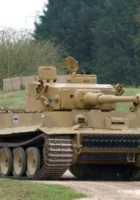
Φωτογραφία μιας δεξαμενής τίγρης σε δράση, Η Τίγρης Ι είναι η κοινή ονομασία μιας γερμανικής βαριάς δεξαμενής που αναπτύχθηκε το 1942 και χρησιμοποιήθηκε στον Δεύτερο Παγκόσμιο Πόλεμο. Ο τελικός επίσημος γερμανικός προσδιορισμός ήταν Panzerkampfwagen VI Τίγρης Ausf.E, συχνά μικρότερος τίγρης. Ήταν μια απάντηση στην απροσδόκητα τρομερή σοβιετική πανοπλία που συνάντησε κατά τους αρχικούς μήνες της εισβολής του Άξονα στη Σοβιετική Ένωση, ιδιαίτερα το Τ-34 και το KV-1. Ο σχεδιασμός tiger I έδωσε στη Wehrmacht την πρώτη δεξαμενή που τοποθέτησε το όπλο των 88 mm, στην αρχική θωρακισμένη έκδοση που ήταν αφιερωμένη σε οχήματα μάχης, η οποία στην έκδοση Flak είχε προηγουμένως αποδείξει την αποτελεσματικότητά της έναντι τόσο των στόχων αέρος όσο και του εδάφους. Κατά τη διάρκεια του πολέμου, ο Τίγρης είδα μάχη σε όλα τα γερμανικά μέτωπα μάχης. Αναπτύχθηκε συνήθως στα ανεξάρτητα τάγματα δεξαμενών, τα οποία αποδείχθηκαν αρκετά τρομερά.

Συνεχίστε την ανάγνωση

Views : 9988

Γερμανικός πύραυλος V-2 - Cyber-Hobby 9140

Κυβερνο-Χόμπι

Αναφορά 9140
ΠληκτρολογήστεΣειρά Orange
Κλίμακα1/35
Θέμα

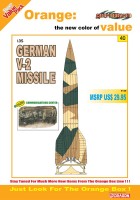
German V-2 Missile

Ένα μοντέλο της μάρκας Κυβερνο-Χόμπι το κιτ: German V-2 Missile – Cyber-Hobby 9140.

Features: Bonus Communications Center The Vergeltungswaffe 2 (“Retaliation Weapon 2”, or V-2) was one of Germany’s wonder weapons, and it was certainly revolutionary at the time. It holds the distinction of being the world’s first long-range ballistic missile, and rockets were used widely against London and later Antwerp. Indeed, more than 3,000 V-2s were launched from September 1944 onwards, resulting in the deaths of some 7,250 people. The V-2 was also known technically as the A4, and it was the progenitor of all modern rockets. A V-2 could reach a maximum altitude of 88km before beginning its ballistic free-fall trajectory. One of the key designers behind the liquid-fuelled rocket project was Wernher von Braun. The 12,500kg and 14m-long rockets were constructed by prisoners at Mittelwerk, and they were fired from mobile launchers that proved difficult for Allied aircraft to target.

Orange Box has an astonishing 1/35 scale plastic kit of the famous, or perhaps infamous, V-2 rocket. This is an older Dragon kit but it has stood the test of time well, plus it includes a launch platform. Also, it is many years since Dragon’s V-2 was available, so this Orange Box release allows modelers to again get their hands on this important German weapon of WWII. To make it even more versatile, the set includes a 1/35 scale communications center that is crammed with a variety of radio gear and associated soldiers/radio operators. This set from the Orange Box collection offers unbeatable value for money.

Πηγή: German V-2 Missile on Cybber-Hobby

Συνεχίστε την ανάγνωση

Θεάσεις : 1224

Σημάνσεις Θωράκισης Βέρμαχτ (κίτρινο) - MIG MW7211

MIG Παραγωγές

ΑναφοράMW7211
ΠληκτρολογήστεArmour Markings
Κλίμακα1/72
Θέμα

72

Ένα φύλλο Dry Transferts της μάρκας MIG Παραγωγές the sheet Wehrmacht Armour Markings (yellow) – MIG MW7211

Συνεχίστε την ανάγνωση

Θεάσεις : 1422

Μπα-64Β

Μπα-64Β

ΧώραΗ URSS
Ρόλο

Θωρακισμένο αυτοκίνητο προσκόπων

Χτισμένο9110+

Teh ΒΑ-64 was a 4×4 light armoured car, employed by the Soviet Army from 1942 into the early 1960s for reconnaissance and liaison tasks. The BA-64B was nicknamed ‘Bobik’ by its crews. The total recorded number of BA-64s produced differs even in Russian sources. The most frequently-stated figures are 9,110 (3,901 BA-64 and 5,209 BA-64B) vehicles which were built in the GAZ automobile plant, although a memorial plaque near the pictured Nizhny Novgorod car states 9,063 cars. The Red Army representatives accepted only 8,174 BA-64s, including 3,390 with radio sets; the other vehicles were transferred to NKVD units and Soviet allies.

Πηγή: Ba-64B στο Wiki

Συνεχίστε την ανάγνωση

Views : 4436

Σ.Κ. 251/3 Αυστ. B - Ρεβέλ 03065

Ρεβέλ

Αναφορά 03065
ΠληκτρολογήστεΜοντέλο
Κλίμακα1/35
Θέμα

Σ.Κ. 251/3 Αυστ. B

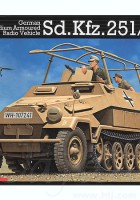
Ένα μοντέλο της μάρκας Ρεβέλ το κιτ: Sd.Kfz. 251/3 Ausf. B – Revell 03065.

Συνεχίστε την ανάγνωση

Θεάσεις : 2063

Ἀπὸ τὴν Ἀθήνα 320 - KW τ. ΙΙΙ

Wydγουνίτβο Μιλιέντα

Αναφορά

Wydawnictwo Militaria 320

Συγγραφέας
Θέμα

Chars KV – Kliment Voroshilov

Υπογεγραμμένη τεκμηρίωση Wydγουνίτβο Μιλιέντα le livre «Chars KV – Kliment Voroshilov – Wydawnictwo 320» .

Η δεξαμενή Κλίμαν Βοροσίλοφ (KV) είναι σοβιετικό άρμα ρήξης. Ήταν μια δυσάρεστη έκπληξη για τη Βέρμαχτ κατά τη διάρκεια της Επιχείρησης Μπαρμπαρόσα: ήταν εκείνη την εποχή σχεδόν άτρωτη σε όλα τα όπλα της εκτός από το αντιαεροπορικό πυροβόλο Flak των 88 mm και τα άμεσα πυρά πυροβολικού.

Συνεχίστε την ανάγνωση

Θεάσεις : 1054

Wydawnictwo Militaria 259 T-34

Wydγουνίτβο Μιλιέντα

Αναφορά

Wydawnictwo Militaria 259

Συγγραφέας
Θέμα

Δεξαμενή T-34

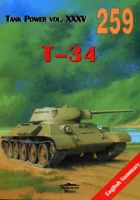
Υπογεγραμμένη τεκμηρίωση Wydγουνίτβο Μιλιέντα le livre «Char T-34 – Wydawnictwo 259» .

Le T-34 est un char moyen entré en service en 1940 au sein de l’armée rouge. Il constitue à l’époque un remarquable équilibre entre les trois facteurs majeurs qui définissent la qualité d’un blindé, à savoir : la puissance de feu, la protection et la mobilité. Cette réussite en fait l’un des atouts de l’Union soviétique face à l’invasion de la Wehrmacht. Celle-ci devra d’ailleurs, pour le contrer, revoir sa politique de conception de blindés en mettant au point, par exemple, le Panzer-V ‘Panther’, qui empruntait une partie de ses caractéristiques techniques au T-34. Bien que rapidement dépassé lui même par les productions étrangères, le T-34 va tout de même rester en production de 1940 à 1958, avec un total d’unités produites estimé à 84 070 exemplaires, ce qui en fait le second char le plus produit de tous les temps, juste derrière ses successeurs, les T-54 et T-55.

Συνεχίστε την ανάγνωση

Θεάσεις : 642

Στούργκεσχουτζ 40 - Γουόκερ

Sturmgeschutz 40

ΧώραΓερμανία
Πληκτρολογήστε

Assault gun – Tank Destroyer

Περιγραφή

Άλμπουμ του 42 φωτογραφίες με τα πόδια-γύρω από ένα «Sturmgeschutz 40»

Photo Gallery of a Sturmgeschutz 40, The Στούργκεστσουτζ III & IV was an German’s assault gun during World War II.

Συνεχίστε την ανάγνωση

Θεάσεις : 3028

Wydawnictwo Militaria 56 Jagdpanzer 38(t) HETZER

Wydγουνίτβο Μιλιέντα

Αναφορά

Wydawnictwo Militaria 056

Συγγραφέας
Θέμα

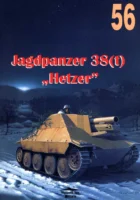
Jagdpanzer 38(t) – Hetzer – sdkfz.138/2

Υπογεγραμμένη τεκμηρίωση Wydγουνίτβο Μιλιέντα le livre «Jagdpanzer 38(t) – Hetzer – Wydawnictwo Militaria 056» .

Le Γιαγκντπάνζερ 38(t)(Sd.Kfz. 138/2) γνωστό ως Χέτσερ (que l’on peut traduire approximativement par Traqueur ou Trappeur en allemand), est un chasseur de char allemand de la Seconde Guerre mondiale, construit sur la base du châssis du Panzer 38(t) tchèque.

Συνεχίστε την ανάγνωση

Views : 987

Wydawnictwo Militaria 15 Panzer colours

Wydγουνίτβο Μιλιέντα

Αναφορά

Γουίνταουνικτβο Μιλιτάρια 015

Συγγραφέας
Θέμα

Πάνζερ

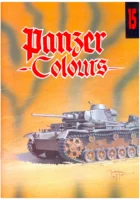
Υπογεγραμμένη τεκμηρίωση Wydγουνίτβο Μιλιέντα le livre «Πάντσερ Χρώματα- Wydawnictwo Militaria 015» .

Panzer est un vocable allemand signifiant “blindé”. Si le mot peut s’appliquer aujourd’hui à tous les engins cuirassés allemands, des origines jusqu’à nos jours, l’usage fait qu’il désigne essentiellement les blindés chenillés à tourelle allemands de la Seconde Guerre mondiale (panzerkampfwagen, véhicule blindé de combat, en abrégé PzKfw), lesquels eurent une conception et un emploi tactique particuliers. Le terme générique est moins utilisé pour les MBT (main battle tank) allemands de l’après-guerre (Leopard 1 et 2), similaires aux autres systèmes d’armes occidentaux. A noter que si l’historiographie française utilise le pluriel “panzers”, l’usage actuel admet le pluriel d’origine panzer en italique. De plus, certains ouvrages d’histoire militaire utilisent ce mot comme abréviation de grandes unités blindées (“2ème panzer” signifiant 2ème division blindée ou 2.Panzerdivision). Les panzer, surtout ceux de la deuxième moitié de la guerre, étaient très redoutés, moins nombreux mais souvent plus dangereux que ceux de leurs adversaires. Les chars lourds Tigre et Tigre II étaient ainsi les véhicules les plus lourdement blindés de leur époque. Le panzer IV fut le blindé allemand le plus utilisé durant la Seconde Guerre mondiale. Il a opéré sur tous les fronts : Pologne, France, Balkans, Grèce, front de l’Est, Afrique du Nord, Italie, etc.

Συνεχίστε την ανάγνωση

Θεάσεις : 1054