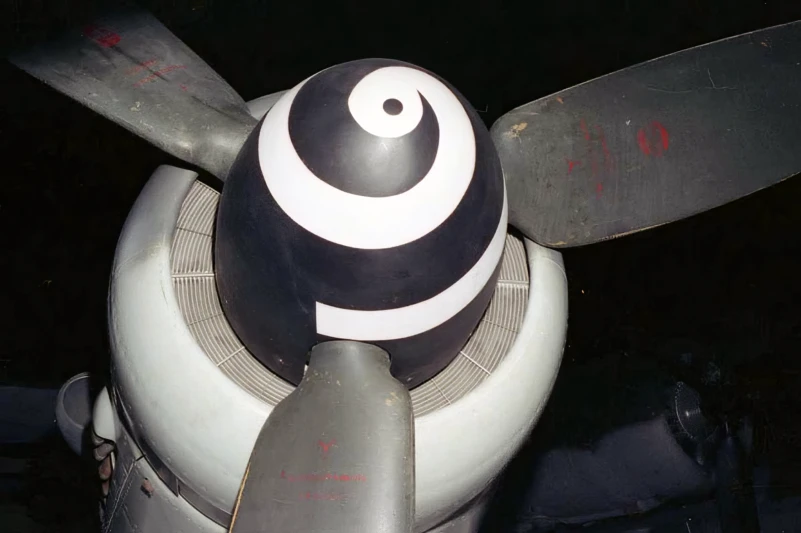
Focke-Wulf Fw-190A-9 | |
|---|---|
| Paese | Germania |
| Categoria | Aerei militari |
| digitare | Cacciatore di bombardieri |
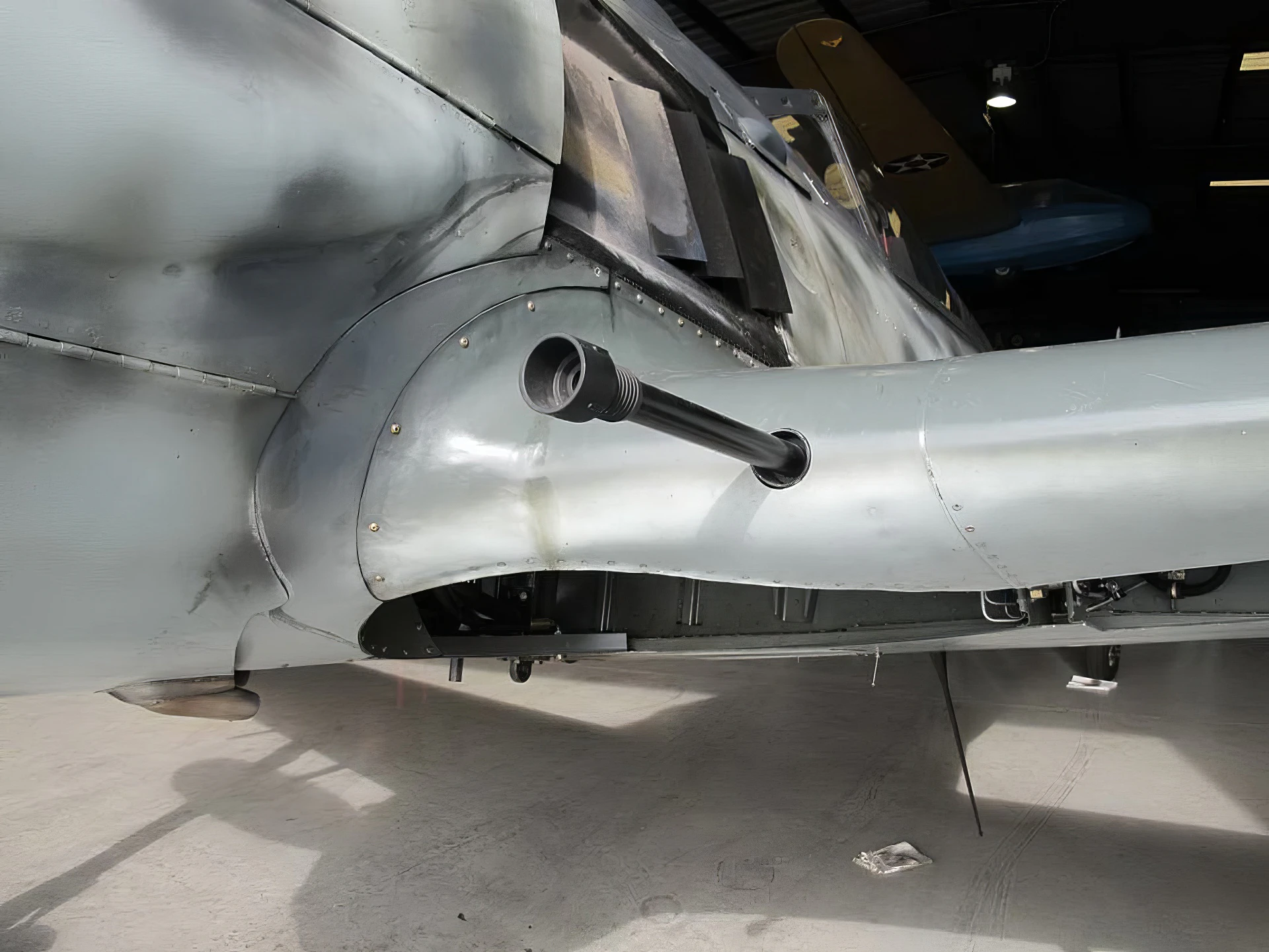
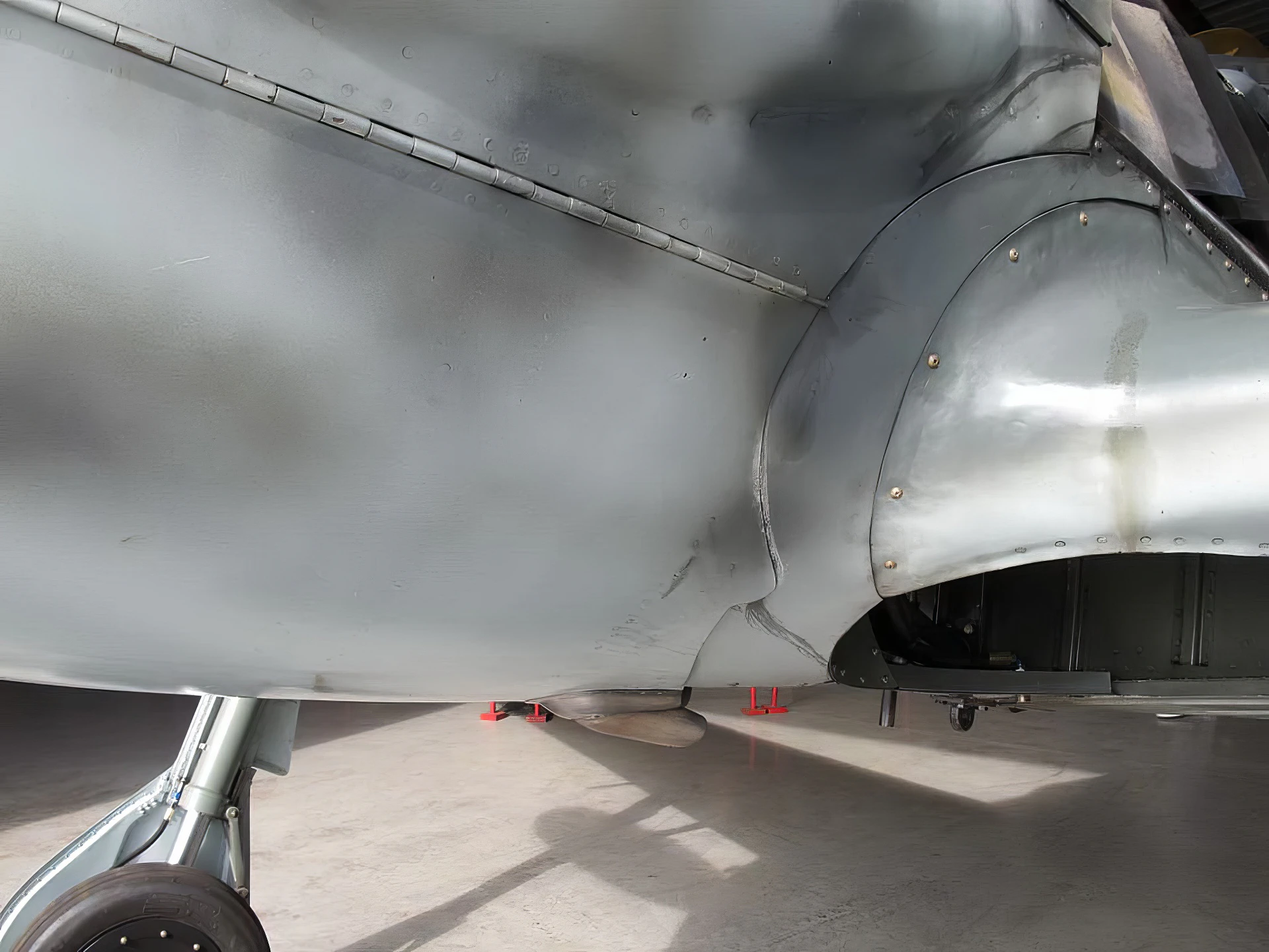
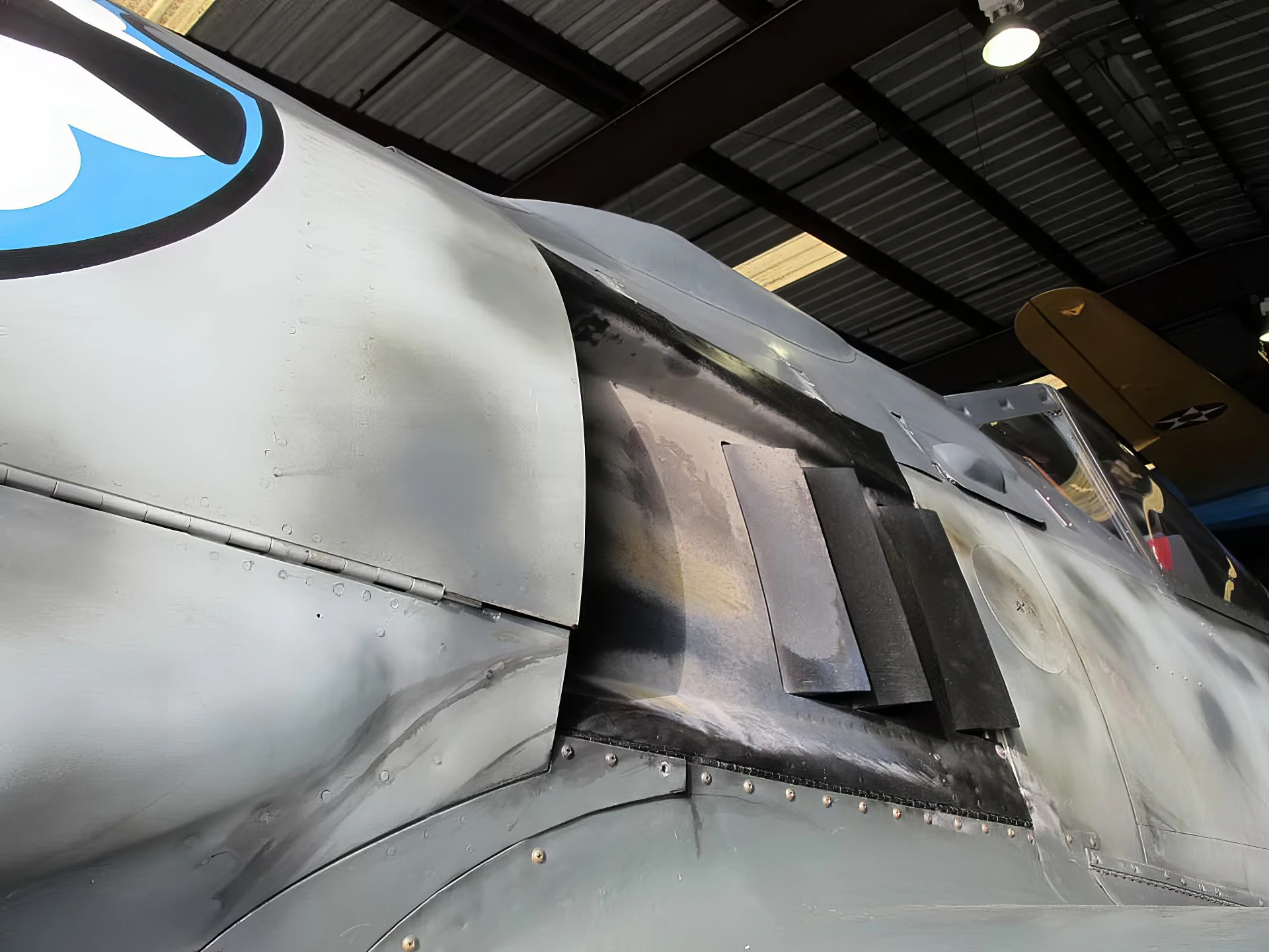
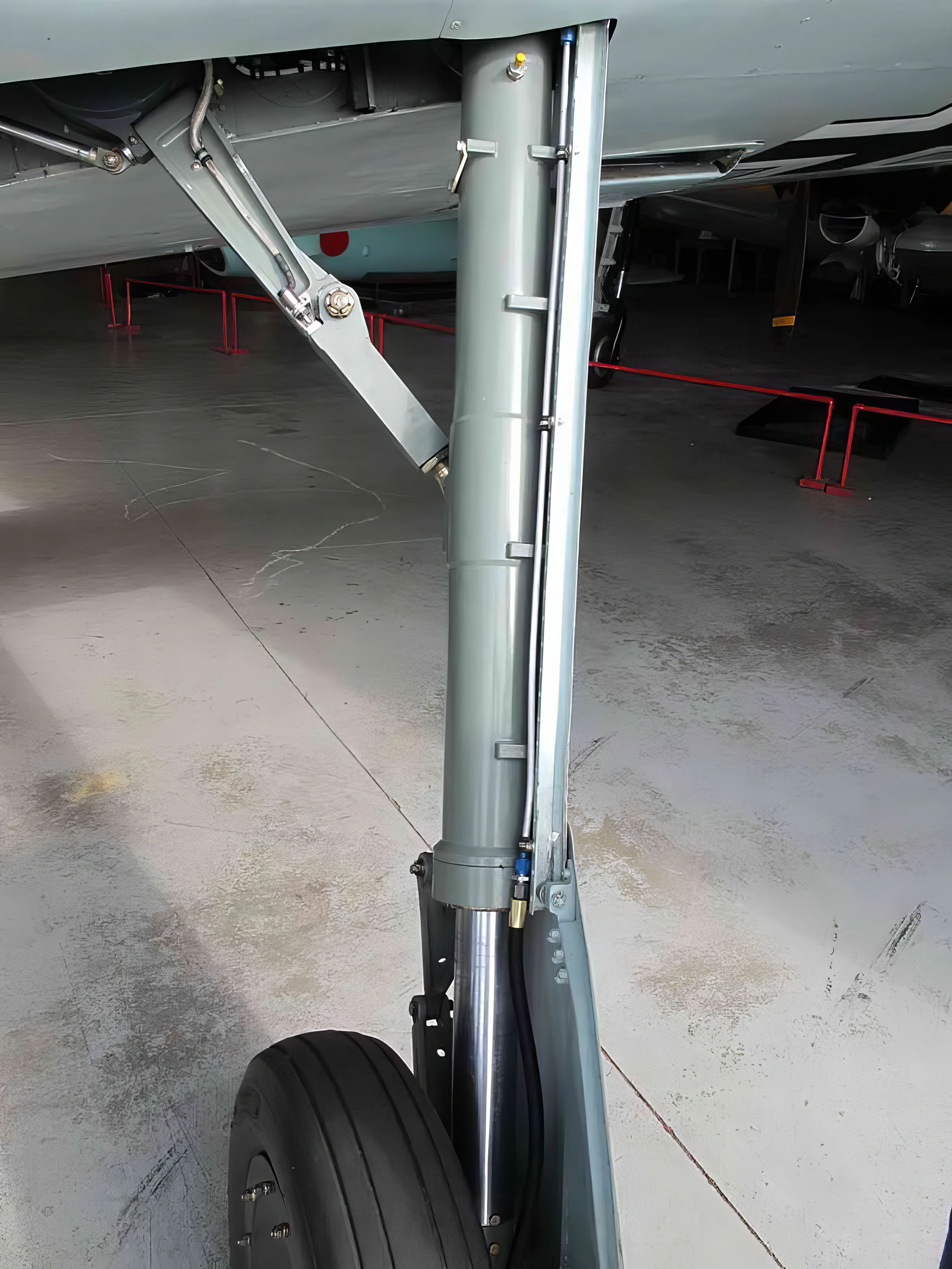
Galleria fotografica su un Focke-Wulf Fw-190A-9, il Focke-Wulf Fw 190 Era un cacciabombardo tedesco monoposto monomotore della seconda guerra mondiale. Prodotto a più di 20.000 unità è stato declinato in diversi modelli derivati che hanno preso il posto degli Junkers Ju87 (Stuka) come aerei di supporto delle truppe di terra e del Messerschmitt Bf110 come caccia pesante. È considerato il primo vero cacciabombardardardo della Luftwaffe. Versione Fw-190 A-9 : Ultima variante dell'Fw-190 A prodotta in serie. Riceve un nuovo motore e una cabina di pilotaggio espansa, presi in prestito dall'Fw-190 F-8. La sua produzione continuerà fianco a fianco con l'Fw-190 A-8, a seconda delle consegne del nuovo motore.
fonte: Focke-Wulf su Wikipedia
| Focke-Wulf Fw-190A-9 | |
|---|---|
| Fotografo | Inconsapevole |
| Localizzazione | Inconsapevole |
| Foto | 88 |
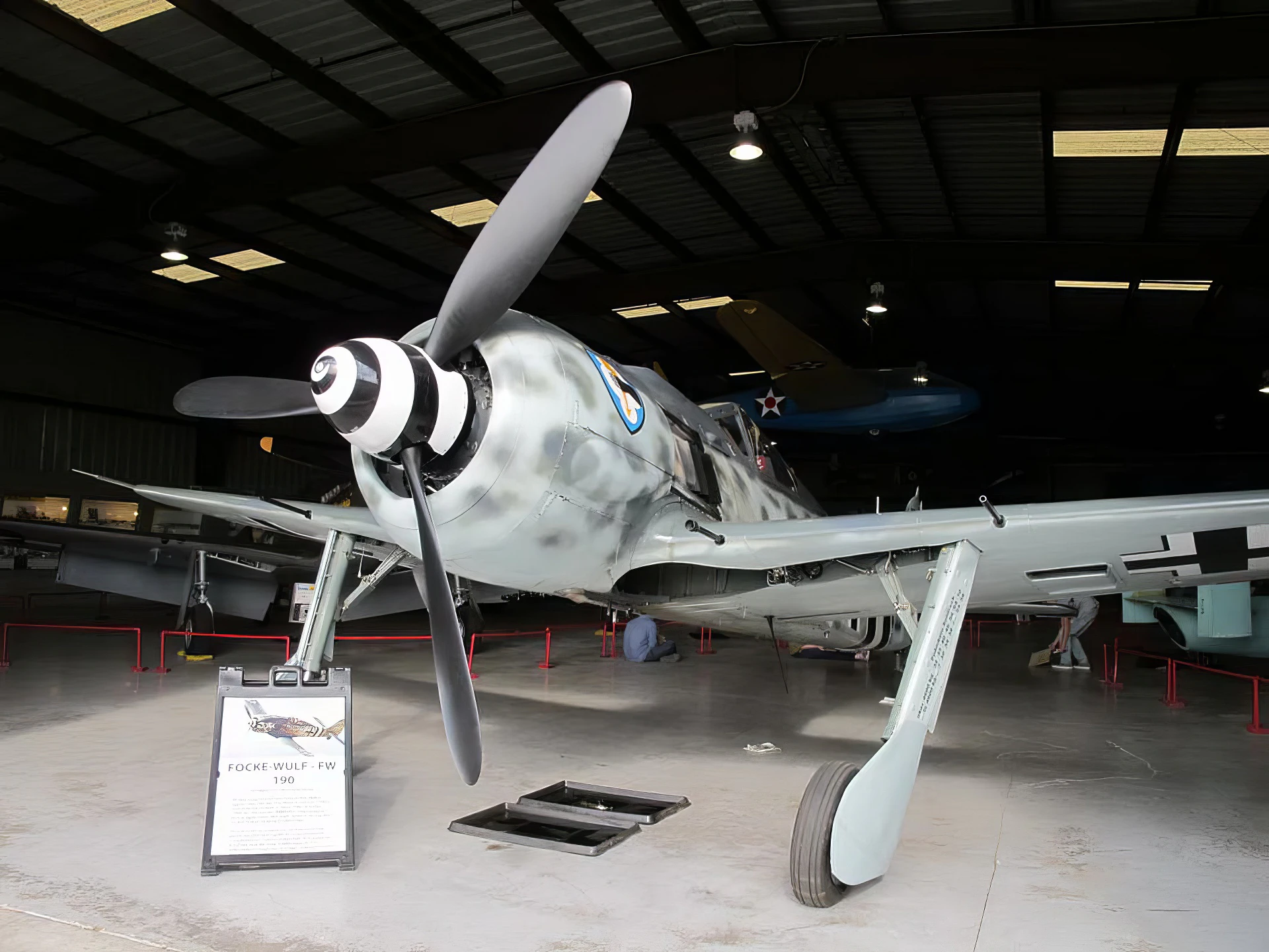
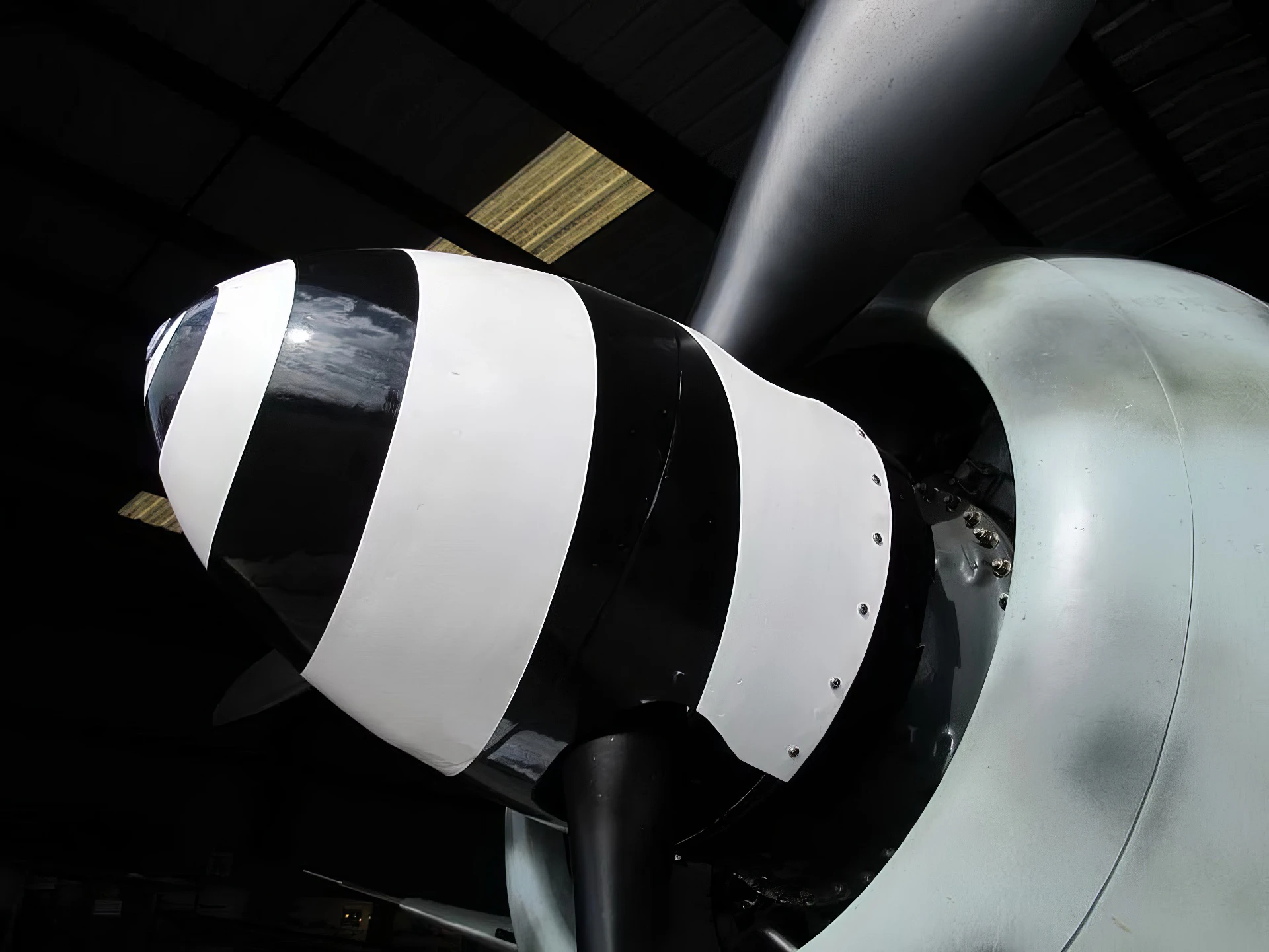
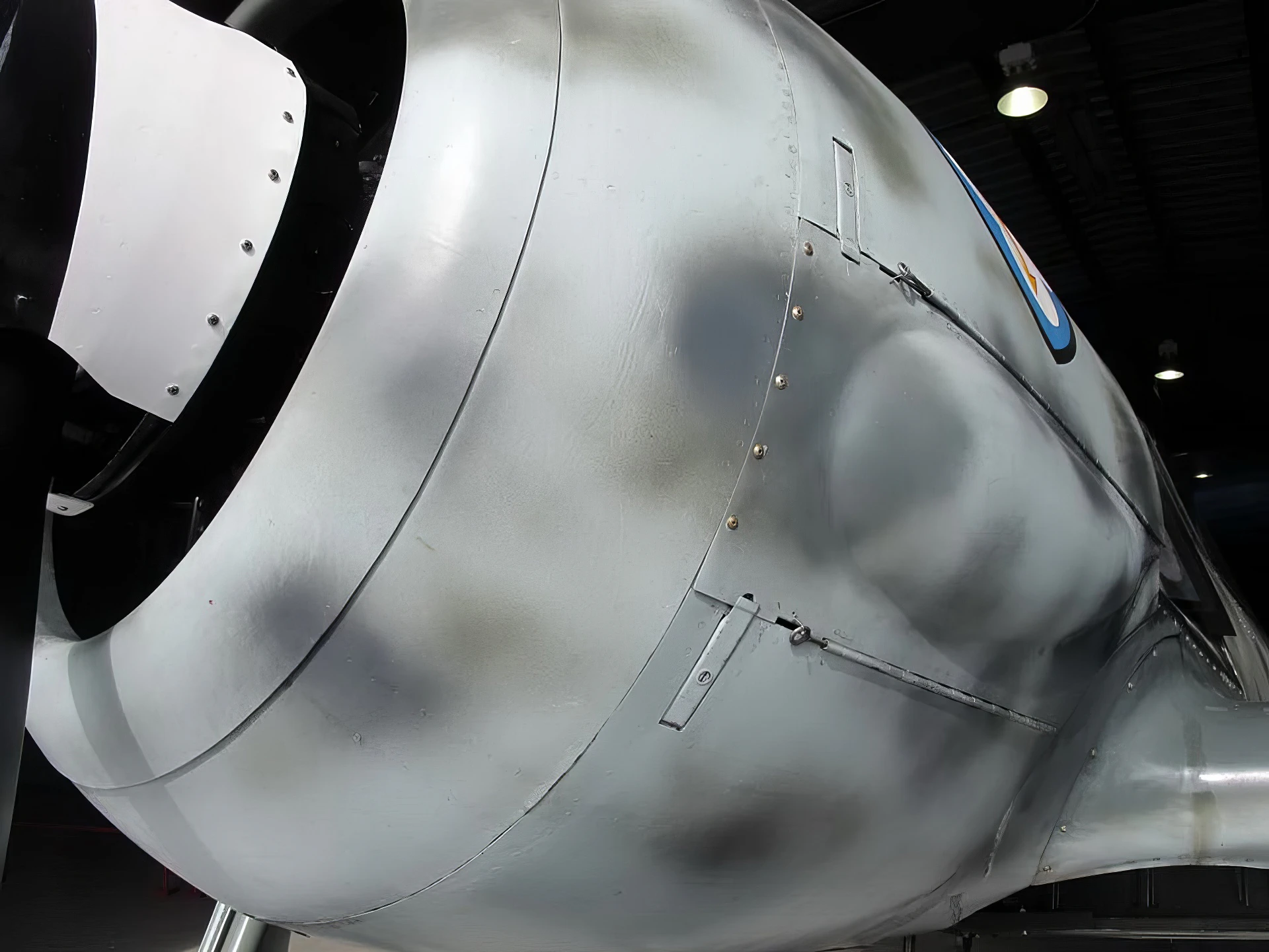
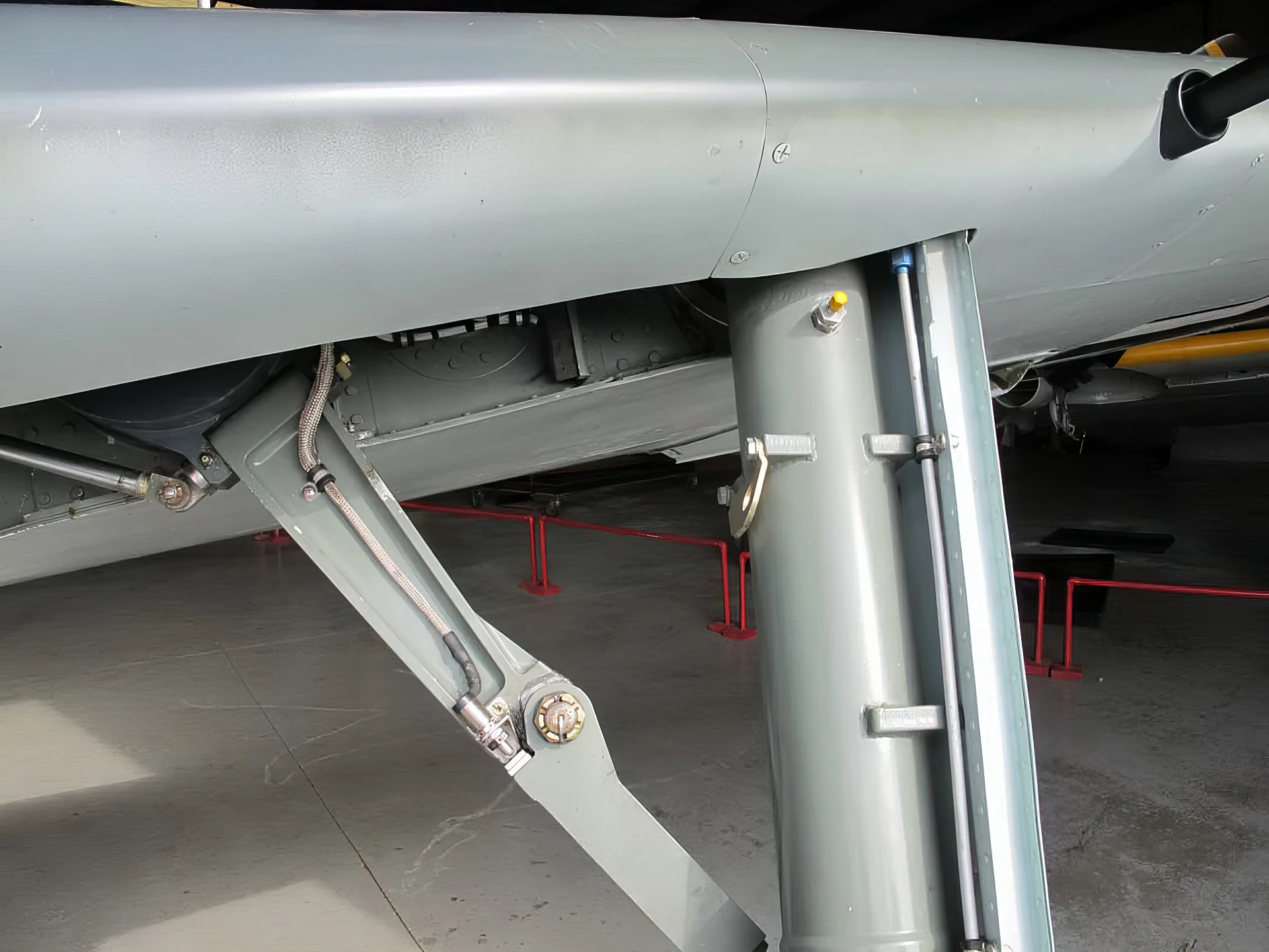
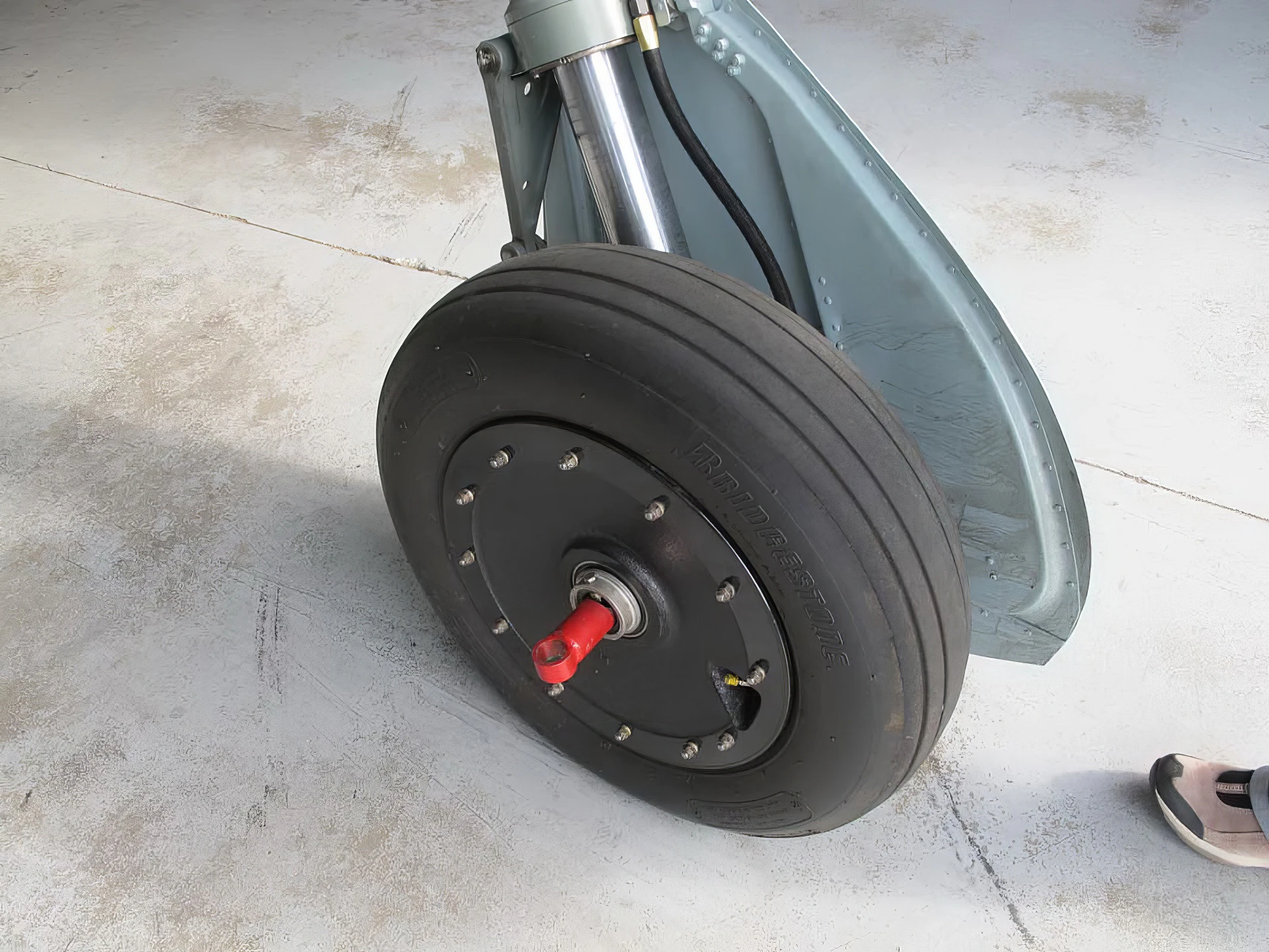

| Focke-Wulf Fw 190A-6/R-6 Passeggia | |
|---|---|
| Fotografo | Massimo Otten |
| Localizzazione | Inconsapevole |
| Foto | 35 |
Vedi anche:


The **Focke-Wulf Fw 190A** was a formidable German single-seat fighter aircraft introduced in 1941, designed by Kurt Tank to complement and eventually surpass the Messerschmitt Bf 109. It was immediately recognizable and highly effective, quickly establishing air superiority over the English Channel against contemporary Allied fighters like the Spitfire Mk. V.
Design and Powerplant
The defining feature of the Fw 190A series was its powerful, air-cooled **BMW 801 radial engine**. This contrasted sharply with the liquid-cooled inline engines of the Bf 109 and most Allied fighters.
- Motore: The **BMW 801** was a robust 14-cylinder, two-row radial engine, offering high power and a greater resistance to battle damage than liquid-cooled designs.
- Kommandogerät: It utilized a sophisticated, electro-mechanical management system (the *Kommandogerät*) that simplified engine control for the pilot by automatically coordinating propeller pitch, throttle, and mixture.
- Landing Gear: The Fw 190 featured a **wide-track landing gear**, retracting inward into the wing. This provided excellent stability and significantly better ground handling compared to the narrow, outward-retracting gear of the Bf 109.
Performance and Role
The Fw 190A was known as a rugged “workhorse” that excelled in several performance areas, particularly at low and medium altitudes (below 20,000 ft):
- Speed and Dive: It was extremely fast in a dive, making it ideal for **”Boom-and-Zoom”** tactics—attacking with speed and immediately escaping.
- Roll Rate: Its short, stiff wings gave it an **exceptional roll rate**, allowing it to outmaneuver opponents axially.
- Roles: Though primarily a fighter, its strong airframe and powerful engine allowed it to be readily adapted for a wide variety of combat roles, including **fighter-bomber** (*Jabo*) and specialized heavily-armed **bomber interceptor** (especially the later A-8/R2 variants).
Standard Armament (Typical A-Series)
The Fw 190A was renowned for its unprecedented heavy armament, giving it a devastating punch, particularly against Allied heavy bombers.
- Fuselage: Two **MG 17 7.92 mm machine guns** (later upgraded to **MG 131 13 mm machine guns** on models like the A-7 and A-8) mounted over the engine and synchronized to fire through the propeller.
- Wing Root: Two **20 mm MG 151/20 cannon** in the wing roots.
- Outer Wing: In early variants (A-1 through A-5), two **20 mm MG FF/M cannons** were fitted outboard. Later variants (A-6 onwards) standardized the armament by replacing these with the more powerful and reliable **20 mm MG 151/20 cannon**, giving the Fw 190 an imposing four-cannon firepower layout.
Punti di vista: 17461
Puoi anche vedere:
 Bréguet 1050 Alizé – Foto e Video
 Phönix D.I – Foto e Video
 Mitsubishi G4M – Foto e video
 Nieuport 27 – Foto e Video
 Martin 4-0-4 – Foto e video
 Bristol F.2 Fighter – Foto e Video
 Northrop JB-1 Bat – Foto e Video
 FM-1 Wildcat - WalkAround
 Grumman F-14 Tomcat - WalkAround
 Mikoyan-Gurevich MiG-17 - Walkaround