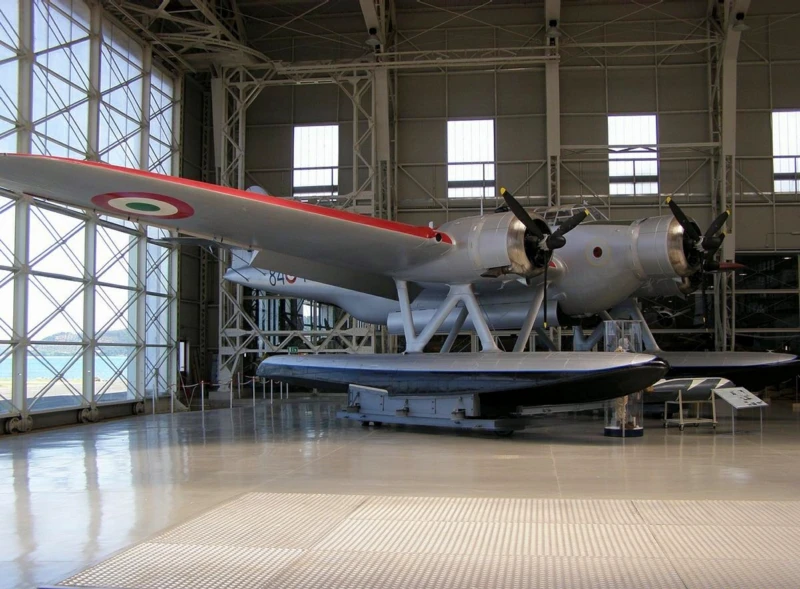
Cant Z.506 S Airone | |
| Pays | Italie |
| Rôle | Hydravion à trois moteurs |
| Premier vol | Le 19 août 1935 |
| Construit | 340+ |
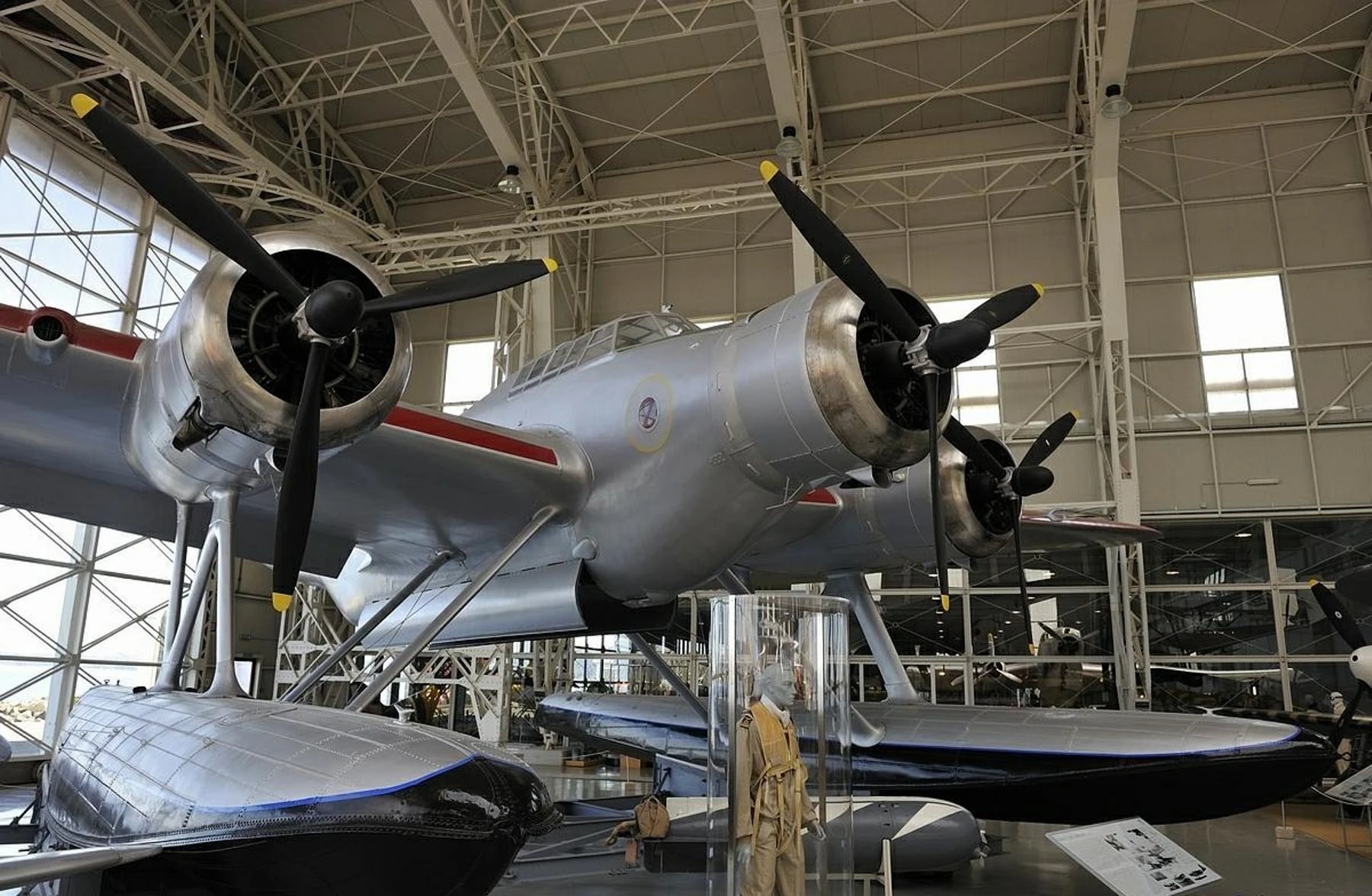
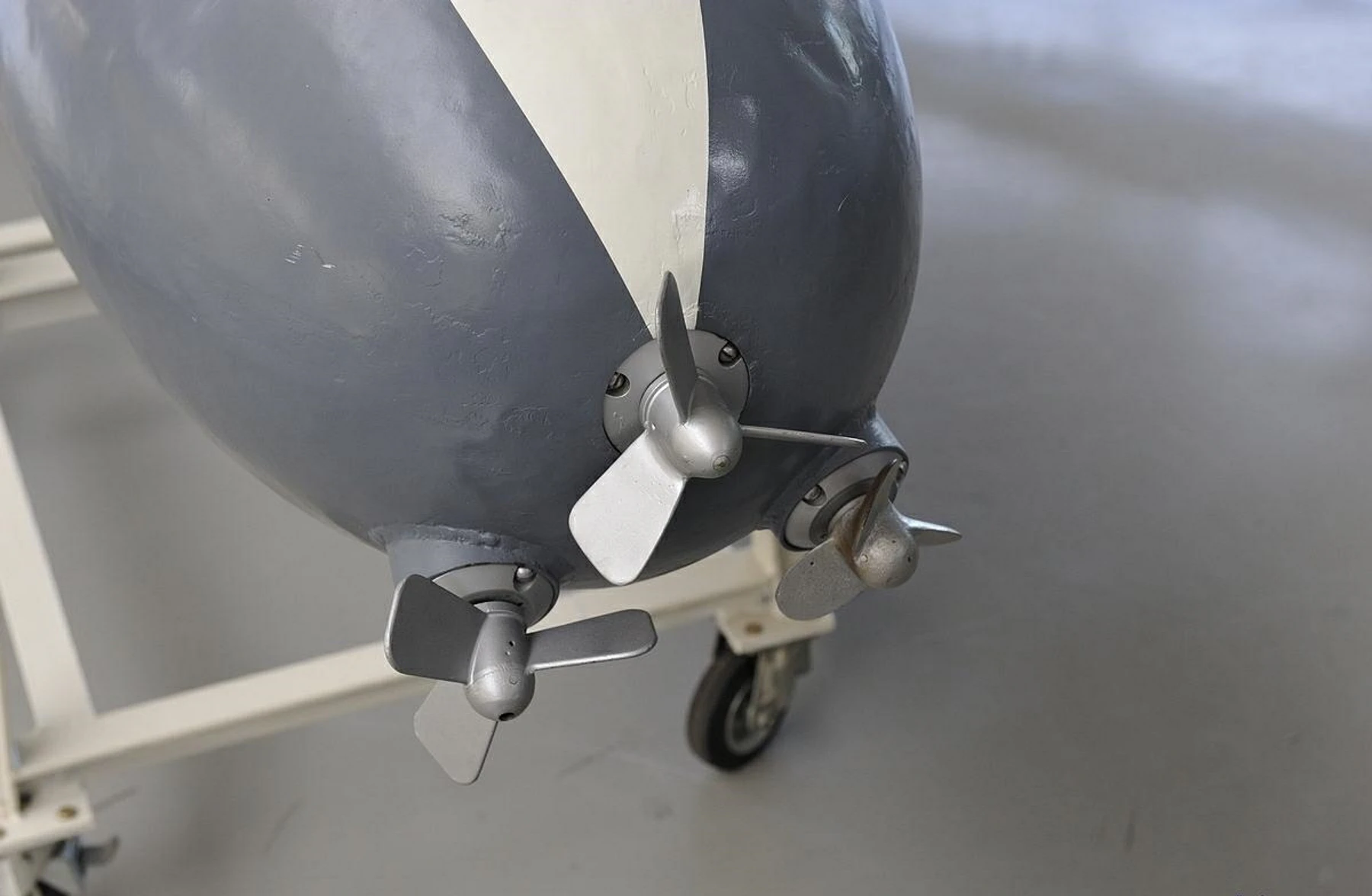
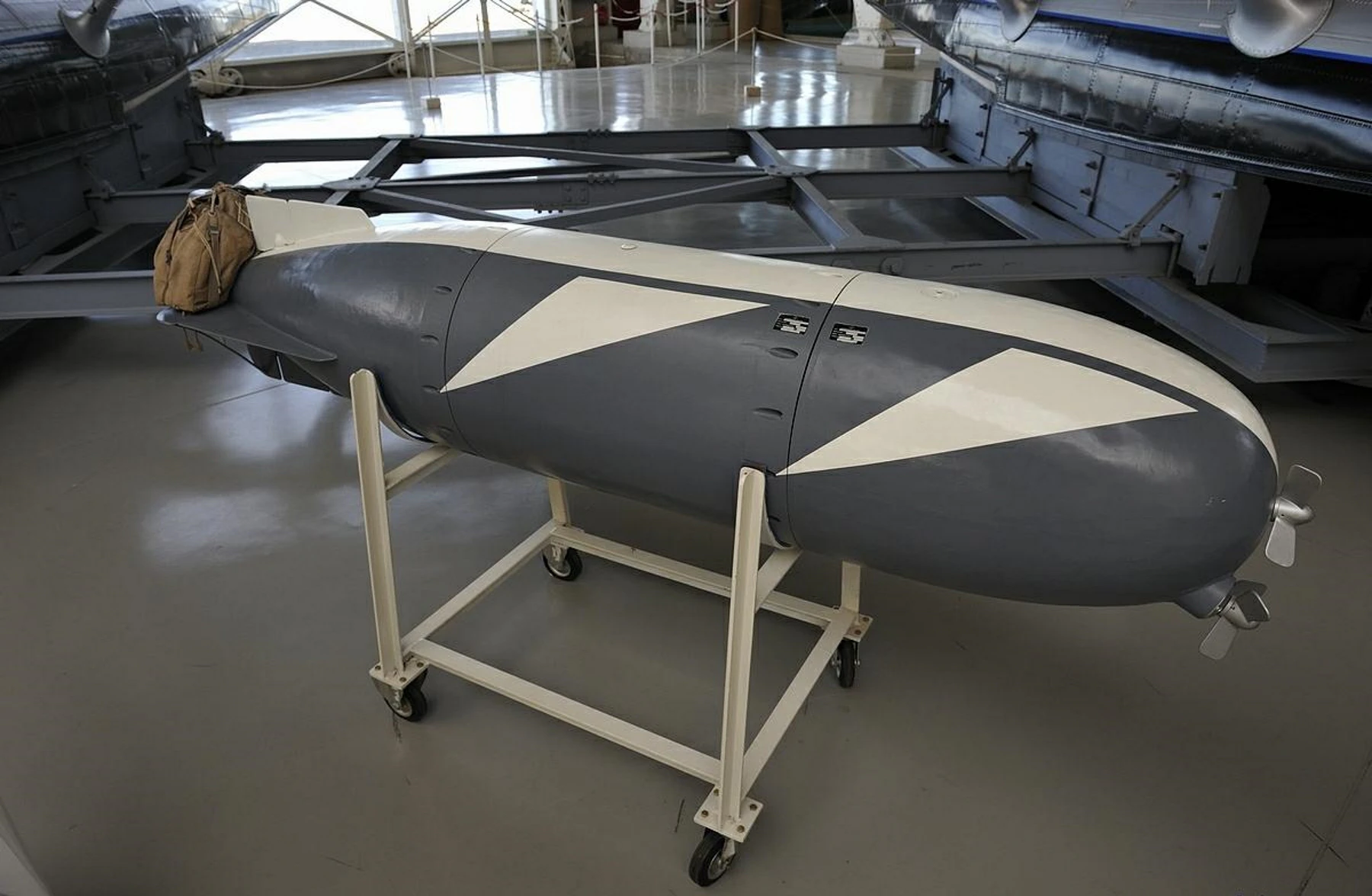
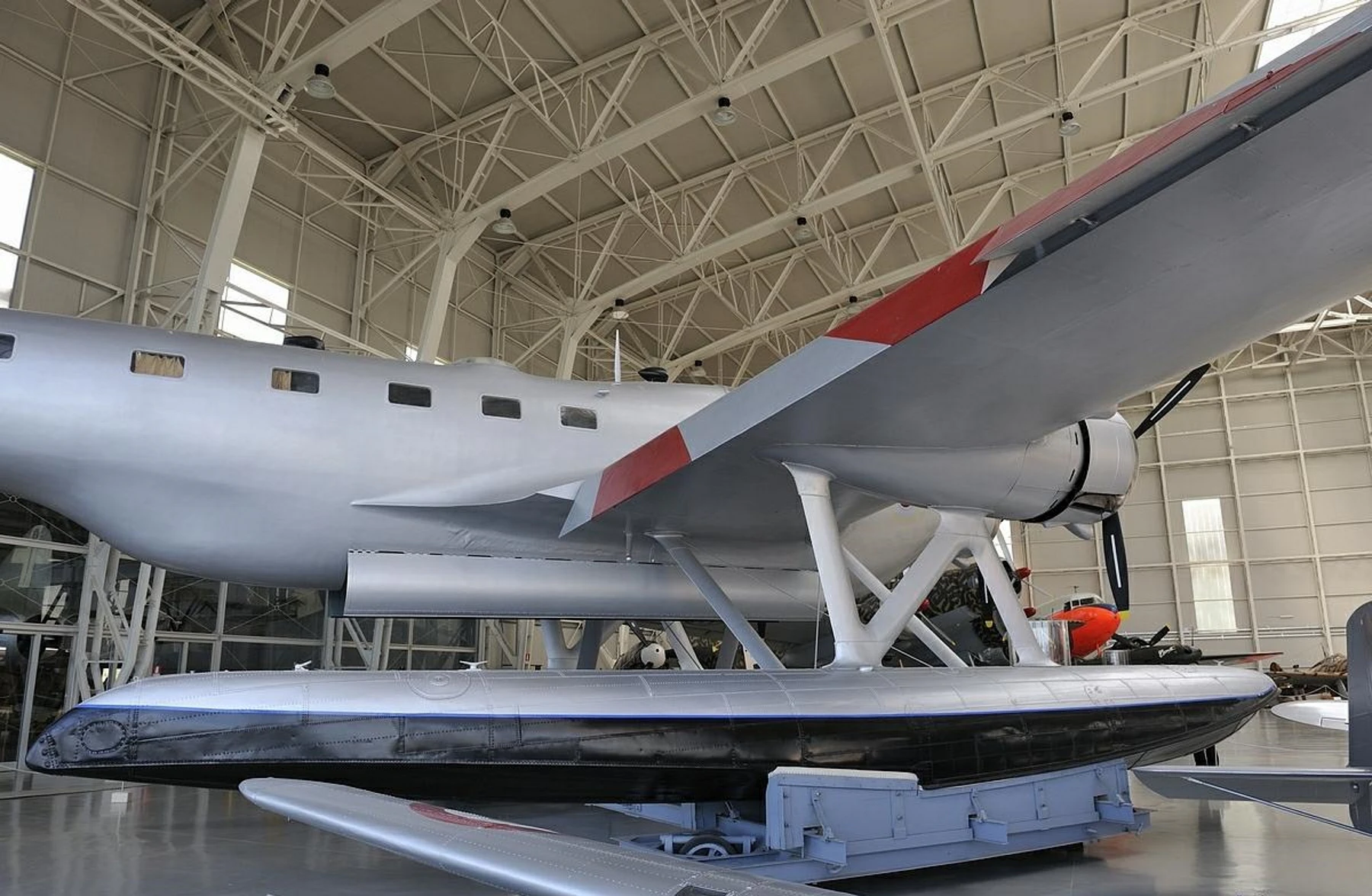
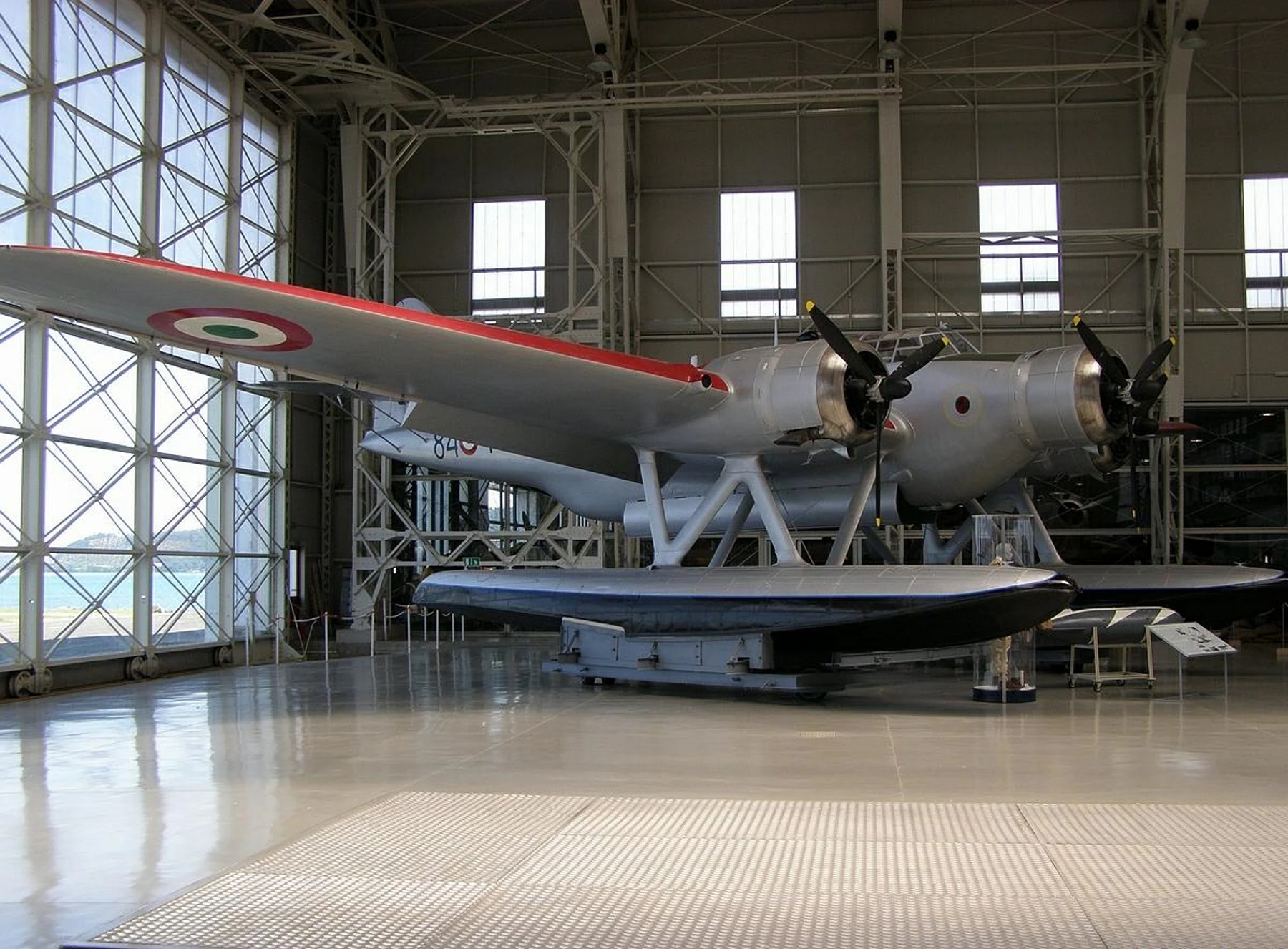
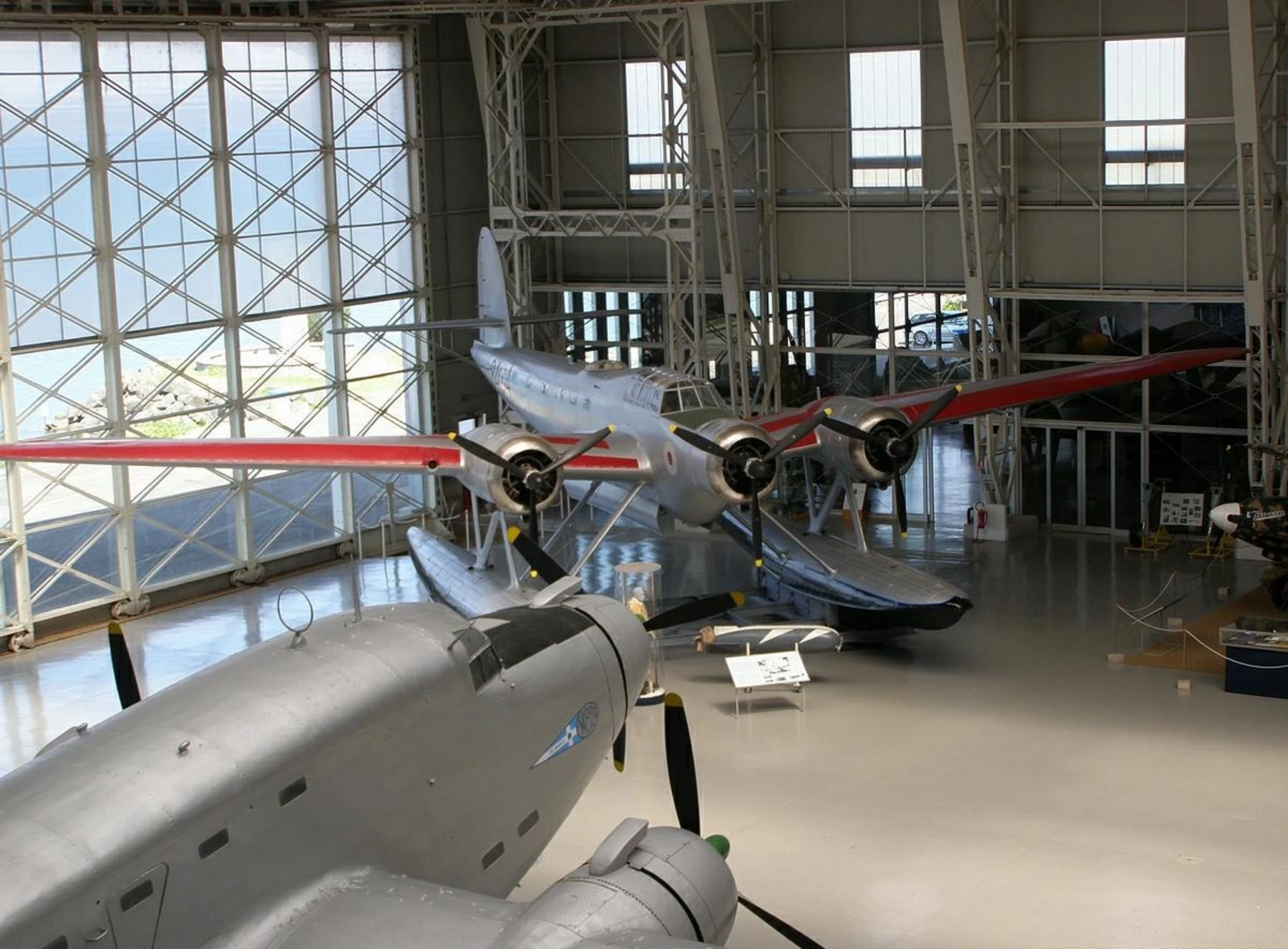
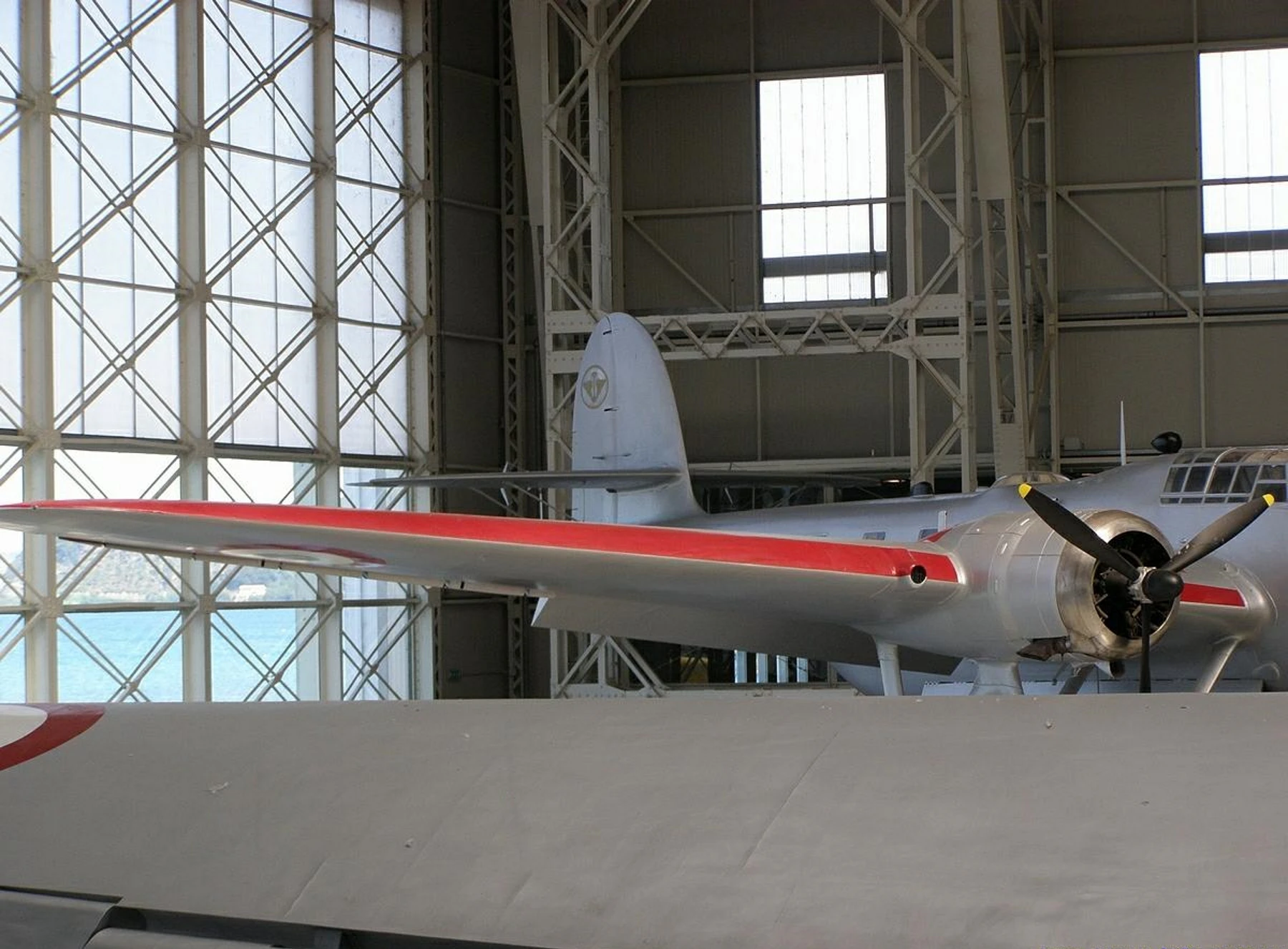
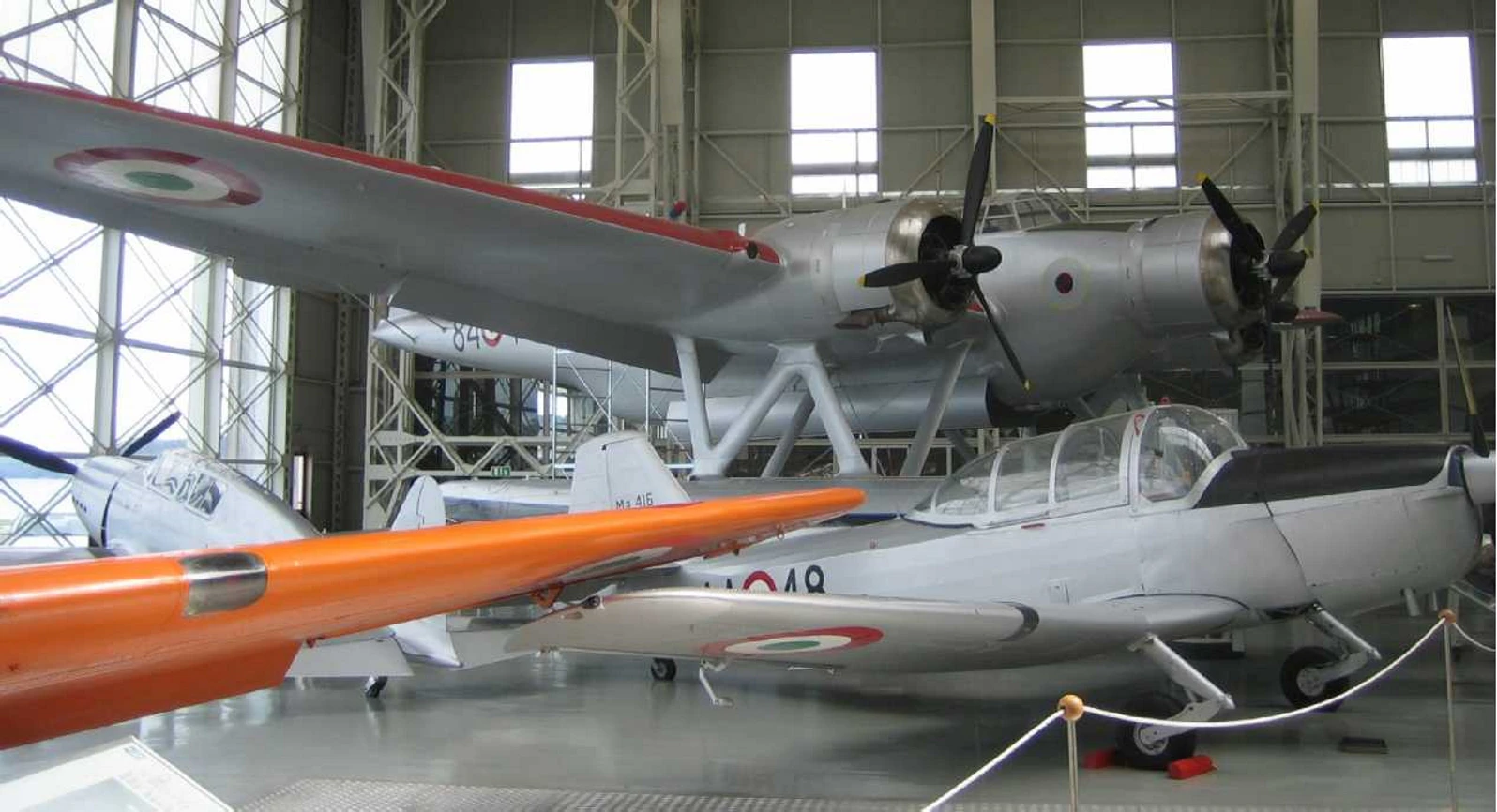
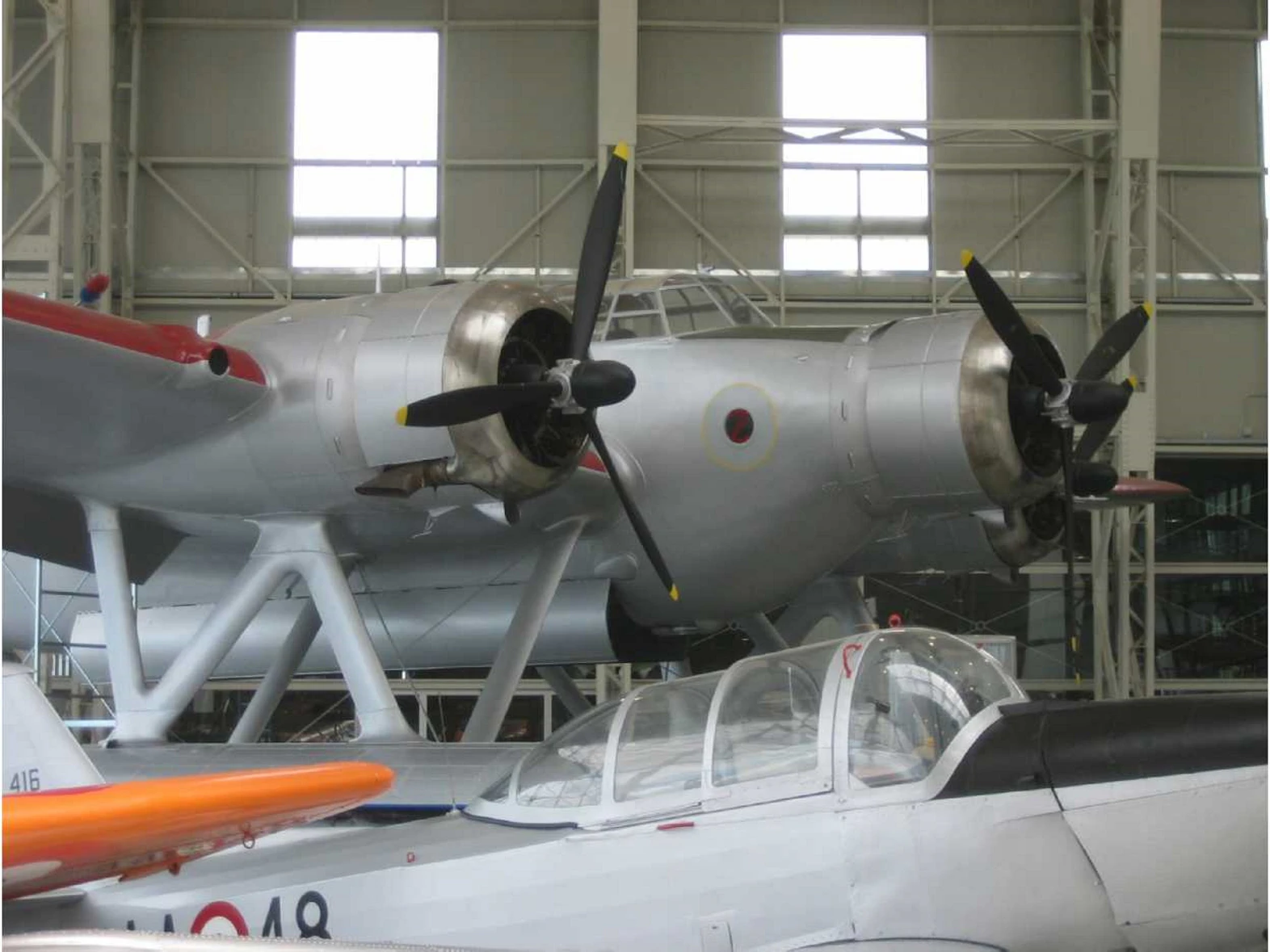
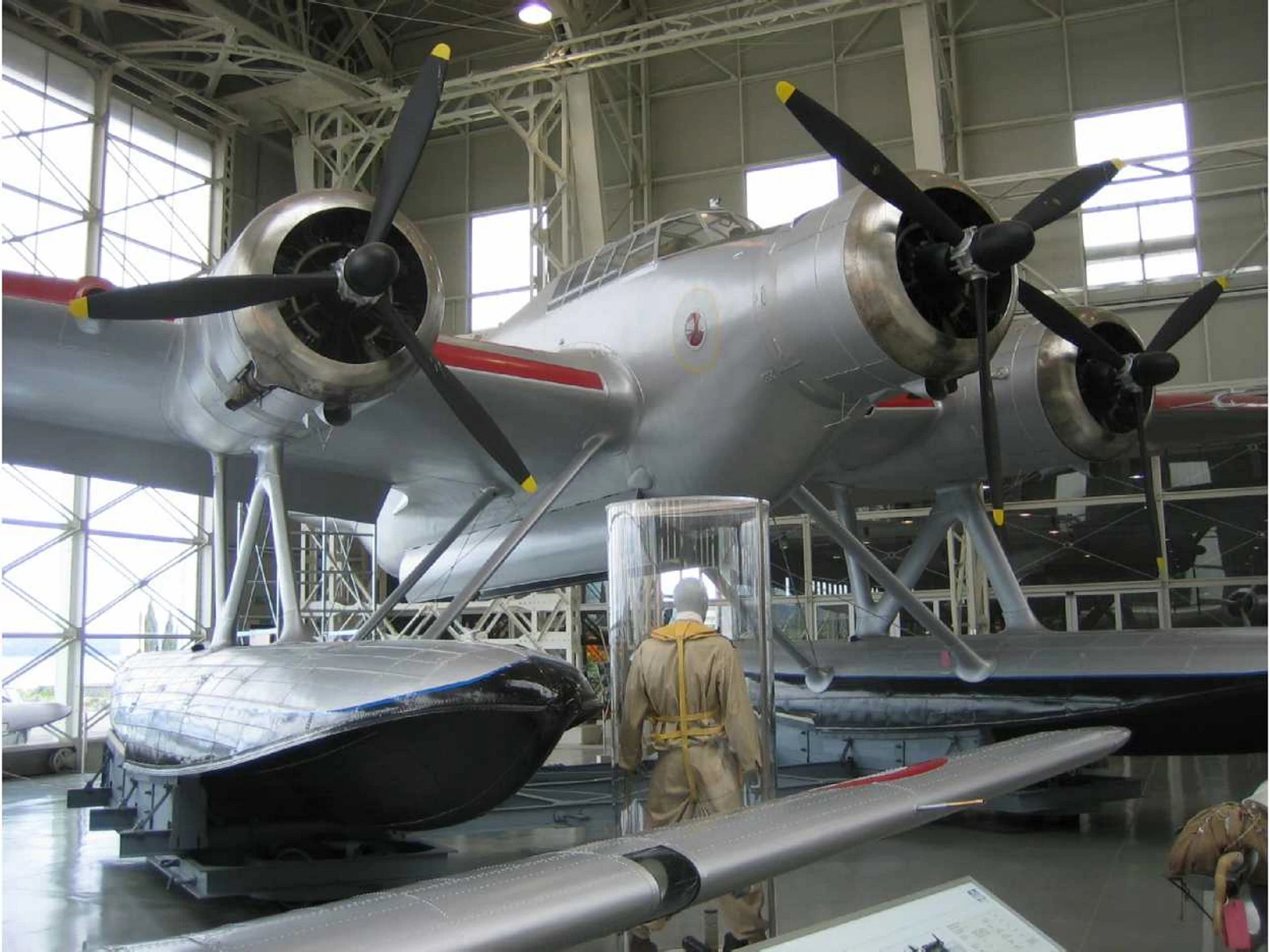
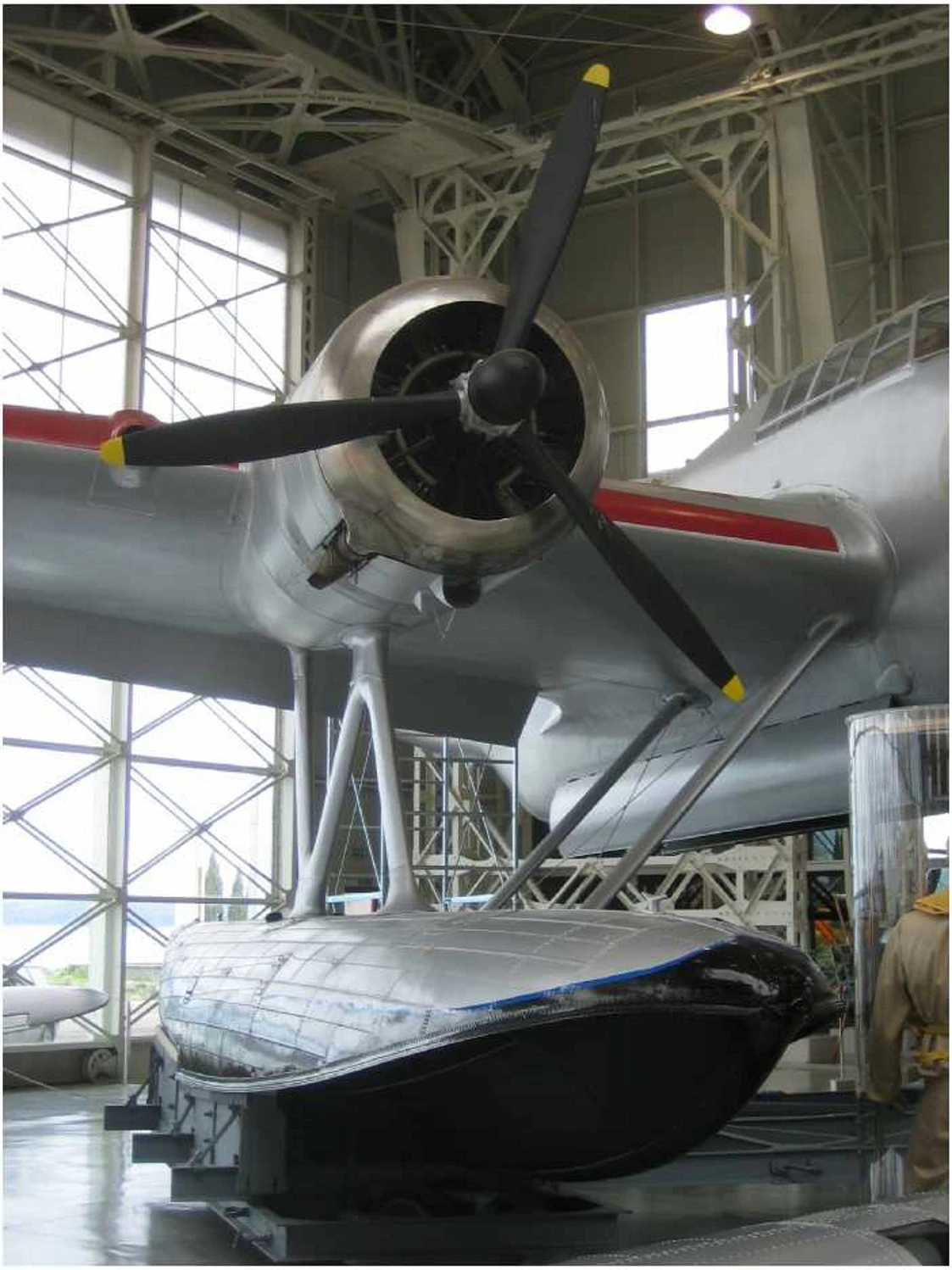
Galerie de photos d’un Cant Z.506 S Airone, The CANT Z.506 Airone (Italian: Heron) was a triple-engine floatplane produced by CANT from 1935. It served as a transport and postal aircraft with the Italian airline « Ala Littoria ». Il a établi 10 records du monde en 1936 et 10 autres en 1937. Pendant la Seconde Guerre mondiale, il a été utilisé comme avion de reconnaissance, bombardier et avion de sauvetage air-mer, par l’italien Regia Aeronautica et Regia Marina, Aeronautica Cobelligerante del Sud, Aeronautica Nazionale Repubblicana et la Luftwaffe. La version militaire s’est révélée être l’un des meilleurs hydravions jamais construits. Malgré sa structure en bois, il a pu fonctionner dans une mer très agitée. Un certain nombre d’avions de sauvetage air-mer Z.506S sont restés en service jusqu’en 1959.
Source: Cant Z.506 S Airone sur Wiki
| Cant Z.506 S Airone | |
|---|---|
| Photographe | Libor Spurek |
| Localisation | Inconnu |
| Photos | 25 |
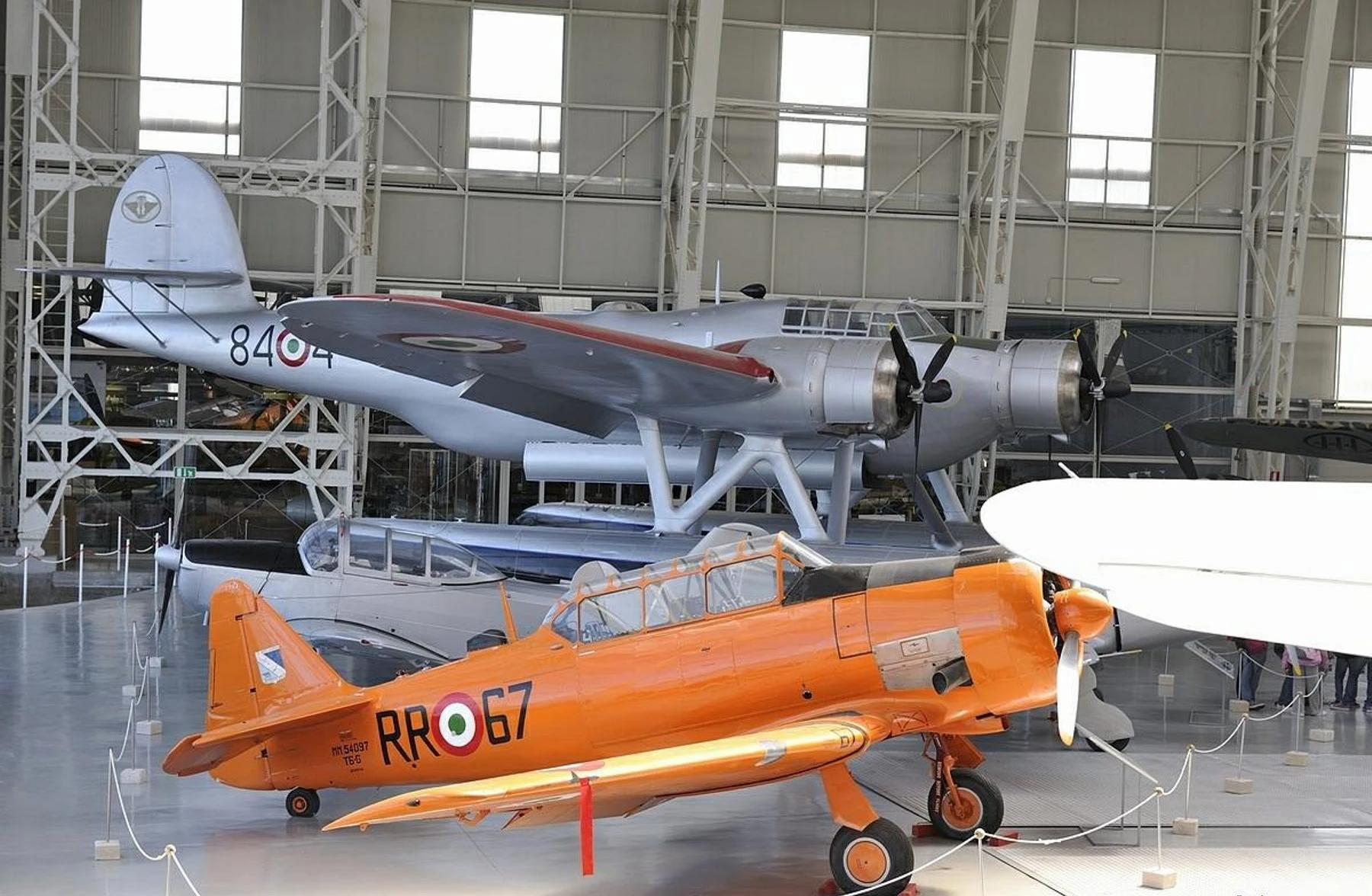

 Achetez-moi un café
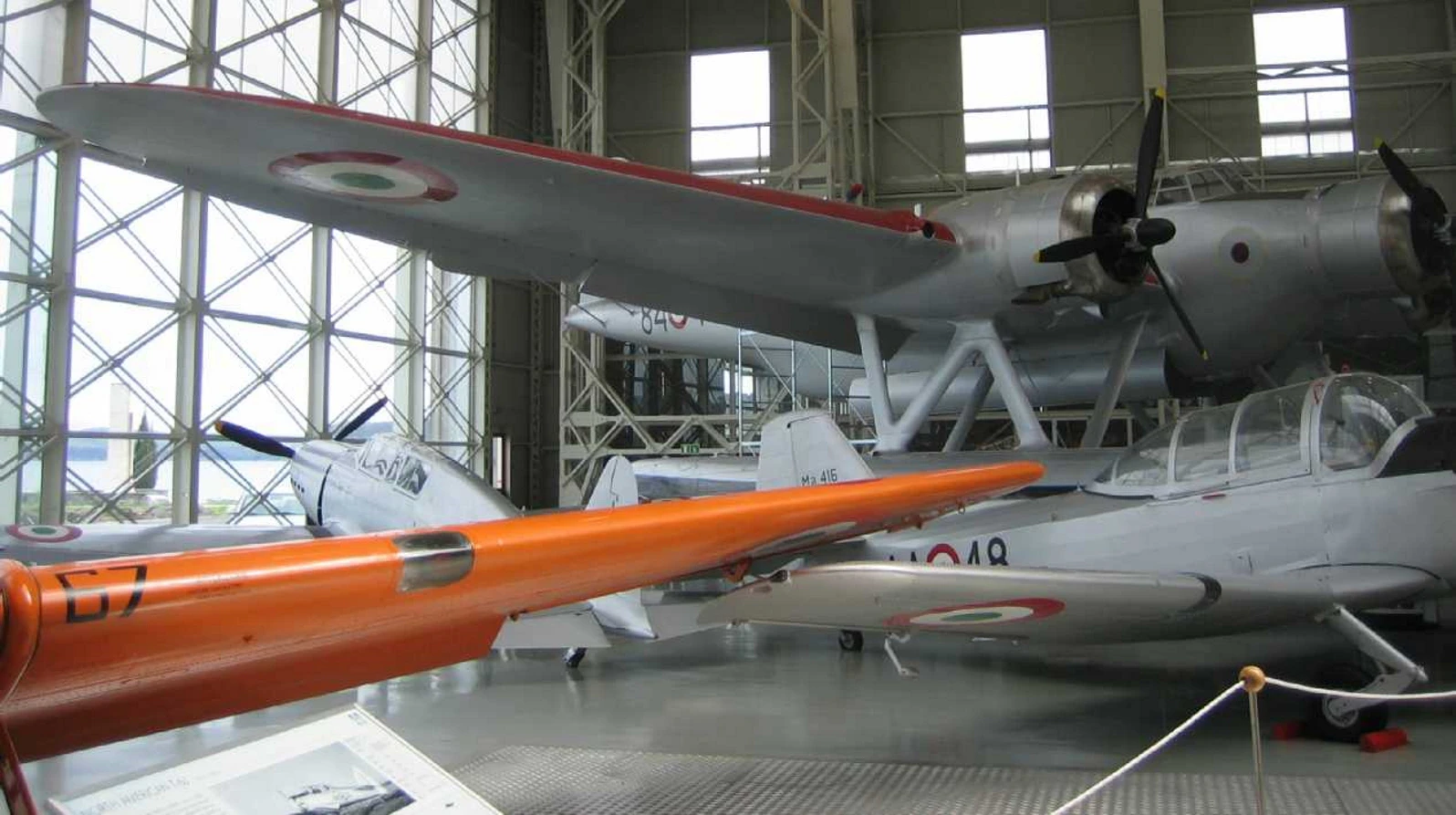
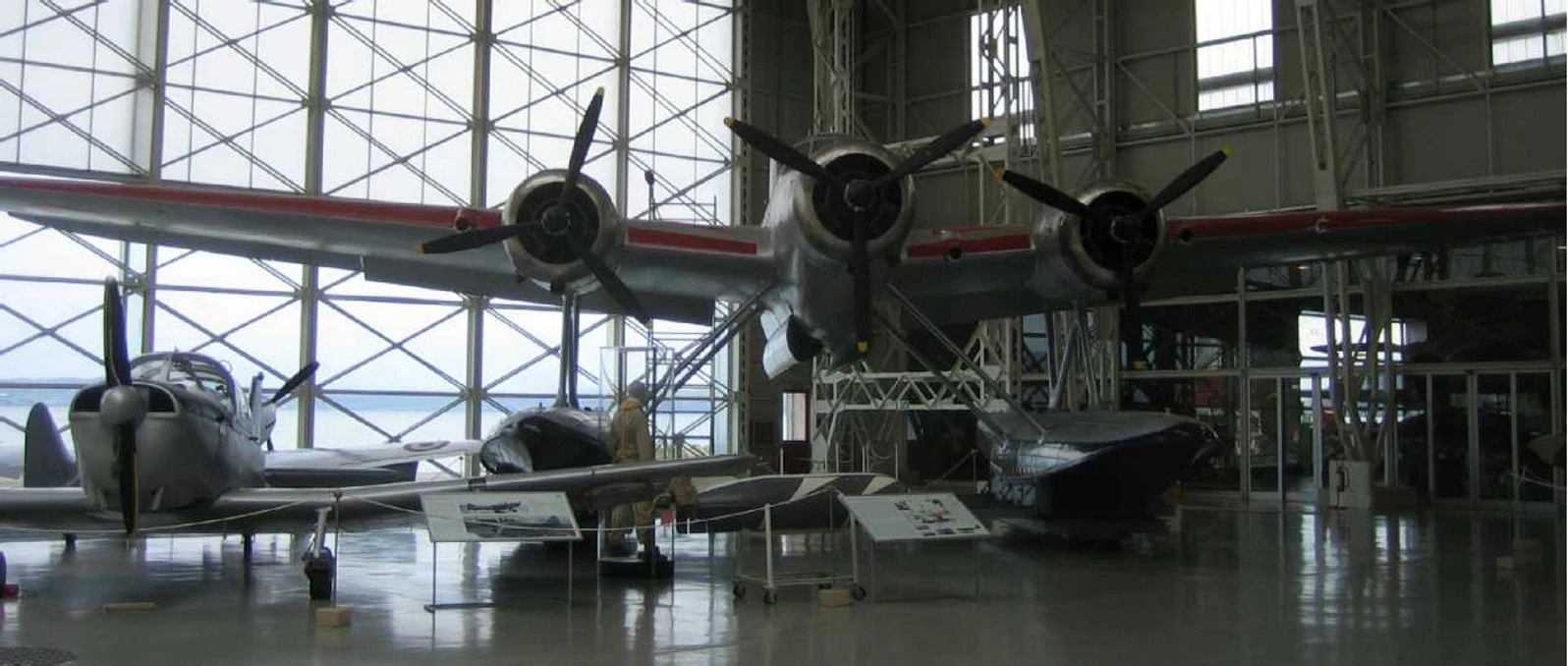
| Cant Z-506 Airone Seaplane Walk Around | |
|---|---|
| Photographe | Unknow |
| Localisation | Inconnu |
| Photos | 35 |
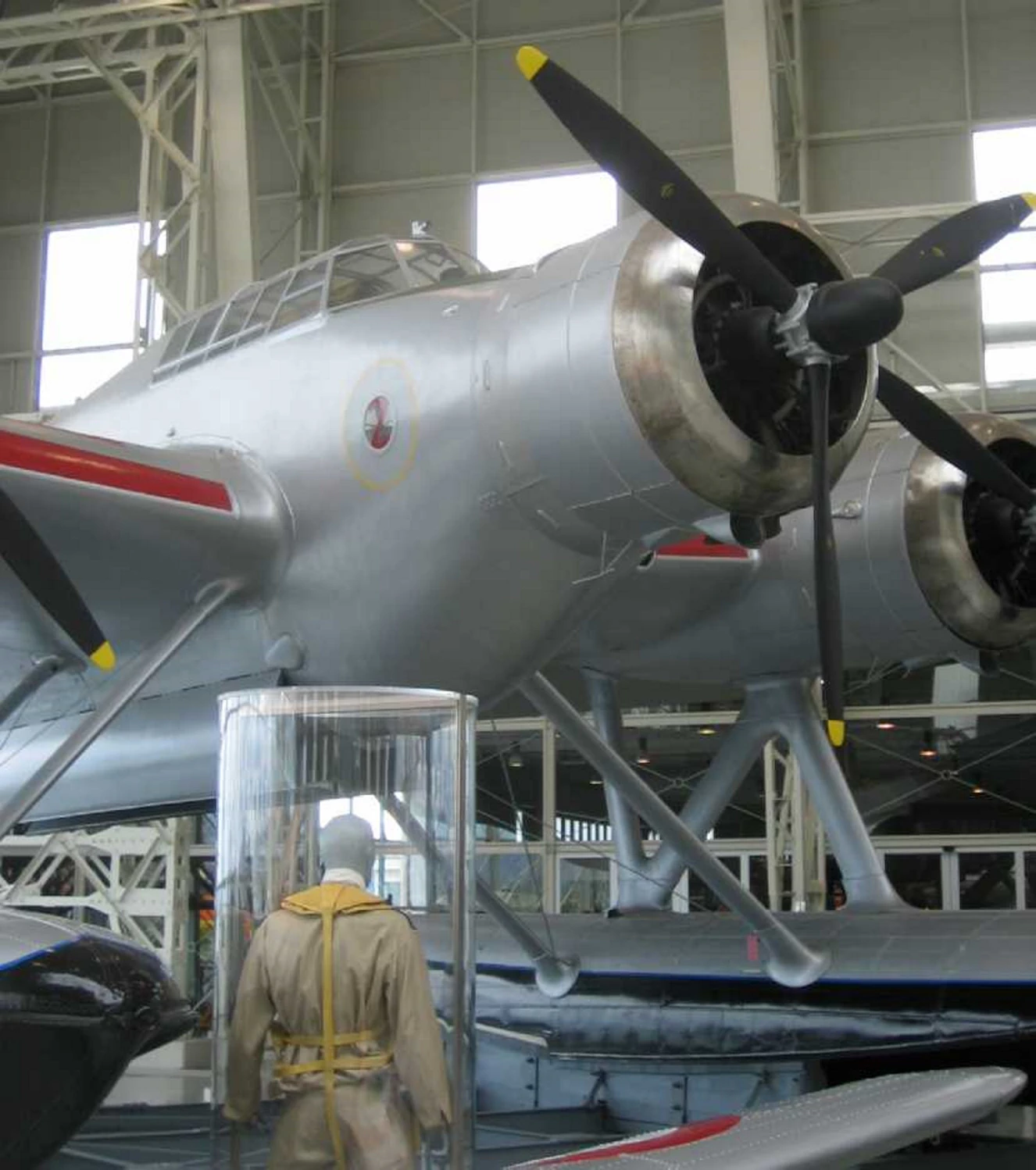
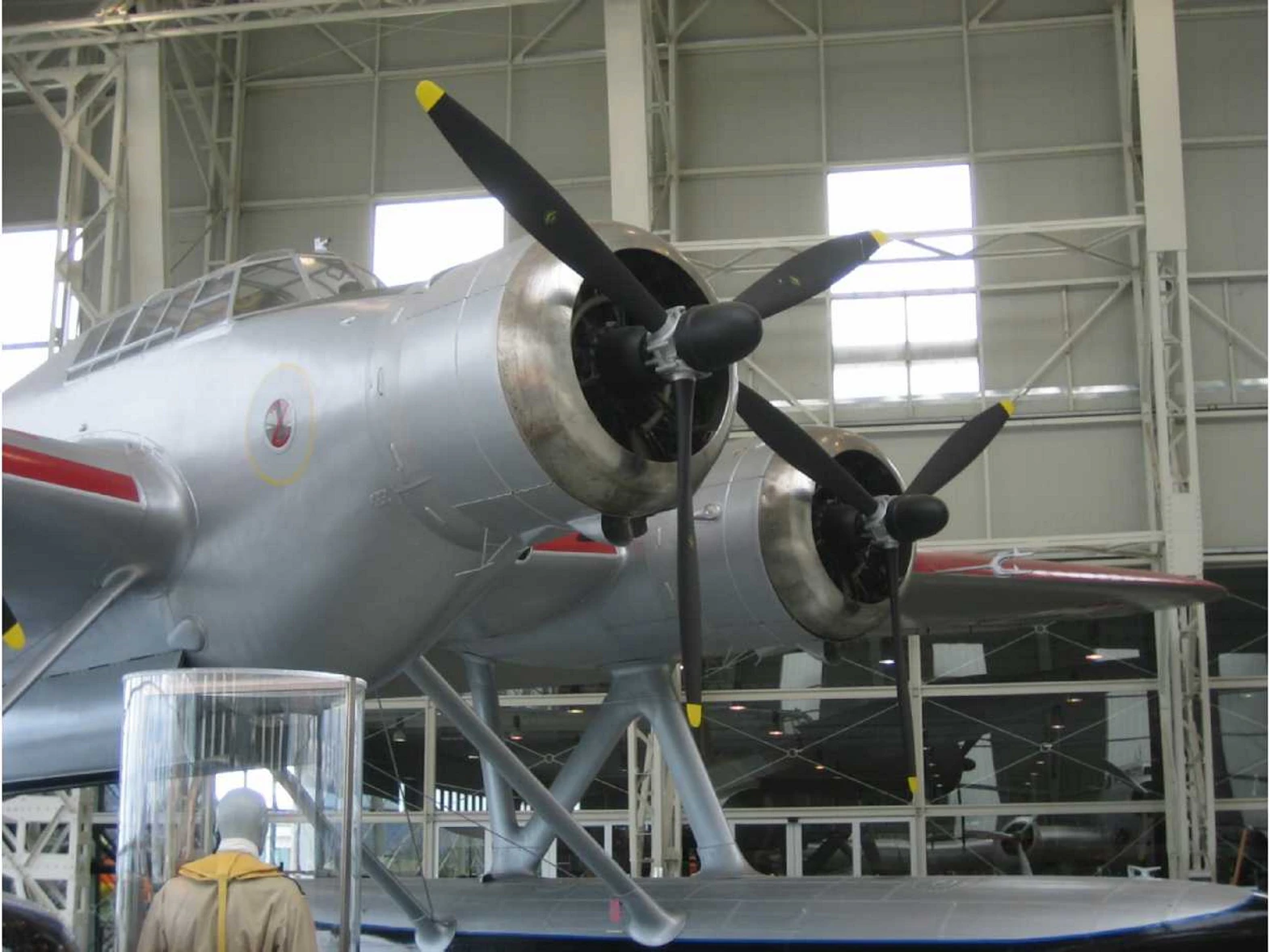
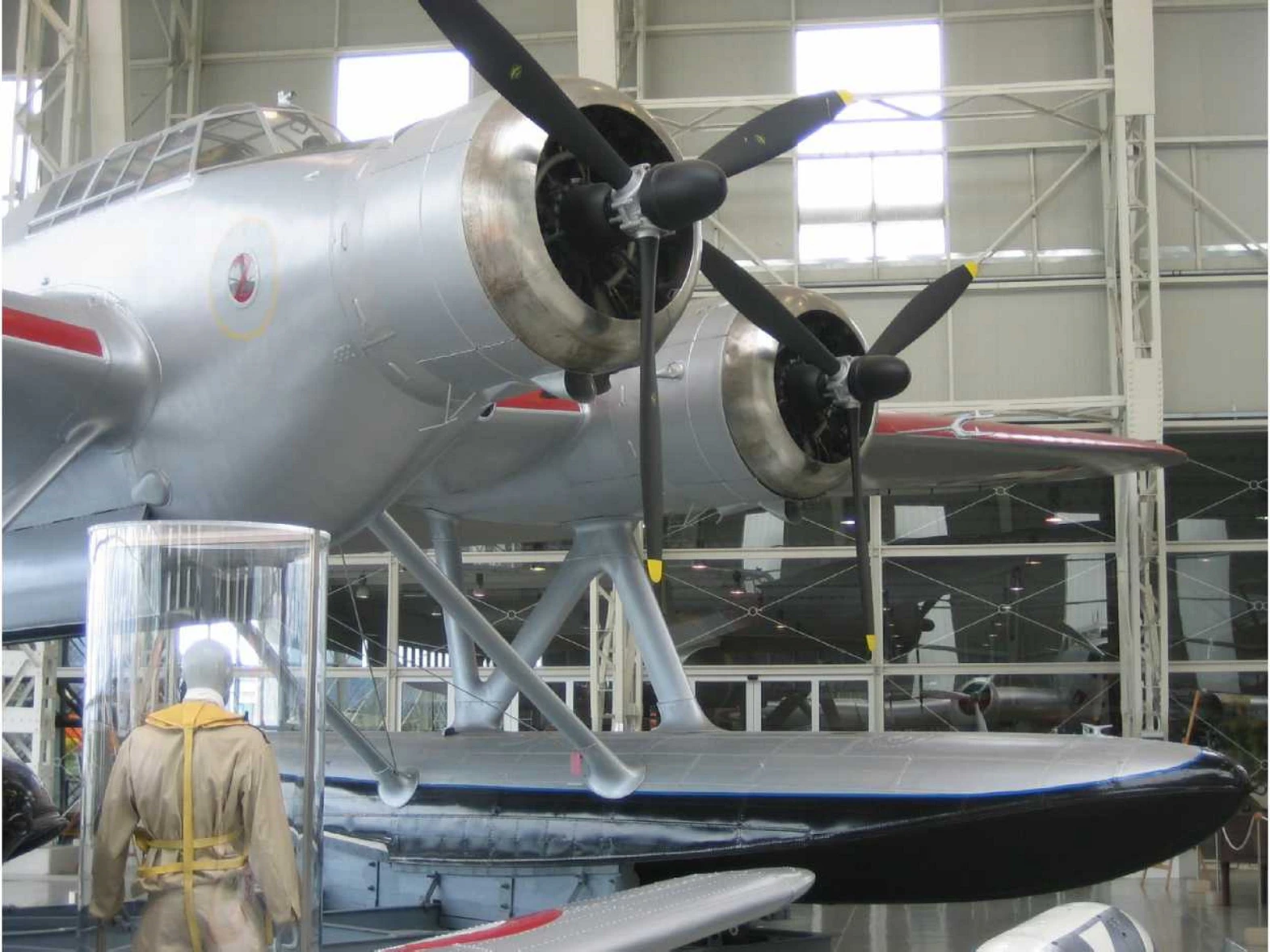
Voir aussi :


The Mercy Ship of the Skies
Lla CANT Z.506S (Soccorso – Rescue) was the specialized Air-Sea Rescue (SAR) and ambulance version of the formidable Airone (Heron) floatplane. While its brother, the Z.506B, was a record-breaking torpedo bomber, the « S » variant traded its bomb bay and heavy dorsal turret for stretchers, medical supplies, and a bright white or high-visibility finish marked with red crosses. Despite being constructed almost entirely of wood, the Airone was so seaworthy that it could land and take off in conditions that would destroy most other seaplanes of the era.
| Attribute | Technical Specification (Z.506S) |
|---|---|
| Rôle | Air-Sea Rescue (SAR) / Medical Evacuation |
| Crew | 5 (Pilot, Co-pilot, Radio op, 2 Medical staff) |
| First Flight | 1935 (Original prototype) |
| Groupe motopropulseur | 3 × Alfa Romeo 126 RC.34 9-cylinder radials |
| Horsepower | 750 hp (560 kW) each |
| Vitesse maximale | 350 km/h (217 mph) |
| Service Ceiling | 7,000 m (23,000 ft) |
| Medical Capacity | Up to 10 stretchers or 14 sitting patients |
Design Engineering: Floating on Tulip Wood
- Wooden Robustness: The fuselage was built using three-spar wooden box structures covered in tulipier (tulip wood) lamellas and plywood. This choice of material, though seemingly old-fashioned, made the plane incredibly buoyant and resistant to the corrosive effects of salt water.
- Lla « Long Legs »: The twin duralumin floats were massive, measuring 12.5 meters long. They were divided into watertight compartments, allowing the Airone to remain stable on the water even if one compartment was punctured by gunfire or debris.
- Removal of the Gondola: Unlike the bomber version, the Z.506S lacked the ventral « gondola » (the bulge under the belly used for bombing). This smoothed out the aerodynamics and provided more internal space for medical equipment and recovery gear.
- Visibility is Key: In its rescue role, the Z.506S often featured additional windows and observation ports to allow the crew to spot life rafts and downed pilots from high altitudes.
A Legacy of Survival
- The Hijacked Heron: In 1942, a Z.506 was used to rescue a downed British crew. Once on board, the British prisoners overwhelmed their Italian captors and hijacked the plane, flying it to Malta where it was eventually used by the RAF!
- Under Fire: Despite its Red Cross markings, the Z.506S was frequently attacked by Allied fighters. To counter this, many SAR « Airone » crews eventually re-installed machine guns for self-defense, blurring the line between mercy missions and combat operations.
- The Longest Service: Lla Airone was so reliable that it outlived the Fascist regime and the Monarchy. It served the post-war Italian Air Force (Aeronautica Militare) until 1959, patrolling the Mediterranean for nearly 25 years.
- Record Breaker: Before the war, the civilian version (Z.506A) set 16 world records for speed, distance, and altitude, proving that the wooden airframe was among the best in the world.
Vues : 2666
Vous pouvez voir aussi :
 Nardi FN.305 – Photos & Vidéos
 Northrop YC-125 Raider – Photos et vidéos
 Grumman AF Guardian – Photos et vidéos
 Fairey Delta 2 – Photos & Vidéos
 Handley Page Halifax – Photos et vidéos
 Grumman G-21 Goose – Photos & Vidéos
 Kawanishi N1K2 – Photos & Vidéo
 Curtiss N-9H – Photos & Vidéo
 Boeing B-52 Stratofortress - WalkAround
 Focke-Wulf FW-190 – Promenez-vous