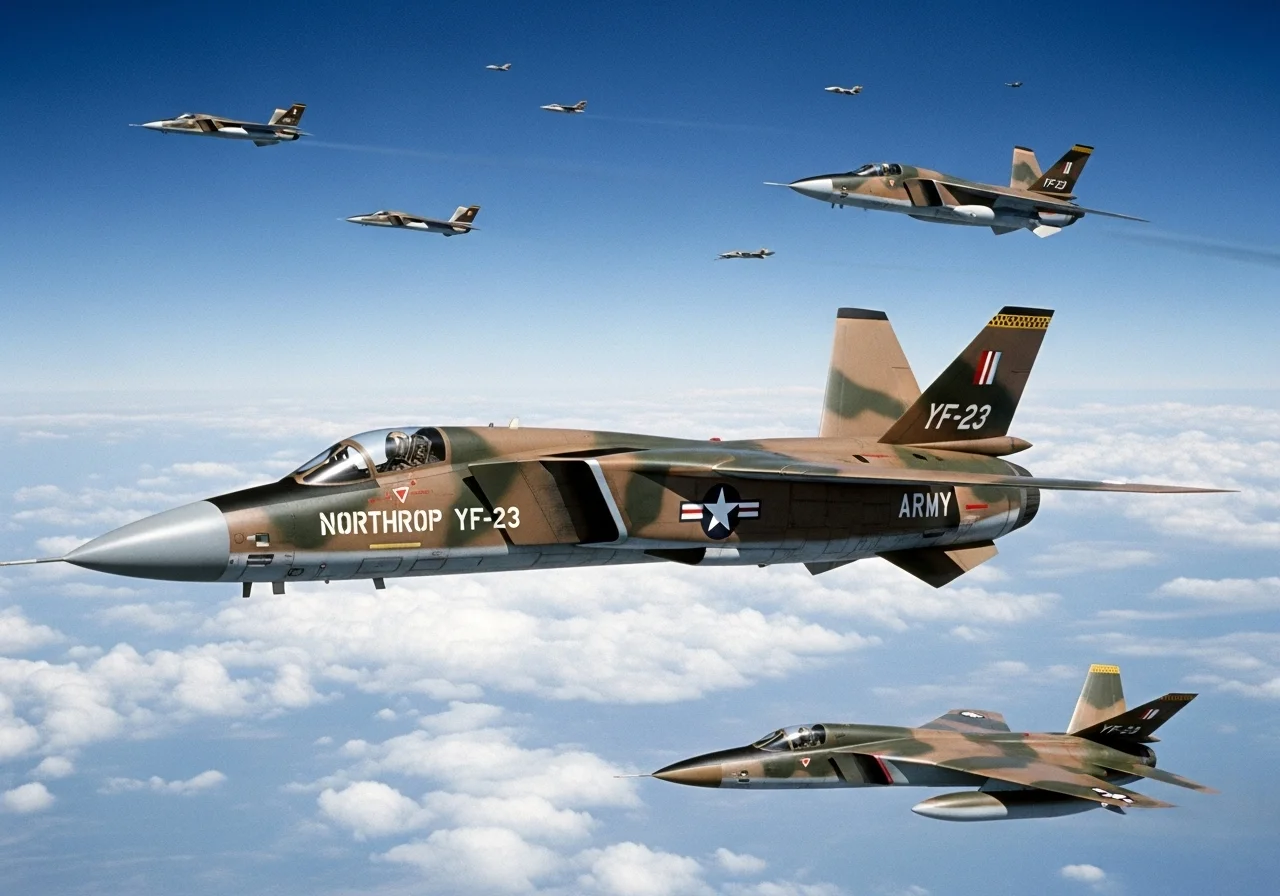
Northrop YF-23a | |
|---|---|
| Pays | Usa |
| Rôle | Démonstrateur furtif de technologie de chasseur |
| Premier vol | Le 27 août 1990 |
| Construit | 2 |
Le Northrop/McDonnell Douglas YF-23 (en) était un démonstrateur américain de technologie d’avion de chasse furtif bimoteur monoplace conçu pour l’US Force aérienne (USAF). Le design a été finaliste à l’USAF’s Advanced Tactical Fighter (ATF) concurrence, luttant contre le Lockheed YF-22 pour un contrat de production. Deux prototypes YF-23 ont été construits, surnommés « Veuve Noire II » Et « Fantôme gris ».
Source: Northrop YF-23 sur Wikipedia
| Northrop YF-23 Walk Around | |
|---|---|
| Photographes | Cees Hendriks |
| Localisation | Inconnu |
| Photos | 100 |

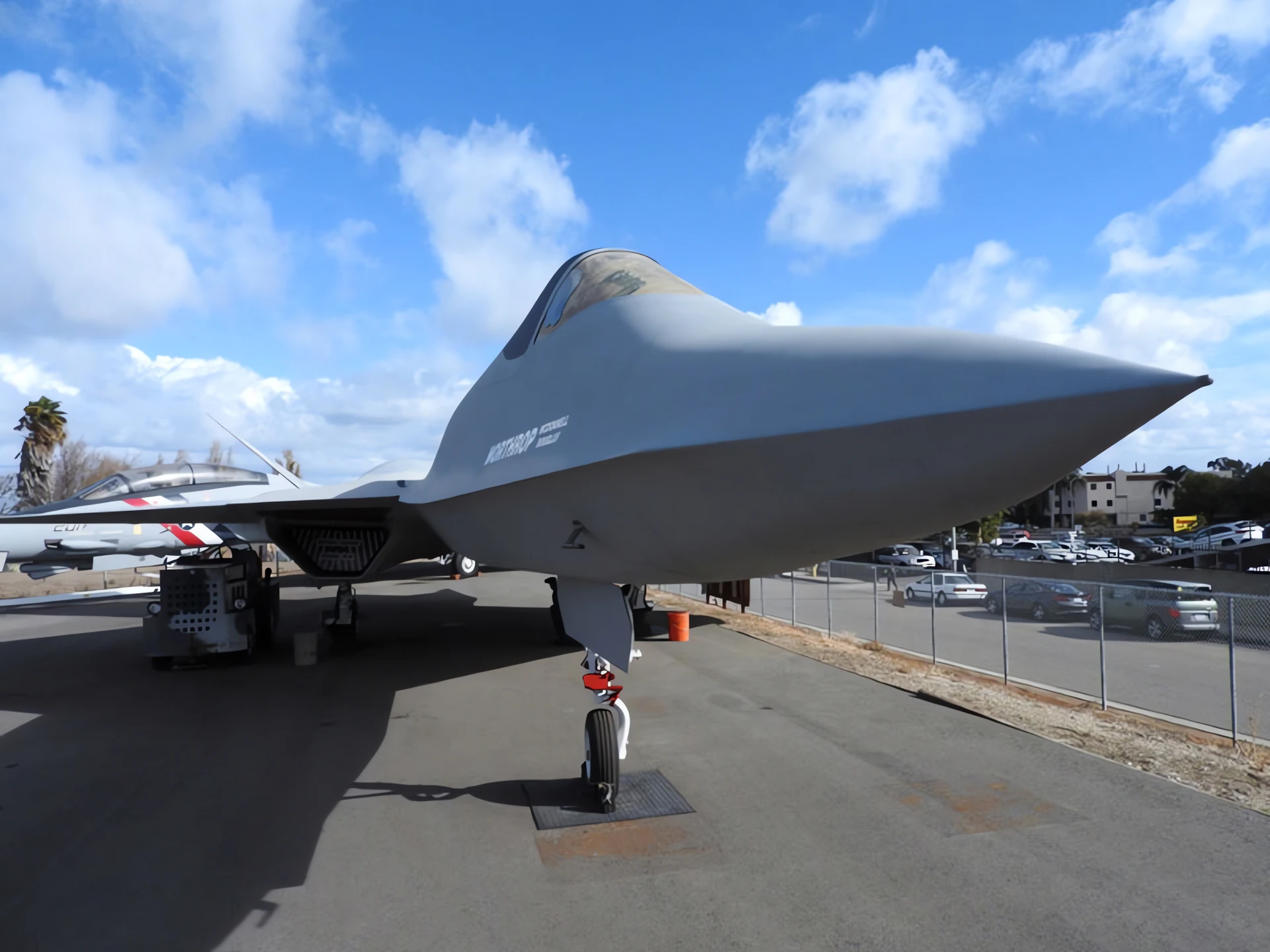
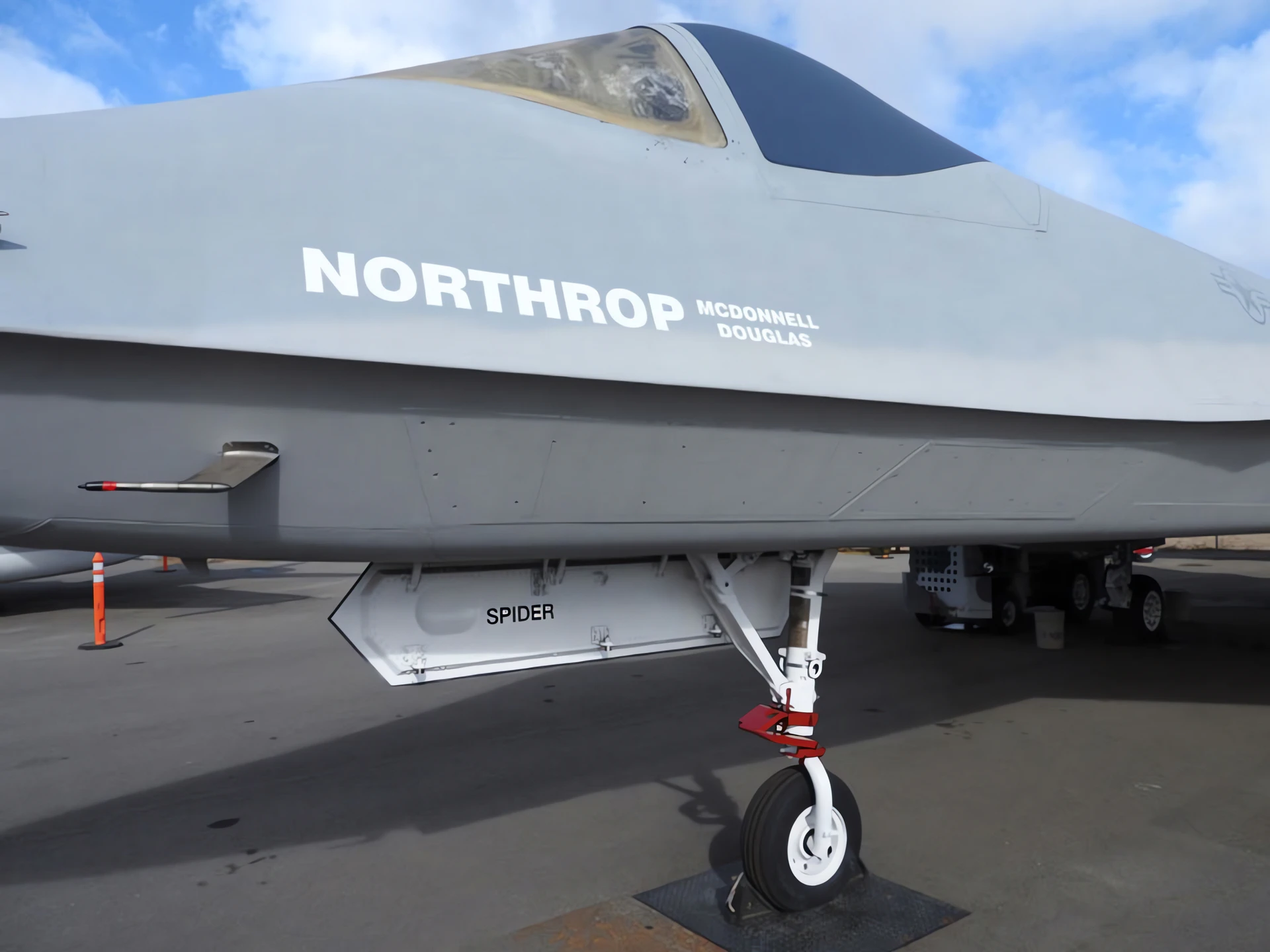
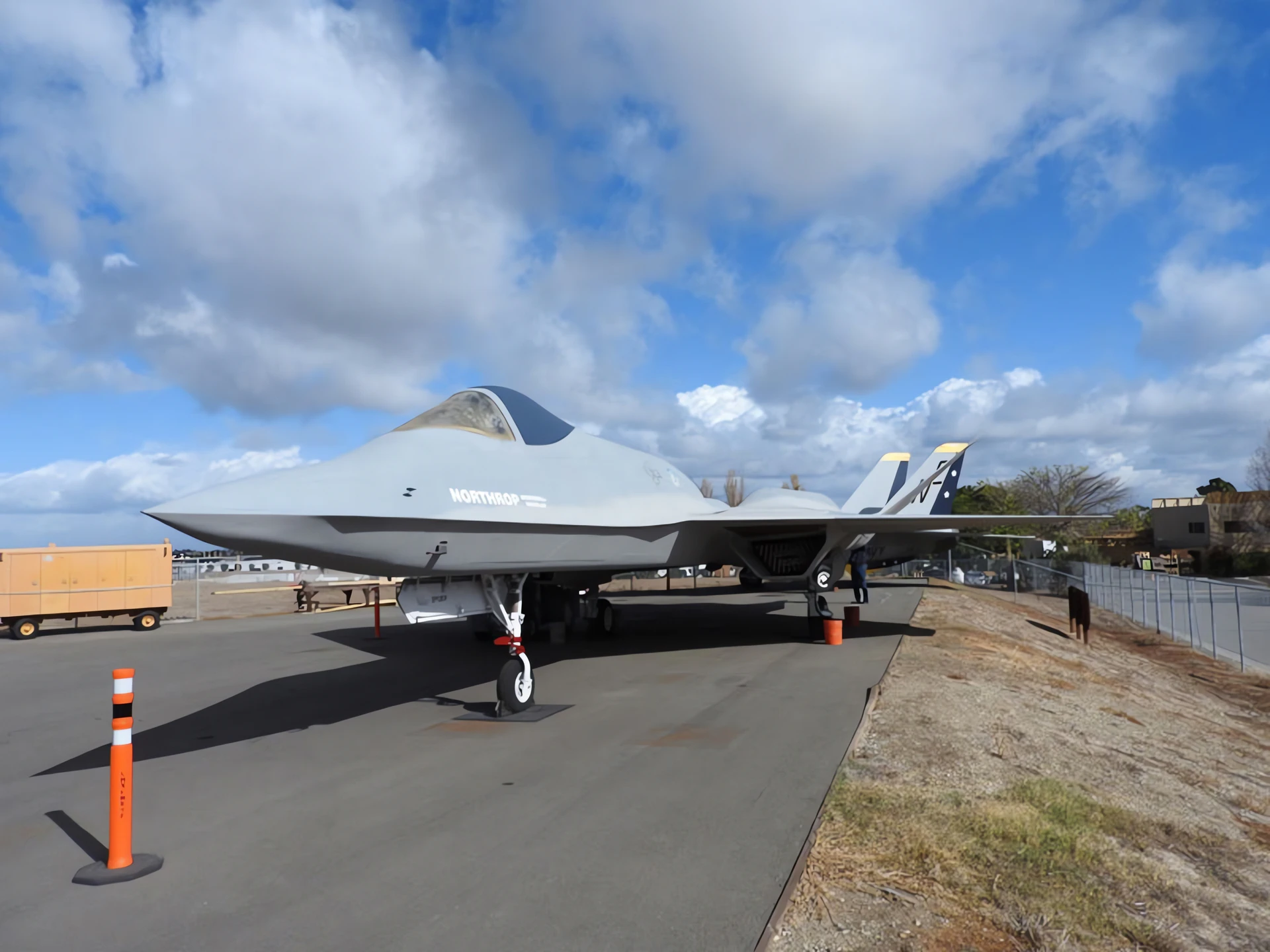
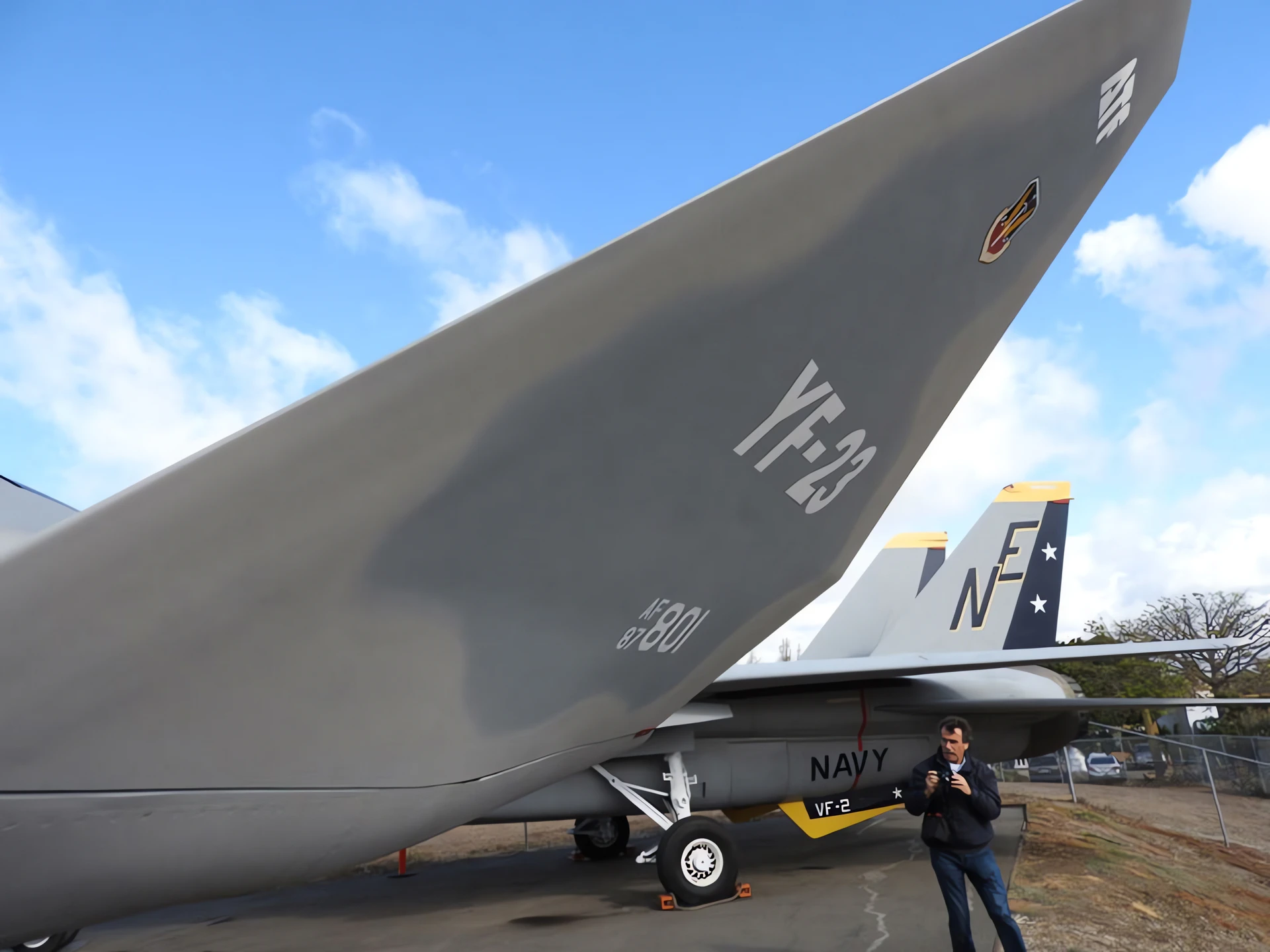
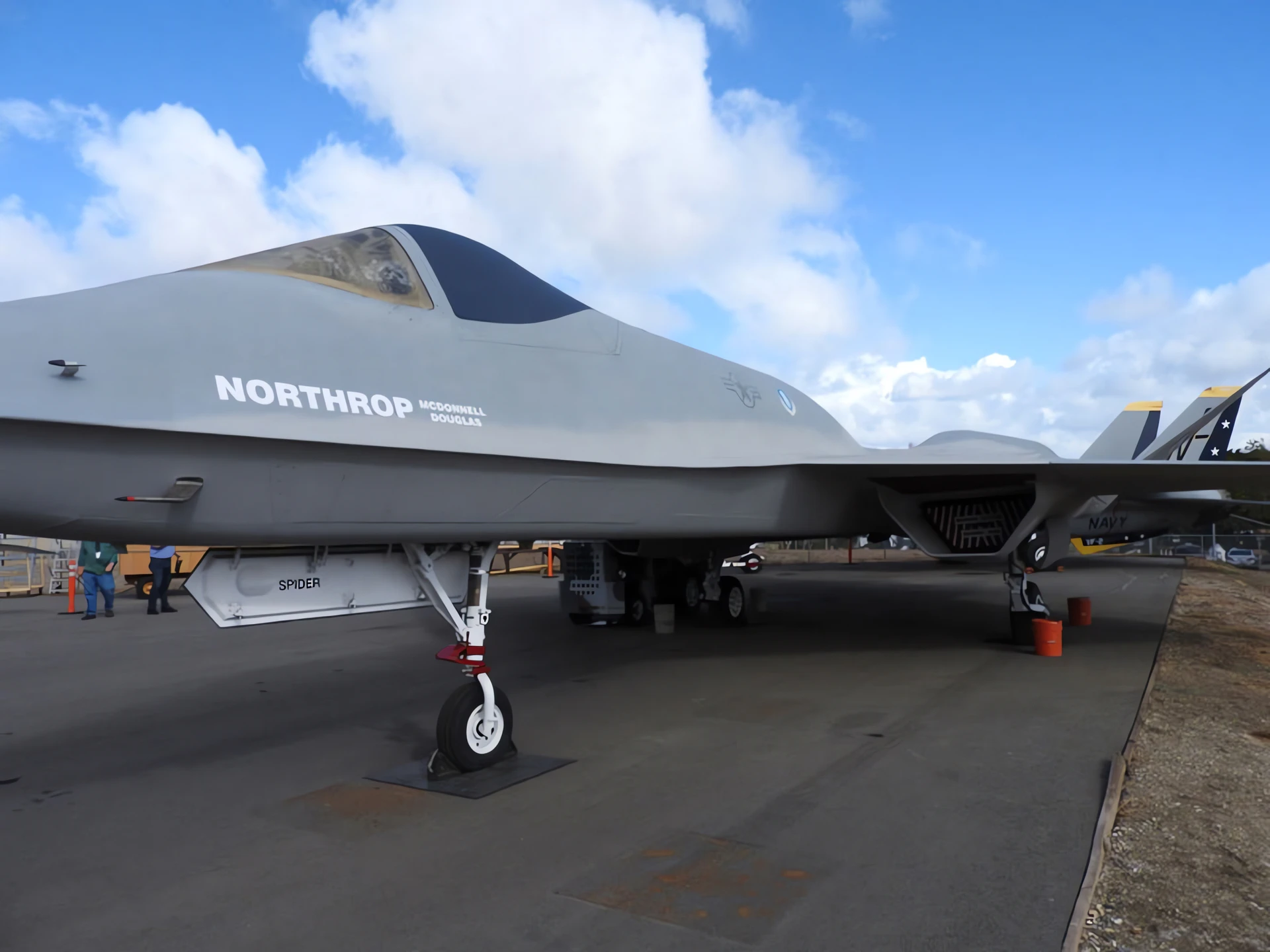
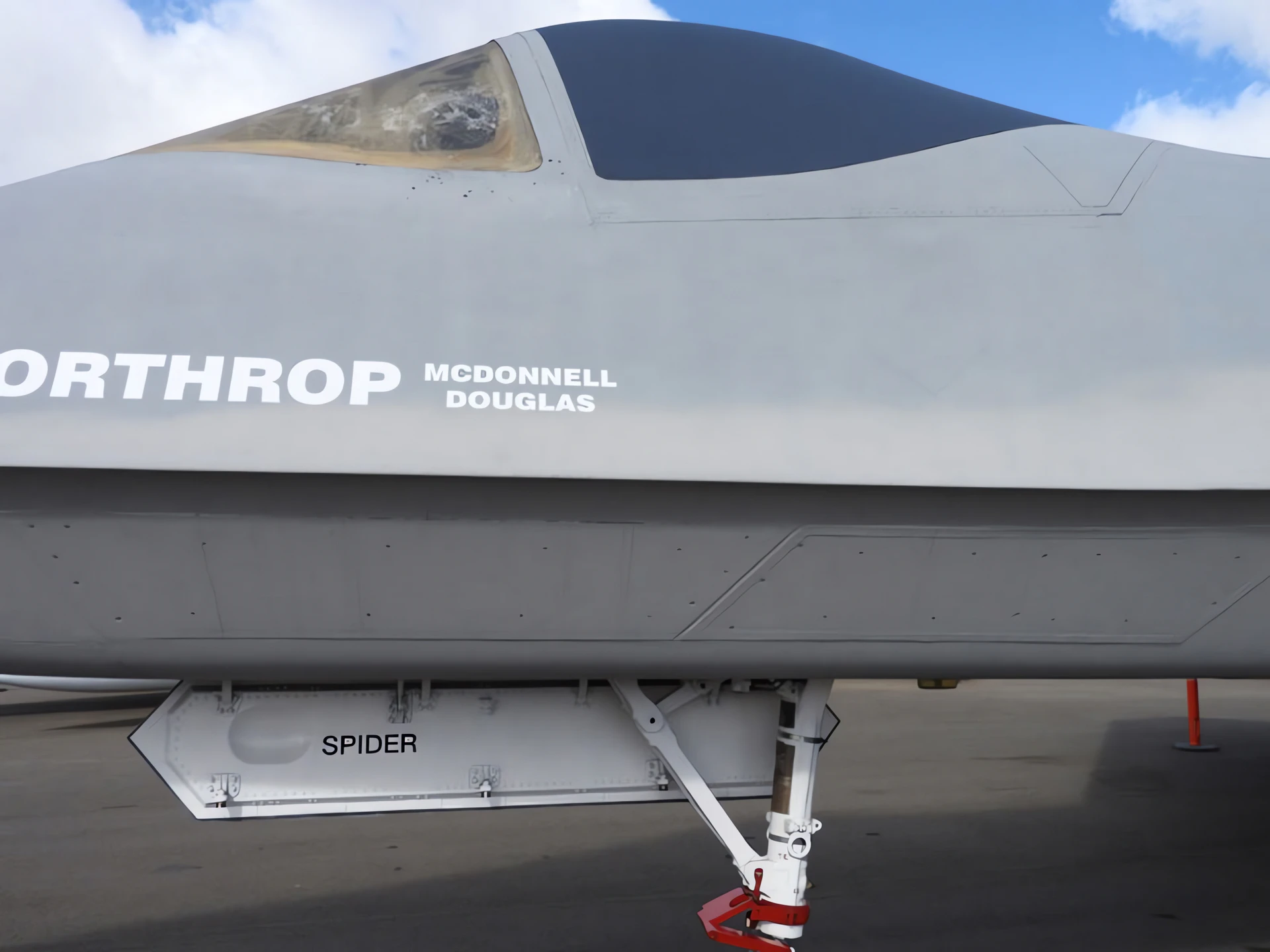
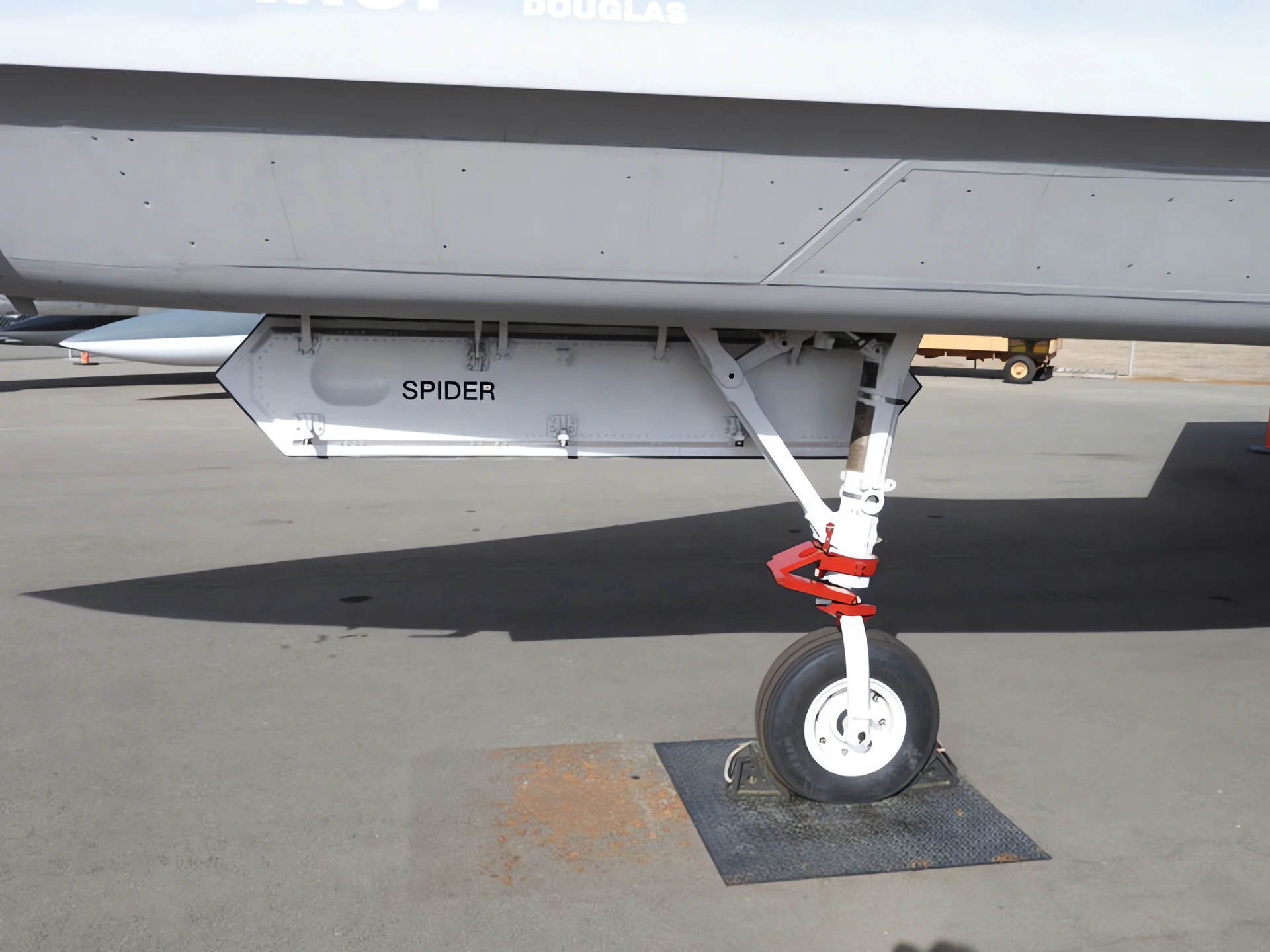
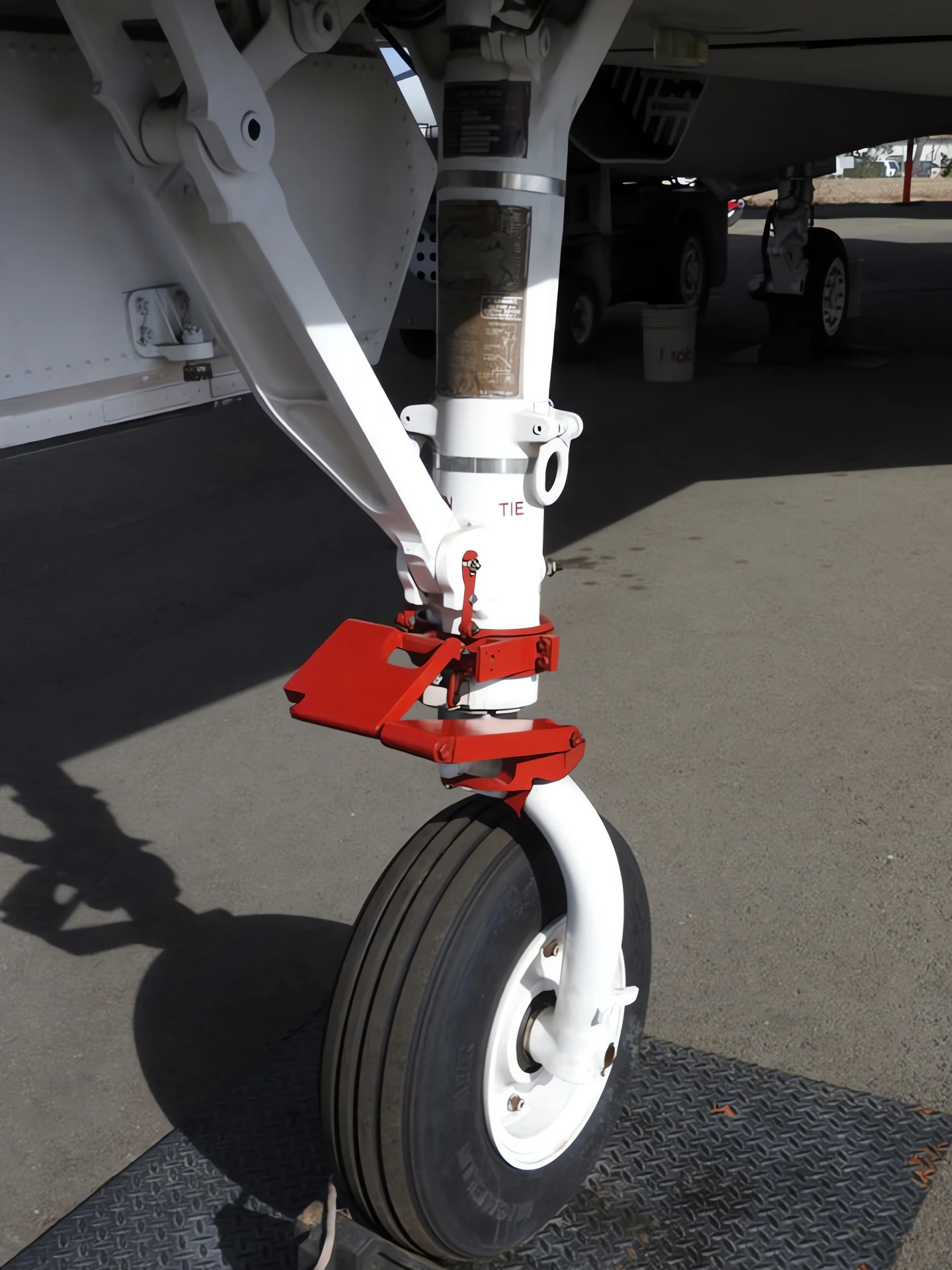

| Northrop YF-23 Walk Around | |
|---|---|
| Photographes | Dale Elhardt |
| Localisation | Inconnu |
| Photos | 59 |
| YF-23 Black Widow II Walk Around | |
|---|---|
| Photographe | Unknow |
| Localisation | Michael Benolkin |
| Photos | 27 |
Voir aussi :


The Master of High-Altitude Stealth
Lla Northrop YF-23 was a prototype fifth-generation fighter developed for the U.S. Air Force’s Advanced Tactical Fighter (ATF) competition. Competing against the Lockheed YF-22 (the future F-22 Raptor), the YF-23 was designed with a focus on extreme stealth Et high-speed supercruise. While the YF-22 was more agile in a dogfight, many aviation experts argue the YF-23 was the superior « ghost » aircraft—faster and harder to detect on radar. Ultimately, it lost the competition in 1991, but it remains one of the most futuristic aircraft ever flown.
| Attribute | Technical Specification (YF-23) |
|---|---|
| Rôle | Stealth Air Superiority Fighter |
| Crew | 1 (Pilot) |
| First Flight | August 27, 1990 |
| Groupe motopropulseur | 2 × Pratt & Whitney YF119 or General Electric YF120 |
| Vitesse maximale | Mach 2.2+ (1,450+ mph) |
| Supercruise | Mach 1.6+ (Without afterburner) |
| Combat Radius | 750–800 nmi |
| Armament (Planned) | 1 × 20mm M61 Vulcan; 4 × AIM-120 AMRAAM; 2 × AIM-9 Sidewinder |
Revolutionary Stealth Engineering
- Diamond Wing Planform: The YF-23 utilized a unique diamond-shaped wing that reduced radar cross-section while providing excellent lift at high speeds. This design avoided the need for separate horizontal stabilizers, combining them into two massive « all-moving » V-tails.
- Serpantine Inlets: To hide the highly reflective engine fan blades from enemy radar, Northrop designed « S-duct » air intakes. These curved ducts ensured that radar waves could not travel directly to the engine face.
- Infrared Masking: One of the YF-23’s greatest innovations was placing the engines on the top of the fuselage. The exhaust flowed over specialized heat-ablative tiles (derived from the Space Shuttle), which cooled the gases rapidly to hide the plane from heat-seeking missiles.
- Weapon Internalization: To maintain its stealth profile, all weapons were stored in a single large internal bay. This prevented the « drag » and radar reflections caused by external missiles.
The ATF Competition and Legacy
- Speed vs. Agility: The Air Force chose the YF-22 largely because it featured thrust-vectoring nozzles, making it more maneuverable in close-range combat. The YF-23 was faster and stealthier but was seen as a higher-risk design with less emphasis on dogfighting.
- The Prototypes: Only two were built: PAV-1 (The « Black Widow II, » painted charcoal) and PAV-2 (The « Fantôme gris »). PAV-1 used P&W engines, while PAV-2 used the more powerful variable-cycle GE engines.
- Supercruise King: During testing, the YF-23 demonstrated an incredible ability to sustain supersonic speeds without using fuel-hungry afterburners, a feat that would have allowed it to cross battlefields faster than any contemporary threat.
- Where are they now? Both prototypes are preserved. PAV-1 is at the National Museum of the U.S. Air Force in Ohio, and PAV-2 is at the Musée occidental du vol in California.
Views : 5413
Vous pouvez voir aussi :
 Northrop Gamma – Photos & Vidéos
 Northrop YC-125 Raider – Photos et vidéos
 Northrop JB-1 Bat – Photos et vidéos
 Northrop Alpha – Photos & Vidéo
 Northrop F-89 Scorpion – Photos & Vidéo
 Northrop N-9MB – Photos et vidéos
 Northrop Grumman EA-6B Prowler – Photos et vidéo
 Northrop YA-9 – Photos & Vidéo
 Northrop A-17A – Photos et vidéo
 Northrop F-5 – Photos et vidéo