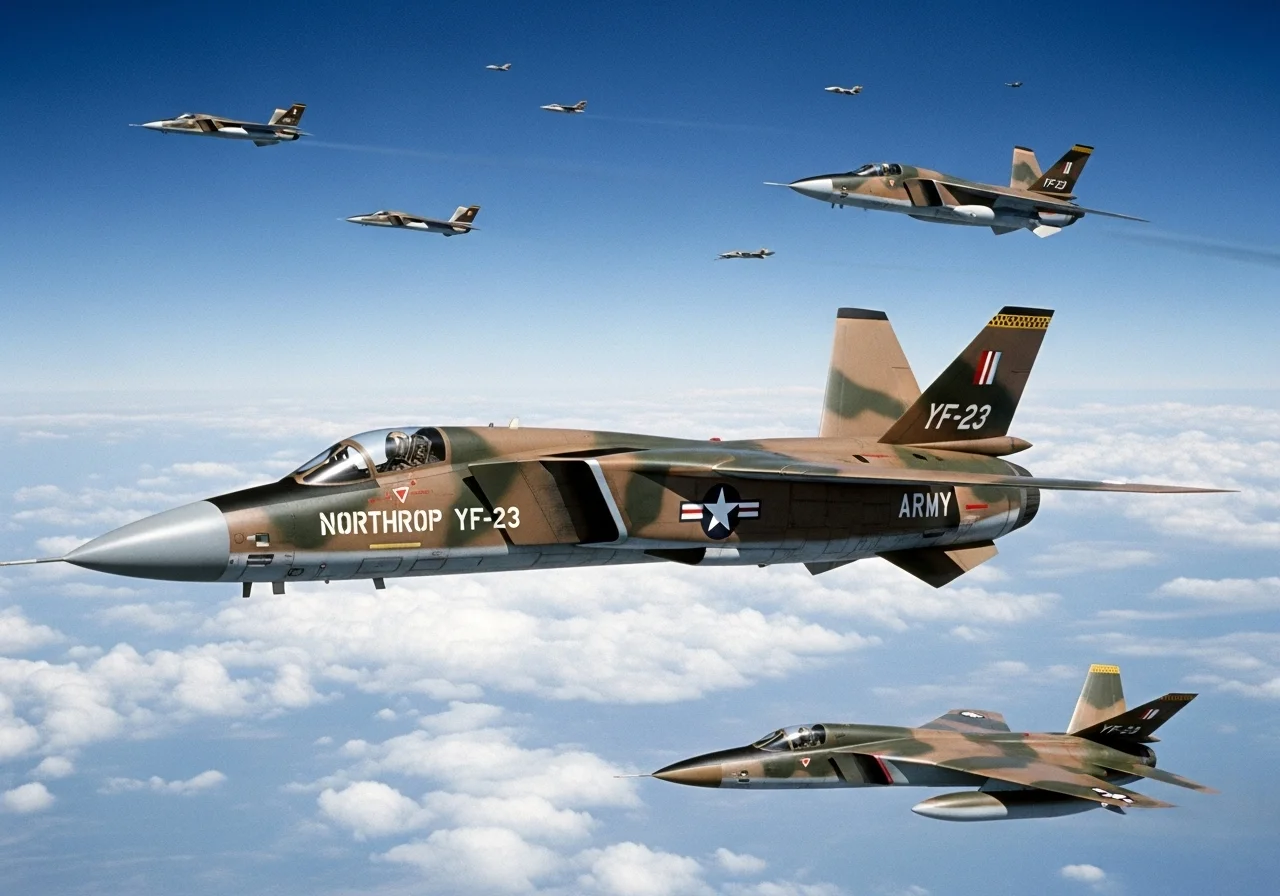
Northrop YF-23a | |
|---|---|
| Državi | Zda |
| Vlogo | Stealth fighter tehnologija demonstrator |
| Prvi let | 27. avgust 1990 |
| Zgrajena | 2 |
The Northrop/McDonnell Douglas YF-23 je bil ameriški enosedežni, dvomotorni demonstrator tehnologije nevidnih lovskih letal, zasnovan za letalske sile Združenih držav Amerike (USAF). Načrt je bil finalist na tekmovanju USAF Advanced Tactical Fighter (ATF), kjer se je boril z Lockheedom YF-22 za proizvodno pogodbo. Zgrajena sta bila dva prototipa YF-23, imenovana "Črna vdova II" in "Sivi duh".
| Northrop YF-23 Walk Around | |
|---|---|
| Fotografi | Cees Hendriks |
| Lokalizacijo | Neznano |
| Fotografije | 100 |

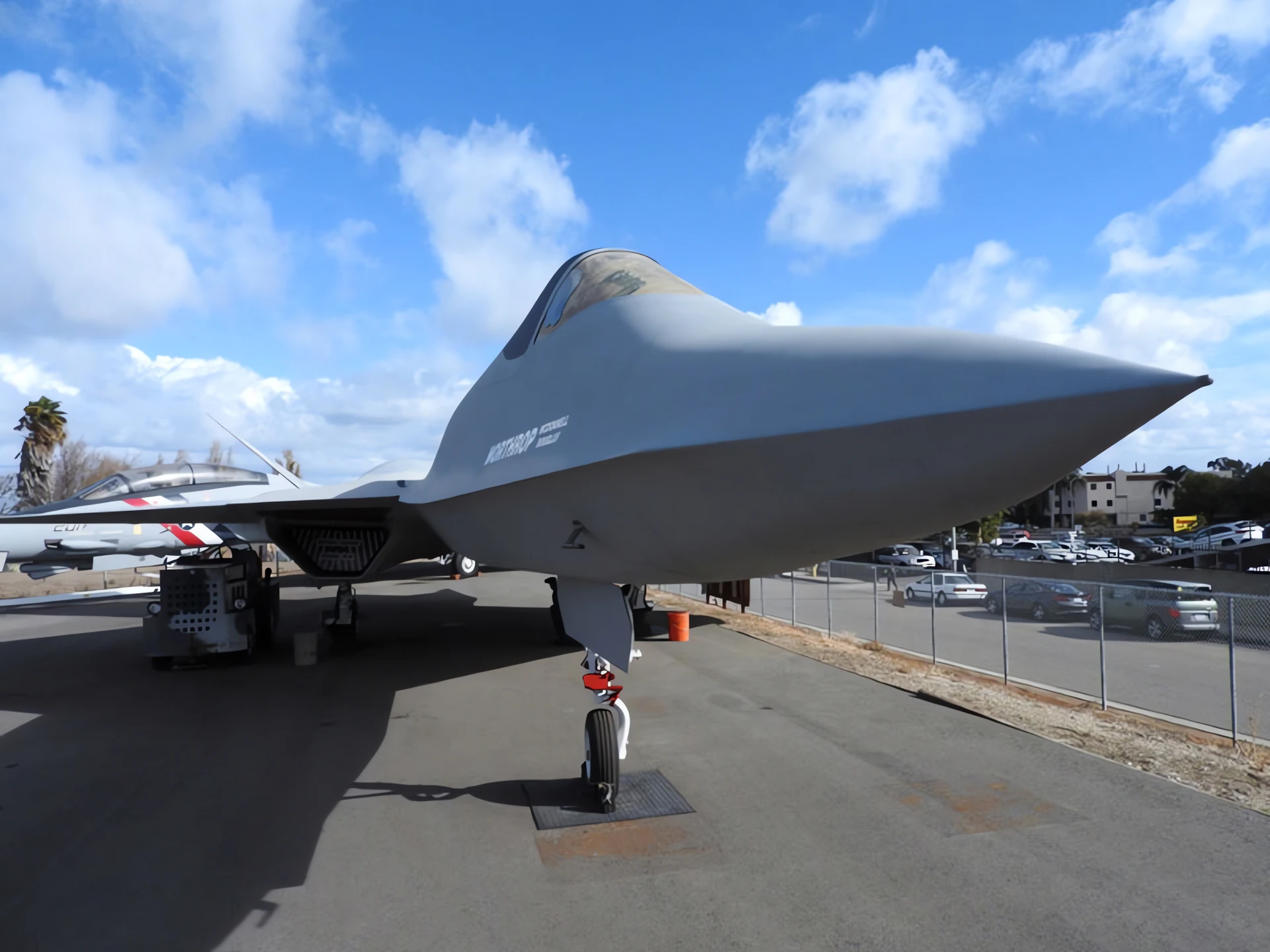
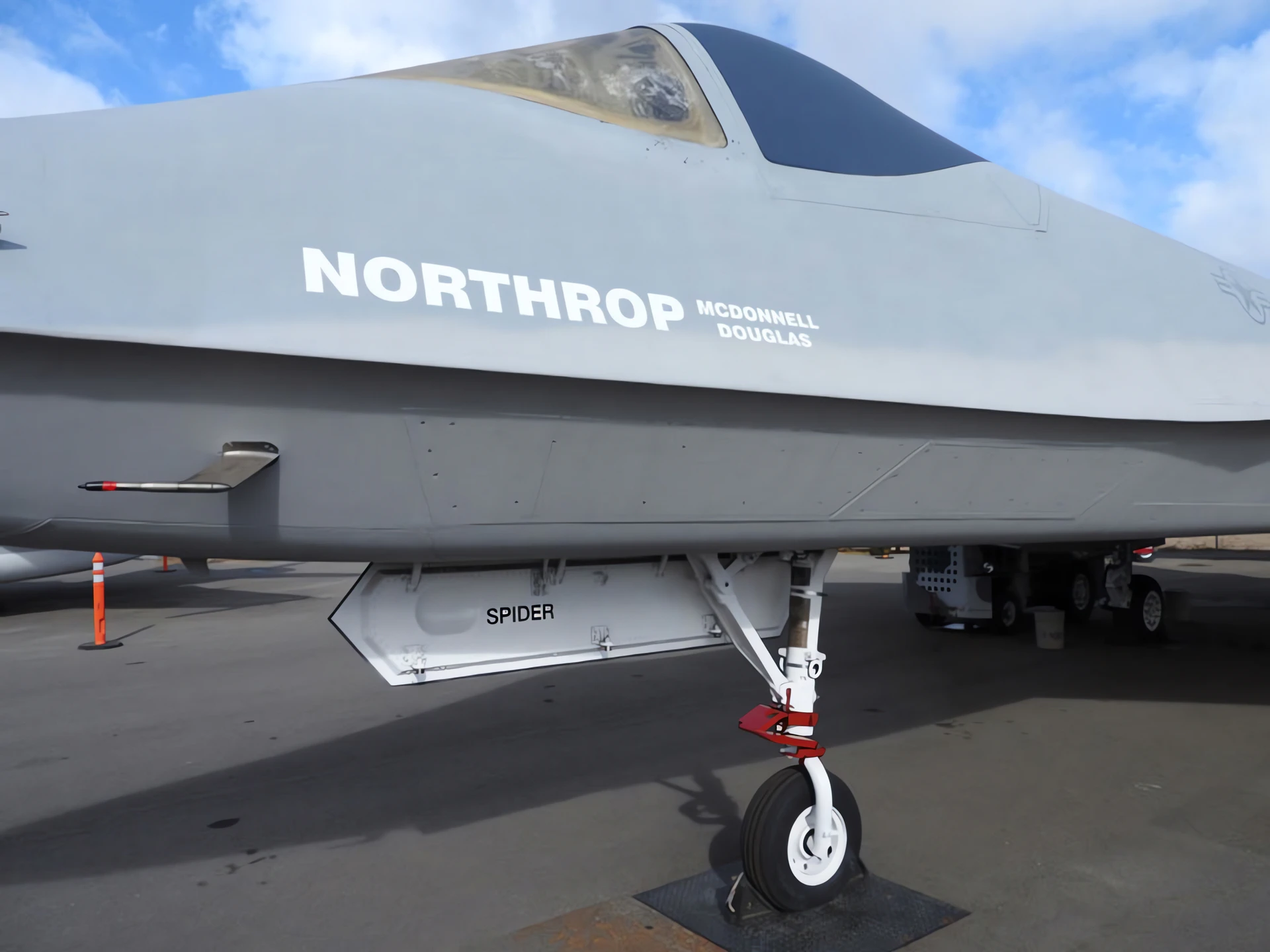
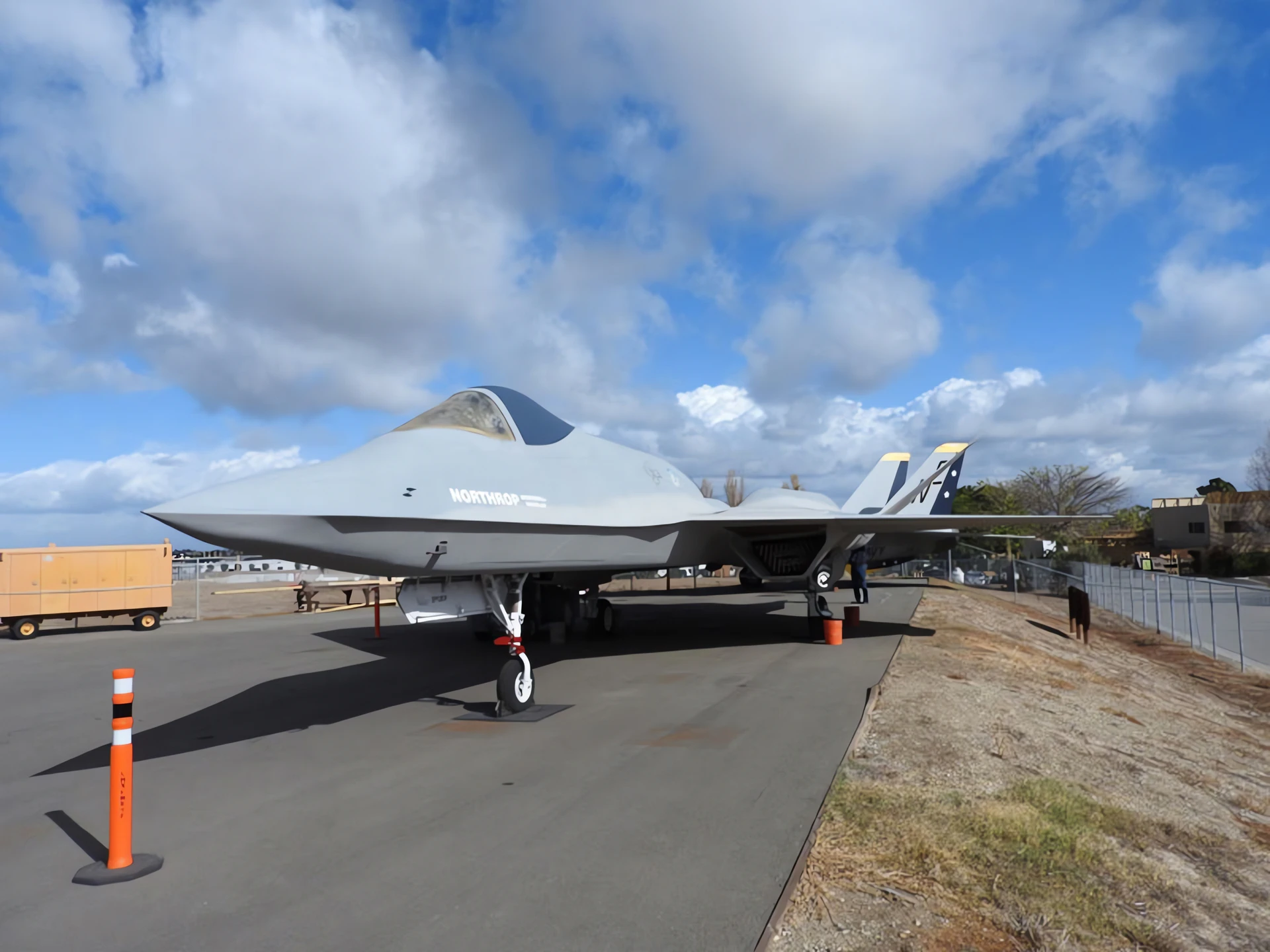
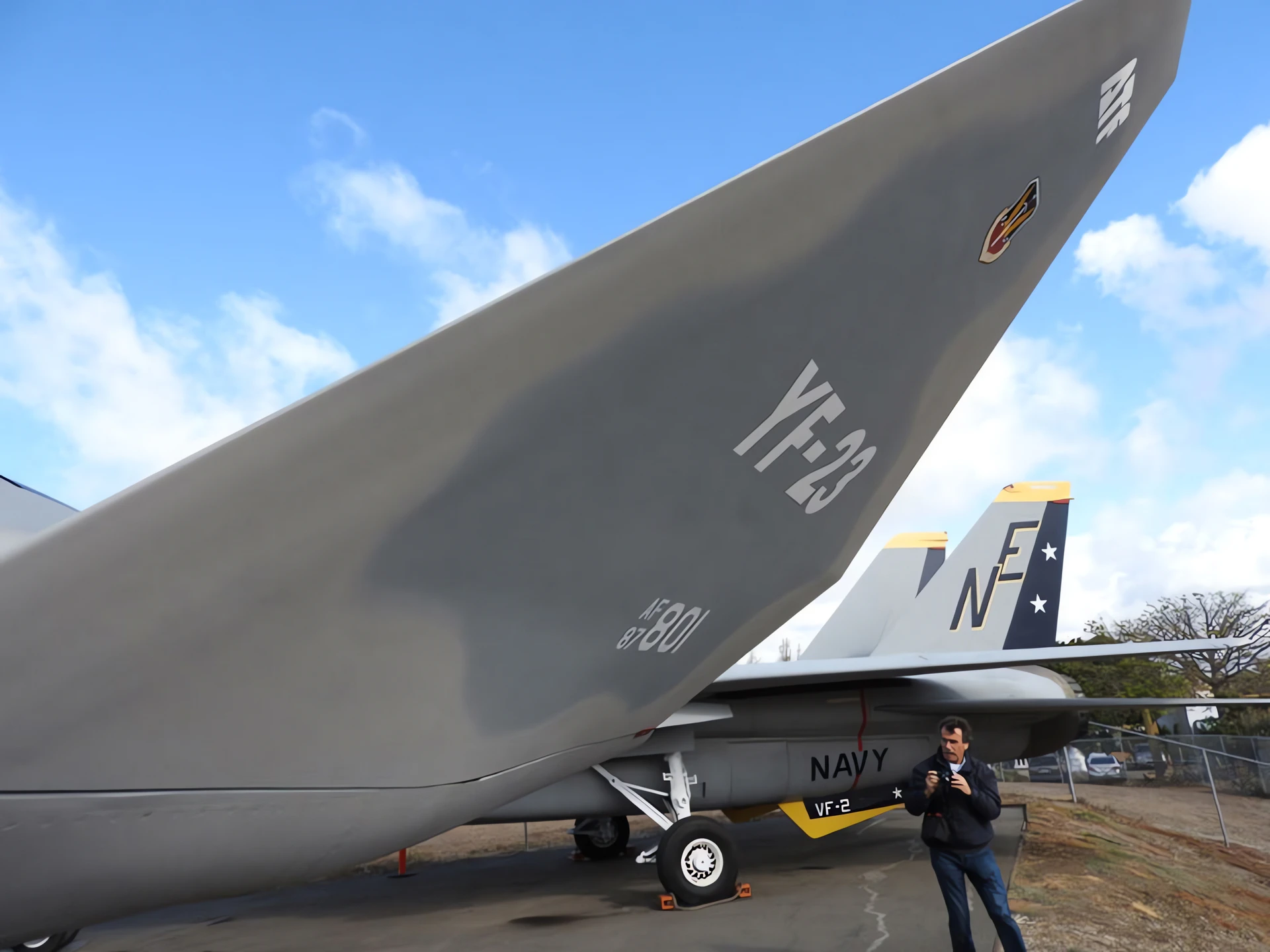
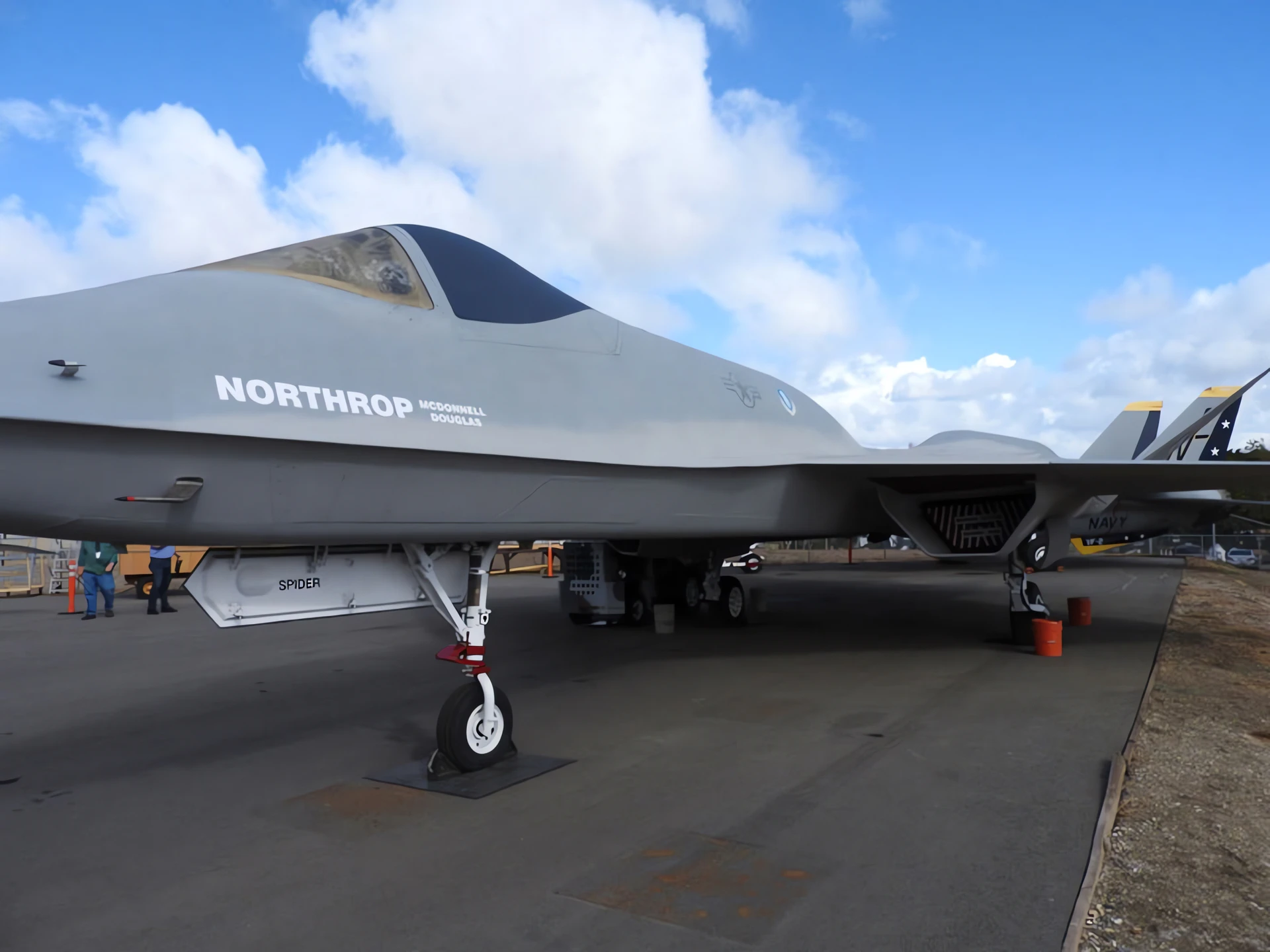
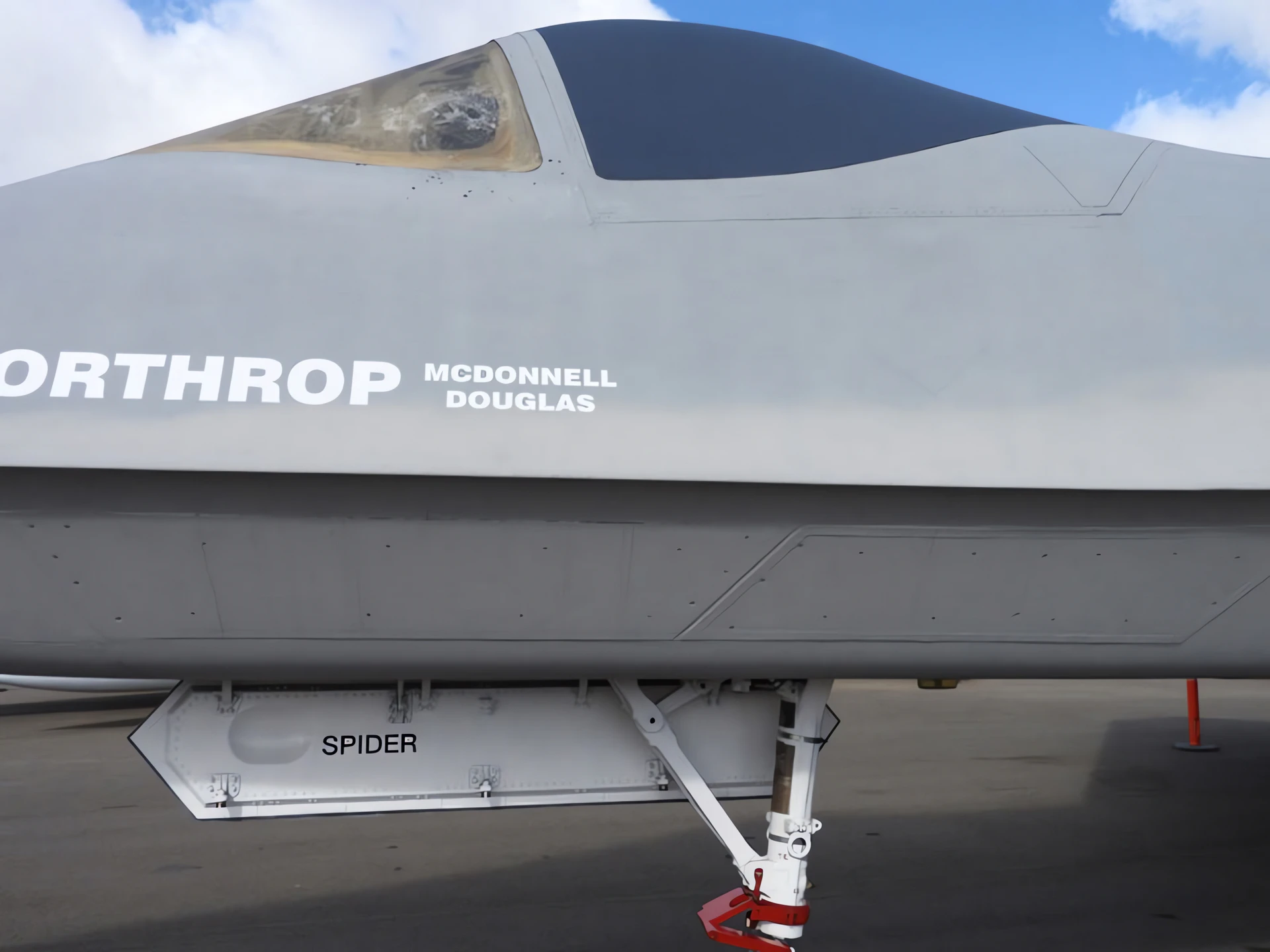
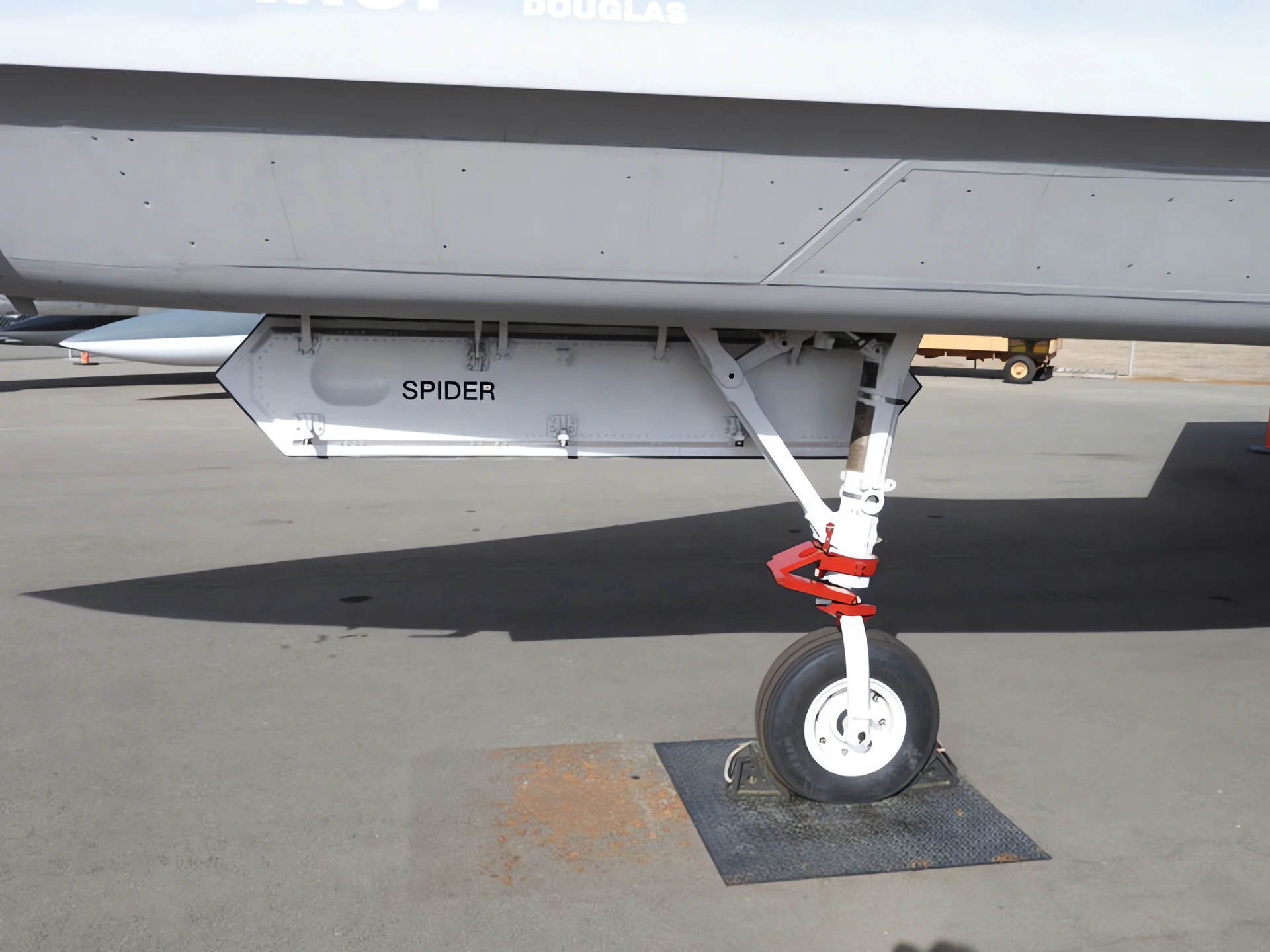
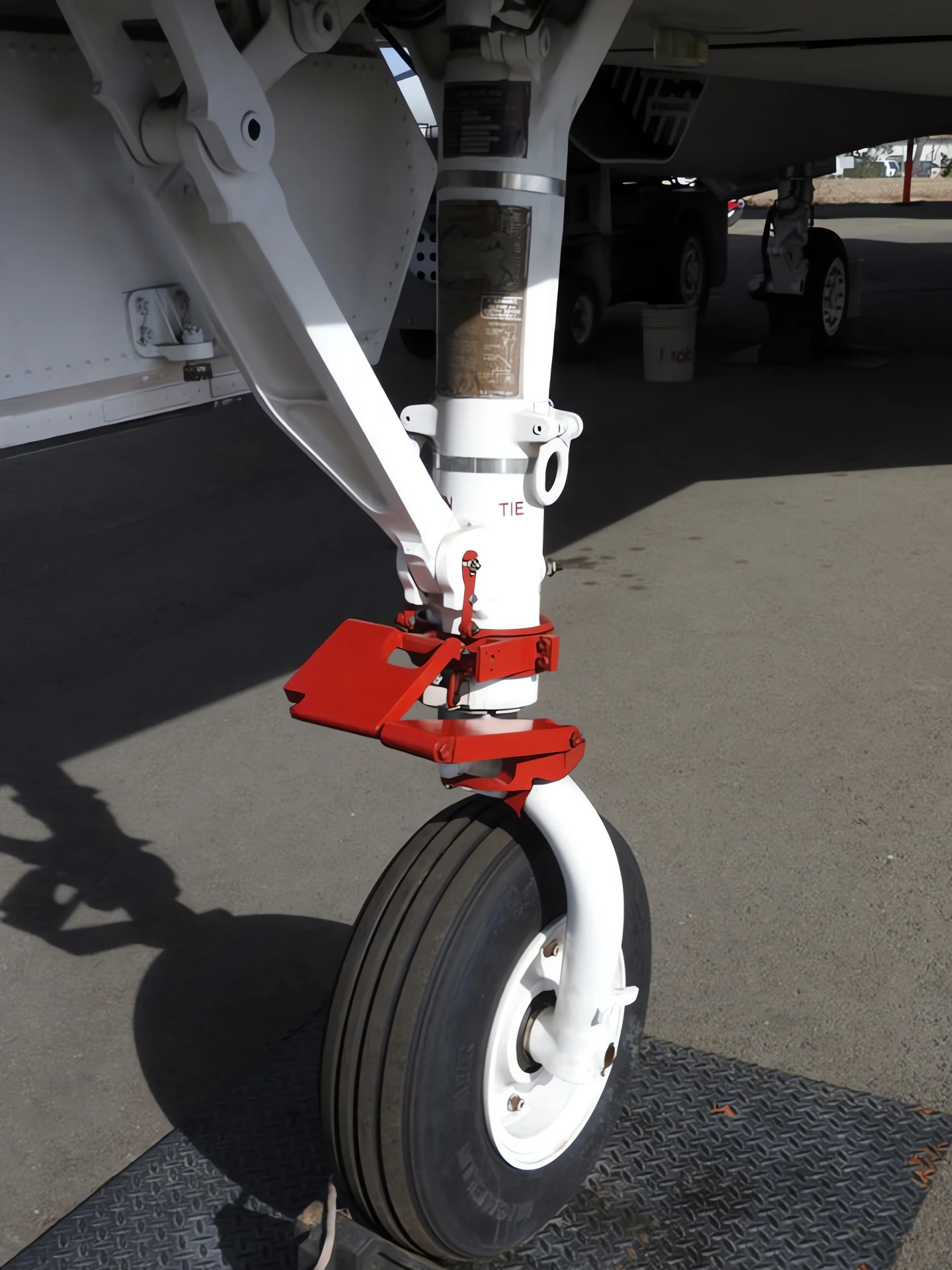

| Northrop YF-23 Walk Around | |
|---|---|
| Fotografi | Dale Elhardt |
| Lokalizacijo | Neznano |
| Fotografije | 59 |
| YF-23 Black Widow II Walk Around | |
|---|---|
| Fotograf | Unknow |
| Lokalizacijo | Michael Benolkin |
| Fotografije | 27 |
Glej tudi:


The Master of High-Altitude Stealth
V Northrop YF-23 was a prototype fifth-generation fighter developed for the U.S. Air Force’s Advanced Tactical Fighter (ATF) competition. Competing against the Lockheed YF-22 (the future F-22 Raptor), the YF-23 was designed with a focus on extreme stealth In high-speed supercruise. While the YF-22 was more agile in a dogfight, many aviation experts argue the YF-23 was the superior “ghost” aircraft—faster and harder to detect on radar. Ultimately, it lost the competition in 1991, but it remains one of the most futuristic aircraft ever flown.
| Attribute | Technical Specification (YF-23) |
|---|---|
| Vlogo | Stealth Air Superiority Fighter |
| Posadke | 1 (Pilot) |
| First Flight | August 27, 1990 |
| Powerplant | 2 × Pratt & Whitney YF119 or General Electric YF120 |
| Maximum Speed | Mach 2.2+ (1,450+ mph) |
| Supercruise | Mach 1.6+ (Without afterburner) |
| Combat Radius | 750–800 nmi |
| Armament (Planned) | 1 × 20mm M61 Vulcan; 4 × AIM-120 AMRAAM; 2 × AIM-9 Sidewinder |
Revolutionary Stealth Engineering
- Diamond Wing Planform: The YF-23 utilized a unique diamond-shaped wing that reduced radar cross-section while providing excellent lift at high speeds. This design avoided the need for separate horizontal stabilizers, combining them into two massive “all-moving” V-tails.
- Serpantine Inlets: To hide the highly reflective engine fan blades from enemy radar, Northrop designed “S-duct” air intakes. These curved ducts ensured that radar waves could not travel directly to the engine face.
- Infrared Masking: One of the YF-23’s greatest innovations was placing the engines on the top of the fuselage. The exhaust flowed over specialized heat-ablative tiles (derived from the Space Shuttle), which cooled the gases rapidly to hide the plane from heat-seeking missiles.
- Weapon Internalization: To maintain its stealth profile, all weapons were stored in a single large internal bay. This prevented the “drag” and radar reflections caused by external missiles.
The ATF Competition and Legacy
- Speed vs. Agility: The Air Force chose the YF-22 largely because it featured thrust-vectoring nozzles, making it more maneuverable in close-range combat. The YF-23 was faster and stealthier but was seen as a higher-risk design with less emphasis on dogfighting.
- The Prototypes: Only two were built: PAV-1 (The “Black Widow II,” painted charcoal) and PAV-2 (The “Gray Ghost”). PAV-1 used P&W engines, while PAV-2 used the more powerful variable-cycle GE engines.
- Supercruise King: During testing, the YF-23 demonstrated an incredible ability to sustain supersonic speeds without using fuel-hungry afterburners, a feat that would have allowed it to cross battlefields faster than any contemporary threat.
- Where are they now? Both prototypes are preserved. PAV-1 is at the National Museum of the U.S. Air Force in Ohio, and PAV-2 is at the Zahodni muzej letenja in California.
Views : 5406
Prav tako si lahko ogledate:
 Northrop Gamma – Fotografije & Video posnetki
 Northrop YC-125 Raider – Fotografije & Video posnetki
 Northrop JB-1 Bat – Fotografije & Video posnetki
 Northrop Alpha - Fotografije in video
 Northrop F-89 Scorpion – Fotografije & Video
 Northrop N-9MB - Fotografije in video
 Northrop Grumman EA-6B Prowler – Fotografije & Video
 Northrop YA-9 – Fotografije & Video
 Northrop A-17A – Fotografije & Video
 Northrop F-5 - Fotografije in video