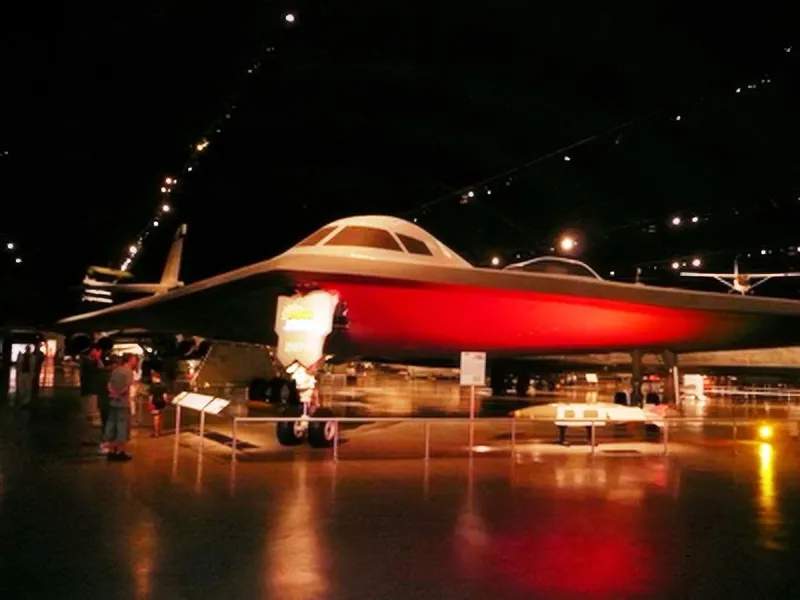
Northrop Grumman B-2 Spirit | |
|---|---|
| Pays | Usa |
| Rôle | Bombardier lourd stratégique furtif |
| Premier vol | 17 juillet 1989 |
| Construit | 21 |
Lla Northrop (plus tard Northrop Grumman) Le B-2 Spirit, également connu sous le nom de Stealth Bomber, est un bombardier stratégique lourd américain, doté d’une technologie furtive peu observable conçue pour pénétrer les défenses antiaériennes denses. Conçu pendant la guerre froide, il s’agit d’une conception d’aile volante avec un équipage de deux personnes. Le bombardier est subsonique et peut déployer des armes conventionnelles et thermonucléaires, telles que des bombes à guidage GPS Mk 82 JDAM de classe 500 livres (230 kg), ou seize bombes nucléaires B83 de 2 400 livres (1 100 kg). Le B-2 est le seul avion reconnu capable de transporter de grandes armes air-surface dans une configuration furtive.
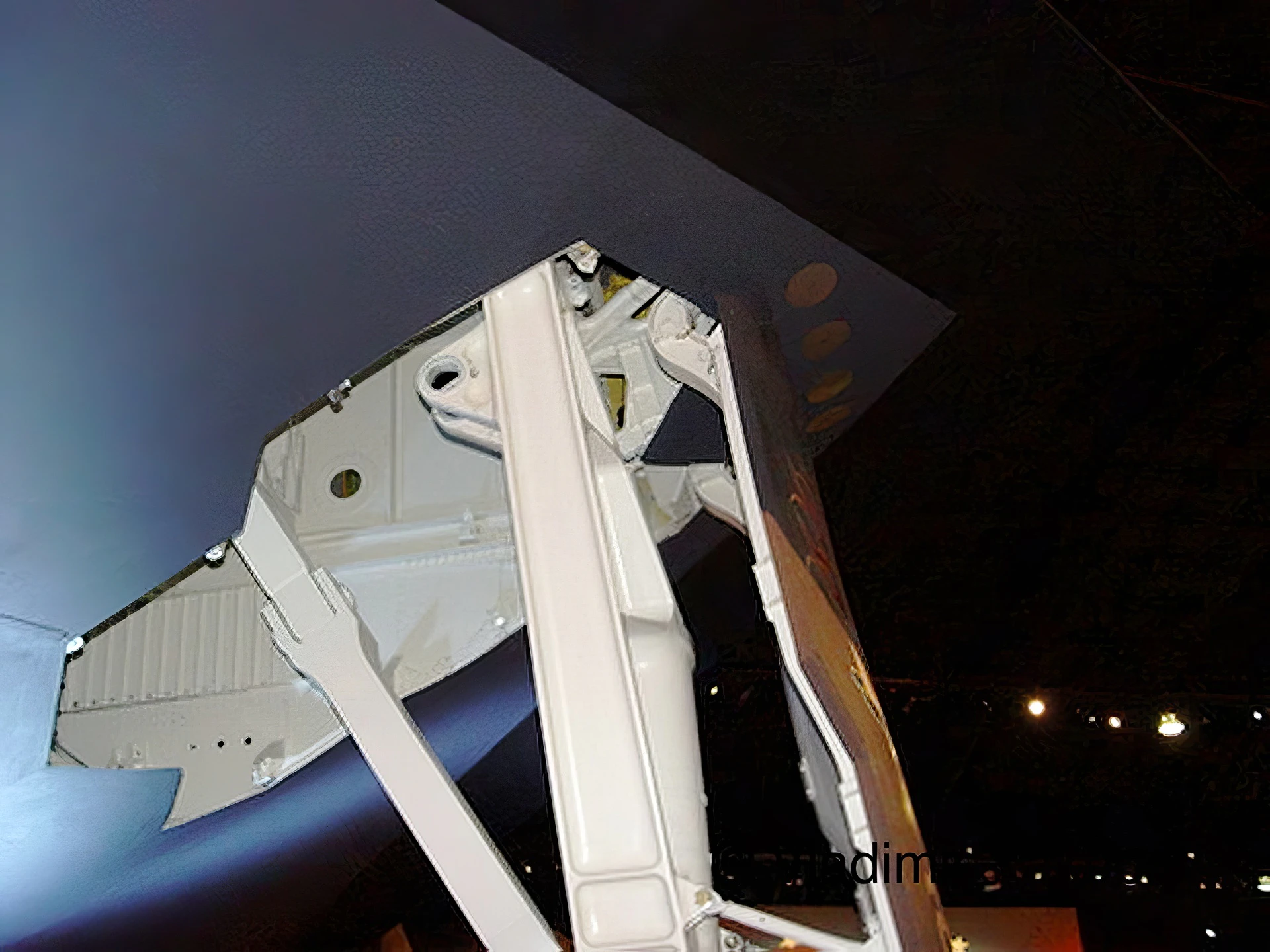
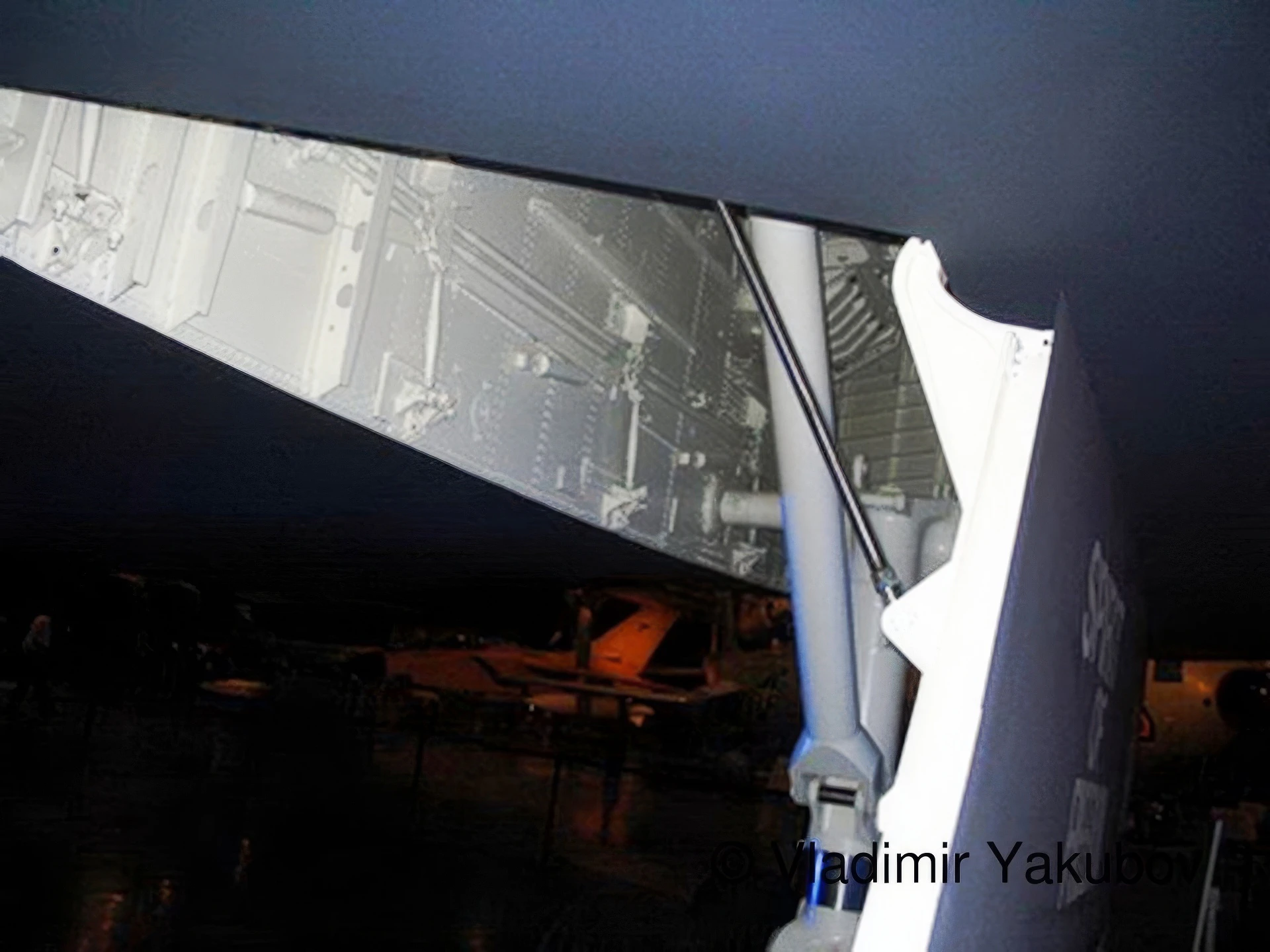
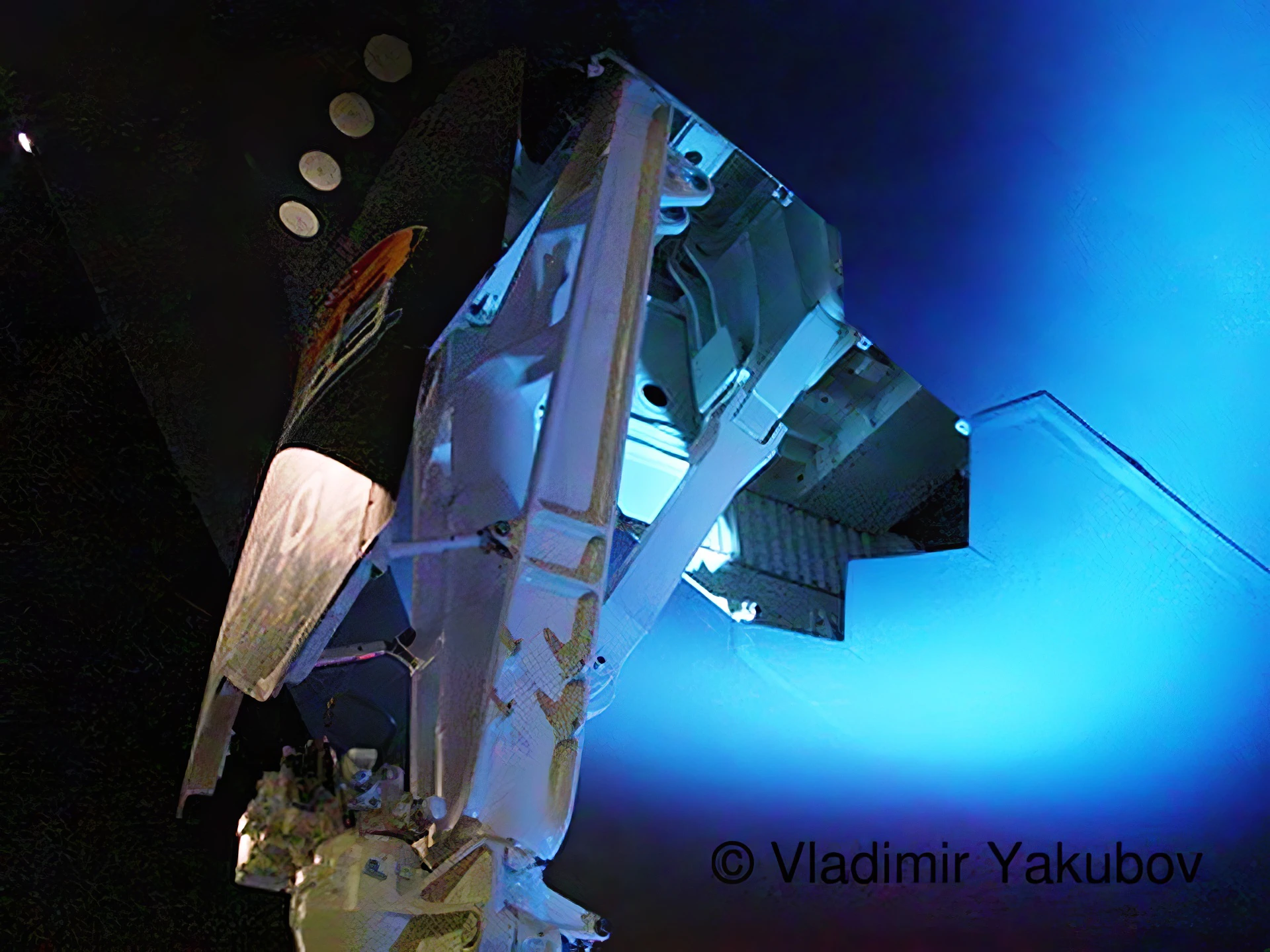
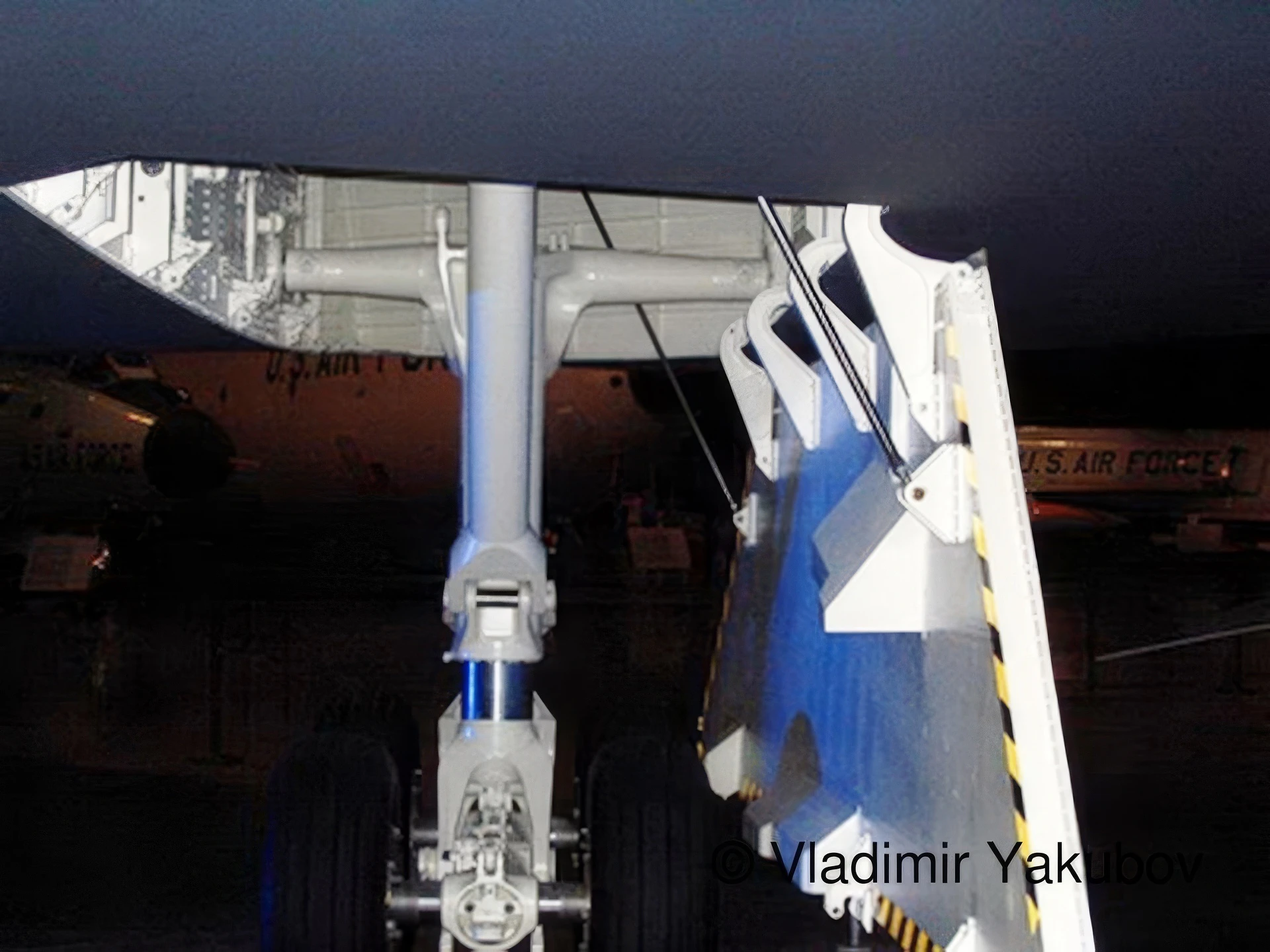
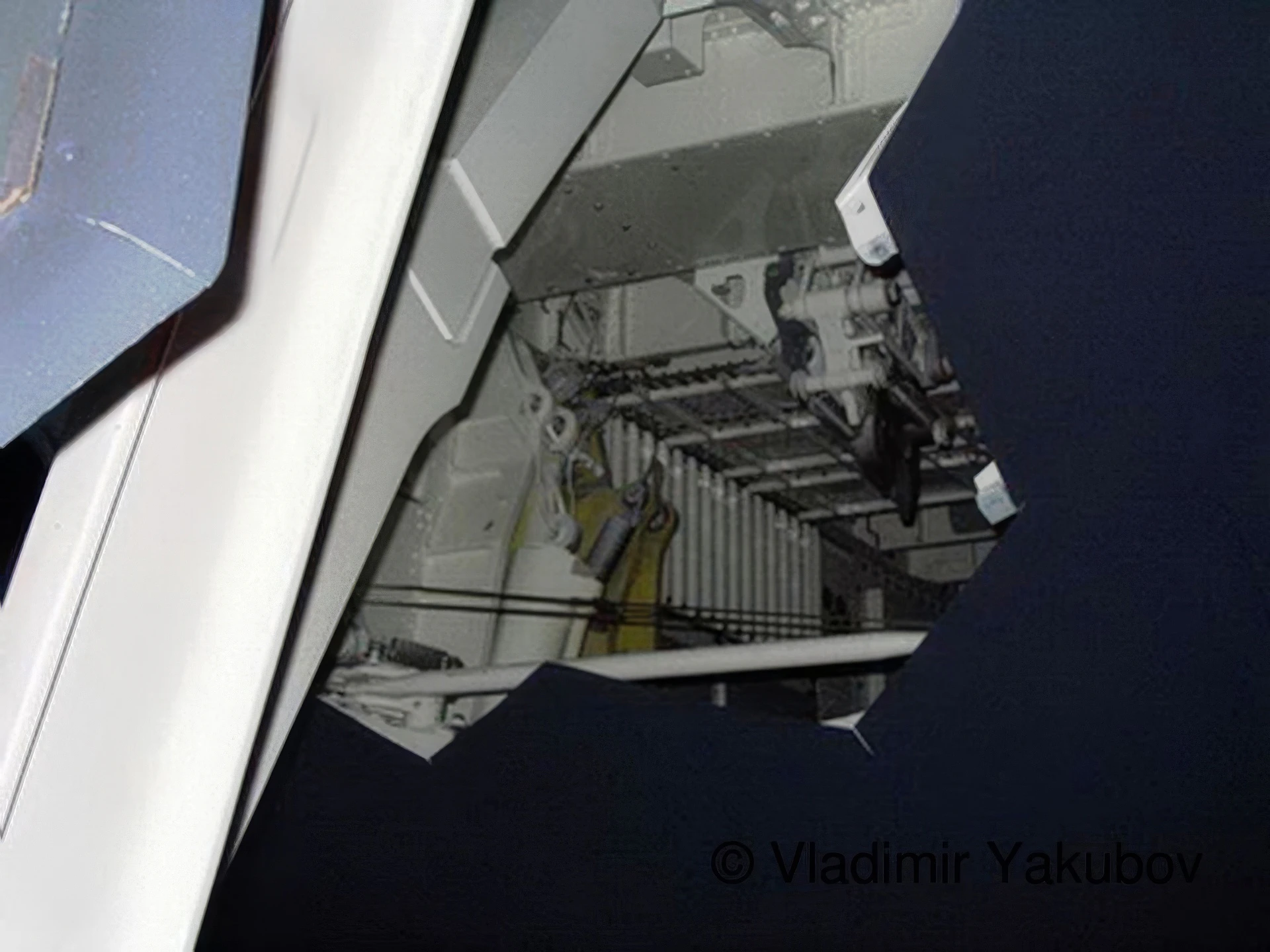
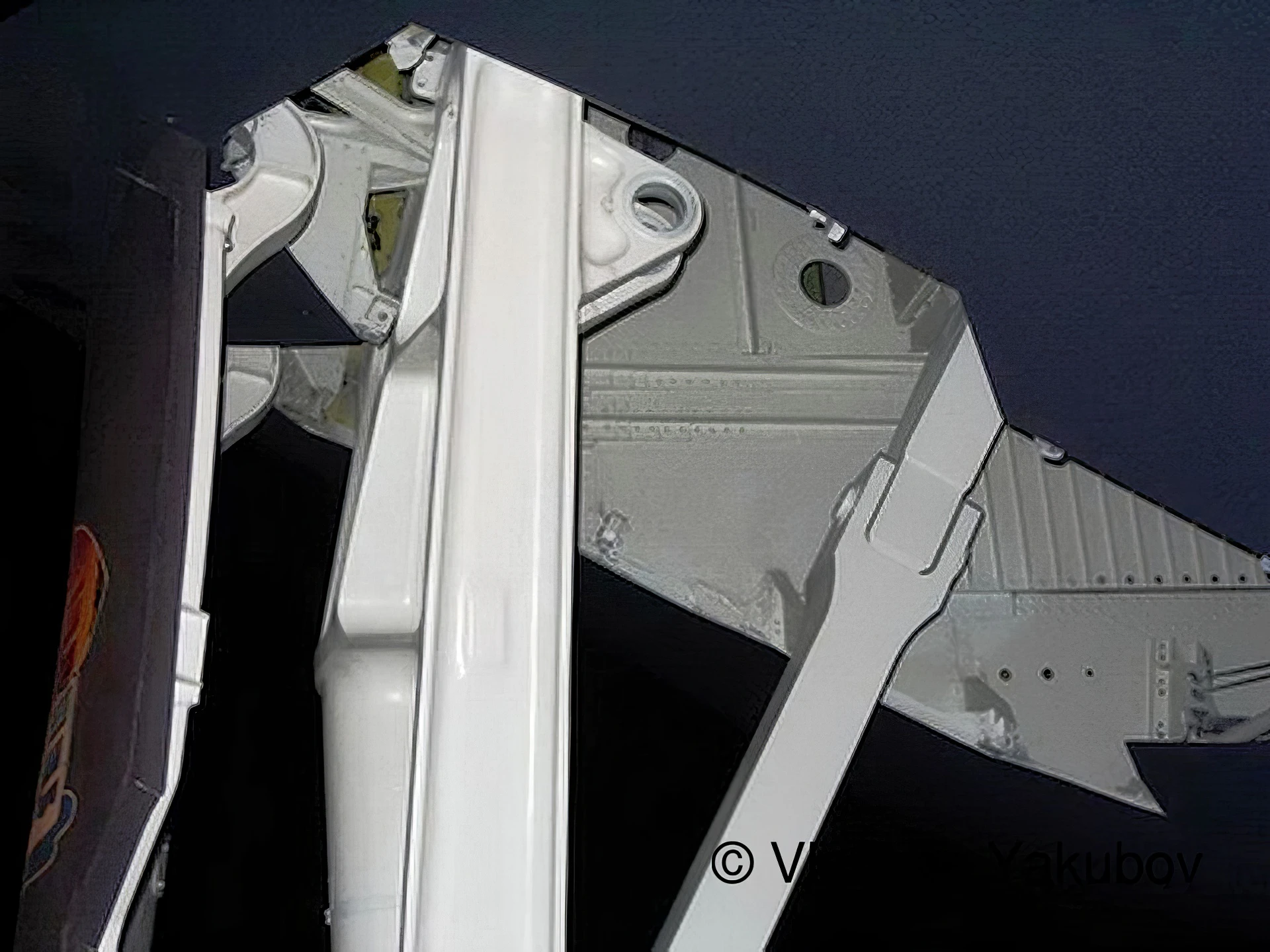
| Northrop B-2 Spirit Walk Around | |
|---|---|
| Photographe | Vladimir Yakubov |
| Localisation | Inconnu |
| Photos | 60 |
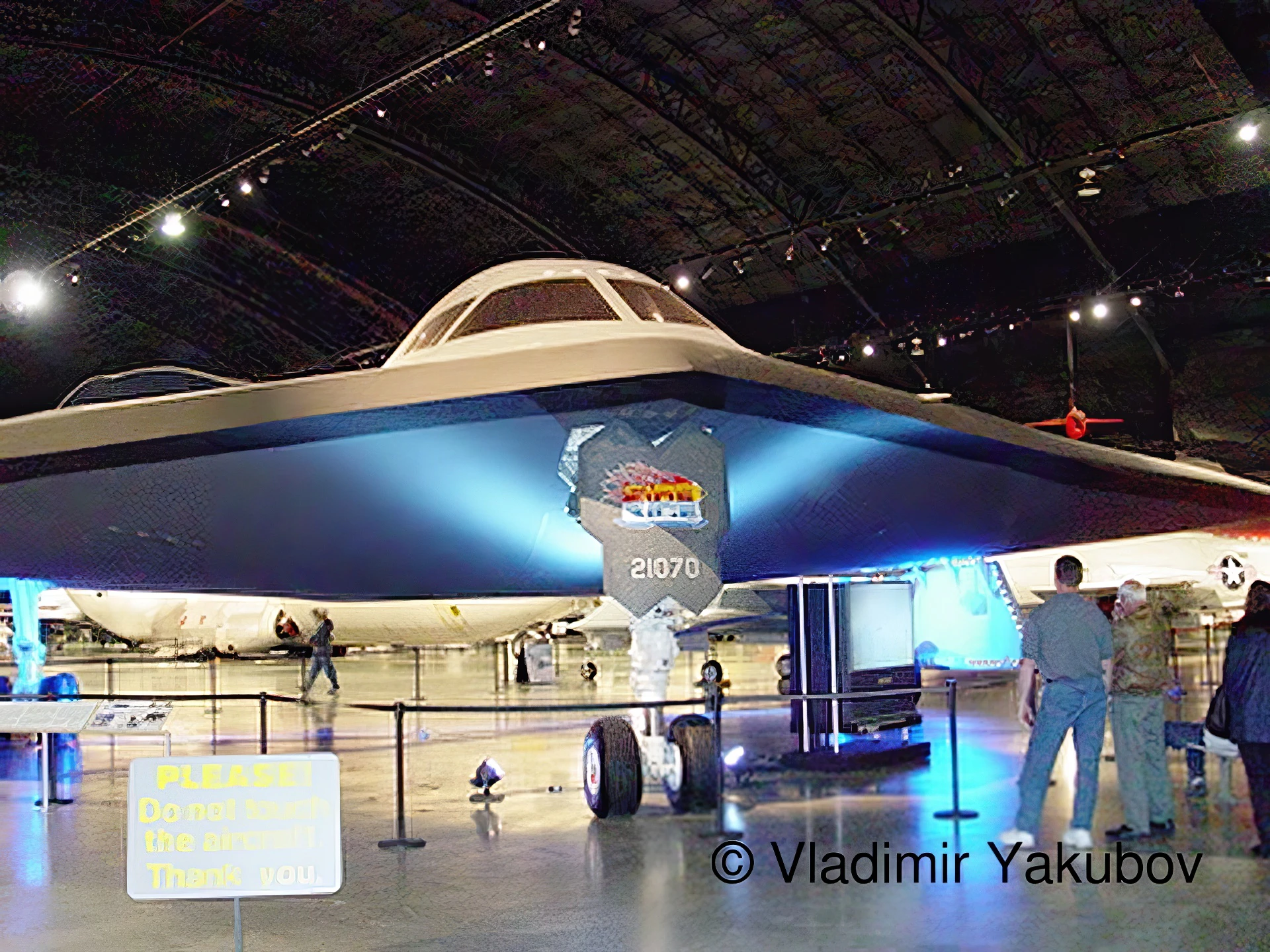
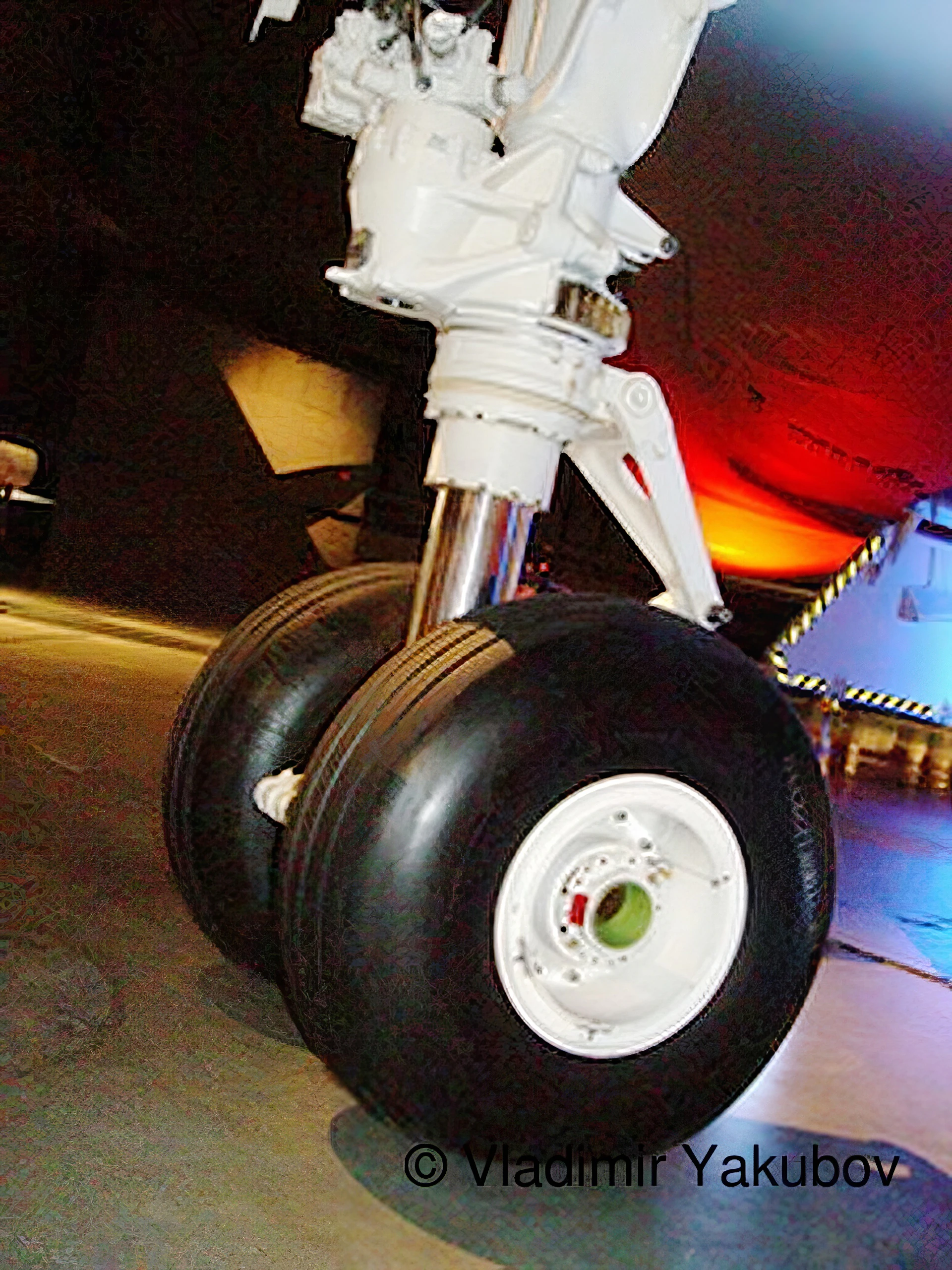
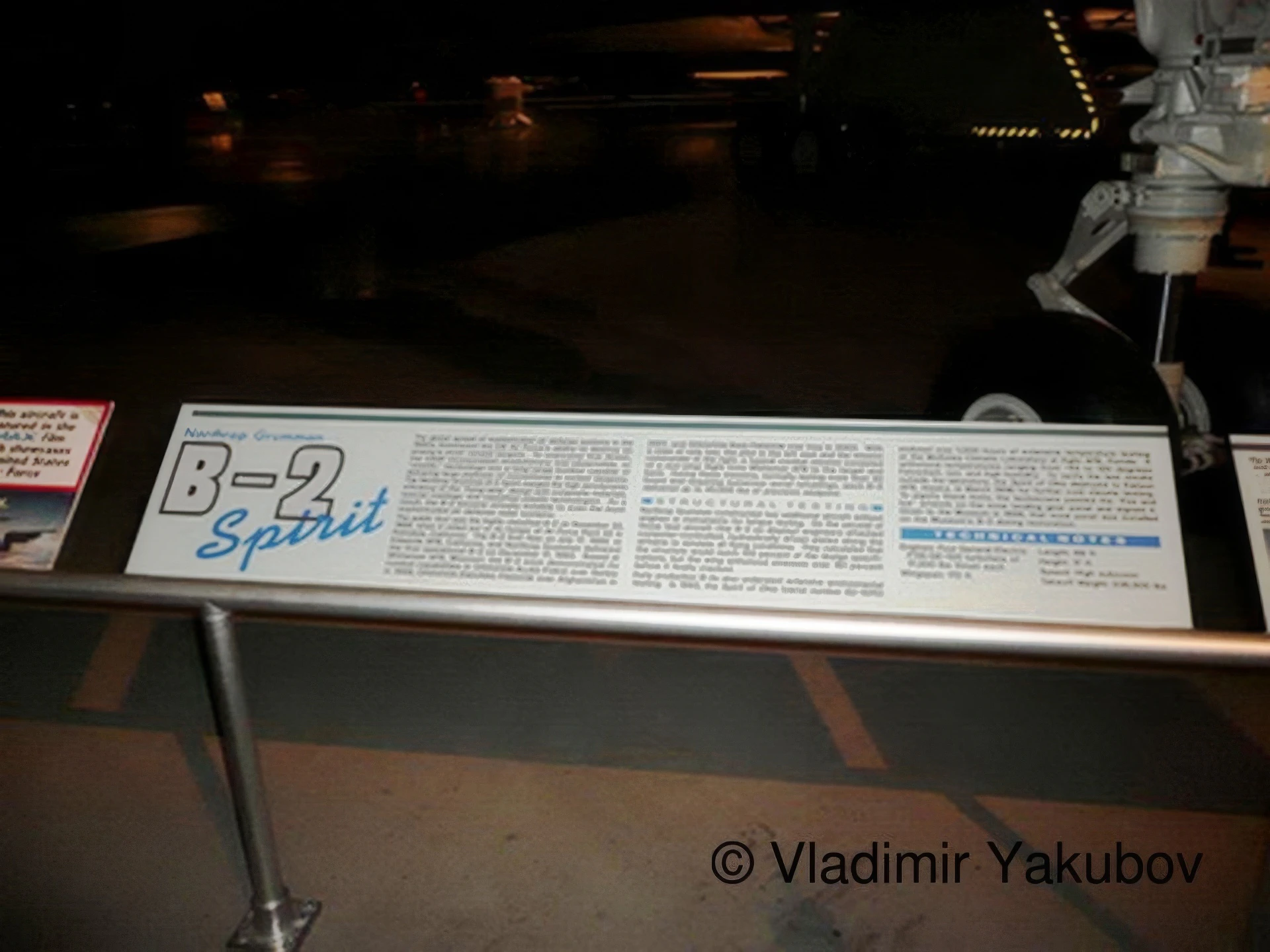


Voir aussi :


General Characteristics and Design
The Northrop Grumman B-2 Spirit is an American heavy strategic bomber featuring low-observable « stealth » technology. Designed to penetrate sophisticated enemy air defenses, its revolutionary « flying wing » configuration minimizes its radar signature, making it difficult to detect, track, and engage. It is capable of delivering both conventional and nuclear weapons anywhere on the globe with one mid-air refueling.
| Property | Typical Value (B-2A Block 30) |
|---|---|
| Rôle | Multi-role Strategic Heavy Bomber |
| Fabricant | Northrop Grumman Corporation |
| First Flight | July 17, 1989 |
| No. Built | 21 (20 remain in service) |
| Crew | 2 (Pilot and Mission Commander) |
| Mass (Empty Weight) | 72,575 kg (160,000 lb) |
| Max Takeoff Weight | 152,634 kg (336,500 lb) |
Dimensions and Stealth
- Wingspan: 52.4 m (172 ft). The immense wingspan is similar to the B-52 Stratofortress, despite having no fuselage or tail.
- Length: 21.0 m (69 ft).
- Height: 5.18 m (17 ft).
- Design: The « flying wing » design lacks vertical stabilizers, which typically produce large radar returns. It uses split elevons on the trailing edge for yaw control.
- Radar Cross-Section (RCS): Classified, but often cited as being around $0.0001\text{ m}^2$, comparable to a large bird or insect, giving it unparalleled stealth performance.
Powerplant and Performance
- Engine: Four General Electric F118-GE-100 non-afterburning turbofan engines.
- Thrust (each): 76.9 kN (17,300 lbf). The non-afterburning design helps reduce the aircraft’s thermal (infrared) signature.
- Speed: High subsonic (Maximum speed around 1,010 km/h or 628 mph).
- Service Ceiling: 15,240 m (50,000 ft).
- Range (Unrefueled): 11,100 km (6,900 mi; 6,000 nmi). Intercontinental range is achieved with one refueling, often extending missions to over 30 hours.
Armement
- Payload: Carries all ordnance internally in two large bomb bays, with a maximum payload capacity of over 18,144 kg (40,000 lb).
- Nuclear Weapons: Capable of carrying B61 and B83 nuclear bombs.
- Conventional Weapons: Can carry up to 80 500-lb (230 kg) JDAM GPS-guided bombs, 16 2,000-lb (907 kg) JDAMs, or specialized weapons like the Massive Ordnance Penetrator (MOP).
- Mission Profile: Designed to drop munitions from high altitudes, greatly increasing the impact area and standoff range for precision-guided munitions.
Vues : 1075
Vous pouvez voir aussi :
 Northrop Gamma – Photos & Vidéos
 Northrop JB-1 Bat – Photos et vidéos
 Northrop X-4 Bantam – Photos et vidéos
 Northrop Tacit Blue – Photos & Vidéos
 Northrop Alpha – Photos & Vidéo
 Northrop YF-17 Cobra – Photos & Vidéo
 Northrop F-20 Tigershark – Photos et vidéo
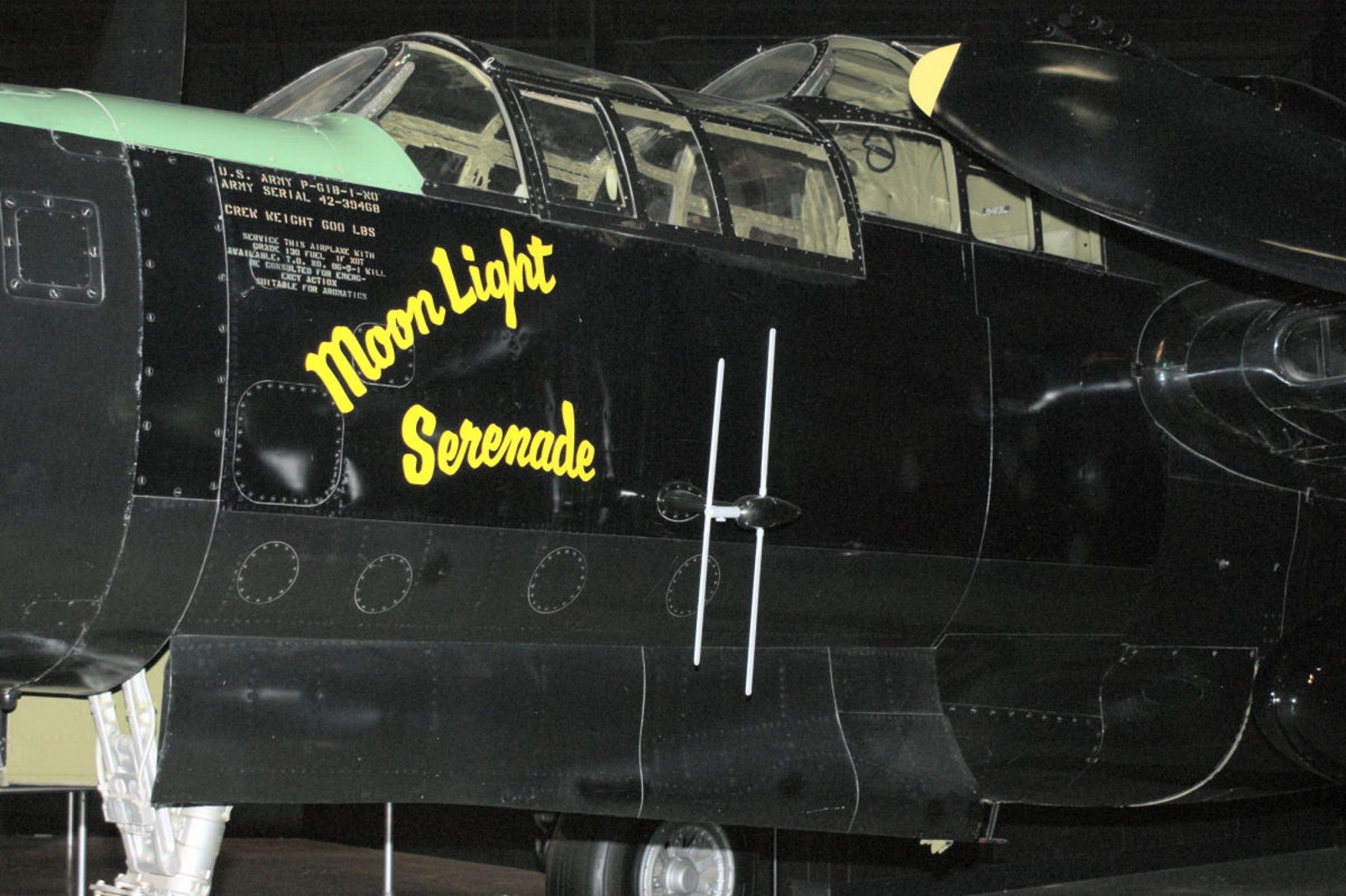 Northrop P-61 Black Widow – Photos & Vidéo
 Northrop T-38 Talon – Photos et vidéo
 Northrop A-17A – Photos et vidéo