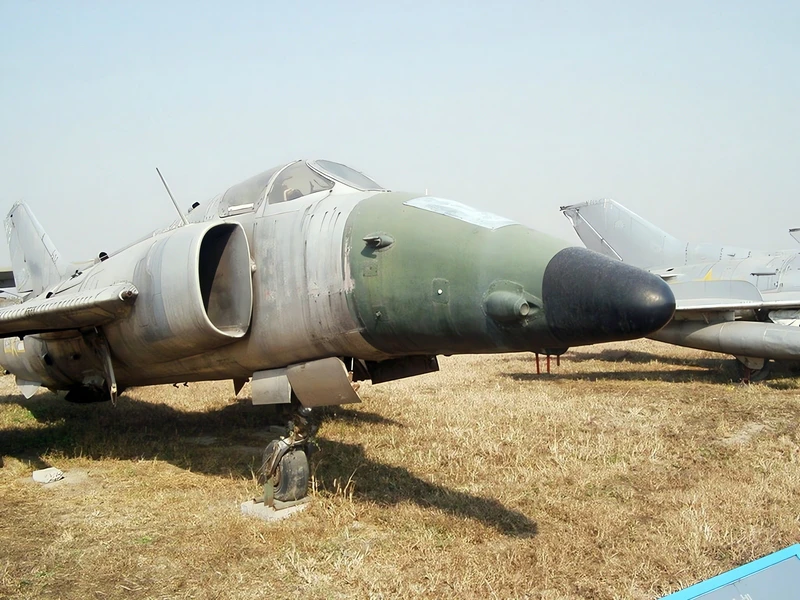
Nanchang Q-5 | |
|---|---|
| Pays | gens’s République de Chine |
| Rôle | Avions d’attaque au sol |
| Premier vol | 10 juin 1965 |
| Construit | Plus de 1300 |
Lla Nanchang Q-5 (chinois : 强-5 ; pinyin : Qiang-5 ; Le nom otanien : Fantan), également connu sous le nom d’A-5 dans ses versions d’exportation, est un avion d’attaque au sol monoplace et bimoteur à réaction de construction chinoise basé sur le MiG-19 soviétique. Cependant, l’avion est principalement utilisé pour l’appui aérien rapproché.
Source: Nanchang Q-5 sur Wikipédia
| Nachang A-5 Fantan Walk Around | |
|---|---|
| Photographe | Unknow |
| Localisation | Inconnu |
| Photos | 40 |
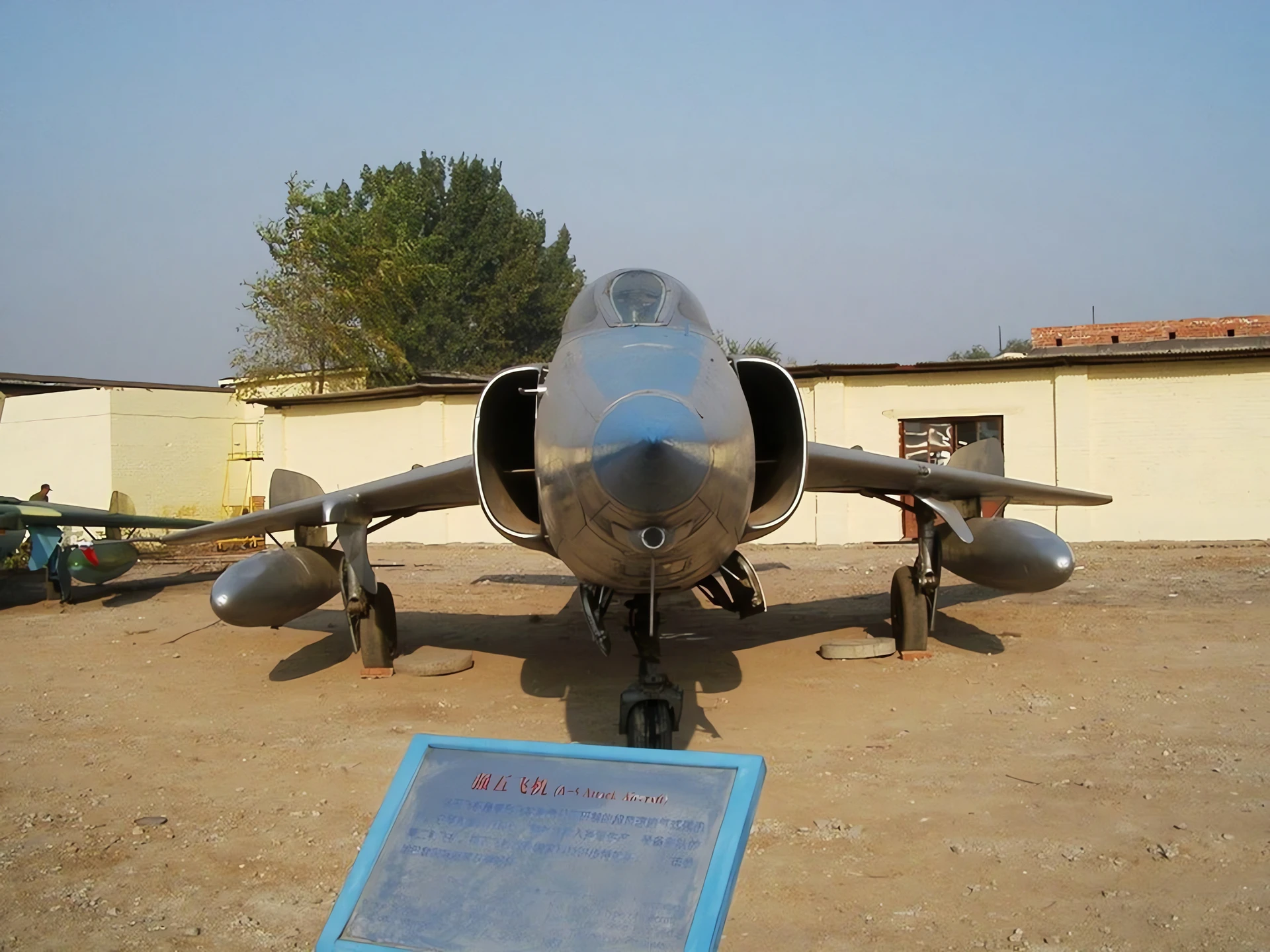
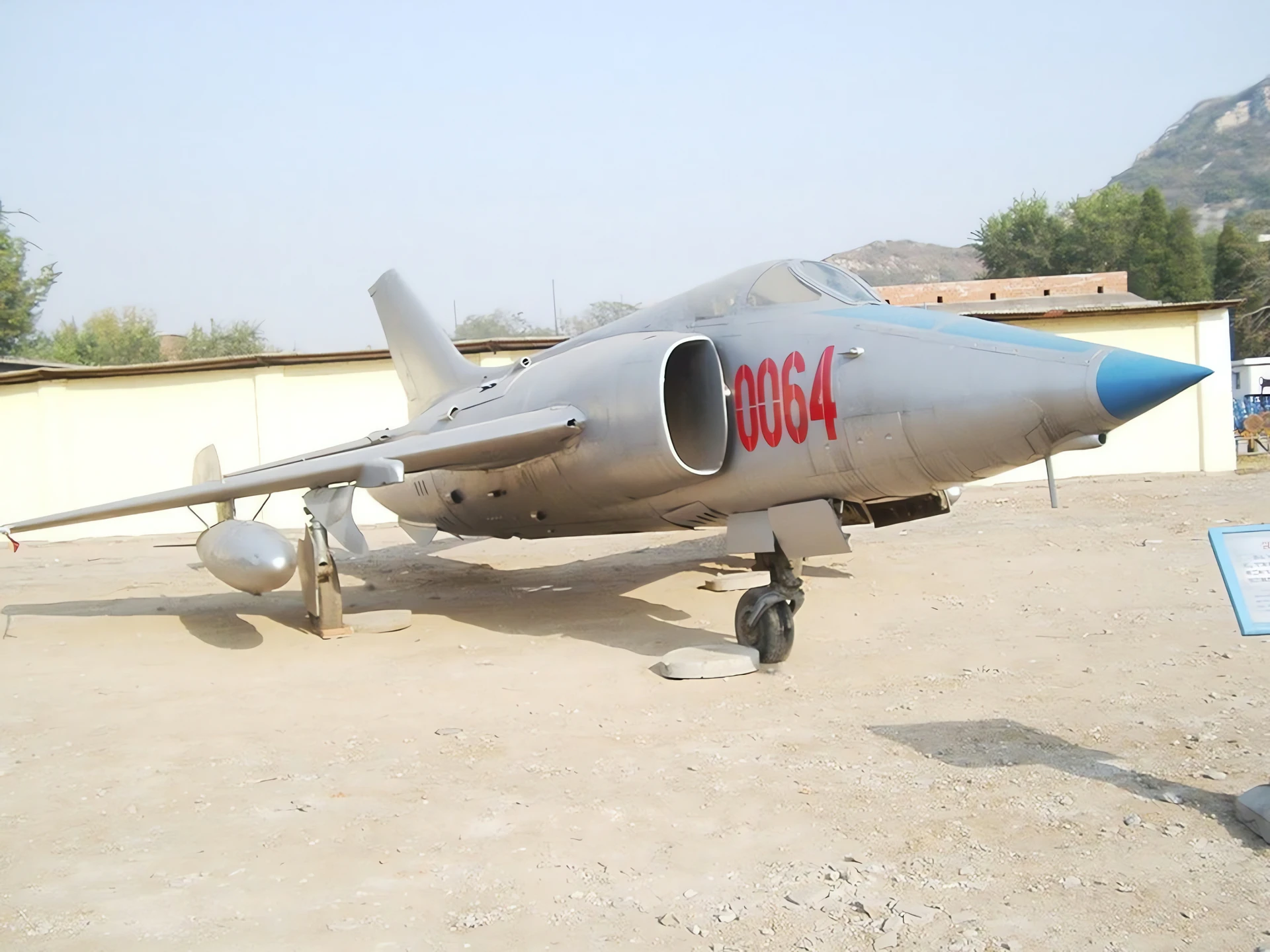
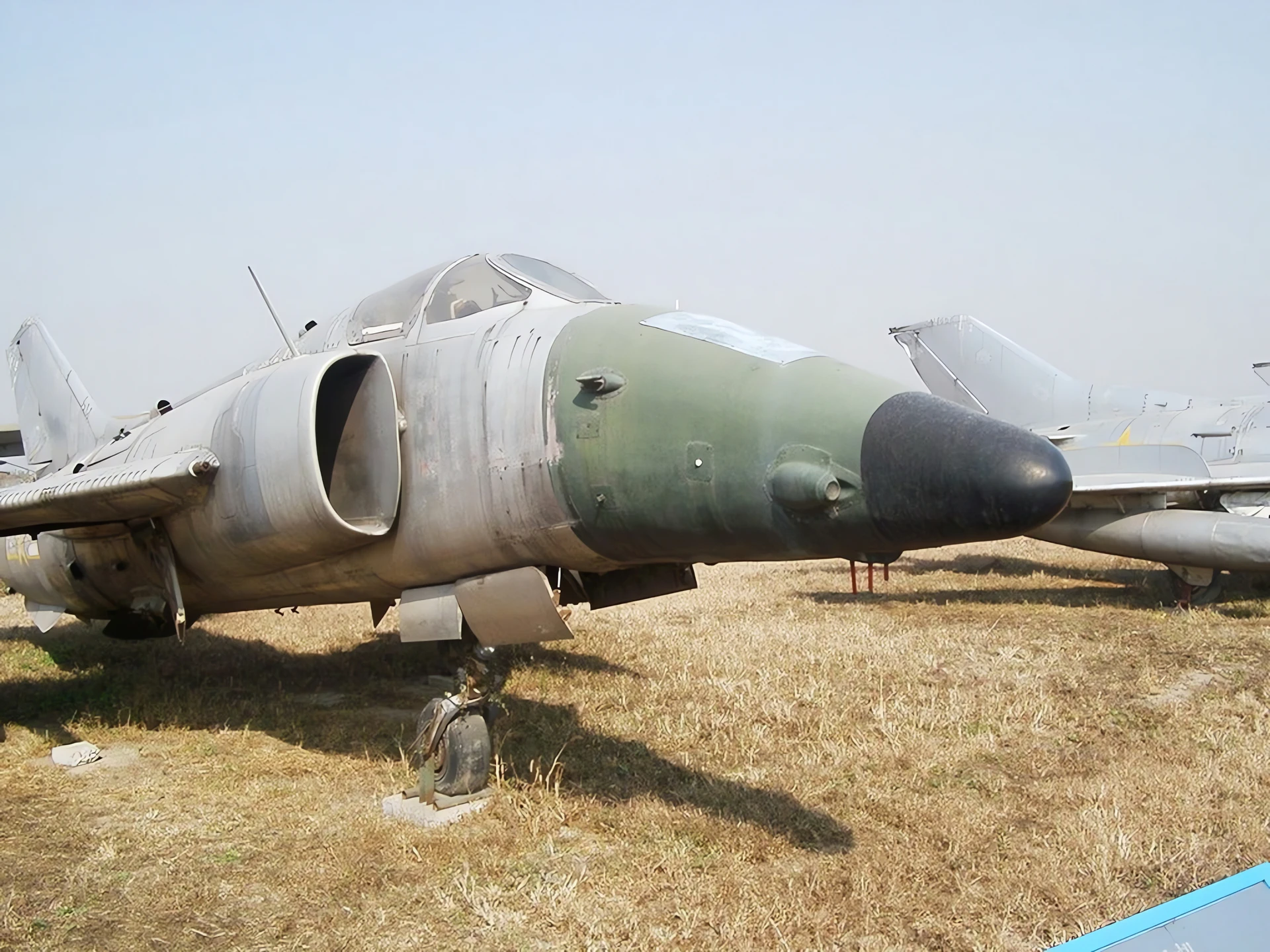
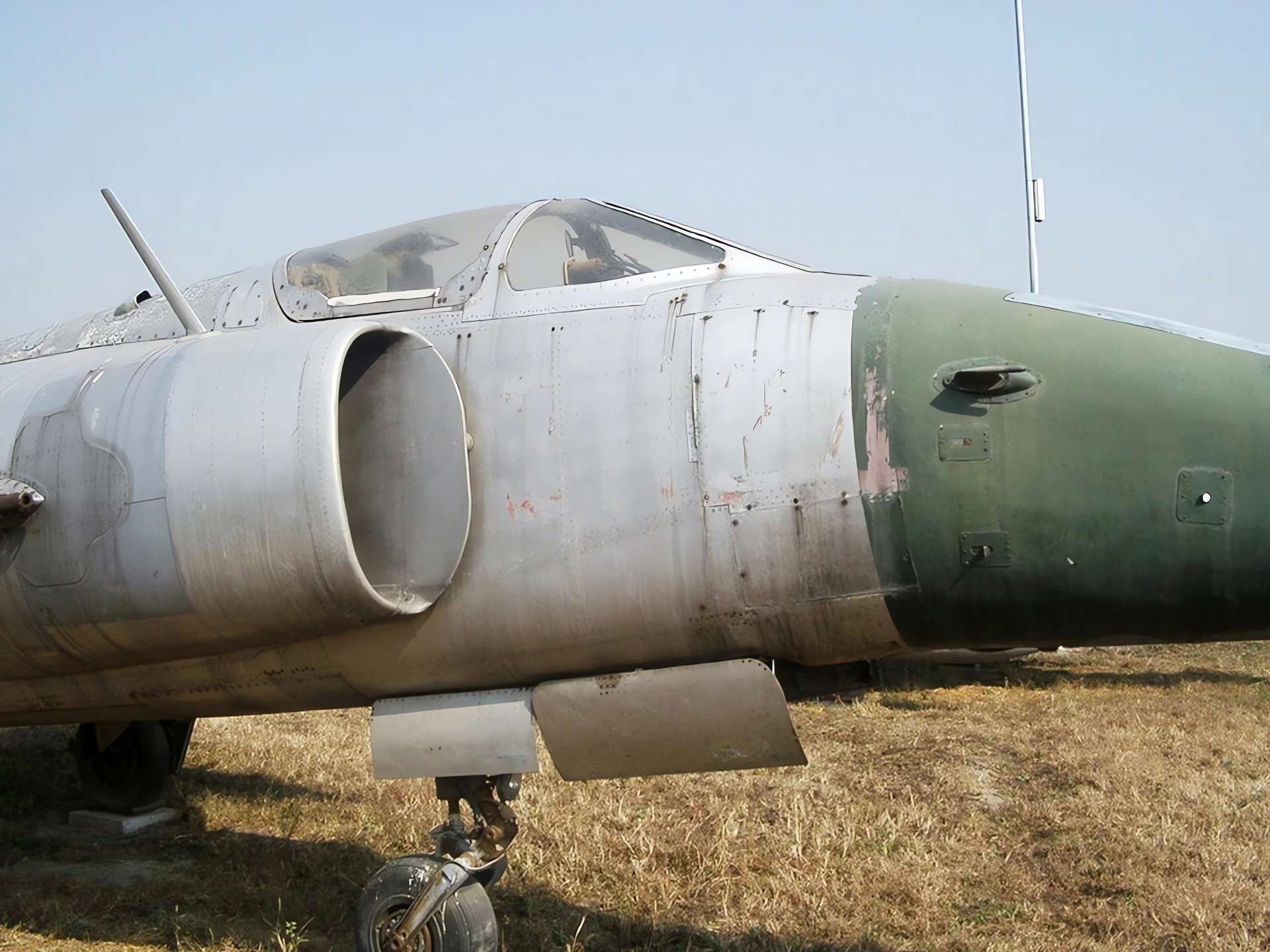
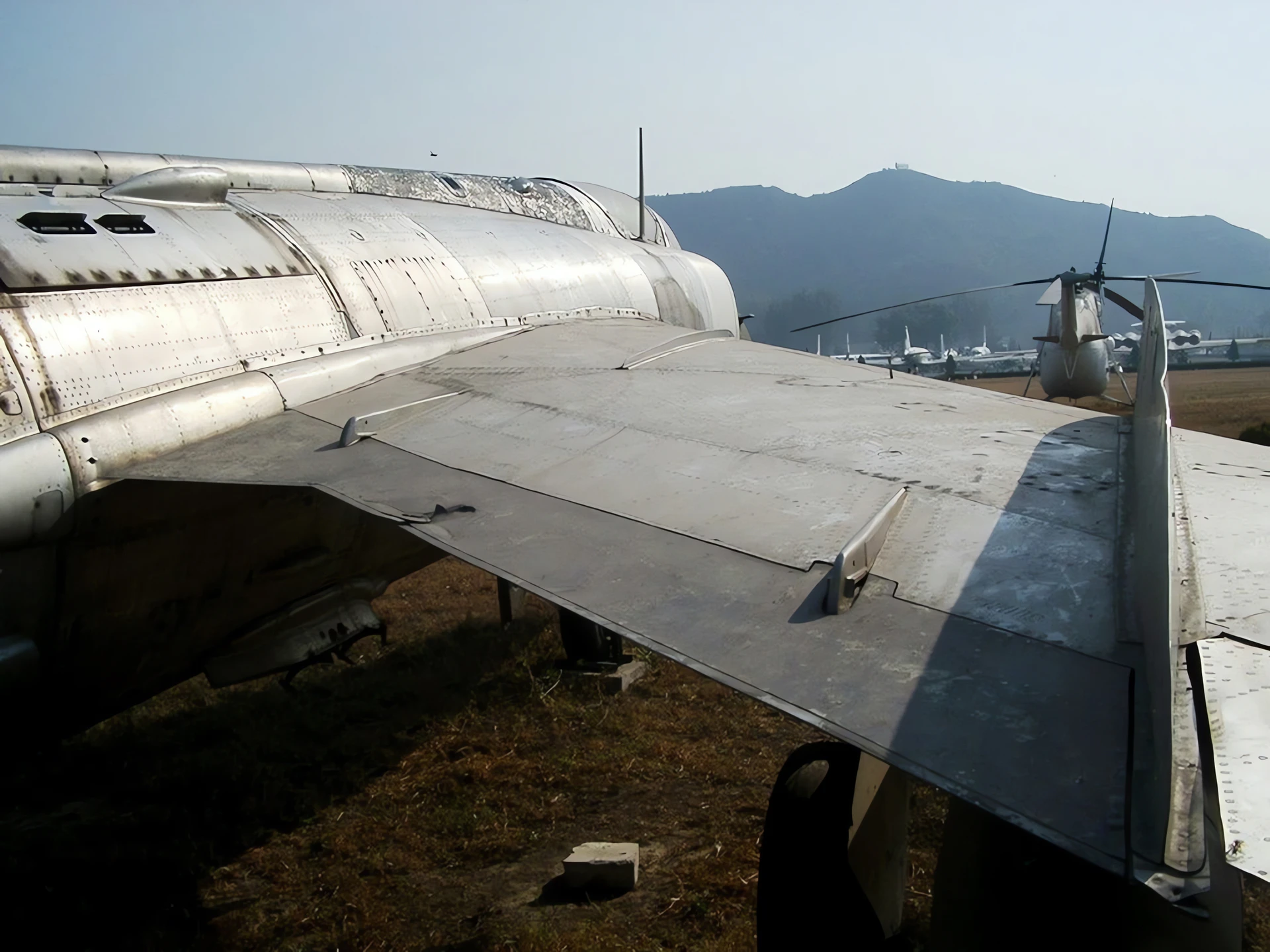
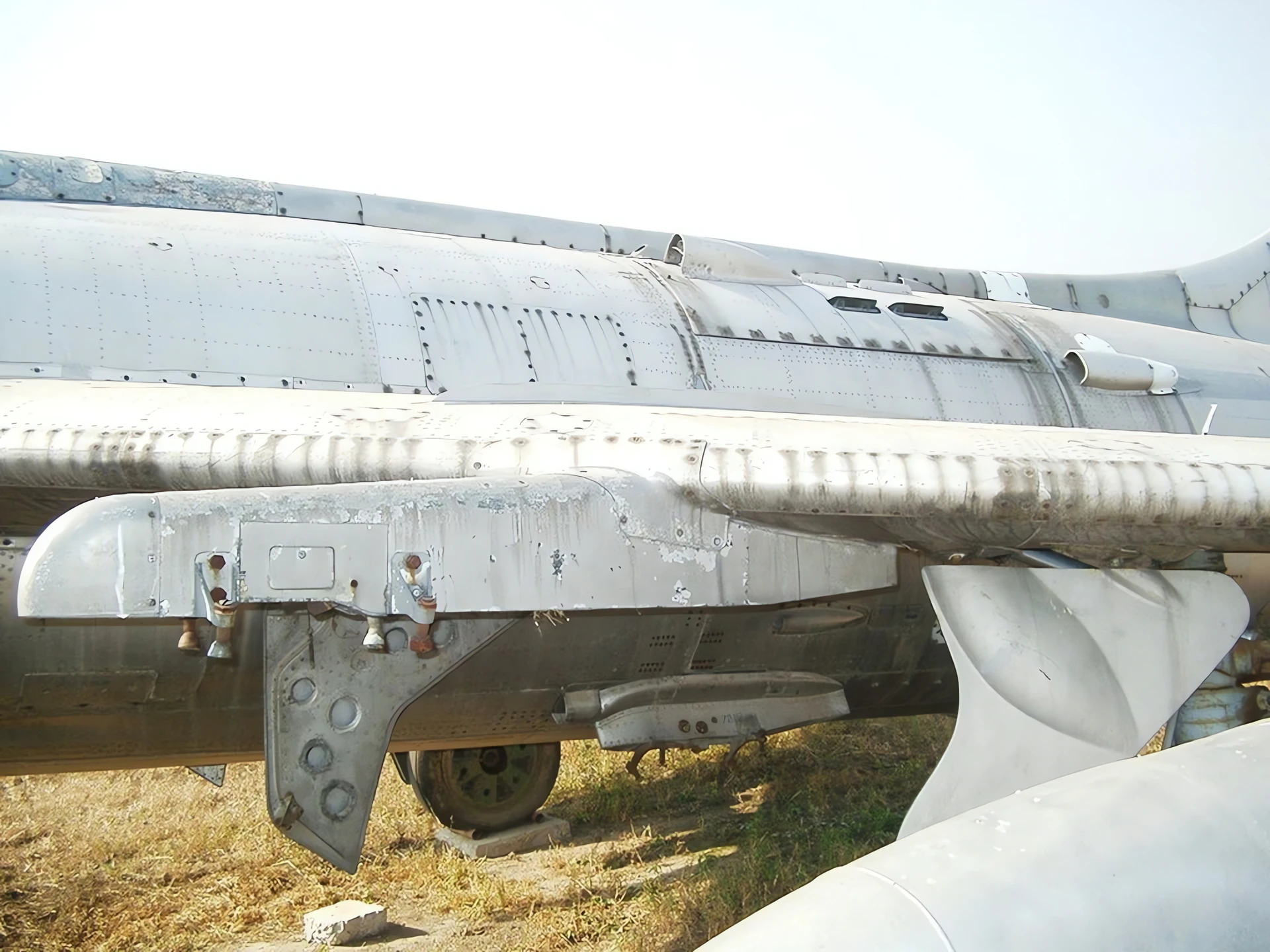
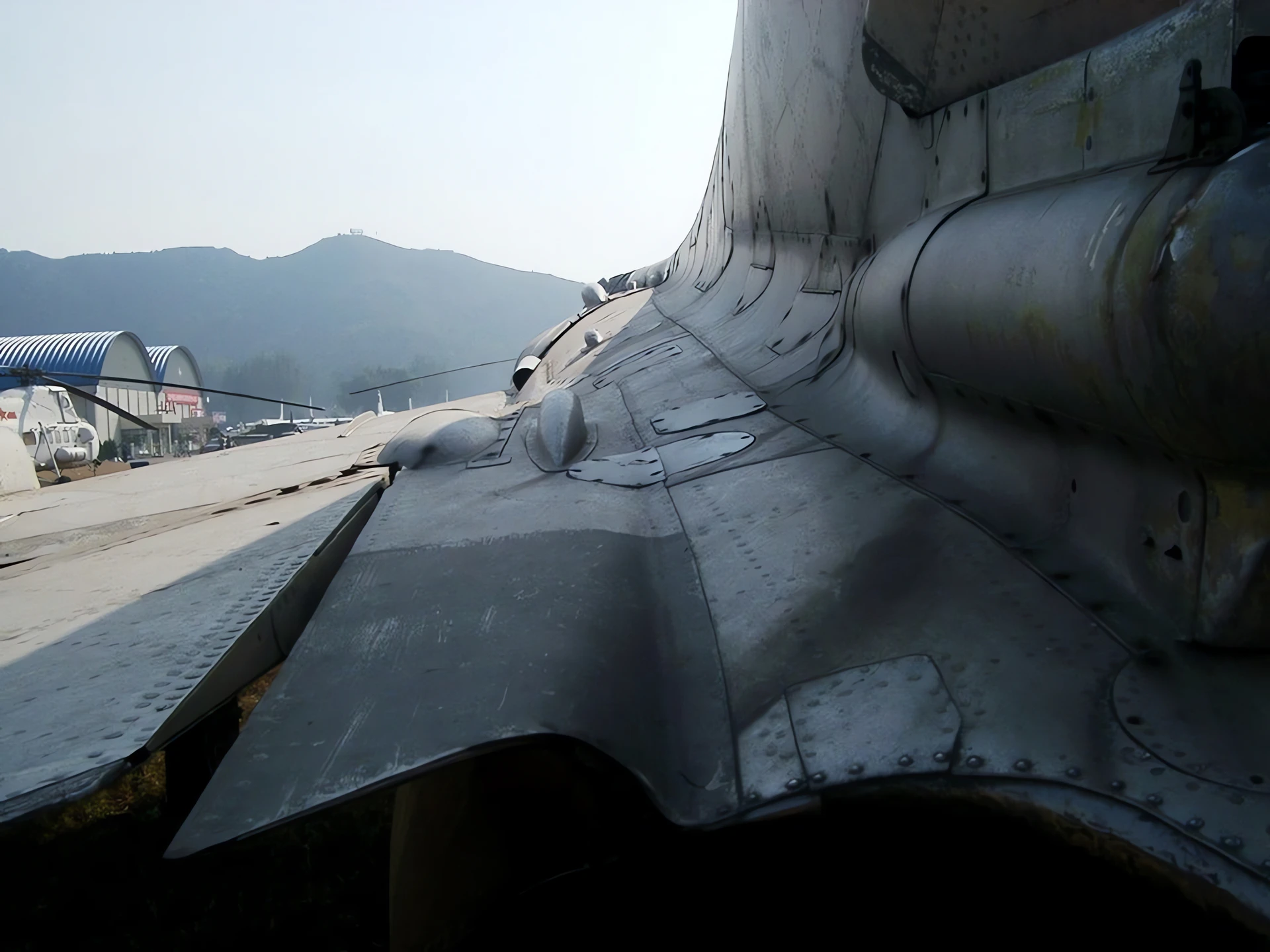
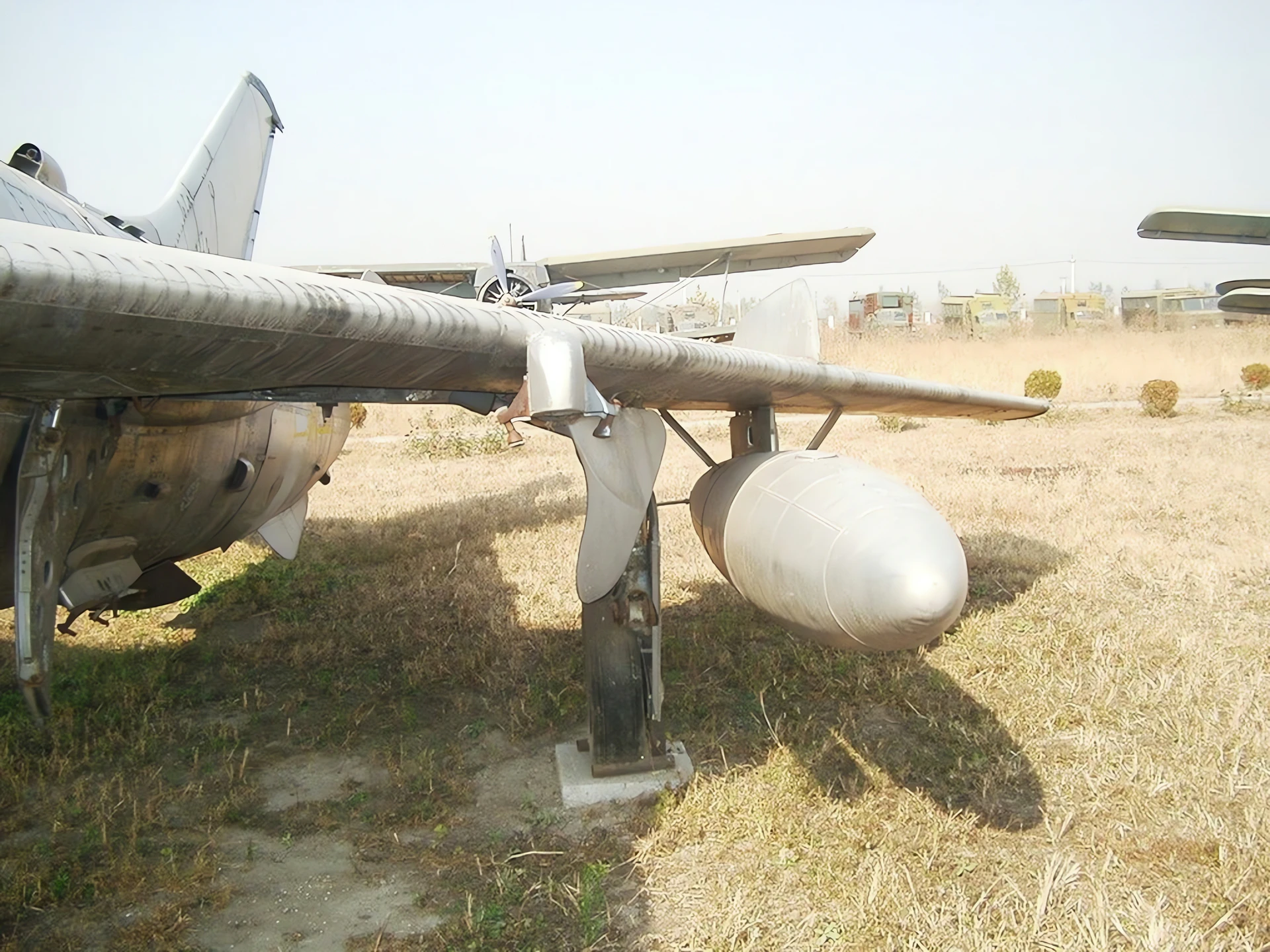
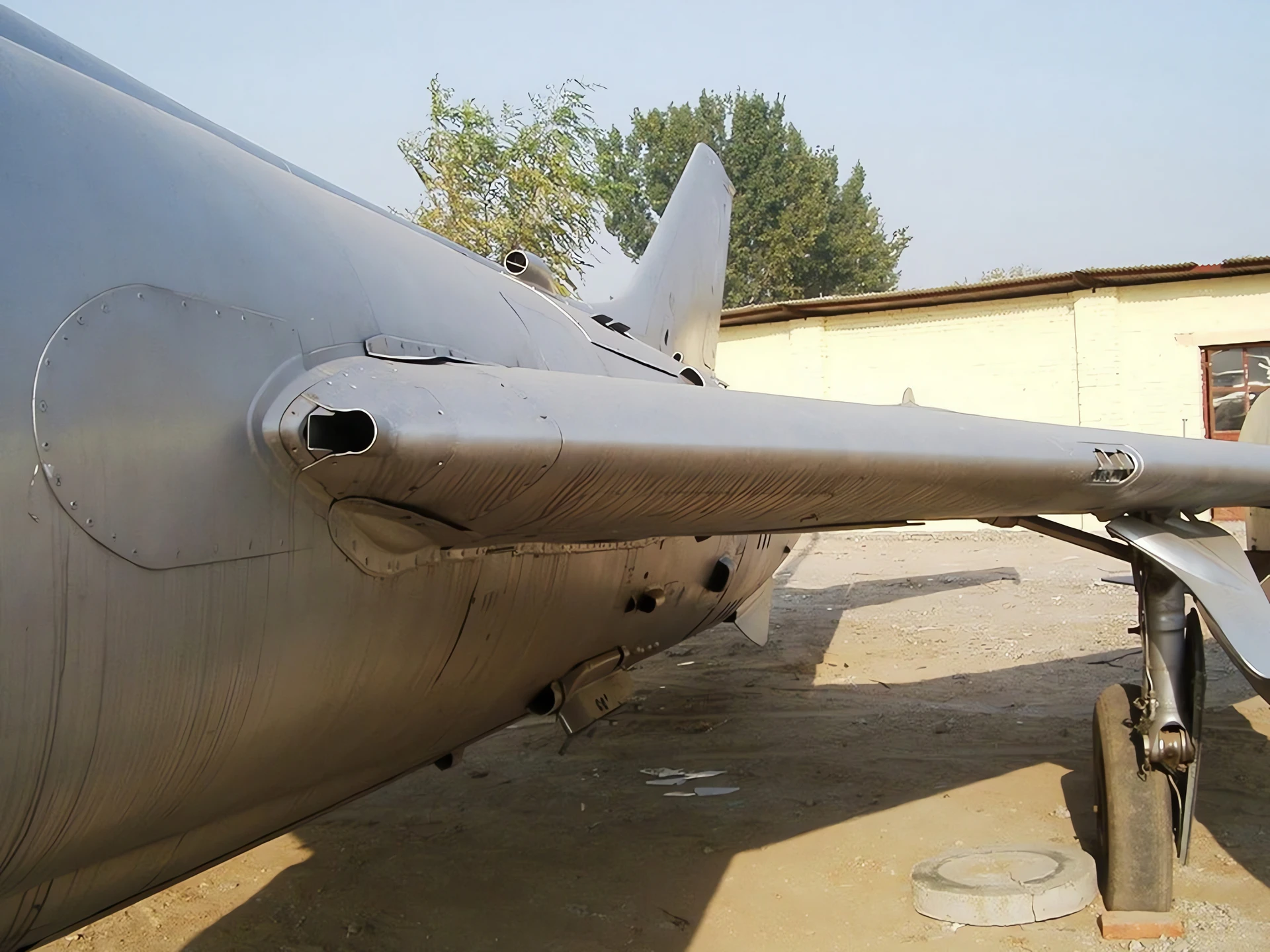


| Nachang A-5 Fantan Walk Around | |
|---|---|
| Photographe | Howard Mason |
| Localisation | Inconnu |
| Photos | 38 |
Voir aussi :


General Characteristics
The Nanchang Q-5 (Qiang-5, or Attack Aircraft 5), known as the A-5 in export versions, with the NATO reporting name: Flounder, is a Chinese single-seat, twin-engine ground-attack aircraft. Developed in the 1960s, it is derived from the Soviet MiG-19 (Chinese designation Shenyang J-6), but features a redesigned, longer fuselage to incorporate an internal weapons bay and side-mounted air intakes, allowing for a pointed nose. The aircraft was designed primarily for close air support and air interdiction roles, with later variants (like the Q-5A) having the capability to deliver tactical nuclear weapons. It has been a key component of the Chinese Air Force (PLAAF) and Naval Air Force (PLANAF) and was widely exported.
| Property | Typical Value (Q-5/A-5 Variants) |
|---|---|
| Rôle | Ground Attack / Close Air Support (CAS) |
| National Origin | China (PRC) |
| Fabricant | Nanchang Aircraft Manufacturing Company |
| First Flight | June 4, 1965 |
| Service Entry | 1970 |
| No. Built | Approx. 1,000 to 1,300 |
| Crew | 1 (Pilot) |
| Length (Q-5I/A-5C) | 15.65 m (51 ft 4 in) |
| Envergure | 9.68 m (31 ft 9 in) |
| Max Takeoff Weight | 11,830 kg (26,080 lb) |
Powerplant and Performance
- Engine: 2 x Shenyang WP-6 afterburning turbojet engines (Chinese license-built version of the Tumansky R-9).
- Max Thrust (per engine, w/ afterburner): ~36.78 kN (8,267 lbf).
- Maximum Speed: Mach 1.12 (Approx. 1,210 km/h or 752 mph).
- Service Ceiling: 16,000 m (52,500 ft).
- Combat Radius (Lo-Lo-Lo): Approx. 400 km (215 nmi).
- Ferry Range: 2,000 km (1,080 nmi).
- Rate of Climb: 103 m/s (20,300 ft/min).
Armament and Avionics
- Internal Gun: 2 x 23 mm Norinco Type 23-2K cannons (100 rounds per gun), mounted in the wing roots.
- Hardpoints: 10 total (4 under-fuselage, 6 under-wing) with a max external capacity of 2,000 kg (4,400 lb).
- Ordnance:
- Bombs: Free-fall bombs (50 kg to 500 kg), cluster bombs, and later, laser-guided bombs (LGBs) via targeting pods (Q-5E/L).
- Rockets: 57 mm, 90 mm, and 130 mm unguided rocket pods.
- Missiles: PL-2, PL-5, PL-7 (Air-to-Air); C-801 (Anti-Ship, for naval variants); and export variants (A-5C) could carry Western AIM-9 Sidewinder or Matra R.550 Magic AAMs.
- Special Munitions: Q-5A variant was configured to carry a single tactical nuclear bomb.
- Avionics: The original Q-5 featured basic 1960s navigation and attack systems. Later export and upgraded domestic versions (A-5C, Q-5II/D/E/L) received significant updates, including:
- Laser Rangefinder (nose-mounted).
- Radar Warning Receiver (RWR) and chaff/flare dispensers.
- Head-Up Display (HUD) and modern Western INS/GPS in export/modernized variants.
Vues : 1259
Vous pouvez voir aussi :
 Messerschmitt Me-108 Taifun – Photos & Vidéo
 Ryan Navion – Photos et vidéo
 Stinson L-5 Sentinel – Photos et vidéo
 Piper L-4 Grasshopper – Photos & Vidéo
 Lockheed U-2 – Photos et vidéo
 P-47G Thunderbolt – WalkAround
 Hawker Sea Fury FBII vol2 – Walk Around
 P-51D Mustang vol2 – Walk Around
 B-17G Flying Fortress – WalkAround
 Messerschmitt Bf 109G-2 – Walk Around