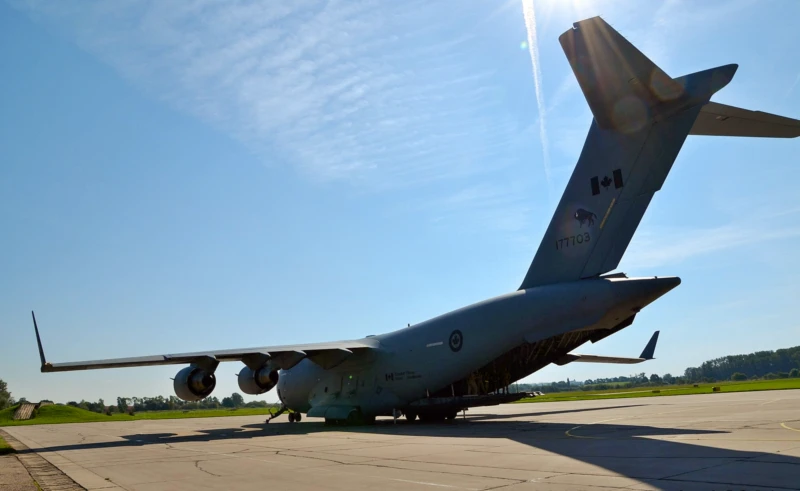
C-17A Globemaster III | |
|---|---|
| Pays | Usa |
| Rôle | Avions de transport militaire |
| Premier vol | 15 septembre 1991 |
| Construit | 279 |
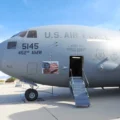
Galerie de photos d’un C-17A Globemaster III, Le Boeing C-17 Globemaster III est un gros avion de transport militaire. Il a été développé pour l’United States Air Force (USAF) des années 1980 au début des années 1990 par McDonnell Douglas. la société a ensuite fusionné avec Boeing. Le C-17 est utilisé pour le transport aérien stratégique rapide de troupes et de fret vers les principales bases d’opérations ou les bases d’opérations avancées dans le monde entier. Il peut également effectuer des missions de transport aérien tactique, d’évacuation médicale et de largage. Le C-17 porte le nom de deux avions-cargos militaires américains à moteur à pistons précédents, le Douglas C-74 Globemaster et le Douglas C-124 Globemaster II.
| C-17A Globemaster III | |
|---|---|
| Photographe | Unknow |
| Localisation | Inconnu |
| Photos | 61 |
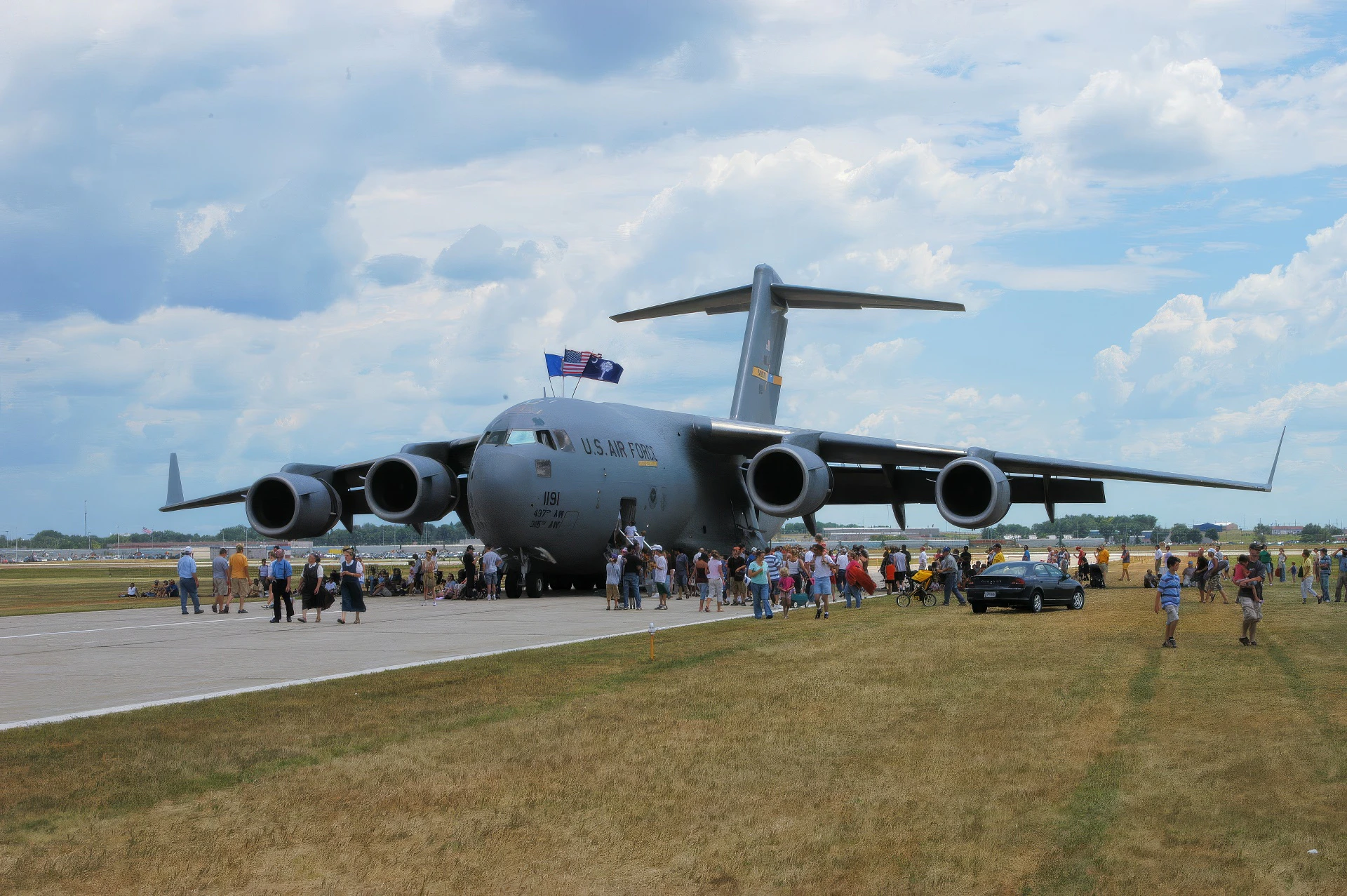
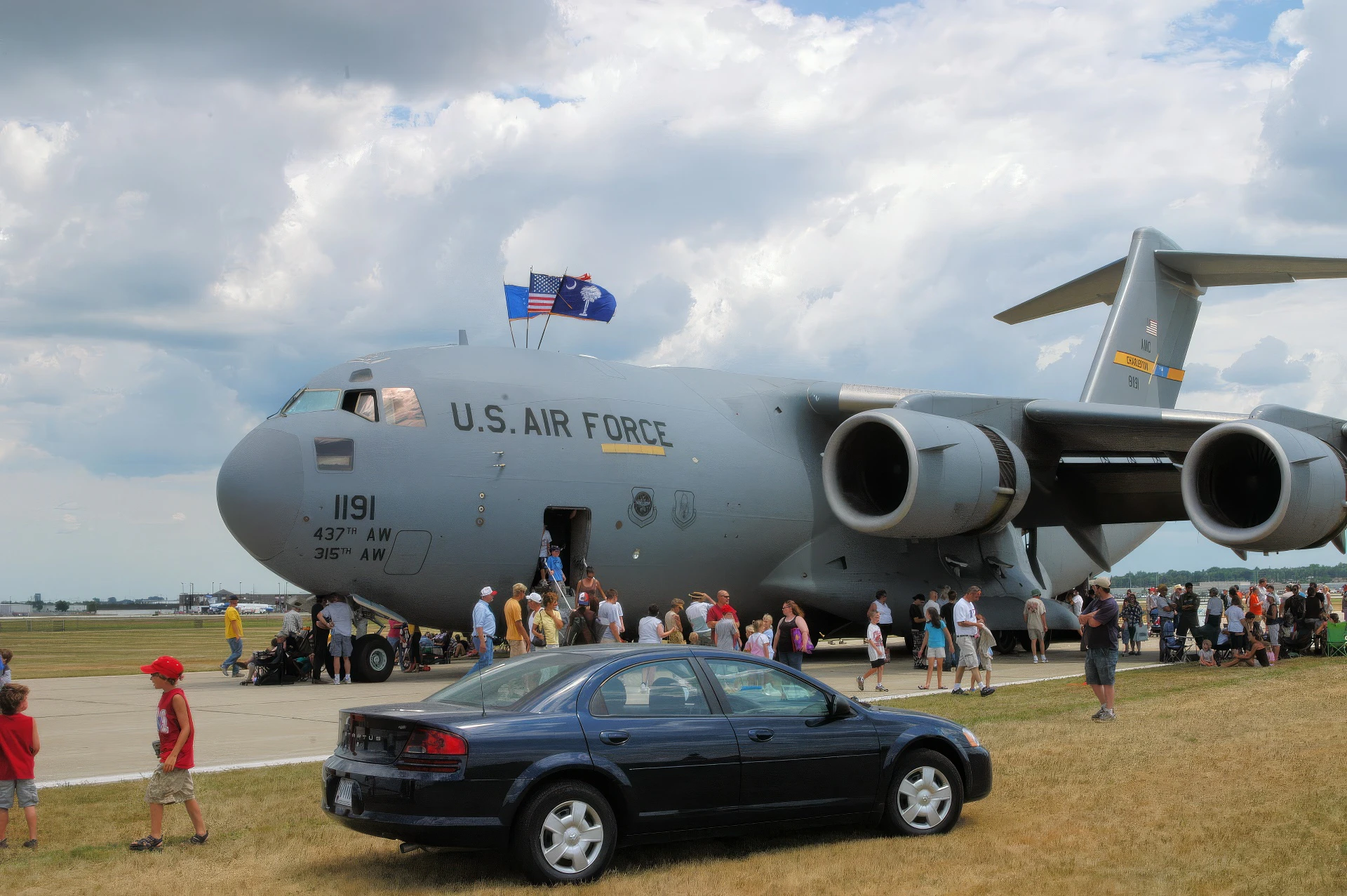
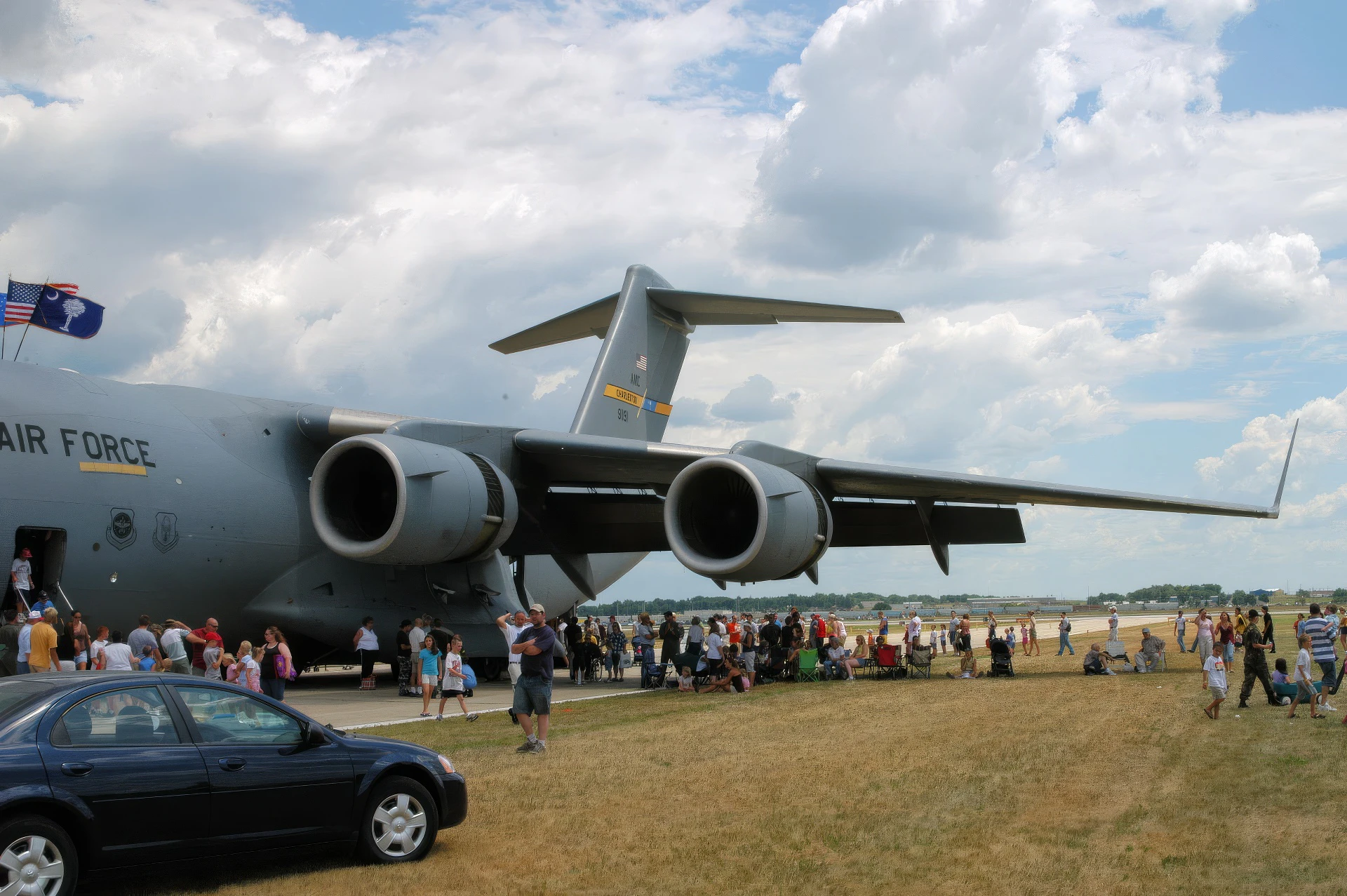
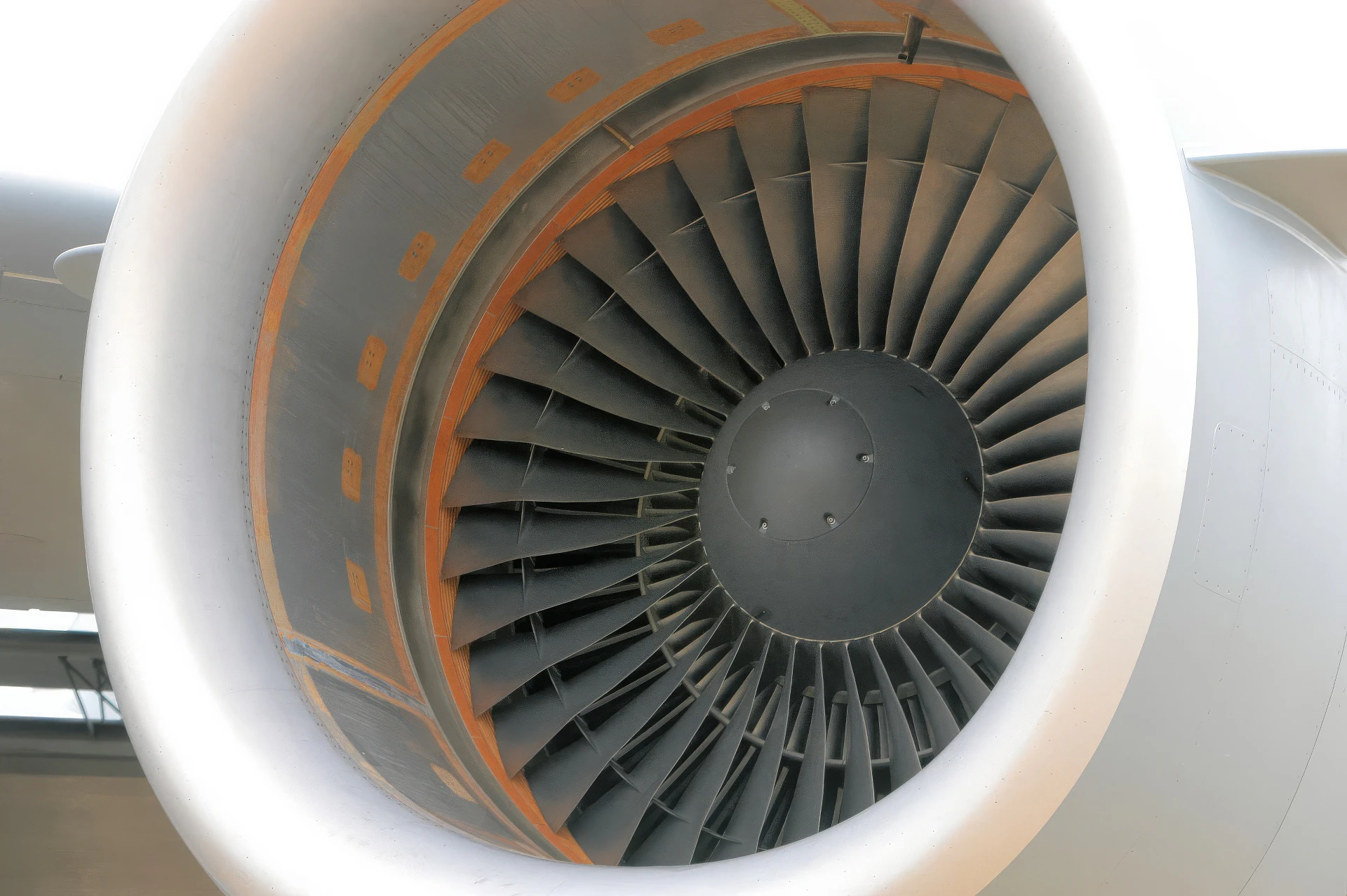
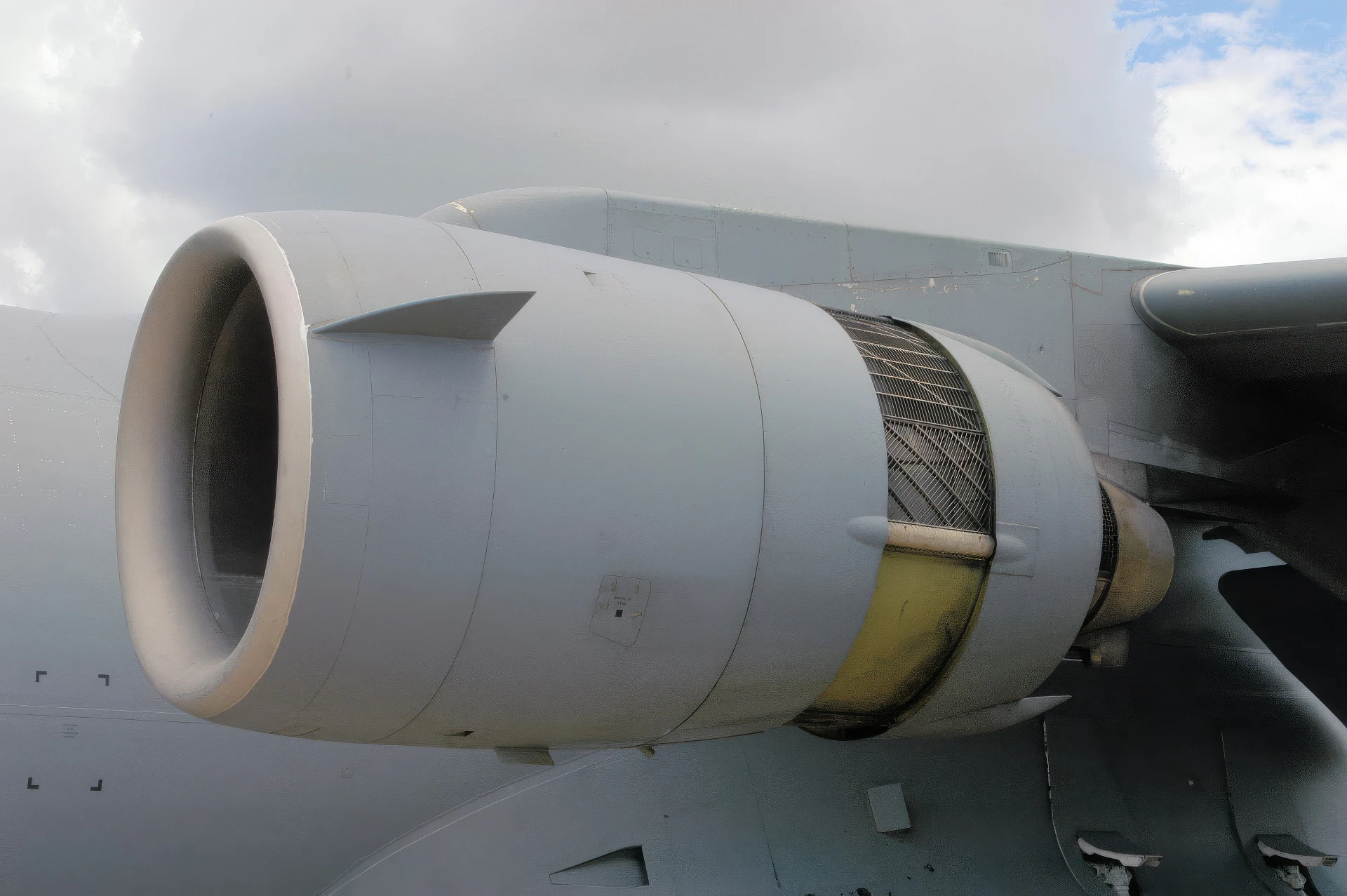
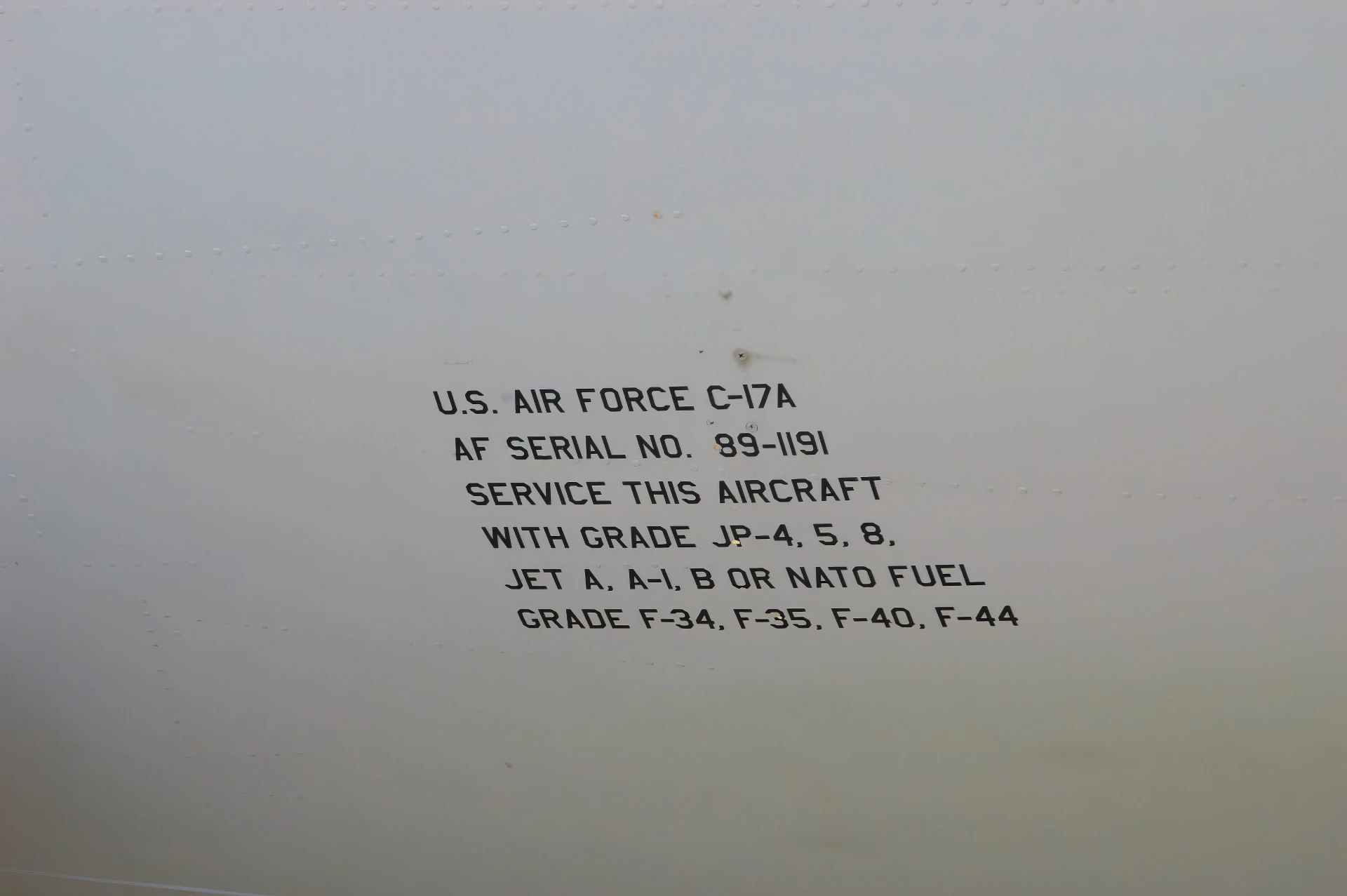
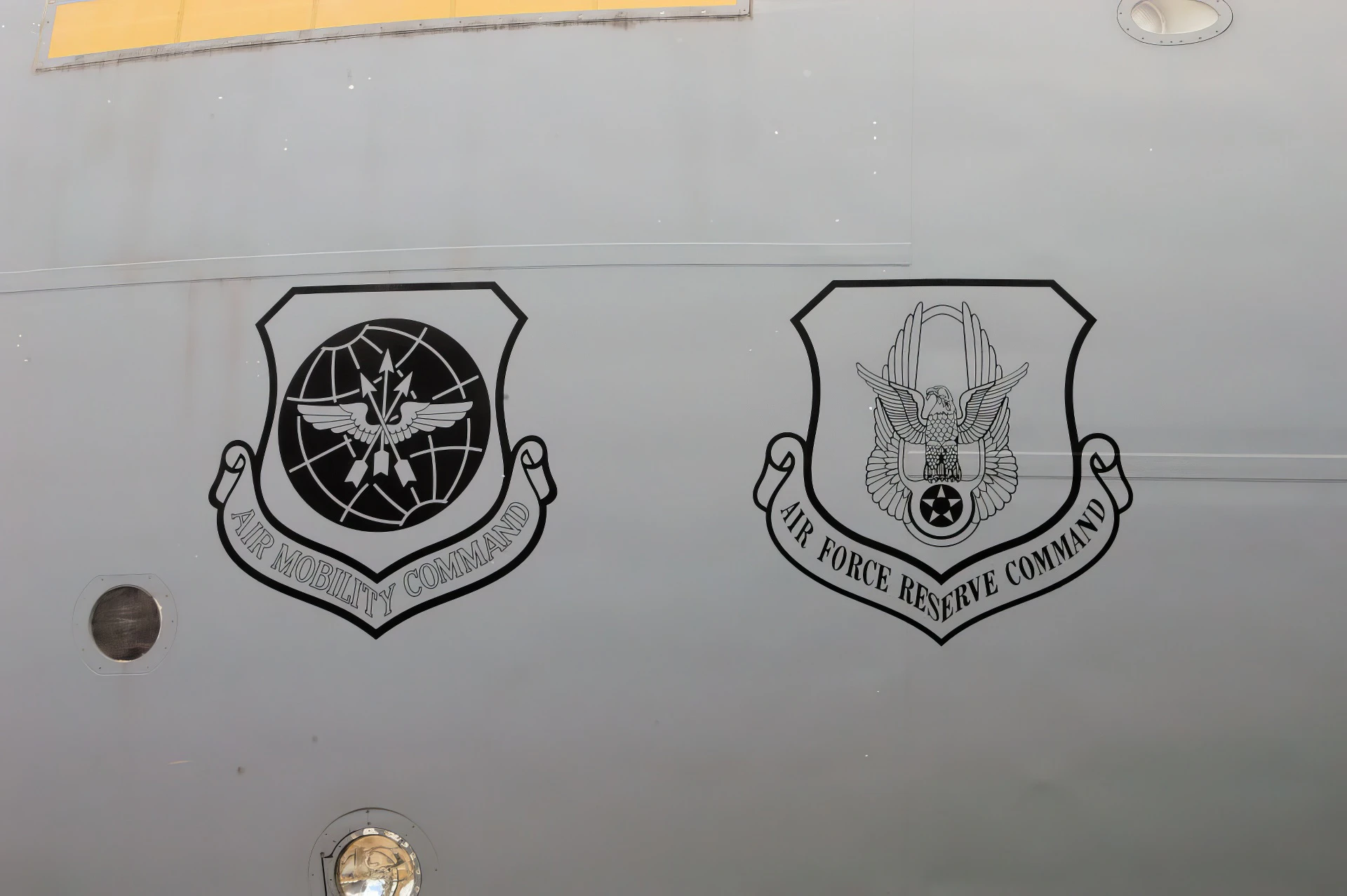
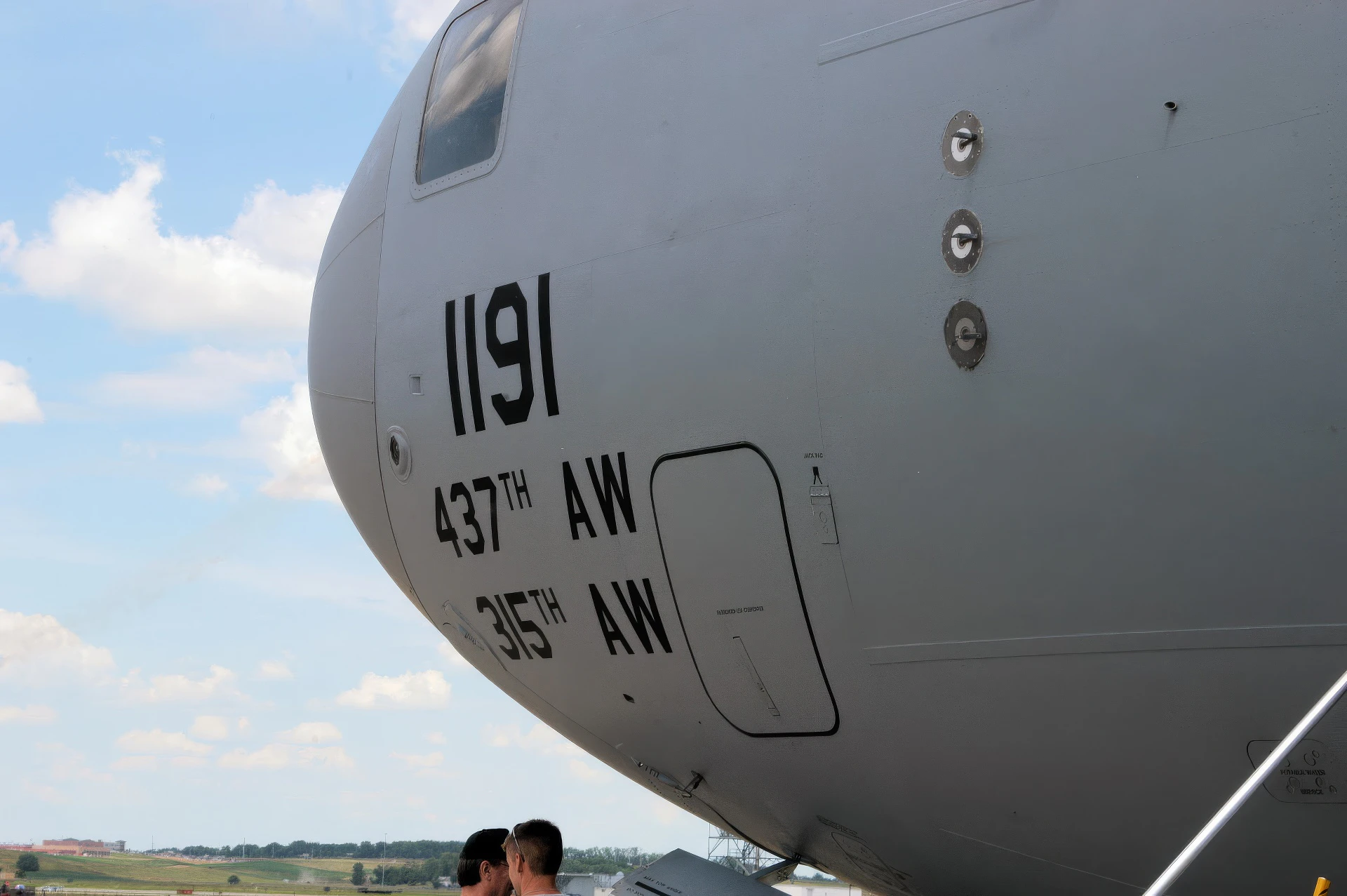
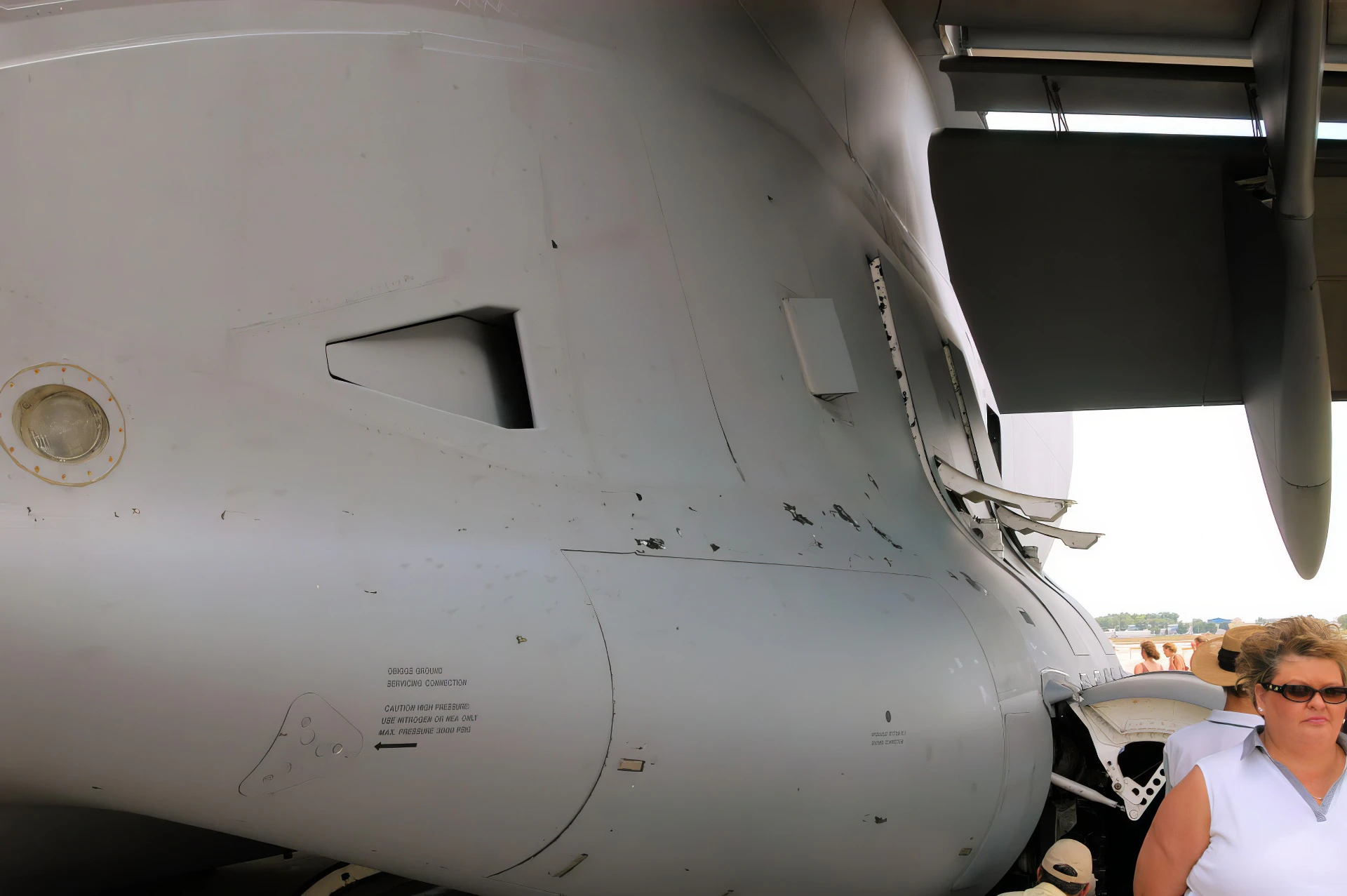

| C-17A Globemaster III Walk Around | |
|---|---|
| Photographe | Michael Benolkin |
| Localisation | Inconnu |
| Photos | 37 |
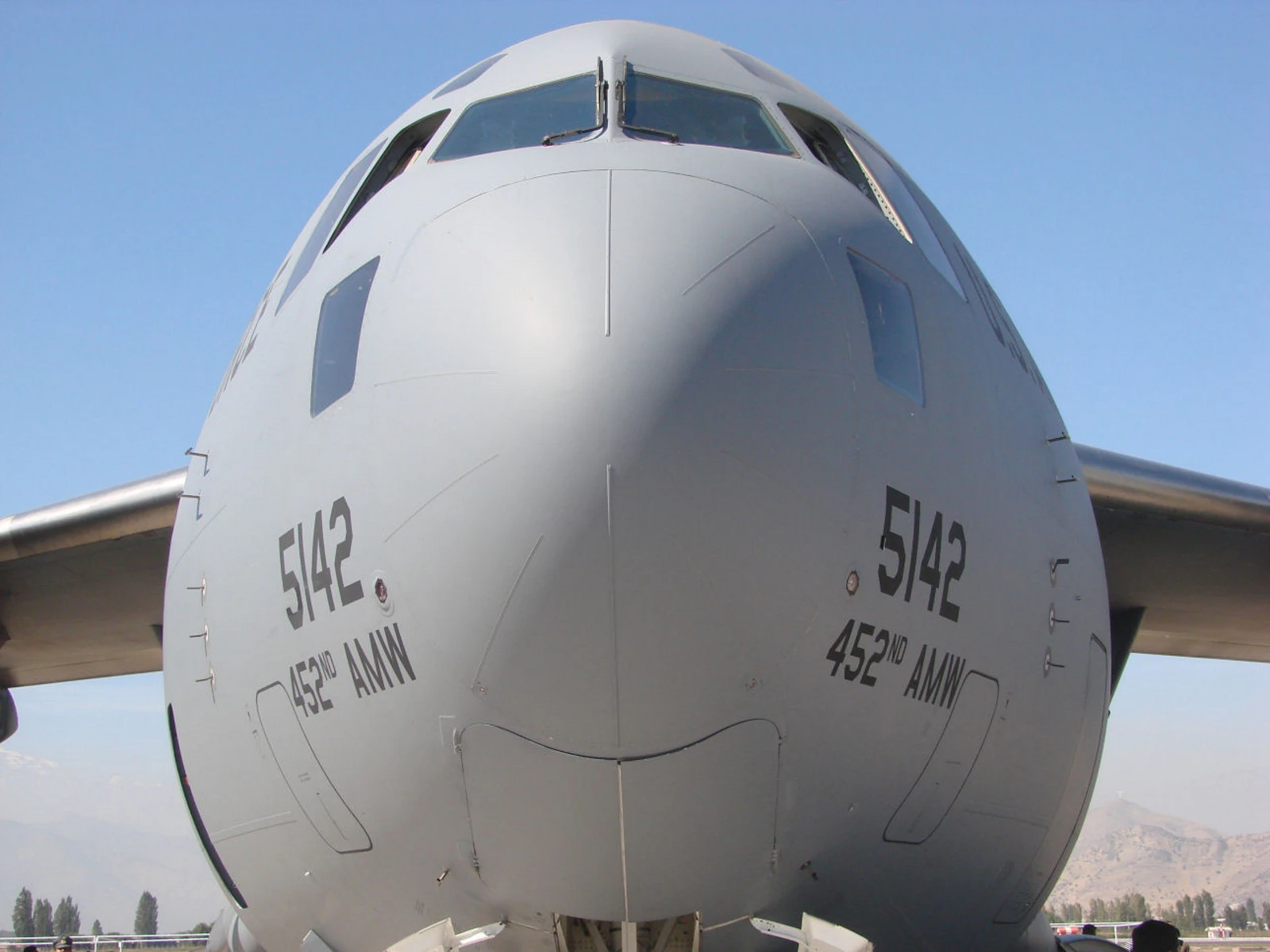
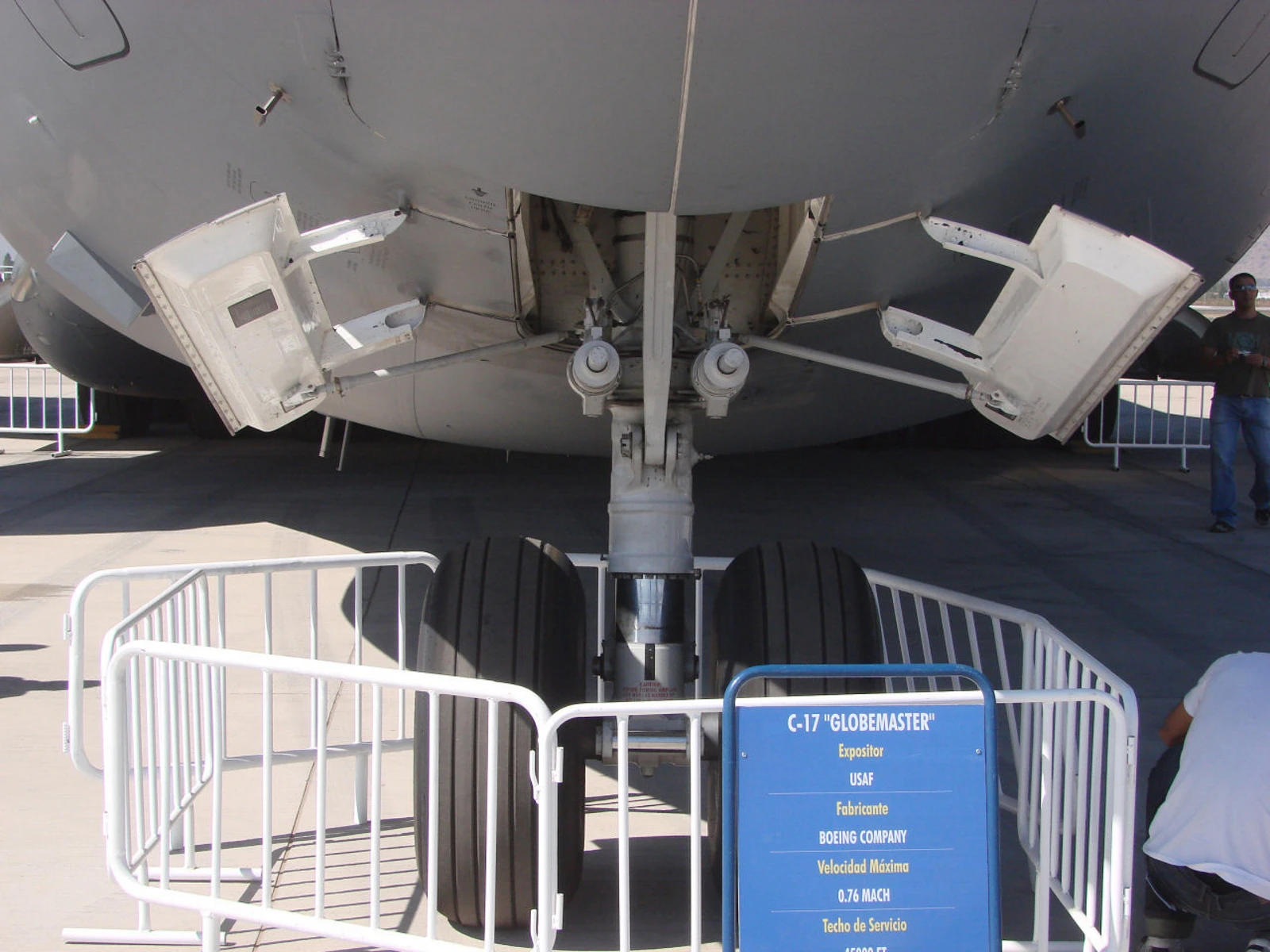
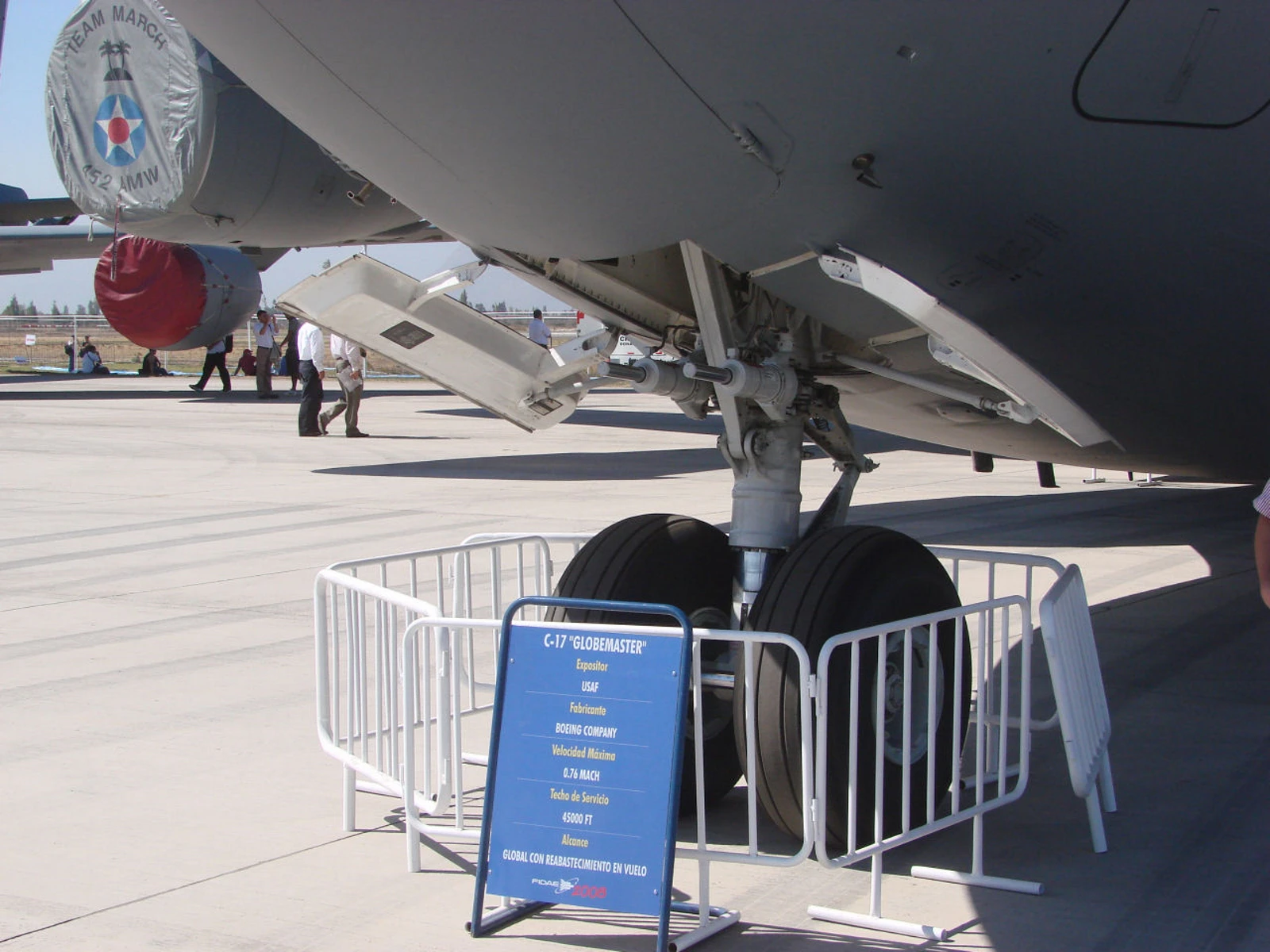
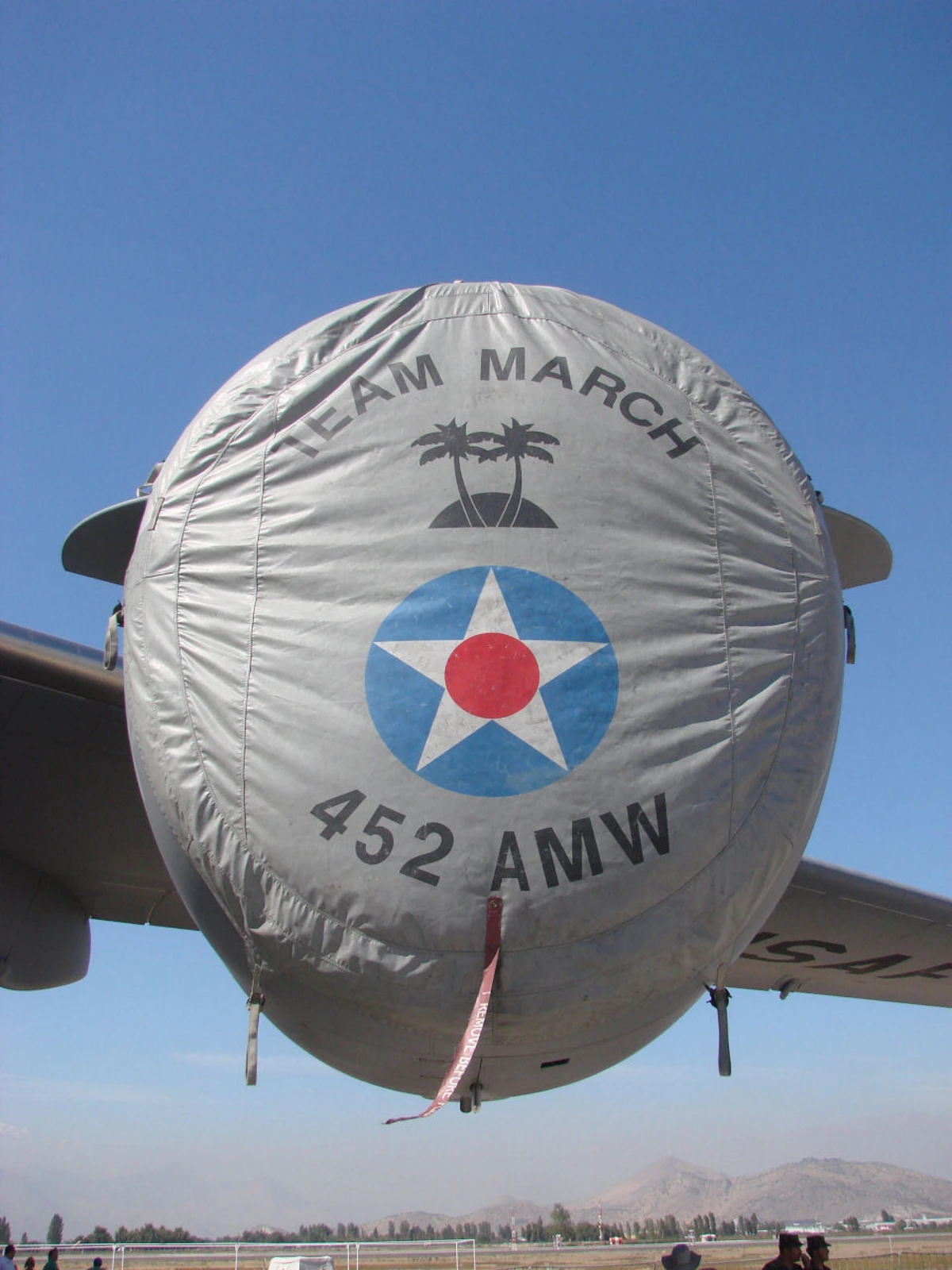
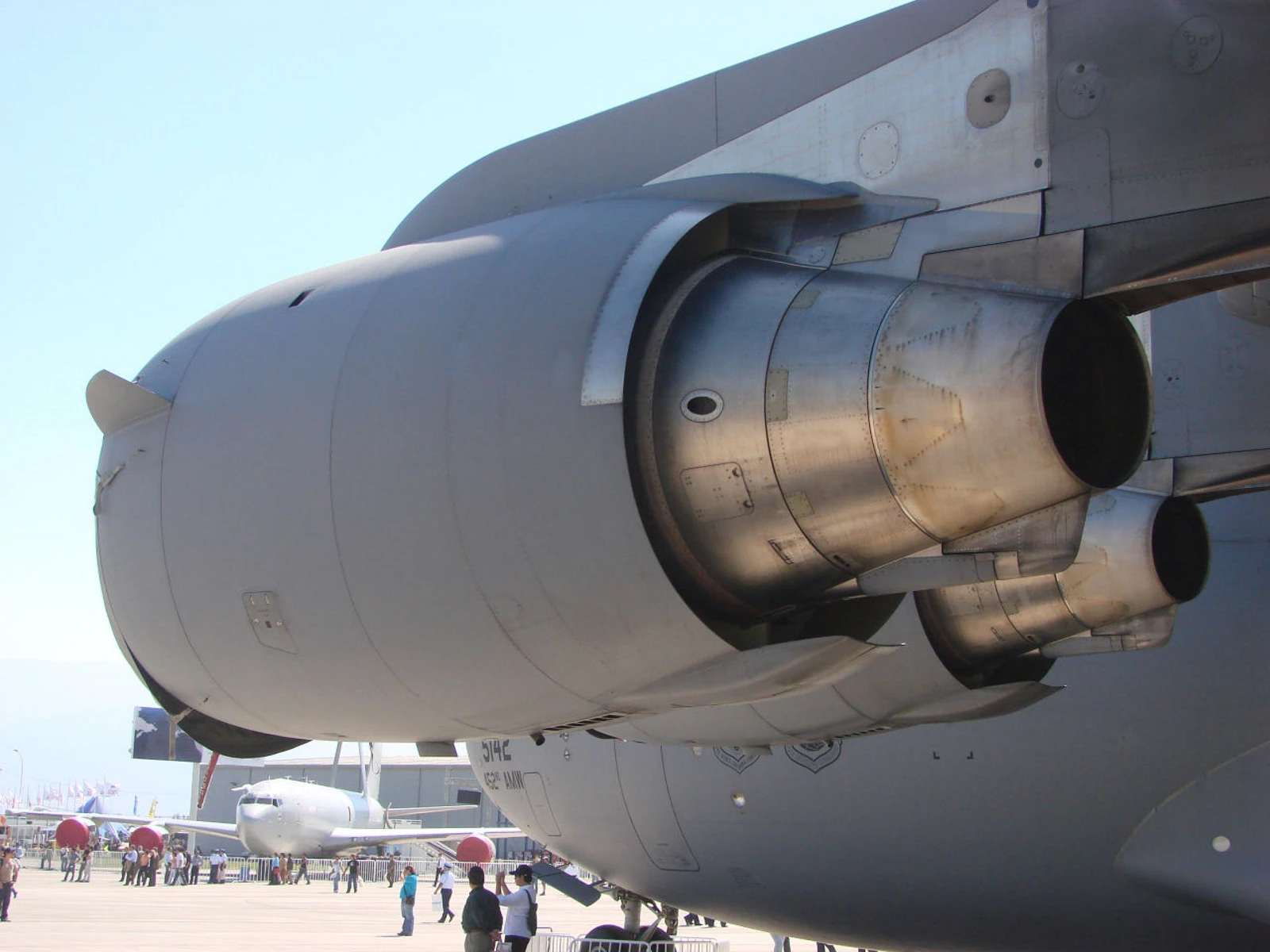
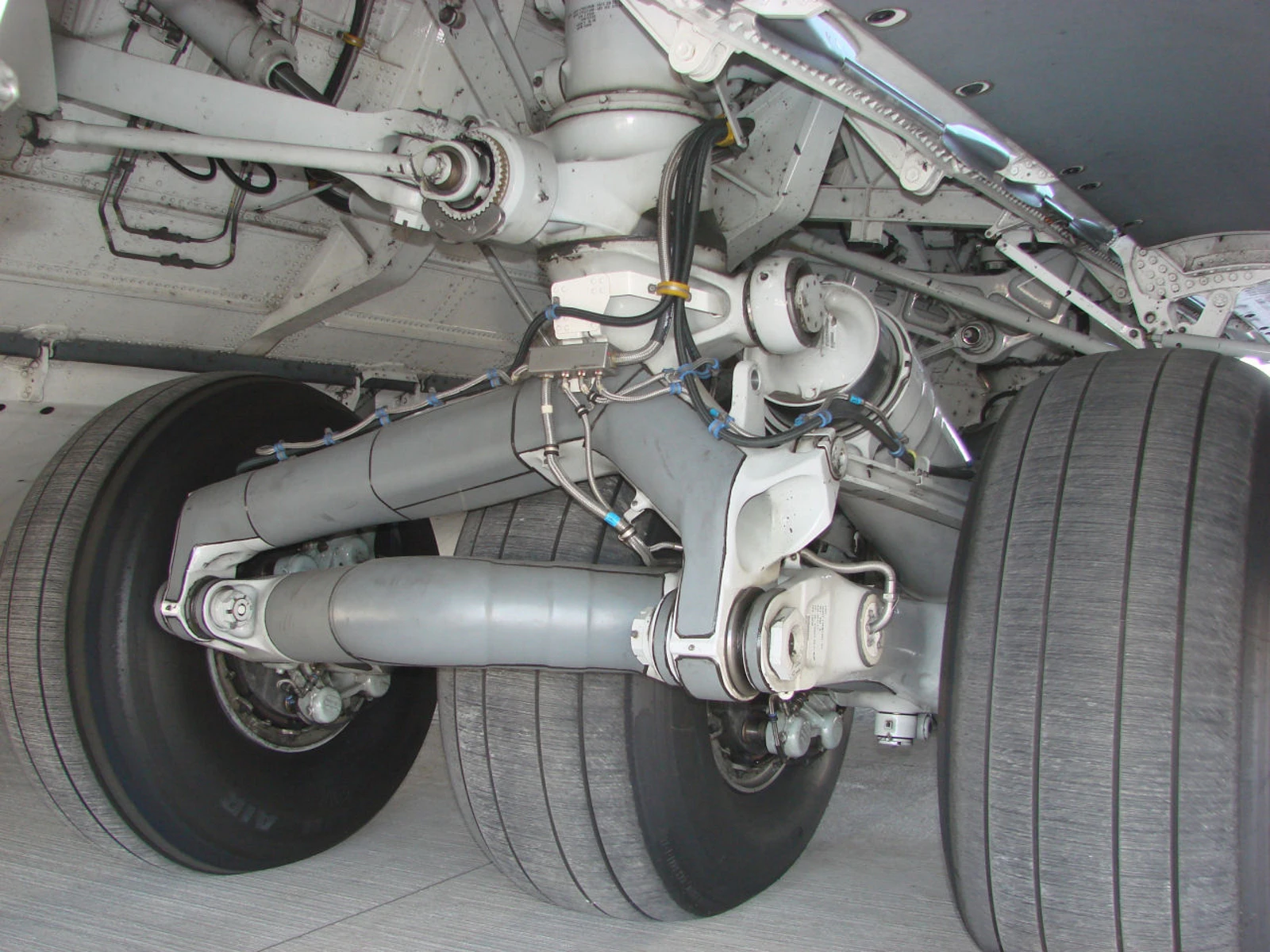
Bridging the Gap
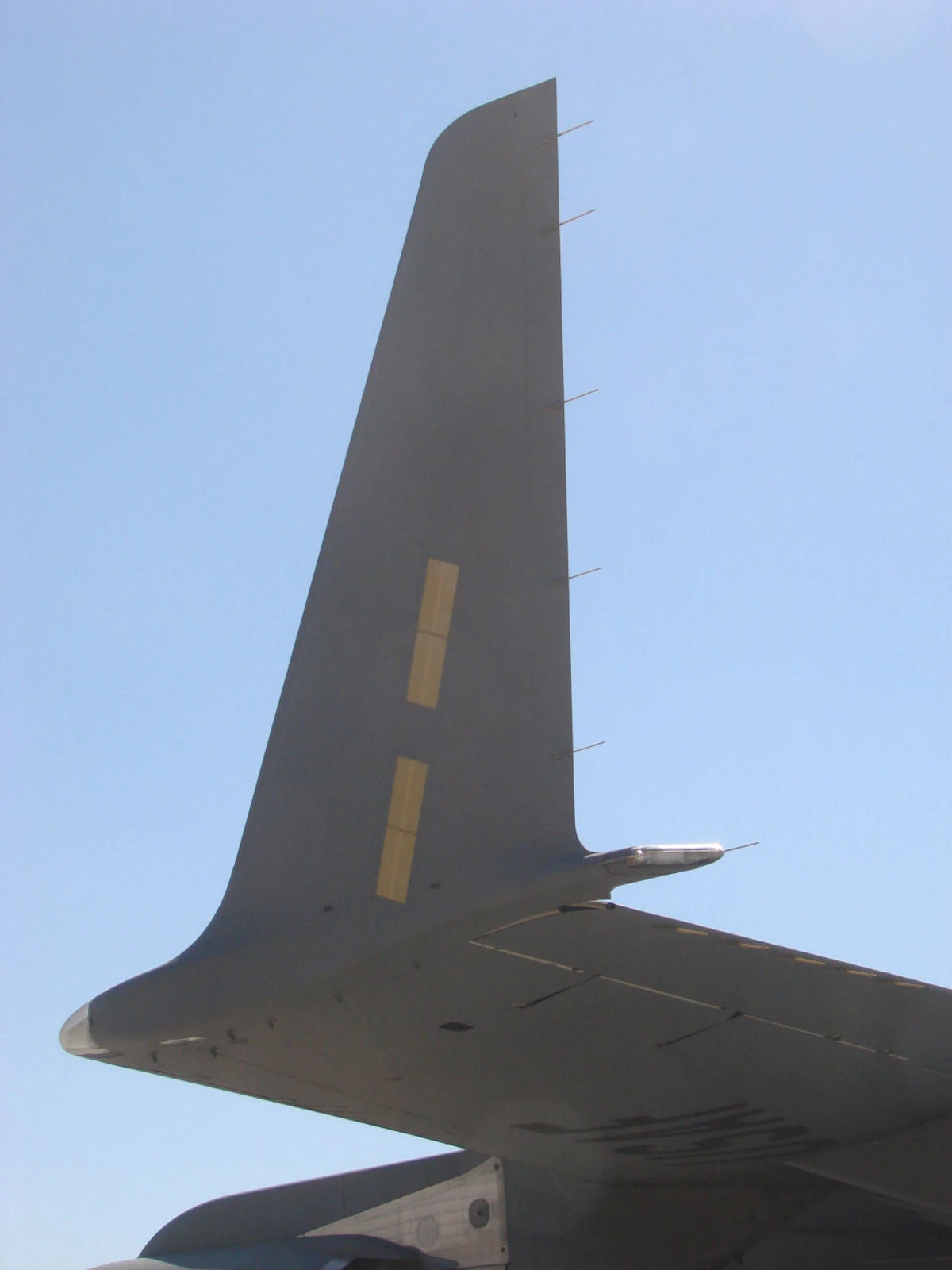
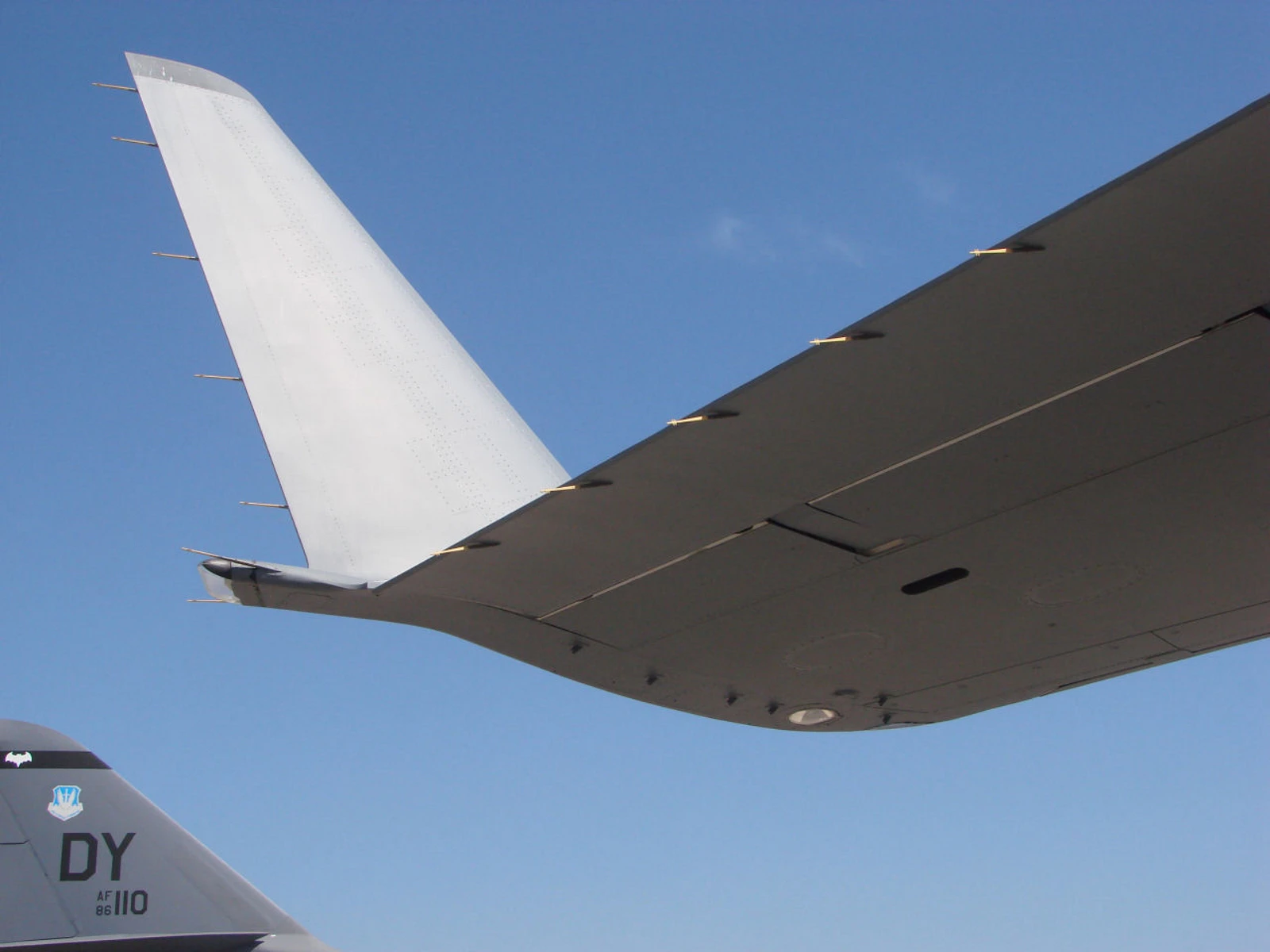
Lla C-17 Globemaster III is the most flexible cargo aircraft in the world. Before the C-17, the military had to choose: use the massive C-5 Galaxy for long hauls to big airports, or the C-130 Hercules for short hauls to dirt strips. The C-17 was designed to do both. It can carry an M1 Abrams tank across the Atlantic Ocean and land it directly on a short, unpaved runway near the front lines. Its massive T-tail and « winglets » make it unmistakable in the sky, serving as the primary backbone for U.S. and Allied global power projection.
| Attribute | Technical Specification (C-17A) |
|---|---|
| Rôle | Strategic / Tactical Military Transport |
| Crew | 3 (Pilot, Co-pilot, Loadmaster) |
| Moteur | 4 × Pratt & Whitney F117-PW-100 turbofans (40,440 lbf each) |
| Maximum Payload | 77,519 kg (170,900 lbs) |
| Vitesse maximale | Mach 0.74 (830 km/h / 515 mph) |
| Range | 4,445 km (2,400 nautical miles) with full payload |
| Service Ceiling | 13,716 meters (45,000 feet) |
| Landing Distance | Approx. 1,067 meters (3,500 feet) with full load |
Design Engineering: Blown Flaps and Reverse Thrust
- Externally Blown Flaps: To land on short runways, the C-17 uses a « powered lift » system. The engine exhaust is directed directly onto the massive flaps when they are extended, doubling the lift and allowing the plane to fly at remarkably slow speeds during approach.
- Full Reverse Thrust: The C-17 can engage its thrust reversers in flight to descend rapidly (up to 15,000 feet per minute). On the ground, the reversers can push the plane backwards up a 2% grade, allowing it to « three-point turn » on narrow airfields.
- Lla « Orignal » Nickname: It earned the name « Orignal » because of the distinct groaning sound it makes during ground refueling and the venting of its pressure relief valves, which sounds like a moose call.
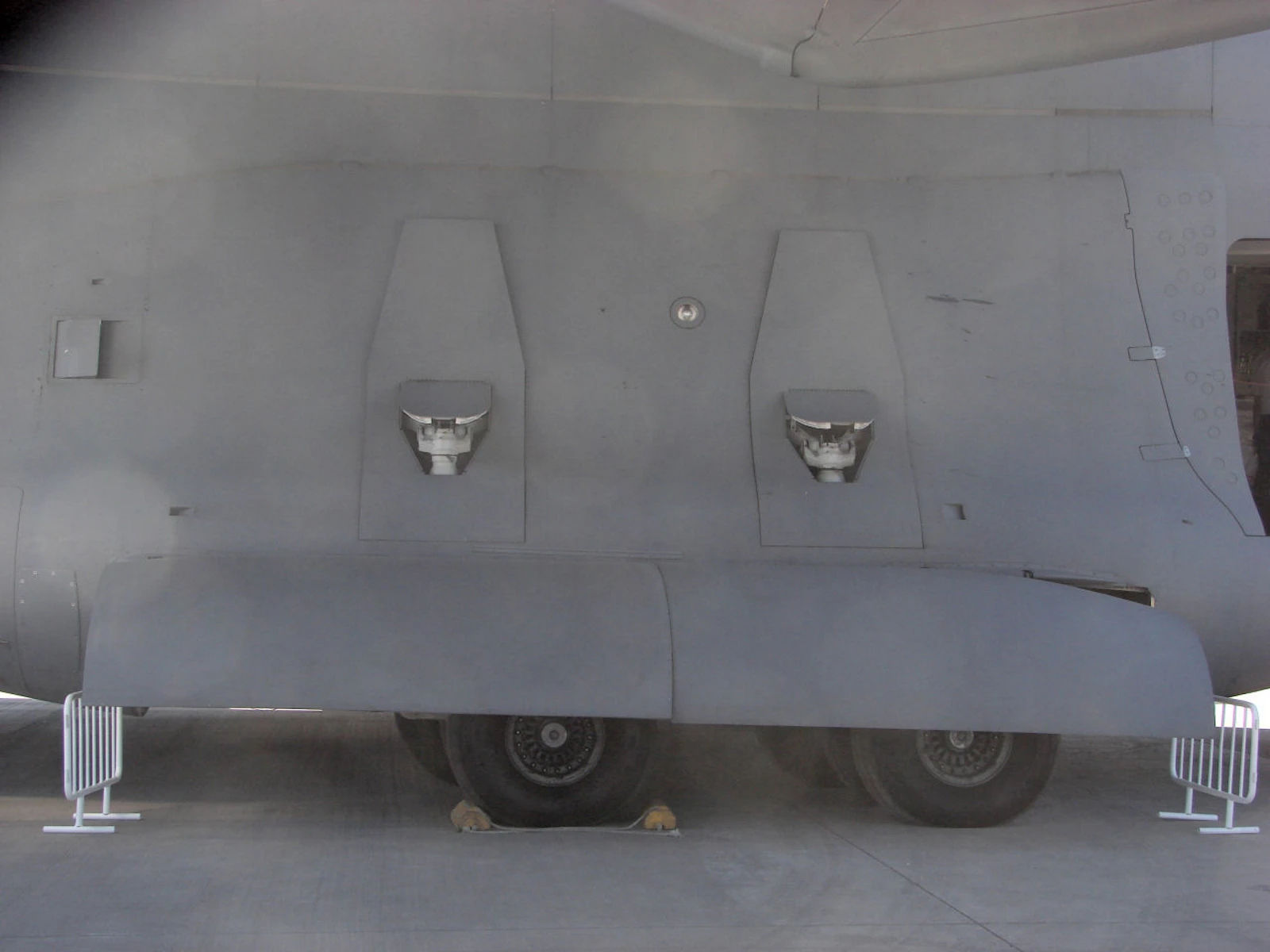
- The Integrated Cargo System: The floor features rows of rollers that can be flipped over by a single loadmaster. One side is flat for vehicles (like the Stryker or Abrams), and the other side has rollers for standard pallets.
Operational History: The World’s 911 Call
- The Kabul Airlift (2021): The C-17 became a global symbol of humanitarian effort during the evacuation of Afghanistan. One flight, « Reach 871, » famously carried 823 passengers in a single sortie—over three times its standard troop capacity.
- Special Operations: Because it is surprisingly quiet for its size and can land on unprepared surfaces, the C-17 is often used for covert night-time insertions of Special Forces units and their specialized vehicles.
- Antarctic Support: The C-17 is a frequent visitor to McMurdo Station in Antarctica. It can land on « ice runways » that would shatter the landing gear of most other heavy jets, thanks to its rugged, multi-wheel main gear.
- Global Partnership: While built by Boeing in the U.S., the C-17 is operated by the UK, Australia, Canada, India, Kuwait, Qatar, the UAE, and a joint NATO wing in Hungary, making it the international gold standard for heavy lift.
Vues : 2294
Vous pouvez voir aussi :
 Dassault Mystère IV – Photos & Video
 Hawker Siddeley HS-125 Dominie – Photos & Video
 Ryan PT-22 Recruit – Photos et vidéo
 Avro 643 Mk.II Cadet – Photos & Vidéo
 English Electric Canberra – Photos & Vidéo
 Mig-27K – Photos et vidéos
 Airco DH.4 – Photos & Vidéo
 Bachem Ba 349 Natter – Photos & Vidéo
 RF-84F Thunderflash – Photos & Vidéo
 C-17 Globemaster - WalkAround